10 Things You (Probably) Didn’t Know About Julianne Moore

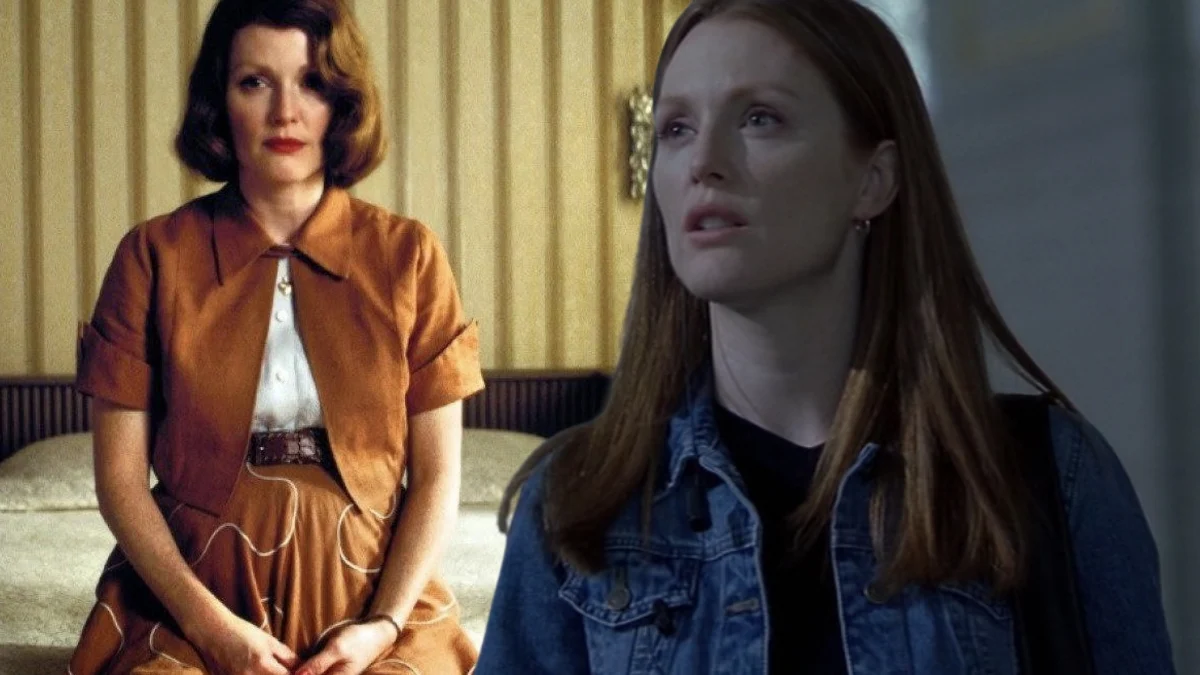

Julianne Moore is one of those rare performers who feels instantly familiar while still surprising you every time she’s on screen. She’s built a career that blends fearless choices with meticulous craft, spanning intimate indies and huge franchises without losing the grounded presence that makes her characters feel lived-in. Behind that calm focus is a life story shaped by constant movement, deep discipline, and a love of storytelling that extends far beyond film sets.
From early days on daytime television to awards on the biggest stages, Moore has quietly stacked up milestones many actors never reach. She’s also a committed author, an advocate, and a champion of the arts, with a habit of turning personal experiences into work that helps other people feel seen. Here are ten lesser-known facets of her life and career that add even more texture to an already remarkable résumé.
A Military Brat Who Grew Up Everywhere

Julianne Moore was born into a U.S. Army family, which meant moving frequently throughout her childhood. She lived in places as varied as North Carolina, Alaska, Virginia, and Germany, attending multiple schools and adapting to new communities along the way. That peripatetic upbringing exposed her to a wide range of people and accents, something she has credited with helping her build characters from the inside out.
During her teenage years, she attended Frankfurt American High School while her father was stationed abroad. The base-to-base lifestyle demanded resilience and curiosity, two qualities that show up in her willingness to inhabit challenging roles. Those constant relocations also made libraries and school plays reliable anchors, planting early seeds for a life in the arts.
Her Real Name Isn’t “Julianne Moore”

She was born Julie Anne Smith. When she joined professional acting unions, she discovered that her birth name was already taken several times over. To stand out—and to register legally—she combined “Julie” and “Anne” into “Julianne,” and took “Moore” from her father’s middle name, creating the stage name the world now knows.
The practical decision solved a paperwork problem and also gave her a distinctive professional identity at a time when she was just starting to audition. That early attention to detail foreshadowed the careful choices she would keep making throughout her career, from scripts to collaborators to long-term projects.
A Serious Theater Education—and Broadway Work
.jpg)
Before film stardom, Moore earned a Bachelor of Fine Arts in acting from Boston University’s School of the Arts. The conservatory training emphasized text analysis, movement, and vocal work, giving her a classical foundation that still underpins her performances. She has often spoken about the value of learning technique early, so that it becomes second nature on set.
Her stage roots continued into professional theater, culminating in a Broadway run in David Hare’s ‘The Vertical Hour’. The production demanded the kind of sustained, night-after-night performance that only live theater can require, reinforcing the discipline and stamina that have kept her screen work so consistent.
‘As the World Turns’ (1985–1988) – Daytime TV Breakthrough
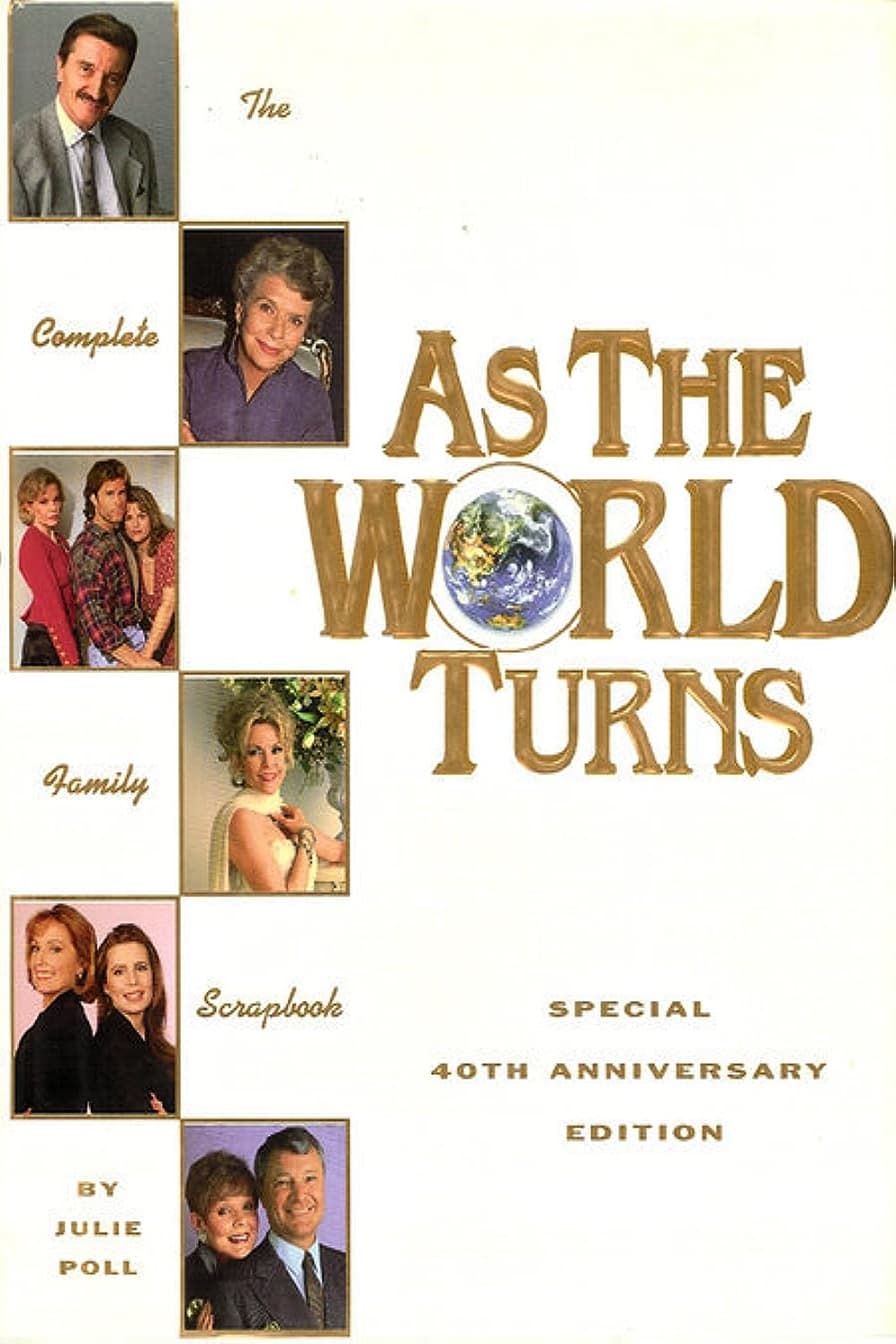
Moore’s first major screen splash came on the soap opera ‘As the World Turns’, where she played dual roles as half-sisters Frannie Hughes and Sabrina Hughes. The demanding schedule sharpened her ability to memorize large amounts of dialogue quickly and switch emotional gears on cue, while also teaching her to sustain characters over long arcs.
That early television experience produced industry recognition and opened doors to primetime and film work. It also left her with a practical understanding of camera placement, continuity, and technical marks—skills that allow her to collaborate smoothly with crews and directors on more complex productions.
‘Still Alice’ (2014) – An Oscar Earned After Years of Nominations
Moore’s road to the Academy Awards was paved with multiple nominations across both lead and supporting categories for performances in films such as ‘Boogie Nights’, ‘Far from Heaven’, ‘The End of the Affair’, and ‘The Hours’. Those nods reflected how consistently she elevated ambitious material through layered, emotionally precise work.
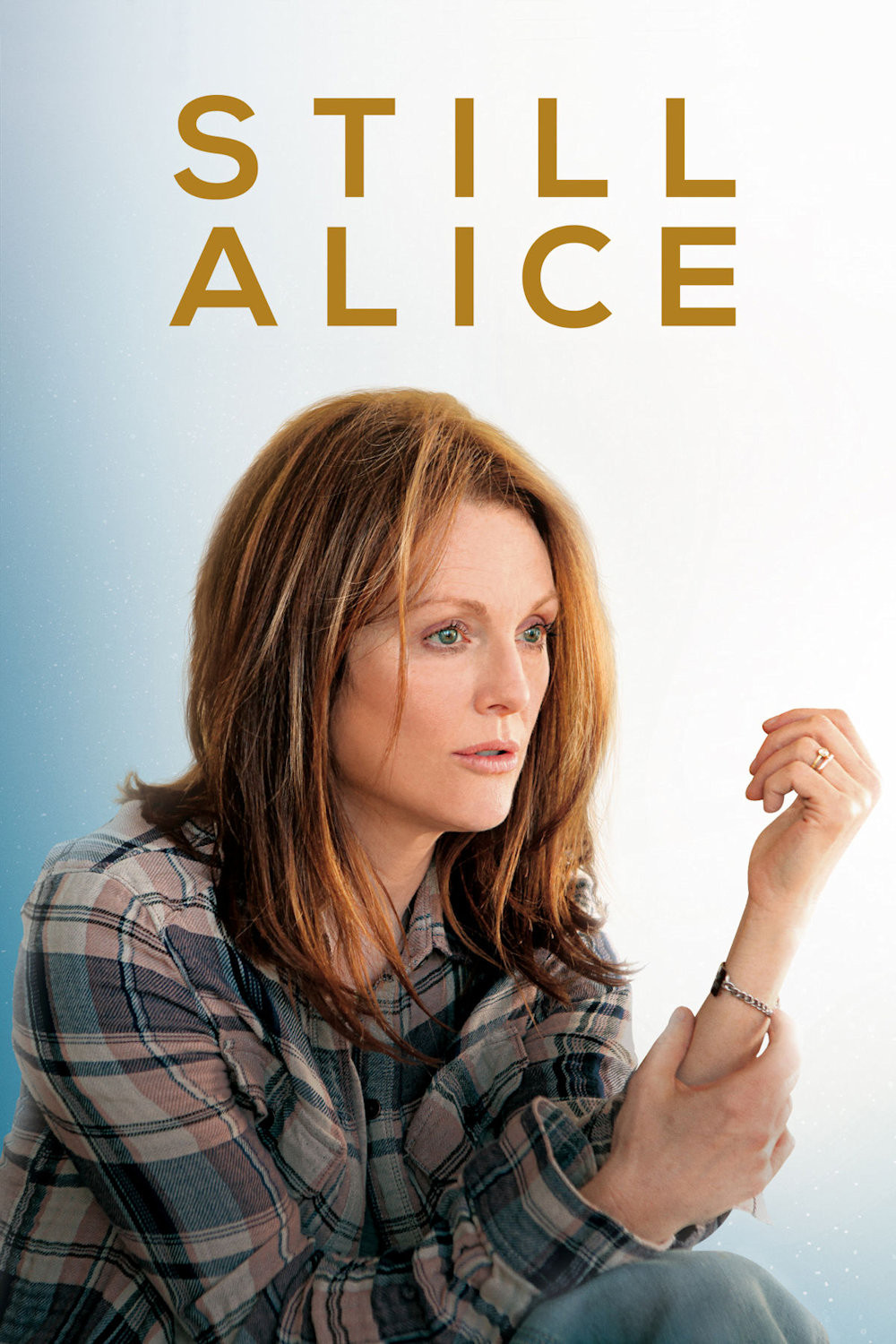
She ultimately won Best Actress for ‘Still Alice’, portraying a linguistics professor living with early-onset Alzheimer’s disease. The role required careful research and collaboration with medical communities and patient advocates to represent the condition responsibly, a process that exemplifies her methodical approach to real-world subjects.
‘Maps to the Stars’ (2014) – Cannes Best Actress and Festival Leadership

Beyond mainstream awards, Moore has been celebrated at top-tier film festivals, earning Best Actress at Cannes for ‘Maps to the Stars’. That recognition highlighted her willingness to take risks with roles that interrogate fame, insecurity, and the darker edges of the industry.
Her festival profile extends beyond acting honors, including serving as jury president at Venice and participating in international juries and masterclasses. These roles place her at the center of global conversations about cinema, where she champions innovative storytelling and supports emerging voices.
She’s a Children’s Author with a Hit Series

Drawing on childhood memories of feeling self-conscious about freckles, Moore created the ‘Freckleface Strawberry’ picture-book series. The books encourage kids to embrace what makes them unique while acknowledging the real feelings that come with standing out. The series has resonated widely with families and educators.
The stories expanded into related formats, including a stage musical adaptation, extending their reach in classrooms and theaters. Moore’s work here reflects a long-standing commitment to literacy and arts education, and it shows how personal experience can become a positive resource for younger readers.
Advocacy Is Part of Her Day-to-Day Life

Moore is an active advocate for causes including gun-safety legislation and women’s health. She has used her platform to organize creative communities, participate in public-awareness campaigns, and support nonprofit initiatives that focus on practical policy outcomes. Her approach emphasizes coalition-building and sustained engagement.
She also supports LGBTQ+ rights and arts-funding efforts, frequently lending her time to benefit events and fundraising campaigns. That breadth of advocacy aligns with a career defined by empathy and attention to real-world detail—the same qualities that inform her most memorable characters.
‘Hannibal’ (2001) – Franchise Reach with Character Focus
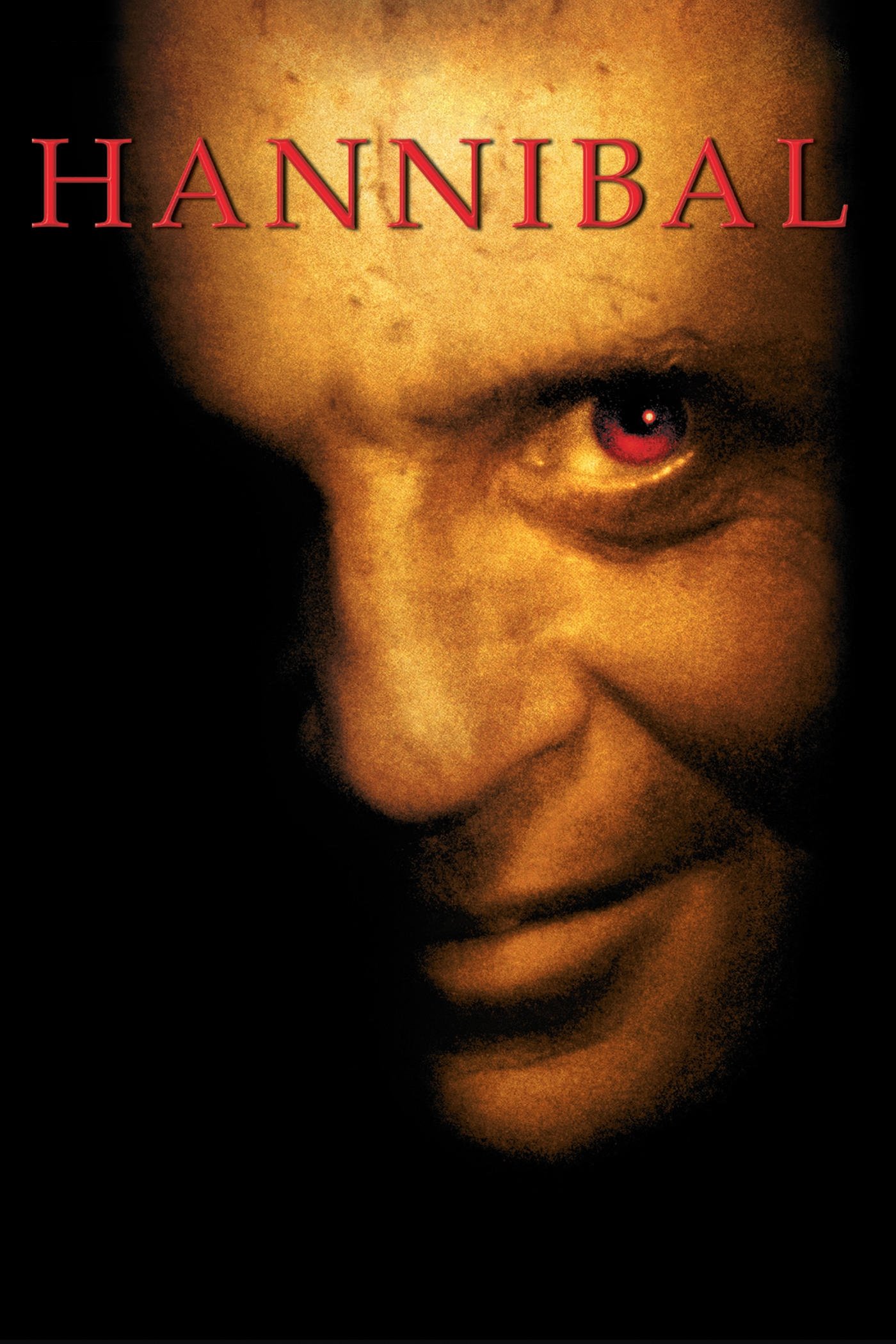
Moore stepped into the role of Clarice Starling in ‘Hannibal’, proving she could carry a major franchise entry while maintaining a psychologically grounded performance. The project expanded her global profile and showcased her ability to inhabit iconic characters without sacrificing nuance.
She later appeared as President Alma Coin in ‘The Hunger Games: Mockingjay – Part 1’ and ‘The Hunger Games: Mockingjay – Part 2’, reaching new generations of moviegoers. Even with these large-scale projects, she continues to champion independent films, often collaborating with writer-directors on intimate, character-first stories.
‘The Myth of Fingerprints’ (1997) – A Set That Became a Partnership
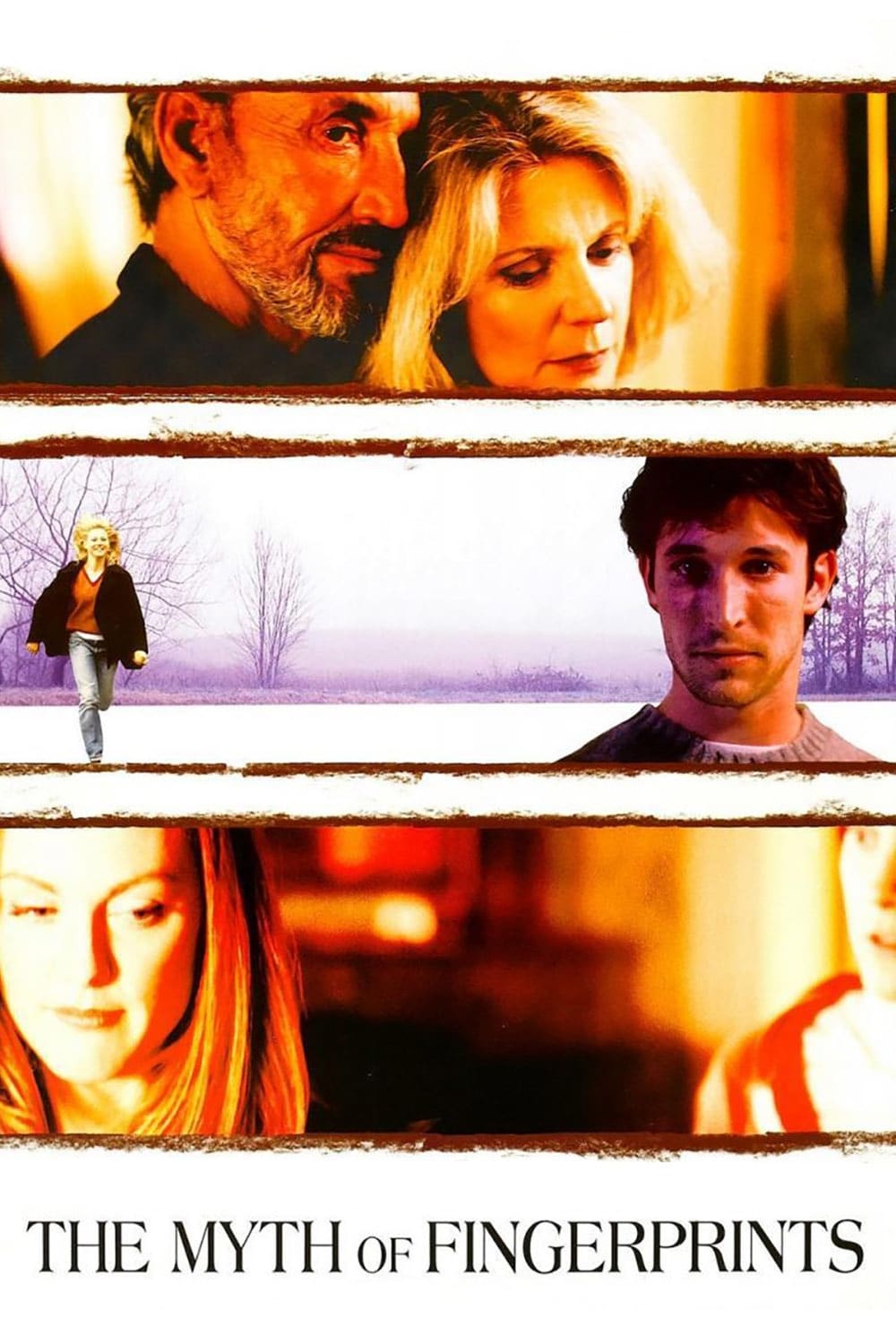
Moore met filmmaker Bart Freundlich while working on ‘The Myth of Fingerprints’, beginning a personal and professional partnership that has included multiple collaborations. Their creative rapport has produced projects where trust between actor and director is evident in the performances and pacing.
They’ve raised two children and built a family life primarily in New York City, keeping their home base close to the theater and film communities that helped launch Moore’s career. That stability has allowed her to pursue a wide range of roles without losing the everyday routines that ground a long career in the arts.
Share your own surprising Julianne Moore facts—or the performance of hers that stayed with you—in the comments!