10 Darkest and Scariest Disney Moments



Disney stories often tuck their shadows between bright songs and hero moments, and that contrast makes the unsettling parts stand out even more. Across decades of animation, certain scenes lean into eerie visuals, intense stakes, and bold sound design, creating sequences that linger long after the credits roll. These moments use lighting, framing, and music to push tension, showing how craft choices shape a scene’s impact without relying on jump scares.
Below are ten scenes that fans still talk about because of how they’re built—through character choices, visual language, and storytelling mechanics. Each entry looks at what happens in the moment, how the filmmakers staged it, and why it matters in the story’s larger arc, from stakes-setting to character transformation.
‘Pinocchio’ (1940) – Pleasure Island Transformation
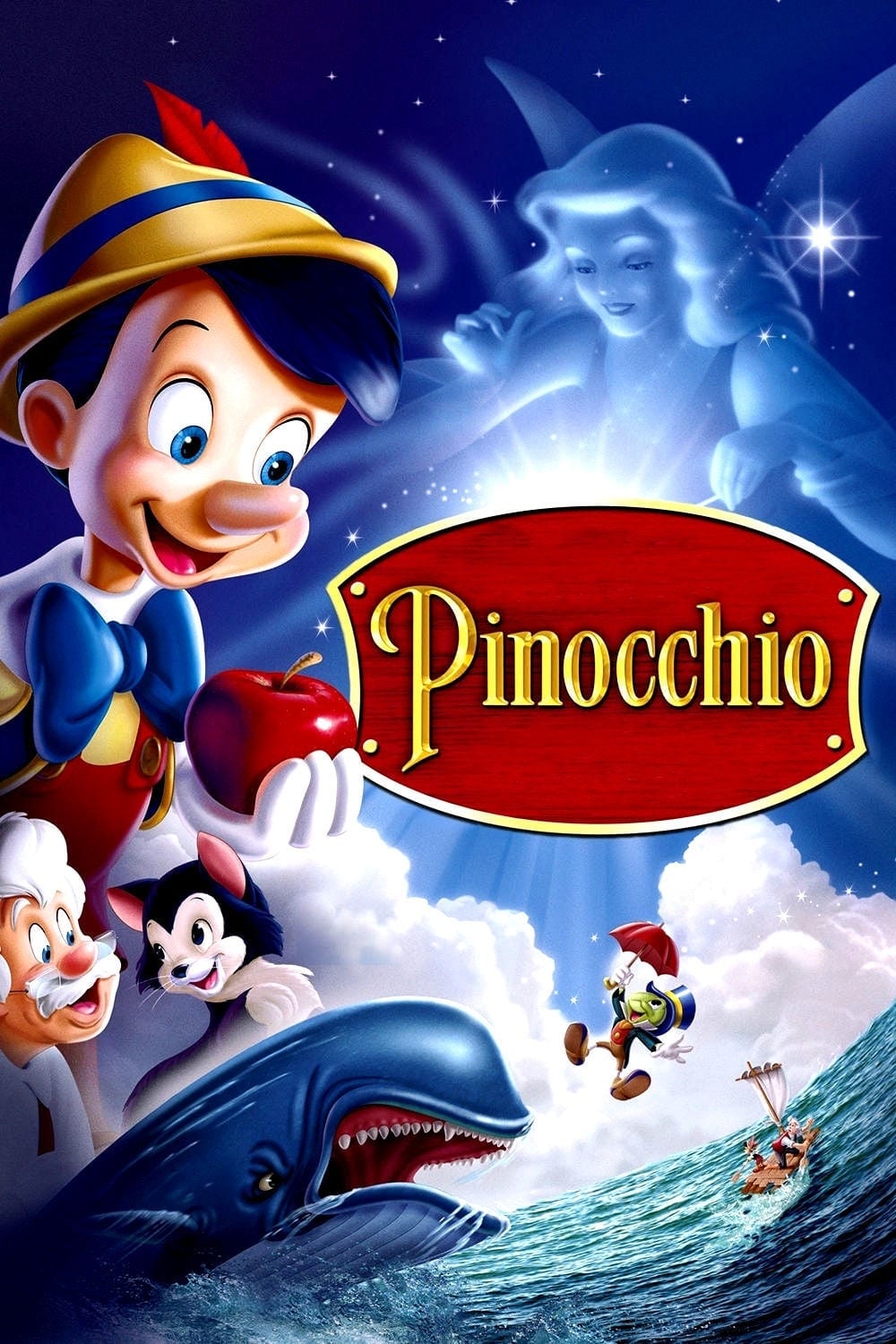
On Pleasure Island, Pinocchio witnesses boys lured by free rides and rule-free chaos before the Coachman’s operation turns them into donkeys. The sequence tracks Lampwick’s gradual change—first braying, then growing ears and a tail—while the camera isolates characters against stark backgrounds and uses shadows to emphasize loss of identity. The plot point explains how the Coachman profits from child labor and signals the consequences of Pinocchio ignoring Jiminy Cricket and his own moral compass.
Sound and layout choices intensify the scene’s unease. The music drops into sparse motifs as smashing, laughter, and brays overlap, while close-ups cut to wide shots of overturned billiard tables and shattered lamps. The image of faceless workers corralling newly transformed donkeys functions as world-building, showing illicit trade beyond the town and the puppet theater and giving the story a concrete external threat to escape.
‘Fantasia’ (1940) – Night on Bald Mountain
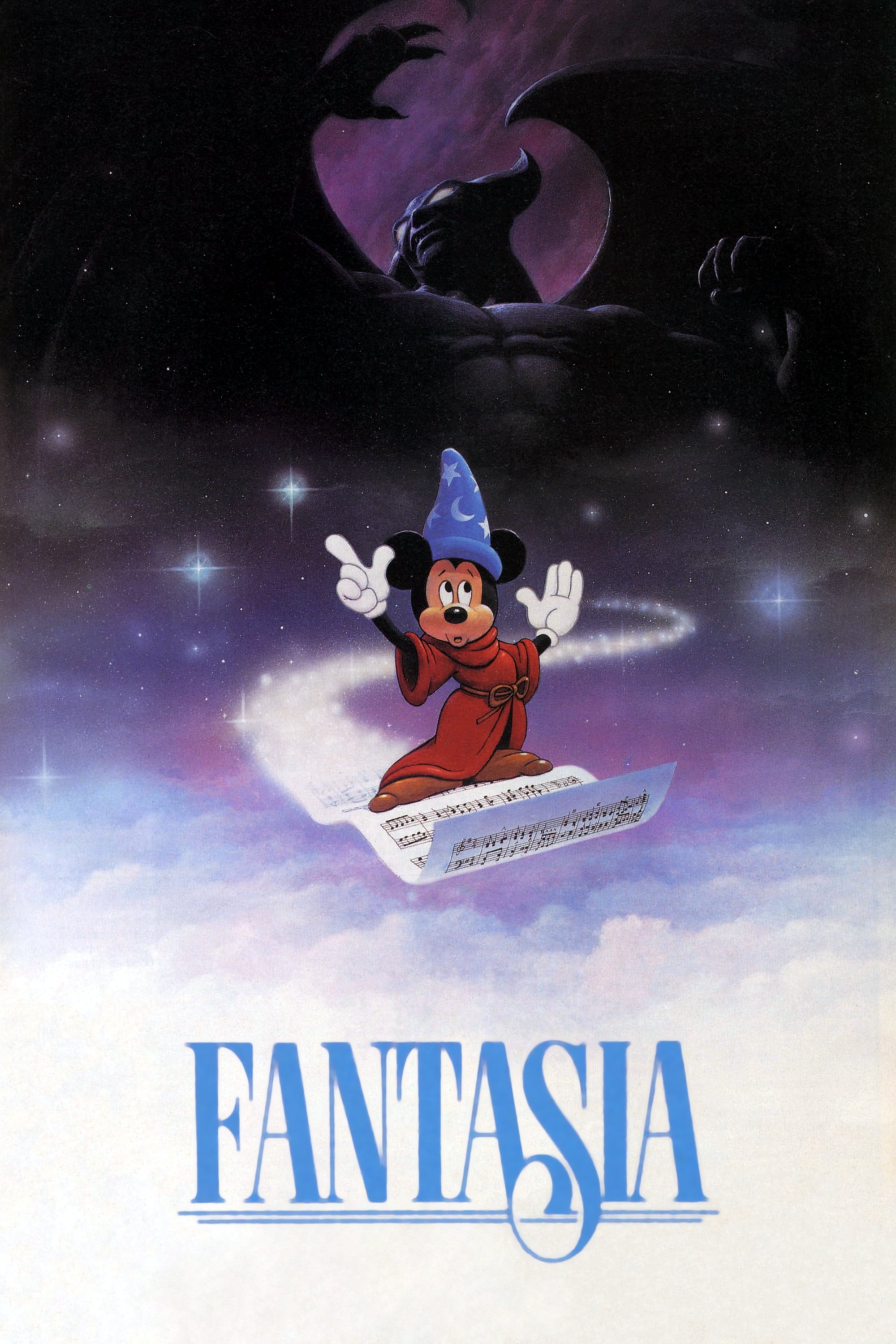
The Chernabog segment opens with a mountain silhouette turning into a winged figure, timed to Mussorgsky’s “Night on Bald Mountain.” The animation layers transparent spirits, devils, and phantoms swirling in cycles of rising and falling arcs, using multi-plane depth to create a sense of vast space. The design leads the eye from the Chernabog’s hands to the village below and back, visually linking the summoning gestures to the spectral procession.
The sequence resolves as dawn bells ring and the procession dissolves, transitioning directly into “Ave Maria.” That structural contrast—nighttime revelry answered by a quiet procession through forest and arches—gives the film a moral rhythm without dialogue. Layouts shift from jagged, high-contrast peaks to long, luminous corridors, and the color script cools toward morning light, showing how the short uses lighting cues alone to turn menace into retreat.
‘Dumbo’ (1941) – Pink Elephants on Parade
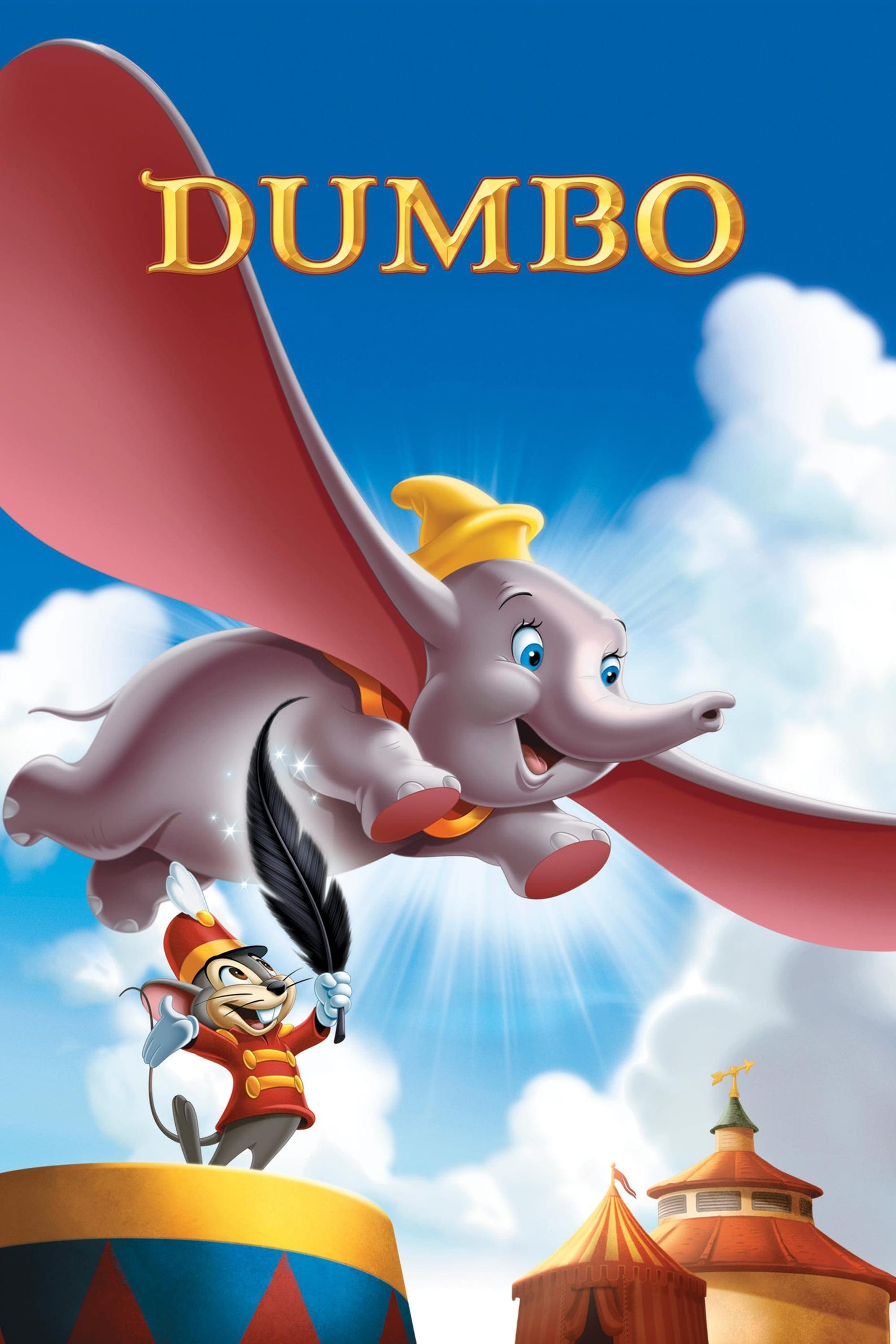
After drinking from a water trough spiked with champagne, Dumbo and Timothy experience a hallucination that begins with bubble elephants and expands into geometric morphs. The scene strings together transformation gags—elephants turning into instruments, dancers, and marching forms—without cutting back to the circus, creating an uninterrupted set piece built around rhythm and repetition. The backgrounds flatten into bold shapes, letting the animation control the frame with continuous metamorphosis.
Musically, the number leans on a marching tempo, then breaks into call-and-response patterns as the visuals accelerate. The absence of narrative commentary keeps the focus on form and motion, and the lighting swings from neon-like saturation to negative-space silhouettes. The sequence marks a midpoint before Dumbo’s accidental ascent into the treetops, bridging comedic intoxication with the plot turn that leads to learning flight.
‘Bambi’ (1942) – The Death in the Meadow
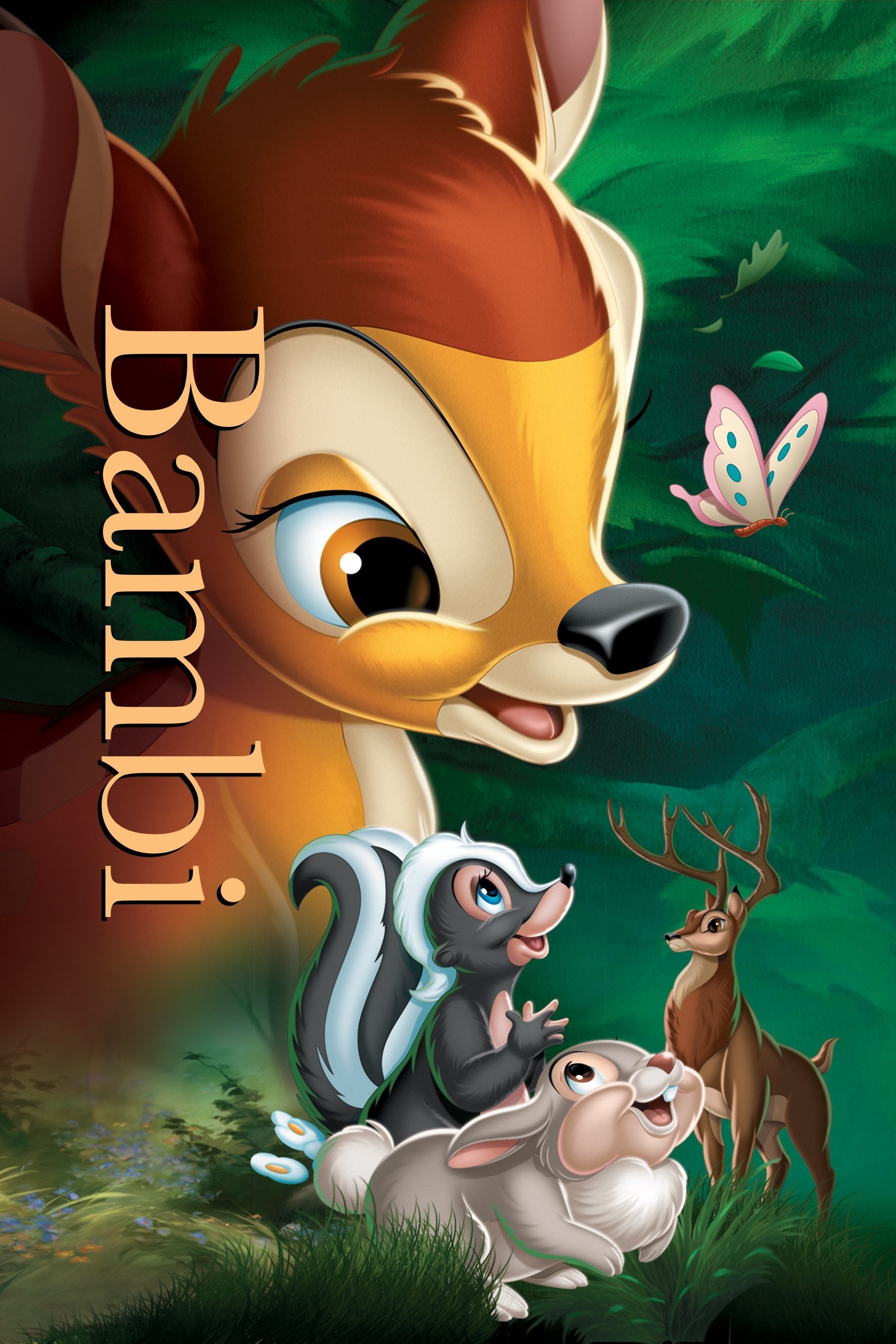
A winter chase ends with off-screen gunfire in the forest, and the movie follows Bambi returning to an empty clearing. The absence of a body, paired with snow and line-lean backgrounds, reduces the composition to footprints and wind, relying on negative space rather than graphic detail. The choice to place the shot off-screen locates the scene’s weight in Bambi’s point of view and in the forest’s sudden stillness.
This moment establishes “Man” as an environmental force rather than a single character and sets up Bambi’s later responsibilities. Score and pacing slow to give room for dialogue that redirects him toward safety, and the next season jump shows time’s passage in the herd’s structure. The film uses seasonal cycles to mark growth, and this scene is the hinge that turns the story from childhood to survival and adulthood.
‘Snow White and the Seven Dwarfs’ (1937) – The Queen’s Witch Transformation
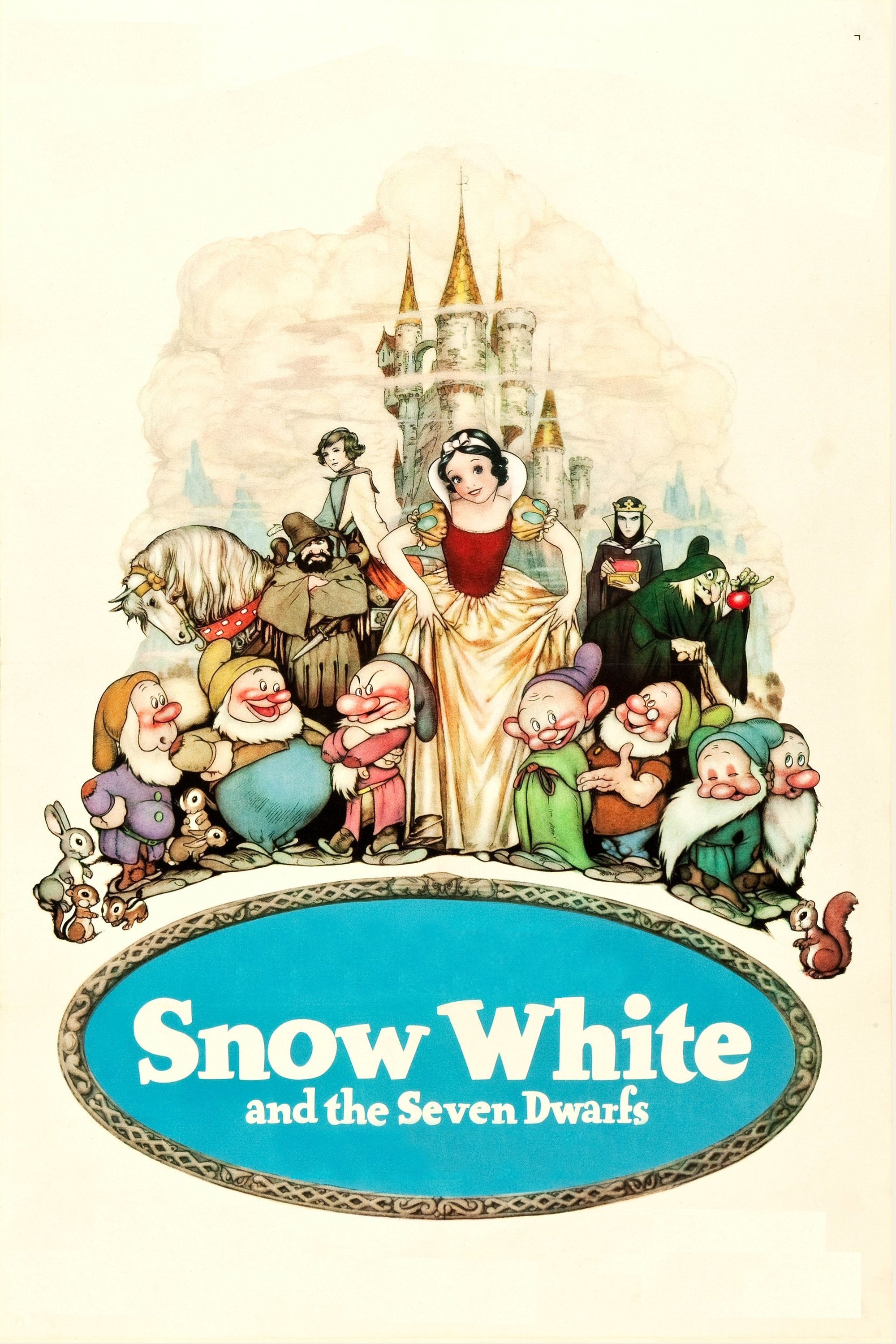
In her laboratory, the Queen brews a potion and drinks it, with camera angles cutting between hands, beakers, and a recipe book listing steps like “mummy dust.” The transformation employs a series of match cuts—eyes, hands, and cloak—as she becomes the Old Hag, and the animators use smoke, bubbles, and dissolve effects to hide transitions while showcasing the new design. The sequence’s prop list and labeled ingredients ground the magic in tactile objects.
The scene sets up the poisoned apple plan and visually separates courtly authority from disguise. Background layouts stack shelves and stone arches to frame the cauldron at center, while a low-register laugh and echo create spatial depth in the underground room. The film returns to these props later when the poison’s effect is explained, making the lab both a character workspace and a narrative toolkit.
‘The Black Cauldron’ (1985) – The Cauldron-Born Rising

The Horned King activates the Black Cauldron to raise an army of Cauldron-Born, and the film shifts to green-tinted fog and skeletal forms assembling from a pile. Effects animation layers vapor, fire, and dust over character cels, and skeletal movement uses staggered timing to give a stop-start cadence. The camera often looks upward at the dais, reinforcing the castle’s vertical design and the villain’s control of height.
The scene matters because it flips the quest’s objective: stopping the Cauldron becomes the immediate task, not just acquiring it. The protagonists’ proximity to the artifact shows how the Cauldron consumes life-force, and the Horned King’s command establishes the rules of the undead army. The payoff later uses the same effects palette in reverse, keeping visual continuity between summoning and collapse.
‘The Hunchback of Notre Dame’ (1996) – “Hellfire”
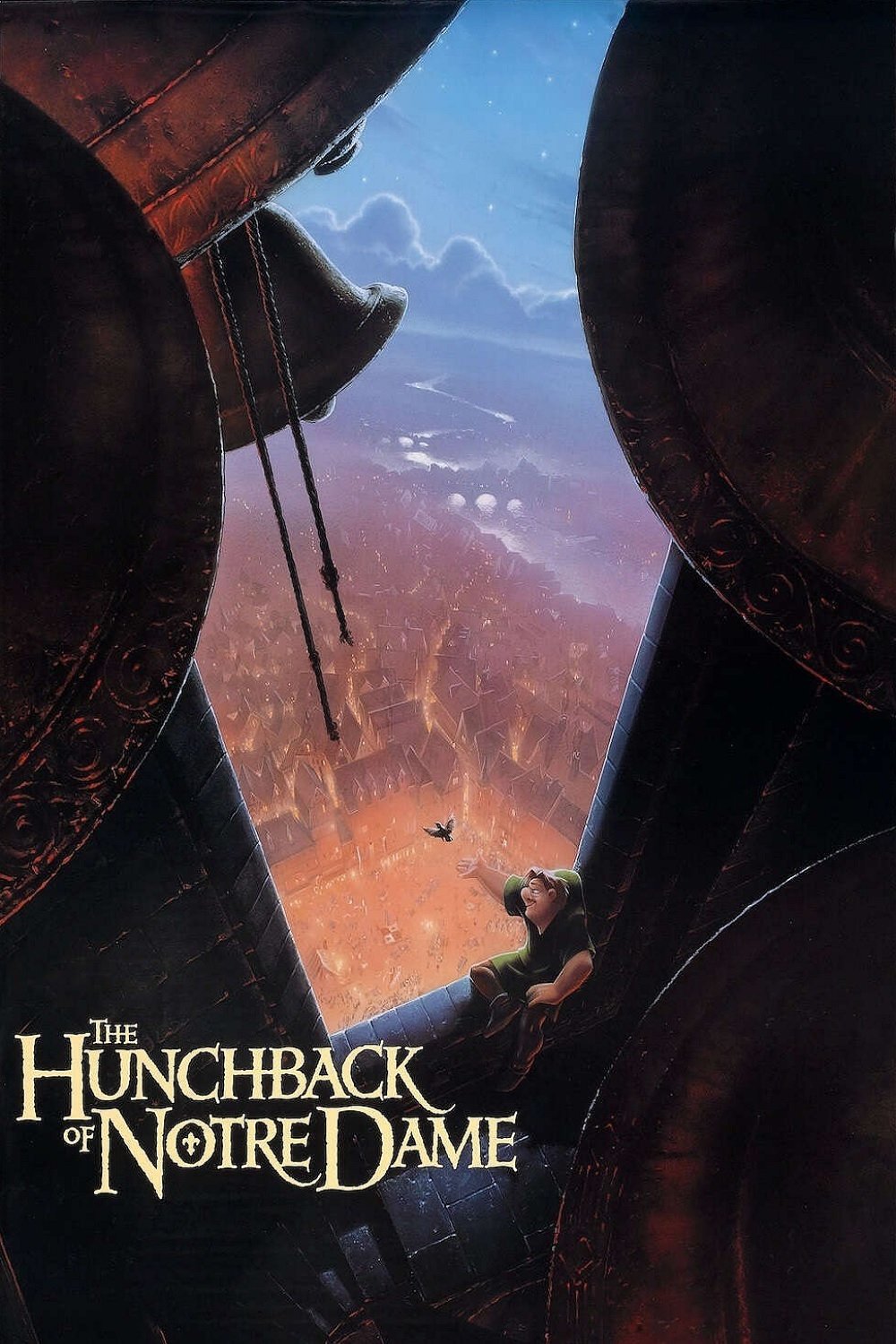
Judge Frollo sings alone in a cathedral chamber after encountering Esmeralda, and the number cuts between robed figures, stained-glass imagery, and rising flames. The choreography assigns movement to lighting and smoke, projecting visions onto walls while a choir answers Frollo’s lines. The lyrics lay out legal authority, personal fixation, and an ultimatum that ties his pursuit to religious ritual and civic power.
The staging uses hard shadows from candelabras and a narrow color spectrum that shifts as the chorus swells, and the camera tracks around Frollo to keep the space off-balance. The sequence also advances the plot by making his intentions explicit to the audience, setting time pressure on the search of Paris and giving Esmeralda’s allies a clear risk profile. Subsequent scenes reference this vow, connecting the musical number to courtroom scenes and city-wide patrols.
‘The Lion King’ (1994) – The Stampede
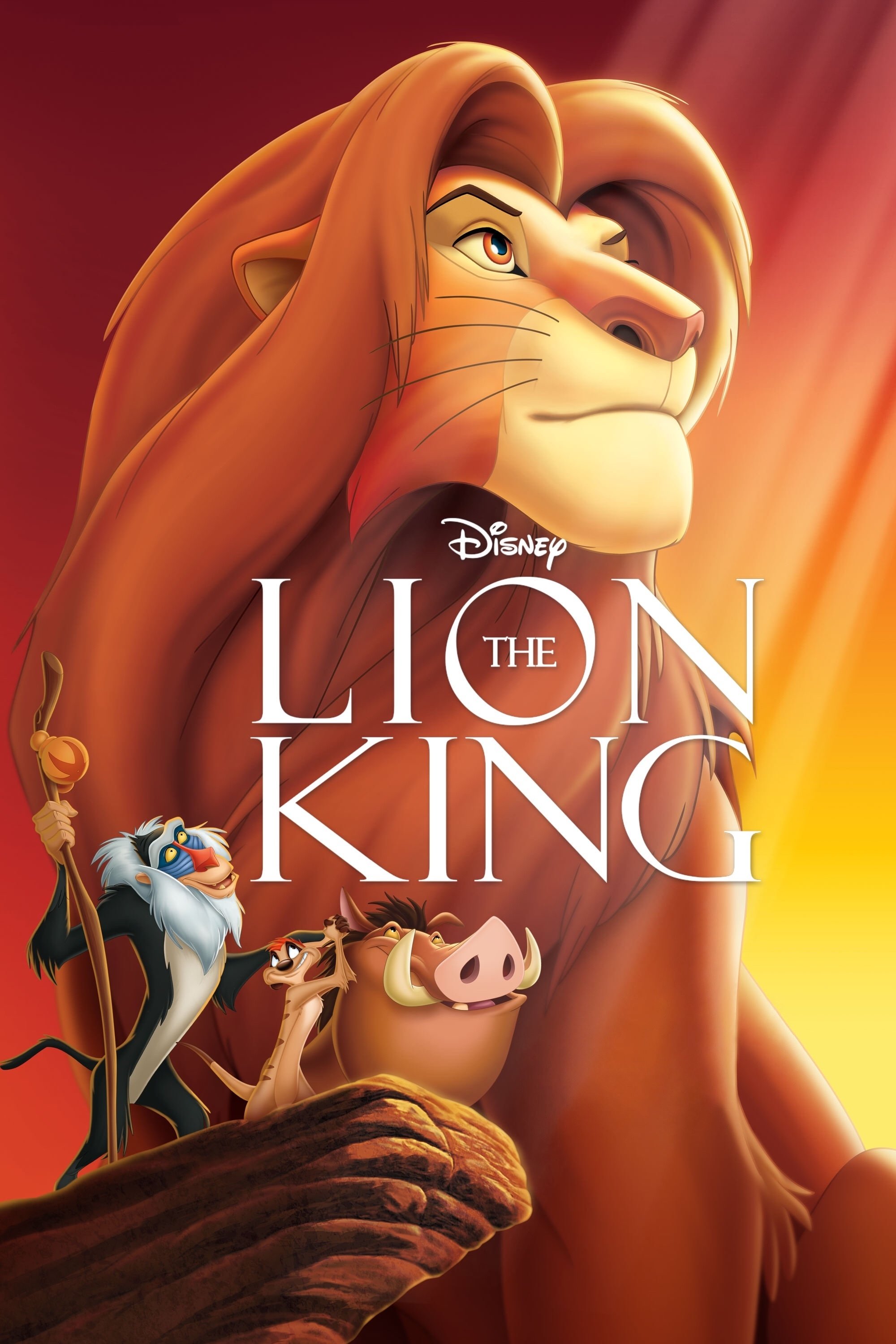
In the gorge, Simba is placed on a ledge as wildebeests flood through, created with a combination of hand-drawn animation and crowd-system repeats. The cutting pattern alternates wide shots that map the slope with close-ups of sliding hooves and dust, while the score tracks timing from the first rumble through the rescue sequence. Rock outcroppings create vertical beats in the geography, guiding character paths and line-of-action clarity.
The aftermath at the base of the gorge shows how leadership succession shifts and sets the exile plot into motion. Dialogue assigns blame with a simple misdirection, and the film relocates the story to the wasteland, establishing the time skip needed for the next act. The scene’s layout—steep walls and a narrow exit—also explains why later return travel has to approach Pride Rock from a different angle.
‘Tarzan’ (1999) – The Silhouette in the Vines
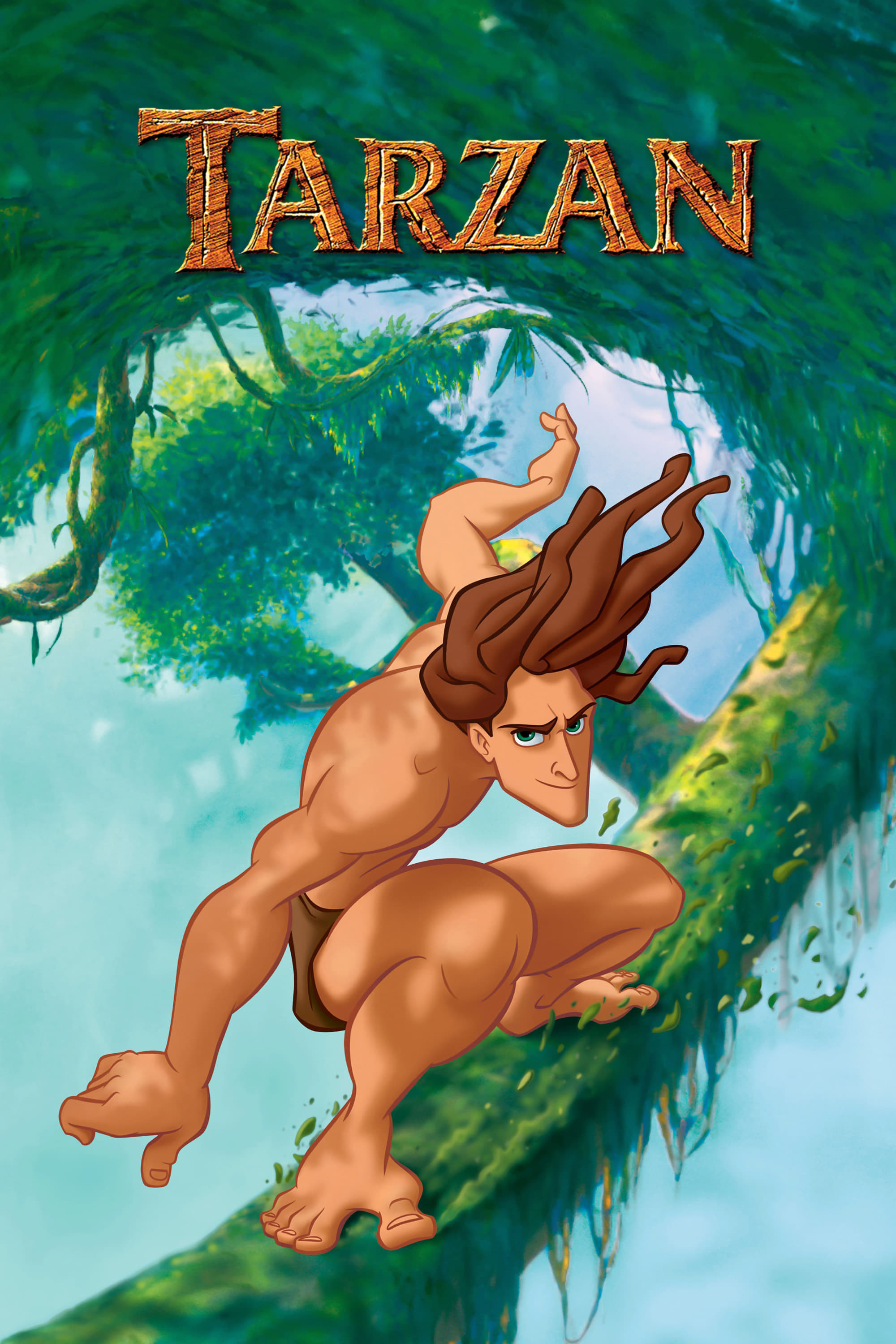
The final confrontation moves into a rain-soaked jungle where Tarzan and Clayton struggle among vines. As Clayton hacks at the tangle, the camera stays with Tarzan while a lightning flash creates a brief silhouette of the outcome against the canopy. The choice to show only the shadow works within the film’s rating while giving the scene a clear conclusion, and the sound design ties the moment to the earlier rifle motifs.
This resolution links back to Tarzan’s conflict about killing and protecting his family’s home. The jungle itself functions as an active element, with the vines earlier used for locomotion now recontextualized as a hazard. The film then shifts to quiet shots of the treetops and the troop to close the antagonist’s thread and to pivot to a decision about staying or leaving.
‘The Fox and the Hound’ (1981) – The Bear on the Trail
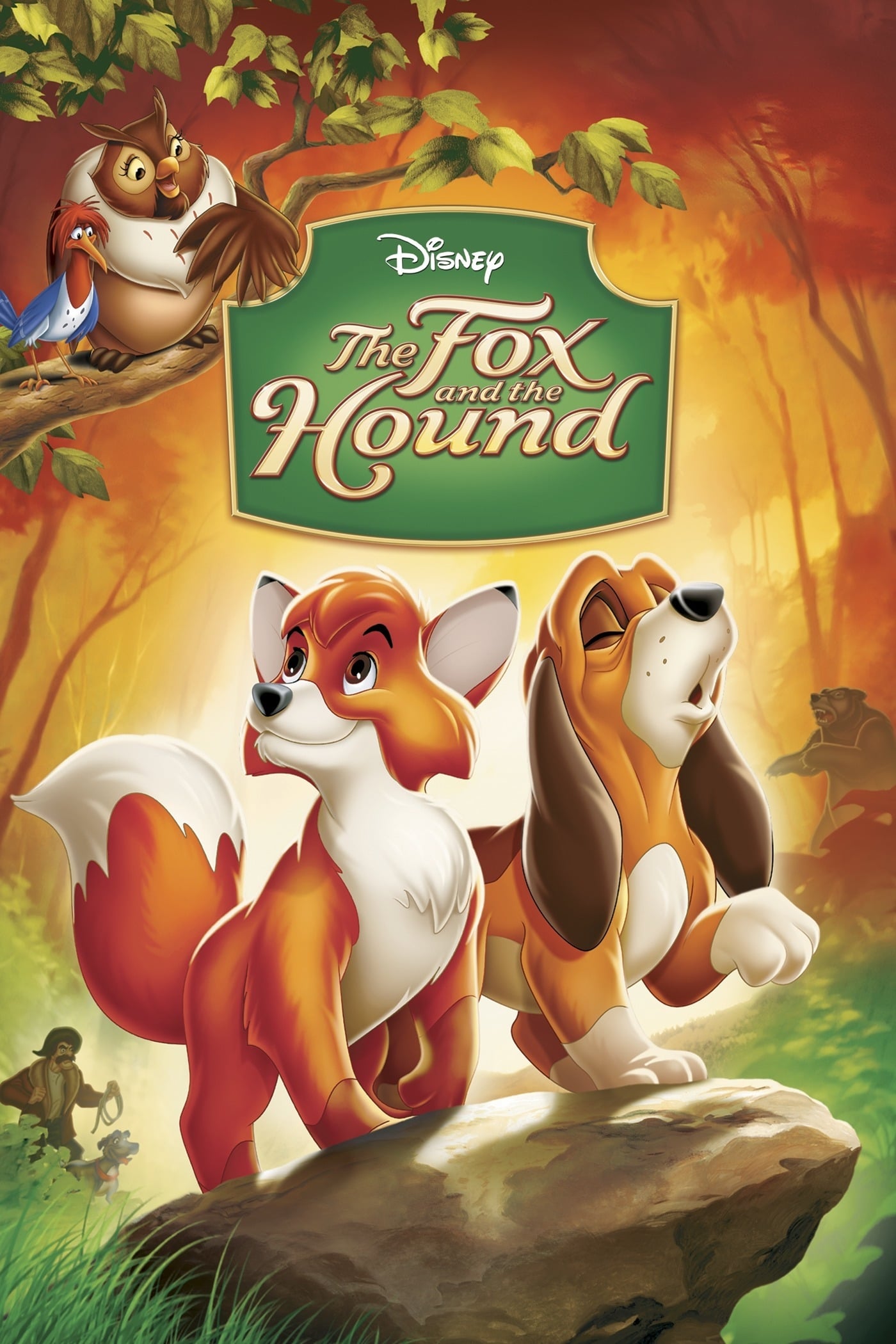
A confrontation in the woods brings Tod, Copper, and Amos face-to-face with a large bear, staged with steep slopes, falling logs, and heavy rain. The bear’s movement uses broad, pendular arcs and deep growls that sit low in the sound mix, while the backgrounds reduce detail to emphasize the characters’ silhouettes. The geography—narrow ledges and loose rock—forces vertical blocking and makes each step part of the tension.
The encounter reorders relationships among the leads, moving from pursuit to uneasy cooperation. After the struggle, the film shows how shared danger reframes earlier promises and loyalties, leading to the quiet coda at the cabin and the final hilltop exchange. The sequence’s staging, with stacked planes of trees and mist, mirrors earlier woodland scenes while replacing playful chases with survival stakes.
Share the moments you’d add to this list in the comments!