15 Major Plot Holes in Movies


Big-screen stories sweep us up with memorable characters, quotable lines, and set pieces that stick with us long after the credits roll. Sometimes, though, a film’s own rules bump into each other—leaving gaps that make viewers scratch their heads. Plot holes don’t always ruin a movie, but they do raise fair questions about how events are supposed to work inside that story’s world.
Below are fifteen famous examples where what the script establishes clashes with what we see on screen. For each one, you’ll find the specific setup the movie gives us, the moment that contradicts it, and the concrete details that make the discrepancy easy to spot when you rewatch.
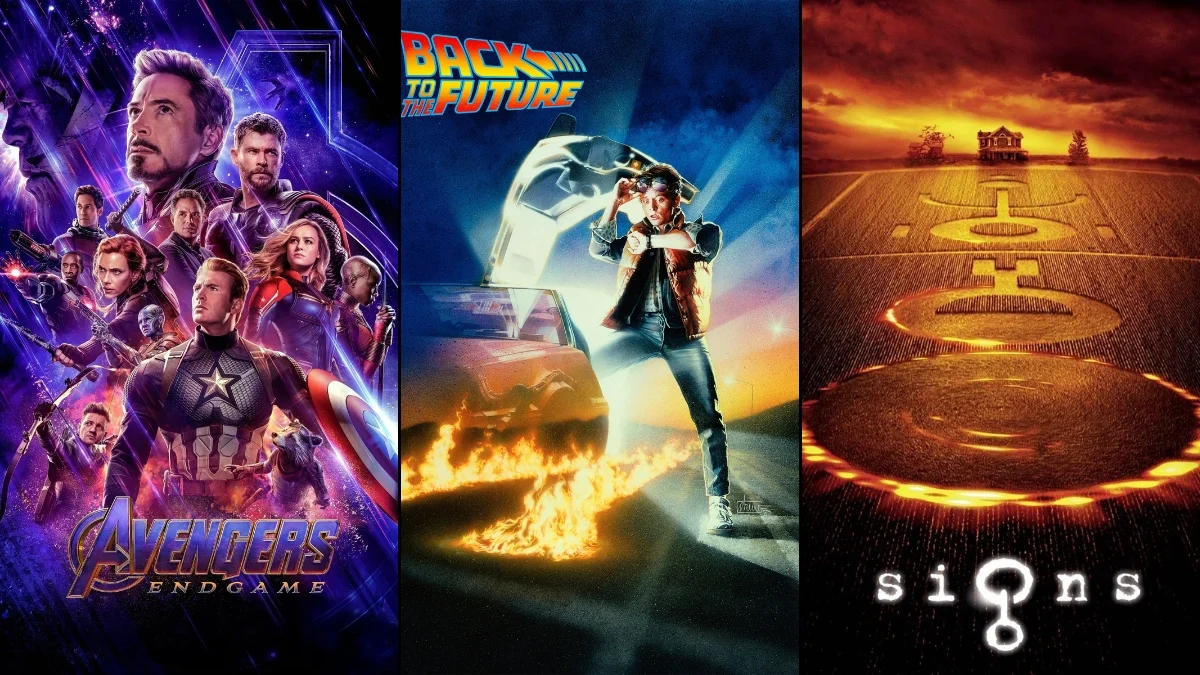
‘Back to the Future’ (1985) – Why Marty’s parents don’t recognize “Calvin Klein”
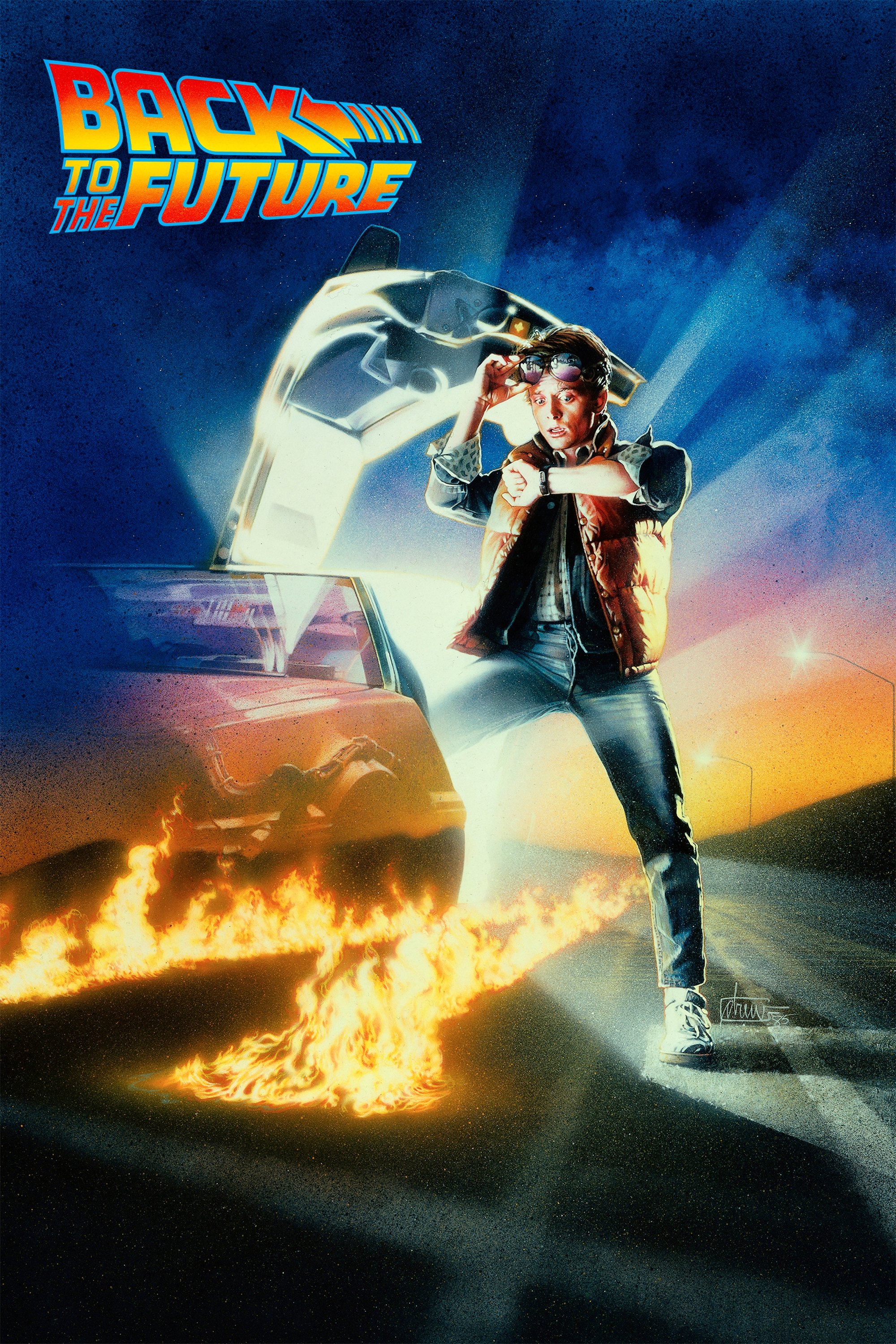
The film shows George and Lorraine spending significant, formative time with Marty while he’s using the alias “Calvin Klein,” including multiple close-up interactions at school, at the dance, and at home. The story further ties Marty to their romance as the catalyst who ensures they get together and even inspires George’s writing.
Decades later, the same two people have a son who looks exactly like that teen and has the same voice and mannerisms, yet the script never acknowledges any recognition. Given the earlier scenes and the photographs that characters handle, the lack of any comment conflicts with the detailed, on-screen memories the film attributes to George and Lorraine.
‘The Dark Knight Rises’ (2012) – Bruce’s return to Gotham without resources
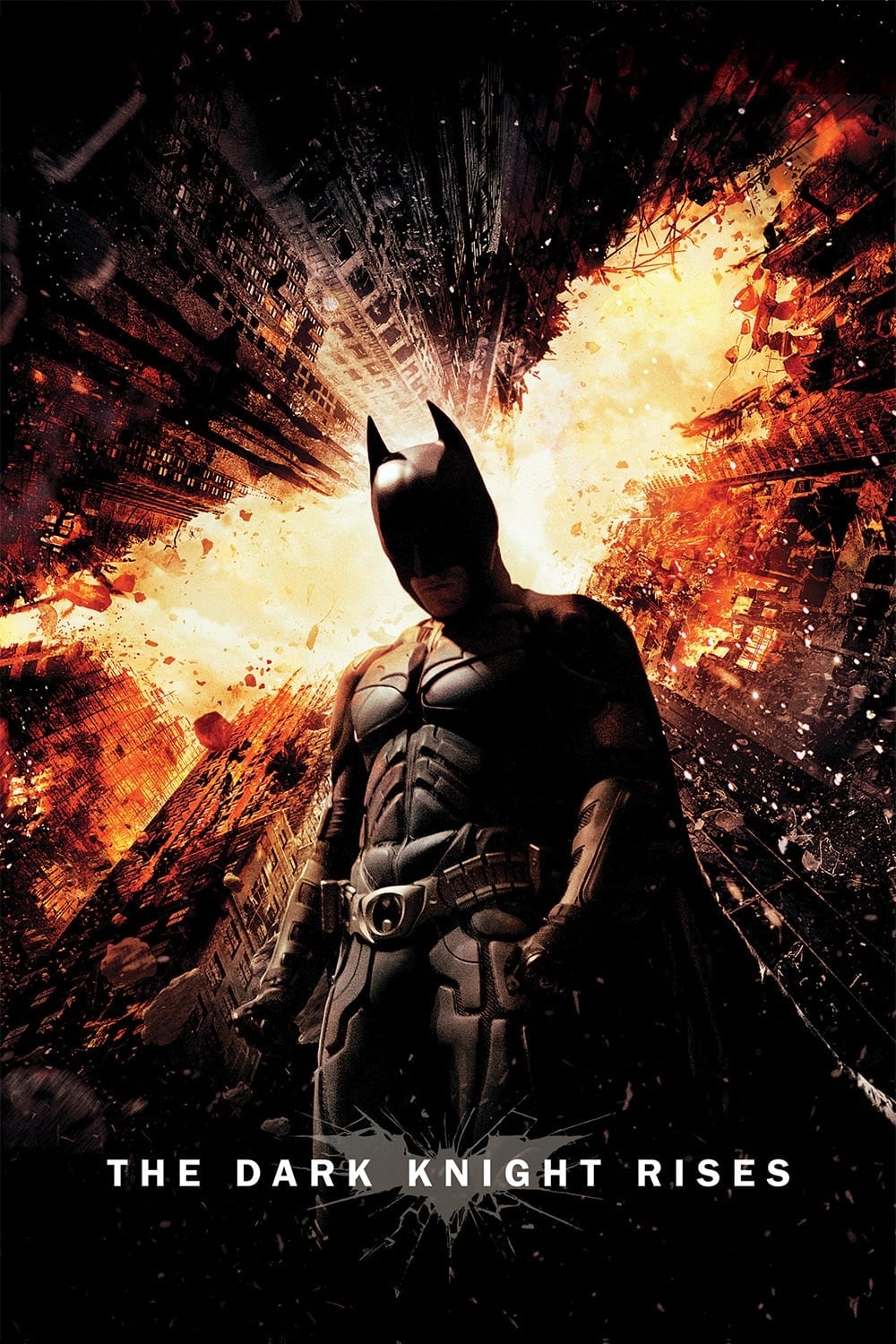
The story strands Bruce in a remote prison with no money, passport, or gear, and it portrays Gotham as sealed under heavy security and martial law. The film previously emphasizes that Bruce’s fortune is gone and his tech network is compromised or under surveillance.
Despite those conditions, Bruce appears in Gotham with fresh equipment, moves freely through cordoned zones, and times his actions alongside coordinated allies. The film provides no logistical chain—transport, border entry, or supply caches—to bridge the gap between the established constraints and his sudden operational reach inside a locked-down city.
‘Jurassic Park’ (1993) – The T. rex paddock drop

Early in the breakout sequence, the T. rex steps out at road level, putting its head over the fence where the tour cars are parked. Minutes later, characters escape the same fence line by rappelling down a sheer drop that extends far below the road.
The geography shown—same fence, same general location—presents incompatible elevations for consecutive scenes. The film gives no intervening feature such as a switchback, retaining wall, or collapsed terrain to reconcile why the T. rex was on flat ground moments before but the heroes face a cliff at the very same barrier.
‘Harry Potter and the Prisoner of Azkaban’ (2004) – Time-Turners vanish when they would solve later crises
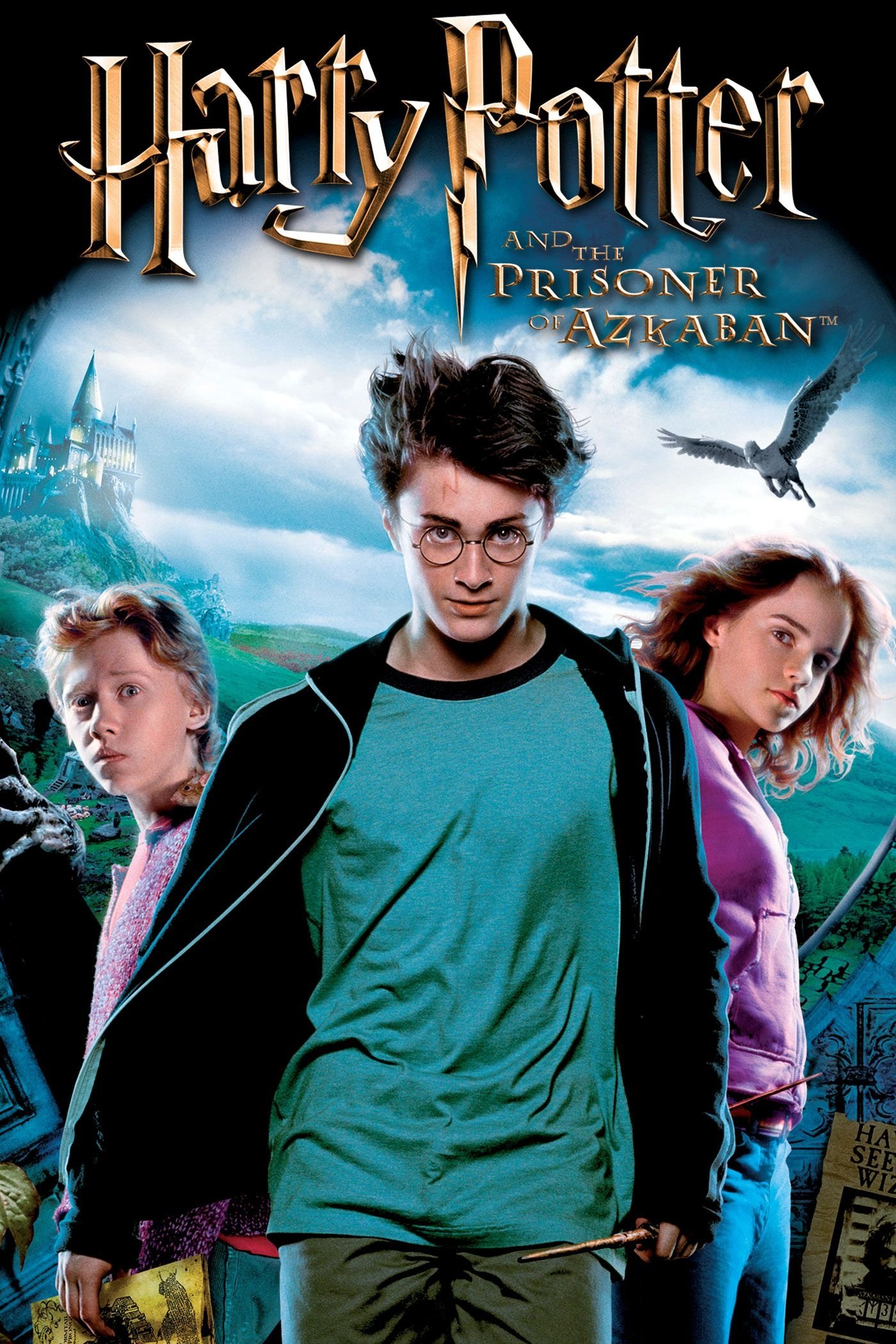
This entry establishes a Ministry-approved device that allows safe, precise short-range time travel under supervision for academic use and, in emergencies, rescue operations. The film demonstrates successful, consequence-aware deployment under Dumbledore’s guidance.
Subsequent threats in the series—life-or-death situations involving students, faculty, and the wider wizarding community—receive no in-story explanation for why this proven tool is unavailable. The omission conflicts with earlier rules that depict regulated access, storage, and responsible use, without providing an on-screen policy change or catastrophic loss contemporaneous with those later events.
‘Avengers: Endgame’ (2019) – Old Captain America and the time-travel rules
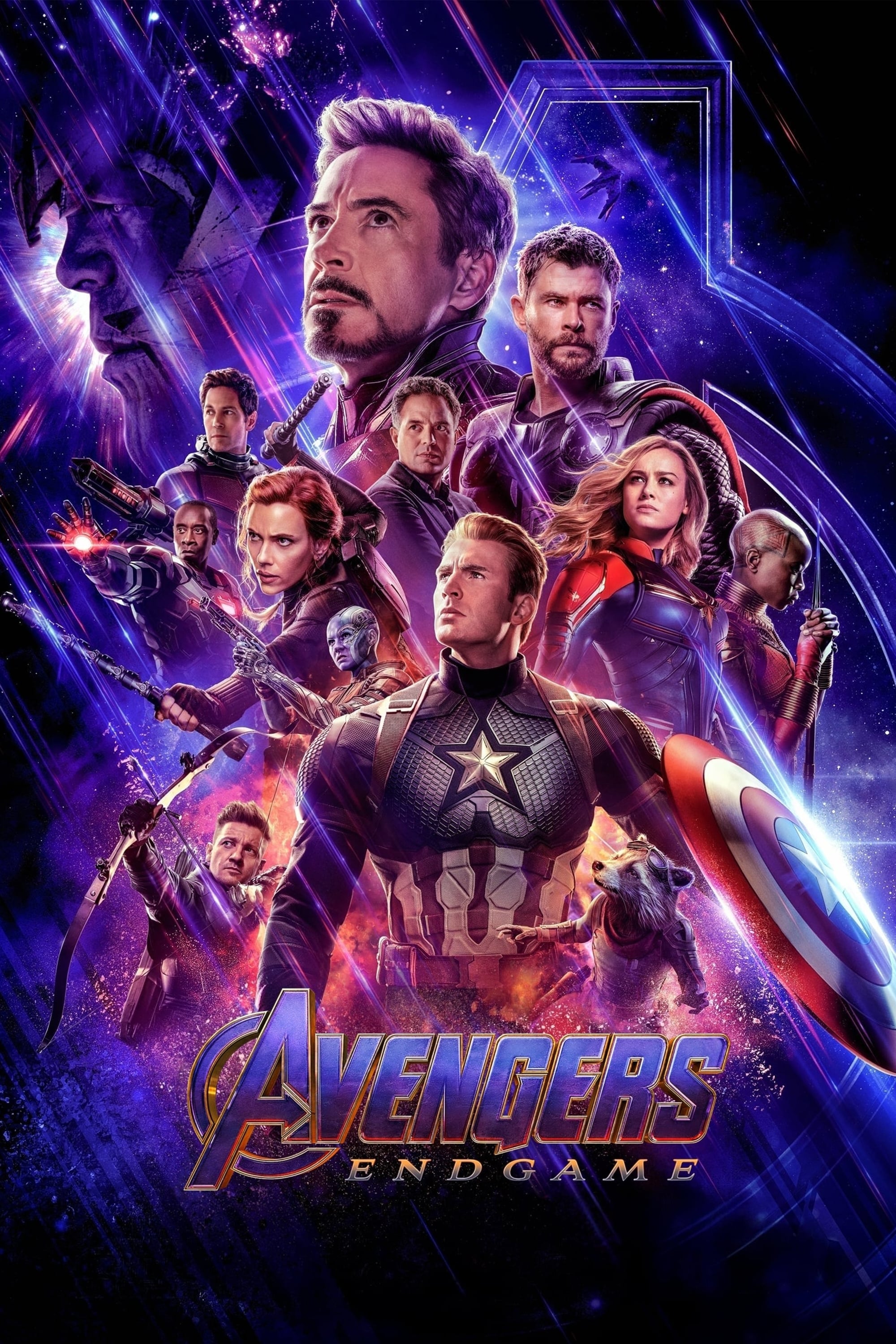
The film carefully explains that changing the past creates branching realities rather than altering the traveler’s own history. Characters reinforce this with dialogue and demonstrations, including the need to return borrowed items to their native timelines to prevent divergences.
The ending then presents an aged Steve Rogers appearing on the main timeline’s bench after living a full life elsewhere, without showing a mechanism that would let someone from a branched reality re-enter the prime line at a chosen place and time. That appearance conflicts with the previously stated constraints on time travel and timeline separation laid out earlier in the story.
‘Star Wars: The Last Jedi’ (2017) – Hyperspace ramming as a never-used tactic
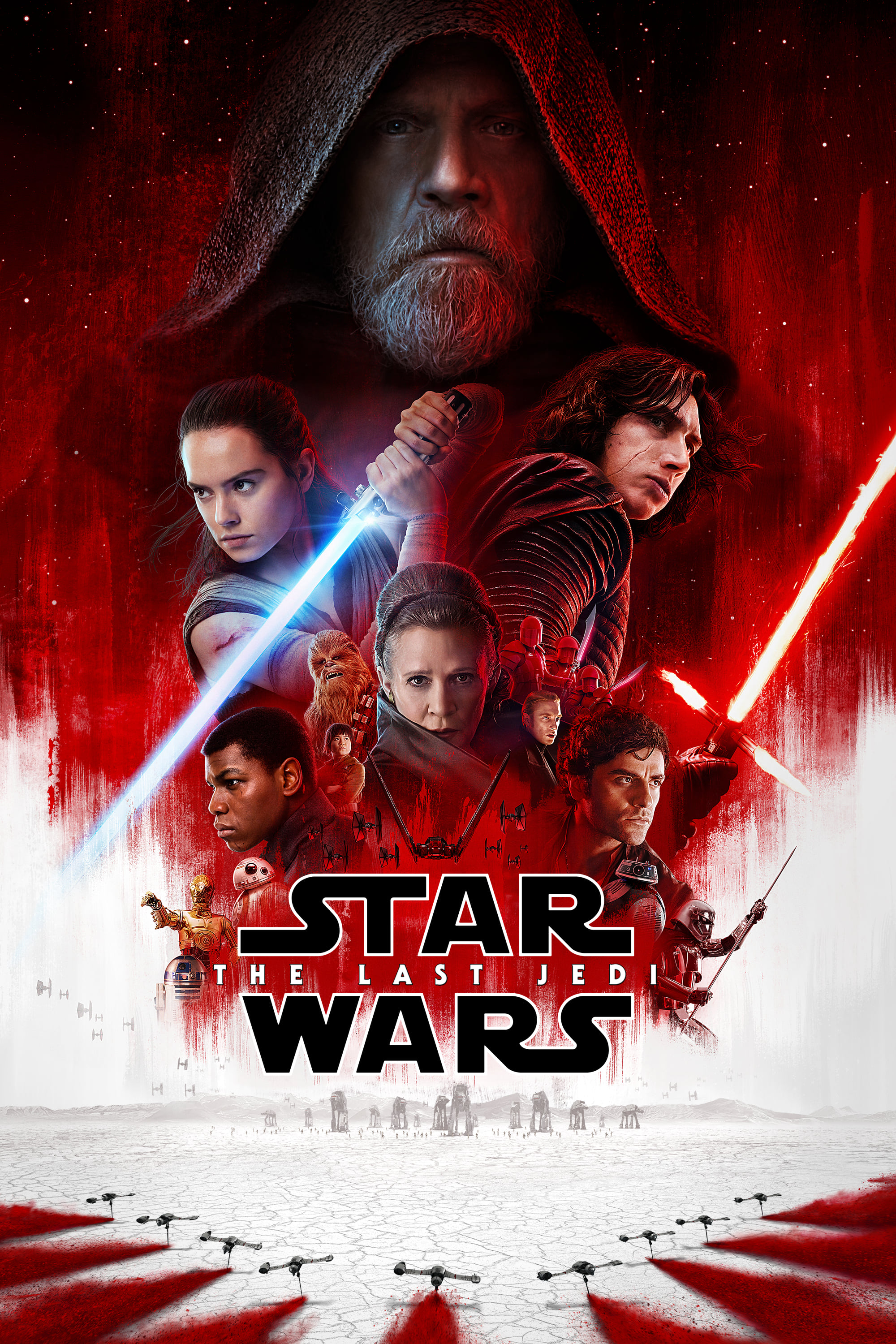
The movie demonstrates that a ship jumping to lightspeed into a target can devastate a fleet, even when the attacker is outgunned. The visual and narrative framing confirms the maneuver’s feasibility with standard rebel hardware and navigational capability.
Given decades of warfare shown across the saga, the complete absence of this tactic in prior large-scale battles contradicts the setting’s established emphasis on asymmetric strategies. The story provides no in-universe countermeasure, doctrine, or technical barrier to explain why a one-ship sacrifice was never adopted, trained, or prohibited before this engagement.
‘Pirates of the Caribbean: The Curse of the Black Pearl’ (2003) – Whose blood breaks the curse
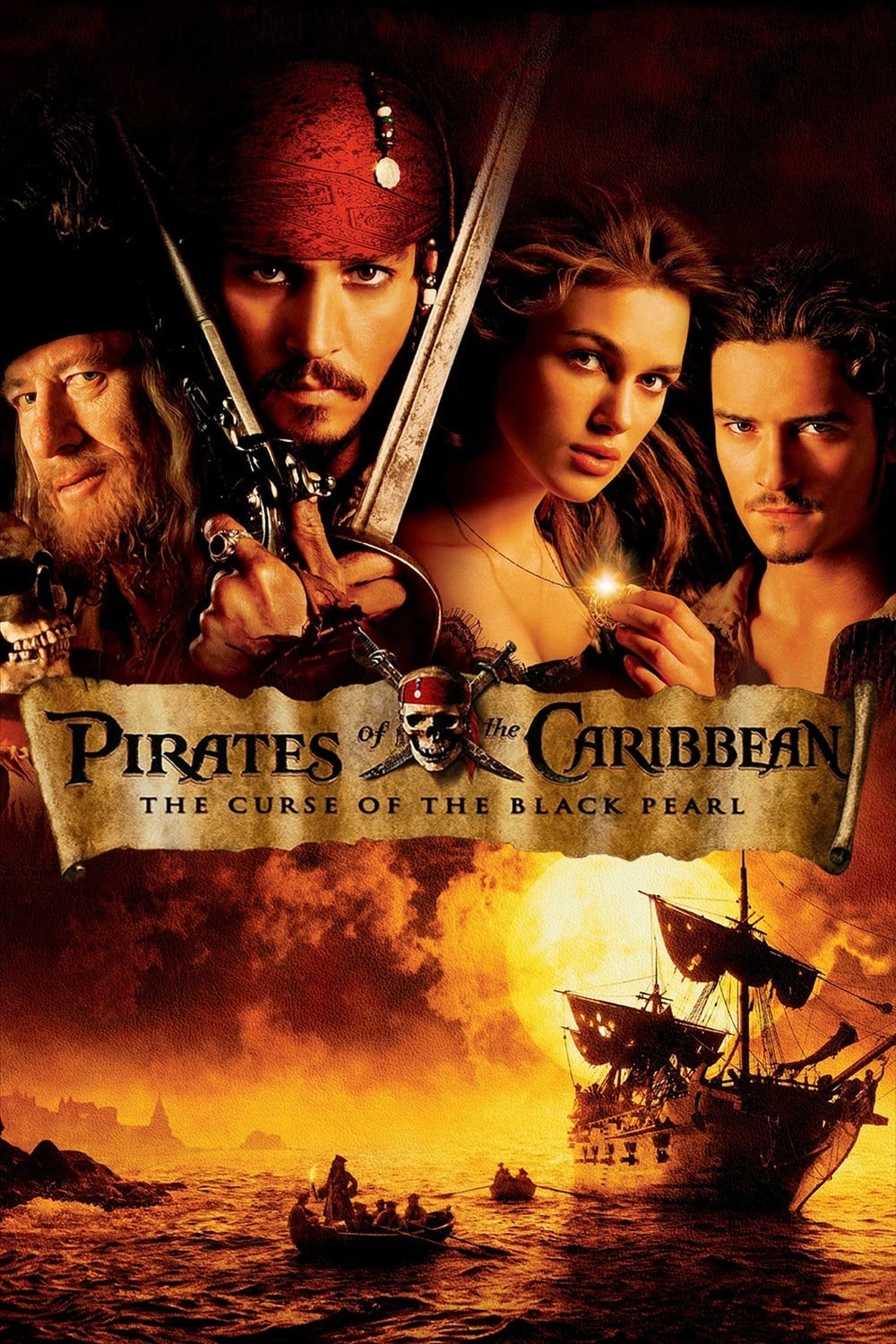
The curse is described as requiring repayment by the specific bloodline tied to the stolen Aztec gold, identifying the Turner lineage as the key. Scenes highlight how the pirates have already spilled and offered much of their own blood without lifting the curse.
The same rules also depict crew members who physically handled the treasure during the theft and afterward, implying multiple culpable parties. The script never clarifies why only one family’s blood is efficacious while the equally guilty pirates’ blood does not meet the stated requirement, producing a contradiction between the ritual’s stated logic and its selective application.
‘The Matrix’ (1999) – Humans as batteries
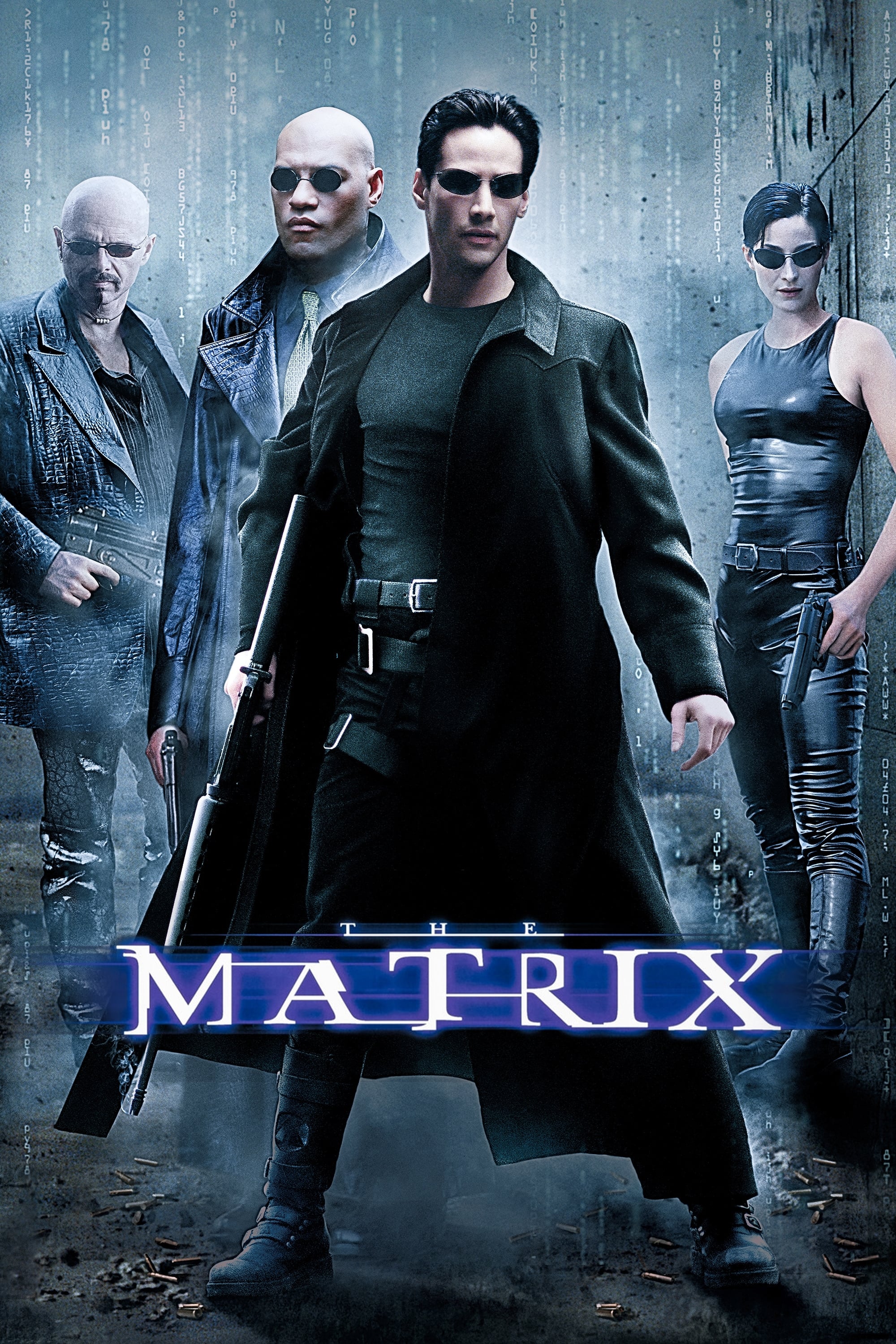
The film states that machines farm humans for energy, using them like living batteries, and shows industrial-scale facilities maintaining millions of bodies. It also depicts a global climate shroud that blocks solar collection, suggesting energy scarcity as a core motivation.
Real-world thermodynamics, which the movie otherwise nods to with bio-mechanical detail, conflicts with the notion that feeding and sustaining humans yields net power. Because the story integrates realistic hardware, power lines, and thermal control, the battery premise contradicts the film’s own grounded aesthetic without providing an alternative mechanism such as computation or neural processing value.
‘Raiders of the Lost Ark’ (1981) – Indy’s actions don’t affect the outcome

The plot follows Indy tracking, locating, and briefly acquiring the Ark before losing it to rival forces, who then open it during a ritual. The Ark’s supernatural response destroys the antagonists on the spot regardless of who found it.
Because those events unfold independently of Indy’s interventions—the opposing expedition was already on the trail and ends up opening the Ark anyway—the story’s central object reaches the same terminal point with or without the hero’s involvement. The film presents no causal link from Indy’s unique choices to the final fate of the Ark or the villains at the climactic moment.
‘Toy Story’ (1995) – Buzz freezes although he thinks he’s not a toy
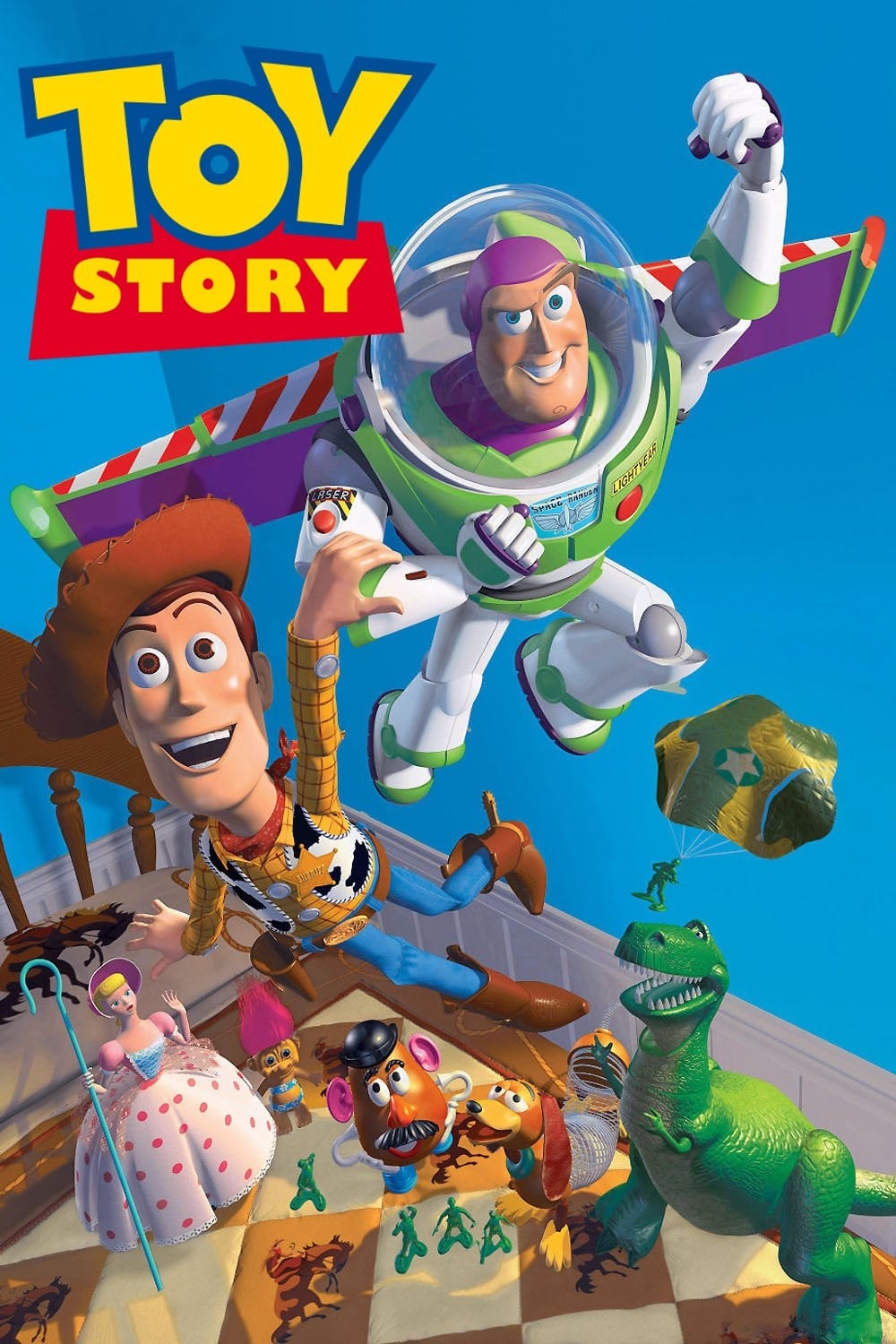
From the moment Buzz is introduced, he consistently claims to be a real Space Ranger and treats household items as alien tech. The rules of the world show toys going limp and silent when humans are present, a behavior that appears automatic and universal.
Buzz also goes limp in front of people long before he experiences any character growth that would change his self-perception. Because the film never outlines a trigger other than self-awareness or choice, his compliance with the toys’ “freeze” convention conflicts with his firmly portrayed belief that he isn’t a toy at all.
‘Home Alone’ (1990) – No effective contact with Kevin

The movie shows the family with access to phones, credit cards, airlines, and local law enforcement. It also establishes nearby neighbors and a community familiar with the McCallister home, including a police dispatcher who logs the situation.
Despite these resources, repeated attempts to reach Kevin never escalate into sustained on-site welfare checks or coordination with known neighbors who could verify his status. The absence of routine follow-through—such as a supervisor call-back, a patrol re-check, or a door-to-door request—conflicts with the infrastructure and relationships the script itself depicts.
‘Signs’ (2002) – Water-averse aliens invade a water-covered planet

The story confirms that the intruders have a severe vulnerability to liquid water on contact, shown through multiple direct exposures causing immediate harm. The same film sets its events on a world whose surface and atmosphere contain water in abundance, including rainfall, humidity, and ubiquitous household sources.
Because the invaders demonstrate interstellar travel, reconnaissance, and coordinated operations, their choice of a target environment saturated with a known corrosive conflicts with their shown competence. The narrative gives no countermeasure—protective gear, environmental controls, or strategic rationale—to align their plan with their biological limitation.
‘A Quiet Place’ (2018) – Sound rules versus daily-life choices
The film establishes that creatures track prey by sound, reacting to even small noises across long distances. It also depicts working knowledge of sound masking, such as the waterfall scene and carefully engineered quiet pathways and tools around the farm.
That same survival playbook coexists with risk-heavy choices that generate predictable noise, including sustained machinery and events that would require contingency soundproofing. The absence of depicted infrastructure—like broad acoustic dampening, safe rooms with white noise, or relocation to constantly loud environments—conflicts with the family’s demonstrated understanding of how sound reliably diverts the creatures.
‘Prometheus’ (2012) – Experts behaving counter to mission protocol
Characters are introduced as top-tier scientists and specialists sent on a high-stakes expedition, complete with briefings, mapped tunnels, and environmental readouts. The film shows them discarding basic safety practices, including helmet removal in an alien structure and reckless handling of unknown organisms.
Because the script also displays real-time data streams, chain-of-command communications, and automated mapping, those choices contradict the professional standards the movie attributes to the crew. The gap between credentialed expertise and on-site conduct creates a procedural inconsistency with the film’s own depiction of a carefully selected mission team.
‘The Dark Knight’ (2008) – The Joker’s plan requiring perfect timing
The movie presents the Joker as orchestrating multi-step operations that depend on exact schedules, from hospital evacuations to synchronized ferry explosives. It also shows heavy police mobilization, unpredictable civilian responses, and multiple variables outside any single person’s control.
Despite that volatility, the plan repeatedly unfolds as if every contingency aligns precisely, without the film providing backup routes, remote triggers known to characters, or modular steps that explain the reliability. The degree of coincidence needed conflicts with the chaotic conditions the story itself foregrounds throughout the operation.
If you’ve spotted other big-screen contradictions that make you pause, share your picks in the comments!