The Best LGBTQ+ Characters in Video Games You Need to Know


Inclusive storytelling has grown across games of every size, from sprawling adventures to thoughtful indies. These characters are part of that history, with identities that are established in the text of their stories and supported by clear details in the games themselves. You will find companions, protagonists, and rivals whose arcs are central to the worlds they inhabit.
This roundup focuses on who they are in their narratives, how their identities are presented on screen, and what roles they play in gameplay. You will also find the studios that brought them to life, since developers shape how these characters are written, voiced, and animated.
Ellie in ‘The Last of Us’
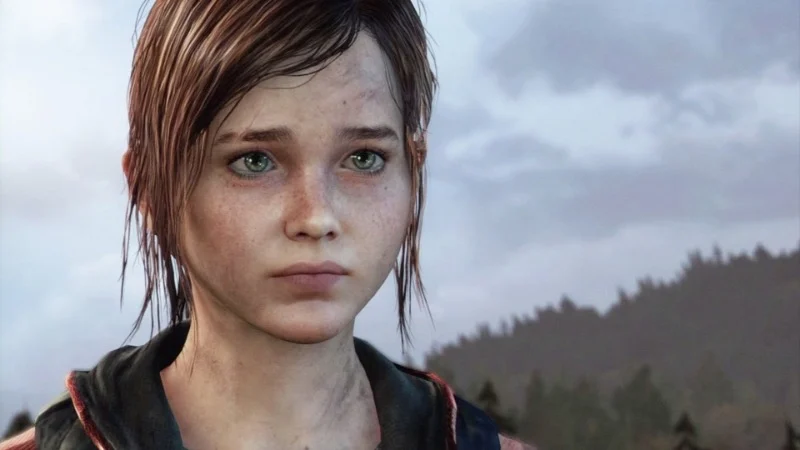
Ellie is a lead character whose orientation is made clear in the ‘Left Behind’ story and continues through ‘The Last of Us Part II’. Her relationships with Riley and later Dina are shown through scenes, dialogue, and playable moments that establish her life beyond combat. Naughty Dog presents these details through flashbacks, journal entries, and quiet sequences between missions.
On the gameplay side she uses stealth, crafting, and knife takedowns, and many sections place her as the sole playable character. The level design supports her approach with crawl spaces and listen mode encounters, and her story missions connect personal stakes with exploration across devastated American towns.
Lev in ‘The Last of Us Part II’
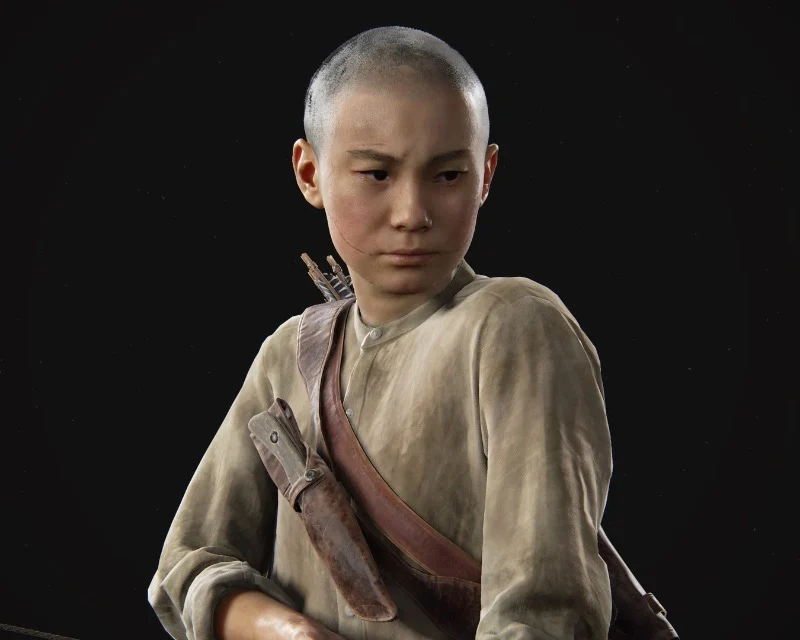
Lev is introduced as a trans boy from the Seraphite community, with his identity acknowledged by allies and contested by his former group. The narrative shows his family background and the consequences he faces after leaving, and the writing includes direct conversations that use his chosen name. Naughty Dog emphasizes his bond with Abby through shared objectives and long travel sequences.
During missions Lev acts as an AI partner who calls out threats, opens paths with a bow, and moves with agile traversal. The story places him in hospital, island, and skyscraper locations that highlight climbing and rope mechanics, and his presence changes enemy barks and encounter setups in several chapters.
Tracer in ‘Overwatch’
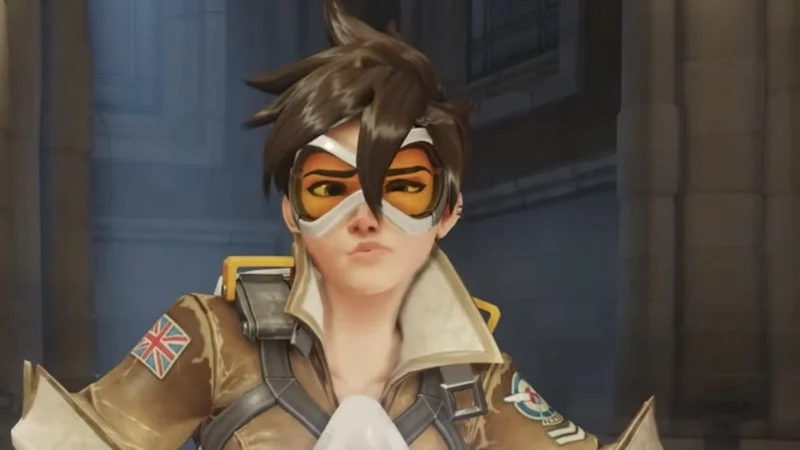
Tracer is a canon lesbian hero whose relationship with Emily appears in official narrative material for ‘Overwatch’. Her background as a former test pilot and time slipping adventurer is reflected in cinematics, hero bios, and seasonal events that build her life outside the battlefield. Blizzard Entertainment ties these story beats to in game lines that reference friends and home.
In matches she fights as a mobile damage hero with Blink and Recall, and her kit rewards flanks and short range bursts. Map objectives, health pack routes, and ultimate economy all shape how players pilot her, and team compositions often stack supports that can keep her alive while she harasses the backline.
Lifeweaver in ‘Overwatch 2’
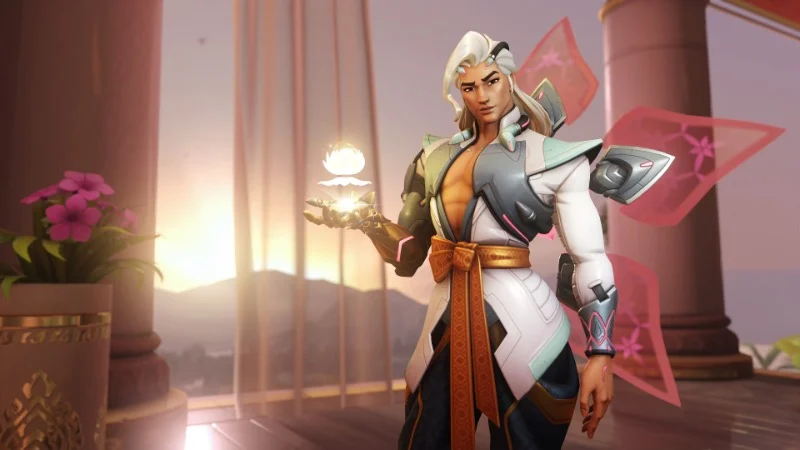
Lifeweaver is a pansexual Thai scientist and gardener whose identity is stated in official hero profiles for ‘Overwatch 2’. His story frames biolight technology as a blend of research and compassion, and voice lines mention important people from his past. Blizzard Entertainment adds holiday and event interactions that expand these details over time.
In play he supports allies with Petal Platform, Healing Blossom, and Life Grip, and his ultimate creates a tree that heals and blocks sightlines. Map geometry changes how his platform lifts teammates, and objective modes like Push and Hybrid benefit from his ability to reposition a carry target or rescue a tank.
Bridget in ‘Guilty Gear Strive’

Bridget affirms herself as a girl during story scenes in ‘Guilty Gear Strive’, which clarifies her journey that began with earlier entries. Dialogue with Goldlewis and others addresses her past and her decision, and these scenes are viewable in the story mode without match inputs. Arc System Works supports this presentation with new voice work and updated character materials.
In matches she fights with a yo yo and an ursine partner named Roger, combining long range pokes with set play pressure. Her specials control screen space while dash speed enables corner carry, and mission trials teach players how to loop pressure that forces defensive bursts.
Erica Anderson in ‘Catherine’

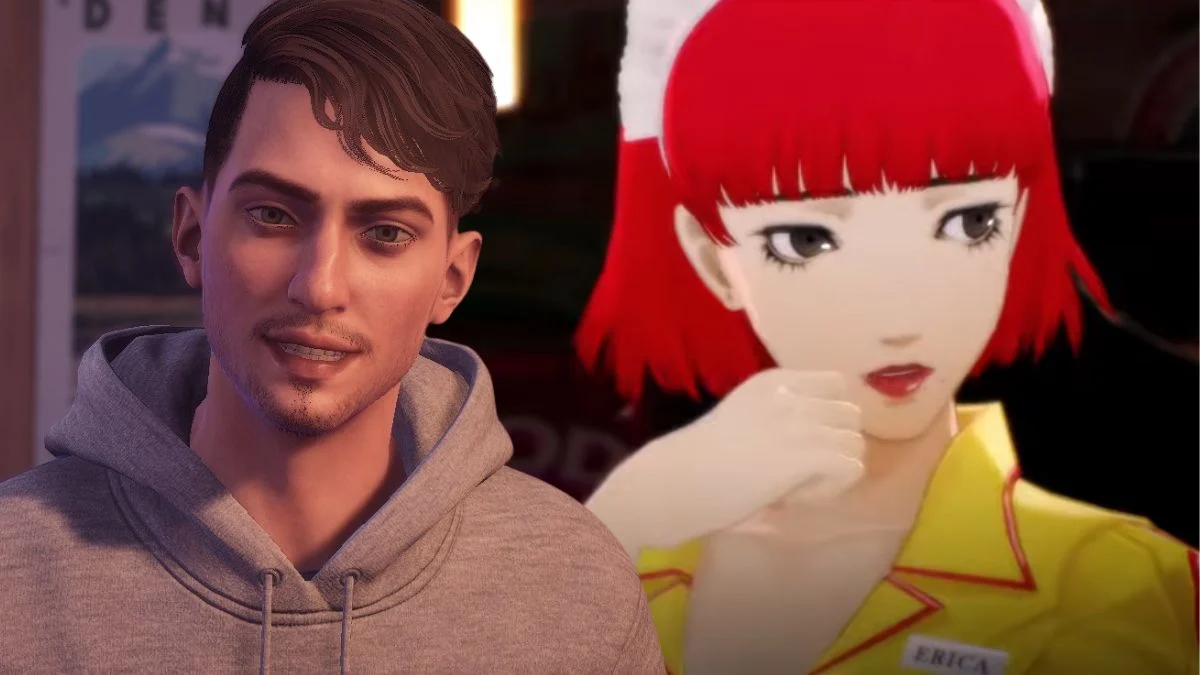
Erica is a trans woman who tends bar at the Stray Sheep in ‘Catherine’ and appears throughout the story as a friend and confidant to the main cast. The game shows her life through workplace scenes, group chats, and late night meals that place her as a steady presence in the social circle. Atlus expanded her role in ‘Catherine Full Body’ with additional scenes and endings.
Mechanically the game mixes social simulation with tower climbing puzzles, and Erica guides players with tips during evening segments. Her texts and conversations influence meter shifts that affect routes, while arcade sessions and trivia add context to the bar crowd between puzzle stages.
Dorian Pavus in ‘Dragon Age Inquisition’
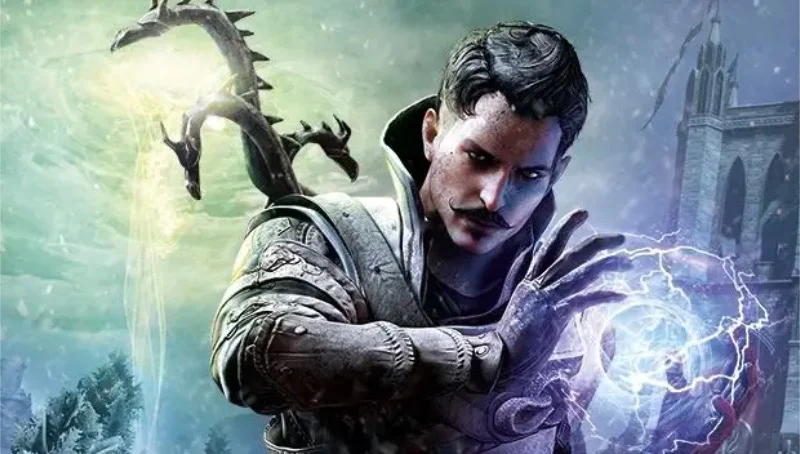
Dorian is an openly gay Tevinter mage who joins the Inquisition with a personal quest involving his family and homeland. The story explores his history through banter on the road and formal talks in Skyhold, and codex entries add background on Tevinter culture. BioWare threads his friendship with other companions into war table operations and companion scenes.
In combat he specializes in elemental magic and can be built toward necromancy, offering fear effects and spirit support. His approval changes based on choices in quests that involve mages and Templars, and completion of his companion quest unlocks scenes that close out his arc.
Cremisius Krem Aclassi in ‘Dragon Age Inquisition’
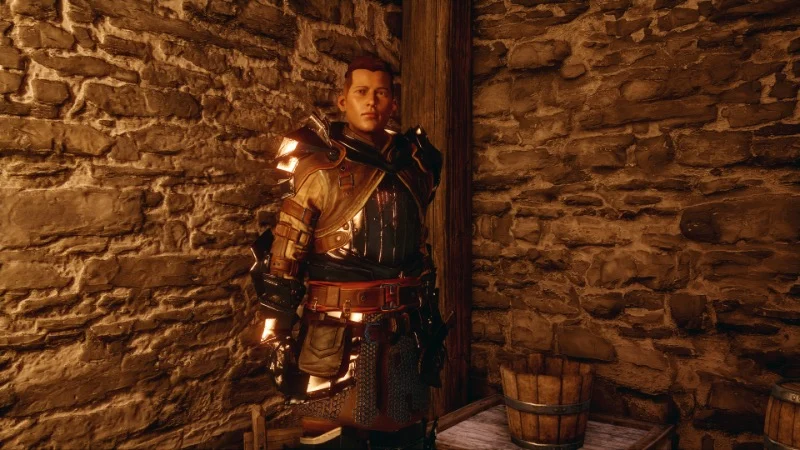
Krem is the lieutenant of the Chargers and a trans man who serves with the Iron Bull. The game includes conversations about his name, uniform, and binder, which present his identity in a direct and respectful way within the world. BioWare integrates these moments into tavern gatherings and war stories that the Chargers share in Skyhold.
Krem appears in cutscenes tied to quests that decide the fate of the Chargers, and his presence influences the Iron Bull’s outlook in later talks. Players encounter him during strategy briefings and celebrations, which helps connect companion loyalty to choices made during field missions.
Parvati Holcomb in ‘The Outer Worlds’
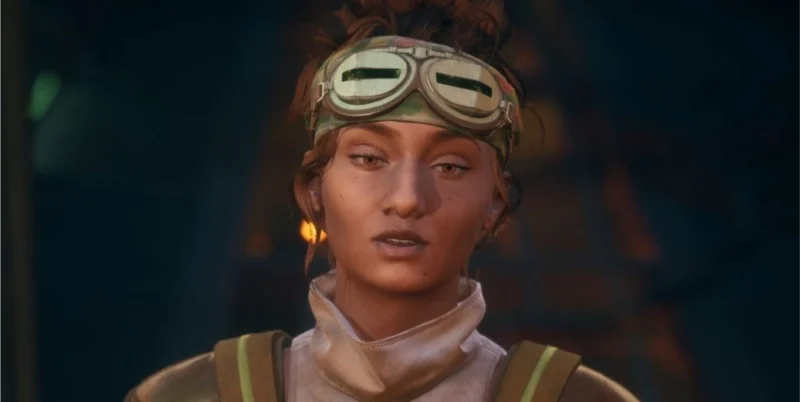
Parvati is an asexual engineer whose personal quest centers on a budding romance with Junlei Tennyson. The writing makes her orientation clear in dialogue options and letters that the player can help draft, with shipboard conversations showing her feelings and boundaries. Obsidian Entertainment sets much of this arc on the Unreliable and on stations where both women work.
As a companion she brings stun batons and support perks that boost engineering and combat effectiveness. Her ultimate attack and party abilities fit melee focused squads, and her quest rewards include items and crew changes that carry forward into later hubs.
Tyler Ronan in ‘Tell Me Why’
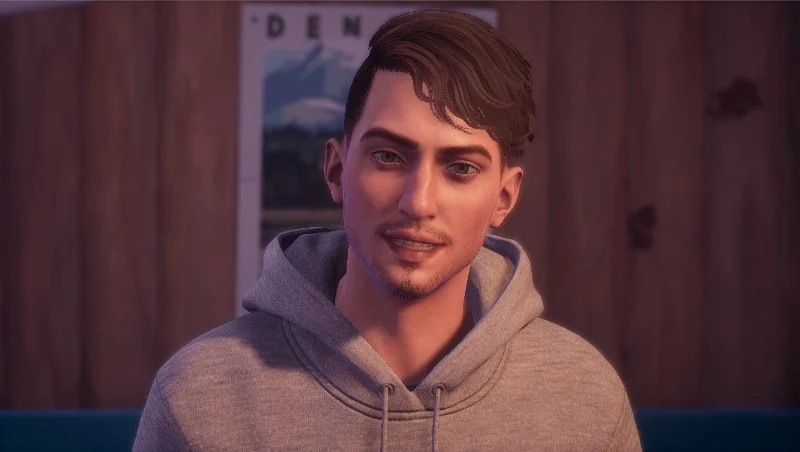
Tyler is a trans man who returns to his hometown with his twin to re examine their shared past. The story presents his identity through records, community interactions, and direct conversations with family and friends, with voice acting by a trans man that grounds the role. Dontnod Entertainment created the game with Xbox Game Studios and set it in rural Alaska.
Players compare memories using a choice system that selects which version becomes shared truth, and exploration reveals diaries and clues that shape each chapter. Tyler’s perspective changes some dialogue paths and outcomes, and optional tasks unlock scenes that deepen his relationships.
Zagreus in ‘Hades’
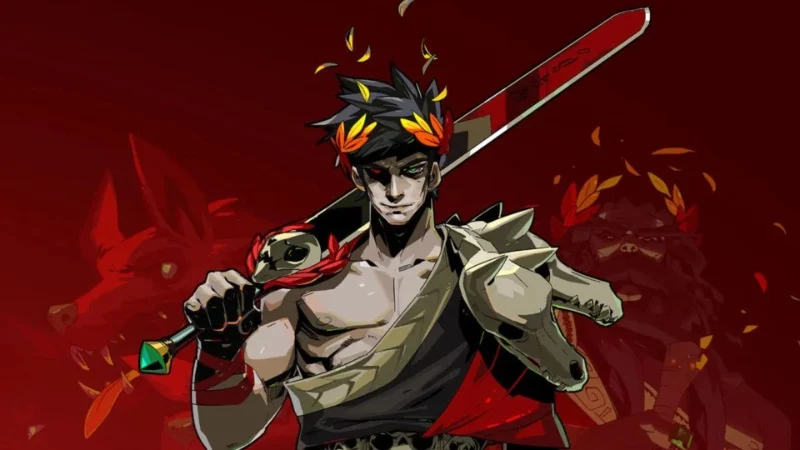
Zagreus is the protagonist of ‘Hades’ who can pursue romances with Megaera and Thanatos through gifts and dialogue. These relationships are integrated into keepsake progression and home interactions, and they continue across escape attempts as the House of Hades fills with new conversations. Supergiant Games ties these bonds to the wider family drama that unfolds in the lounge and halls.
The game blends action and roguelike structure with boons from Olympians that change each run. Zagreus can mix dash strikes, casts, and hammers to suit different weapons, and relationship milestones add house upgrades and new lines that mark progress beyond boss clears.
Alex Chen in ‘Life is Strange True Colors’

Alex is a young woman with an empathic ability who can form a romance with Steph or Ryan based on player choices. Her identity options appear in dialogue trees, text threads, and scenes that track the development of each relationship. Deck Nine sets the story in Haven Springs with a focus on record stores, festivals, and community spaces.
Gameplay combines exploration with choice driven conversations and aura reading sequences that open new paths. Chapters feature a live action role play event, rooftop moments, and investigations that build toward a final choice, with collectibles and side quests that expand Alex’s connections.
Bloodhound in ‘Apex Legends’
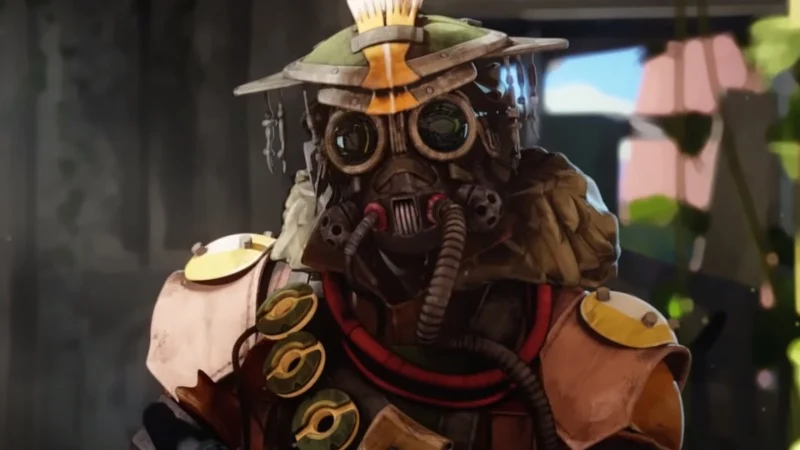
Bloodhound is a nonbinary tracker whose pronouns are used consistently across bios, voice lines, and cinematics in ‘Apex Legends’. The character’s backstory draws on family ties and a reverence for nature and technology, with lore drops and events adding details over time. Respawn Entertainment highlights these elements in animated shorts and themed collectibles.
In matches Bloodhound reveals enemy positions with a tactical scan and can heighten senses with an ultimate that accelerates movement and tracking. Team play benefits from information loops that pair scans with flanks, and banners and beacons support their role as an information specialist.
Madeline in ‘Celeste’
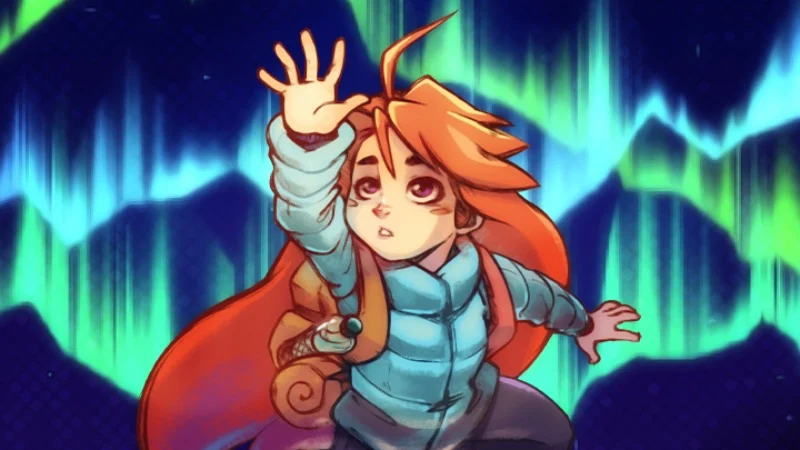
Madeline is the lead in ‘Celeste’, and the creator later confirmed she is a trans woman, which aligns with the game’s themes of self discovery and anxiety. Her journey up the mountain is presented through talks with Theo, scenes with her other self, and quiet moments by the campfire. Extremely OK Games uses these scenes to tie personal growth to each chapter’s goal.
Platforming relies on precise jumps, climbs, and a midair dash that can be upgraded for special areas. Collectible strawberries and crystal hearts unlock B side and C side challenges, and the Assist Mode options let players tune difficulty while still seeing the full story.
Judy Alvarez in ‘Cyberpunk 2077’
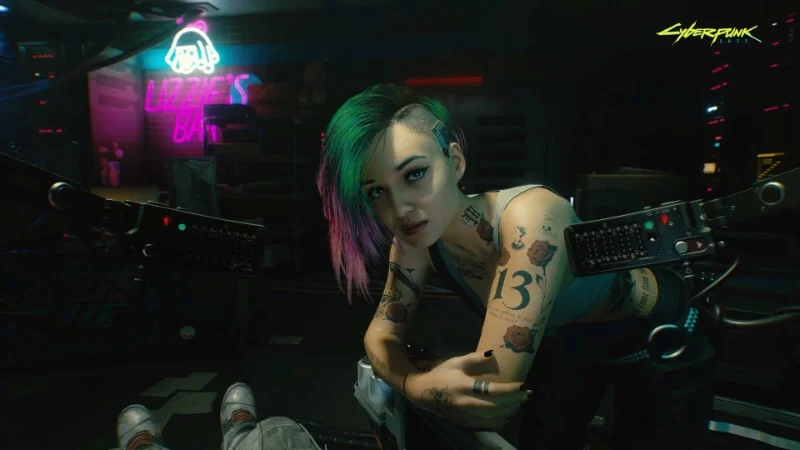
Judy is a lesbian braindance editor and tech who works with the Mox and becomes a key ally in ‘Cyberpunk 2077’. Her romance path is available to a female V, with scenes that follow her work, her community, and her plans for life beyond Night City. CD Projekt Red connects her story to quests that explore memory editing and community protection.
Her questline includes braindive sequences, underwater exploration, and choices that determine whether she stays in contact after major events. She also offers mods and tech insight that influence how the player approaches gigs, and her apartment becomes a recurring location for story beats.
Share your favorite LGBTQ plus characters in the comments and tell us who else readers should discover next.