10 Things You (Probably) Didn’t Know About Geraldine Chaplin

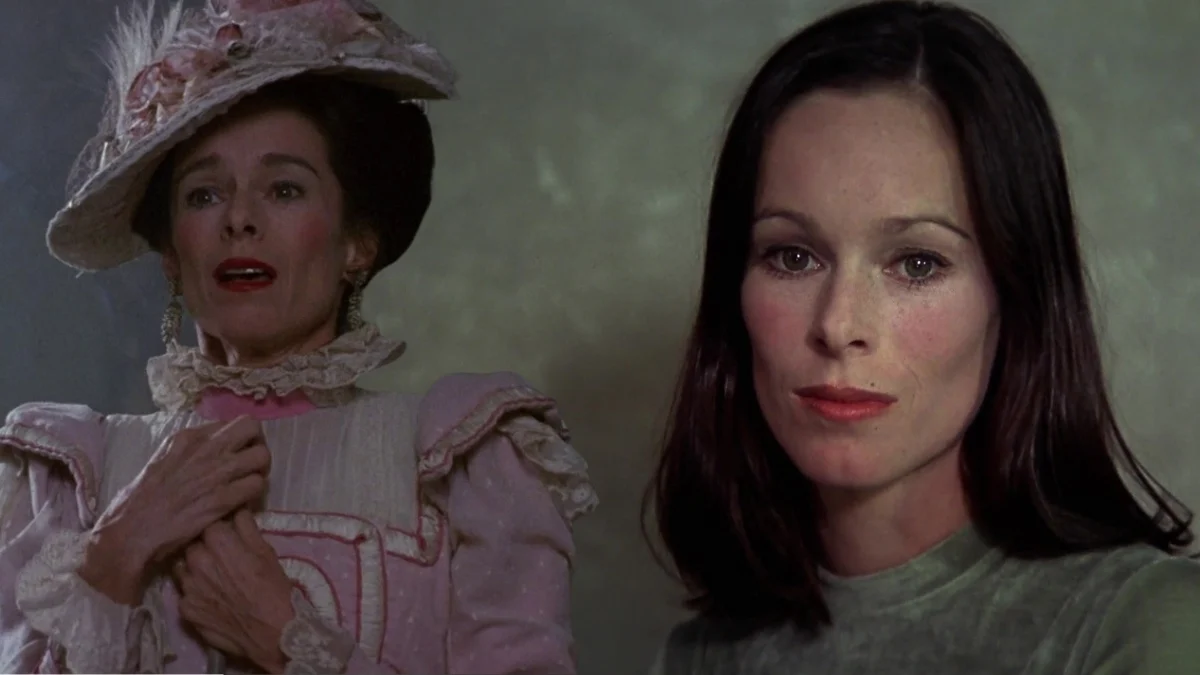

Geraldine Chaplin has built a remarkable career that stretches from epic Hollywood dramas to daring European art-house cinema. Born into one of film’s most storied families, she carved out her own path with roles that move effortlessly across languages, genres, and continents. Her filmography shows a performer who adapts to different directors and cinematic traditions while keeping a distinct screen presence.
Beyond famous titles, her life story threads through ballet studios, multilingual sets, and long collaborations with auteurs who shaped modern cinema. From early training in dance to acclaimed performances in Spanish-language films, she has sustained a decades-long body of work that continues to evolve, diversify, and connect audiences to complex, often quietly unsettling characters.
A film-and-theatre lineage few actors can match

Geraldine Chaplin was born in Santa Monica, California, to Charlie Chaplin and Oona O’Neill, linking her directly to two major 20th-century legacies: silent-era cinema and American theatre. Her maternal grandfather was playwright Eugene O’Neill, and her childhood unfolded largely in Europe after her family settled in Switzerland, where she grew up surrounded by multiple languages and cultures.
This background influenced both her education and career choices. She became fluent in English, Spanish, and French, and later moved fluidly among film industries in the United States, Spain, France, and the United Kingdom, taking roles that leveraged her linguistic range and familiarity with different production traditions.
From ballet studios to film sets

Before acting, Chaplin trained seriously as a dancer, studying at the Royal Ballet School in London and performing with dance companies in Europe. The discipline and stage awareness she developed in ballet informed her later screen work, especially in films that rely on physical nuance and precise movement.
When she shifted to acting, she didn’t abandon that training; she redirected it. The timing, posture, and measured expressiveness associated with classical dance became part of her toolkit, visible in performances that often communicate as much through gesture and stillness as through dialogue.
‘Doctor Zhivago’ (1965) – The breakout that introduced her worldwide
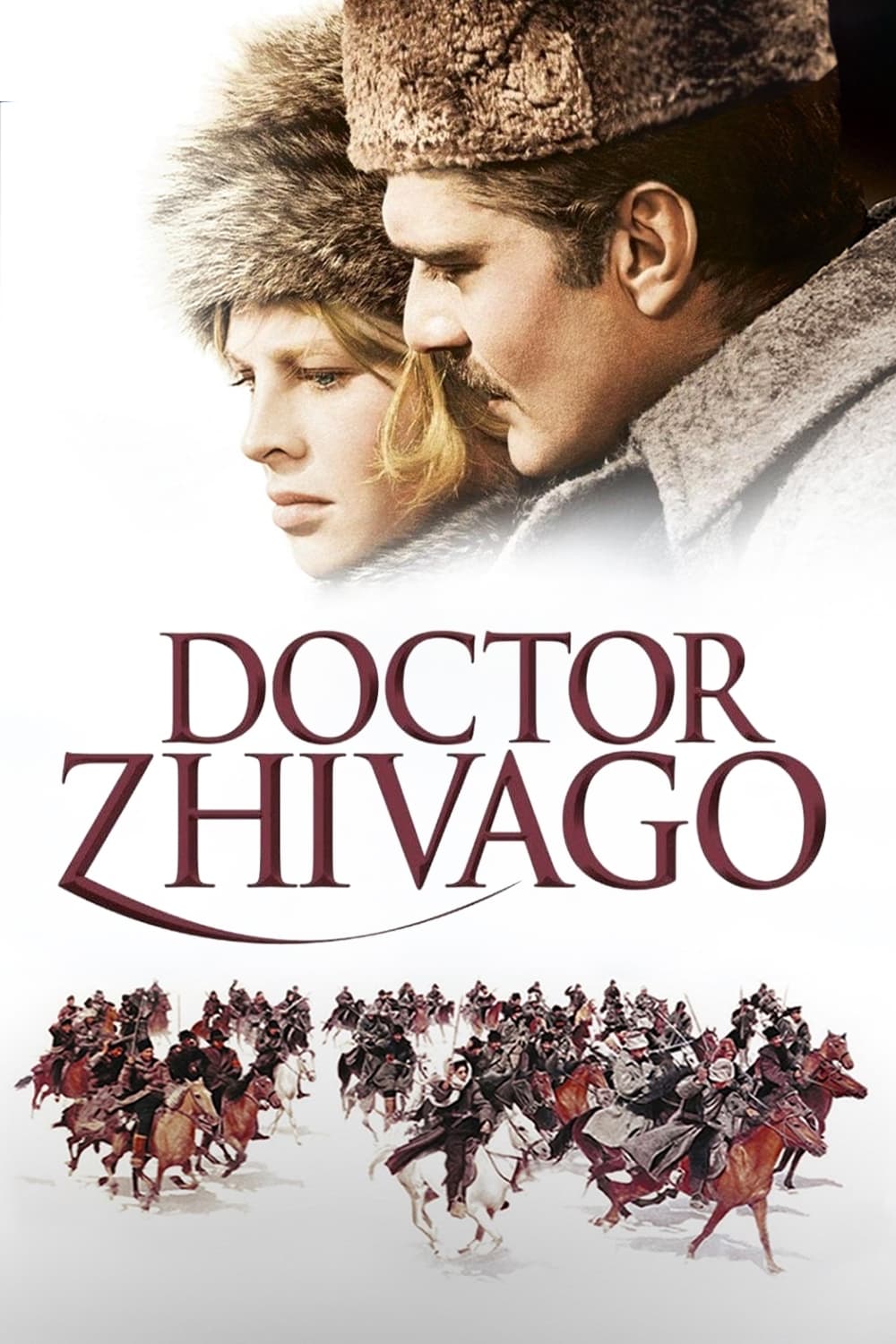
David Lean cast Chaplin as Tonya in ‘Doctor Zhivago’, a sweeping adaptation that brought her immediate international attention. The role showcased her ability to hold her own within a large ensemble and opposite established stars, helping establish her in English-language cinema at scale.
The film also placed her at the center of a major studio production early in her career, leading to high-profile nominations and opening doors to directors across different traditions. It remains one of the projects most frequently associated with her name, particularly for audiences who first encountered her through classic epics.
A defining partnership with Carlos Saura
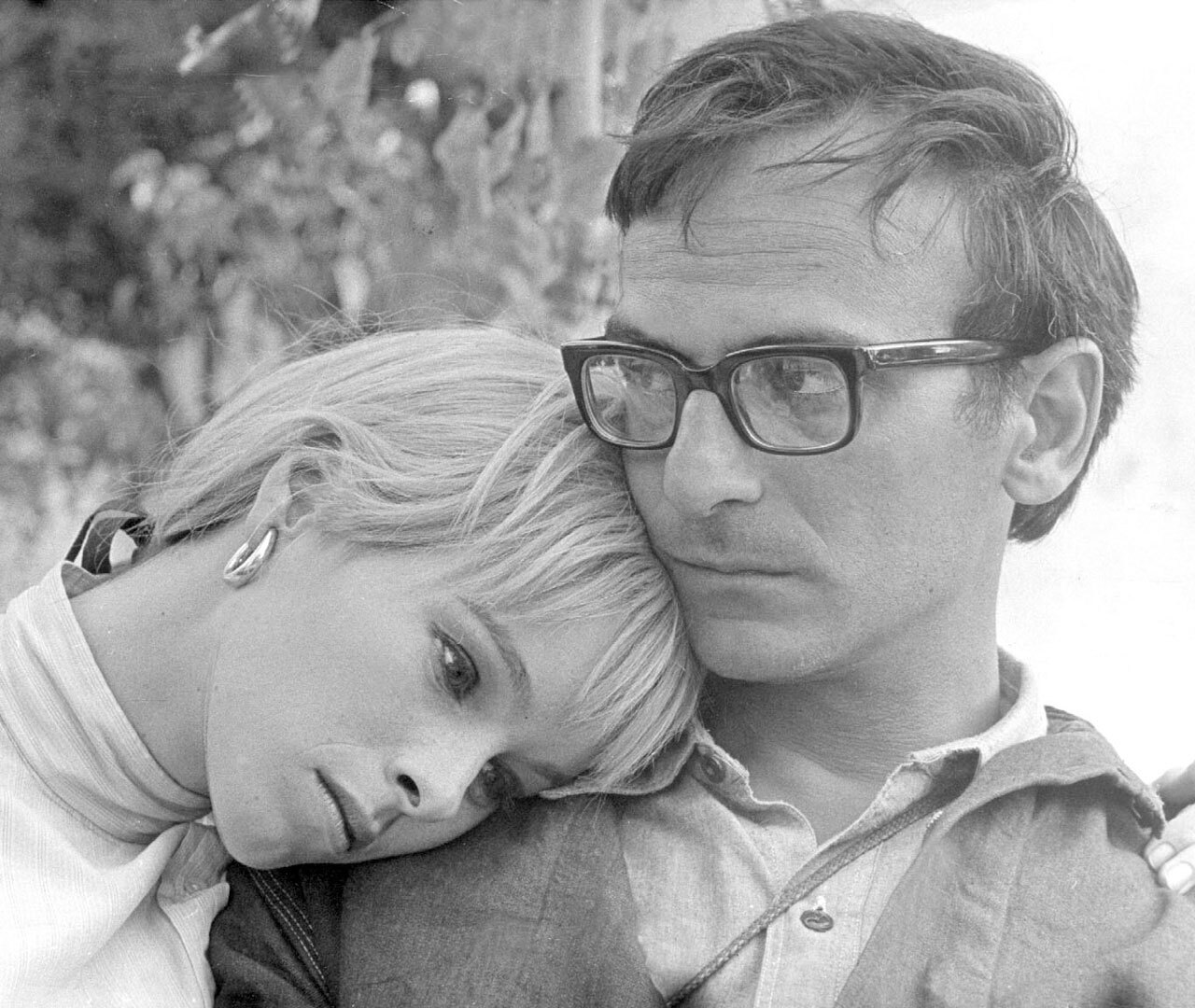
In the 1970s and beyond, Chaplin formed a long creative partnership with Spanish filmmaker Carlos Saura. She starred in several of his key works—among them ‘Ana y los lobos’, ‘Cría cuervos’, ‘Elisa, vida mía’, and ‘Mamá cumple 100 años’—projects that explored memory, repression, and family dynamics during and after Spain’s late-Franco era.
Their collaboration was both prolific and influential for Spanish cinema. Chaplin’s command of Spanish and comfort with Saura’s introspective style allowed her to play characters that bridge personal history and national mood, making these films essential to understanding her European career.
‘Cria!’ (1976) – A dual role that became a touchstone
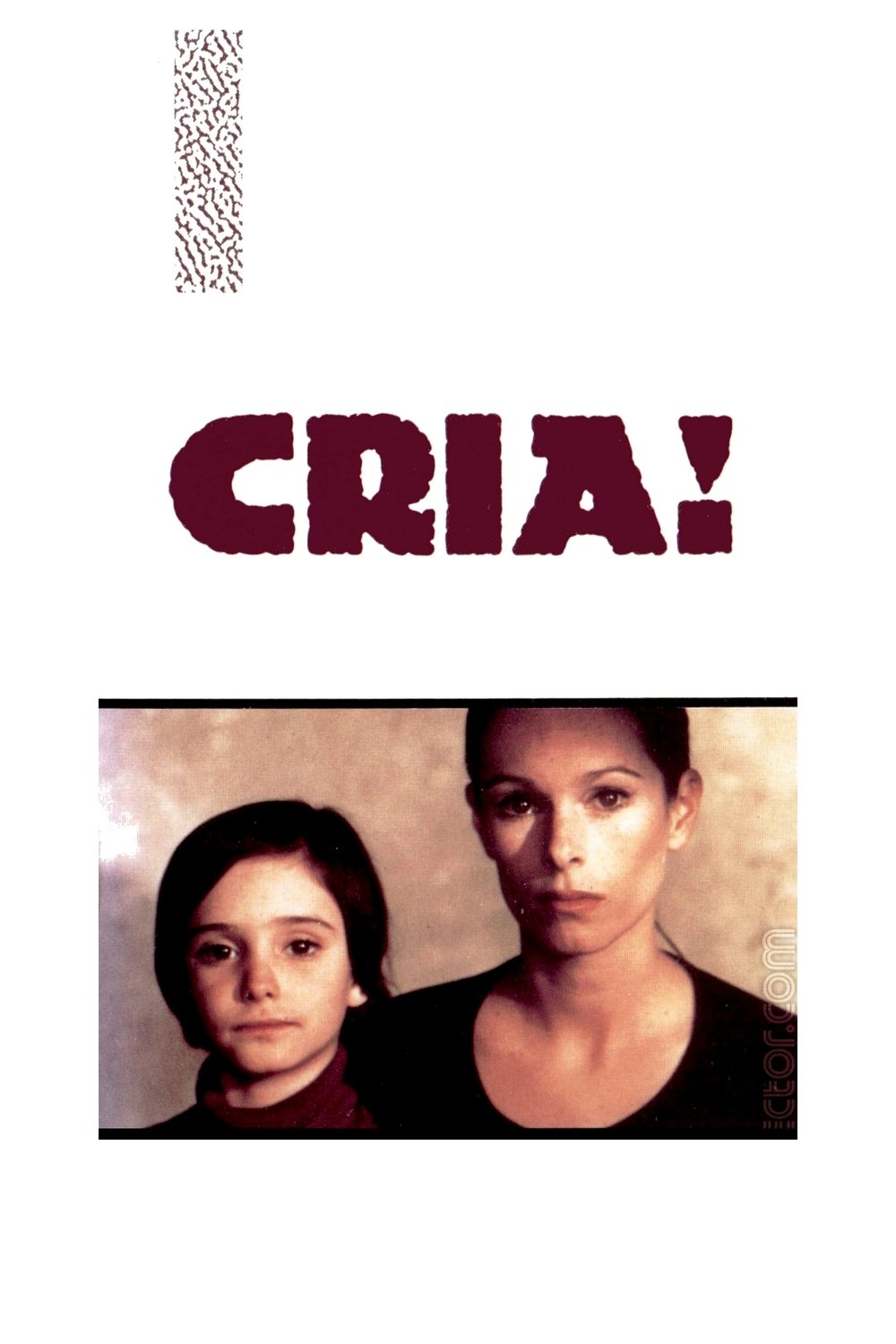
In Saura’s ‘Cría cuervos’, Chaplin played more than one figure in a young girl’s life, embodying both the child’s mother and the adult perspective that frames the narrative. The film’s layered structure made her performance central to how audiences understand memory and trauma in the story.
The role demonstrated her ability to anchor films that depend on precise emotional calibration rather than overt dramatics. It also cemented her place in the Spanish canon, where the movie is widely regarded as a landmark of 1970s European cinema.
‘Nashville’ (1975) – Joining Robert Altman’s ensemble experiment
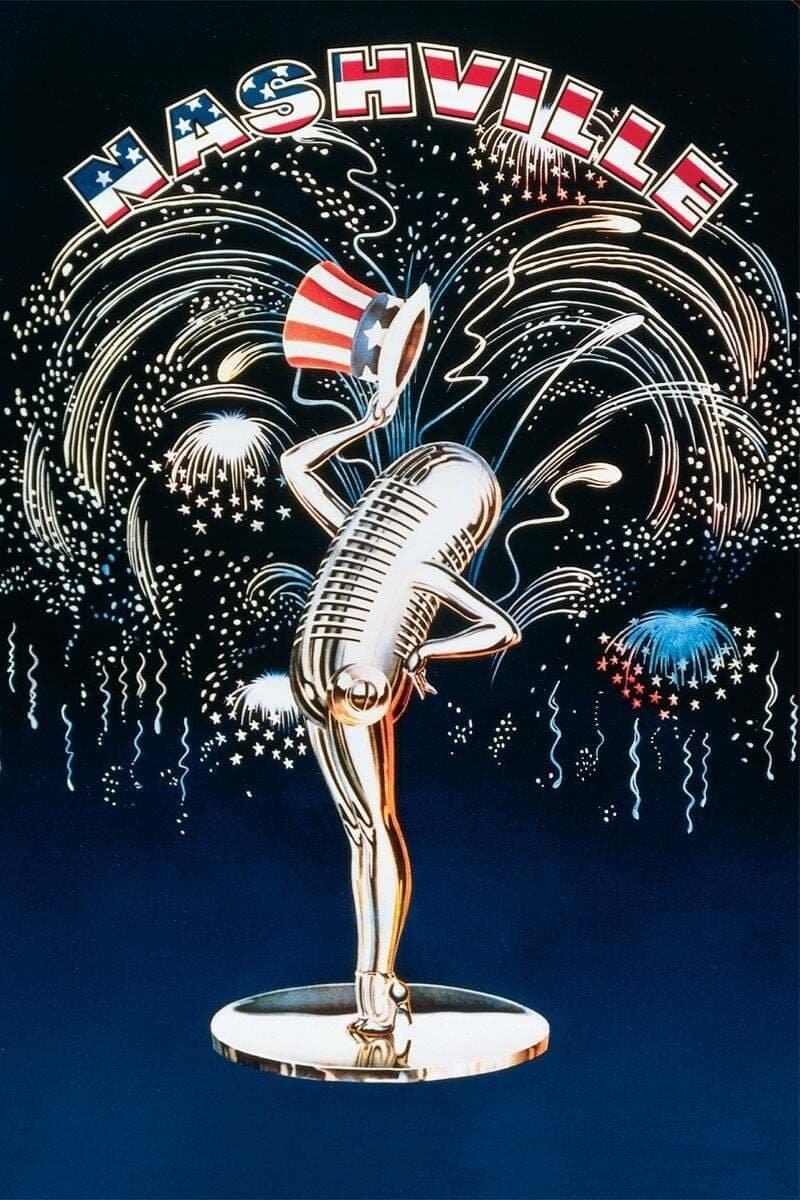
Chaplin appeared in Robert Altman’s ‘Nashville’, a multi-character panorama of American culture that relied on overlapping scenes and improvisational energy. She played Opal, a visiting journalist whose interviews and observations thread through the film’s tapestry of performers and political events.
Working within Altman’s ensemble method required adaptability to long takes, ensemble blocking, and a shifting focus among characters. Chaplin’s contribution fit naturally into this environment, reinforcing her reputation as an actor who can navigate complex, innovative production approaches.
‘Chaplin’ (1992) – Portraying her own grandmother on screen
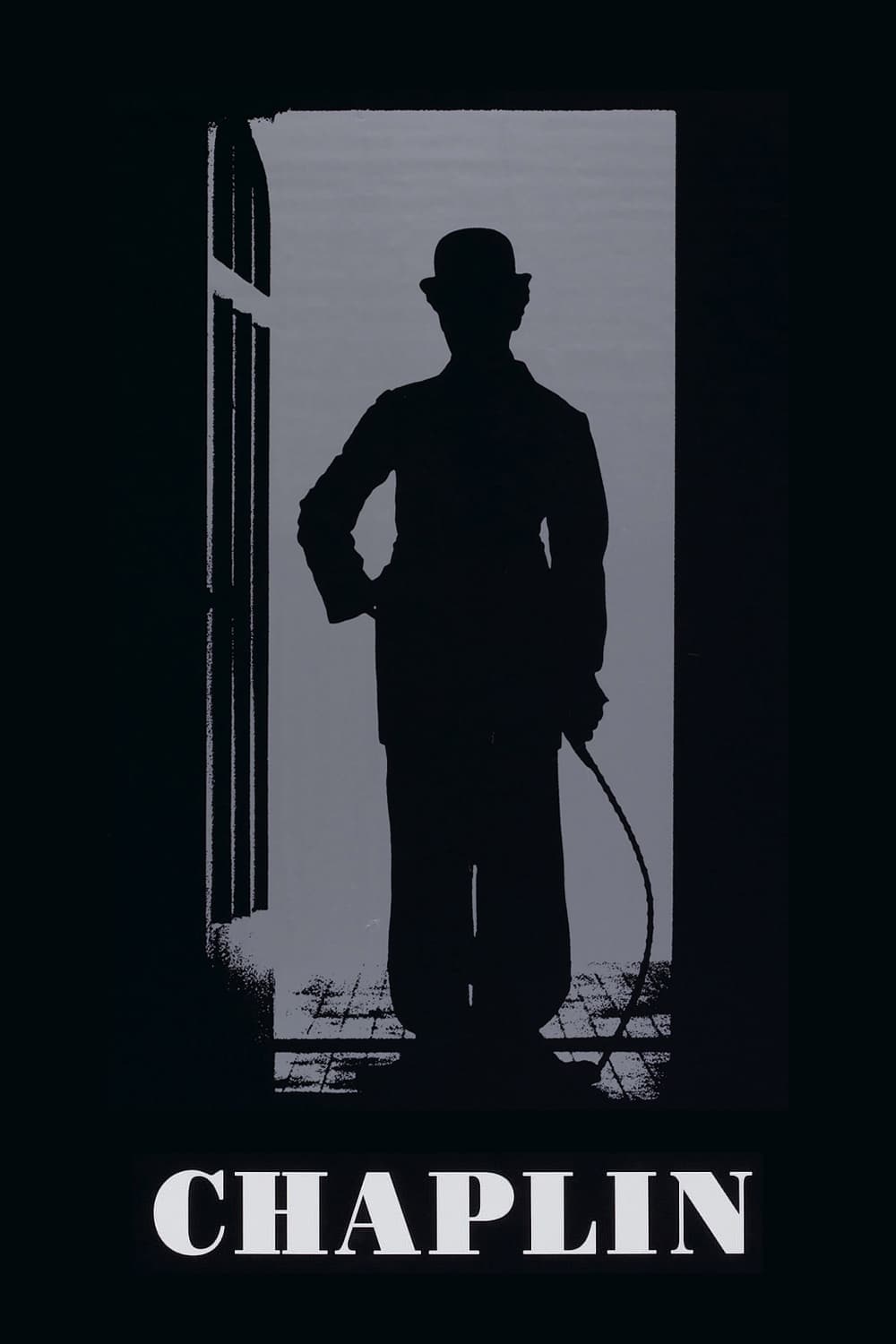
Richard Attenborough’s ‘Chaplin’ cast Geraldine Chaplin as Hannah Chaplin, Charlie Chaplin’s mother. The part linked her personally to the biographical subject matter while demanding historical detail and restraint in depicting a real person central to silent-era history.
Playing Hannah connected family memory with cinematic reconstruction. It gave Chaplin the unusual task of interpreting an ancestor within a major biopic, bringing her family’s story into a contemporary production without relying on nostalgia or familiarity alone.
A sustained presence in Spanish cinema and major national honors

Chaplin’s consistent work in Spain led to prominent recognition, including awards at national ceremonies. Her performance in ‘En la ciudad sin límites’ earned the Goya Award for Best Supporting Actress, highlighting her status within Spanish film culture beyond her collaborations with Saura.
This acknowledgment reflected a long commitment to Spanish-language productions and to roles that engage with the country’s shifting social and familial narratives. It also underscored her position as an international actor integrated deeply into Spain’s film industry.
‘The Orphanage’ (2007) – A key turn in modern Spanish Gothic
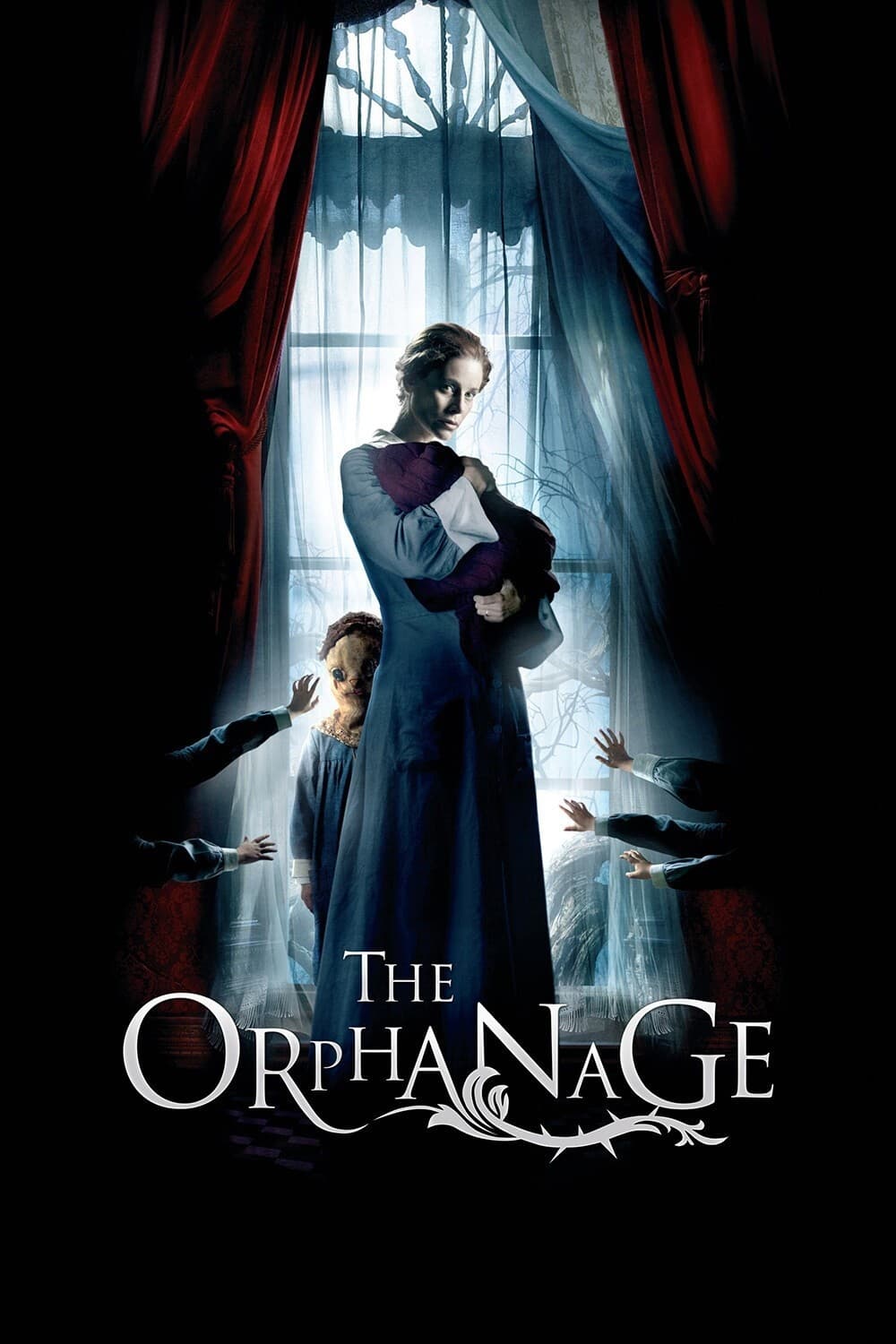
In J. A. Bayona’s ‘The Orphanage’, Chaplin played a medium brought in to investigate a missing child. The film combined classic Gothic atmosphere with contemporary storytelling, and her character serves as a pivotal narrative hinge that connects the natural and the supernatural.
The role reintroduced Chaplin to new audiences discovering Spanish cinema through modern genre hits. It also marked the start of a continued collaboration with Bayona, illustrating how she bridges generations of filmmakers within the same national context.
‘A Monster Calls’ (2016) – Continuing with J. A. Bayona
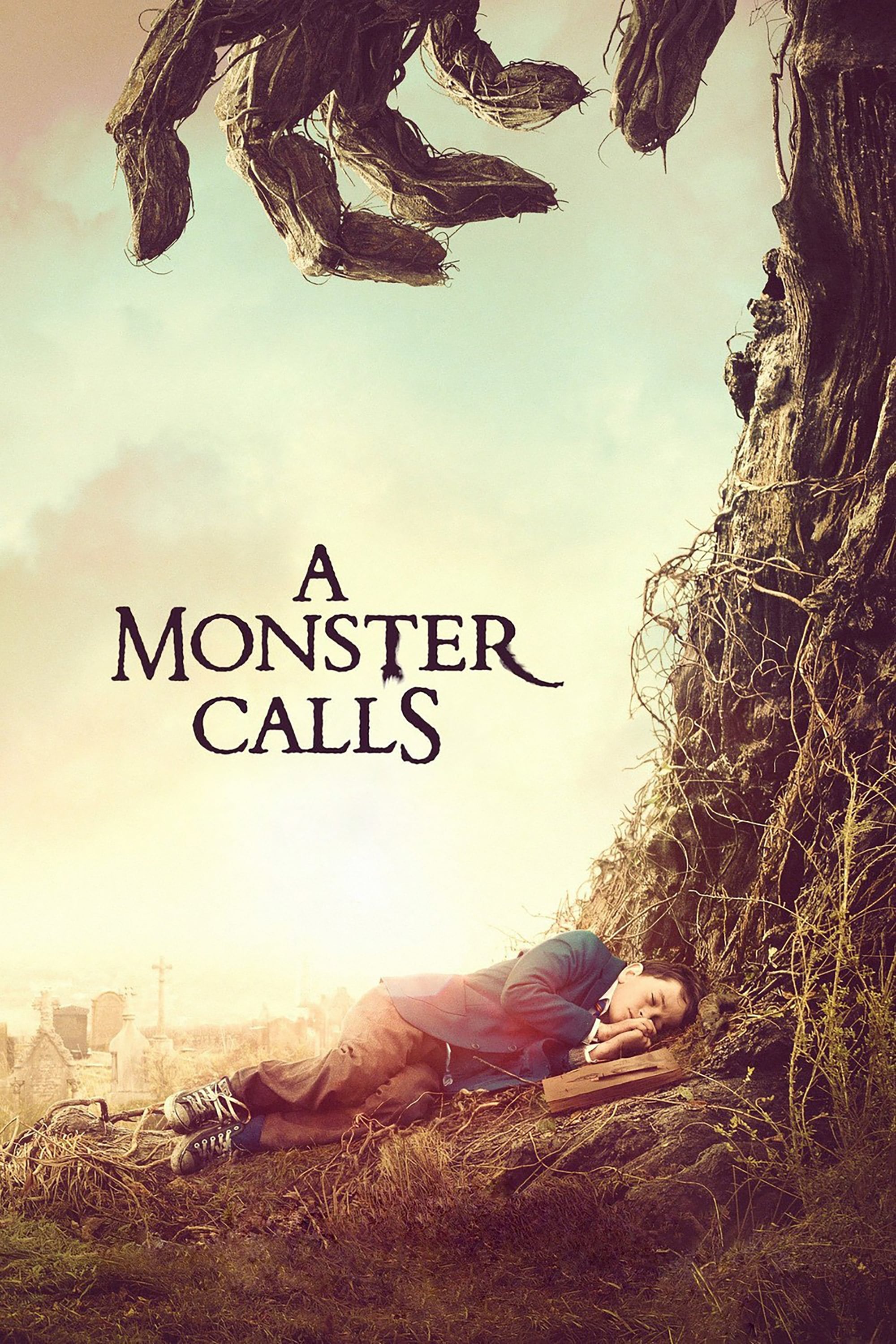
Chaplin returned to Bayona’s orbit in ‘A Monster Calls’, adapted from Patrick Ness’s novel. The film’s blend of live action and imaginative sequences required performances grounded enough to support its mythic elements, and her presence helped anchor the family drama at the story’s core.
This project further demonstrated her capacity to support ambitious visual storytelling while maintaining the intimate, relational beats that give the narrative weight. It also reaffirmed her ongoing relevance in high-profile Spanish-language and international co-productions.
Share your favorite Geraldine Chaplin performances and surprises from this list in the comments!