The 10 Most Underrated Michael J. Fox Movies, Ranked (from Least to Most Underrated)


Michael J. Fox’s filmography stretches far beyond the roles most people cite first. Across comedies, dramas, animation, and thrillers, he’s worked with heavyweight directors, anchored studio hits, and slipped into memorable supporting turns that show sharp comedic timing and quiet dramatic force. There’s a lot of range tucked between the marquee blockbusters—career pivots, passion projects, and savvy choices that rewarded a closer look.
This countdown spotlights ten titles that often fly below the radar. You’ll find leading roles, voice performances, and ensemble parts that pair Fox with filmmakers like Brian De Palma, Peter Jackson, and Rob Reiner. Each entry includes practical details—who made it, who’s in it, where it was filmed, how it performed, and what makes it noteworthy in Fox’s body of work.
‘Bright Lights, Big City’ (1988)
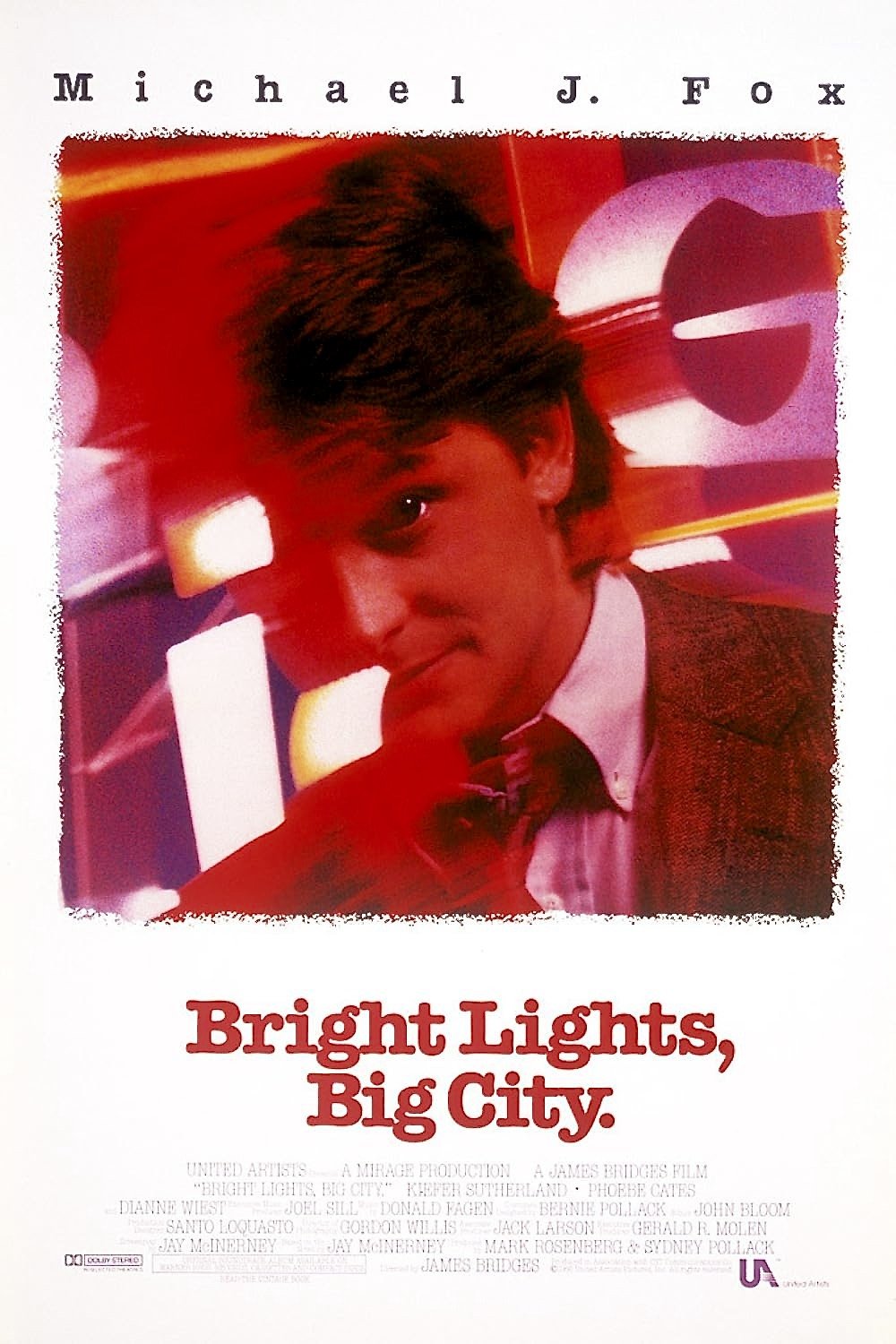
Based on Jay McInerney’s novel, this drama follows a young fact-checker navigating New York publishing and nightlife. Michael J. Fox leads the cast alongside Kiefer Sutherland and Phoebe Cates, with James Bridges directing and adapting the screenplay. Principal photography took place largely in Manhattan, capturing midtown offices and downtown streets to mirror the book’s magazine-world backdrop.
The production tracks the novel’s second-person narrative through visual devices and voiceover, and it marks one of Fox’s early detours into dramatic territory. The film’s soundtrack leans on club-scene staples of the era, while the costuming and location work were designed to contrast corporate interiors with after-hours venues. Home media releases have included commentary on adapting the novel’s distinctive voice for the screen.
‘Light of Day’ (1987)
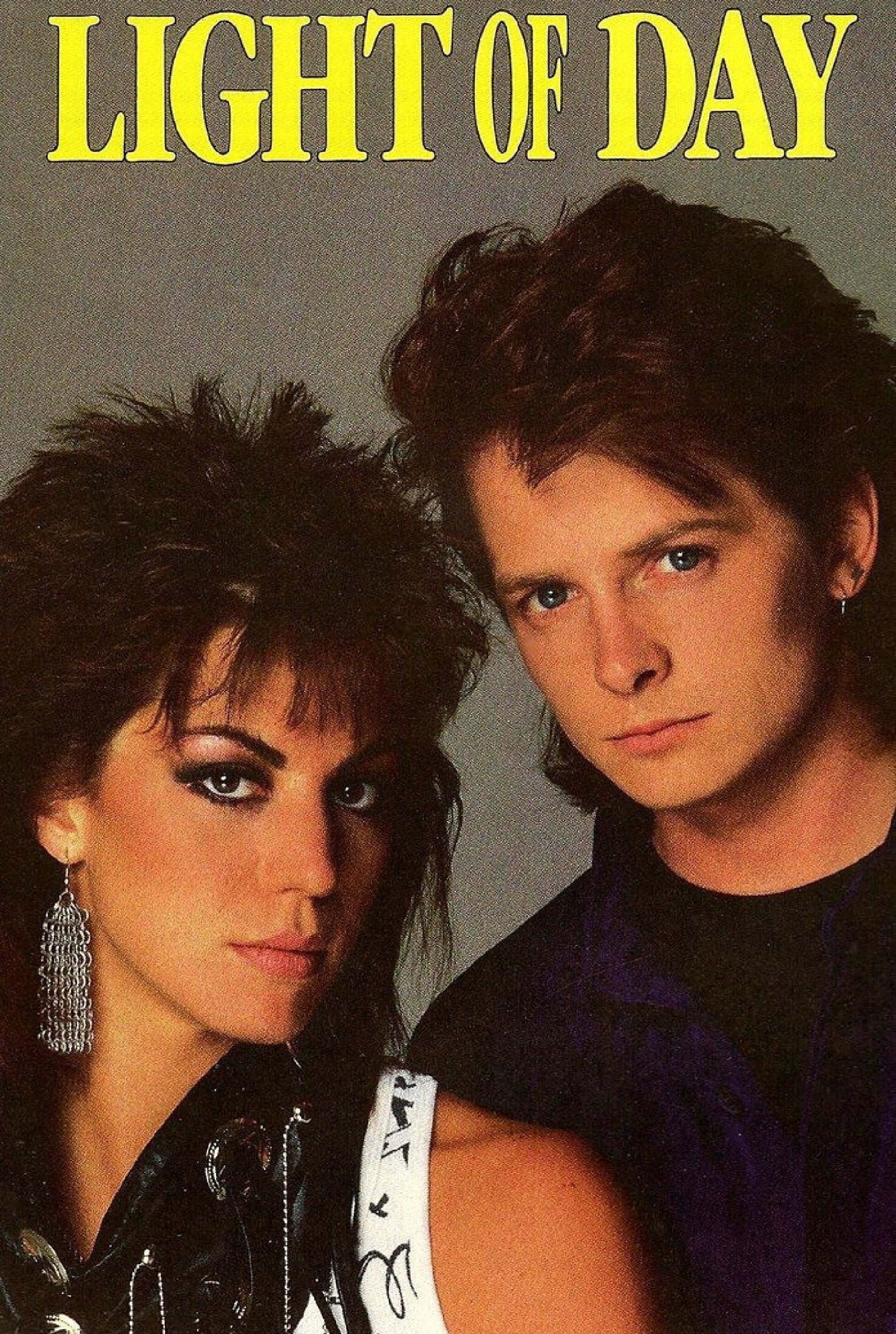
Directed by Paul Schrader, this music-world drama stars Michael J. Fox and Joan Jett as siblings balancing a struggling bar band with family obligations. The film features Gena Rowlands in a key supporting role and includes live performance sequences recorded with on-set sound to keep instrumentation and vocals aligned with the actors’ performances.
The title song, written by Bruce Springsteen, anchors the soundtrack, which mixes original tracks and bar-band covers performed by the cast. Production built out club interiors in the Midwest and used practical stages to accommodate full-band setups, giving Fox extensive on-camera guitar and performance time shaped by dedicated rehearsal.
‘For Love or Money’ (1993)

Barry Sonnenfeld directs this Manhattan-set comedy about a concierge, played by Michael J. Fox, who brokers favors for elite clients while trying to secure financing for a boutique hotel. Co-stars include Gabrielle Anwar and Anthony Higgins, and the film uses a mix of real luxury-lobby locations and constructed sets to choreograph its quick handoffs and phone-to-face transitions.
The plot’s hotel-development thread is grounded in permitting, financing, and partner agreements, which the script uses to structure Fox’s character’s day-planner hustle. Production design highlights back-of-house spaces—service elevators, linen corridors, and staff rooms—to contrast front-of-house polish with the logistics that keep a high-end property running.
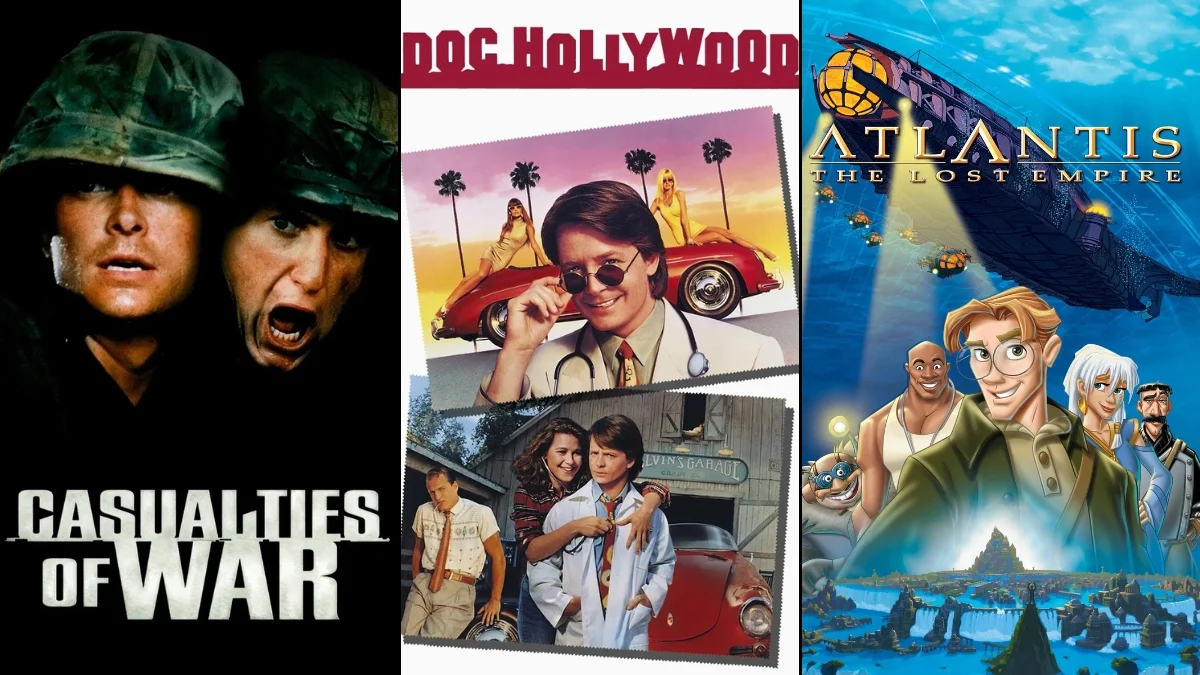
‘Doc Hollywood’ (1991)
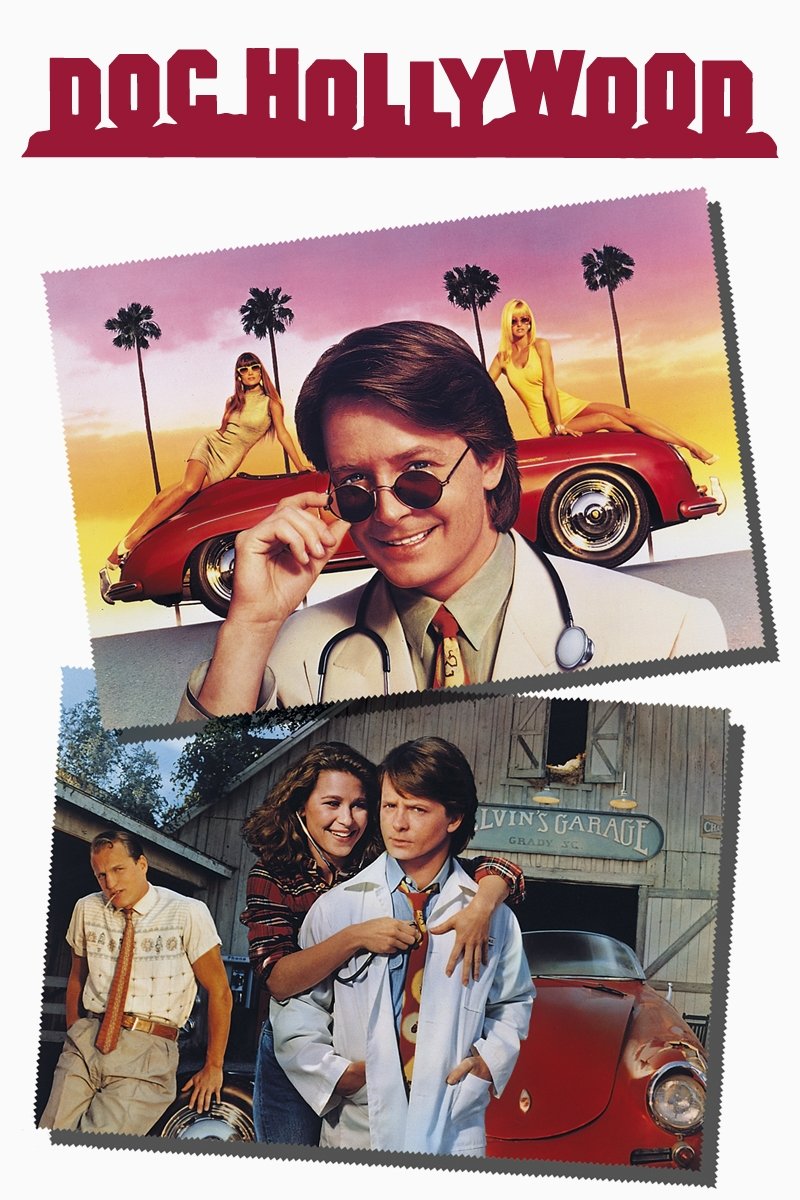
Michael J. Fox plays a big-city surgeon stranded in a small town after a fender-bender reroutes his trip. Directed by Michael Caton-Jones, the film co-stars Julie Warner, Woody Harrelson, and Barnard Hughes. The production blends Southern small-town exteriors with studio interiors, using courthouse, diner, and clinic sets to stage its community interactions.
Medical scenes were coordinated with technical advisors to align procedures, tools, and terminology, particularly during clinic sequences and emergency calls. The film’s release included a soundtrack that mixes country and adult-contemporary tracks, while location work emphasized two-lane highways and downtown squares to frame the protagonist’s detour.
‘Greedy’ (1994)
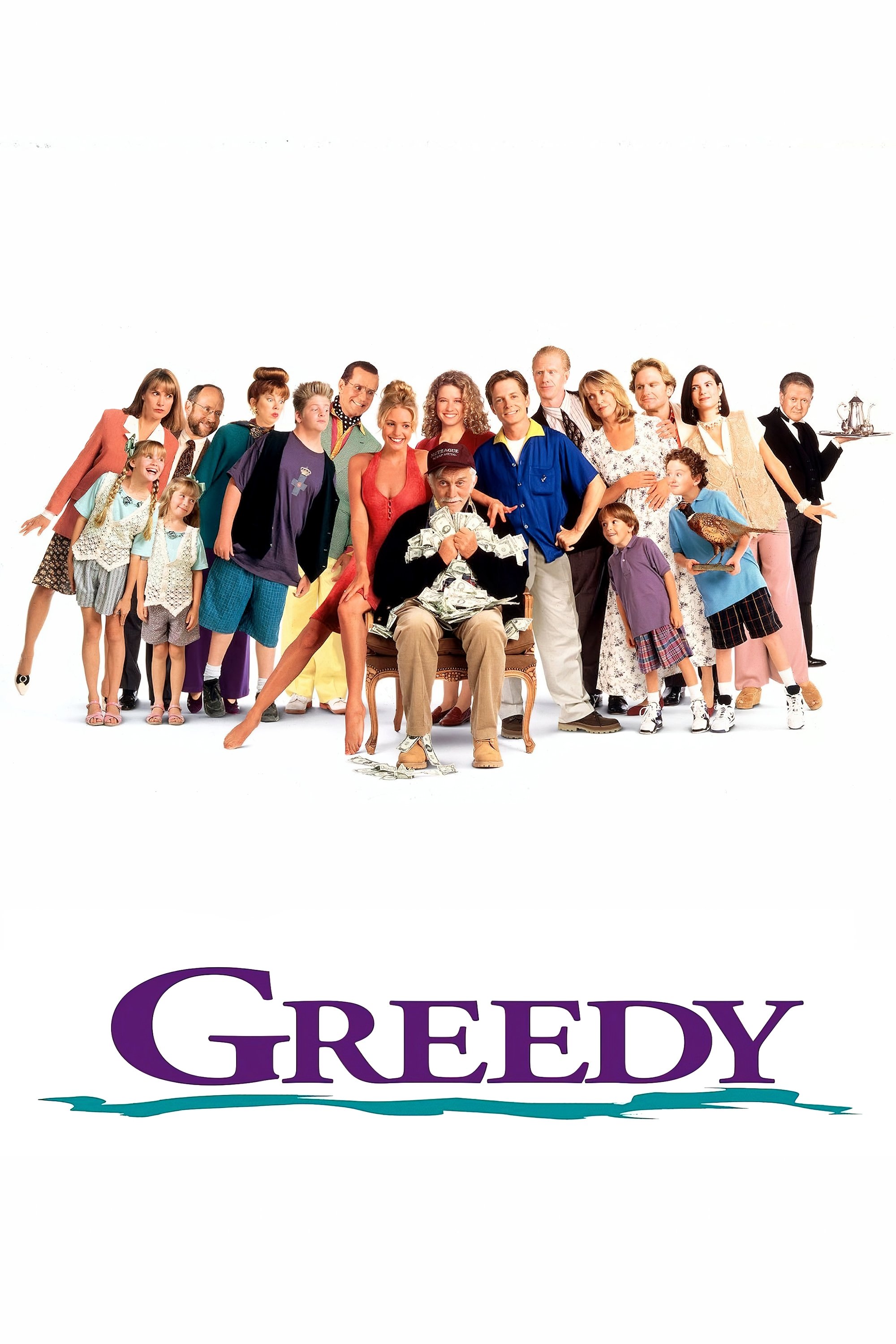
Directed by Jonathan Lynn, this ensemble comedy casts Michael J. Fox among relatives maneuvering around a wealthy patriarch played by Kirk Douglas. Nancy Travis and Phil Hartman co-star, and the film uses a large ensemble structure with family-gathering set pieces that rely on overlapping dialogue and timing rehearsals.
Production centered on a mansion location dressed with period furnishings to support inheritance-driven plot turns, including staged will-readings and in-house negotiations. The screenplay leans on corporate law and probate details to set up conflicts, while the score underscores farce beats during multi-room chases and confrontations.
‘The Secret of My Success’ (1987)

Herbert Ross directs this corporate-climb comedy starring Michael J. Fox as a mailroom hire who moonlights in an executive role. Co-stars include Helen Slater and Richard Jordan. The production shot in major office towers and purpose-built sets to allow fast wardrobe switches and split-level blocking across bullpen floors and corner suites.
Business sequences reference mergers, proxy fights, and internal audits to structure the character’s gambits, and the film uses intercoms, boardroom setups, and filing-system gags as recurring devices. The soundtrack features late-80s pop cuts, while costuming emphasizes power suits and office-culture details that mark each rung on the corporate ladder.
‘Atlantis: The Lost Empire’ (2001)

In this animated adventure from Walt Disney Feature Animation, Michael J. Fox voices cartographer and linguist Milo Thatch. Helmed by Gary Trousdale and Kirk Wise, the film combines hand-drawn characters with stylized backgrounds and integrates constructed languages, including Atlantean, developed with linguistic consultants to underpin inscriptions and dialogue.
The production draws on dieselpunk aesthetics for submarines, gear, and expedition vehicles, and it uses multi-plane camera techniques and digital compositing for large-scale sequences. The cast includes Cree Summer, James Garner, and Leonard Nimoy, and the home release highlights design bibles, character turnarounds, and notes on how the language system interacts with plot clues.
‘The American President’ (1995)
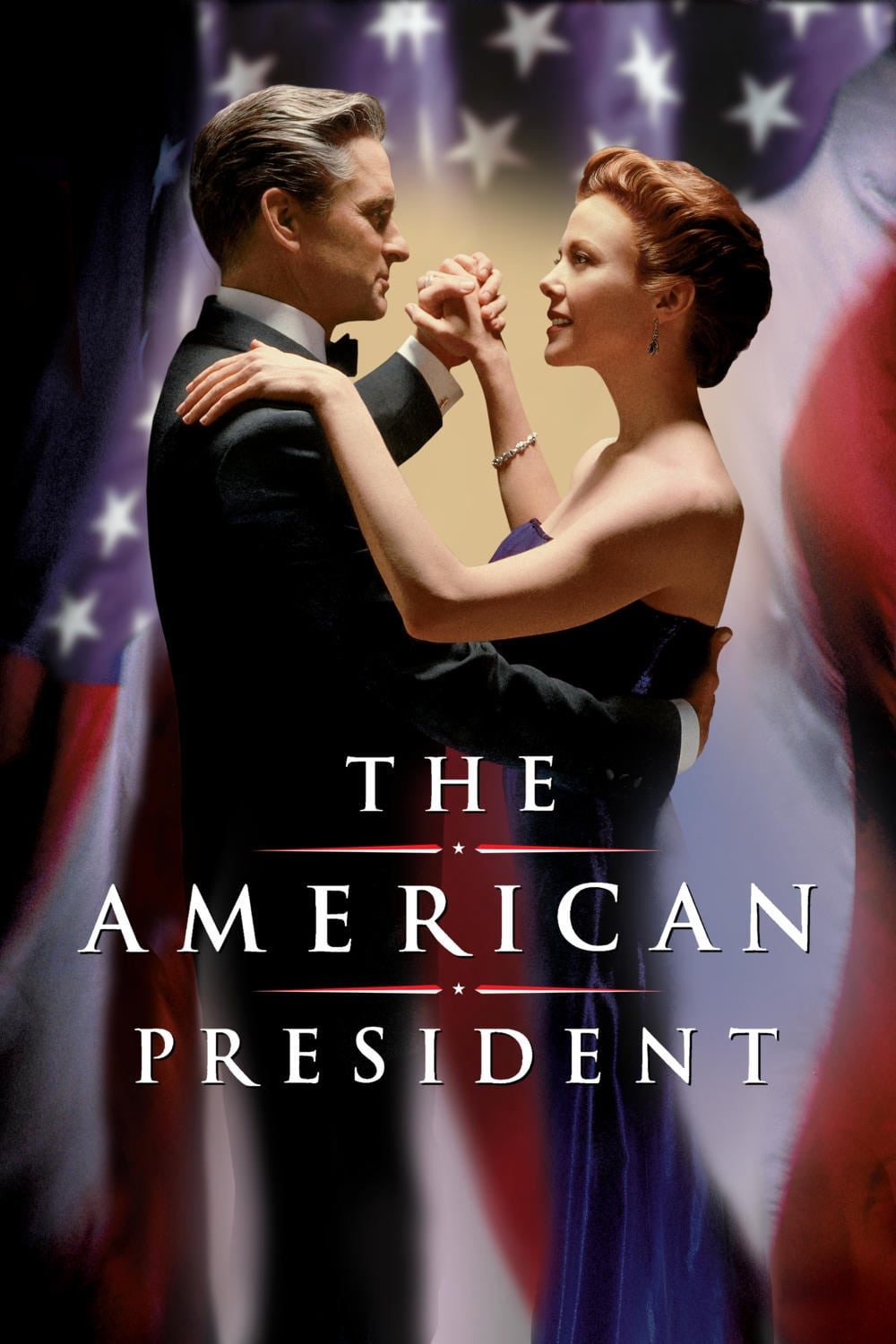
Directed by Rob Reiner from a screenplay by Aaron Sorkin, this romantic dramedy features Michael J. Fox as a key White House staffer alongside Michael Douglas and Annette Bening. The production reconstructed Oval Office and West Wing spaces on soundstages, with attention to briefing rooms, walk-and-talk corridors, and advance-team logistics.
Policy threads are anchored in vote counts, bill language, and advocacy group pressure, which structure timetable scenes and staff strategy sessions. The score by Marc Shaiman underscores state arrival ceremonies and press events, while the film’s release history includes awards recognition for music and nods for writing and production design.
‘The Frighteners’ (1996)

Peter Jackson directs this supernatural thriller with Michael J. Fox as a small-town paranormal investigator. Shot in New Zealand with Weta Digital handling visual effects, the film blends practical sets with early CGI character work to stage ghost interactions, spectral chases, and architecture-morphing gags across cemeteries, hospitals, and Victorian houses.
The effects pipeline combined motion-control passes and compositing to place translucent characters into live-action plates. The supporting cast includes Trini Alvarado, Dee Wallace, and Jeffrey Combs, and the production schedule prioritized night shoots and controlled interior lighting to integrate effects markers, plate photography, and stunt work.
‘Casualties of War’ (1989)
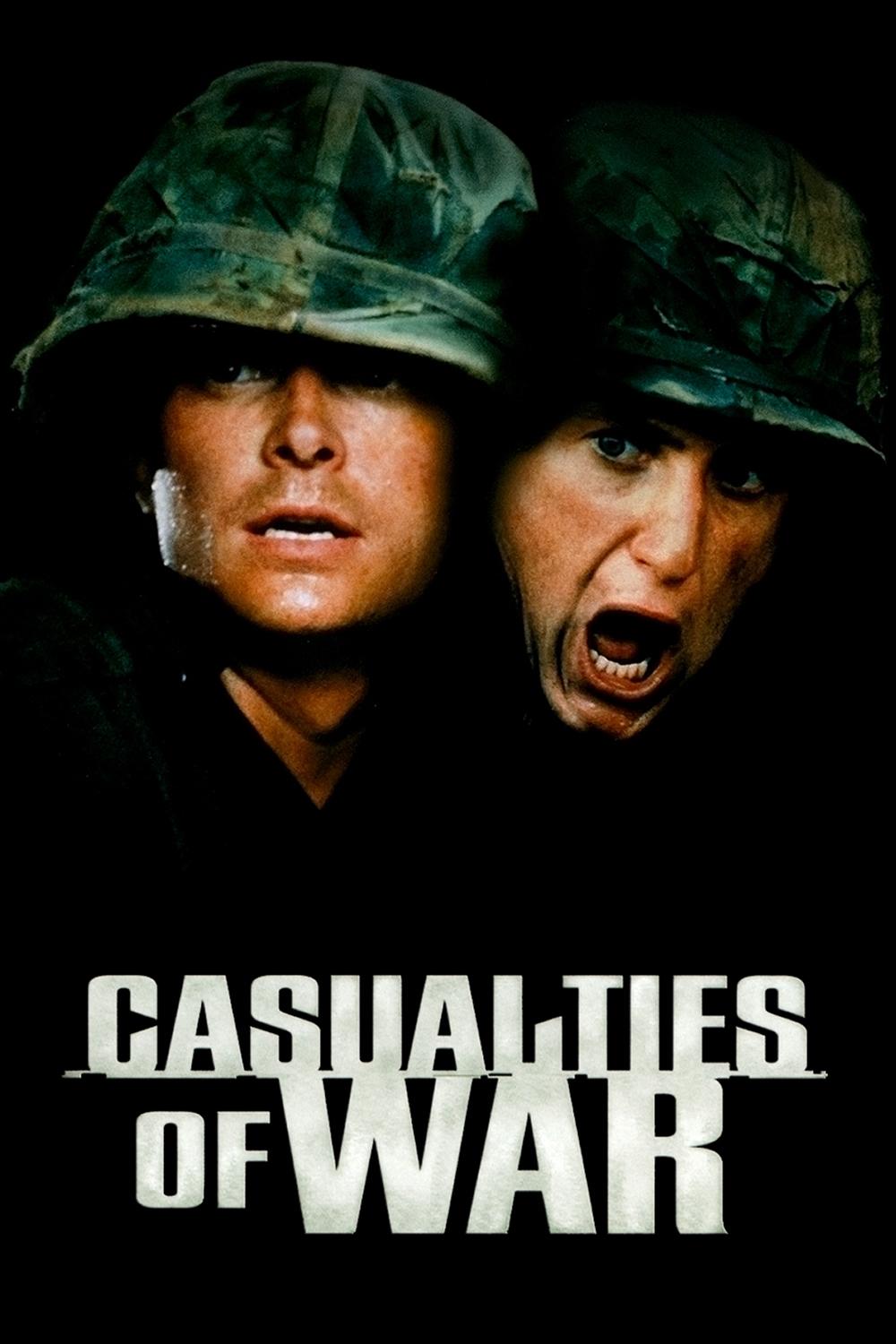
Brian De Palma directs this Vietnam War drama starring Michael J. Fox and Sean Penn, adapted from a New Yorker account by Daniel Lang. The production filmed jungle exteriors in Southeast Asia and used military advisors to coordinate patrol formations, radio protocol, and unit structure for squad-level scenes.
Sound design emphasizes incoming artillery, rotor wash, and small-arms fire recorded with multi-channel field rigs, while the score by Ennio Morricone anchors the film’s central moral conflict with recurring motifs. The release history notes critical attention to performances and direction, and the film has been included in military-ethics discussions, screenings, and coursework focusing on command responsibility.
Share your picks for the most overlooked Michael J. Fox films in the comments!