The 10 Most Underrated Hilary Duff Movies, Ranked (from Least to Most Underrated)

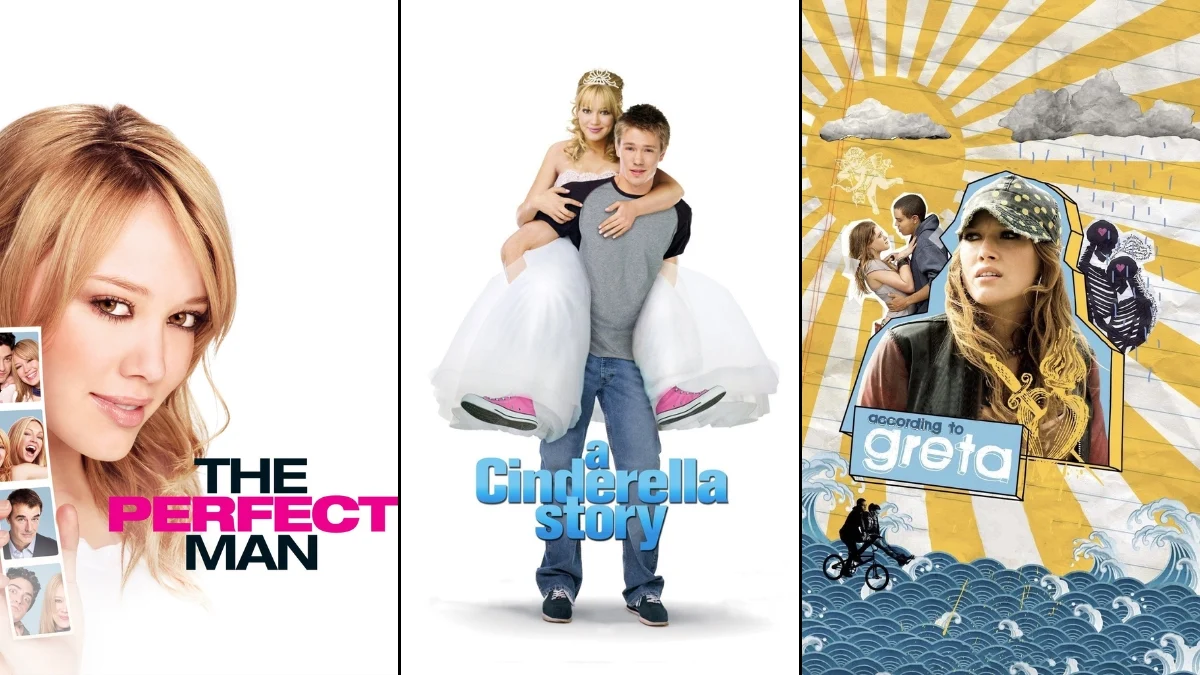

Hilary Duff’s screen work spans studio comedies, family ensembles, festival indies, and voice-and-music-driven projects. Across these films she’s collaborated with veteran directors, worked on location throughout North America and Europe, and anchored releases that found much of their audience through cable, DVD, and early digital platforms. Production materials, distribution paths, and soundtrack tie-ins help explain how these titles traveled—and why some flew under the radar on first release.
This countdown focuses on concrete details: who directed and produced each film, where and how they were shot, how the releases were positioned, and what Duff’s role involved within each project’s creative and marketing plans. From festival premieres to home-video extras, these specifics map the real careers of the movies themselves.
‘Material Girls’ (2006)
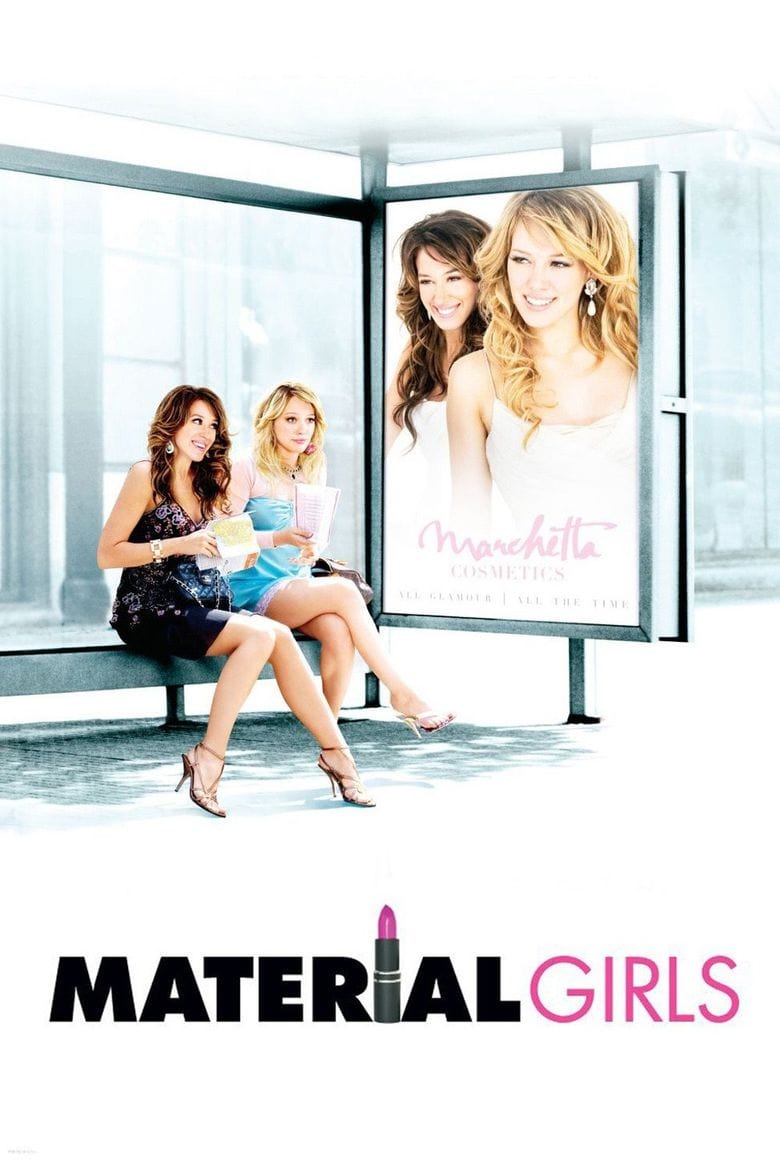
Directed by Martha Coolidge and released by Metro-Goldwyn-Mayer, this comedy co-stars Hilary Duff and Haylie Duff as cosmetics-brand heiresses dealing with a corporate threat. Production was based in Los Angeles, using retail spaces, office sets, and studio backlots dressed as showrooms and press-event venues; the supporting cast includes Anjelica Huston, Lukas Haas, and Brent Spiner. Wardrobe and prop teams coordinated branded packaging and red-carpet step-and-repeat elements to establish the fictitious company’s visual identity.
The domestic rollout used a wide release before moving to international territories and home entertainment. Promotional activity emphasized cross-channel reach with music-adjacent spots, teen-press interviews, and DVD featurettes centered on costume design, set walkthroughs, and cast production diaries that documented the film’s fashion-industry backdrop.
‘Stay Cool’ (2009)
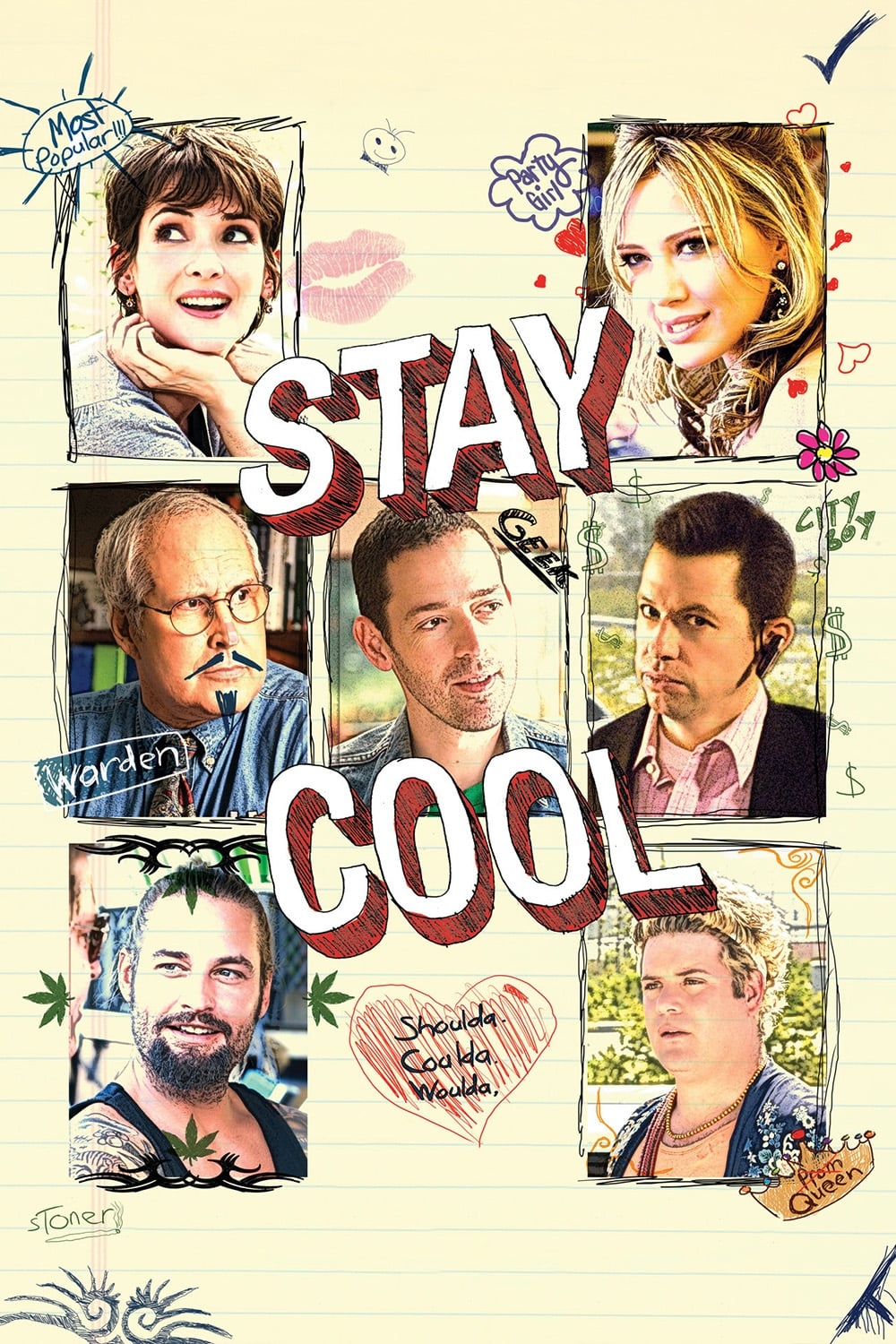
Directed by Michael Polish, this ensemble comedy features Winona Ryder, Mark Polish, Josh Holloway, Chevy Chase, and Hilary Duff as Shasta O’Neil. Filming utilized California locations tailored to resemble a suburban community, with school interiors, gym spaces, and neighborhood streets forming the core settings. The narrative framework connects a returning writer’s visit to his old high school with public events that require coordination across extras and faculty characters.
The release path followed a festival premiere into a limited theatrical run and on-demand availability. Publicity leaned on cast name recognition and alumni-themed hooks pitched to local outlets near screening venues. Music supervision cleared period-flavored selections for school-dance cues, and editorial pacing favored dialogue-driven scenes that could be excerpted easily for trailer and clip packages.
‘What Goes Up’ (2009)
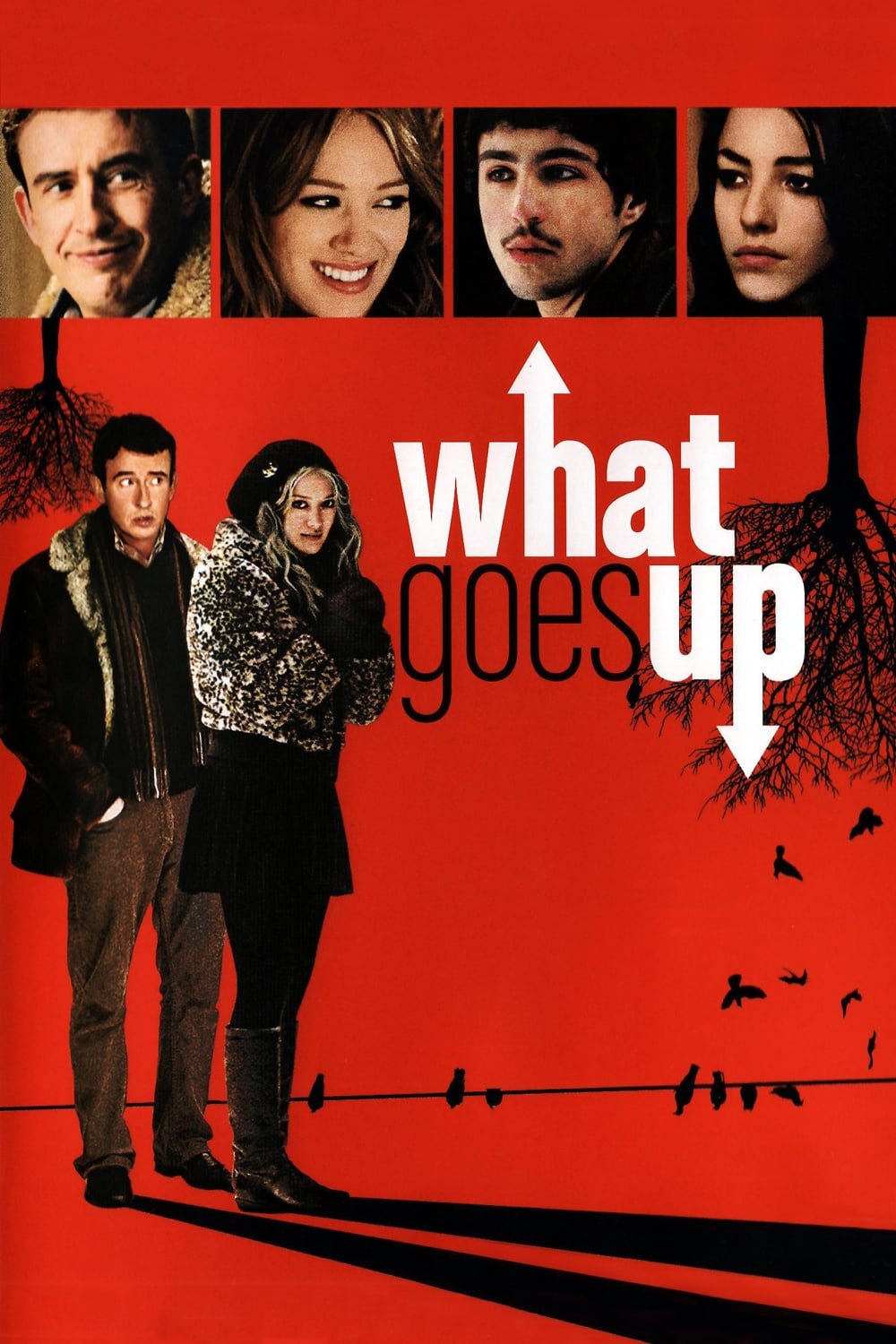
Jonathan Glatzer directed and co-wrote this period-set drama starring Steve Coogan as a reporter dispatched to cover a human-interest story, with Hilary Duff playing Lucy Diamond in a high-school performance troupe. Production staged winter exteriors and school interiors using Canadian and New England locations to match the script’s cold-weather timeline. Choreography and rehearsal footage were incorporated into the narrative, requiring coordinated scheduling for ensemble music numbers.
Distribution targeted select cities with a focus on word-of-mouth and subsequent home release. Supplemental materials highlight the staging of the school pageant and behind-the-scenes music rehearsals, while the soundtrack blends original cues and licensed tracks cleared to reflect the period context that anchors the plot’s chronology.
‘The Perfect Man’ (2005)

Directed by Mark Rosman for Universal Pictures, this family comedy pairs Hilary Duff with Heather Locklear and Chris Noth. Principal photography was based in Toronto, with second-unit work and establishing shots supplying New York City exteriors. Production designed bakery interiors, apartment sets, and neighborhood streets, while art and graphics teams created on-screen emails and blogs integral to the story’s communications setup.
Marketing placements targeted youth-skewing TV blocks, teen magazines, and trailer pairings with similarly rated studio releases. The soundtrack strategy coordinated radio adds with the theatrical window, and the home-video edition included featurettes on creating the film’s online-messaging visuals and location breakdowns for the restaurant and school sequences.
‘War, Inc.’ (2008)
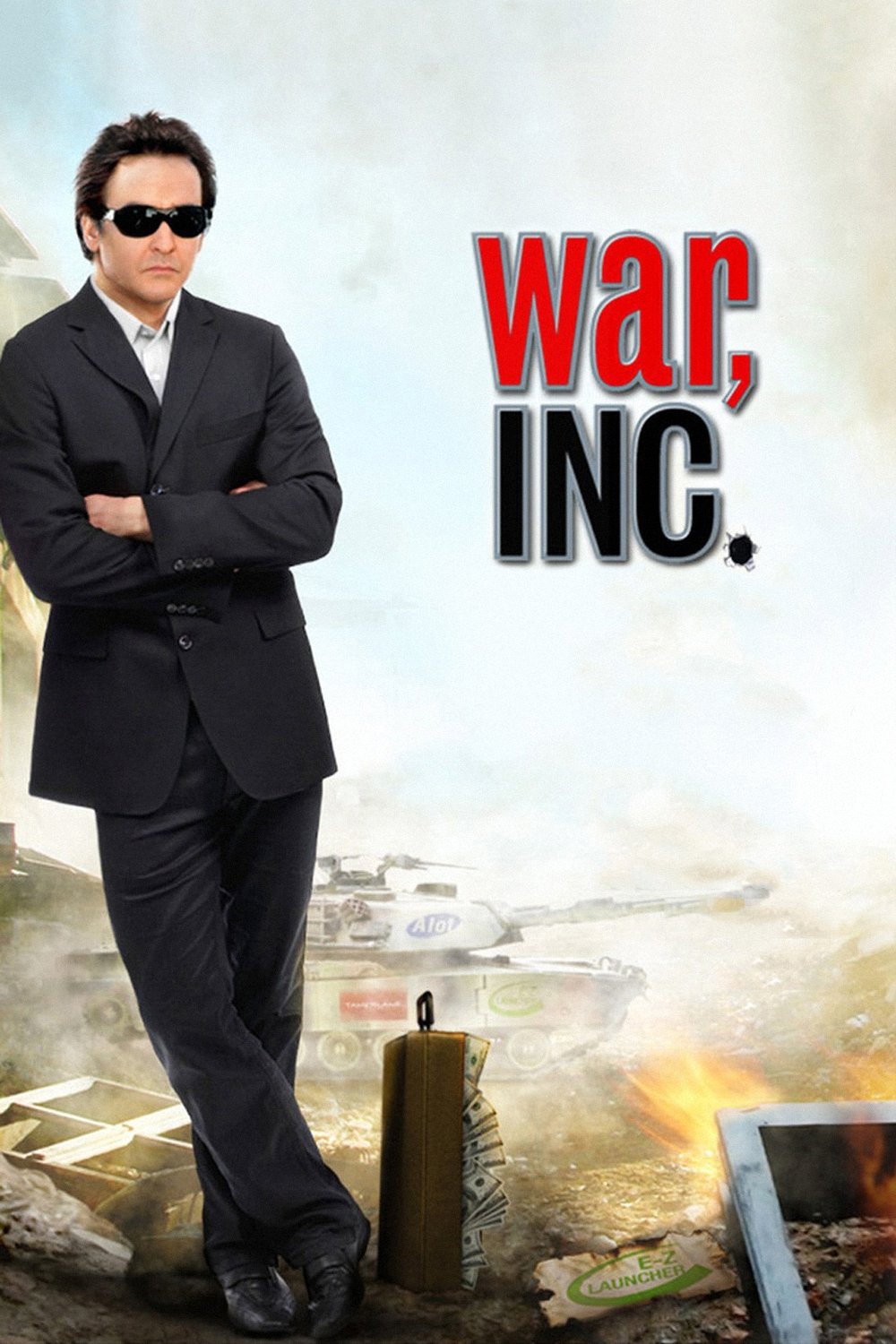
Directed by Joshua Seftel and produced by a team including John Cusack, this political satire features Cusack opposite Hilary Duff, Marisa Tomei, and Ben Kingsley. Duff portrays Yonica Babyyeah, a pop star woven into a corporate-military plot set in a fictional country. The production used Eastern European stages and backlots for concert scenes, press conferences, and desert-style exteriors, integrating choreographed numbers with media-gag setups.
The film premiered on the festival circuit before specialty-theater bookings. Publicity emphasized satirical music performances and cast interviews, and the home release provides featurettes on dialect and choreography work, production design for the fabricated nation, and commentary segments detailing how real-world headlines informed set pieces and props.
‘Raise Your Voice’ (2004)
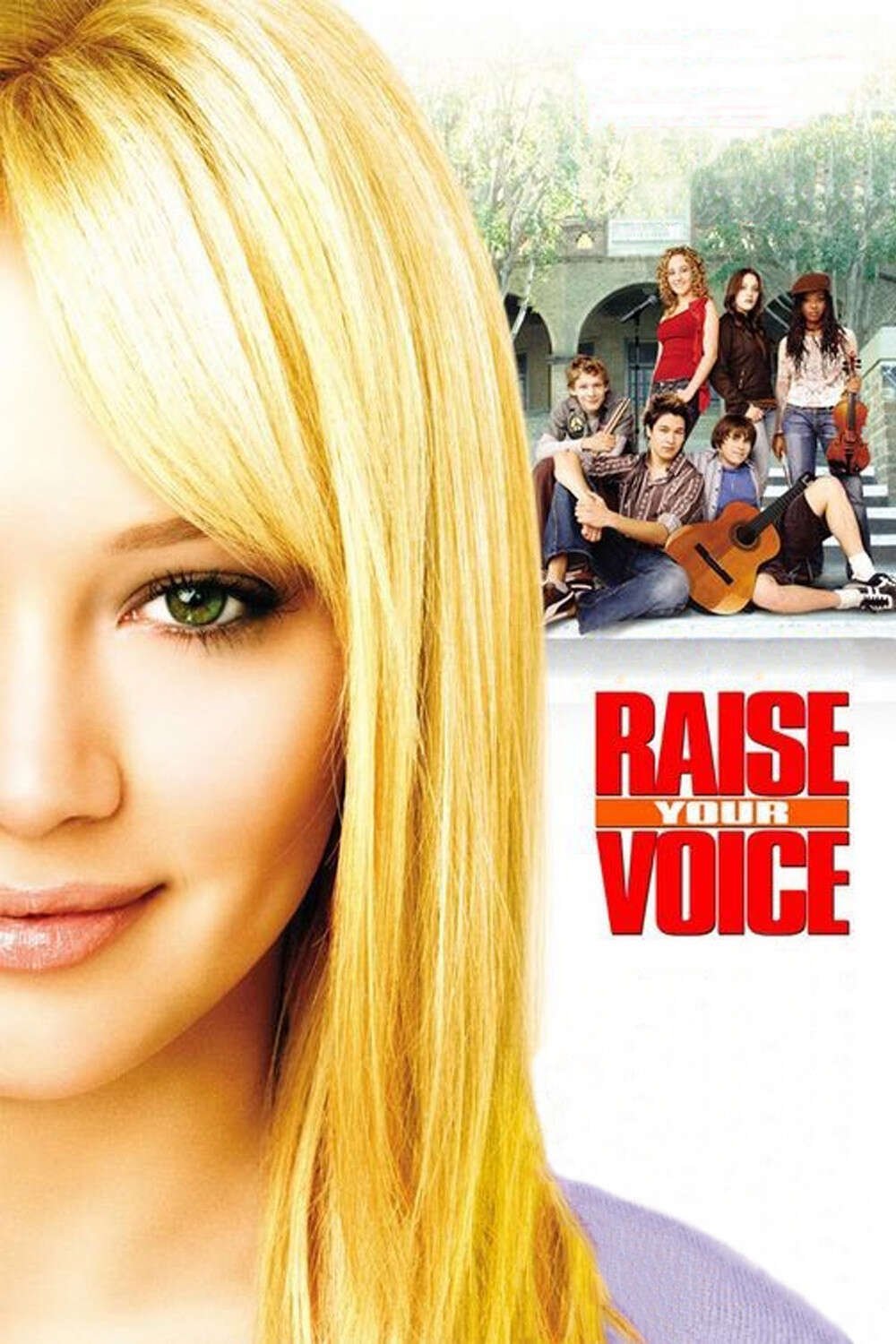
Sean McNamara directed this conservatory-set drama for New Line Cinema, casting Hilary Duff as Terri Fletcher. The production staged classroom, rehearsal, and performance sequences on Los Angeles lots and local theaters, with professional vocal coaches and musicians hired to train the on-screen ensembles. Sound recording combined studio sessions for album-quality tracks with set playback to ensure lip-sync and continuity across multi-camera coverage.
The accompanying soundtrack involved contributions from Duff and contemporaries, timed with the theatrical window and retail promotions. Home-video features include pieces on vocal training, band arrangement, and the technical build of the final recital, along with deleted scenes that document alternate beats for faculty and peer-ensemble subplots.
‘A Cinderella Story’ (2004)

Directed by Mark Rosman and distributed by Warner Bros., this modern retelling stars Hilary Duff with Chad Michael Murray and Jennifer Coolidge. Southern California schools and a themed diner provided core locations, while production design created recurring motifs through neon signage, uniform styling, and coordinated locker-room palettes. Costume departments prepared multiple versions of formalwear for masquerade and dance sequences to manage continuity during pickup days.
The studio’s campaign included retail tie-ins and youth-focused television placements. Music releases were aligned with opening-week marketing, and the home-video package added bloopers, deleted scenes, and a featurette on staging the costume ball, as well as a breakdown of the cell-phone messaging device that structures key plot turns.
‘Cheaper by the Dozen’ (2003)
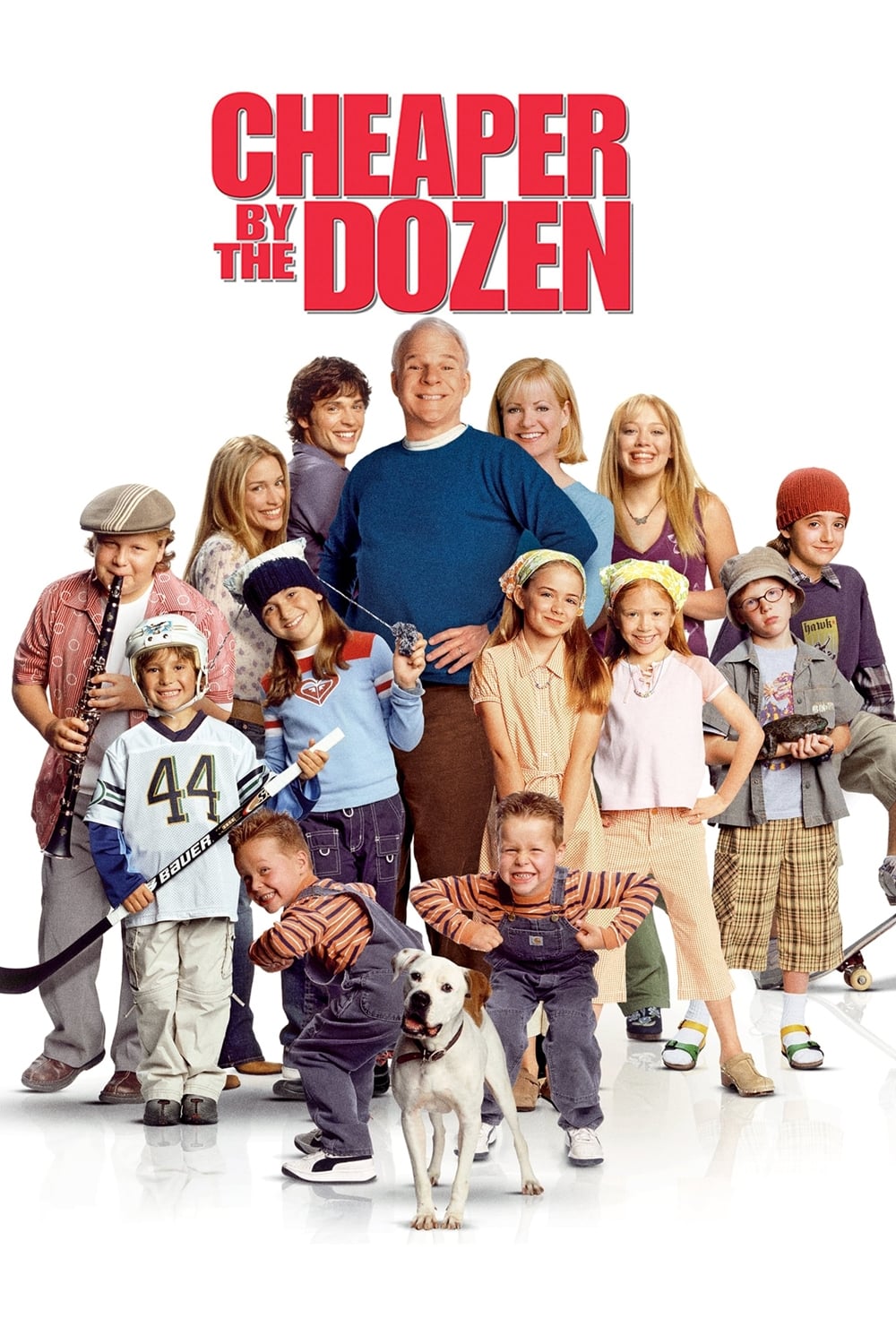
Shawn Levy directed this family ensemble for 20th Century Fox, with Steve Martin and Bonnie Hunt leading the cast and Hilary Duff as Lorraine Baker. Filming combined Midwestern suburban exteriors with Los Angeles interiors and gymnasium sets. Managing the large ensemble required extensive scheduling for school-age performers, on-set tutoring, and coordinated wardrobe tracking to maintain continuity across multi-family scenes and second-unit inserts.
The holiday-season release expanded widely, supported by matinee programming and family group attendance. Ancillary materials include commentary tracks, stunt-work featurettes covering physical-comedy gags, and cast pieces on coordinating multi-camera coverage for scenes involving numerous principal and background actors.
‘According to Greta’ (2009)
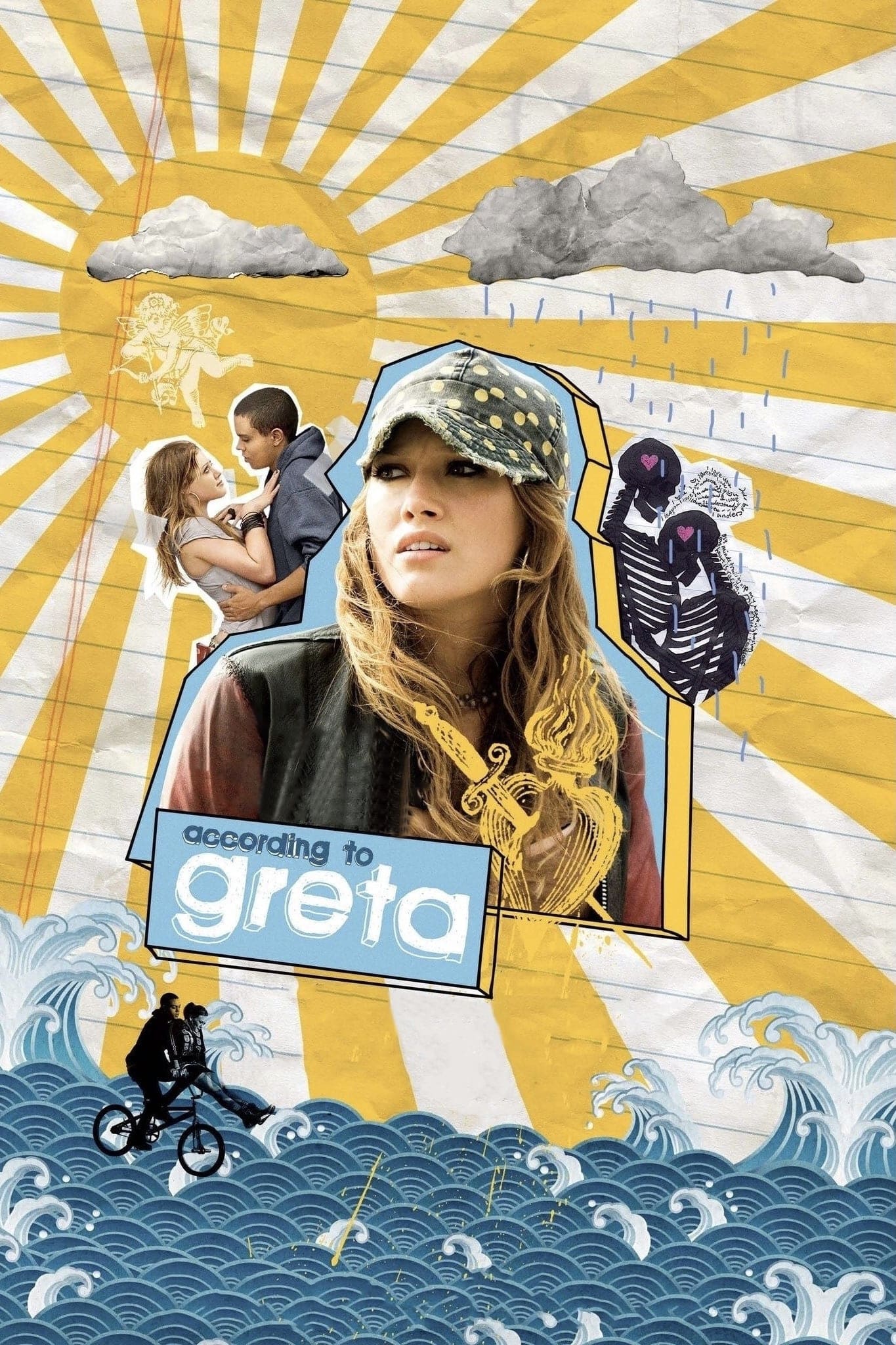
Directed by Nancy Bardawil and produced through IndieVest Pictures, this coming-of-age drama pairs Hilary Duff with Evan Ross, with supporting roles by Ellen Burstyn and Michael Murphy. Location work centered on Jersey Shore towns that provided boardwalks, diners, and residential streets, using handheld cinematography for intimate conversations and wider frames for beach exteriors. Production design emphasized practical spaces and period-neutral props to keep focus on character interactions.
The film followed a limited theatrical run with a prompt transition to home media and streaming. Publicity concentrated on regional outlets connected to its shooting locations, and the disc release highlights location scouting, set decoration for family homes and restaurants, and interviews that explain how the script’s journaling motif shaped prop builds and on-screen text treatments.
‘Bloodworth’ (2010)
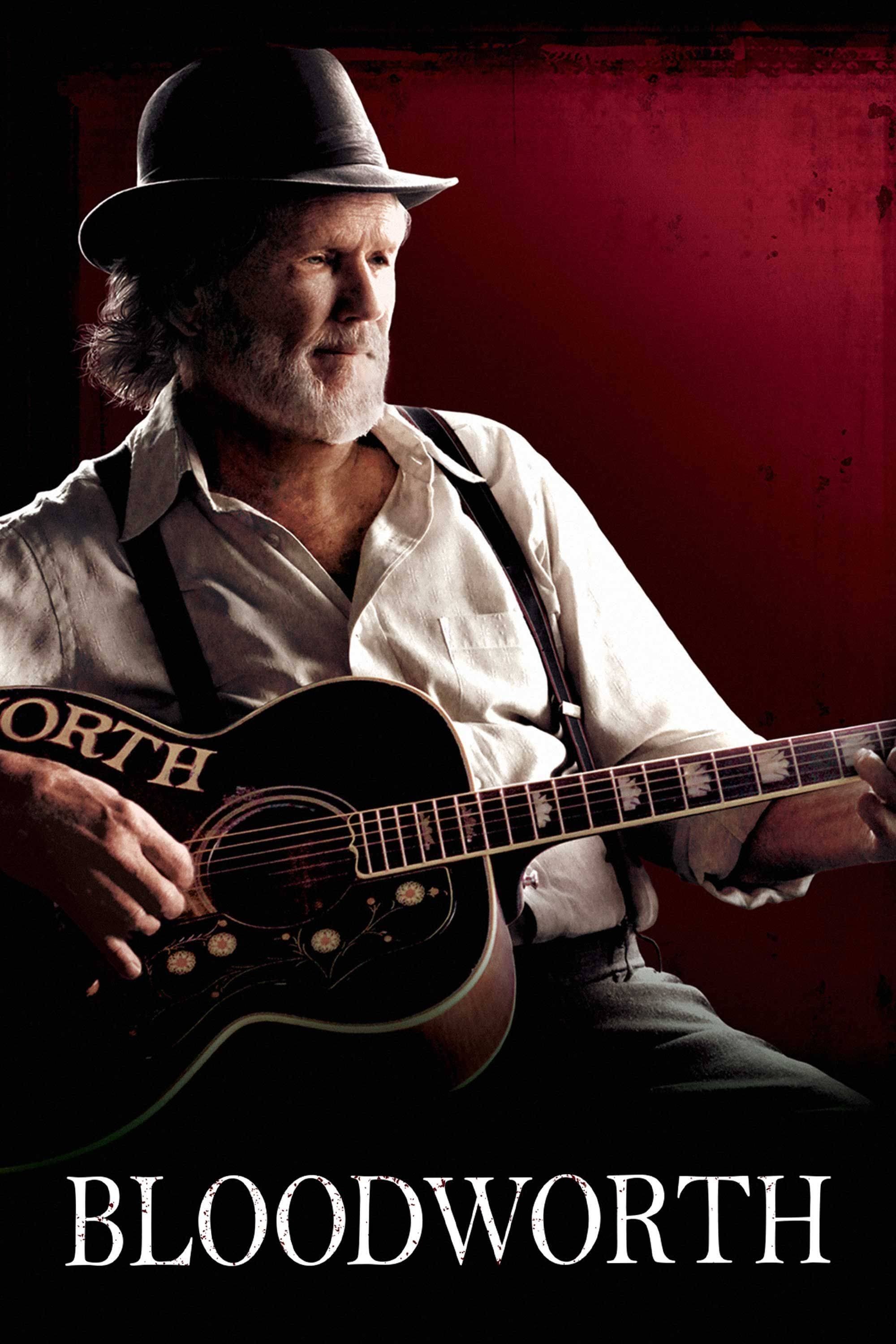
Directed by Shane Dax Taylor and adapted from William Gay’s novel ‘Provinces of Night’, this Southern-gothic drama stars Kris Kristofferson, Val Kilmer, Dwight Yoakam, and Reece Thompson, with Hilary Duff as Raven Halfacre. Production shot across rural locales to capture riverbanks, small-town bars, and farmhouses, emphasizing practical lighting for dusk exteriors and interiors. Music direction leaned on Americana instrumentation to align with the regional setting.
The release began with festival screenings before a limited theatrical footprint and home-video availability. Bonus features include interviews detailing the adaptation process from source novel to screenplay, along with costume and makeup notes that document thrift-sourced wardrobe, minimalized styling, and location-driven choices used to anchor the story’s sense of place.
Share your own overlooked Duff picks in the comments and tell us which titles you’d add to the list!