The 10 Most Underrated Kevin Costner Movies, Ranked (from Least to Most Underrated)

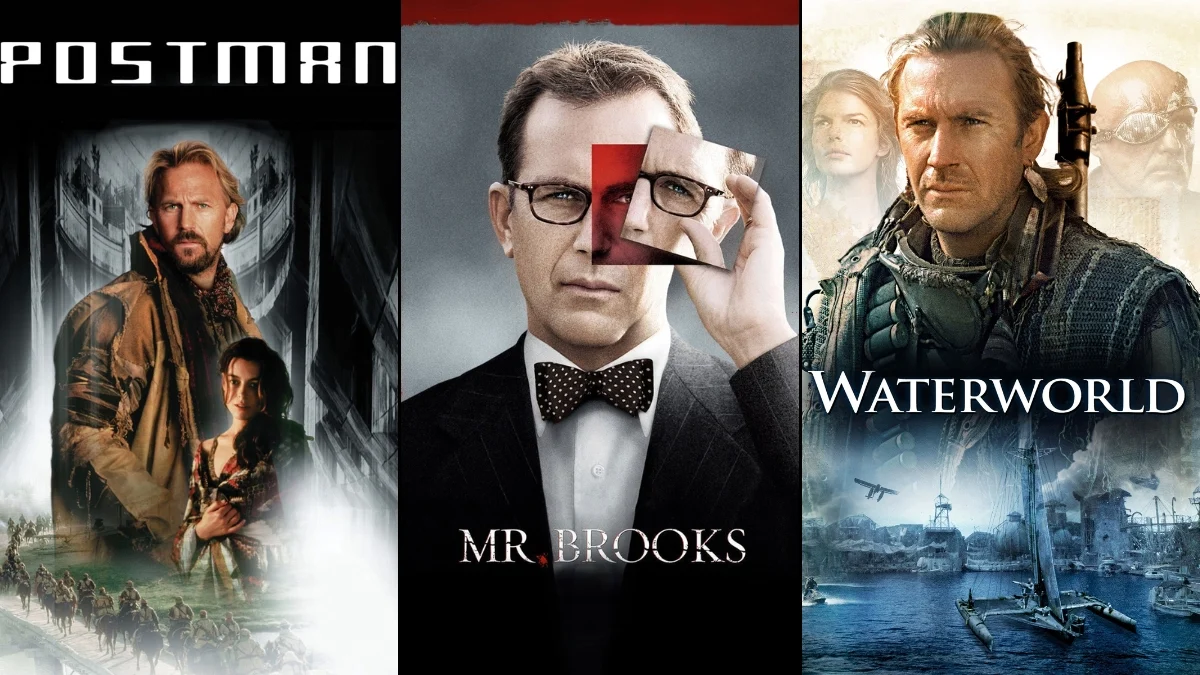

Kevin Costner’s filmography stretches from Westerns and political thrillers to sports dramas and character-driven indies, and a surprising number of strong titles tend to get overshadowed by his biggest hits. This lineup spotlights projects where he took chances—starring roles, director collaborations, and genre swings that show range beyond the titles most people name first.
Below you’ll find a focused tour through ten films that highlight craft, variety, and the company he kept—writers, directors, and ensembles who shaped the results. Each entry includes concrete details on stories, collaborators, box-office context, and notable production notes to help you rediscover where these movies fit in both his career and their respective genres.
‘The Postman’ (1997)
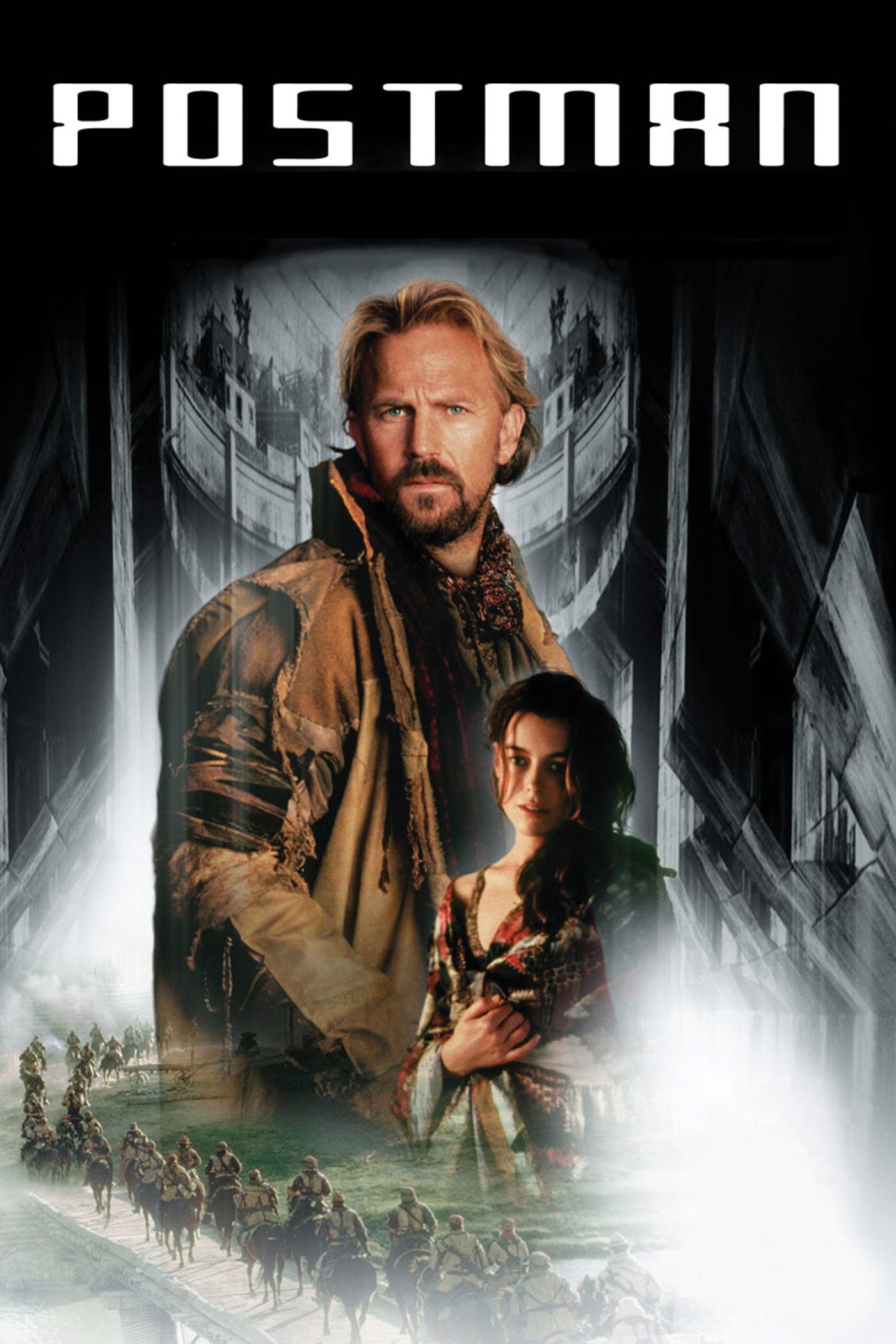
Directed by Kevin Costner and adapted from David Brin’s novel, this post-apocalyptic drama follows a drifter who dons a discarded postal uniform and inadvertently sparks communication and civic rebuilding across fractured communities. The production shot across wide desert and mountain locations in the American West, incorporating large-scale sets, practical effects, and sizable crowd sequences to depict isolated towns and a militarized faction known as the Holnists.
The film features an ensemble including Will Patton, Olivia Williams, and Larenz Tate, with James Newton Howard composing a sweeping score. Warner Bros. released the movie during the holiday corridor; despite a substantial budget, it recorded a soft domestic gross relative to costs, later finding much of its audience through home video and television airings.
‘Waterworld’ (1995)
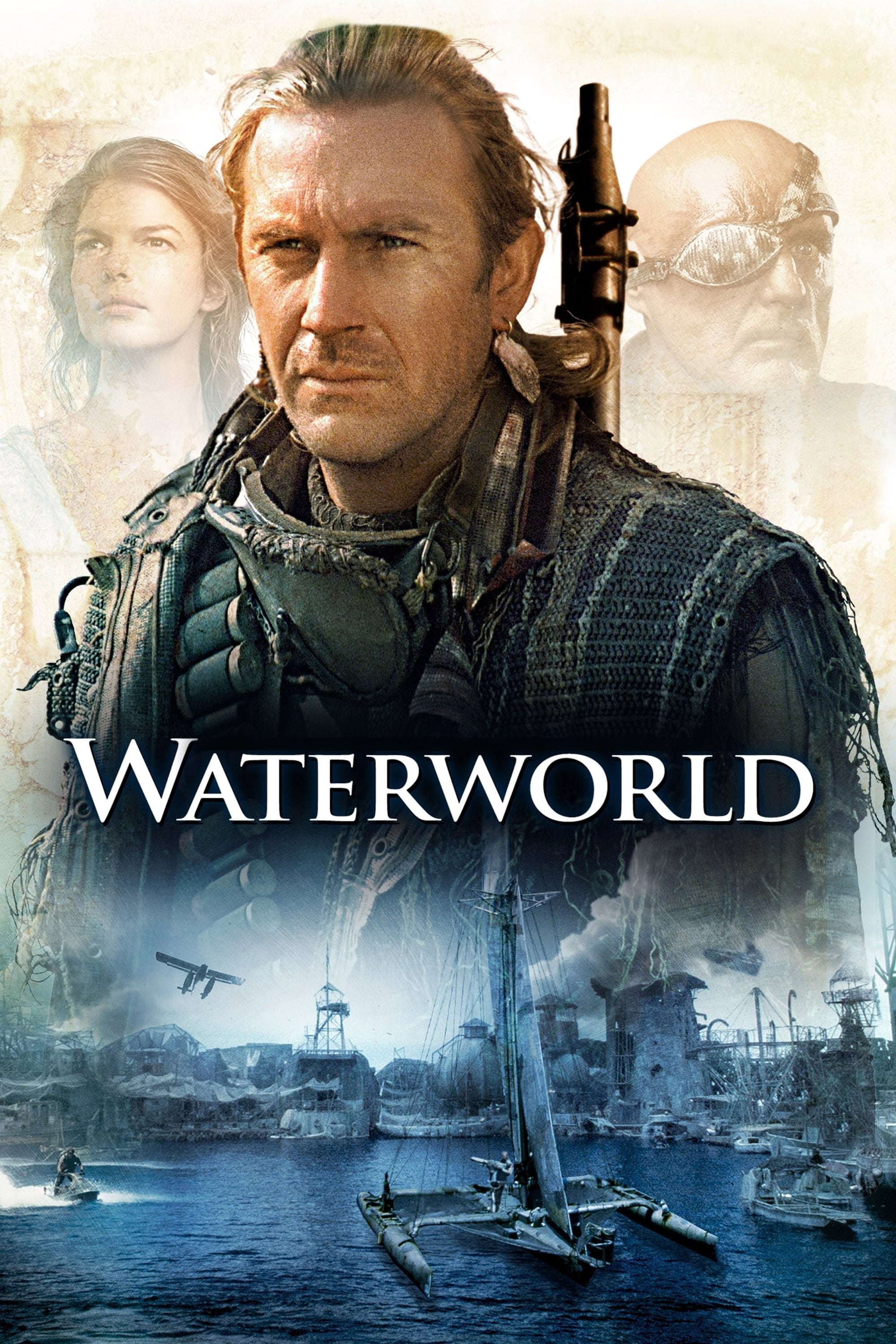
Set on an ocean-covered Earth, this action adventure stars Costner as the Mariner, a resourceful drifter with gills who navigates floating atolls and confronts the Smokers, a raider group led by Dennis Hopper. The production was mounted on open water near Hawaii, using full-scale sets like the Atoll and the Deez, with Mark Isham’s score and Dean Semler’s cinematography emphasizing practical stunts and nautical chases.
Universal Pictures’ release became known for a large reported budget and challenging maritime logistics, yet it also delivered sizable international grosses and later extended cuts on home video. Jeanne Tripplehorn and Tina Majorino co-star, while the film’s prop and set design—jet skis, trimarans, and jury-rigged tech—remain staples at genre conventions and stunt shows.
‘For Love of the Game’ (1999)
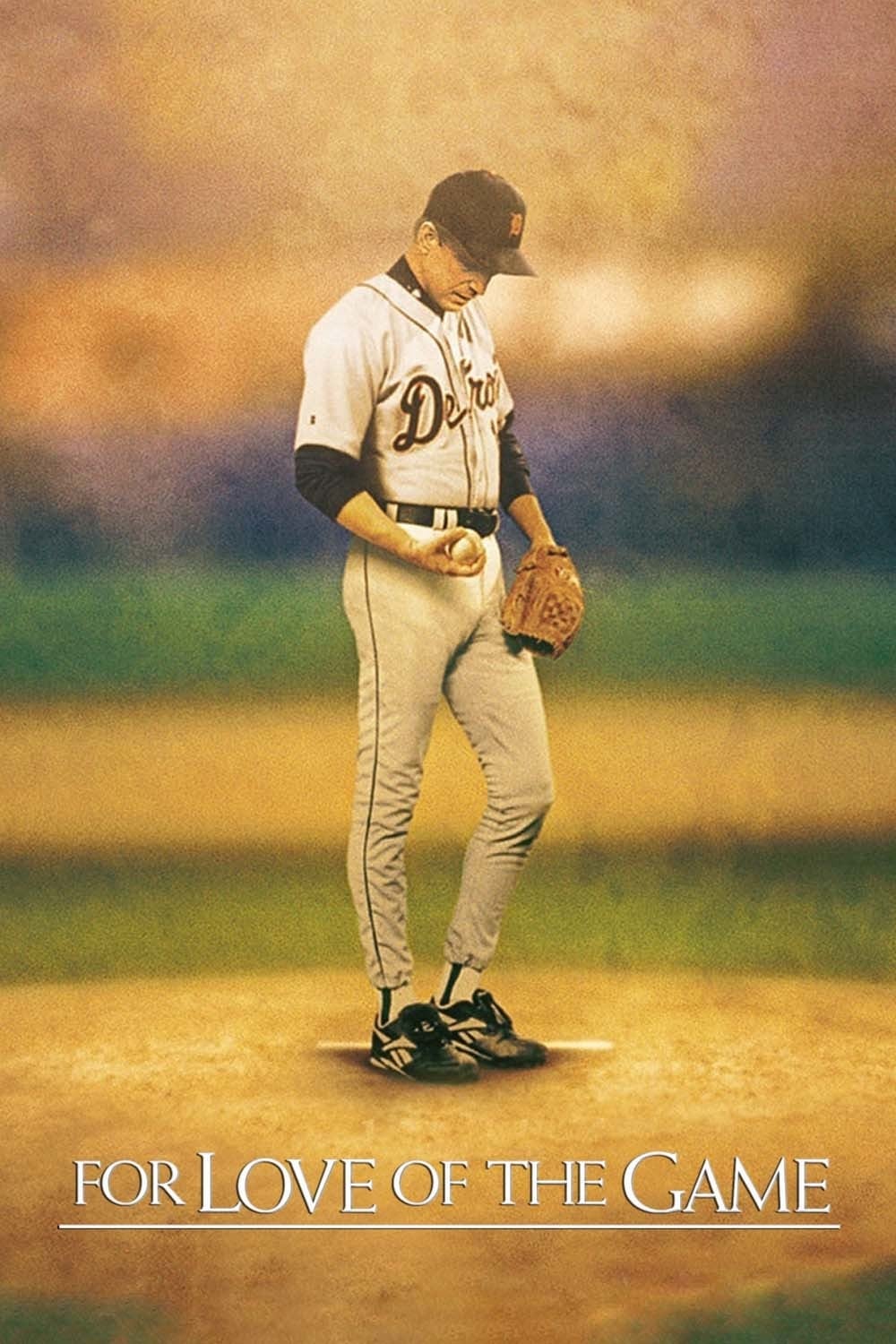
Directed by Sam Raimi and based on Michael Shaara’s novel, this drama centers on Detroit pitcher Billy Chapel, who reflects on his career and a pivotal relationship during a late-season start at Yankee Stadium. The film uses real-stadium locations, on-field sequences coordinated with Major League Baseball, and broadcast-style commentary to structure gameplay alongside flashbacks.
Kelly Preston co-stars, with John C. Reilly playing Chapel’s catcher and Jena Malone appearing in key supporting scenes. Brian Helgeland’s screenplay balances clubhouse detail—pitch counts, strategic mound visits, bullpen timing—with off-field contract stakes tied to team ownership changes, situating the story in the business realities of professional sports.
‘Draft Day’ (2014)
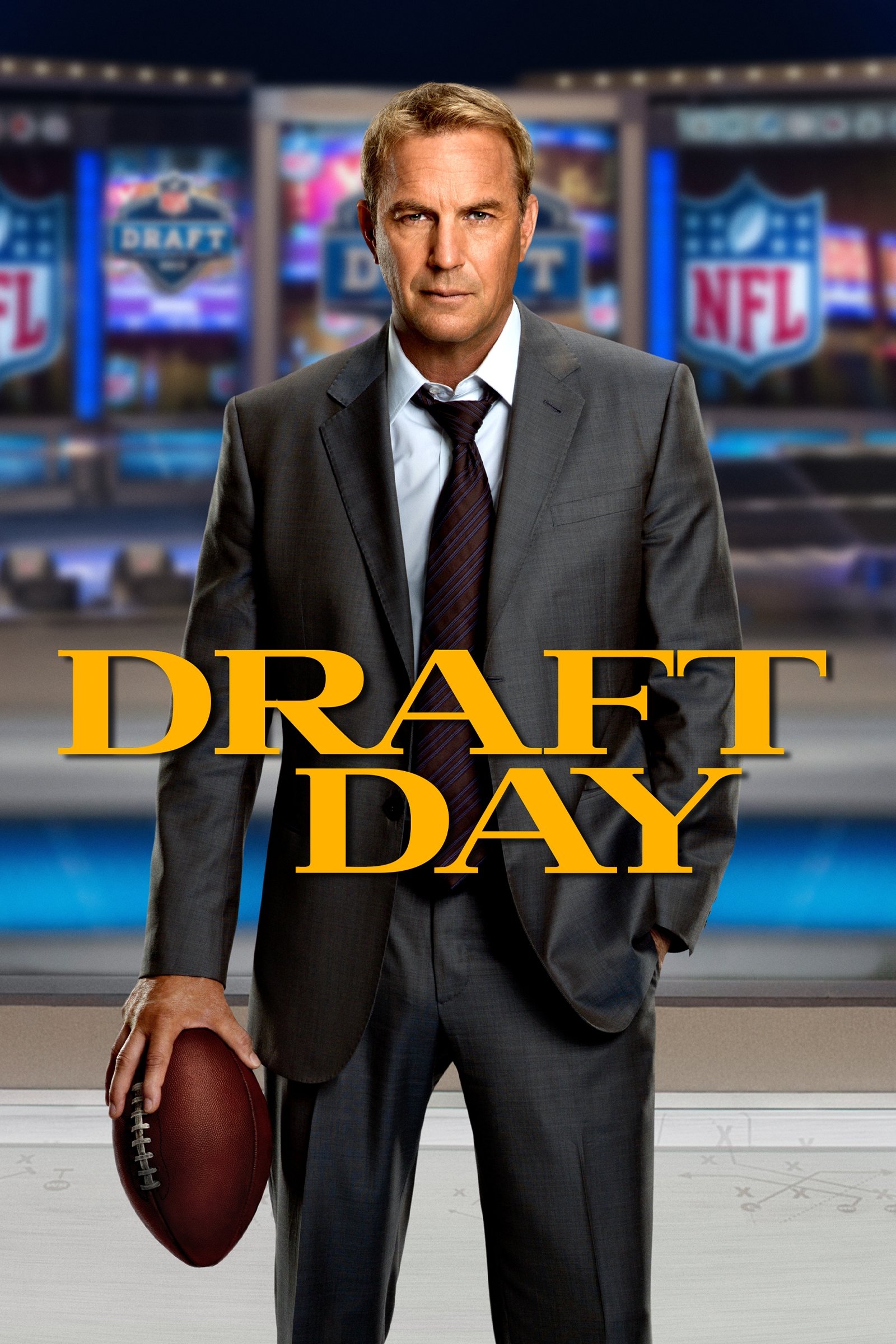
Set over a single, pressure-cooker day, this sports front-office drama follows Cleveland Browns general manager Sonny Weaver Jr. as he maneuvers trades and evaluates prospects before the first selection is announced. Ivan Reitman directs from a screenplay by Scott Rothman and Rajiv Joseph, integrating team-to-team phone calls, salary-cap implications, and scouting reports into the narrative structure.
The production partnered with the NFL for logos, team facilities, and the televised draft environment, filming at Radio City Music Hall and league events. Jennifer Garner, Denis Leary, Chadwick Boseman, and Frank Langella appear in prominent roles, while the split-screen visual grammar tracks simultaneous negotiations, war-room dynamics, and pick-clock countdowns.
‘The Upside of Anger’ (2005)
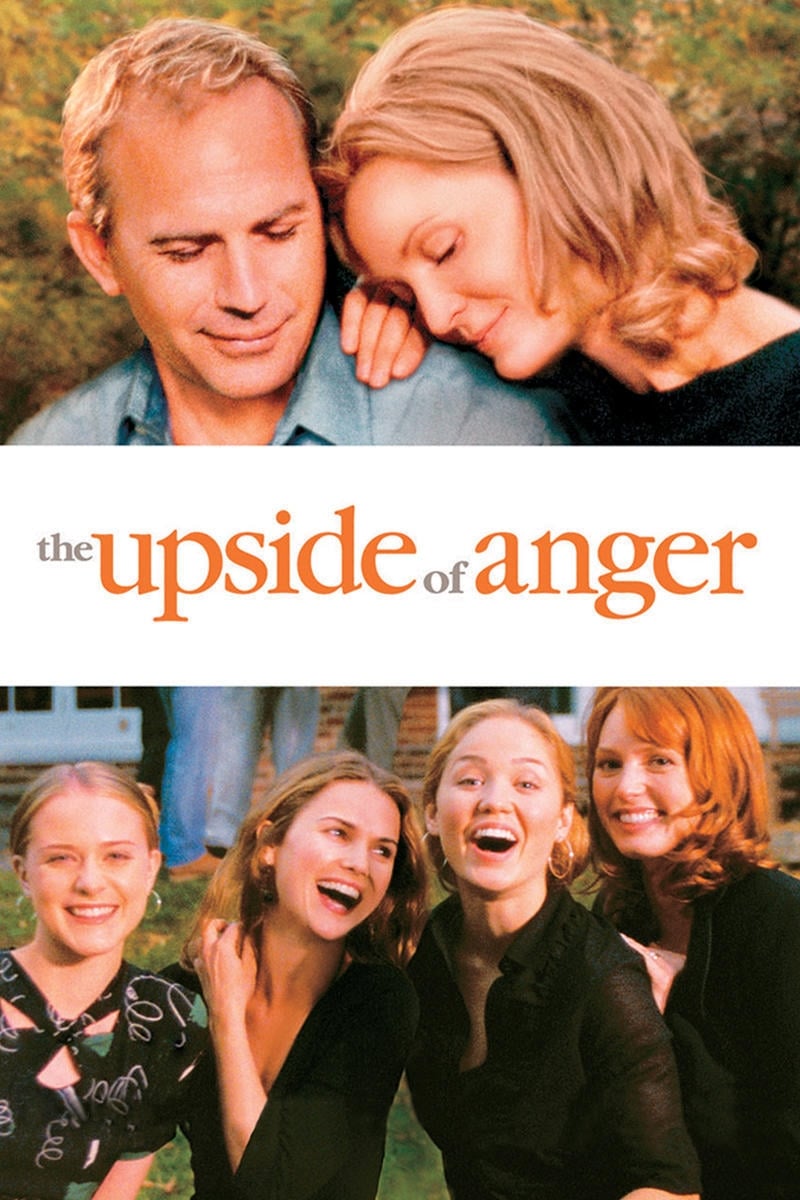
Written and directed by Mike Binder, this suburban family drama stars Costner as a retired baseball player who becomes an unexpected anchor for a household shaken by sudden abandonment. The film was produced independently and acquired for distribution after festival play, with a narrative built around four daughters at different life stages and a neighborly romance that grows out of proximity and shared routines.
Joan Allen leads the ensemble, with Erika Christensen, Evan Rachel Wood, Keri Russell, and Alicia Witt portraying the daughters. The movie uses a Detroit-area setting, recurring radio-show scenes, and domestic spaces—kitchens, backyards, living rooms—to ground its timeline, while a plot turn near the end reframes assumptions established in early scenes.
‘No Way Out’ (1987)
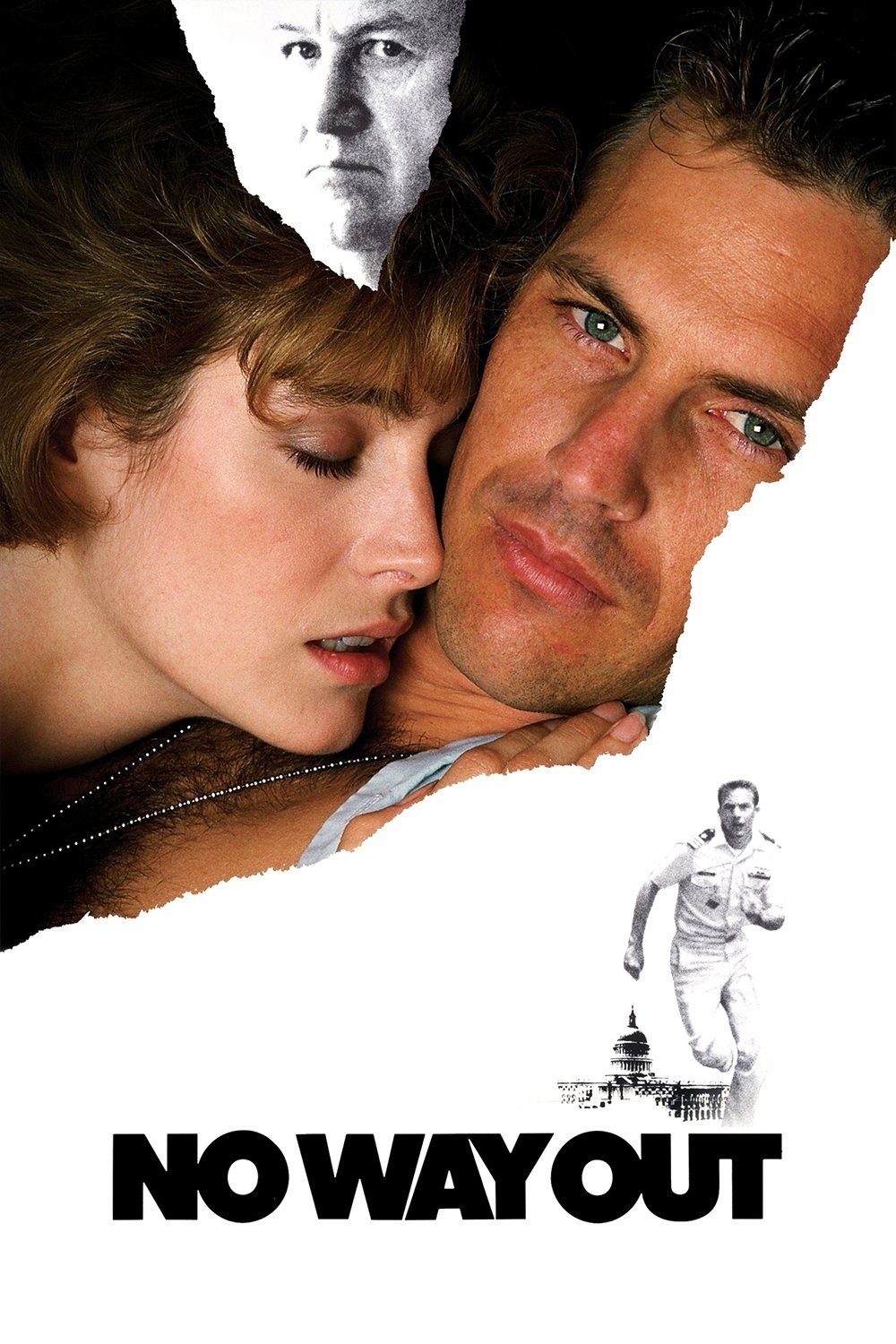
This political thriller casts Costner as a Navy officer assigned to investigate a murder that intersects with the Pentagon and a powerful defense secretary, played by Gene Hackman. The narrative reworks plot elements from the earlier film ‘The Big Clock’, using Washington, D.C. locations and a timed search sequence within a government building as structural anchors.
Sean Young and Will Patton co-star, while composer Maurice Jarre provides a synthesizer-driven score that underscores the late-Cold-War tension. The film is noted for an early-career leading turn by Costner following ensemble appearances, a twist reveal during the final moments, and production design that recreates corridors and offices of the defense establishment.
‘Thirteen Days’ (2000)
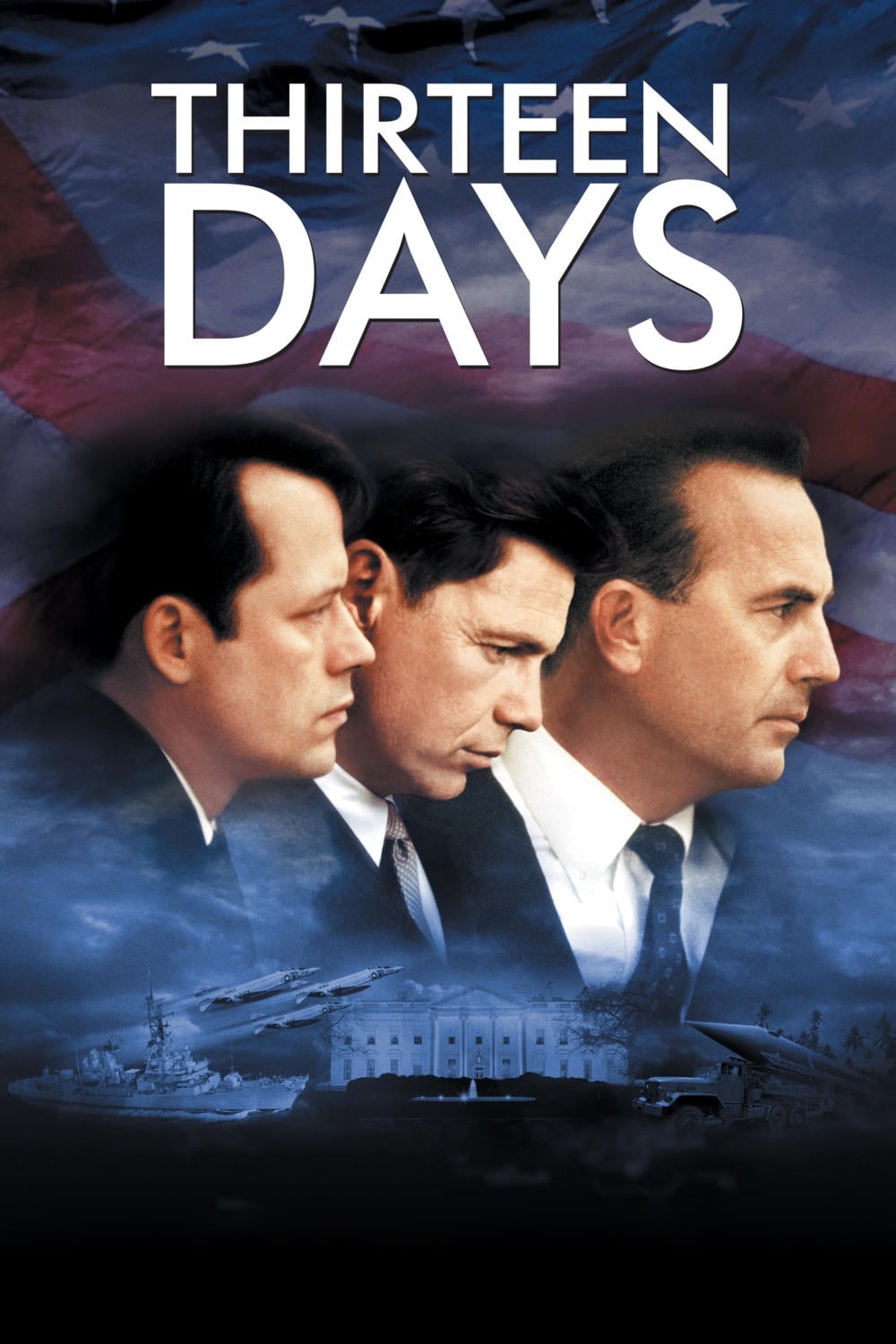
Roger Donaldson directs this account of the Cuban Missile Crisis, with Costner portraying presidential adviser Kenny O’Donnell alongside Bruce Greenwood as President John F. Kennedy and Steven Culp as Robert F. Kennedy. The film reconstructs EXCOMM meetings, back-channel communications, and U-2 reconnaissance flights using archival-informed staging and period-accurate props.
Shot primarily in and around Los Angeles with sets doubling for the White House and Pentagon, the production consulted historians and former officials to shape dialogue and timelines. The release emphasized a procedural approach—memoranda, Situation Room maps, and diplomatic cables—while highlighting military readiness levels and naval blockade protocols.
‘Mr. Brooks’ (2007)
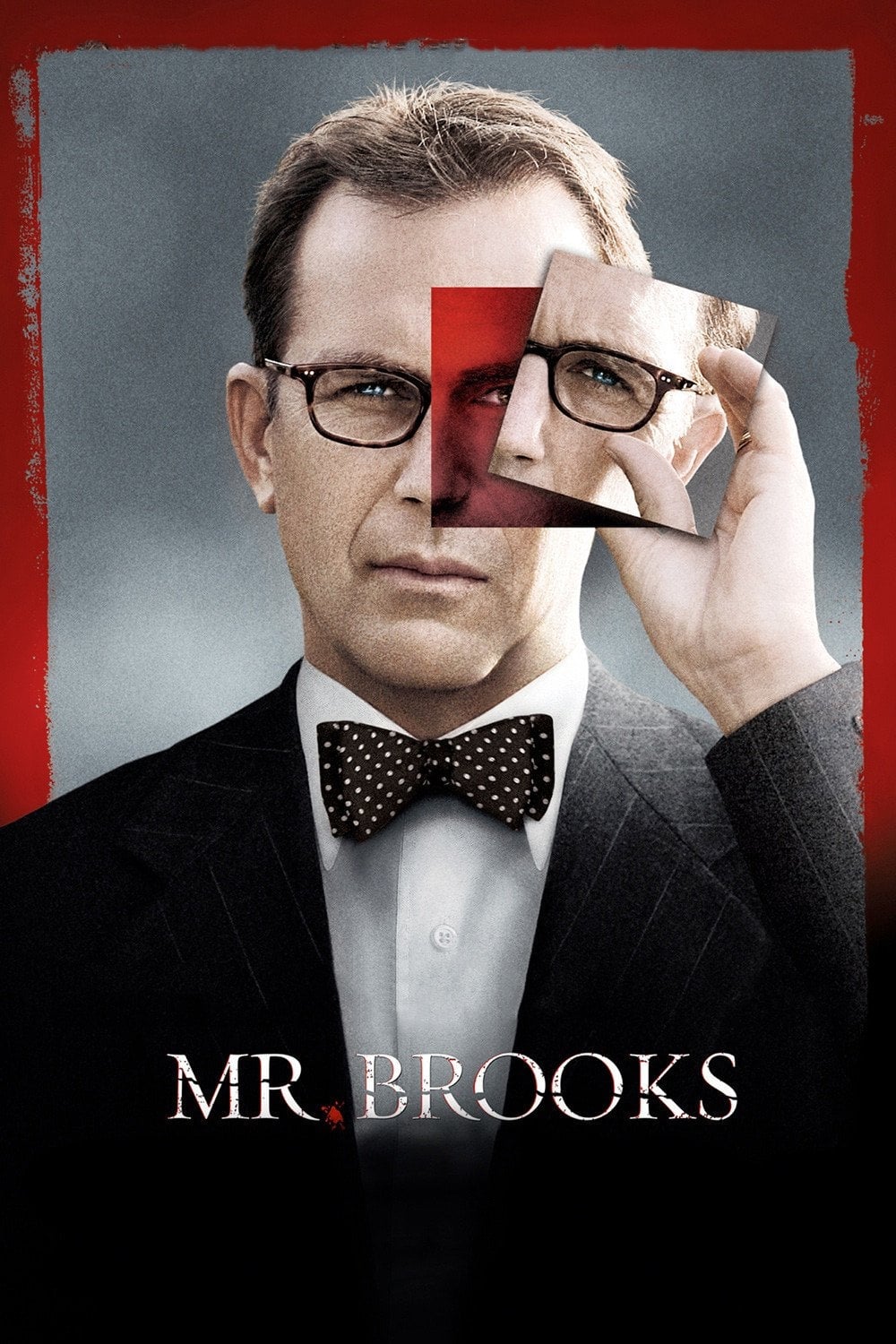
This crime thriller follows a respected Portland businessman whose hidden compulsion draws him into a cat-and-mouse spiral after a witness photographs a late-night crime. Bruce A. Evans directs from a script co-written with Raynold Gideon, integrating an alter-ego character played by William Hurt to externalize the lead’s internal conflicts.
Demi Moore appears as a determined detective, with Dane Cook as the opportunistic witness. The film was produced outside the studio tentpole slate, using Pacific Northwest locations and a grounded visual style built around apartments, offices, and industrial corridors. Its release led to discussions of a potential follow-up, reflected in narrative threads left open by the ending.
‘Open Range’ (2003)

Directed by Costner from a screenplay by Craig Storper, this Western centers on free-grazers who clash with a cattle baron and a corrupt marshal in a frontier town. The production built an entire town set on the prairies of Alberta, allowing sustained camera coverage for street-level action and conversations on porches, in stables, and inside the saloon.
Robert Duvall co-stars, with Annette Bening and Michael Gambon in key roles. Notable craft elements include J. Michael Muro’s cinematography emphasizing weather and horizon lines, a practical-effects approach to the extended gunfight, and a sound mix that uses report-and-echo to distinguish revolvers and rifles at different distances.
‘A Perfect World’ (1993)
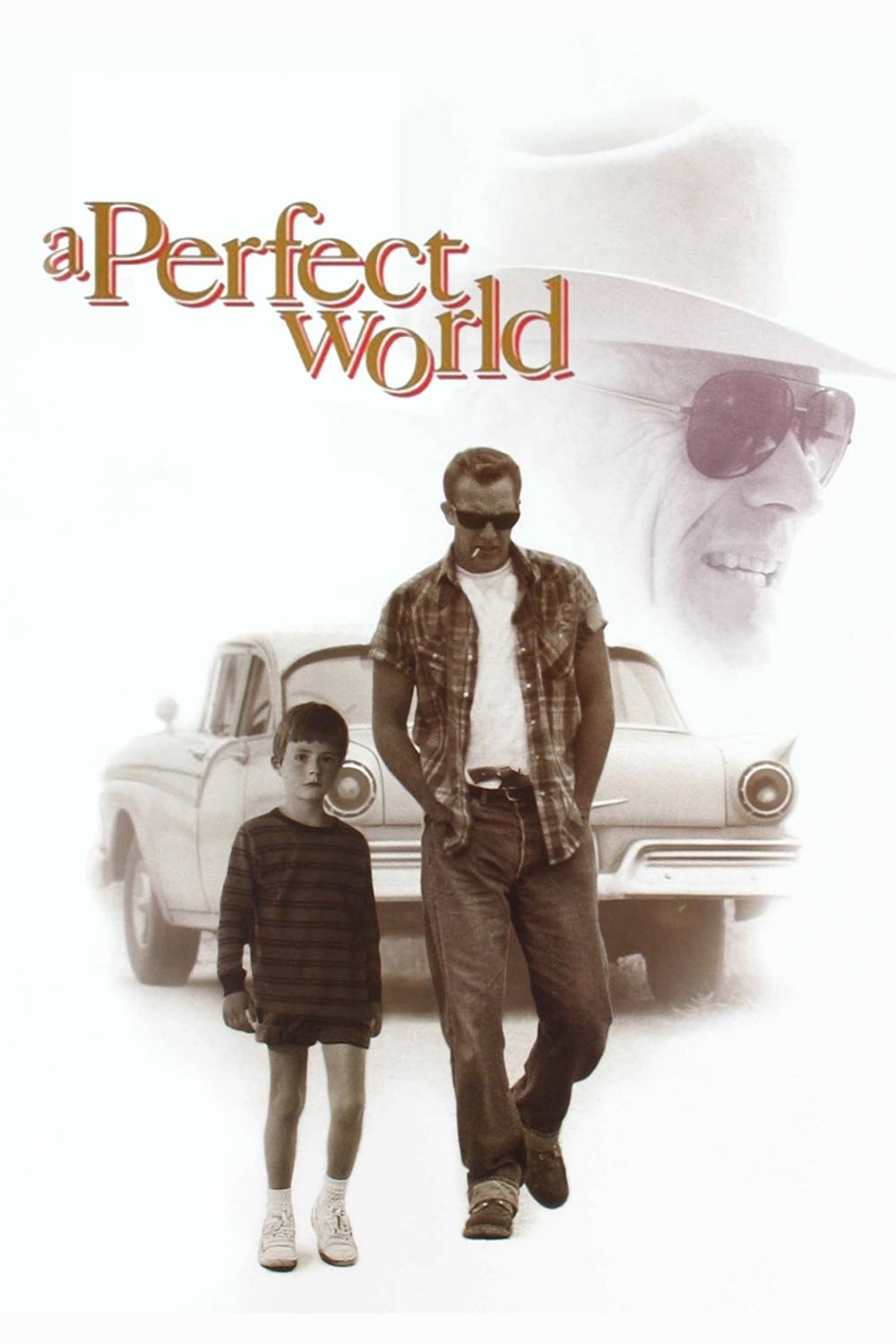
Directed by Clint Eastwood, this character study pairs Costner’s escaped convict with a young boy taken on the road during a statewide manhunt, while Eastwood portrays the Texas Ranger leading the pursuit. John Lee Hancock’s screenplay balances highway travel, roadside stops, and rural homes to follow the shifting connection between the two central characters.
Filmed largely on location with period vehicles and wardrobe, the production tracks law-enforcement coordination through aerial surveillance, roadblocks, and field radios. The movie’s release positioned it immediately after higher-profile collaborations between Eastwood and Warner Bros., with the narrative’s measured pace and regional detail supported by Lennie Niehaus’s score and Jack N. Green’s cinematography.
Share your own picks and where you’d place them in the lineup in the comments!