Anime That Made Us Root for the Villain


Sometimes an anime puts the spotlight on an antagonist and gives them a fully mapped history, a clear objective, and a set of actions that drive the plot from start to finish. That approach can shift attention away from the usual hero and toward the person everyone else is trying to stop, which can change how the story is experienced and remembered.
This list brings together series that center their conflicts on layered antagonists with detailed motives, defined methods, and major influence on the world around them. Each entry notes the key roles these characters play, the systems they challenge, and the arcs that reveal why they act the way they do.
‘Death Note’ (2006–2007)
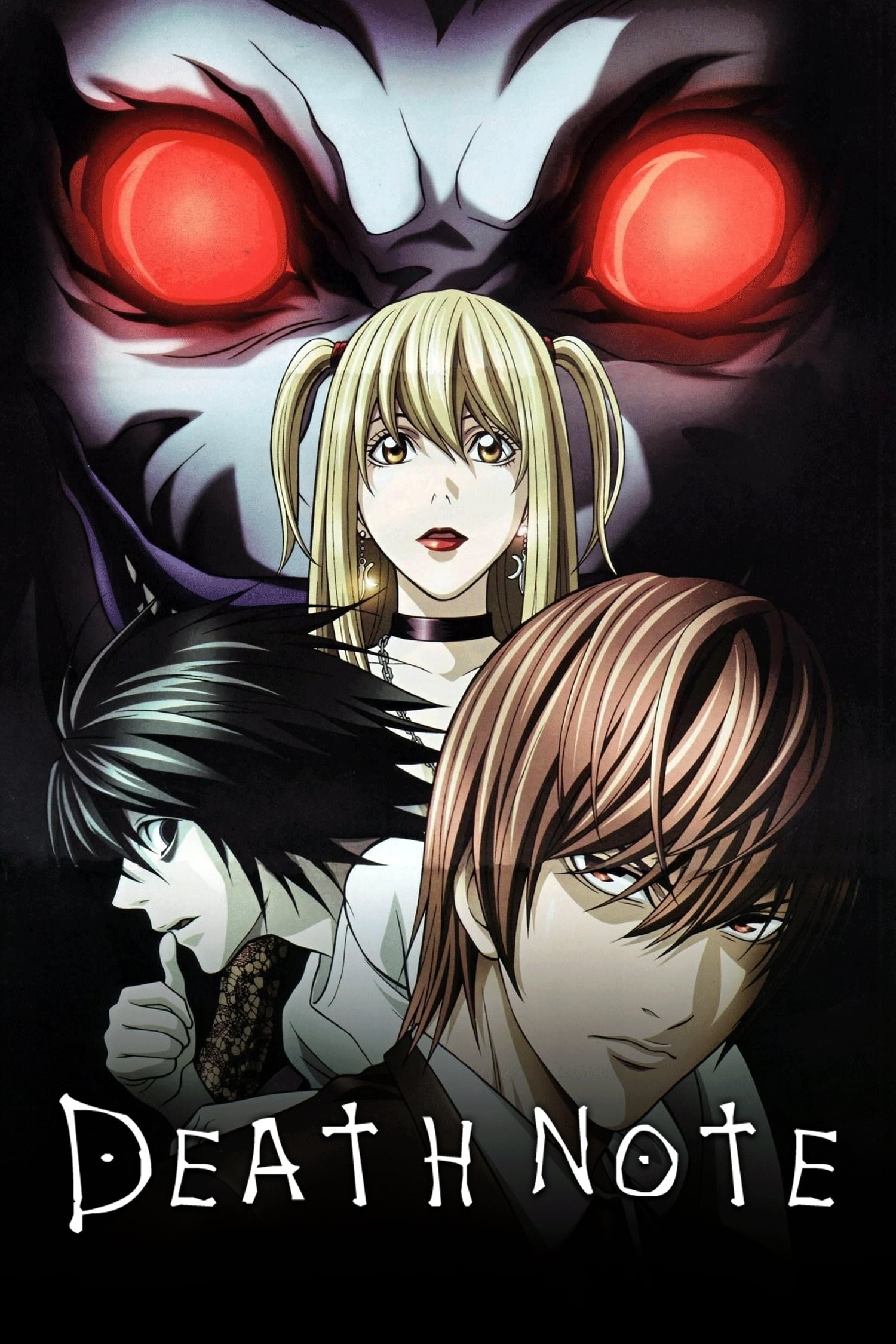
Light Yagami gains a notebook that allows him to kill by writing a name, then adopts the identity Kira and targets criminals while evading a global investigation. The Shinigami Ryuk observes as Light builds plans that pull in the Japanese Task Force, the genius detective L, and later Near and Mello.
The series details the notebook’s rules, the Yotsuba Group case, and the use of memory manipulation to protect Light’s cover. It maps out police procedures, media reactions, and the formation of Kira supporters, which creates a broad look at crime, punishment, and control.
‘Code Geass’ (2006–2008)
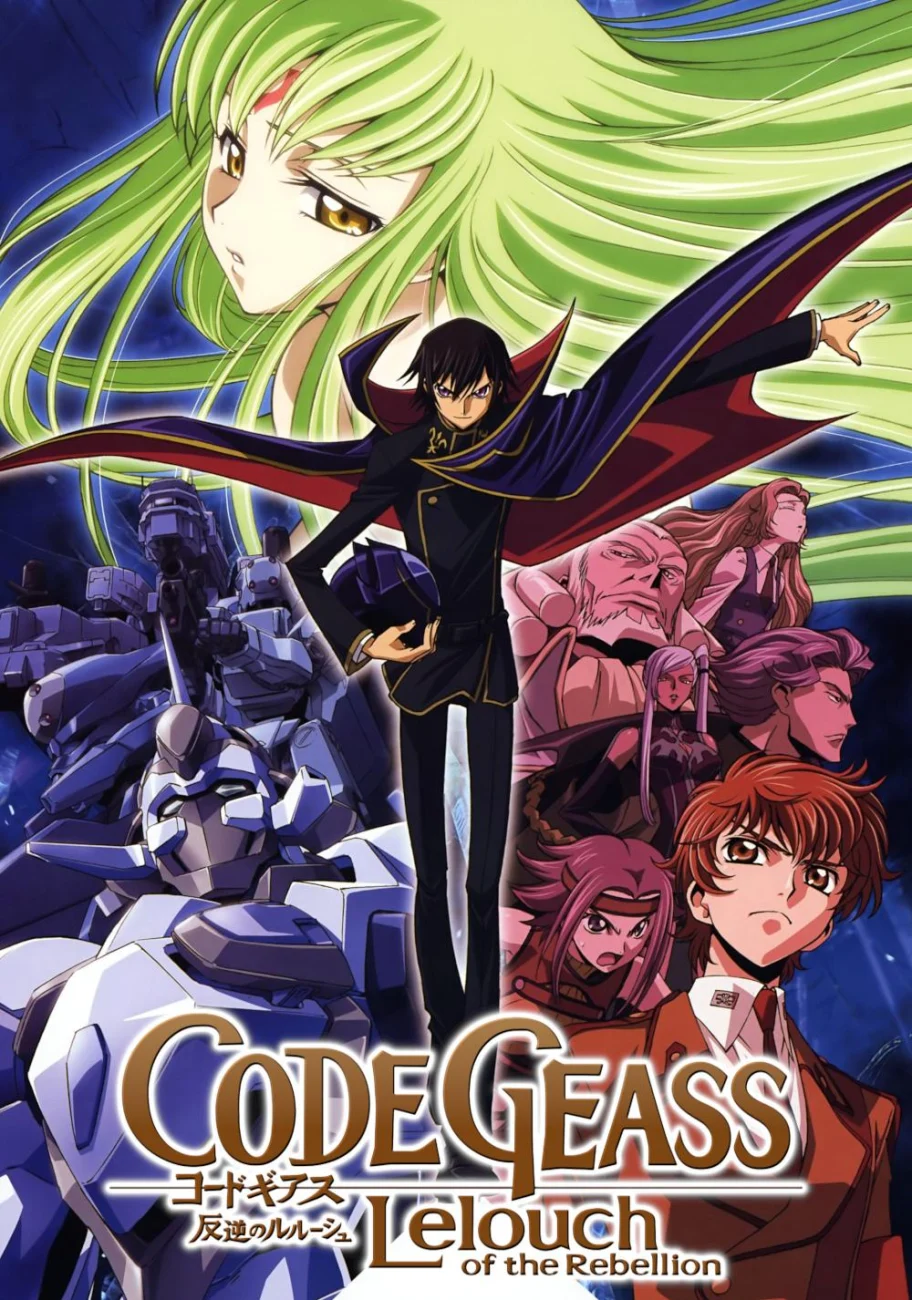
Lelouch vi Britannia receives a command power from C.C. and becomes Zero, the masked leader of the Black Knights who fight the Holy Britannian Empire. The story tracks military operations, student life at Ashford Academy, and political changes inside the empire.
Major turning points include the Special Administrative Zone plan, the accidental Geass command that triggers the massacre, and the Zero Requiem strategy. The series records how Knightmare Frames, royal factions, and public sentiment shape every outcome.
‘Attack on Titan’ (2013–2023)
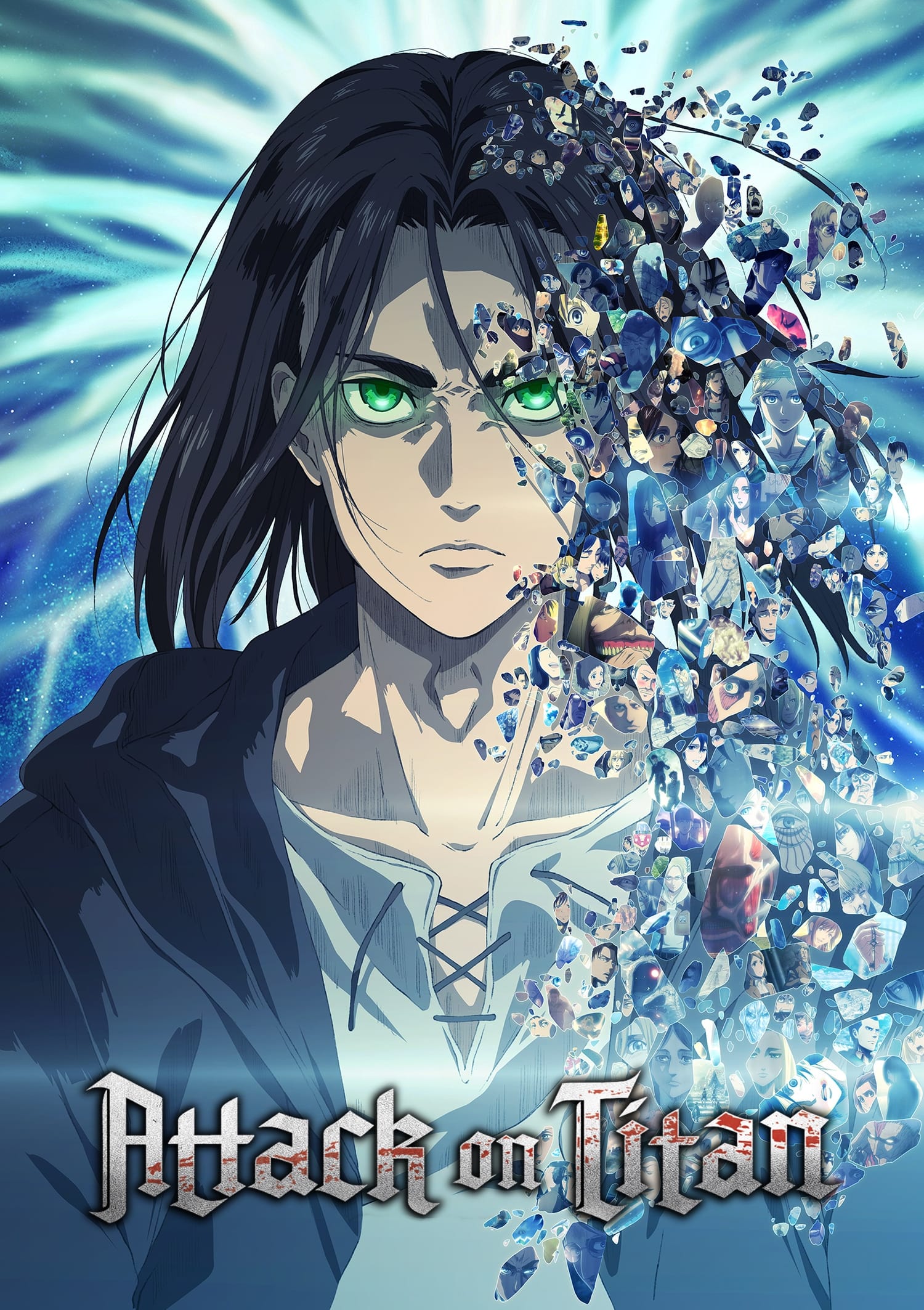
The conflict expands from a fight against Titans into a war between Marley and Eldia that places Eren Yeager at the center of decisions that affect every nation. Identities of the Armored and Colossal Titans are revealed, and the story follows operations behind enemy lines and on Paradis.
Key elements include the Founding Titan’s link to Paths, the sterile plan proposed by Zeke, and the Rumbling. The series documents military chains of command, alliances, and the impact of Titan powers on diplomacy and warfare.
‘Hunter x Hunter’ (2011–2014)
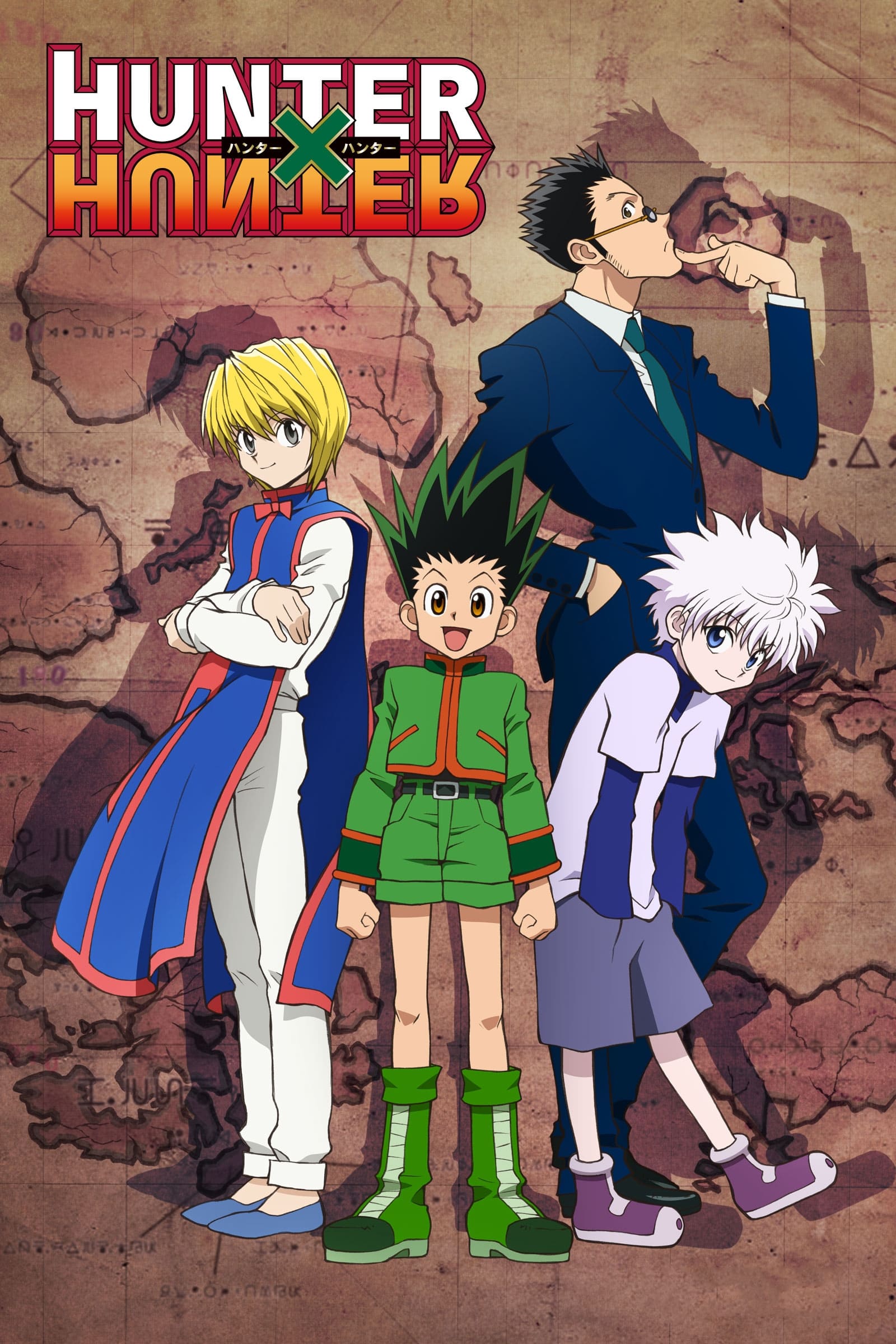
The Chimera Ant arc introduces Meruem and the Royal Guards, with the invasion of the palace in East Gorteau as its core event. The Hunters plan around Chairman Netero’s capabilities while Gon pursues Neferpitou after the events in NGL.
Important details include Nen categories, En and Gyo applications during infiltration, and the King’s strategic adjustments as the battle unfolds. The arc sets out chain reactions that affect the Hunter Association and several nations.
‘Fullmetal Alchemist: Brotherhood’ (2009–2010)
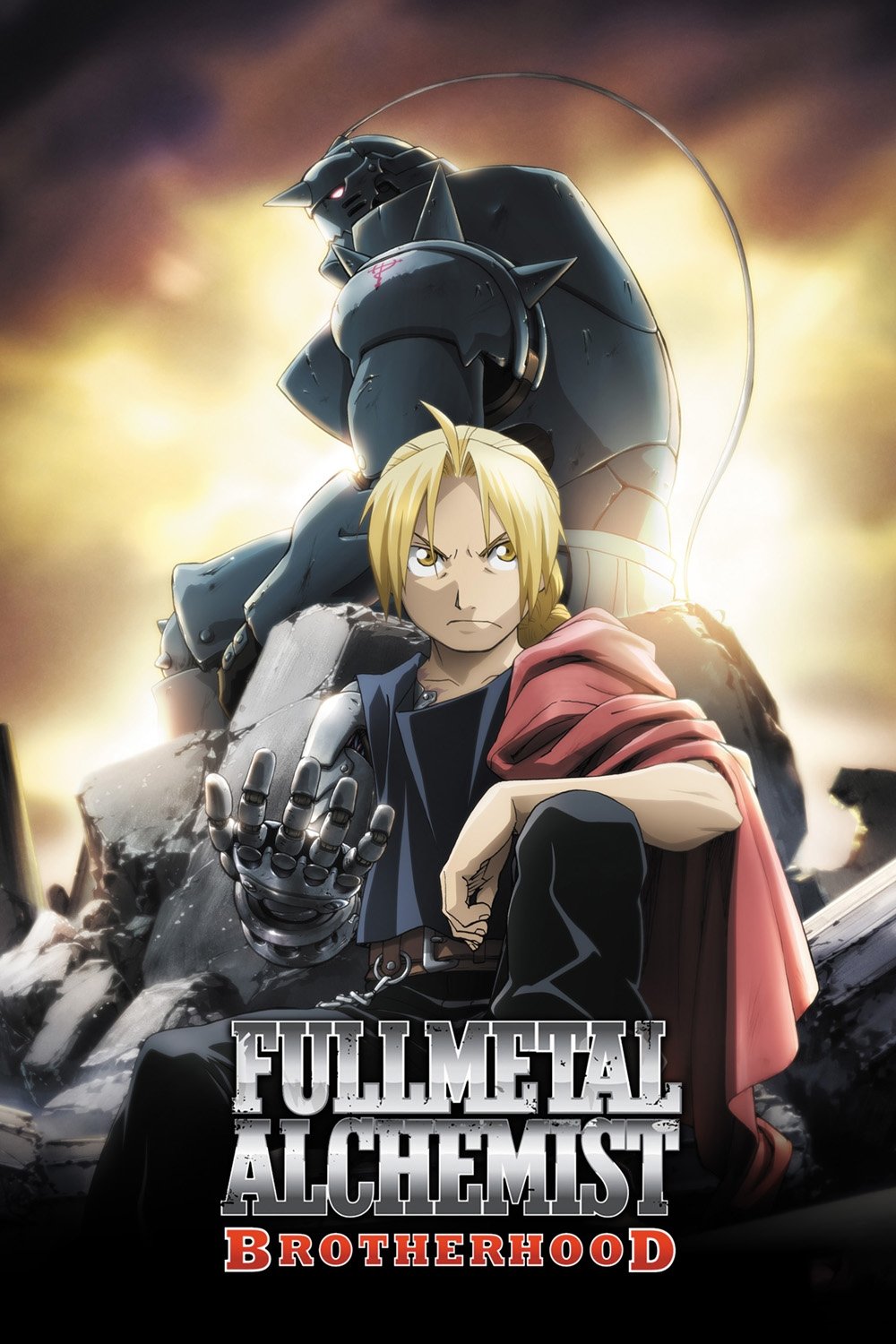
Opposition forces range from Scar to the Homunculi, with Father using a nationwide transmutation circle that leverages Amestris and its military. King Bradley operates as Wrath within the government while the Elric brothers close in on the truth about the Philosopher’s Stone.
The series traces Scar’s history during the Ishvalan conflict and Greed’s shifting alliances. It breaks down the gate of truth, human transmutation consequences, and the coordination among Briggs, Central, and Xing.
‘Naruto: Shippuden’ (2007–2017)
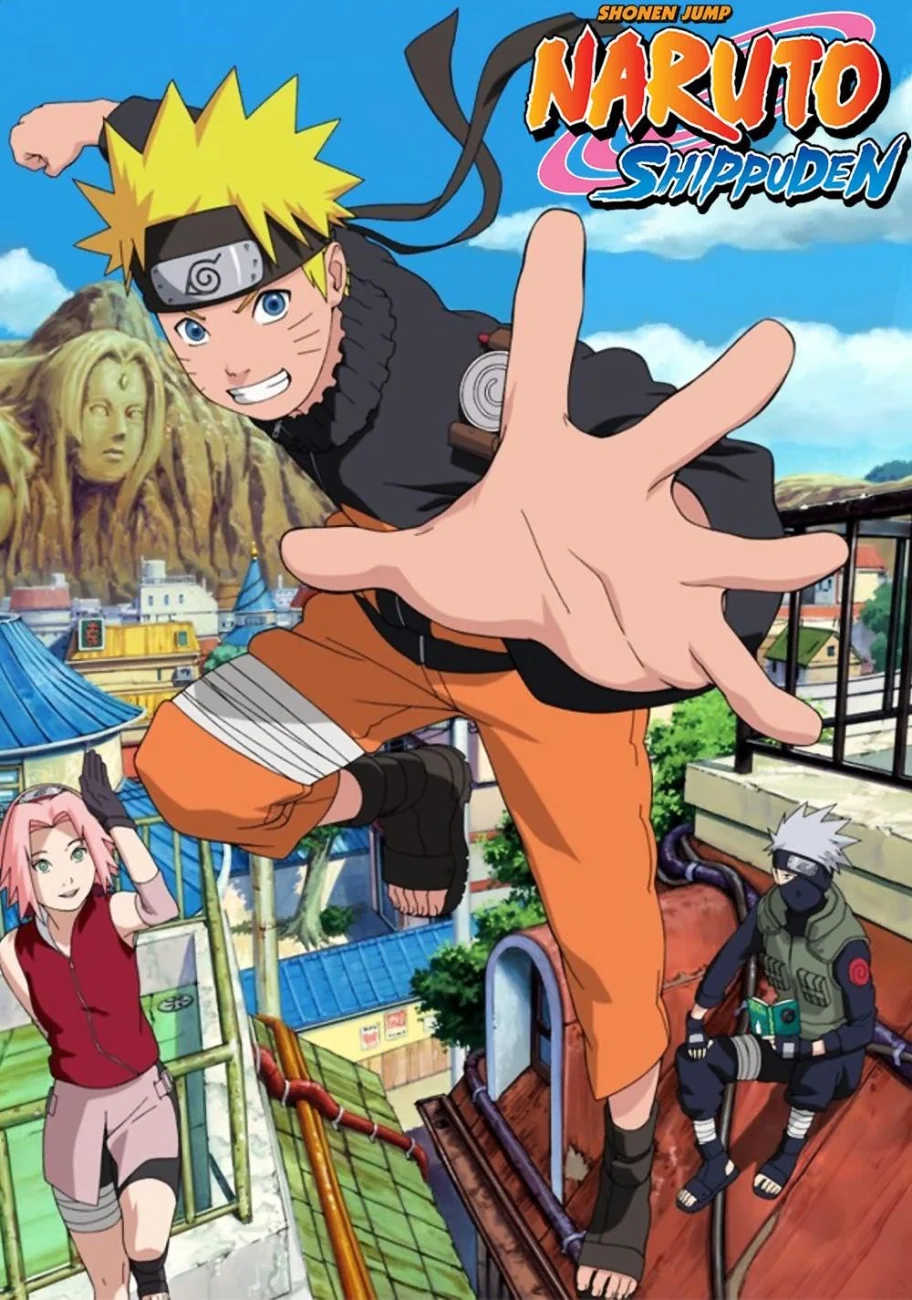
The Akatsuki organization drives many arcs, with Itachi Uchiha’s role in the Uchiha clan incident and Nagato’s plan for peace through force shaping the path of multiple villages. The hunt for the tailed beasts extends across borders and involves jinchuriki from every region.
Specific events include the assault on Konoha, the use of the Six Paths of Pain, and the revelation of Itachi’s mission ordered by village leadership. The series catalogs alliances, forbidden techniques, and the Fourth Great Ninja War chain of command.
‘JoJo’s Bizarre Adventure’ (2012–2019)
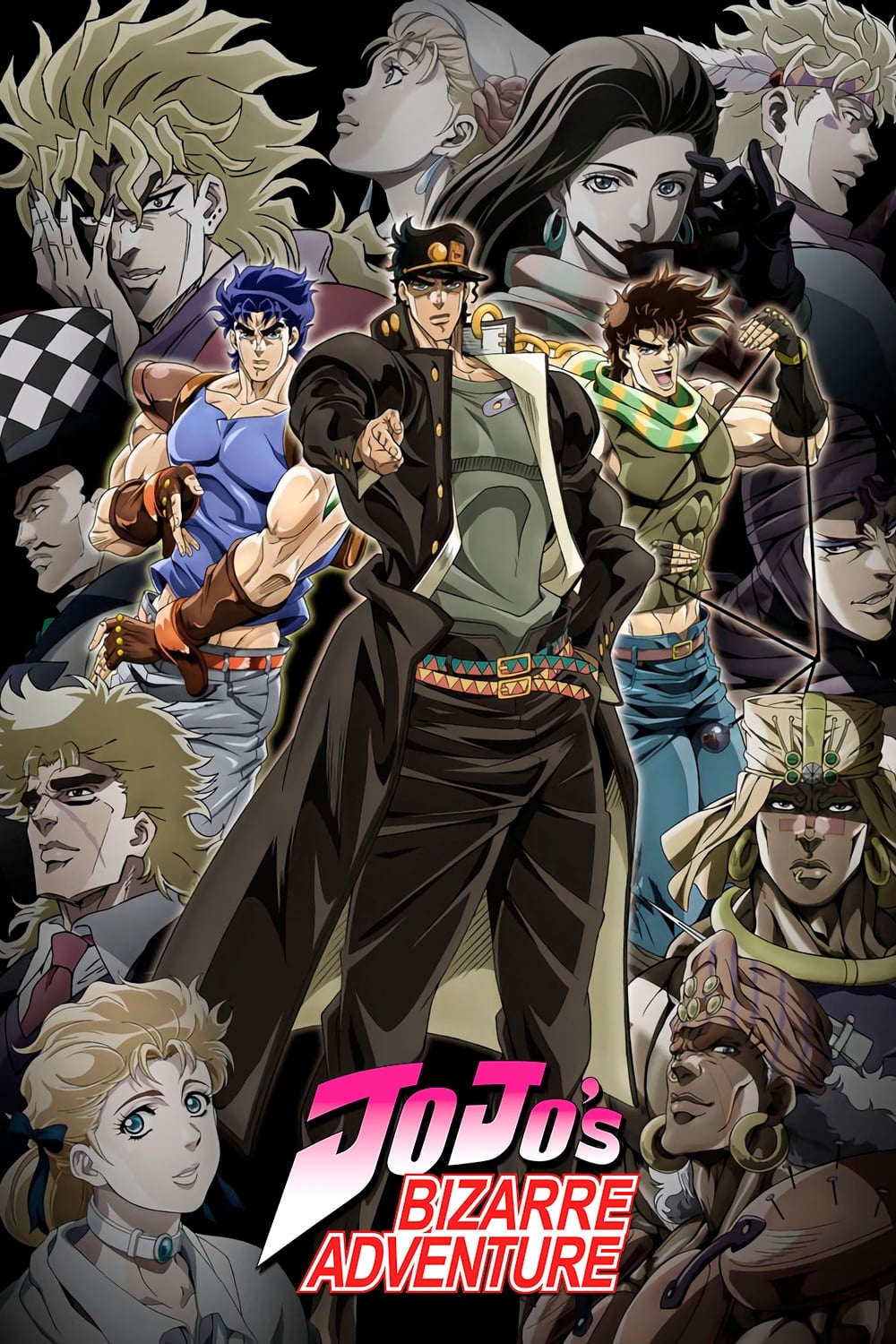
Multiple parts feature antagonists who set the rules of conflict, with DIO’s return introducing time stop tactics that change Stand battles. The Joestar group’s journey to Egypt is structured around enemy Stand users who test travel routes and resources.
The story outlines Stand mechanics, bloodline connections, and the creation of teams that counter each threat. It shows how enemy hierarchies and location changes alter strategies from one encounter to the next.
‘Monster’ (2004–2005)

Johan Liebert becomes the focus of a multinational investigation after Dr. Kenzo Tenma saves his life and a string of murders follows. The narrative moves through Germany and beyond, with police, journalists, and former intelligence operatives chasing leads.
Background threads include Kinderheim 511, the influence of a children’s picture book, and the legacy of secret programs. The series lays out legal procedures, witness testimonies, and the slow reconstruction of Johan’s past.
‘Psycho-Pass’ (2012–2013)
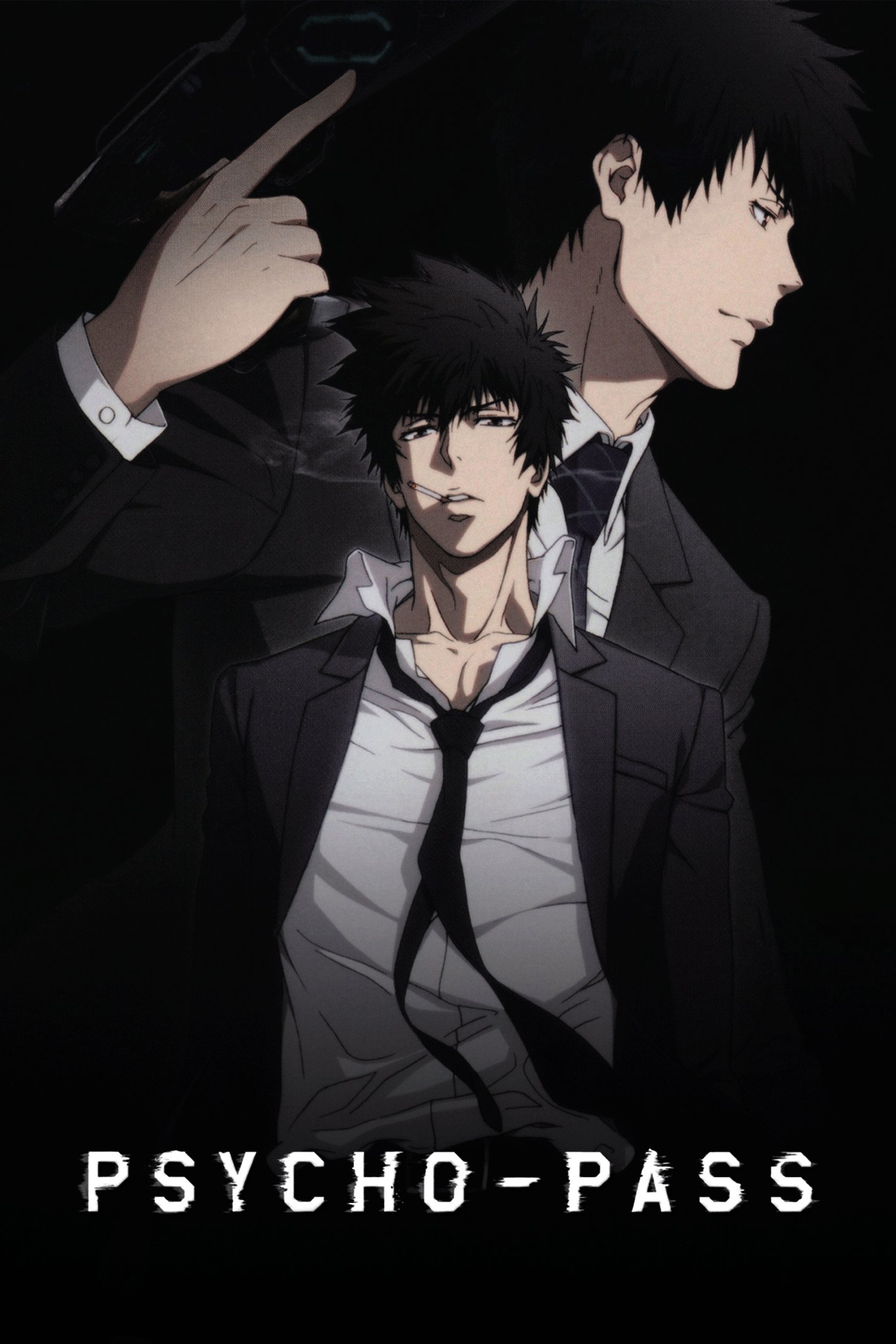
Shogo Makishima challenges the Sibyl System that quantifies criminal intent, which puts Inspectors and Enforcers on cases that test their methods. The Bureau handles incidents that expose gaps in Dominator enforcement and public order.
Important details include Makishima’s Crime Coefficient readings, Kogami’s pursuit as an Enforcer, and Akane Tsunemori’s decisions during emergencies. The show describes Sibyl’s architecture, human components, and policy implications.
‘Puella Magi Madoka Magica’ (2011)
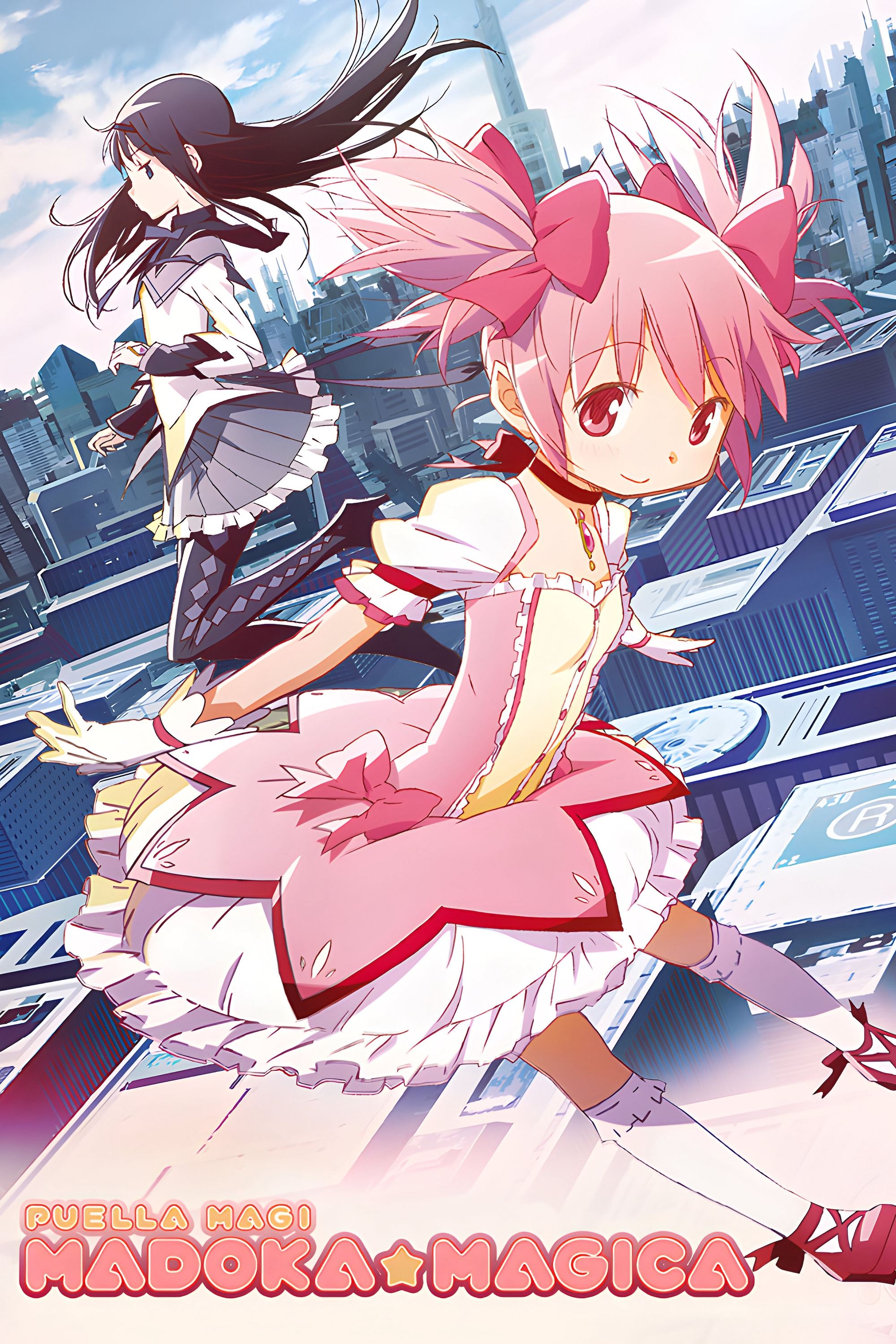
Kyubey recruits girls with a contract that grants a wish in exchange for becoming magical girls, with Soul Gems as the source of power. The system’s design transforms despair into energy, which turns magical girls into witches when corruption reaches a threshold.
The plot tracks Homura Akemi’s repeated timelines, Walpurgisnacht’s appearance, and the rules that govern Grief Seeds and Soul Gem maintenance. It explains the Incubators’ energy goals and how wish mechanics alter outcomes.
‘Vinland Saga’ (2019–2023)
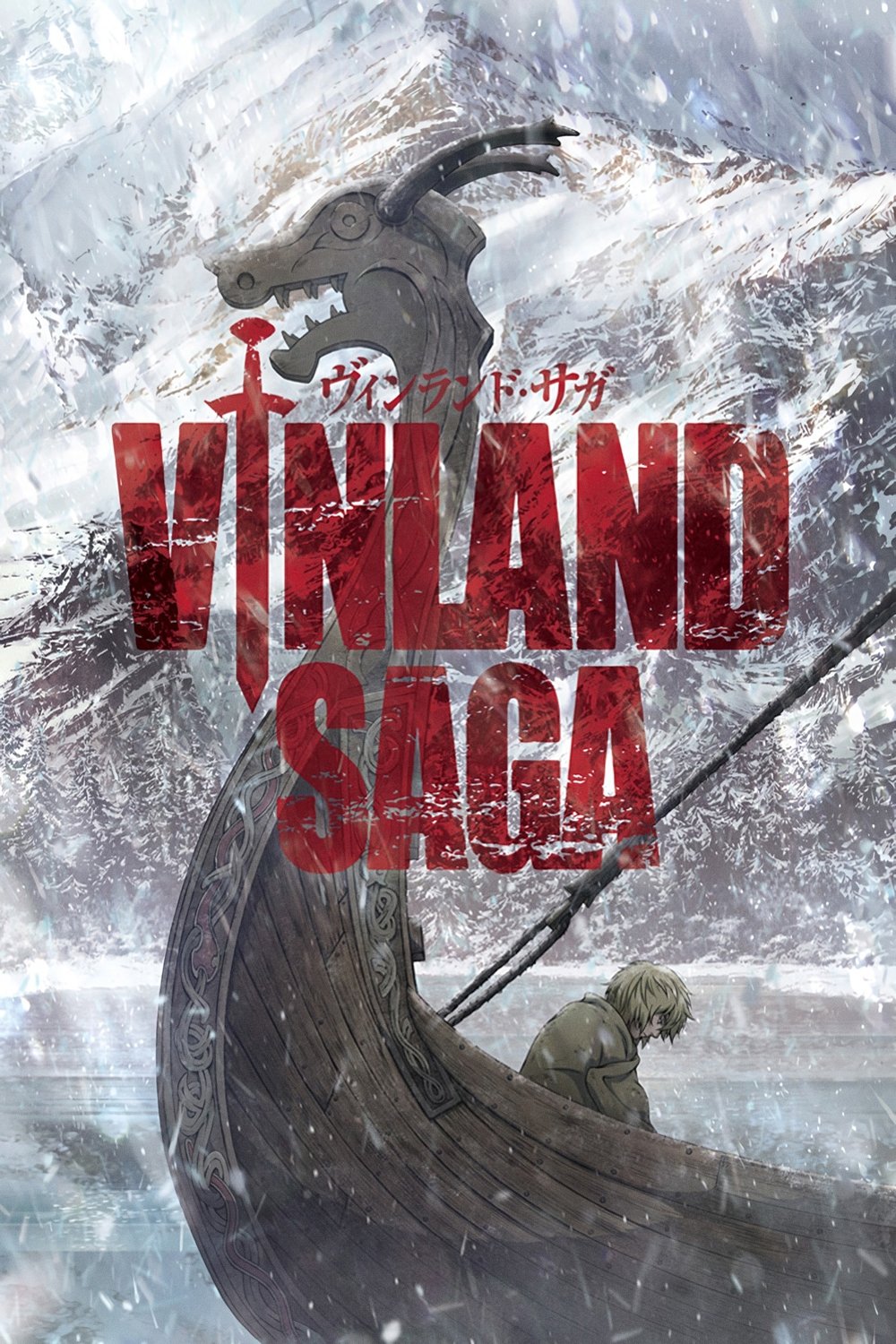
Askeladd leads a band of mercenaries and becomes a central figure in the struggle over England. Thorfinn’s life intersects with Danish and English politics while Prince Canute emerges as a leader with new policies.
The series explains Askeladd’s background, his choices regarding Wales, and the structure of the mercenary company. It follows campaigns, negotiations, and the shift from raids to statecraft.
‘Berserk’ (1997–1998)
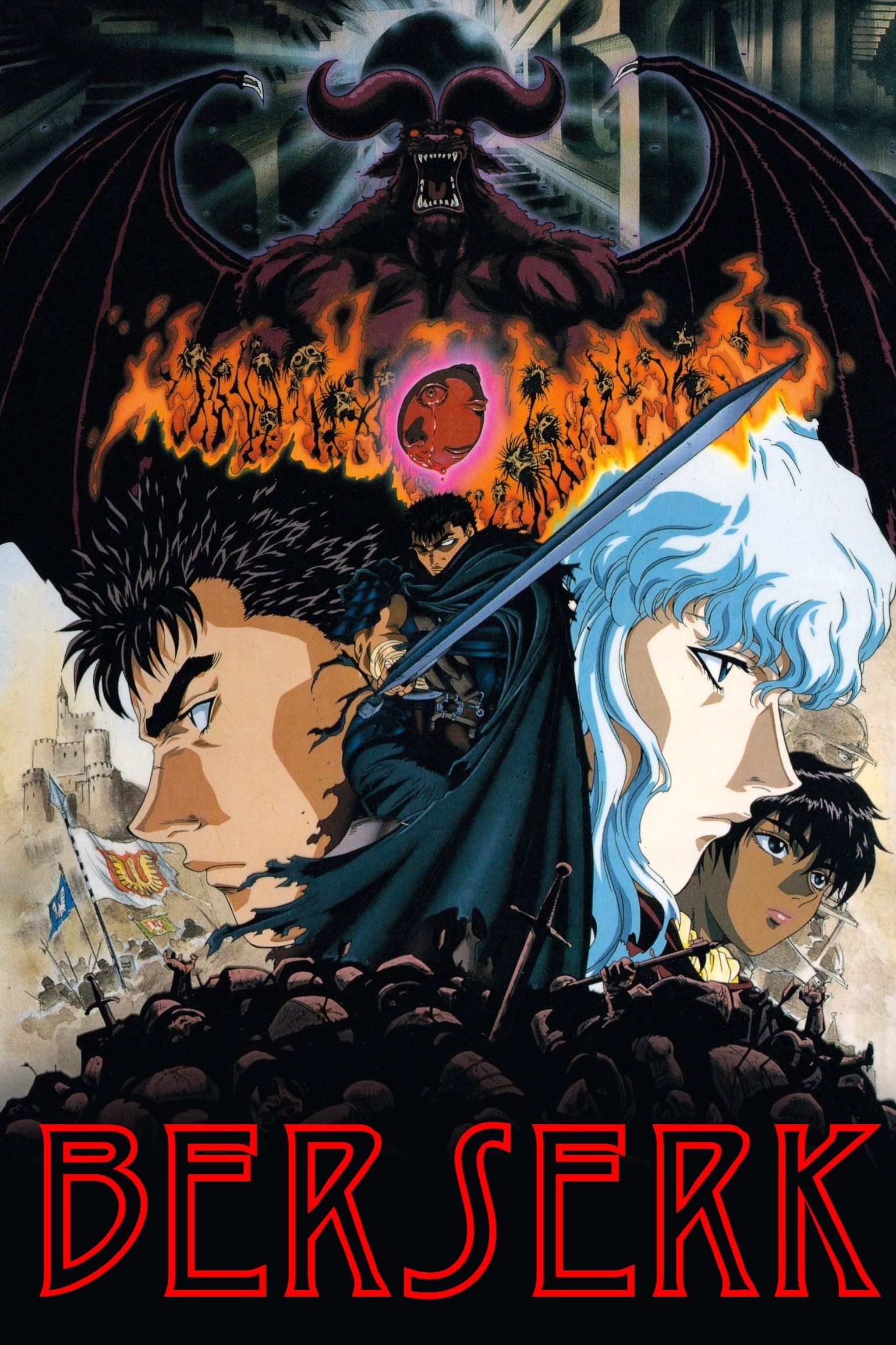
Griffith rises within Midland by commanding the Band of the Hawk, then uses a Behelit during the Eclipse to join the God Hand as Femto. Guts and Casca survive with lasting consequences that drive future conflicts.
The story documents feudal power structures, mercenary contracts, and the role of apostles. It details the brands, sacrificial rituals, and the political fallout that follows the disappearance of the Hawks.
‘Tokyo Ghoul’ (2014–2018)
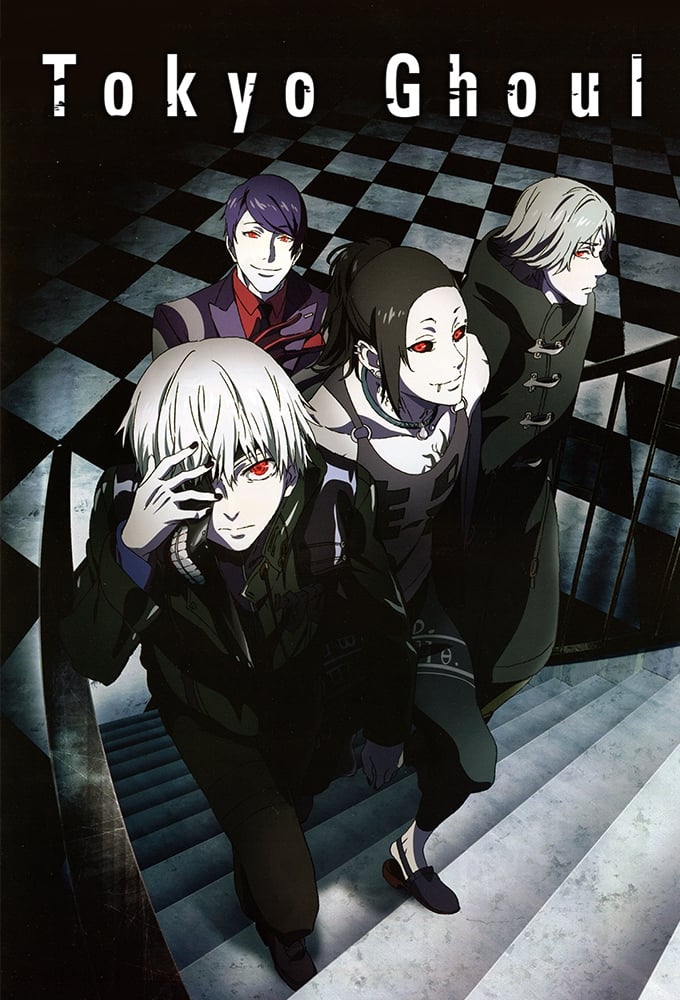
Ken Kaneki becomes a half ghoul after an incident that alters his life, which places him between Anteiku and organizations like Aogiri Tree. The Commission of Counter Ghoul deploys investigators who classify kagune types and adjust tactics per ward.
Arcs cover Rize’s background, Tsukiyama’s targeted pursuits, and Arima Kishou’s operations. The series sets out ranking systems, quinque weapons, and the changing balance between ghouls and humans.
‘Overlord’ (2015–2022)
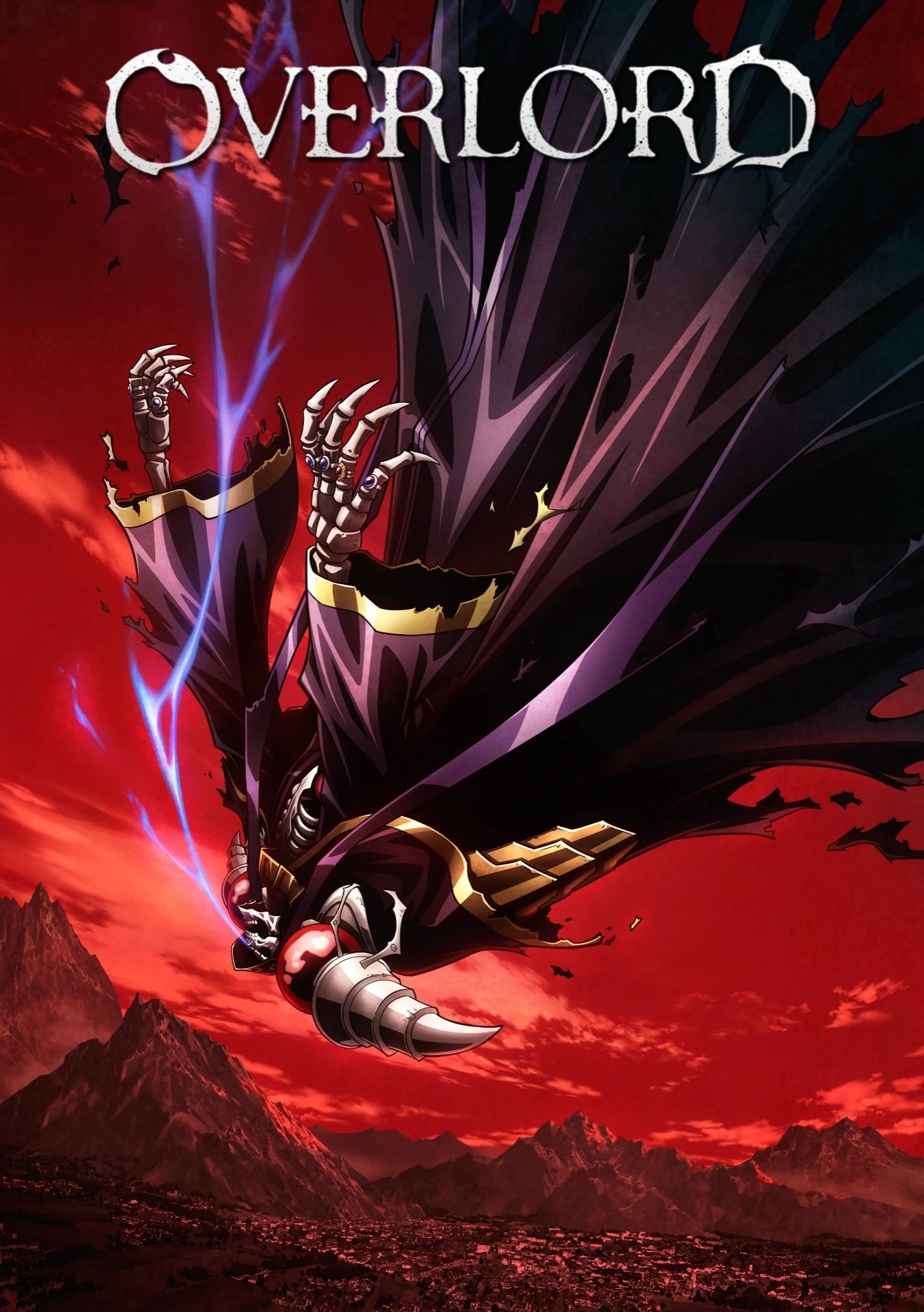
Momonga remains in a game world as Ainz Ooal Gown and governs the Great Tomb of Nazarick with Floor Guardians who carry out long term plans. Actions range from covert manipulation to open warfare that leads to the creation of the Sorcerer Kingdom.
Details include Demiurge’s multi step strategies, Albedo’s command responsibilities, and the use of world class items. The story shows how Ainz interacts with human nations, adventurer guilds, and rival powers.
‘The Saga of Tanya the Evil’ (2017)
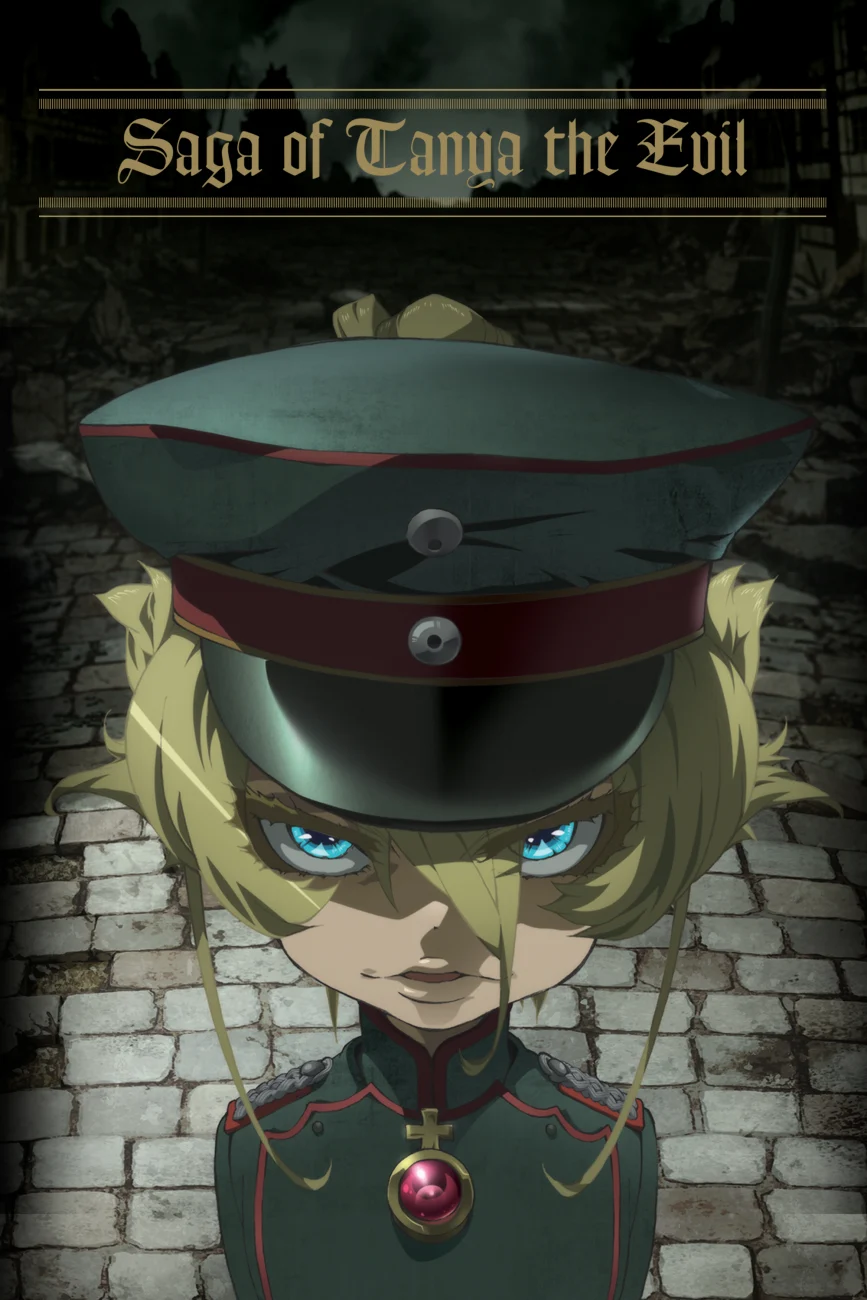
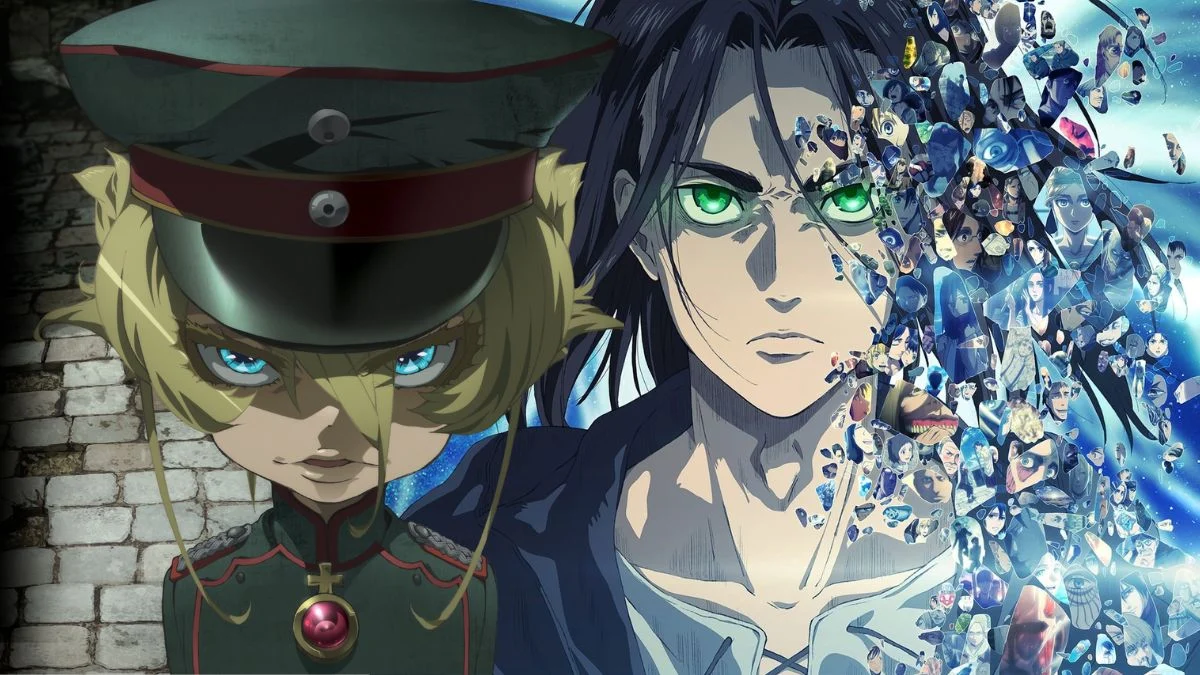
A salaryman is reborn as Tanya Degurechaff and joins an imperial military as a combat mage, where unit discipline and doctrine determine survival. The 203rd Aerial Mage Battalion executes missions that change front lines and supply chains.
The narrative follows Being X’s interventions, Mary Sioux’s development, and the command structure that shapes deployments. It records research on computation jewels and the escalation that results from each test.
‘Akame ga Kill!’ (2014)

Esdeath commands the Jaegers for the Empire and uses Demon’s Extract to create ice techniques that control entire battlefields. Night Raid counters state abuses while the Revolutionary Army advances on the capital.
The series lists Imperial Arms and their unique conditions, along with the risks of compatibility and overuse. It shows how squads form, clash, and lose members as objectives shift across the city.
‘Dr. Stone’ (2019–2023)
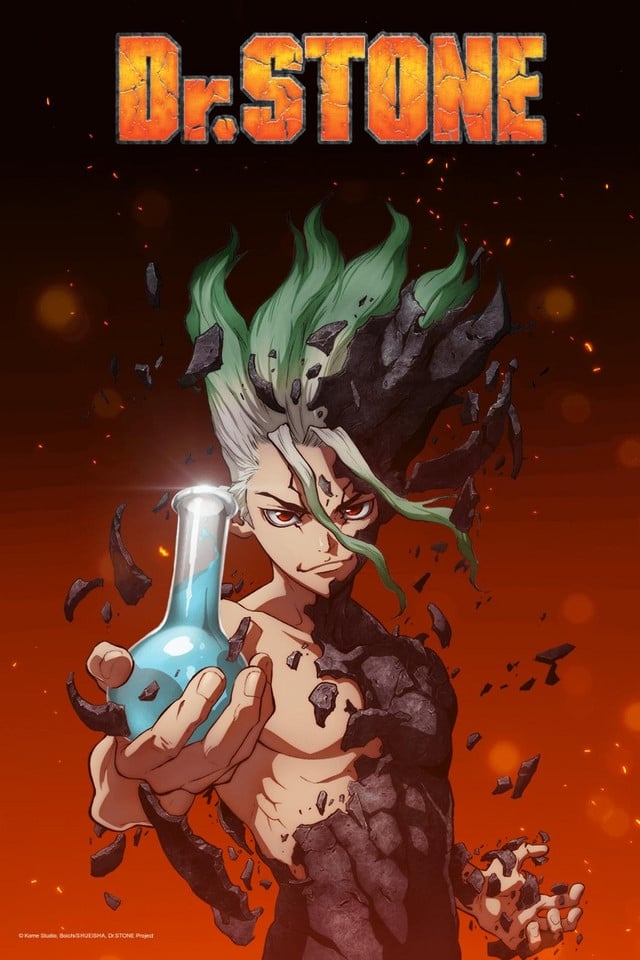
A worldwide petrification event resets civilization, and Senku starts a science driven community that clashes with Tsukasa’s youth focused group. Both sides gather resources, recruit specialists, and set production goals.
Progress markers include the formula for revival, the Stone Wars, and the buildup toward exploration beyond the initial region. The show catalogs inventions, supply lines, and communications that enable long distance coordination.
‘The Promised Neverland’ (2019–2021)
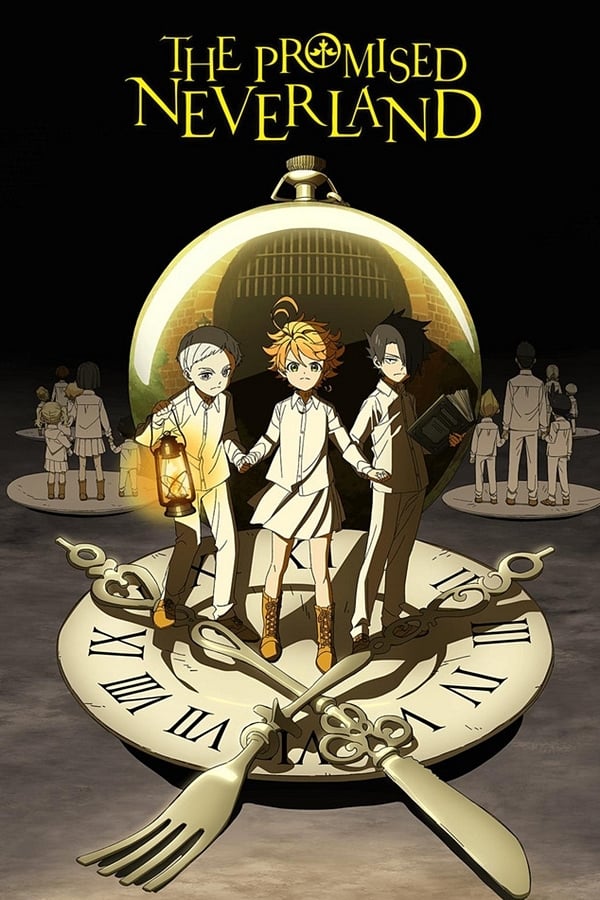
Isabella manages Grace Field House as a caretaker who reports to a system that raises children for demons. Emma, Norman, and Ray study their environment and plan a way out while tracking surveillance and schedule patterns.
The plot explains identification numbers, trackers, and the farm hierarchy. It also covers Isabella’s history, the role of Grandmother, and the logistics required to move a group of children beyond the walls.
‘My Hero Academia’ (2016–2024)
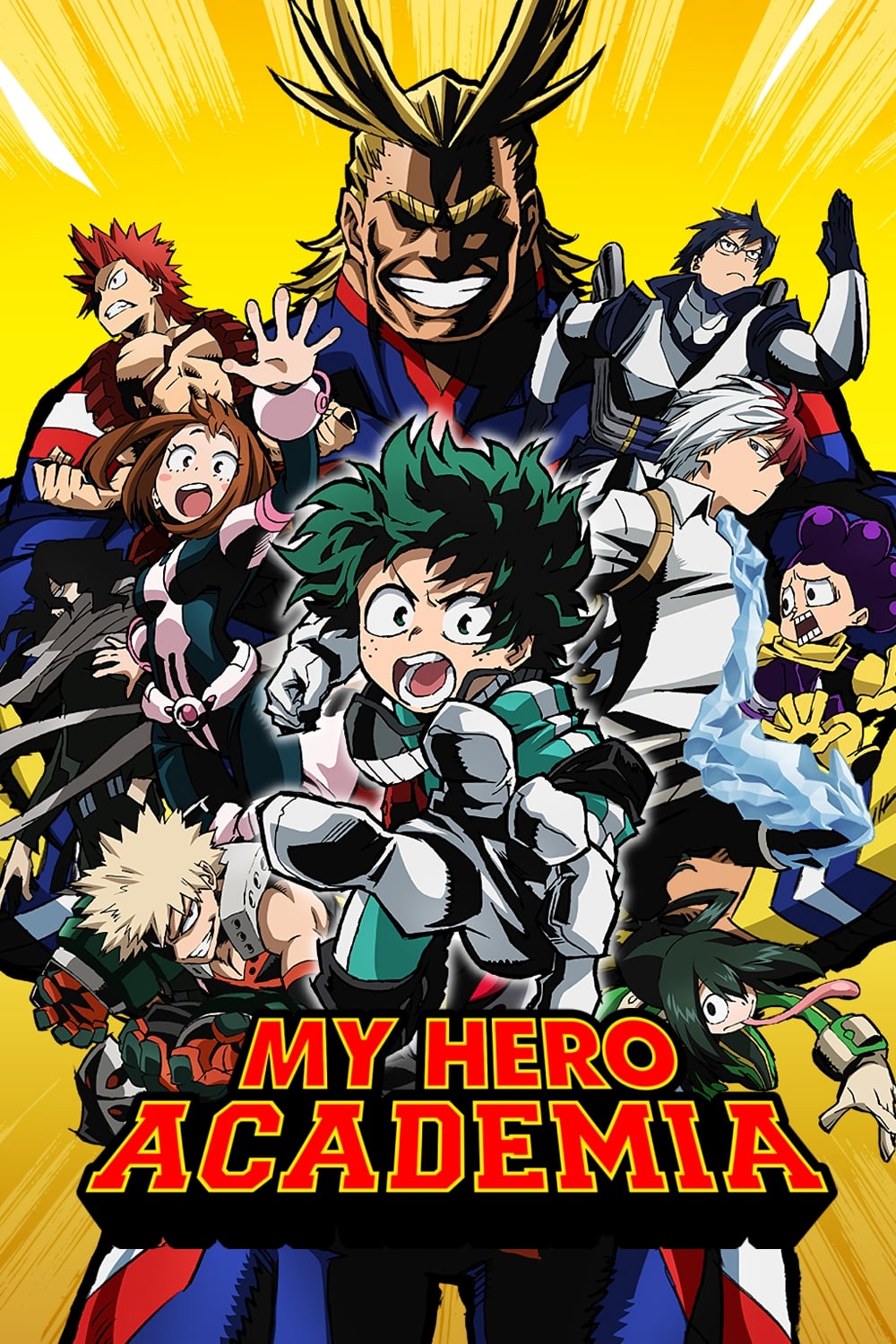
Tomura Shigaraki leads the League of Villains and later the Paranormal Liberation Front under the guidance of All For One. Conflicts involve hero agencies, school training programs, and national level responses.
Key information includes Shigaraki’s origins as Tenko Shimura, the expansion of his Quirk, and the roles of members like Twice and Toga. The series outlines licensing systems, hero rankings, and evacuation protocols during large scale incidents.
‘Jujutsu Kaisen’ (2020–2023)
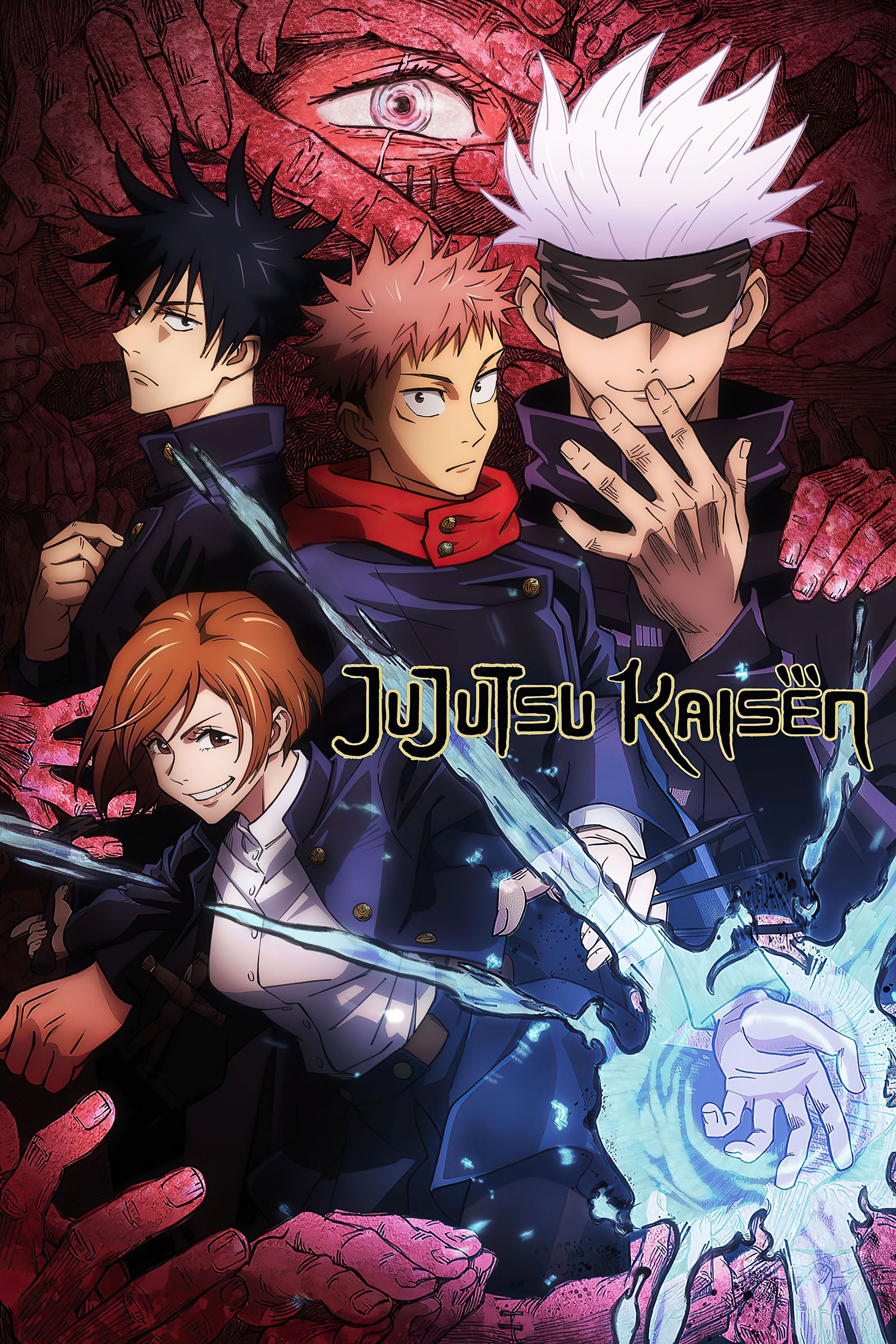
Suguru Geto operates as the figure behind several incidents while aligned with Cursed Spirits such as Mahito and Jogo. Satoru Gojo’s past with Geto provides the foundation for the current conflict.
Events include the Shibuya Incident and the use of the Prison Realm to seal Gojo. The series explains cursed energy, domain expansions, and the identity of Kenjaku in relation to Geto’s body.
‘Gintama’ (2006–2018)
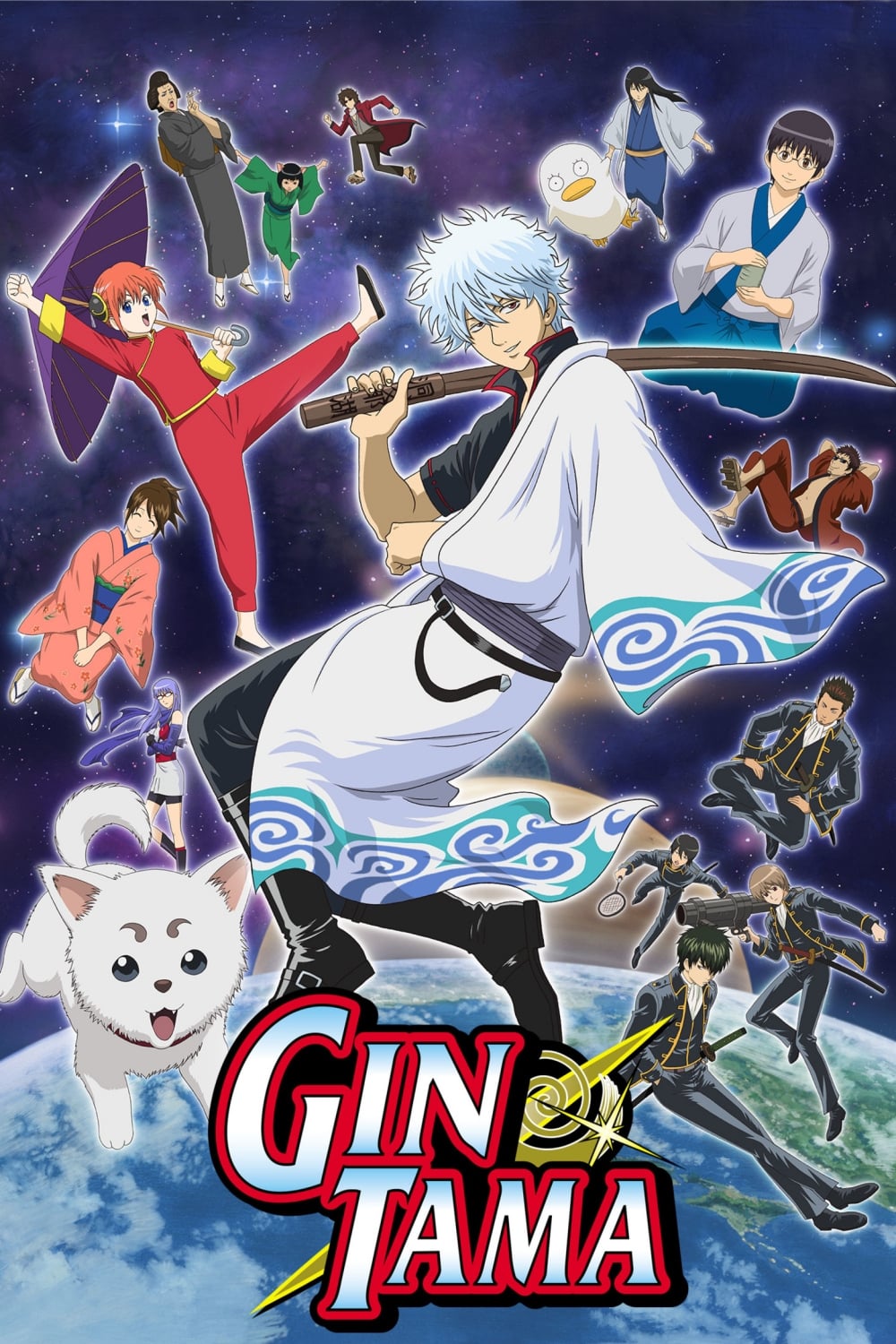
Shinsuke Takasugi leads the Kiheitai and targets the structures that caused his teacher’s death. The story moves from daily life in Edo to arcs that involve national leadership and off world authorities.
It reconstructs the Joui War and the relationships among Gintoki, Katsura, and Takasugi. Major arcs such as Shogun Assassination and Farewell Shinsengumi track alliances, betrayals, and the limits of the system in place.
‘Fate/Zero’ (2011–2012)
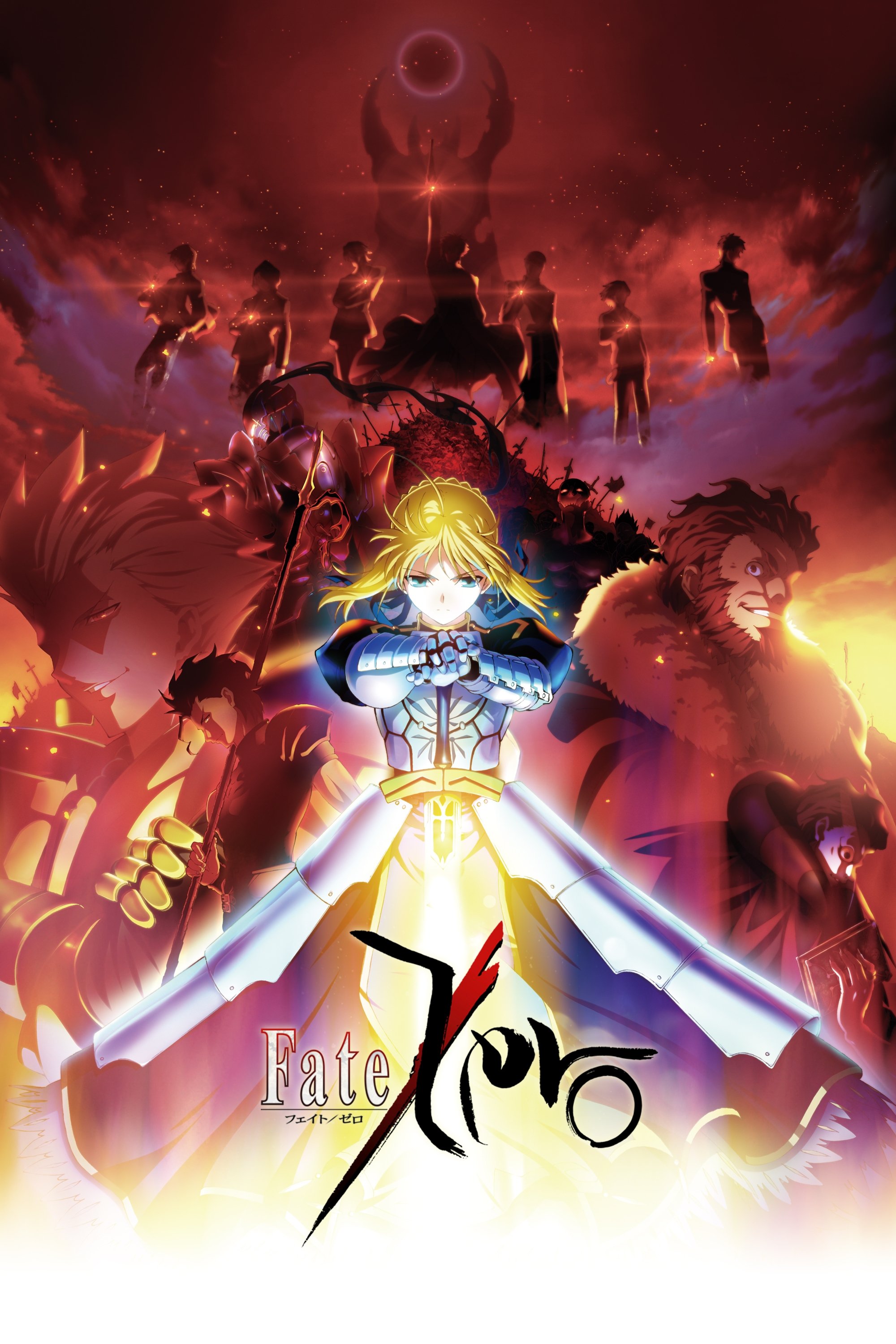
Kotomine Kirei becomes a central adversary while participating in the Fourth Holy Grail War with Servants summoned by Masters across Fuyuki City. Gilgamesh influences Kirei’s choices as the war progresses.
The series outlines Command Seals, mana supply, and the roles of families like Tohsaka and Einzbern. It details the nature of the Grail’s corruption and the outcomes that shape later events.
‘Devilman Crybaby’ (2018)
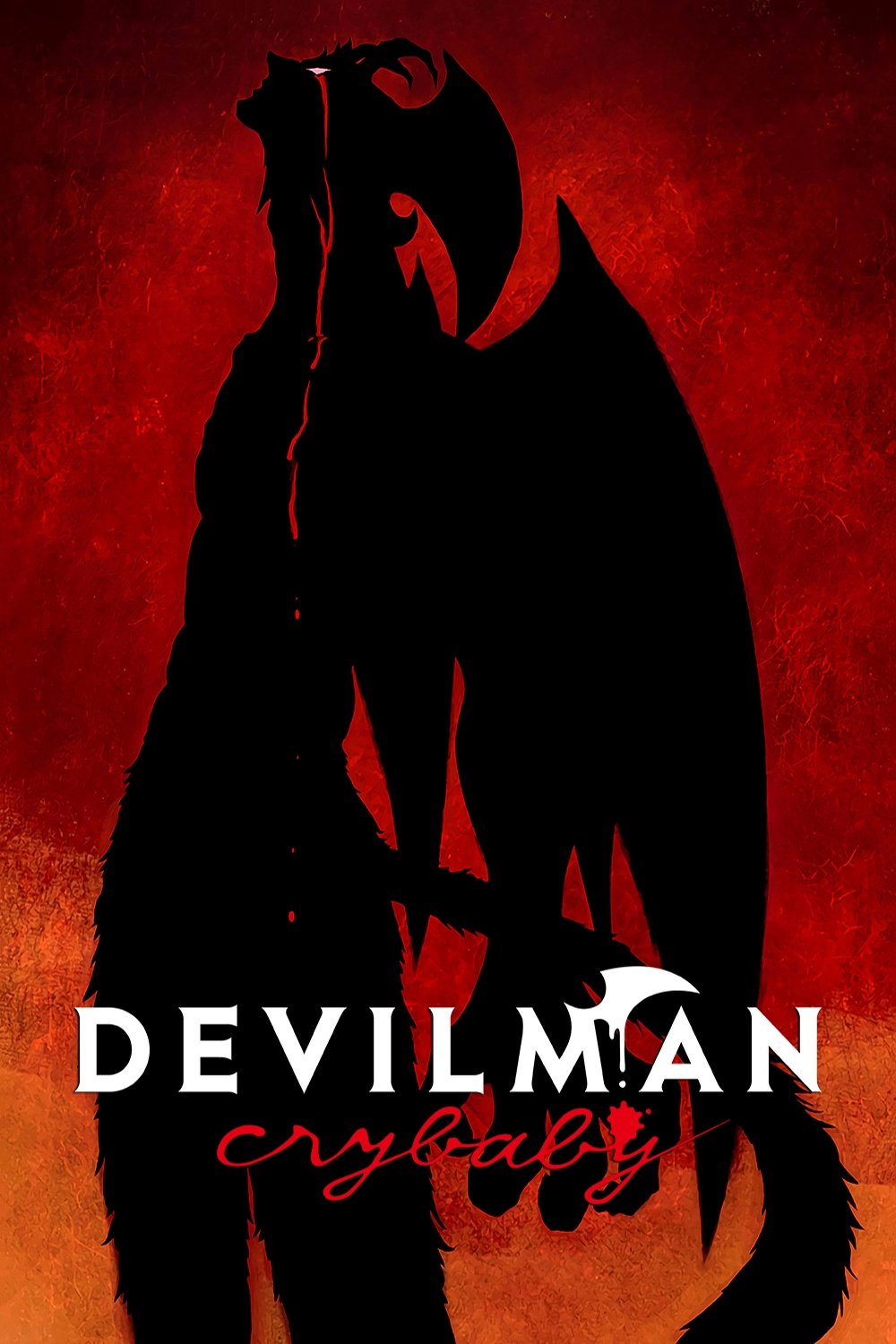
Ryo Asuka reveals a plan that places Akira Fudo in the middle of global fear and violence. The emergence of demons triggers public breakdowns that spread through media and communities.
The plot documents the Sabbath incident, the rise of mob actions, and the discovery of identities. It follows Ryo’s research, Akira’s transformation with Amon, and the sequence that leads to the final confrontation.
‘Made in Abyss’ (2017–2022)
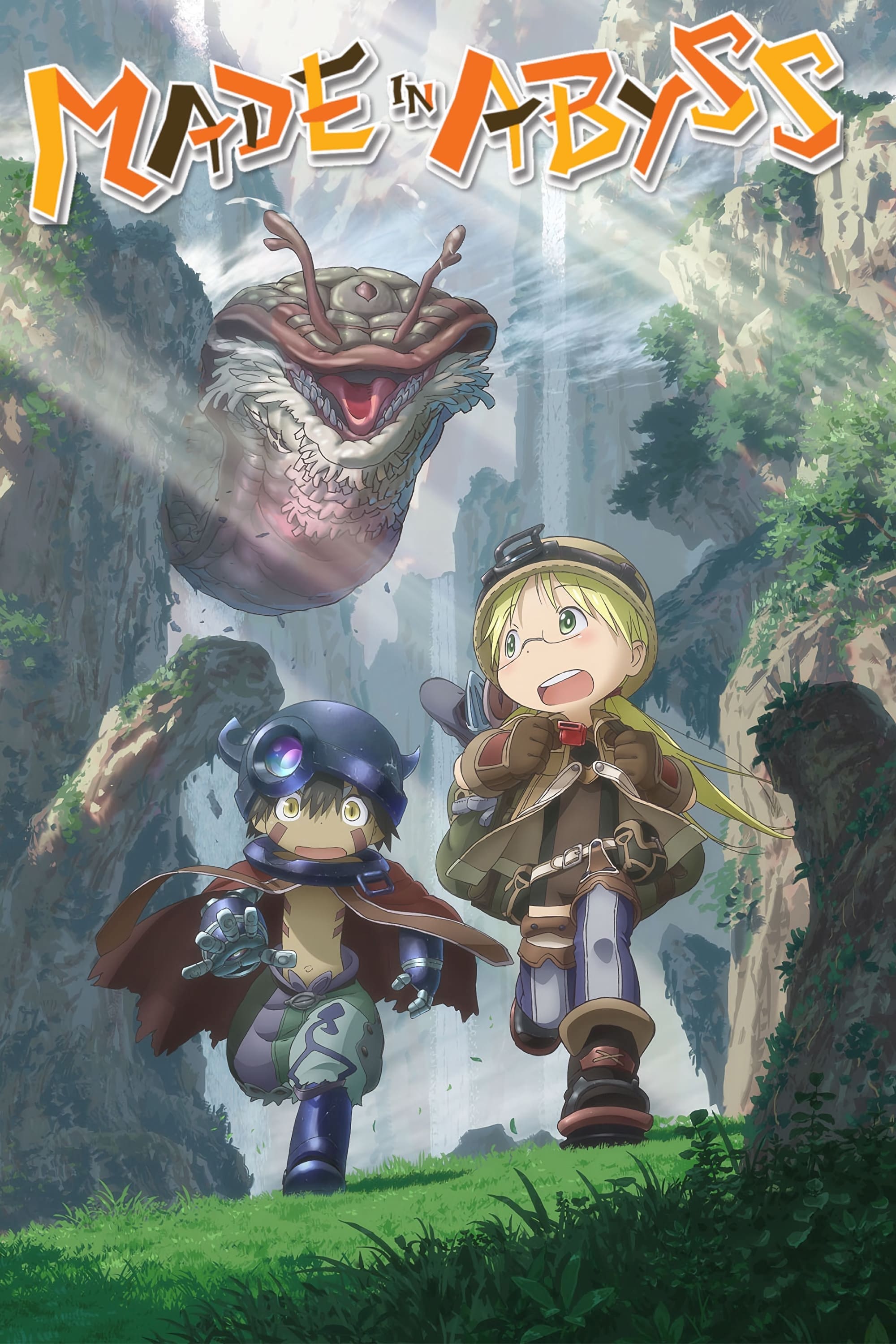
Bondrewd runs Idofront in the fifth layer and conducts research on the Curse of the Abyss through methods that require extreme costs. White Whistles, artifacts, and relic classifications frame every expedition.
Important components include Prushka’s origin, the cartridge system, and limits that apply when ascending through layers. The series tracks expeditions, Sovereigns, and the technology that supports survival.
‘Parasyte -the maxim-‘ (2014–2015)
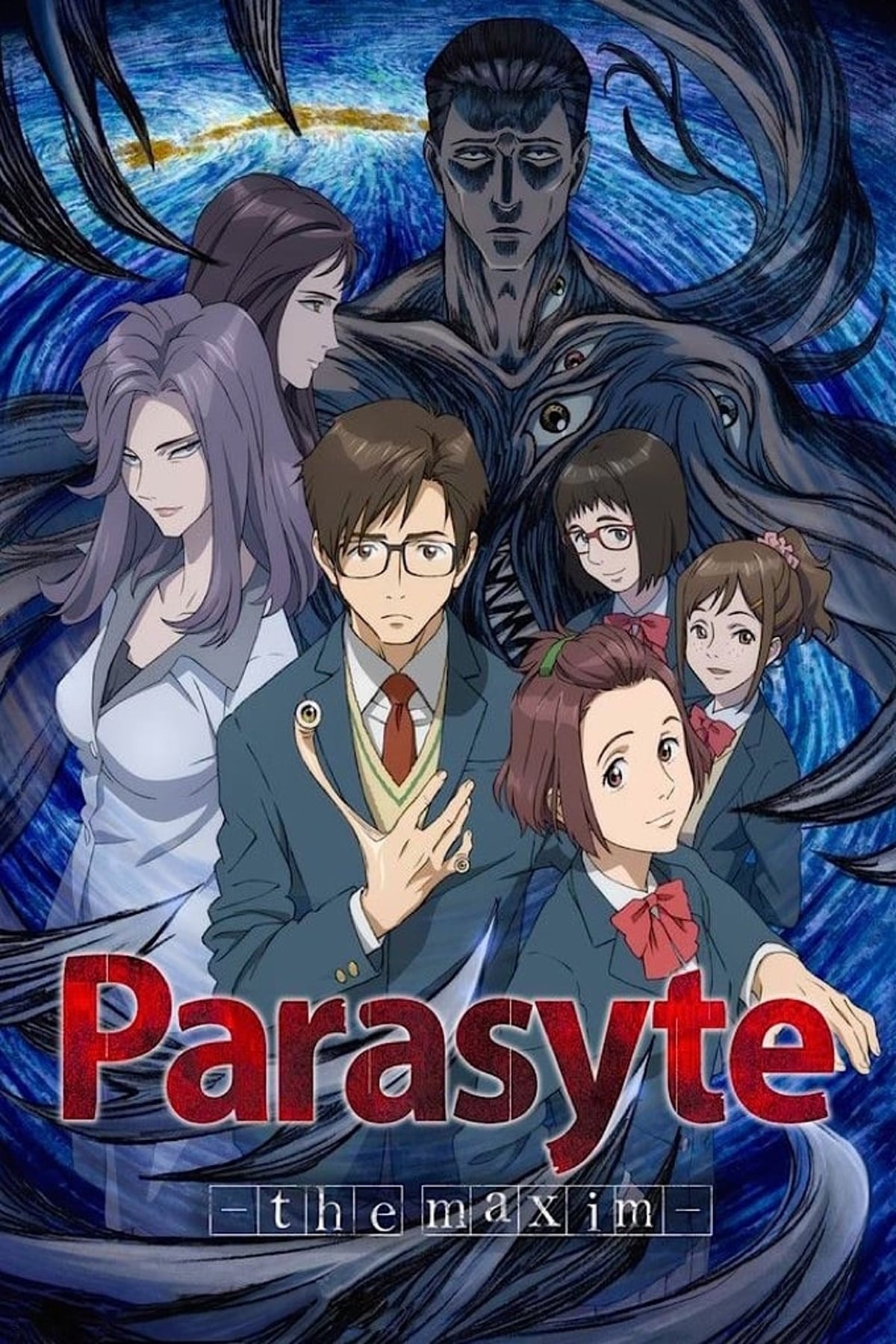
Tamura Reiko lives as a parasite in a human body while studying social behavior and reproduction among her kind. Shinichi Izumi remains partly human due to Migi occupying his right hand, which gives him abilities that law enforcement cannot explain.
The story follows organized raids, changing strategies among parasites, and the pursuit led by detective Hirama. It lists parasite feeding patterns, weaknesses, and debates about coexistence that surface within their ranks.
Share which titles you would add to this list in the comments.