The Most Offensive Roles in Movie History



Hollywood has changed a lot over time, but the screen still carries choices that sparked backlash and opened long debates about representation. Many of these roles used makeup, accents, or casting that leaned on stereotypes, and the outcry around them pushed studios and audiences to look at what gets normalized on screen.
This list looks at specific characters and performances that drew strong criticism for how they depicted race, ethnicity, gender identity, disability, or culture. Each entry explains what the role involved and why it became a flashpoint, along with concrete context about reception, production decisions, and the legacy that followed.
‘Breakfast at Tiffany’s’ (1961) – Mr. Yunioshi

Mickey Rooney played Mr. Yunioshi with prosthetic eyelids, false teeth, and a caricatured accent. The performance relied on exaggerated physical traits and vocal tics that have long been linked to demeaning portrayals of Japanese people in American media.
Modern releases often carry content advisories explaining why the character is harmful. Screenings and broadcasts have used warnings to frame the depiction for new audiences, and the role is frequently cited in discussions of yellowface in mainstream film history.
‘Sixteen Candles’ (1984) – Long Duk Dong
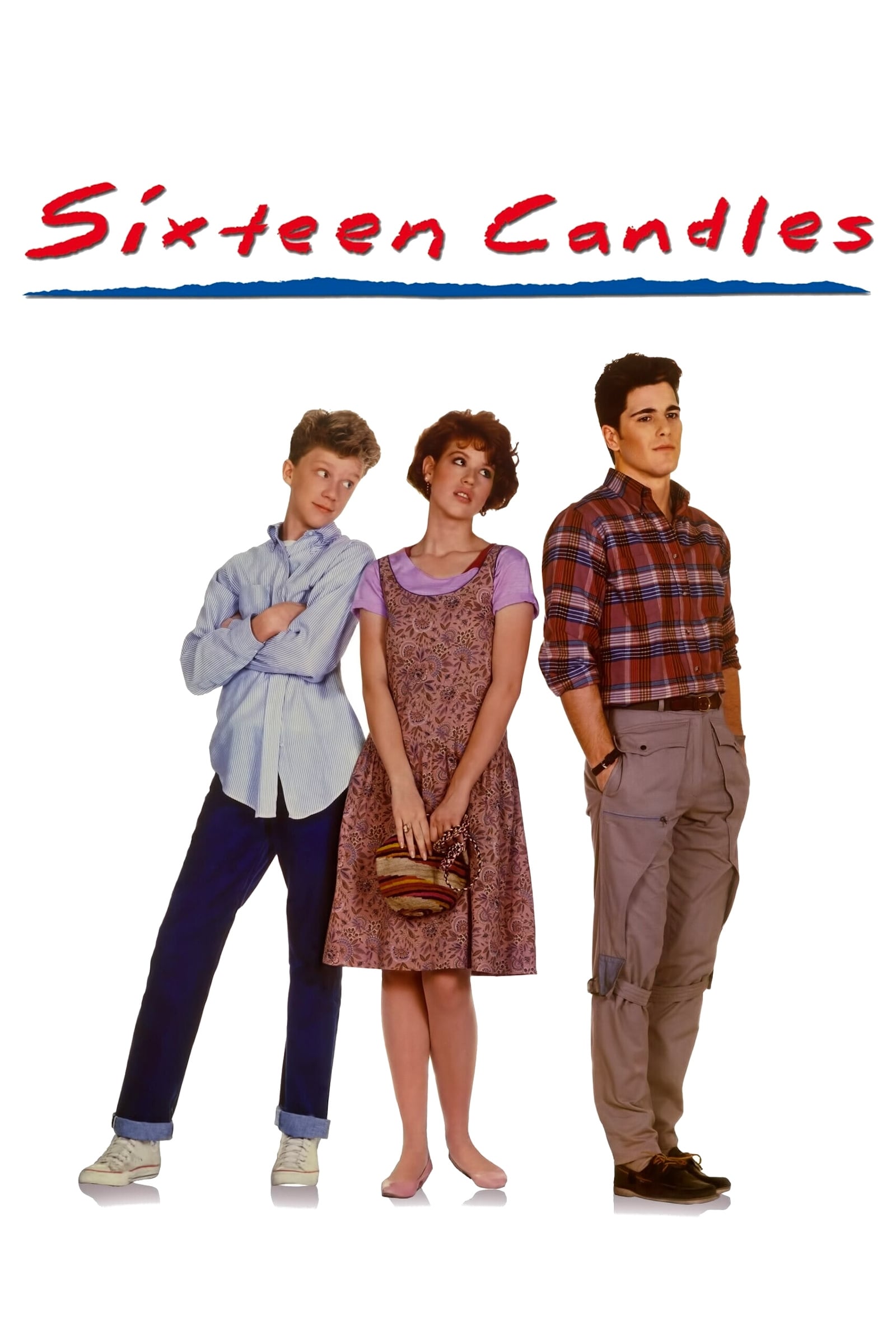
Gedde Watanabe’s character appears as a broad comic stereotype built around mispronunciations, sexual confusion, and a recurring gag that ties his presence to a gong sound. Dialogue and costuming mark him as the butt of the joke in scenes that center on his foreignness.
Asian American groups and film historians have used the role as a case study for how teen comedies normalized mocking immigrant identities. The character’s name itself is often referenced in classroom and media guides as an example of how humor can reinforce harmful tropes.
‘Short Circuit’ (1986) – Ben Jabituya
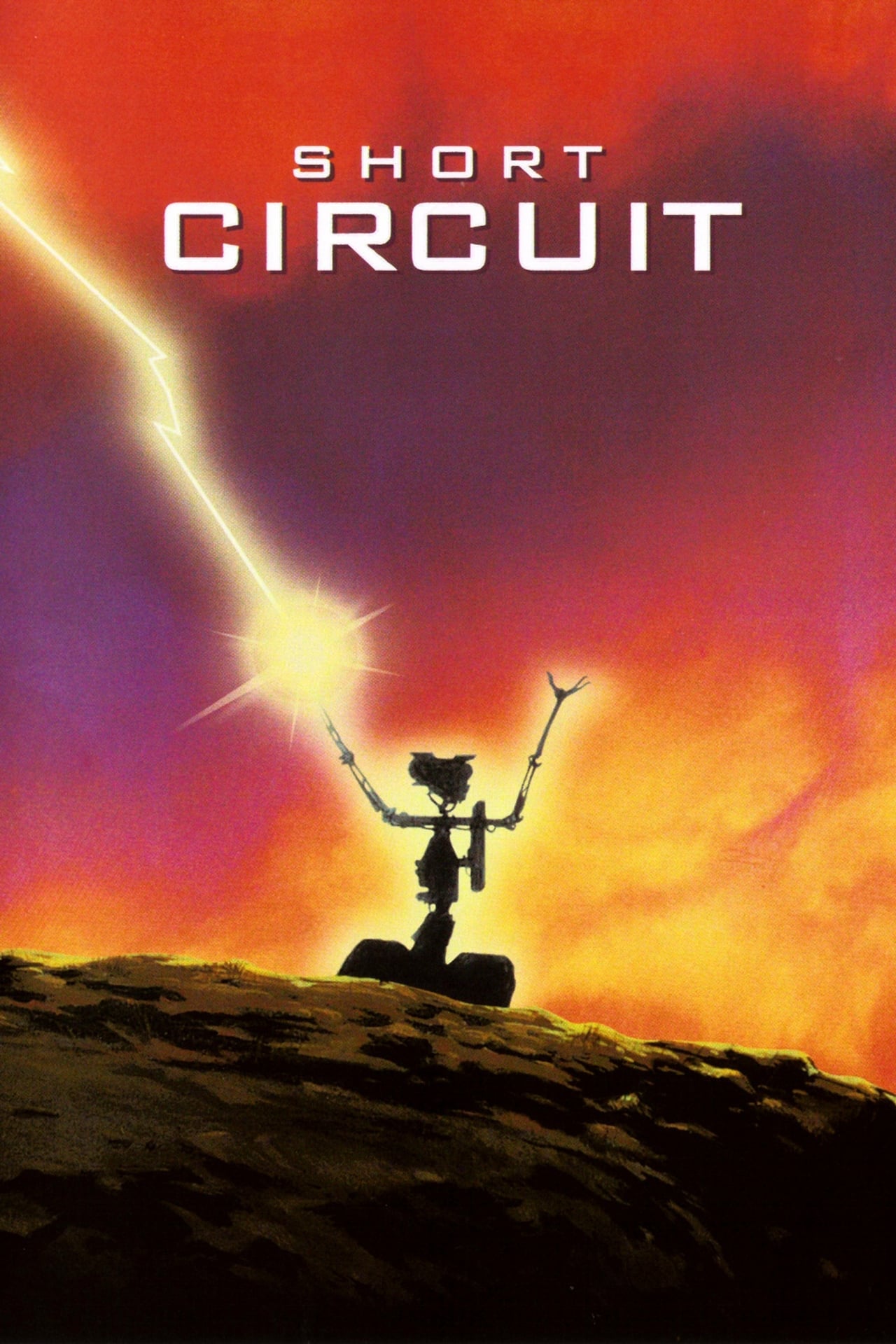
Fisher Stevens portrayed an Indian robotics engineer using dark makeup, a heavy accent, and cultural clichés. The character was later renamed Ben Jahrvi in the sequel, but the portrayal kept the same performance style.
The casting has been revisited by the actor and the filmmakers in later interviews, where they acknowledged the harm of the approach. The role is now commonly included in studio training materials and articles that outline why brownface is unacceptable in contemporary productions.
‘The Conqueror’ (1956) – Genghis Khan

John Wayne was cast as the Mongol ruler and performed with altered facial hair and stylized speech patterns meant to signal an Asian identity. The choice drew criticism for placing a well-known Western star in a role tied to a specific historical and cultural figure.
Retrospectives and film courses often highlight the casting as a textbook example of misrepresentation. The film’s poor critical reception cemented its status as a cautionary tale about star casting that ignores cultural authenticity.
‘The Good Earth’ (1937) – O-Lan
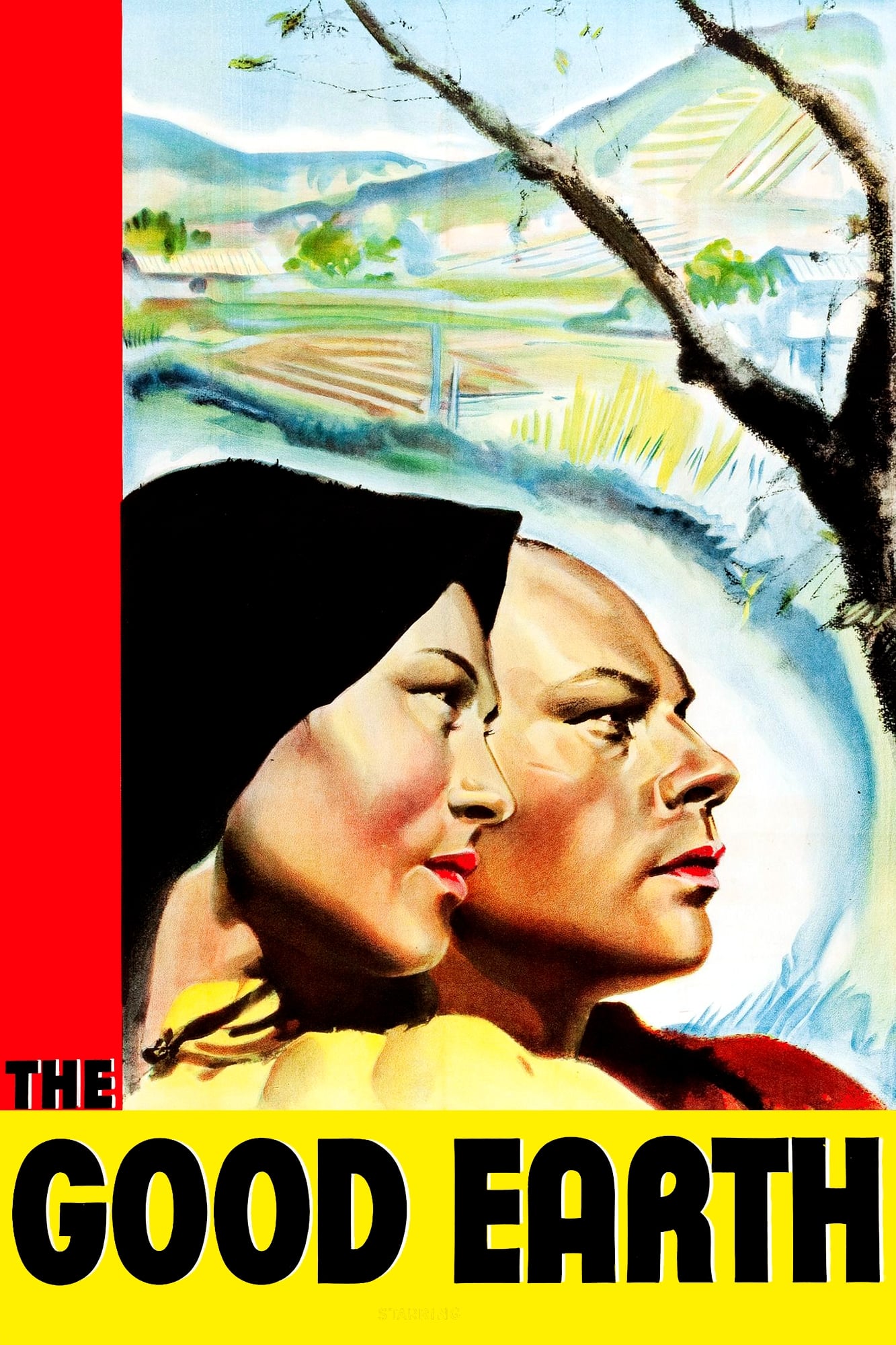
Luise Rainer played a Chinese farmer’s wife in an adaptation of Pearl S. Buck’s novel. The studio used white actors in the lead roles while Chinese and Chinese American performers filled background parts.
The production history is frequently discussed because Anna May Wong, a pioneering Chinese American star, was passed over for the lead. The role and the film are now central to lessons on how the industry shut out Asian actors from complex parts while rewarding yellowface performances.
‘Othello’ (1965) – Othello
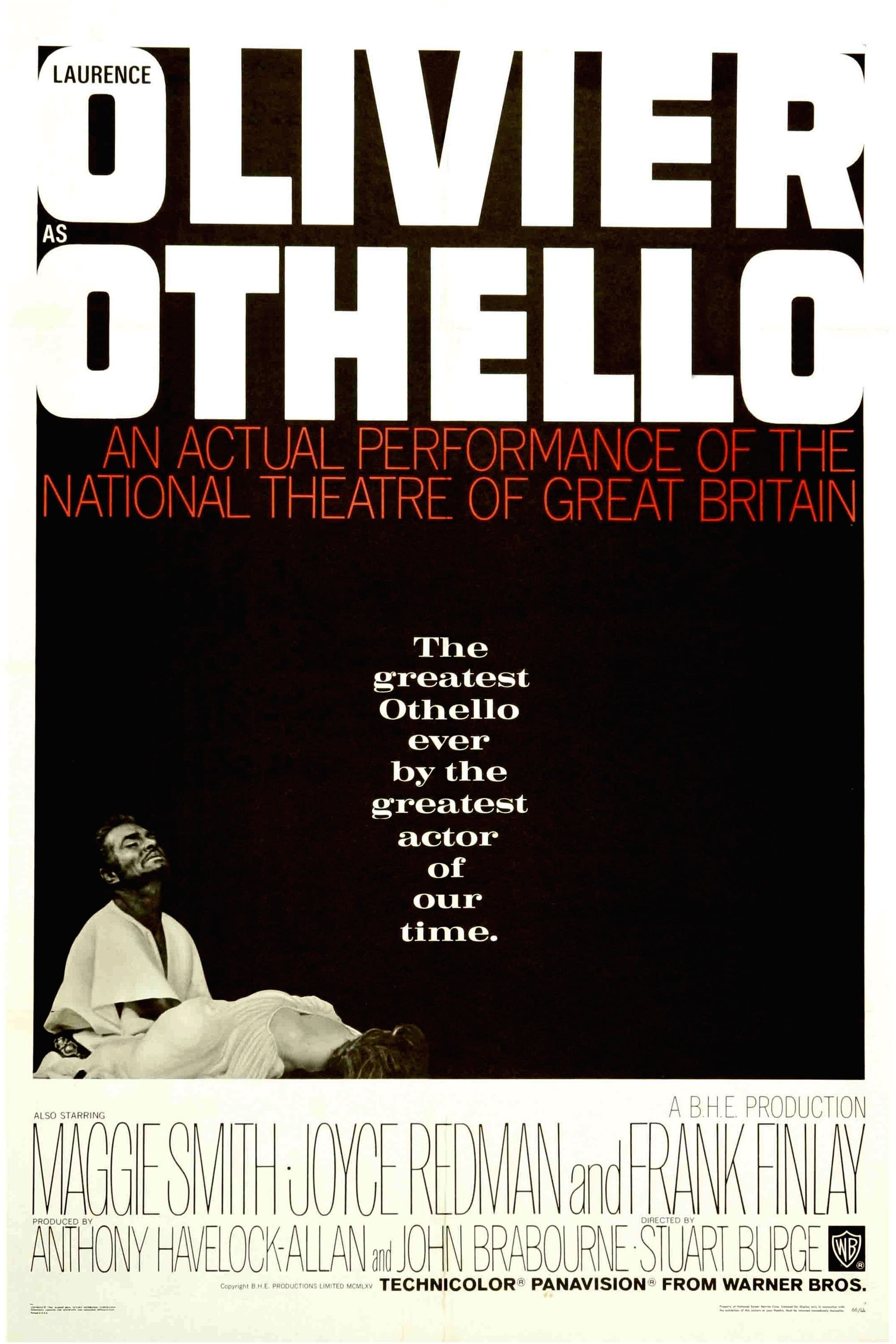
Laurence Olivier portrayed Shakespeare’s Moor with dark makeup and voice work modeled on earlier stage traditions. The film reproduced theatrical conventions that had long treated blackface as standard for the role.
Modern scholarship places this screen version in the context of changing performance practice and civil rights era debates. The production is screened today with commentary that explains why these choices are harmful and why the role is now performed by Black actors in major companies.
‘The Party’ (1968) – Hrundi V. Bakshi
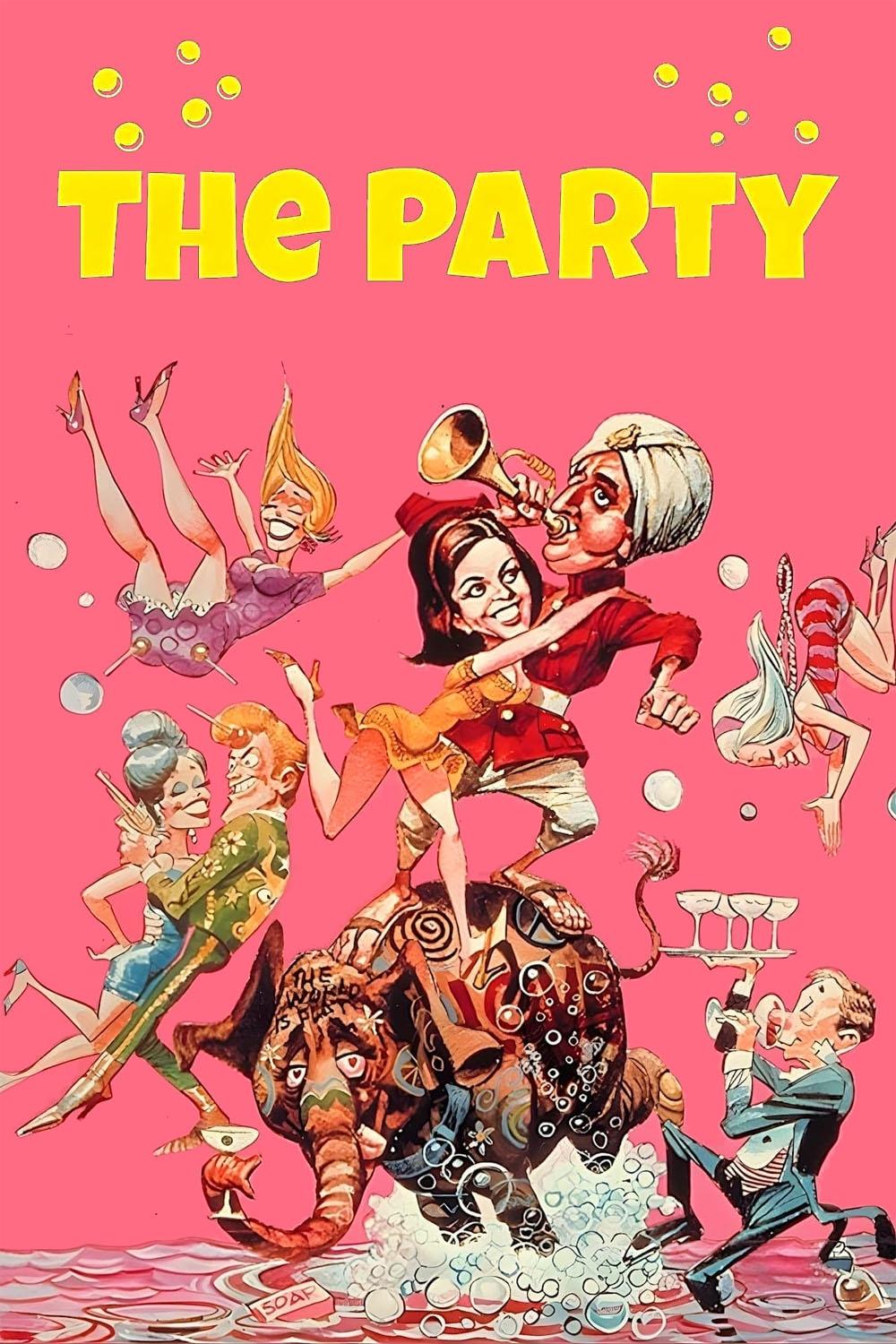
Peter Sellers played an Indian actor who causes chaos at a Hollywood gathering. The performance used brownface makeup, an exaggerated accent, and visual gags that frame the character as socially inept because of his background.
Critics and academics cite the role when tracing how comedy normalized ethnic mockery for laughs. Contemporary discussions also point to how the film’s soundtrack and set design layer in additional cues that present South Asian identity as a joke.
‘The Mask of Fu Manchu’ (1932) – Dr. Fu Manchu
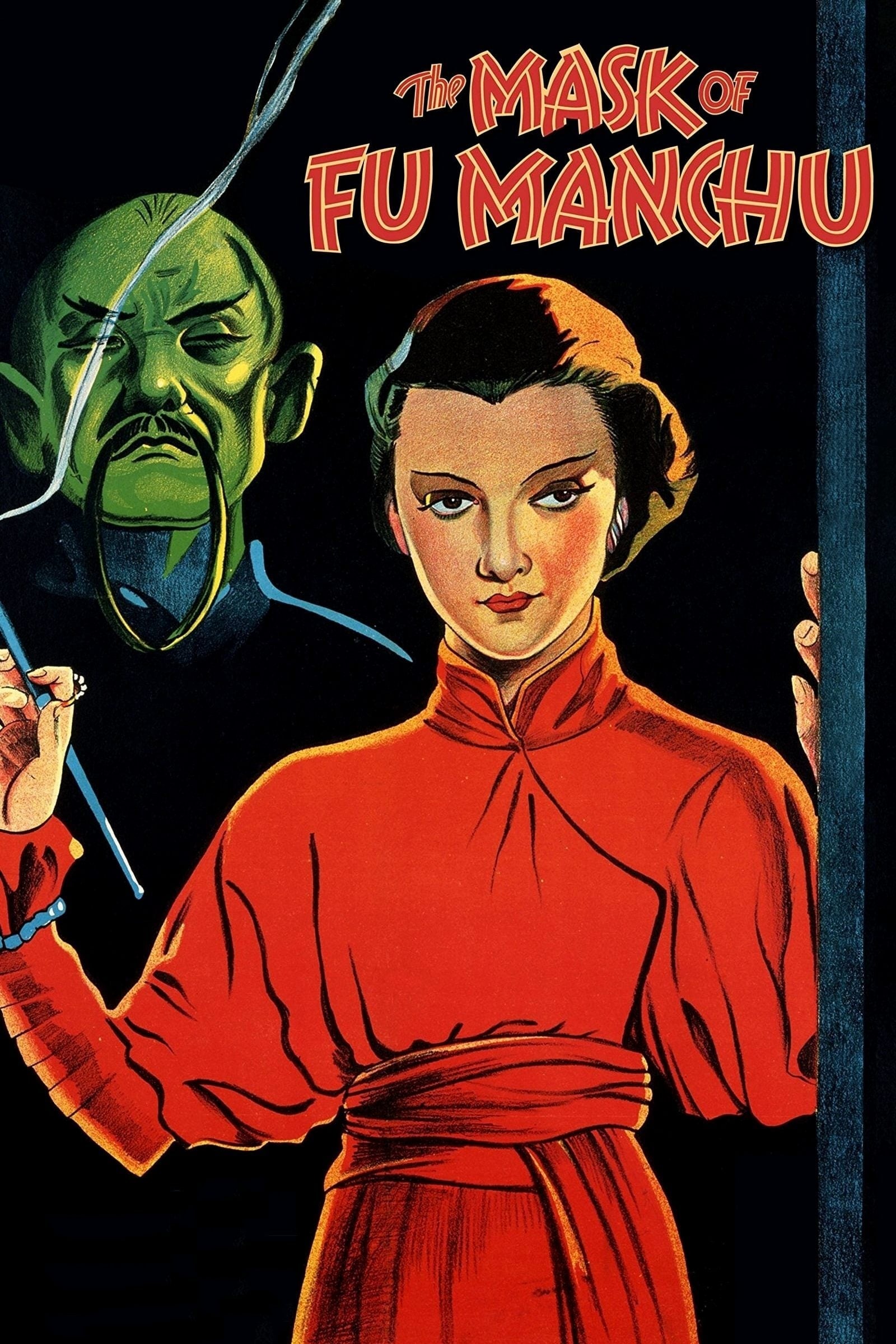
Boris Karloff portrayed the pulp villain as an embodiment of the so-called Yellow Peril. Costuming, dialogue, and plot beats paint the character as a ruthless mastermind who seeks to subjugate Western powers.
Media historians explain how this figure shaped decades of screen archetypes that coded Asian characters as threats. The role remains a reference point for understanding how popular fiction spread fear-based narratives about entire communities.
‘Charlie Chan in Shanghai’ (1935) – Charlie Chan
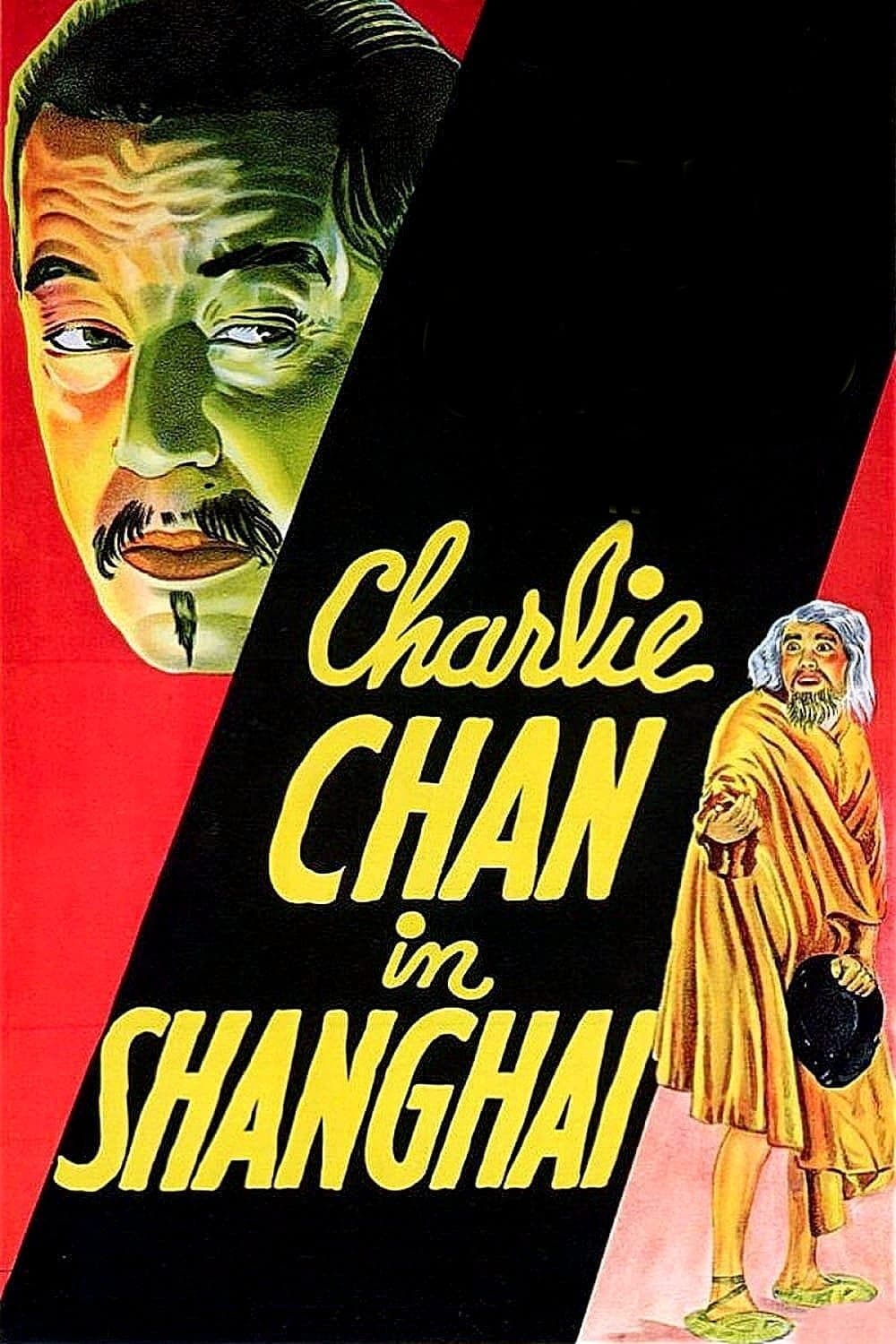
Swedish actor Warner Oland played the Chinese detective as a wise but exoticized figure who speaks in aphorisms and broken English. The series built a template where the hero’s ethnicity is treated as both mystery and novelty.
Later entries in the franchise continued to cast white actors in the title role while Asian performers were relegated to supporting parts. The character is now discussed alongside studio policies that limited opportunities for Asian American leads in crime and adventure films.
‘Soul Man’ (1986) – Mark Watson
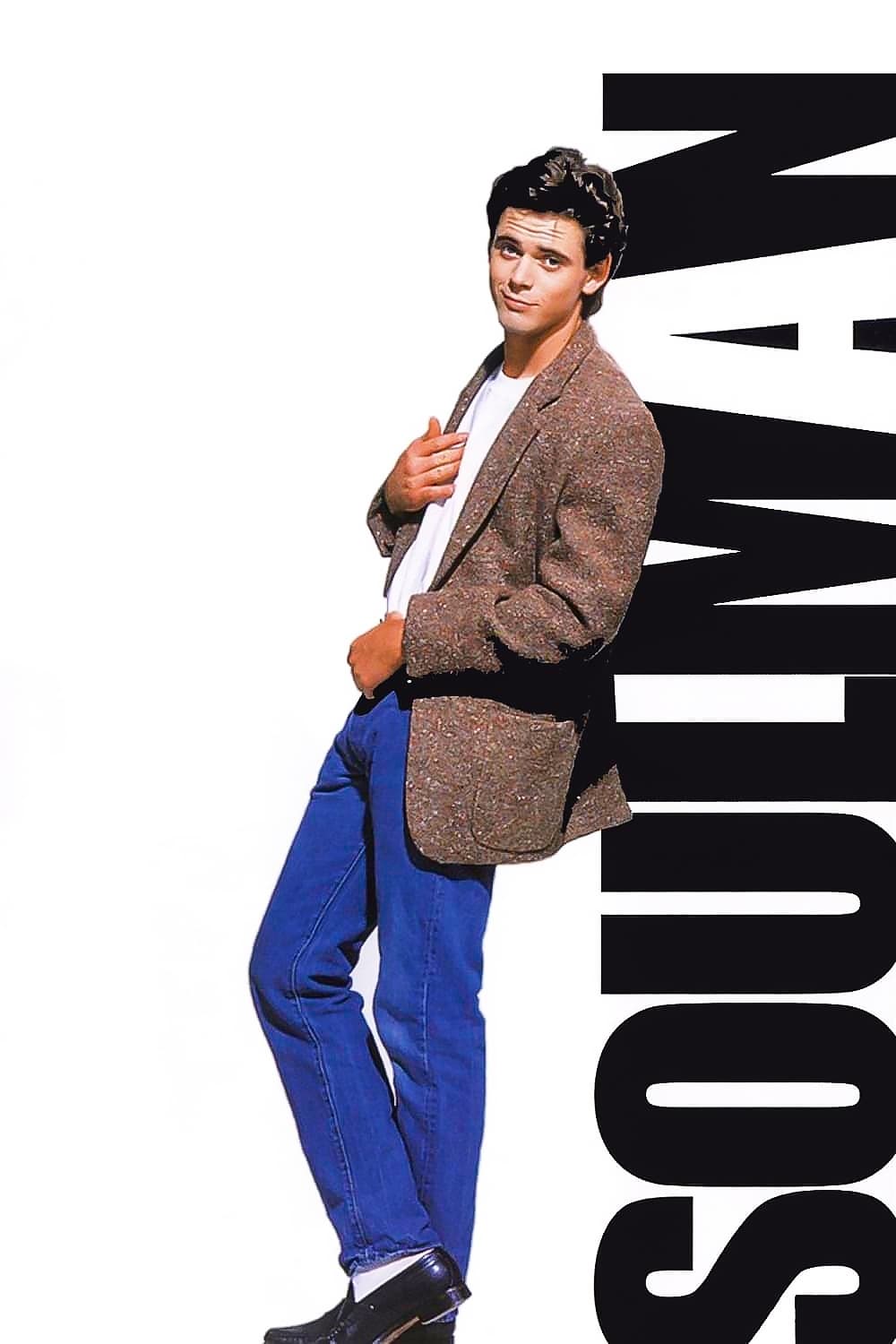
C. Thomas Howell’s character darkens his skin and changes his hair to pose as a Black student in order to access a scholarship. The film’s central joke depends on blackface and stereotypes about affirmative action.
Civil rights groups and campus organizations protested the film’s premise and marketing, and the title is often used in classes that cover the long history of blackface in American entertainment. The role is a frequent example in guides that explain why intent does not erase impact.
‘Tropic Thunder’ (2008) – Kirk Lazarus
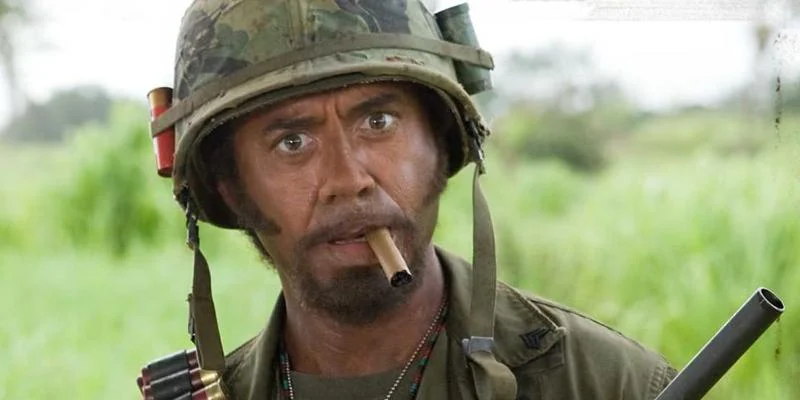
Robert Downey Jr. played an Australian method actor who undergoes a cosmetic procedure to darken his skin for a war movie. The narrative shows him refusing to break character while using dialect and mannerisms associated with Black Americans.
The role sparked debate across newsrooms and advocacy circles about satire and the boundaries of representation. Disability and racial justice groups pointed out that packaging blackface as commentary still replicates visual harm, and the character remains a touchpoint in industry panels about what satire can responsibly do.
‘Tropic Thunder’ (2008) – Simple Jack
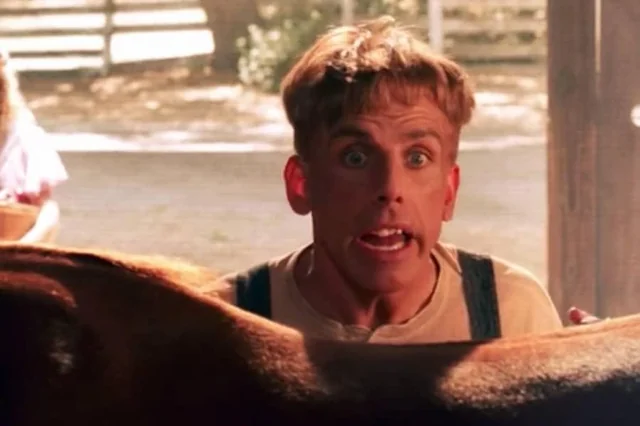
Ben Stiller’s character Tugg Speedman creates a prestige drama within the film about a farmhand with an intellectual disability. Promotional materials and scenes show exaggerated speech and behavior meant to chase awards.
Disability advocates organized boycotts and issued statements explaining how the portrayal echoed hurtful stereotypes seen for decades. The controversy led to broader newsroom coverage of ableism in film narratives and how marketing can amplify that harm.
‘The Lone Ranger’ (2013) – Tonto
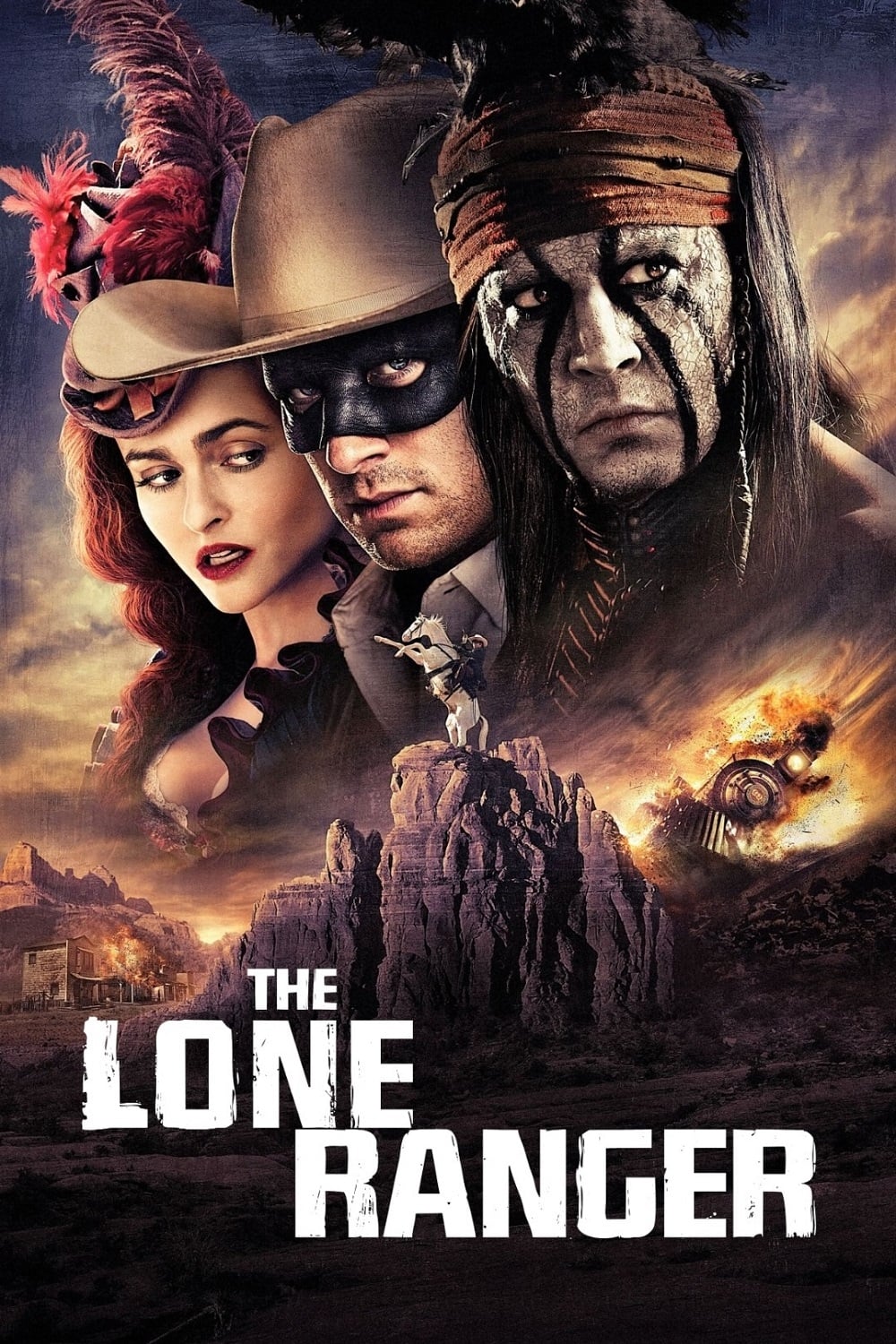
Johnny Depp played the Comanche companion to the title hero with face paint, costuming drawn from a painting, and a constructed backstory. The performance continued a pattern of casting non-Native stars in major Native roles.
Tribal representatives and Native actors criticized the production for sidelining Indigenous talent and using cultural elements without fuller community authorship. The film’s reception helped fuel calls for consultants, writers, and leads from the portrayed nations to guide future projects.
‘Ghost in the Shell’ (2017) – Major Mira Killian
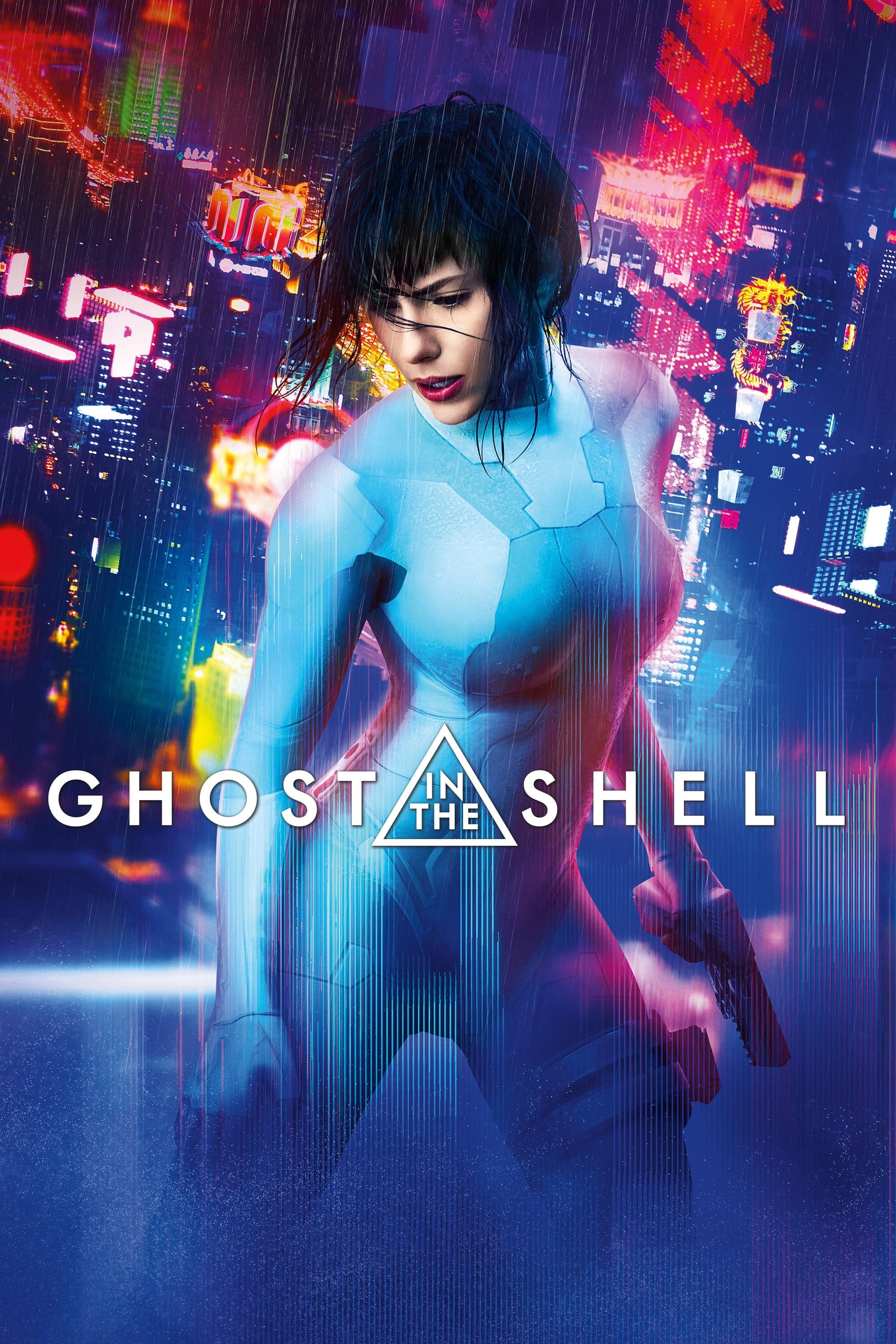
Scarlett Johansson was cast as the lead in a live-action adaptation of a Japanese franchise. The character is a cyborg originally identified with a Japanese name and backstory, but the film reframed the identity to fit a Western star.
The casting drew wide coverage as a key case of whitewashing in contemporary studio filmmaking. Industry analyses tied the decision to global market assumptions and used the outcome to argue for centering Asian actors when adapting Asian source material.
‘Aloha’ (2015) – Allison Ng

Emma Stone played a character written as part Hawaiian and part Chinese. The performance and the casting choice did not reflect that heritage, and the character’s story relied on cultural markers that did not match the actor.
After the backlash, the filmmaker issued a public apology acknowledging the error. The role now appears in diversity workshops as a clear example of how mixed-race characters should be cast with actors who share that background or with careful community consultation.
‘Doctor Strange’ (2016) – The Ancient One
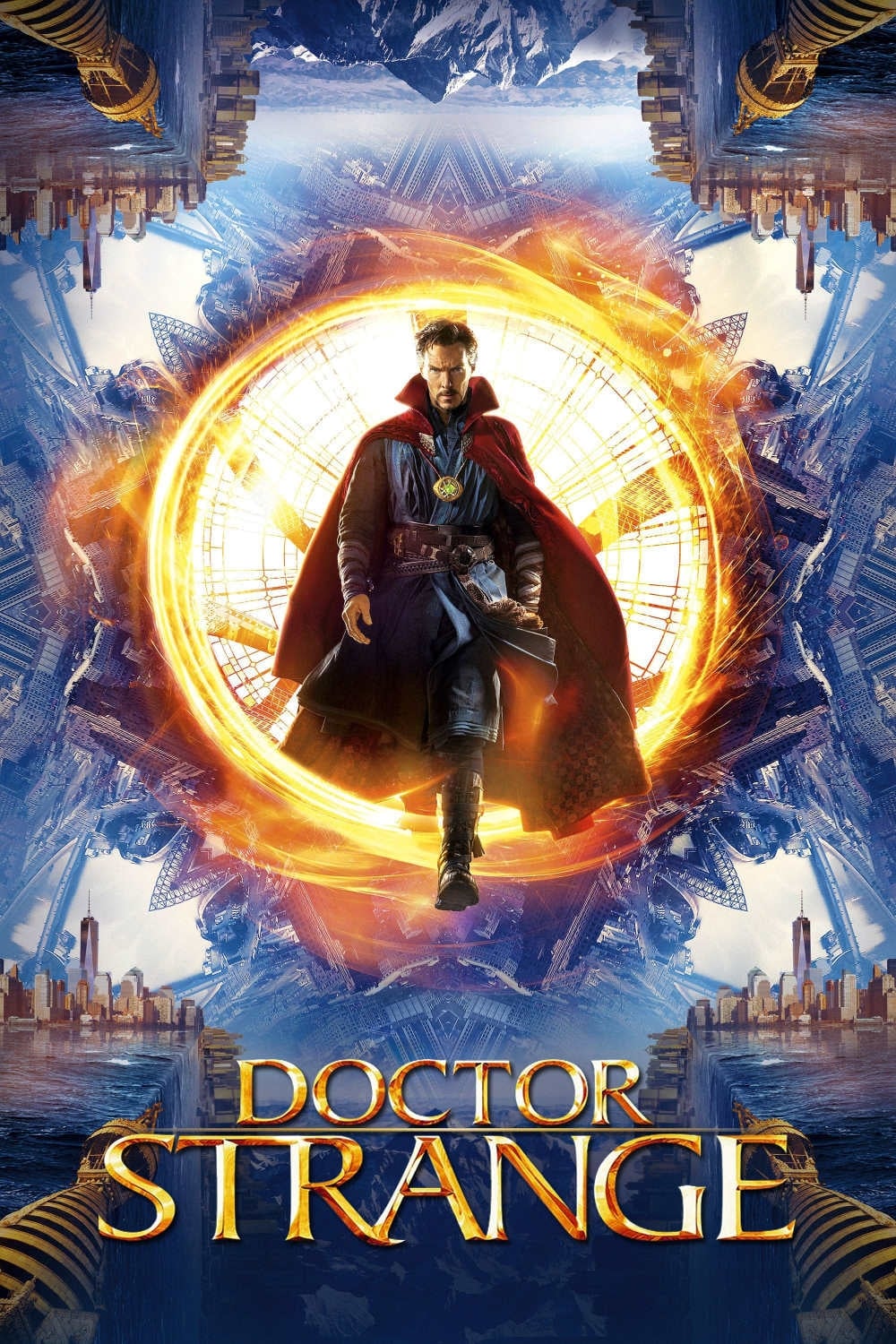
Tilda Swinton portrayed the mentor figure as a Celtic mystic rather than the Tibetan man from the comics. The studio said the change was meant to avoid stereotypes and geopolitics, but the decision erased an Asian character rather than rethink him with respect.
Marvel leaders later acknowledged that the approach caused unintended harm and prompted internal reflection about adaptation choices. The role influenced later casting decisions in the franchise and is frequently cited in panels about how to update legacy characters without erasure.
‘The Last Airbender’ (2010) – Aang
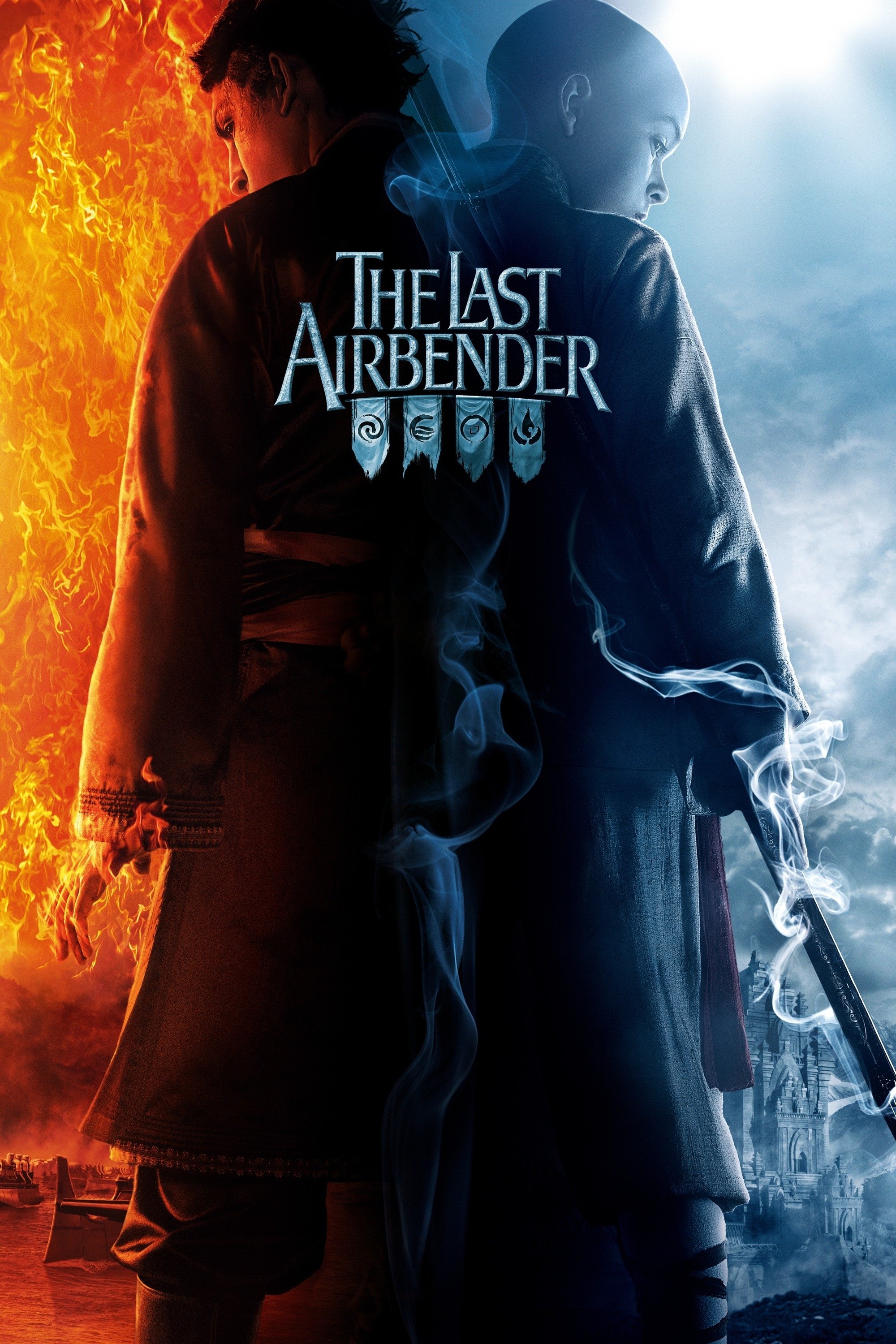
Noah Ringer was cast as the hero in a story rooted in East Asian and Inuit-inspired cultures. The main heroes were largely played by white actors while many antagonists were cast with actors of color, which drew strong criticism from fans and advocacy groups.
The controversy helped galvanize an online movement that coined a widely used term for race-based miscasting. The film’s reception is now part of case studies that urge studios to align casting with the cultural world that a story draws from.
‘The Silence of the Lambs’ (1991) – Jame Gumb
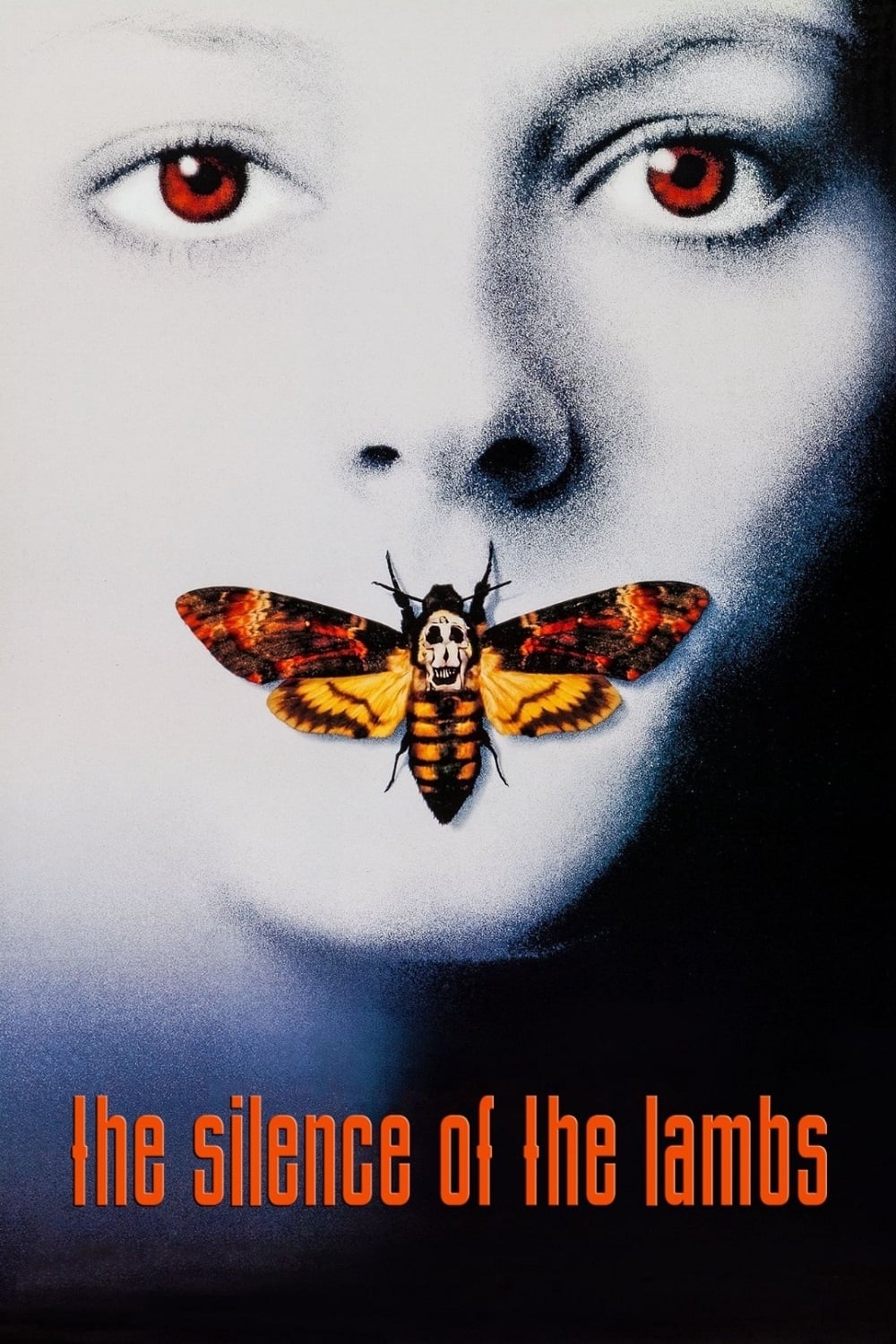
Ted Levine’s character is a serial killer whose presentation borrows elements associated with trans identity even as the script states he is not trans. Visual choices and plot points linked gender nonconformity to violence in ways that many viewers found harmful.
LGBTQ organizations and scholars have analyzed how the character shaped audience assumptions about gender variance. The role is frequently discussed in media literacy courses that trace the impact of villain coding on real communities.
‘Ace Ventura: Pet Detective’ (1994) – Lois Einhorn
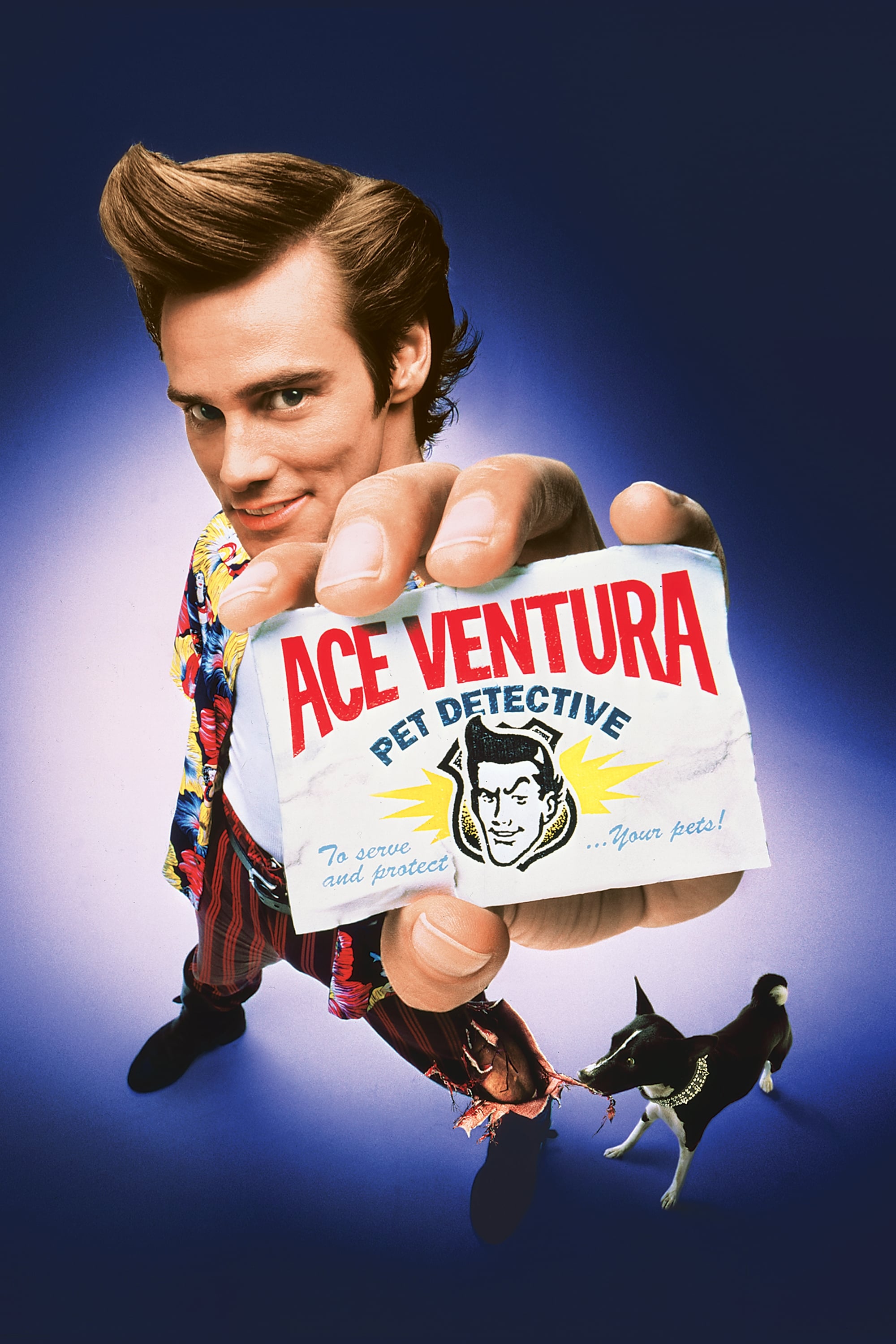
Sean Young played a police lieutenant whose story hinges on a twist that outs her as trans in a scene played for ridicule. The film uses physical gags and reactions from other characters that rest on transphobic shock.
The character appears in many modern viewing guides as an example of how comedy can stigmatize trans people. Writers and advocates point to this role when explaining why stories should avoid treating gender identity as a punchline.
‘Touch of Evil’ (1958) – Miguel Vargas
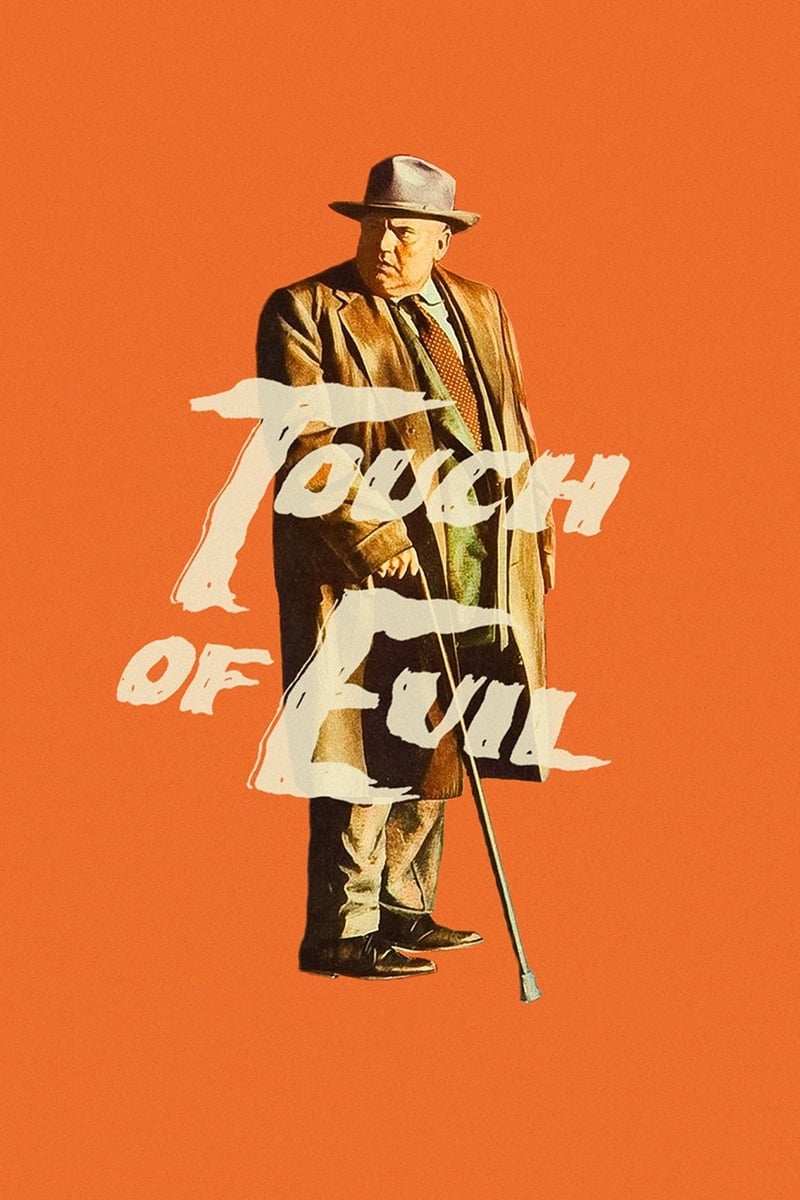
Charlton Heston played a Mexican prosecutor with darkened skin and altered hair to suggest ethnicity. The performance sits within a long tradition of brownface casting in crime and noir films.
Film scholars often study the role alongside the movie’s technical achievements to show how celebrated works can contain harmful choices. The example is used in training and criticism to argue for authentic casting even when a project is led by major filmmakers.
‘The Jazz Singer’ (1927) – Jack Robin
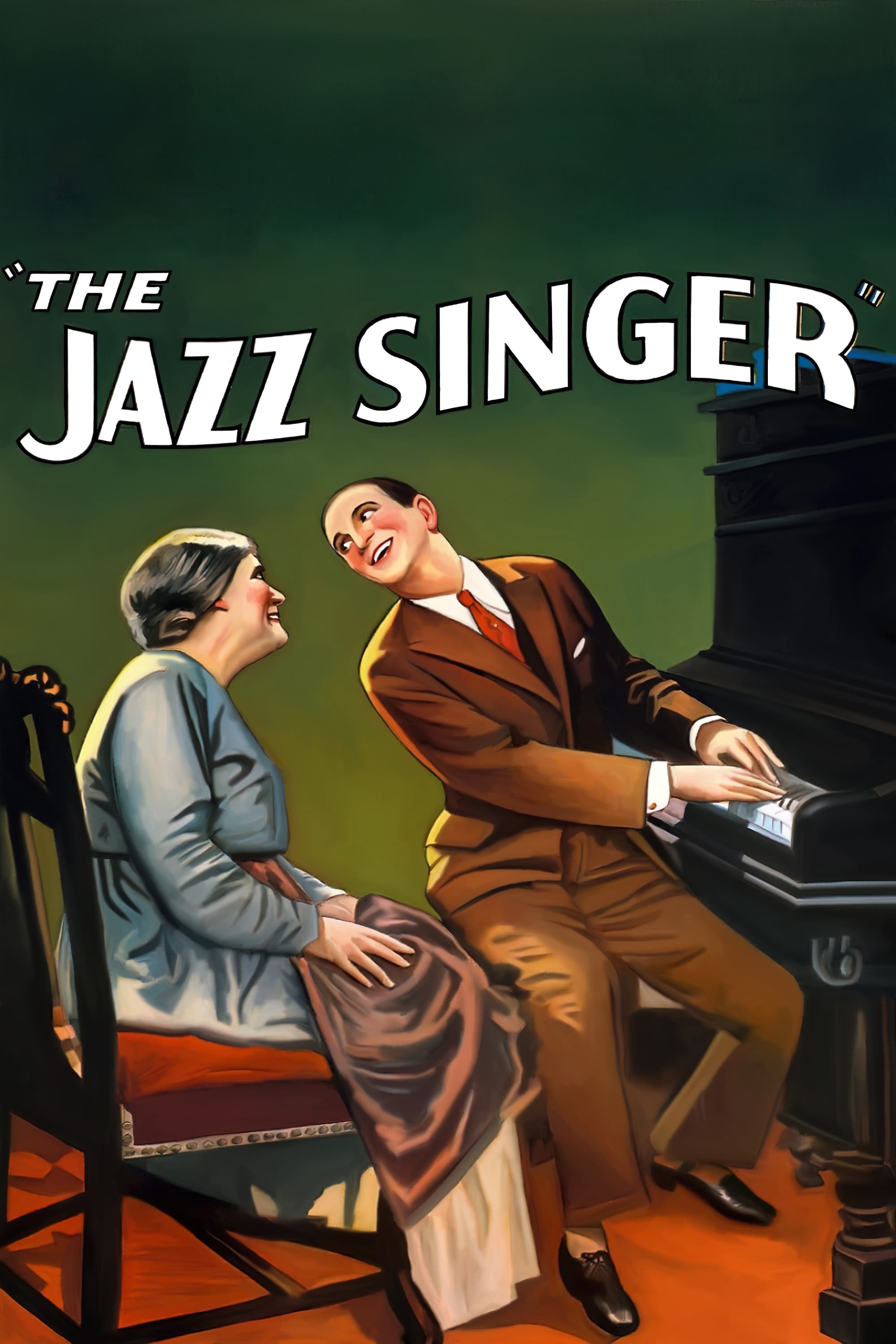
Al Jolson plays a young performer who uses blackface in several musical numbers as part of his rise from cantor’s son to stage star. The makeup, staging, and musical cues present blackface as a normal entertainment form within the story.
Film history courses and museum programs document how these scenes helped carry minstrel imagery into mainstream cinema. Modern discussions use the role to illustrate how early sound features embedded racial caricature in popular culture.
‘Dragon Seed’ (1944) – Jade
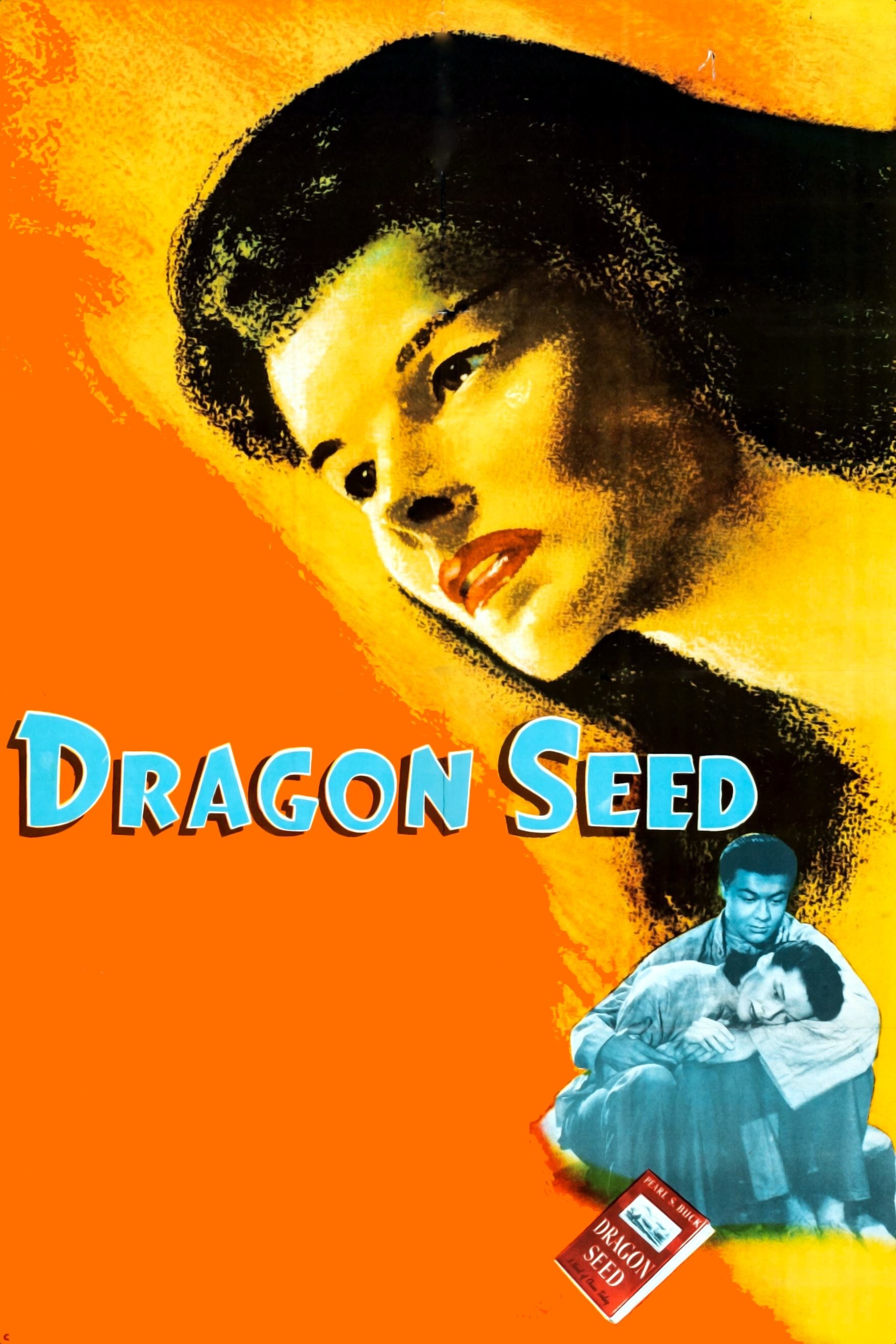
Katharine Hepburn portrays a Chinese villager resisting occupation while wearing prosthetics and stylized makeup. The studio cast white actors in leading Chinese roles and placed Chinese and Chinese American performers in smaller parts.
Archives and retrospectives record the production’s makeup process and casting memos as examples of systemic yellowface practices. The role appears frequently in scholarship that traces how prestige dramas normalized racial substitution in major releases.
‘The Teahouse of the August Moon’ (1956) – Sakini
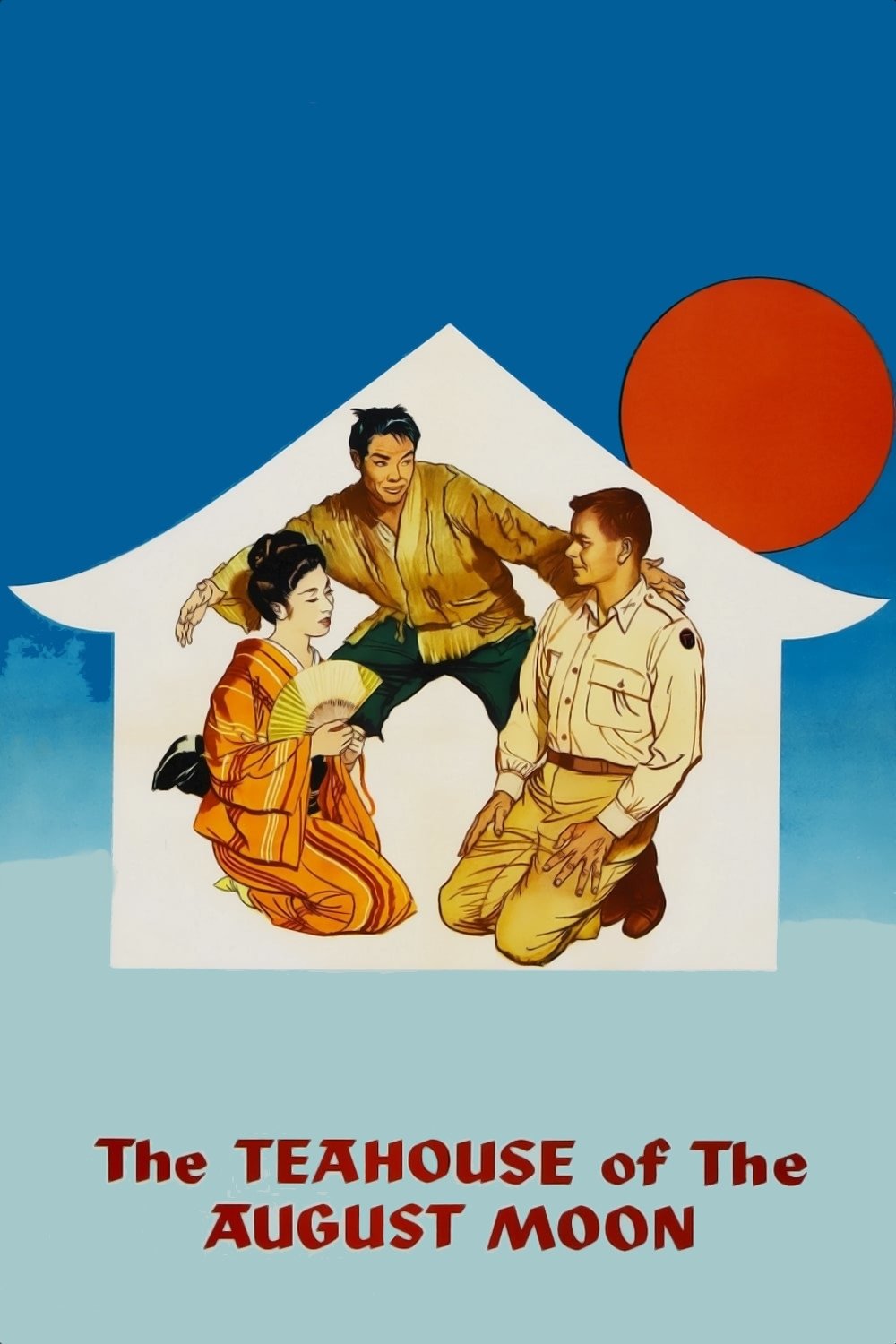
Marlon Brando plays a Japanese interpreter with accent work, makeup, and mannerisms designed to signal ethnicity. Scenes lean on culture-clash humor where the character stands in as a guide and comic foil.
The performance is used in film studies to show how star vehicles carried yellowface into postwar comedies. Contemporary programming notes flag the role to help viewers understand why authenticity standards changed in later decades.
‘Lawrence of Arabia’ (1962) – Prince Faisal
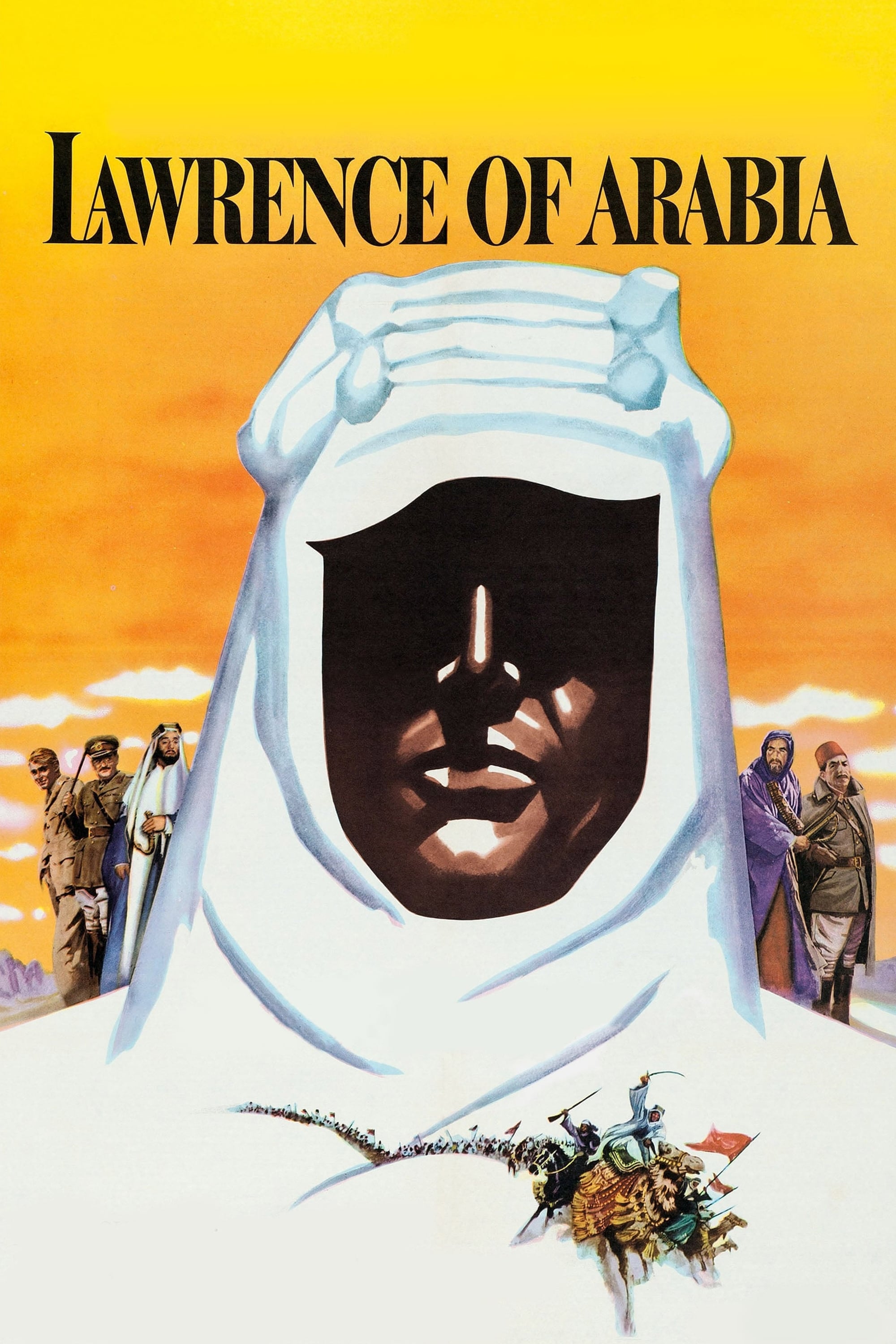
Alec Guinness portrays an Arab leader using darkened makeup and costuming while delivering dialogue written to sound exotic. Casting records show that the production placed non-Arab stars in central Middle Eastern roles.
Histories of the film point to this portrayal when evaluating representation alongside the movie’s technical achievements. The role is now cited in case studies that press for Middle Eastern and North African actors to lead stories set in their own regions.
‘The Searchers’ (1956) – Scar
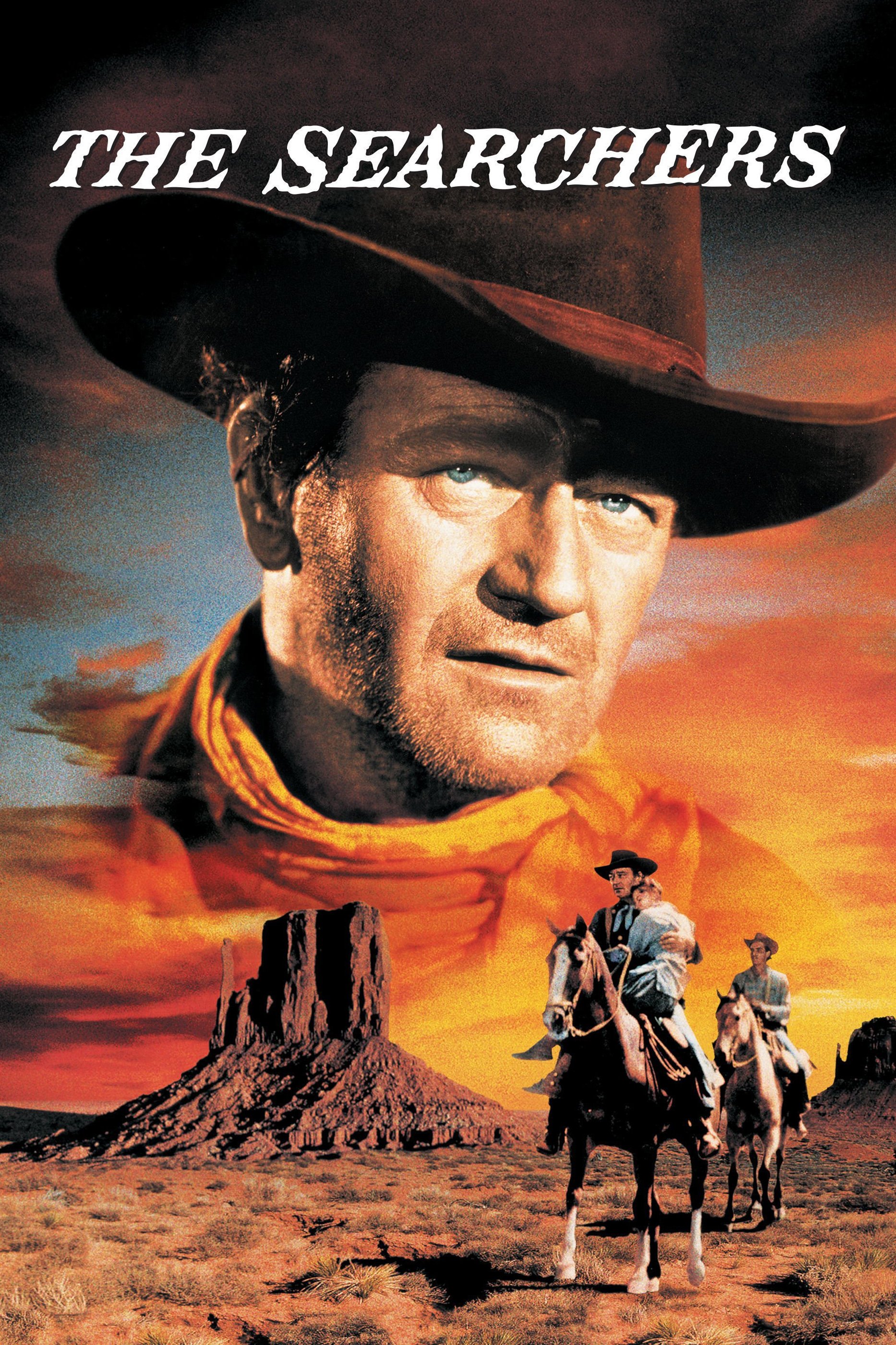
Henry Brandon plays a Comanche chief with face paint, wigs, and dialogue constructed to fit frontier stereotypes. The production relied on long-standing Western conventions that used non-Native actors to depict Native nations.
Film historians and Native advocates reference the role when mapping how classic Westerns shaped public assumptions about Indigenous peoples. The casting is often paired with documentation of on-location extras to show how authenticity was sidelined in principal roles.
‘Think Fast, Mr. Moto’ (1937) – Mr. Moto

Peter Lorre debuts as a Japanese detective while wearing makeup that alters his features and speaking in a stylized cadence. The character’s intelligence is framed through exoticism and aphorisms that mark him as other.
Series overviews explain how the franchise popularized a template where yellowface leads solved mysteries while Asian actors filled background parts. The role remains a reference point for how early studio cycles turned caricature into a brand.
‘The Year of Living Dangerously’ (1982) – Billy Kwan
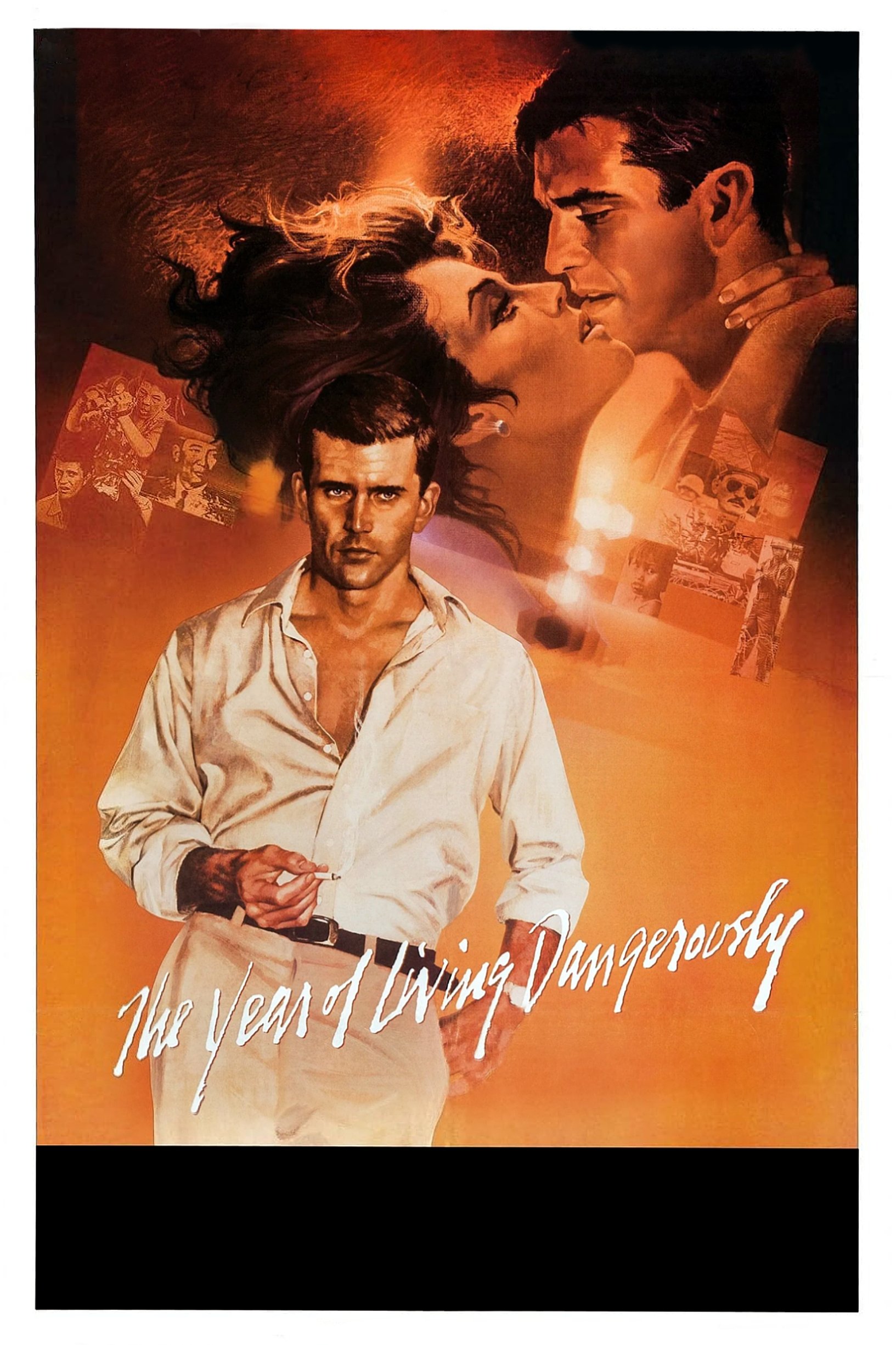
Linda Hunt plays a Chinese Australian male photojournalist with prosthetics and voice work that reshape gender and ethnicity. The performance won major awards while raising questions about who gets cast to embody specific identities.
Media and gender studies courses use production interviews and reviews to track how the role influenced later casting debates. The part is frequently listed in timelines that document yellowface and cross-gender casting in modern cinema.
‘Exodus: Gods and Kings’ (2014) – Ramesses

Joel Edgerton portrays the Egyptian pharaoh with a principal cast largely drawn from European and Australian actors. The film’s extras and background performers included North African and Middle Eastern talent while top roles went to non-regional stars.
Industry coverage and community statements recorded a sustained criticism of this approach as whitewashing. The role appears in analyses that compare casting grids to the story’s geographic and cultural setting.
‘Gods of Egypt’ (2016) – Horus
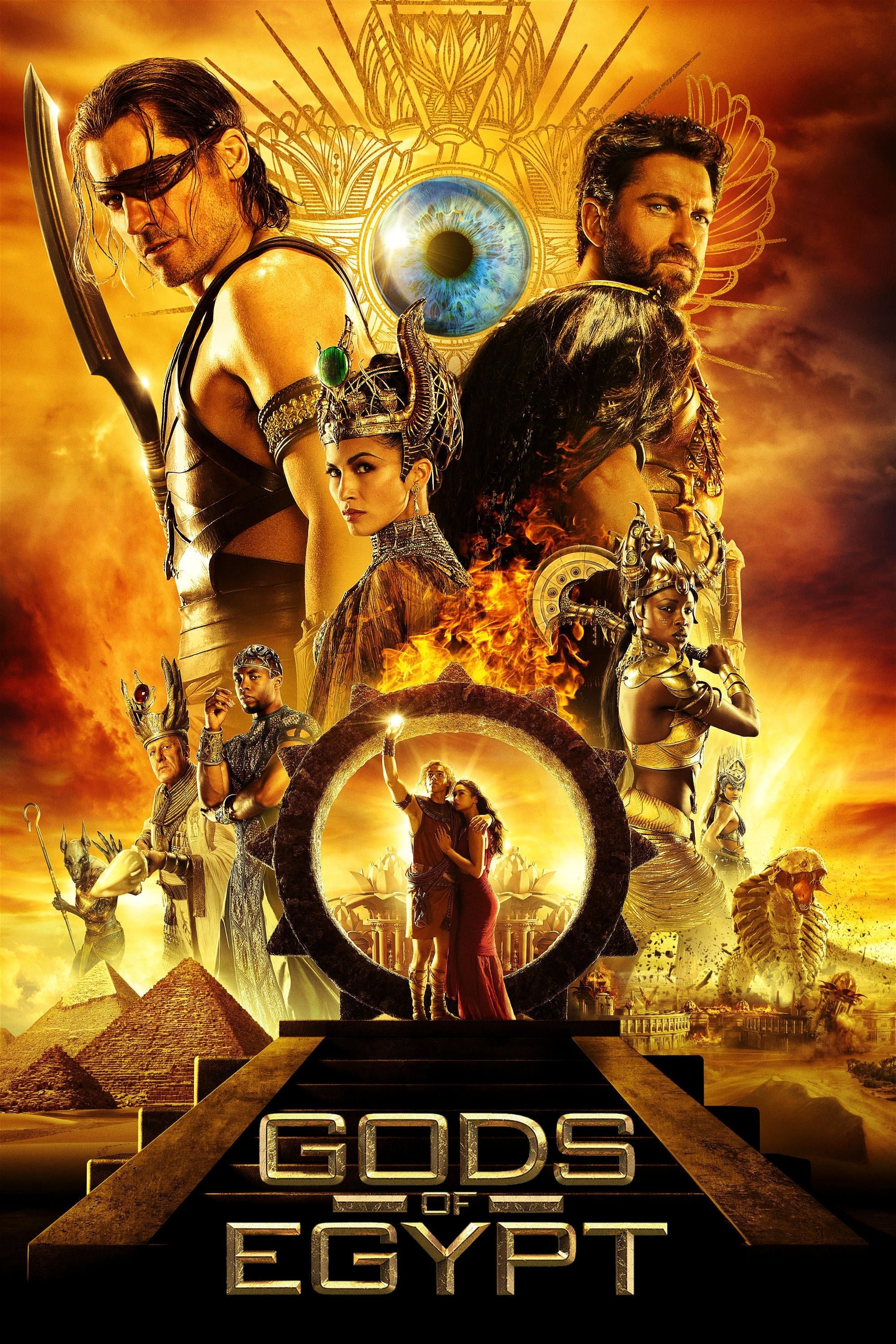
Nikolaj Coster-Waldau plays the Egyptian god in a fantasy that again centered white leads in an ancient African setting. Marketing materials and the final credits reflect a principal ensemble that was not representative of the story’s origin cultures.
Following the release, the director and studio issued public apologies that acknowledged the casting missteps. The role is often grouped with similar cases to show how audience feedback reshaped studio considerations for mythic and historical epics.
‘Prince of Persia: The Sands of Time’ (2010) – Dastan
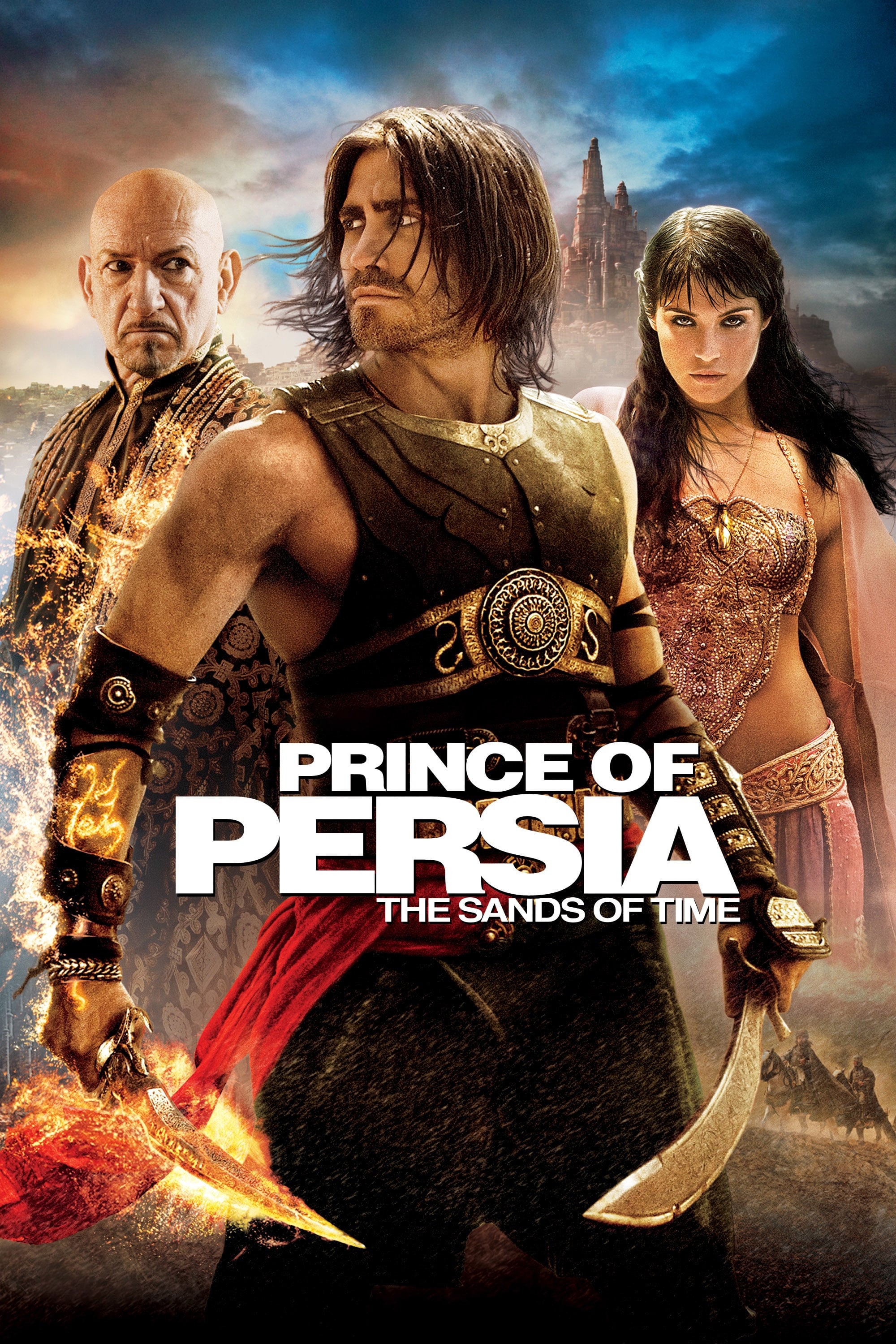
Jake Gyllenhaal plays a Persian prince with an English-language delivery and styling aligned with Western action trends. The supporting cast includes actors from varied backgrounds while the title role remains with a non-Persian star.
Trade reports and academic writing use this example to discuss how franchise planning prioritized bankable names over cultural fit. The character is now cited in adaptation guides that argue for regional leads when source material is tied to a specific heritage.
‘Pan’ (2015) – Tiger Lily

Rooney Mara portrays a princess of a Neverland tribe that borrows loosely from Native cultures. The film presents the character with eclectic costuming while casting a non-Native actor in a role long connected to Indigenous identity.
Native groups and critics documented their objections during production and release, prompting widespread coverage of the casting choice. The role is commonly referenced in conversations about creating opportunities for Native actresses in mainstream fantasy.
‘Hellboy’ (2019) – Major Ben Daimio
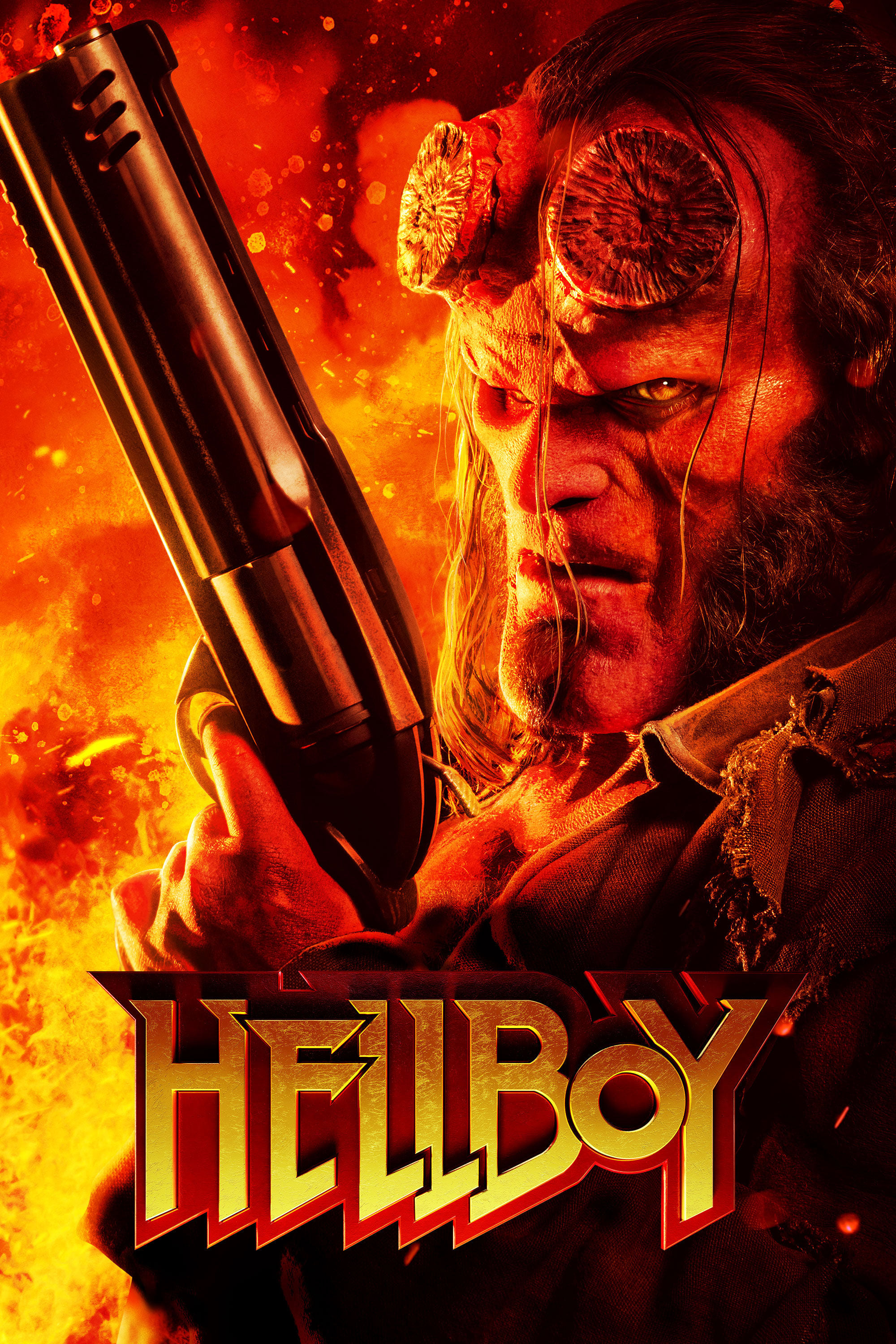
The production initially cast Ed Skrein as a character identified as Japanese American in the source material. After public criticism, the role was recast with Daniel Dae Kim, and statements from the actors explained the reasons for the change.
This sequence of events appears in industry case files as an example of how listening to communities can course-correct before release. The role is used in workshops to show practical steps for alignment between character heritage and casting.
‘Dallas Buyers Club’ (2013) – Rayon

Jared Leto plays a trans woman who partners with the lead character to distribute medications. The portrayal was widely discussed because a cis male actor played a trans role in a story centered on illness and stigma.
Trans organizations and media guides compiled reactions that shaped later casting conversations across film and television. The role is often included in timelines that chart the shift toward hiring trans performers for trans characters.
‘The Danish Girl’ (2015) – Lili Elbe
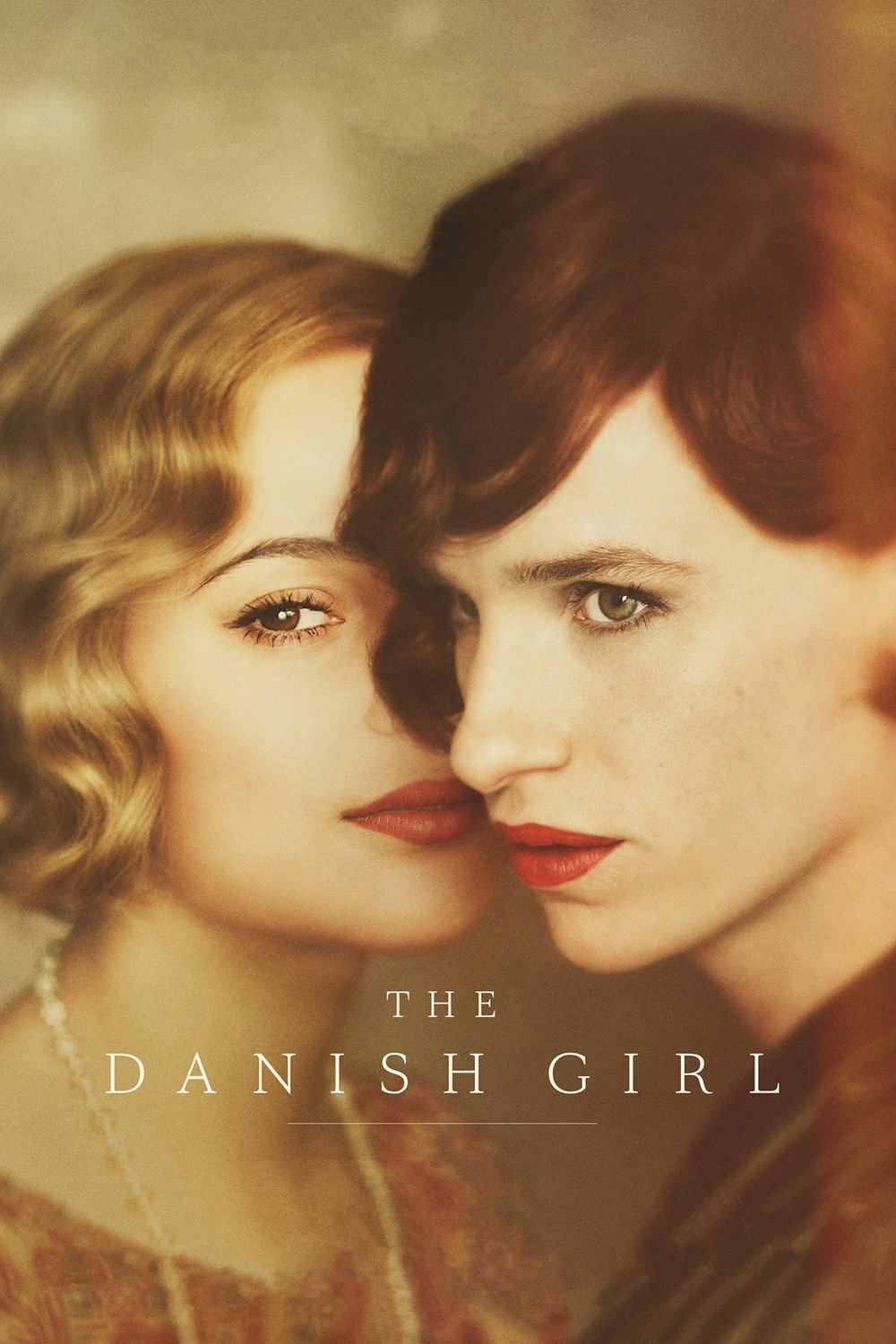
Eddie Redmayne portrays the pioneering trans woman and artist during her transition and surgeries. The production’s choice to cast a cis male actor drew critiques that paralleled ongoing advocacy for trans representation.
Biographical studies and film panels use this role to compare archival records of the real person with modern casting practices. The example often appears beside hiring recommendations that emphasize lived experience and community consultation.
‘The Crying Game’ (1992) – Dil
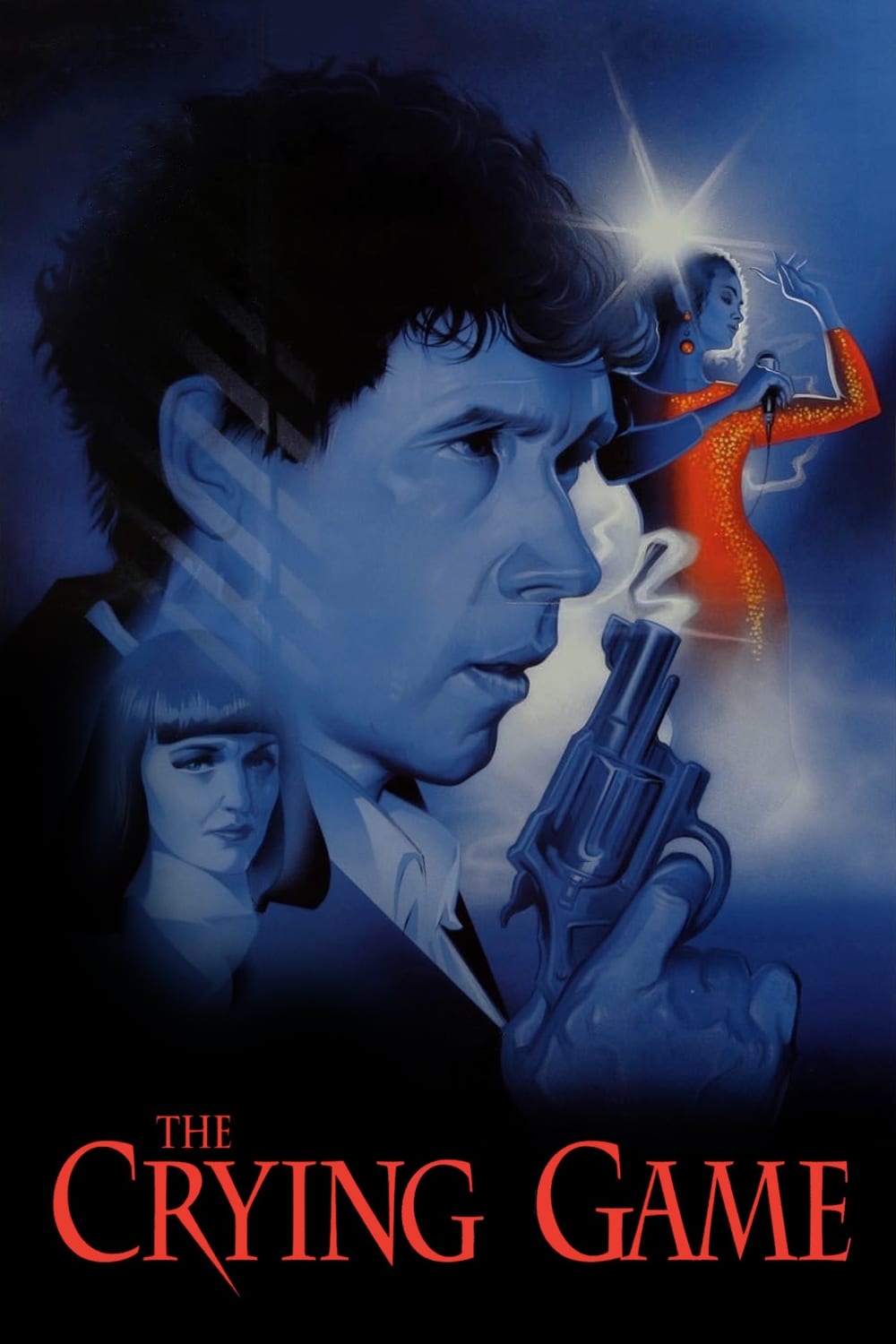
Jaye Davidson plays a trans woman whose identity is revealed in a plot twist that drives the thriller’s second half. Marketing and audience conversations focused heavily on the reveal, which placed gender identity at the center of shock.
LGBTQ historians and critics analyze how the twist shaped perceptions of trans women in mainstream thrillers. The role is used to discuss narrative structures that hinge on disclosure and the impact those structures have on real people.
‘Zoolander 2’ (2016) – All
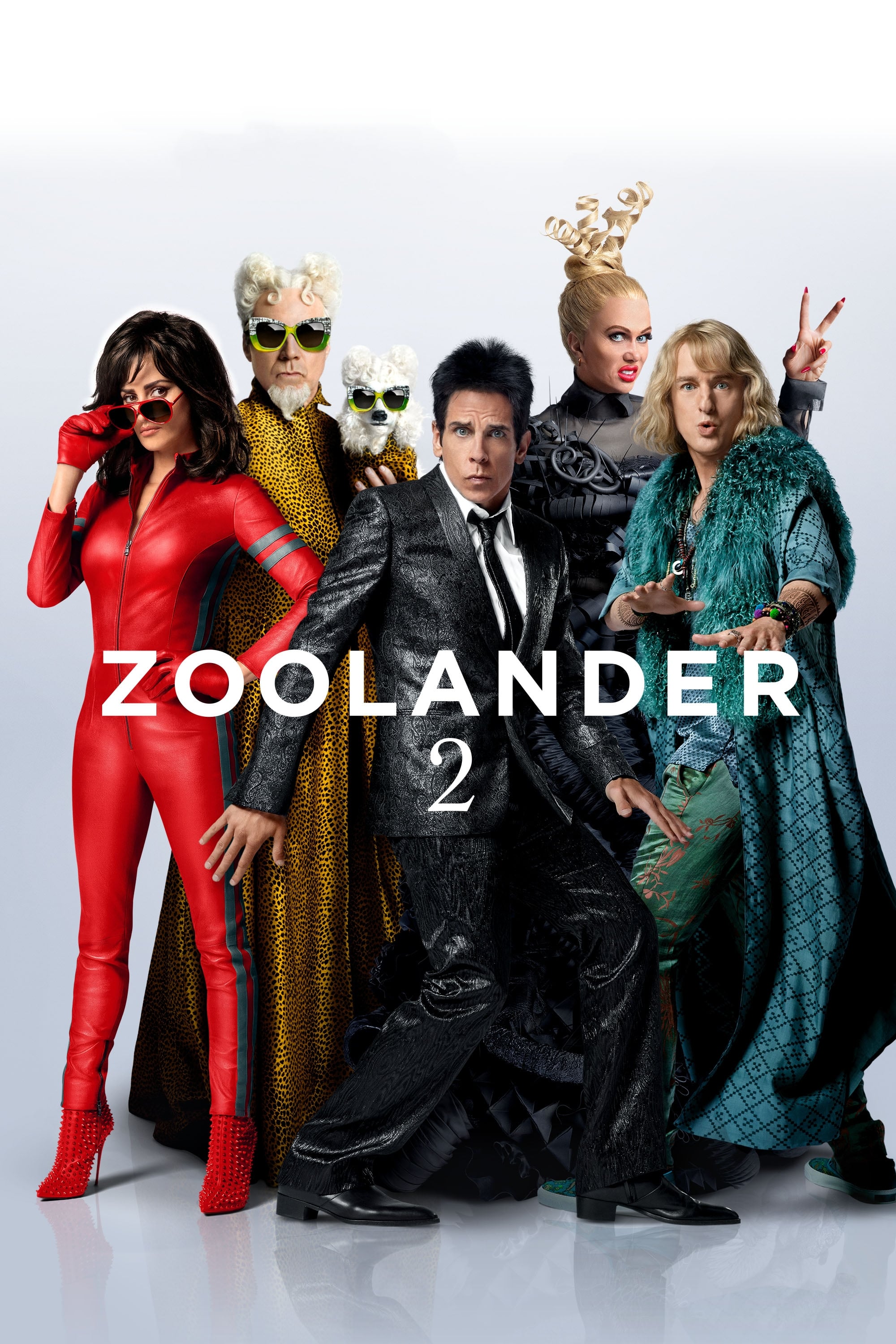
Benedict Cumberbatch appears as a non-binary model in a comic interview scene that treats their identity as a joke. The character’s styling and dialogue set up reactions that many viewers found demeaning.
Advocacy groups organized petitions and open letters that documented why the portrayal was harmful. The role is referenced in comedy writers’ rooms as a reason to consult non-binary creators when building characters.
‘Me Before You’ (2016) – Will Traynor
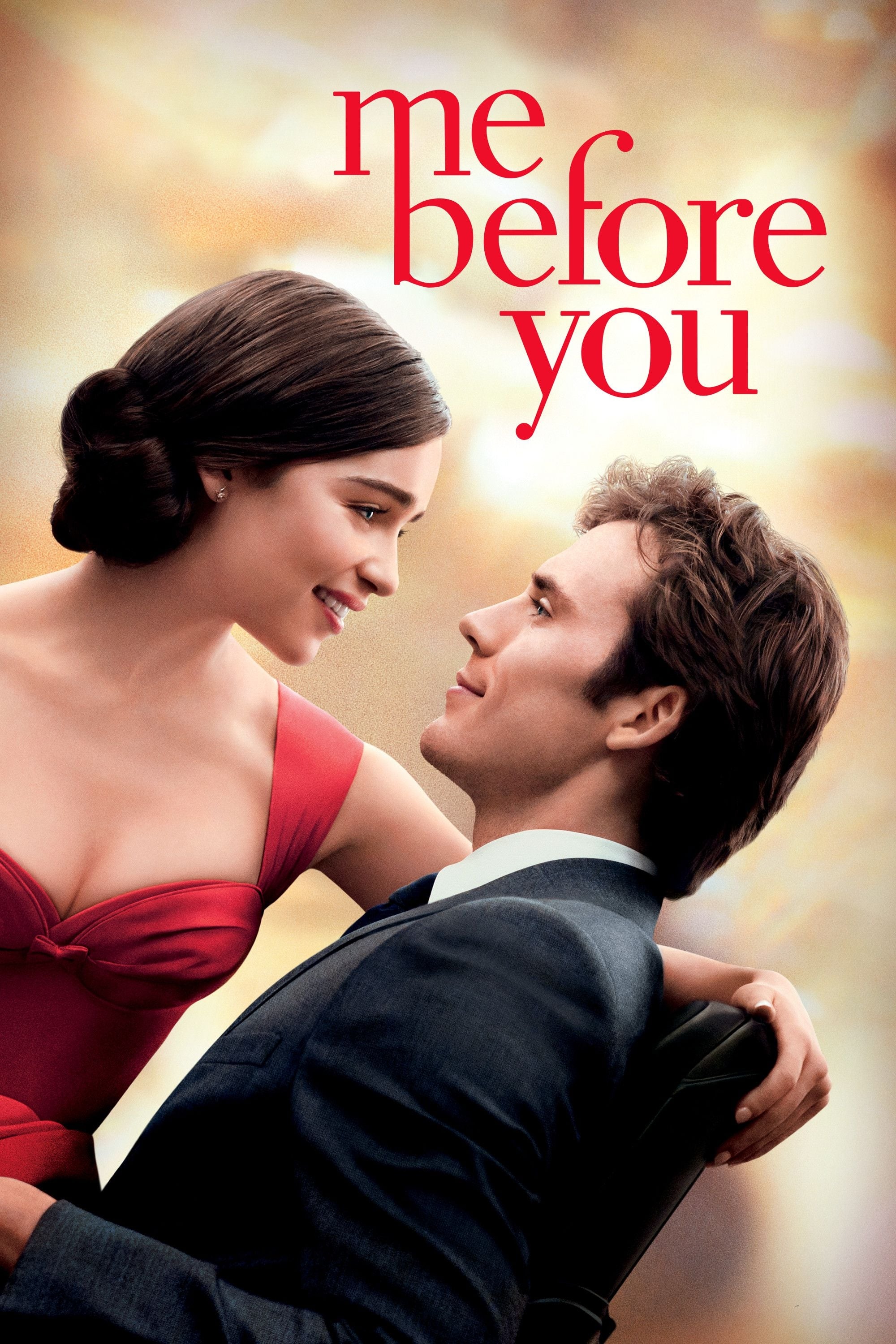
Sam Claflin plays a wealthy banker who becomes quadriplegic and later chooses assisted death. Disability organizations criticized the storyline for reinforcing a message that life with significant disability is not worth living.
Campaigns and panel discussions collected responses from wheelchair users and advocates that influenced how studios approach similar plots. The role now appears in resources that encourage hiring disabled writers and centering narratives around autonomy and dignity.
‘Music’ (2021) – Music

Maddie Ziegler portrays a nonspeaking autistic teen with exaggerated expressions and behaviors. The film also depicts physical restraint scenes that advocacy groups flagged as dangerous and inaccurate.
Autism organizations issued detailed guidance explaining why the portrayal and staging choices were harmful. The role is frequently cited in production checklists that call for consulting autistic creators and avoiding restraint as a visual shorthand.
‘True Lies’ (1994) – Salim Abu Aziz
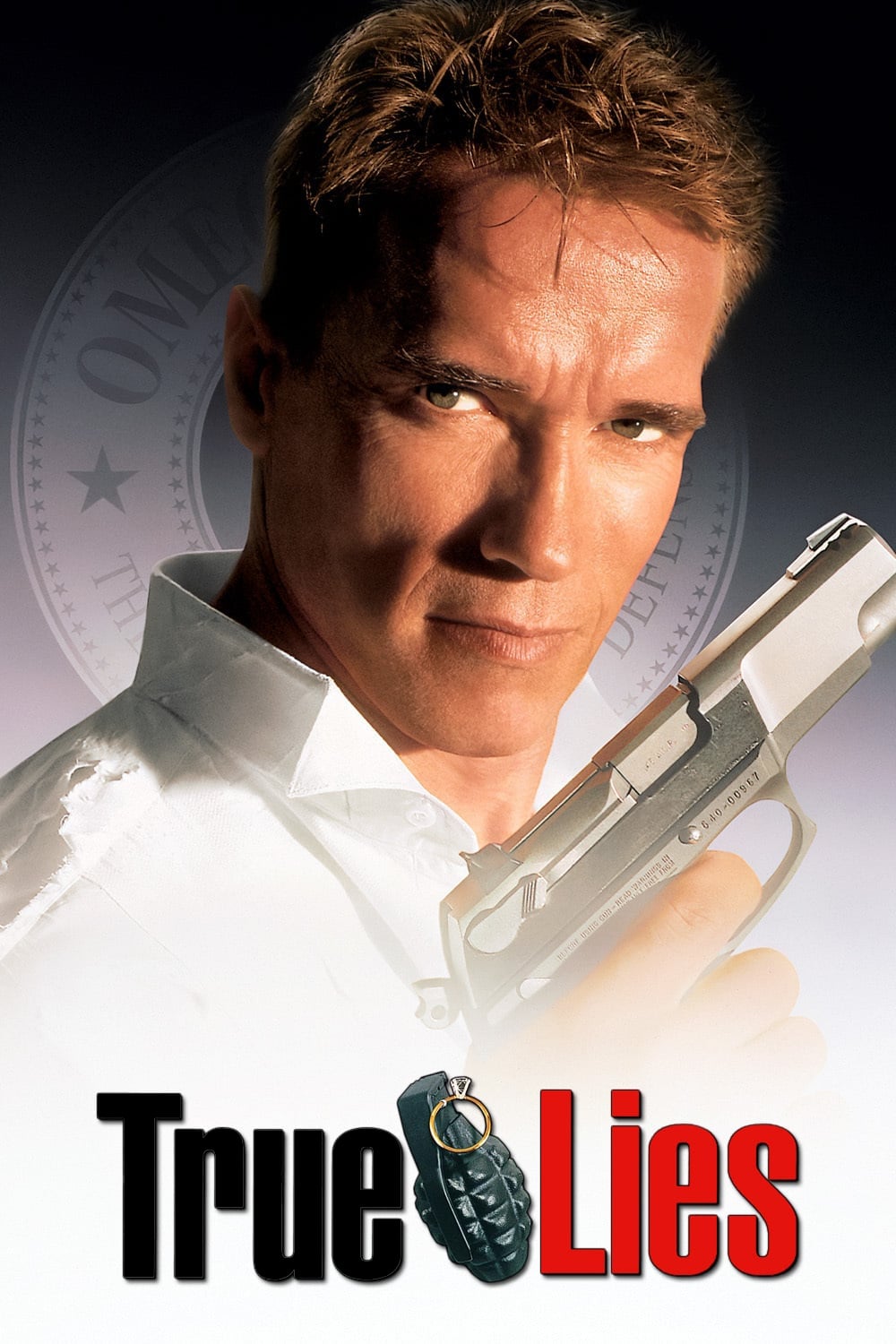
Art Malik plays a terrorist leader whose group is framed with one-note villain traits tied to Arab identity. The plot uses cultural markers and newsreel-style scenes that align Middle Eastern characters with violence.
Media representation studies track how this role fit into a wave of 1990s action films that repeated similar patterns. The example is used to advocate for nuanced Middle Eastern and North African characters outside the narrow terrorist frame.
‘Oliver Twist’ (1948) – Fagin
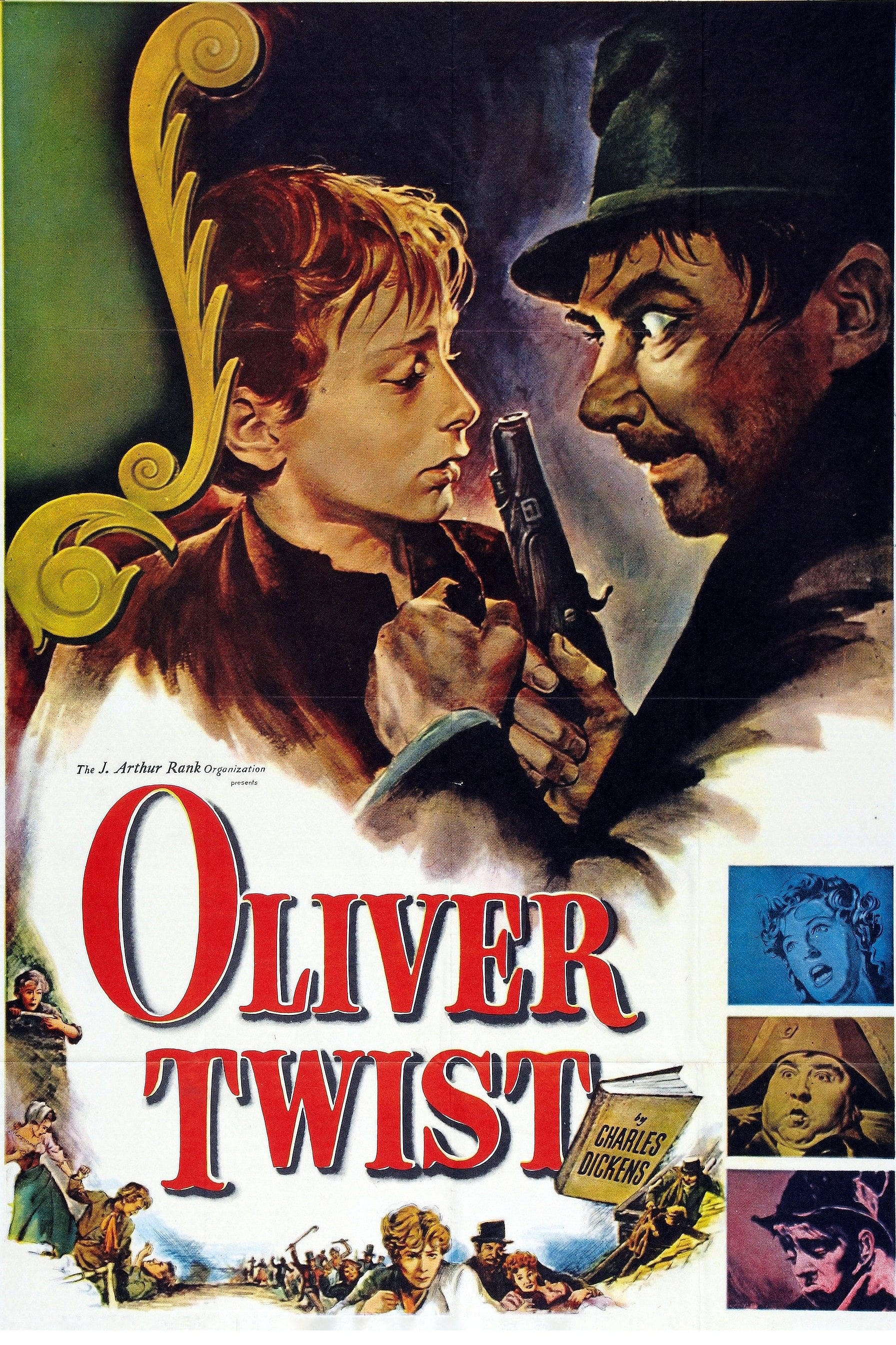
Alec Guinness portrays the criminal mentor with prosthetics and costuming that drew on antisemitic caricature from earlier illustrations. The performance emphasizes visual traits that had been used historically to stigmatize Jewish people.
Contemporary coverage and later scholarship document how censors and communities responded to the depiction at the time. The role is now highlighted in museum exhibits and study guides that examine how design and casting can encode prejudice.
Share which roles you think should be added to this list in the comments.