Top 20 Depictions of God in Film



Movies have found many ways to show God on screen. Some present a speaking character who walks into a scene and talks to people. Others make God a voice, a presence, or a figure working through signs and visions. The results show up in comedies, dramas, animated adventures, and epics from many cultures and faiths.
This list gathers memorable examples from across decades and genres. You will find courtroom meetings and burning bushes, animated deities and quiet conversations, and big set pieces where seas split or worlds begin. Each entry explains how the film depicts God inside its story and what details define that choice on screen.
‘Oh, God!’ (1977)

A supermarket employee meets God in human form and receives a task to spread a simple message. The film shows God as an approachable figure who appears in ordinary places and holds direct conversations with a skeptical everyman.
The story uses phone calls, meetings, and small public moments to present divine communication as part of daily life. It frames miracles as modest nudges that prompt people to listen rather than as large displays of power.
‘Bruce Almighty’ (2003)

A frustrated TV reporter receives temporary control over divine powers. The film depicts God as a calm guide who sets clear limits and expects the borrower to respect free will.
Prayer emails, hearing the voices of the city at once, and a learning curve with unintended consequences show how large scale power interacts with human choices. The movie uses set pieces like parting traffic on a street and a lunar stunt to show visual effects tied to responsibility.
‘Evan Almighty’ (2007)

A newly elected congressman is told to build an ark. God appears in person, sends animal pairs, and directs the project while the character struggles with work and family life.
Detailed sequences track the gathering of species, the construction of the vessel, and the legal and political fallout that follows. The story uses the acronym Act of Random Kindness inside the plot and ties the flood imagery to community service and civic decisions.
‘Dogma’ (1999)
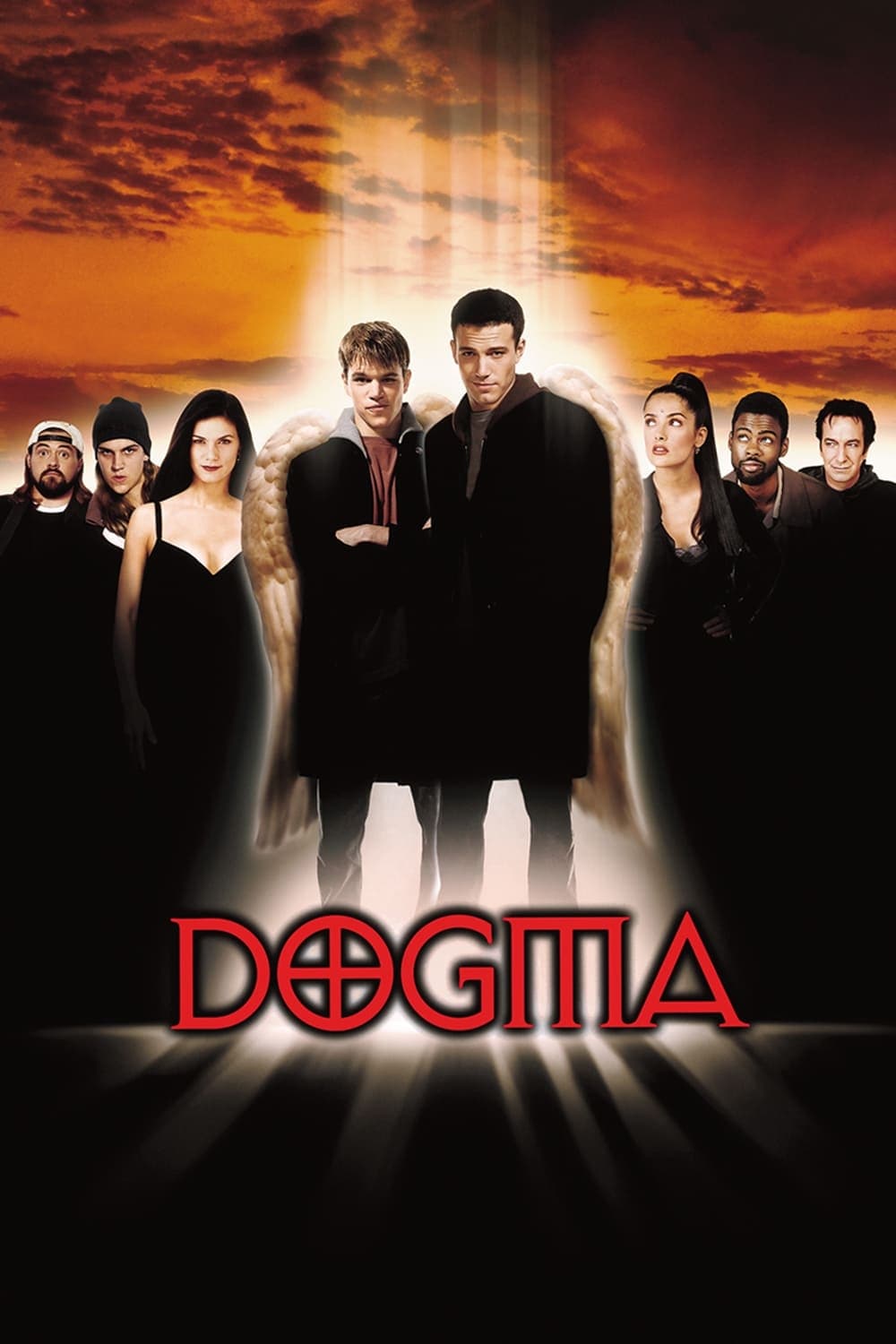
Two fallen angels search for a loophole while God appears briefly in human form near the end. The film treats God as an embodied presence who can reset the world of the story with a touch.
The plot moves through Catholic iconography, a church rededication, and a hospital climax where the divine arrival resolves the central conflict. Side characters include a muse, a seraph, and a prophet who help map the rules of heaven within the narrative.
‘Monty Python and the Holy Grail’ (1975)
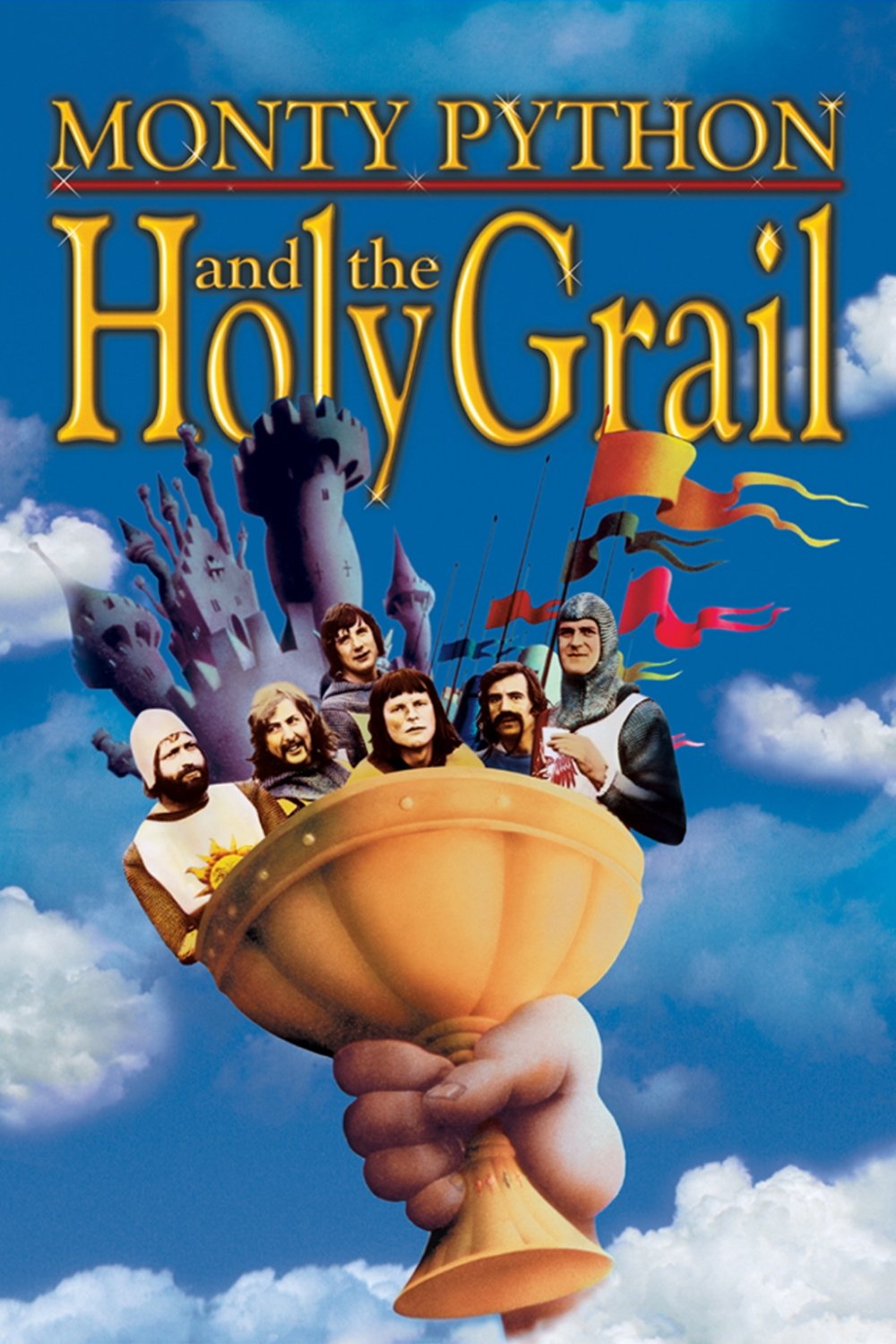
An animated image of God appears in the clouds to give King Arthur a quest for the Grail. The depiction uses a speaking face that interrupts the knights and issues instructions without ceremony.
The film returns to the figure to mark progress and to move the mission forward. Trumpet fanfares, cutout visuals, and abrupt commands create a direct and unmistakable portrayal that guides the heroes from above.
‘Time Bandits’ (1981)
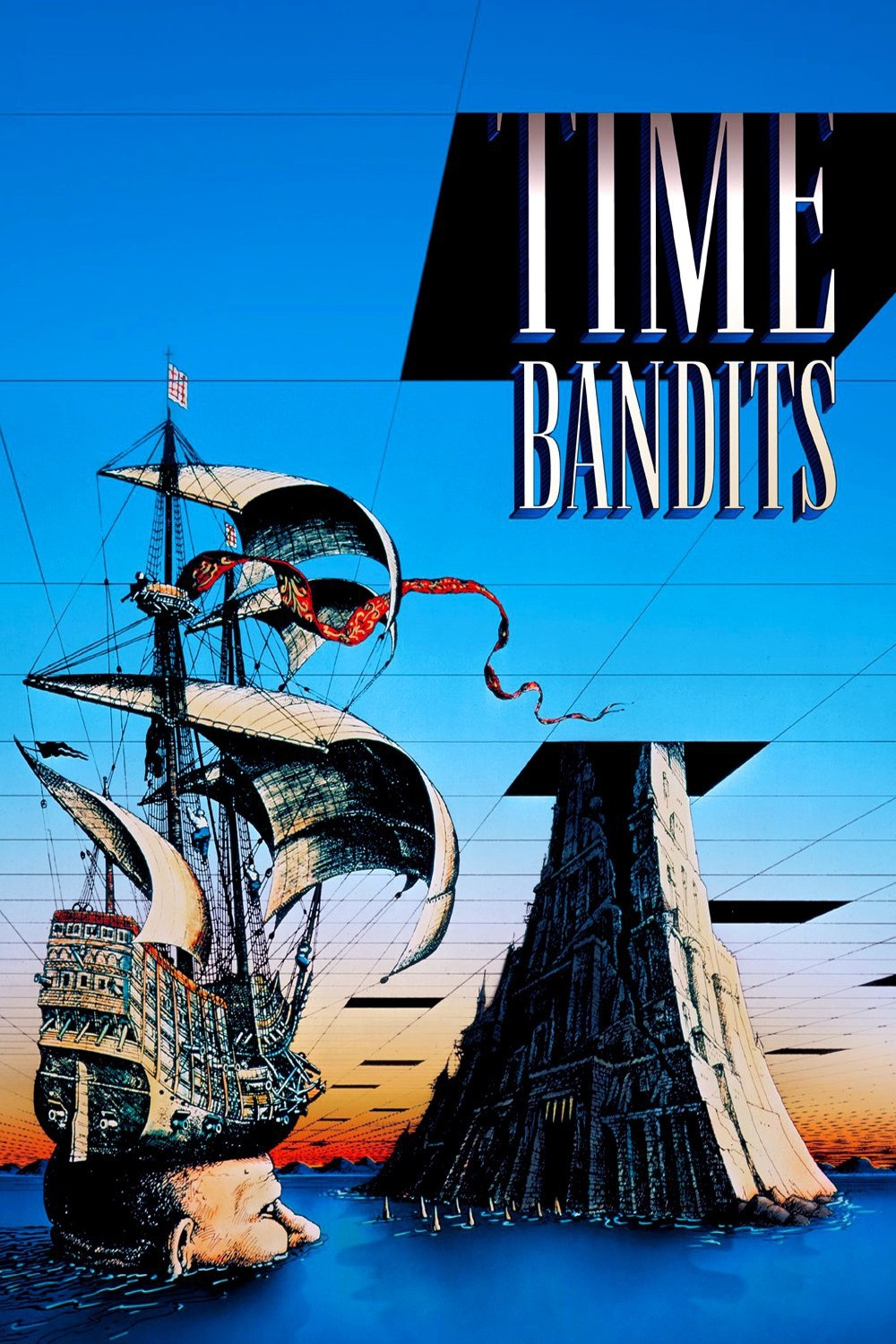
A group of dwarfs steal a map of creation and flee across history while the Supreme Being follows. God is shown as the maker of the universe who corrects errors and retrieves dangerous matter at the end.
The story presents a tidy inventory of creation with labeled holes in space and time. The final scene shows the Supreme Being recovering concentrated evil and giving practical instructions that treat cosmic cleanup like routine maintenance.
‘Star Trek V: The Final Frontier’ (1989)
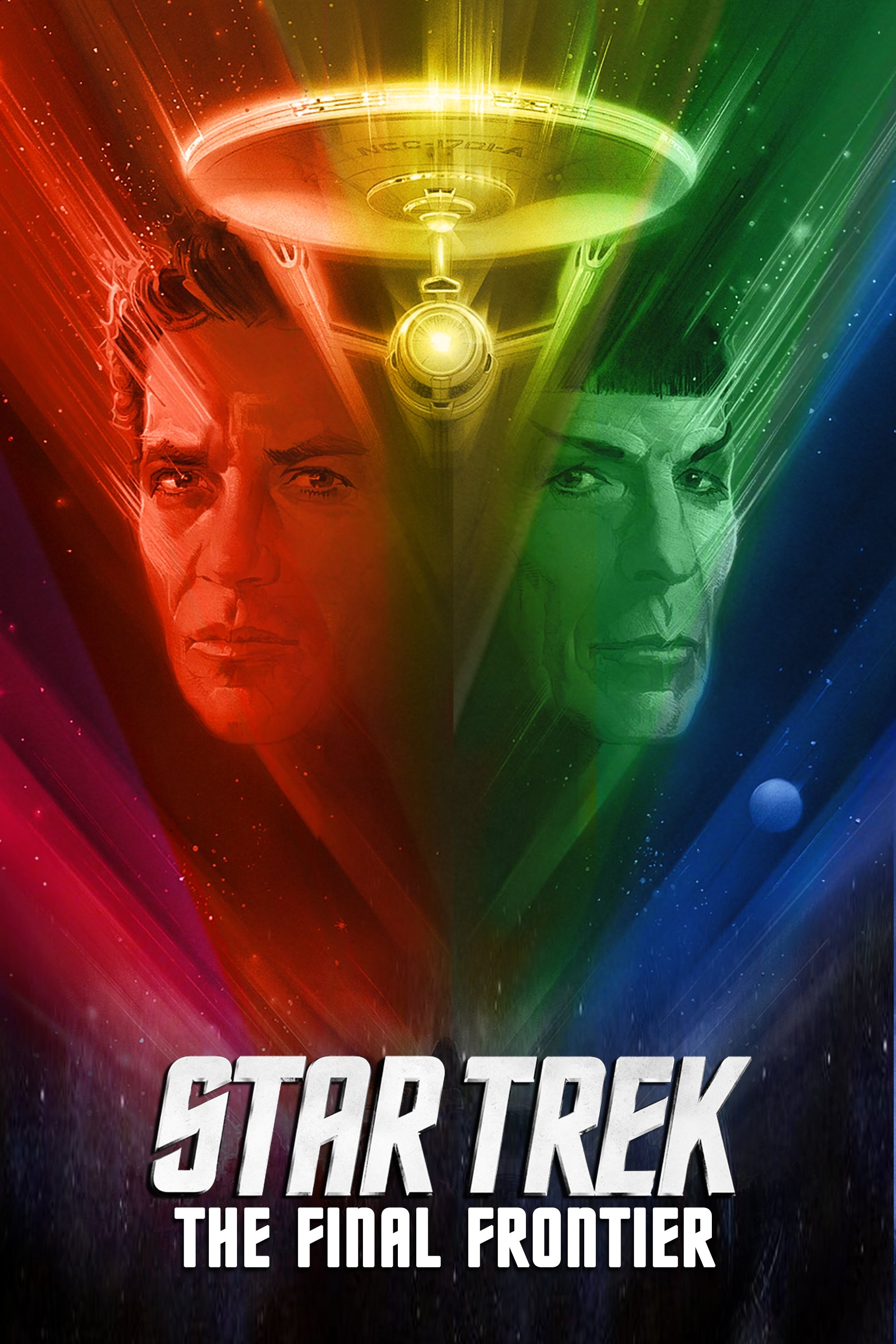
A powerful entity lures a crew to a distant world by posing as God. The film uses a false deity to test characters who demand proof through questions rather than blind acceptance.
Visual effects present the being as a floating head that shifts into an angry form when challenged. Starship technology, a planetary barrier, and a demand for a starship form the evidence that exposes the impostor.
‘The Ten Commandments’ (1956)
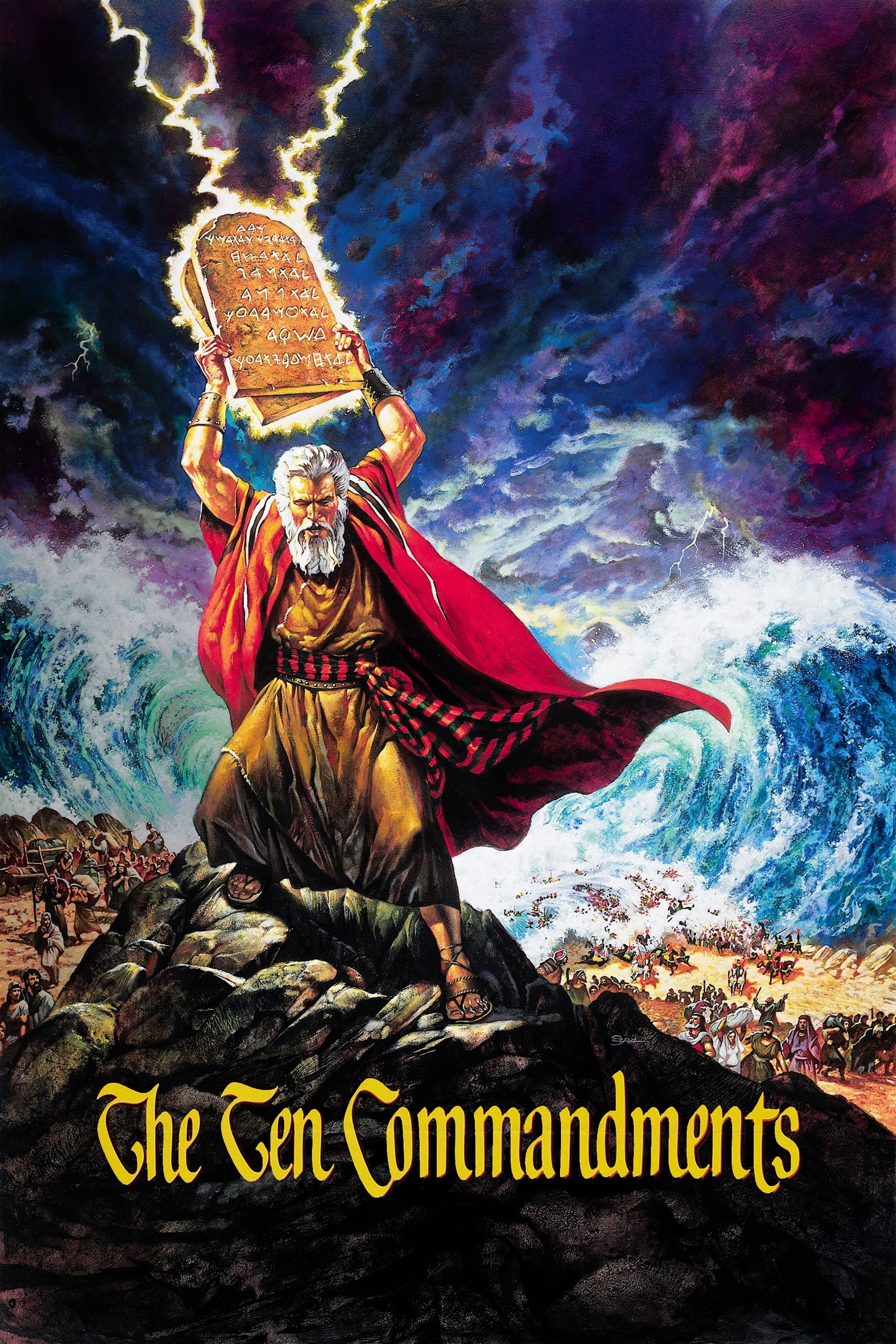
God speaks to Moses from the burning bush and later delivers the law at Sinai. The film shows the voice of God as thunderous and uses light and fire to mark sacred ground.
Large scale scenes depict plagues, the pillar of fire, and the parting of the Red Sea as direct divine acts. Stone tablets carved by a fiery script present the law as physical objects given from above.
‘The Prince of Egypt’ (1998)
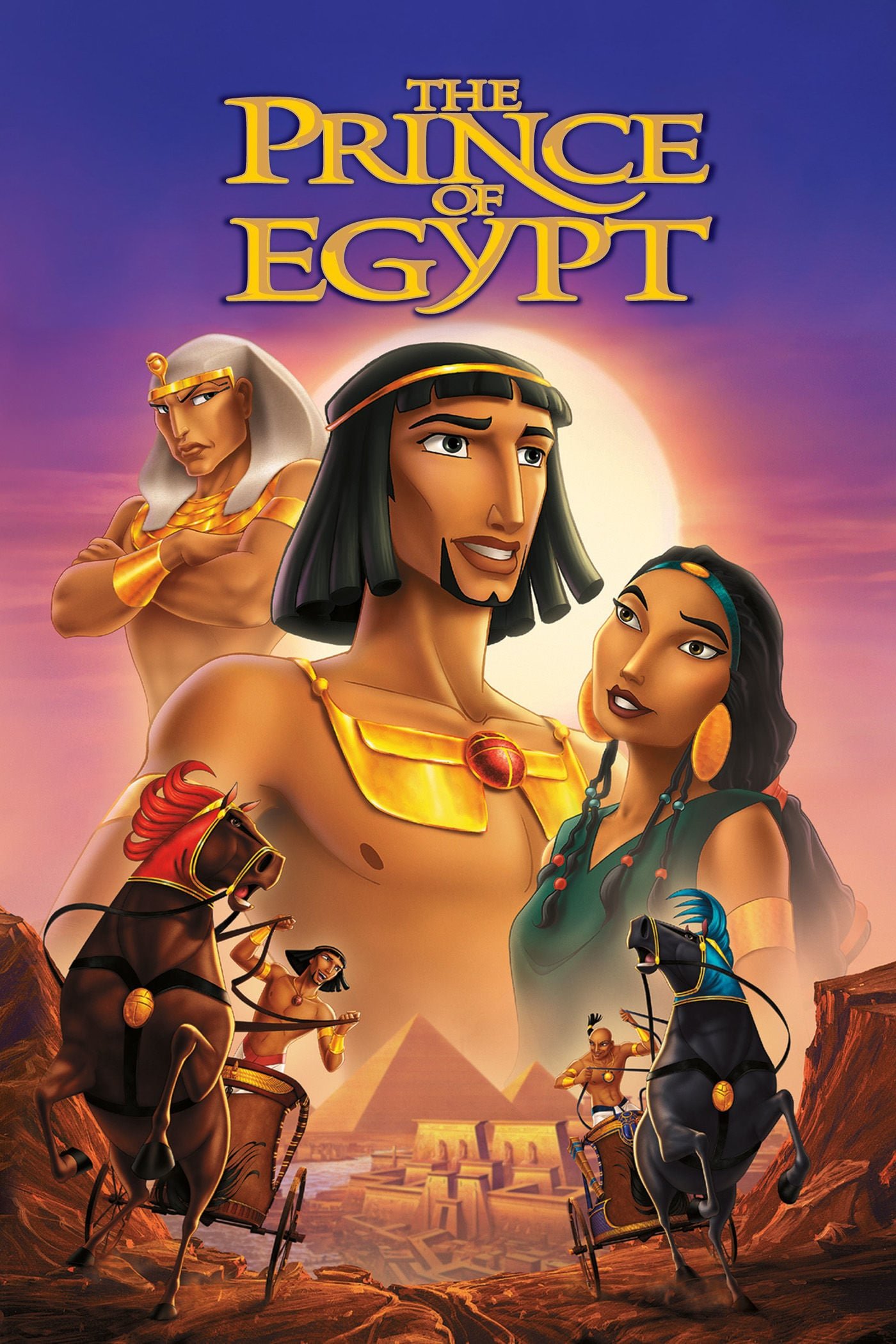
An animated burning bush speaks to Moses and sends him back to Egypt. The film presents God through a distinct voice and luminous visuals that surround the bush with protective light.
Musical sequences show prayer and deliverance while the plagues and the sea crossing unfold as guided events. The animation uses color and scale changes to separate divine moments from ordinary scenes.
‘Exodus: Gods and Kings’ (2014)
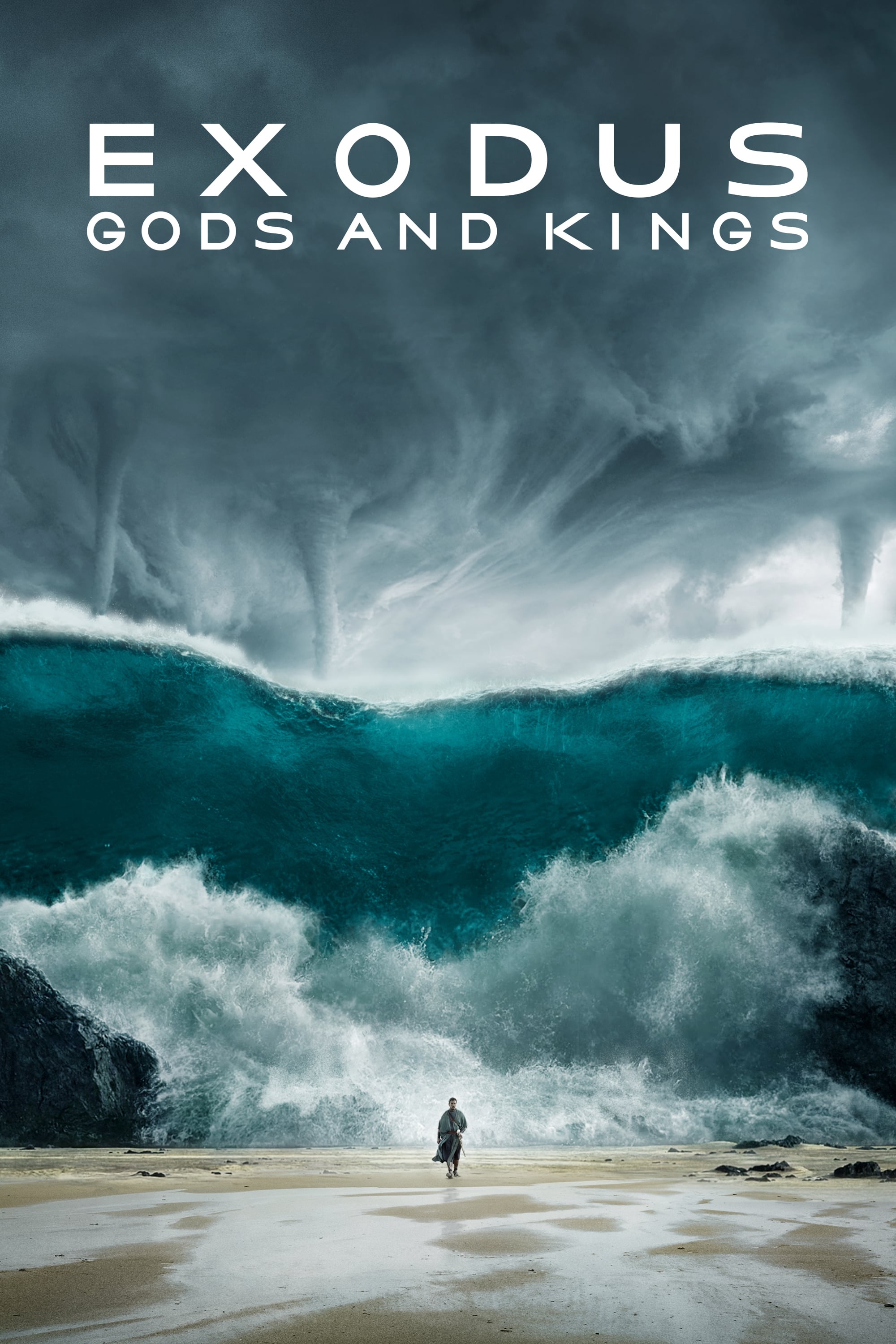
Moses encounters a child messenger who conveys the will of God. The story depicts God through this figure who appears during visions and conversations at critical turning points.
The narrative stages the plagues as natural forces set into motion after warnings and meetings. Visual design choices place the messenger near water, rock slides, and mountain settings that mark each instruction and response.
‘The Shack’ (2017)

A grieving father meets God in a remote cabin where the divine appears in several human forms. The film uses shared meals, walks, and personal talks to explain forgiveness and healing.
Scenes with a garden, a workshop, and a lakeside setting divide the conversations into lessons about relationships and choice. The presentation keeps the focus on daily activities to show how God interacts with loss and trust.
‘An Interview with God’ (2018)
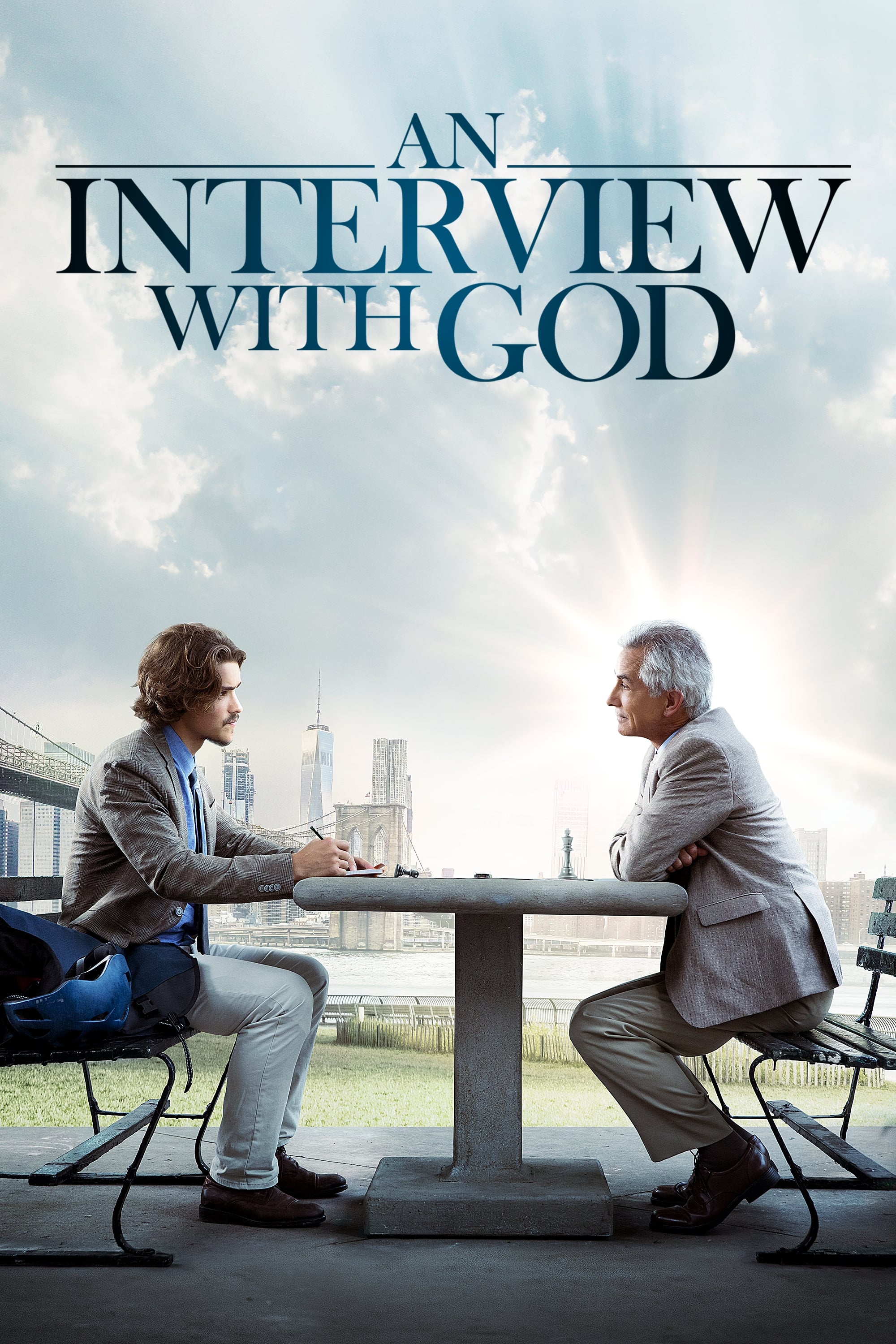
A journalist sits down with a man who claims to be God and records a series of talks. The film depicts God as a conversational partner who answers questions with patience and precise phrasing.
Each meeting occurs at a set time and place with a clear list of topics that include faith, war, and personal decisions. The structure uses notebooks, audio devices, and timed appointments to ground the encounters in routine work.
‘The Brand New Testament’ (2015)
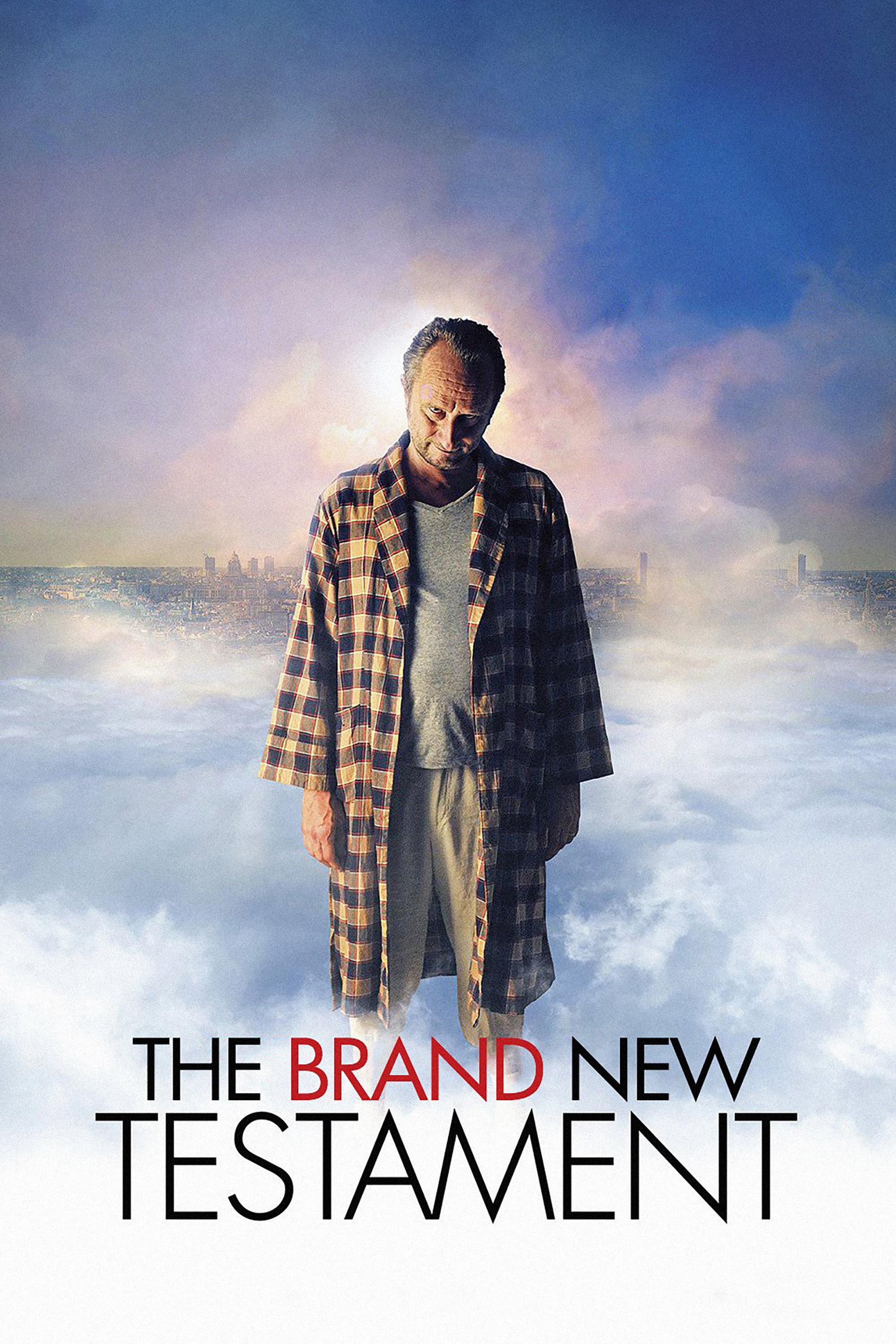
God lives in an apartment in Brussels and controls human lives from a home office. The story begins when a child sends everyone their date of death and pushes the system into chaos.
The film maps new apostles across the city and follows their stories while the household remains the source of divine commands. The depiction uses a domestic setting to show how rules are written and how people respond once they know their timelines.
‘God Tussi Great Ho’ (2008)
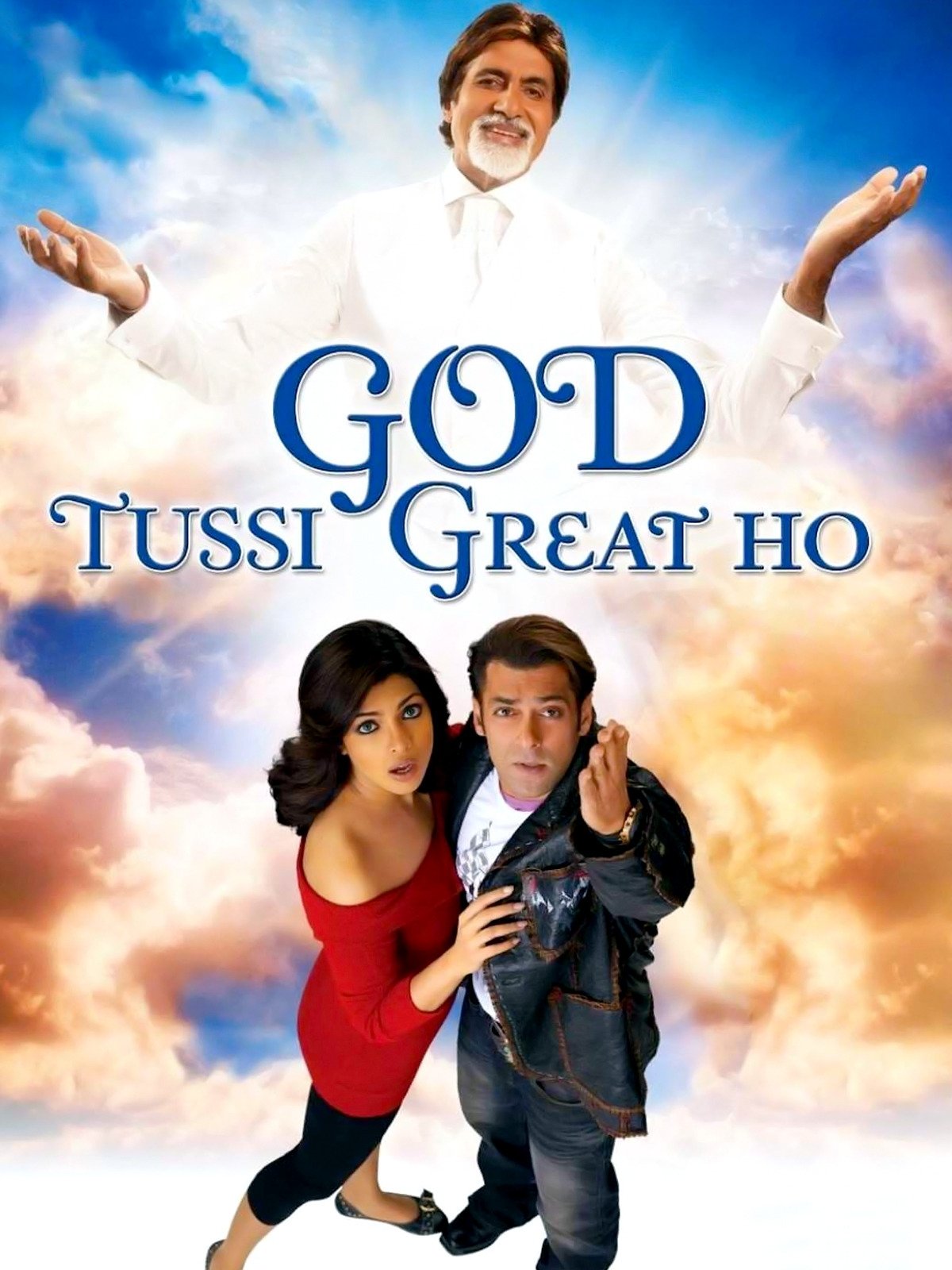
A struggling television host receives divine powers for a trial period. God appears as a well dressed figure who sets conditions and expects the borrower to learn restraint.
The plot mirrors key beats from similar stories such as answering prayers and facing unintended outcomes. Musical numbers and family scenes localize the concept within a modern Indian setting where wishes and responsibilities collide.
‘The Rapture’ (1991)

The film follows a convert through a series of prophetic events that end with the biblical rapture. God is depicted through fulfilled visions, trumpet calls, and a final judgment that arrives without ambiguity.
The story tracks changes in belief, baptism, and wilderness waiting as dates and signs align. The last act shows a transformed world where choices made earlier carry direct and irreversible results.
‘The Tree of Life’ (2011)

The film depicts creation and the presence of God through whispered prayers and images of the natural world. It places a family story inside a larger frame that includes cosmic birth and extinction.
Sequences of oceans, stars, and earth life appear between scenes from a Texas neighborhood. The structure treats prayer as narration and uses light and movement to connect daily memory with divine scale.
‘Princess Mononoke’ (1997)

A forest spirit rules a valley and changes form between day and night. The film treats this being as a god whose life and death alter the land and the creatures that live there.
Ironworks, sacred groves, and a curse mark the struggle between human industry and the wild. The plot shows how harming the spirit brings ruin and how balance returns when the head is restored.
‘Hercules’ (1997)
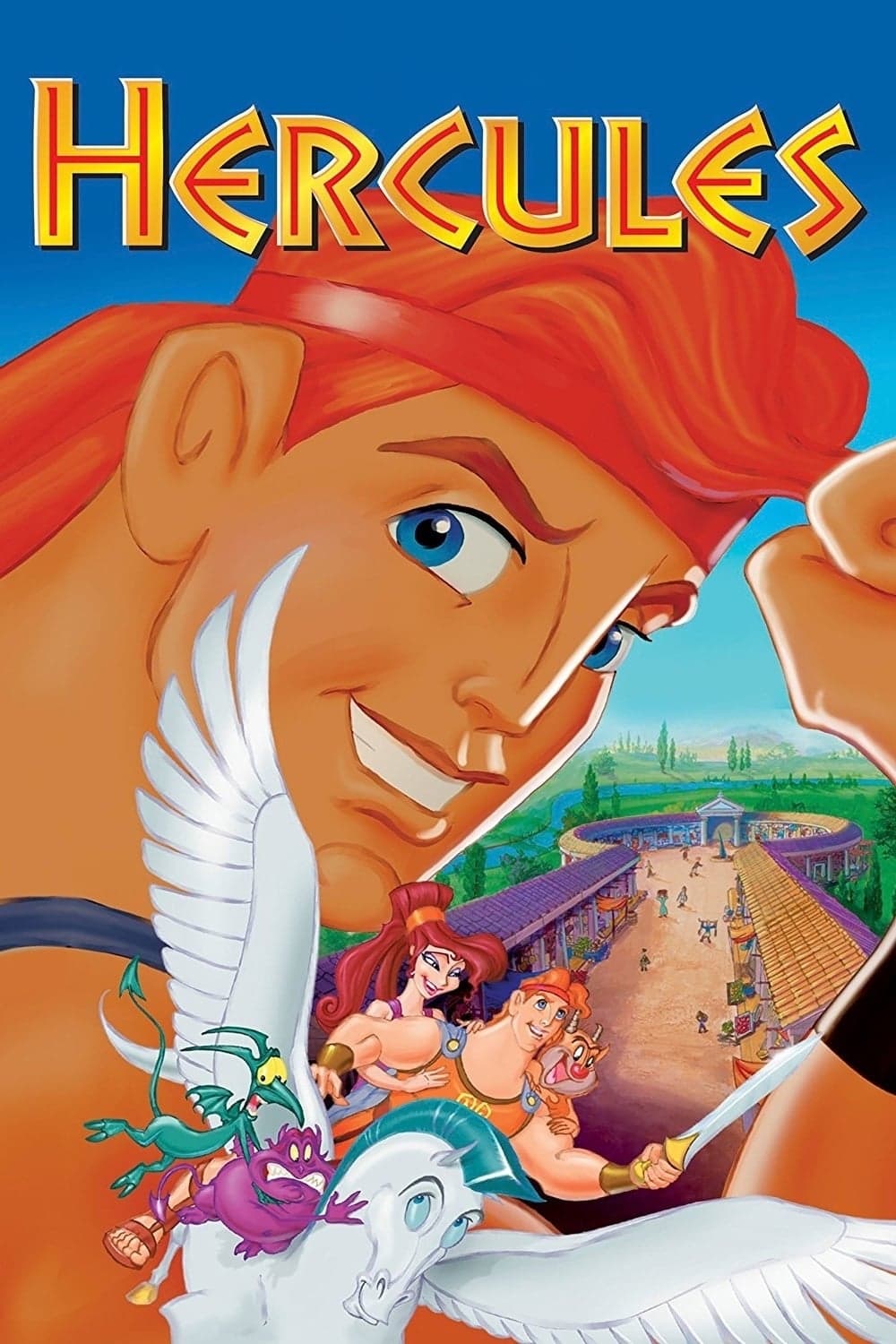
Olympian gods appear in an animated world where Zeus claims the newborn hero as his son. The film shows divine power as lightning, cloud palaces, and immortal strength that can be lost and regained.
Training montages, visits to temples, and trips to the underworld place the hero between mortal towns and the realm of the gods. The depiction uses mythic rules such as ambrosia and constellations to define what makes a being divine.
‘Moana’ (2016)

An island culture depends on the heart of a goddess named Te Fiti who brings life to the ocean and the islands. The film shows the loss of the heart as the source of blight and scarcity.
A quest across the Pacific restores the heart and reveals that Te Kā is the same being in a wounded state. The story ties healing to a physical object that carries creation power back to its owner.
‘The Last Temptation of Christ’ (1988)
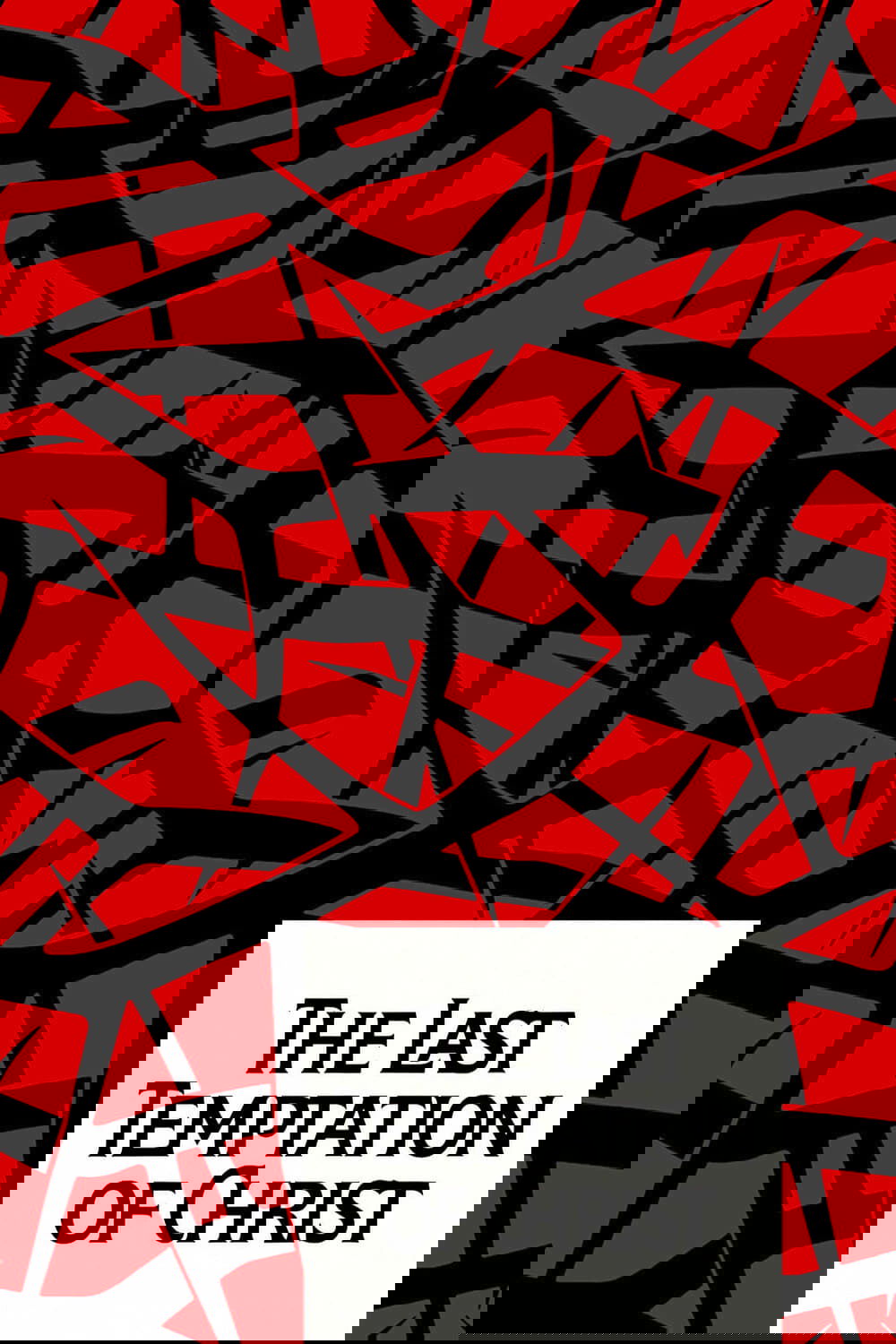
The film presents Jesus as both human and divine within a historical setting. God is depicted through prayer, visions, and moments where Jesus accepts the mission given by the Father.
Scenes in the desert, on the road, and on Golgotha show choices that lead to the final acceptance of the cross. Dialogue and voiceover place scripture inside a personal timeline that tracks call, doubt, and obedience.
Share your favorite on screen portrayal and tell us which film you think captured the idea best in the comments.