The Only 14 Jaw-Dropping Films Shot on IMAX and Released in Epic 70mm

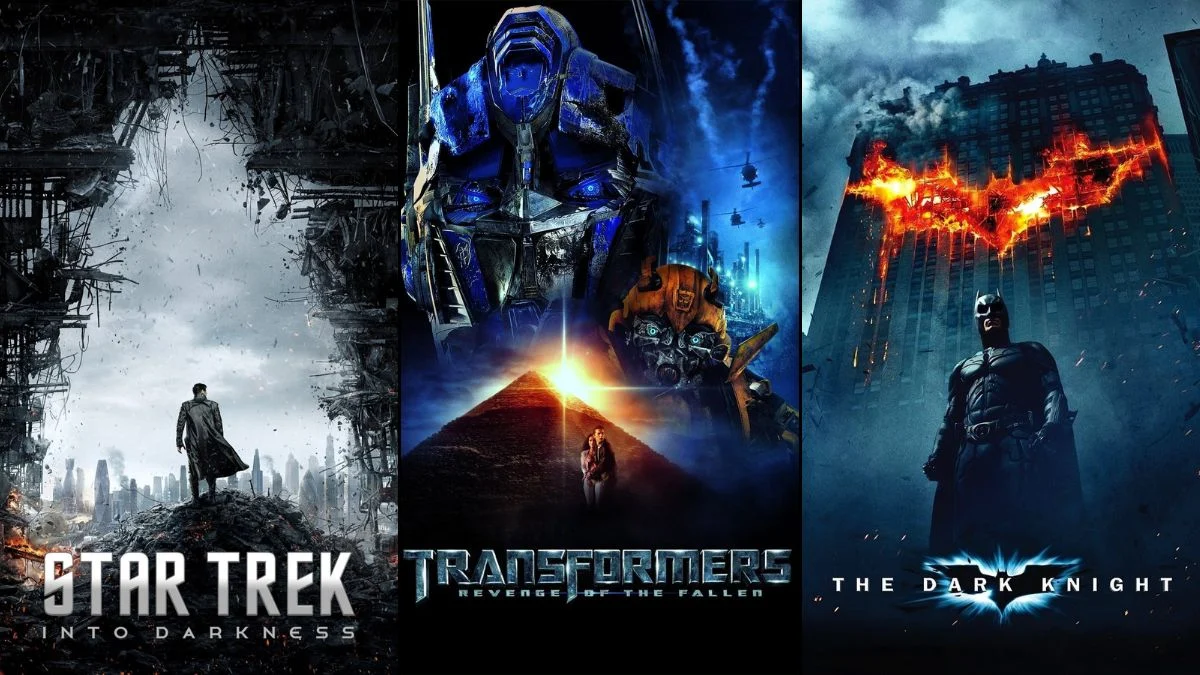

There is nothing quite like watching a feature that actually ran through an IMAX film camera and then thundered back onto a giant screen on 70mm prints. These productions used 15-perf 65mm negative for select or extensive sequences, then premiered in special engagements that showcased the full-height IMAX frame, giving audiences towering clarity and a huge field of view.
Below are the landmark releases that paired IMAX camera footage with true 70mm IMAX exhibition. Each entry notes what portions were captured with the large-format rigs and where the format change is most apparent, along with practical details about the rollout so you know how these films originally reached screens at their biggest and boldest.
‘The Dark Knight’ (2008)
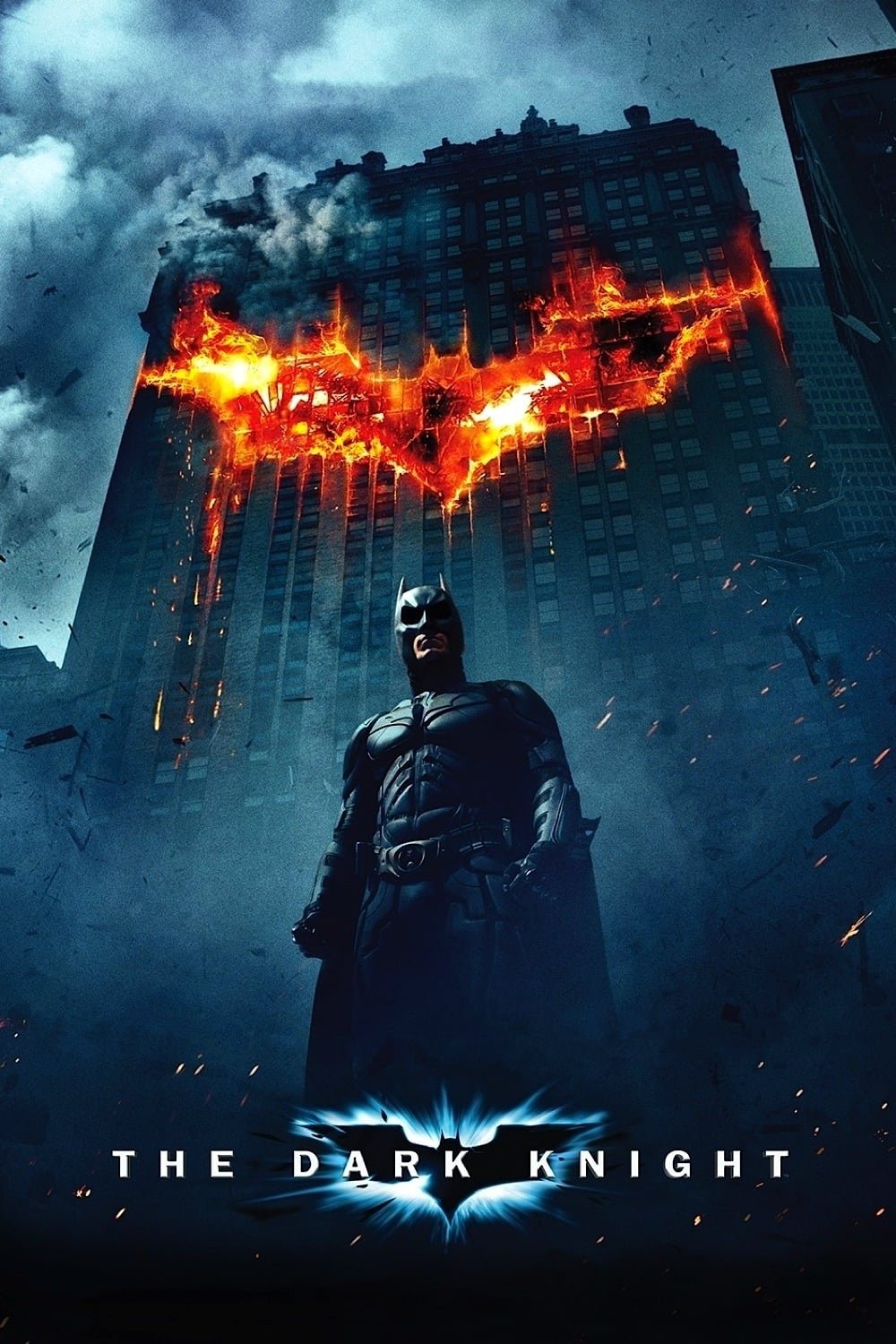
Production photographed multiple sequences on 15-perf 65mm, including the opening bank heist and the armored-truck pursuit. Those sections were framed to use the taller image and finished for full-height exhibition in qualified auditoriums.
Select theaters screened 70mm IMAX film prints with visible expansion to the 1.43:1 frame during the IMAX footage, while non-IMAX scenes retained a letterboxed presentation. Standard 35mm and digital versions preserved the same editorial structure without the vertical change.
‘Transformers: Revenge of the Fallen’ (2009)
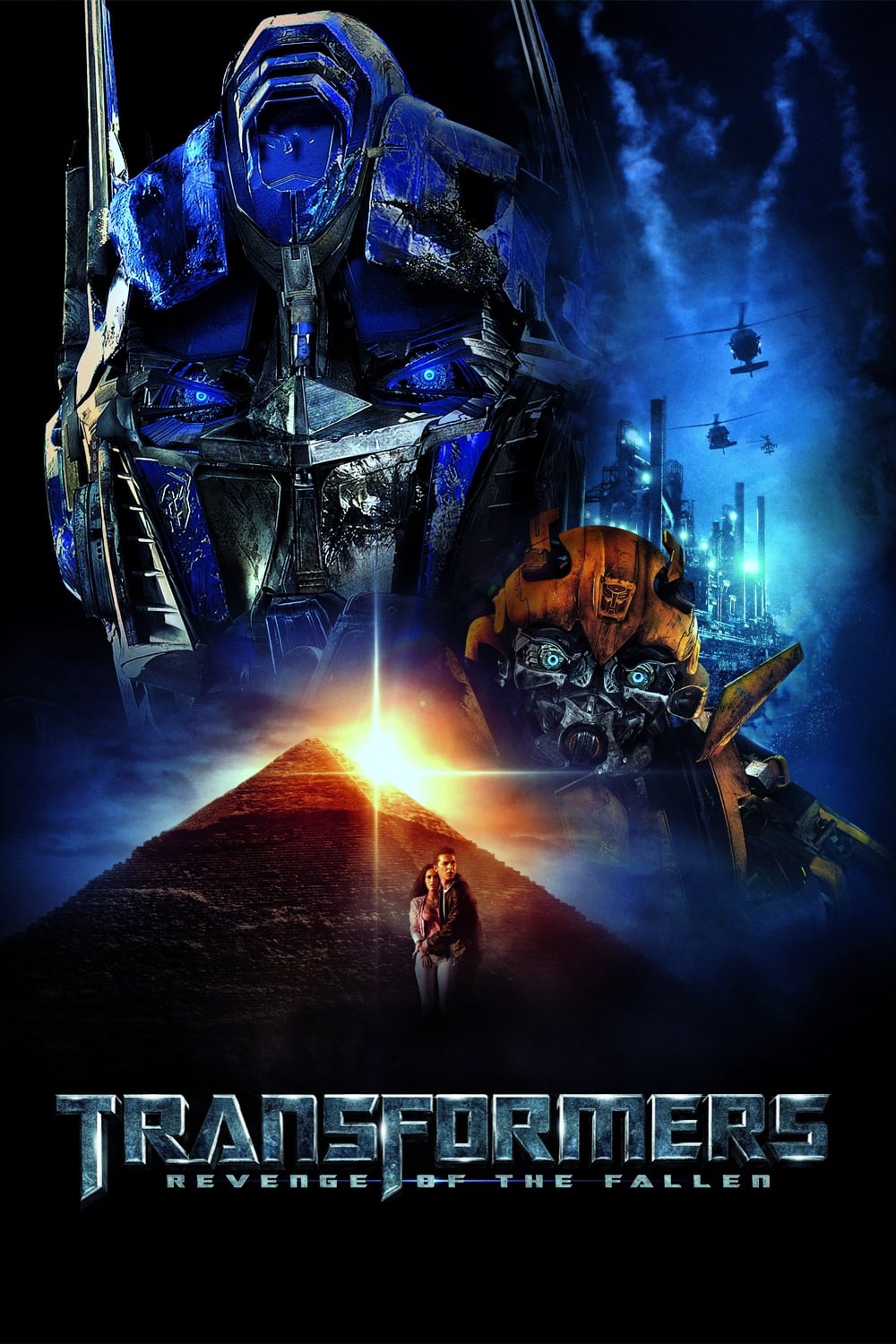
Large-format cameras were deployed for effects-heavy set pieces to capture additional negative area for later enlargement on giant screens. Shots were planned to intercut with other formats while preserving scale during action.
IMAX 70mm venues displayed the expanded image where applicable, with the remainder of the feature presented at its non-IMAX aspect ratio. Day-and-date standard runs offered a uniform frame for locations without 70mm capability.
‘Mission: Impossible – Ghost Protocol’ (2011)

The Burj Khalifa material and other high-altitude sequences were photographed on IMAX film to increase perceived height and detail. Camera rigs and housings were engineered to handle exterior winds and building-mounted positions.
70mm IMAX engagements opened to the tall frame for the IMAX footage and letterboxed for the rest, matching sound and timing across all formats. Non-IMAX venues exhibited a consistent widescreen image from start to finish.
‘The Dark Knight Rises’ (2012)
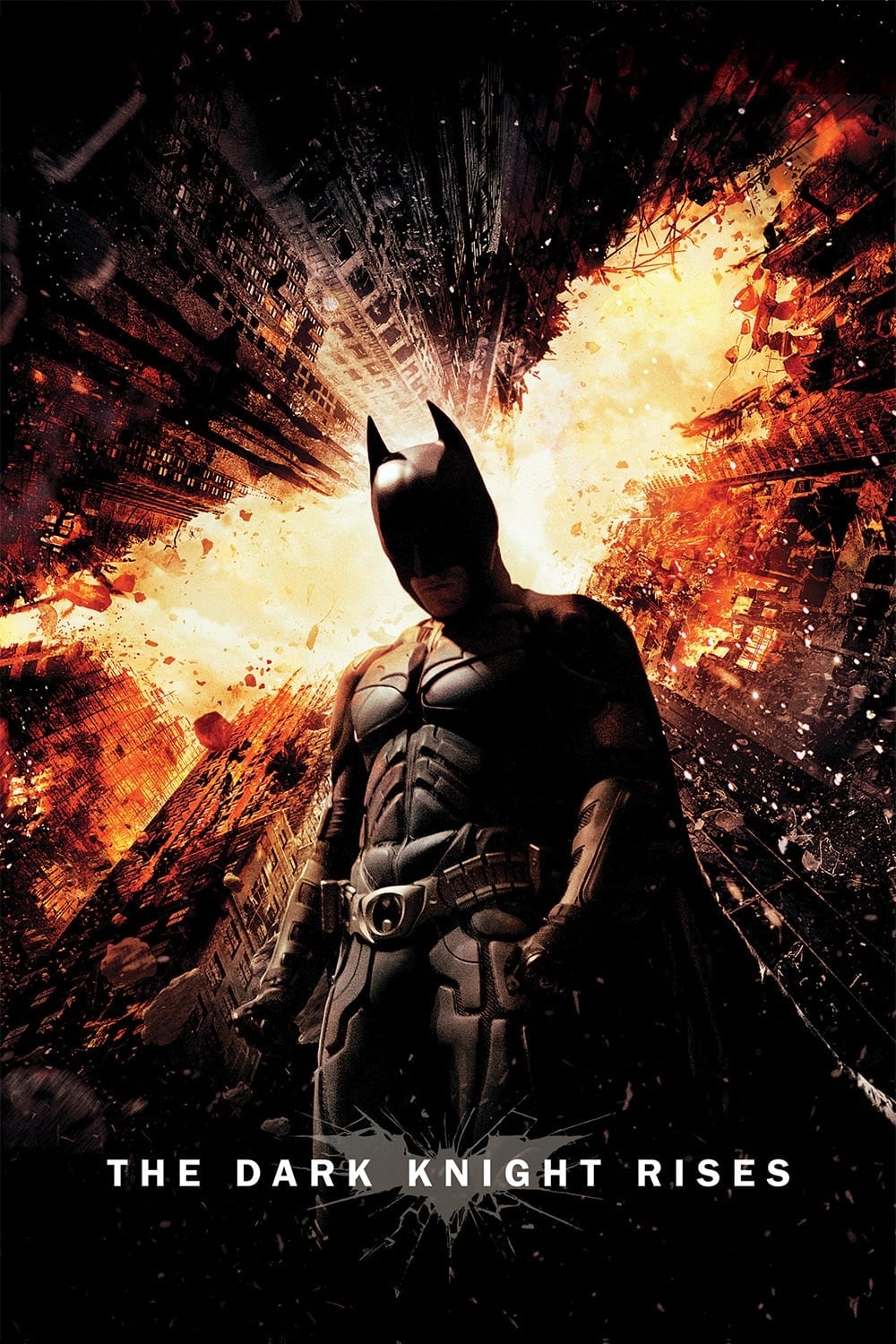
The production expanded its IMAX usage with aerials, crowd work, and large-scale action captured on 65mm. Framing guidelines ensured clean transitions between formats in the final cut.
Exhibition included 70mm IMAX screenings that frequently shifted into the full-height image. The film also circulated in digital and 35mm versions so locations without film projection could maintain schedule parity.
‘Star Trek Into Darkness’ (2013)
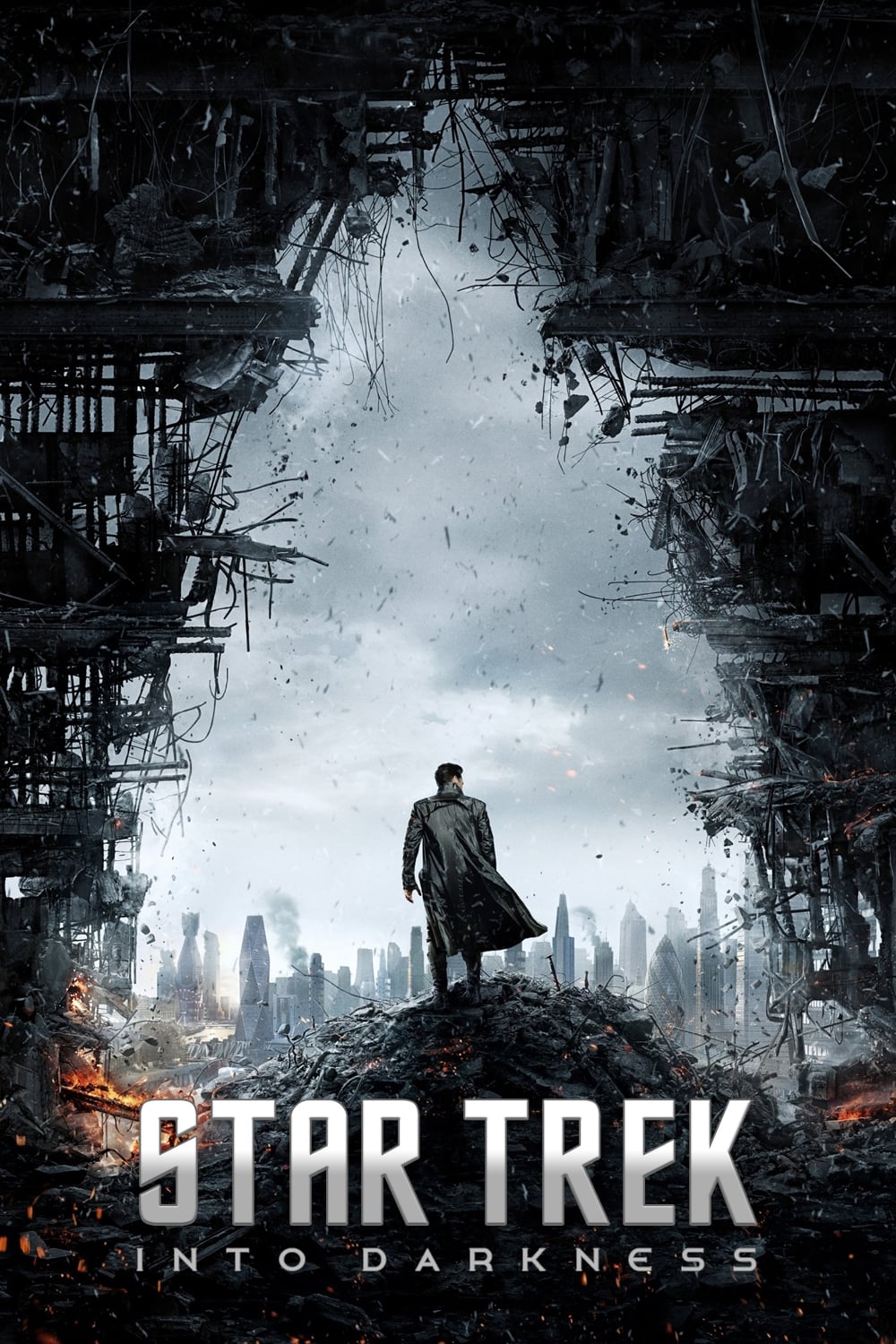
Select sequences were shot with IMAX cameras and composed for increased vertical field in IMAX auditoriums. The editorial maintained consistent pacing when moving between formats.
Theatrical playdates featured 70mm IMAX showings with aspect-ratio expansion during IMAX scenes. Conventional theaters ran the identical cut at a fixed aspect ratio for presentation consistency.
‘The Hunger Games: Catching Fire’ (2013)

IMAX film was used for the Quarter Quell arena, designed to visually differentiate the Games portion. The transition into the arena coincided with the enlargement to the taller frame during IMAX screenings.
Venues equipped for 70mm IMAX presented the expanded image only for the IMAX-origin material. All other engagements preserved a single widescreen frame throughout the runtime.
‘Interstellar’ (2014)
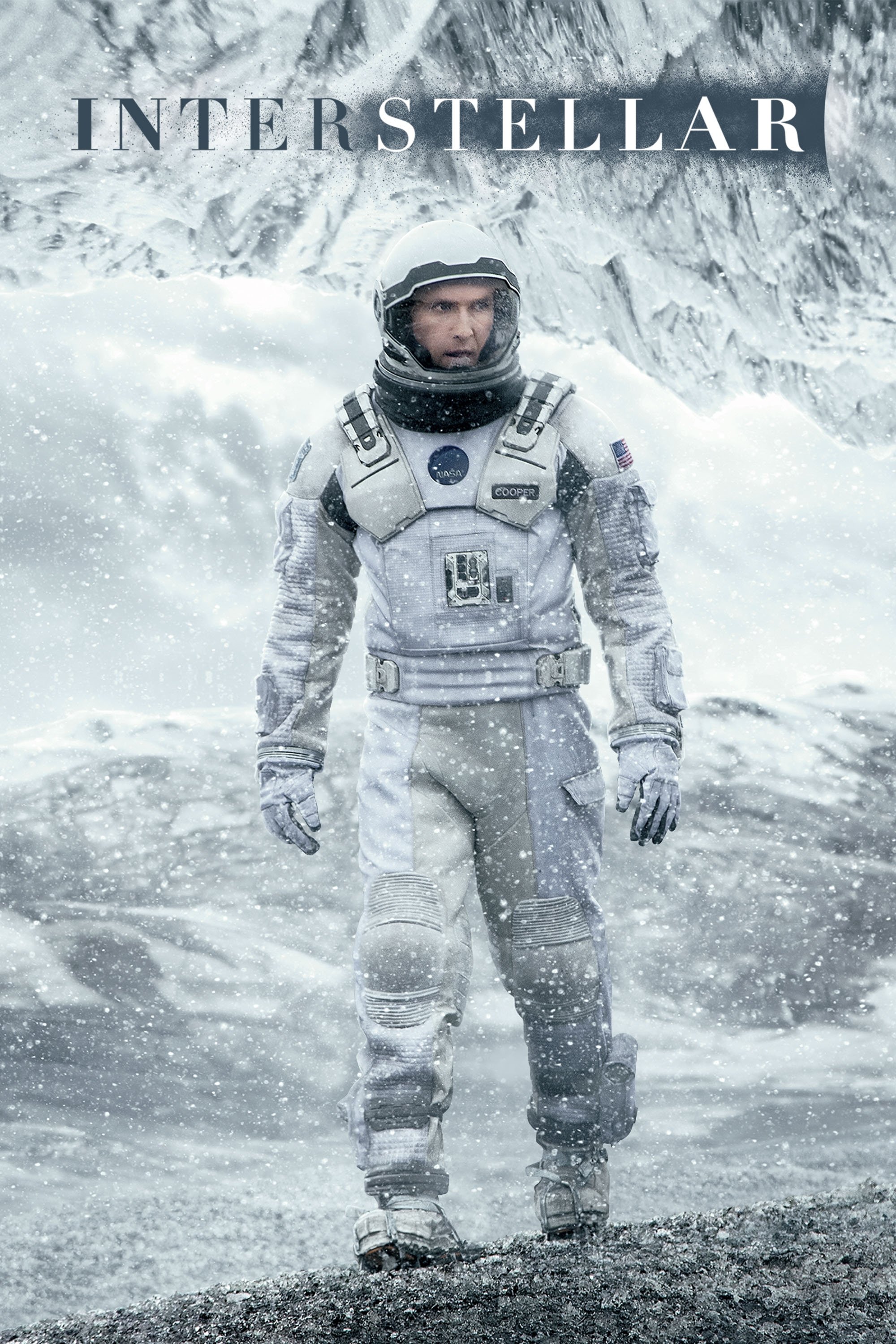
A substantial share of the movie was captured on IMAX, spanning exteriors, interiors, and space work. The format’s negative area supported fine-grained detail and long-take clarity across complex practical setups.
The release included extensive 70mm IMAX print runs with frequent aspect-ratio expansion. Parallel distribution in 70mm five-perf, 35mm, and digital allowed wide coverage while reserving the tallest image for IMAX film houses.
‘Star Wars: The Force Awakens’ (2015)
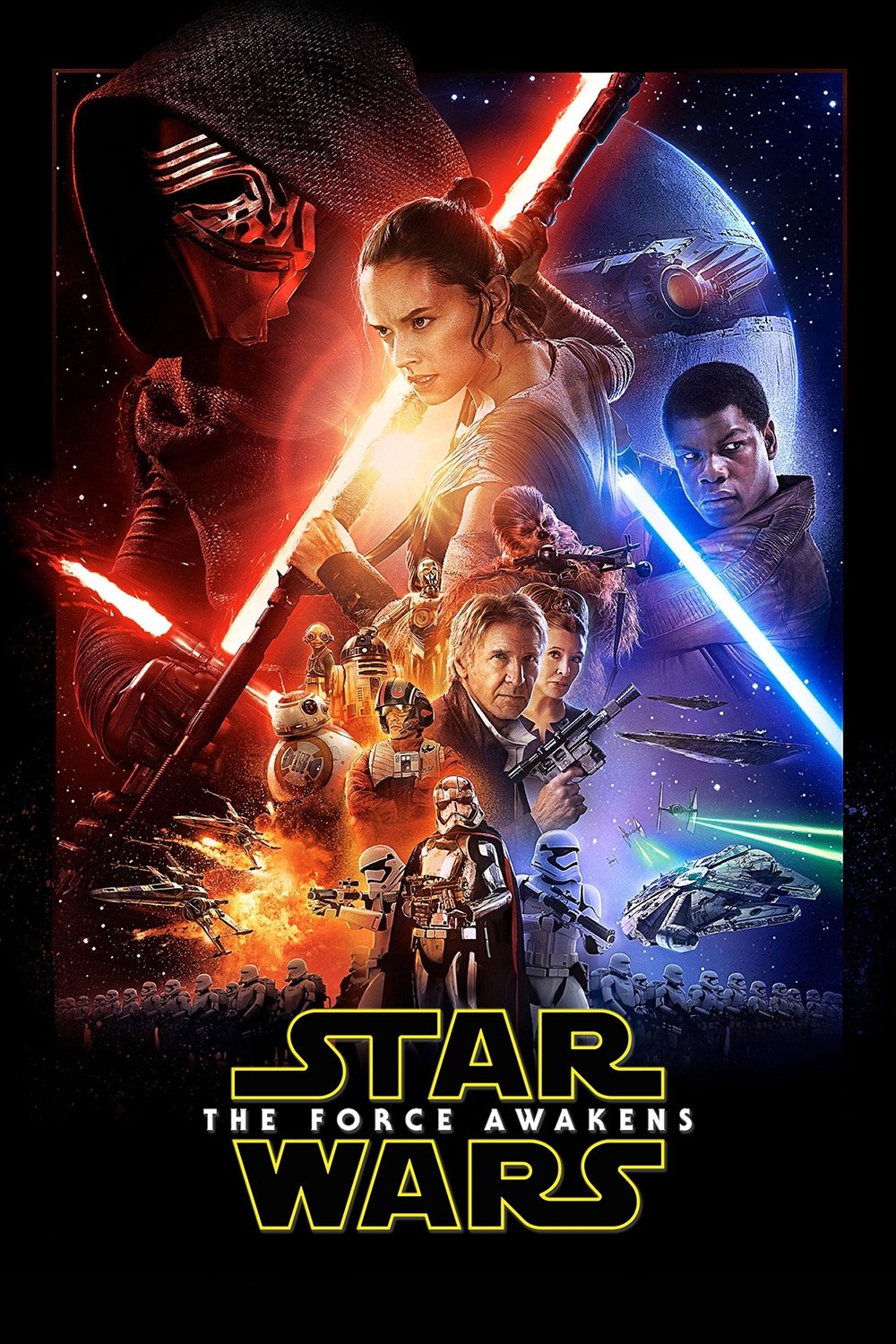
IMAX cameras were used for a key desert chase and related action, planned to reveal additional headroom in IMAX venues. Editorial and color timing maintained continuity between formats.
IMAX 70mm locations showed the vertical expansion during the IMAX passages, while standard auditoriums displayed a constant widescreen frame. The content of the cut and audio remained identical across platforms.
‘Batman v Superman: Dawn of Justice’ (2016)
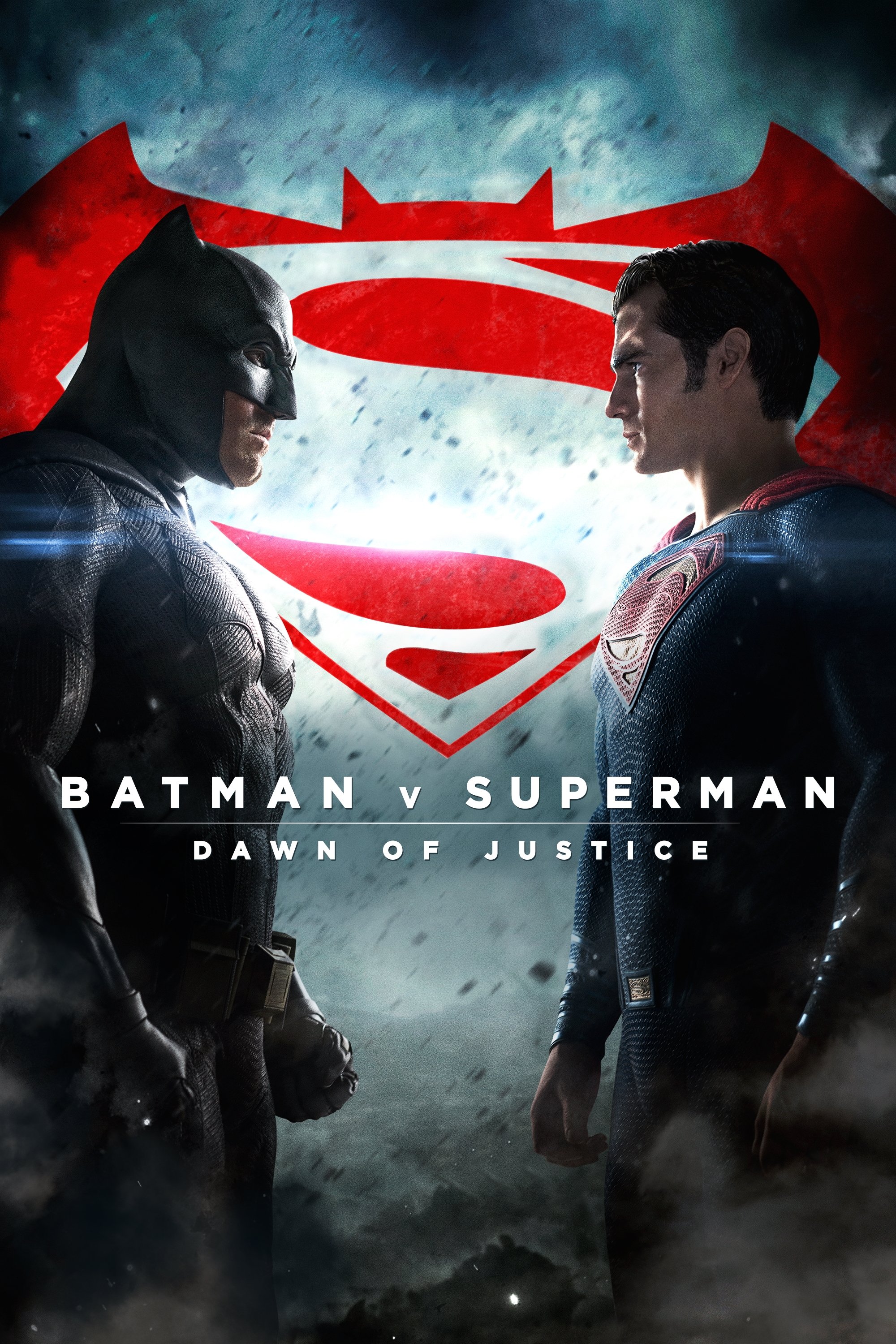
Select scenes were photographed on IMAX film to emphasize scale in environment and effects work. Careful composition ensured the taller frame could be used without reframing for non-IMAX sections.
Qualified theaters ran 70mm IMAX presentations that expanded only where IMAX negative existed. The film also played on digital and standard 70mm or 35mm prints with a fixed aspect ratio for broad availability.
‘Dunkirk’ (2017)
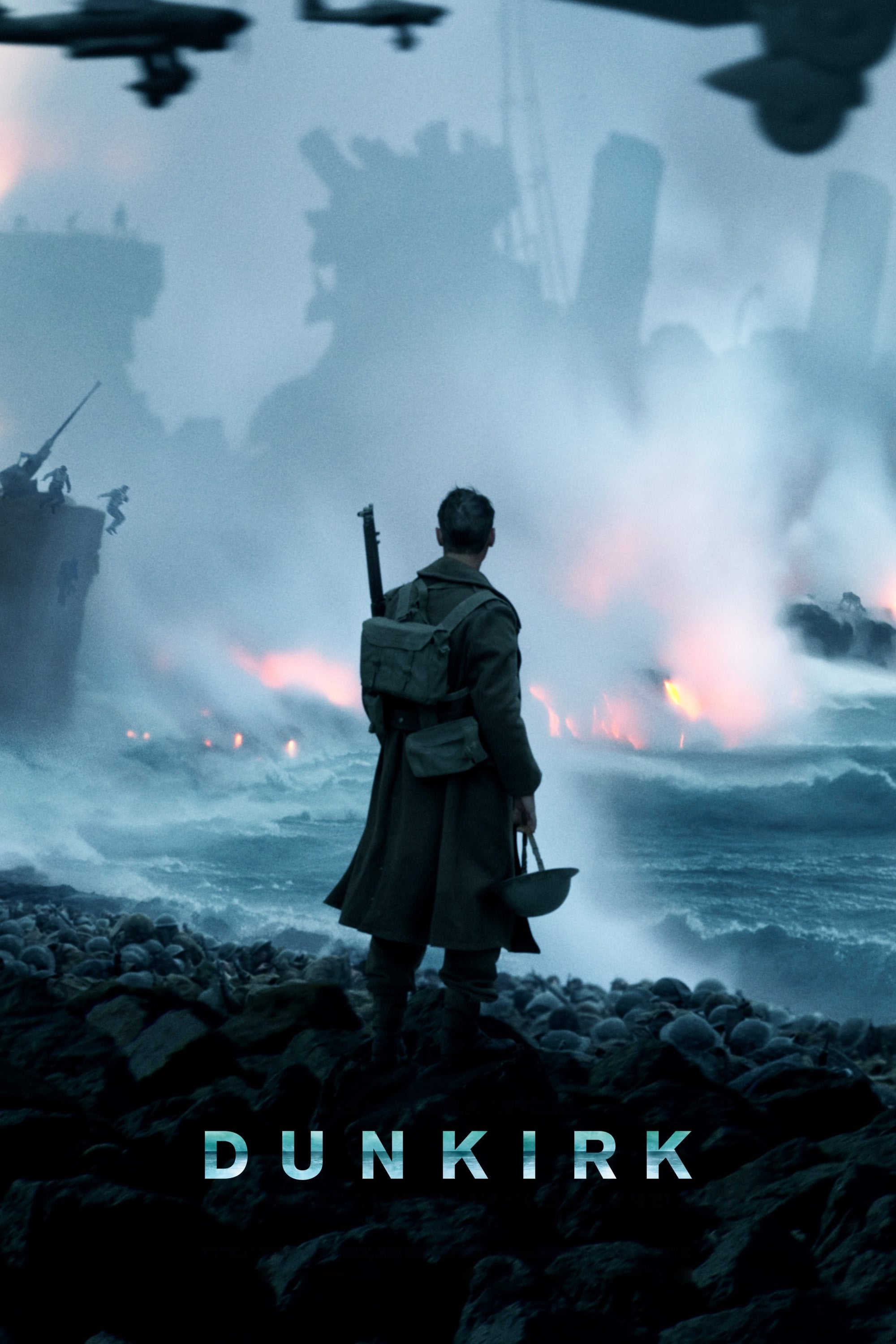
A majority of the feature, including aerial, sea, and beach material, was shot with IMAX cameras. Custom mounts and mag changes supported extended takes in demanding conditions.
70mm IMAX engagements delivered the tallest image for much of the runtime, with other scenes presented letterboxed. Additional formats, including 70mm five-perf and digital, preserved the same editorial while differing in image height.
‘Tenet’ (2020)
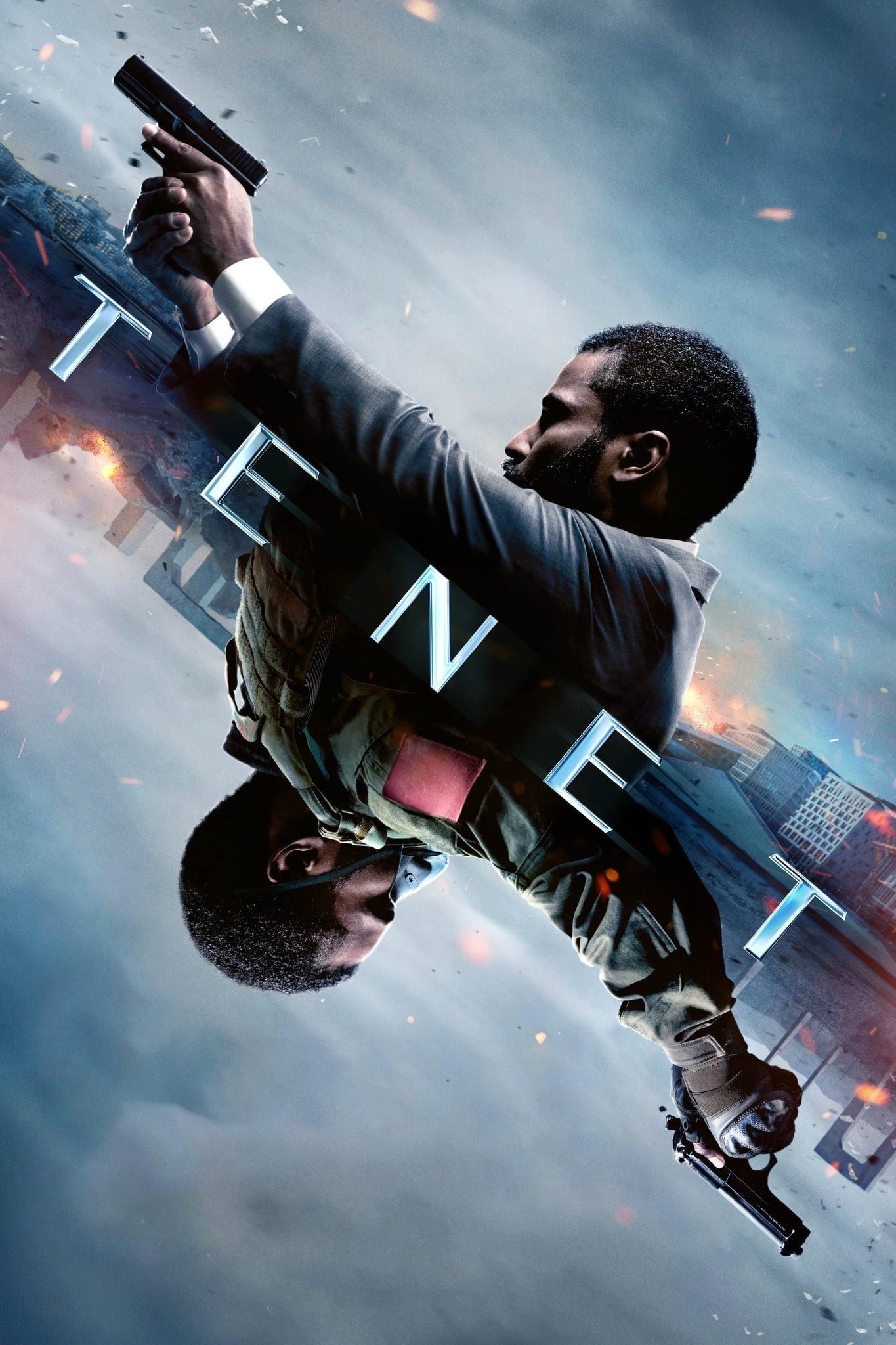
Large-format 65mm IMAX photography covered complex practical sequences and large-scale locations. The production planned framing to preserve alignment when cutting between IMAX and non-IMAX material.
Distribution offered limited 70mm IMAX showings featuring recurring aspect-ratio changes during IMAX sections. Non-IMAX theaters received a uniform frame so timing and structure matched across all venues.
‘Oppenheimer’ (2023)
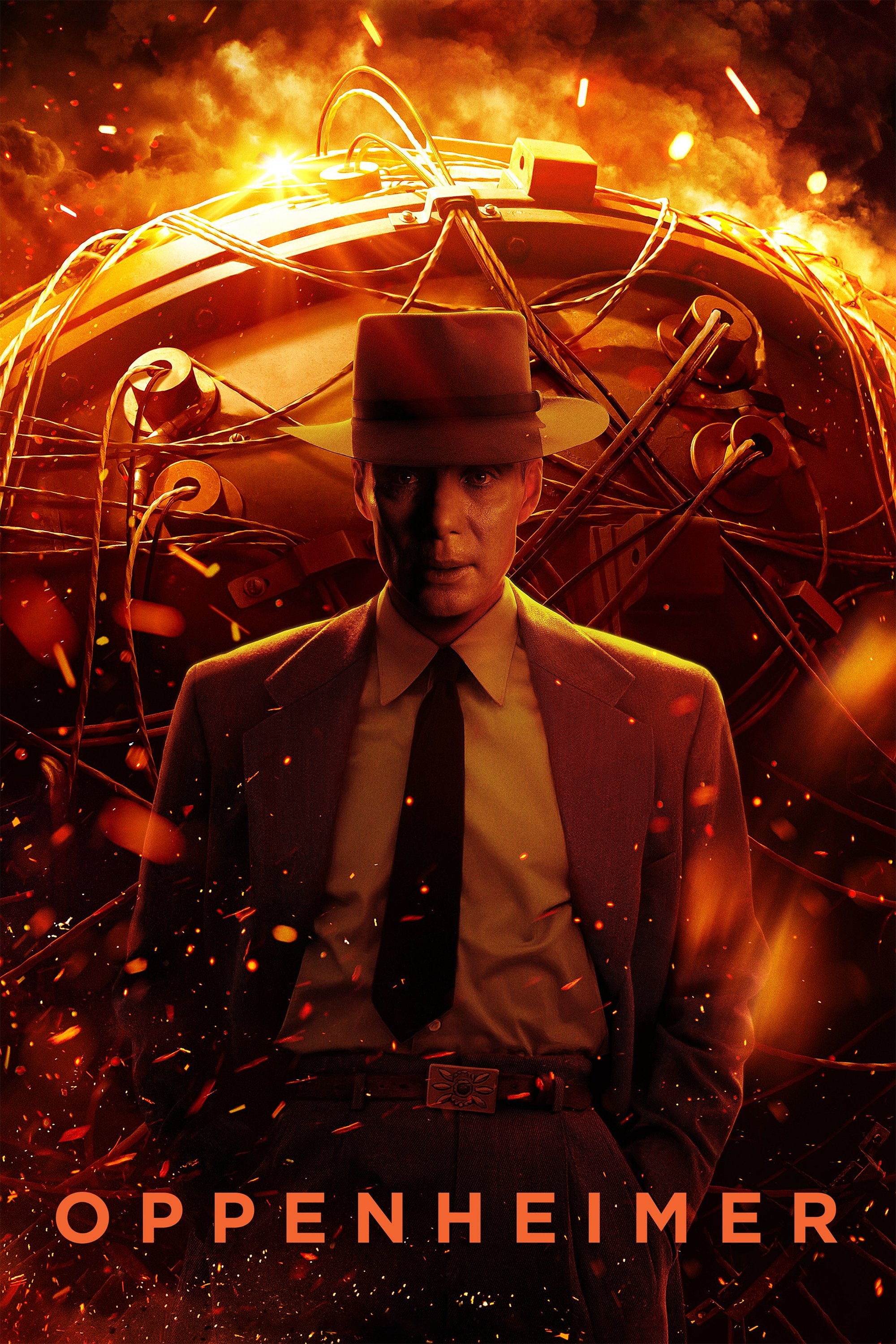
The film combined color and black-and-white IMAX stocks, integrating them with visual-effects work at large negative size. The approach retained high resolving power for faces, textures, and archival-scale compositions.
IMAX 70mm engagements presented the tallest frame wherever IMAX material appeared, while additional versions, including 35mm and standard 70mm, maintained the same editorial content. Print logistics prioritized premium large-format venues for peak image quality.
‘Sinners’ (2024)
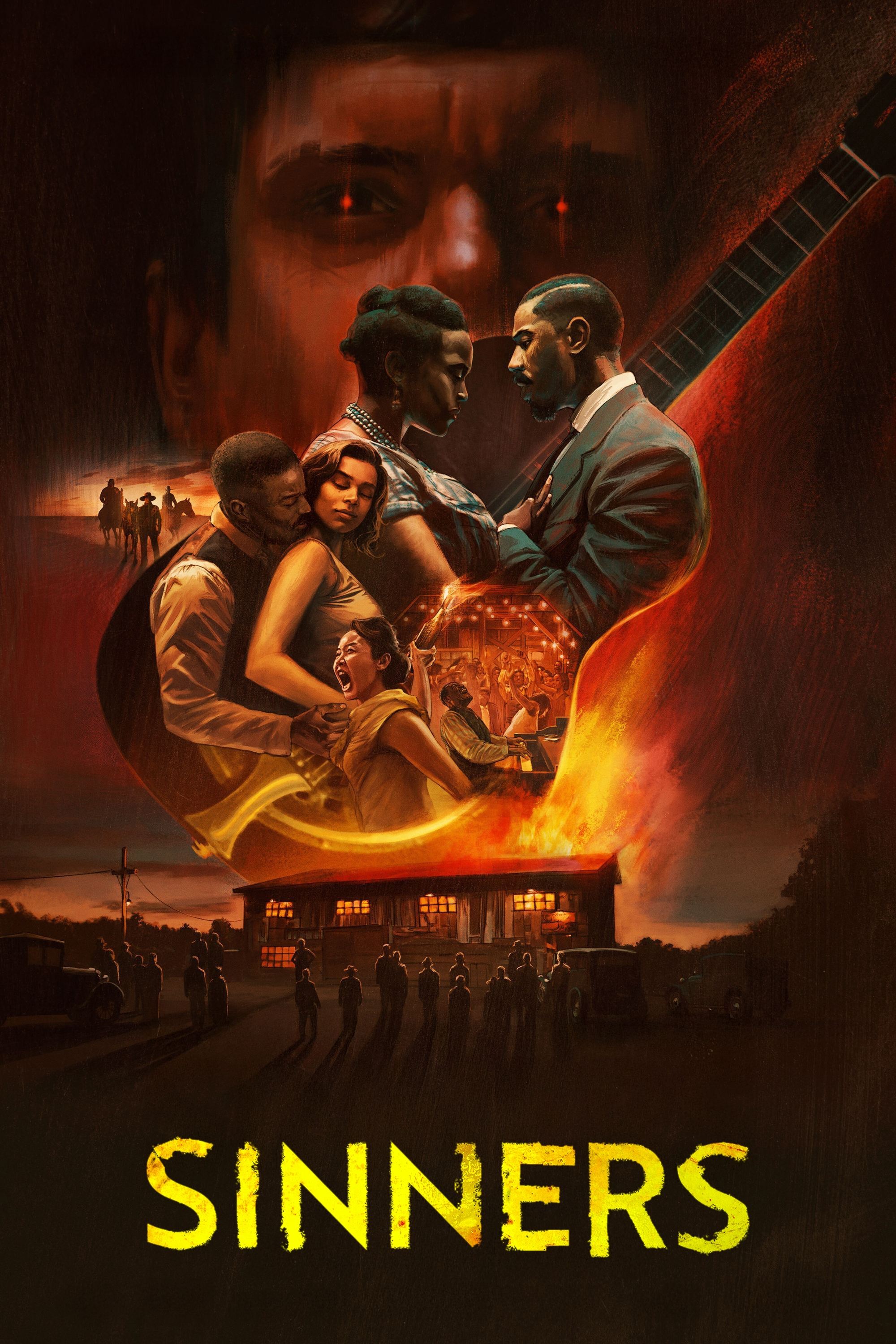
Production utilized IMAX film cameras for selected sequences to capture additional negative area suitable for full-height projection. The workflow coordinated loading, movement, and sound isolation for large camera bodies on location.
Exhibition included IMAX runs prepared to expand vertically during the IMAX-origin shots, with the remainder of the feature presented at its standard aspect ratio. Non-IMAX venues received the identical cut without aspect-ratio changes.
‘The Odyssey’ (2026)
Key passages were photographed on 15-perf 65mm to exploit large-format resolution for environments and crowd scale. The capture plan specified shot lengths and compositions that benefited from the taller frame in IMAX auditoriums.
The release strategy provided 70mm IMAX prints where the image opened up for those sections, while other formats retained a fixed widescreen presentation. This ensured consistent timing and color across all exhibition paths while preserving maximum image height in IMAX film houses.
Tell us which of these large-format releases you saw on the biggest screen and what moments impressed you most in the comments.