20 Movies from the ’90s That Are Still Better Than Anything in Theaters Today

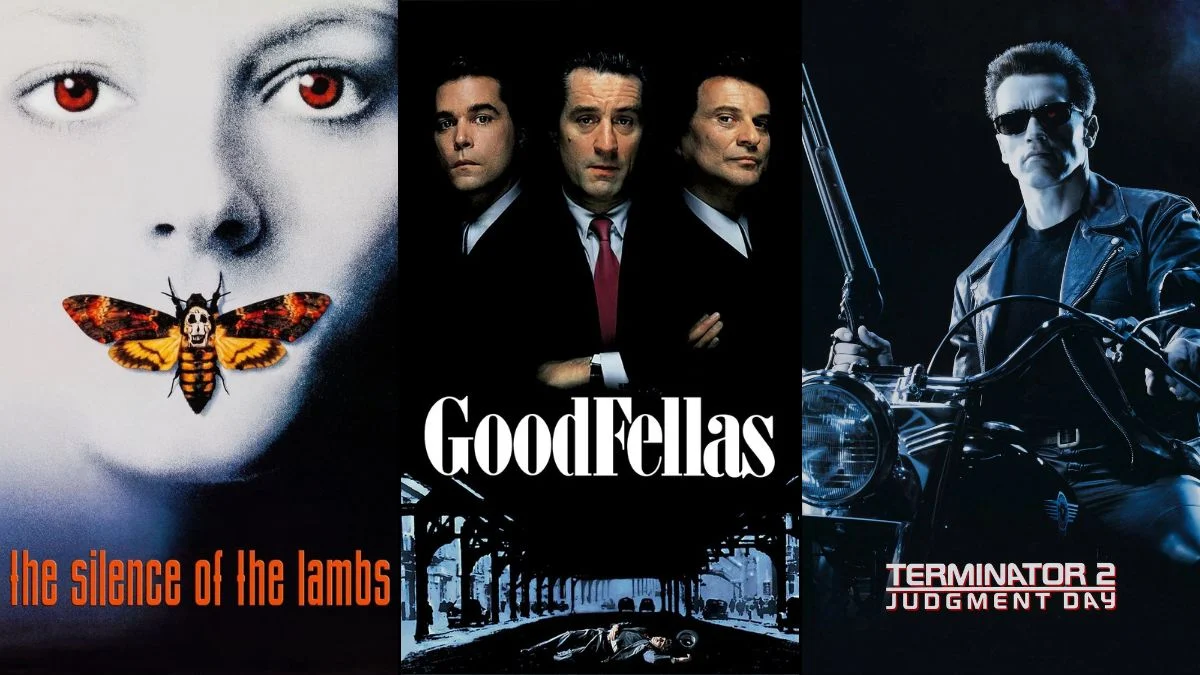

The 1990s delivered a run of films that shaped how stories look and feel on the big screen. Many of these releases rewrote the rules with new technology, bold scripts, and performances that became reference points for entire genres. They also built huge audiences that still return to them through restorations, anniversary screenings, and streaming.
This list gathers twenty standout movies from that decade and highlights what made each one a landmark. You will find details on who made them, how they were produced, what they achieved at the box office, and the awards and innovations that followed. Each entry focuses on concrete facts that explain why these titles continue to draw new viewers.
‘Goodfellas’ (1990)
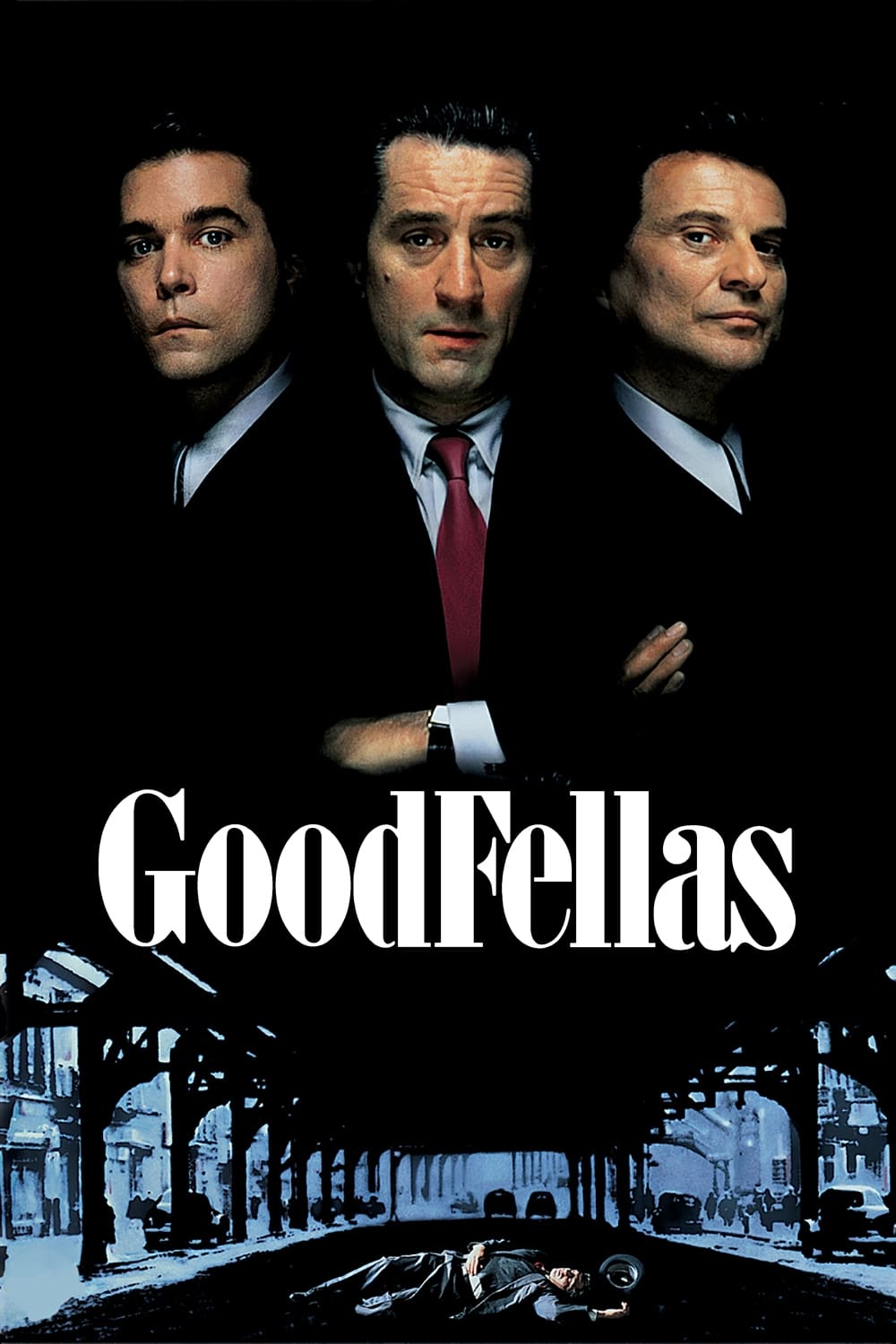
Directed by Martin Scorsese and adapted from Nicholas Pileggi’s nonfiction book. The film stars Ray Liotta, Robert De Niro, and Joe Pesci, who won the Academy Award for Best Supporting Actor. Michael Ballhaus handled cinematography with long takes that became widely studied, including the Copacabana tracking shot.
The production used real New York locations and period cars to recreate events that span the 1950s through the 1980s. The soundtrack features dozens of licensed songs that match on screen years without repeating artists in the same scene. The Library of Congress selected the film for the National Film Registry.
‘The Silence of the Lambs’ (1991)
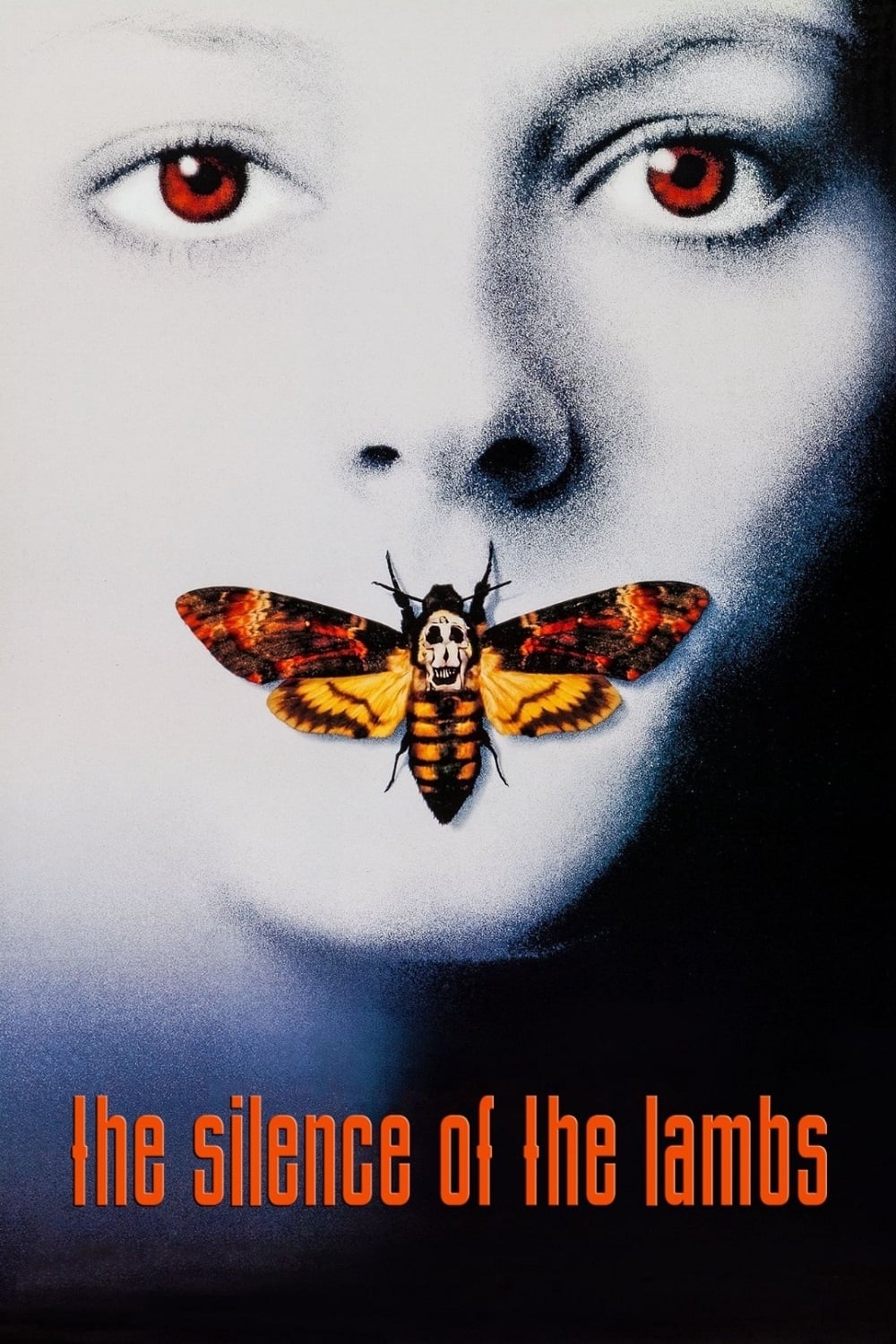
Directed by Jonathan Demme and based on Thomas Harris’s novel. The film stars Jodie Foster and Anthony Hopkins, who both won Oscars for their performances. It became the third film to sweep the five major Academy Awards which are Best Picture, Director, Actor, Actress, and Screenplay.
Production took place in Pennsylvania with sets that recreated the FBI Academy and the dungeonlike cells of the Baltimore State Hospital. The movie influenced forensic drama on television through its focus on behavioral science and evidence work. It entered the National Film Registry for its cultural significance.
‘Terminator 2: Judgment Day’ (1991)
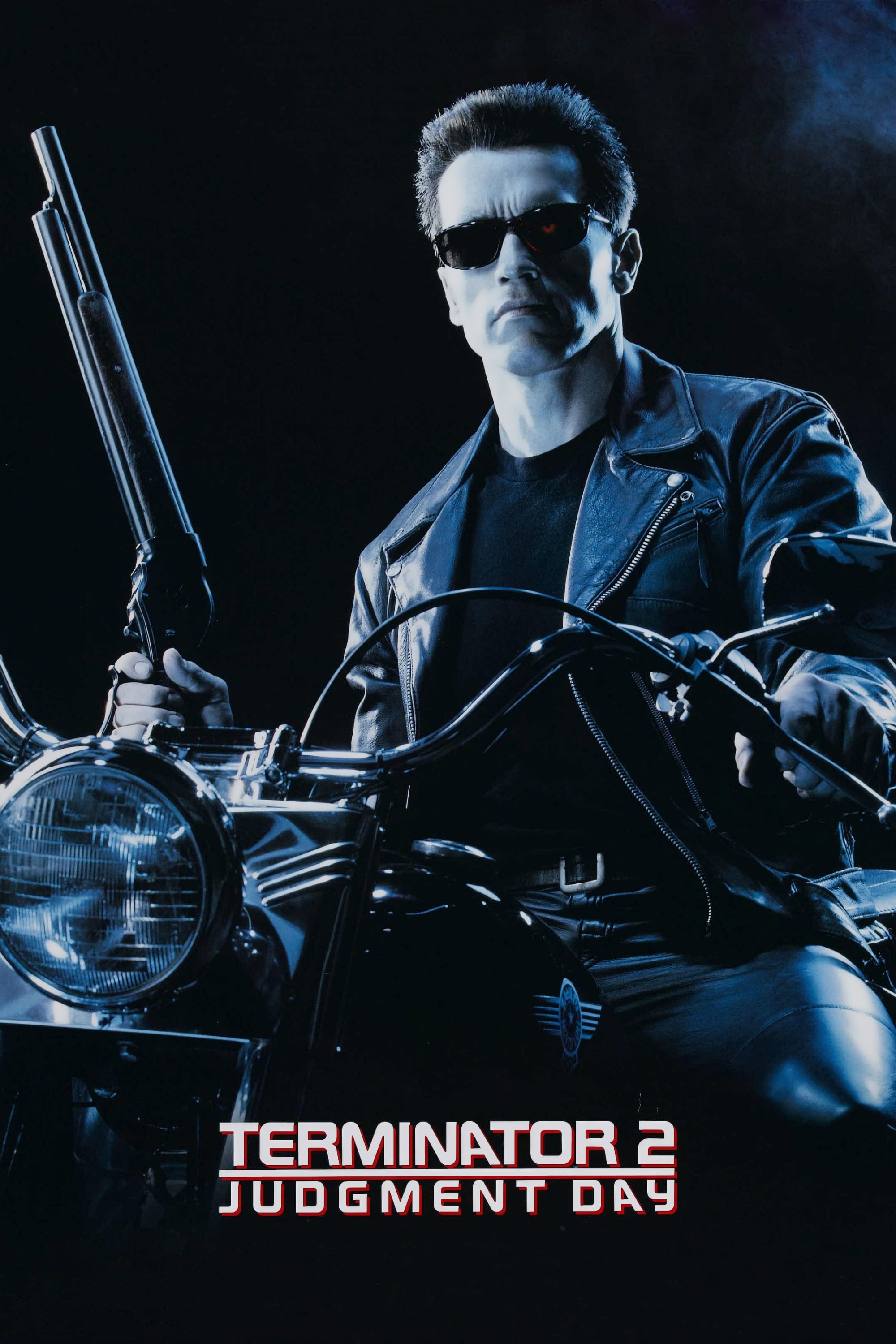
Directed by James Cameron with Arnold Schwarzenegger, Linda Hamilton, and Robert Patrick. The movie advanced digital effects with the liquid metal T-1000 created by Industrial Light and Magic. It won four Oscars in technical categories including Visual Effects and Sound.
The production combined practical stunts with early CGI in scenes like the canal chase and the steel mill finale. Brad Fiedel’s score used sampled industrial sounds that aligned with the film’s mechanical theme. The film became a global box office leader for 1991.
‘Jurassic Park’ (1993)
Directed by Steven Spielberg and based on Michael Crichton’s novel. The film mixed animatronics by Stan Winston with CGI dinosaurs by Industrial Light and Magic. It won three Academy Awards in Visual Effects, Sound Mixing, and Sound Editing.
Principal photography used Kauai and Oahu for jungle settings and Stage work at Universal Studios for the T. rex paddock and visitor center. John Williams’s score introduced a theme now used across the franchise. The film set worldwide box office records on release and led to new industry standards for digital creatures.
‘Schindler’s List’ (1993)
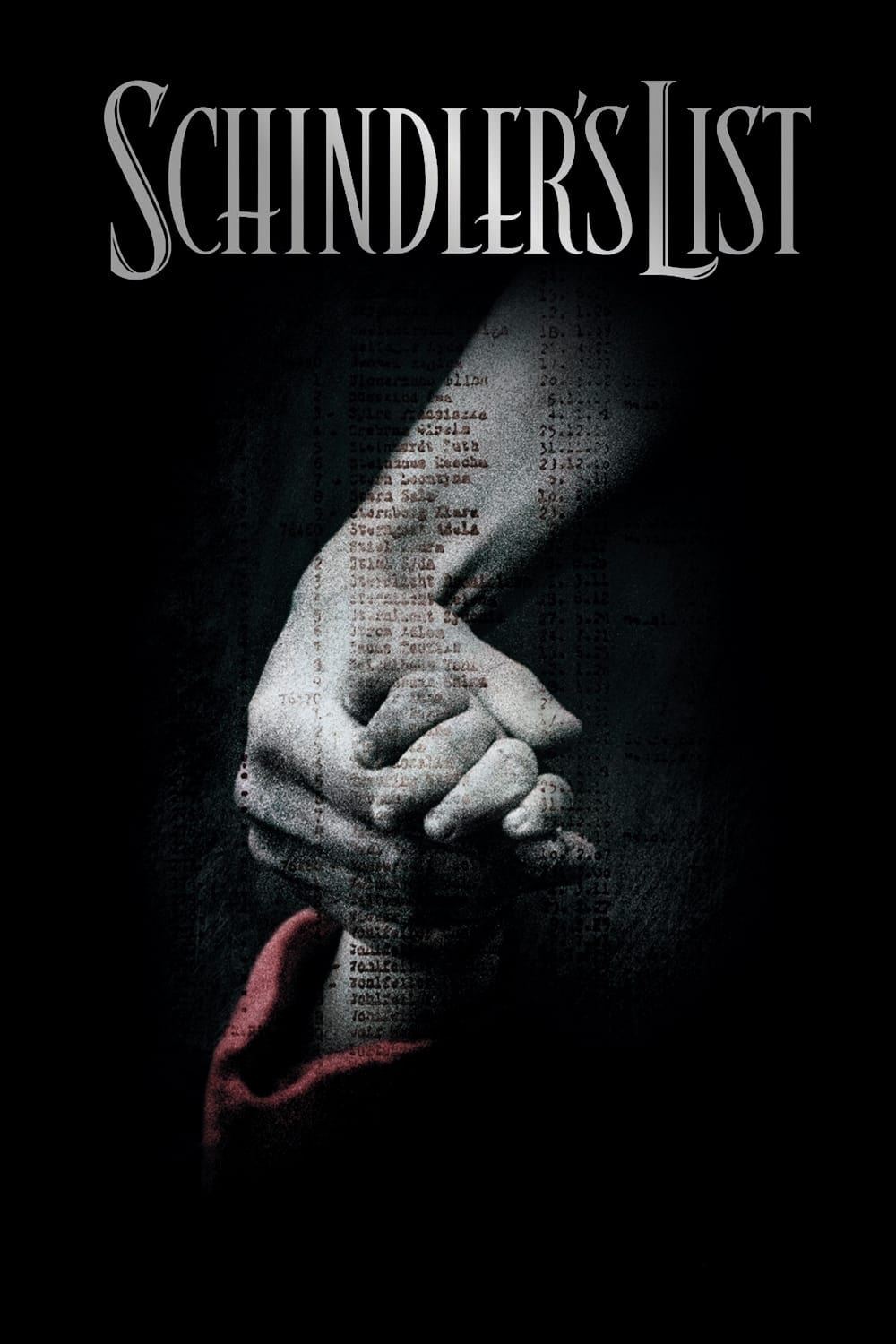
Directed by Steven Spielberg and adapted from Thomas Keneally’s novel. Shot primarily in black and white with cinematography by Janusz Kamiński. The film won seven Academy Awards including Best Picture and Best Director.
Production filmed in Kraków with recreations of wartime locations and a handheld visual approach for a documentary feel. John Williams composed the score with violin solos by Itzhak Perlman. The movie’s profits funded the Shoah Foundation to record survivor testimonies.
‘Pulp Fiction’ (1994)
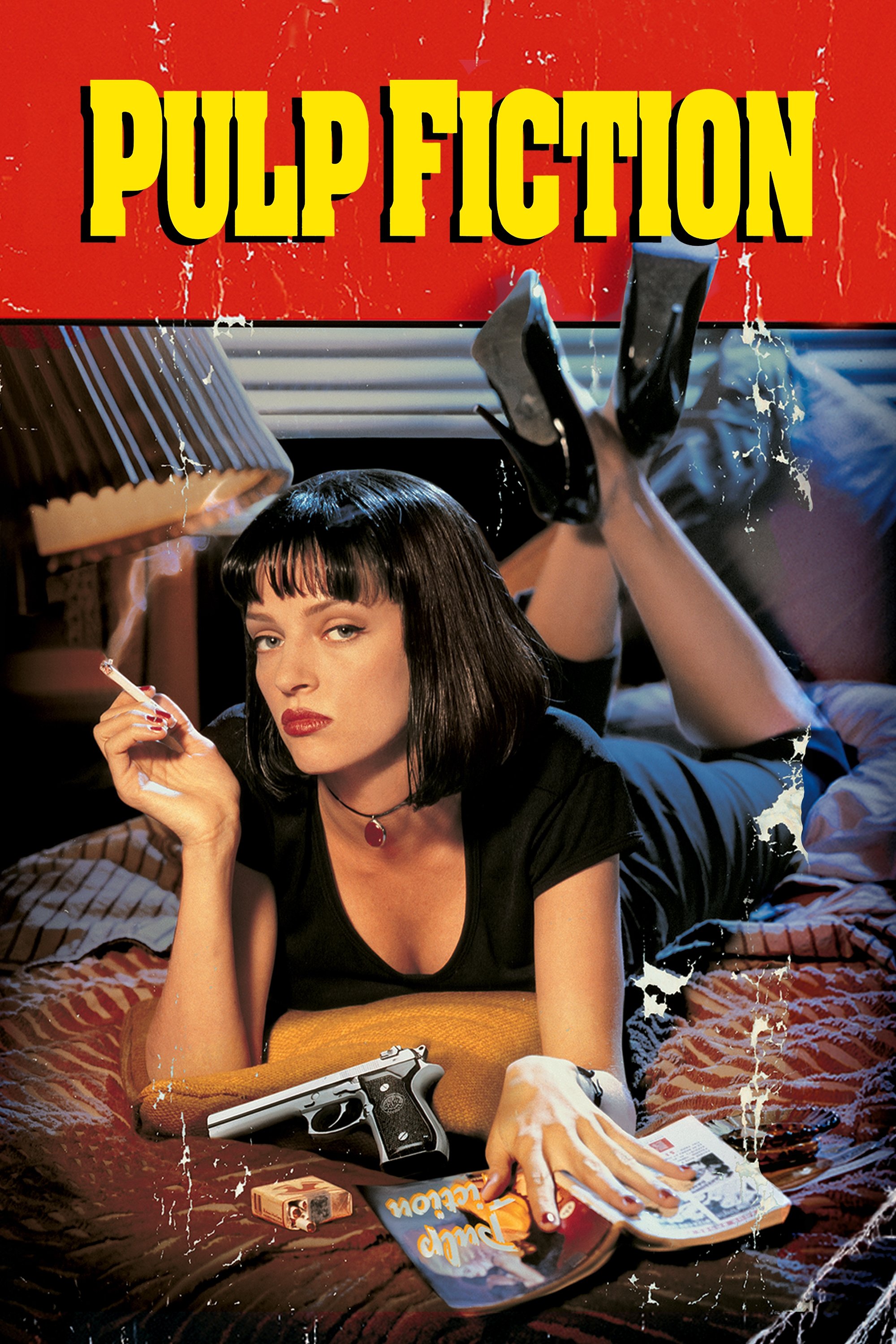
Written and directed by Quentin Tarantino with an ensemble cast that includes John Travolta, Samuel L. Jackson, Uma Thurman, and Bruce Willis. The nonlinear structure connects multiple crime stories across Los Angeles. The film won the Palme d’Or at Cannes and the Oscar for Best Original Screenplay.
Production used practical Los Angeles locations and a modest budget that amplified its independent film profile. The soundtrack revived surf rock and soul tracks that charted again after release. The movie helped expand specialty distribution and strengthened Miramax’s position in the mid 1990s.
‘The Shawshank Redemption’ (1994)
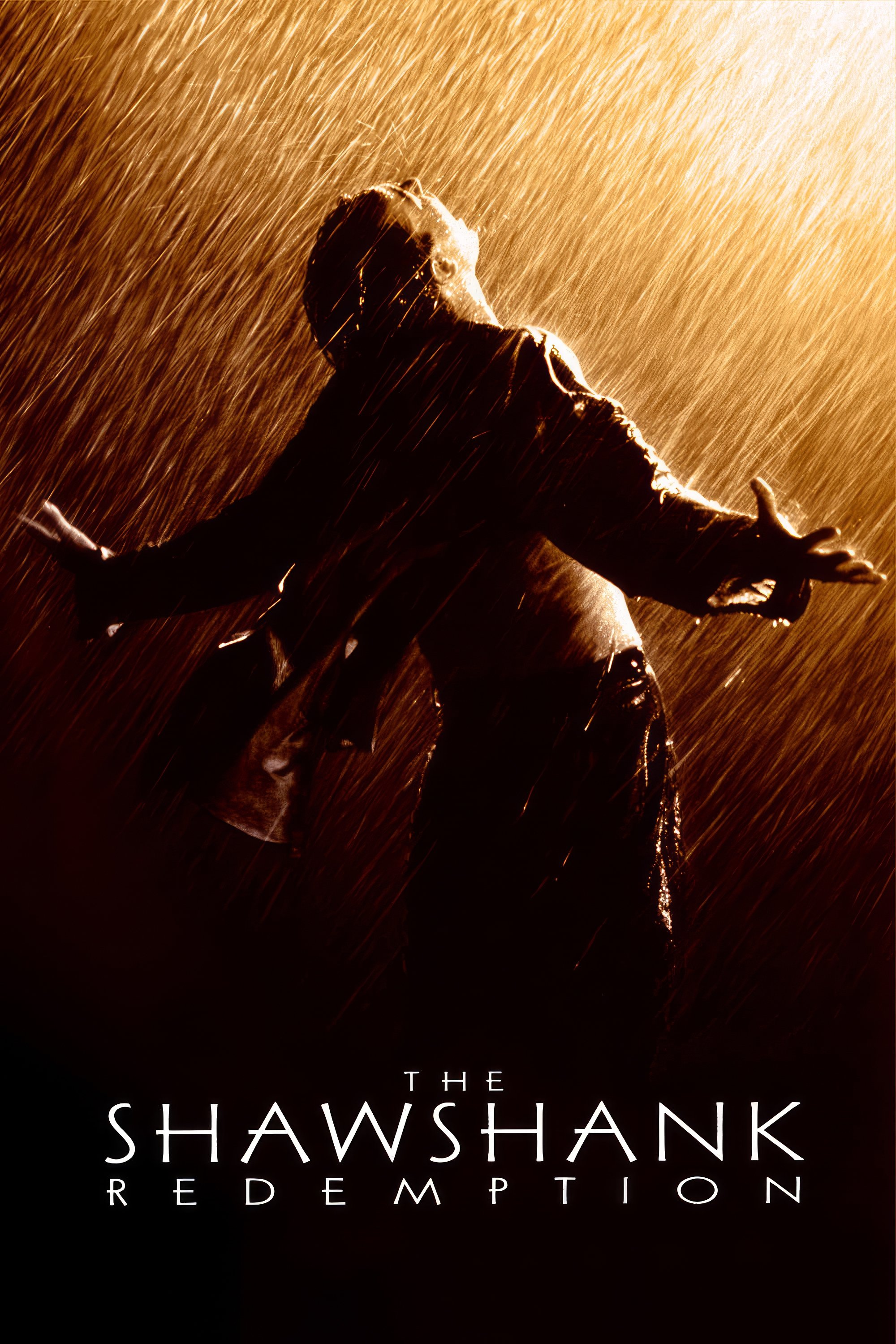
Written and directed by Frank Darabont from a Stephen King novella. The film stars Tim Robbins and Morgan Freeman. Although it was not a top grosser during its initial run, it received seven Academy Award nominations including Best Picture.
Filming took place in and around the Ohio State Reformatory in Mansfield with extensive set dressing for period accuracy. Thomas Newman’s score and Roger Deakins’s cinematography became staples in craft discussions. The film’s reputation grew through home video and television broadcasts, leading to frequent audience polls that place it near the top.
‘Forrest Gump’ (1994)
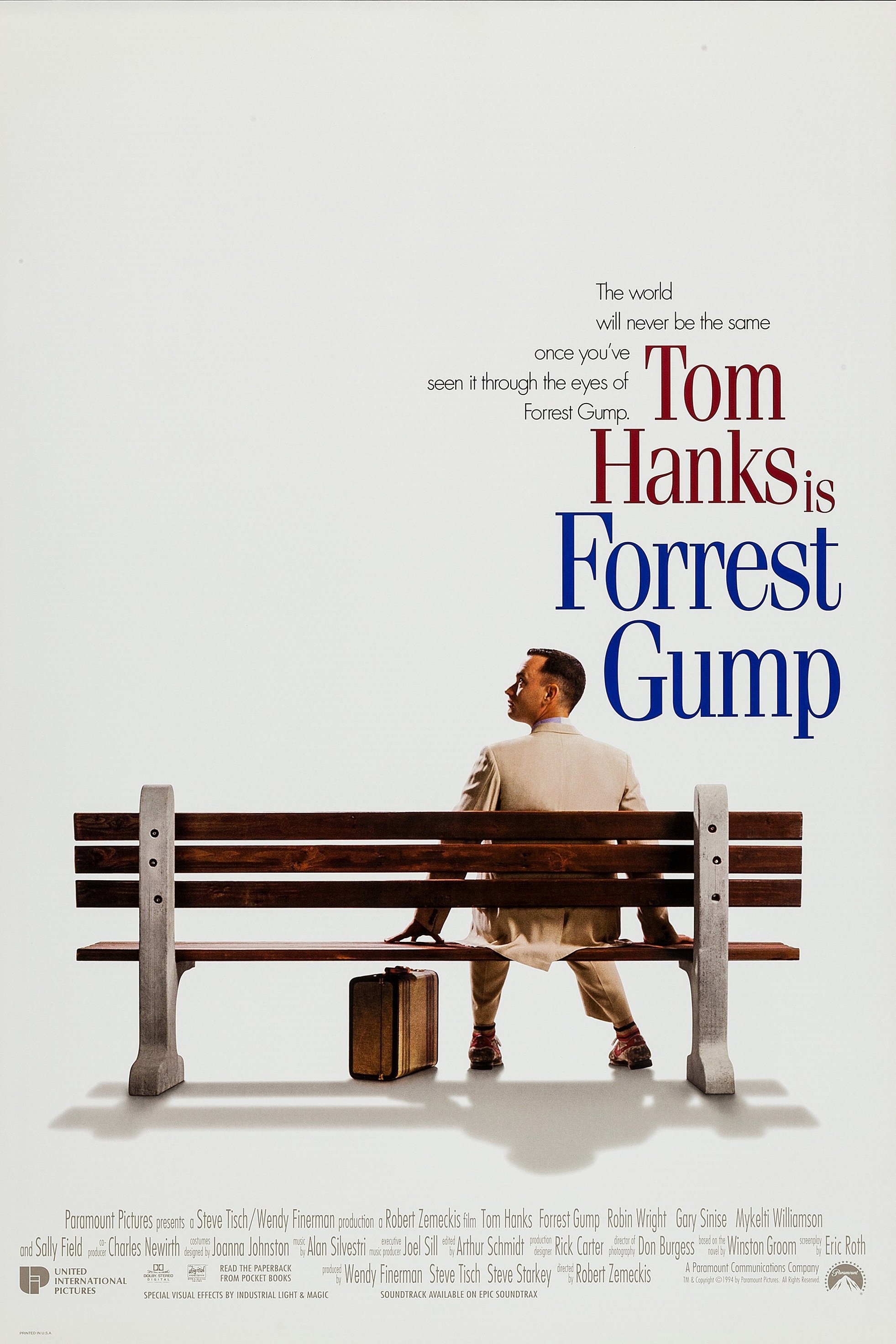
Directed by Robert Zemeckis with Tom Hanks and Robin Wright. The film used digital compositing to place the title character into historical footage with presidents and cultural figures. It won six Academy Awards including Best Picture, Best Director, and Best Actor.
Principal photography covered multiple states to depict decades of American history with period costumes and vehicles. Alan Silvestri composed the score, and an extensive soundtrack album featured hits across the 1950s through the 1980s. The film became one of the highest grossing releases of the decade.
‘Heat’ (1995)
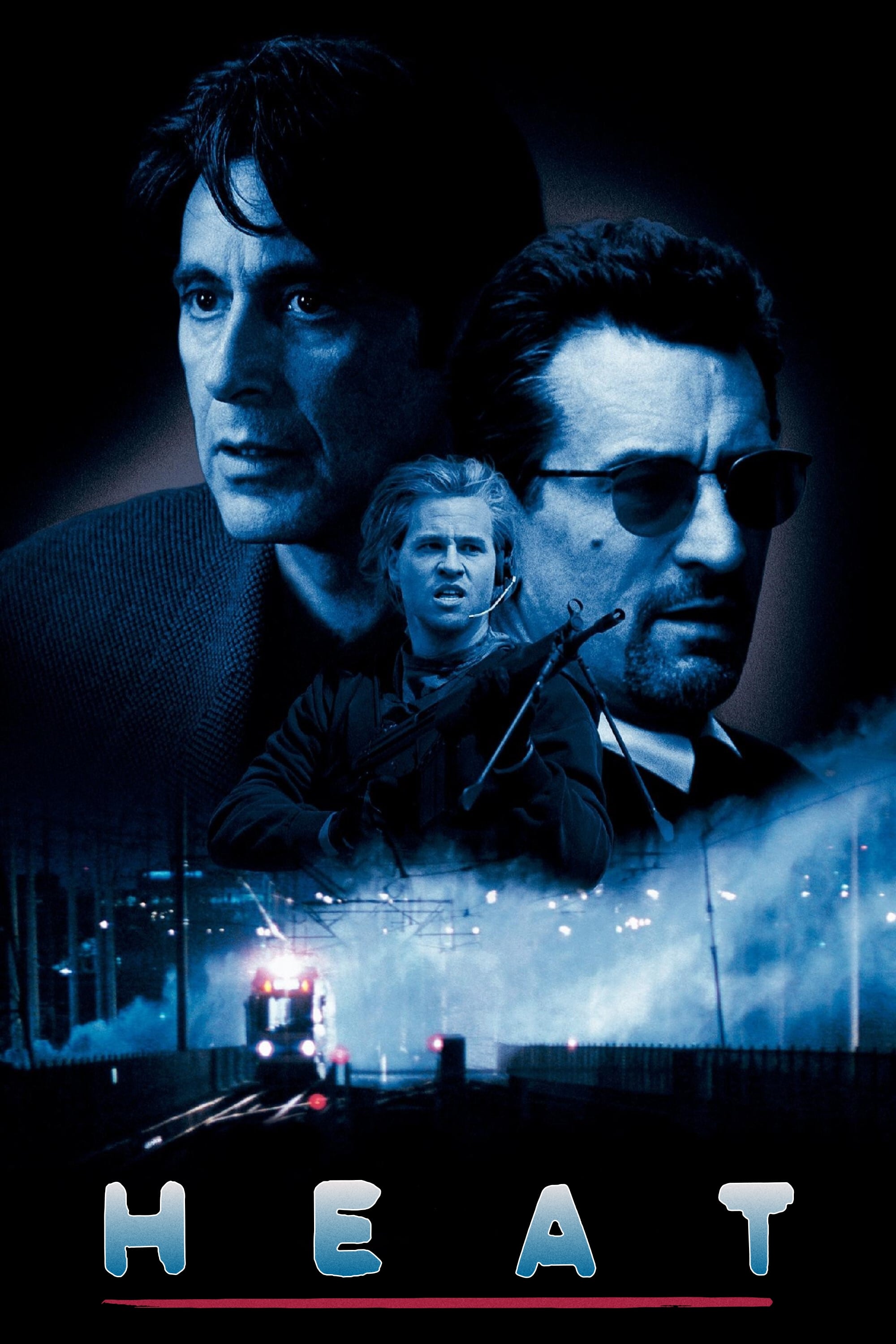
Written and directed by Michael Mann with Al Pacino and Robert De Niro. The movie is known for its downtown Los Angeles bank heist and the first shared dialogue scene between the two leads in a diner. It influenced police and heist films with its emphasis on procedure and surveillance.
The crew recorded live gunfire for the downtown shootout to capture realistic echoes off buildings. Filming used numerous Los Angeles locations at night with a focus on available light. Elliot Goldenthal’s music included orchestral and ambient textures that support the procedural tone.
‘Se7en’ (1995)
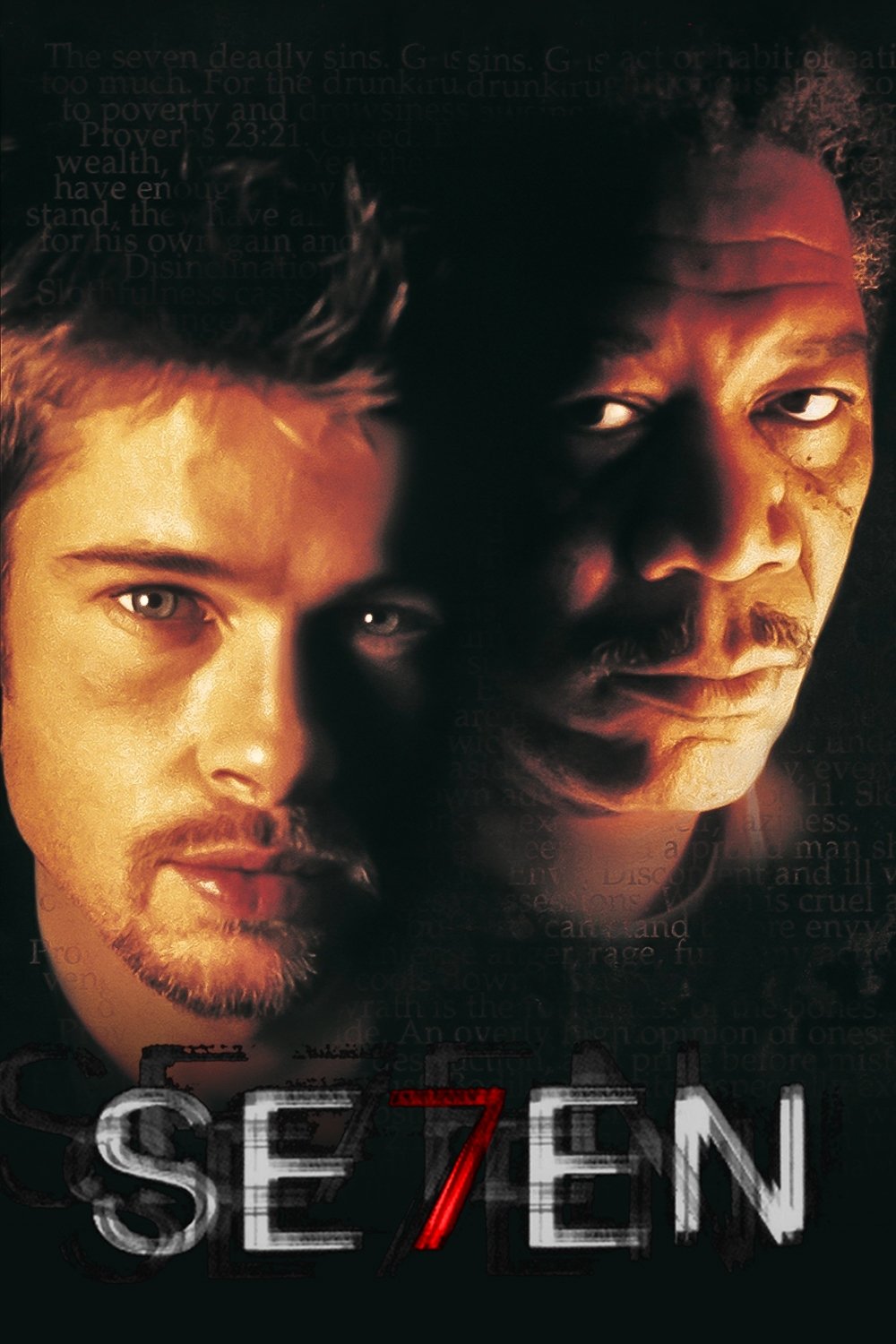
Directed by David Fincher with Brad Pitt, Morgan Freeman, and Kevin Spacey. The plot follows two detectives investigating murders patterned on seven deadly sins. The film’s ending remained a widely discussed narrative choice and helped define the modern crime thriller.
The production created a rain soaked urban setting through controlled water rigs and muted color timing. Darius Khondji’s cinematography used bleach bypass to achieve a gritty look. The opening credits used macro photography and layered text to set a forensic mood.
‘Toy Story’ (1995)
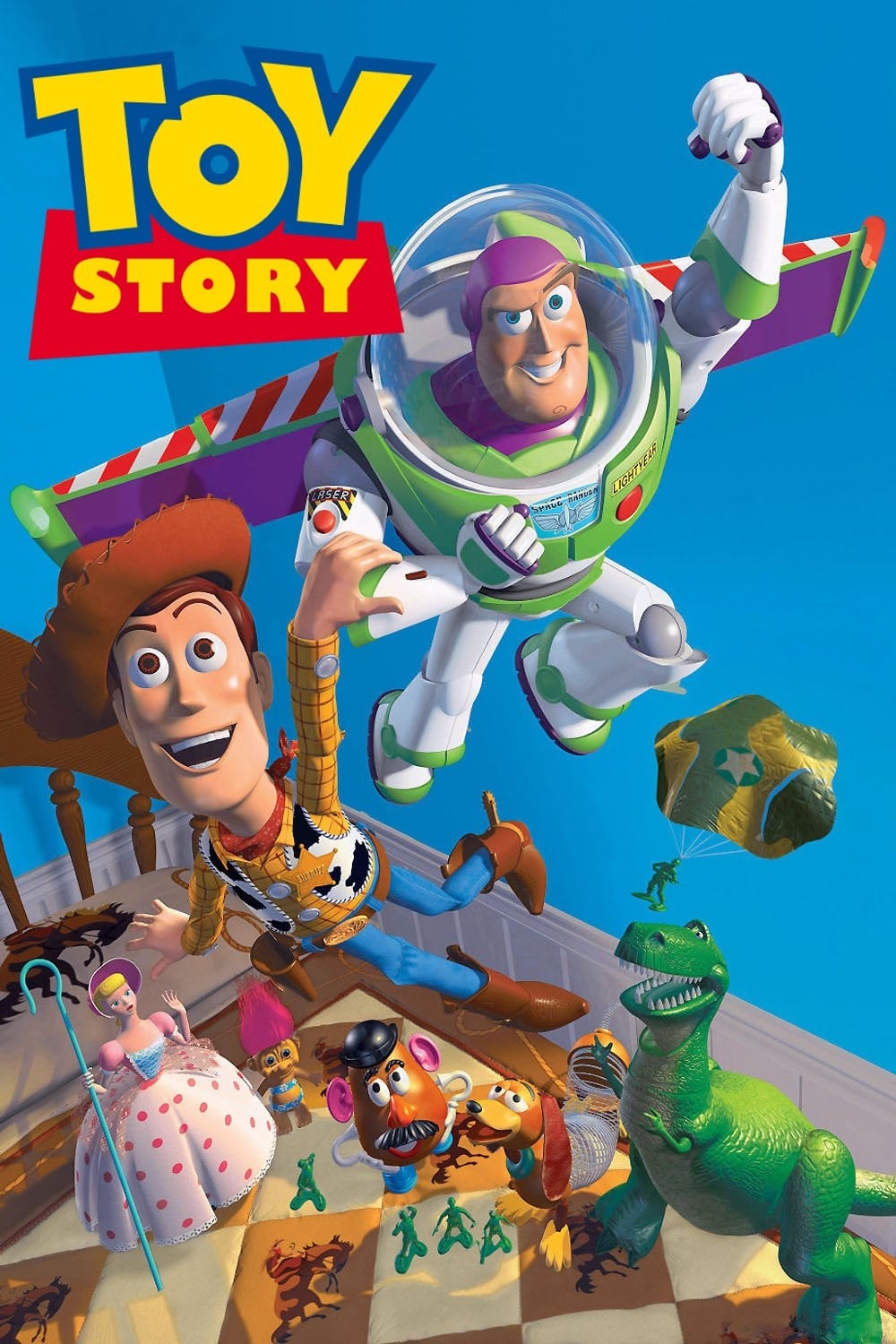
Directed by John Lasseter and produced by Pixar with voice performances by Tom Hanks and Tim Allen. It is the first feature length film made entirely with computer animation. The movie received three Academy Award nominations including Screenplay and won a Special Achievement Award.
Production built a render pipeline that balanced hardware constraints with character performance. The film established a franchise with sequels, shorts, and merchandise lines. Randy Newman composed songs and score that became staples for the studio.
‘Fargo’ (1996)
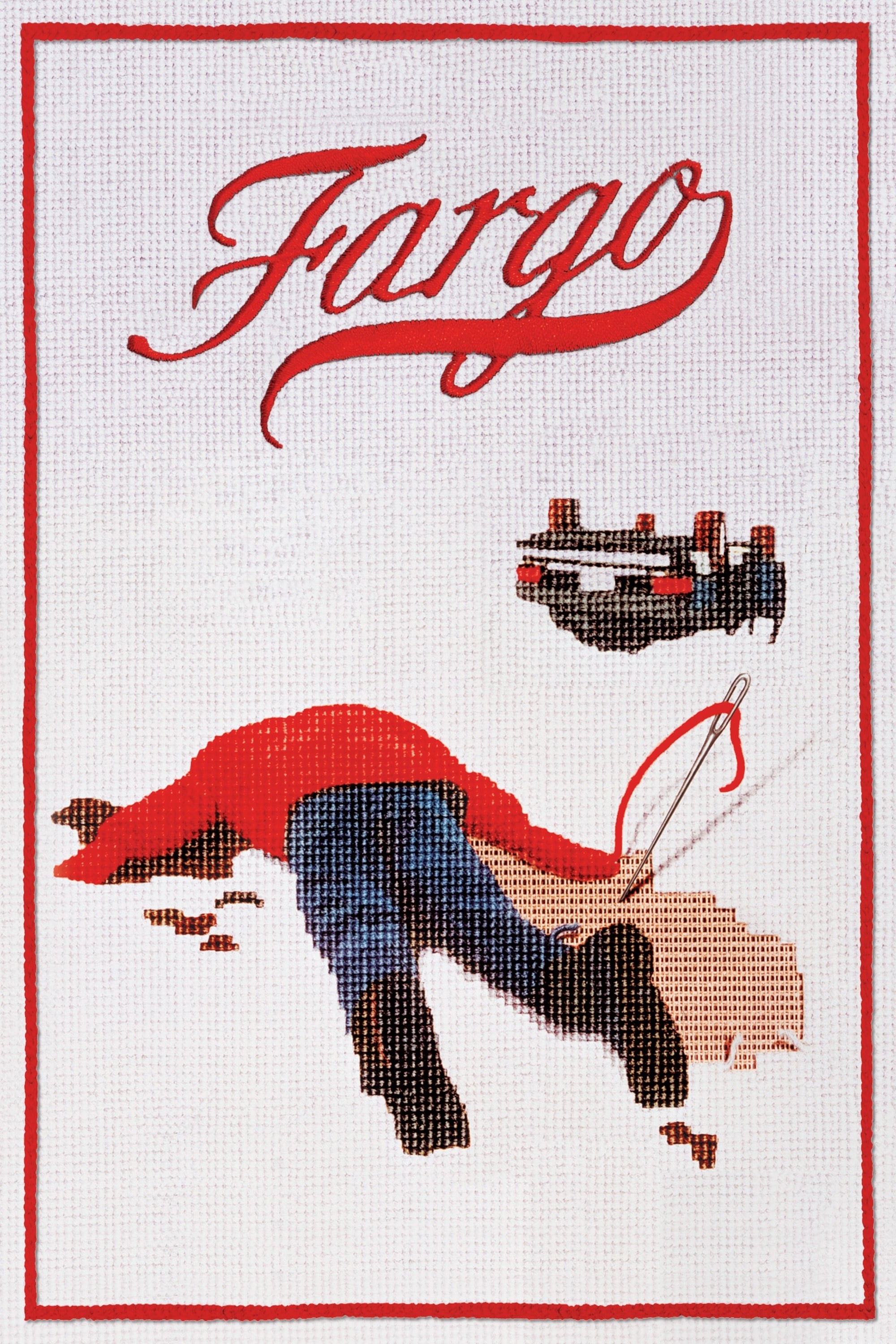
Written and directed by Joel and Ethan Coen with Frances McDormand, William H. Macy, and Steve Buscemi. The film received seven Academy Award nominations and won for Best Actress and Best Original Screenplay. It presents a crime story set against winter landscapes in Minnesota and North Dakota.
Location work used snowy exteriors around the Twin Cities with distinctive production design for roadside diners and car lots. Carter Burwell’s score draws on Scandinavian folk influences. The film later inspired a television anthology that expanded its world with new characters.
‘Titanic’ (1997)
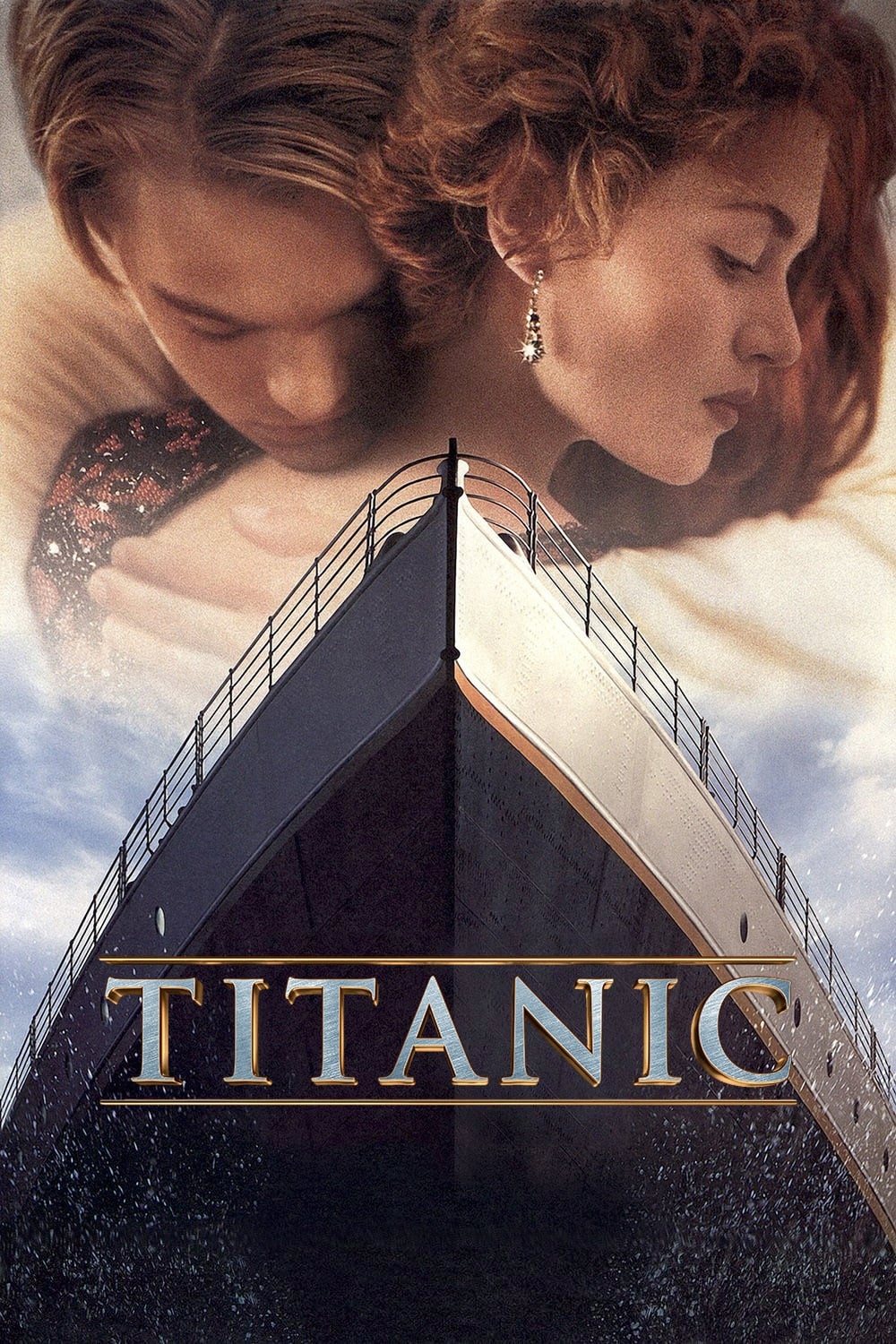
Written and directed by James Cameron and starring Leonardo DiCaprio and Kate Winslet. The production used a near full scale ship set and extensive water tank stages in Mexico. The film won eleven Academy Awards including Best Picture and Best Director.
Visual effects blended miniature models, digital crowds, and practical stunts to depict the sinking. James Horner’s score and the theme song recorded by Celine Dion sold millions of copies worldwide. The movie became the first to cross one billion dollars at the global box office.
‘L.A. Confidential’ (1997)
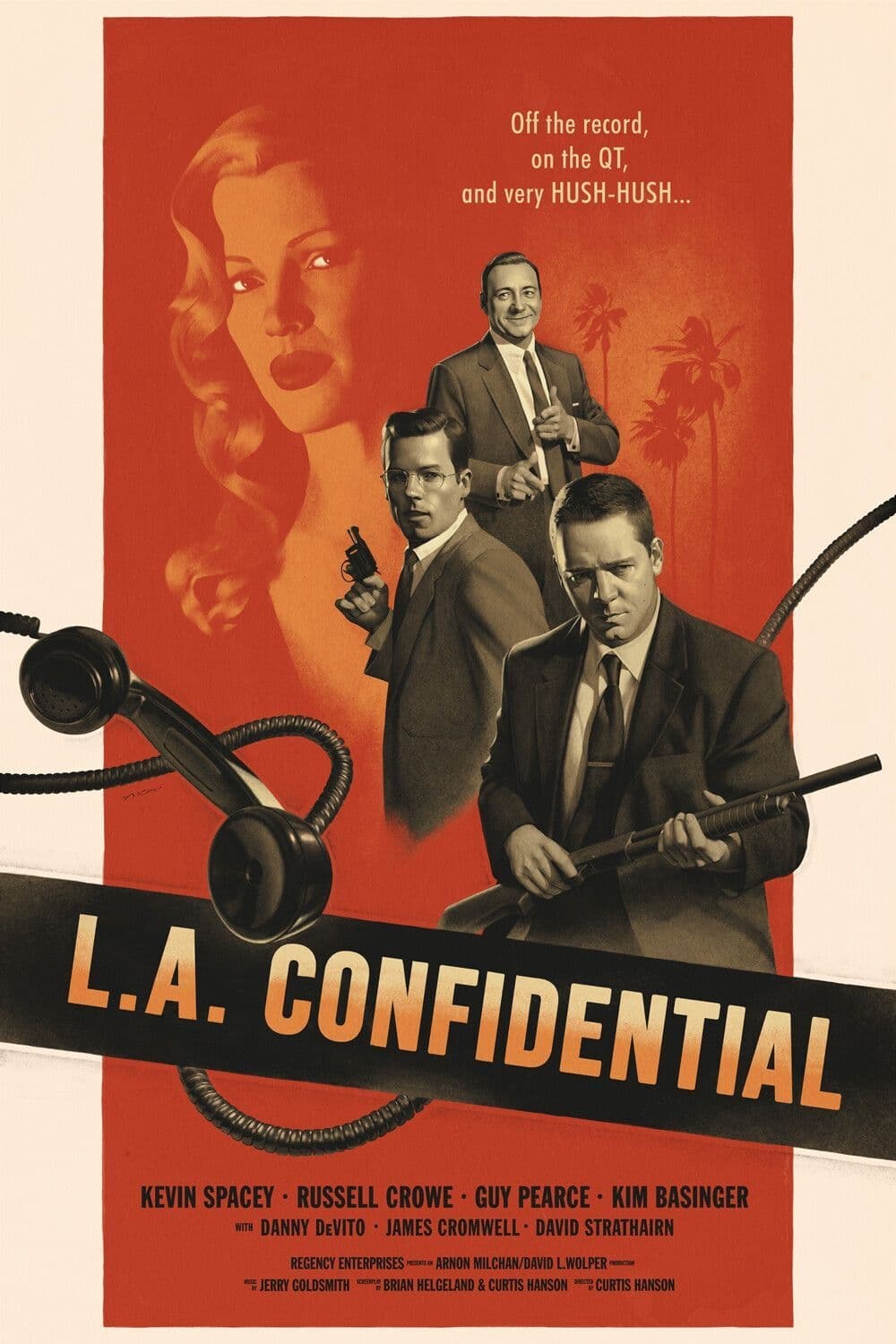
Directed by Curtis Hanson and based on James Ellroy’s novel. The cast includes Kevin Spacey, Russell Crowe, Guy Pearce, and Kim Basinger, who won the Oscar for Best Supporting Actress. The film earned nine Academy Award nominations including Best Picture.
Production recreated 1950s Los Angeles with careful location choices and vintage signage. Dante Spinotti’s cinematography and Jeannine Oppewall’s production design emphasized period detail over digital alteration. The movie received strong recognition for adapting complex source material into a clear narrative.
‘Princess Mononoke’ (1997)
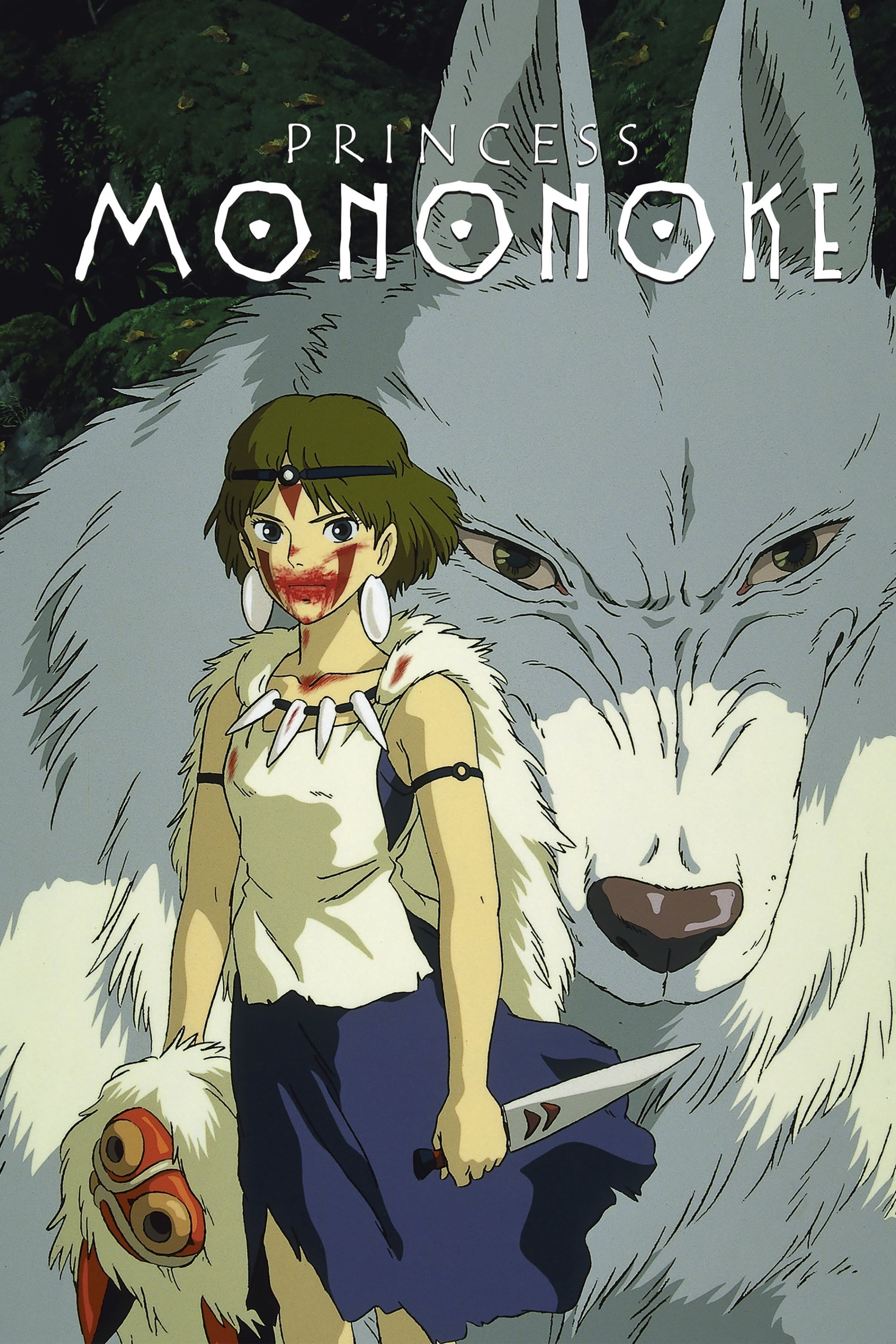
Written and directed by Hayao Miyazaki and produced by Studio Ghibli. The film blends hand drawn animation with limited digital tools to depict forests, spirits, and ironworks. It became the highest grossing film in Japan at the time of its release.
The English language version was produced with a script by Neil Gaiman and voice actors that include Claire Danes and Billy Crudup. Joe Hisaishi composed a symphonic score recorded with the Tokyo City Philharmonic Orchestra. The film expanded Western interest in Japanese animation ahead of a global surge.
‘Saving Private Ryan’ (1998)
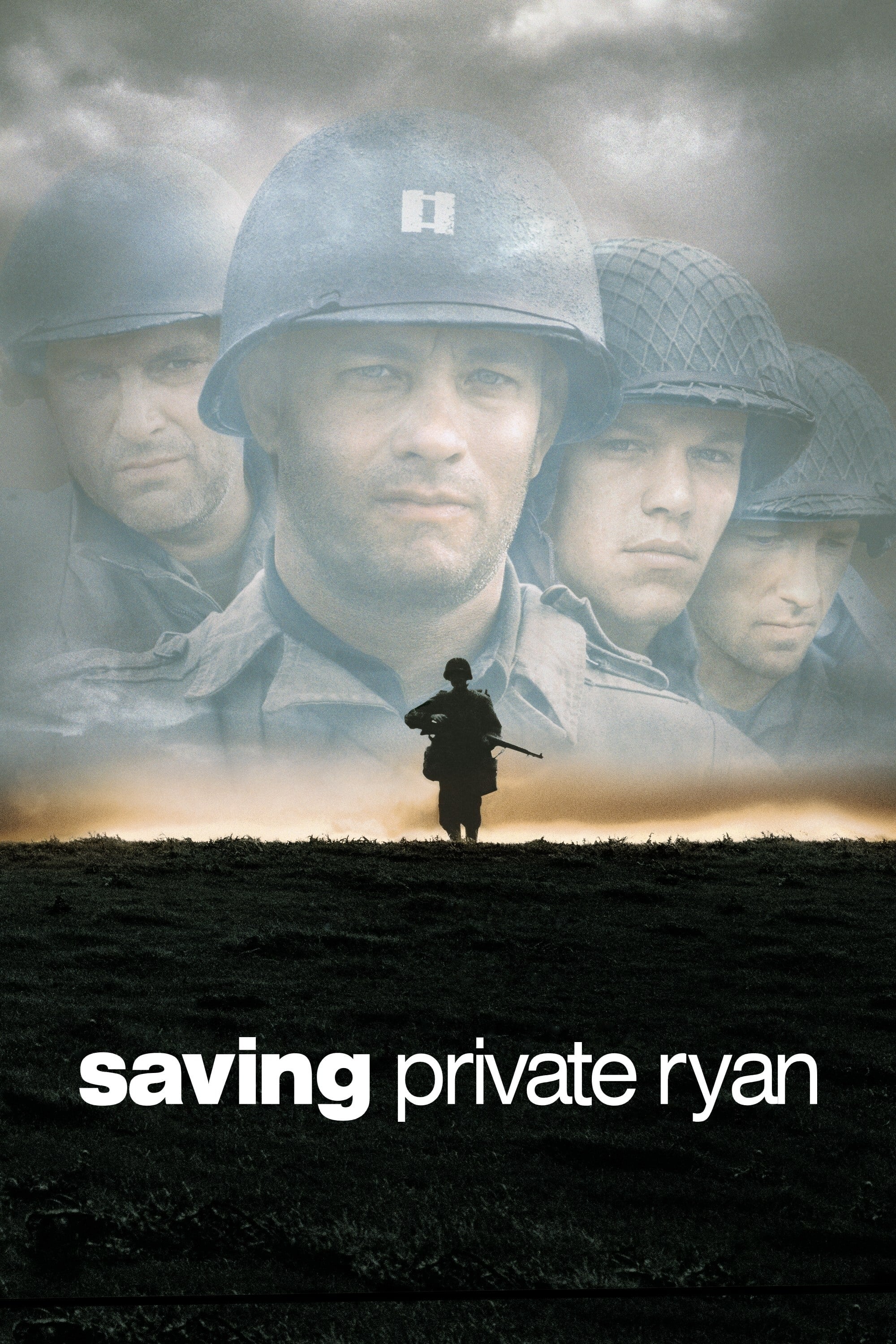
Directed by Steven Spielberg with Tom Hanks, Matt Damon, and an ensemble cast. The opening Omaha Beach sequence used handheld cameras, altered shutter angles, and practical effects to depict combat with unusual intensity. The film won five Academy Awards including Best Director and earned eleven nominations.
Filming took place in Ireland and England with large scale sets and military advisors on site. The sound team used layered recordings to achieve accurate weapon and explosion profiles. The movie influenced the visual style of later war dramas and video games that depict World War II.
‘The Big Lebowski’ (1998)
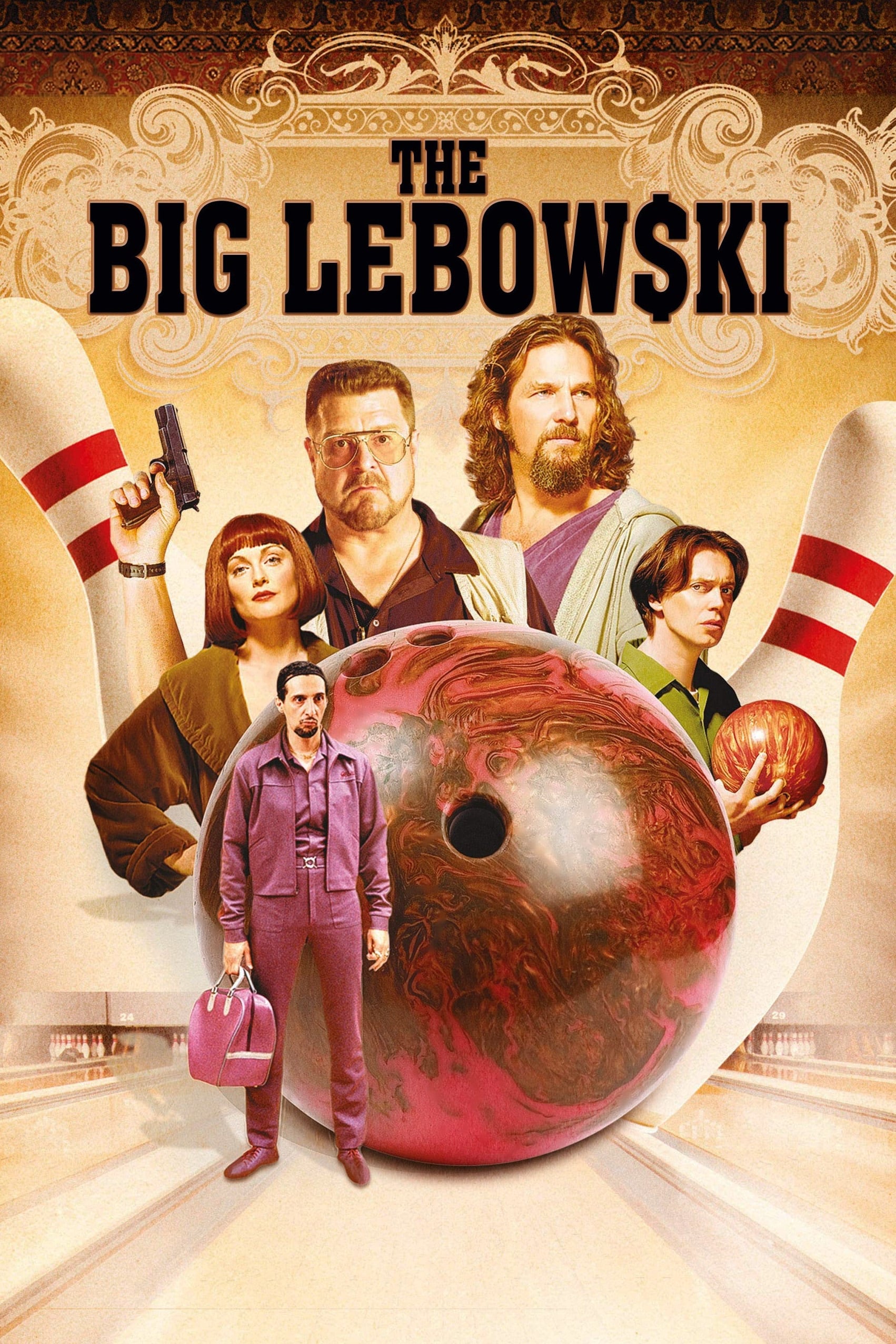
Written and directed by Joel and Ethan Coen with Jeff Bridges, John Goodman, and Julianne Moore. The plot follows a mistaken identity case that draws a bowler into a maze of kidnappers and artists. The film’s dialogue and character names created a vocabulary that appears on merchandise and fan events.
Production shot across Los Angeles with real bowling alleys and mid century interiors. Carter Burwell’s score supports a soundtrack of diverse tracks including country, rock, and choral pieces. The movie’s cult following led to annual gatherings themed around the characters and bowling.
‘Fight Club’ (1999)
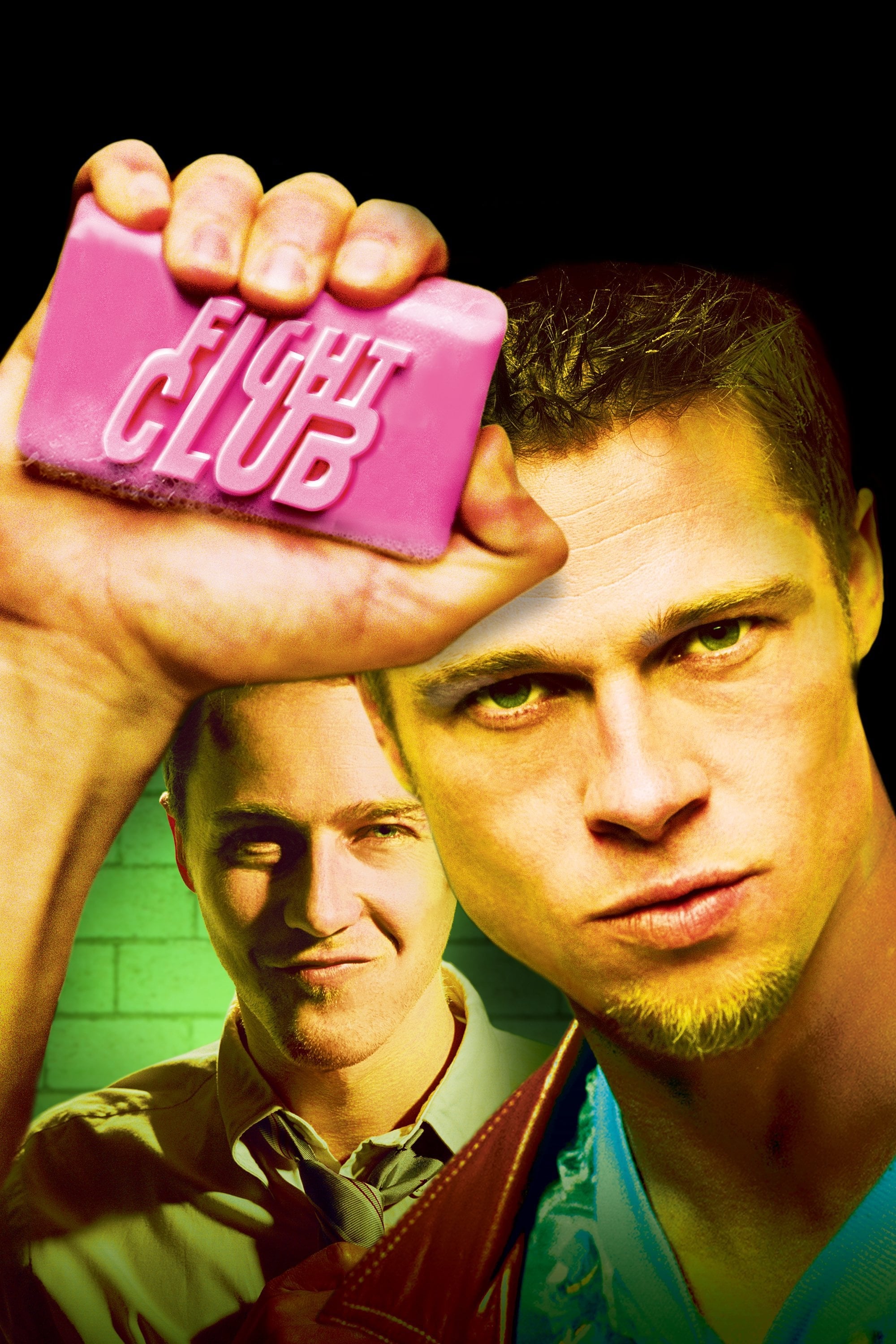
Directed by David Fincher and based on Chuck Palahniuk’s novel. The film stars Edward Norton, Brad Pitt, and Helena Bonham Carter. It used digital techniques to create impossible camera moves through objects like trash and kitchen appliances.
The production built elaborate sets that aged progressively to show urban decay across scenes. Visual effects used compositing to merge practical fights with stylized transitions. The movie sparked design trends in typography and advertising that referenced its gritty aesthetic.
‘The Sixth Sense’ (1999)
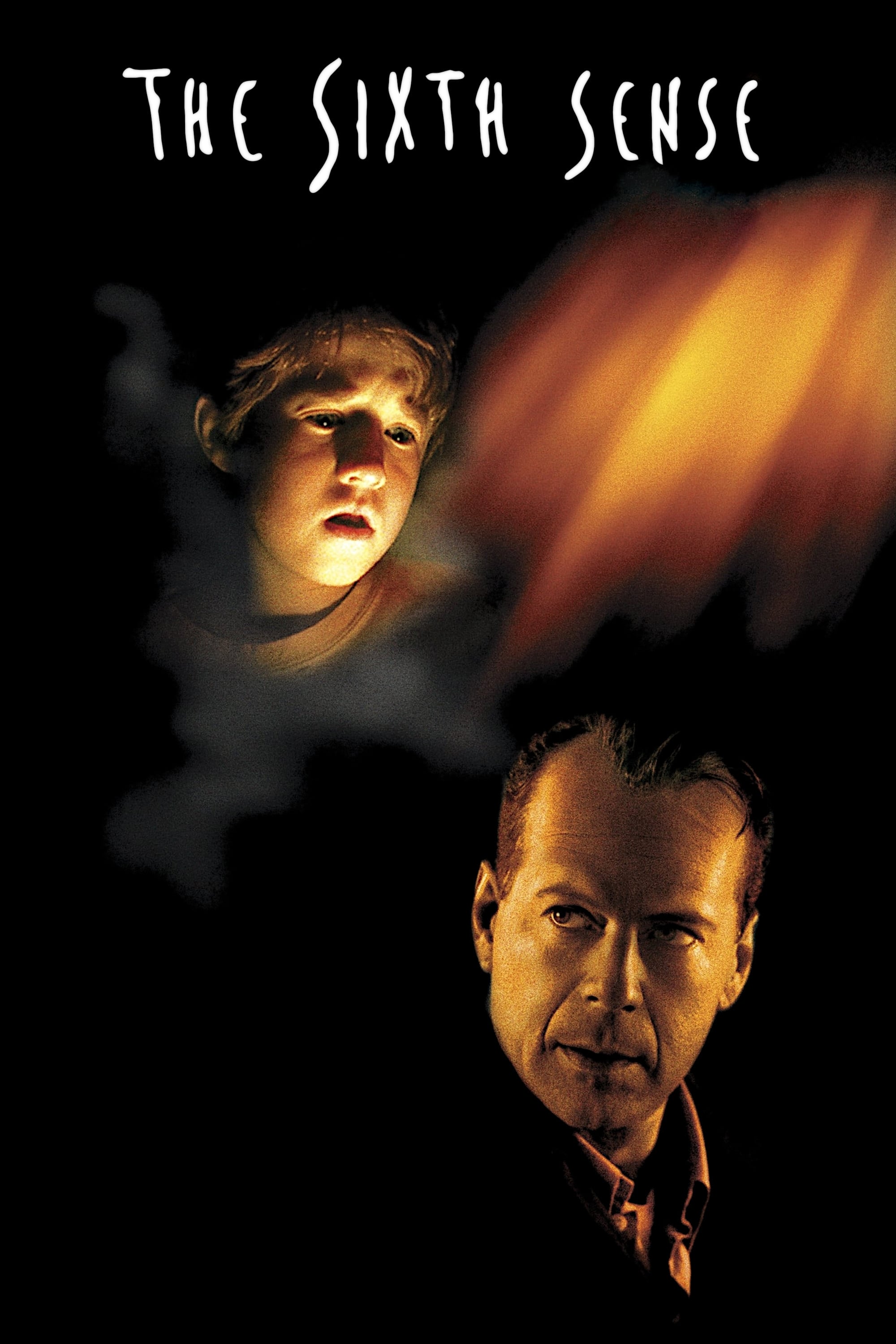
Written and directed by M. Night Shyamalan with Bruce Willis and Haley Joel Osment. The film received six Academy Award nominations including Best Picture, Director, and Supporting Actor and Actress. Its story centers on a child who communicates with the dead.
Production emphasized quiet sound design and careful color cues to guide viewer attention. The film’s release led to strong word of mouth that expanded its box office longevity. The closing twist is frequently included in lists of memorable endings.
‘The Matrix’ (1999)
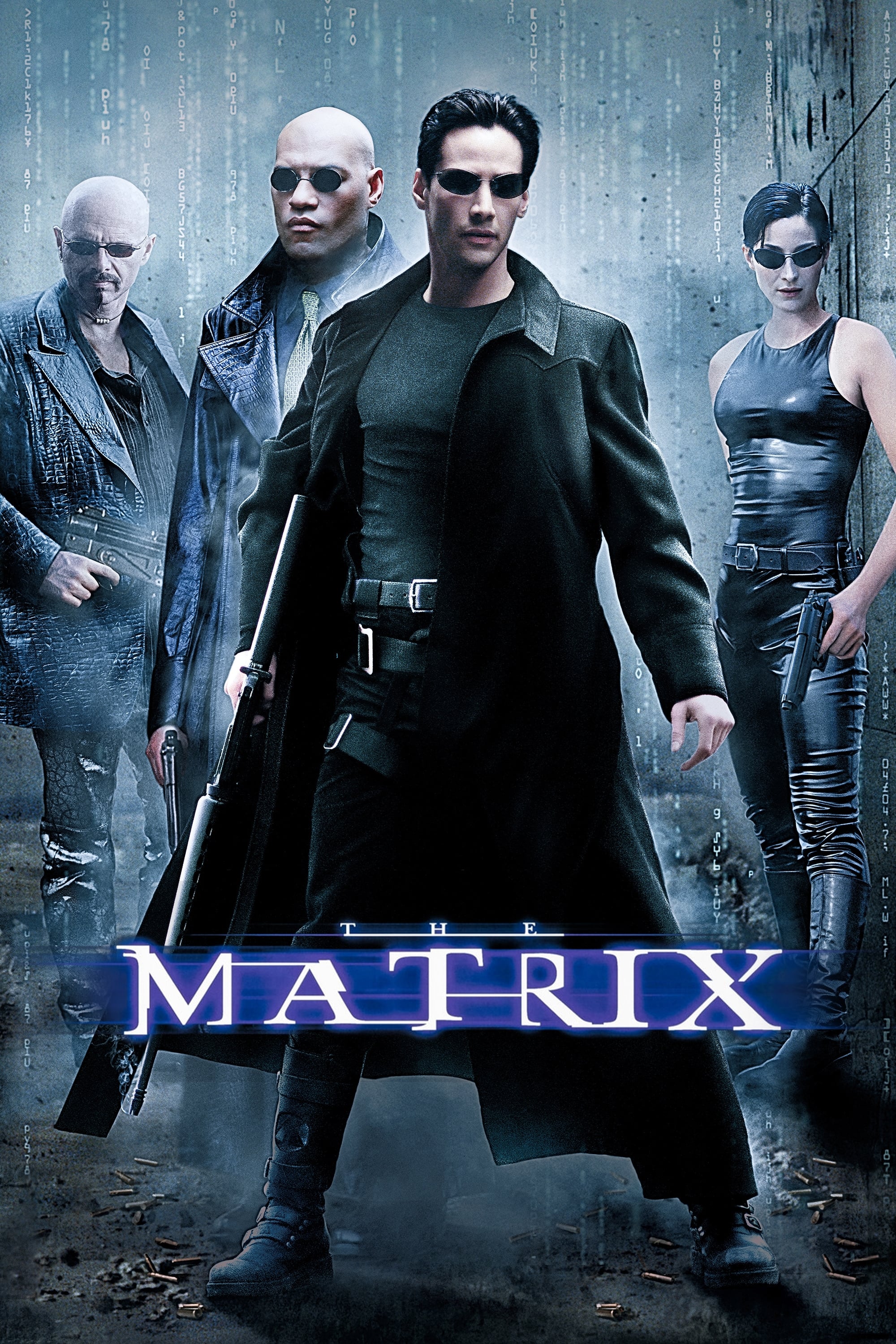
Written and directed by Lana and Lilly Wachowski with Keanu Reeves, Carrie Anne Moss, and Laurence Fishburne. The film popularized bullet time photography created with still cameras arranged in arcs that allowed time slicing effects. It won four Academy Awards in technical categories.
Stunt work involved Hong Kong fight choreography with extensive wire rigs and months of cast training. The production used Sydney locations and green tinted grading to define the simulated world. The movie influenced action cinema, fashion, and game design through its visual language and philosophy references.
Share your favorite ’90s picks in the comments and tell us which ones you still rewatch today.