20 Movies from the ’80s That Are Still Better Than Anything in Theaters Today

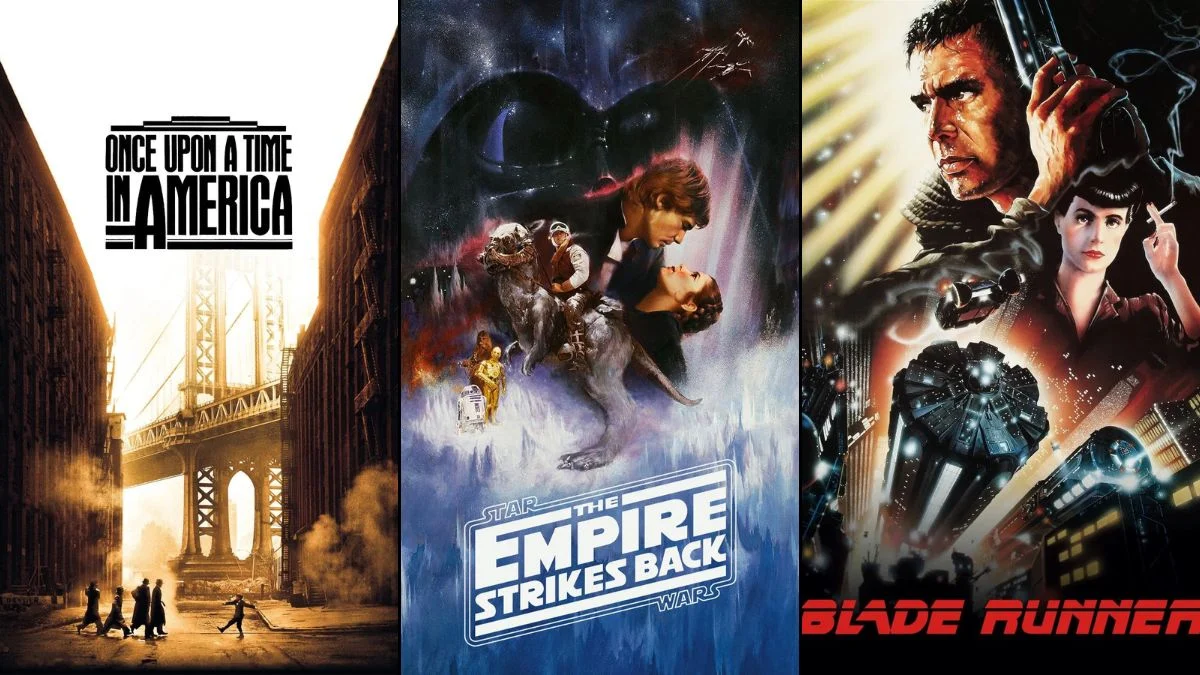

The 1980s delivered a run of films that mixed big imagination with precise craft, and that is a combination people still chase. Studios took risks on original stories and bold voices, and audiences met them in theaters in huge numbers. The result was a decade filled with movies that shaped genres, launched careers, and left a long trail of quotes and scenes everyone knows by heart.
What sets these films apart is how cleanly they were built. Scripts were tight, effects work was inventive, and filmmakers solved problems in camera as often as they could. You can feel the care in everything from casting to score choices. Here are twenty standouts from that decade, each with clear details on who made them, what they are about, how they were put together, and why they still echo today.
‘The Empire Strikes Back’ (1980)
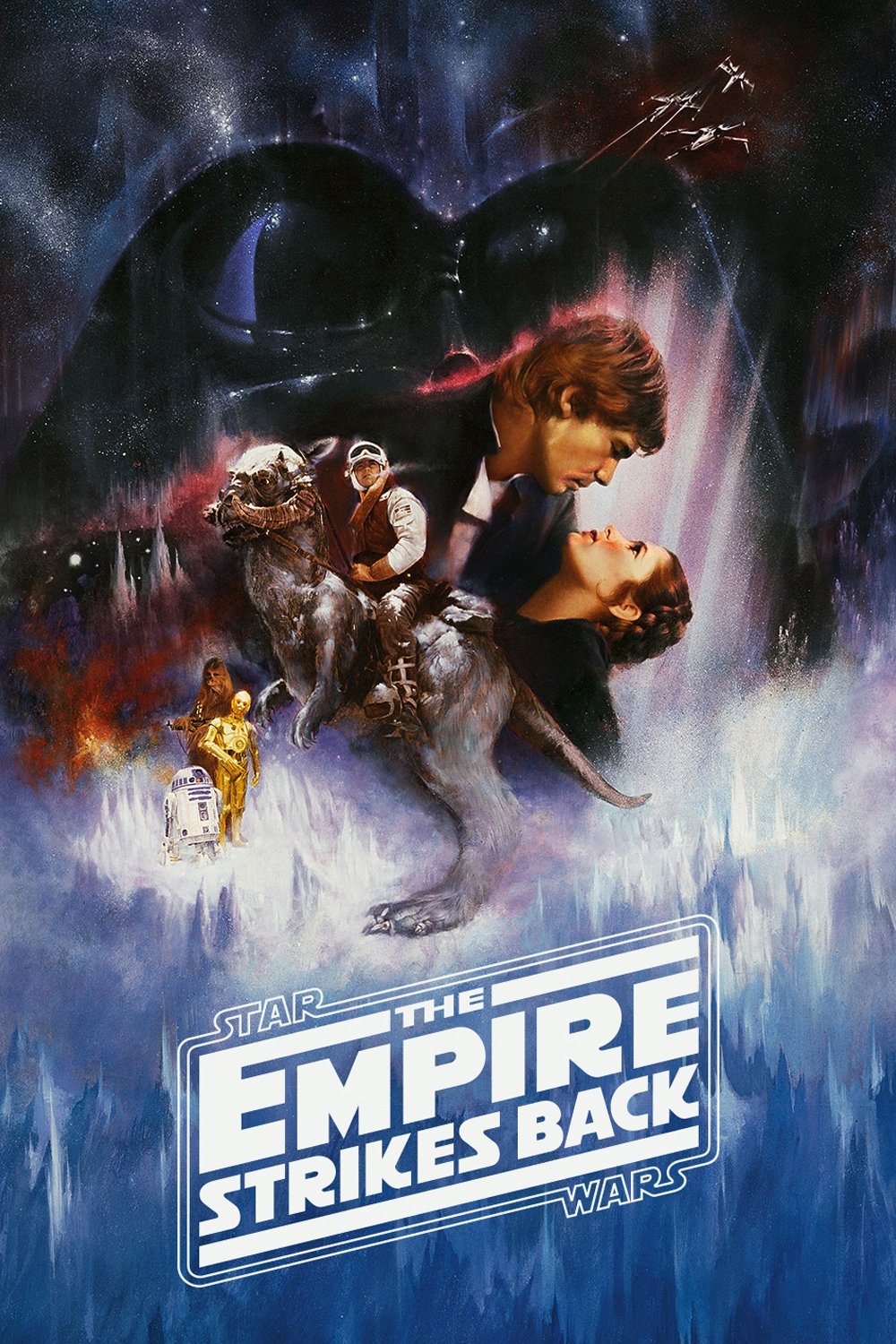
Directed by Irvin Kersner and produced by George Lucas, this second chapter in the original space saga expands the story with new planets, the introduction of Yoda, and a darker turn for Luke, Leia, and Han. The production used large scale motion control photography, miniature work from Industrial Light and Magic, and location shooting in Finse in Norway for the ice world sequences. John Williams returned with a score that introduced the Imperial March.
The film deepened the mythology through training sequences on Dagobah and a reveal during the Cloud City climax that reshaped the stakes of the series. Practical sets at Elstree Studios supported complex action, including carbon freeze machinery built to full scale. The combination of character focus and technical craft set the template for continuing installments in the franchise.
‘Raging Bull’ (1980)
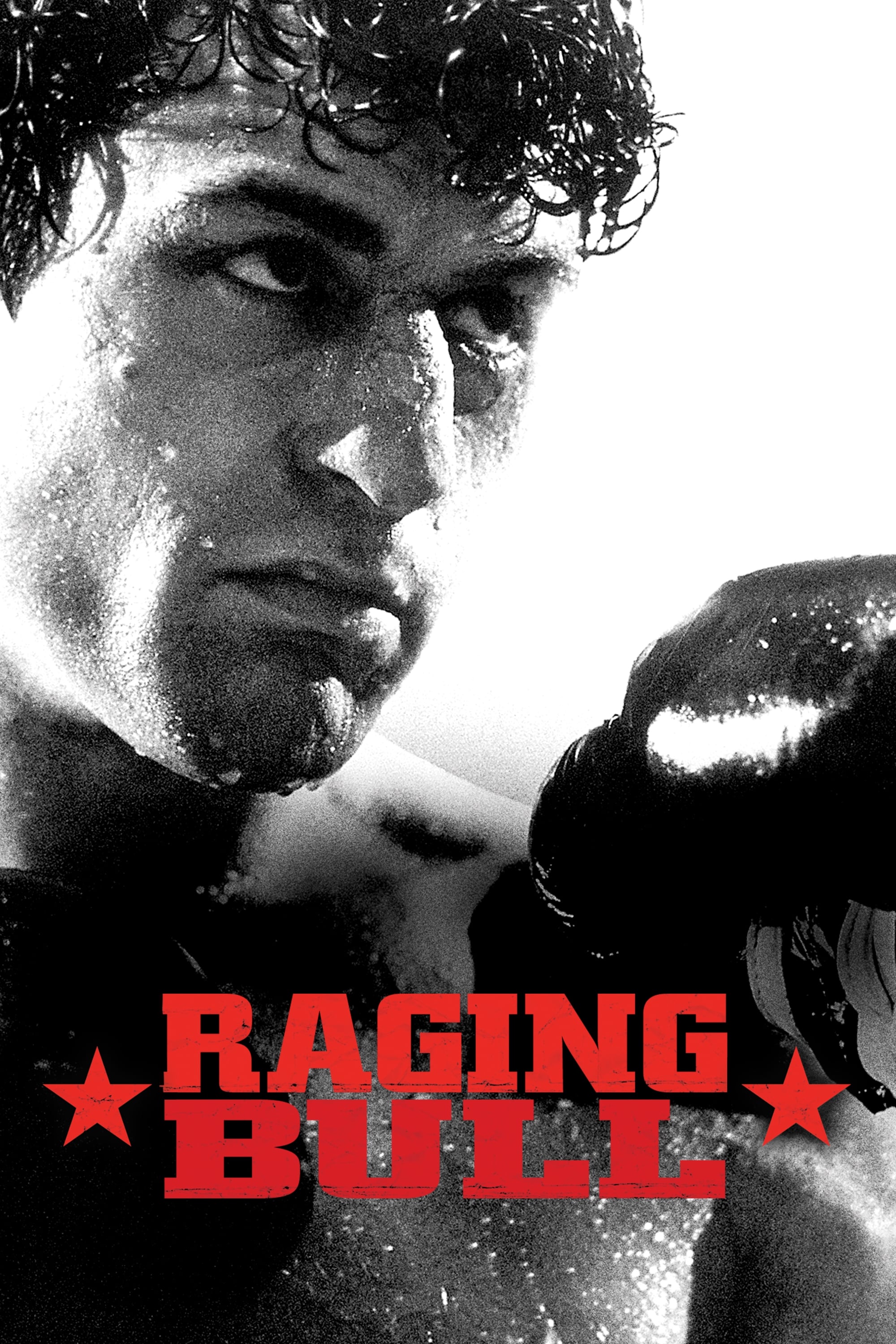
Directed by Martin Scorsese with a screenplay by Paul Schrader and Mardik Martin, this biographical drama follows boxer Jake LaMotta across his rise and decline. Michael Chapman shot the fight scenes in stylized black and white, and Thelma Schoonmaker’s editing built rhythm through sound and slow motion. Robert De Niro underwent a documented physical transformation to portray LaMotta across different periods.
The production recreated mid century New York through wardrobe, period ring setups, and practical locations. The approach to sound mixed crowd noise and ring effects to emphasize isolation in key bouts. The film earned multiple awards, including an Academy Award for Best Actor for De Niro and Best Editing for Schoonmaker.
‘The Shining’ (1980)
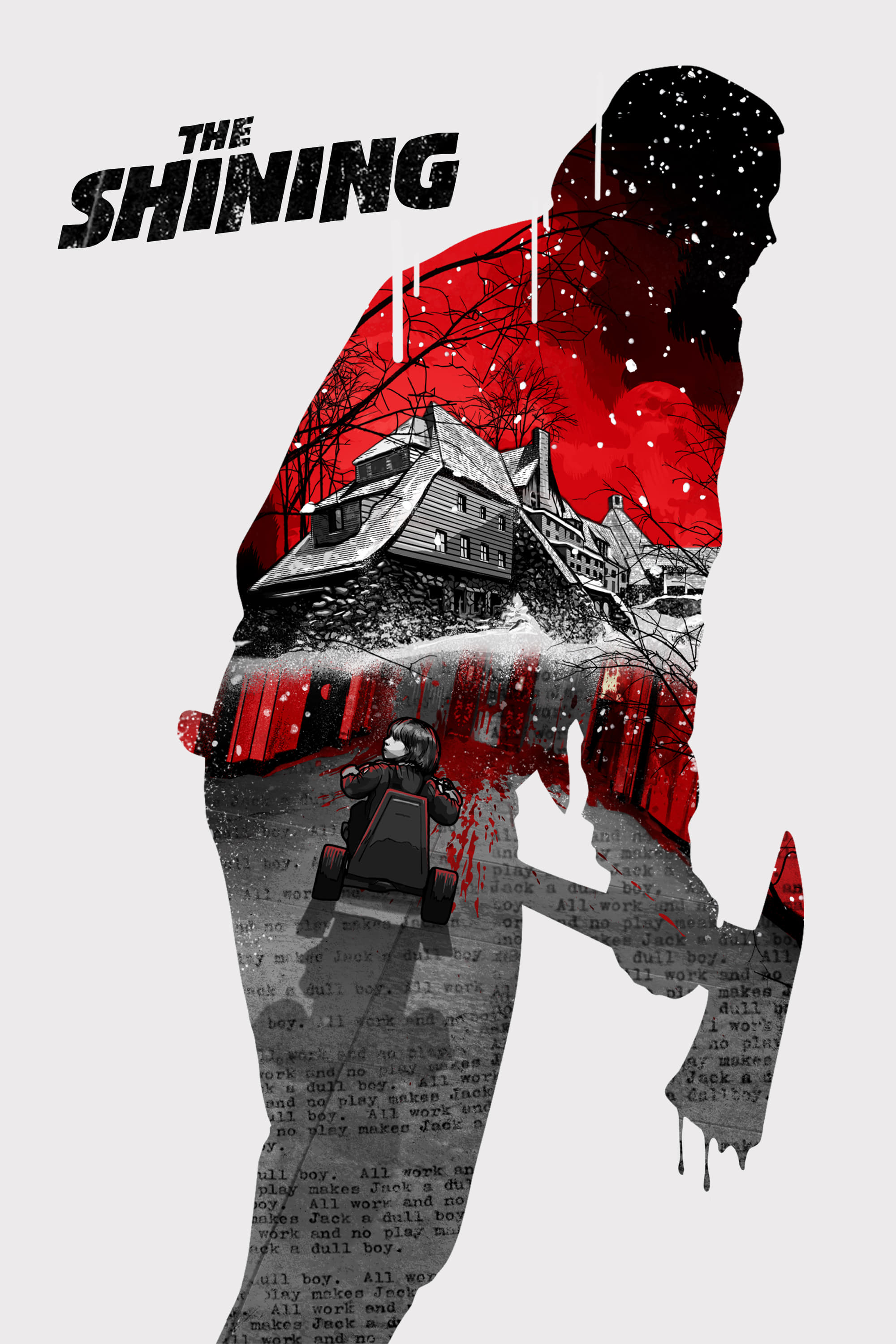
Stanley Kubrick directed this adaptation of Stephen King’s novel with a focus on controlled camera movement and extensive set construction at Elstree Studios. Garrett Brown’s Steadicam system enabled long tracking shots through the Overlook Hotel sets, and John Alcott’s cinematography emphasized symmetry and cold color palettes. Jack Nicholson and Shelley Duvall led the cast with Danny Lloyd as the child at the center of the story.
The production used practical effects for the elevator blood shot and built the hedge maze as a full set for the final chase. Wendy Carlos and Rachel Elkind contributed an electronic score blended with classical pieces to create an unsettling soundscape. The film’s visual language has been studied in courses on cinematography and production design.
‘Raiders of the Lost Ark’ (1981)
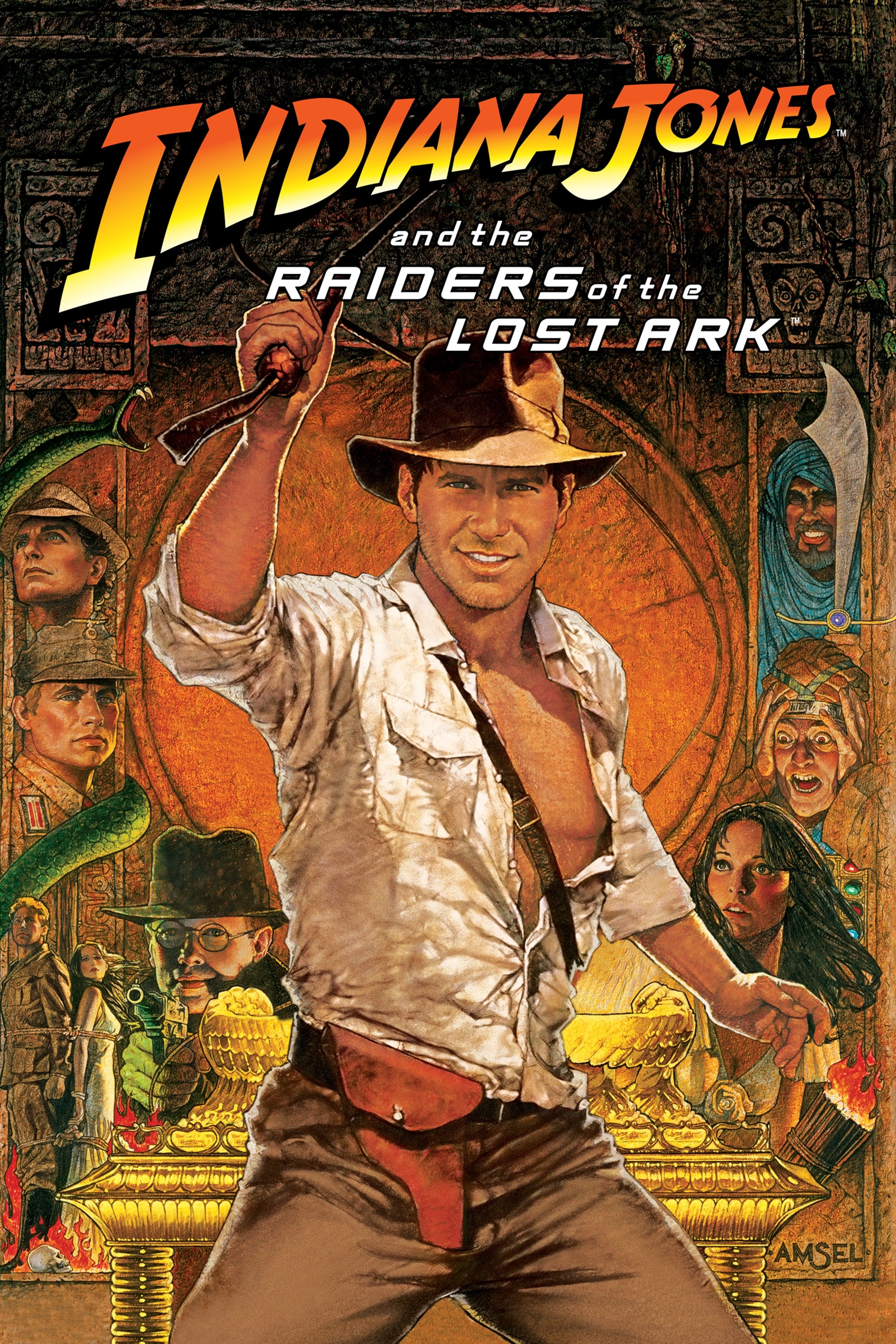
Directed by Steven Spielberg from a story by George Lucas and Philip Kaufman, this adventure introduced archaeologist Indiana Jones. The film combined on location work in Tunisia and Hawaii with studio stages in the United Kingdom. Douglas Slocombe’s cinematography drew on classic serial lighting, while stunt coordinator Glenn Randall Jr. staged practical set pieces, including the rolling boulder sequence.
John Williams provided a heroic main theme that became a signature musical cue for the character. The production designed detailed period props, from the Ark to Jones’s whip and fedora, and ILM handled optical compositing for the finale. The film received multiple Academy Awards in technical categories, including sound, editing, and visual effects.
‘Blade Runner’ (1982)
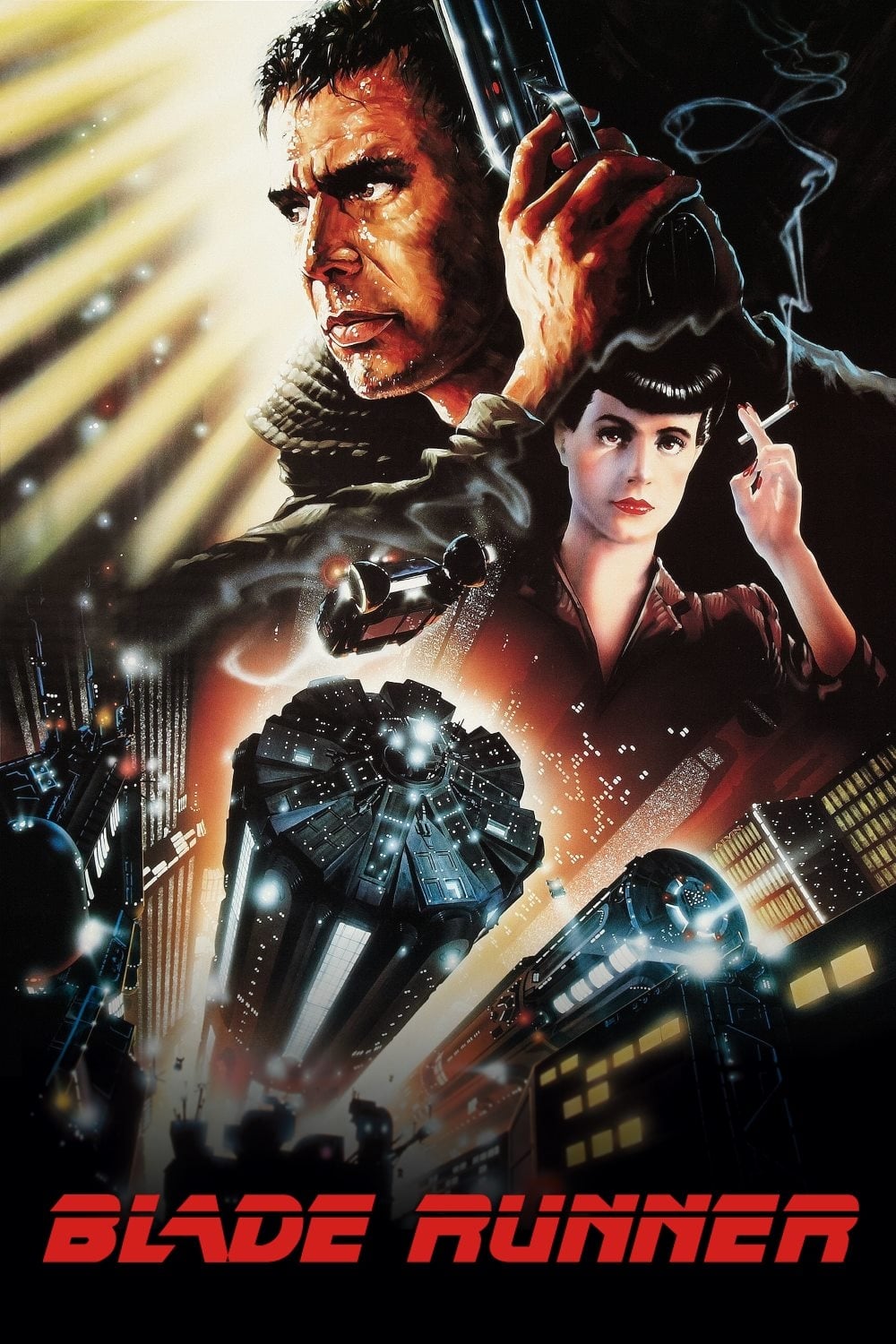
Ridley Scott directed this adaptation of Philip K. Dick’s work, crafting a future Los Angeles through miniature cityscapes, matte paintings, and layered smoke and light. Jordan Cronenweth’s cinematography used strong backlight and reflective surfaces to create the look of perpetual night. Vangelis composed a synth driven score that matched the film’s mood.
The production built the Bradbury Building interiors into a weathered environment with practical rain rigs. Several cuts exist, including a later version that removed narration and adjusted the ending. The film’s design language influenced decades of science fiction production design and city visualization.
‘E.T. the Extra-Terrestrial’ (1982)
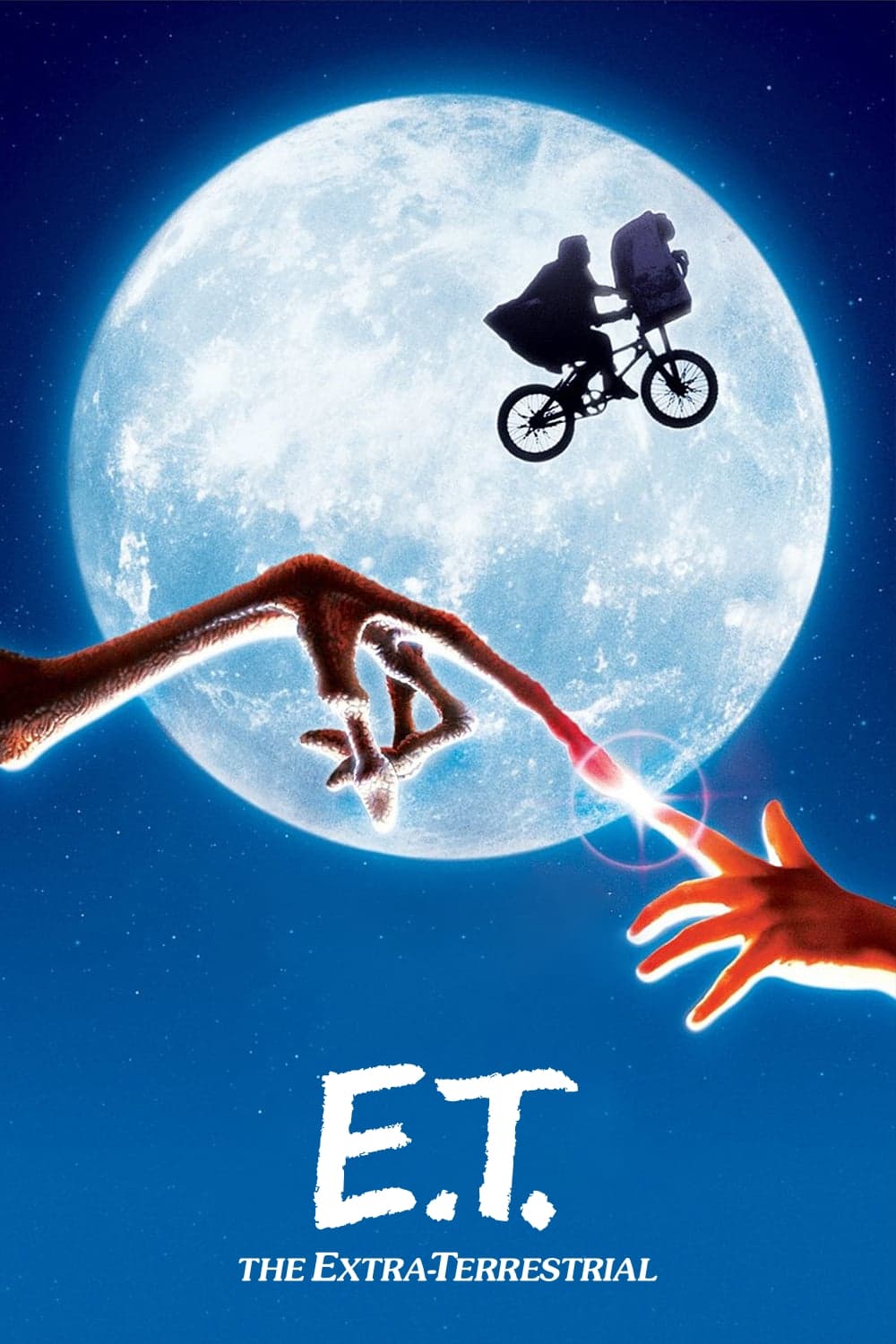
Steven Spielberg directed this story about a stranded visitor and a suburban family, with Melissa Mathison writing the screenplay. The team built animatronic puppets for E.T. and mixed them with performer shots for movement. Allen Daviau’s cinematography and John Williams’s score supported a focus on childhood perspective.
Location shooting in Southern California neighborhoods and practical BMX sequences gave the story a grounded feel. The film set box office records worldwide and received multiple Academy Awards in technical fields, including visual effects and sound. Its approach to visual storytelling has been used in studies of editing and emotional pacing.
‘Scarface’ (1983)

Directed by Brian De Palma with a screenplay by Oliver Stone, this crime drama follows Tony Montana’s rise in the Miami drug trade. The production shot in Los Angeles for many interiors and used Miami Beach for exteriors that required the coastal look. Giorgio Moroder composed the score with electronic elements that matched the contemporary setting.
The film features extensive set work, including the mansion interiors used for the climactic sequence. It initially generated discussion around content and rating decisions, which led to a release with an R rating after review. Its dialogue and iconography entered popular culture and have been referenced across music and television.
‘The Terminator’ (1984)
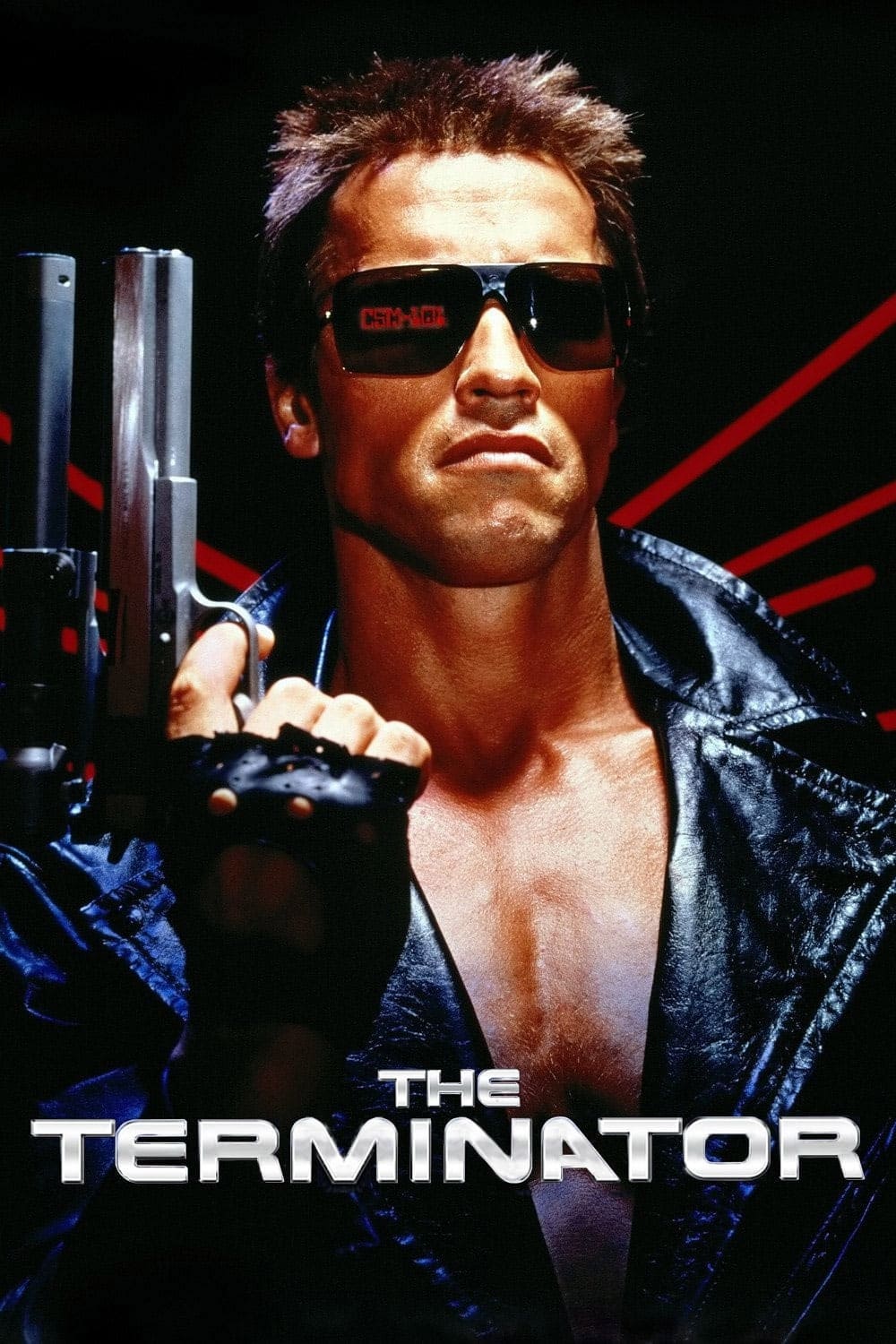
James Cameron directed and co wrote this science fiction thriller with Gale Anne Hurd producing. The production used a combination of stop motion animation from Gene Warren Jr. and Stan Winston’s practical effects for the endoskeleton. Brad Fiedel’s percussive theme underscored the chase structure of the film.
Location shoots in Los Angeles featured night photography and guerrilla style setups that kept costs low. The film introduced a time travel premise that supported sequels and expanded media. Casting included Arnold Schwarzenegger, Linda Hamilton, and Michael Biehn, and the movie’s success led to broader work for Cameron in large scale effects cinema.
‘Amadeus’ (1984)
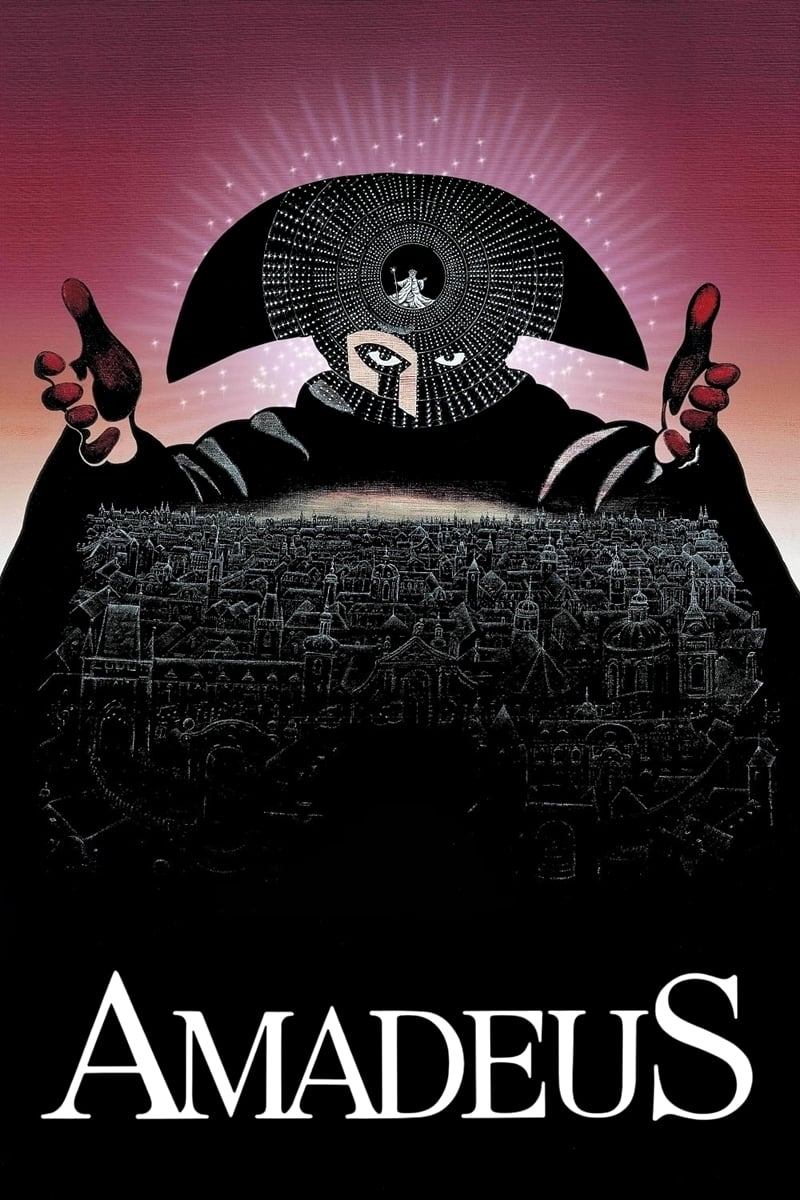
Directed by Miloš Forman from Peter Shaffer’s play, this period drama explores the rivalry between Wolfgang Amadeus Mozart and Antonio Salieri. The production shot in Prague, using preserved baroque interiors for authenticity. Neville Marriner conducted performances recorded with the Academy of St Martin in the Fields to present Mozart’s music with clarity.
The film’s costume design by Theodor Pištěk and production design by Patrizia von Brandenstein recreated eighteenth century detail on a large scale. It received eight Academy Awards, including Best Picture and Best Director. The editing balanced performance sequences with court politics to present both musical process and personal conflict.
‘Once Upon a Time in America’ (1984)
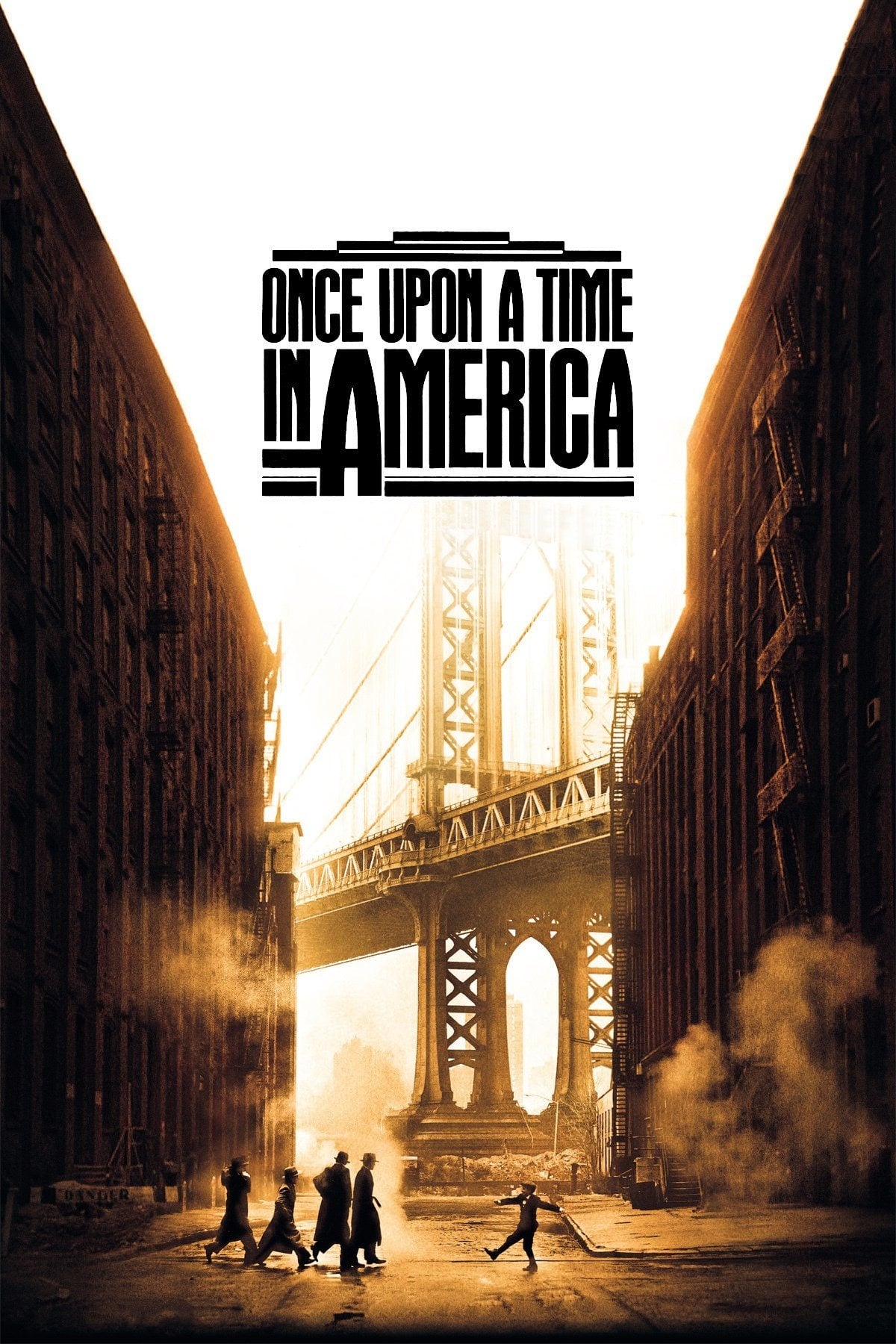
Sergio Leone directed this epic crime story adapted from Harry Grey’s novel. The production shot in New York, Montreal, and Rome, blending location work with Cinecittà sets. Ennio Morricone composed a score built around haunting themes and the use of pan flute to mark memory.
The film exists in multiple cuts, with later restorations reinstating significant material removed from the initial American release. Tonino Delli Colli’s cinematography used warm tones for early sequences and cooler palettes for later time periods. The structure moves across decades through flashbacks, which are tracked by specific props and locations.
‘Ghostbusters’ (1984)
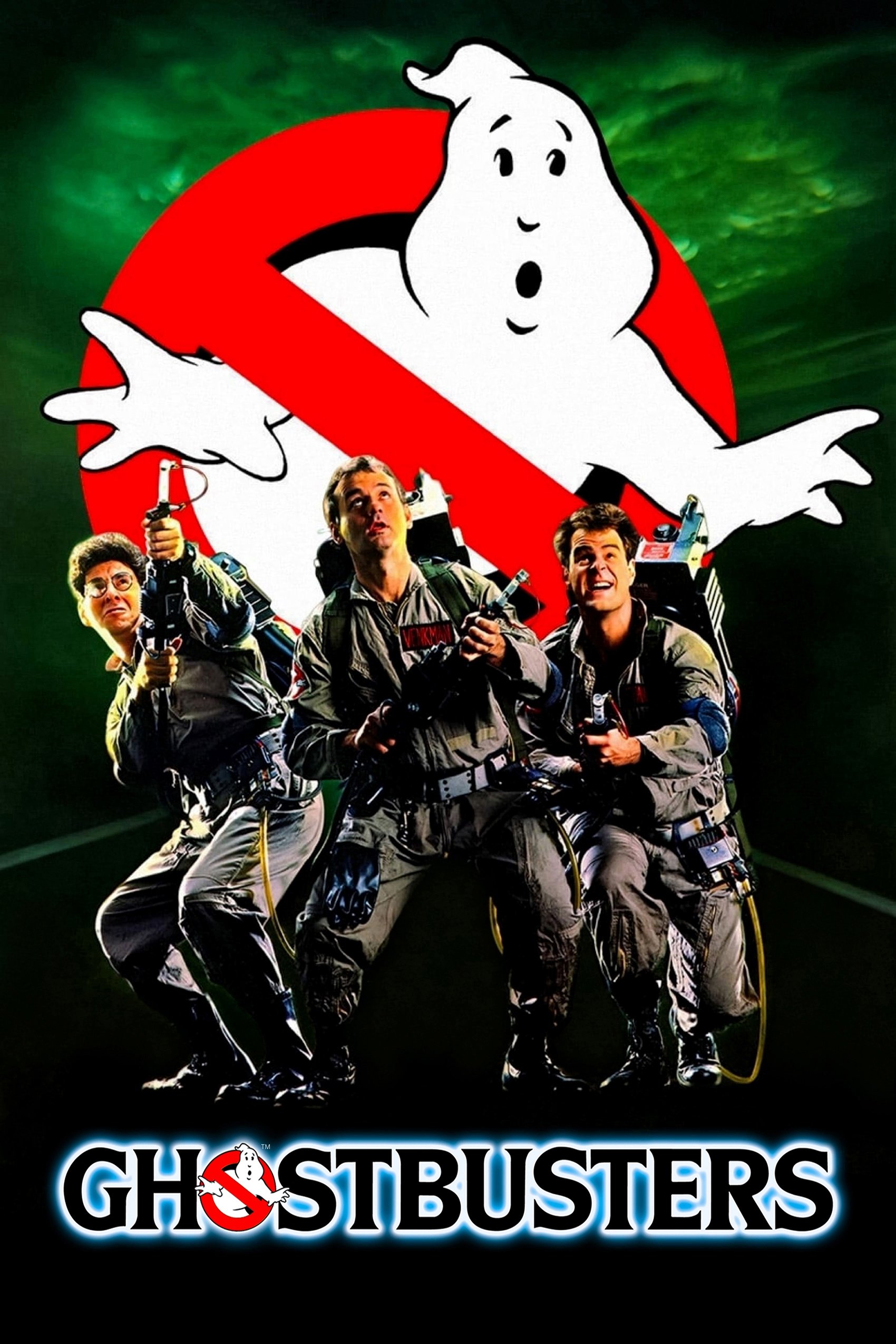
Ivan Reitman directed this comedy about a team that starts a paranormal elimination service in New York City. Bill Murray, Dan Aykroyd, Harold Ramis, and Ernie Hudson led the cast, with Sigourney Weaver and Rick Moranis in key roles. Effects teams used miniatures, puppetry, and optical compositing to bring ghosts and the Stay Puft Marshmallow Man to life.
Elmer Bernstein scored the film and Ray Parker Jr. delivered the title song that charted internationally. Many scenes were shot on location in Manhattan, including the firehouse that served as the team’s base. The film’s combination of effects and ensemble timing supported sequels, animation, and games.
‘Back to the Future’ (1985)
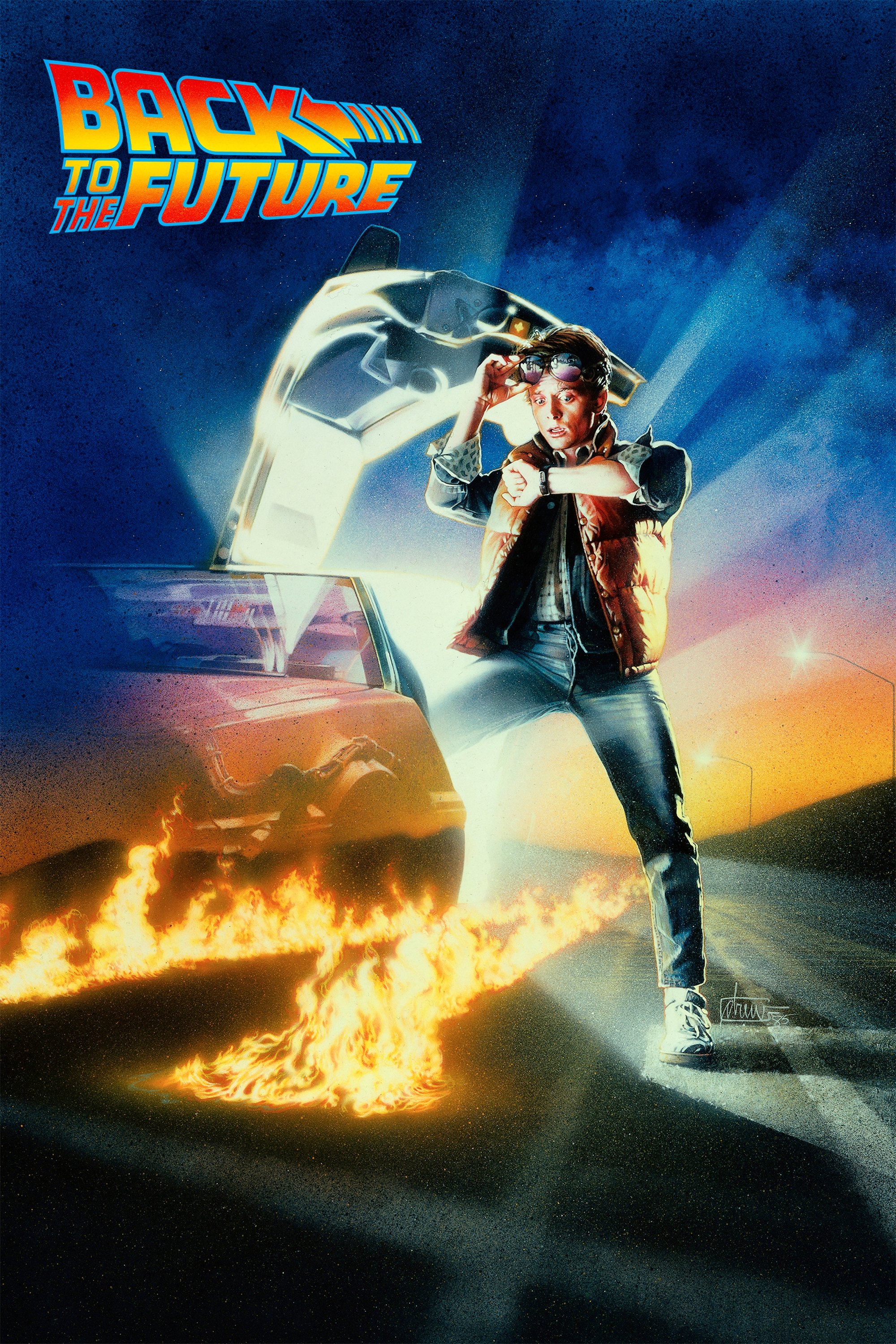
Robert Zemeckis directed this time travel adventure co written with Bob Gale. Michael J Fox and Christopher Lloyd starred, with Lea Thompson and Crispin Glover in supporting roles. The DeLorean became a central prop, fitted with practical lighting and smoke effects for the time jump shots.
Alan Silvestri composed the score and Huey Lewis and the News contributed songs used in key scenes. Filming included night shoots on the Universal backlot’s Courthouse Square and a re shot opening after a casting change in the lead role. The film’s success led to two sequels that were planned and shot closely together.
‘Aliens’ (1986)
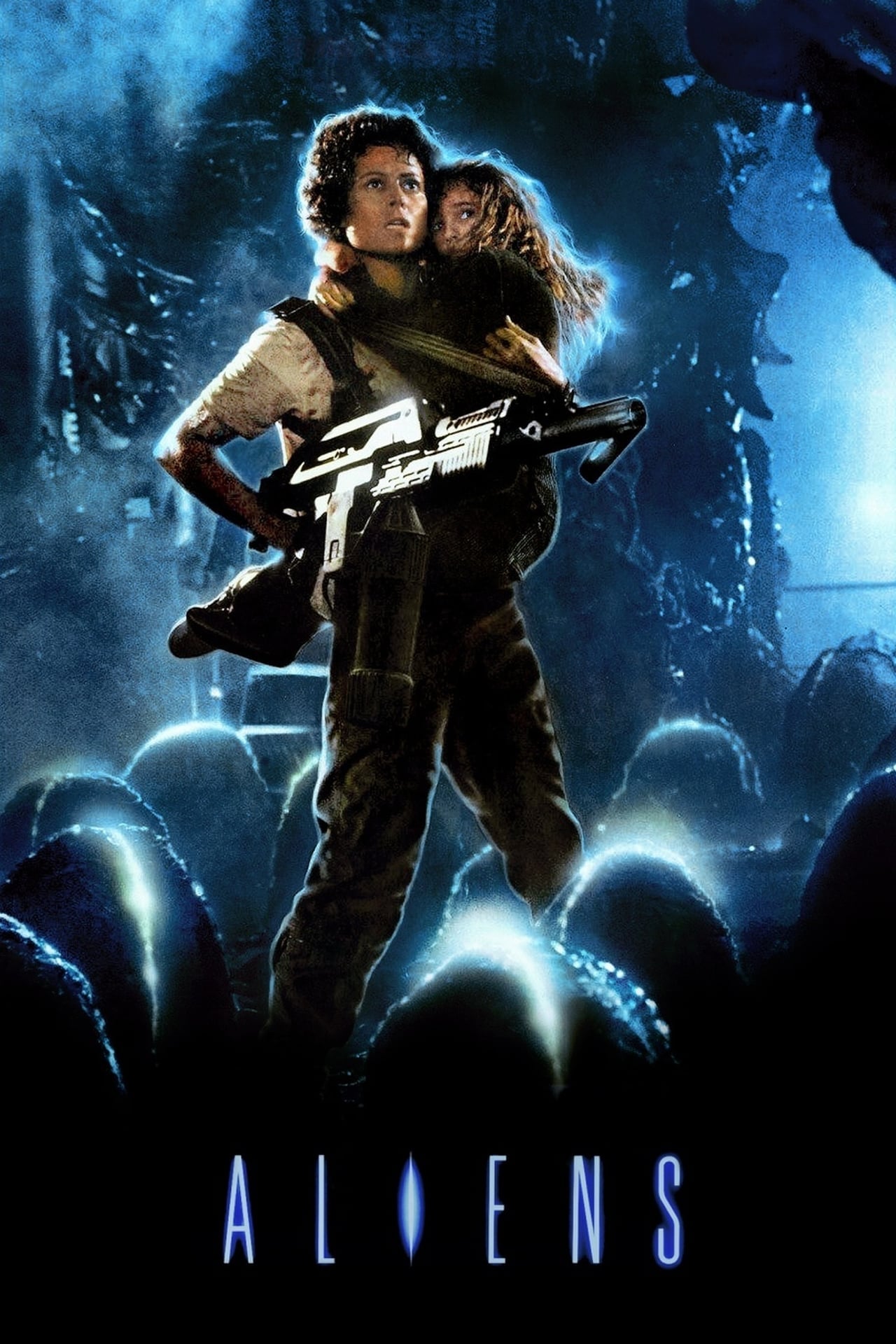
James Cameron wrote and directed this follow up to a 1979 science fiction horror film. The production used full scale sets at Bray Studios and a combination of miniatures and rear projection. Stan Winston’s team created the queen creature with a large practical rig operated by a crew of puppeteers.
The cast included Sigourney Weaver, Michael Biehn, Carrie Henn, and Bill Paxton. James Horner composed the score under a tight schedule, and several cues became common in trailer music. The film received Academy Awards for sound effects editing and visual effects and earned multiple nominations, including Best Actress.
‘Ferris Bueller’s Day Off’ (1986)
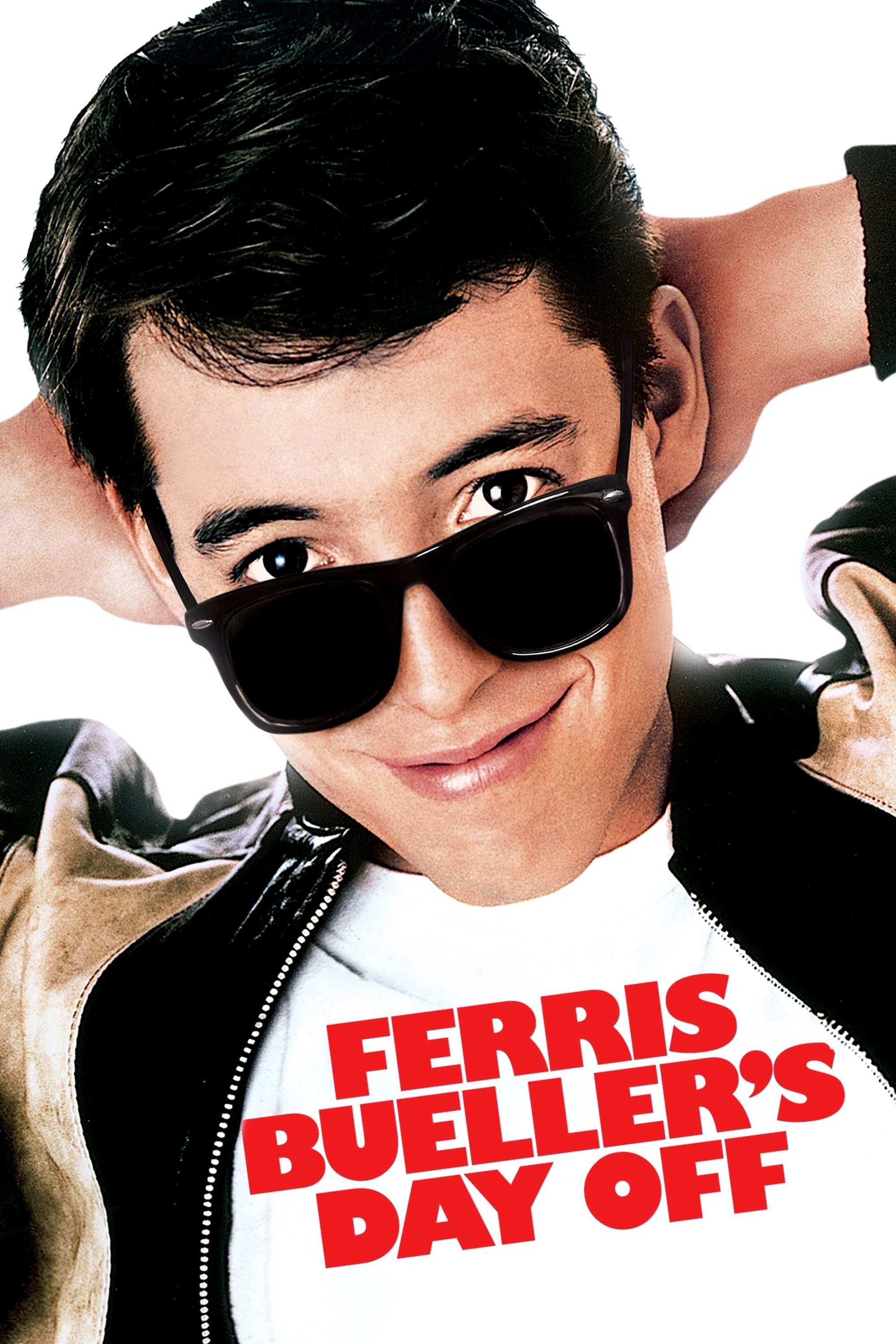
Written and directed by John Hughes, this comedy follows a high school student who plans a day in Chicago with his friends. Location filming used the Art Institute of Chicago, Wrigley Field, and the Sears Tower observation deck. Edits were built around fourth wall addresses and a parade sequence that required large crowd coordination.
The film’s soundtrack mixes British pop with American tracks to match the different moods of the day’s events. Casting included Matthew Broderick, Alan Ruck, Mia Sara, and Jeffrey Jones. The movie has been used to map Chicago film locations in tourism guides and film studies courses.
‘Stand by Me’ (1986)
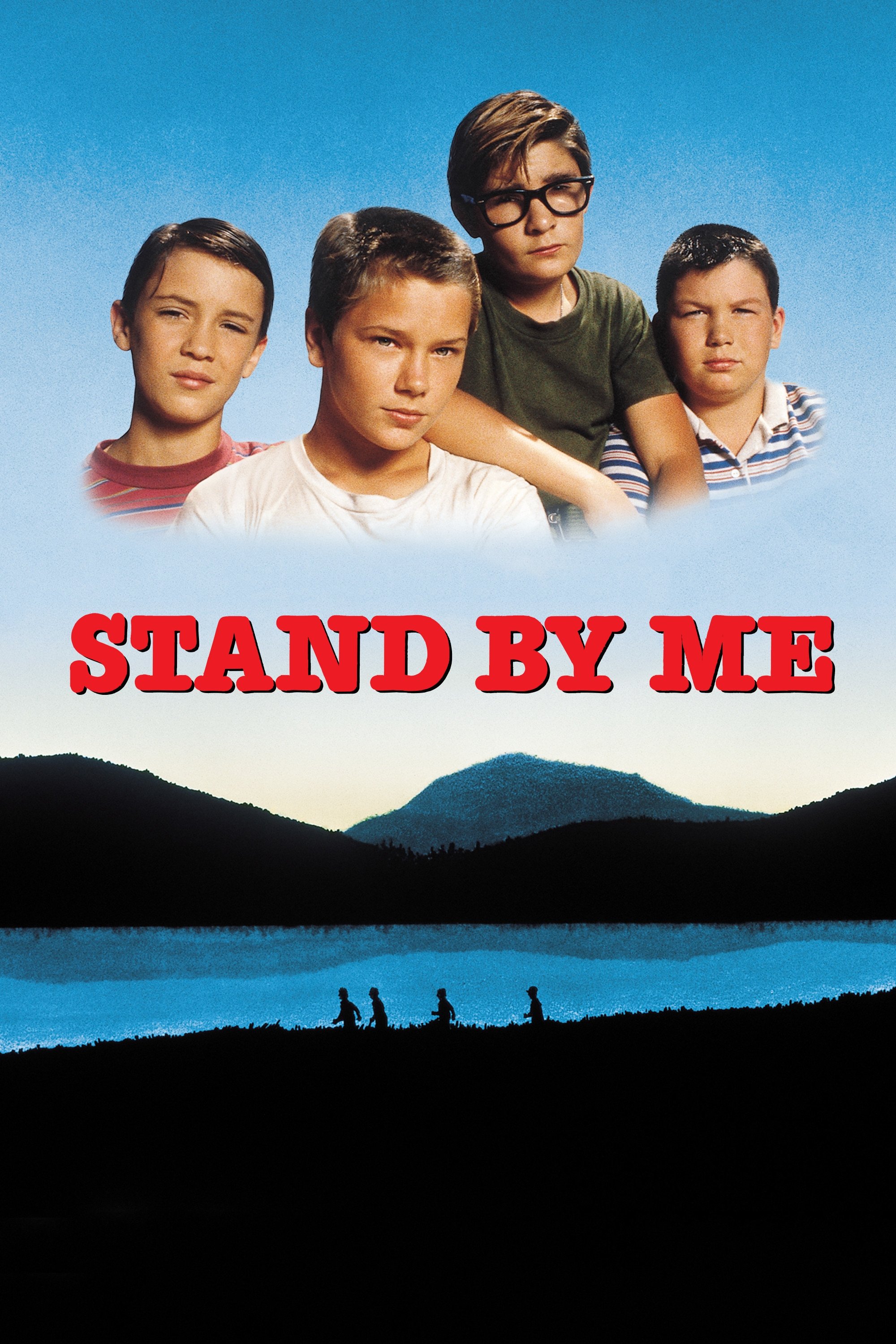
Rob Reiner directed this adaptation of a Stephen King novella about four friends on a journey to find a missing boy. Filming took place in Oregon, with the railroad bridge sequence shot on location and managed with safety teams. The cast featured Wil Wheaton, River Phoenix, Corey Feldman, and Jerry O’Connell.
The soundtrack included period hits that matched the late 1950s setting. The film focused on practical set pieces, such as the leech scene, which used special effects makeup on the young cast. Its structure is framed by narration that ties events to later life, with careful editing to keep the perspective focused.
‘The Princess Bride’ (1987)
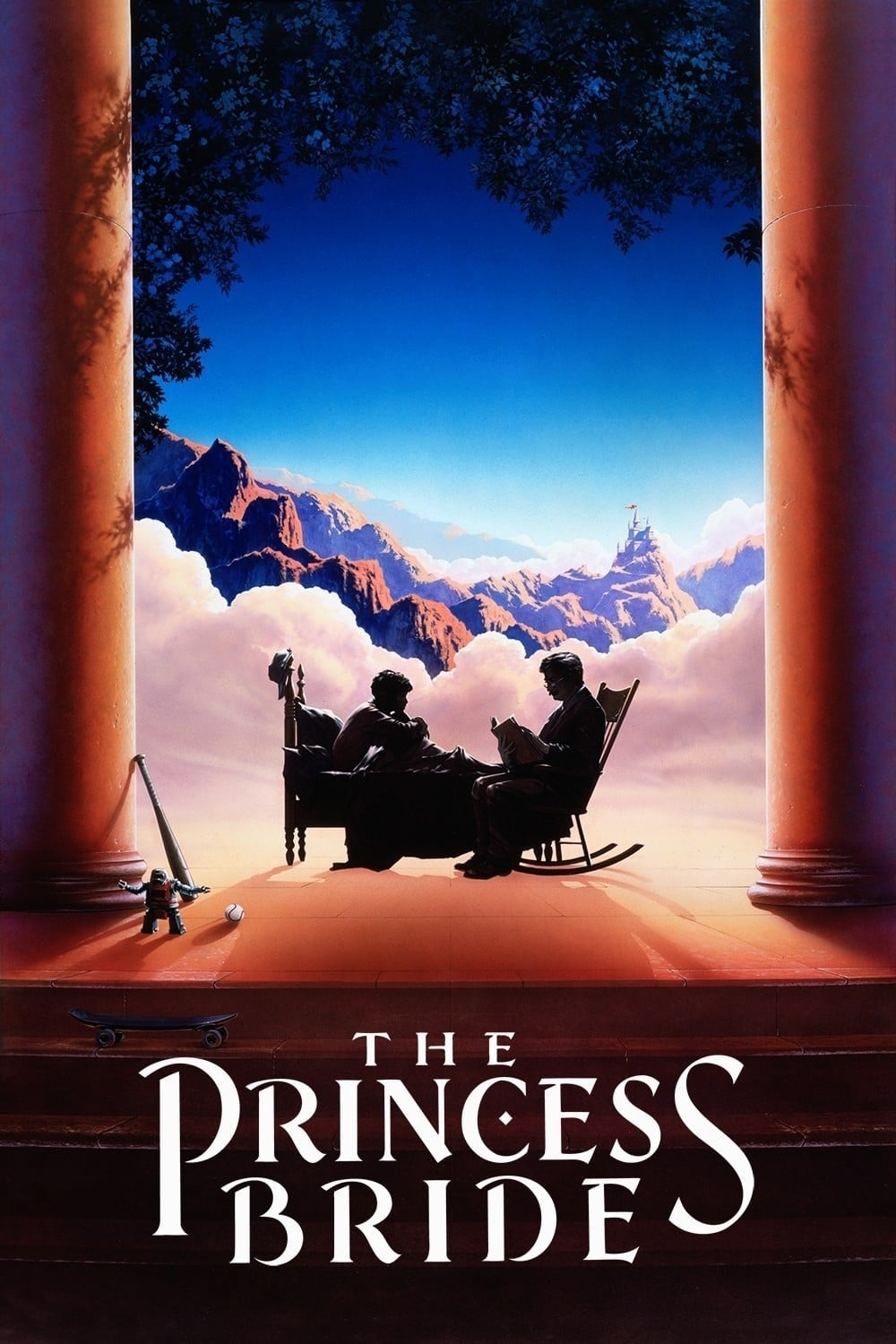
Rob Reiner directed this fantasy adventure written by William Goldman from his novel. Cary Elwes, Robin Wright, Mandy Patinkin, Chris Sarandon, and André the Giant starred, with Wallace Shawn and Christopher Guest in memorable roles. The production used English countryside locations and Shepperton Studios for sets.
Mark Knopfler composed the score and the film used a story within a story structure with a grandfather reading to his grandson. Stunt work for the duel on the Cliffs of Insanity was trained extensively to allow for long takes. The script’s structure balances romance, adventure, and humor through tightly paced scenes.
‘Full Metal Jacket’ (1987)
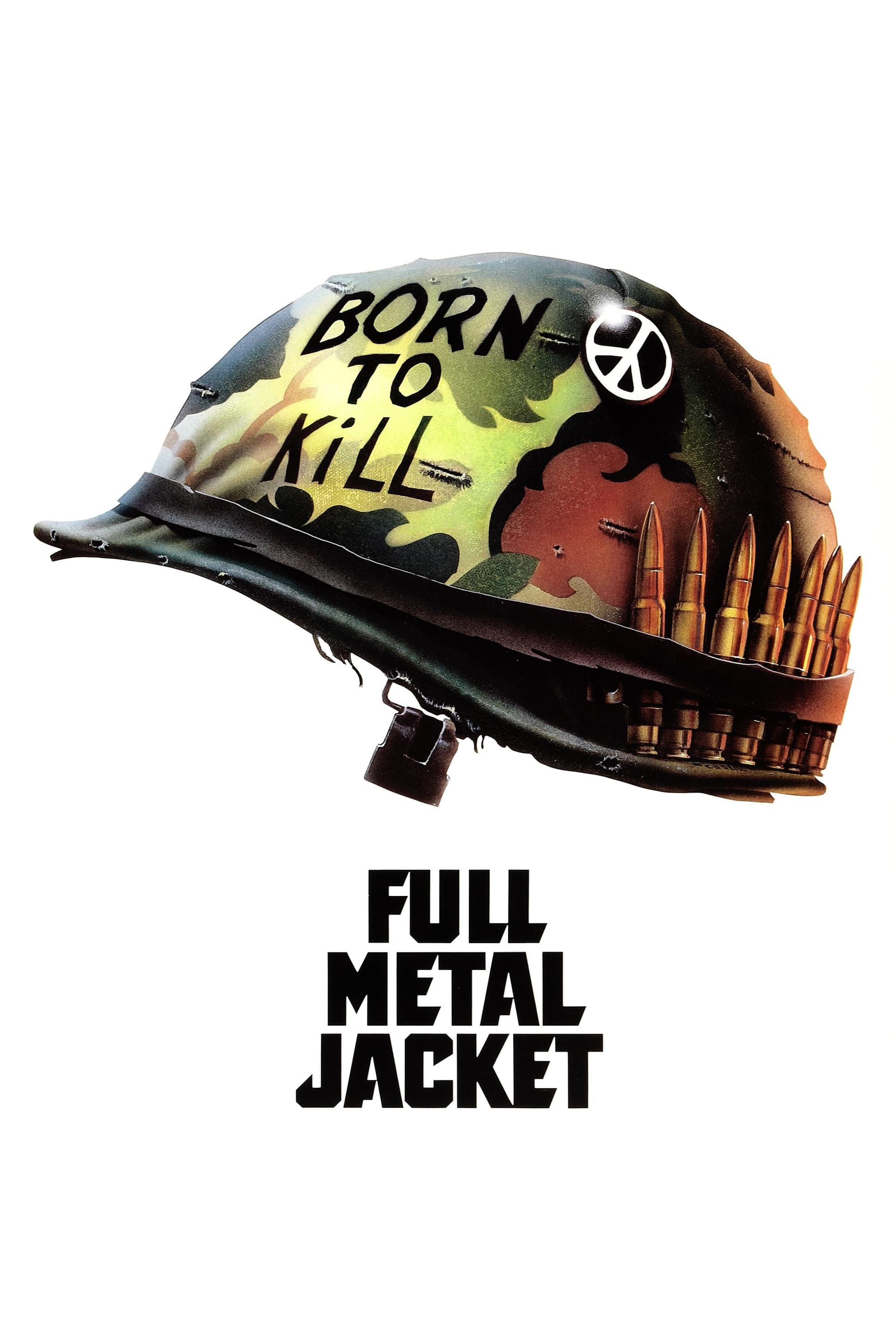
Stanley Kubrick directed this war film adapted from Gustav Hasford’s novel. The production shot in the United Kingdom, with the Beckton Gas Works area transformed to stand in for urban Vietnam. R Lee Ermey served as technical advisor and played the drill instructor, bringing authentic procedures to the basic training sequences.
The film’s two part structure follows recruits at Parris Island and then shifts to a correspondent’s view of combat. Music selections include period tracks used as counterpoint to the images. The camera work favors static compositions and tracking shots that highlight discipline and chaos in different parts of the story.
‘Die Hard’ (1988)
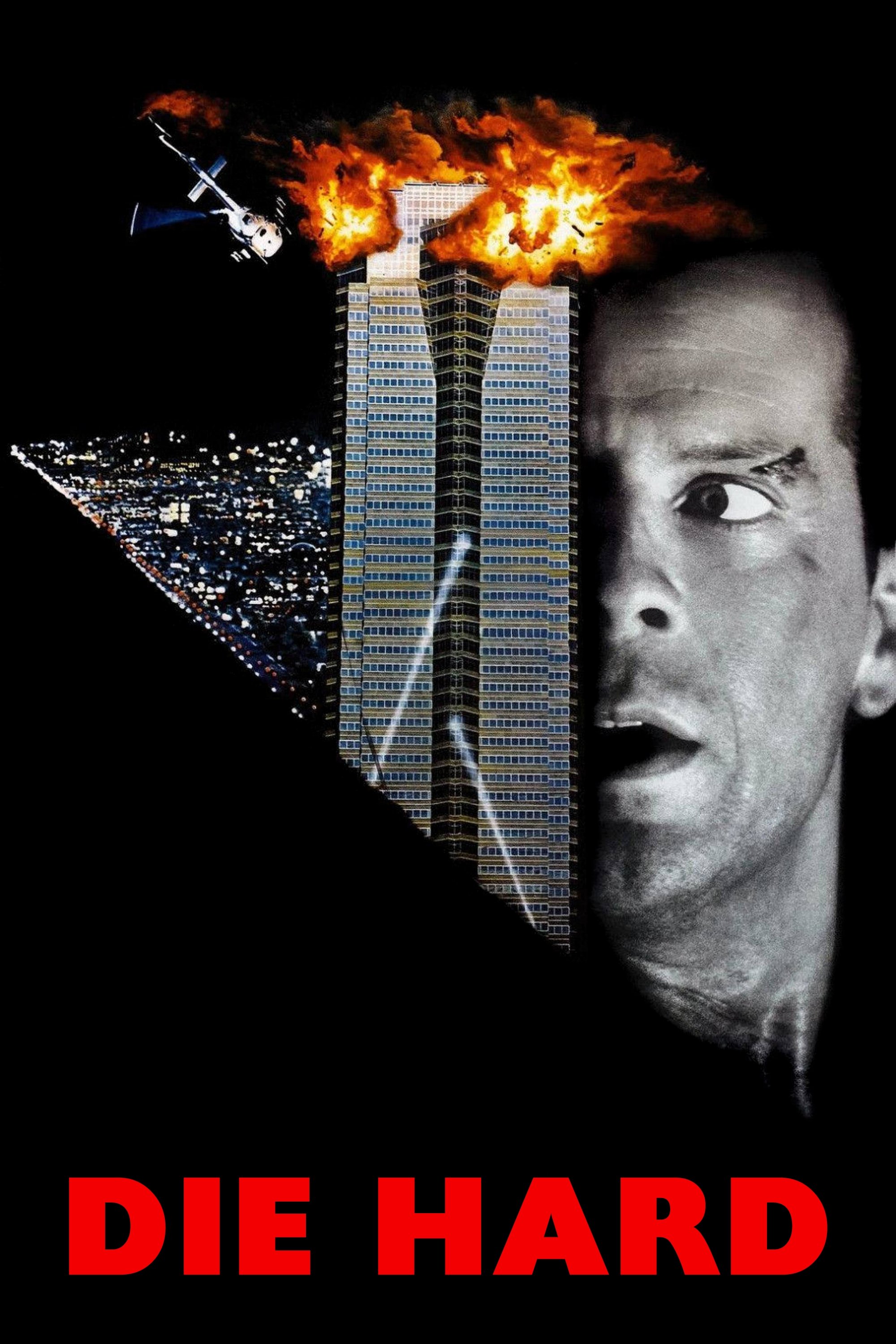
Directed by John McTiernan and based on Roderick Thorp’s novel, this action film centers on an off duty police officer in a Los Angeles skyscraper. Jan de Bont’s cinematography made extensive use of the Fox Plaza building for real locations. Practical explosions and stunt falls were staged by a seasoned effects team, with miniature work used for wide shots.
Michael Kamen composed the score, weaving in motifs that play with holiday music for contrast. The supporting cast included Alan Rickman in his film debut and a team of actors playing the group of thieves. The film’s structure uses clear geography and time pressure, which has been studied in screenwriting courses.
‘Cinema Paradiso’ (1988)

Giuseppe Tornatore wrote and directed this Italian drama about a filmmaker who recalls his childhood friendship with a projectionist. Filming took place in Sicily, using the town of Palazzo Adriano for many exteriors. Ennio Morricone and Andrea Morricone composed the score, which is closely tied to the film’s memory structure.
The film gained international attention through festival awards and a later international cut that adjusted the runtime from the Italian release. Production design recreated mid century cinemas and projection rooms with working equipment. The story uses a frame narrative that returns to the impact of film on community life.
‘Do the Right Thing’ (1989)
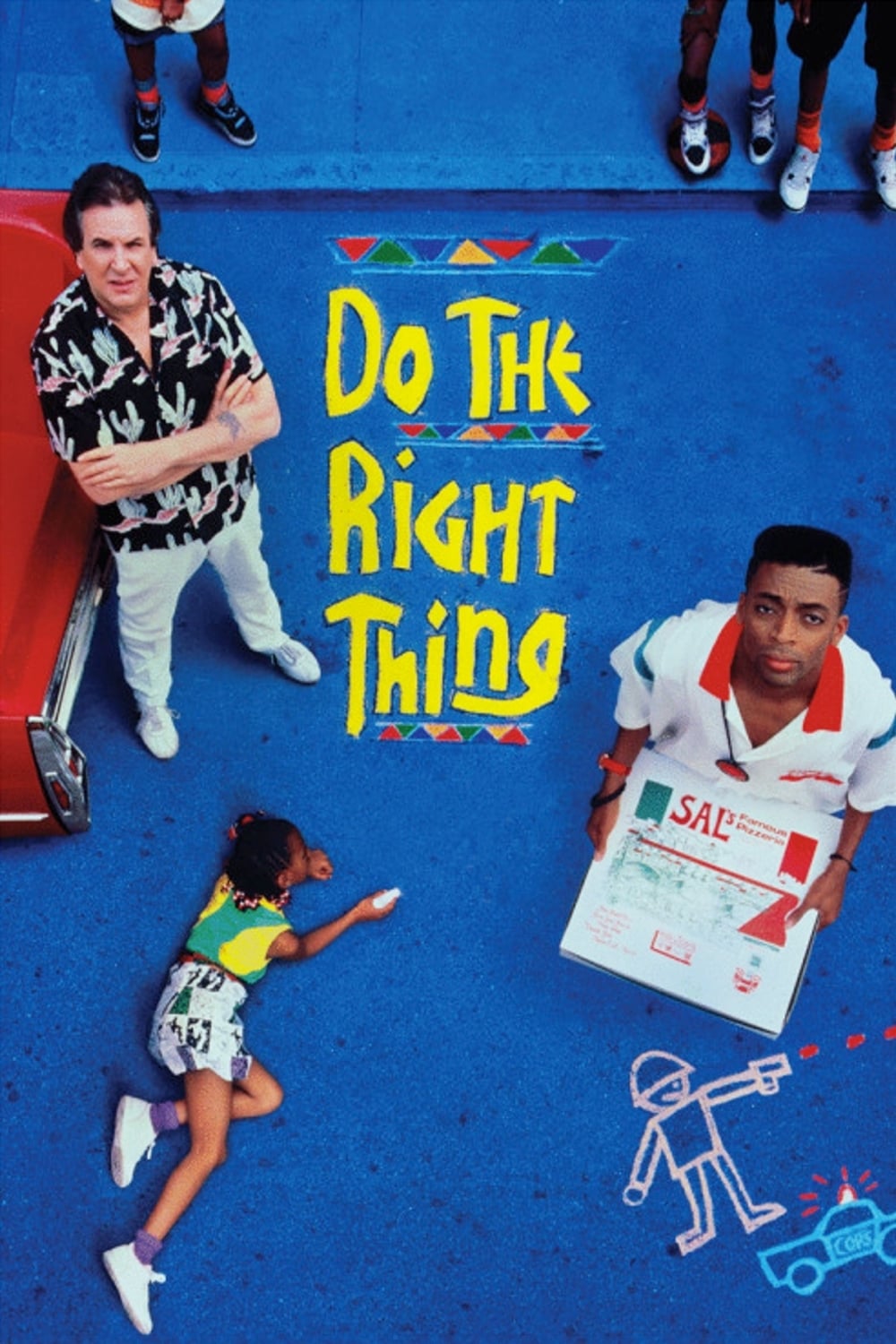
Spike Lee wrote, directed, and starred in this story set on a single hot day in a Brooklyn neighborhood. Ernest Dickerson’s cinematography used warm colors to convey heat, and production design selected bold primary hues for sets and wardrobe. The film features an ensemble cast including Danny Aiello, Ossie Davis, Ruby Dee, and Samuel L Jackson.
Public Enemy’s Fight the Power anchors the soundtrack and appears within the story through a portable radio. The production shot on a single block converted to serve the needs of the script, including the construction of Sal’s pizzeria. The film received Academy Award nominations for Best Original Screenplay and Best Supporting Actor.
Share your favorite ’80s movies in the comments and tell us which ones still hold up for you today.