Top 10 Coolest Things About Geralt of Rivia (Game)

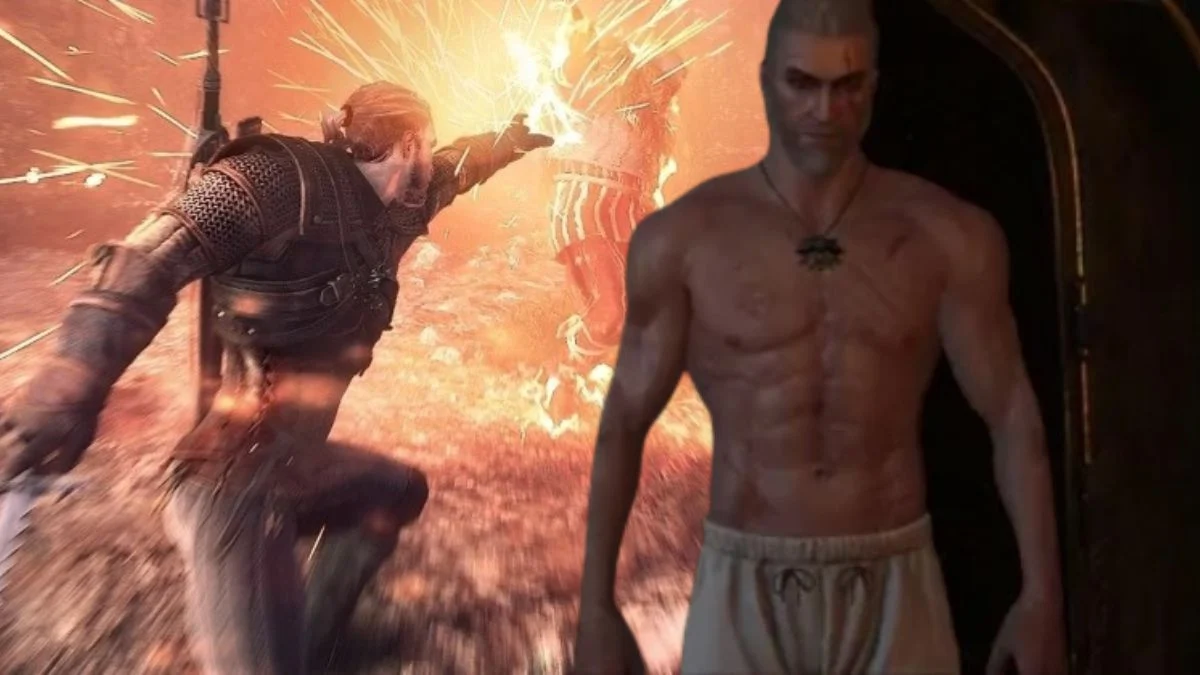

Geralt of Rivia stands at the center of the mainline Witcher games from CD Projekt Red, bringing a blend of monster hunting craft, razor sharp combat skills, and understated magic that players learn to master over time. His toolkit is built around preparation and precision, which turns every encounter into a problem to solve rather than a simple fight. The games show how a professional witcher uses knowledge, materials, and reflexes to survive a world filled with dangerous creatures and shifting politics.
What makes Geralt compelling in the games is how his abilities connect directly to the systems around him. Tracking a beast, finding its weaknesses, mixing a potion, and choosing the right weapon all matter to the outcome. Dialogue choices and contracts also reinforce his role as a paid specialist who must weigh risk, reward, and local customs. The result is a character whose coolest traits are not just flavor but play a real part in how the game unfolds.
Mutations and Enhanced Physiology
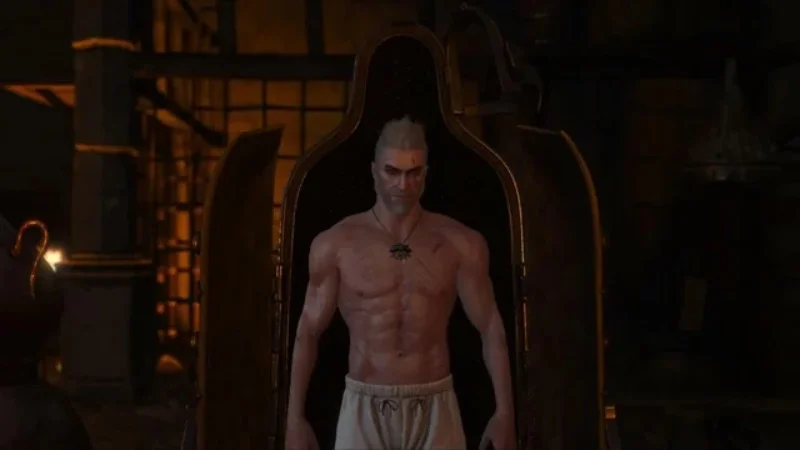
Geralt’s mutations grant heightened strength, speed, and resilience that show up in sprinting stamina, combat efficacy, and resistances. Cat like eyes help him see in low light, and rapid reflexes support perfect parries and well timed dodges. These traits also interact with gear and enhancements, letting players stack bonuses that suit a preferred approach.
The mutations include accelerated healing and resistance to many poisons, which supports aggressive play when combined with the right preparations. In the narrative, the Trial of the Grasses explains how few candidates survive the process, which adds context to Geralt’s rare capabilities. The games surface this through tougher thresholds for toxicity and the ability to handle powerful decoctions.
The Two Swords Approach
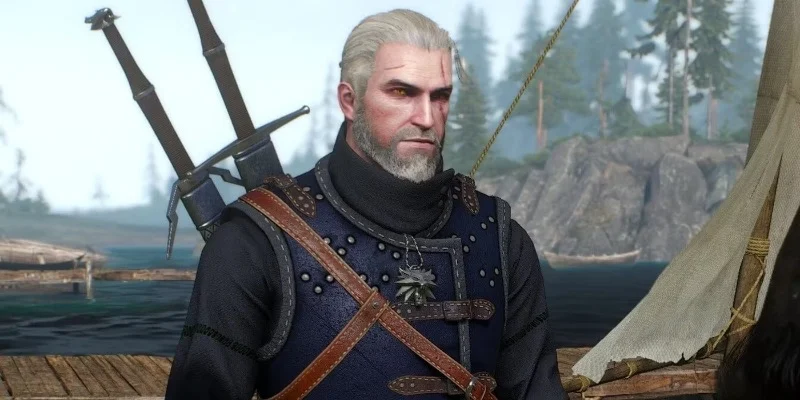
Geralt carries steel for humans and common beasts and silver for monsters that react poorly to mundane metal. The inventory and quick swap systems make picking the right blade important when moving between bandit camps and supernatural lairs. Properly maintaining both swords with repair kits and oils keeps damage output high across long journeys.
Upgrades and runewords let players tailor blades for bleeding, critical hits, or sign intensity synergy. Scabbards and hilt designs change with different sets, and sword weight and attack speed can shift based on the chosen steel or silver model. The combat log and enemy health bars make the difference clear when the correct weapon is drawn.
Signs as Practical Combat Magic
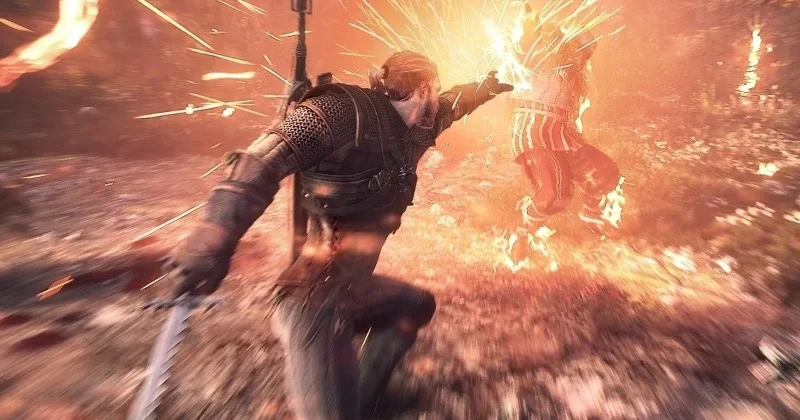
Geralt’s simple sign magic offers quick tools that fit directly into swordplay. Aard knocks foes back and opens guard, Igni scorches groups and can trigger burning over time, Quen absorbs damage and allows safer aggression, Yrden slows enemies in its field, and Axii influences both minds and momentum. Each sign has basic and alternate modes that change its behavior in specific ways.
Skill trees allow deeper investment in sign intensity, stamina regeneration, and alternate casts that reshape encounters. For example, a sustained Igni stream or a stationary Quen shield can shift a challenging fight in a tight space. Mutagens placed in aligned ability slots boost sign builds further, giving Geralt reliable magical options without replacing his sword core.
Alchemy, Potions, and Toxicity Management
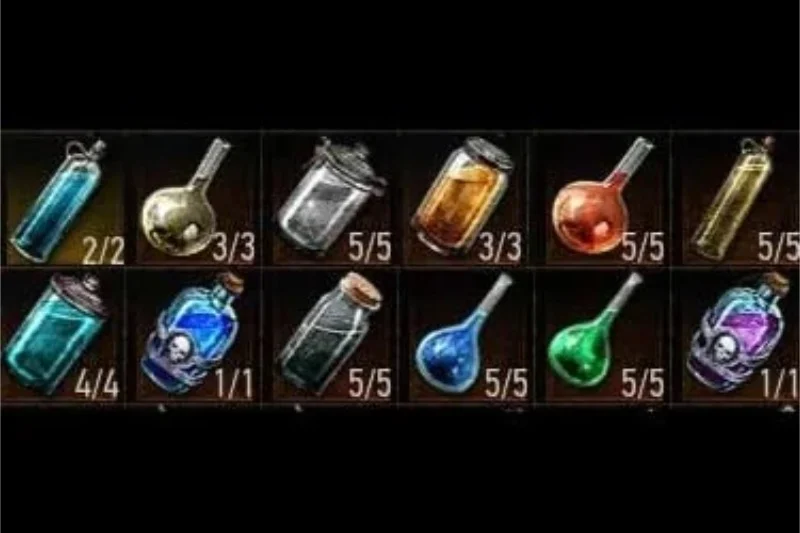
Alchemy gives Geralt bombs, oils, potions, and decoctions that require scavenged ingredients and crafted recipes. Potions like Swallow and Thunderbolt improve regeneration and attack power, while oils add damage against specific enemy types. Bombs clear nests or disrupt defensive patterns, adding tools for both exploration and combat.
Toxicity governs how much Geralt can consume at once, so timing and loadout planning matter before a contract. Decoctions use rare monster parts and apply powerful long lasting effects that come with higher toxicity costs. The system rewards preparation by letting a well brewed build handle threats that would overwhelm an unprepared approach.
Witcher Senses and Tracking
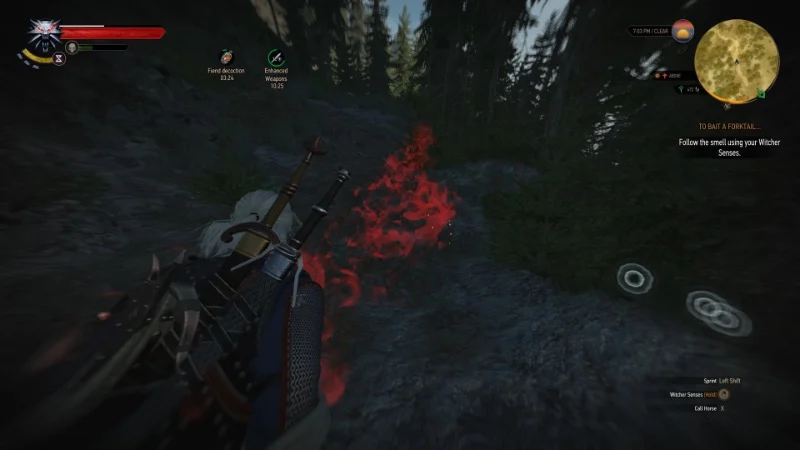
Witcher Senses highlight footprints, scents, claw marks, and broken terrain that guide investigations. The games use these trails to reconstruct events at crime scenes or lairs, moving quests forward with evidence rather than guesswork. Audio cues and visual overlays make it easy to follow a path through forests, caves, and towns.
This tracking extends to finding hidden stashes, secret entrances, and points of interest. Contracts often rely on inspecting remains or habitats to identify the monster species, which then informs oil and bomb choices. The mechanic blends story beats with actionable gameplay steps that lead directly to the next decision.
Monster Contracts and Bestiary Knowledge
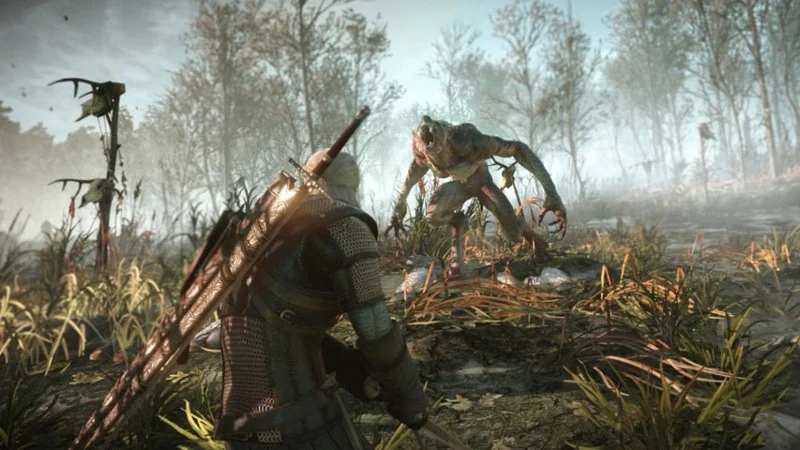
Geralt picks up contracts from notice boards and townsfolk, each pointing to a specific creature with known habits and weaknesses. Completing investigations updates objectives and narrows the search area, while the bestiary summarizes damage resistances and vulnerabilities. Preparing with the right oil and sign choice makes these fights efficient and controlled.
Rewards vary by negotiation, and players can haggle for higher pay based on risk. Some contracts open optional outcomes like lifting a curse or preserving a rare creature’s habitat, which affects local settlements after the job. The structure underscores Geralt’s profession and ties his toolkit to the economy and ecology of the region.
Axii for Dialogue and Crowd Control
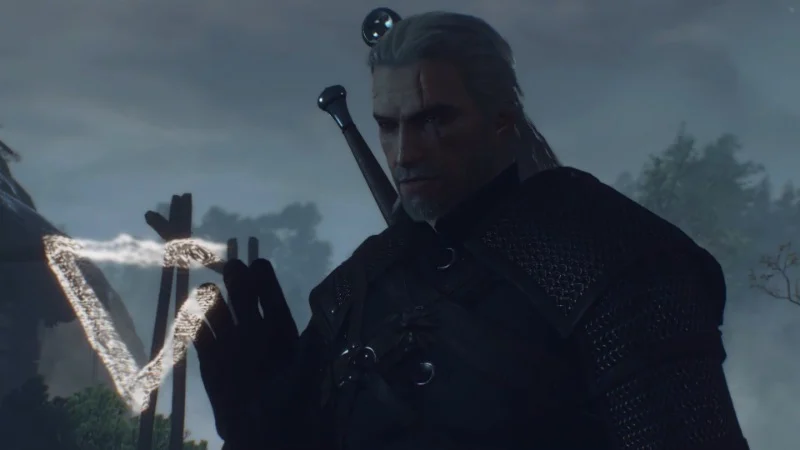
Axii serves as both a combat tool and a conversational option. In fights, it briefly turns enemies into allies or interrupts dangerous attacks. In dialogue, successful Axii checks calm guards, avoid fines, and unlock peaceful resolutions that would otherwise require bribes or force.
Investing in Axii improves success rates in conversations and increases the control window during battle. This dual use makes Axii valuable for players who prefer fewer open conflicts in cities and a smoother path through tense situations. The mechanic shows how Geralt’s training extends beyond raw damage into influence and tactics.
The Wolf Medallion as a Sensor
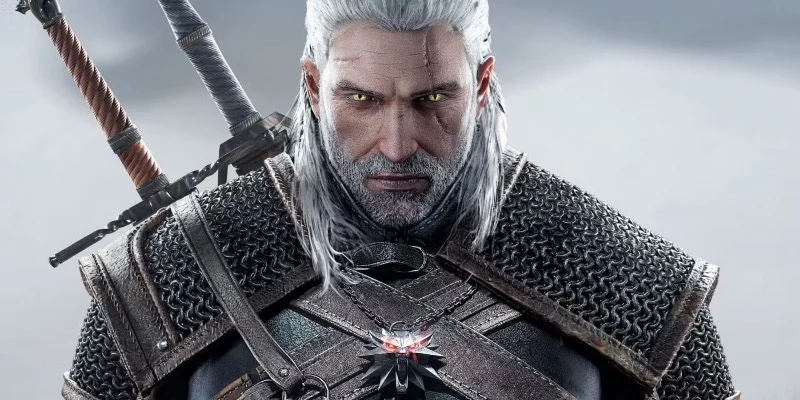
Geralt’s wolf medallion vibrates near magic, alchemy, and hidden mechanisms. The games surface this with on screen prompts and controller feedback that warn of illusion barriers, sorcerous residue, or concealed switches. It acts as a passive early warning system when exploring ruins and strongholds.
The medallion also reacts to certain monsters and environmental hazards, which helps avoid ambushes and traps. Paired with Witcher Senses, it narrows search areas and confirms points of interest during investigations. Players learn to watch for the medallion’s telltale buzz before stepping deeper into unknown spaces.
Signature Combat Flow with Dodges and Parries
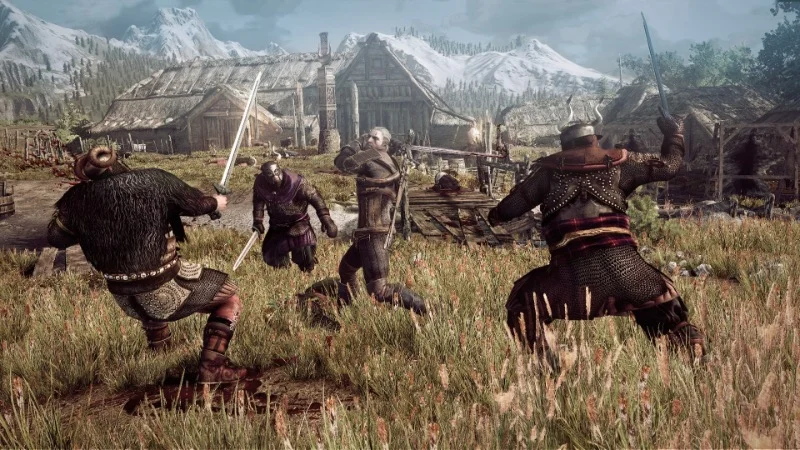
Geralt’s fighting style emphasizes light and heavy attacks, quick sidesteps, and precise parries that create openings. Perfect timing can stagger strong foes and set up finishers, while rolling clears larger attack arcs or area effects. The camera and lock on system help track agile opponents during tight encounters.
Ability points unlock whirl and rend, which expand his options for crowd control and armor penetration. Stamina management ties sword skills to signs, encouraging short bursts of magic between strikes. The system rewards spacing, rhythm, and reading enemy tells, which keeps fights engaging from early game to endgame.
School of the Wolf Gear and Upgrades
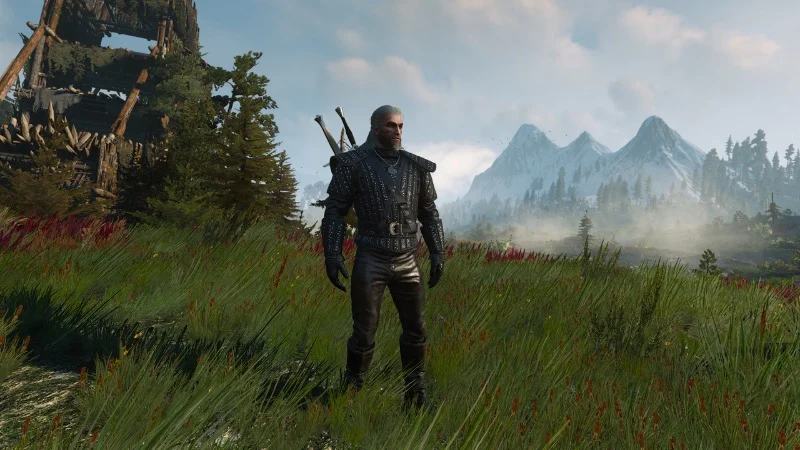
Geralt can pursue diagrams for Wolf School gear that match his background and complement balanced builds. Each tier adds armor rating and useful bonuses, and enhanced versions require trips to multiple regions to gather rare materials. Crafting keeps older sets relevant by stepping them up rather than replacing them outright.
Other schools like Cat, Bear, and Griffin provide alternatives that favor light, heavy, or sign focused play. Diagram hunts turn exploration into tangible progress as blacksmiths and armorers unlock higher level crafting. By the time Grandmaster sets are complete, Geralt’s appearance and stats reflect a clear specialization.
Share your favorite in game Geralt moments in the comments and tell us which ability you lean on the most.