Top 20 Anime That Make No Sense

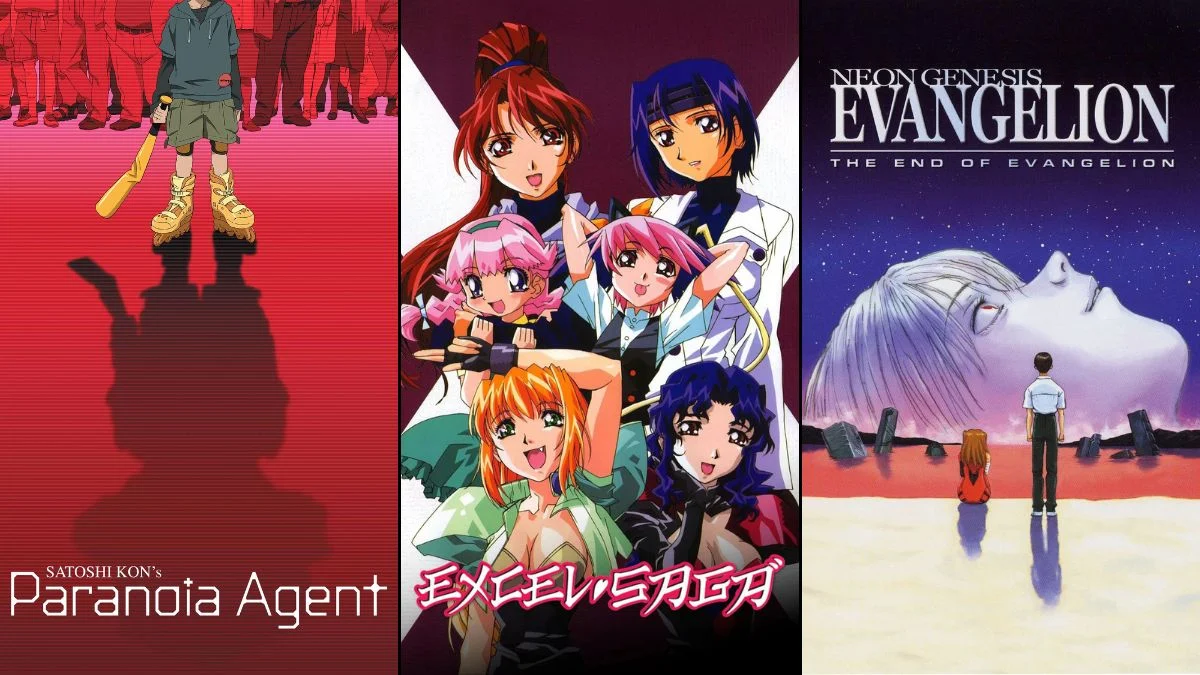

Some anime chase logic. Others toss it out the window and sprint straight into dream logic, absurd humor, or dense symbolism. This list rounds up series and films that twist narrative rules, jump through genres, and leave viewers piecing together timelines, identities, and realities after the credits roll.
You will find stories that loop on themselves, plots that use unreliable narrators, and visuals that bury clues in the corners of frames. Expect nonlinear editing, sudden tone shifts, and frameworks pulled from psychology, philosophy, and internet culture. Each entry below explains what it is, how it works, and why the structure leaves conventional sense behind.
‘FLCL’ (2000–2023)
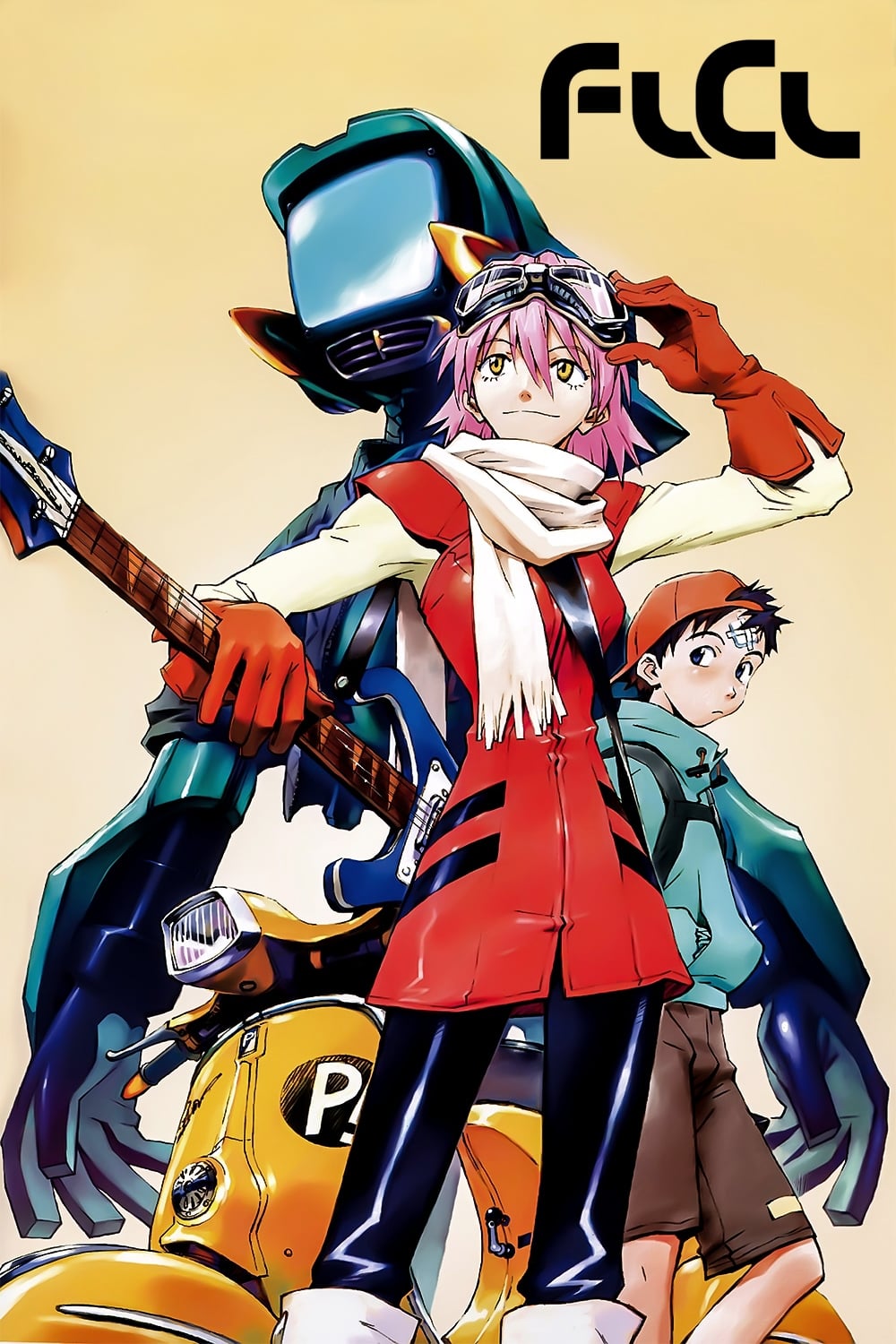
A quiet sixth grader gets run over by a Vespa and struck by an electric bass which triggers robots to erupt from a portal in his forehead. The story layers coming of age beats with rapid fire gags, live action cutaways, and sudden animation style switches. Scenes inside the same episode can jump formats which keeps the plot in a constant state of visual whiplash.
Episode arcs hinge on abstract metaphors about adolescence, jealousy, and creative energy that appear as giant mechanical fights in a sleepy town. Music from The Pillows drives montage heavy sequences that compress character development into frenetic bursts. The result reads like a scrapbook of motifs rather than a tidy chain of causes and effects.
‘Serial Experiments Lain’ (1998)
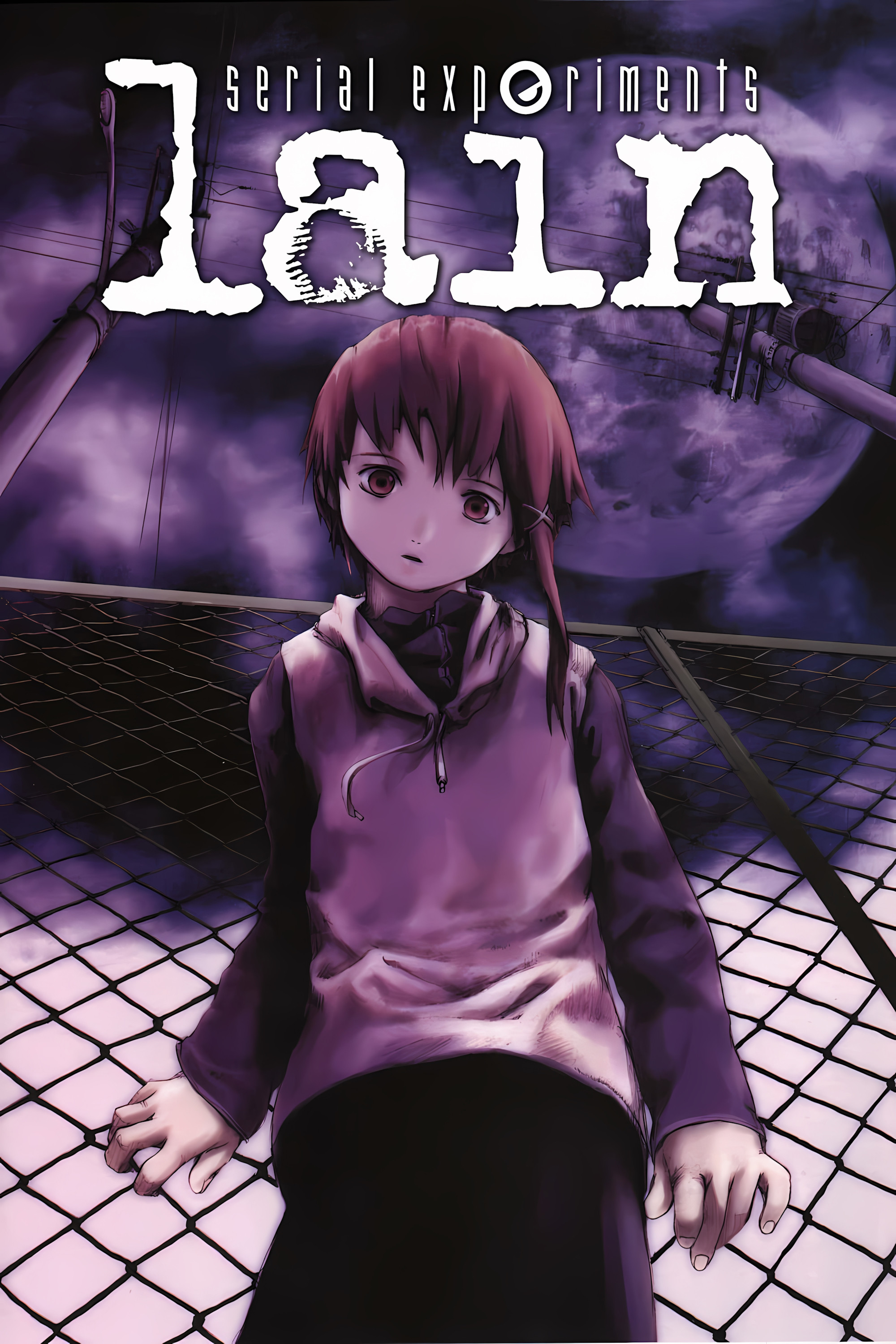
A shy student receives emails from a classmate who recently died and begins slipping between the physical world and a vast network called the Wired. The series uses quiet dialogue, empty streets, and repeating shots of cables and substations to blur where consciousness ends and the network begins. Technical jargon about protocols and layers of connectivity doubles as metaphors for identity.
Episodes revise previous events without announcing the change and characters sometimes recall events that never appeared on screen. Real organizations and urban myths are folded into the script which makes every breadcrumb feel both factual and invented. Meaning is built through echoing images that resist a single reading.
‘Neon Genesis Evangelion’ (1995–1996)
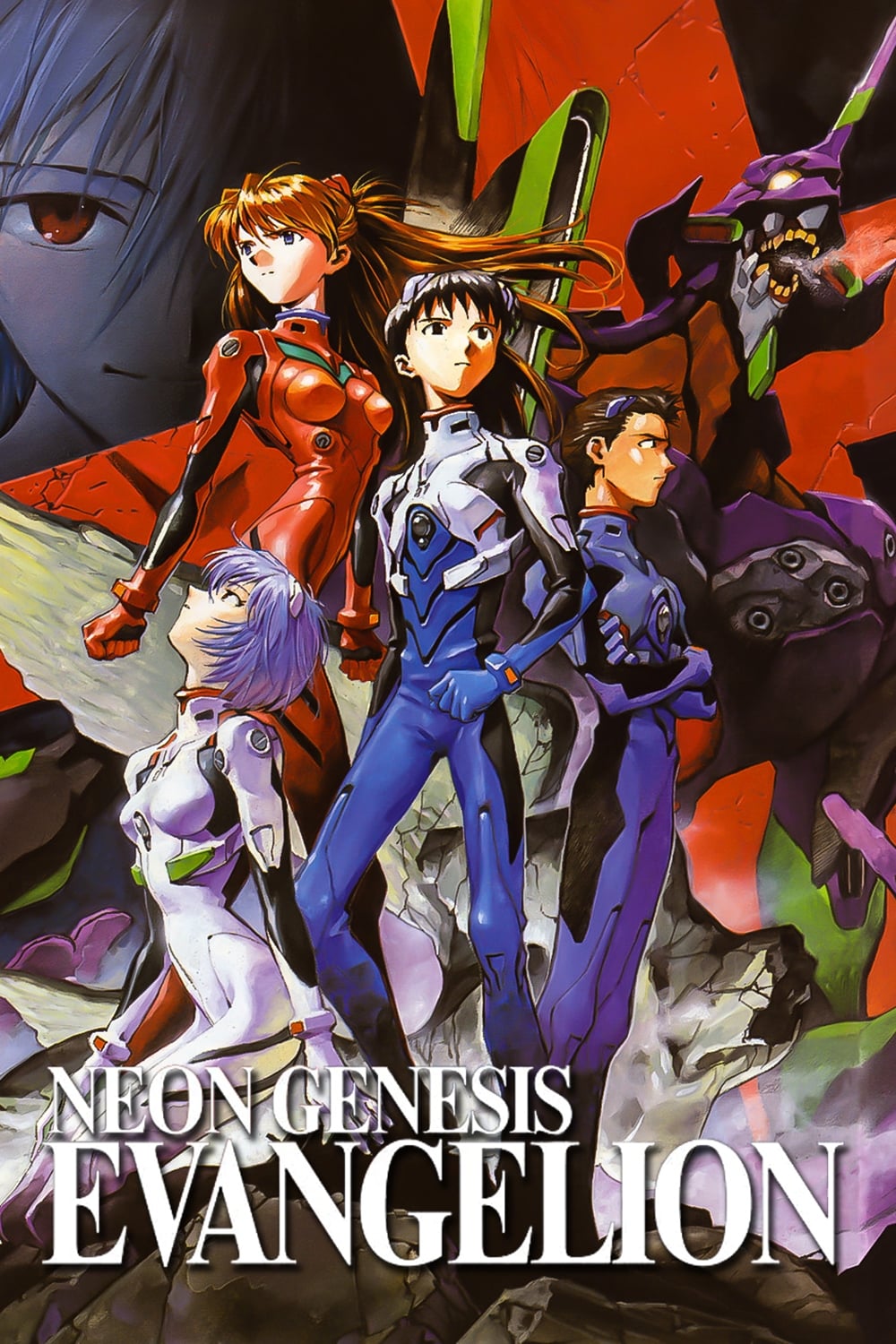
Teen pilots synchronize with biomechanical giants to fight mysterious beings called Angels while a secretive organization runs overlapping plans. The show front loads mecha combat then pivots into psychology and religious iconography. Internal monologues, flash frames of text, and storyboard style sequences often replace conventional action.
Timelines reframe character motivations and the series complicates basic terms like pilot and machine through repeated redefinitions. The final chapters exchange external stakes for subjective reality which turns the climax into a collage of memory fragments and therapy like self inquiry. The structure invites analysis because cause and effect keep shifting under the characters’ feet.
‘Neon Genesis Evangelion: The End of Evangelion’ (1997)

This film restages the ending of the series as a simultaneous physical catastrophe and interior event. Battles cross cut with impressionistic sequences that jump between film stocks, live action footage, and scribbled drafts. Characters speak as if they know they are inside a narrative and the camera lingers on empty spaces to emphasize absence.
Human Instrumentality is presented with visual metaphors instead of exposition. The film places contradictory scenes side by side and lets them stand without reconciliation. It functions as both a sequel and a counter argument which makes a single throughline difficult to pin down.
‘Paprika’ (2006)
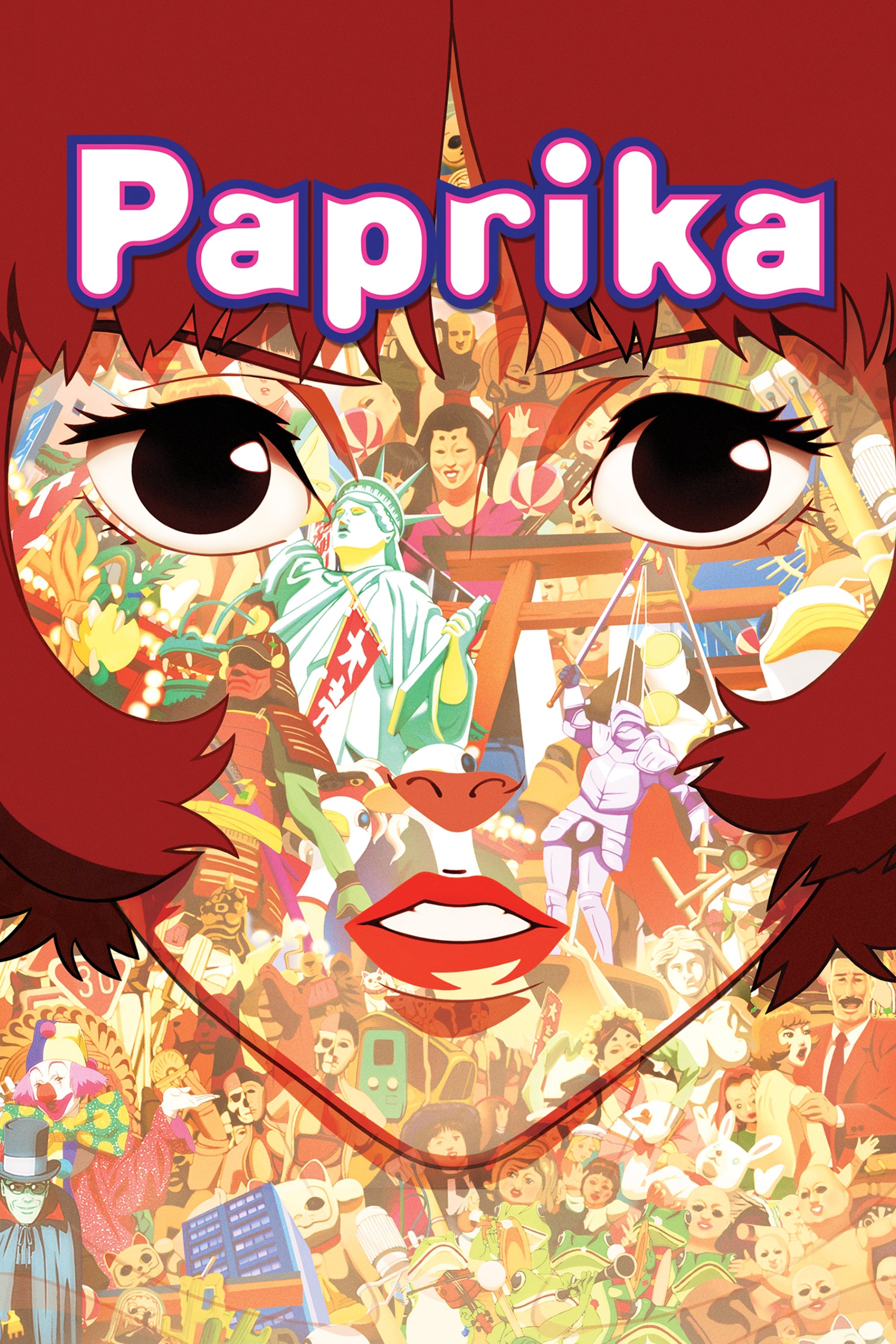
A research team uses a device that lets therapists enter patients’ dreams which triggers a runaway parade of images leaking into waking life. Scenes pull viewers through layered dreams where props and locations morph mid shot. Edits ignore geography and time so characters step through screens and paintings as if they were doors.
The film treats identity as a costume change and often shows the same person as different avatars with continuous behavior. Explanations arrive inside surreal montages rather than briefings which means rules are learned through visual rhythm. Dreams contaminate the real world until both operate on the same logic.
‘Mind Game’ (2004)
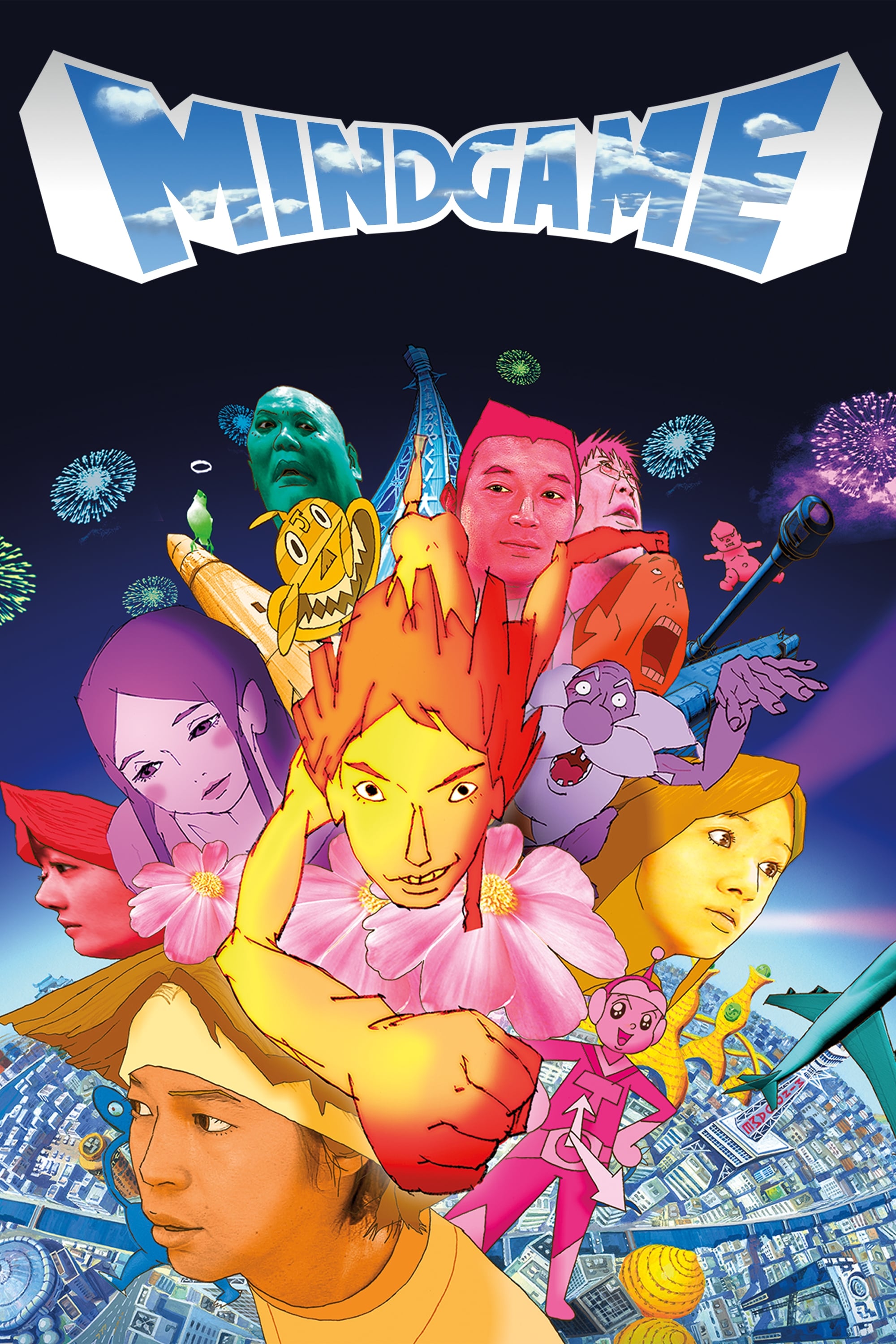
A failed artist gets shot, sprints down a tunnel, argues with a godlike figure, and snaps back to rewrite his fate. The film swaps character designs from scene to scene and mixes rotoscoping with cartoon exaggeration. It uses long digressions to follow secondary characters for minutes at a time before snapping back to the main thread.
Action sequences stretch seconds into full set pieces and then compress days into a few images. The story treats death as a moment for editorial experimentation which resets tone and tempo. Momentum depends on audacious leaps rather than clear rules.
‘Angel’s Egg’ (1985)
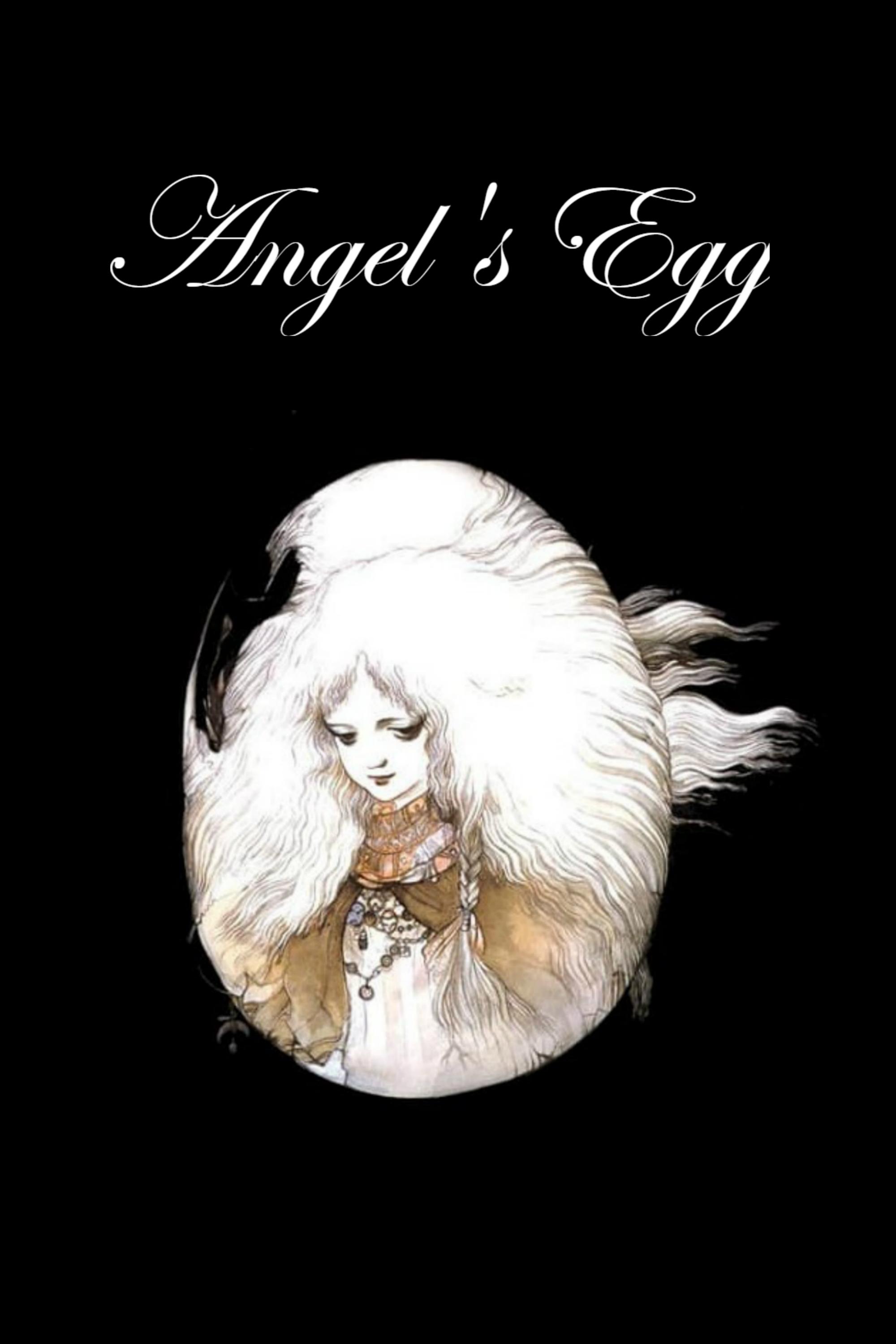
A girl guards a large egg while wandering a flooded city with a silent soldier. Dialogue is minimal and the film communicates through stained glass light, recurring fish imagery, and cathedral like ruins. Time appears suspended as the pair pass identical streets that feel like a loop.
Religious symbols are arranged like a puzzle without a key. The camera observes rituals such as carrying water and protecting the egg with a seriousness that suggests meaning while withholding explanations. The narrative progresses through mood and motif rather than plot points.
‘Paranoia Agent’ (2004)
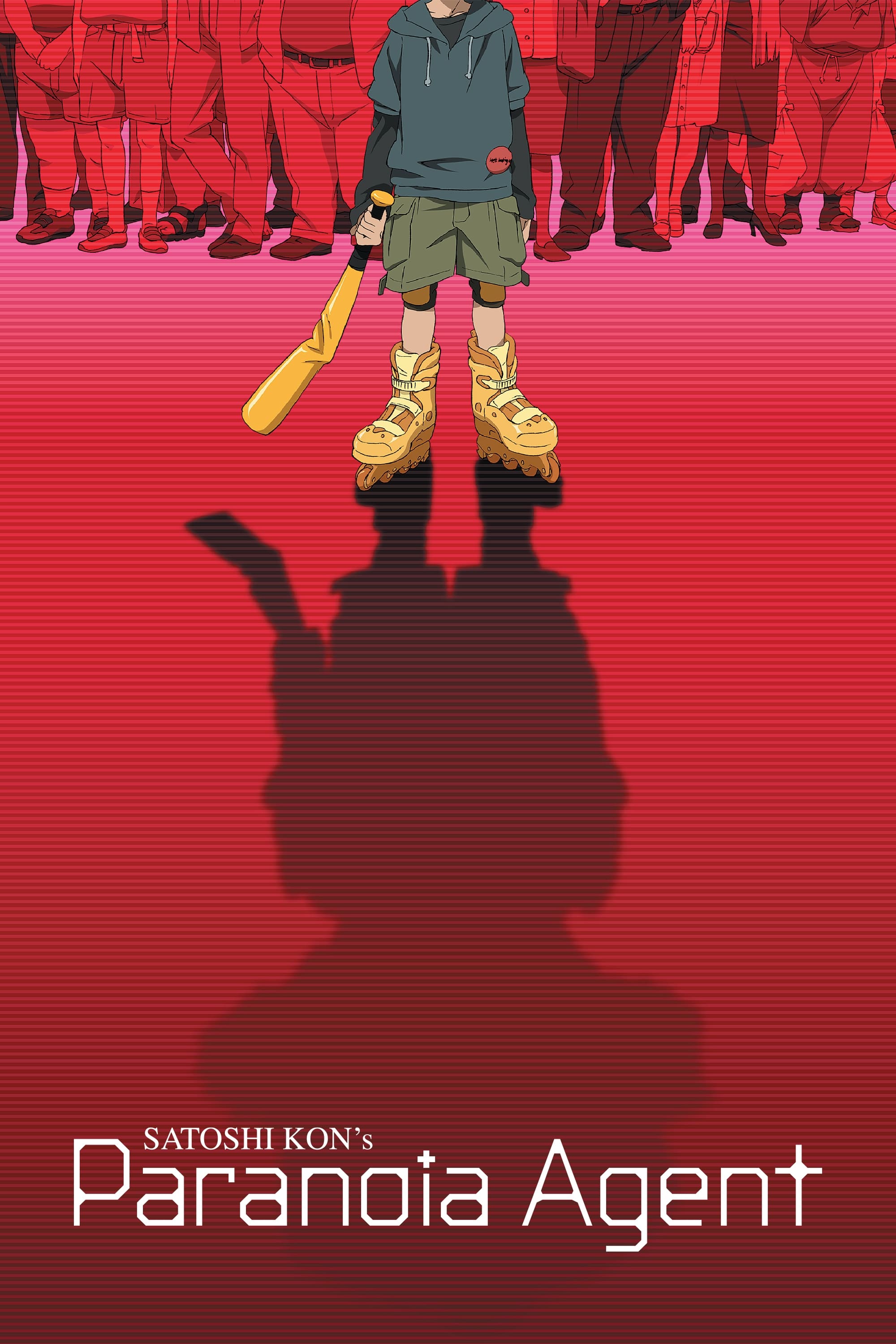
Rumors about a boy on golden skates spread as unrelated people claim to see him before or after a personal crisis. Episodes switch protagonists and genres while keeping a peripheral set of investigators in motion. The series keeps the culprit’s nature unresolved by treating gossip as evidence.
News segments, gossip circles, and internet chatter become delivery systems for new rules that overwrite previous ones. The show bundles urban legends, mass hysteria, and media cycles into a single feedback loop. By the end the boundary between case file and collective dream has collapsed.
‘Texhnolyze’ (2003)
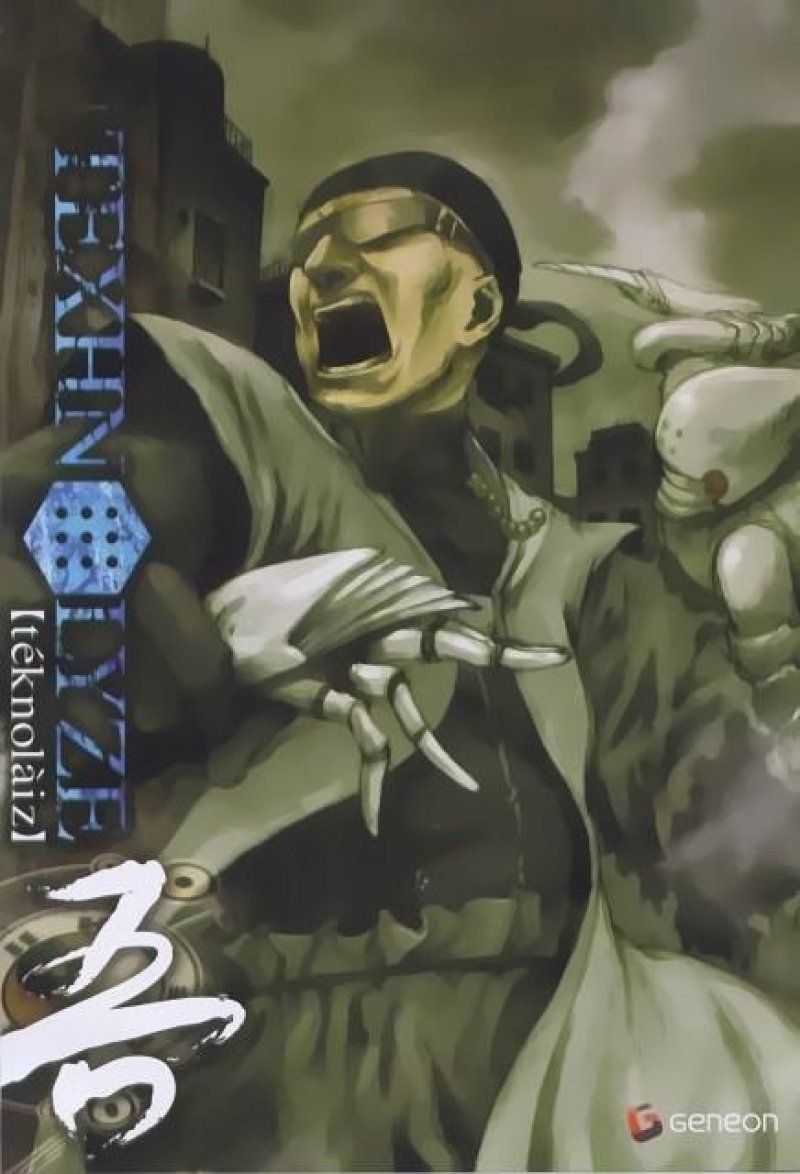
A fighter in an underground city loses limbs and gains prosthetics while factions push the society toward collapse. The early episodes use long stretches without dialogue and hold on dim industrial spaces that obscure action. Political groups trade cryptic messages that rarely state goals outright.
Violence arrives without setup and consequences unfold in a different part of the city with characters who barely connect back. The worldbuilding emerges from architecture and power outages rather than narrated history. Viewers assemble the social order by tracking who controls which corridors.
‘Ergo Proxy’ (2006)
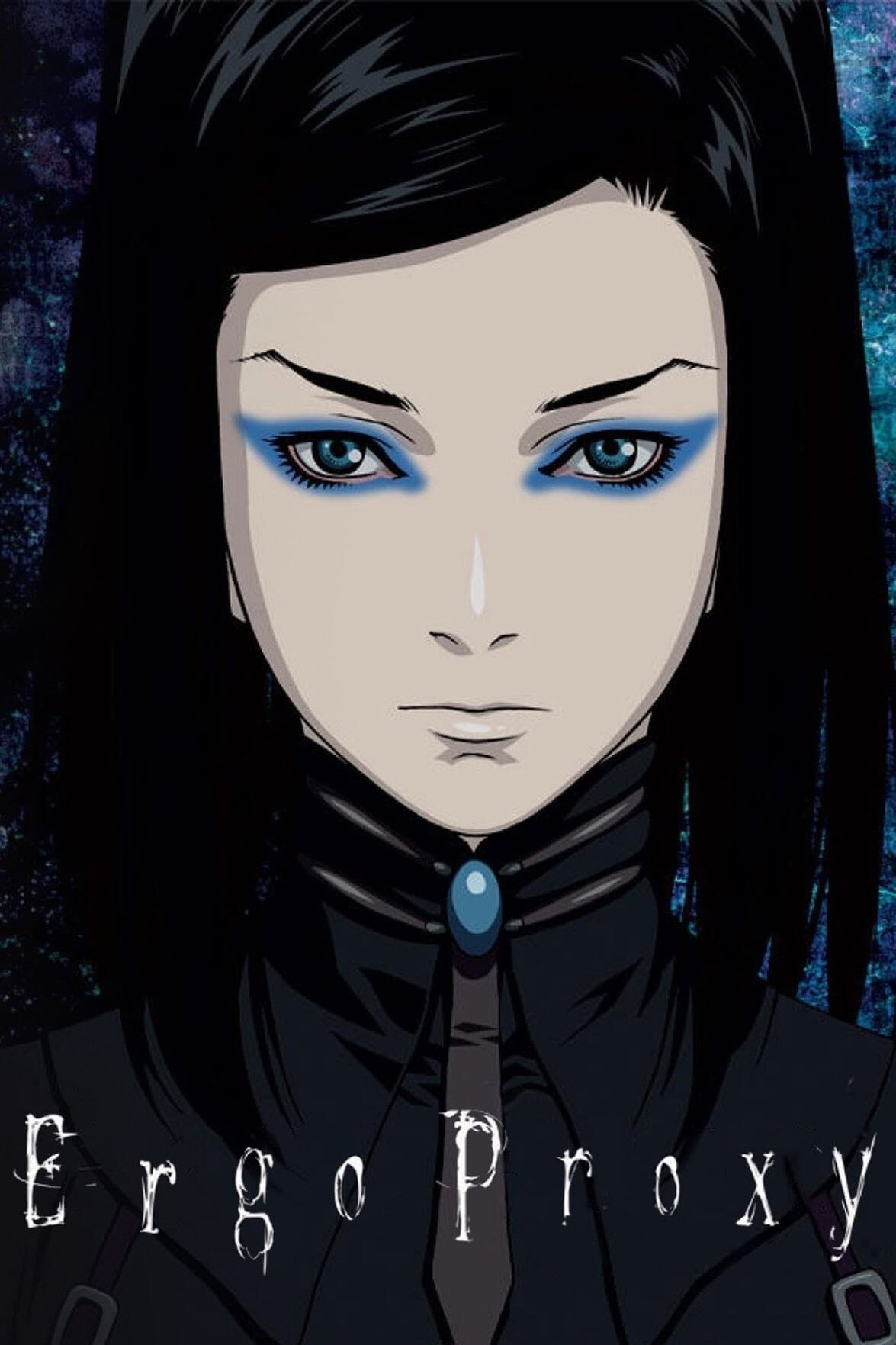
A domed city uses android labor and strict citizenship while a mysterious entity stalks the streets. Investigations jump into philosophical debates about selfhood and free will that interrupt the case format. Episodes change presentation style and once turn the cast into quiz show contestants who compete for exposition.
The series hides critical information in throwaway lines and background screens. Travel outside the dome rewrites prior assumptions as each settlement follows different rules. The plot relies on amnesia and false files which makes every reveal provisional.
‘Revolutionary Girl Utena’ (1997–1998)

A student who wants to be a prince enters ritual duels to protect a classmate known as the Rose Bride. The academy resets itself after each duel while keeping traces of the previous outcome. Hallways elongate and staircases spiral into theatrical sets that repeat like a stage production.
Characters speak in double meanings and the show stacks motifs such as coffins, cars, and roses to signal cycles of control and desire. Shadow plays deliver commentary that may contradict the scene that just ended. The school feels like a myth that rewrites itself whenever someone reaches the truth.
‘Monogatari’ (2009)
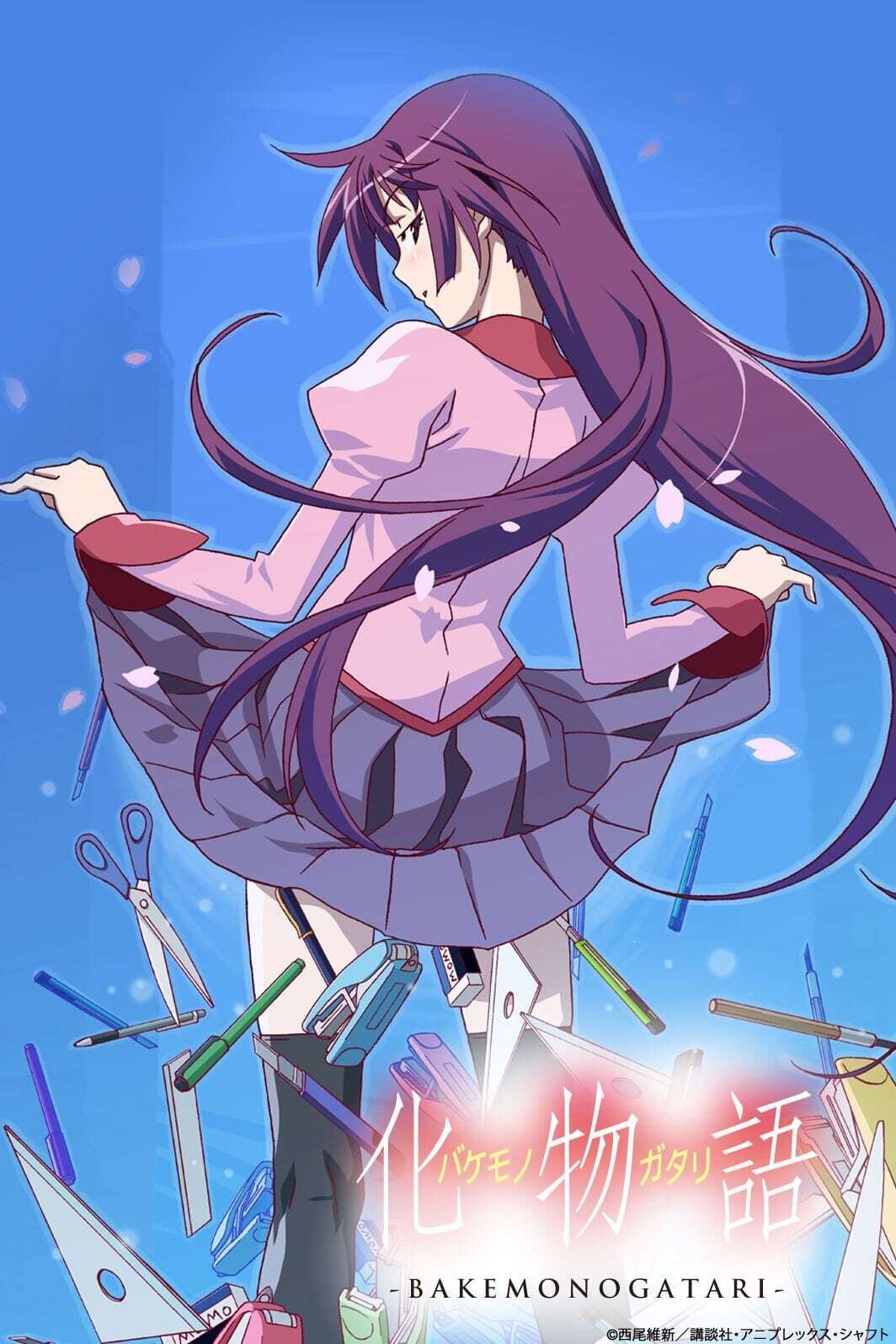
A high schooler entangled with oddities helps classmates who suffer from supernatural conditions tied to emotions. Conversations run for entire episodes with rapid text cards, wordplay, and abstract cutaways that replace action scenes. Camera angles isolate body parts and objects as if they are independent symbols.
Each arc resets the rules of its monster and asks viewers to learn a new vocabulary on the fly. Chronology jumps across holidays and terms of address change as relationships reboot. The series builds meaning through repeated phrases and visual callbacks rather than linear escalation.
‘Kaiba’ (2008)
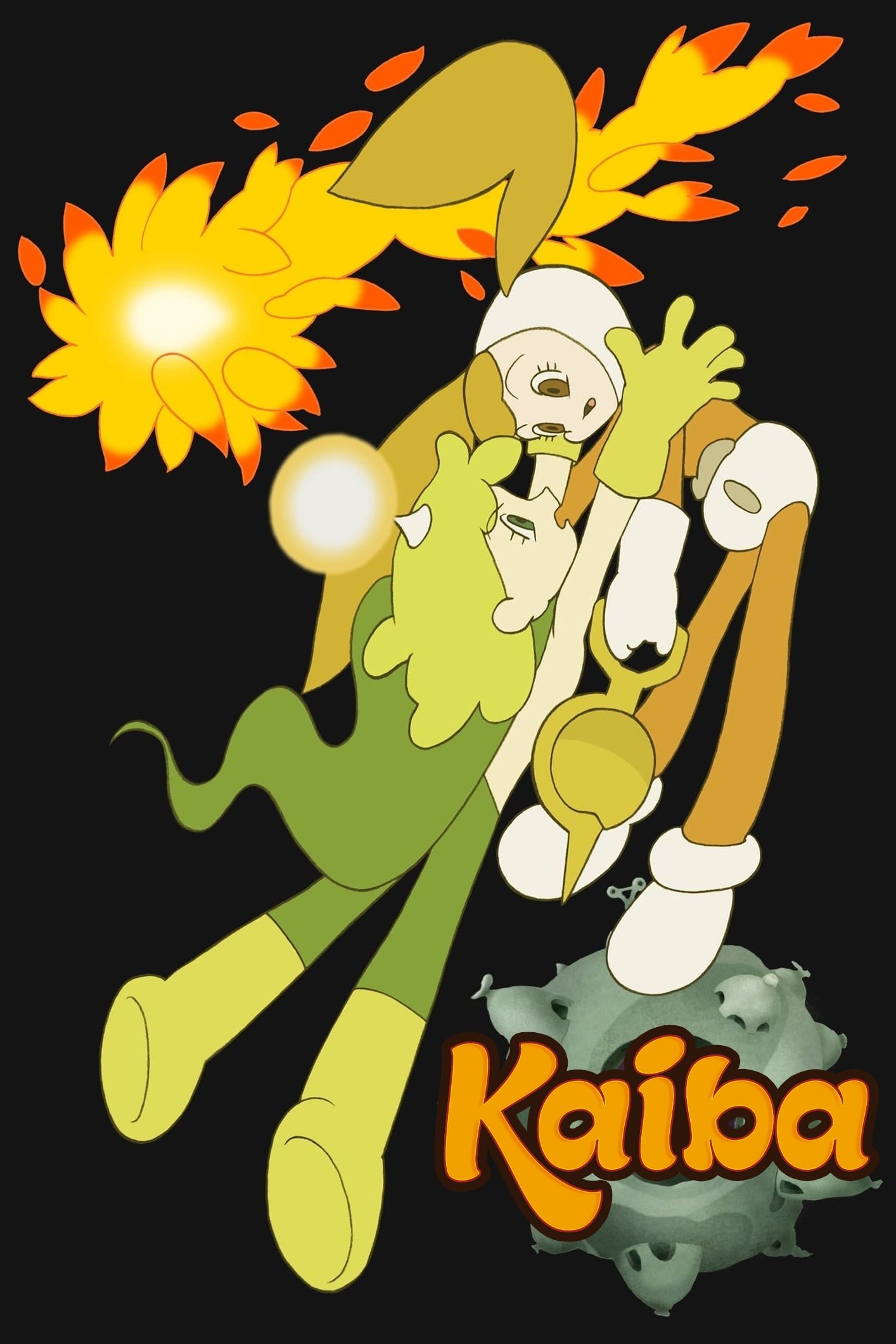
Memories are stored as data and can be moved into new bodies which lets people swap identities like outfits. The art style looks simple but hides heavy questions about class and authenticity. Episodes start with a self contained story that later connects back through a revised memory.
Because bodies are interchangeable, characters appear with new faces and voices while carrying traces of prior selves. Clues to identity are tucked into objects and scars that persist across swaps. The mystery advances by revealing that earlier scenes were mislabeled lives.
‘Dead Leaves’ (2004)
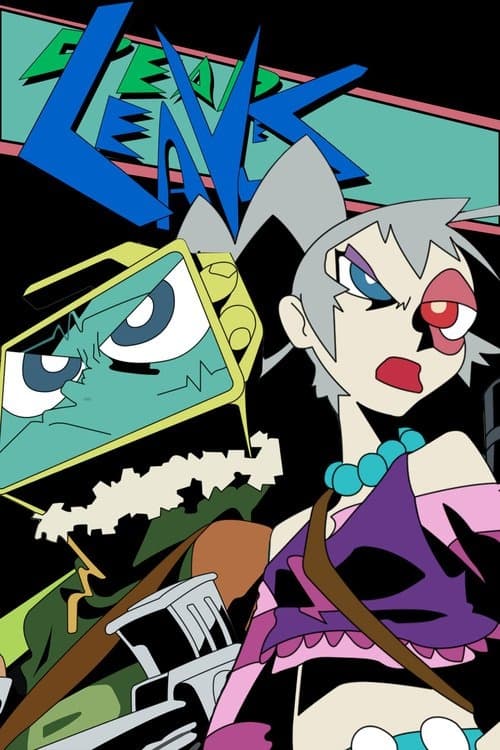
Two amnesiacs wake on Earth, steal a vehicle, and blast into a prison built on the ruins of a moon. The film moves at breakneck speed and fires off visual gags that collide with hyperkinetic fights. Dialogue is clipped and the camera rarely settles long enough to confirm geography.
Character backstories drop mid chase and reframe who is chasing whom. The staging favors punchlines over explanations which keeps motivations in flux. Scenes end on impact and the film treats plot as fuel for motion rather than a map.
‘Cat Soup’ (2001)
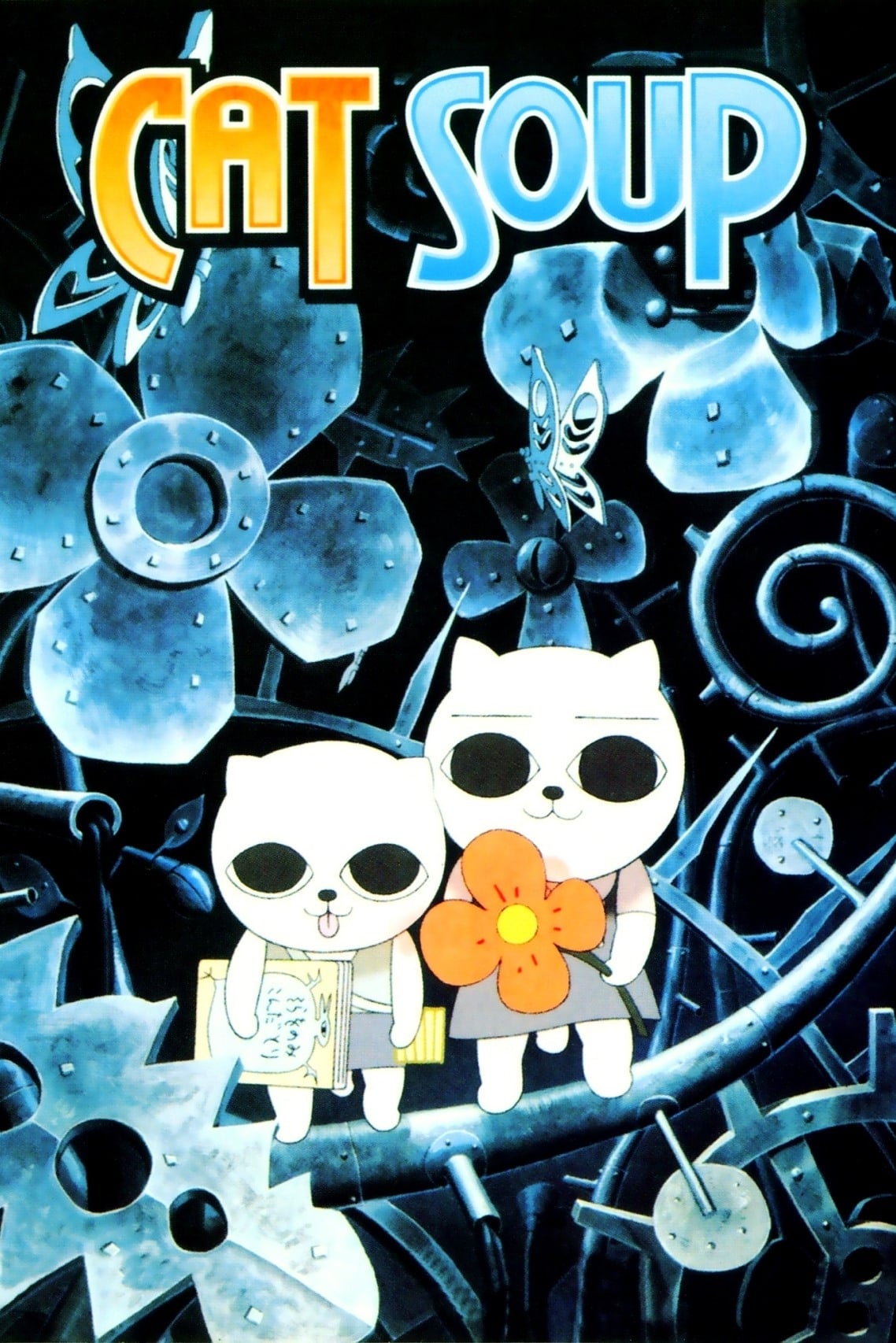
A cat travels through a world of paper seas and mechanical carnivals to retrieve a sibling’s lost soul. The short uses pantomime with almost no dialogue and cuts events together like an illustrated dream. Perspective changes without warning so characters shift size relative to the environment.
Time is elastic and moments can rewind or pause under the hand of a clownish narrator figure who may not exist. The story uses nursery imagery to present metaphysical events in a playful shell. Emotional beats appear as literal objects that must be stitched back into place.
‘Excel Saga’ (1999–2000)
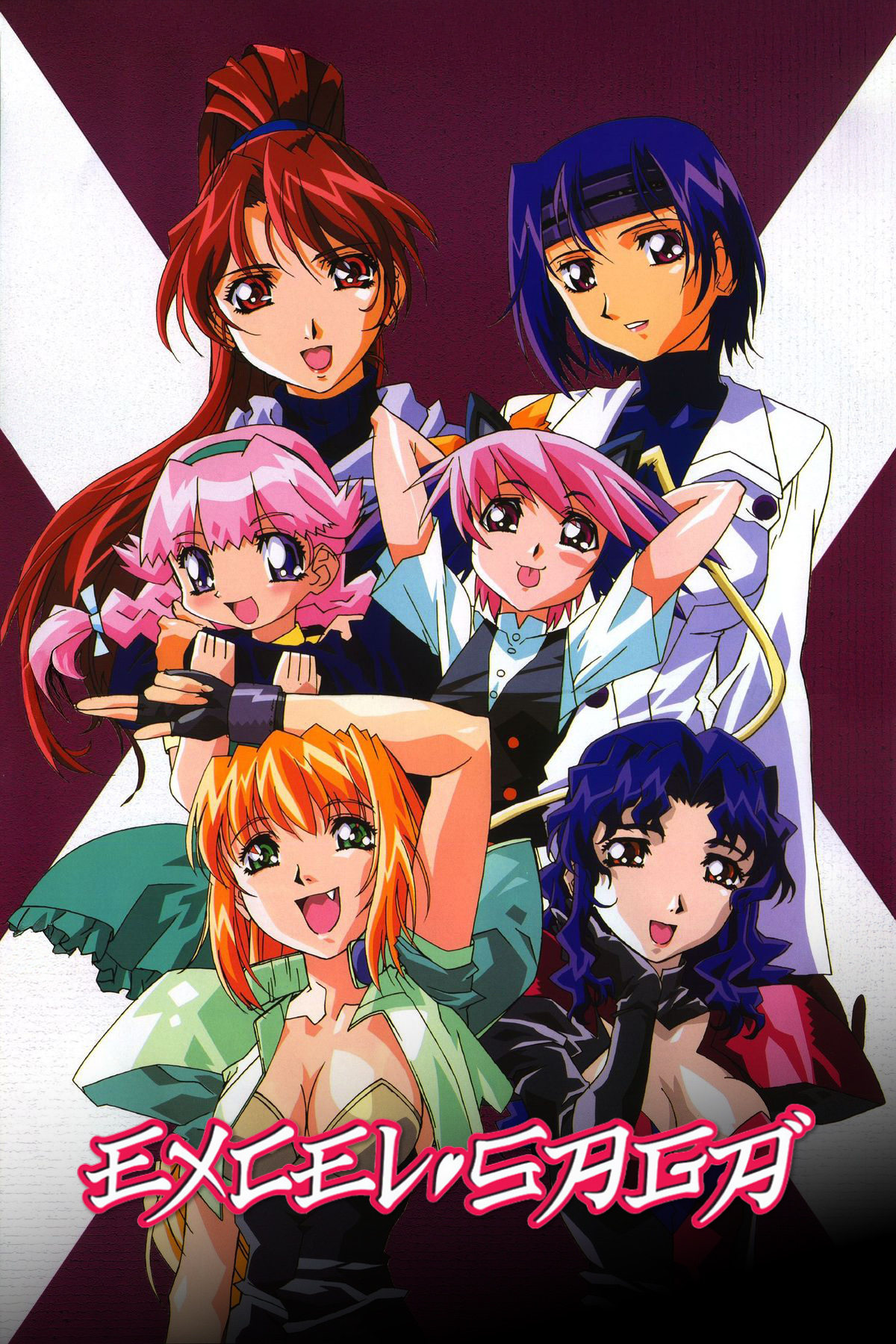
A chaotic secret organization tries to conquer a city while the show parodies a different genre in nearly every episode. The production breaks the fourth wall and includes an on screen comics creator who approves each experiment. Plots are frequently abandoned and characters return without explanation after being removed from the story.
Running jokes accumulate into continuity that half remembers its own past. The series treats broadcast rules like obstacles to play with which produces self inflicted censorship gags. The result is a patchwork of formats that rarely agree on tone or stakes.
‘Pop Team Epic’ (2018–2019)

Each episode repeats itself with the same sketches performed by different voice actors which doubles the runtime while changing delivery. Segments include fake previews, glitchy videogame bits, and live action interludes that appear unrelated to the main duo. Credits and title cards are moved around as part of the joke.
Parody targets range from idol shows to prestige dramas and the reference density is extreme. Viewers who do not recognize a reference still see something odd happen which keeps the show readable while emptying it of standard plot. It functions like a variety hour where format is the punchline.
‘Kill la Kill’ (2013–2014)

A transfer student searches for the truth about her father at an academy where uniforms grant superhuman power. Fight rules change every episode as clubs weaponize hobbies into combat systems. Transformation sequences, wardrobe politics, and school hierarchy operate as overlapping systems that rewrite themselves.
Episodes announce tournaments and revolutions with equal ease then toss them aside for the next escalation. Visual metaphors in costume design carry story information that dialogue only hints at. The narrative treats spectacle as structure which makes logic bend to staging.
‘Sarazanmai’ (2019)
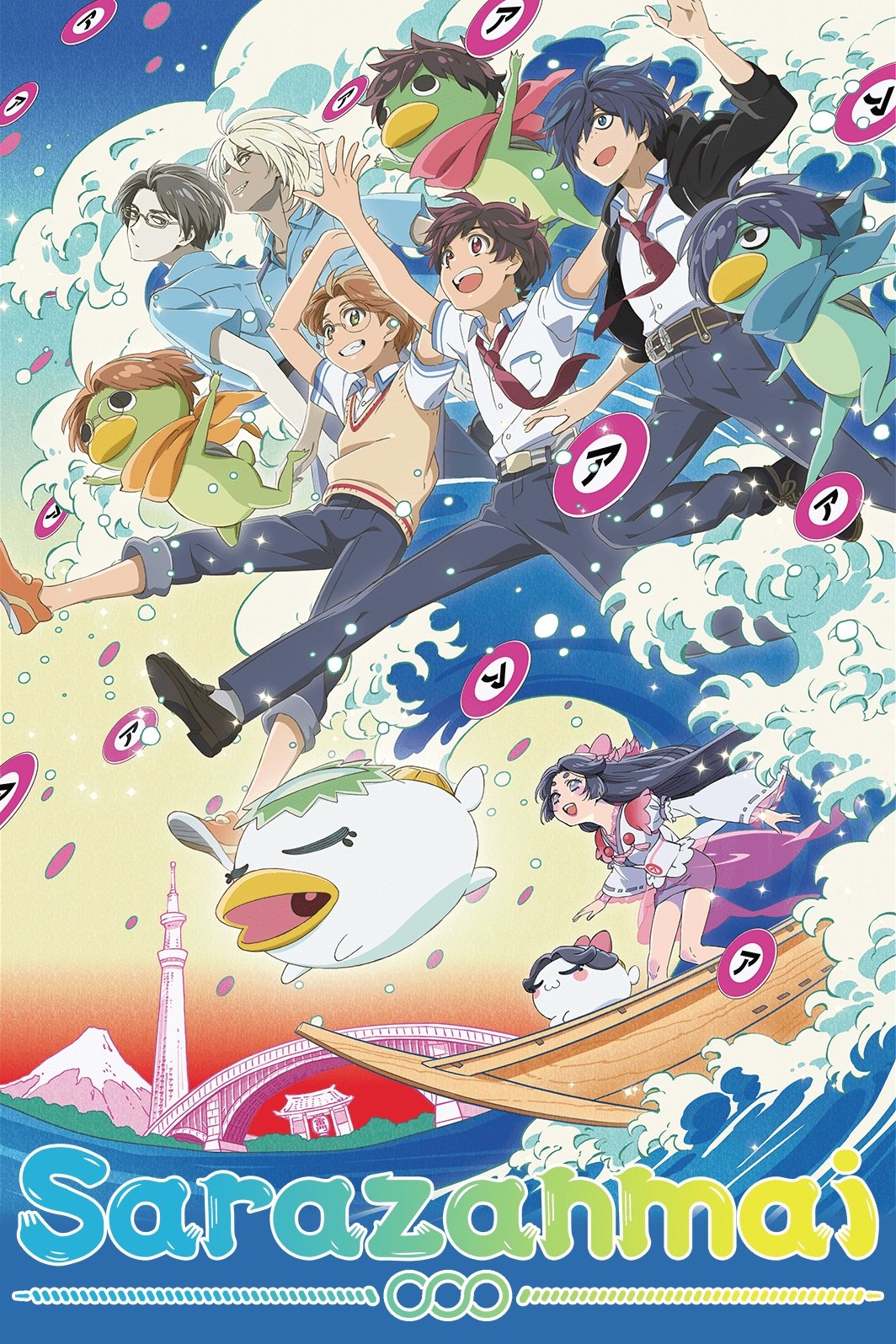
Three students are turned into kappa and must extract desires from zombie like beings to collect dishes that grant wishes. Each week repeats a musical battle sequence with small variations that carry new evidence. The show communicates relationships through objects like boxes, plates, and phones that move between owners.
Flashbacks reveal hidden connections that reframe simple acts like shoplifting as nodes in a web of debts. Desire and shame are presented as detachable forces that can be stolen or shared. Progress depends on synchronized dance steps as much as detective work.
‘The Melancholy of Haruhi Suzumiya’ (2006–2009)

A club leader who might unconsciously reshape reality drags classmates into mysteries that ignore calendar order. The broadcast mixed episodes from different points in the timeline which created multiple viewing orders. The infamous loop repeats a summer arc with near identical episodes that only shift tiny details.
Clues often hide in school events that look ordinary at first glance. The show plays with narration by letting one student describe incidents that he barely understands which filters big phenomena through casual reports. Stability returns only when the group performs rituals that may or may not matter.
Share the anime that scrambled your brain the most in the comments and tell us which moments still live rent free in your head.