20 Most Hated Actors of All Time

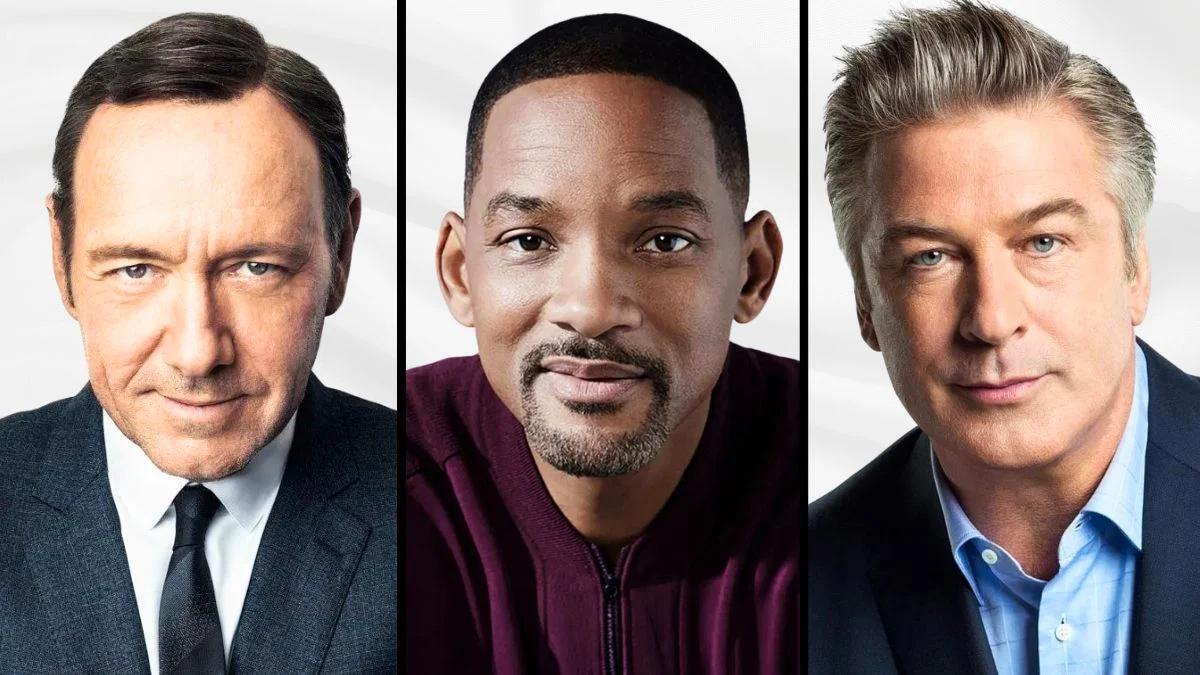

Public perception can turn on a dime in entertainment, and some actors have seen careers stall or change direction after controversies, legal troubles, or high-profile missteps. This list looks at the specific events that fueled large-scale backlash and how those moments affected projects, partnerships, and long-term prospects in film and television.
Each entry outlines the key incidents that sparked widespread criticism and the concrete outcomes that followed, from contract losses and pulled releases to convictions, industry bans, or sustained reputational damage. The focus is on verified milestones and career consequences so you can see what happened, what changed afterward, and where things stand now.
Mel Gibson
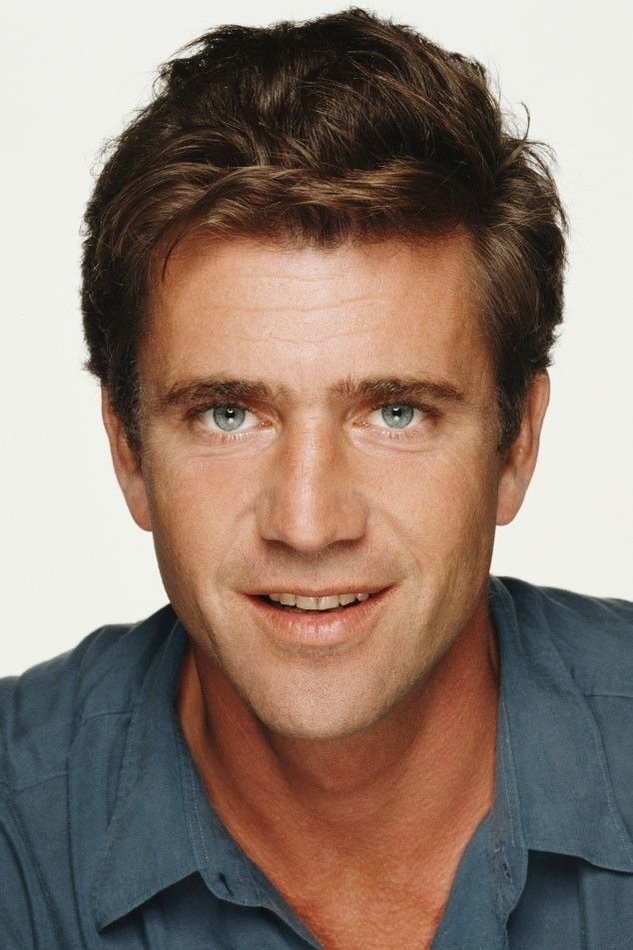
Gibson’s reputation shifted after a series of incidents that included a DUI arrest accompanied by widely reported anti-Semitic remarks and later recordings that drew intense condemnation. Studios and agencies distanced themselves during that period, and several planned projects were delayed or reshaped as a result.
Over time he returned to directing and acting, with work on projects such as ‘Hacksaw Ridge’ helping reestablish him professionally. Even with that comeback, many brands and producers weighed risk when considering his involvement, which influenced how and where new projects were financed and marketed.
Kevin Spacey
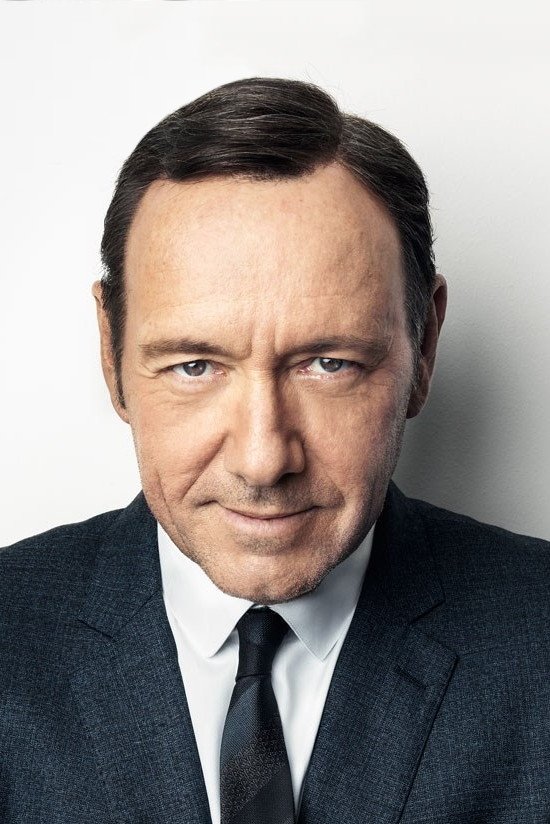
Spacey faced multiple allegations that led to his removal from the series ‘House of Cards’ and the last-minute reshooting of scenes in ‘All the Money in the World’ with another actor. He was later acquitted of criminal charges in the United Kingdom and prevailed in a major civil case in the United States, but the allegations had already triggered significant career fallout.
Following those legal outcomes, attempts at a professional return were limited and often independent of major studios. Distribution partners evaluated audience response carefully, and many mainstream opportunities remained on hold as buyers and festivals assessed reputational risk.
Will Smith
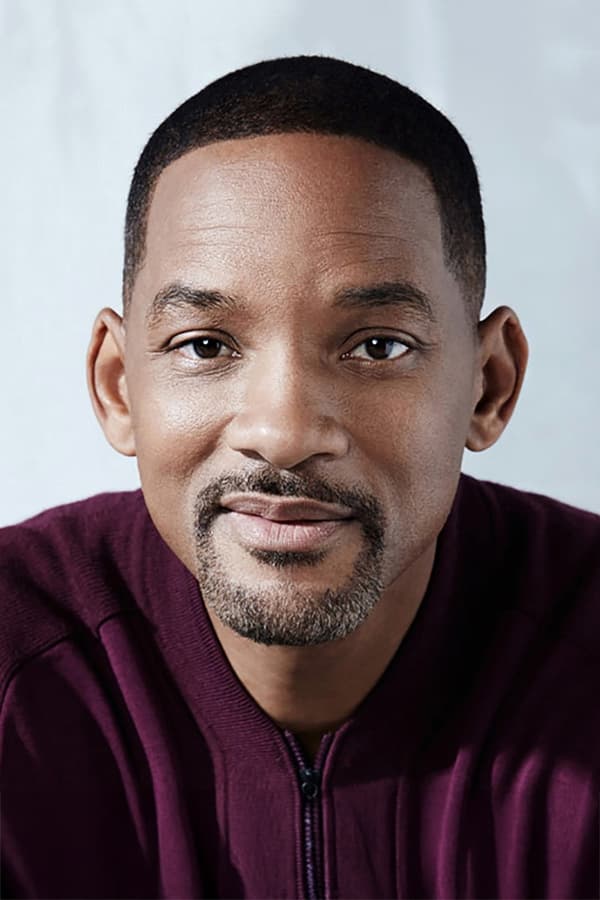
Smith’s onstage altercation with Chris Rock at the Academy Awards led to an industry-wide response, including a ban from attending Academy events for a defined period. Several projects paused development while companies assessed audience sentiment and internal policies related to conduct.
Subsequent releases and appearances were calibrated to rebuild goodwill, with carefully managed press and community engagement. Studios factored in international markets and streaming windows when planning future collaborations, watching performance data for signs of stability before scaling up new commitments.
Alec Baldwin
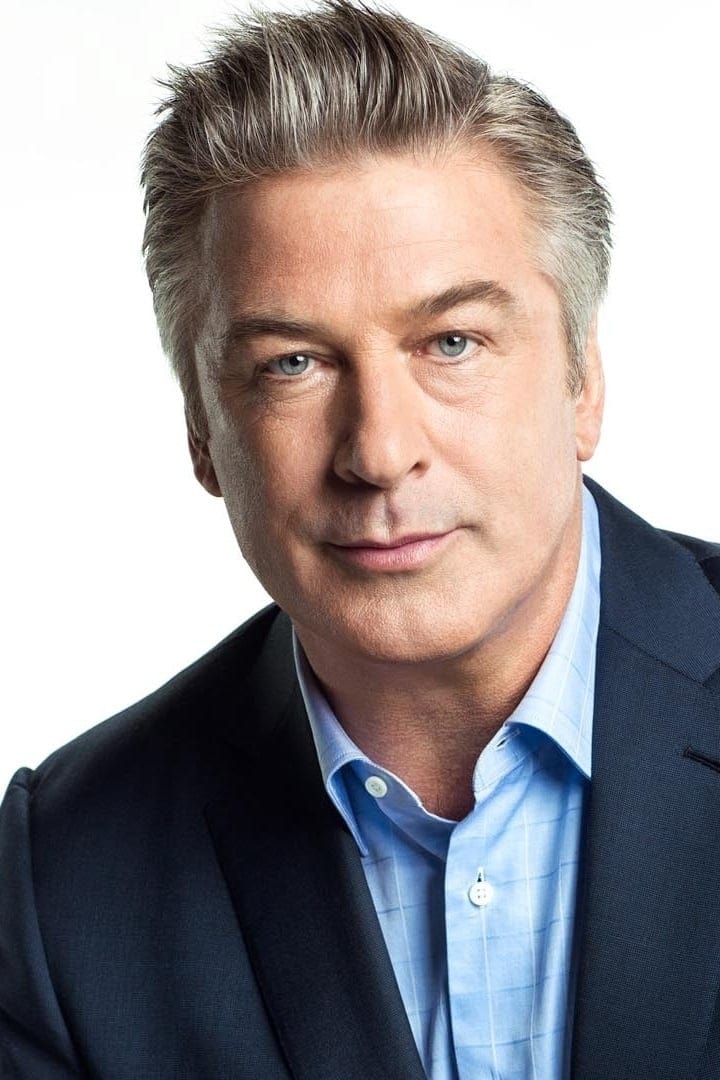
Baldwin became the subject of prolonged scrutiny after the fatal on-set shooting of cinematographer Halyna Hutchins during production of ‘Rust’. Investigations and court proceedings examined safety protocols, chain-of-custody for firearms, and responsibilities among producers and crew.
Insurance considerations and union safety guidance influenced how productions evaluated his participation. The film industry responded with updated set procedures, and projects involving him required detailed risk assessments, affecting schedules, premiums, and contractual language.
James Franco
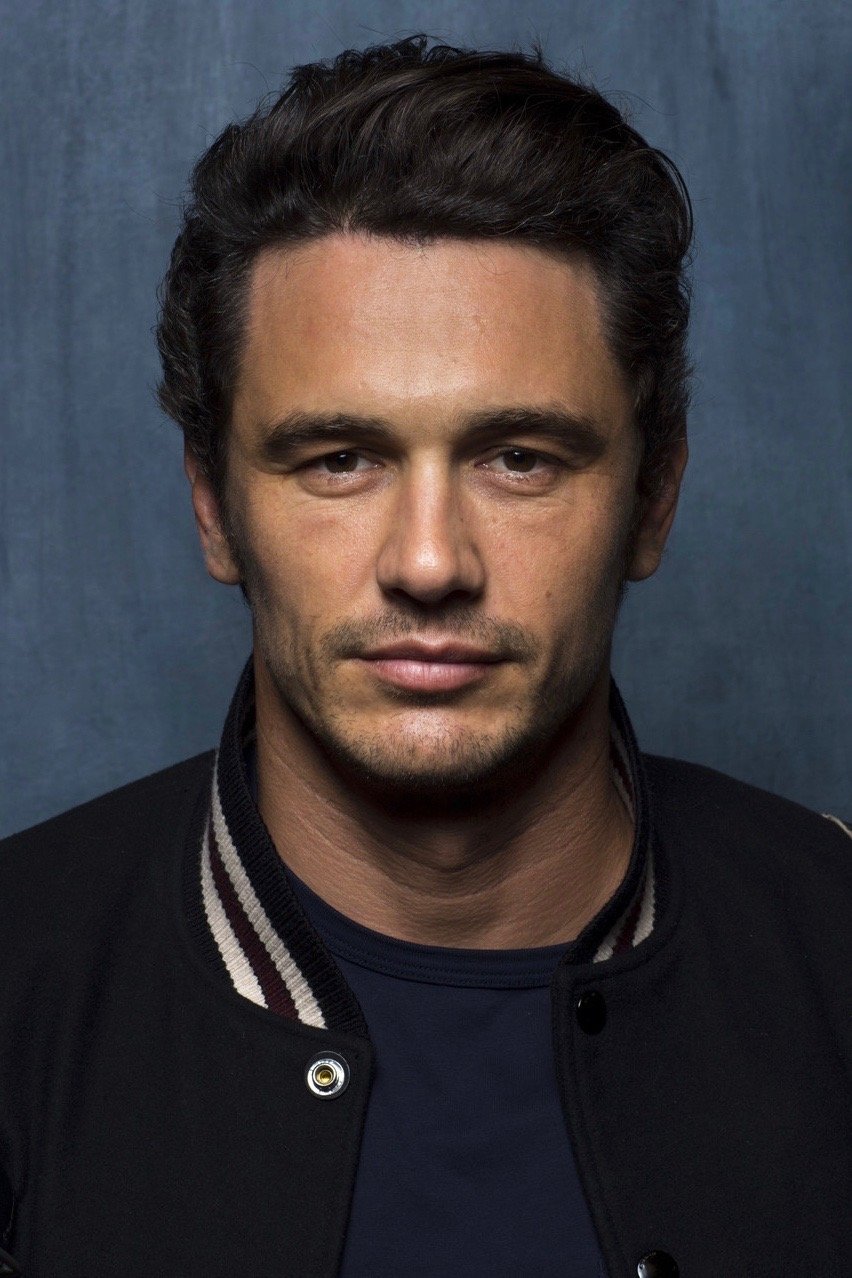
Franco faced allegations of misconduct that led to settlements and professional repercussions, including removal from certain roles and a reduced presence in mainstream releases. Acting classes and affiliated programs connected to him closed amid the controversy.
In the aftermath, international productions and smaller distributors became primary avenues for work. Casting decisions weighed the potential for negative attention against market demand, and promotional campaigns were adjusted to minimize risk while meeting contractual obligations.
Shia LaBeouf
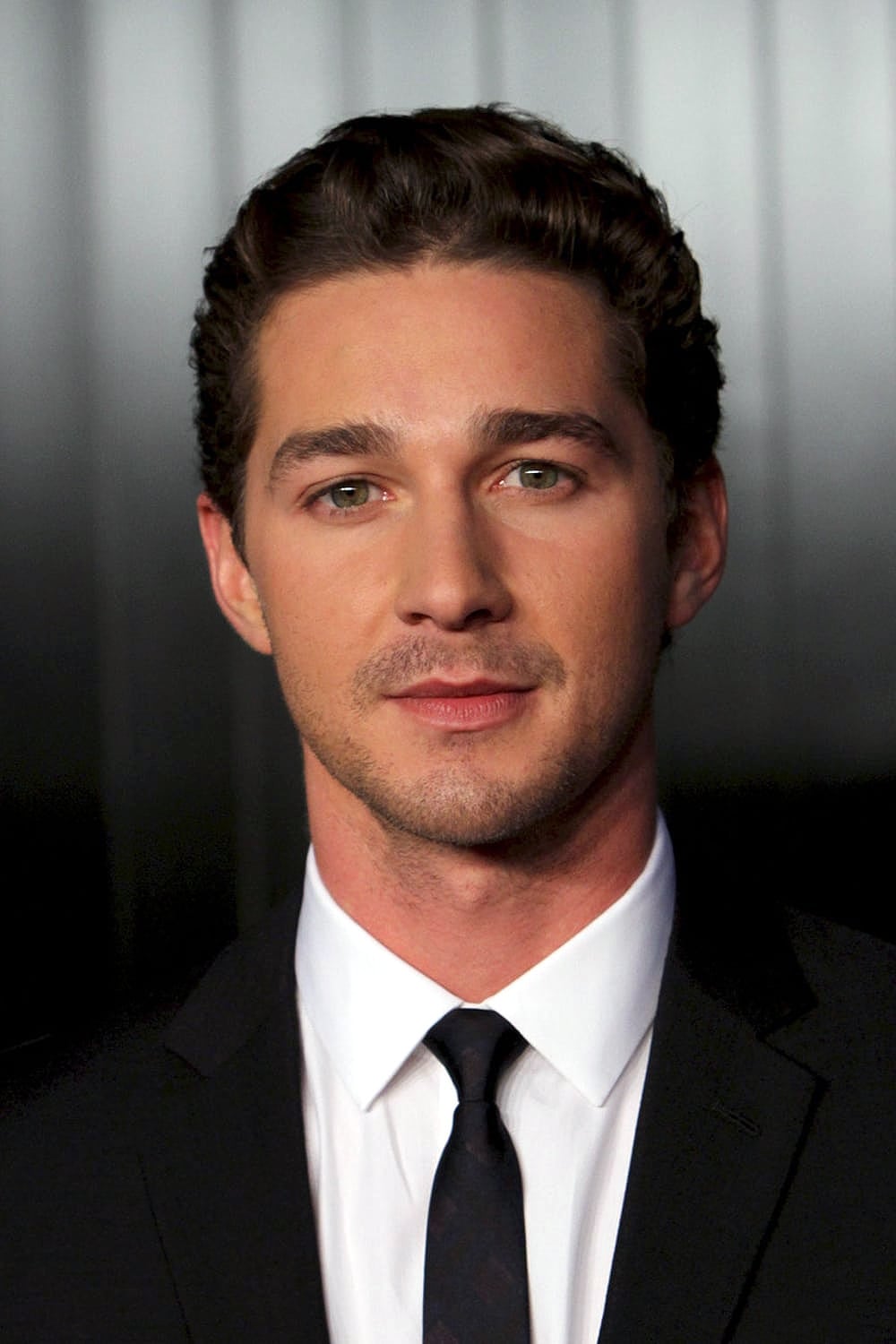
LaBeouf’s career included notable arrests, accusations of abusive behavior, and a widely reported plagiarism dispute tied to a short film. These issues prompted treatment programs and public statements acknowledging personal struggles.
Producers approached subsequent casting with caution, sometimes requiring behavioral clauses and insurance safeguards. Independent projects offered limited paths forward, with festival strategies designed to test audience response before wider distribution.
Ezra Miller
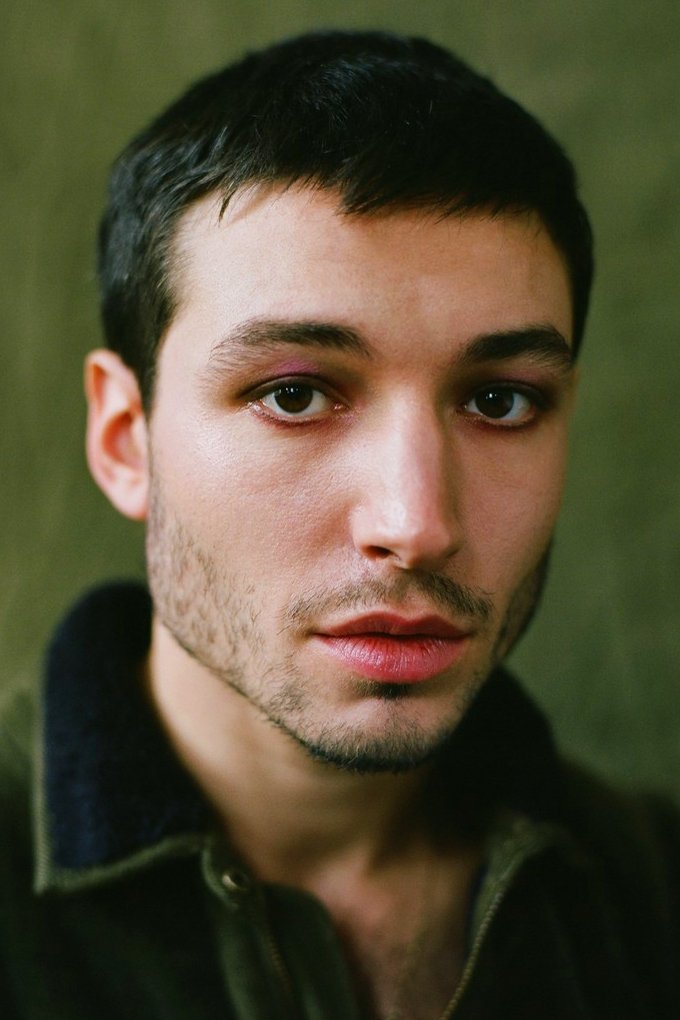
Miller’s string of legal incidents and public controversies complicated the rollout of ‘The Flash’ and related promotional plans. Studios adjusted press strategies, relying on limited appearances and emphasizing supporting cast and behind-the-scenes craftsmanship.
Future franchise planning accounted for uncertainty, with contingency options explored for character arcs in connected properties. Retail partners and international exhibitors monitored sentiment data, which influenced merchandising and ancillary windows.
Armie Hammer
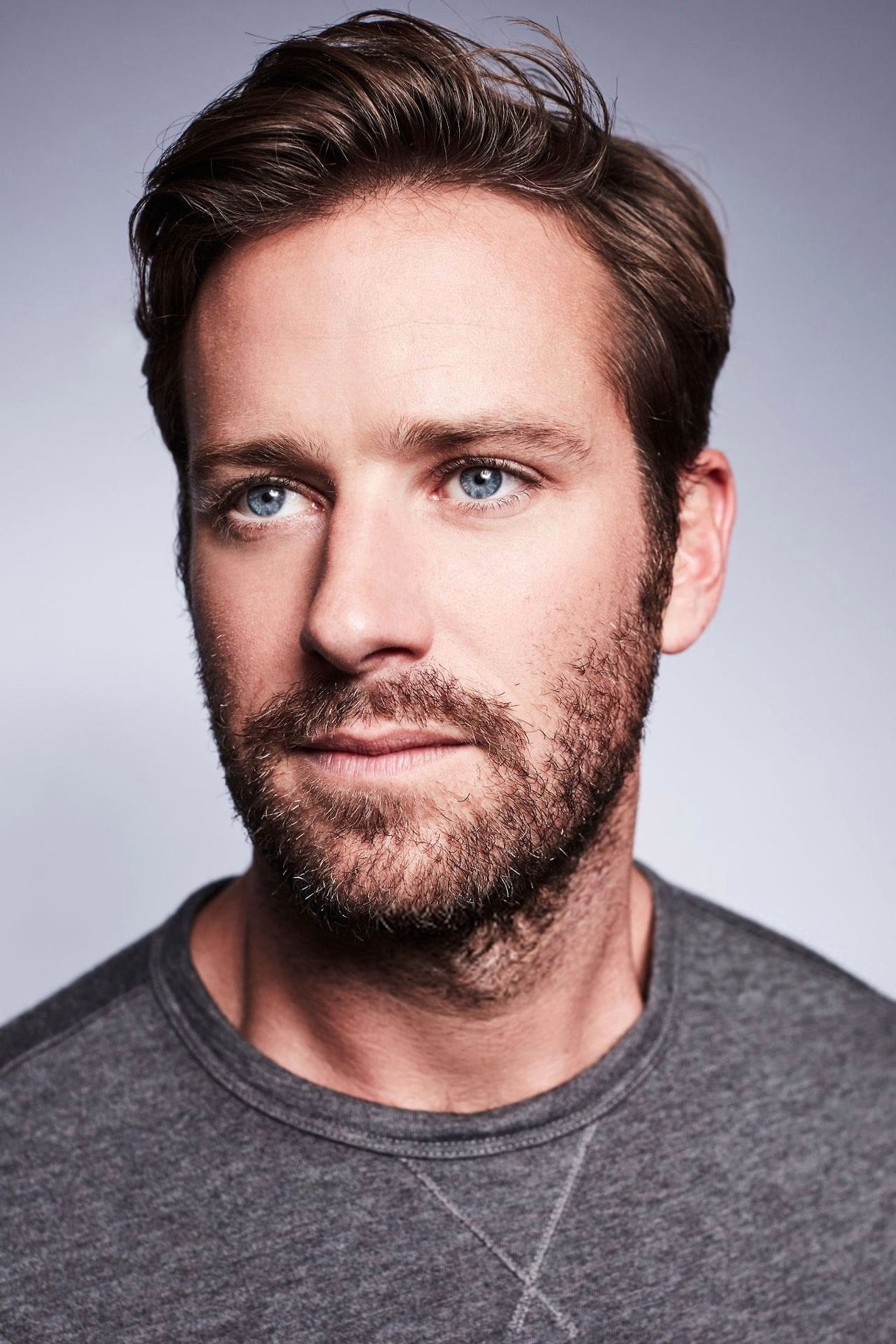
Allegations of sexual misconduct led to Hammer’s removal from multiple projects and replacement in high-profile films and series. Talent agencies and publicists parted ways, and studios reworked schedules to recast and reshoot key material.
With mainline roles paused, independent and international markets were considered but often proved unviable given ongoing scrutiny. Catalog titles remained available, but new development stalled as stakeholders prioritized reputational due diligence.
Jussie Smollett
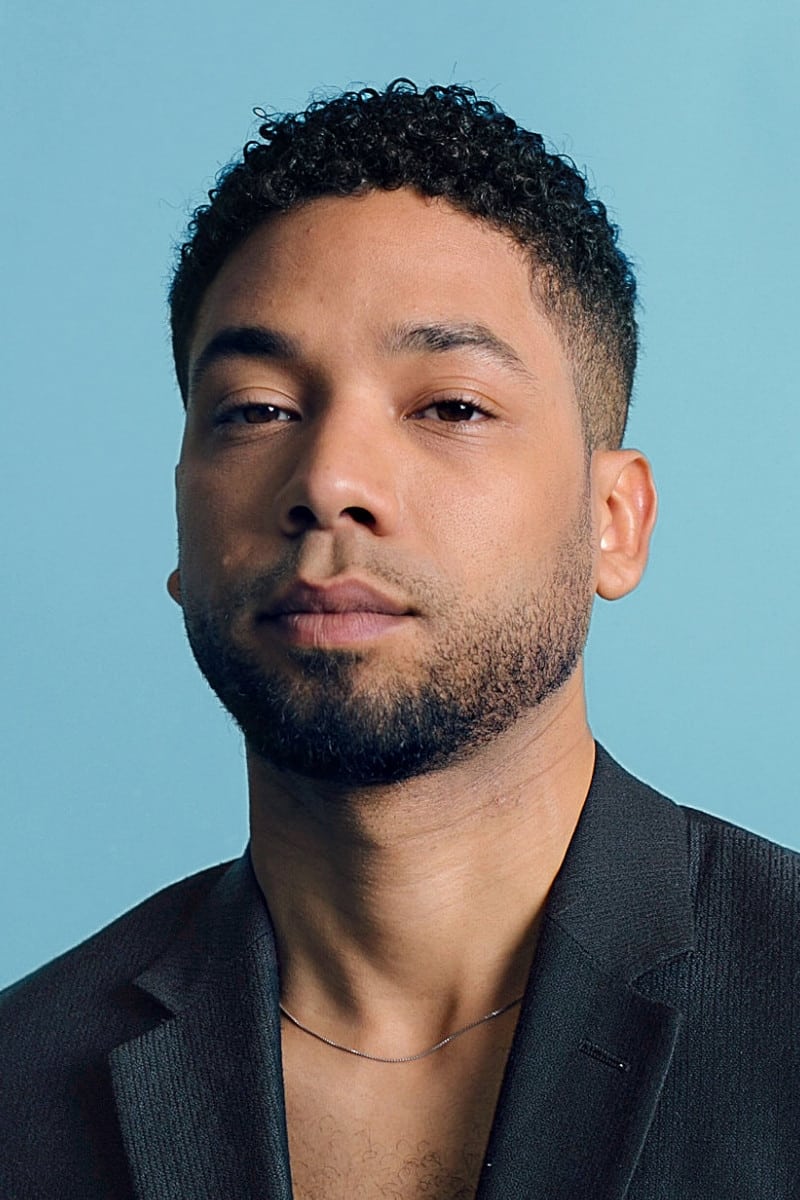
Smollett was convicted for filing a false police report related to an alleged hate crime, which resulted in legal penalties and swift professional consequences. His role on ‘Empire’ was reduced and then ended as the case progressed.
Post-conviction efforts focused on appeals and limited media engagement. Production companies weighed reinstatement scenarios against contractual and insurance constraints, and mainstream casting opportunities remained scarce amid continuing legal activity.
Danny Masterson
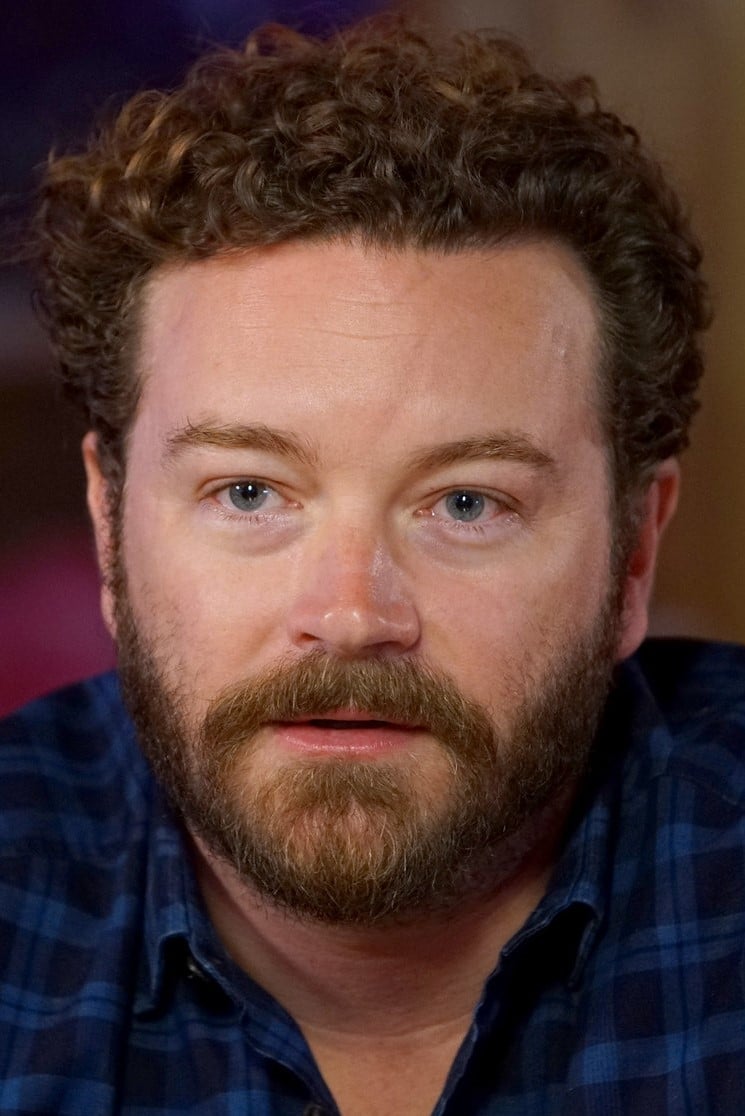
Masterson was convicted on multiple counts of rape and received a lengthy prison sentence, ending his participation in ongoing projects. Syndication and streaming presentations of shows like ‘That ’70s Show’ drew renewed attention to his scenes and contracts.
Studios reviewed residual arrangements and public communications to ensure compliance with legal outcomes. The case also factored into broader industry discussions about standards, grievance reporting, and set culture.
Woody Allen
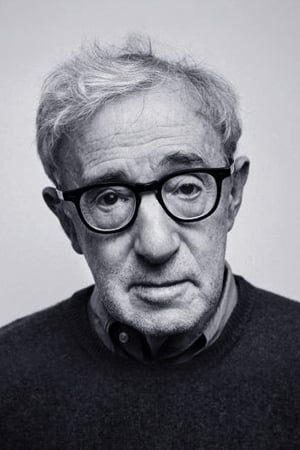
Allen has faced decades of public controversy tied to longstanding allegations that he has consistently denied, with no criminal charges brought. Regardless of legal posture, distributor relationships in the United States contracted, and several recent releases pursued international-first strategies.
Festival selections and advertising buys were calibrated to regional markets where audience reception remained steadier. Financing increasingly relied on non-U.S. partnerships, and casting decisions often considered potential backlash during negotiations.
O. J. Simpson

Simpson, who acted in projects like ‘The Naked Gun’, remained one of the most polarizing figures in American culture after his criminal acquittal and later civil liability verdicts in connection with the murders of Nicole Brown Simpson and Ron Goldman. The legal record shaped how networks and streamers curated archival content featuring him.
Documentaries and true-crime programming revisited the case, affecting how his acting appearances were framed in retrospectives. Rights holders evaluated audience sensitivities before licensing material for new windows or promotional use.
Russell Brand
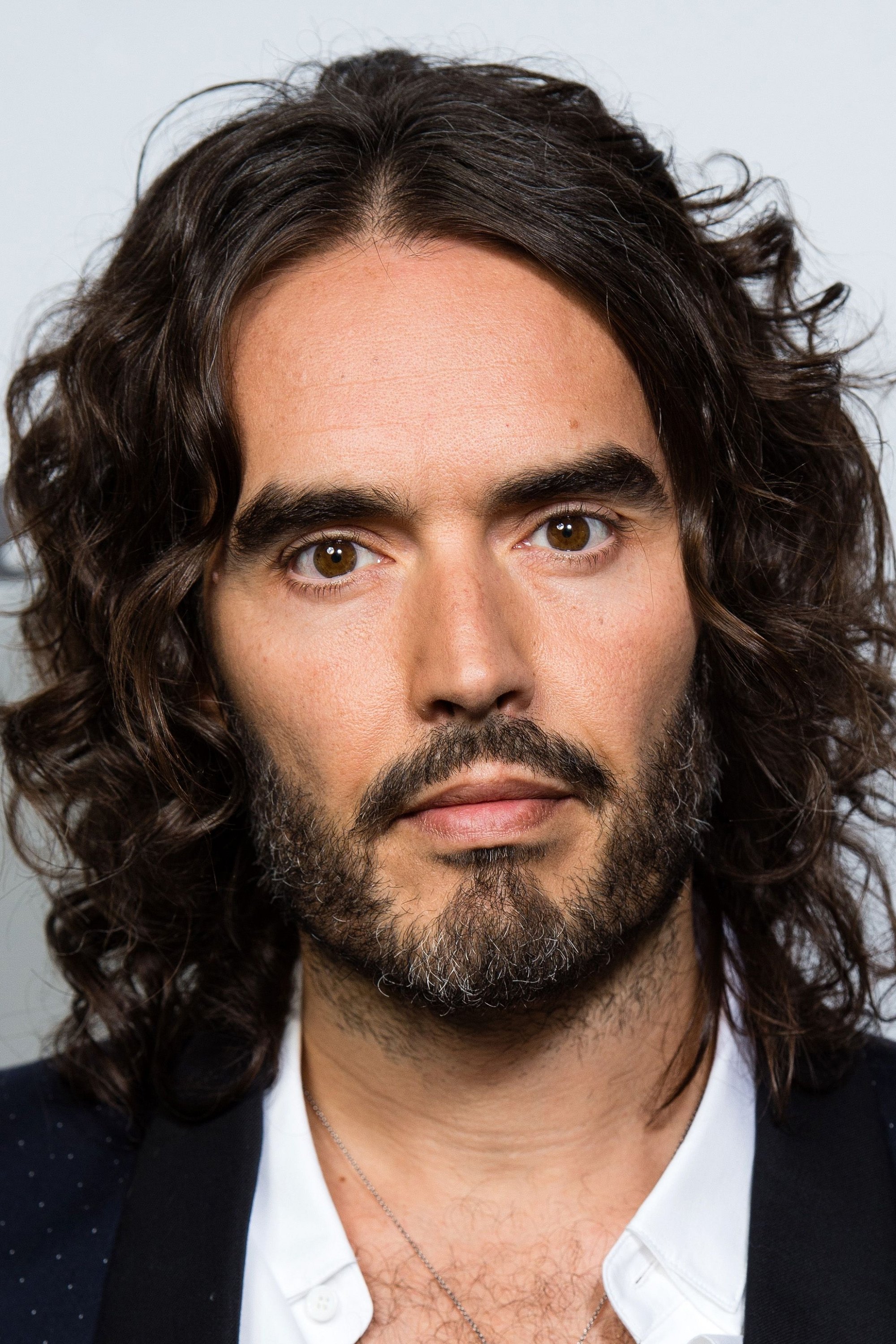
Brand faced multiple allegations of sexual assault and misconduct reported by major outlets, which he denied. Following those reports, content partners reassessed monetization and distribution of his appearances, including changes to advertising and live bookings.
Broadcasters and venues implemented additional review procedures for future engagements. International touring and digital platforms became focal points while traditional media weighed the risks of new collaborations.
Louis C.K.
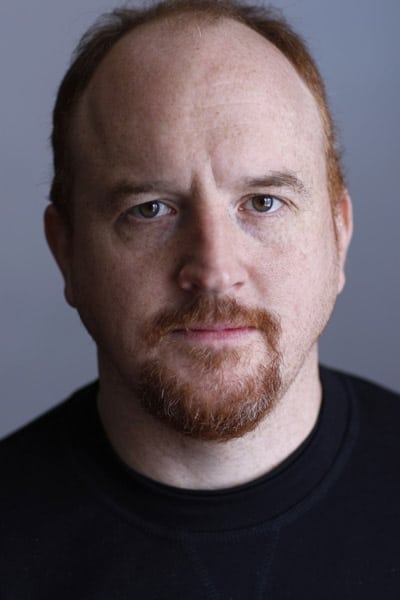
Louis C.K. admitted to misconduct detailed by accusers, which led to canceled projects, pulled distributions, and dropped deals. Film and TV partners halted releases that were in the pipeline and reevaluated existing licensing.
He later resumed performing with direct-to-consumer models that bypassed traditional studios and networks. That approach shifted revenue streams toward ticketing and digital sales while limiting exposure in mainstream film and television casting.
Steven Seagal
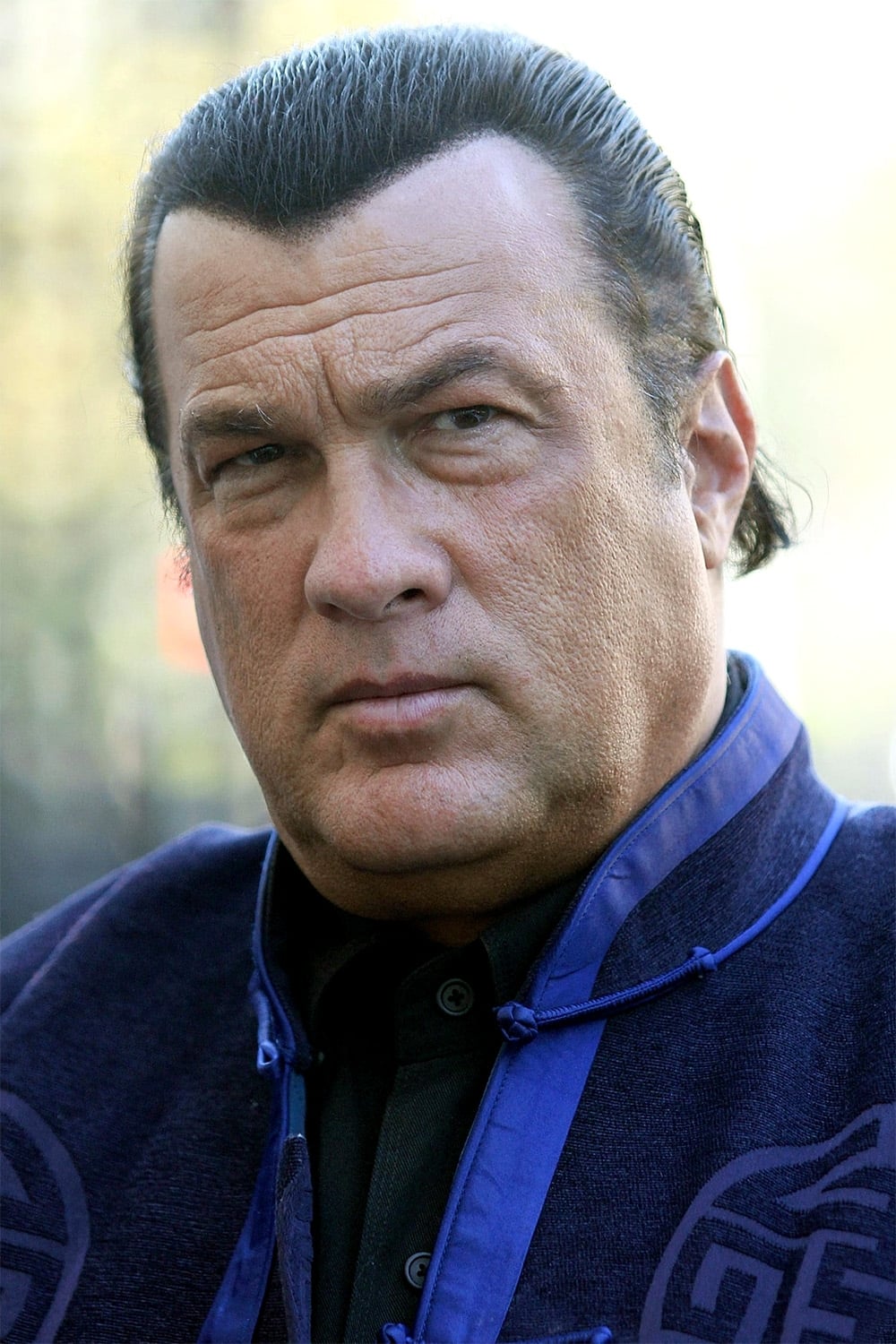
Seagal faced numerous accusations of sexual misconduct from multiple women and became a controversial figure for his political ties, including a high-profile relationship with Russian officials. These factors reduced his visibility in major studio projects.
Distribution for his later work skewed toward international and direct-to-video markets. Sales agents emphasized territories with established fan bases, while U.S. theatrical prospects remained limited due to reputational concerns.
Charlie Sheen
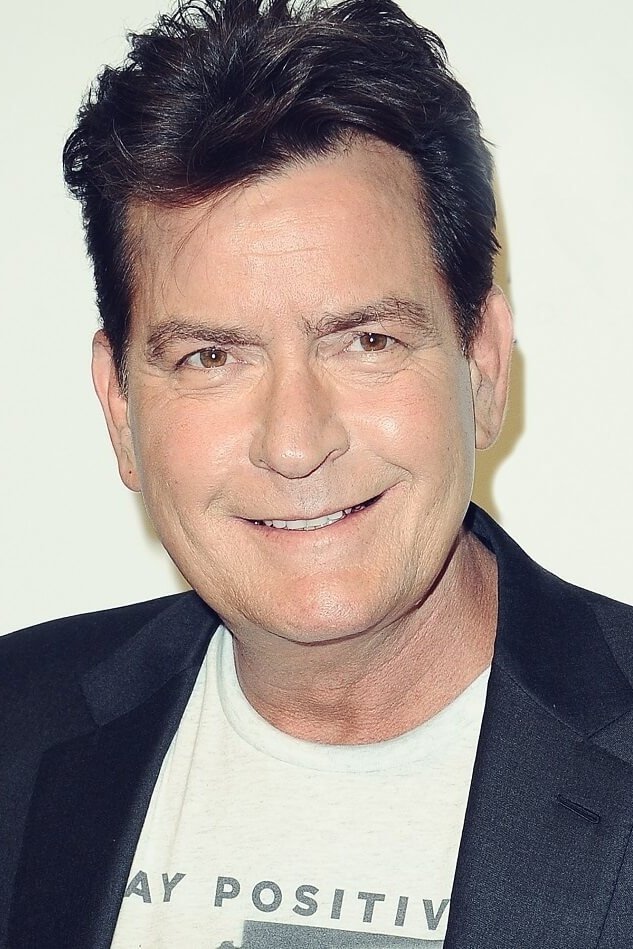
Sheen’s public meltdown, legal issues, and workplace disputes led to his exit from ‘Two and a Half Men’ and complicated subsequent projects. Insurance requirements and completion bonds became sticking points for productions considering his involvement.
Later appearances focused on smaller roles and guest spots designed to test audience response. Contract structures often included behavior-related provisions and staged payments tied to milestones during production.
Bill Cosby
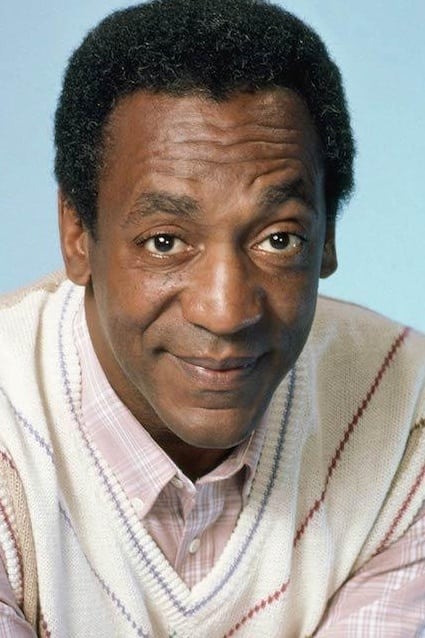
Cosby’s criminal conviction was overturned on due process grounds, and he was later found liable in a civil case related to sexual assault. The combined legal history led networks and streamers to pull or limit distribution of shows like ‘The Cosby Show’ in certain markets.
Licensing decisions weighed contractual rights against public reaction and advertiser positions. Professional activities remained minimal, with legal developments shaping media coverage and opportunities.
Michael Richards
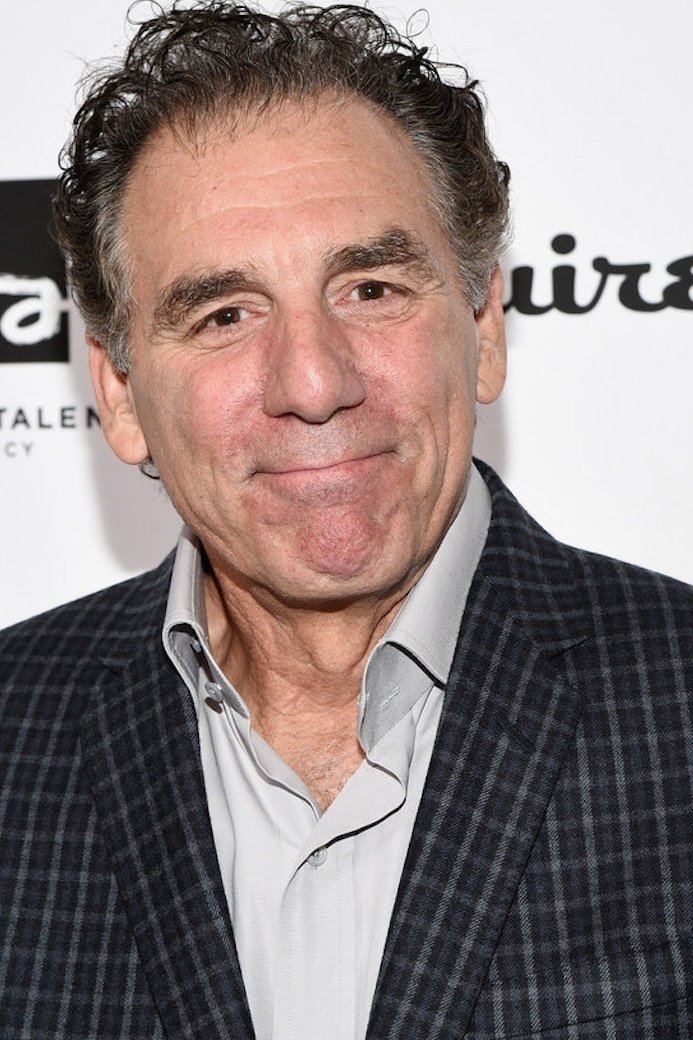
Richards’ onstage use of racial slurs during a comedy set led to immediate backlash and a sharp decline in acting opportunities. Public apologies did little to restore mainstream bookings in the short term.
Syndication of ‘Seinfeld’ continued based on ensemble popularity, but his individual prospects narrowed considerably. Occasional appearances were approached with caution by producers mindful of audience sensitivities.
Mark Wahlberg
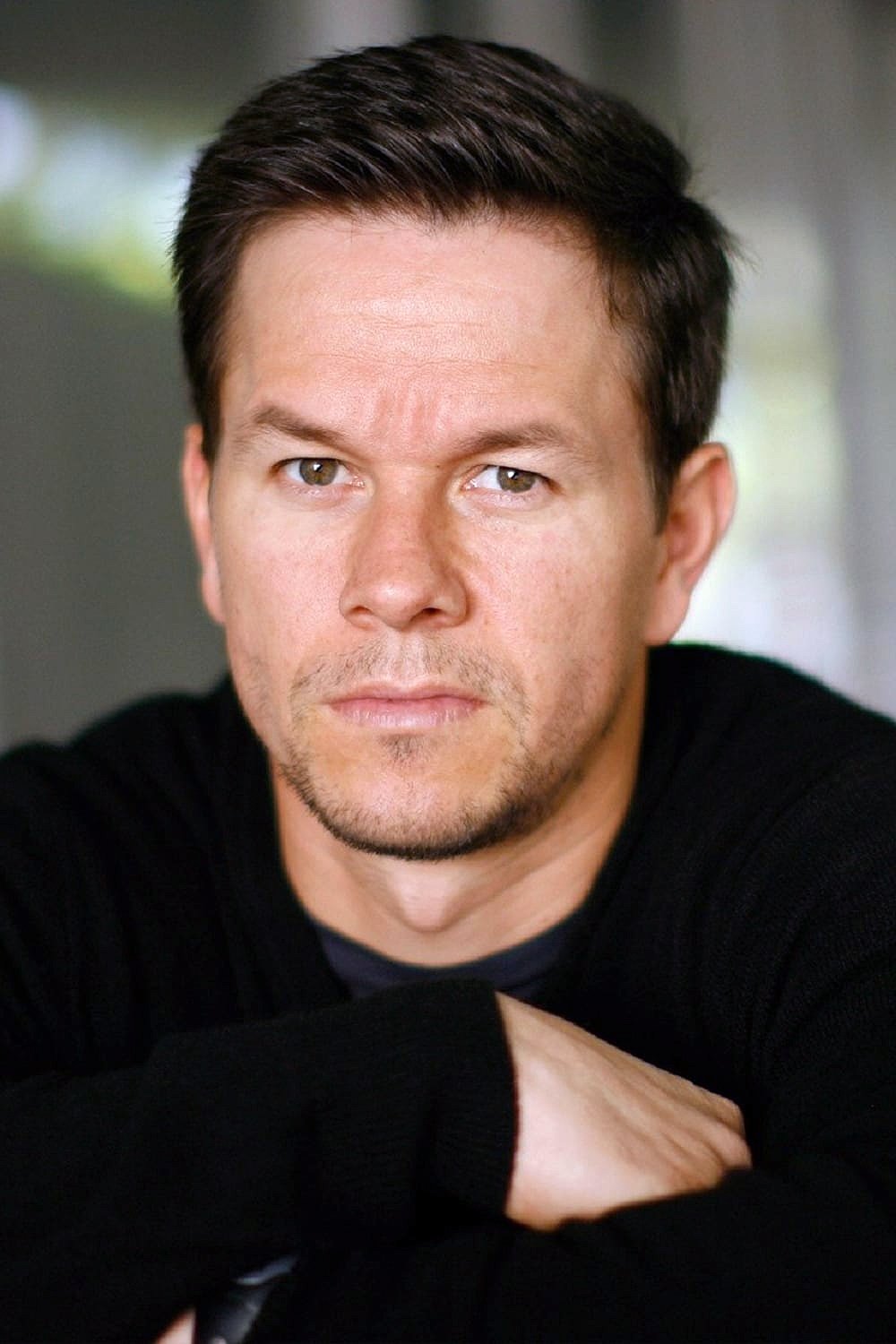
Wahlberg’s teenage criminal cases, including racially motivated assaults, resurfaced periodically as he pursued pardons and philanthropic work. The historical record influenced how his projects were promoted, especially when campaigns emphasized redemption narratives.
Studios balanced his box office draw against potential controversy in certain markets. Community initiatives and donations became part of public relations strategies around releases to address recurring criticism tied to his past.
Andy Dick
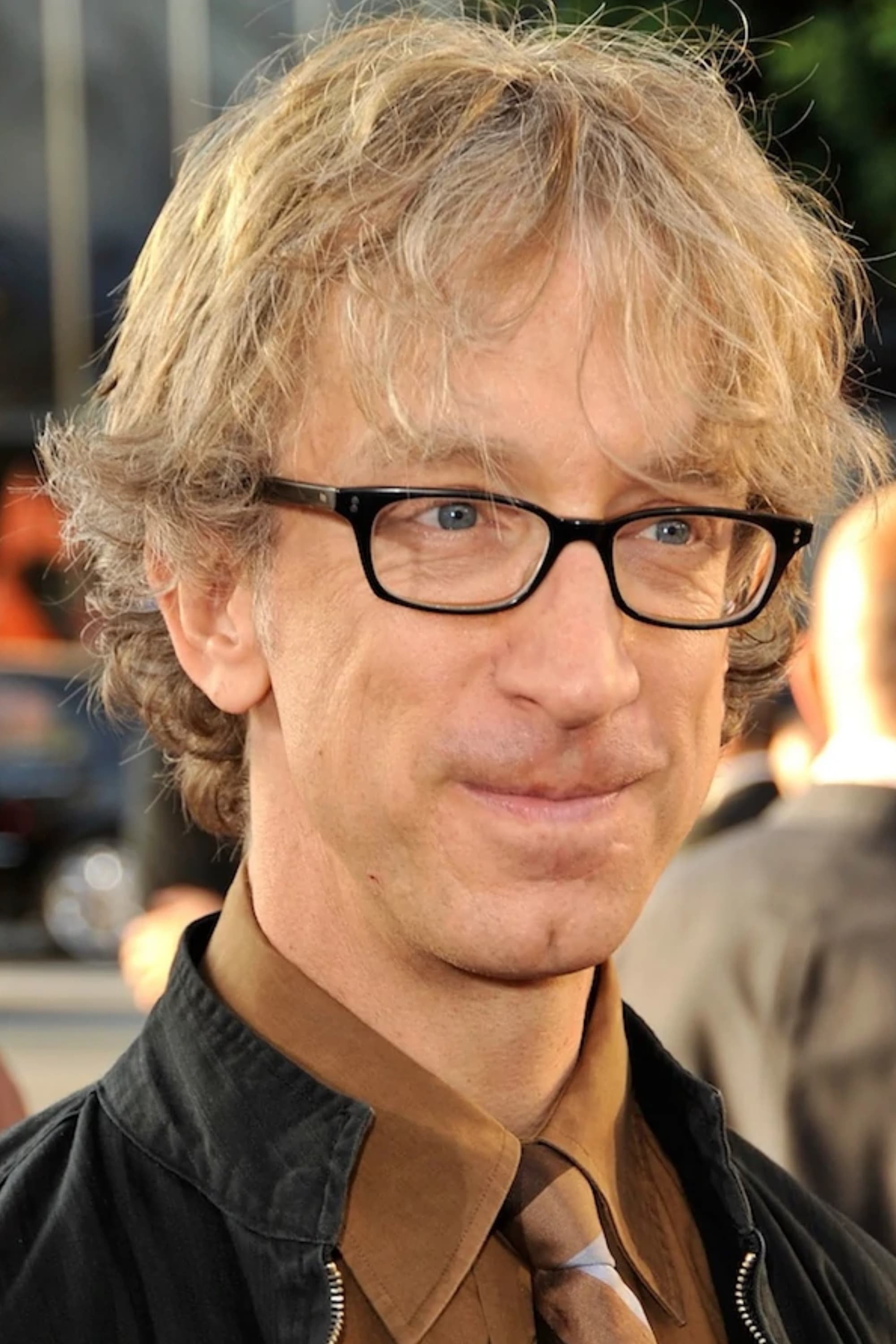
Andy Dick’s arrests and allegations of sexual battery and harassment created persistent challenges for casting and live bookings. Productions weighed his unpredictable behavior against scheduling needs and insurance requirements.
As mainstream opportunities waned, appearances shifted toward smaller venues and independent projects with modest risk exposure. Talent managers and promoters implemented stricter conduct clauses and on-site oversight to mitigate potential issues.
Share your thoughts below on which entries surprised you most and who you think should be added or removed from this list.