20 Most Hated Actresses of All Time


Public perception can swing fast, and actresses often face intense reactions that go far beyond the work they do on screen. This list looks at high profile cases where backlash built up because of roles, interviews, business ventures, legal battles, or social media moments. It focuses on what actually happened and how those moments shaped careers and reputations over time.
Every entry outlines documented flashpoints, from casting controversies to workplace disputes and public statements that sparked criticism. It also highlights the real world outcomes that followed, including firings, boycotts, stalled projects, renewed opportunities, and image rebuilds. The goal is to map cause and effect so readers can understand how specific events amplified negative sentiment.
Amber Heard
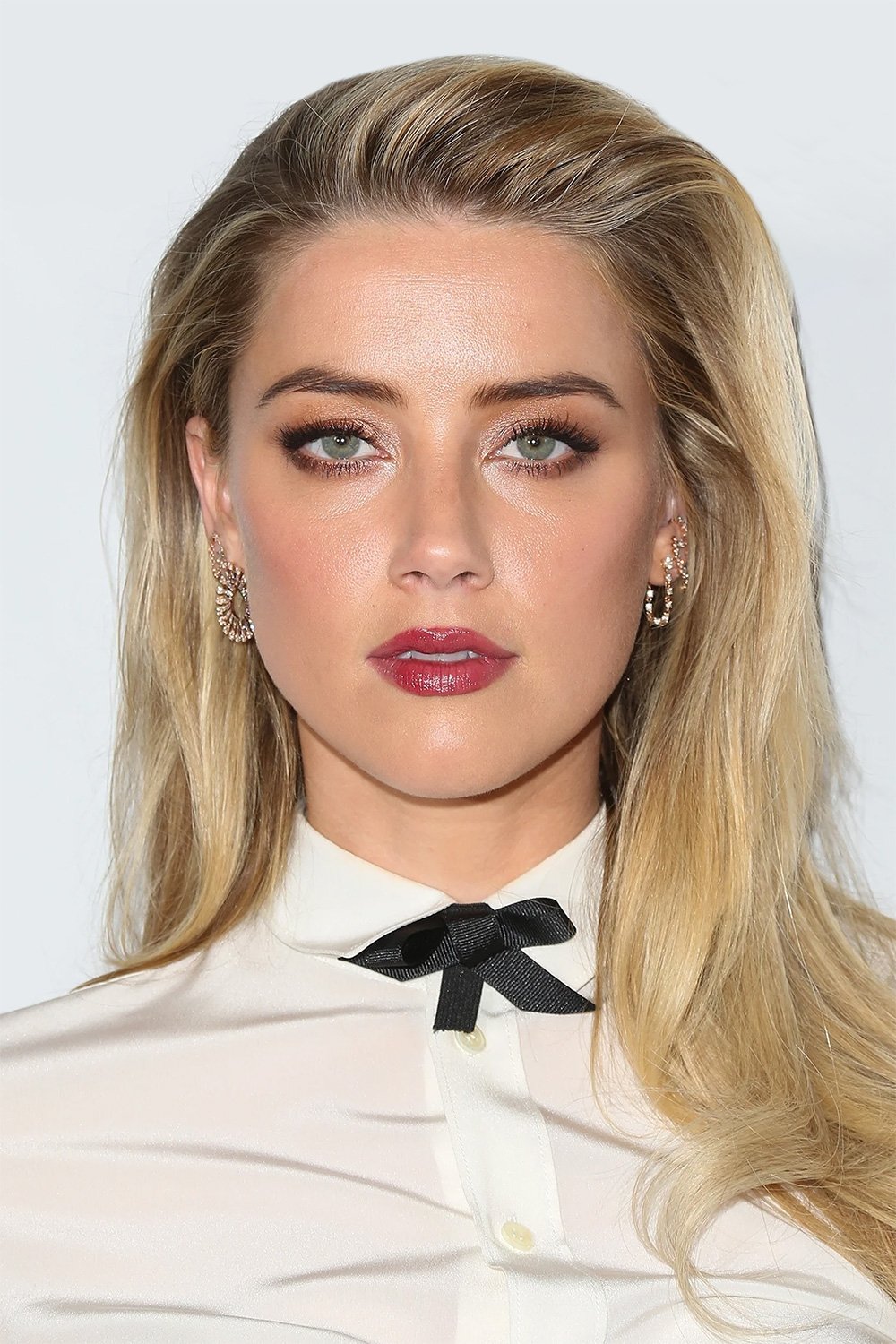
Amber Heard’s legal battle with Johnny Depp drew worldwide attention and created intense public polarization. Court testimony, released audio, and viral social media campaigns led to petitions and calls for her removal from projects like the ‘Aquaman’ franchise. Studio decisions and contract updates became a frequent news topic as the case unfolded and audiences rallied around competing narratives.
The long running dispute affected brand deals and convention appearances and it influenced online engagement metrics across multiple platforms. Projects tied to her name faced unusual scrutiny and marketing challenges, while post verdict interviews and filings kept interest alive and continued to shape how future casting conversations were framed.
Brie Larson

Brie Larson faced organized online pushback around the release of ‘Captain Marvel’ after comments she made about press inclusivity circulated widely. The campaign included coordinated review bombing efforts and social media criticisms that focused on statements rather than the film’s performance. Interviews and red carpet clips were frequently recut and shared to reinforce negative narratives.
In practice, the film’s box office and her continued presence in the Marvel lineup showed that studios weighed financial results more heavily than internet sentiment. Brand partnerships and franchise scheduling proceeded as planned, illustrating how large scale releases can withstand online headwinds when revenue and platform strategy remain strong.
Anne Hathaway
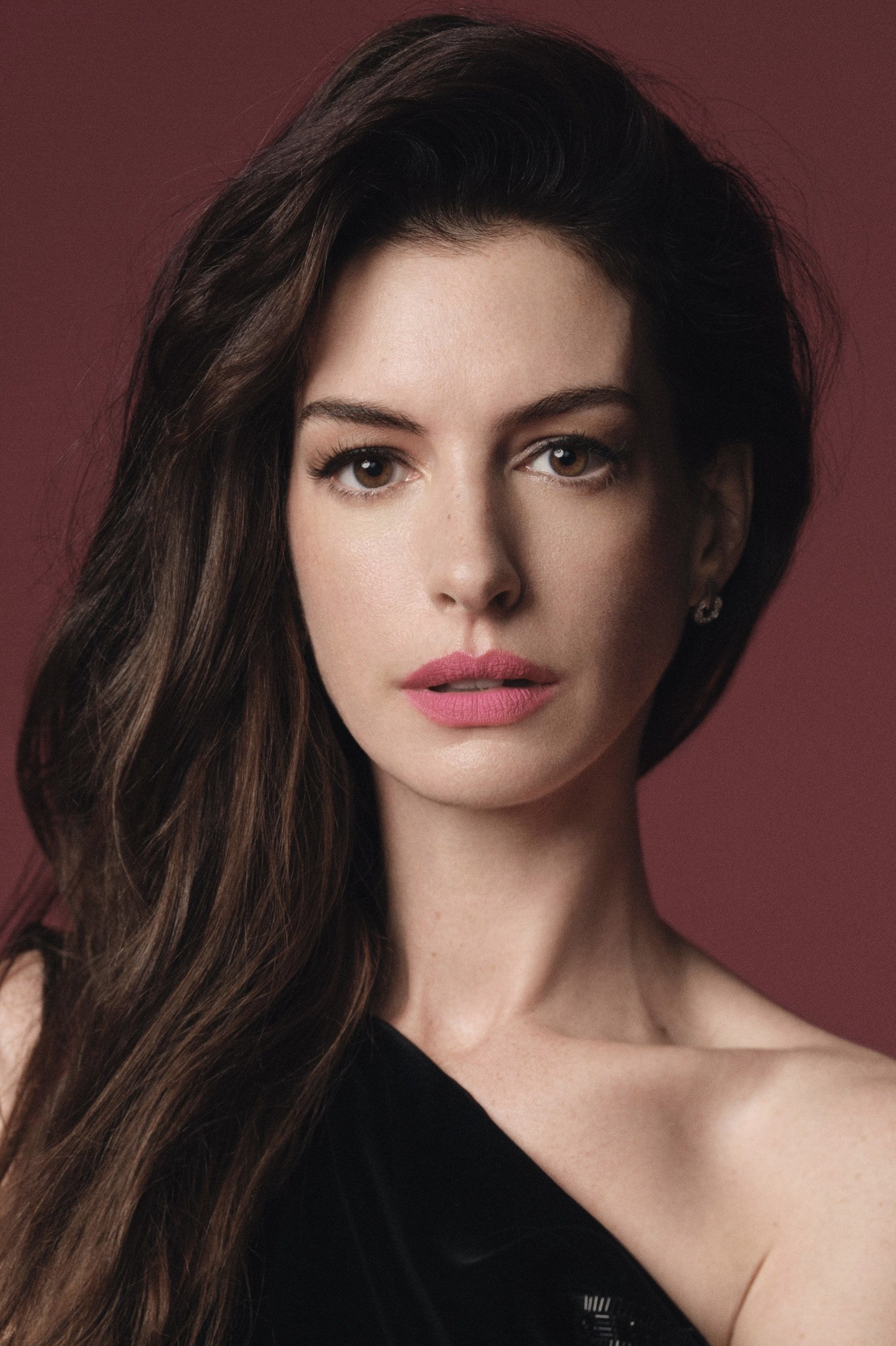
Anne Hathaway experienced a wave of so called Hathahate during an awards season where her acceptance speeches, media appearances, and public image were dissected endlessly. The criticism centered on perceived persona rather than on set behavior, and it spread through entertainment blogs and clip compilations that amplified minor moments.
Over time she adjusted her media approach and diversified her roles, taking on everything from prestige musicals to heist ensembles like ‘Ocean’s 8’. The shift, along with consistent critical recognition, helped recalibrate coverage and demonstrated that persistence and project selection can gradually move the conversation away from viral dislike.
Gwyneth Paltrow
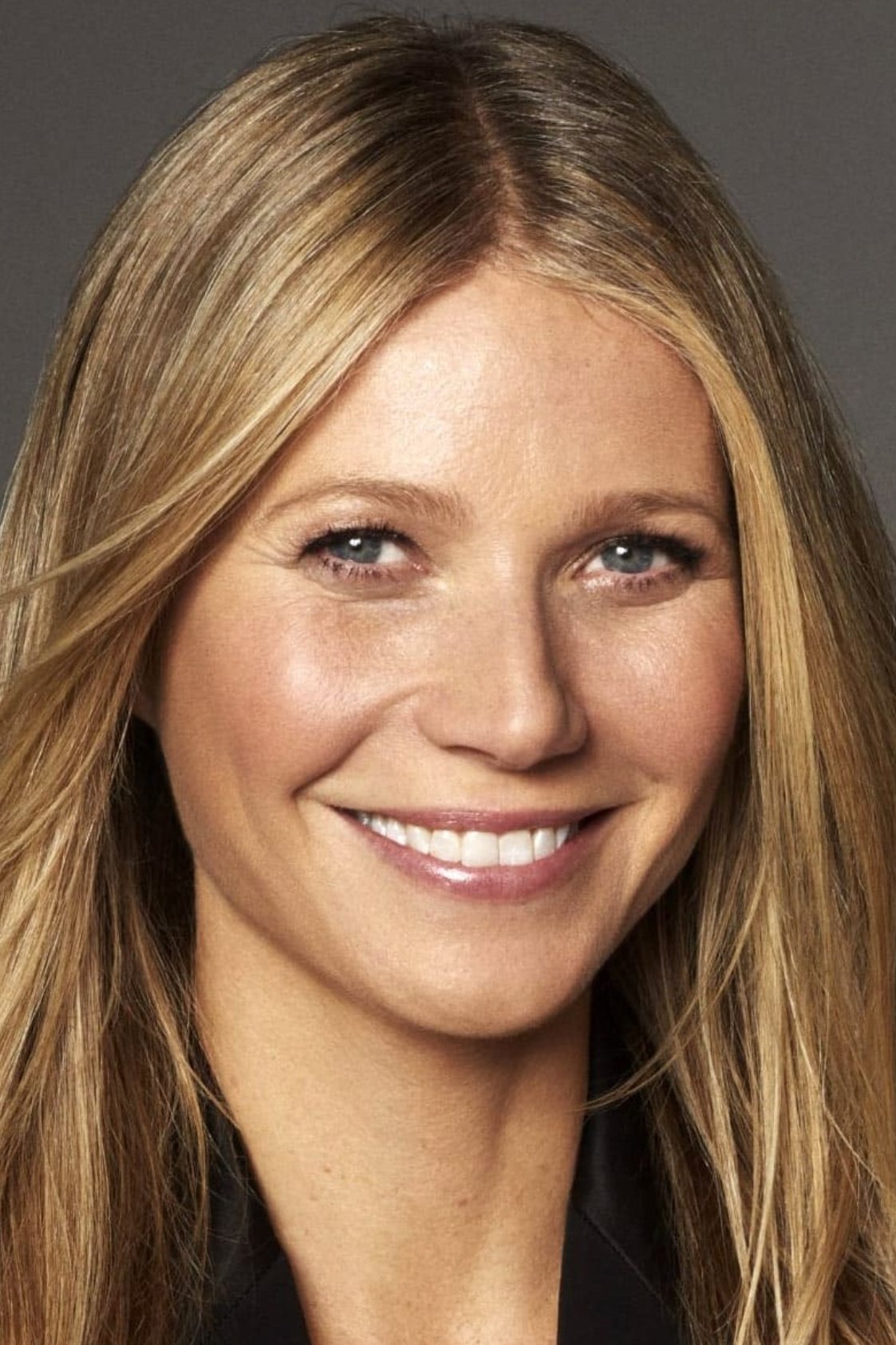
Gwyneth Paltrow’s wellness company Goop drew consistent scrutiny from medical professionals and consumer advocates over product claims and recommendations. Articles and regulatory attention focused on accuracy and safety concerns, which in turn fueled recurring cycles of online criticism. Her acting career remained active but public discussion often centered on the brand.
She leveraged streaming roles and appearances in franchises like ‘Iron Man’ and ‘Avengers’ to keep a strong industry profile while continuing to expand Goop. The company’s live events, commerce launches, and series like ‘The Goop Lab’ ensured visibility, demonstrating how celebrity businesses can thrive even while attracting significant skepticism.
Katherine Heigl
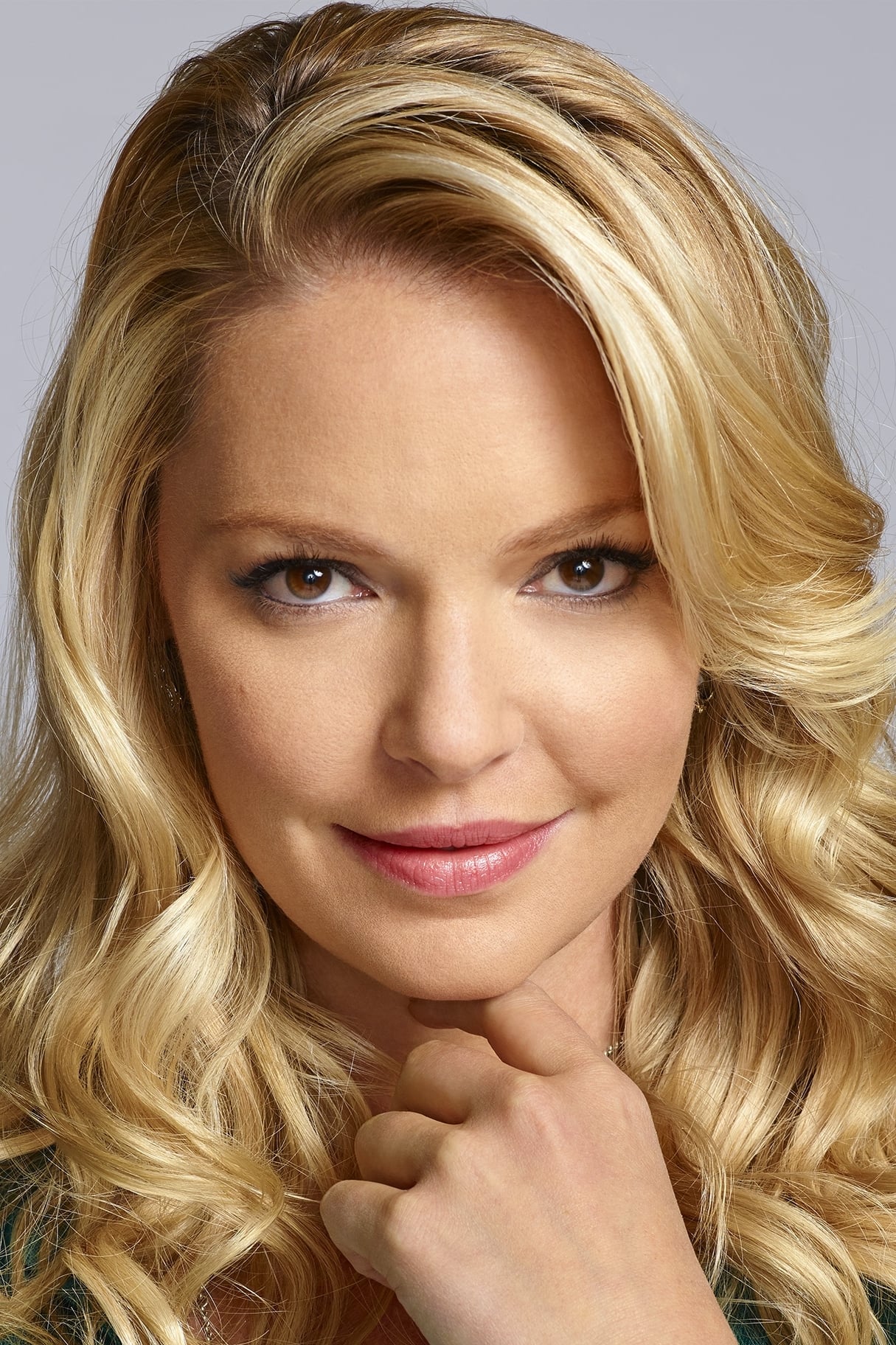
Katherine Heigl’s public comments about ‘Knocked Up’ and her decision to withdraw from Emmy consideration for ‘Grey’s Anatomy’ generated headlines about professionalism and set expectations. Reports about difficult negotiations and reputation issues followed her across subsequent projects and were frequently cited when shows struggled to find an audience.
She continued to work steadily in television and film, taking roles in productions like ‘Suits’ and ‘Firefly Lane’. These choices provided long form character arcs and a path to audience rediscovery, showing how consistent performances in ensemble driven series can rebuild momentum after years of negative trade coverage.
Kristen Stewart
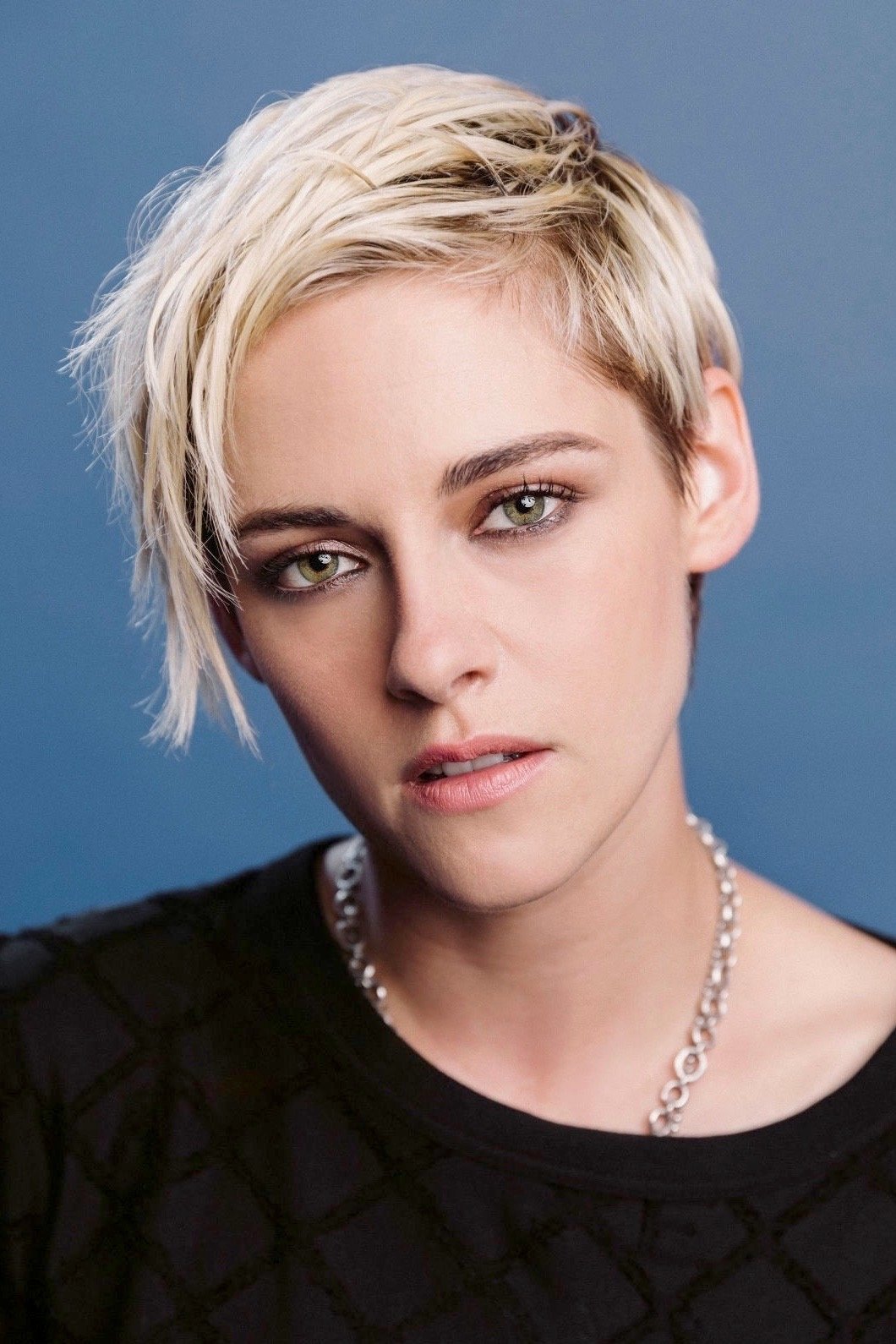
Kristen Stewart faced intense backlash during the height of ‘Twilight’ fame, including paparazzi harassment and online criticism focused on her demeanor and red carpet presence. A widely publicized tabloid scandal involving director Rupert Sanders intensified negative attention and affected personal and professional narratives for months.
She pivoted to acclaimed independent films like ‘Personal Shopper’ and ‘Clouds of Sils Maria’, earning festival praise and major award recognition. Strategic collaborations with auteurs reframed her image from franchise lead to risk taking performer and gradually replaced viral commentary with sustained critical support.
Lena Dunham
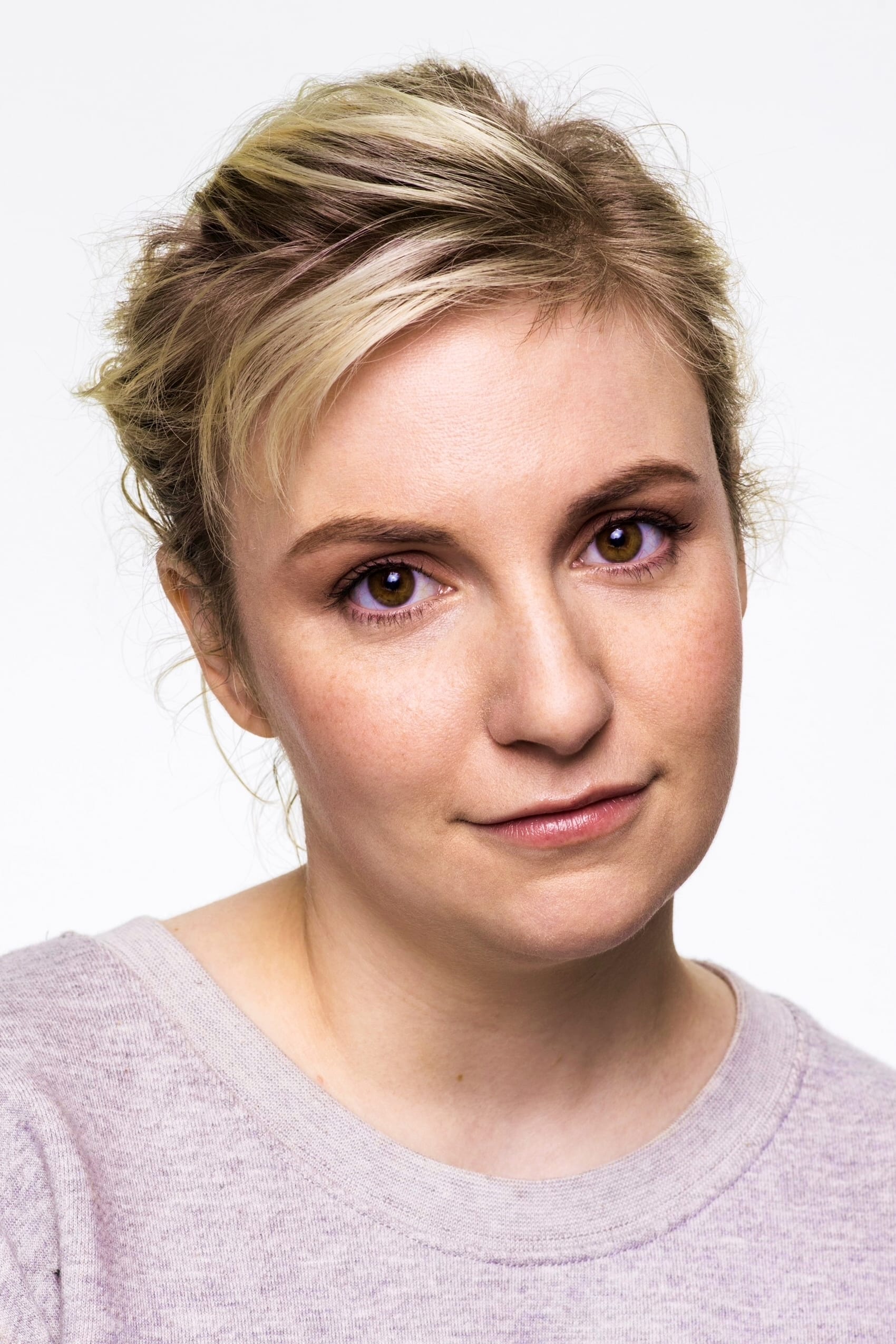
Lena Dunham became a lightning rod during the run of ‘Girls’ as critics debated issues of representation, memoir essays, and public statements on social topics. Several controversies involved apologies and clarifications, which kept her name in the news cycle and contributed to persistent online criticism.
She maintained a multifaceted career across writing, producing, and directing, launching projects like ‘Catherine Called Birdy’ while contributing essays and podcasts. The balance of creative output and commentary ensured ongoing visibility and underscored how multimedia work can continue despite recurring backlash.
Meghan Markle
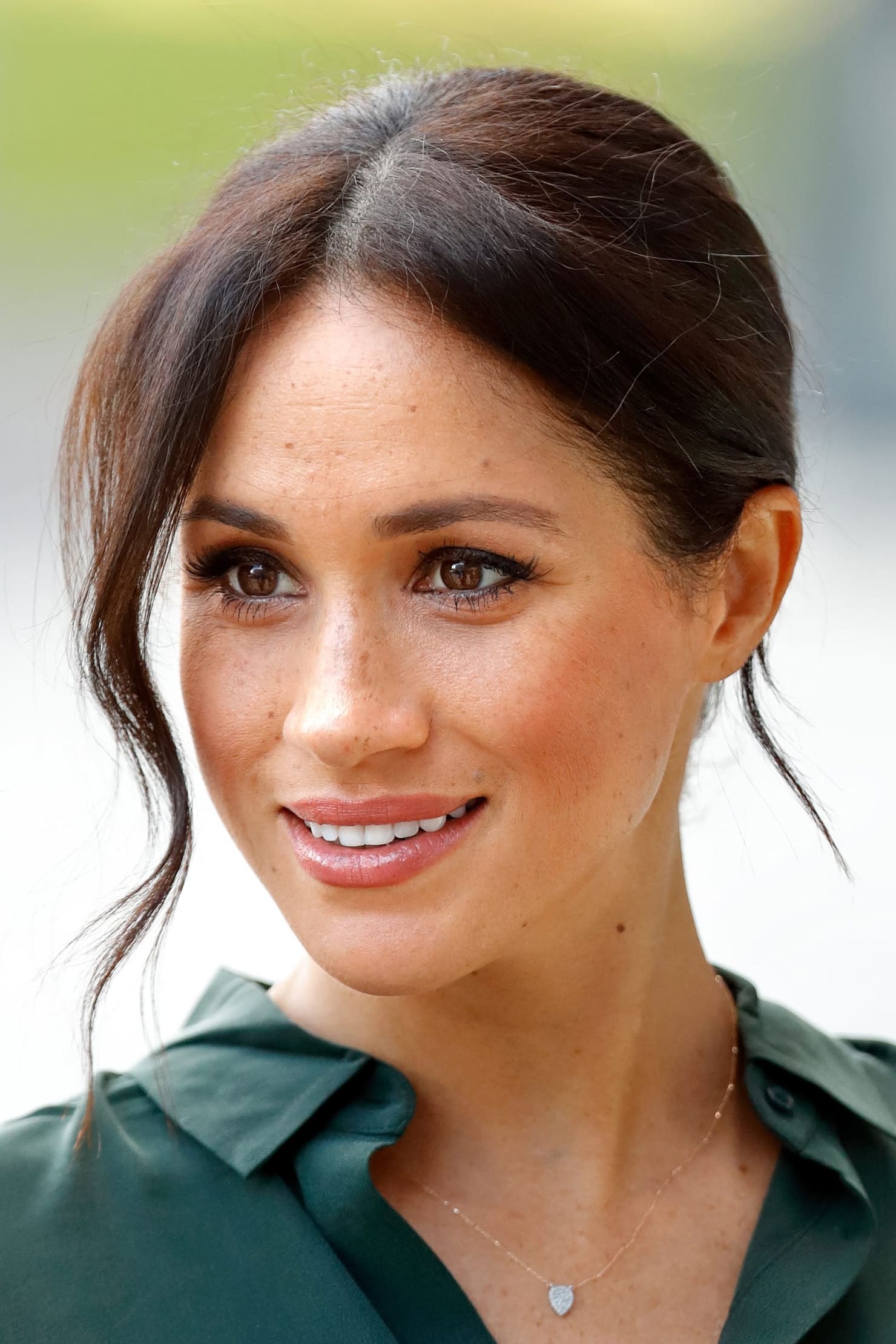
Meghan Markle transitioned from ‘Suits’ to life in the British royal family and then to independent media projects, which placed her at the center of sustained press coverage. Storylines about protocol, interviews, and family dynamics drove polarized reactions and high engagement numbers across news and social platforms.
Her production deals, podcast work, and documentary releases showed that demand for content bearing her perspective remained strong. Philanthropic initiatives and public appearances continued alongside legal actions against tabloids, reflecting a strategy that relies on controlled storytelling and partnerships to manage a complex public profile.
Gina Carano
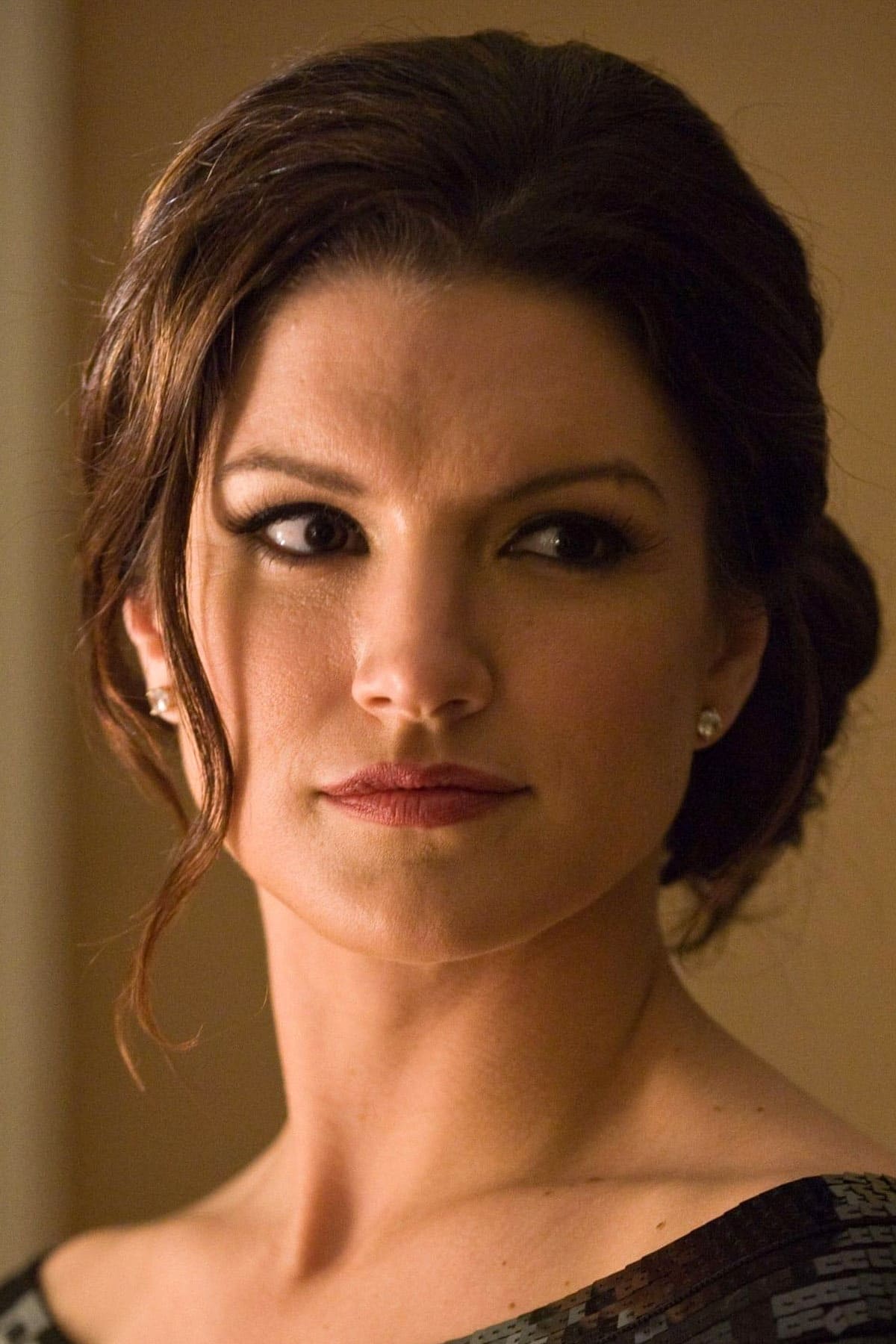
Gina Carano’s social media posts led to her removal from ‘The Mandalorian’ and the end of planned spinoff conversations. Statements and memes she shared sparked criticism from fans and colleagues, and the studio publicly distanced the franchise from her commentary as backlash mounted.
Following her exit, she pursued projects with alternative media outlets and independent backers. Convention bookings, interviews, and new roles demonstrated a pivot toward audiences receptive to her views, illustrating how career paths can continue outside traditional studio systems after high profile dismissals.
Roseanne Barr
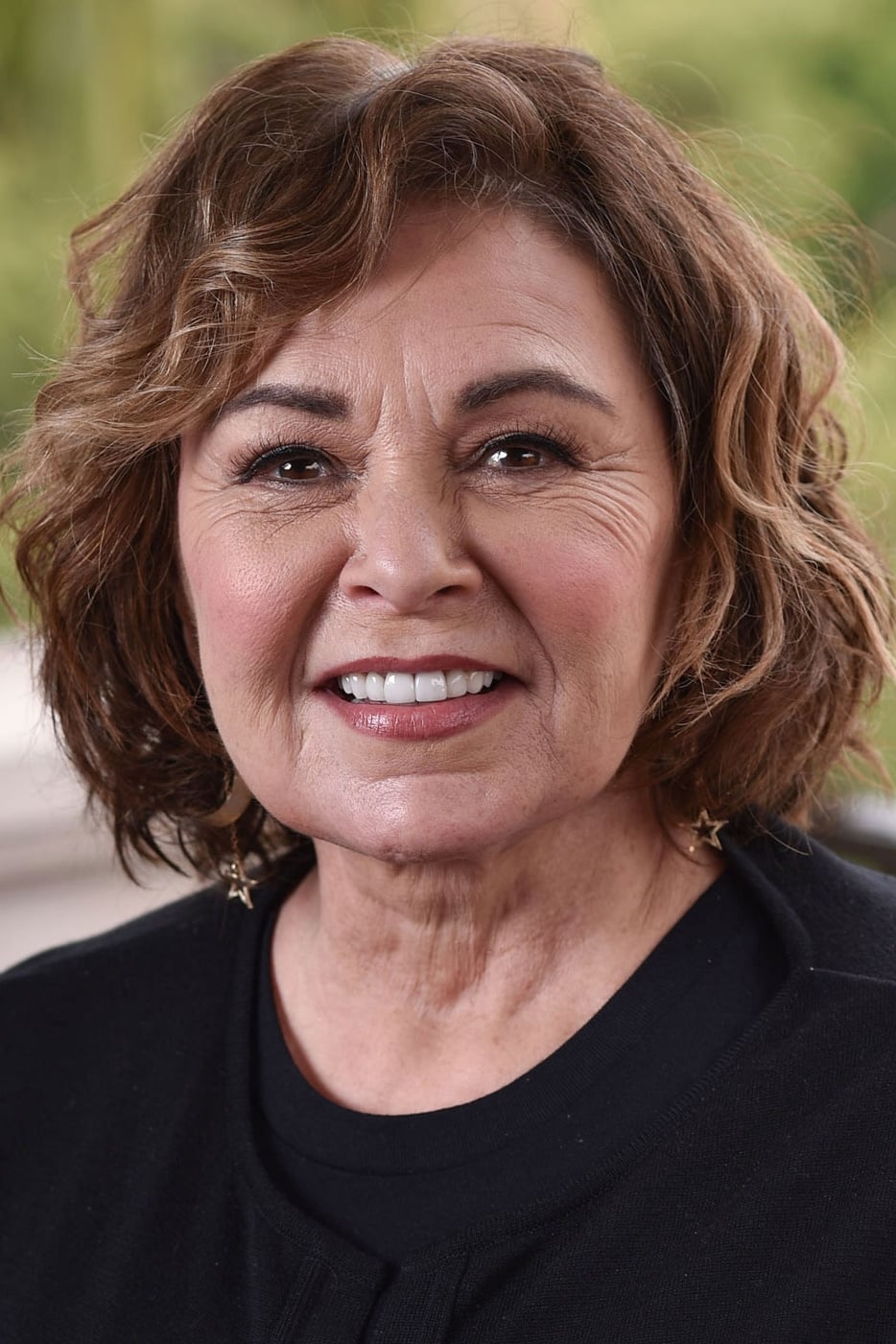
Roseanne Barr’s tweet about a former political aide resulted in the cancellation of the ‘Roseanne’ revival and a retooled spinoff titled ‘The Conners’ without her involvement. The network cited the message as the reason for the swift decision, and advertisers and partners supported the change.
She moved toward stand up dates and special appearances while addressing the incident in interviews. The transition from network lead to live performance emphasized how established stars can shift to direct to audience formats when broadcast relationships end abruptly.
Jada Pinkett Smith
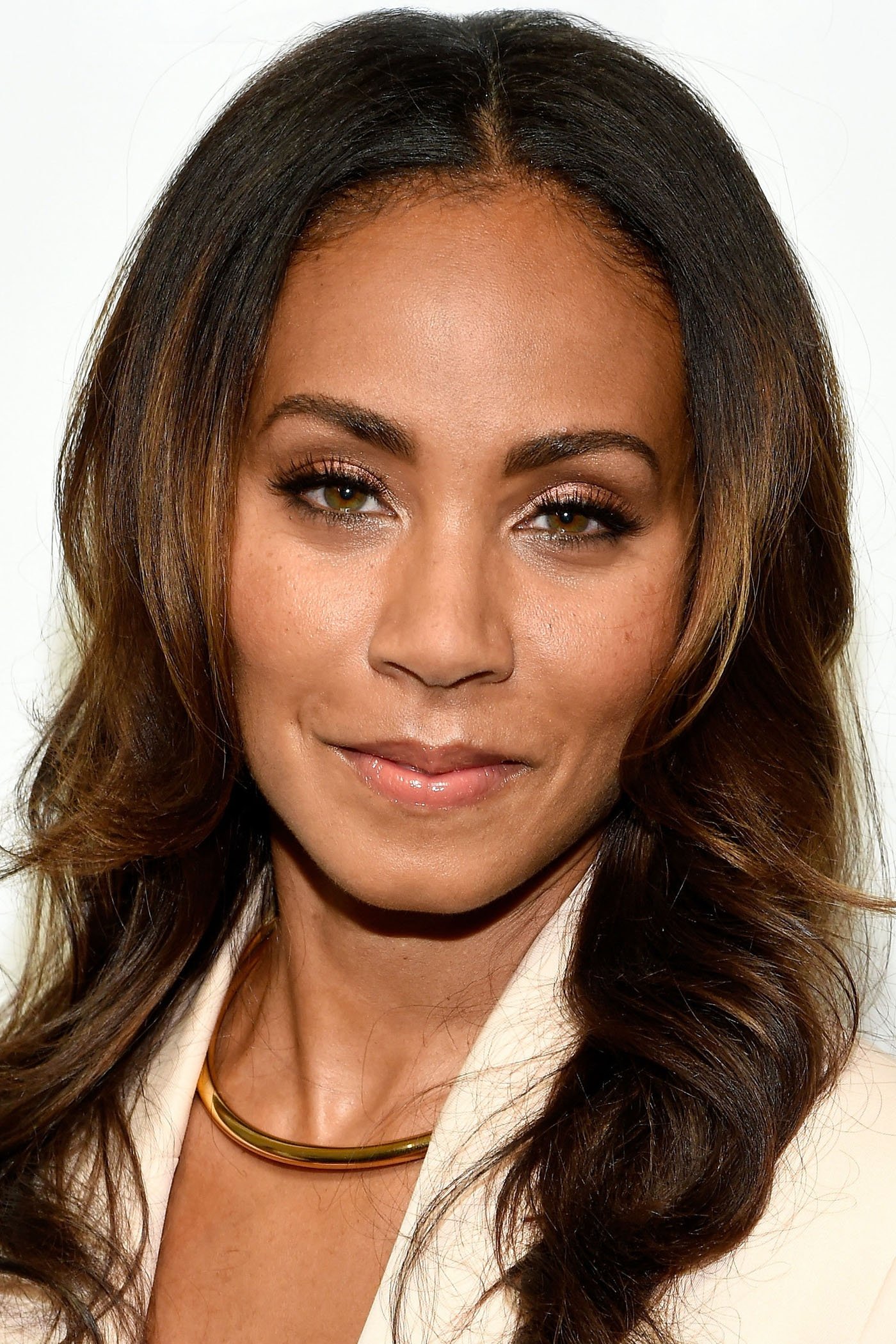
Jada Pinkett Smith’s candid discussions on ‘Red Table Talk’ kept her personal life in the spotlight and invited intense commentary. The Oscars incident involving Will Smith amplified scrutiny of her interviews, book excerpts, and public appearances as narratives about responsibility and influence circulated widely.
She continued to work across film and television, including the ‘Girls Trip’ franchise and producing endeavors. Media partnerships and memoir promotion showed that engagement remained high, with streaming platforms leveraging her ability to drive conversation even when responses were sharply divided.
Lindsay Lohan

Lindsay Lohan’s legal issues, missed call times, and insurance concerns during earlier productions affected casting decisions and delayed projects. Tabloid coverage emphasized setbacks and overshadowed notable work in films like ‘Mean Girls’ and ‘The Parent Trap’, creating a long running perception challenge.
She later rebuilt momentum through streaming rom coms like ‘Falling for Christmas’ and reality ventures tied to business openings abroad. The gradual return to scripted roles demonstrated that reliable delivery and audience nostalgia can reopen doors after years of negative headlines.
Megan Fox

Megan Fox became a focal point for debates about objectification and media treatment after early roles like ‘Transformers’ and an outspoken interview history. A dispute involving comments about director experiences affected her participation in franchise installments and influenced how casting conversations unfolded.
She diversified with projects such as ‘Jennifer’s Body’ which later gained cult reevaluation through streaming and critical essays. Partnerships in fashion and music videos kept her visible, while selective genre films provided steady work and new paths to audience engagement.
Gal Gadot

Gal Gadot faced criticism for a celebrity sing along of ‘Imagine’ during the pandemic as viewers debated tone and timing. Her public statements about her service and views on Middle East issues also generated online conflicts that trended across platforms during periods of heightened tension.
Despite the backlash, she remained a marquee lead with titles like ‘Wonder Woman’ and continued to anchor global campaigns. Studio strategies relied on her established international recognition, and streaming thrillers and action films maintained broad reach across different markets.
Scarlett Johansson
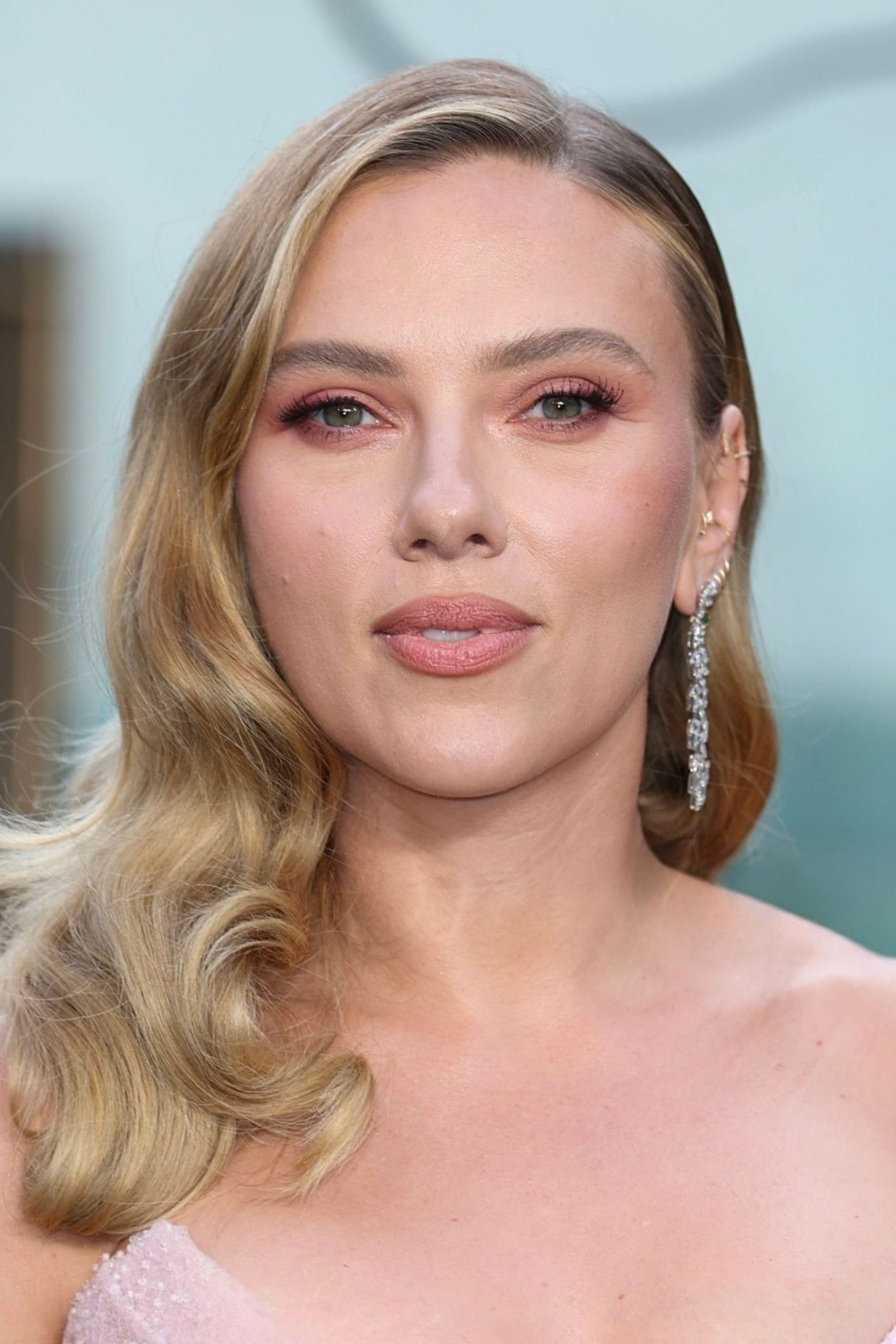
Scarlett Johansson encountered backlash around the ‘Ghost in the Shell’ casting choice and later around the planned ‘Rub & Tug’ role. Discussions about representation and identity led to her stepping away from the latter project and sparked industry wide conversations about inclusive casting practices.
Her career continued at the highest level with ‘Marriage Story’, ‘Jojo Rabbit’, and Marvel projects like ‘Black Widow’. She also pursued producing roles, giving her additional control over development pipelines and demonstrating how top tier talent can adapt amid criticism.
Zoe Saldaña
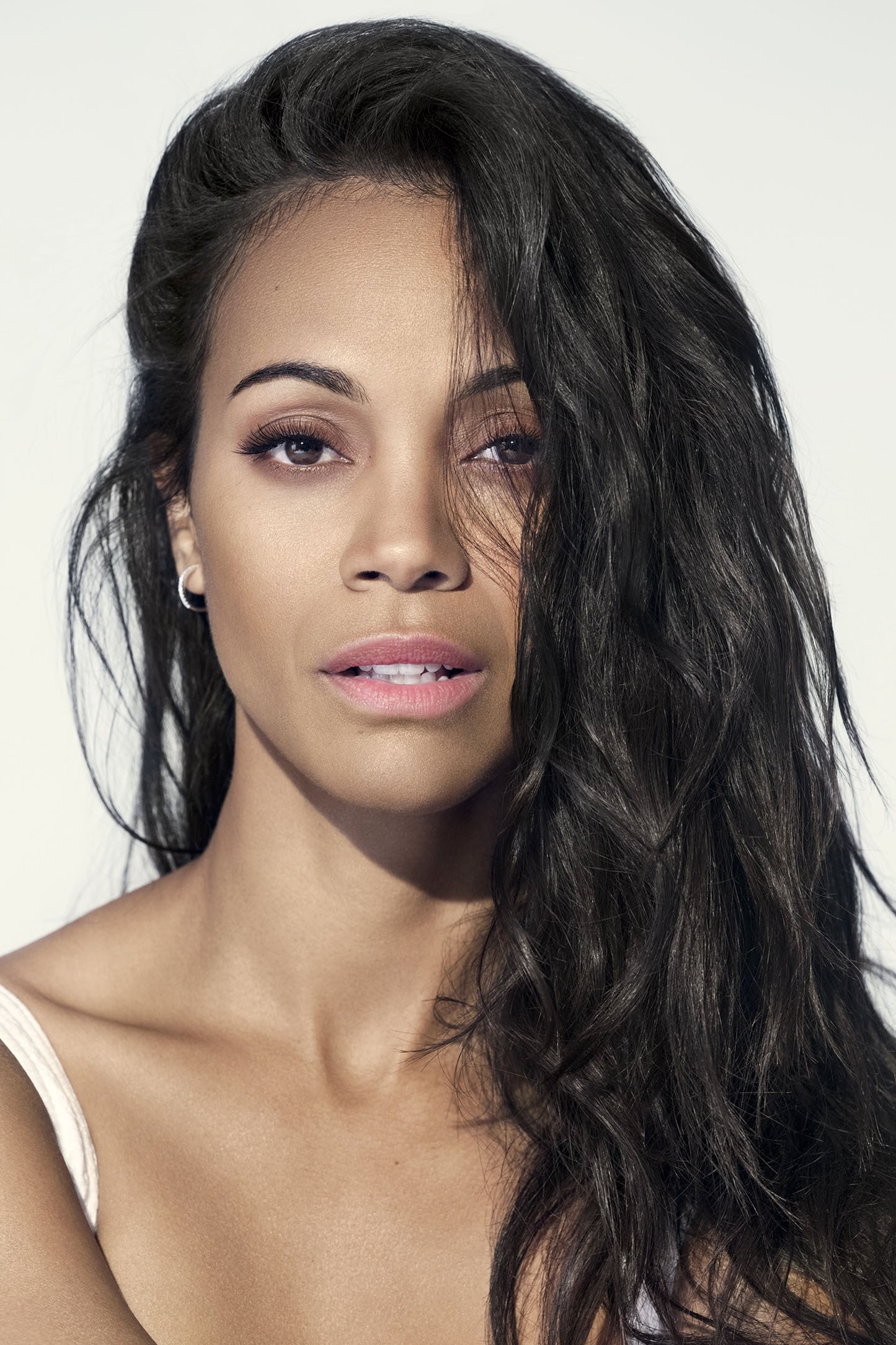
Zoe Saldana’s portrayal of Nina Simone in ‘Nina’ drew strong criticism over colorism and the use of prosthetics and makeup. The reaction prompted later reflection about the casting choice and the responsibilities associated with portraying Black historical figures.
She sustained a prominent franchise presence across ‘Avatar’ and ‘Guardians of the Galaxy’, where long running production schedules kept her in leading roles. The combination of box office performance and ensemble work underscored a career that remained resilient while acknowledging past missteps.
Evangeline Lilly
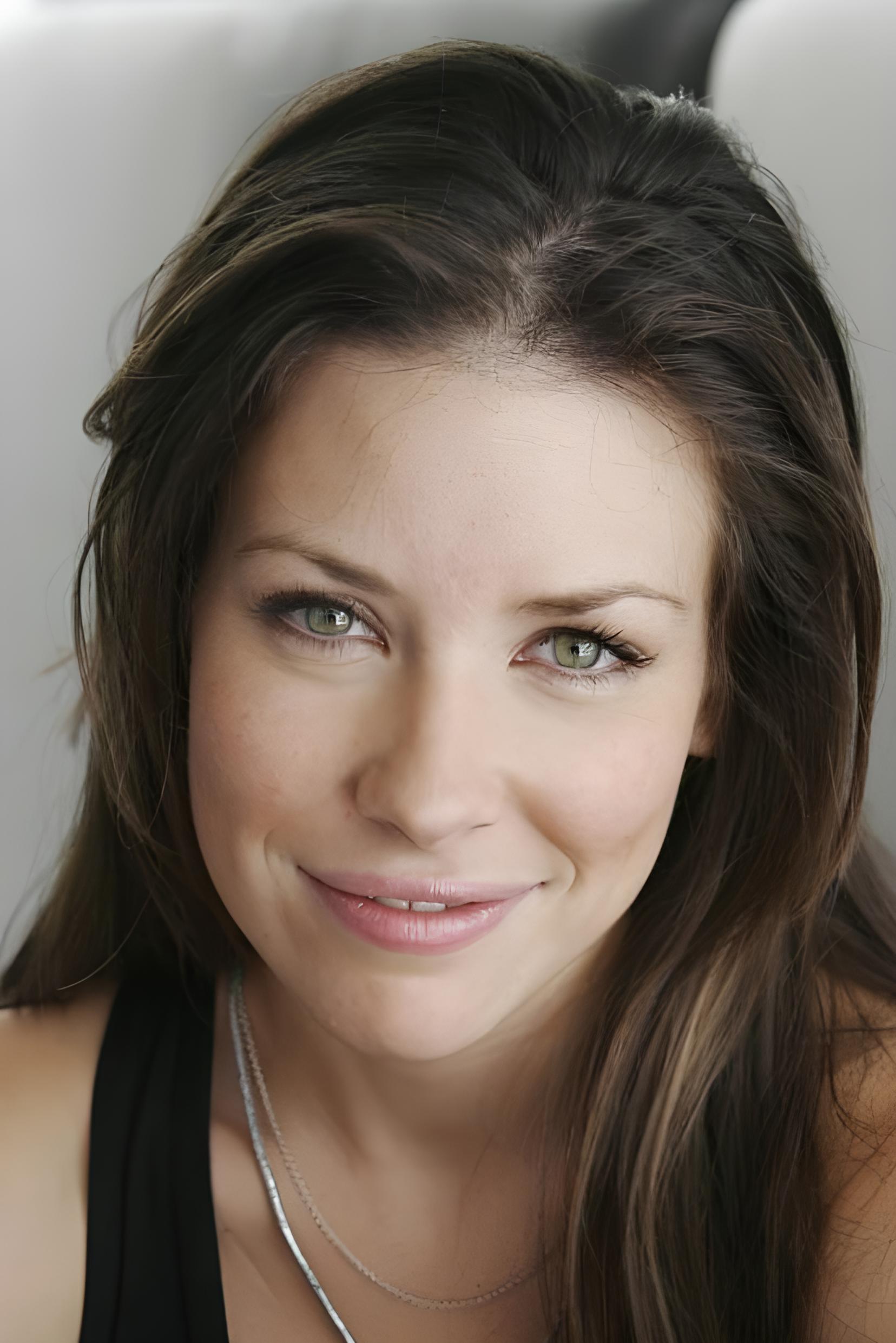
Evangeline Lilly drew controversy after posts and comments about pandemic measures and vaccination circulated widely. Public responses included critiques from fans and co stars, and the discussion followed her into press tours for Marvel releases.
Her ongoing role as Hope van Dyne in ‘Ant Man’ ensured continued visibility within the MCU. Appearances at conventions and global premieres showed that franchise obligations and contracts can maintain momentum even as public debate swirls around off screen statements.
Amanda Bynes
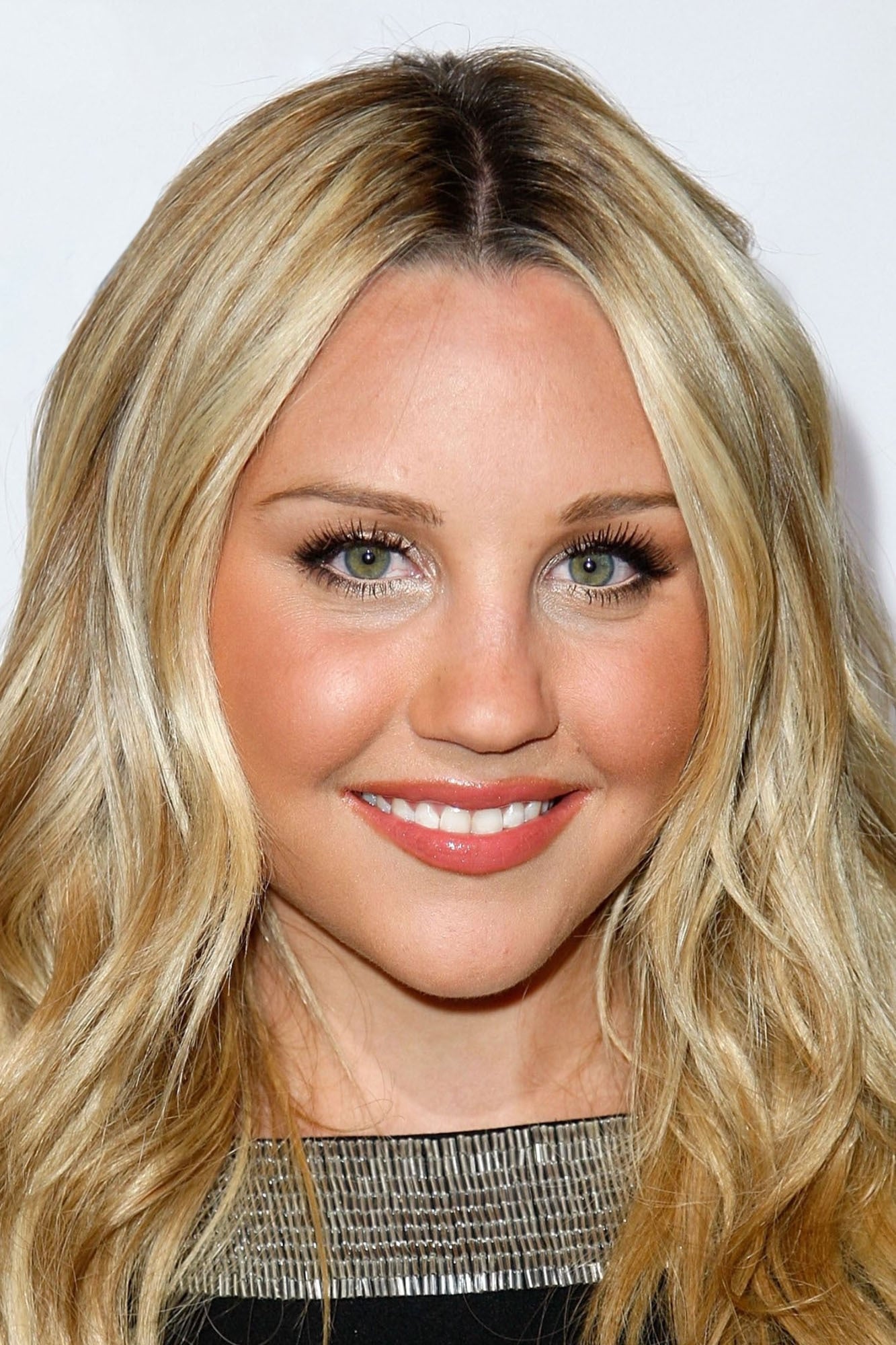
Amanda Bynes’ legal issues and conservatorship placed her career on hold for years after a successful run in comedies like ‘She’s the Man’ and ‘Hairspray’. Court proceedings and health updates shaped media coverage while auditions and film offers paused.
Recent filings and changes to her legal status opened the door to new creative plans, including fashion and potential on camera projects. Her story illustrates how health and legal processes can reshape timelines for a return to the entertainment industry.
Asia Argento
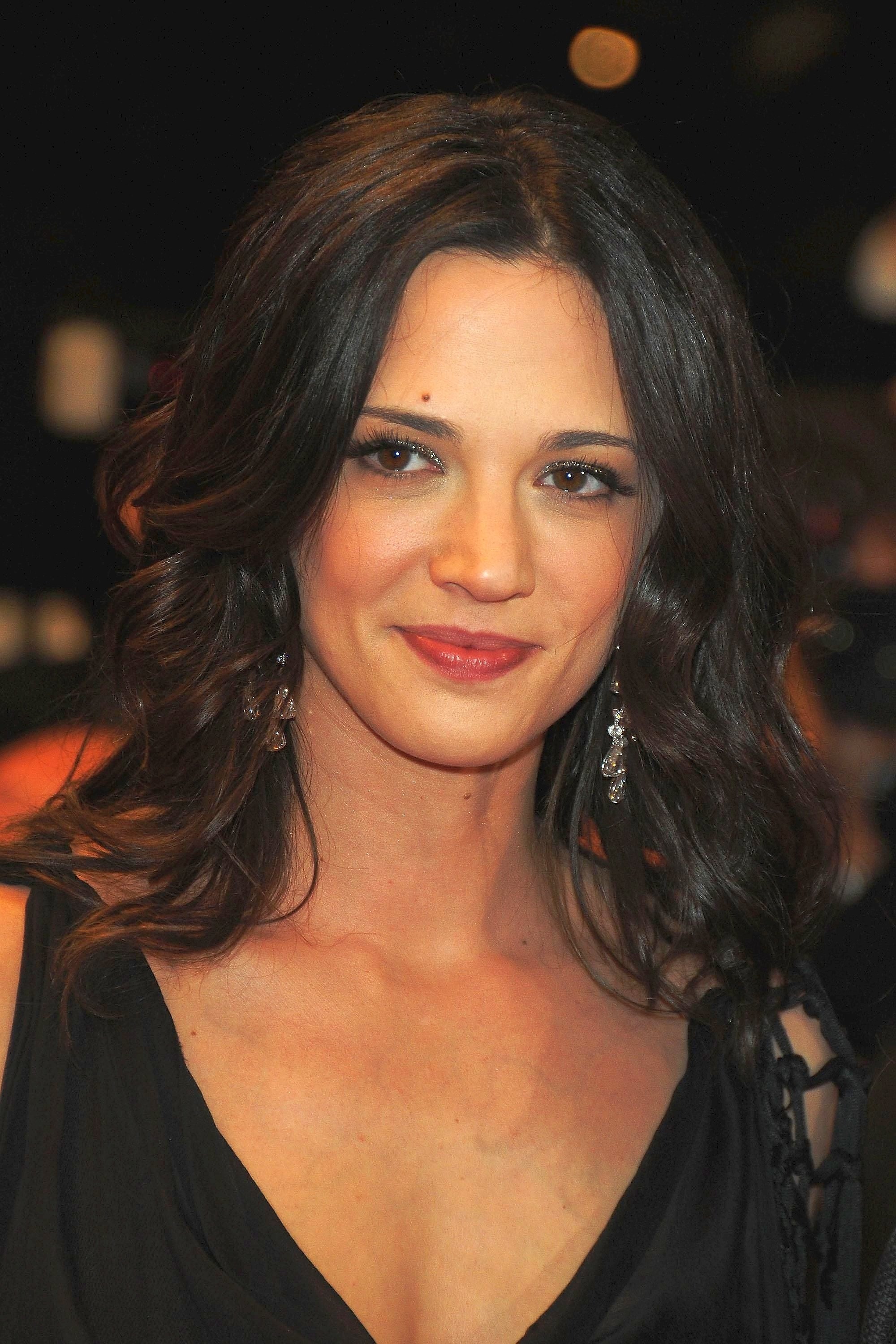
Asia Argento was a prominent voice in the early stages of the MeToo movement and then faced an allegation from actor Jimmy Bennett. Reports about a settlement and subsequent statements drew intense attention and complicated her public role as an advocate.
The controversy affected television commitments and festival appearances, with programming decisions adjusted during the news cycle. She continued to work in European productions and maintained a social media presence that engaged with both supporters and critics.
Bella Thorne
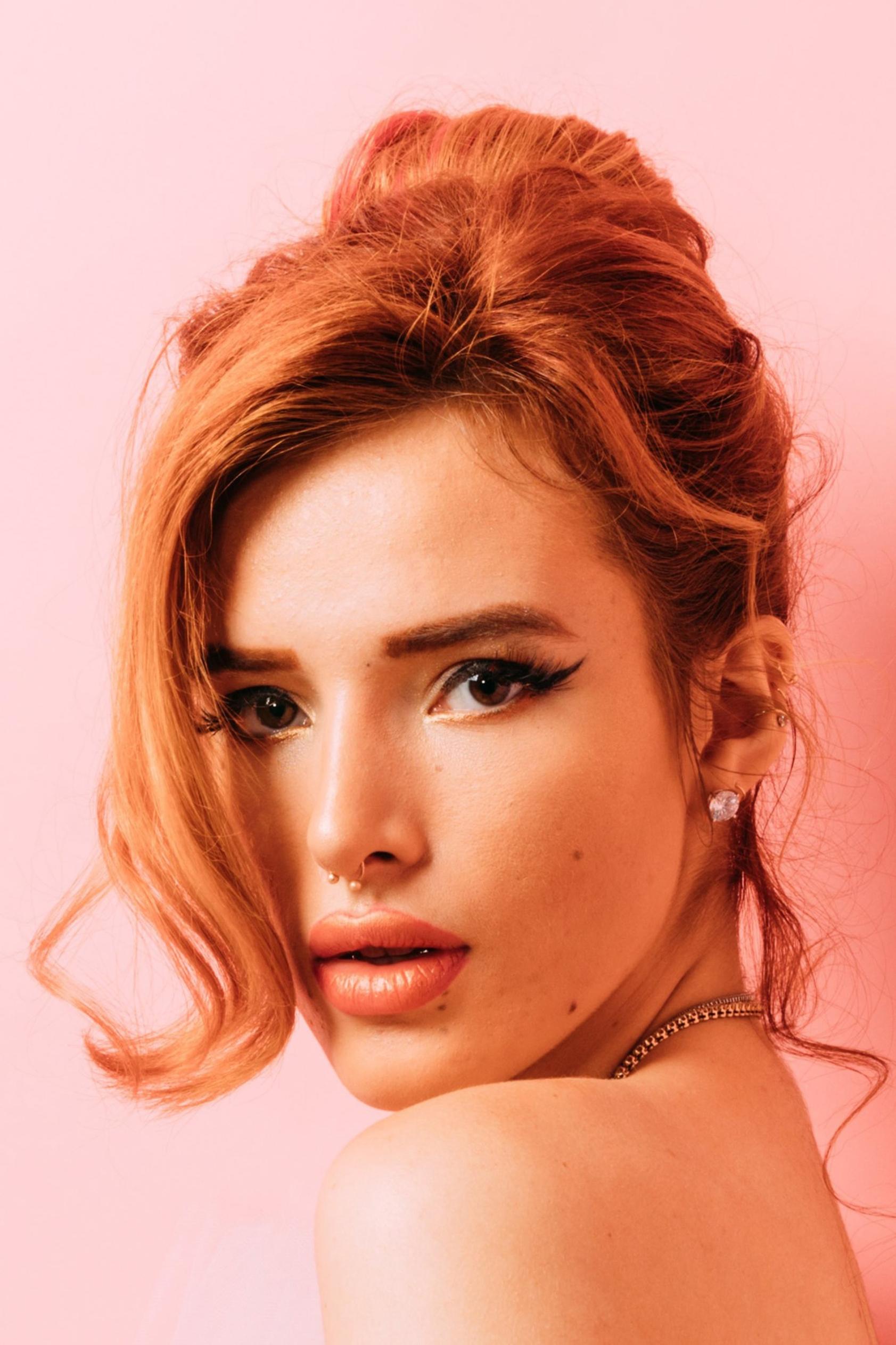
Bella Thorne’s transition from Disney Channel to adult oriented projects included a high profile OnlyFans launch that sparked industry wide debate about platform policies. The rollout was followed by changes to payment rules that creators said affected their earnings and led to widespread criticism.
She expanded into directing and independent films while pursuing music and brand collaborations. Business ventures and steady social content kept engagement high, showing how diversified income streams can sustain visibility through extended periods of online backlash.
Share the names you think are missing or the entries you would swap out in the comments so we can keep the discussion going.