20 Best Hood Movies, Ranked

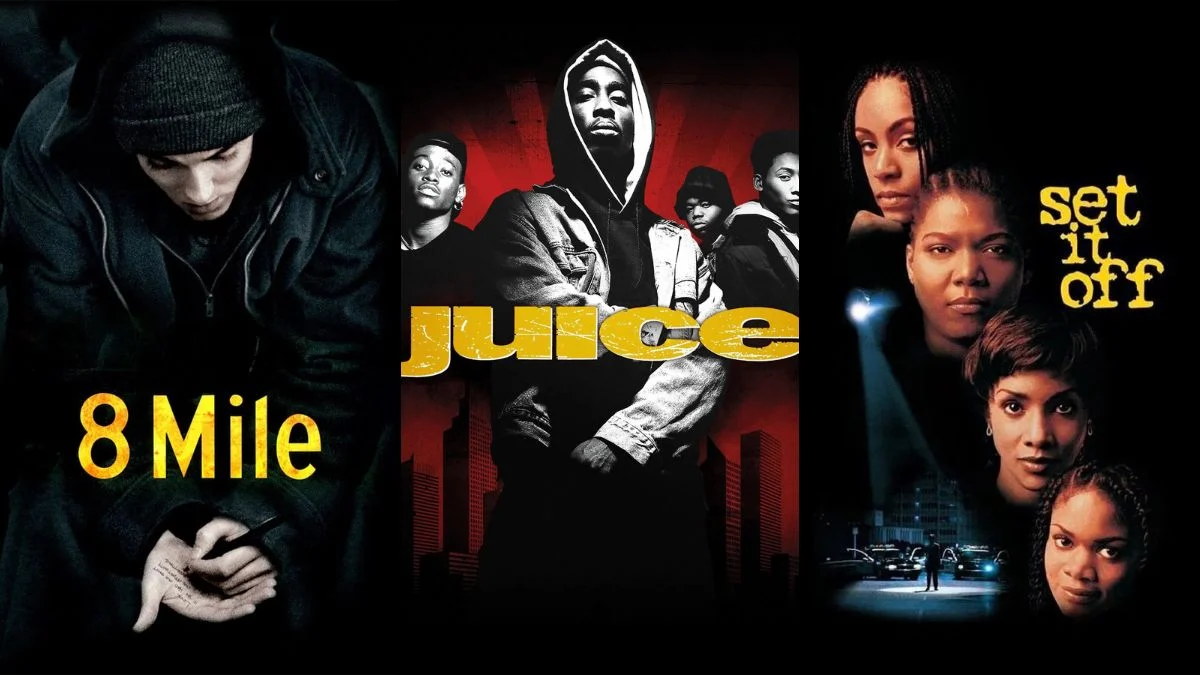

Hood movies trace the lives, choices, and consequences faced in neighborhoods where opportunity and risk often share the same block. These stories span cities and countries, from Los Angeles and New York to Paris and Rio, and they highlight communities shaped by music, friendship, loyalty, and survival. Many of these films launched major careers, introduced unforgettable characters, and captured moments in history through authentic locations and lived-in detail.
This list gathers standout features that helped define the genre, including dramas, thrillers, comedies, and biographical films. You’ll find landmark debuts, festival favorites, and box office successes that influenced fashion, language, and soundtracks for years. The countdown goes from 20 to 1.
‘Belly’ (1998)
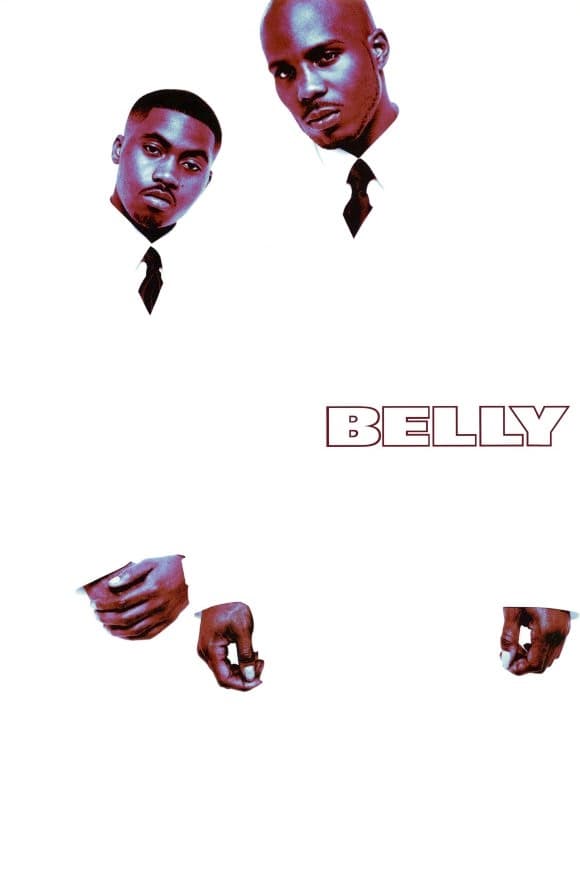
Directed by Hype Williams, this crime drama follows two childhood friends navigating the drug trade across New York and beyond. The production is known for striking visuals, club-set sequences, and a soundtrack featuring hip-hop heavyweights that anchor the film in a very specific late-90s moment.
Filmed on location with musicians in key roles, the movie uses stylized lighting and framing to present night life, safe houses, and street dealings with a music-video sheen. Its release brought a wave of attention to crossovers between rap culture and cinema, solidifying the film’s cult status over time.
‘Shottas’ (2002)
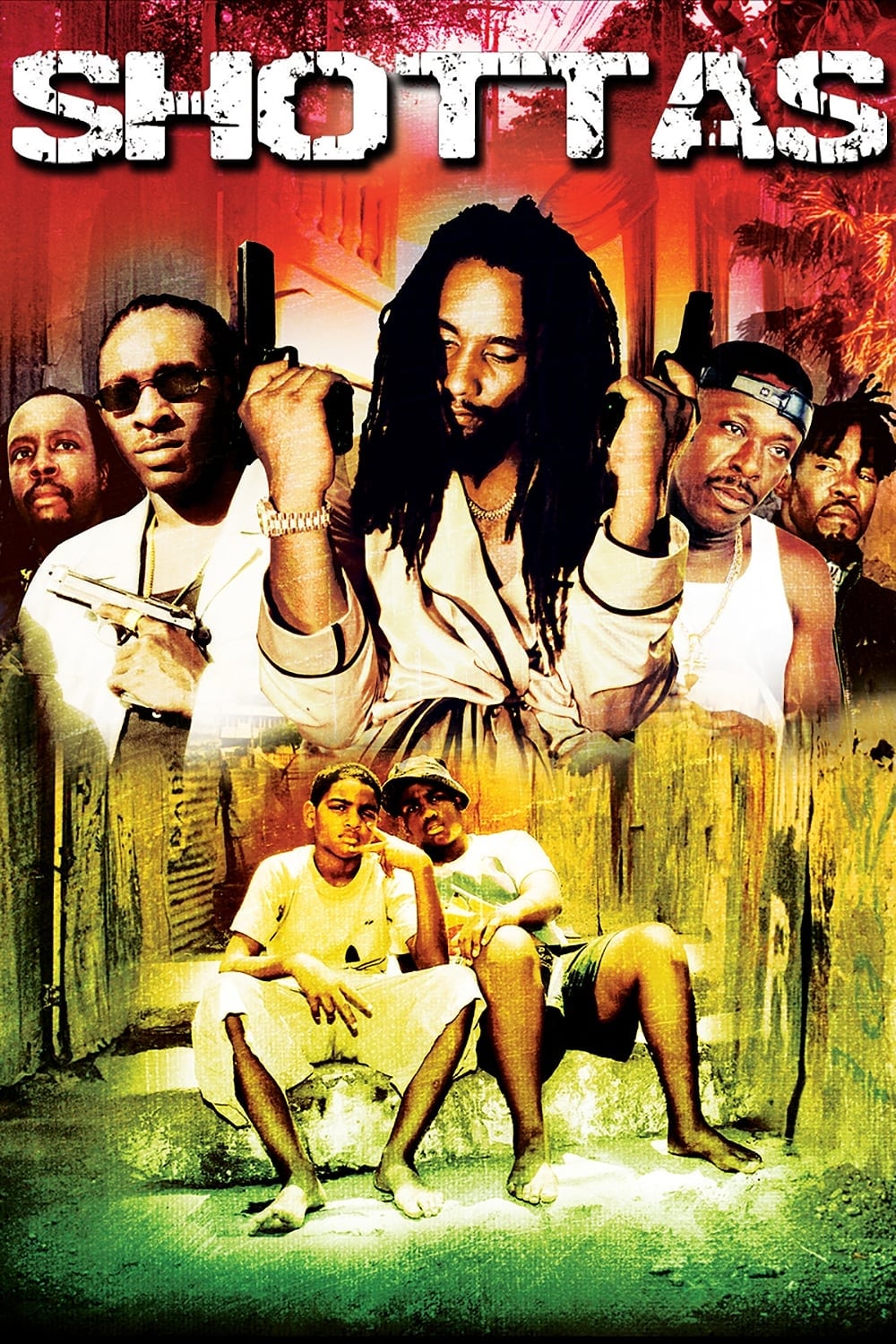
Set between Kingston and Miami, this Jamaican crime story follows two friends who rise through the ranks of organized crime. The narrative tracks border crossings, changing allegiances, and clashes with rivals and law enforcement.
Shot across multiple locations, the film incorporates patois and dancehall culture into dialogue and setting. Its distribution history gave it a strong life on home video and cable, where word of mouth helped it reach audiences far beyond its original theatrical footprint.
‘Baby Boy’ (2001)
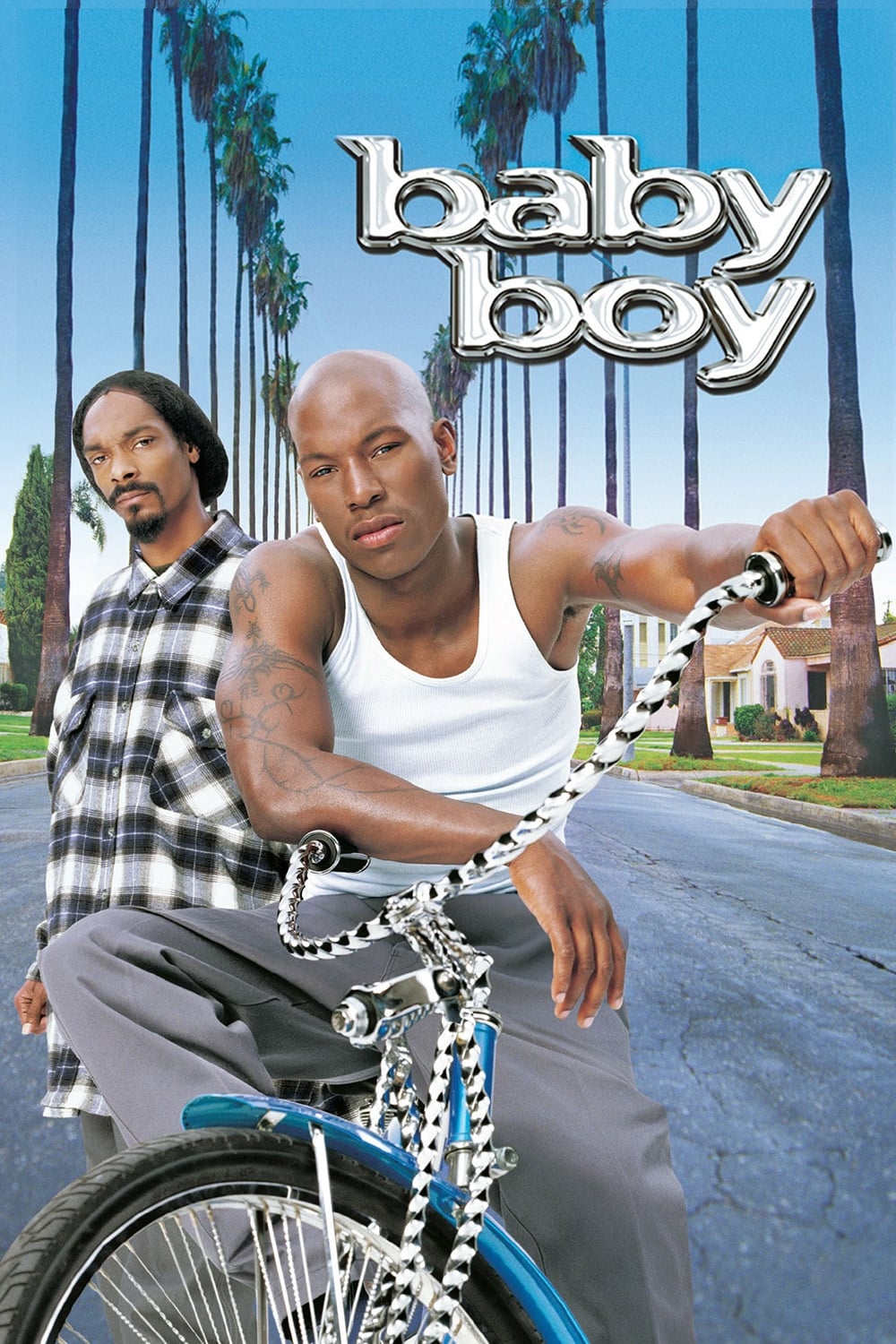
This South Los Angeles–set drama centers on a young man confronting fatherhood, work, and responsibility while juggling family dynamics and street pressures. It explores generational cycles and the ways relationships shape choices.
The film expands on neighborhoods, apartment courtyards, and storefronts to ground the story in recognizable spaces. A contemporary R&B and hip-hop soundtrack accompanies scenes of everyday life, barbershops, and bike rides that mark turning points for the characters.
‘Colors’ (1988)
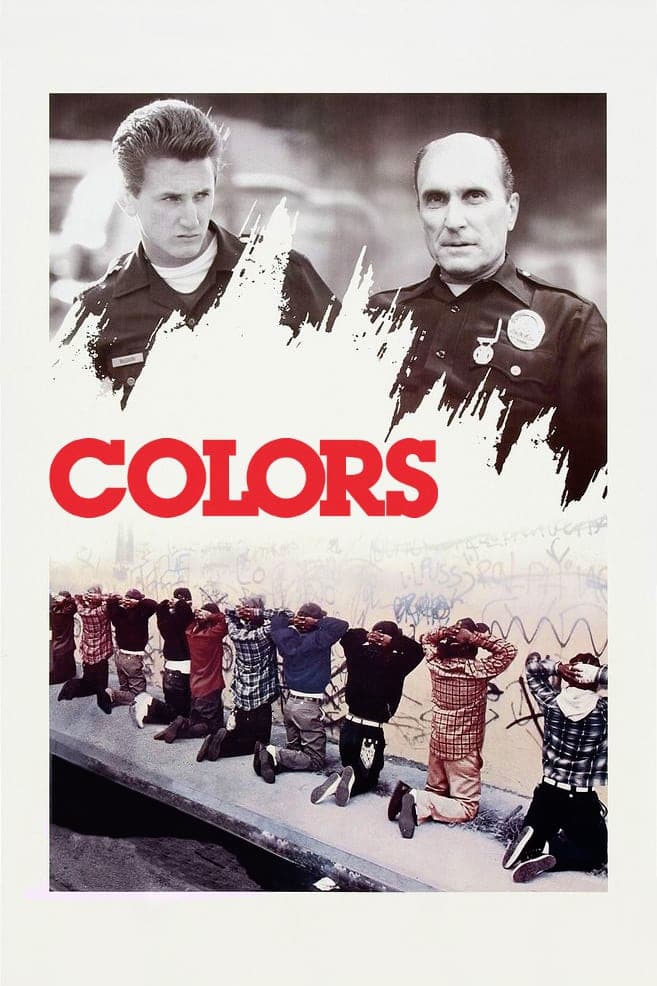
This police drama examines gang tensions in Los Angeles during the late 1980s through the viewpoint of a rookie and a veteran officer. The plot covers territory patrols, community interactions, and the escalation that follows misguided tactics.
On-the-ground cinematography and neighborhood casting contribute to a snapshot of the era’s street culture and slang. The film’s release preceded a wave of 1990s hood films and provided mainstream audiences with a look at graffiti, tagging crews, and territorial disputes that were rarely shown in theaters at the time.
‘South Central’ (1992)
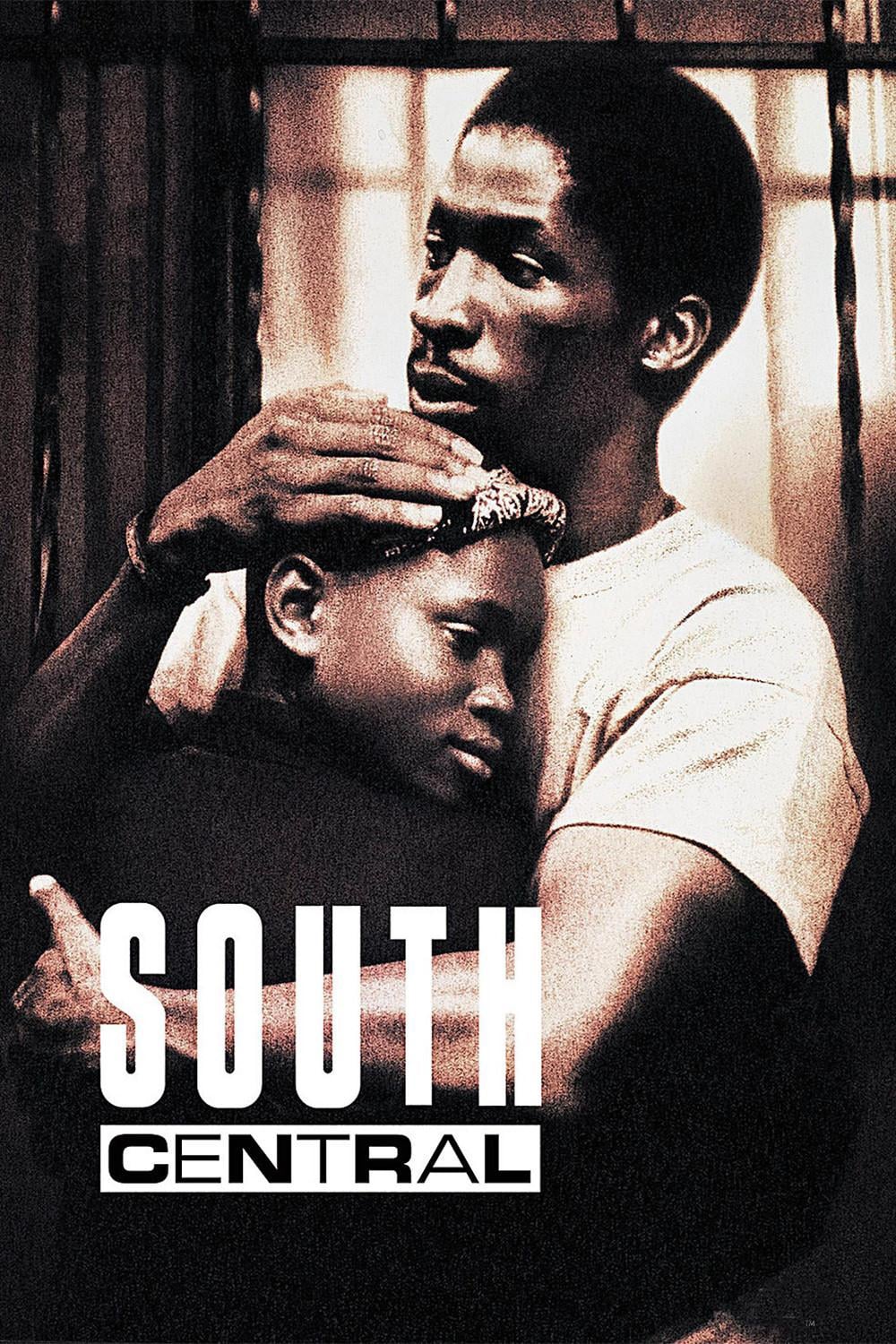
This story follows a man who leaves prison determined to keep his son from repeating his mistakes. The narrative centers on choices that pull families toward or away from gang life, showing how small decisions accumulate into life-changing outcomes.
Filmed primarily in Los Angeles, the production highlights community centers, garages, and backstreets rather than flashy locations. The film became a frequent fixture on cable, where repeated airings introduced it to a wide audience and cemented its role in conversations about rehabilitation and parenting in challenging environments.
‘Clockers’ (1995)
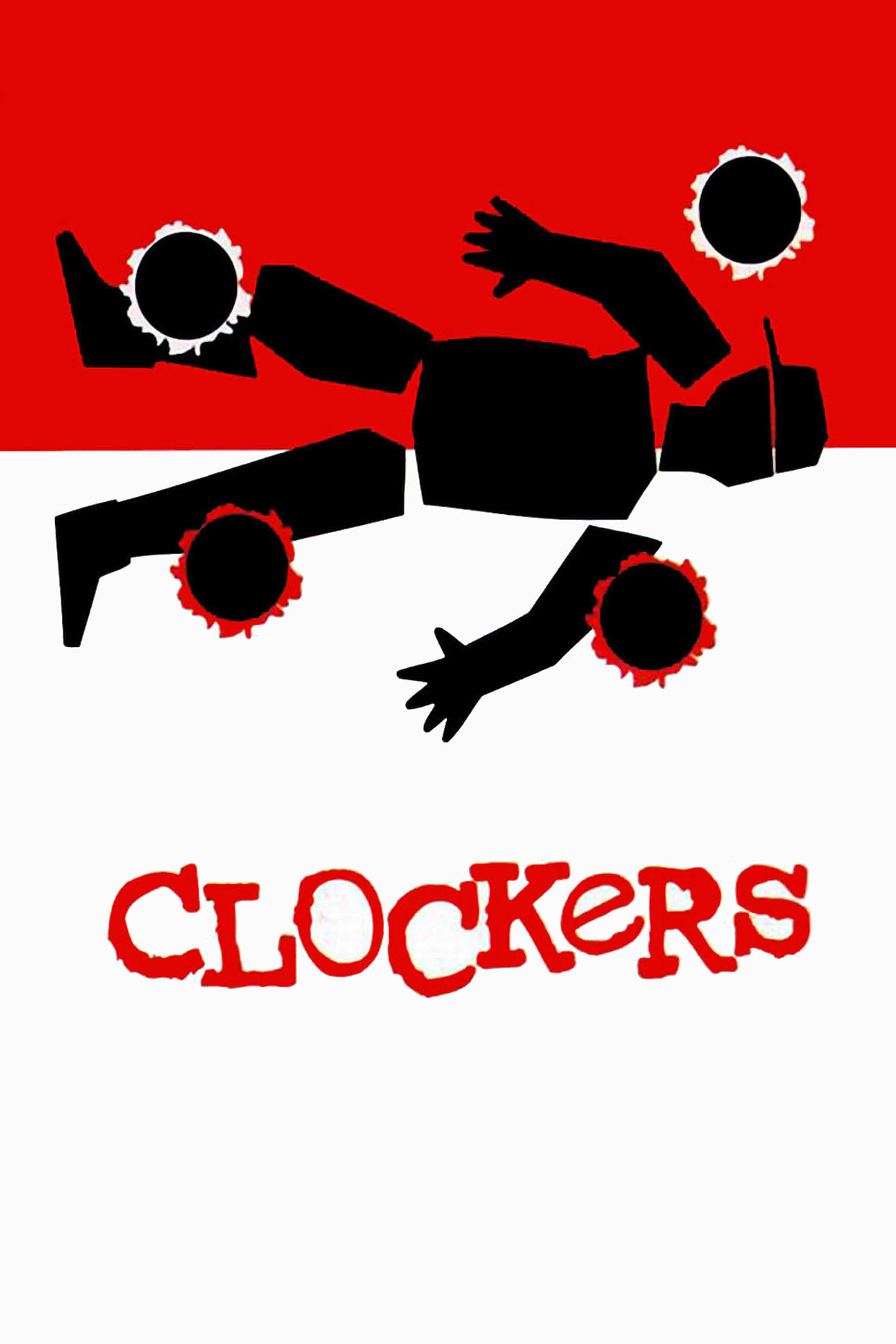
Set in Brooklyn housing projects, this crime drama follows a low-level dealer entangled in a murder investigation. The plot threads together street-corner business, detective work, and the social infrastructure that sustains the trade.
It uses real locations, handheld shots, and nighttime photography to build atmosphere. The soundtrack leans on east-coast hip-hop and soul, and the film features a large ensemble that includes both newcomers and established actors, reflecting the layered community the story depicts.
‘He Got Game’ (1998)
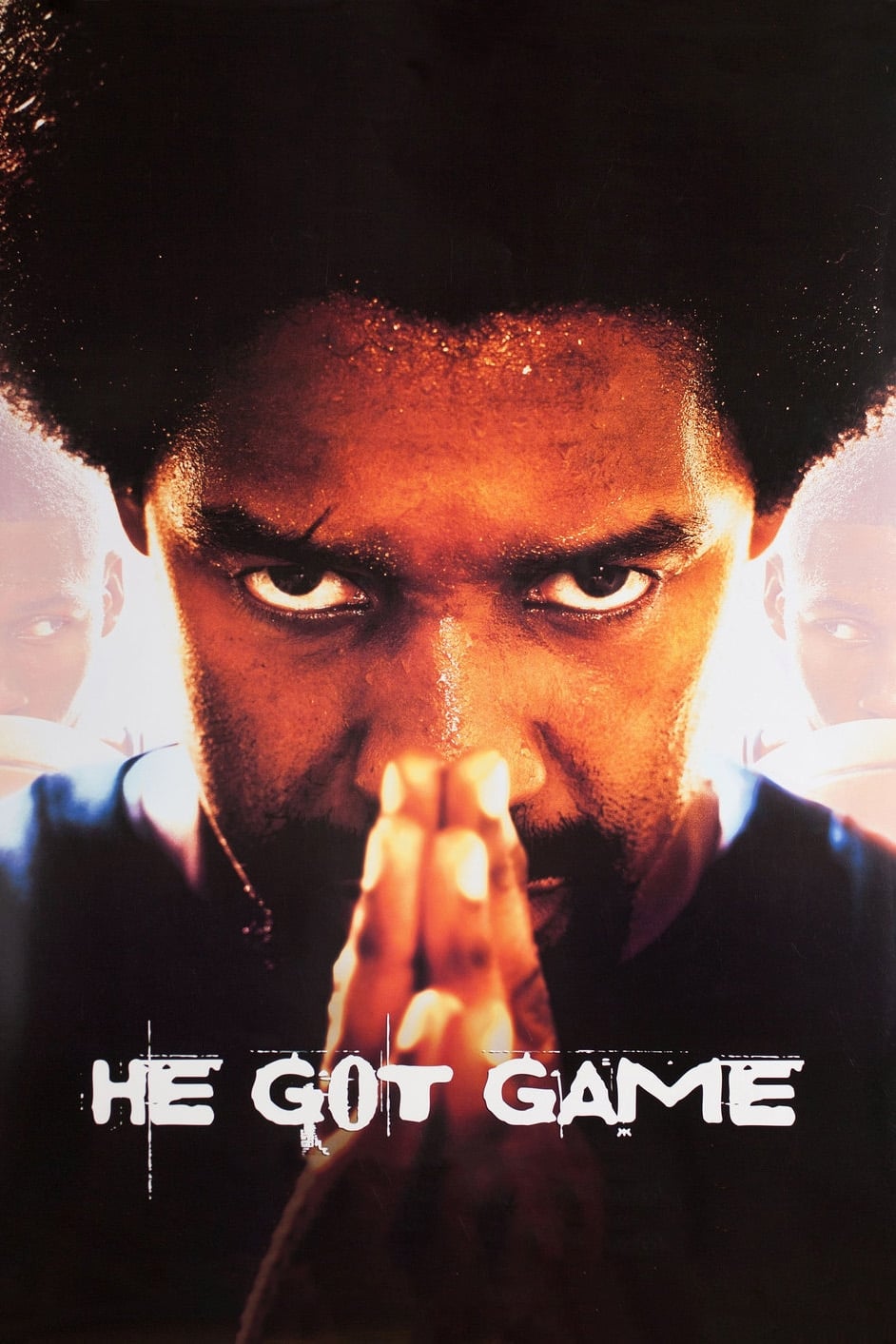
This drama centers on a top high-school basketball recruit whose incarcerated father is granted a brief release to persuade his son to sign with a specific college. The film explores recruitment pressures, media attention, and the intersection of sports and street reputations.
Shot in New York City, the production uses courts, school gyms, and Coney Island exteriors to situate the story in a real athletic pipeline. The film blends professional athletes with actors, and it integrates cross-cuts between practice drills and family negotiations to show how opportunity and obligation collide.
‘Set It Off’ (1996)
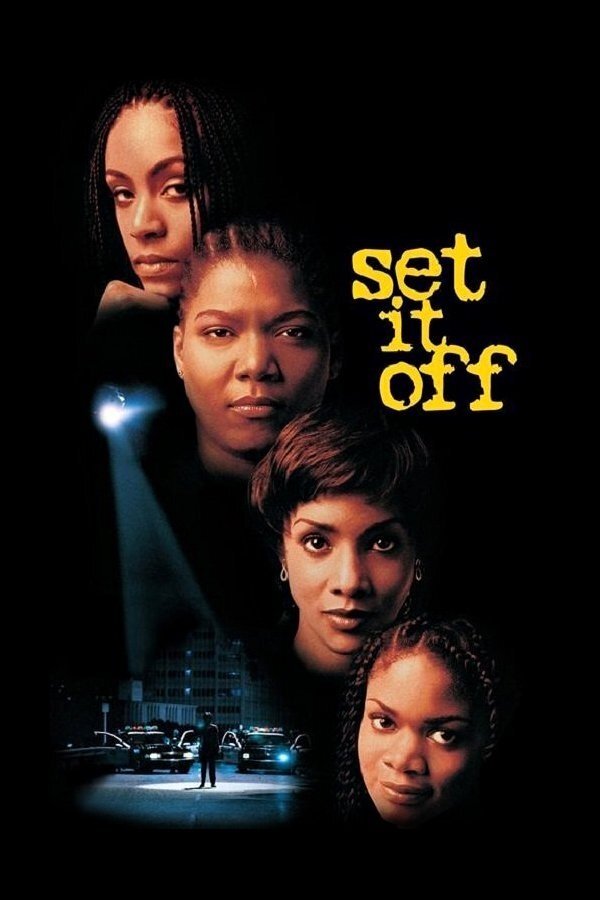
Four friends in Los Angeles turn to bank robbery after workplace discrimination and personal setbacks close off legitimate options. The plot follows the preparation, disguises, and getaway routes while detailing the impact on their families and friendships.
Filming took place at active bank branches and city streets, giving the heists a grounded feel. The soundtrack features R&B and hip-hop tracks that mirror the characters’ evolving plans, and the movie’s wardrobe and hair design became widely referenced in late-90s pop culture.
‘Paid in Full’ (2002)
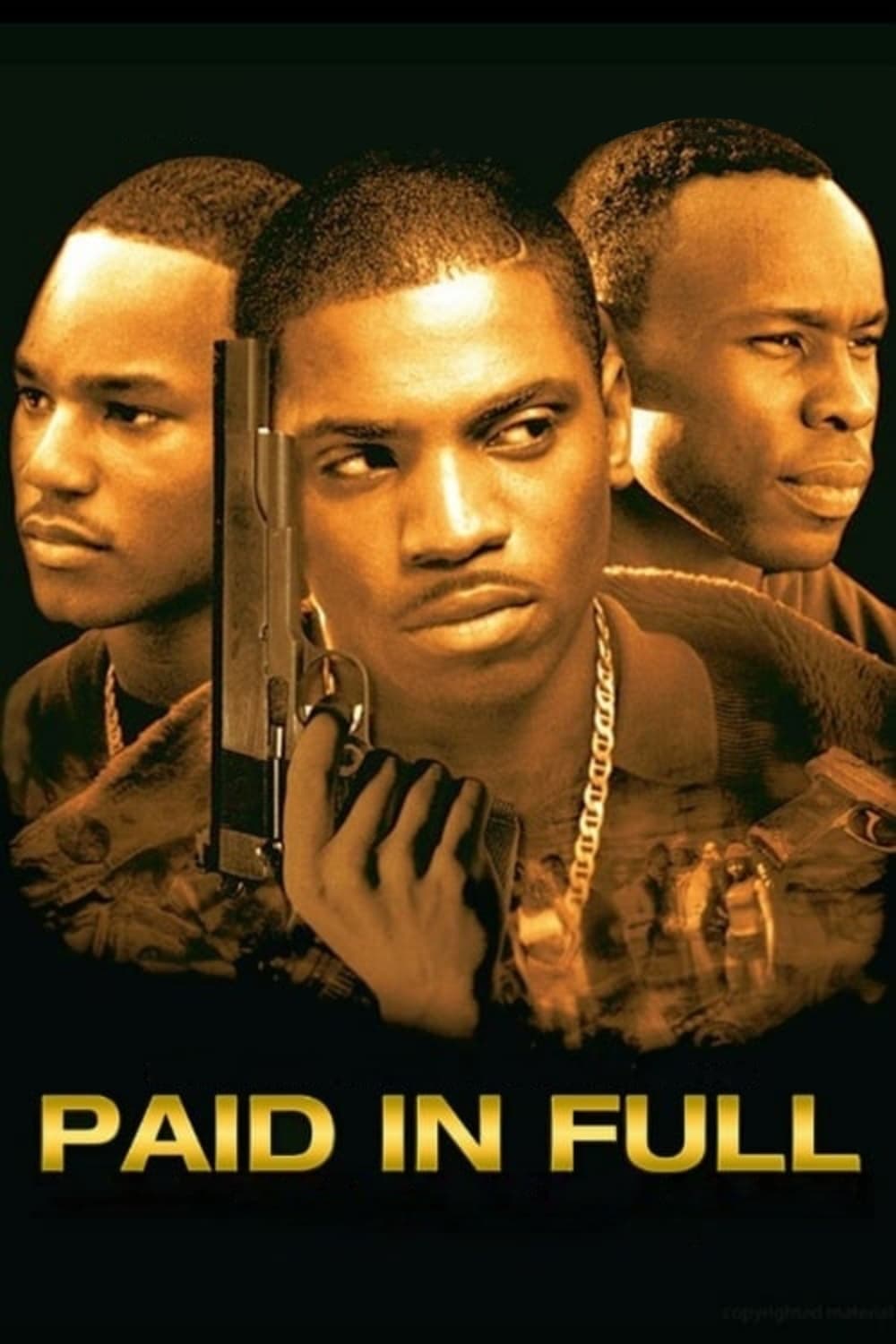
This Harlem-set drama traces the ascent of a quiet worker into the cocaine trade during the 1980s. The story covers stash houses, product sourcing, and adversaries who emerge as profits grow, leading to kidnappings and retaliation.
Period-accurate wardrobe, luxury cars, and storefront signage recreate mid-80s uptown blocks. The film maps how courier networks and neighborhood politics reinforce or destabilize a crew, using apartment interiors and bodega corners to show the logistics behind every risky handoff.
‘Juice’ (1992)
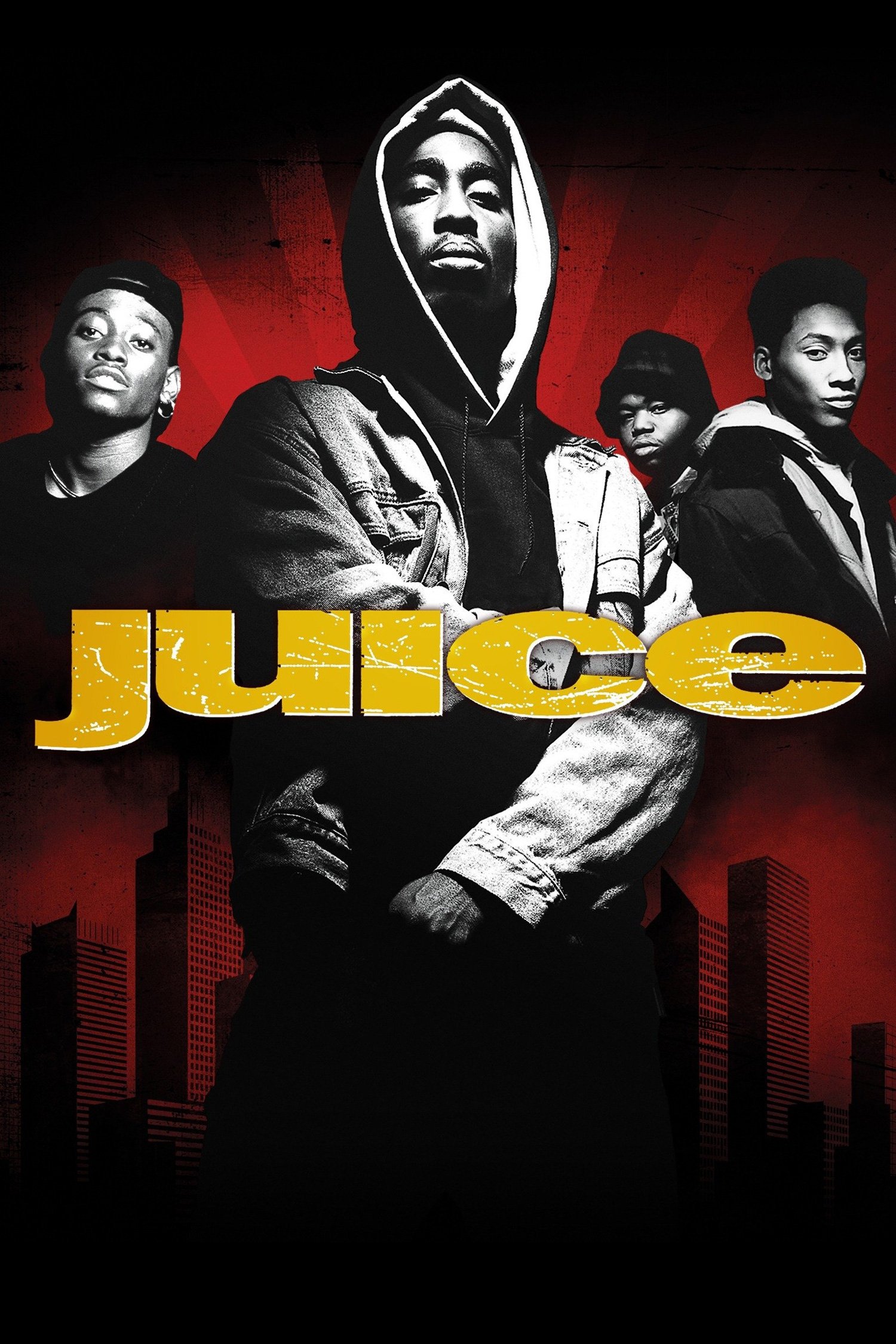
Four friends in Harlem seek status and respect, which leads them into a botched robbery and a rift that changes their lives. The film follows school hallways, arcade hangouts, and bodegas that form the group’s routine before violence disrupts it.
Cinematography highlights rooftops, stairwells, and DJ battles, capturing the early-90s hip-hop scene in detail. The soundtrack and turntable sequences became cultural calling cards, and the film introduced several performers who would go on to significant careers in music and acting.
‘8 Mile’ (2002)
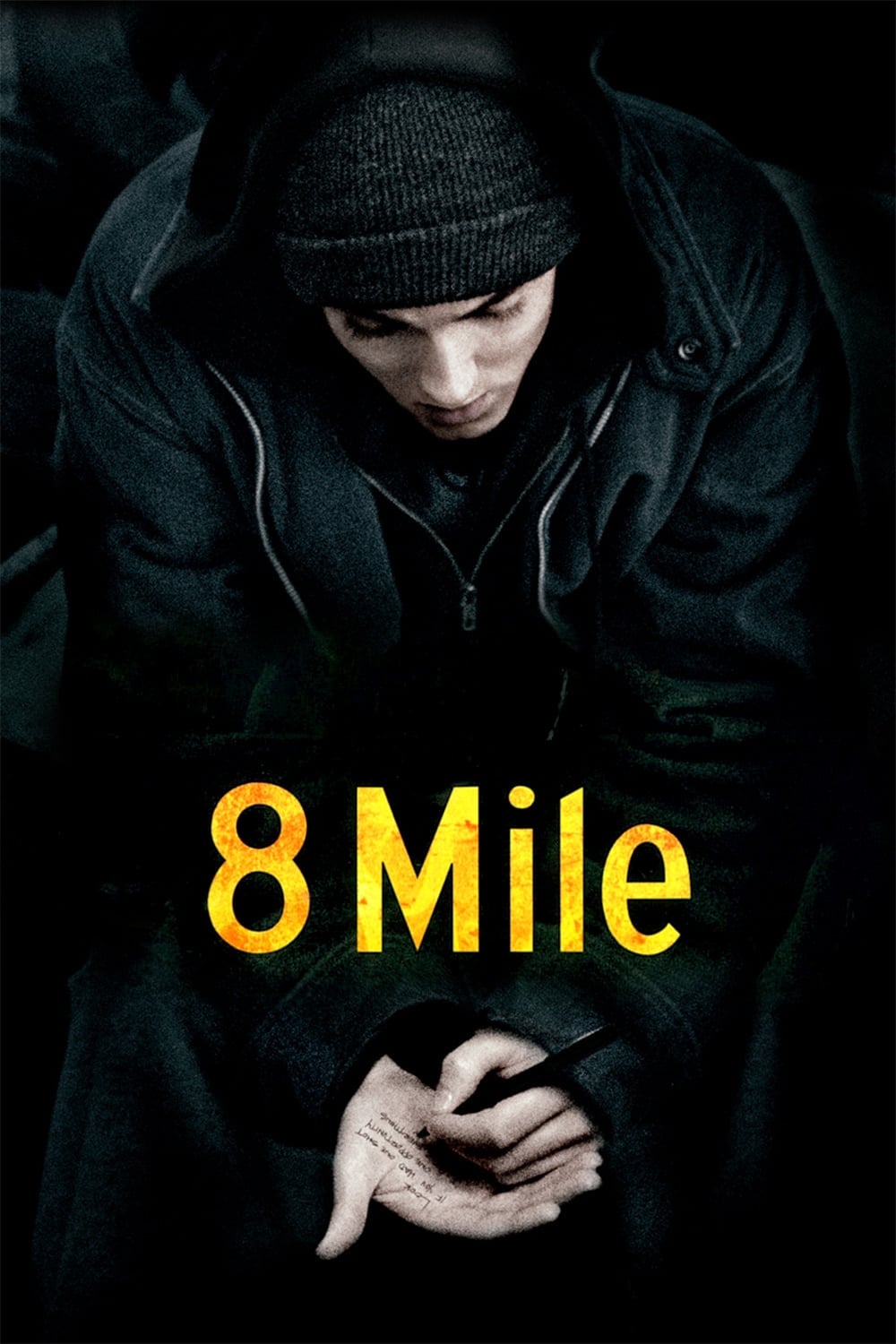
Set in Detroit’s underground rap scene, this drama revolves around open-mic competitions, factory shifts, and shared apartments where artists prepare for battles. The narrative focuses on writing, rehearsal, and crowd dynamics that decide reputations in small clubs.
Location shooting along the titular roadway and nearby neighborhoods documents an era of shuttered plants and makeshift venues. The film’s battle structure demonstrates how rhymes are assembled, revised, and delivered under pressure, placing craft and environment at the center of the story.
‘American Me’ (1992)
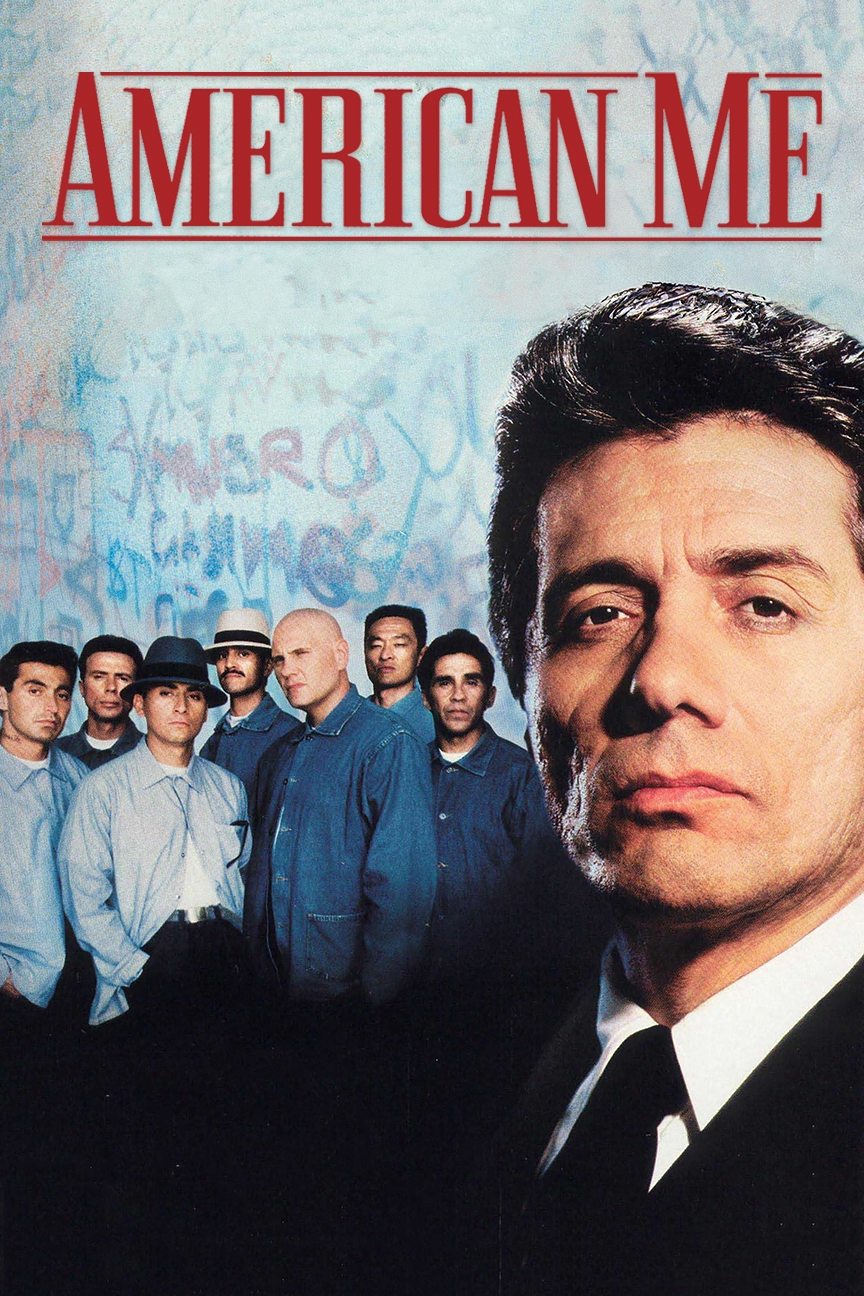
This multi-decade crime drama examines the formation of a powerful prison-based organization and its reach into Southern California neighborhoods. The timeline covers juvenile detention, adult incarceration, and operations that extend to the streets.
The production filmed in and around real facilities and used a large ensemble to chart rank changes and internal codes. It details how orders move from cells to corners and how family ties are affected, providing a procedural look at how institutions shape neighborhood life.
‘Friday’ (1995)
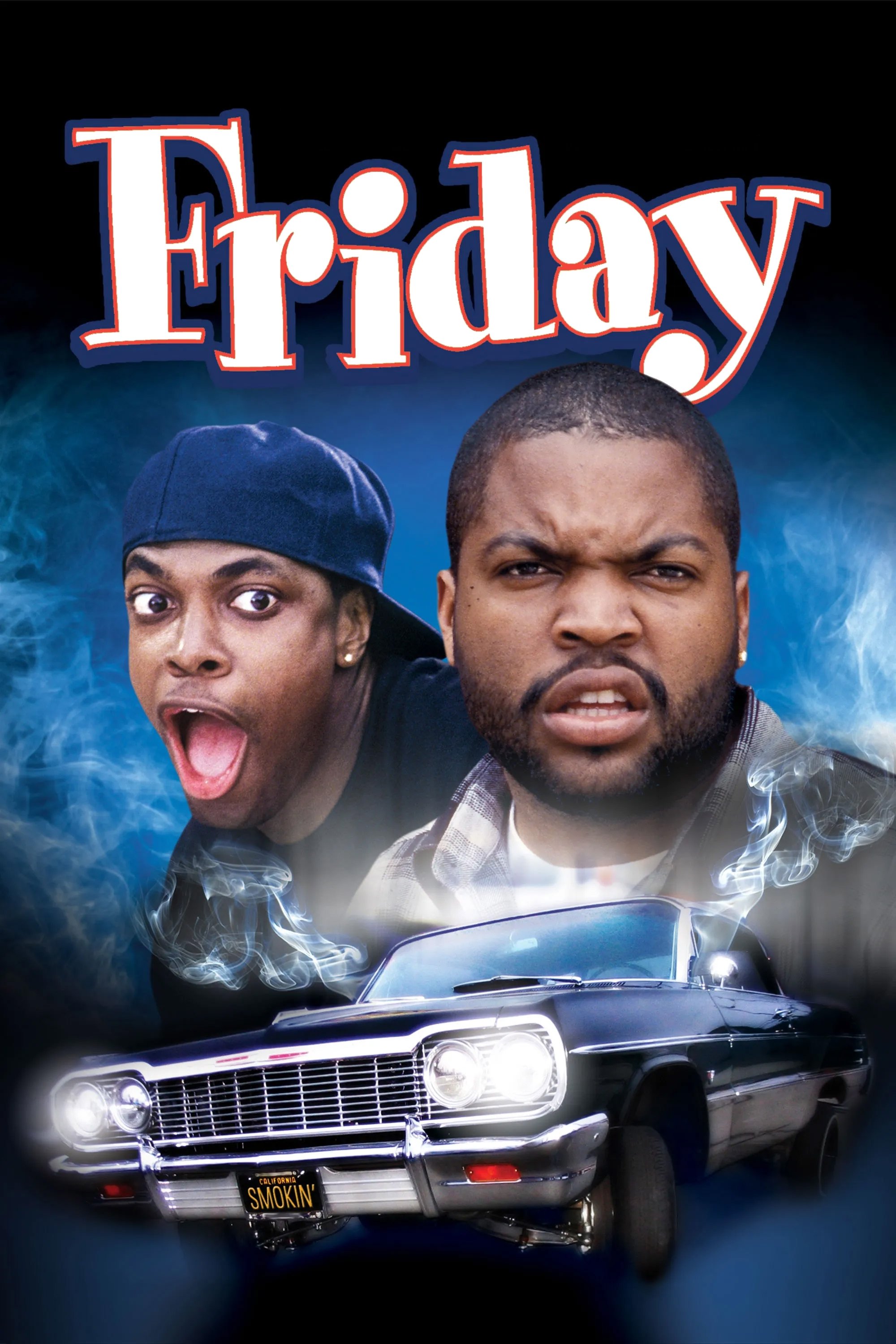
Set over a single day in South Central Los Angeles, this comedy follows two friends as they navigate neighborhood debts, porch conversations, and block-party characters. The film structures its story around front-yard encounters and quick errands that turn complicated.
Shot largely on one residential street, the production emphasizes stoops, living rooms, and convenience stores. The soundtrack features West Coast hip-hop and funk, and the film’s lines and character introductions became staples of 1990s pop culture.
‘The Hate U Give’ (2018)
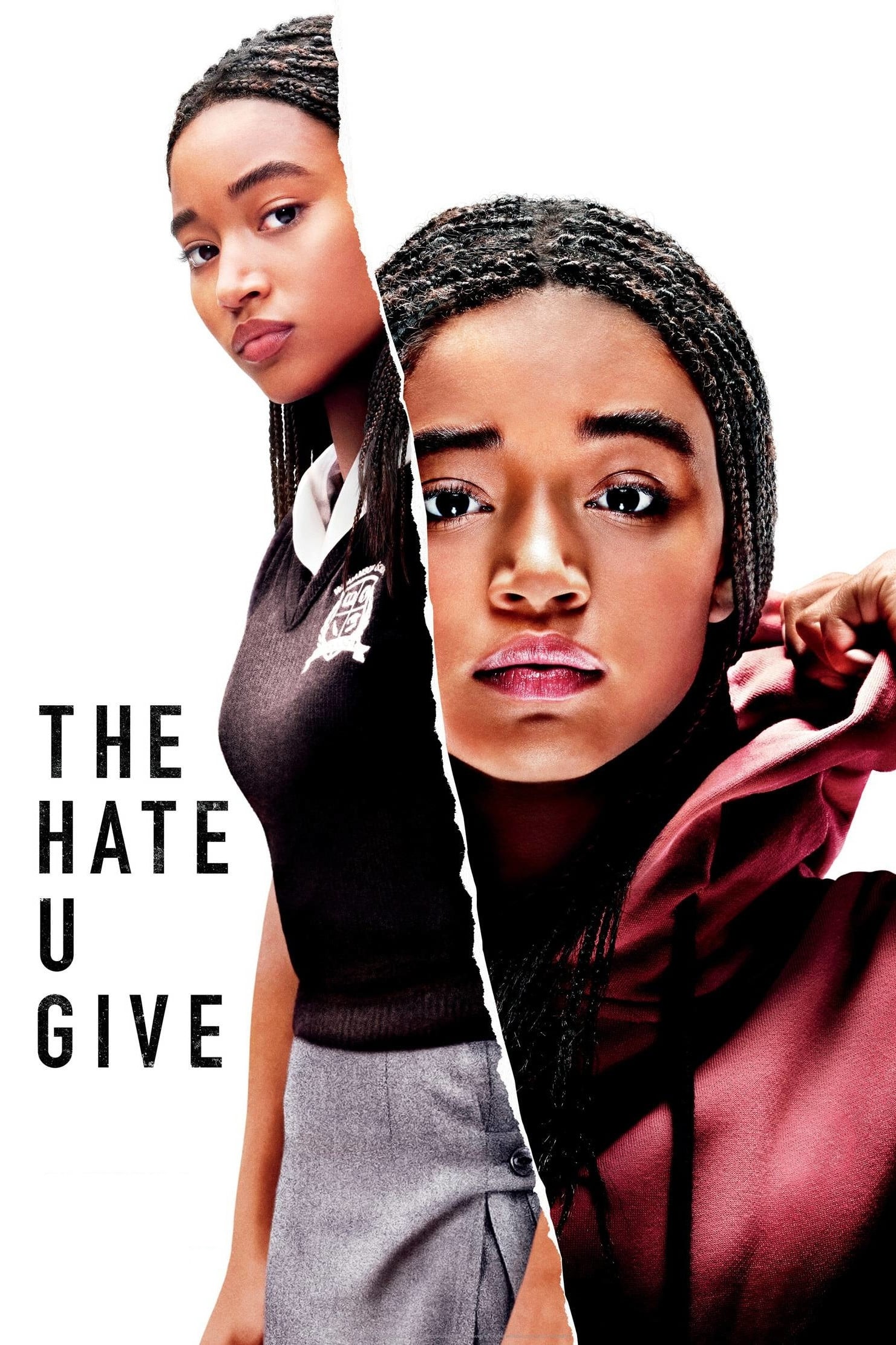
A teenager from a working-class neighborhood witnesses a police shooting and must balance community loyalty with the pressures of a private-school environment. The film shows student assemblies, neighborhood vigils, and grand jury procedures that shape the aftermath.
Production used a mix of school campuses and residential blocks to contrast daily routines across different spaces. The film’s release spurred classroom discussions and community screenings, and its script traces how social media, local activism, and family conversations intersect after a public tragedy.
‘Menace II Society’ (1993)
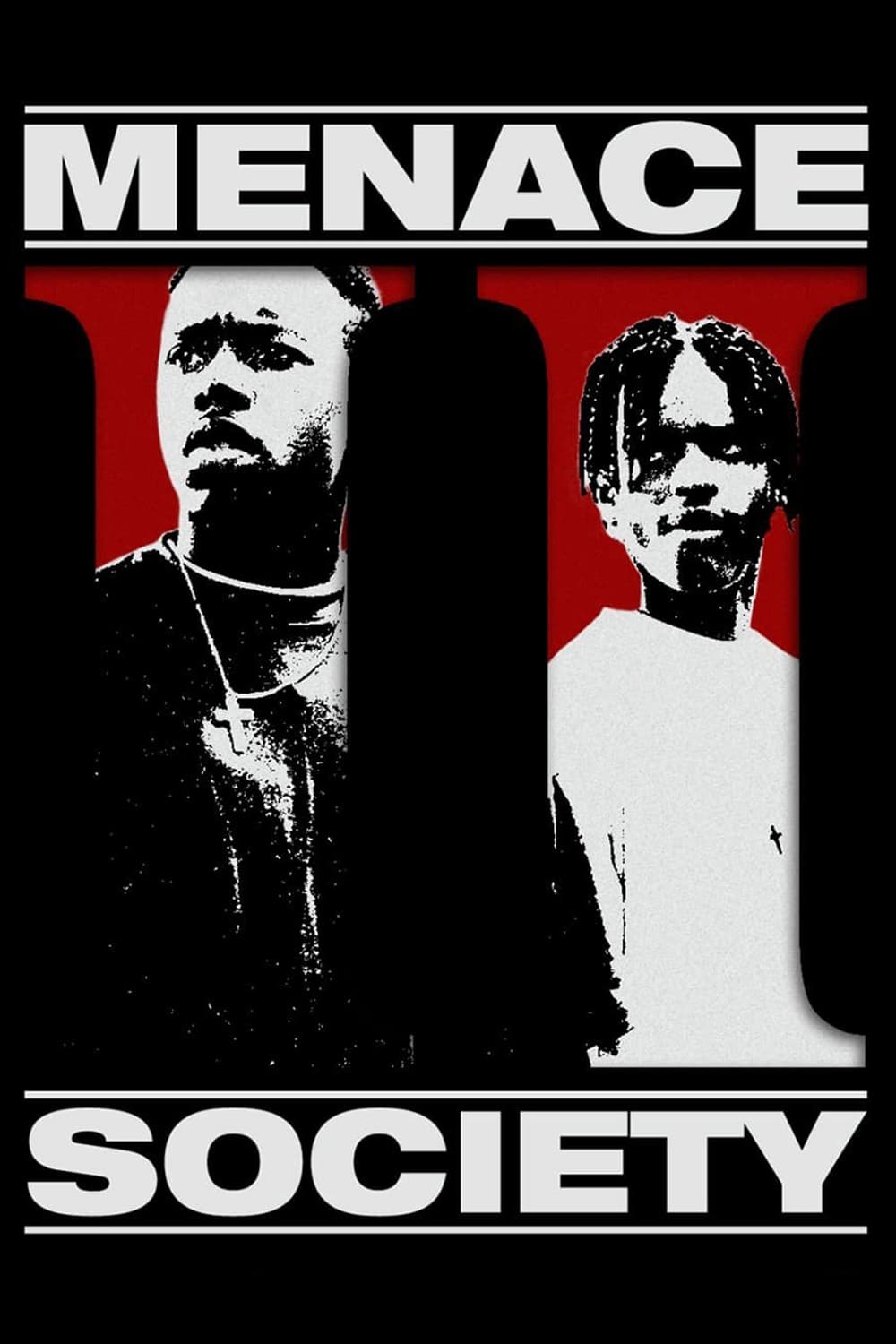
This Los Angeles-set drama follows friends dealing with theft, retaliation, and the challenge of leaving a dangerous routine. The plot covers convenience-store stickups, joyrides, and late-night decisions that escalate quickly.
The film’s compact runtime keeps focus on car interiors, party apartments, and intersections where small clashes become long-running feuds. Its soundtrack leans on early-90s hip-hop, and the editing uses quick bursts to convey both adrenaline and fallout.
‘Straight Outta Compton’ (2015)
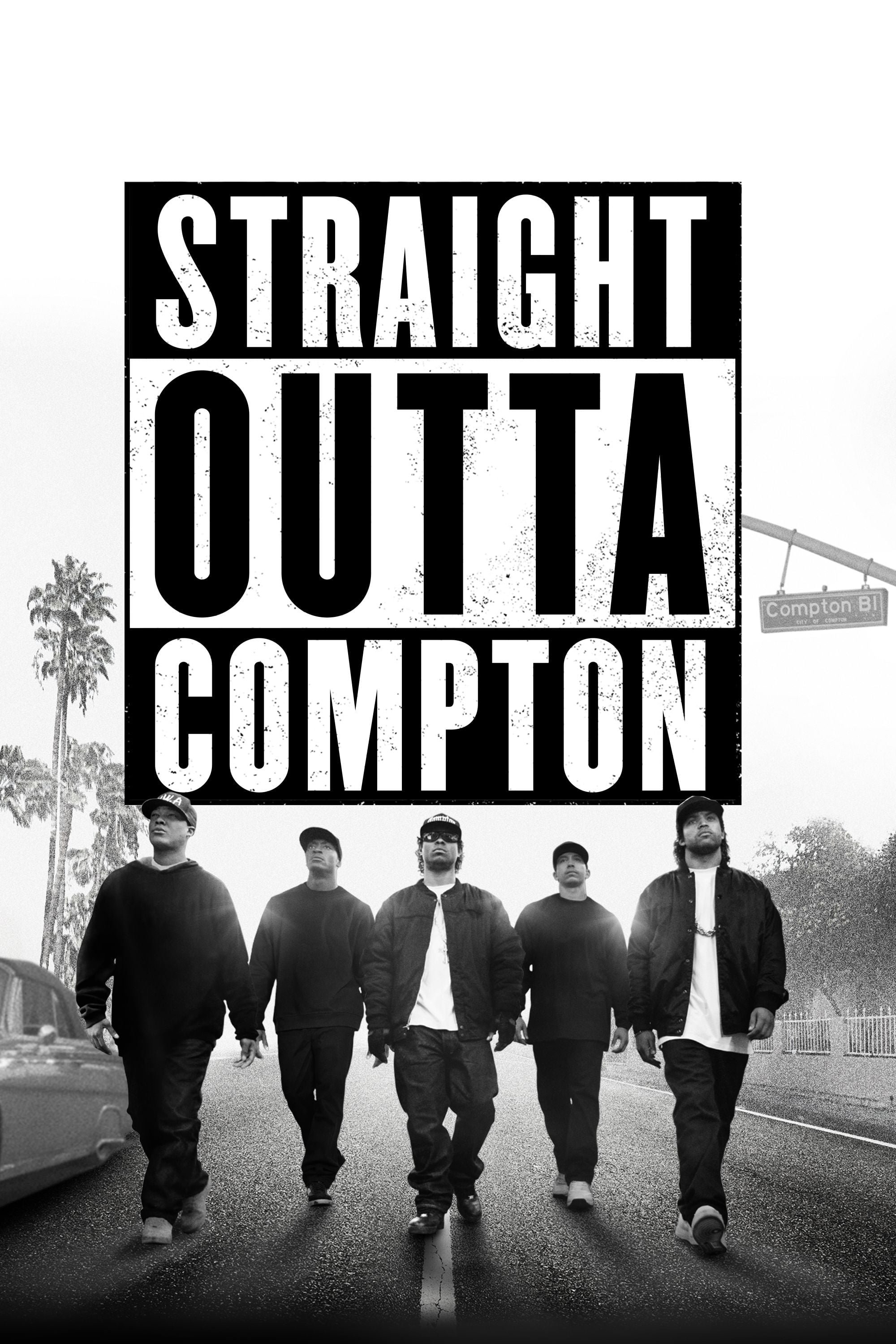
This biographical drama charts the rise of N.W.A., detailing studio sessions, tour stops, and contract disputes that affected both music charts and neighborhood identity. The story moves from local performances to national stages while tracking police crackdowns and media attention.
Period production design recreates clubs, studios, and tour buses, and the film uses re-recorded tracks and performance sequences to show how songs came together. It documents the business mechanics behind a cultural shift, including management decisions, royalties, and label negotiations.
‘Boyz n the Hood’ (1991)
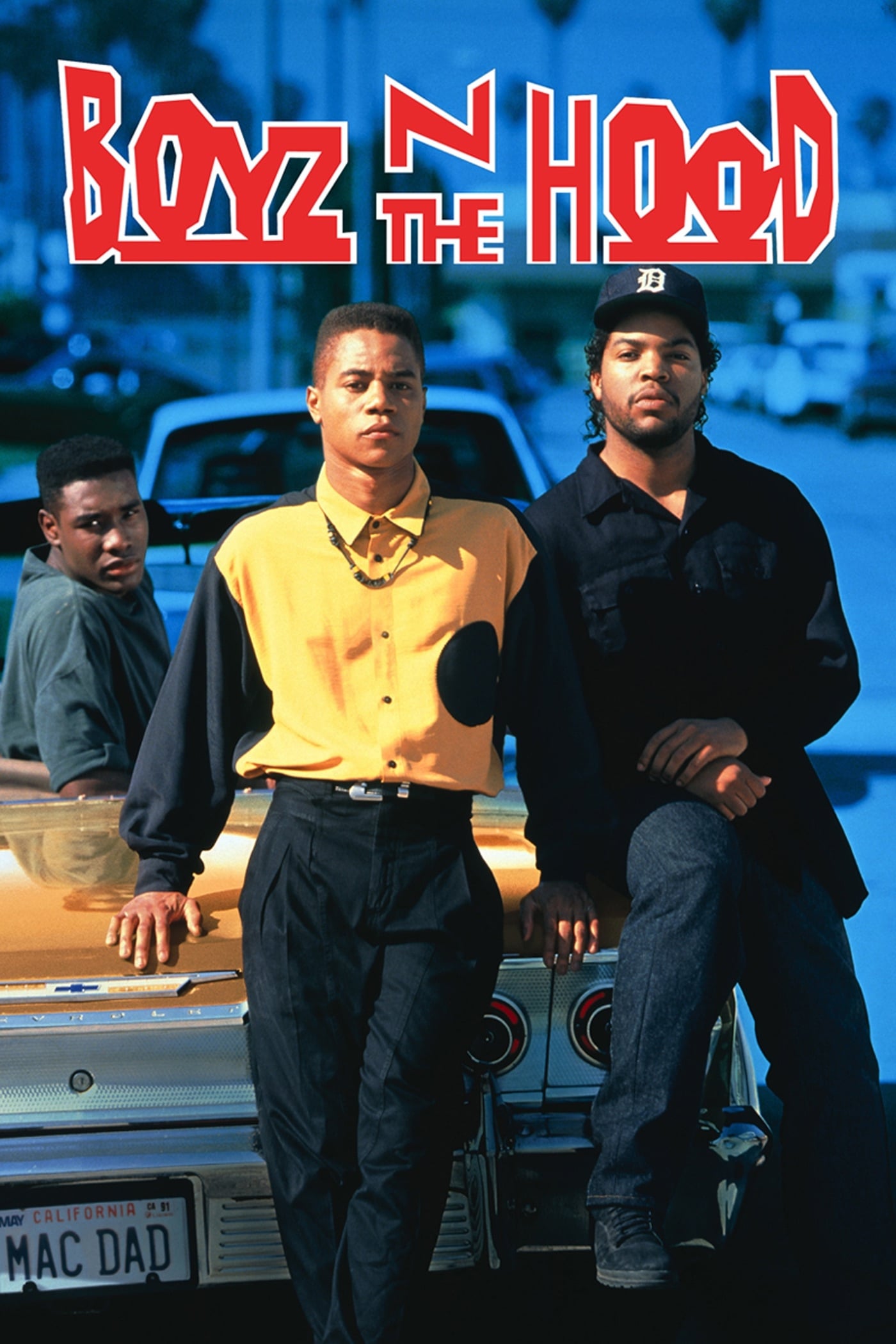
Set in South Central Los Angeles, this drama follows three friends growing up on the same block under very different household rules. The film covers school, football practice, college visits, and clashes that test neighborhood codes.
Shot in and around Crenshaw, the production places viewers in backyards, street fairs, and cul-de-sacs that define the area’s geography. It also highlights parental guidance, police encounters, and the role of mentorship in shaping choices during adolescence.
‘Do the Right Thing’ (1989)
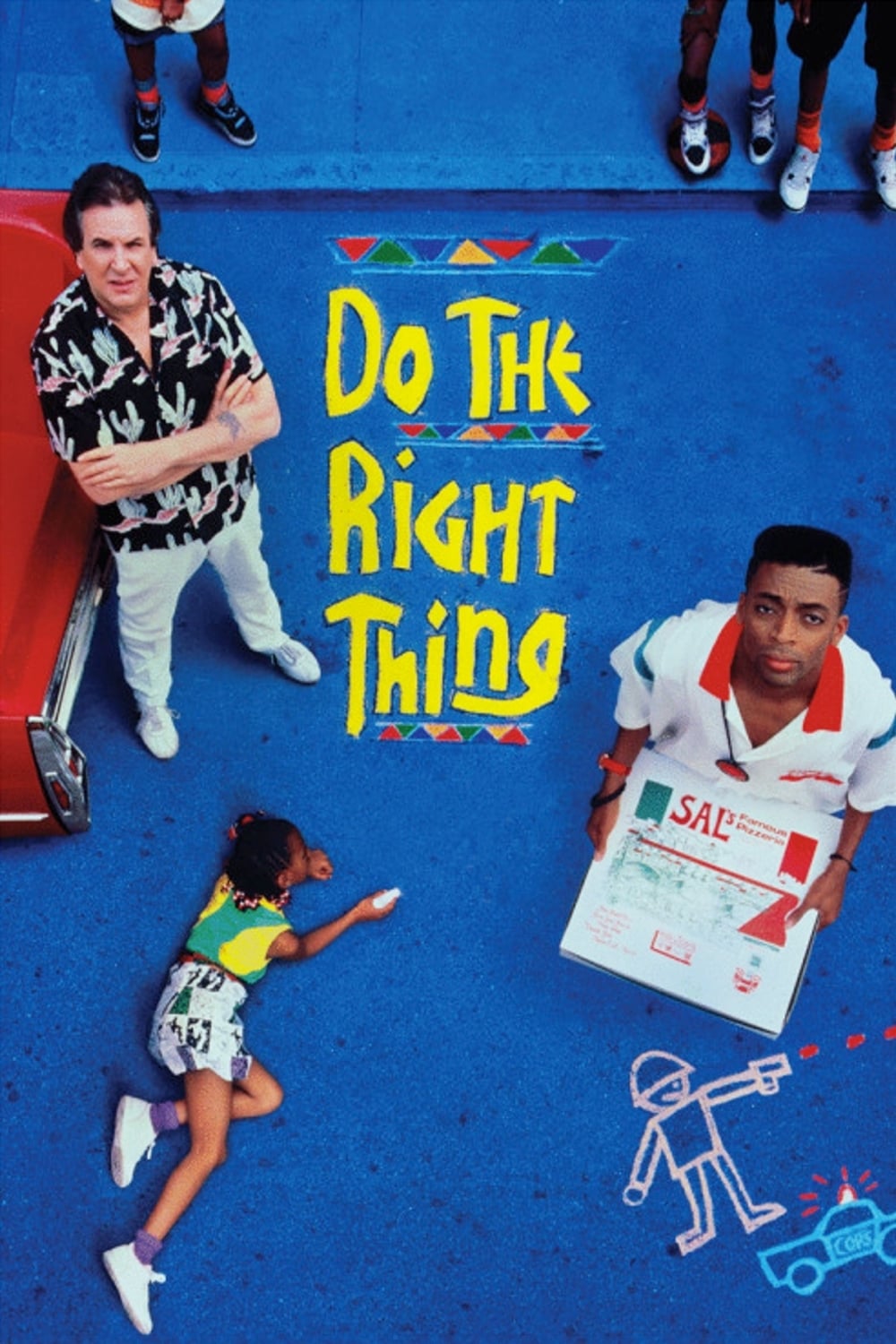
This ensemble drama unfolds over the hottest day of the summer on one Brooklyn block, tracking deliveries, sidewalk debates, and rising tensions that culminate in a nighttime confrontation. The narrative uses recurring routes and storefronts to map how a neighborhood moves.
The film’s color palette, wall art, and radio cues mark the passing hours and changing moods. Choreographed crowds, bike rides, and hydrant scenes build the block’s rhythm, while the script records how small disagreements accumulate into a community-wide flashpoint.
‘La Haine’ (1995)
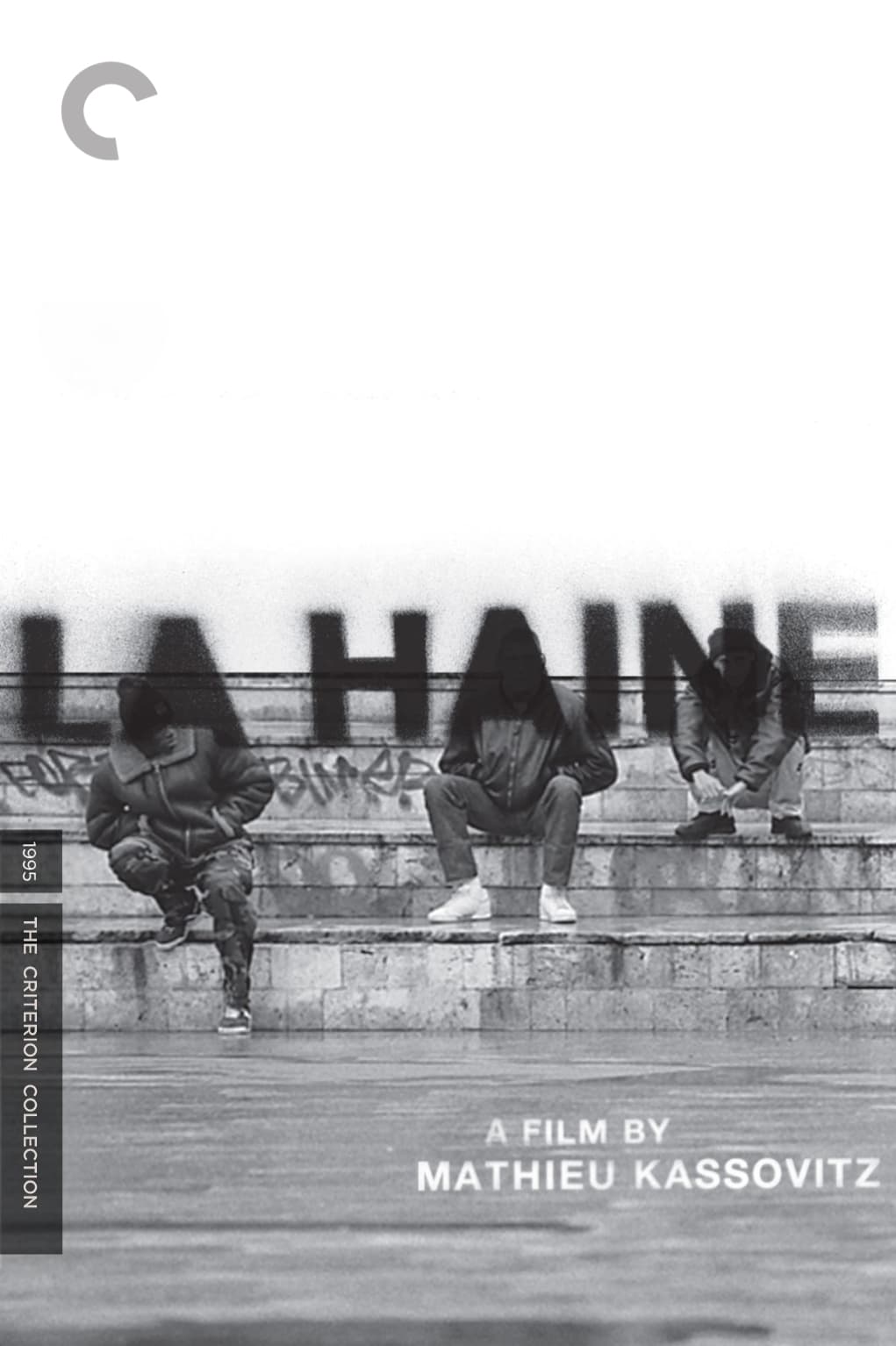
Set in the Paris banlieues, this black-and-white drama follows three friends in the 24 hours after a riot. Train rides, rooftops, and housing estates anchor a story about surveillance, displacement, and the edges between city center and outskirts.
The film uses natural light, real apartments, and handheld camerawork to capture an environment shaped by curfews and police presence. Dialogue switches between languages and slang, and the timeline’s tight window intensifies every encounter from subway platforms to art galleries.
‘City of God’ (2002)
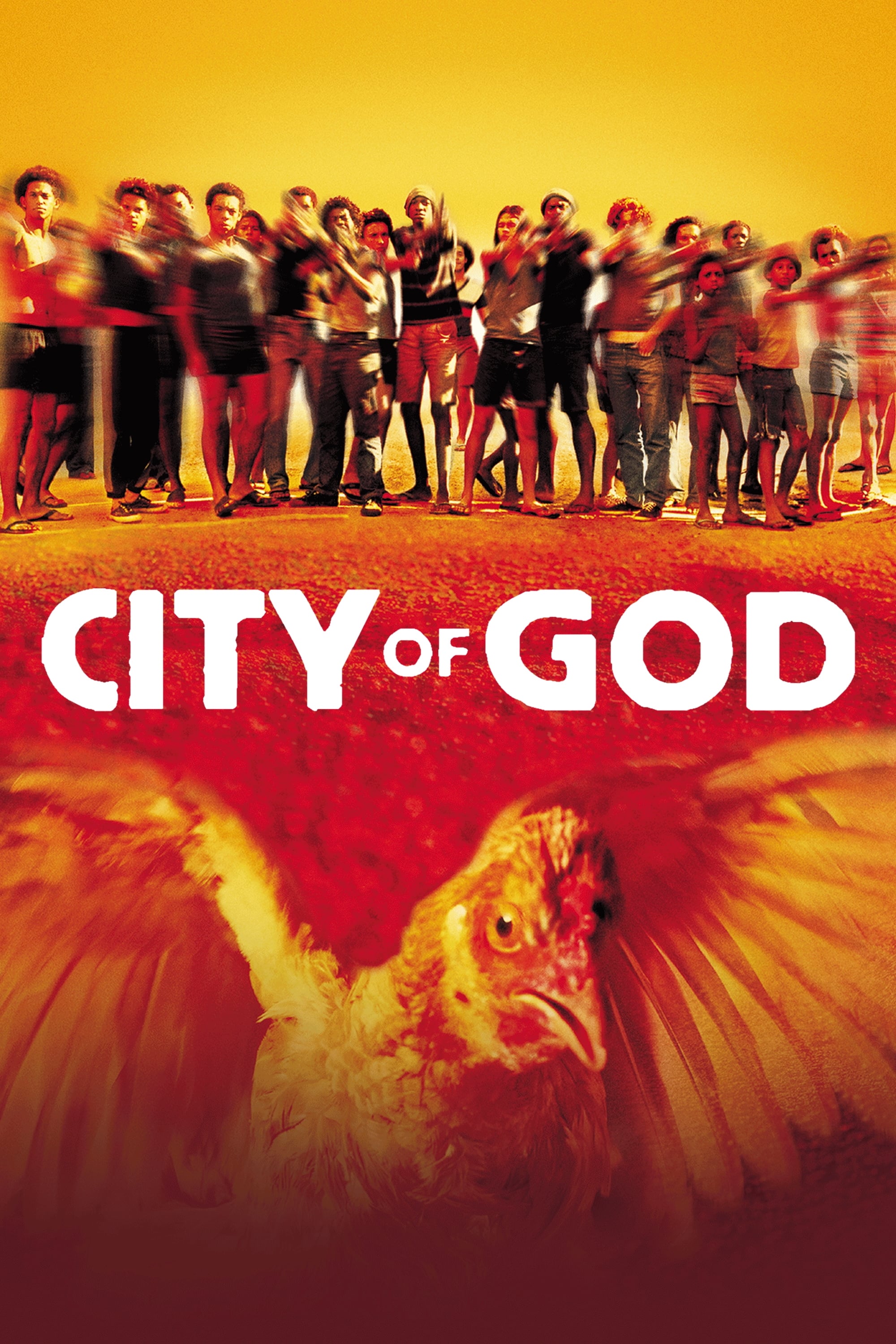
This Brazilian crime saga chronicles the growth of organized crime in a Rio de Janeiro favela from the 1960s through the 1980s. The story follows multiple crews, photojournalism aspirations, and the ripple effects of retaliations that start in childhood.
Nonlinear editing, neighborhood casting, and on-location shooting give the film documentary-like immediacy. The production’s use of narrow alleys, open courtyards, and improvised soccer fields builds a detailed map of the favela, and its release brought international attention to Brazilian urban storytelling.
Share your own picks and personal favorites in the comments so everyone can discover more must-watch hood movies.