Top 15 Movie Crossovers


Movie crossovers bring familiar characters and worlds together in ways that spark instant curiosity. Studios use them to expand franchises, settle long running what if questions, and create new storylines that pull in audiences from more than one fan base. The results range from monster showdowns to superhero team ups to genre bending experiments that remix animation, live action, and everything in between.
These projects often require complex rights negotiations, careful continuity checks, and creative production work to make different tones and visual styles feel like they belong in the same story. Casting, effects, and marketing have to balance multiple brands at once, and the box office outcome can influence entire studio roadmaps. Here are standout examples that show how wide the crossover idea can go.
‘Who Framed Roger Rabbit’ (1988)
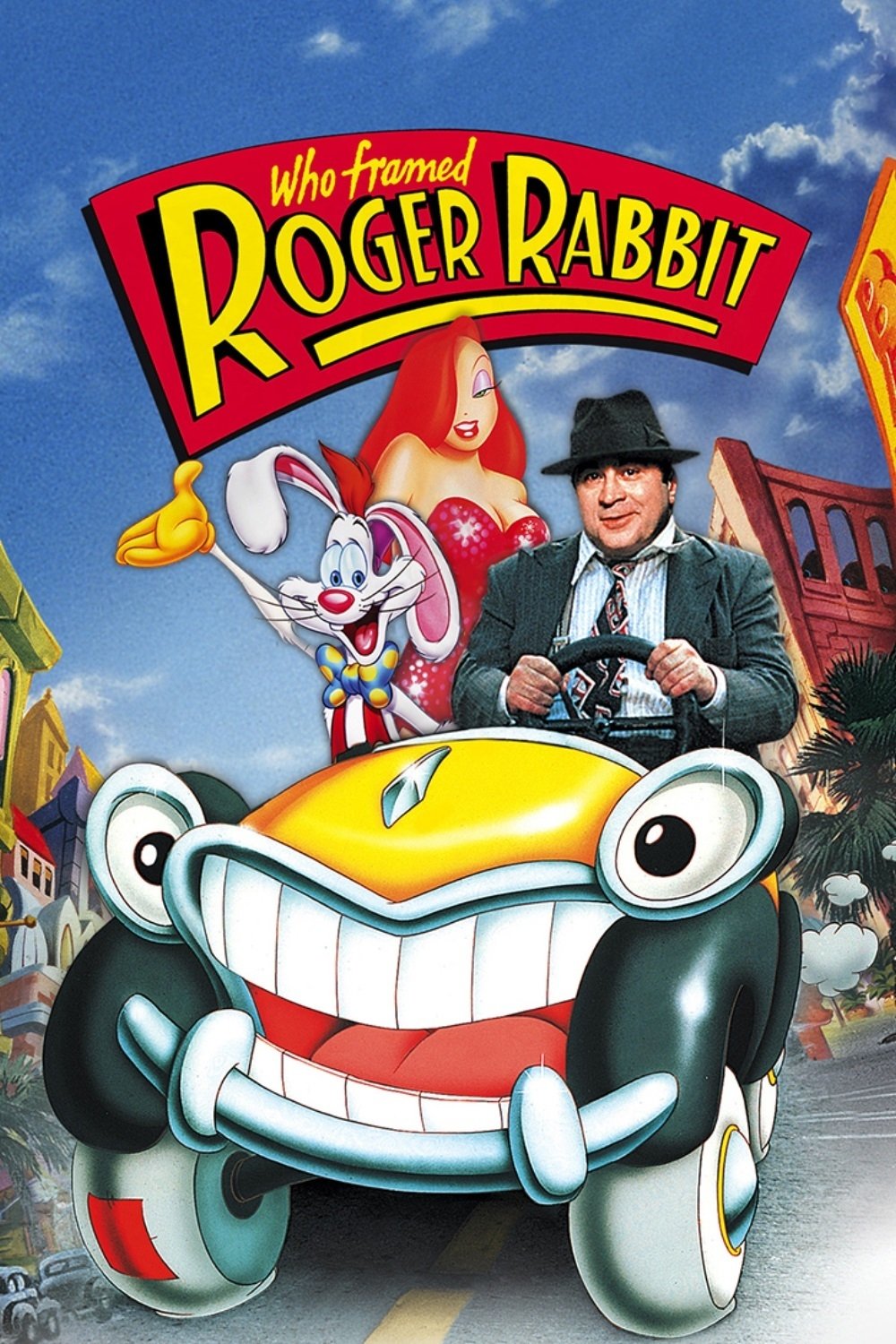
This film united cartoon characters from multiple studios inside a live action noir plot. The production used advanced compositing and puppeteering to synchronize animated performances with on set camera moves and practical props. Agreements with rights holders set strict rules for character use, which is why certain icons share the screen for equal time and specific gags.
The story follows a private detective working in a world where toons and humans coexist. The movie introduced Toon Town as a shared space and established visual rules that let animated characters interact with real objects. Its success demonstrated that multi studio collaborations could work on a large scale.
‘Frankenstein Meets the Wolf Man’ (1943)
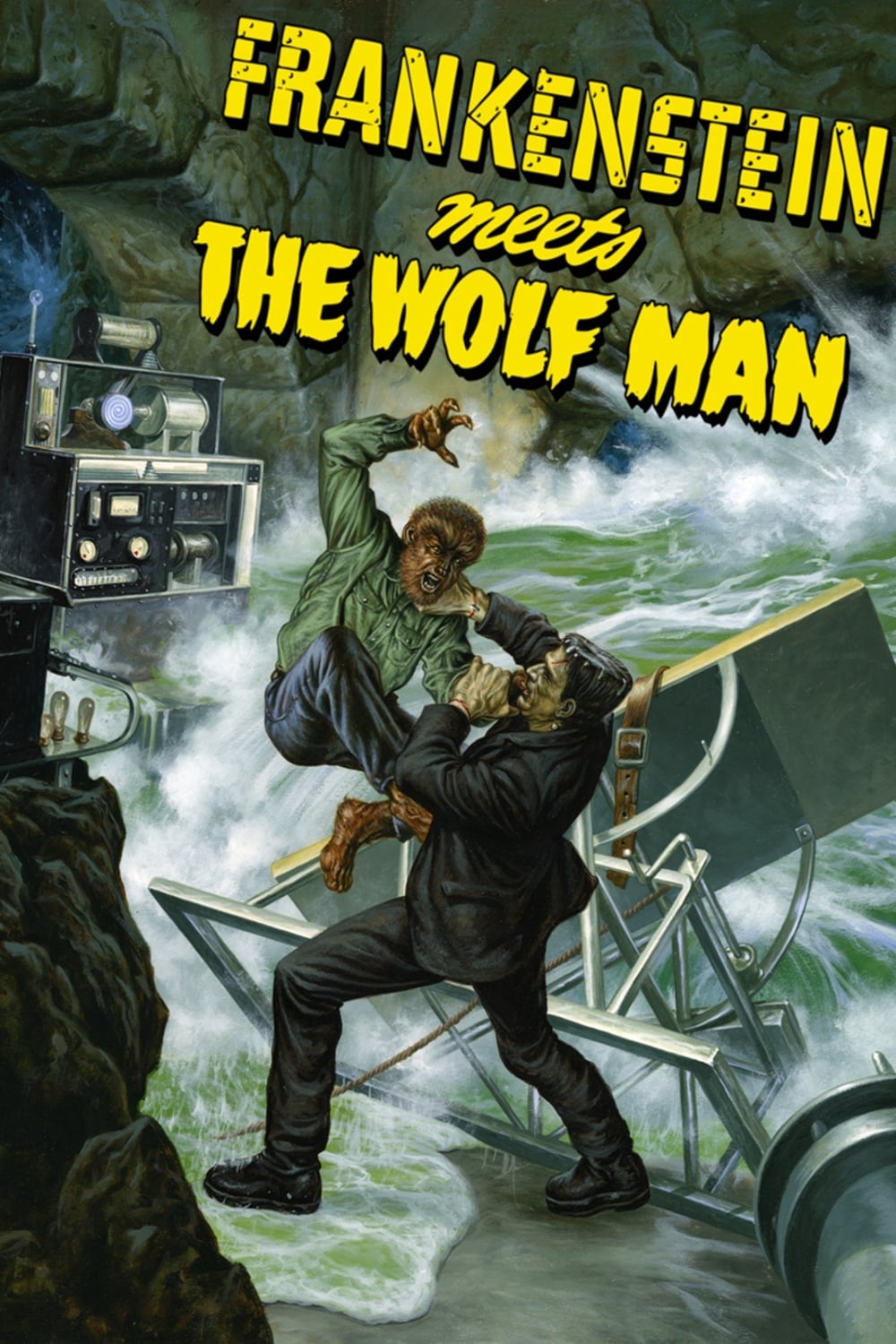
This entry combined two Universal Monsters into one narrative, continuing threads from earlier films. The production brought back key actors and reused established sets and makeup designs to maintain consistency across the shared world. The script connected both characters through a quest that required knowledge of previous stories.
The crossover also set a template for future monster meetings within the same studio. By aligning the rules for each creature and their weaknesses, it created a framework that other sequels could follow. The result expanded the monster cycle and encouraged more ensemble entries.
‘Bud Abbott and Lou Costello Meet Frankenstein’ (1948)

This comedy brought the famous duo into the Universal Monsters lineup, placing horror icons inside a broad slapstick plot. Makeup effects preserved the classic designs so the monsters remained serious while the humor came from the leads’ reactions. The film gathered several characters in shared scenes that kept their established traits intact.
Its approach showed that crossovers could shift genres without discarding prior continuity. The movie introduced new audiences to the monster roster through a lighter tone and kept the door open for additional meetings with other classic creatures. It remains a blueprint for mixing comedy with established horror brands.
‘King Kong vs. Godzilla’ (1962)
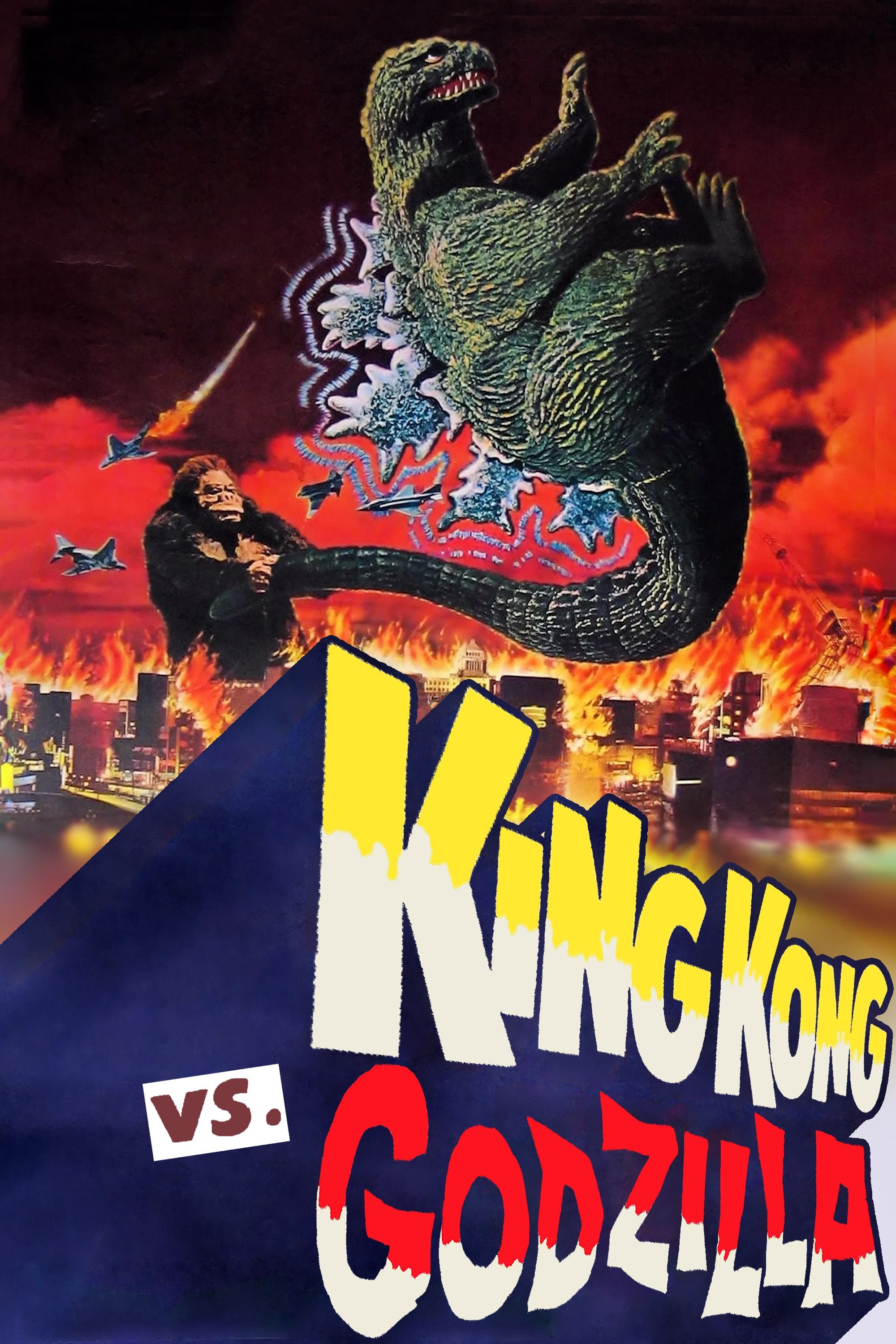
This film matched two famous kaiju under one banner and required creative solutions for scale and movement. Suitmation and miniature effects were coordinated to stage large battles that fit within the franchise visual language. Different cuts were prepared for various markets to adjust pacing and framing.
The production also handled brand considerations so each creature’s abilities appeared consistent with prior appearances. Marketing highlighted the clash as an event with promotional tie ins across regions. The movie set the stage for further encounters between giant monsters under shared licensing.
‘Zatoichi Meets Yojimbo’ (1970)
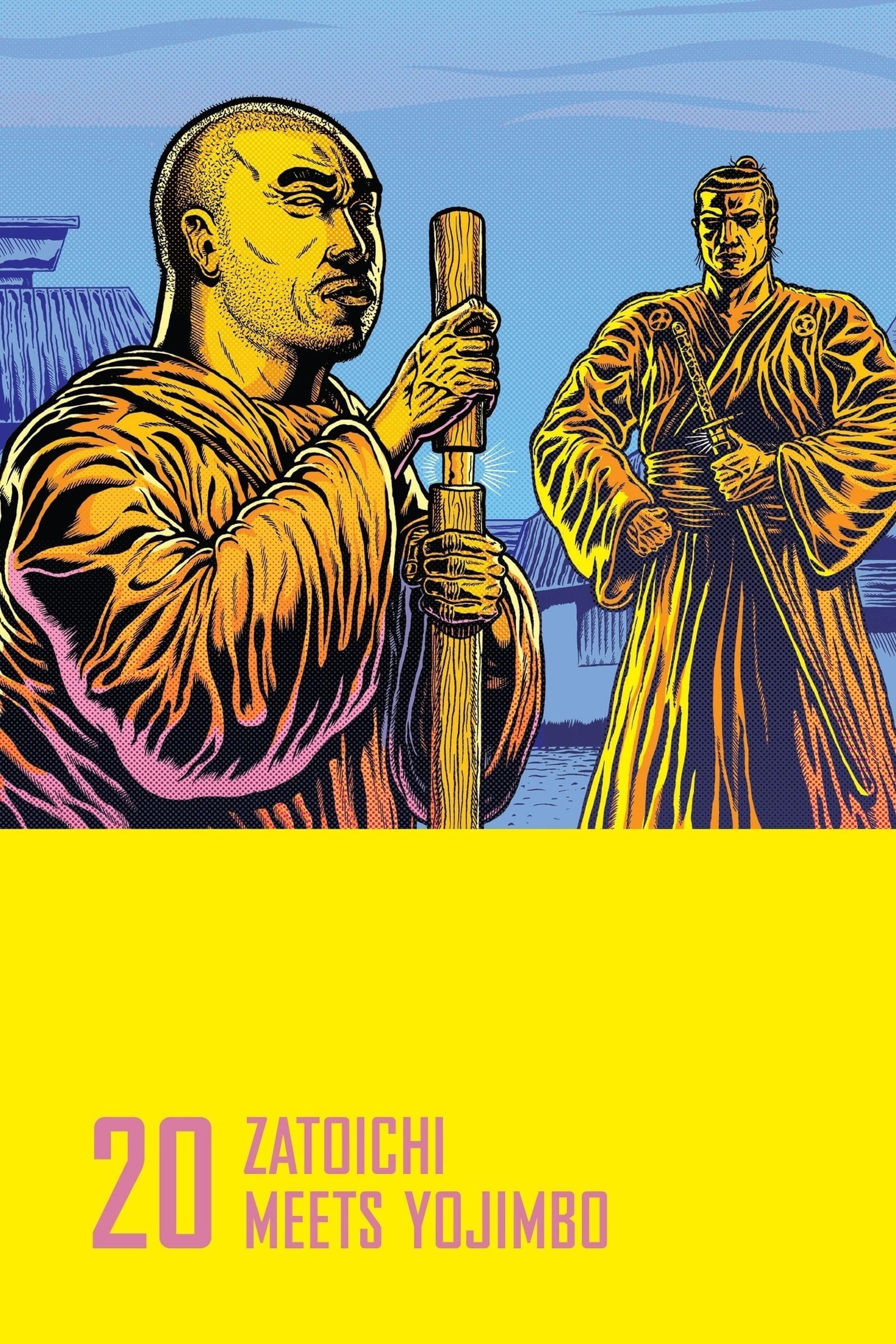
This samurai crossover paired two iconic characters from separate series. The production balanced fighting styles and character arcs so neither overshadowed the other. Choreography emphasized the contrast between Zatoichi’s tactile swordplay and Yojimbo’s strategic feints.
The film expanded both series by placing their codes of conduct in direct conflict. It provided closure for fans curious about how these figures would interact while preserving their core traits. The meeting also encouraged later cross franchise encounters in period action cinema.
‘Freddy vs. Jason’ (2003)

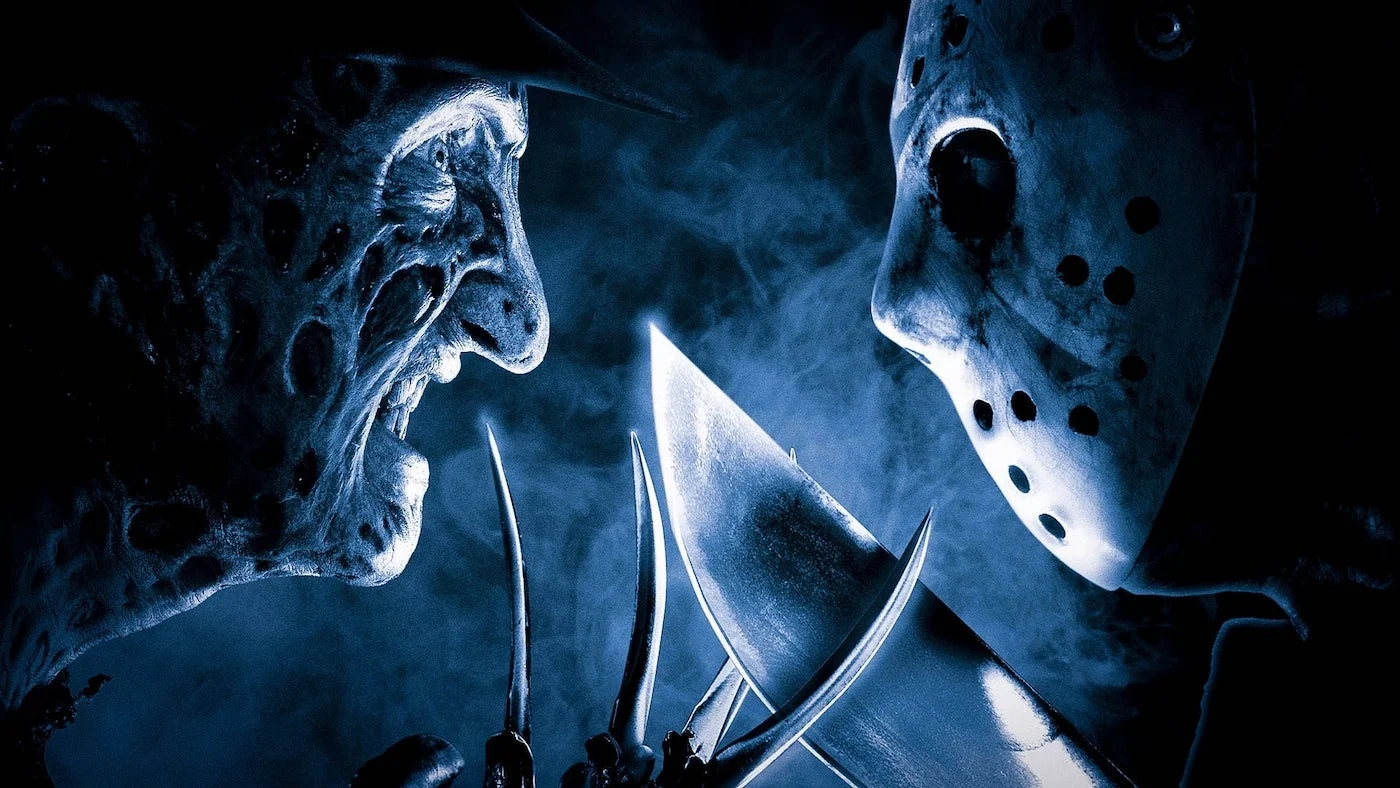
This slasher event brought together two horror villains with distinct rules for fear and physical presence. The script established a mechanism that allowed both to operate in the same reality, blending dream logic with straightforward brutality. Production design referenced signature locations to anchor each character’s identity.
Casting and stunt work focused on scale and movement to differentiate the antagonists during fights. The film used fan recognizable weapons and kills while introducing new matchups that only a crossover can provide. Its performance revived interest in both series for a new cycle of releases.
‘AVP: Alien vs. Predator’ (2004)
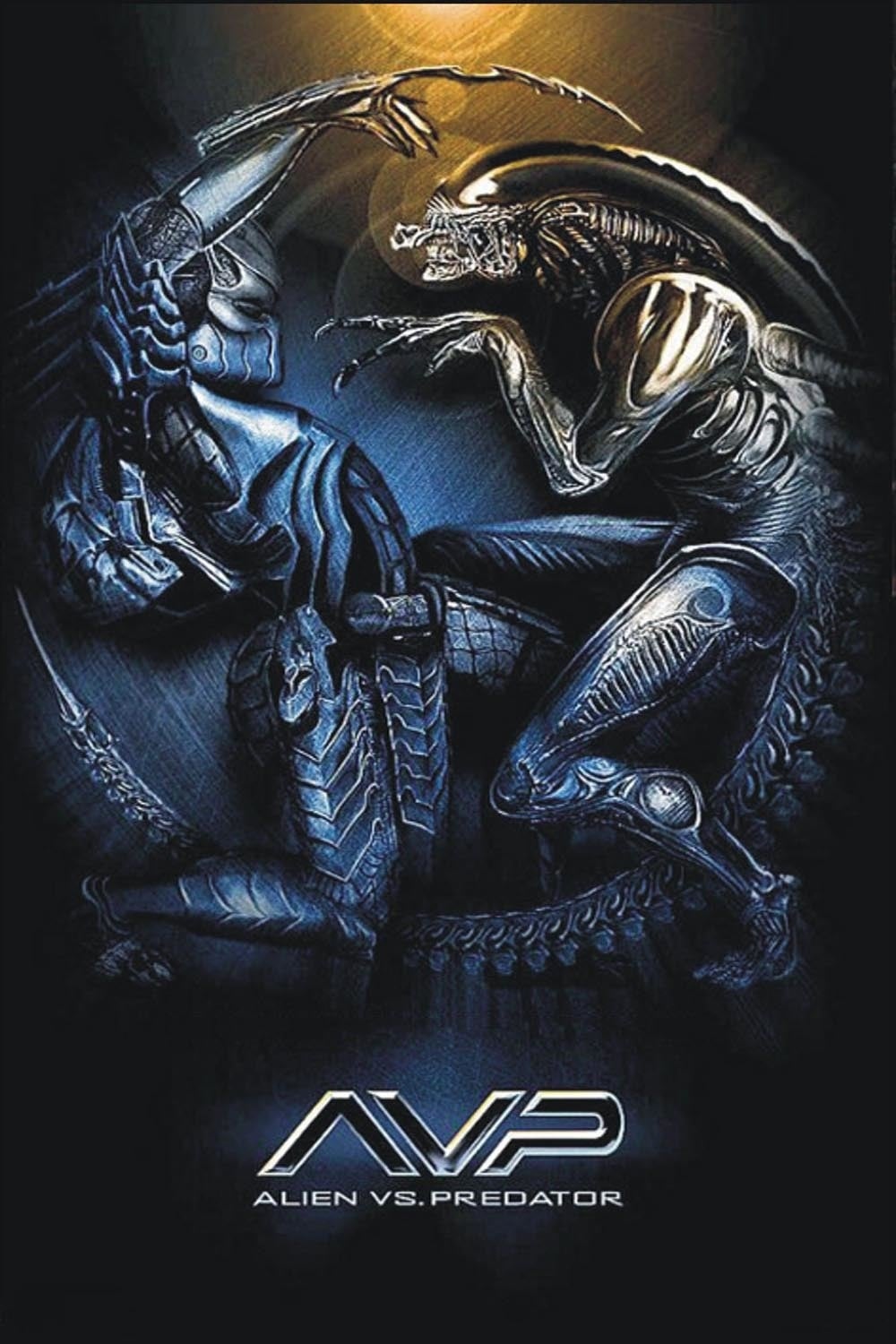
This entry connected two science fiction franchises by setting a hunt inside a hidden temple. Creature effects combined practical suits with digital enhancements to stage close quarters battles. The lore explained how both species intersected through rituals and hierarchies that motivated the conflict.
Artifacts, language, and environmental puzzles gave the story a treasure hunt structure that supported multiple encounters. The film introduced new design elements while keeping the silhouettes and behavior patterns familiar. It also opened paths for follow ups that explored different locations and human perspectives.
‘The Avengers’ (2012)
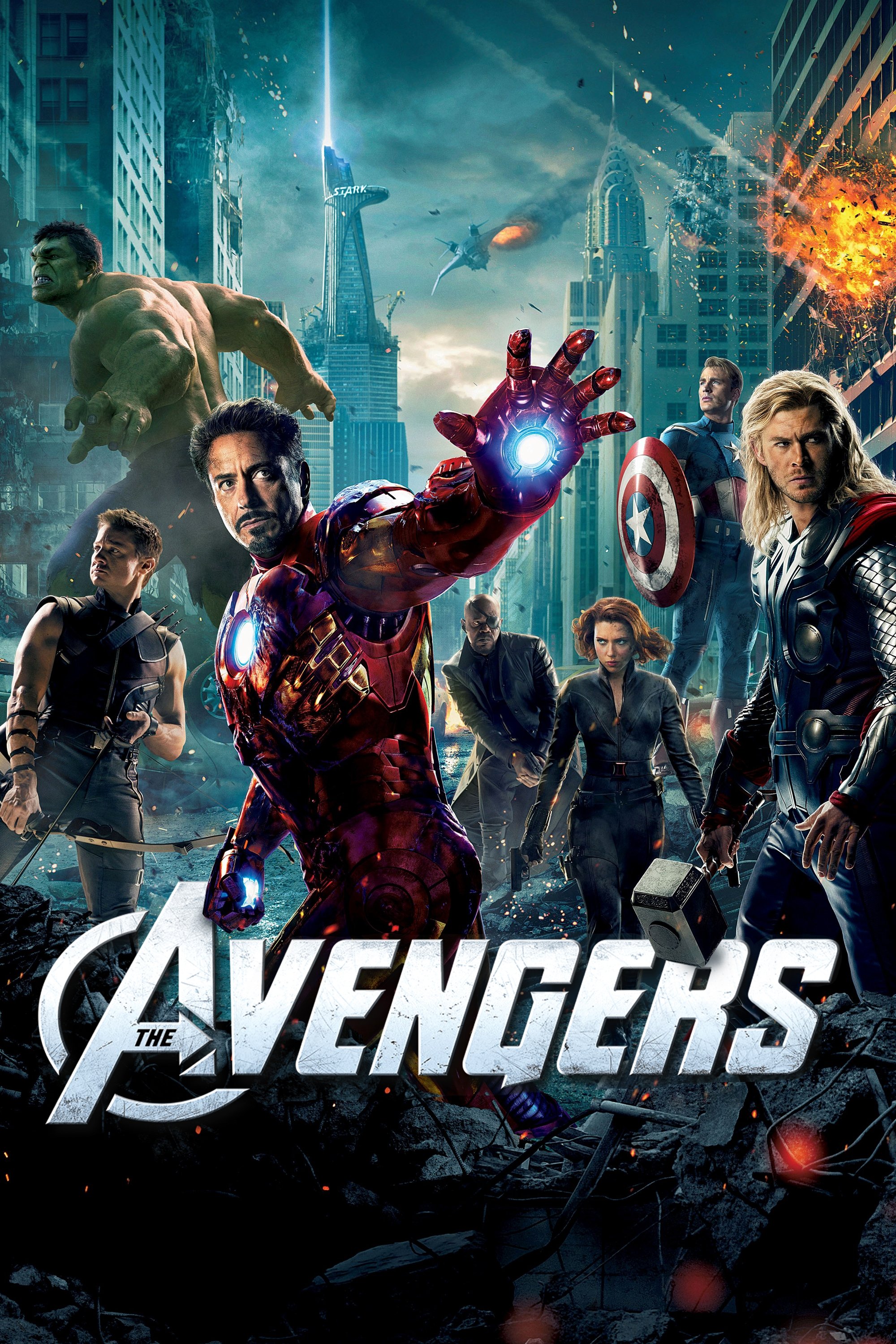
This team up gathered heroes who had been introduced in separate films into a single mission. The production coordinated costumes, power sets, and fight choreography so characters could share frames without losing clarity. Visual effects pipelines were standardized across sequences to keep lighting and scale consistent.
The narrative used a shared threat that tied back to earlier post credit scenes and artifacts. Interactions among the heroes established rules for future collaborations and rivalries within the same continuity. The movie validated a serialized release strategy that built toward ensemble chapters.
‘The Lego Movie’ (2014)
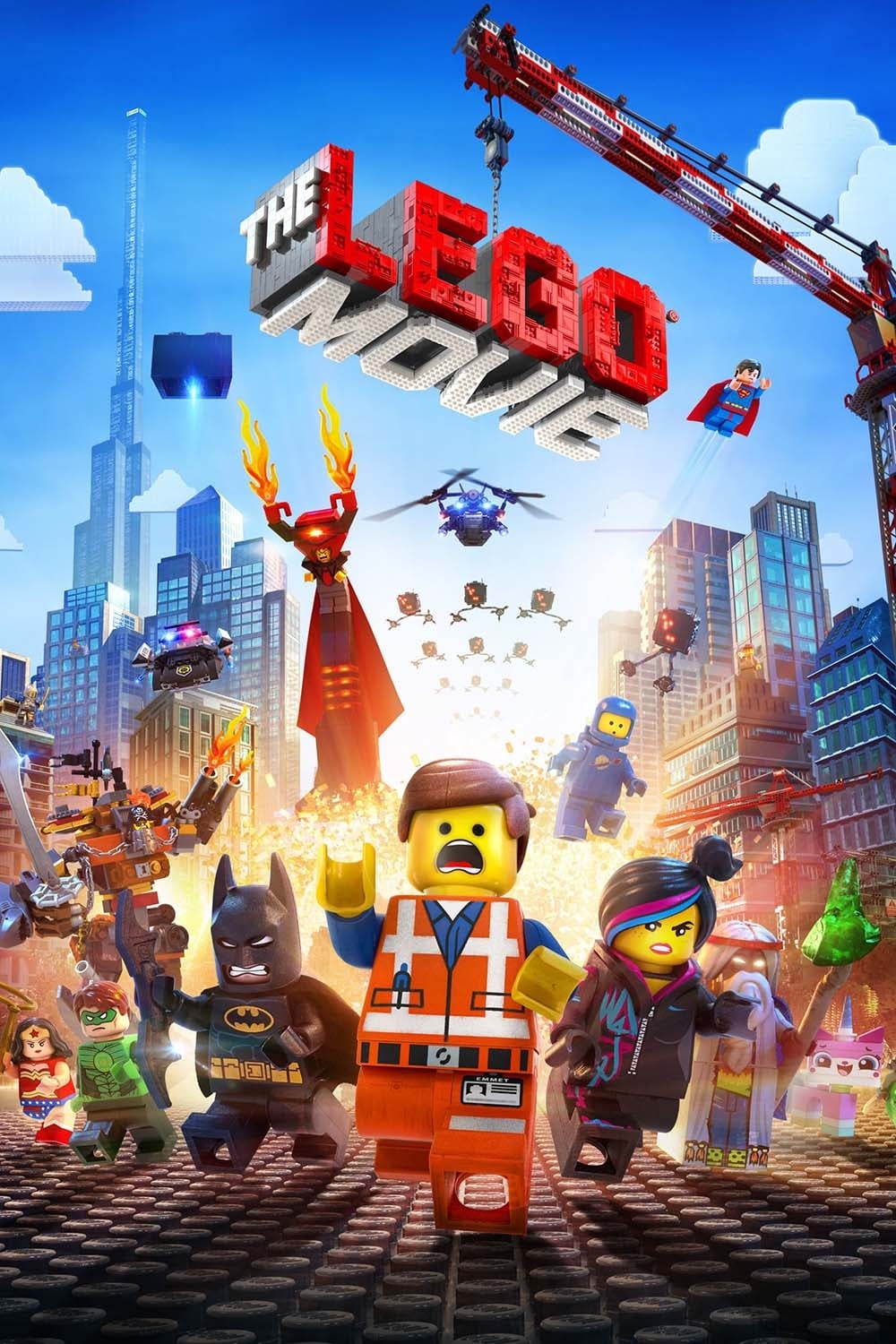
This animated crossover brought in characters from multiple licensed worlds through a building block premise. The film used stop motion evoking visuals and digital animation to simulate plastic textures and brick physics. Brand partners approved specific character behaviors, resulting in playful interactions that still respected guidelines.
The plot moved across themed realms that justified quick cameos and deeper guest roles. Its approach allowed surprising combinations while keeping a clear set of construction rules for action scenes. The outcome demonstrated how a toy system could serve as a neutral stage for many properties at once.
‘Sadako vs. Kayako’ (2016)
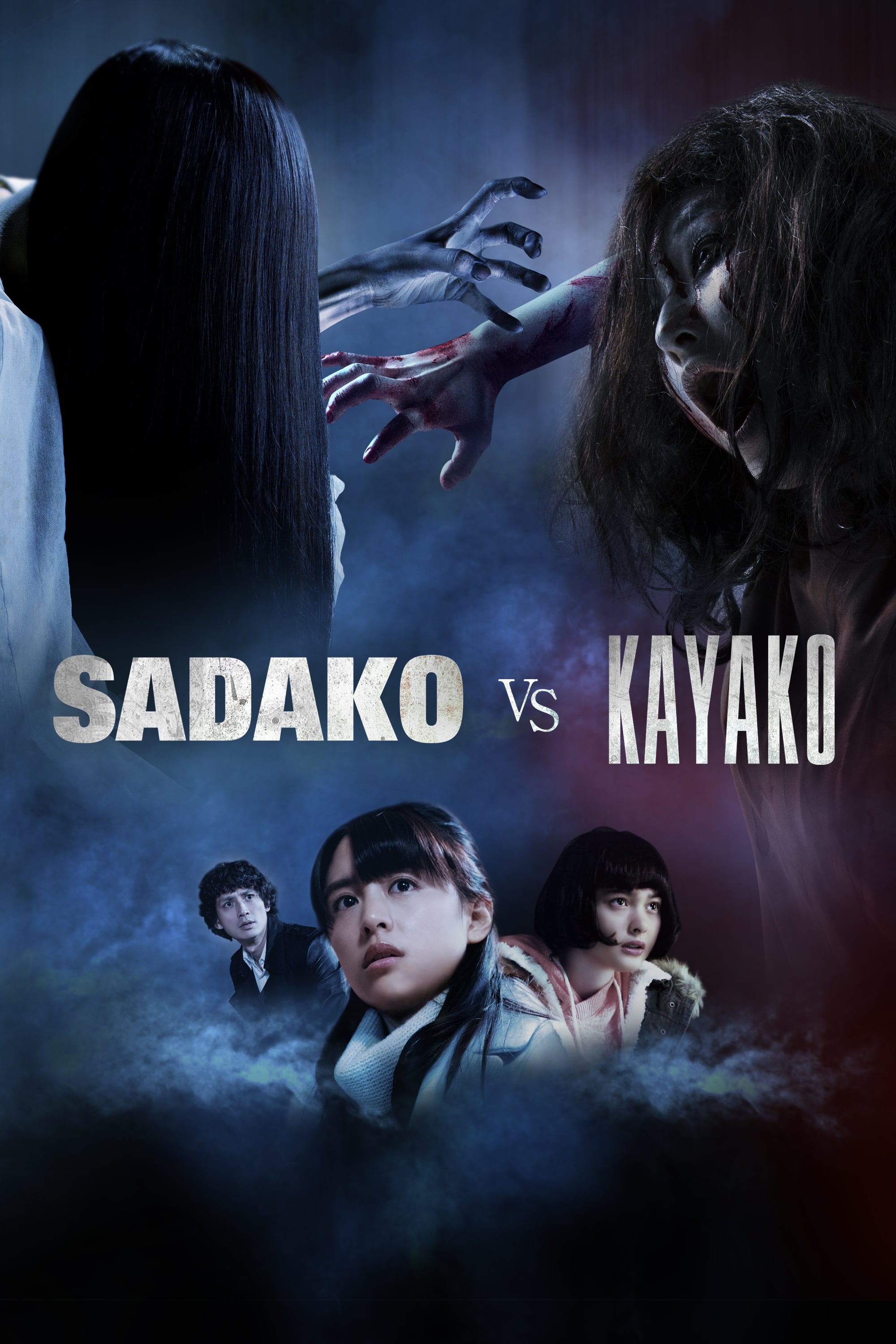
This horror crossover linked the curses from two separate series through shared urban legends. The story set conditions under which the entities could influence the same victims, aligning rules for video tapes and haunted houses. Sound design and camera language preserved each franchise’s signature scares.
The production mapped timelines and investigative threads so characters encountered both threats without breaking continuity. It offered new solutions and outcomes that only occur when both forces occupy the same space. The release reached fans of each series and provided a meeting that had circulated in rumor for years.
‘Batman v Superman: Dawn of Justice’ (2016)
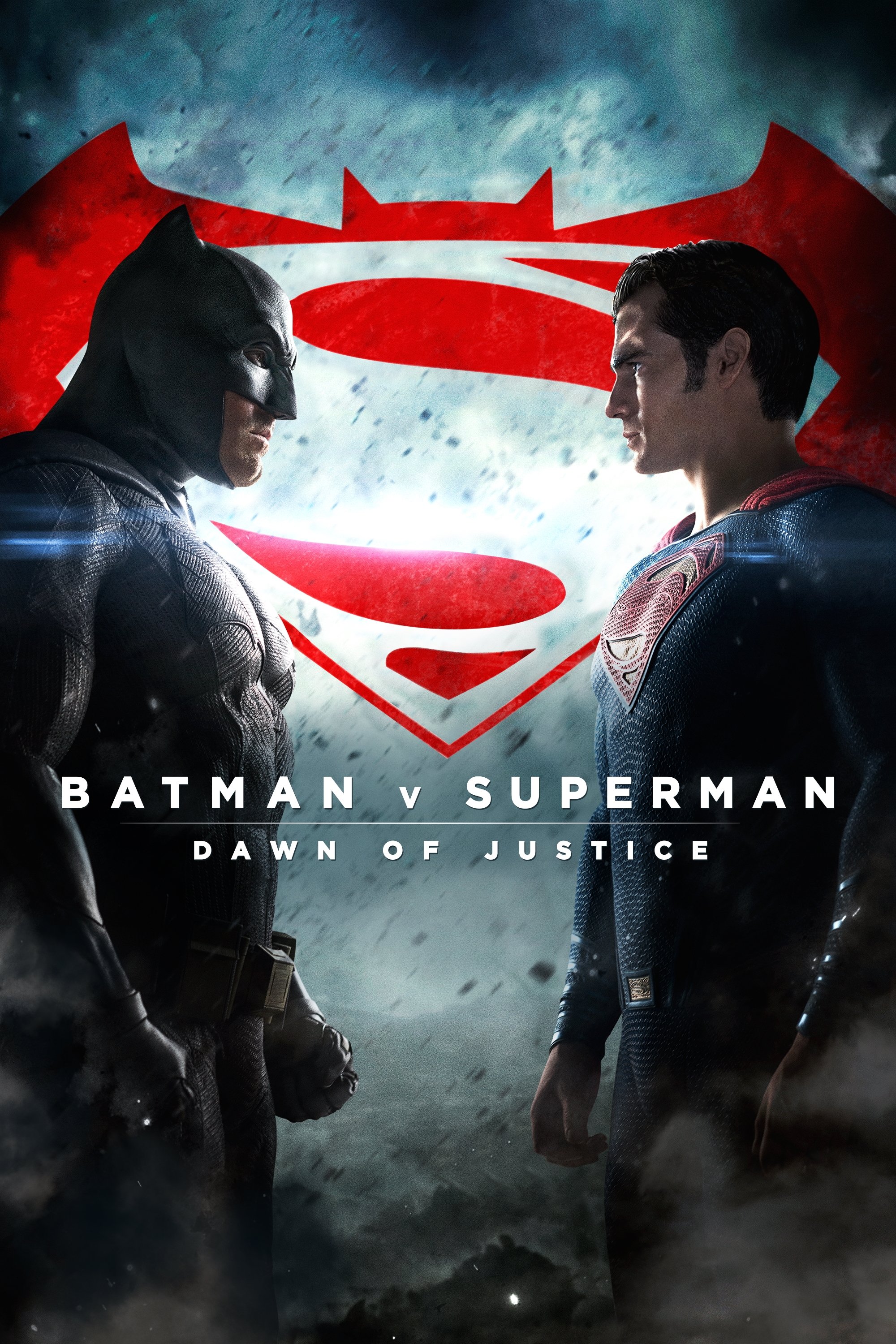
This superhero face off connected established icons and introduced additional heroes who would appear in later entries. The production balanced different cityscapes, fighting styles, and philosophical outlooks within one narrative. Visual effects supported large scale confrontations while maintaining readable geography.
Artifacts, files, and brief appearances laid groundwork for future team formations. The film addressed public response to super powered events and legal oversight, which shaped character decisions. It served as a gateway to broader collaborations within the same continuity.
‘Ready Player One’ (2018)
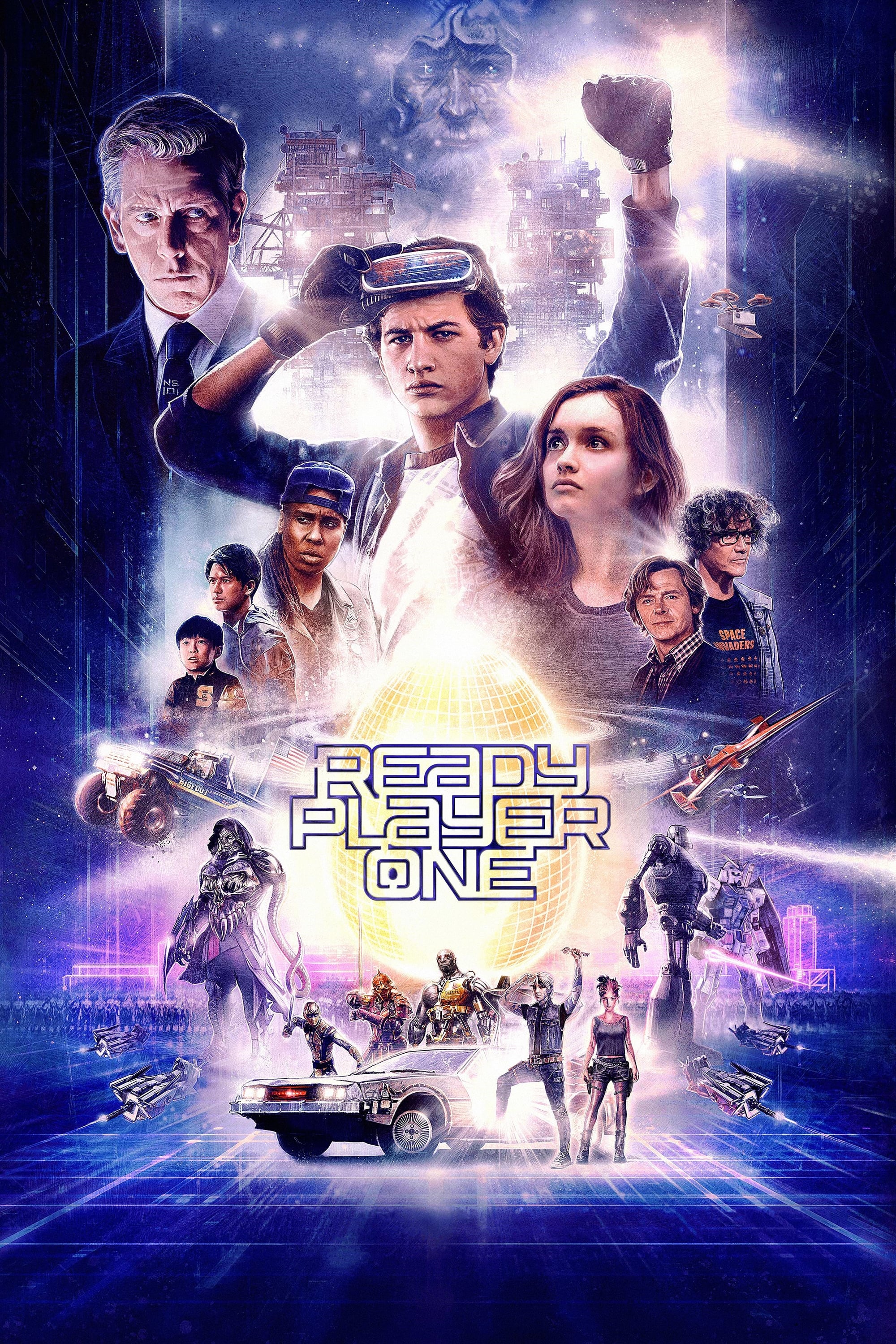
This adaptation created a virtual world where avatars from many franchises could appear together legally and visually. The production managed a high volume of licensed cameos while keeping the main quest focused on puzzles and keys. Motion capture and real world scenes alternated to contrast digital rules with physical stakes.
The framework let vehicles, weapons, and characters from different sources share races and battles. Clear permissions and asset lists determined which icons could be used and how prominently. The result functioned as a showcase for cross property interactions under a cohesive gamer narrative.
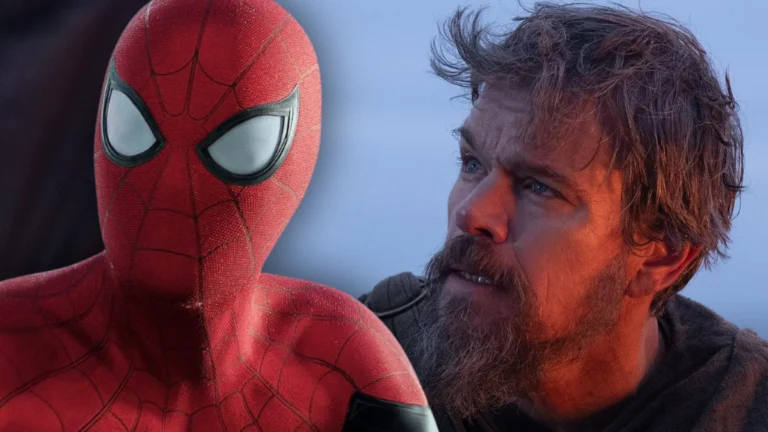
‘Spider-Man: No Way Home’ (2021)
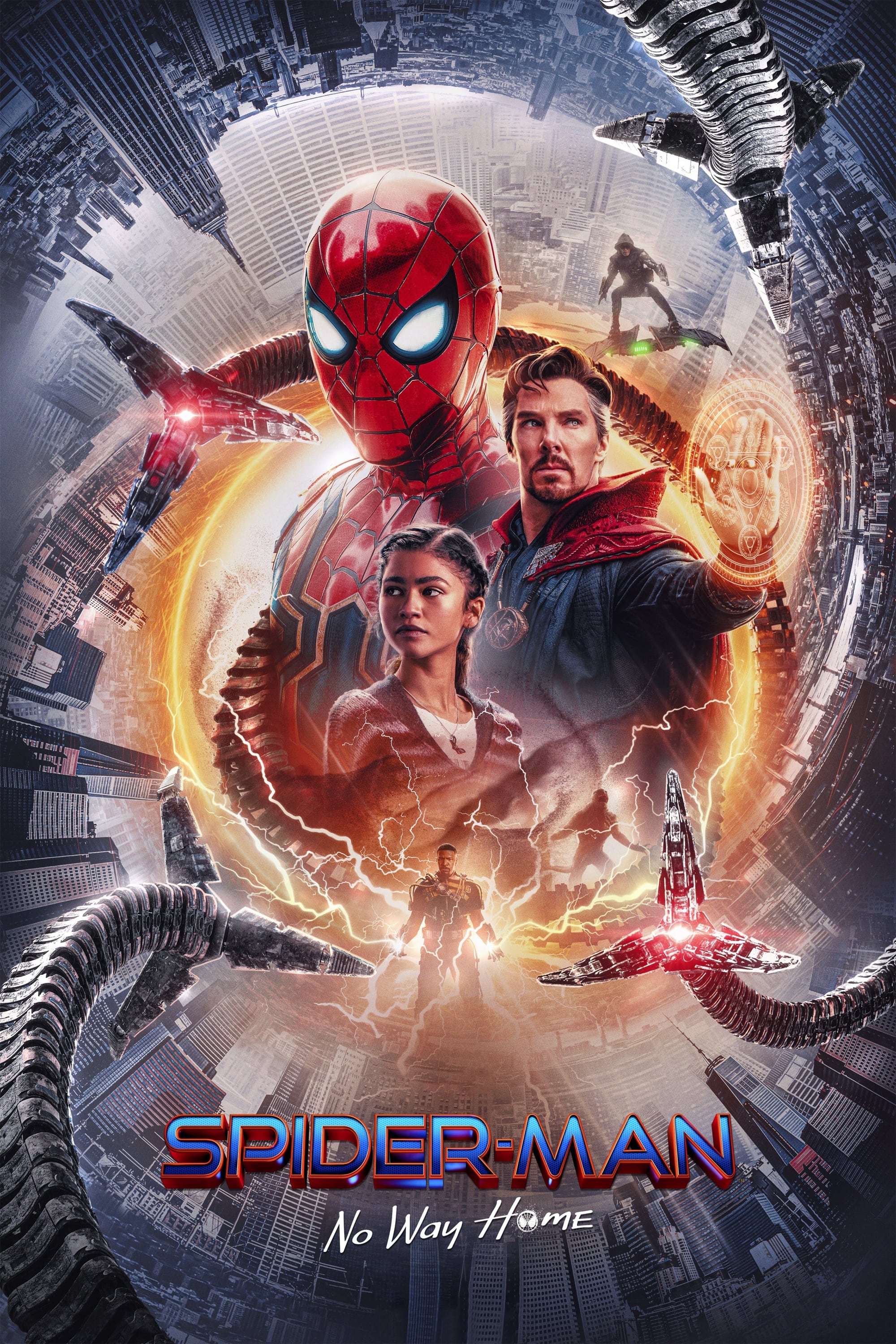
This crossover connected iterations of a single hero from separate continuities by using multiverse mechanics. The story brought in villains and allies whose origins came from different production eras and creative teams. Visual effects aligned suit textures and power visuals so the characters could share action scenes convincingly.
Dialogue and set pieces acknowledged earlier storylines and resolved arcs that had been left open. The film coordinated schedules for multiple leads and balanced screen time through mission based structure. It also clarified rules for travel between realities that informed later entries.
‘Godzilla vs. Kong’ (2021)
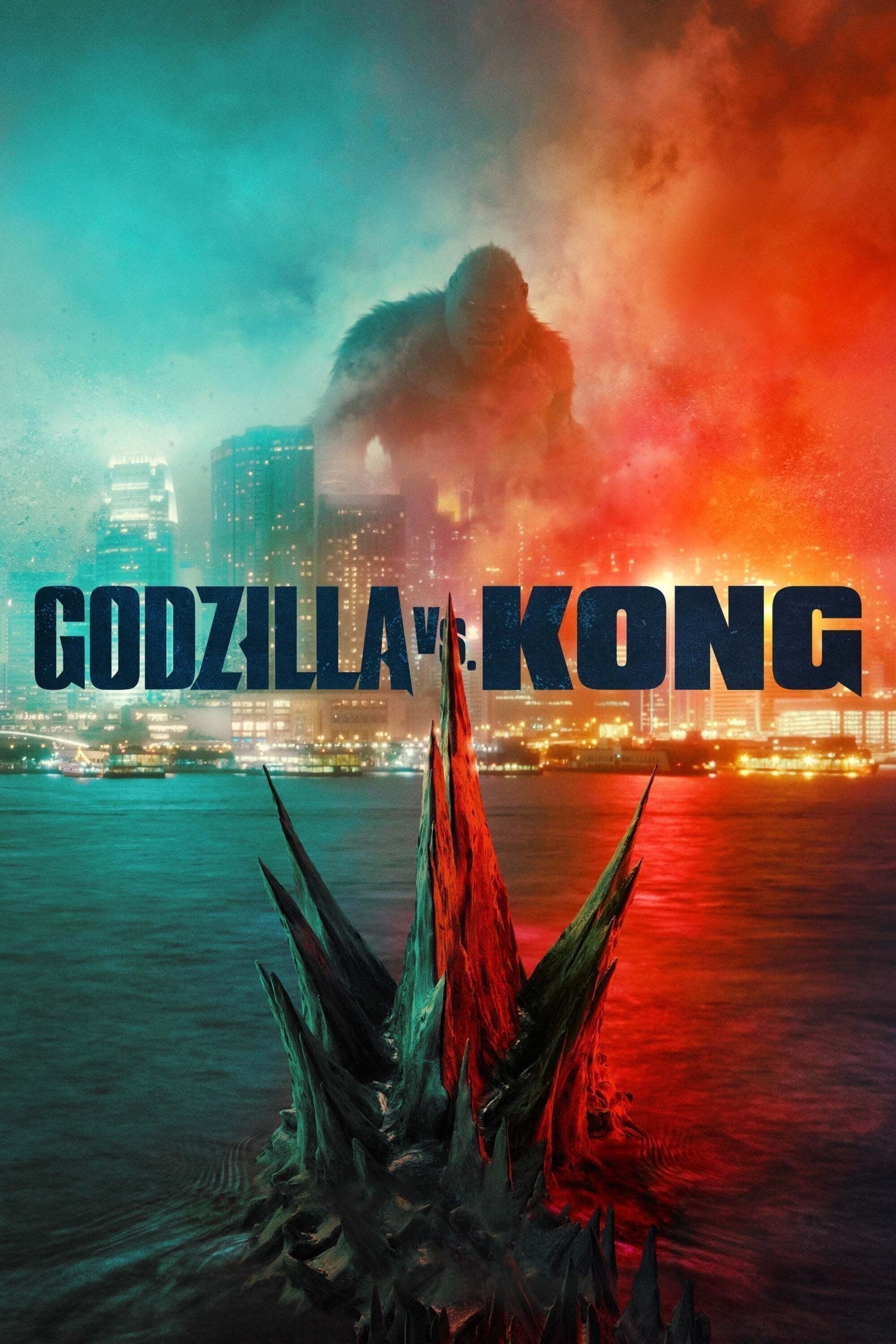
This installment staged a confrontation between two titans previously developed in individual films within the same universe. Effects teams integrated fur simulation, skin shaders, and environmental destruction to support extended daytime fights. Sound design merged roars and theme motifs to highlight shifting momentum.
The plot used exploration sequences to justify new locations and technologies that affected the battle. Human characters acted as guides between rival research groups tied to each creature. The release leveraged coordinated marketing across toys, streaming windows, and theatrical play to reach wide audiences.
‘Space Jam’ (1996)
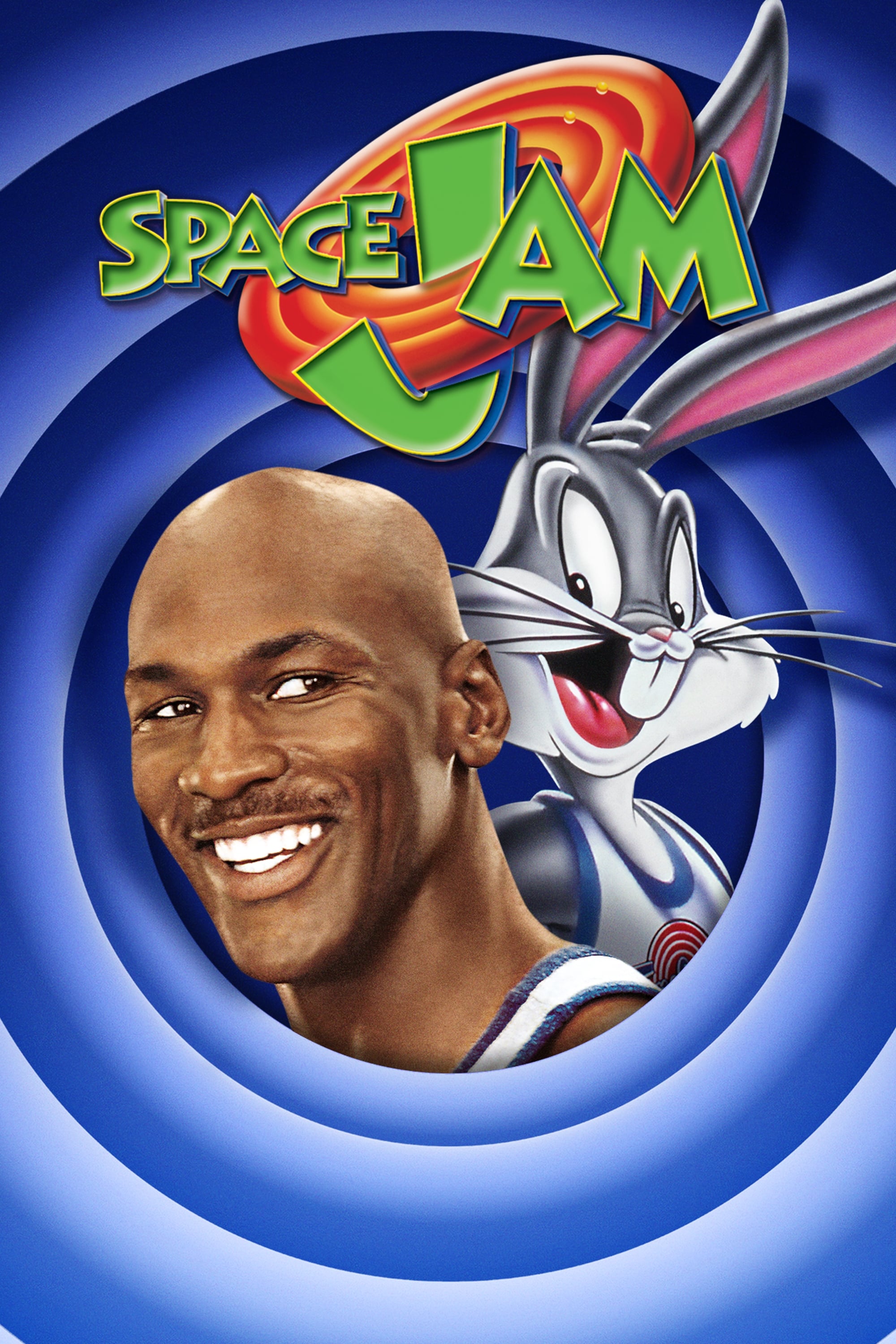
This crossover merged professional basketball with animated characters inside a sports comedy framework. Live action shooting used green screen and motion reference so players could interact with toons convincingly. Animators matched lighting cues and court reflections to integrate both elements.
Cameos from athletes and commentators expanded the sense of a shared sports world. The soundtrack, merchandise, and promotional campaigns connected the film to real season timelines and sneaker culture. The project showed how a single athlete brand could anchor a large scale collaboration with classic animation.
Share your favorite movie crossover moments in the comments and tell us which team up you want to see next.