Top 20 Netflix Exclusive Anime


Netflix has spent years building a deep library of exclusive anime that covers action, drama, comedy, and everything in between. Many of these projects are collaborations with top Japanese studios or partner teams from around the world, which means you get a mix of classic manga adaptations and bold originals made for streaming.
This list rounds up twenty standout series and limited runs you can watch right now on the platform. Each entry includes what it adapts from, who made it, how it is structured, and where it fits within a larger franchise when that applies, so you can decide what to queue up next without any guesswork.
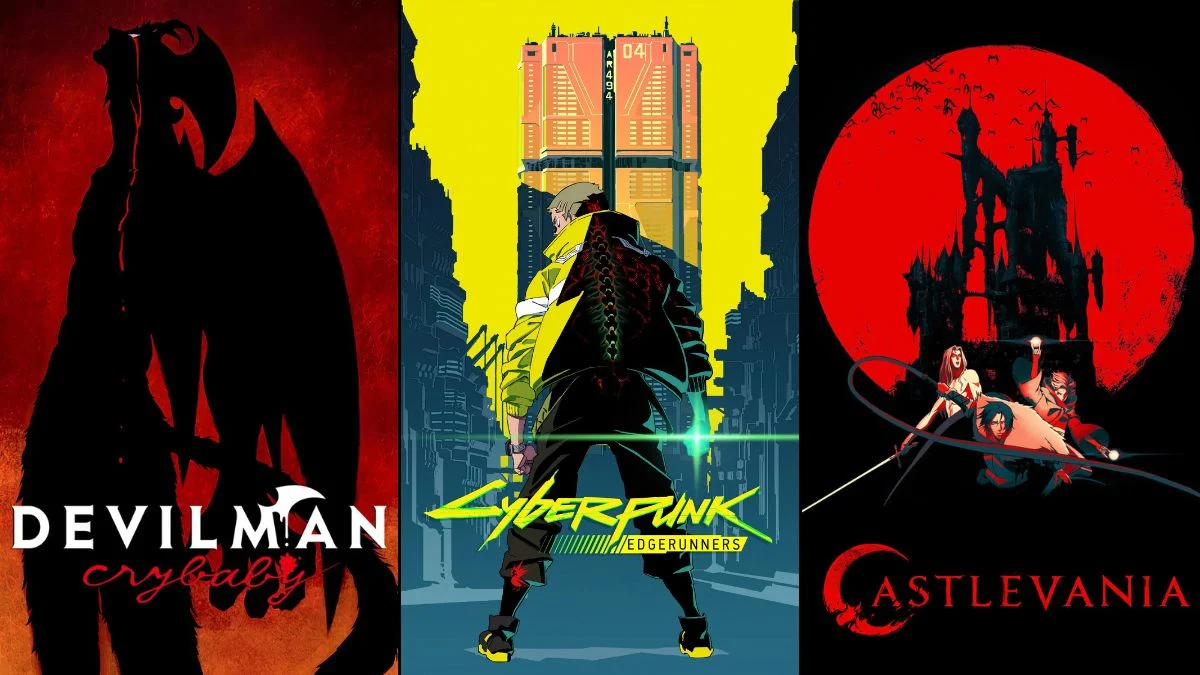
‘Devilman Crybaby’ (2018)
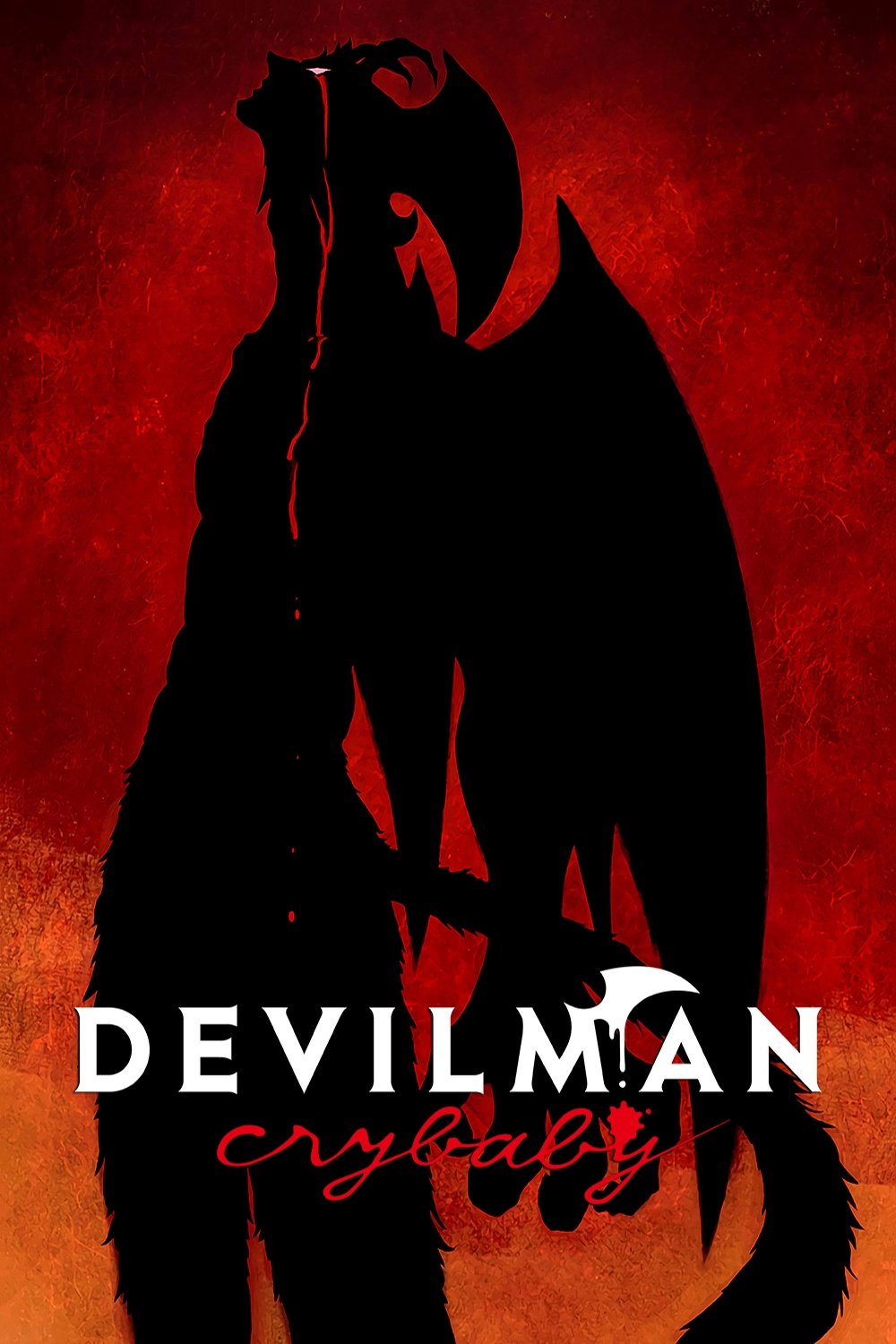
Based on Go Nagai’s landmark manga, this adaptation comes from director Masaaki Yuasa and Science SARU. It follows Akira Fudo as he merges with a demon to confront a hidden war between humans and devils. The series modernizes the setting and characters while keeping core plot points from the original storyline.
The run is a complete narrative with a fixed episode count and no filler arcs. It uses distinctive visual design choices and experimental animation techniques that emphasize transformation scenes and large scale battles while remaining faithful to key manga beats and character relationships.
‘Cyberpunk: Edgerunners’ (2022)
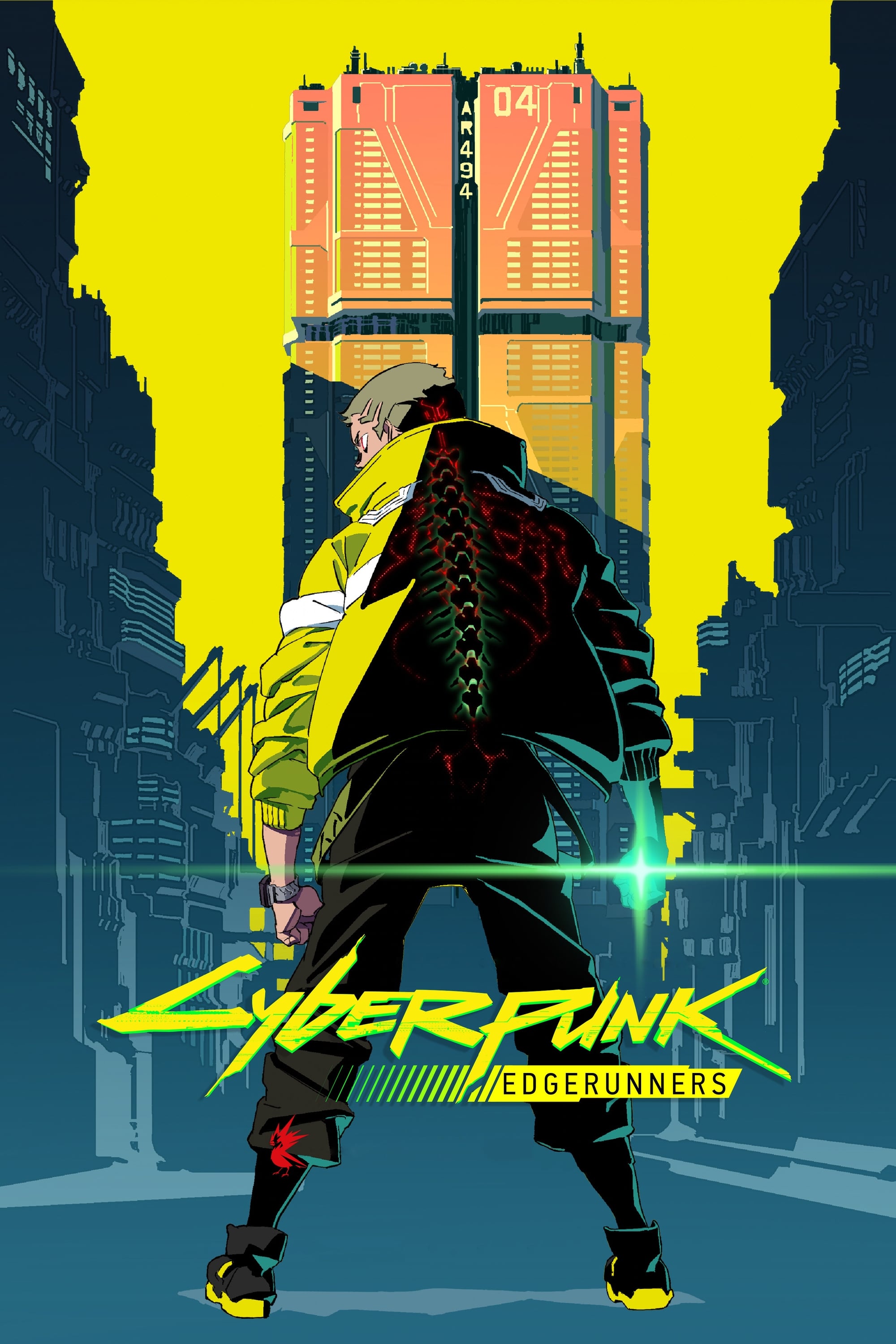
Set in the world of the video game by CD Projekt Red, this series was produced by Studio Trigger with supervision from the game’s lore team. It centers on David Martinez as he enters Night City’s underworld after a personal tragedy. Familiar locations, slang, and technology from the game appear throughout the story.
The show is structured as a self contained season with a clear beginning and end. Music from the game’s ecosystem is integrated into major sequences, and the production uses Trigger’s high energy action style to visualize cyberware modifications and netrunning in ways that match the game’s mechanics.
‘Castlevania’ (2017–2021)
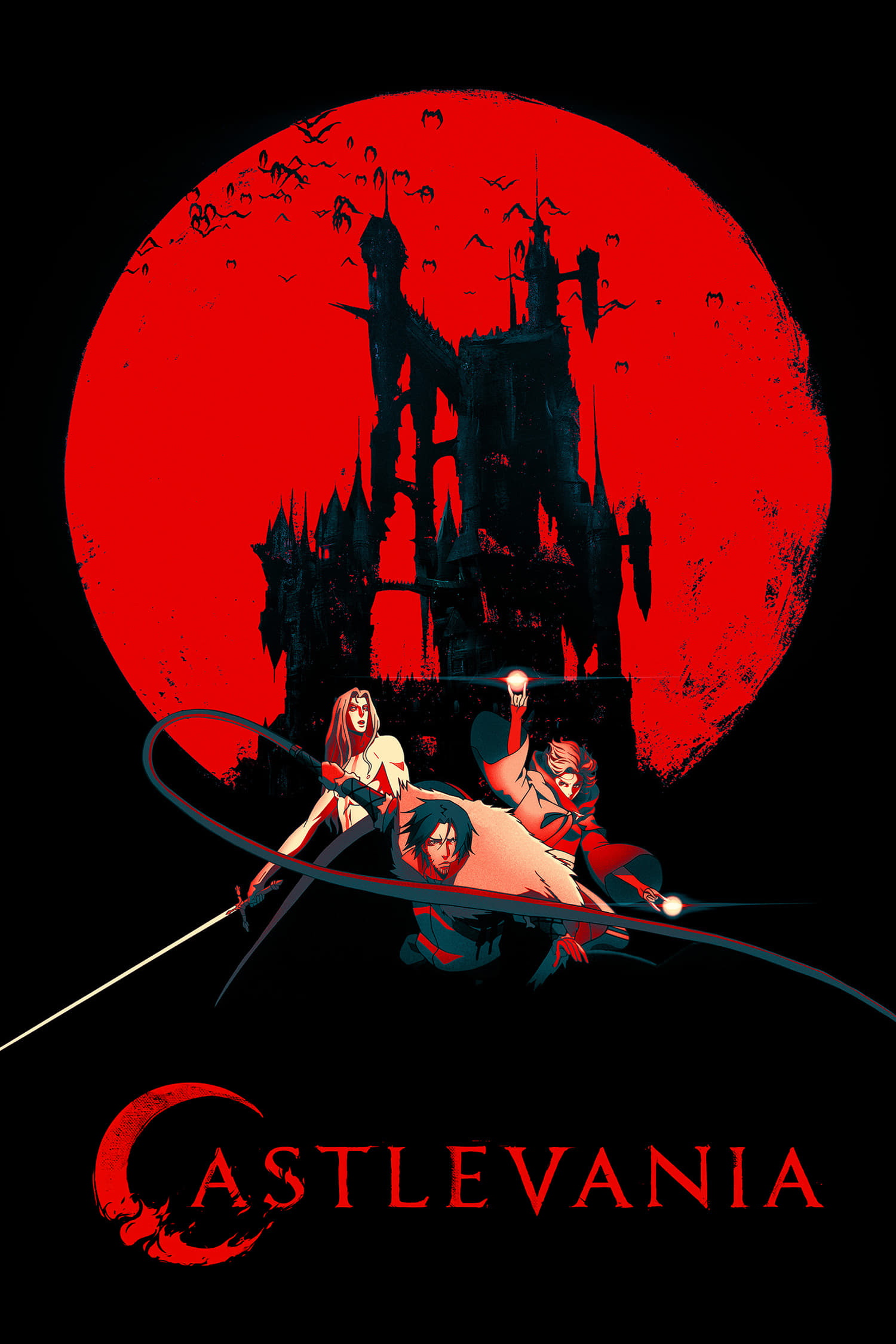
Inspired by Konami’s long running game franchise, this animated series focuses on Trevor Belmont, Sypha Belnades, and Alucard as they battle forces tied to Dracula. The show adapts characters and motifs from multiple game entries while framing them within a single continuous storyline.
It is organized across four seasons that build toward a definitive conclusion. Fight choreography highlights whip techniques, spellcasting, and swordplay in extended set pieces, and the production maintains consistent continuity of locations and supporting characters across the entire run.
‘Castlevania: Nocturne’ (2023– )
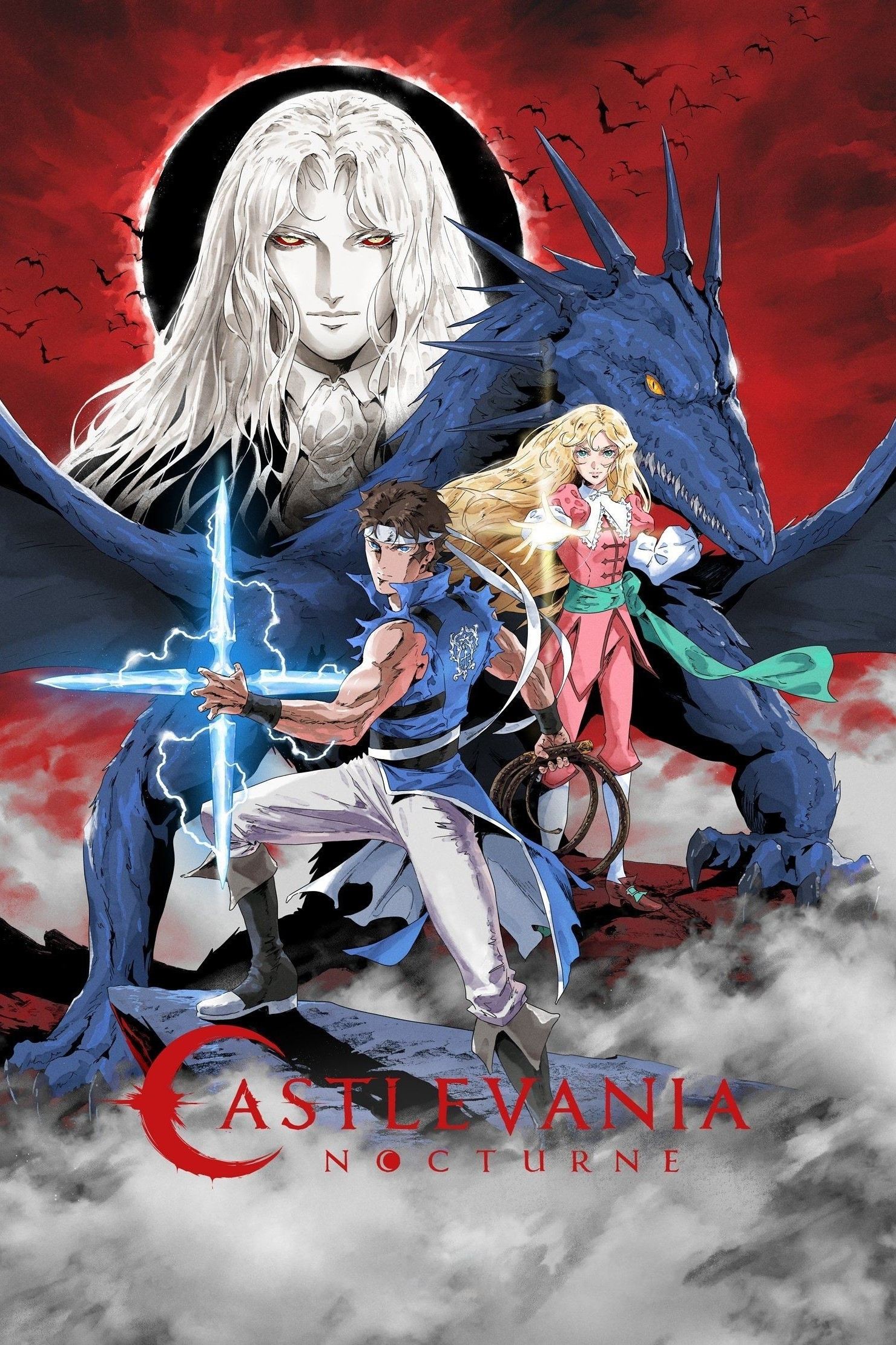
This follow up continues the franchise with Richter Belmont and a new ensemble during a period marked by social upheaval. It draws on later game inspirations and introduces fresh antagonists connected to vampiric power struggles.
The series is designed as a new arc that can be watched without prior knowledge while still rewarding returning viewers through inherited lore and family lineage details. Season structure follows a tight serialized format that advances the central conflict every episode.
‘Beastars’ (2019–2024)
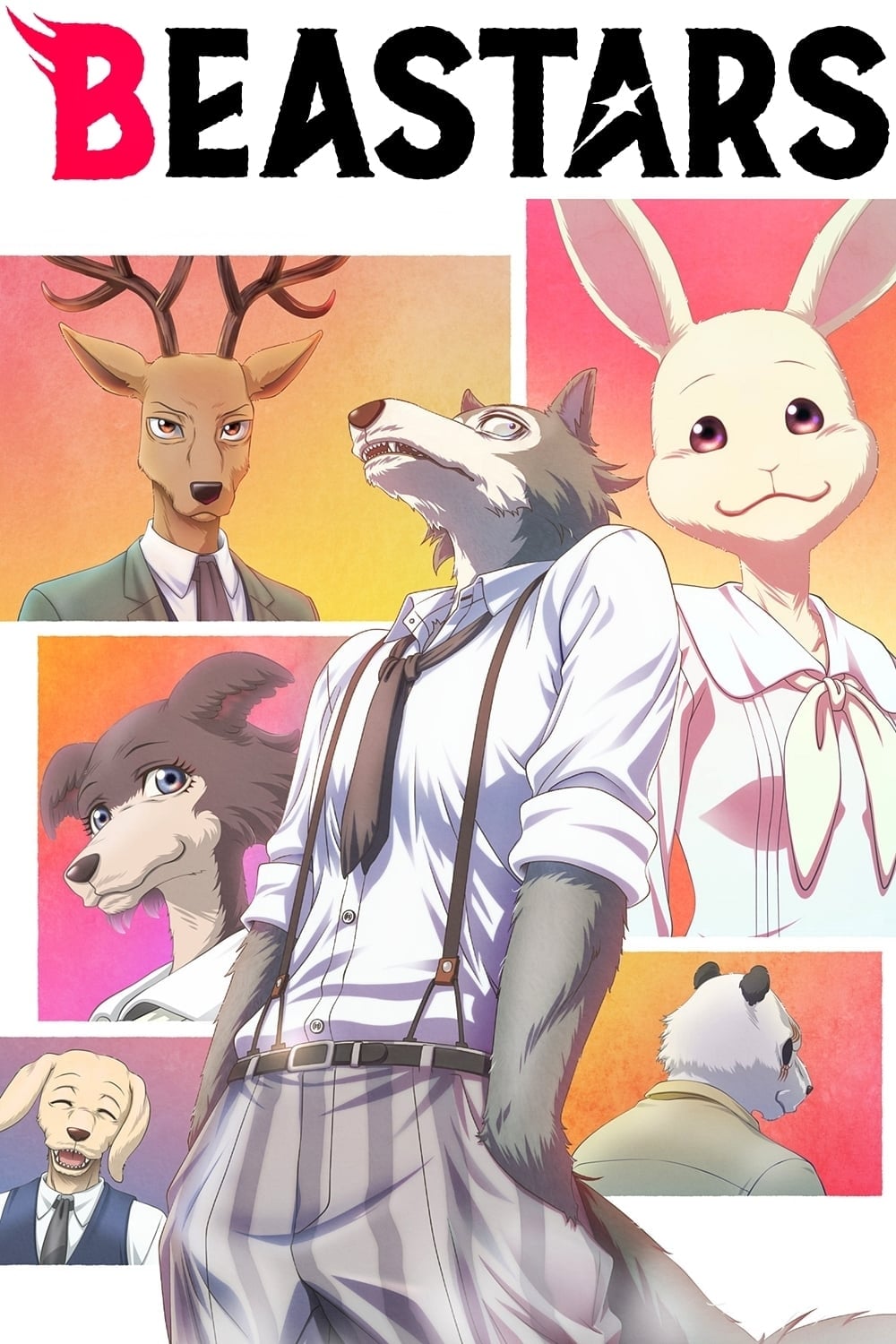
Produced by Studio Orange, this CG anime adapts Paru Itagaki’s manga about anthropomorphic students navigating tensions between herbivores and carnivores. The story focuses on Legoshi and his classmates at Cherryton Academy as incidents test school rules and social contracts.
The adaptation uses stop motion styled opening sequences and detailed character rigs to express body language and species traits. Story arcs follow the manga’s progression with careful pacing, culminating in a final season that closes out the school centric narrative threads.
‘Baki’ (2018–2020)
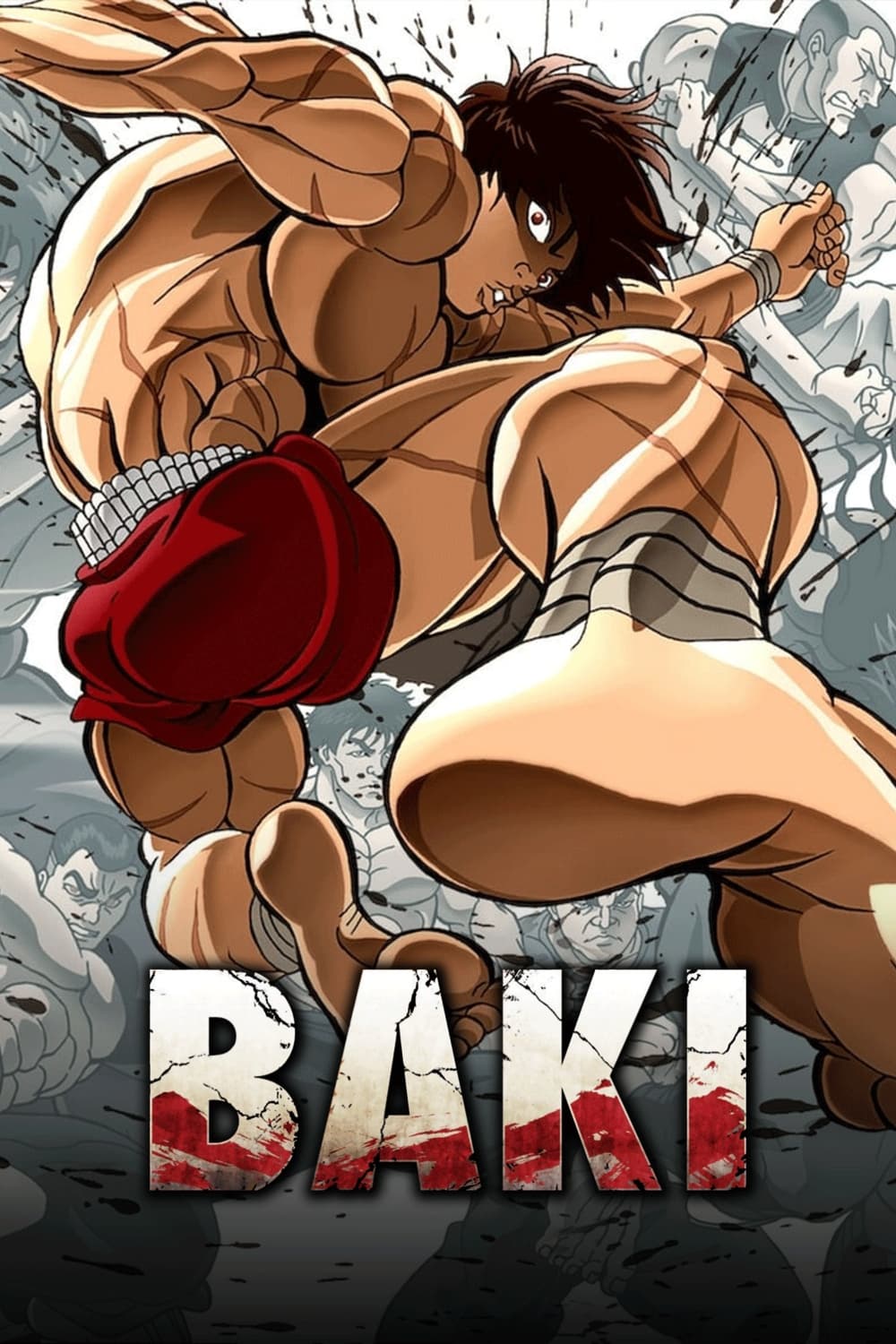
This installment adapts Keisuke Itagaki’s fighting manga for streaming with a focus on underground martial arts showdowns. It introduces the Deadly Convicts arc and other tournament plots that showcase different combat disciplines.
Episodes are arranged around one on one bouts with attention to technique explanations and training regimens. Character designs retain exaggerated musculature to reflect the source material’s style, and the series sets up events that continue in the successor show.
‘Baki Hanma’ (2021–2023)
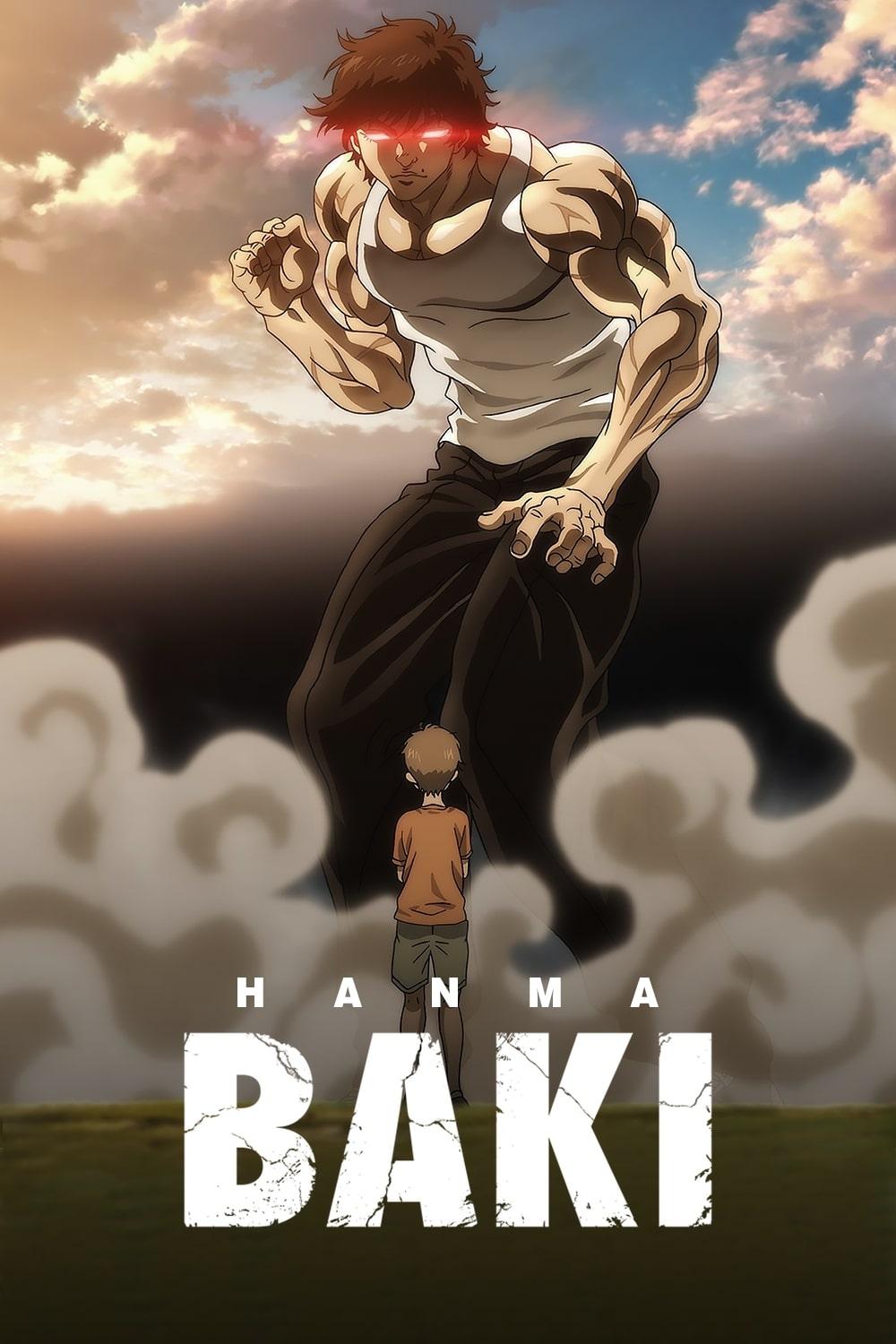
Continuing from the previous series, this entry follows Baki’s push toward a definitive match with his father Yujiro Hanma. It adapts large arcs that involve prison challenges and high level rivals from multiple schools of combat.
Production keeps the same visual approach while raising the scale of clashes and the stakes of the central rivalry. The season splits align with major manga milestones so viewers can track progress through clearly defined sagas.
‘Kengan Ashura’ (2019–2024)
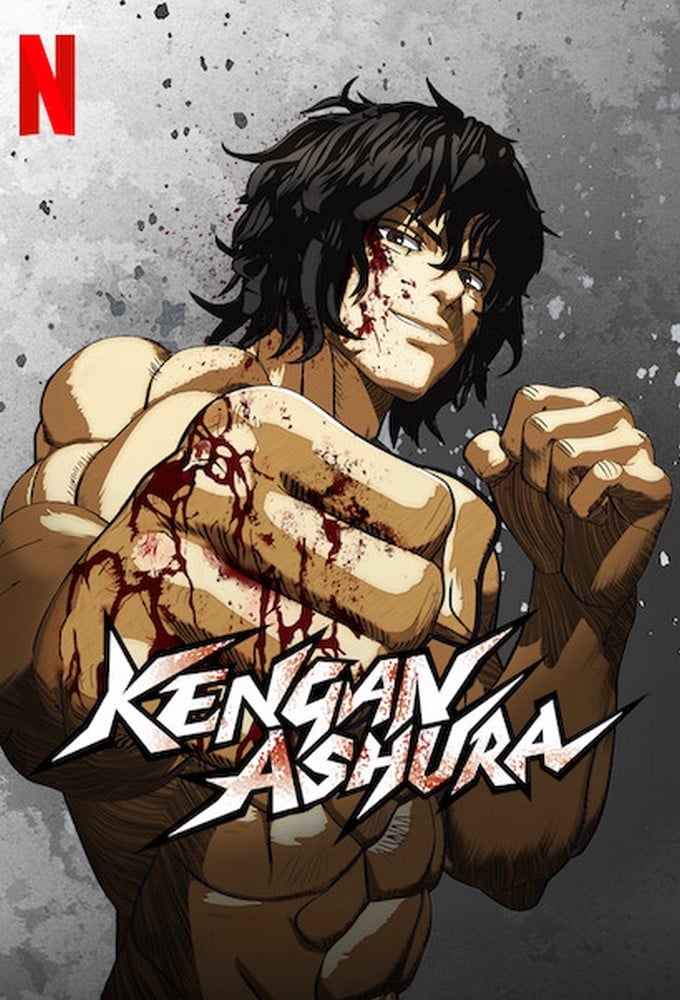
Based on the manga by Yabako Sandrovich and Daromeon, this series revolves around corporate sponsored gladiatorial matches where fighters determine business outcomes. Protagonist Ohma Tokita represents a shadowy firm while developing his own style.
The show uses CG animation for fluid fight scenes that break down stances, counters, and finishing techniques. Tournament rounds are organized in brackets, and later seasons resolve long running matchups while revealing the politics behind the arena.
‘Dorohedoro’ (2020)
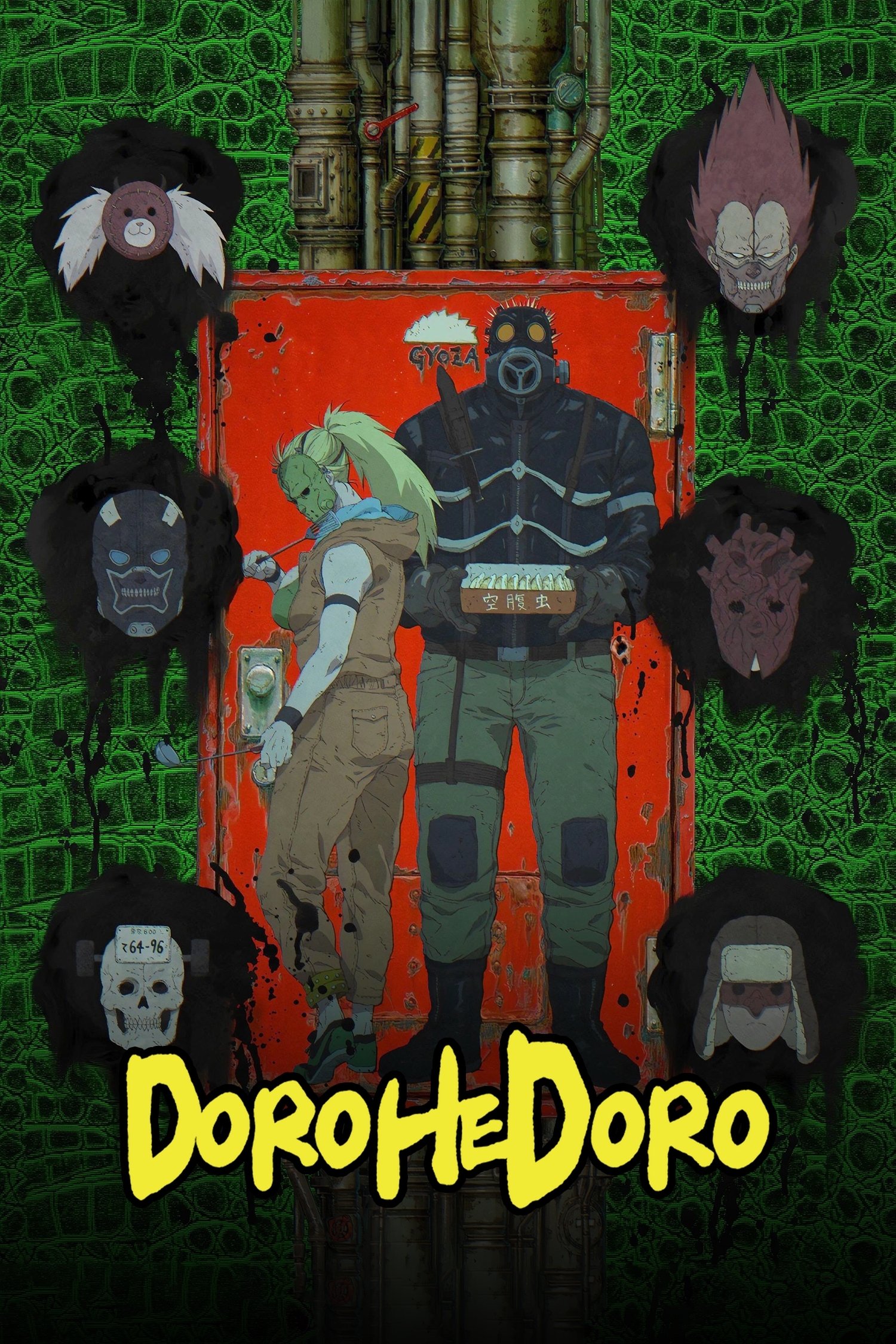
MAPPA adapts Q Hayashida’s manga about Caiman, an amnesiac with a reptilian head, as he hunts for the sorcerer who cursed him. The story alternates between the gritty Hole district and the world of magic users, weaving crime, horror, and black comedy.
The production combines hand drawn textures with CG to capture the manga’s dense environments and odd creatures. Episodes interleave procedural confrontations with larger plot reveals, and the streaming release includes bonus shorts that expand character interactions.
‘Great Pretender’ (2020–2024)
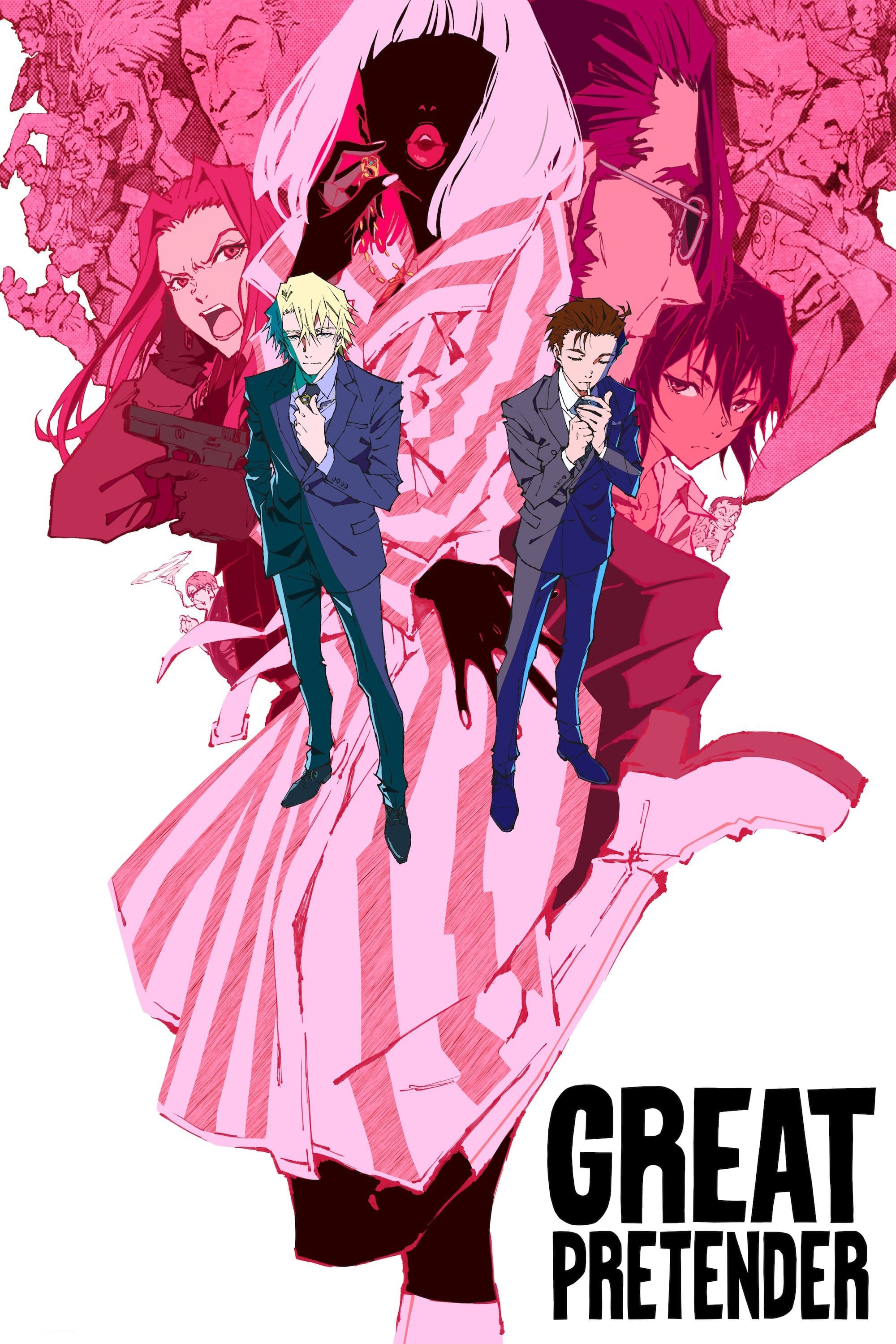
WIT Studio’s original series follows a team of international con artists led by Laurent and Makoto Edamura. Each case unfolds across multiple episodes in different countries with heists that target corrupt figures.
The show structures arcs as self contained capers with title cards and time jumps that map to the plan’s phases. The continuation project adds new cons and ties up character histories, maintaining the anthology style format within a shared timeline.
‘Aggretsuko’ (2018–2023)
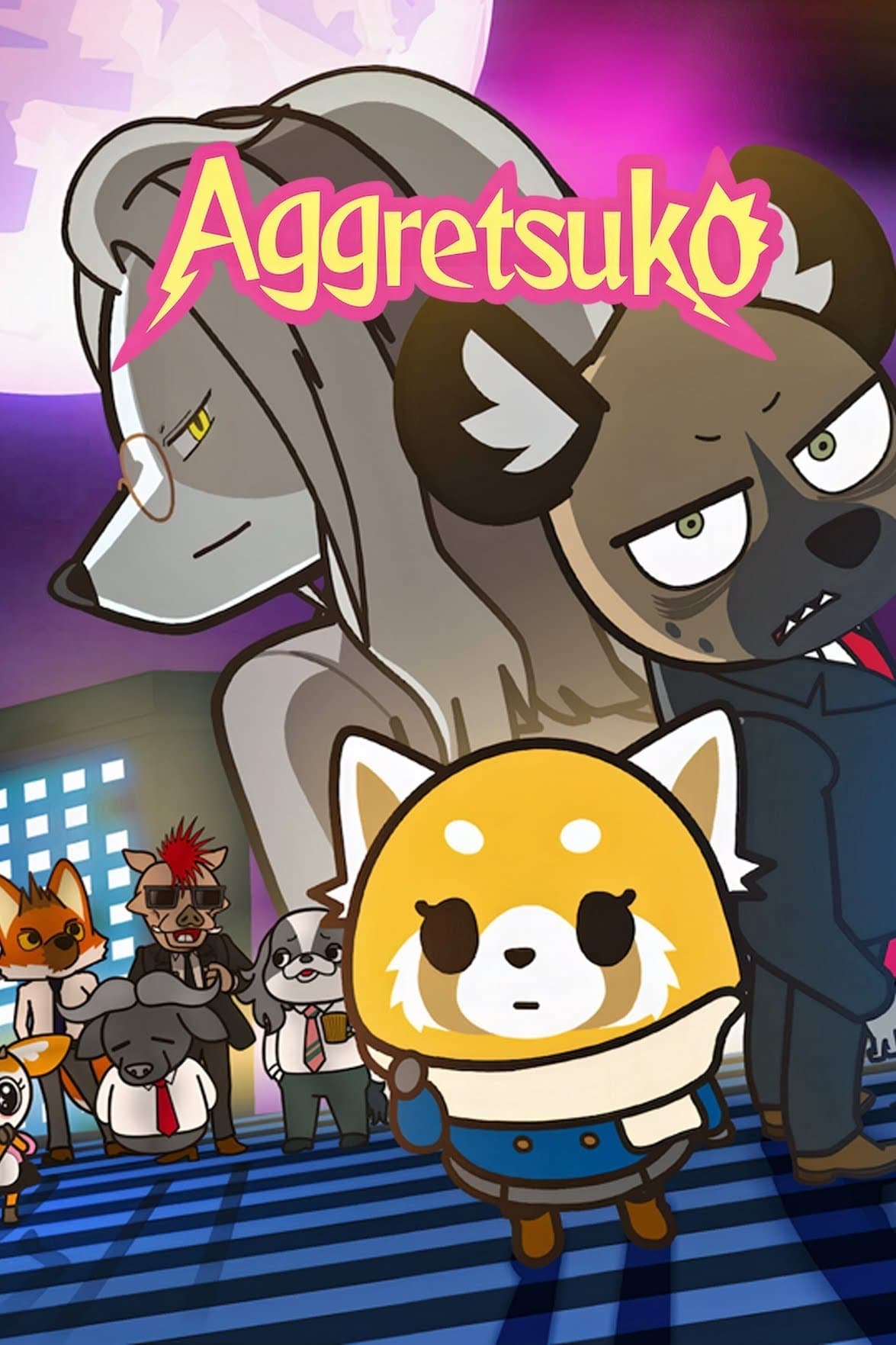
Sanrio’s office comedy follows Retsuko, a red panda accountant who vents by singing death metal at karaoke. Episodes track career changes, friendships, and everyday problems that escalate into workplace arcs.
Seasons include character focused subplots that build on earlier developments, such as band activities and election storylines. The format mixes short comedic beats with longer arcs, and specials bridge gaps between seasons to maintain continuity.
‘Yasuke’ (2021)
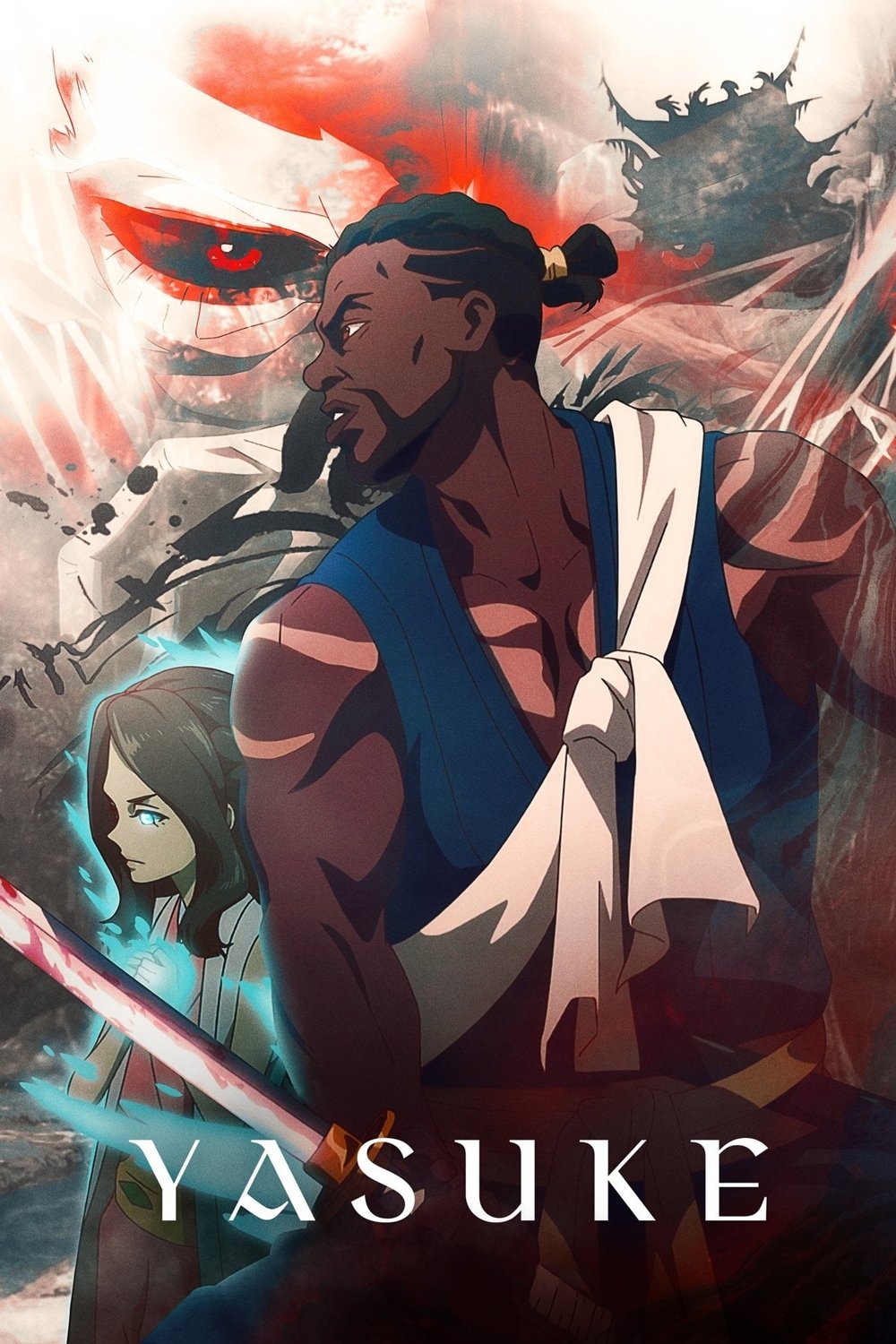
This original series from MAPPA reimagines the historical African samurai who served under Oda Nobunaga, blending period drama with mecha and sorcery elements. The story introduces new allies and enemies as Yasuke confronts a revived threat.
Episodes form a compact arc with a clear central mission and recurring motifs tied to memory and duty. The soundtrack and production design reference both feudal Japan and speculative technology to define the show’s unique setting.
‘Record of Ragnarok’ (2021–2024)
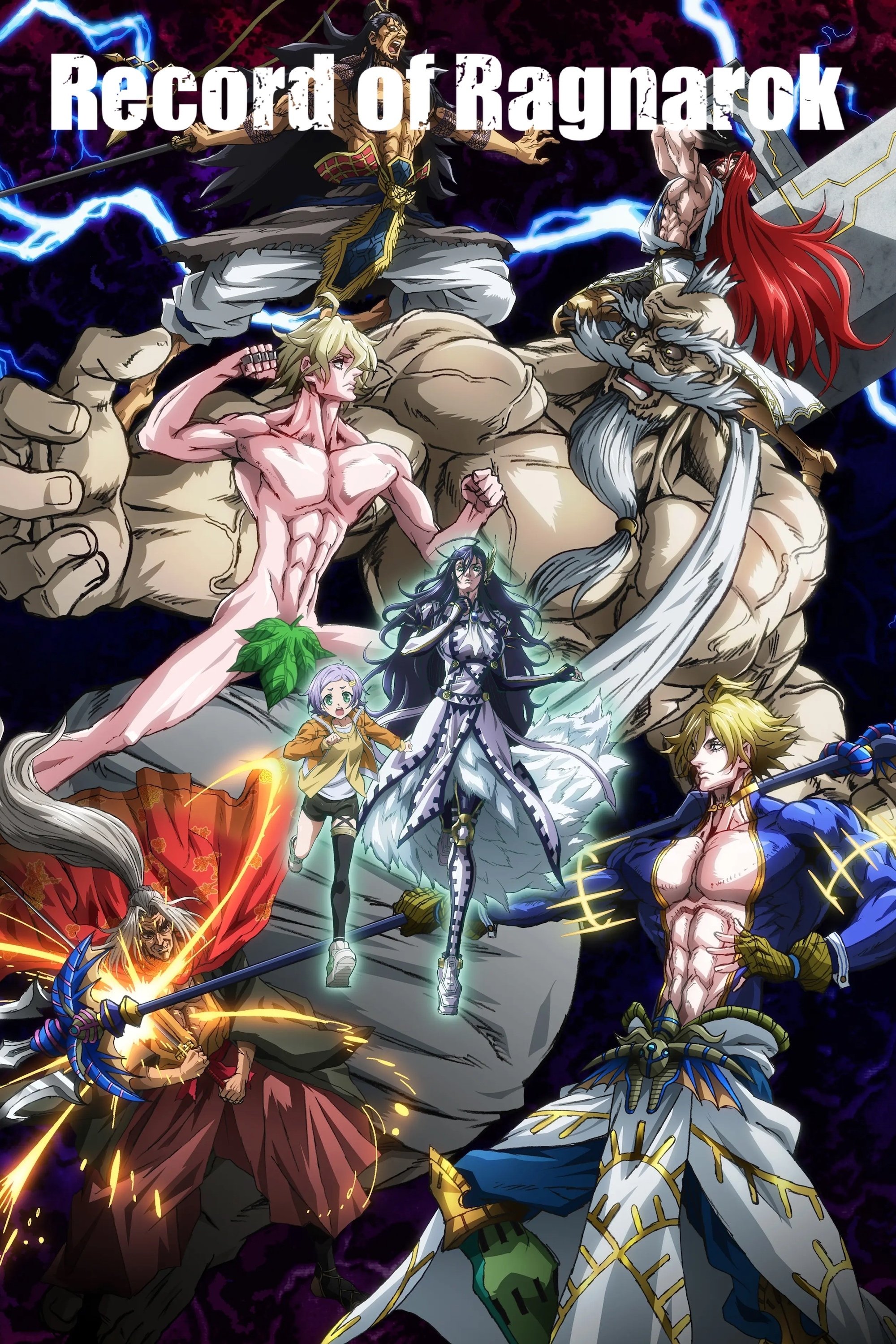
Adapted from the manga by Shinya Umemura, Takumi Fukui, and Ajichika, this battle series stages duels between legendary humans and gods. Each match digs into the backstory of a historical or mythic figure while building strategies for the arena.
The structure follows a match by match format with commentary that explains weapons, techniques, and rules. Later seasons continue the tournament bracket and introduce new combatants, keeping a consistent presentation for replays and analysis segments.
‘Spriggan’ (2022)
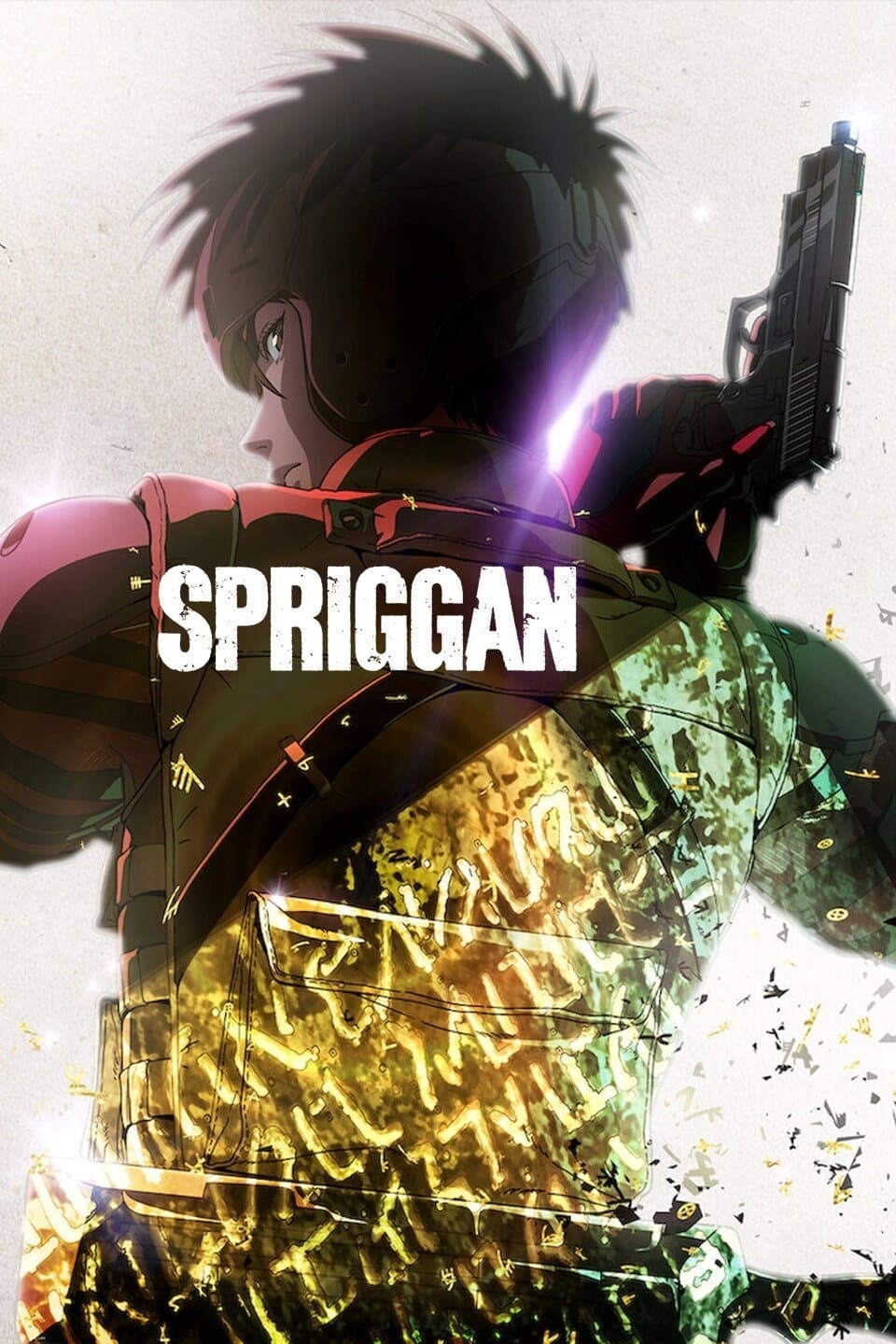
Based on the manga by Hiroshi Takashige and Ryoji Minagawa, this adaptation follows an elite operative named Yu Ominae who protects ancient artifacts from militaries and rival organizations. Each mission centers on a relic whose power could alter modern society.
The series uses stand alone episodes that connect through the Arcam Corporation’s operations. Action sequences emphasize tactical movement and gadget use, and locations shift from dense cities to remote ruins to mirror the source material’s globe trotting scope.
‘Ultraman’ (2019–2023)
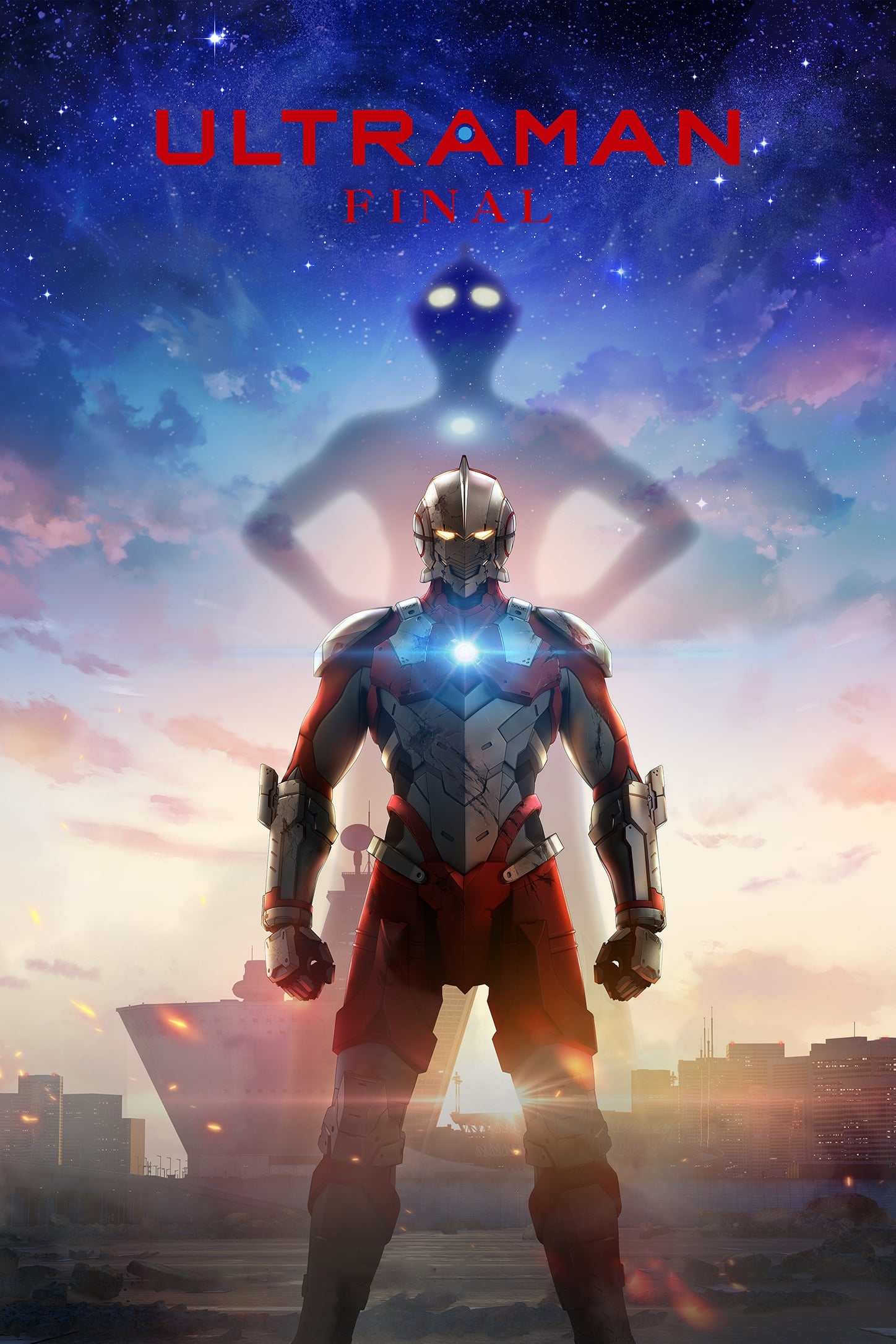
This continuation of the tokusatsu legacy adapts the manga by Eiichi Shimizu and Tomohiro Shimoguchi. It follows Shinjiro Hayata as he inherits the Ultraman Factor and fights alien threats with powered armor rather than giant scale battles.
Seasons track the expansion of the Ultra team and upgrades to suits and weapon systems. The CG production supports dynamic camera work during aerial combat and integrates recognizable poses and iconography from the broader franchise.
‘Pluto’ (2023)
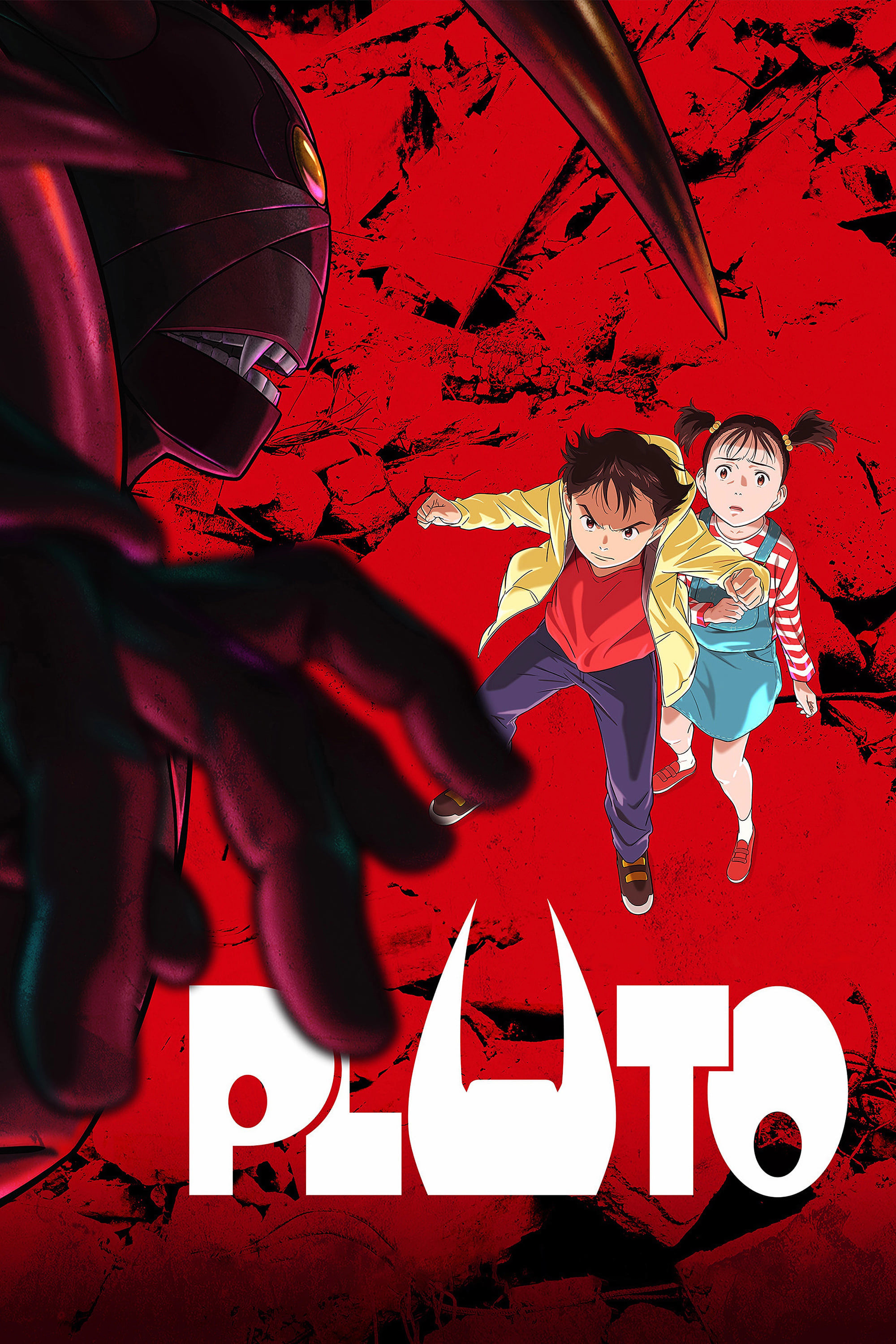
An adaptation of Naoki Urasawa’s reimagining of Osamu Tezuka’s ‘The Greatest Robot on Earth’, this limited series follows detective Gesicht as he investigates a string of murders tied to advanced robots and human victims. It brings together characters from the ‘Astro Boy’ universe within a noir mystery.
Episodes are feature length and each focuses on a different key character while advancing the central case. The production preserves the manga’s adult tone and thematic focus on identity, memory, and the laws that govern artificial intelligence.
‘Onimusha’ (2023)

Inspired by Capcom’s game franchise, this series follows a veteran swordsman who encounters demonic forces during a mission tied to a mystical gauntlet. The story introduces historical figures alongside fictional antagonists and expands the lore of the Oni.
Animation combines motion captured choreography with stylized effects for supernatural clashes. The season is structured as a direct quest with clear waypoints and boss encounters that reflect the source material’s progression.
‘Vampire in the Garden’ (2022)
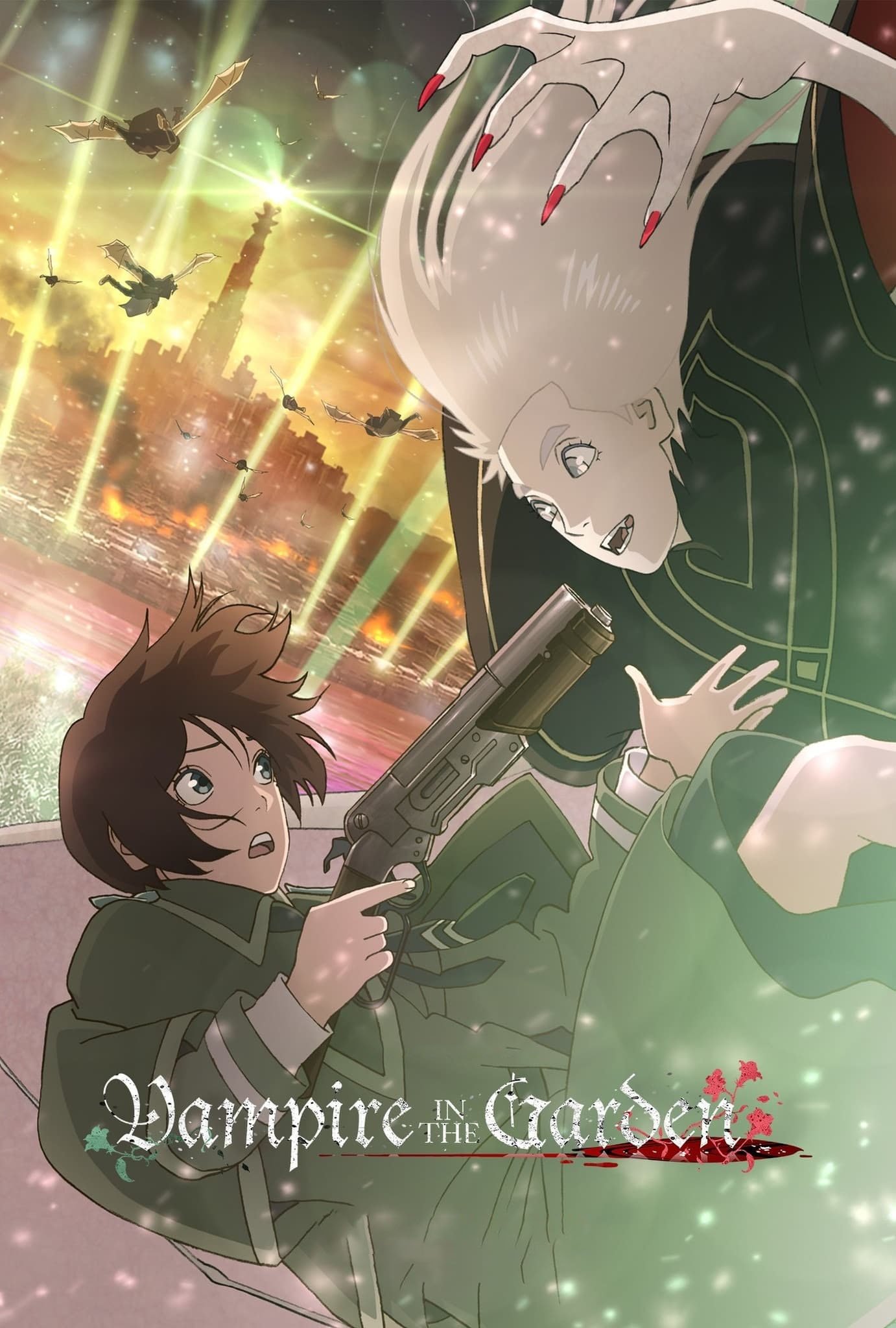
WIT Studio presents an original tale about a human soldier and a vampire queen who search for a place where both species can coexist. The narrative focuses on their journey across war torn territories and the shifting balance between factions.
The limited series format delivers a complete story across a small number of episodes. Music and language play central roles in the plot, and the production uses contrasting color palettes to mark human controlled zones and vampire domains.
‘Eden’ (2021)

This original CG anime from Qubic Pictures and CGCG depicts a future where robots raise a human girl discovered in a restricted area. The plot follows the effort to uncover why humans disappeared and how the child’s existence changes robotic society.
The show is told as a short miniseries suited to a single sitting. Worldbuilding explains robot governance, energy systems, and agricultural routines, and the narrative answers its core mystery within the final chapter.
‘B: The Beginning’ (2018–2021)
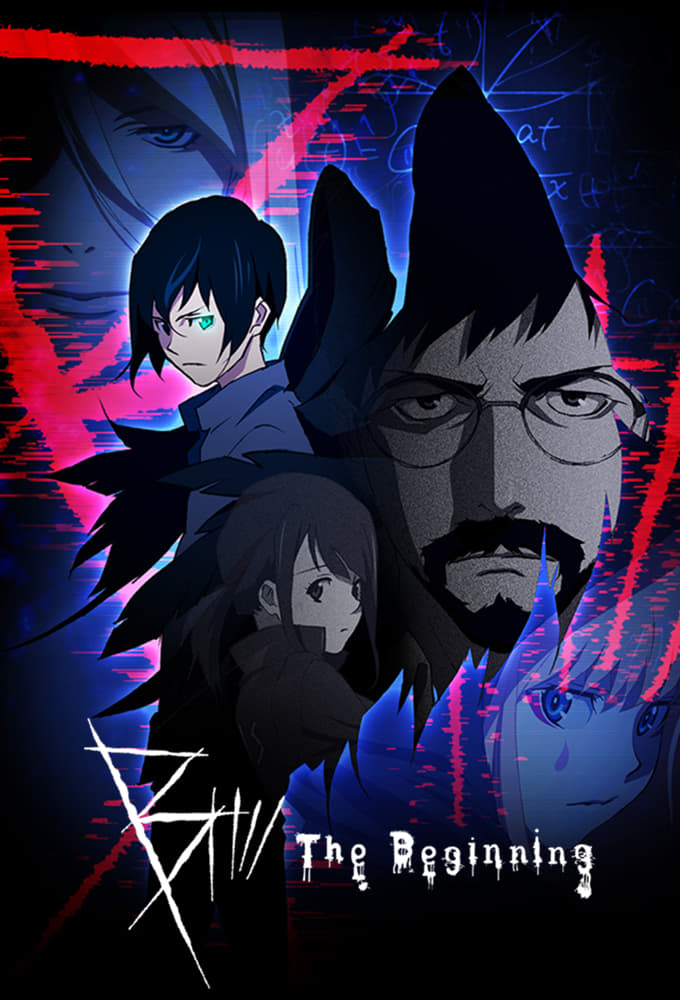
Production I.G’s thriller follows an investigator working with a special unit to track a serial killer known as Killer B while a parallel plot explores engineered humans. The setting uses a fictional European archipelago with its own agencies and legal systems.
The series runs across two parts that resolve major arcs introduced in the opening episodes. It blends procedural casework with conspiracy threads, and its technology and forensic details are consistent from investigation to investigation.
Share your favorite Netflix exclusive anime in the comments so other readers can build a watchlist from your picks.