Top 10 Moments That Ruined an Anime


Some anime change direction so sharply that a single scene, reveal, or production decision shifts the whole course of the story. These moments are rarely accidents; they come from tight schedules, source-material constraints, broadcast rules, or a studio’s attempt to reach a bigger audience. The results can reshape characters, worldbuilding, and even the way an adaptation covers its manga or novel—sometimes in ways that are hard to roll back once they’re on air.
Below are ten clear, well-documented pivots where one choice altered how an anime unfolded from that point on. You’ll find plot turns that reframe entire conflicts, adaptations that rewrite arcs, schedule decisions that delay conclusions, and localization changes that produced a different show altogether depending on where and how you watched it.
‘Naruto Shippūden’ (2007–2017)
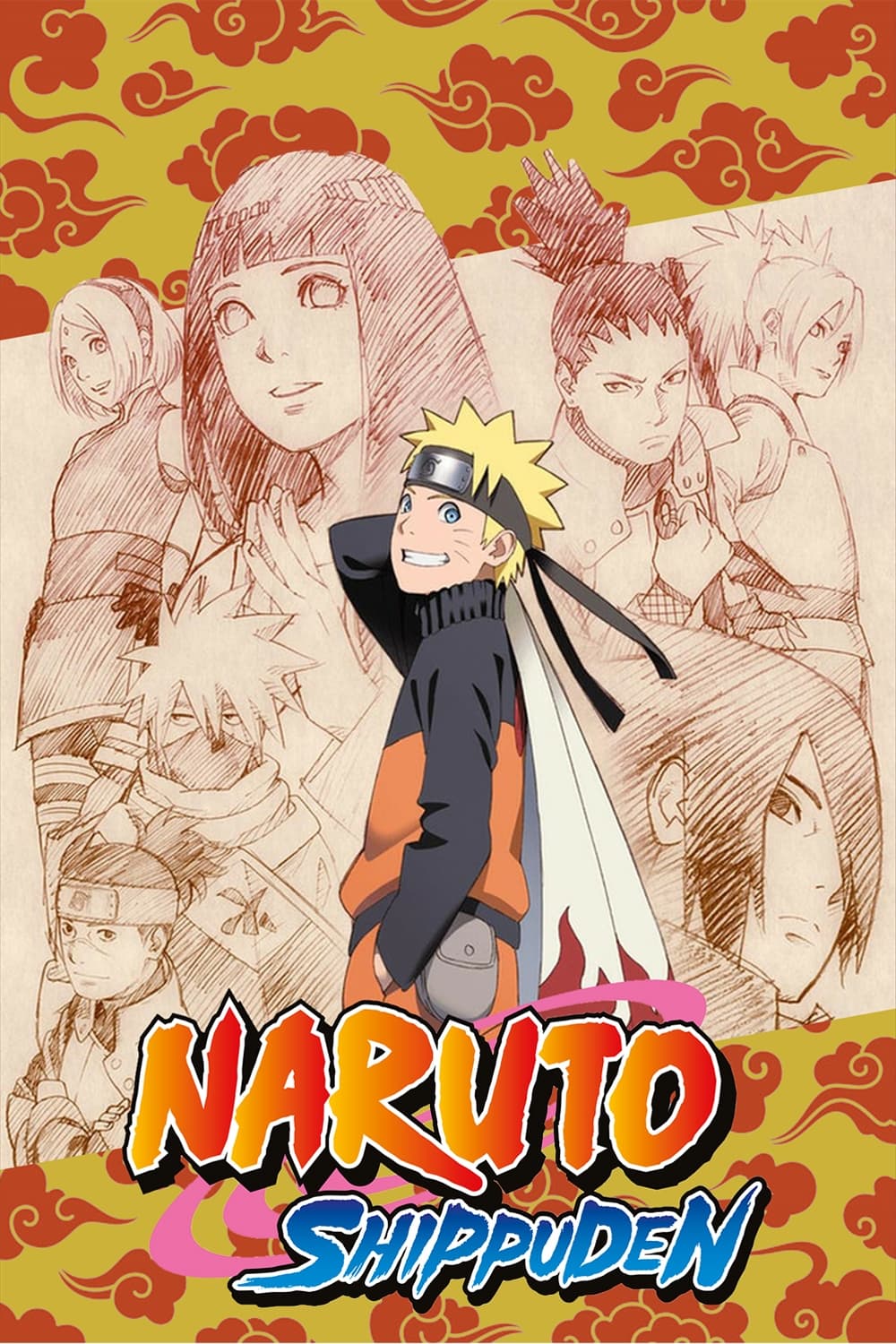
Kaguya Ōtsutsuki’s introduction places an overarching antagonist into the Fourth Shinobi World War, redirecting the conflict from prior Uchiha-centered schemes to an origin narrative for chakra. The reveal redefines the history of the shinobi world, expands the lore around the Sage of Six Paths, and brings in techniques such as dimension travel that exceed previously shown power ceilings.
This late-series pivot also changes resolution mechanics: plans designed for Akatsuki-type threats give way to sealing strategies tied to ancestral chakra. As a result, long-running rivalries and village-level politics lose immediate relevance while the story concentrates on inherited power, extraterrestrial lineage, and multi-dimension staging.
‘The Promised Neverland’ (2019–2021)
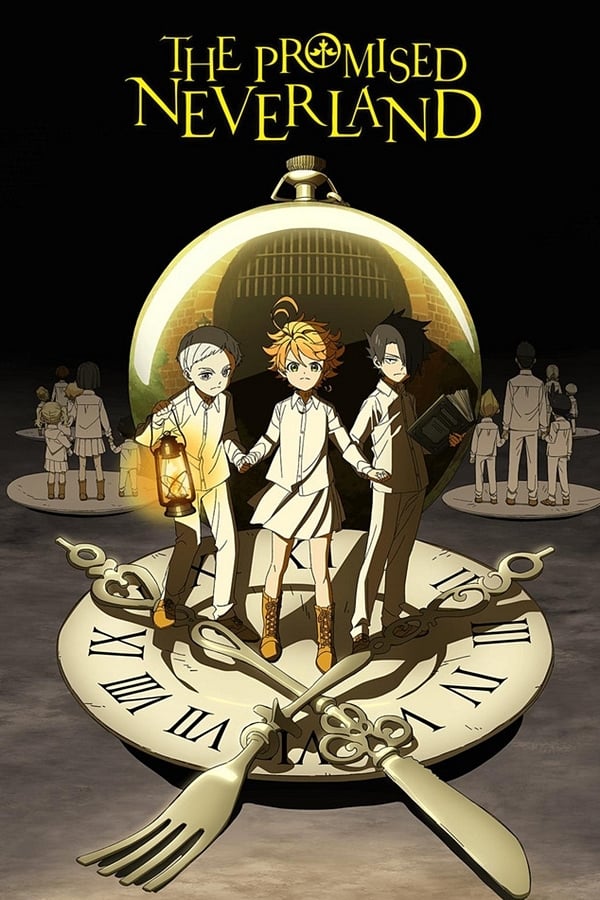
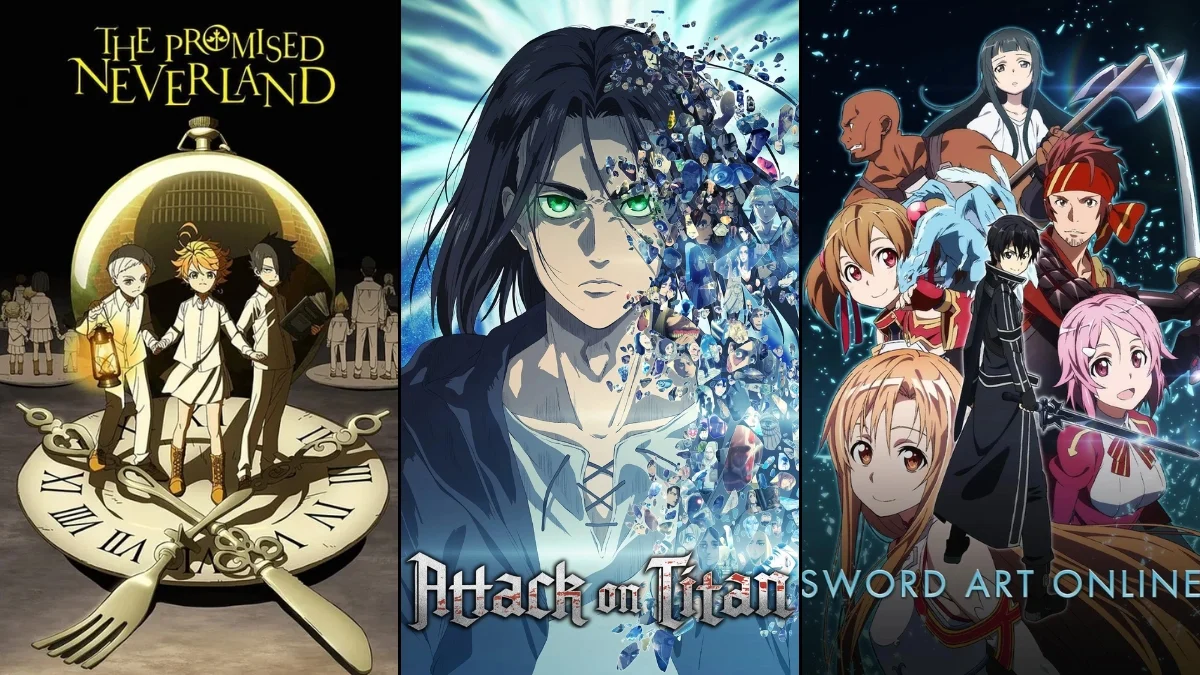
Season two omits the Goldy Pond arc, which in print introduces allies, field tactics, and a structured resistance that shape Emma’s leadership under sustained pressure. Without that sequence, developments tied to safe houses, supply lines, and code systems are either compressed or replaced, narrowing the cast of recurring side characters who inform later decisions.
The reordering impacts pacing and cause-and-effect: maps, hideouts, and key relationships established in the original arc do not receive on-screen build-up. Subsequent revelations arrive with less groundwork, and confrontations that originally drew on extended training and reconnaissance shift to faster transitions between locations.
‘Tokyo Ghoul √A’ (2015)
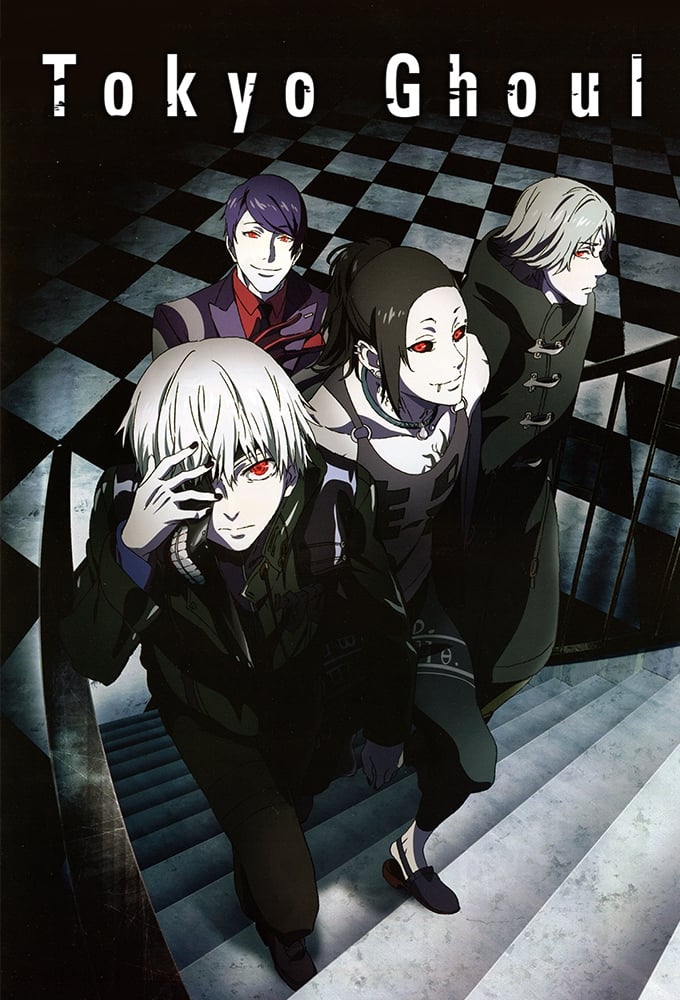
The anime follows an “original route” that diverges from the manga’s post-Aogiri trajectory, altering Kaneki’s affiliations and the timing of major battles. This decision rearranges which factions clash, how investigative threads unfold, and which relationships get screen time during pivotal operations.
Because of the divergence, power progressions and CCG countermeasures are compressed or skipped relative to the print order. Later continuations must reconcile character states that differ between adaptations, creating inconsistencies in motivations, alliances, and tactical context for returning characters.
‘Neon Genesis Evangelion’ (1995–1996)
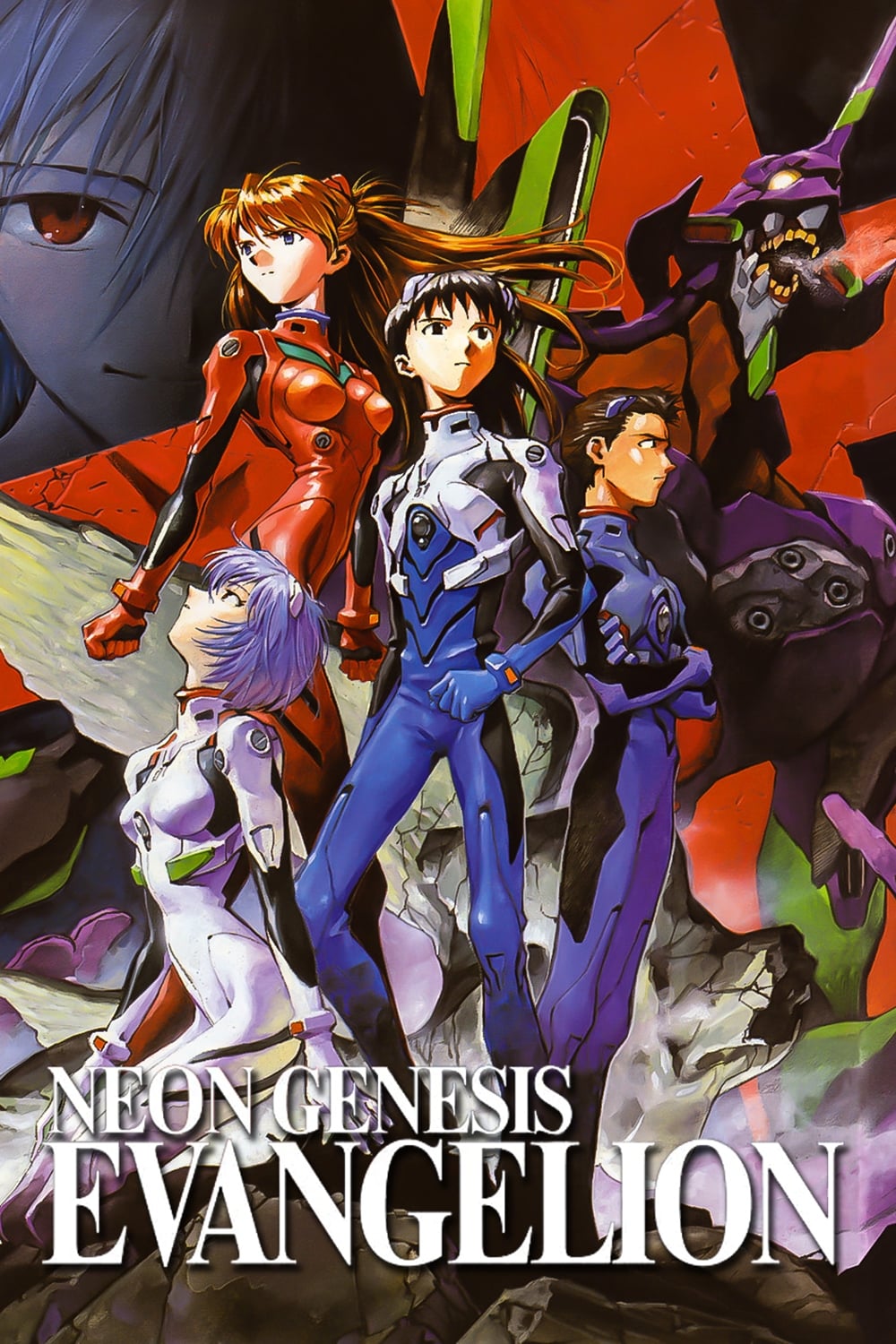
The final TV episodes pivot from external conflict to interior exploration, using monologues, stills, and limited new animation to depict psychological conclusions. The format concentrates on identity and perception rather than battlefield outcomes, shifting the presentation from mecha engagements to introspection.
This approach leaves concurrent external events off-screen within the television run, prompting later works to depict those incidents separately. Viewers encounter parallel endpoints across titles in the franchise, with one conclusion emphasizing internal resolution and another presenting the surrounding events that occur at the same narrative juncture.
‘Death Note’ (2006–2007)
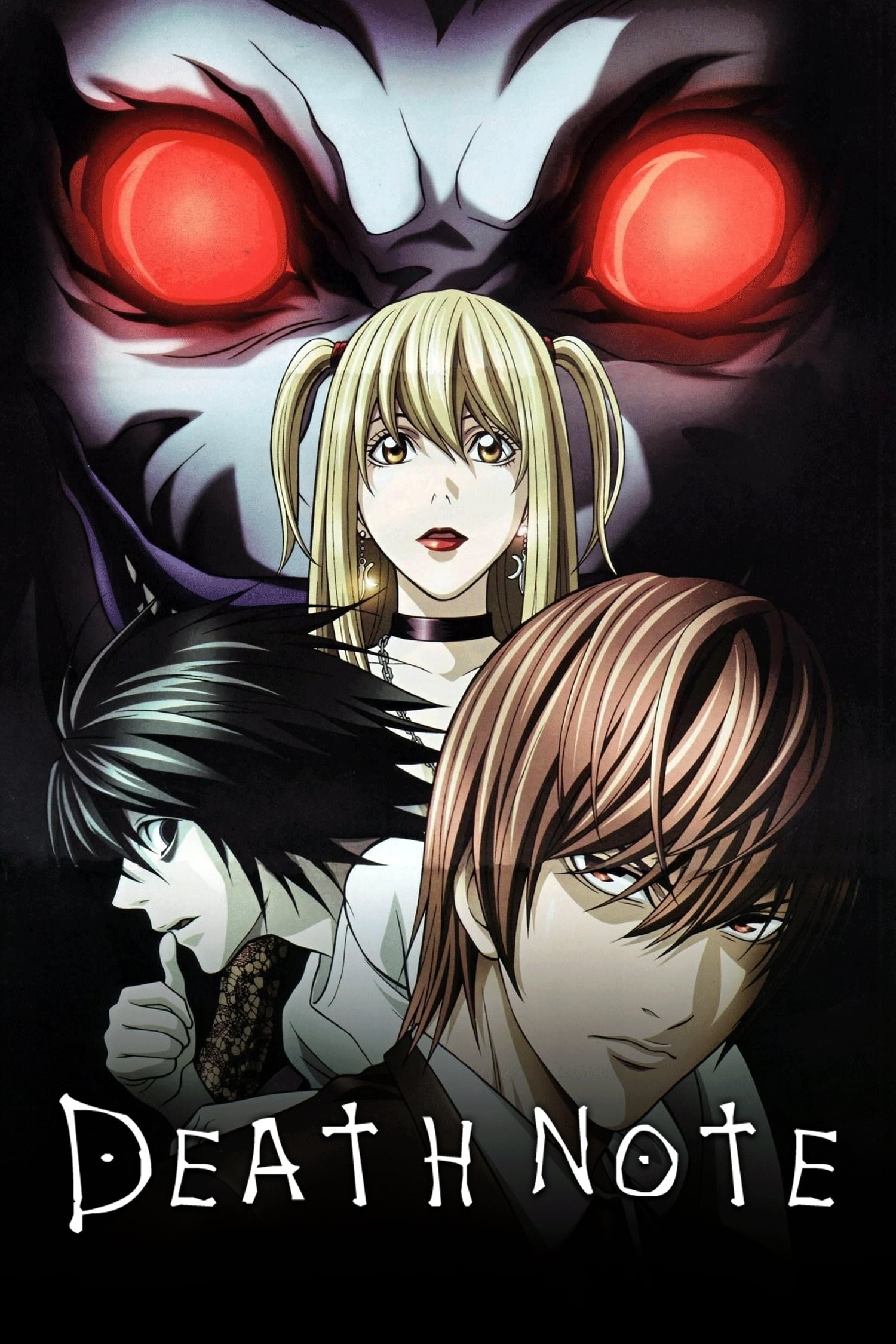
Following L’s death, the investigation splits between Near and Mello, changing the series from a two-person duel to multi-team pursuit. The structure reallocates screen time to proxy operatives, organizational logistics, and cross-border coordination rather than a single investigative contest.
The tools of the conflict also shift: direct, symmetrical gambits give way to operations that involve agencies, intermediaries, and layered contingencies. Light Yagami’s counter-moves adapt to these broader structures, and the narrative distributes key breakthroughs across separate groups instead of a single opponent.
‘Berserk’ (2016–2017)
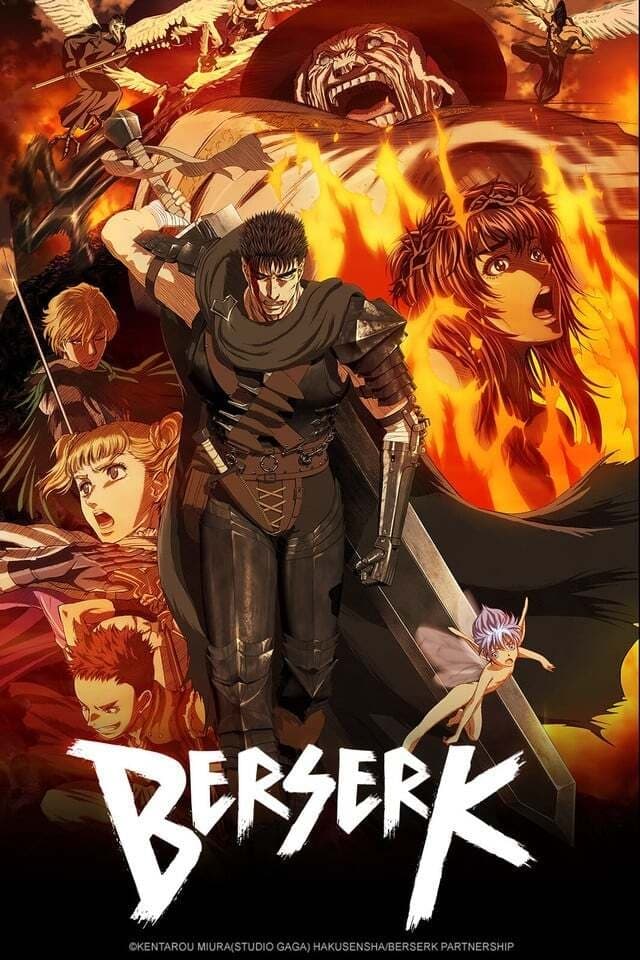
The relaunch adopts a cel-shaded CGI pipeline instead of primarily hand-drawn animation, changing motion cadence, camera framing, and the rendering of materials like armor and terrain. Fight readability, environmental scale, and creature depiction rely on a different technical toolkit than earlier adaptations.
The series also compresses and reorders material to move beyond the Golden Age period, bringing later arcs to screen with altered transitions. These choices affect when supporting characters appear, how locations are introduced, and which connective scenes establish cause-and-effect between set-pieces.
‘Bleach’ (2004–2012)
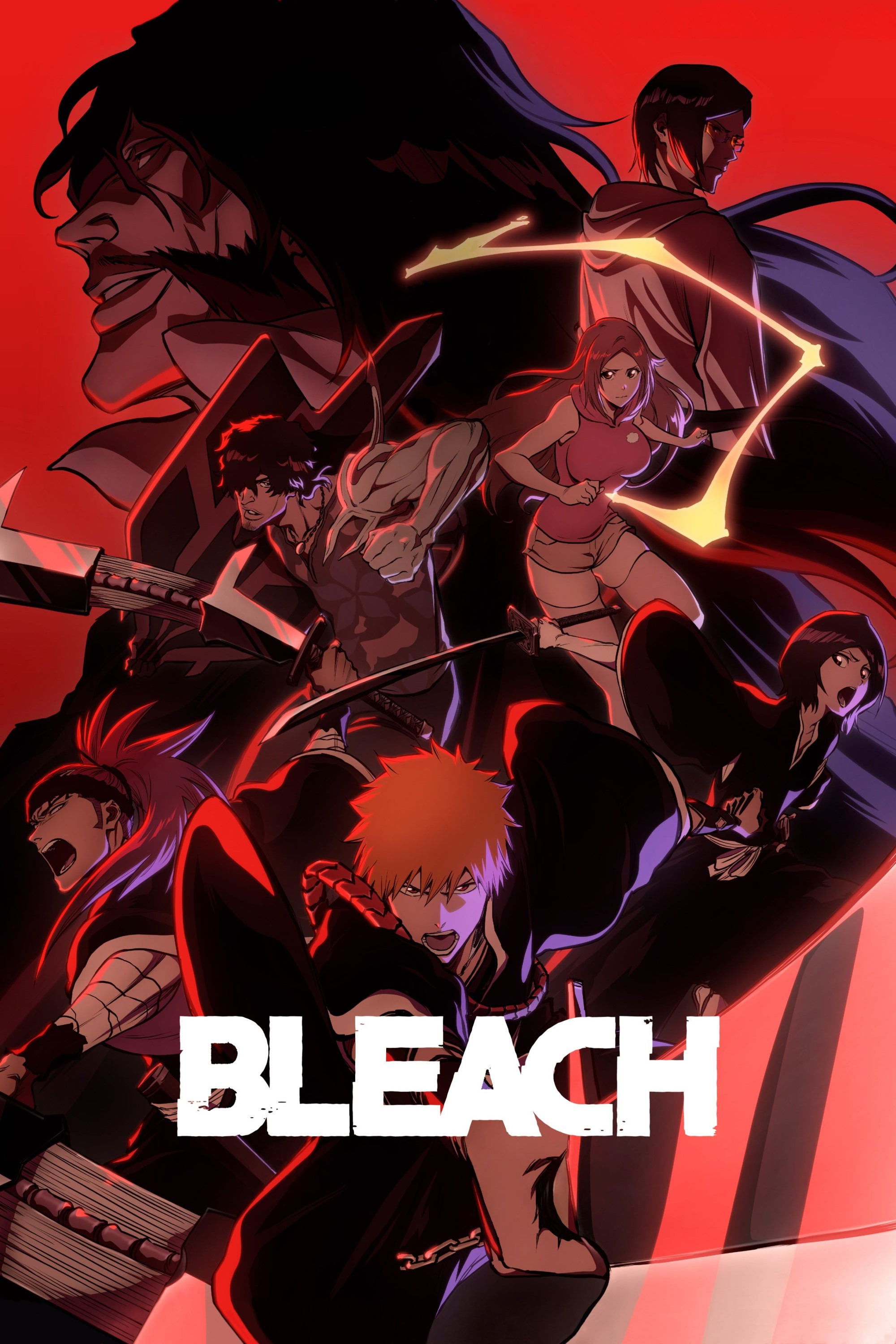
The broadcast ends after the Fullbring storyline, placing the subsequent Thousand-Year Blood War material outside the initial television run. This stop creates a gap between major conflicts and delays the introduction of additional factions, techniques, and resolutions.
The halt freezes character progressions at an intermediate point: power systems remain in transition, squad hierarchies pause without on-air continuation, and certain plot threads await adaptation. Distribution catalogs and localization timelines reflect this cutoff, listing the mainline story as incomplete until later projects resume it.
‘Attack on Titan: The Final Season’ (2020–2023)
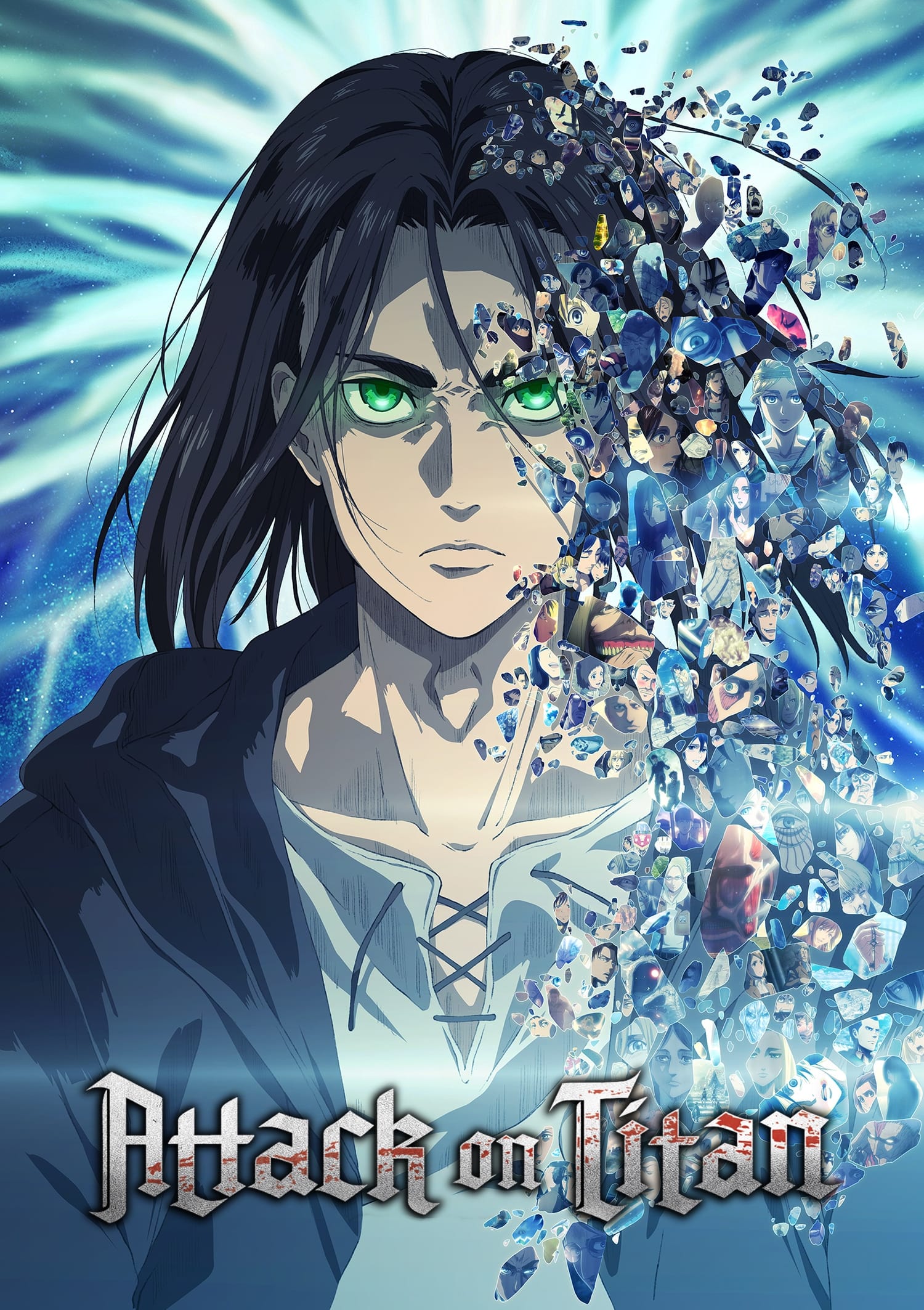
The concluding arc is released across multiple parts, spreading key revelations and battles over non-contiguous broadcast windows and specials. The segmented rollout places long intervals between consecutive installments that depict consecutive chapters of the same endgame.
Production arrangements also change alongside the rebrand, bringing a new studio pipeline and different visual practices from earlier seasons. Cataloging on streaming and home media lists the conclusion across separate entries, and viewers track the finale through multiple releases rather than a single continuous cour.
‘Sword Art Online’ (2012–2020)

After Aincrad, the setting moves to Alfheim Online with a new ruleset built around flight, magic, and race-based progression. System permissions, quest design, and region access differ from the prior survival framework, introducing mechanics that emphasize traversal and spellcasting.
Story objectives pivot to rescue and corporate oversight, incorporating real-world institutions and legal guardianship into the VR infrastructure. Antagonist goals revolve around data control and system-level privileges, and the plot maps interactions between in-game authority and external enforcement.
‘One Piece’ (1999– )
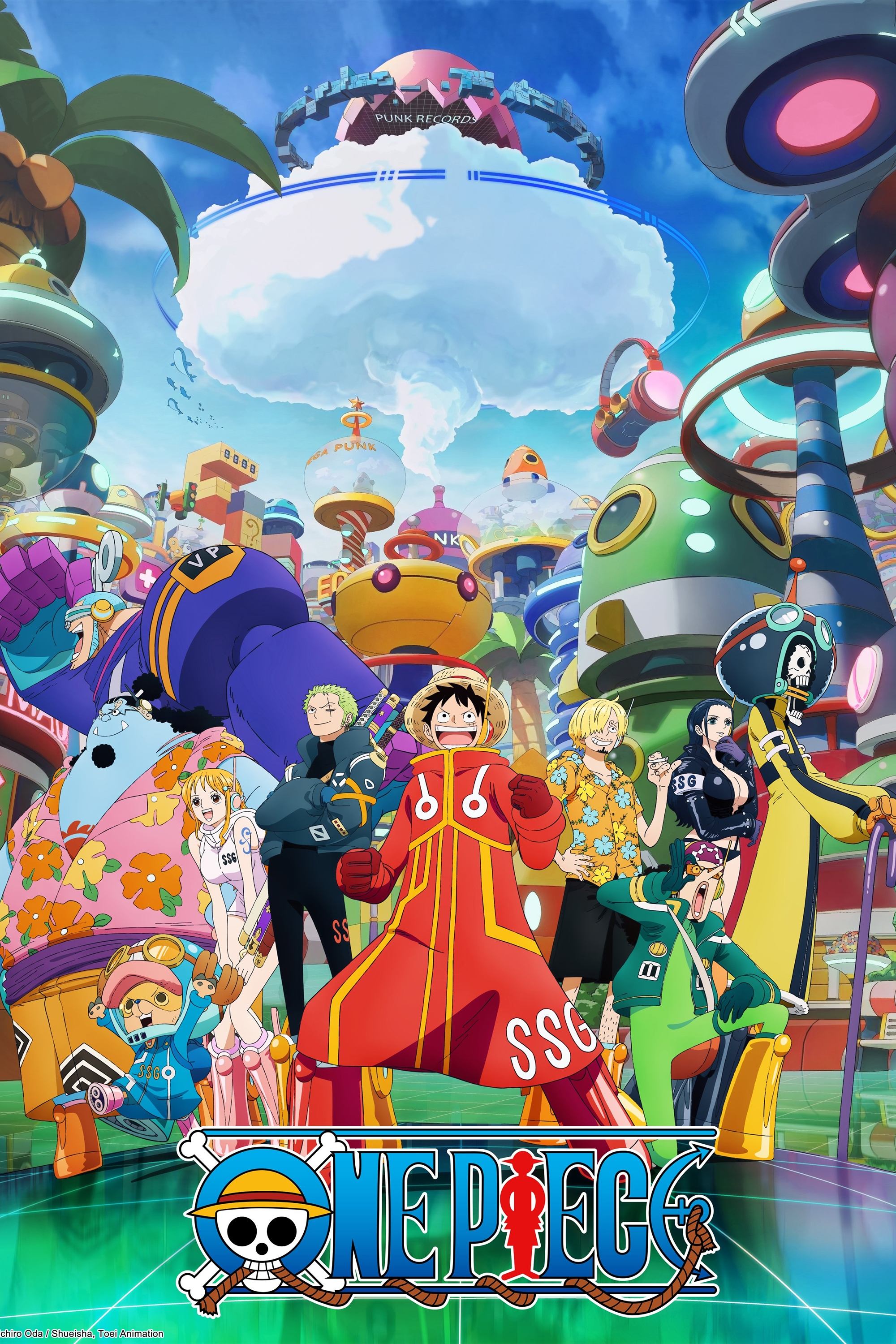
Early Western localizations made extensive broadcast edits that changed dialogue, replaced or removed certain visuals, and modified on-screen items to meet regional standards. These alterations produced versions that differ from the Japanese airing in tone, pacing, and terminology.
Music cues, sound effects, and some names or technical terms were also adjusted in specific releases, creating discontinuities for viewers who later switched to uncut editions or different licensors. As a result, the same plotline exists in multiple localized forms with varying presentation details depending on the release path.
Tell us which moments you’d add—or which ones played out differently than you expected—in the comments!