15 Movie Franchises that Overstayed Their Welcome

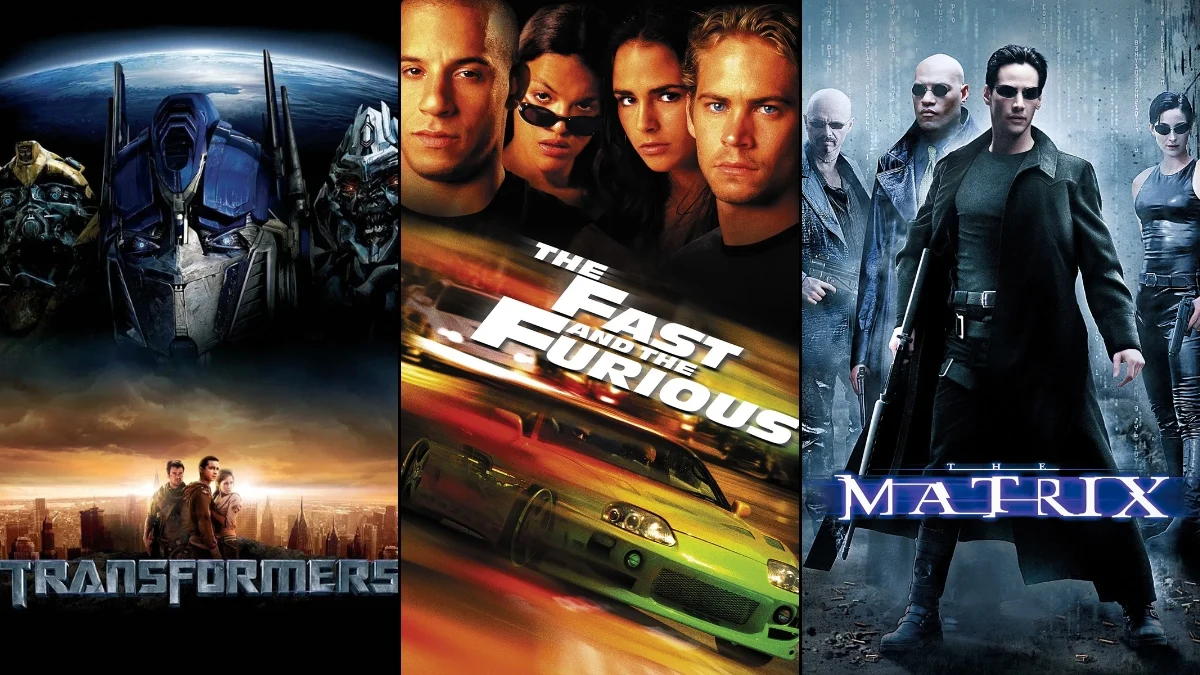

Big movie series tend to grow because audiences fall in love with a world, a character, or a formula that works. Studios then keep returning to that well, adding sequels, soft reboots, and spin-offs that connect loosely—or not at all—to the original plan. The result is a lot of history, lots of box-office data, and production choices that show how these franchises kept going.
Below is a look at 15 long-running film series and how they expanded over time—how many entries they produced, how casts and crews changed, which directions the stories took, and how the release strategies evolved. Each entry focuses on concrete details like timelines, budgets, grosses, and production shifts that shaped the path of the franchise.
‘The Fast and the Furious’ (2001–2023)
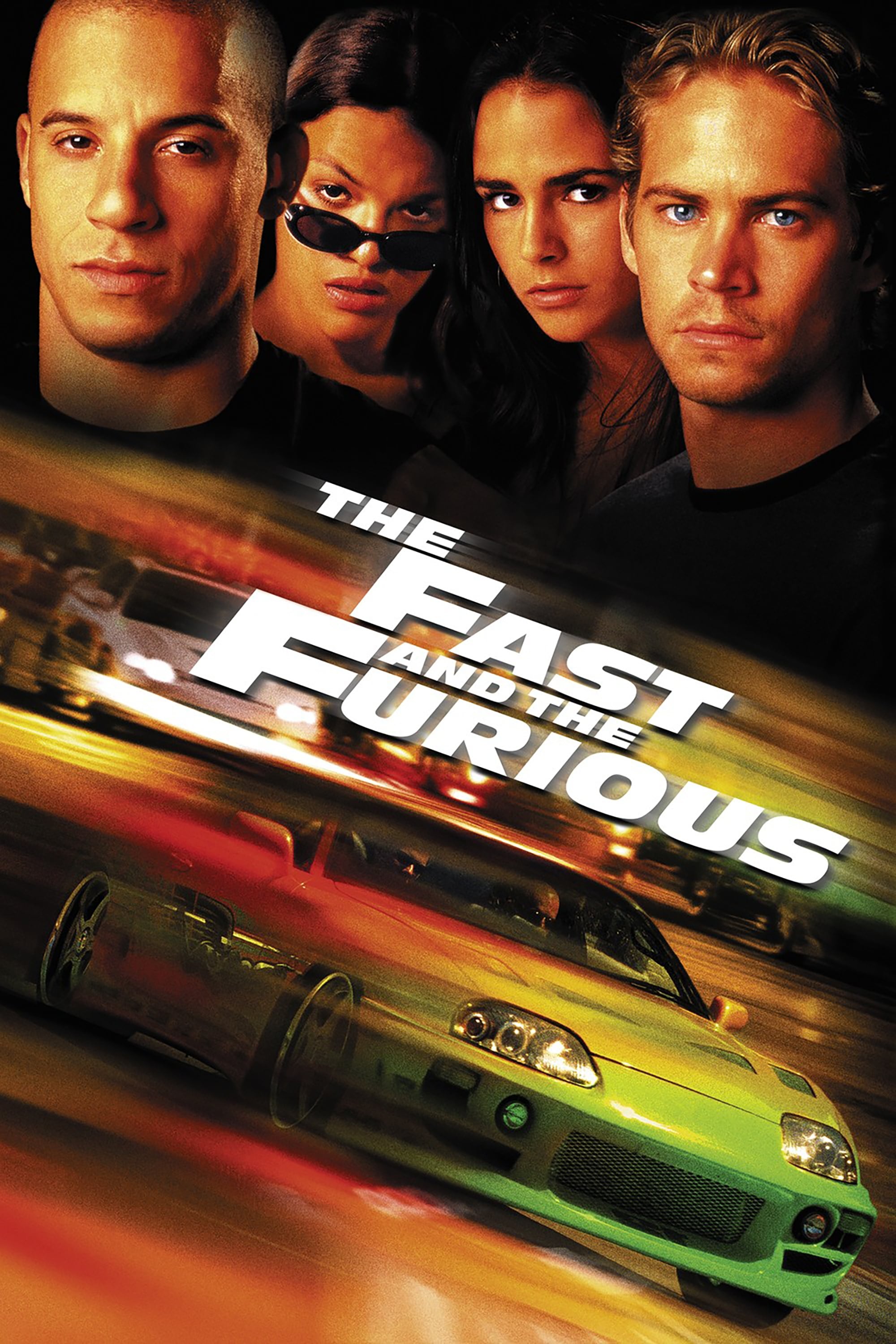
The series launched as a mid-budget street-racing thriller and grew into a global action brand spanning ten mainline films, plus the spin-off ‘Fast & Furious Presents: Hobbs & Shaw’. Key cast members returned across multiple entries while new leads joined, and the production scale expanded from car-centric heists to globe-trotting set-pieces staged across locations such as Rio de Janeiro, London, Abu Dhabi, and Tbilisi. Directors including Rob Cohen, Justin Lin, James Wan, F. Gary Gray, and Louis Leterrier each steered different tonal and logistical phases.
Budgets rose from under-$40-million beginnings to well over $200 million for later entries, with worldwide grosses routinely surpassing $500 million and peaking above $1 billion for ‘Furious 7’. Tie-ins included short films, video games, live shows, and an evolving continuity that integrated retcons—most notably repositioning ‘The Fast and the Furious: Tokyo Drift’ within the later timeline to bring back fan-favorite characters.
‘Pirates of the Caribbean’ (2003–2017)
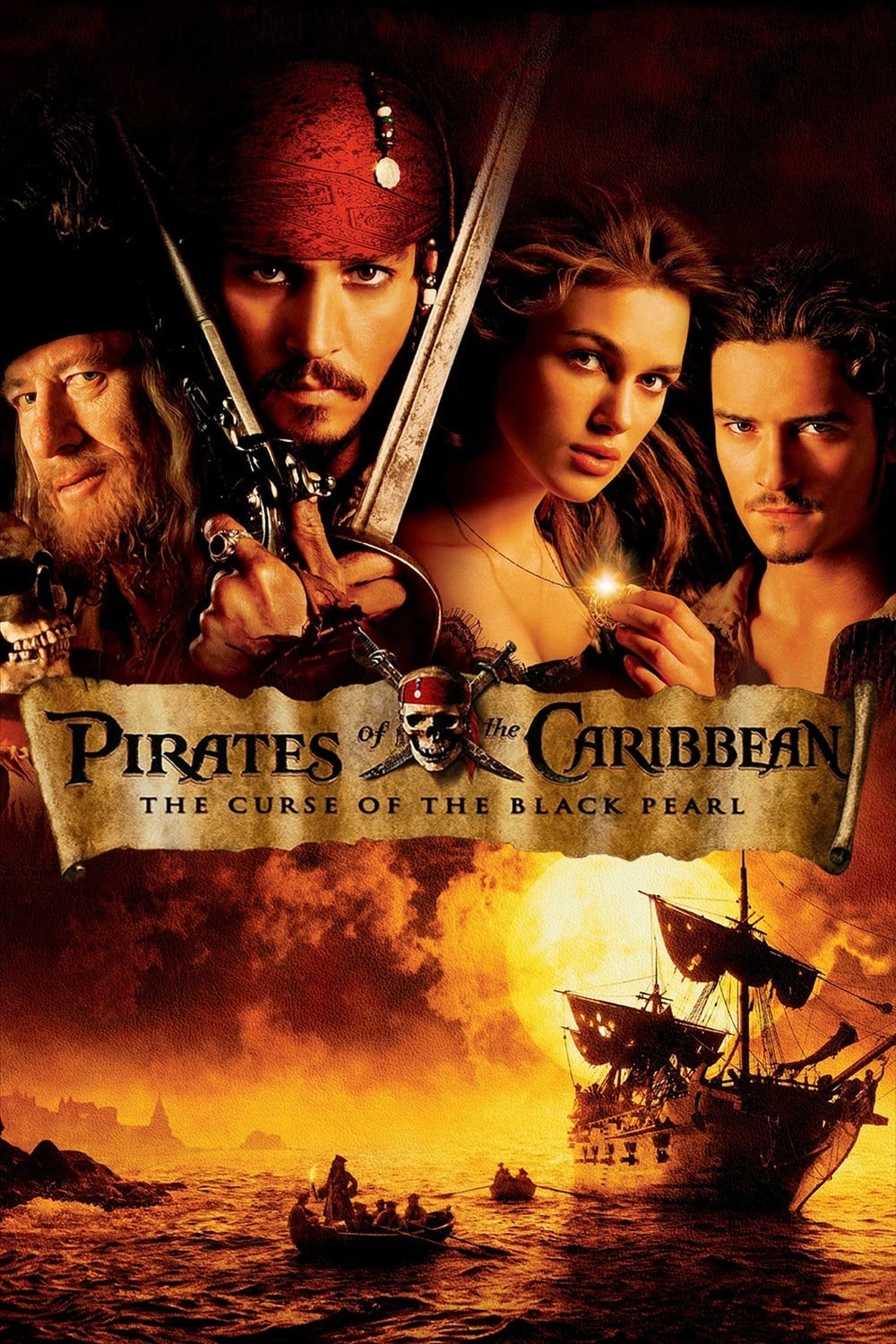
Beginning with ‘Pirates of the Caribbean: The Curse of the Black Pearl’, the franchise delivered five films, with the second and third shot back-to-back to capitalize on the first entry’s success. Directors Gore Verbinski, Rob Marshall, and Joachim Rønning/Espen Sandberg alternated behind the camera, while returning cast anchored a mythology of cursed crews, mystical maps, and naval powers clashing across the Caribbean.
Production escalated in scope with extensive location shoots and large-scale water work, including ship-mounted gimbals and water-tank stages. Merchandising, theme-park synergy, and home-media performance supported the films between releases, as did recurring musical motifs and design elements—most notably the signature pirate ships and costuming that kept a consistent visual brand across changing creative teams.
‘Transformers’ (2007–2023)
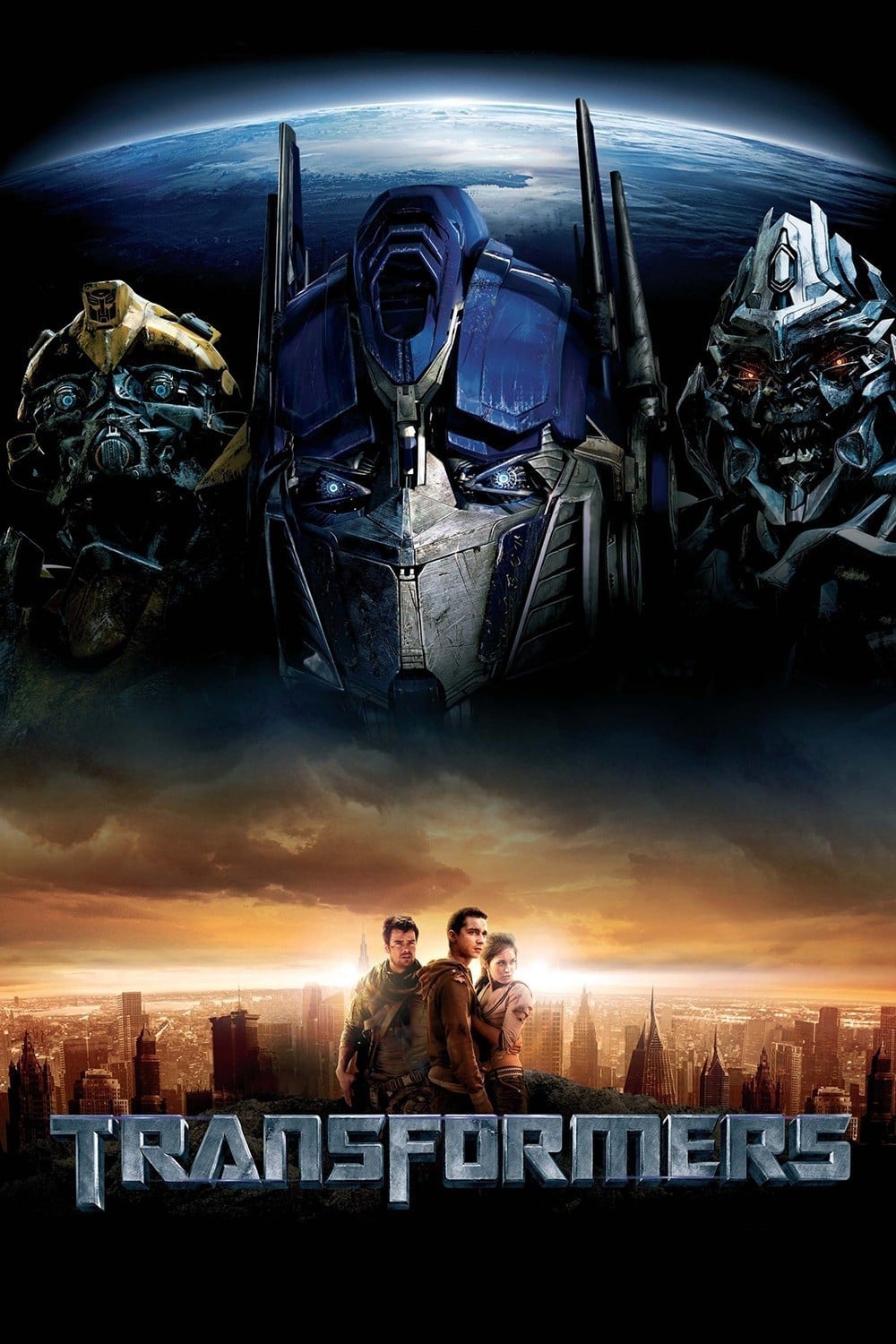
Based on the Hasbro toy line, the film series expanded to include multiple sequels and prequel-style installments such as ‘Bumblebee’ and ‘Transformers: Rise of the Beasts’. Michael Bay directed the first five films, establishing a VFX-heavy style built around industrial design, motion-capture elements, and large destruction sequences. Subsequent entries adjusted the timeline and tone, introducing new human leads and shifting settings from U.S. locales to global backdrops.
Visual-effects houses developed proprietary pipelines to render complex robot transformations at scale, with individual shots often requiring months of simulation work. The franchise pursued day-and-date global releases to leverage international markets—especially China—where several installments earned a significant share of their worldwide grosses, helping sustain production budgets that frequently exceeded the $150–200-million range.
‘Terminator’ (1984–2019)
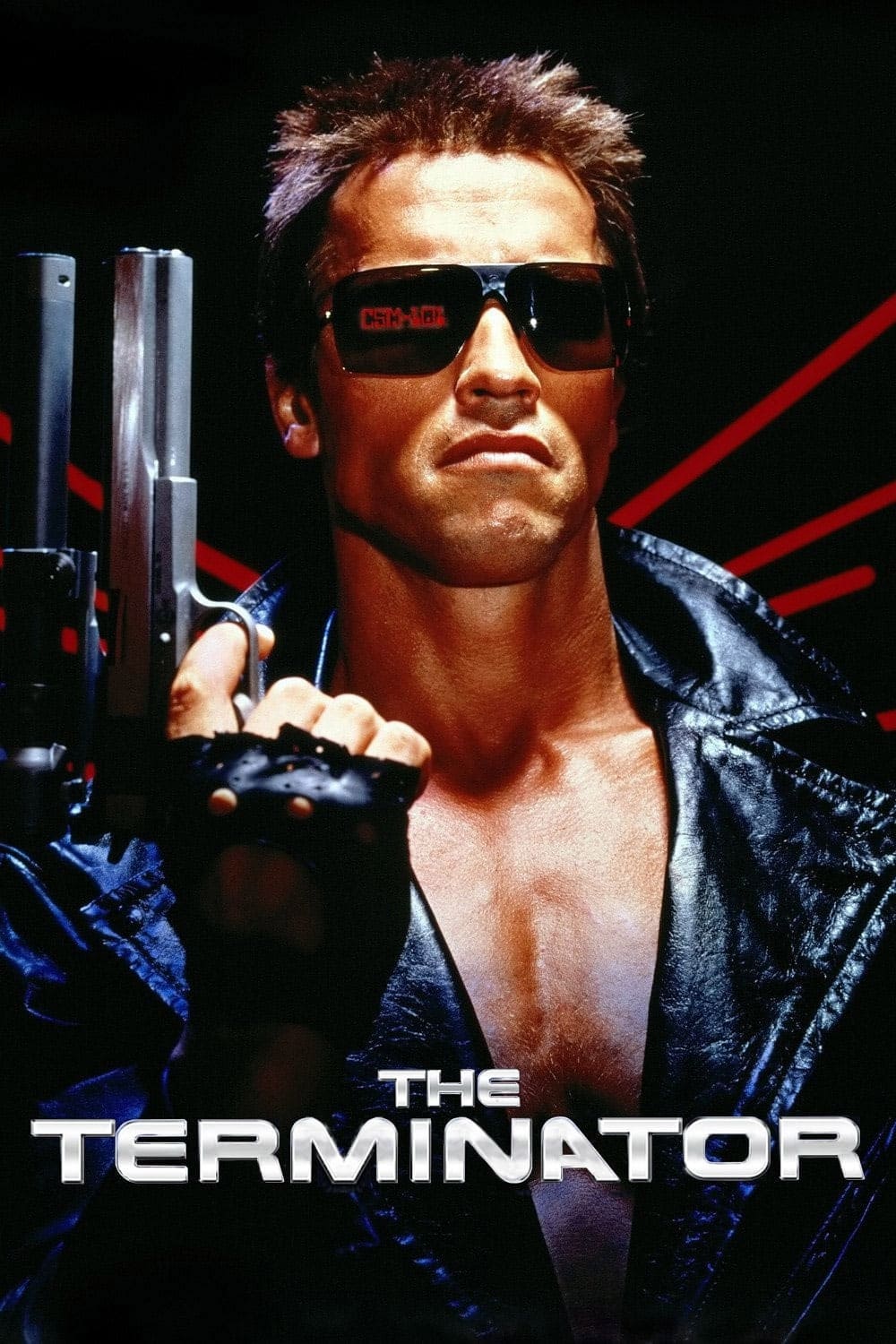
The ‘Terminator’ timeline comprises six theatrical films along with the TV spinoff ‘Terminator: The Sarah Connor Chronicles’. After James Cameron’s two foundational entries, rights transfers and new producers led to alternating continuities, including attempts to launch new trilogies with ‘Terminator Salvation’, ‘Terminator Genisys’, and ‘Terminator: Dark Fate’. Casting brought back legacy leads while adding new protagonists to reposition the central human–machine conflict.
Each phase introduced fresh future-war or time-travel rules, using updated VFX for liquid-metal, endoskeleton, and de-aging effects. Budgets climbed into the $150–$200-million bracket for later films, with marketing campaigns emphasizing legacy characters and new timeline resets. International distribution strategies and release windows were timed to maximize holiday and summer corridors typical for large-scale sci-fi action.
‘Alien’ (1979–2024)
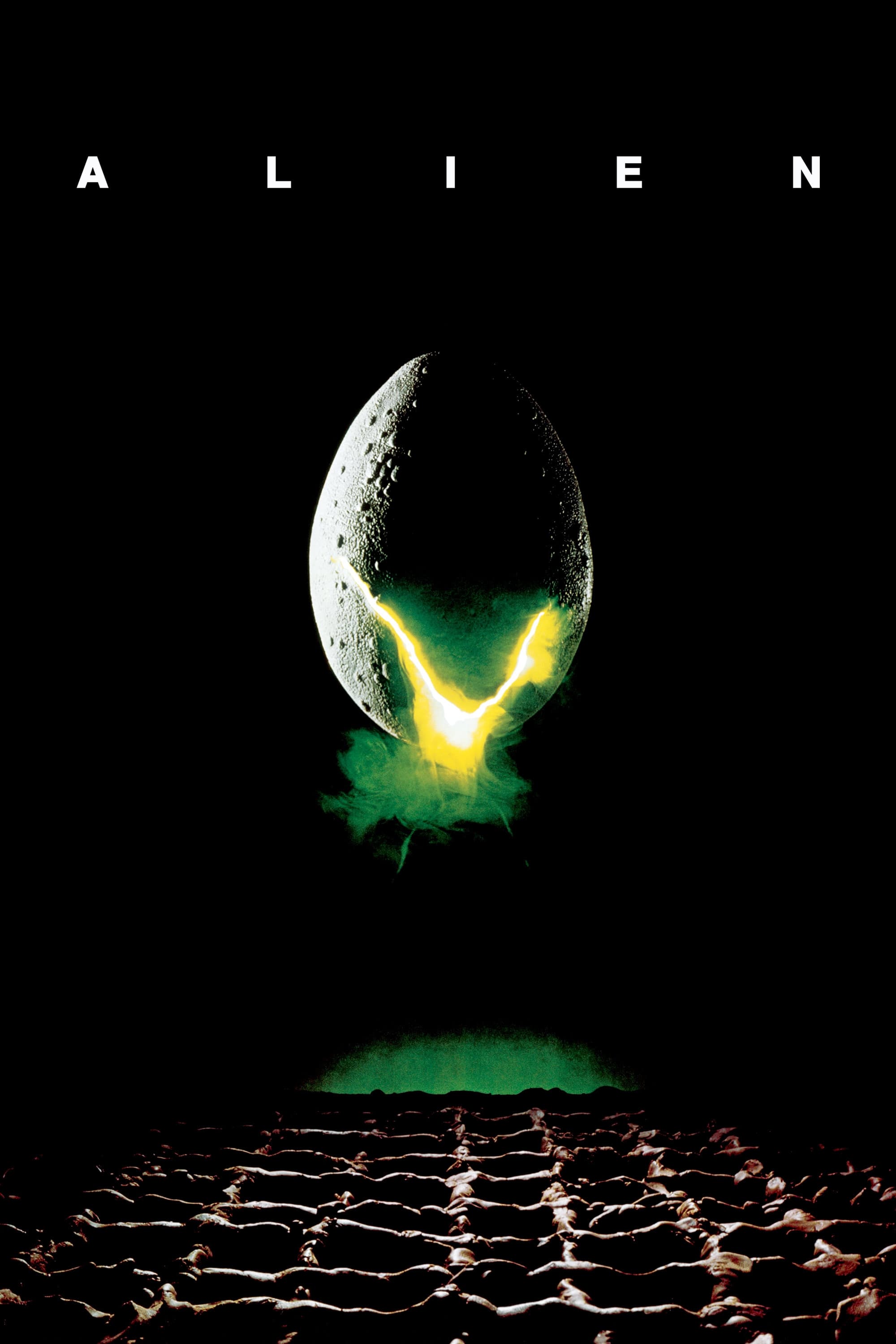
The ‘Alien’ series encompasses four mainline entries—’Alien’, ‘Aliens’, ‘Alien 3’, ‘Alien: Resurrection’—followed by prequels like ‘Prometheus’ and ‘Alien: Covenant’, and a recent continuation in ‘Alien: Romulus’. Each film featured different directors and production teams, resulting in distinct tonal approaches, from horror-thriller to action-war to philosophical sci-fi. Practical creature effects, miniatures, and later digital techniques evolved to depict xenomorph life-cycle variations and environments.
Tie-ins included ‘Alien vs. Predator’ crossovers, novels, comics, and video games that explored Weyland-Yutani lore and colonial-marines mythology. The home-video market sustained interest via director’s cuts and extended editions, such as the alternative ‘Alien 3’ assembly. Studio development periodically revisited sequel and prequel concepts, with design houses maintaining biomechanical aesthetics established by H. R. Giger.
‘Die Hard’ (1988–2013)
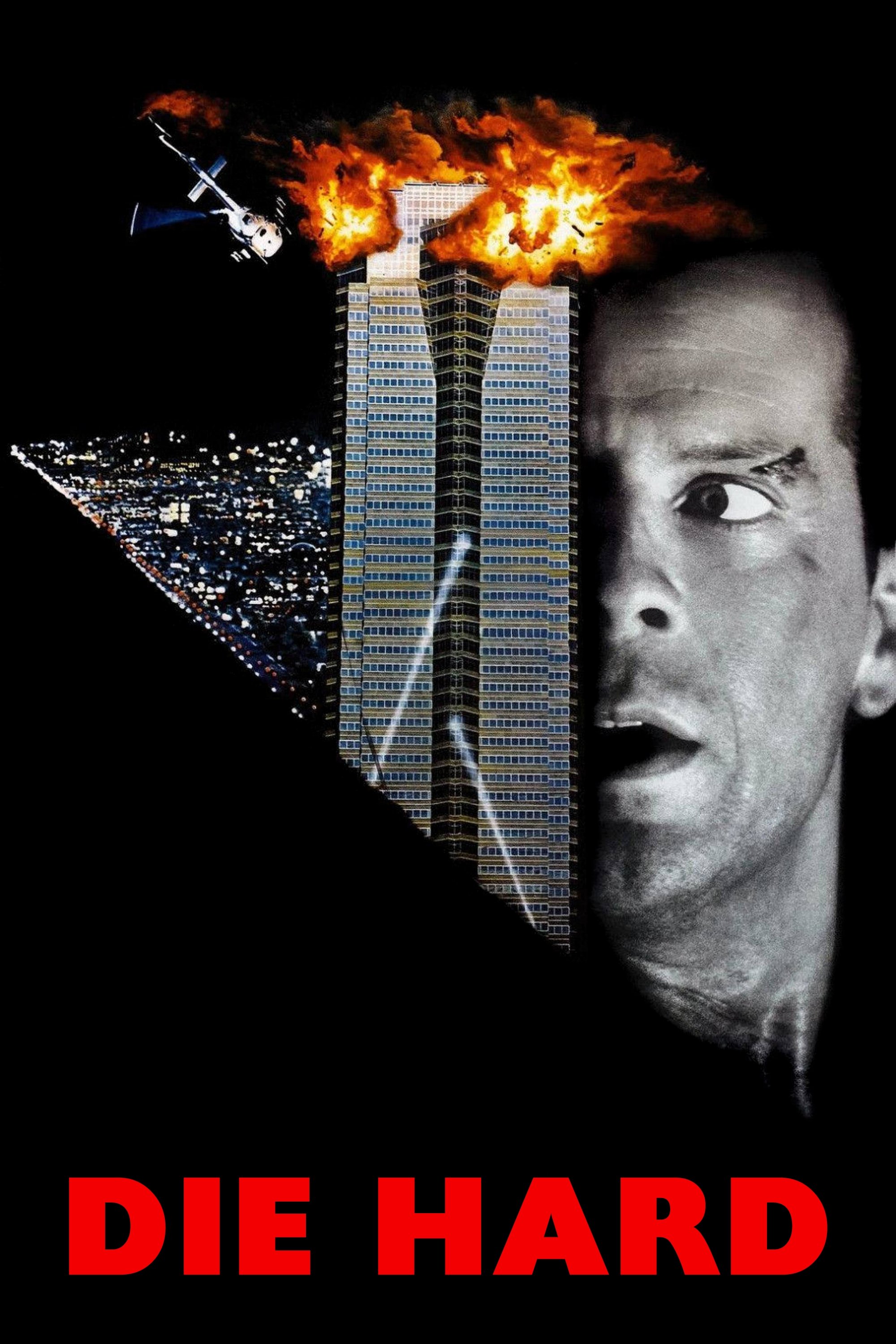
The ‘Die Hard’ franchise spans five films. The original set a contained, real-time template, while later installments expanded to multi-location stories with international settings. Directors John McTiernan, Renny Harlin, Len Wiseman, and John Moore shaped shifting styles—from practical pyrotechnics and stunt-driving to extensive digital augmentation in later entries.
Release strategies placed sequels in peak holiday and summer frames, while home media kept the series prominent through anniversary editions and box sets. Production moved between studio backlots and on-location shoots across Los Angeles, New York, Washington, D.C., Baltimore, Budapest, and Moscow, reflecting a scale-up that required larger second-unit teams and international tax-incentive arrangements.
‘Predator’ (1987–2022)
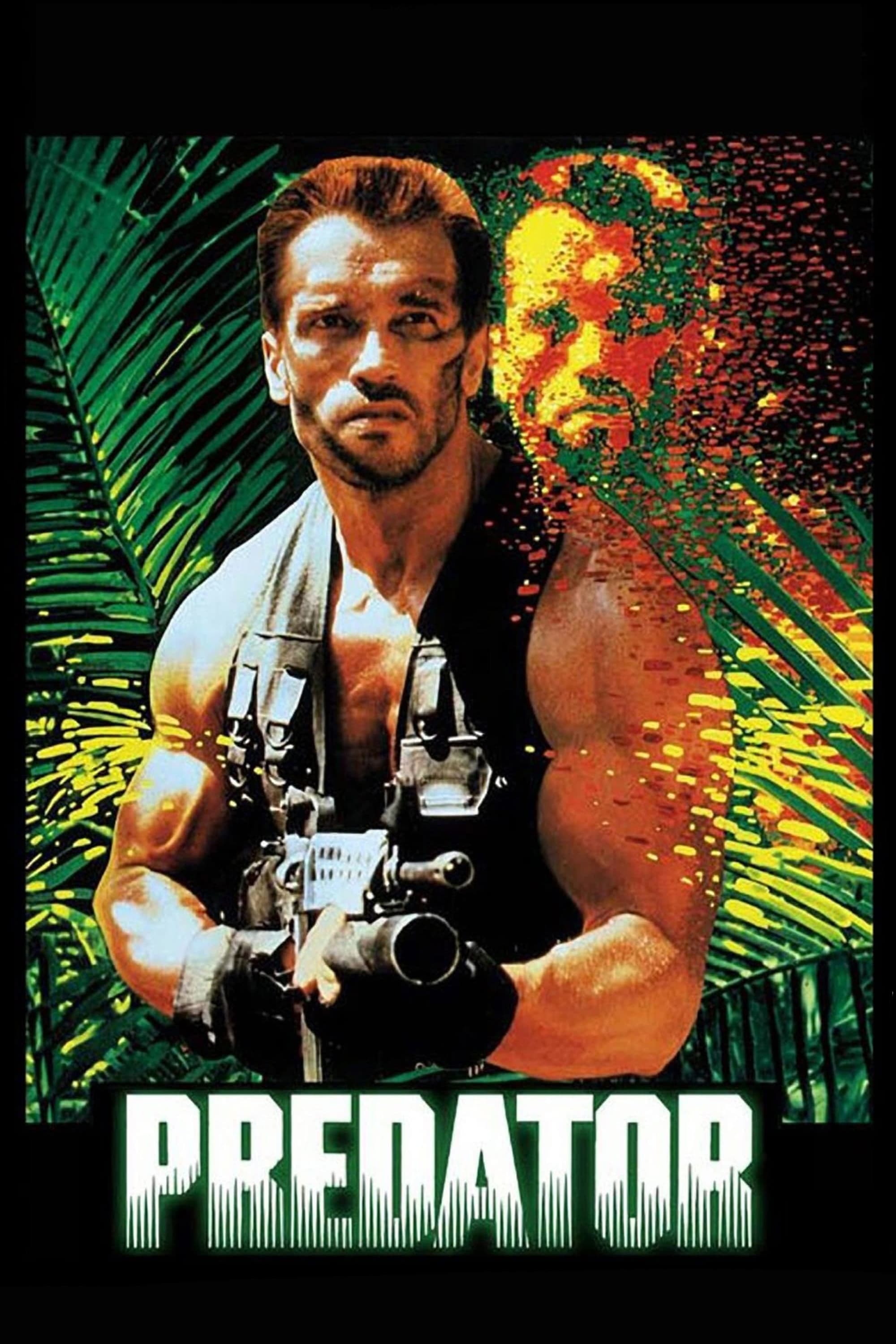
Starting with ‘Predator’, the series expanded with sequels, ‘Predators’, and crossovers in ‘Alien vs. Predator’ films before adding ‘Prey’ as a period-set prequel. Entries shifted settings from Central American jungles to Los Angeles, distant game-preserve planets, U.S. suburbs, and Great Plains territory, keeping the core concept of technologically advanced hunters tracking human targets. Different directors and writing teams experimented with ensemble casts ranging from special-forces units to civilian groups.
The creature’s toolkit evolved—from practical suits and animatronics to digitally enhanced cloaking and facial articulation—while the franchise kept iconic visual signatures like heat-vision POV and trophy displays. Ancillary media included comics and games that elaborated on clan hierarchies and ritualized hunting codes, creating a consistent mythos across otherwise standalone plots.
‘Saw’ (2004–2023)

The ‘Saw’ series released ten films, including ‘Jigsaw’ and ‘Spiral: From the Book of Saw’ as off-angle continuations. Early strategy emphasized annual Halloween-season releases, with later entries arriving after longer gaps. Narrative structure relied on non-linear timelines, recorded messages, and twist reveals to connect new characters to the Jigsaw legacy, often via flashbacks that bridged earlier installments.
Production emphasized practical trap builds, prosthetics, and set-piece engineering executed on relatively tight schedules and mid-range budgets. Lionsgate’s marketing used viral hints, motion posters, and red-band trailers, while home-video unrated editions extended run-time variations. The franchise’s box-office model balanced modest costs with reliably strong opening weekends tied to October windows.
‘Halloween’ (1978–2022)
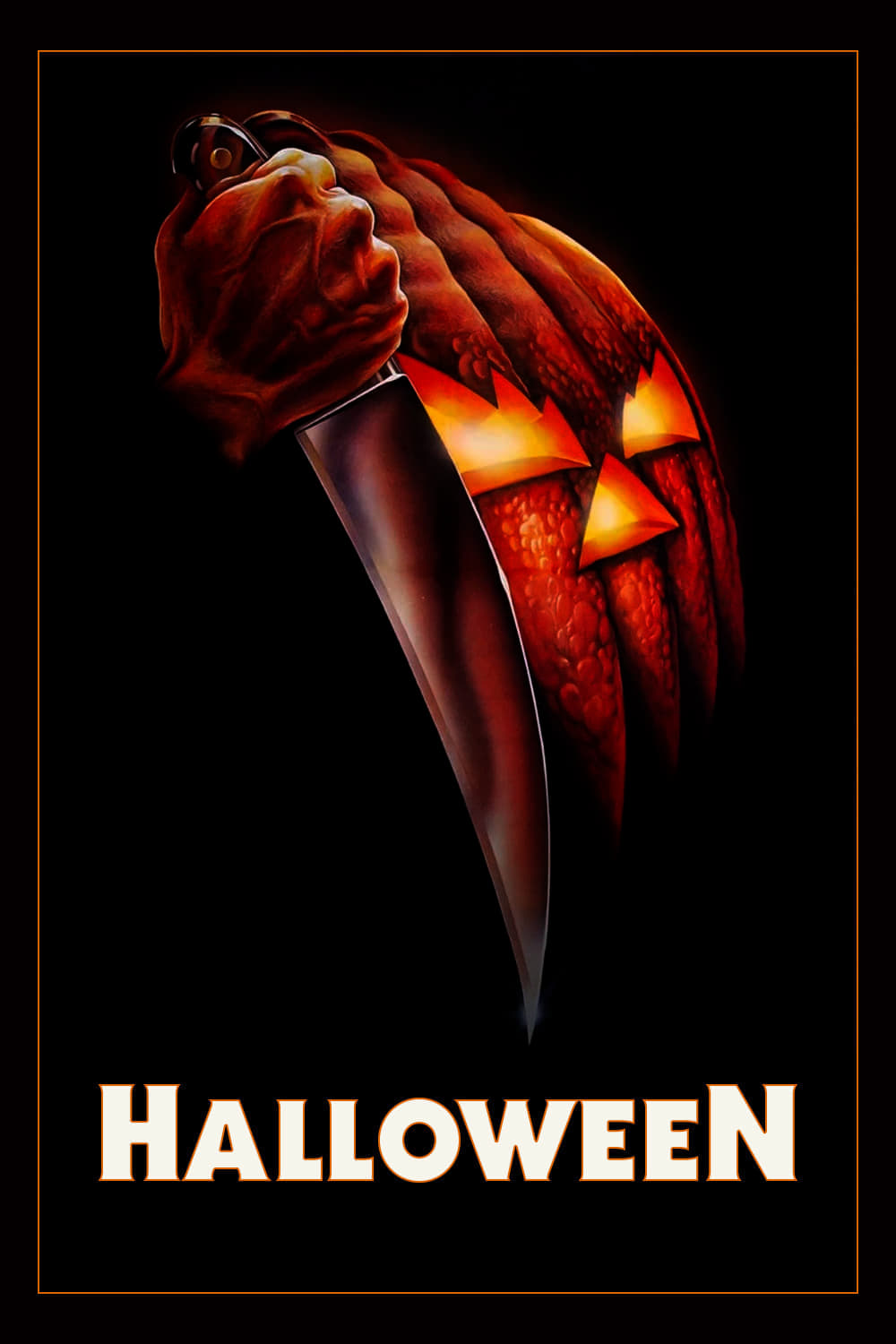
The ‘Halloween’ series encompasses multiple timelines: the original run, a continuity branch that revised earlier events, a reimagining, and a recent trilogy that served as a direct sequel path from the 1978 film. Different creative teams restored or ignored prior events depending on the arc, producing parallel continuities centered on the Michael Myers mythology.
Production cycles alternated between independent financing and studio distribution, influencing schedules, ratings targets, and marketing resources. Practical mask fabrication, location photography in Midwestern stand-ins, and seasonal release patterns around October became recurring hallmarks. Box-office performance historically spiked on opening weekends with strong per-theater averages tied to the franchise’s name recognition.
‘The Matrix’ (1999–2021)
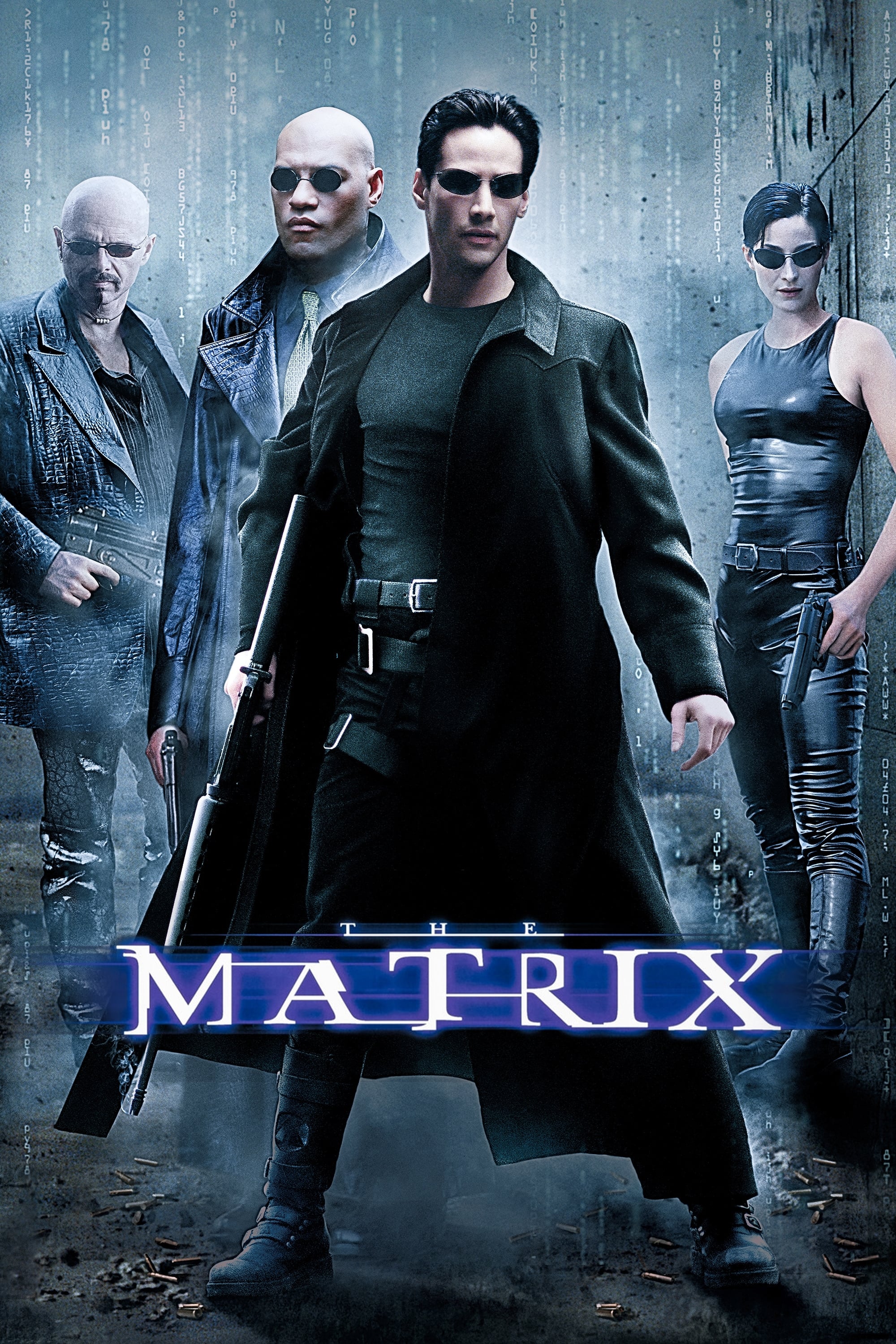
The ‘Matrix’ universe unfolded with a breakthrough first film, two sequels released months apart, and a follow-up that revisited the world long after. Ancillary media included ‘The Animatrix’, video games like ‘Enter the Matrix’ and ‘The Matrix Online’, and transmedia storytelling that linked cutscenes and short films to events referenced in the features.
Technically, the series popularized multi-camera bullet-time rigs, expanded wire-work choreography, and large-scale virtual-production techniques. The most recent entry navigated a day-and-date domestic rollout with streaming availability alongside theatrical play, illustrating how distribution models for legacy franchises shifted as studios balanced subscriber growth with worldwide box-office returns.
‘Jurassic Park’ / ‘Jurassic World’ (1993–2022)
The dinosaur saga progressed through two ‘Jurassic Park’ sequels before a modern trilogy under the ‘Jurassic World’ banner concluded. Each phase updated creature effects, blending animatronics from legacy shops with advances in digital skinning, muscle simulation, and on-set interaction tools to composite human performances with full-scale prehistoric species.
Filming spanned Hawaii, California, Louisiana, the U.K., and Malta, with large location units and extensive stage work for paddocks and laboratories. The franchise maintained strong merchandising, from toys and video games to theme-park attractions, while soundtrack motifs and production design—such as visitor-center architecture and gyrosphere vehicles—provided continuity across entries.
‘X-Men’ (2000–2019)
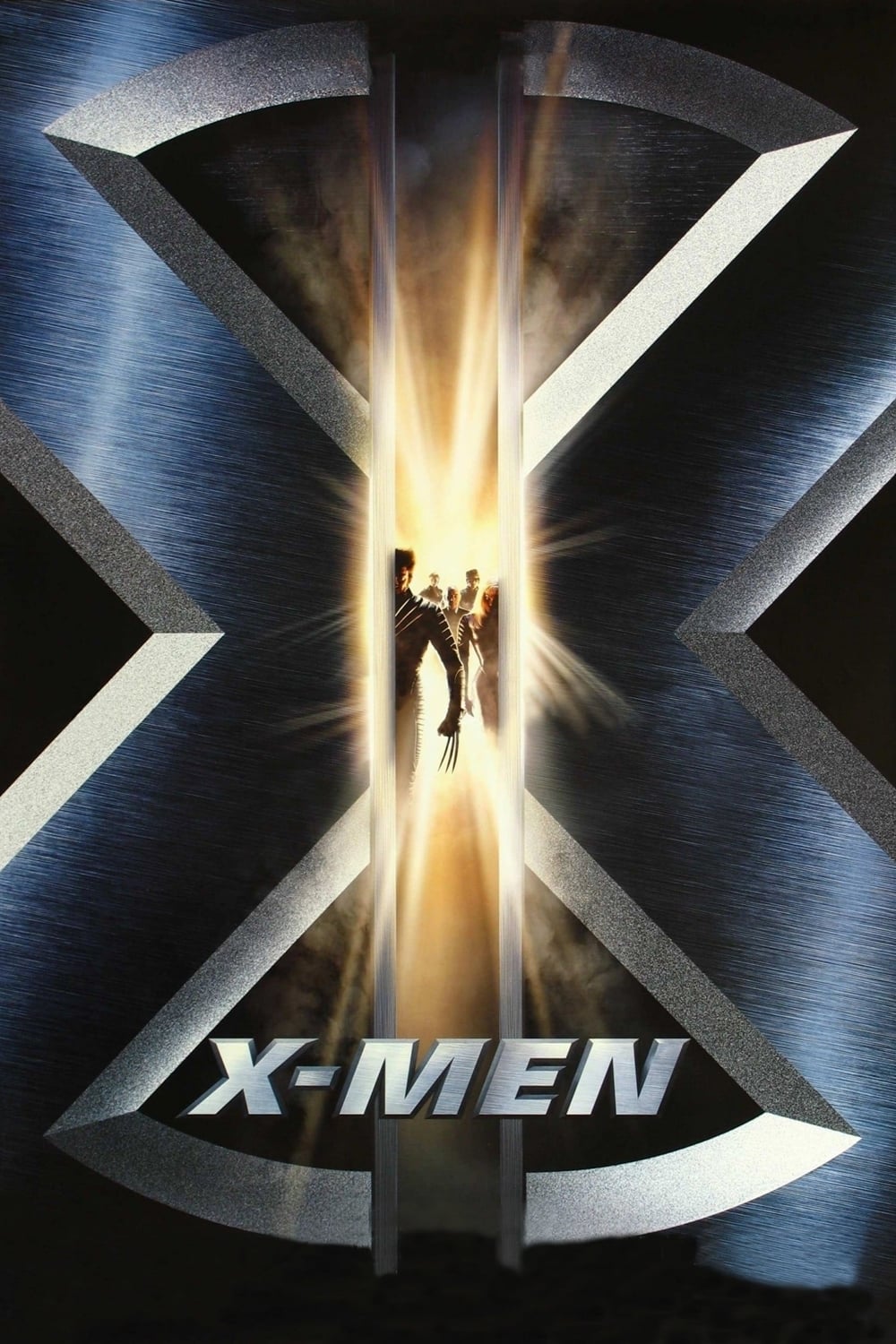
The ‘X-Men’ film cycle under 20th Century Fox included an initial trilogy, character spin-offs like ‘X-Men Origins: Wolverine’ and ‘Logan’, and a prequel series beginning with ‘X-Men: First Class’. ‘X-Men: Days of Future Past’ integrated casts from two eras via a time-travel storyline that reconciled prior plotlines, while later entries explored Phoenix-saga elements and young-team dynamics.
Production leveraged ensemble scheduling across large casts, with shoots in Canada, Georgia, New Mexico, and the U.K. Effects vendors developed mutant-power signatures—teleportation, magnetism, telekinesis—standardized across films to keep visual consistency. Release dates frequently targeted May and late-summer frames to align with comic-convention marketing cycles and school-holiday attendance.
‘Rambo’ (1982–2019)
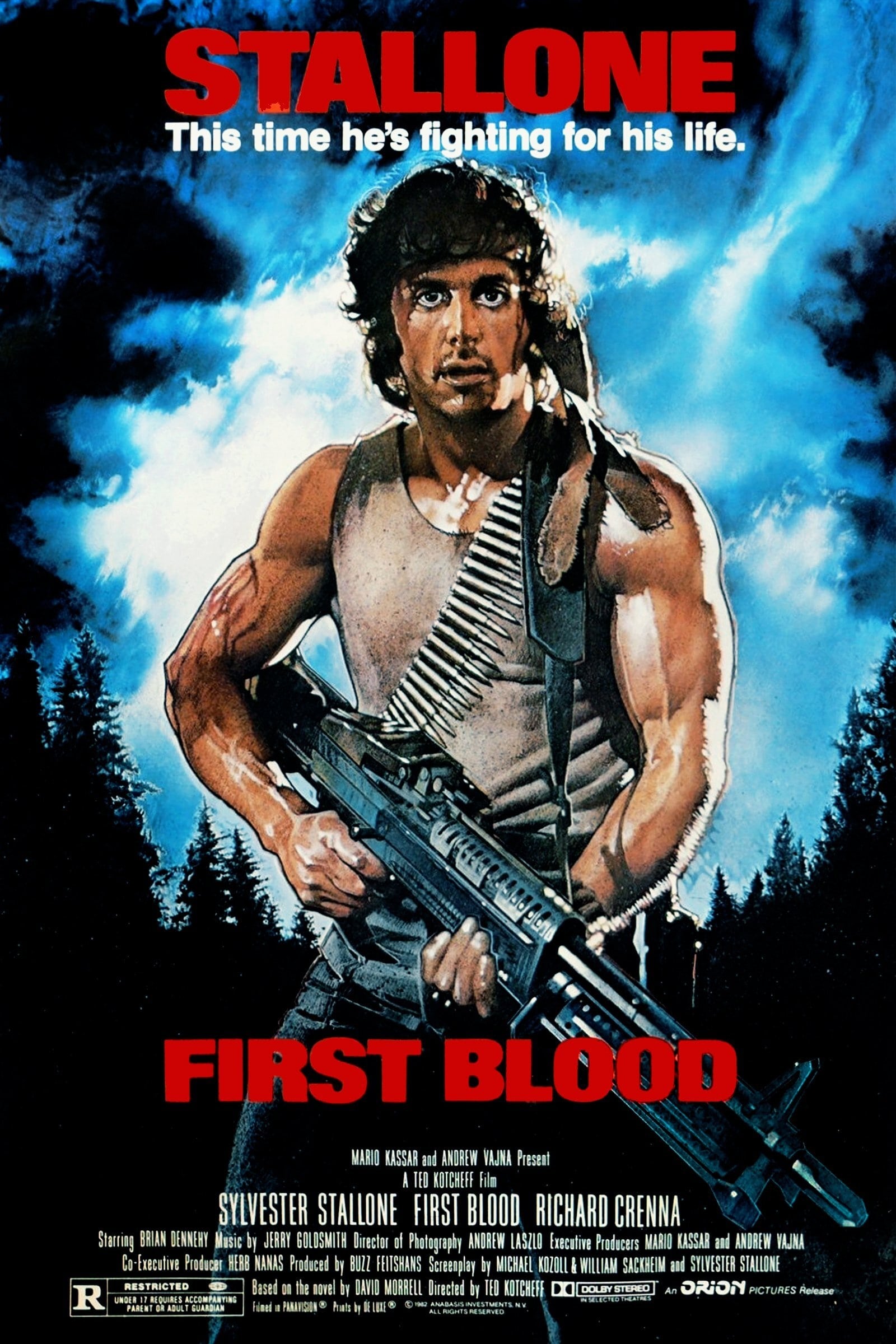
Across five films, ‘Rambo’ followed the character from a small-town confrontation to international conflict zones and later-life chapters set along the U.S.–Mexico border. Entries shifted from survival-thriller roots to larger-scale rescue missions, reflecting changes in geopolitical backdrops and action-cinema conventions over multiple decades.
Production moved through locations such as British Columbia, Arizona, Mexico, Thailand, and Bulgaria, using a mix of practical pyrotechnics and modern digital effects for battlefield sequences. The series’ release history includes significant gaps between entries, with home-video and cable syndication maintaining audience awareness and driving catalog sales that supported later revivals.
‘Resident Evil’ (2002–2016)
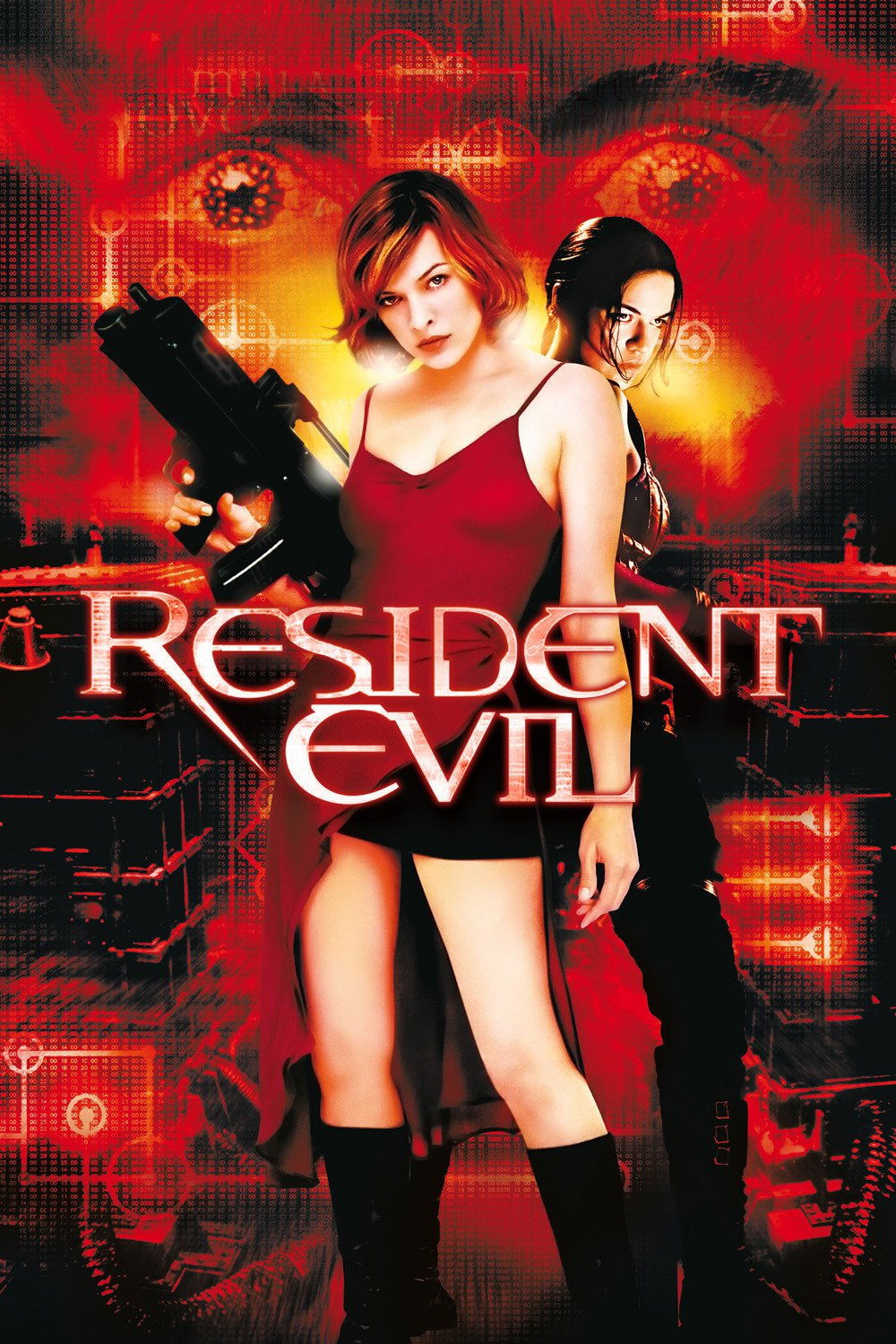
Adapted from Capcom’s game series, ‘Resident Evil’ produced six films under director Paul W. S. Anderson across multiple entries. The films combined on-location shoots in Europe and Canada with stage-built underground facilities, while creature work blended prosthetics with CG to realize bio-engineered threats tied to the Umbrella Corporation storyline.
The franchise coordinated with game releases and leveraged international distribution to sustain box-office momentum, particularly in territories receptive to action-horror hybrids. Tie-in animated features—released separately—expanded lore around characters from the games, creating dual tracks of live-action and CG projects that shared world-building elements like corporate conspiracies and viral outbreaks.
‘A Nightmare on Elm Street’ (1984–2010)
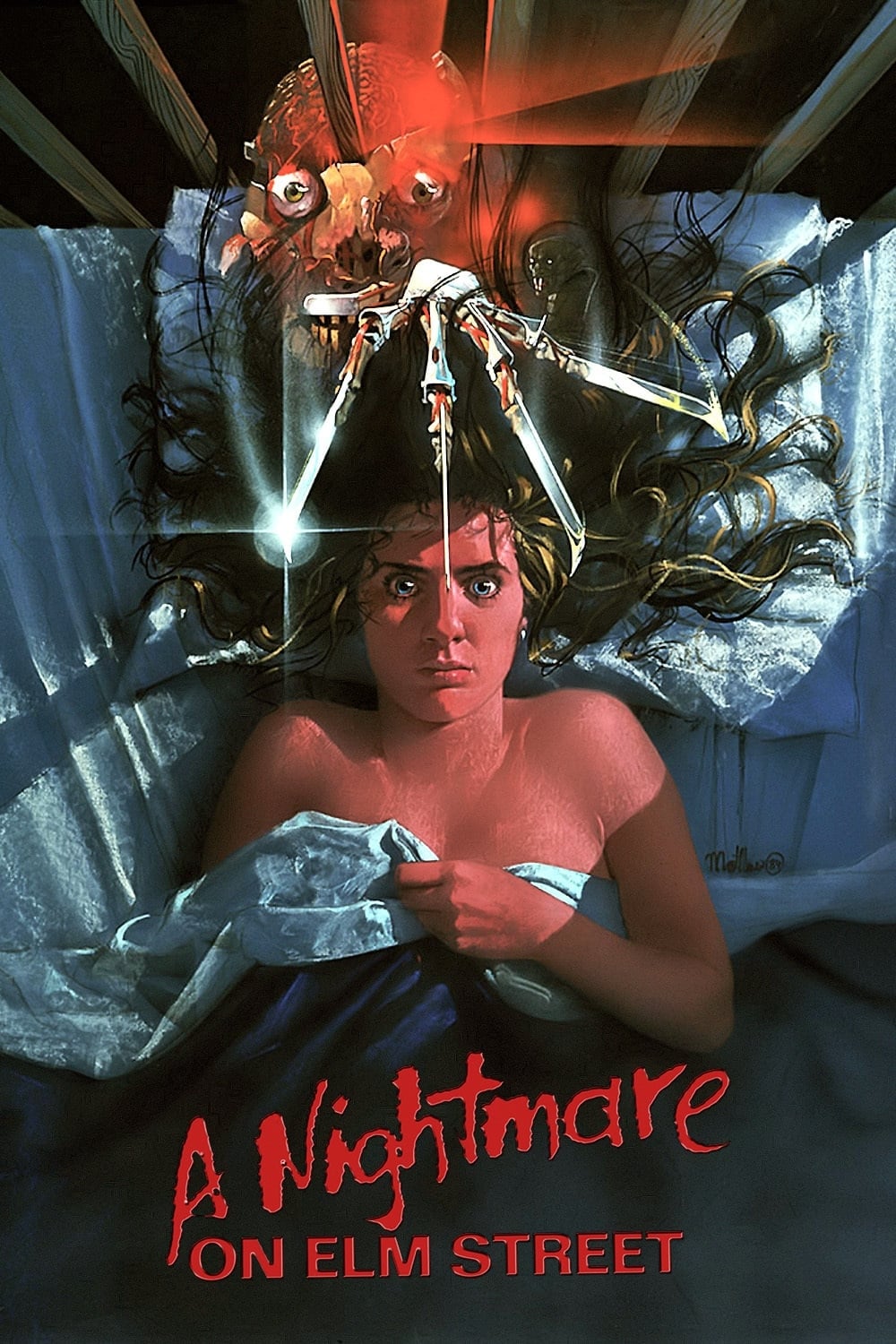
The ‘A Nightmare on Elm Street’ series produced multiple sequels, a meta-entry that folded in cast and crew as characters, a crossover with ‘Friday the 13th’, and a reimagining. Practical makeup effects defined the dream-realm visuals, with iconic prosthetics and stunt-driven gags executed through wire rigs, rotating rooms, and in-camera tricks later enhanced by VFX.
Release cycles typically targeted late-fall or early-summer windows favored by horror audiences, with marketing centered on recognizable imagery such as the glove and striped sweater. The series also supported a merchandising ecosystem of posters, collectibles, and home-video special editions, which kept catalog titles active between theatrical runs and introduced new viewers to earlier installments.
‘The Hangover’ (2009–2013)
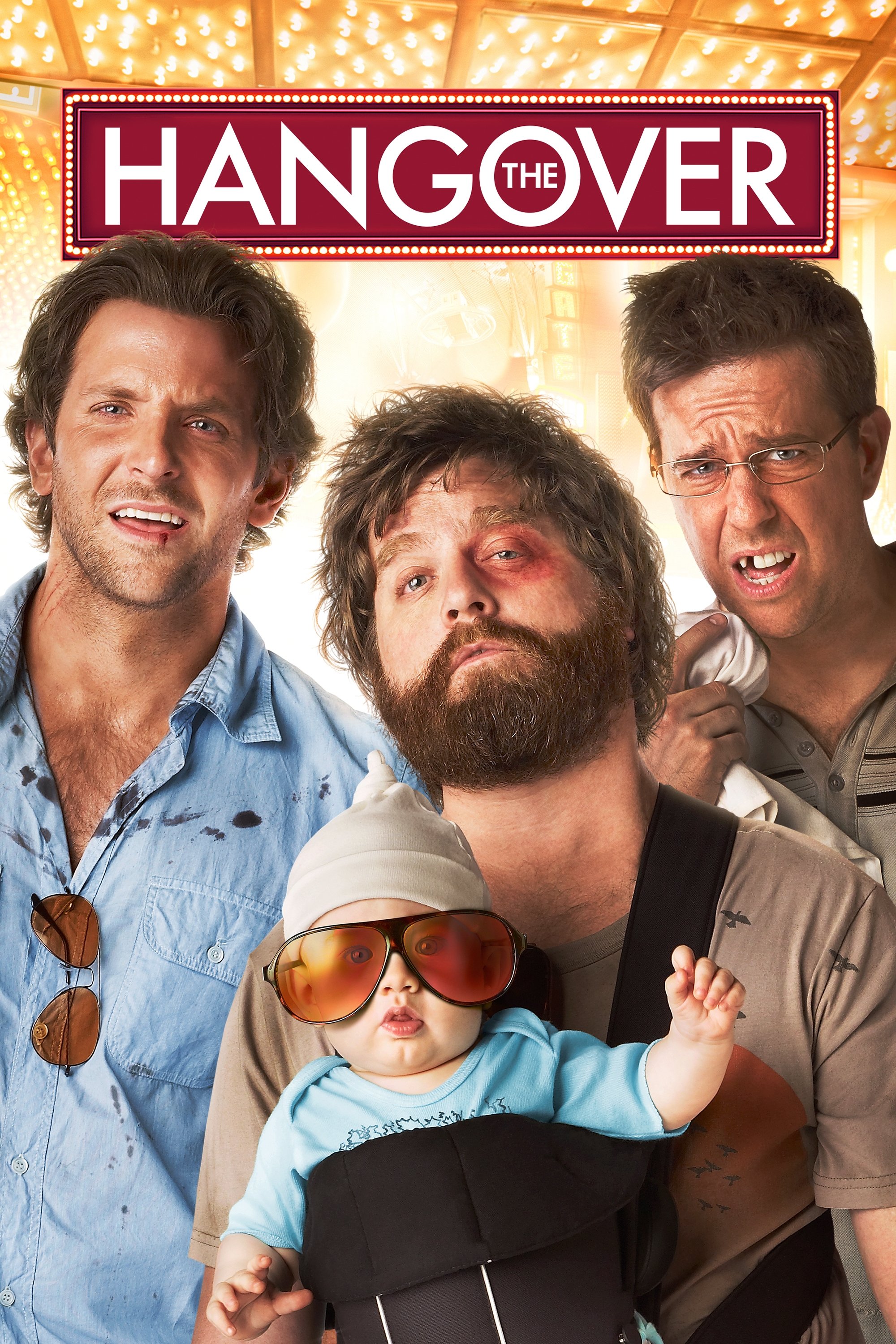
The comedy trilogy arrived in rapid succession, following a consistent ensemble through escalating travel-based scenarios. Filming took place in Las Vegas, Bangkok, and Los Angeles, with second-unit teams capturing nightlife plates and aerials to integrate with principal photography. The structure leaned on mystery-reconstruction devices—missing time, lost items—that drove each entry’s plot mechanics.
Box-office performance was strong for the first two films, supporting large-scale marketing partnerships and soundtrack placements that boosted brand visibility. Home-video unrated cuts and television airings extended audience reach, and international grosses contributed a significant share of the revenue profile, reflecting the franchise’s broad appeal across markets.
‘Police Academy’ (1984–1994)
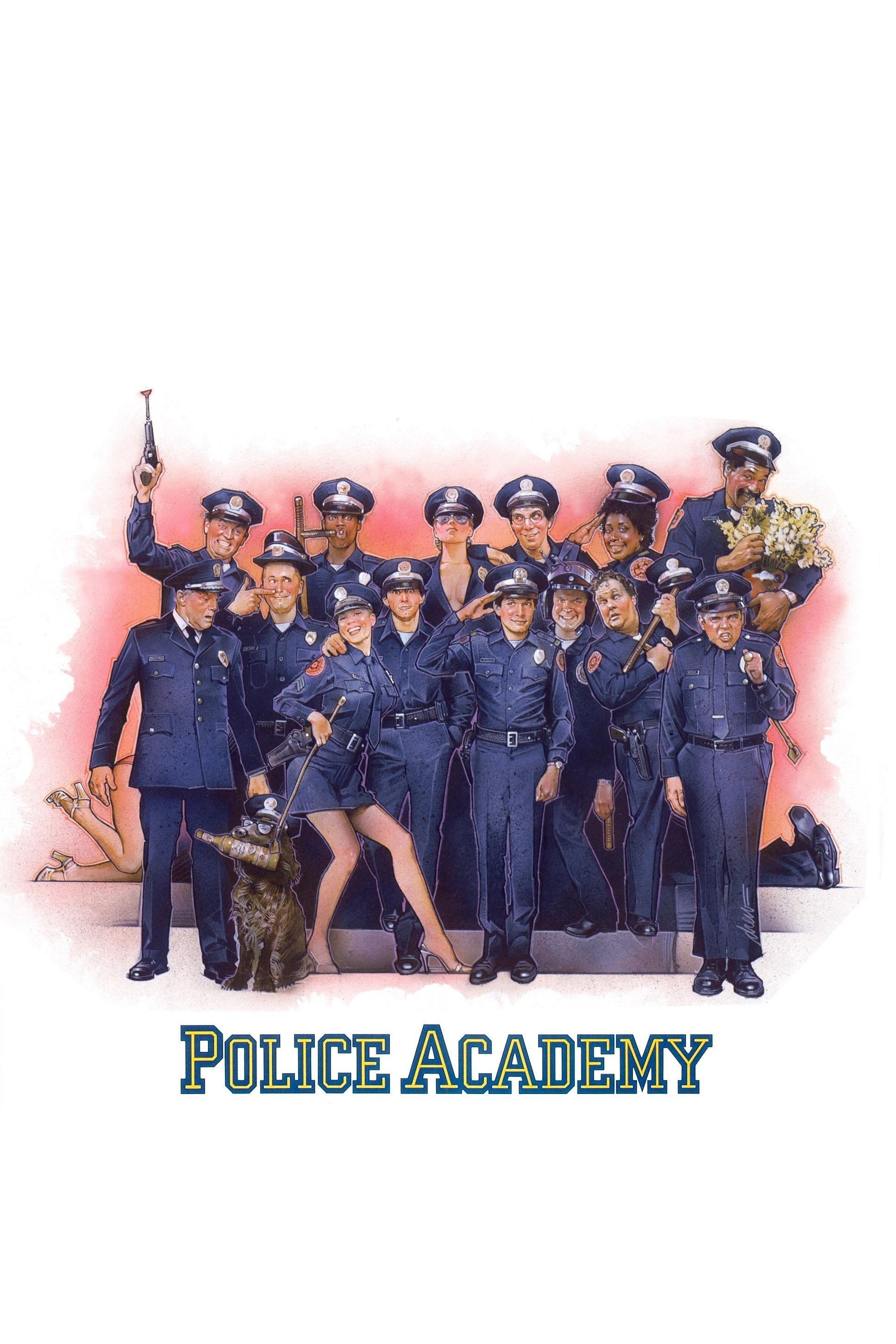
Over seven theatrical films, ‘Police Academy’ delivered an unusually dense output over a single decade for a comedy series. Ensemble casting carried forward recurring characters while rotating directors and writers adjusted comedic set-pieces to fit varying urban settings and institutional backdrops used across the entries.
Production schedules were notably fast, with overlapping development cycles that allowed annual or near-annual releases during the mid-run peak. The franchise expanded into animated television, merchandise, and touring stage shows, demonstrating how cross-media exposure sustained awareness even as theatrical performance fluctuated across later installments.
Share your picks in the comments—what other long-running film series do you think kept going long after they should have?