Top 15 Shocking Moments in Video Games


Some twists hit so hard that players still talk about them years later. These moments didn’t just deliver surprises — they reshaped how stories are told in games, pushed boundaries on interactivity, and sparked conversations about ethics, agency, and design. What follows is a tour through pivotal scenes and reveals that left players stunned and changed expectations for what games can do.
You’ll find plot turns, perspective flips, mechanical tricks, and fourth-wall breaks that became part of gaming’s shared language. For each entry, you’ll get quick context, why it mattered, and how the designers pulled it off — so even if you missed one the first time, you’ll know exactly why it made waves.
“Would You Kindly?” in BioShock
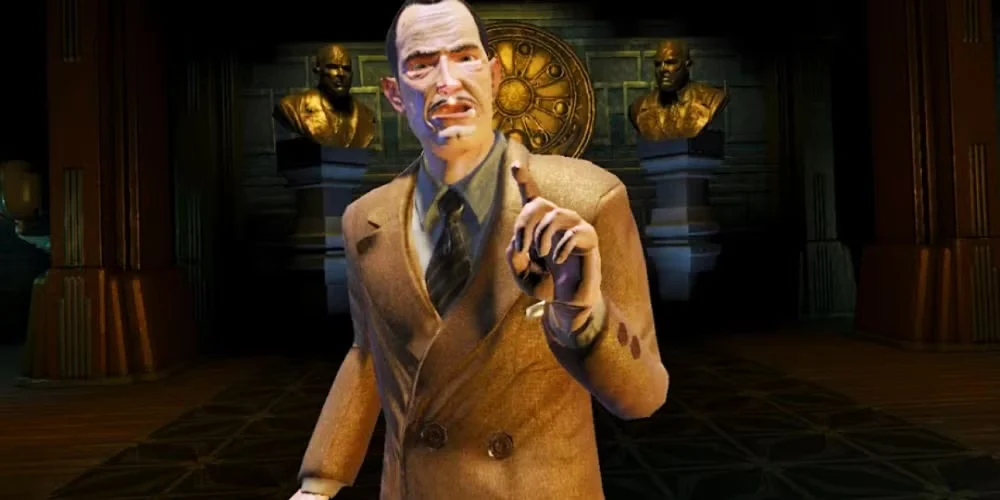
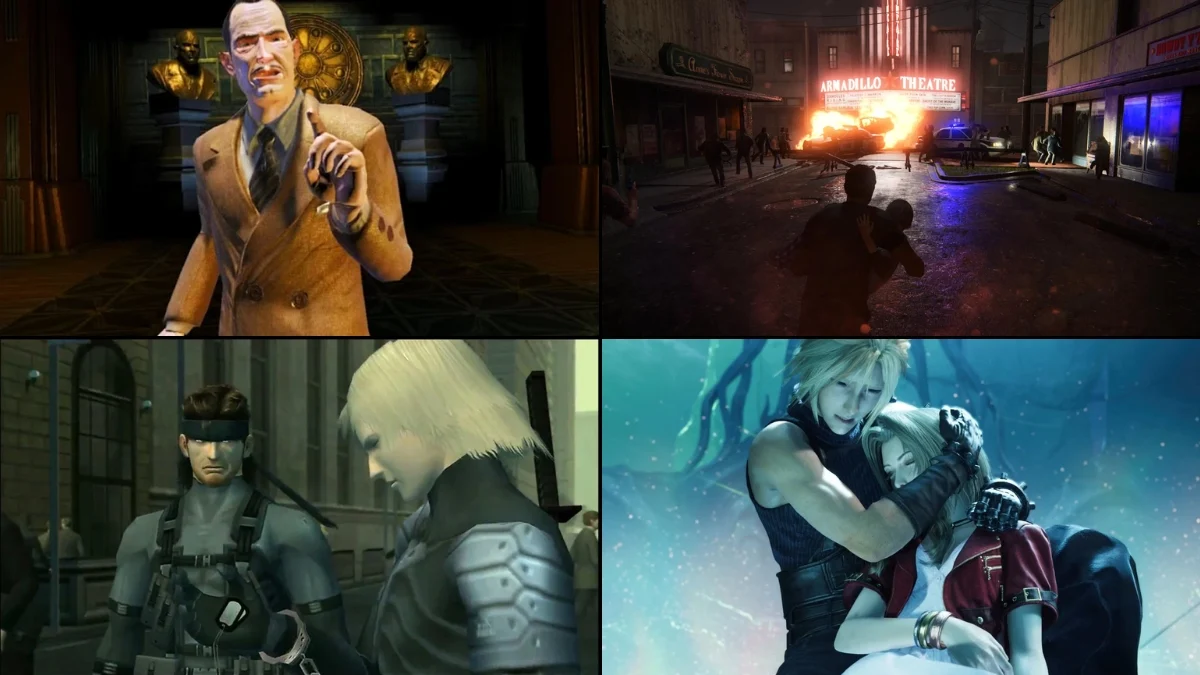
Midway through BioShock, the player-character Jack is revealed to be conditioned to obey the phrase “Would you kindly?”, which explains why objectives were consistently accepted whenever Atlas used that wording. The twist recontextualizes earlier missions, including assassinations executed under the trigger.
The game surfaces the backstory through audio logs, environmental clues, and a forced sequence that culminates in the encounter with Andrew Ryan. This alignment of narrative conditioning with mission structure critiques the illusion of player agency by tying compliance directly to a repeated command.
Aerith’s Death in Final Fantasy VII
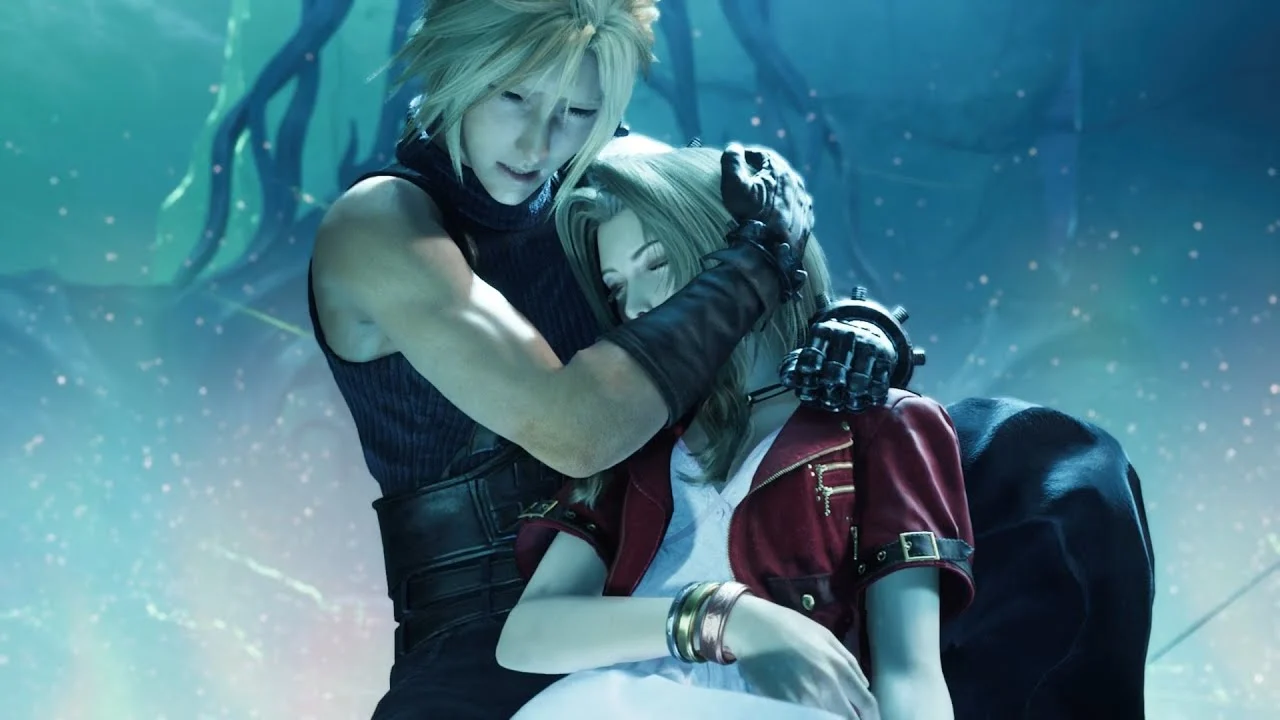
In Final Fantasy VII, Sephiroth kills Aerith during a temple sequence, permanently removing a core party member after significant story investment and character progression. The scene follows hours of plot setup that positions Aerith as central to stopping the Planet’s crisis.
Mechanically, the loss is irreversible: no items or spells can revive her, forcing changes to party composition, materia builds, and combat strategies for the remainder of the game. The event also shifts narrative focus to the consequences of the Jenova and Sephiroth arcs.
“No Russian” in Call of Duty: Modern Warfare 2
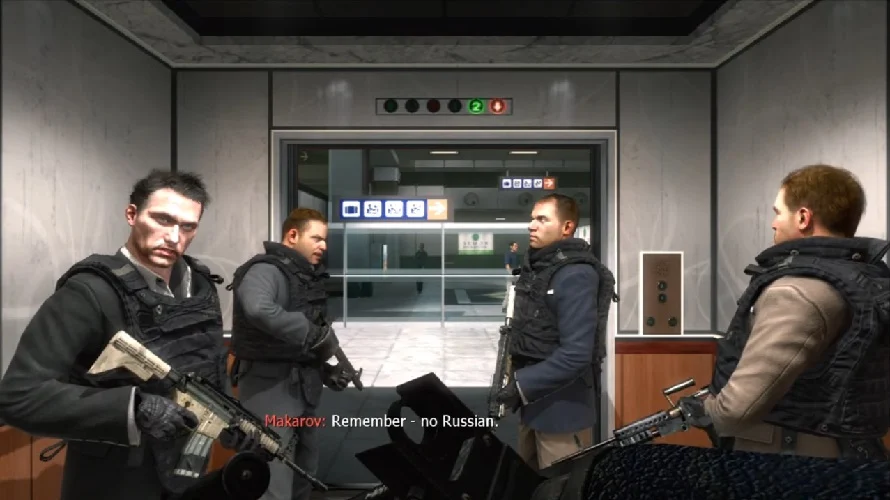
The airport mission casts the player as an undercover operative alongside Vladimir Makarov during a mass-casualty attack, presented with a content warning and an option to skip. The level deliberately restricts typical shooter feedback loops — there’s no scoring or timer — and slows movement to keep the player within the scene.
Narratively, the aftermath frames the attack as part of a false-flag operation that escalates the broader conflict. The mission’s structure, with its constrained agency and explicit disclaimers, amplified discussions about depiction, player perspective, and content settings in later releases.
The Opening Night in The Last of Us
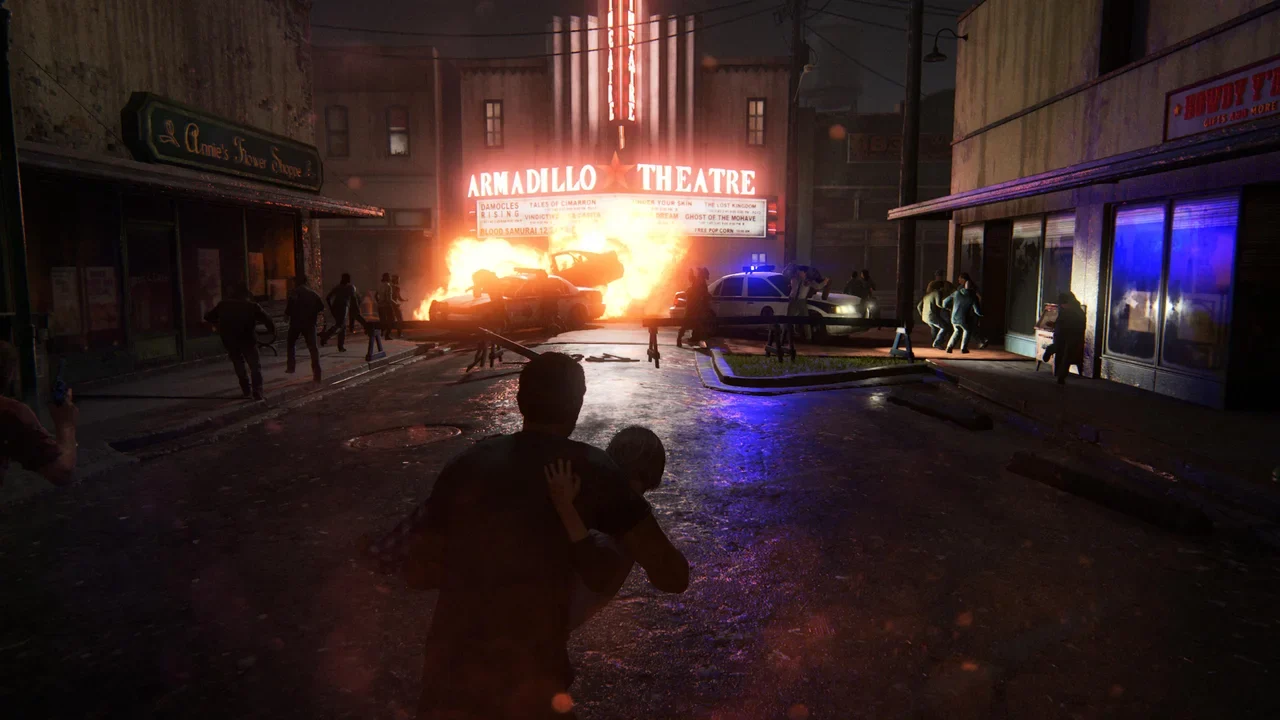
The Last of Us begins with the outbreak seen through Sarah, Joel’s daughter, tracking escalating emergency responses by car radio, sirens, and neighborhood incidents. The sequence ends with Sarah’s death, establishing Joel’s trauma before the time jump.
Production-wise, it blends real-time cinematics with playable segments and seamless control handoffs. Environmental storytelling — toppled signs, frantic NPC routing, and blocked roads — sets the world’s collapse while teaching movement and camera framing that carry into later chapters.
The White Phosphorus Strike in Spec Ops: The Line
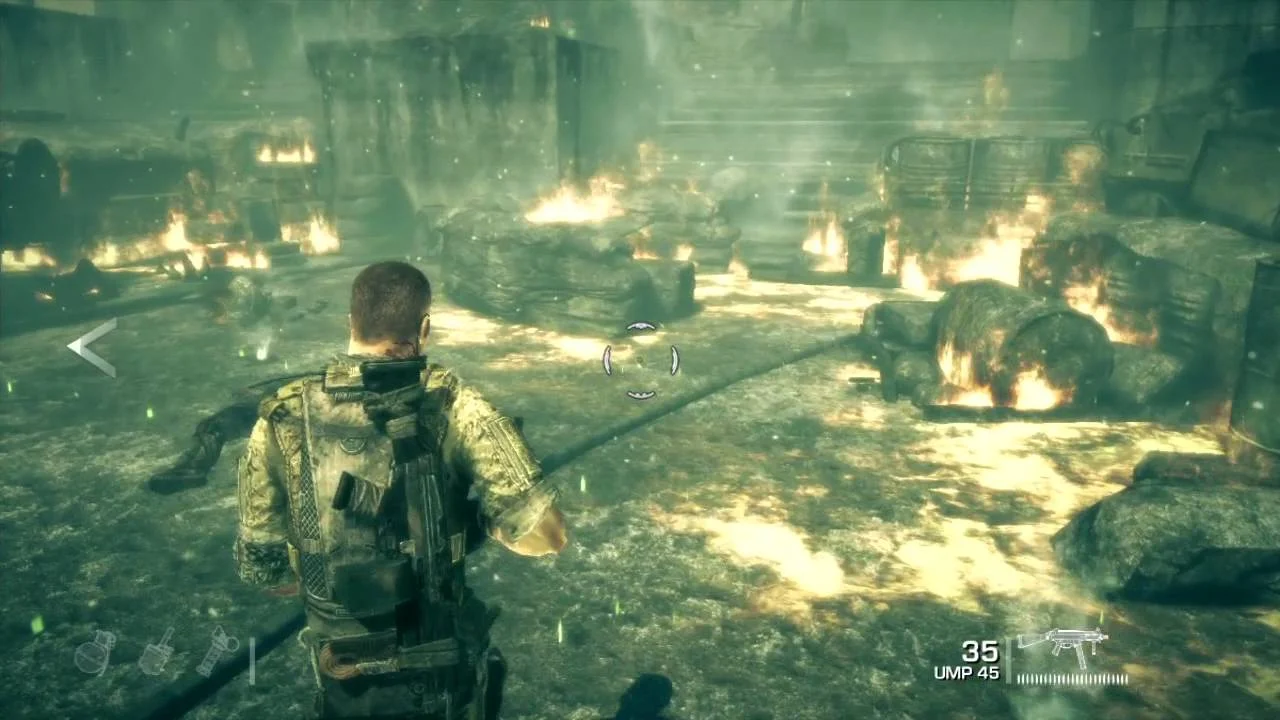
A mid-campaign objective has players deploy white phosphorus against a fortified position using a thermal interface that obscures identities on the ground. The subsequent walk through the site reveals the casualties were civilians, not only combatants.
Progression requires completing this sequence; alternate paths aren’t provided. The game reinforces consequences through altered voice lines, loading-screen text, and character deterioration, using systems and presentation to interrogate “necessary-evil” mission design.
Samus Is a Woman in Metroid
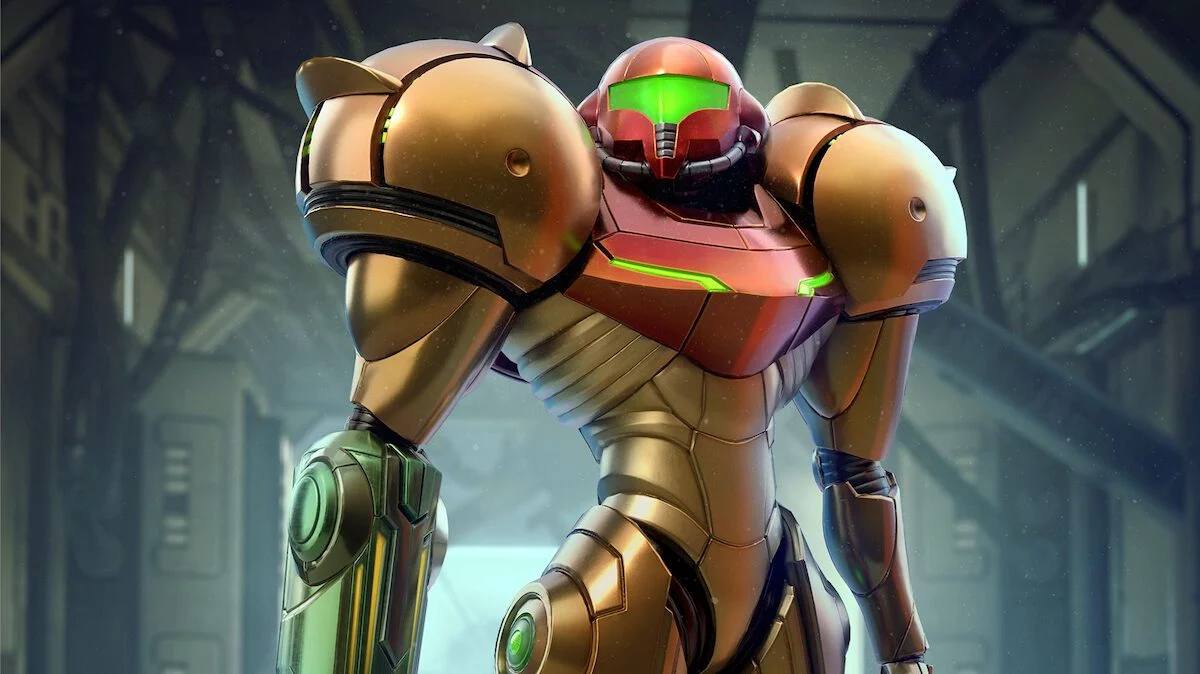
Clearing Metroid under specific conditions reveals Samus Aran without the Power Suit, confirming the protagonist is a woman — an uncommon identity reveal for a 1986 action game. Different endings show more or less of the reveal based on completion time.
The password-based save system and time-ranked endings tie performance to narrative information. By linking speed and thoroughness to character revelation, the game set a precedent for skill-gated story content in action-platformers.
James’s Truth in Silent Hill 2
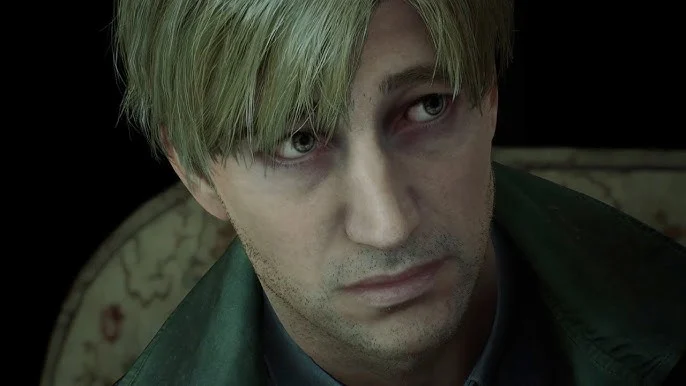
Near the conclusion of Silent Hill 2, a videotape and subsequent encounters confirm that James Sunderland killed his wife, Mary, reframing the town’s manifestations as guilt-driven. Earlier environmental details — enemy designs, letter fragments, and object placements — gain explicit context.
Ending outcomes hinge on subtle behavior flags like health item usage, attention to specific objects, and dialogue choices. The system records playstyle to steer the finale, integrating player actions into psychological profiling.
The Nuclear Detonation in Call of Duty 4: Modern Warfare
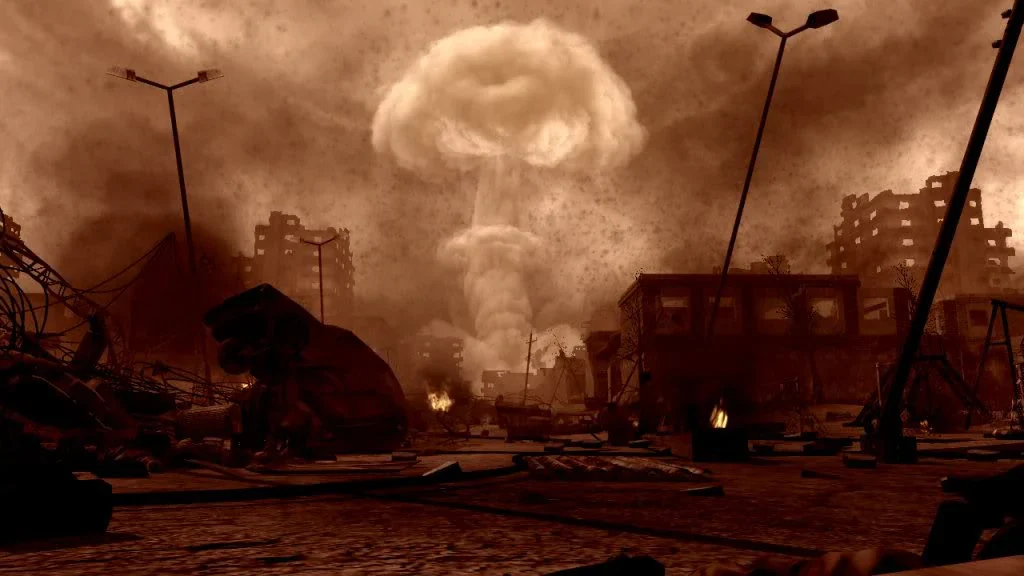
Following a rescue attempt, a nuclear device detonates, killing the player-character Marine and the unit. A brief, controllable crawl through the aftermath confirms there’s no recovery or continuation for that protagonist.
This one-off perspective loss demonstrates irreversible consequence in a linear campaign with multiple viewpoints. It also establishes stakes that inform later missions while maintaining story momentum through other playable characters.
The Raiden Switch in Metal Gear Solid 2: Sons of Liberty
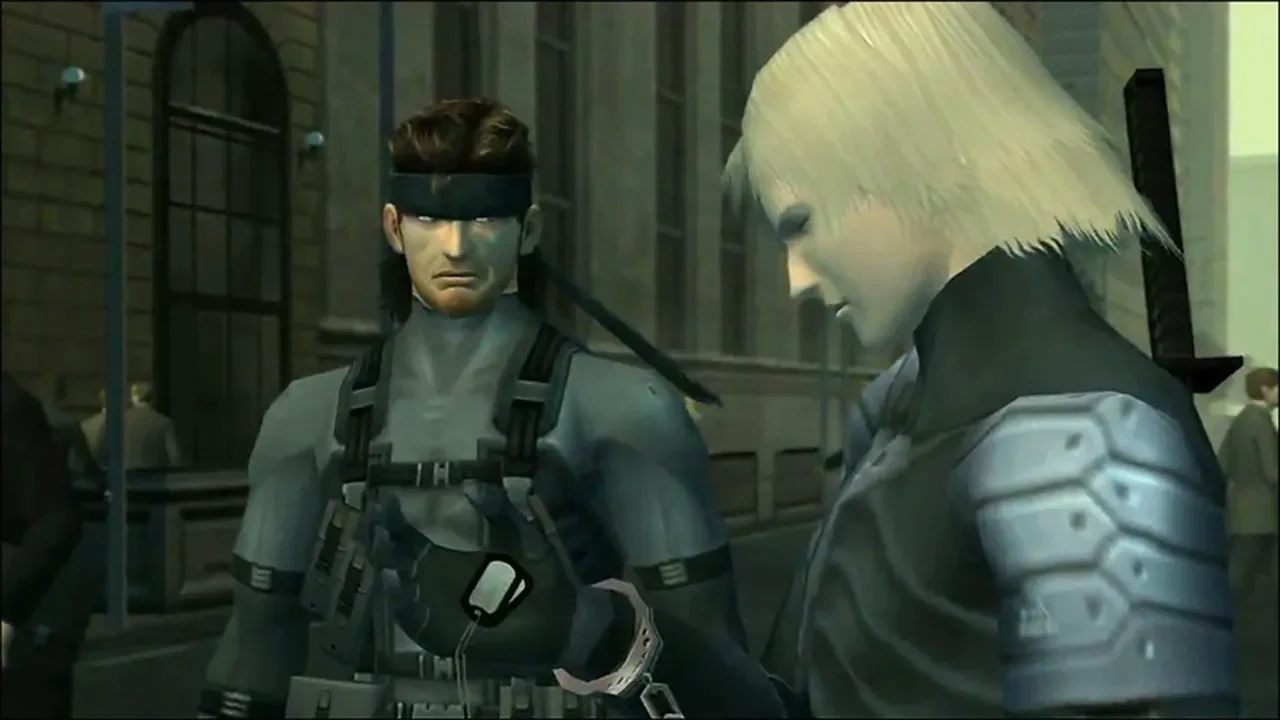
After a prologue starring Solid Snake, the main campaign unexpectedly shifts control to Raiden, a character not emphasized in pre-release materials. From that point, codec interactions, mission briefings, and character relationships center on Raiden.
The transfer is total: move sets, equipment handling, and narrative framing pivot to the new protagonist. Late-game sequences expand the switch into commentary on information control through scripted codec events and meta tutorials.
Psycho Mantis Reads Your Memory Card in Metal Gear Solid
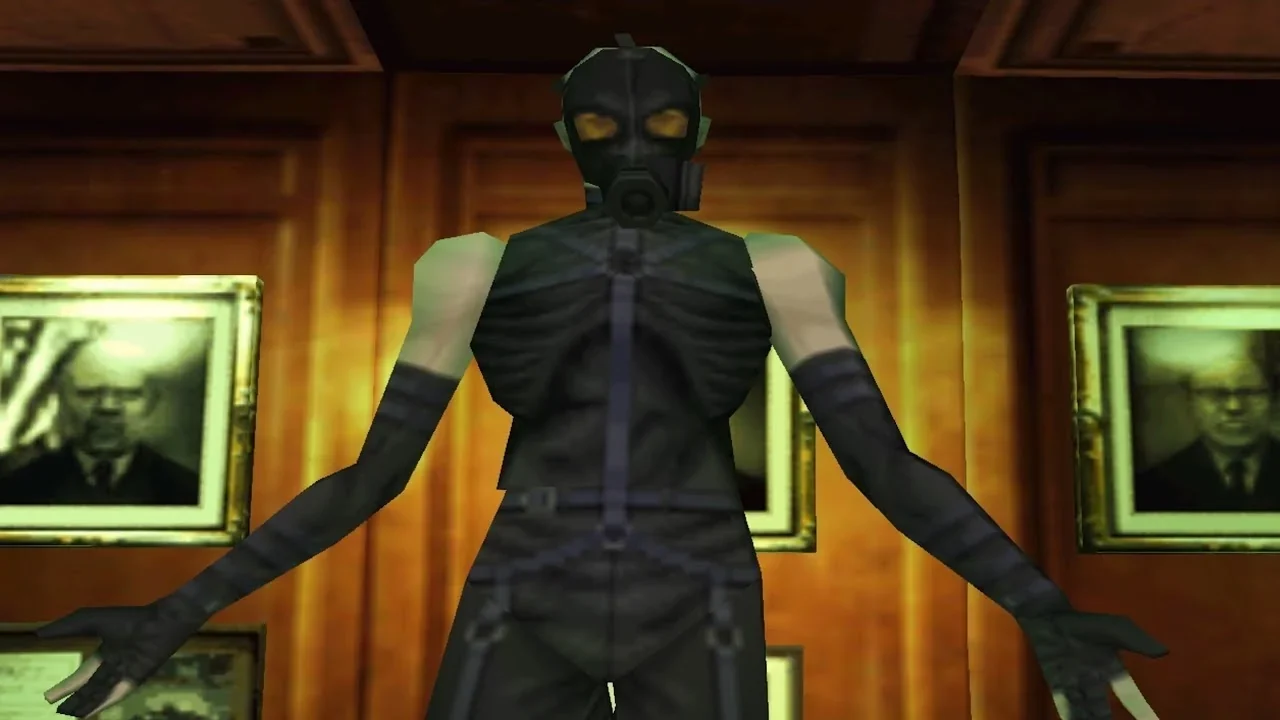
The Psycho Mantis boss fight accesses save data from the console’s memory card to comment on other Konami titles and simulates input loss by “moving” the screen. To bypass his “mind-reading,” players must plug the controller into port 2.
This encounter uses hardware as the puzzle key rather than an in-game item. By requiring a physical controller swap on PlayStation, it demonstrated a console-aware solution integrated directly into boss design.
GLaDOS’s Betrayal in Portal
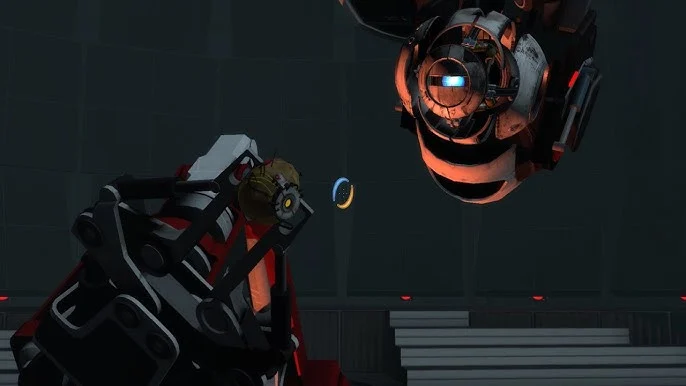
After completing test chambers, GLaDOS routes Chell toward an incinerator instead of an exit, turning the structured puzzle loop into an escape through maintenance spaces. The shift repurposes familiar cubes, portals, and timing into improvised traversal.
Level geometry, voice prompts, and behind-the-scenes corridors maintain continuity with earlier mechanics while changing objectives. The finale then reorganizes those same tools into a boss sequence built from the core physics systems.
Deleting Yourself for Others in Nier (Ending D)
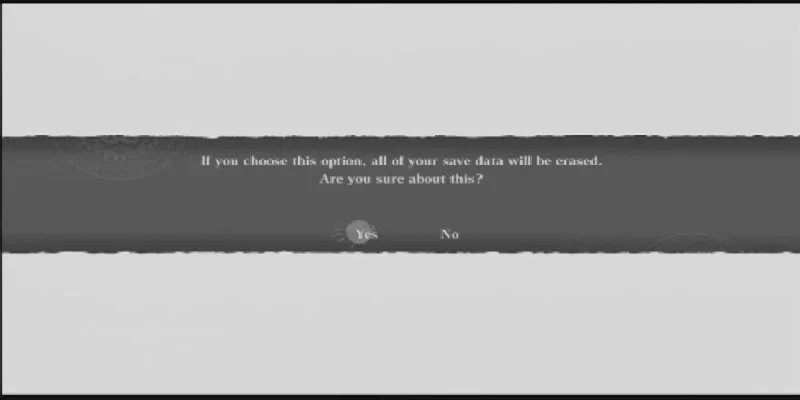
In the original 2010 Nier, choosing Ending D permanently deletes all of the player’s save data tied to that file, removing weapons, quests, and progression. The game also prevents reuse of the deleted character’s name on that profile, confirming the action through multiple prompts.
This deletion follows a structure where prior endings unlock new scenes and perspectives on repeat playthroughs. By binding a character’s narrative sacrifice to irreversible file removal, the design extends story consequence beyond a single run.
Sans’s Fight in Undertale’s Genocide Route
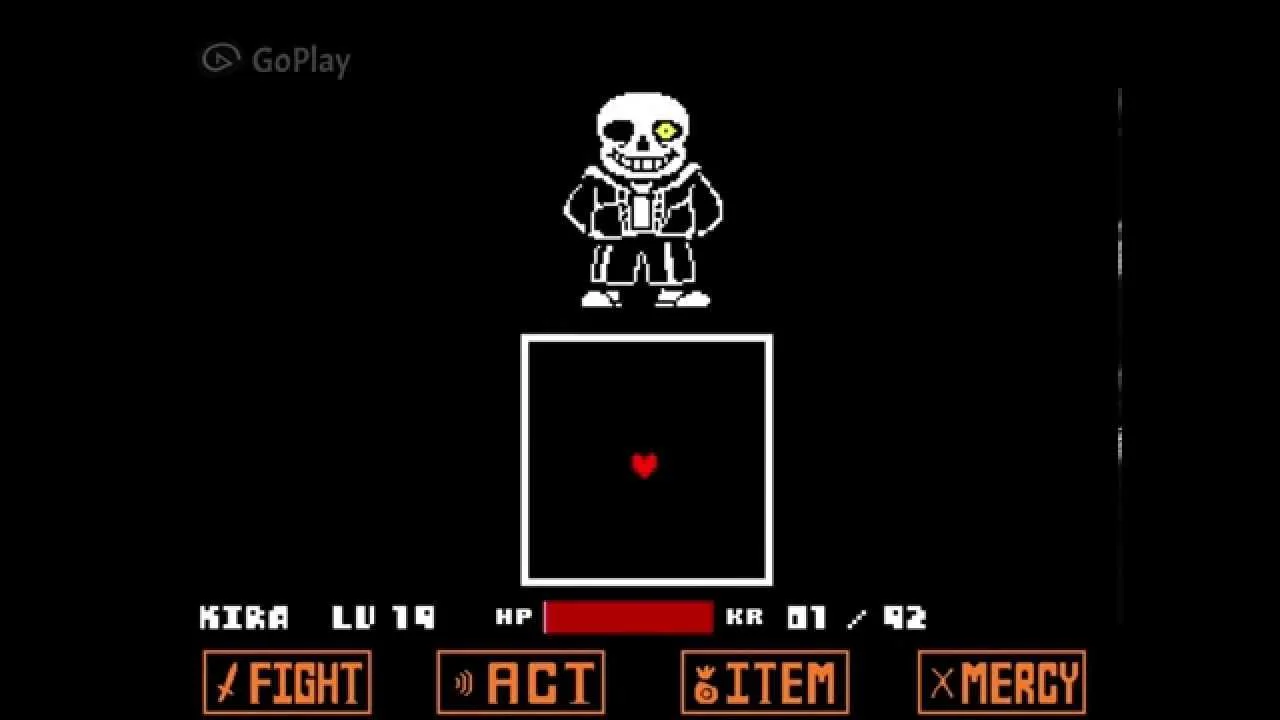
Committing to the Genocide route by eliminating all encounters in each area leads to a climactic fight with Sans that breaks typical RPG expectations. He dodges the player’s attacks and introduces gravity-shift platforming within a turn-based frame.
Undertale tracks behavior across saves and restarts, with characters acknowledging resets and prior choices. The Sans encounter functions as a systems audit of those actions, using bullet-hell patterns, status effects, and meta-aware dialogue to enforce consequences.
Crono’s Death in Chrono Trigger
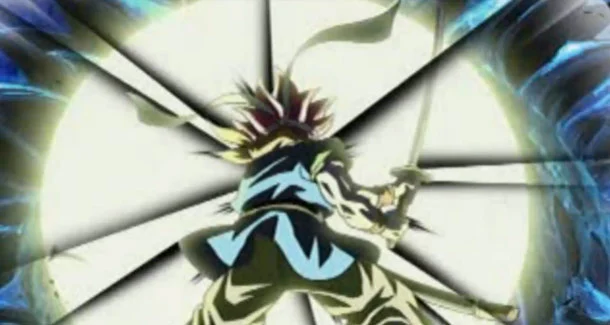
During the confrontation with Lavos, the protagonist, Crono, dies, removing the default party leader from play. The story continues without him, opening optional routes that adjust character focus and quest availability.
Players can pursue side content to obtain the Time Egg and attempt to restore Crono through a specific sequence involving time-manipulation artifacts. The event demonstrates flexible progression that accommodates a major narrative loss without halting the campaign.
Fourth-Wall Fractures in Eternal Darkness: Sanity’s Requiem
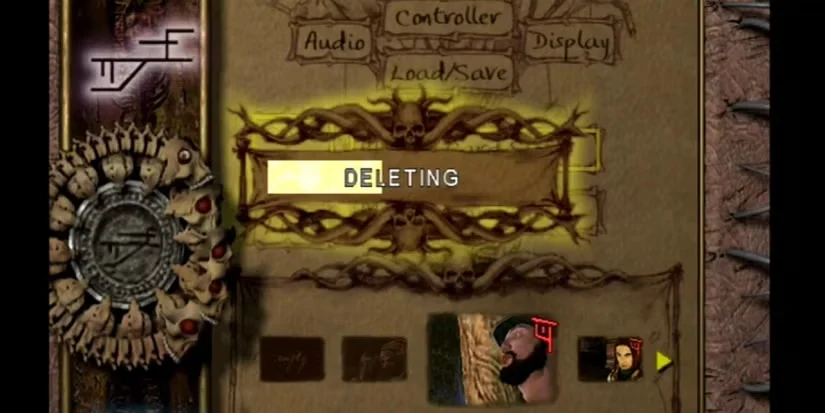
As sanity decreases, Eternal Darkness triggers “sanity effects” that mimic system issues: fake volume changes, screen transitions, save-deletion prompts, and crash-like cutaways. These are tied to room triggers and sanity thresholds rather than random rolls.
Because the effects impact perception of the console state, players learn to manage sanity as a resource alongside health and magic. The system integrates with spellcraft and enemy design, making mental stability a tactical factor across chapters.
Share the shocking gaming moment that floored you most in the comments!