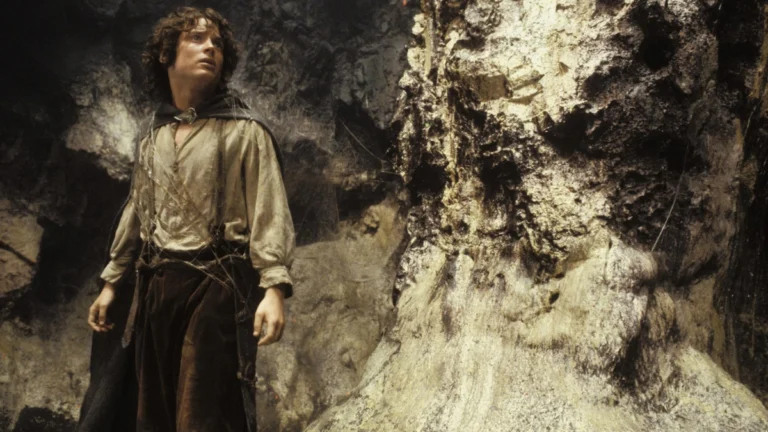
10 Things You (Probably) Didn’t Know About The Lord of the Rings: The Return of the King


‘The Lord of the Rings: The Return of the King’ is one of the most celebrated fantasy films ever made, closing out the trilogy with record-breaking awards and unforgettable moments. Fans know the big battles and emotional farewells, but behind the scenes, there are plenty of fascinating details that don’t always make it into the spotlight. From unusual filming choices to last-minute changes, the final chapter of Middle-earth holds more secrets than you might expect.
This movie was not only a massive achievement for Peter Jackson and his team, but it also left a cultural mark that still resonates today. The film pushed technical boundaries, showcased groundbreaking visual effects, and brought Tolkien’s world to life in a way that set a new standard for fantasy storytelling. Here are ten surprising things you may not know about this iconic film.
Viggo Mortensen Performed His Own Stunts
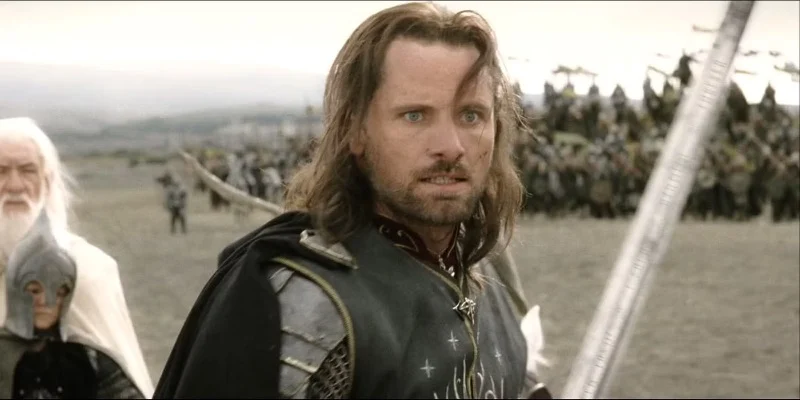
Viggo Mortensen, who played Aragorn, was deeply involved in the physical side of the role. He chose to perform many of his own stunts to keep the character authentic, even in dangerous fight sequences. His dedication helped give Aragorn’s battles a raw and believable edge.
During production, Mortensen trained extensively with weapons and horseback riding. He became so skilled with a sword that the stunt coordinators often praised him as one of the most natural fighters on set.
Andy Serkis Did More Than Gollum’s Voice
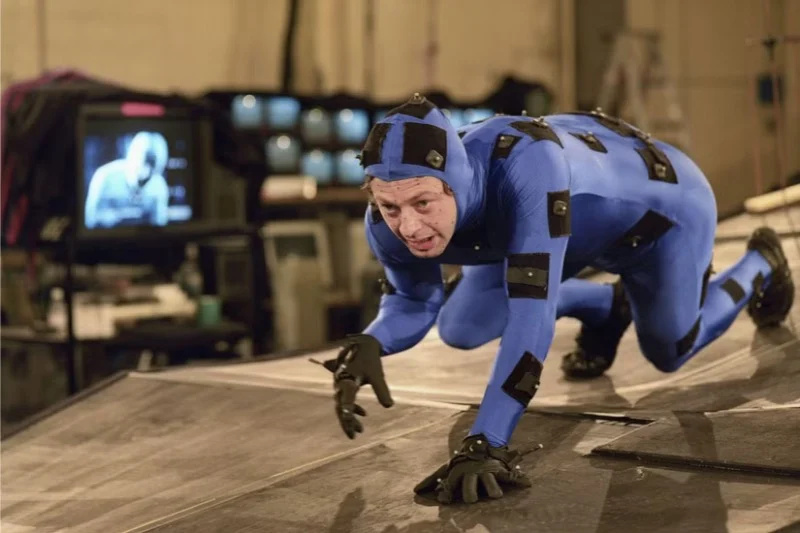
While Andy Serkis is best known for his groundbreaking motion capture performance as Gollum, his contributions went beyond acting. He also worked with the special effects team to refine how Gollum’s movements and expressions translated into digital animation.
Serkis even helped direct scenes that involved Gollum’s interaction with other characters, making sure the digital performance blended seamlessly with live-action footage. His behind-the-scenes work was crucial in bringing the character fully to life.
The Beacon Lighting Was Shot in New Zealand’s Mountains
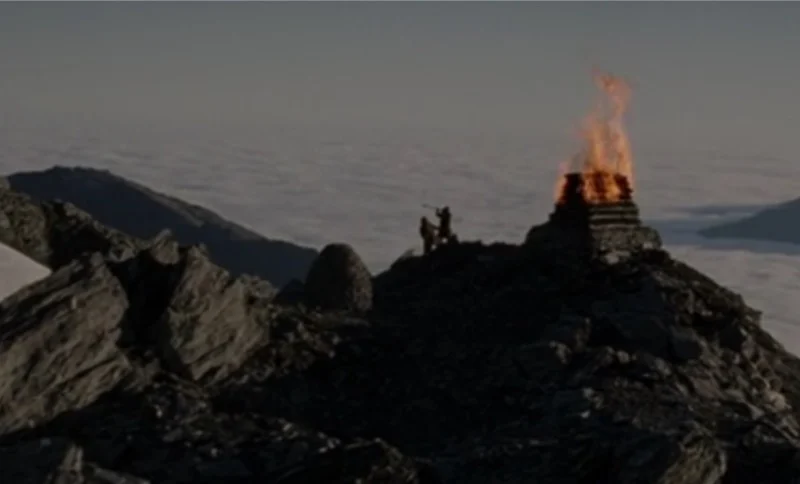
One of the most iconic moments in the film is the lighting of the beacons, a breathtaking sequence across snow-covered peaks. Many fans assume it was created with CGI, but much of it was filmed practically in New Zealand’s Southern Alps.
The crew hiked into remote mountain areas to set up massive beacon pyres, creating the authentic look of fire stretching across a vast landscape. This commitment to practical effects gave the sequence its unforgettable realism.
Sean Astin Injured His Foot on Set
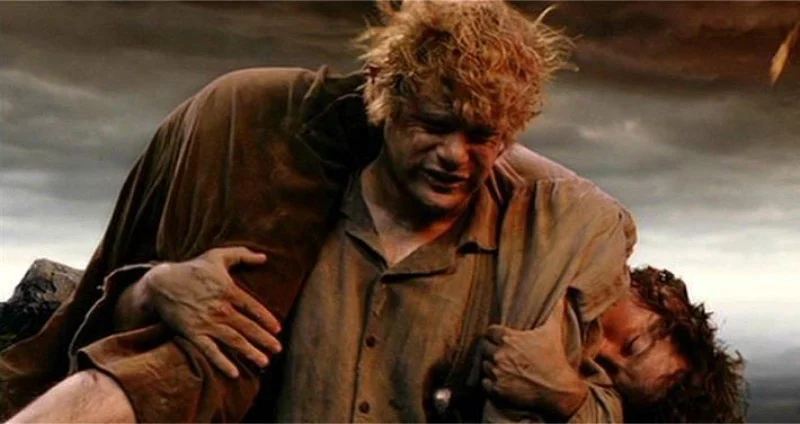
During one scene where Sam rushes into a river to help Frodo, Sean Astin cut his foot on a sharp piece of glass hidden in the water. The injury was serious enough that he needed stitches, delaying filming for part of the day.
Despite the accident, Astin returned quickly to finish his scenes. His determination matched the loyalty of Samwise Gamgee, adding an extra layer of real-world courage to the performance.
The Battle of the Pelennor Fields Took Months to Film
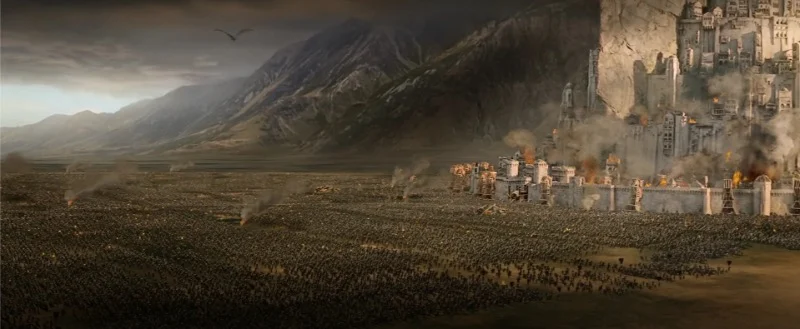
The massive battle outside Minas Tirith was one of the most complex sequences in the trilogy. It required hundreds of extras, detailed costumes, and advanced CGI to bring armies of orcs, horses, and siege weapons to life.
Filming stretched over several months, with reshoots and special effects continuing long after principal photography. The scale of the sequence pushed the production team to new creative heights and set a benchmark for epic battles in cinema.
The Film Had Multiple Endings Shot
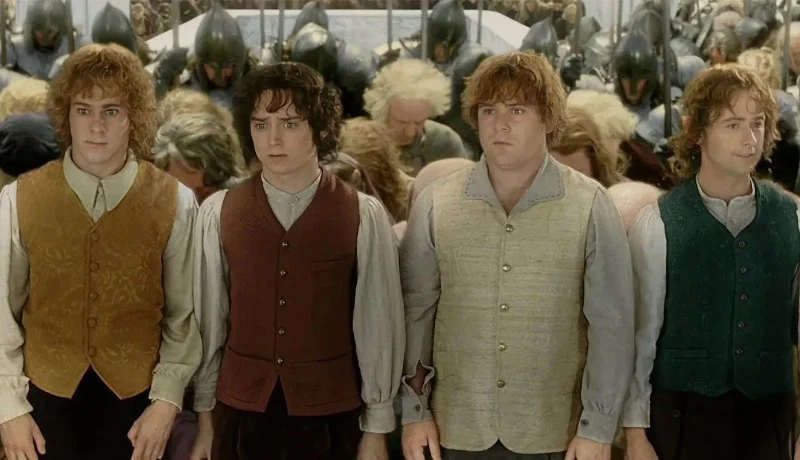
Fans often joke about the number of endings in the movie, but in reality, Peter Jackson shot several different variations before settling on the final cut. Some scenes were rearranged or shortened to help the film flow more smoothly.
The team worked hard to balance Tolkien’s detailed conclusion with the pacing of a feature film. The result was a series of emotional farewells that honored the source material while still working for movie audiences.
Aragorn’s Crown Was Designed With Historical Influence
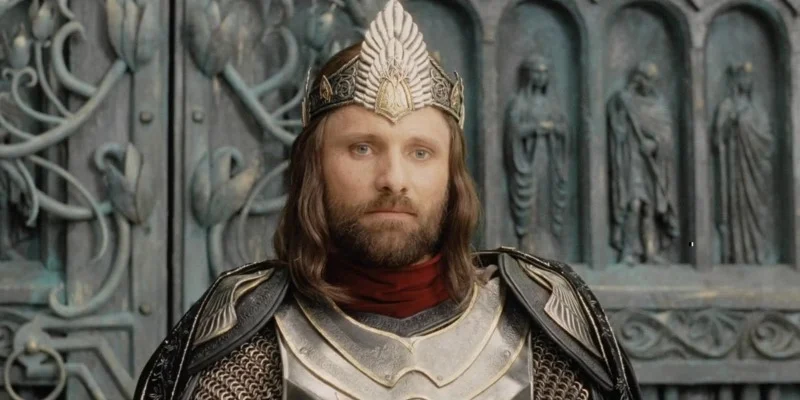
When Aragorn is crowned king, the crown he wears is more than just a prop. The design was inspired by Anglo-Saxon and medieval European styles, carefully crafted to reflect both Gondor’s history and Tolkien’s inspirations.
The prop department used silver and gold plating along with intricate engravings to give the crown a sense of authenticity. It remains one of the most iconic symbols of Aragorn’s transformation from ranger to ruler.
The Army of the Dead Required Innovative Visual Effects
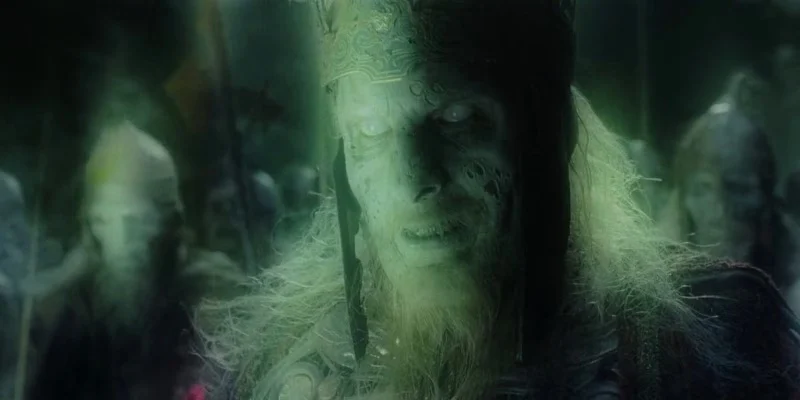
The ghostly Army of the Dead presented a major challenge for the visual effects team. They wanted the spirits to look eerie without losing detail, so they developed a layered technique combining live-action costumes with digital overlays.
This approach allowed the army to have a tangible presence while still appearing otherworldly. The mix of practical design and computer enhancement gave the sequence its haunting atmosphere.
Peter Jackson Had a Cameo
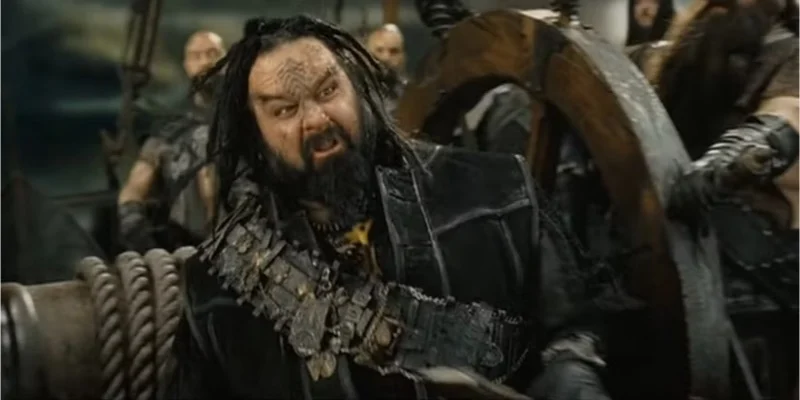
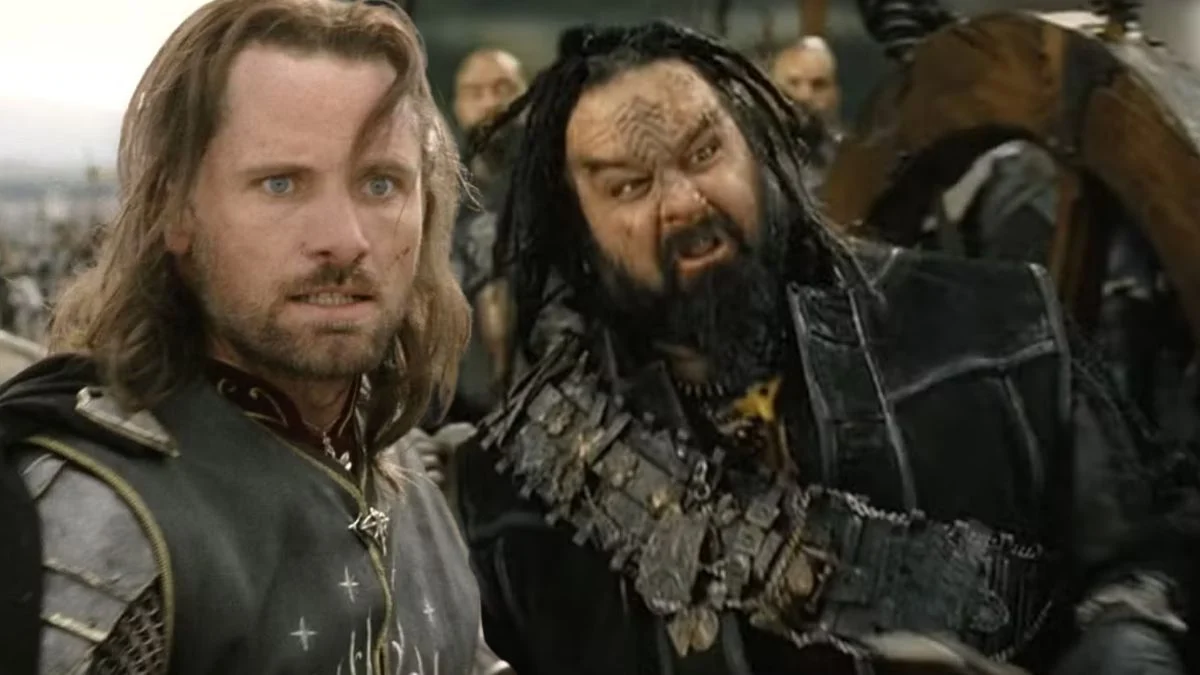
Like in the previous films, Peter Jackson made a cameo appearance in ‘The Return of the King’. He shows up briefly as a Corsair of Umbar, one of the pirates that Aragorn, Legolas, and Gimli confront.
Jackson enjoyed slipping into small roles during the trilogy, a tradition that added a playful behind-the-scenes touch for fans who spotted him. His pirate cameo was one of the easiest to recognize due to its close-up framing.
The Film Won a Record-Breaking 11 Oscars
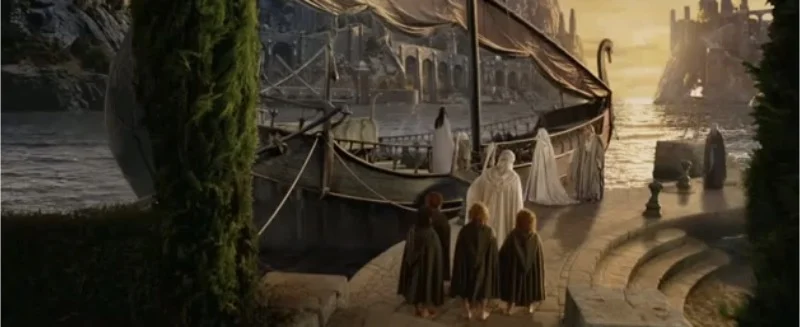
‘The Return of the King’ tied with ‘Ben-Hur’ and ‘Titanic’ for the most Academy Awards ever won by a single film, taking home 11 in total. These included Best Picture, Best Director, and multiple technical awards.
What made the achievement even more remarkable was that it won every category it was nominated for, a rare clean sweep. The recognition cemented the trilogy’s place in film history and celebrated the incredible work of everyone involved.
What’s your favorite behind-the-scenes fact about ‘The Lord of the Rings: The Return of the King’? Share your thoughts in the comments!