10 Things You (Probably) Didn’t Know About The Lord of the Rings: The Fellowship of the Ring



When ‘The Lord of the Rings: The Fellowship of the Ring’ hit theaters, it was more than just the start of an epic trilogy. It introduced audiences to Middle-earth in a way that felt both timeless and groundbreaking, blending cutting-edge technology with traditional storytelling. The film not only set the stage for the adventures to come but also redefined what a fantasy epic could look like on the big screen.
Behind the sweeping visuals and unforgettable characters, there are plenty of fascinating stories from the making of the movie. From unexpected accidents on set to clever cinematic tricks, the production of ‘The Fellowship of the Ring’ is filled with details that many fans might not know. Here are ten surprising facts that reveal just how much work and creativity went into bringing this story to life.
Viggo Mortensen Joined Late in the Production
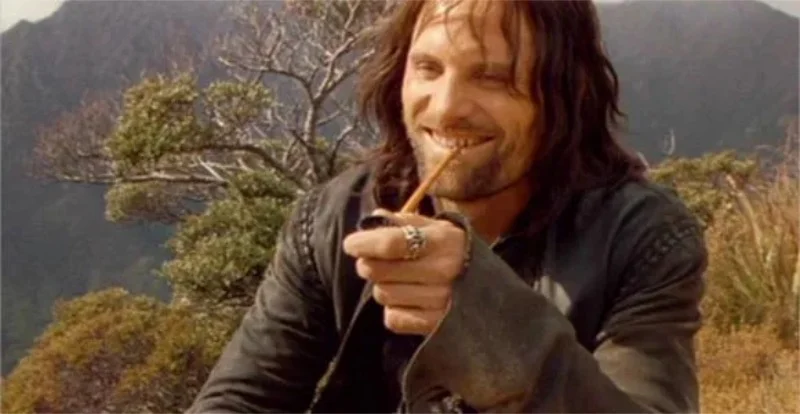
Originally, Aragorn was played by Stuart Townsend, but he was replaced just days before filming started. Viggo Mortensen was brought in at the last minute and quickly immersed himself in the role. He even brought his own sword-training intensity, practicing daily to make Aragorn’s fighting style look authentic.
Mortensen also insisted on doing many of his own stunts, which added a sense of realism to the character. His commitment helped cement Aragorn as one of the most memorable figures in the trilogy.
Sean Bean Feared Flying
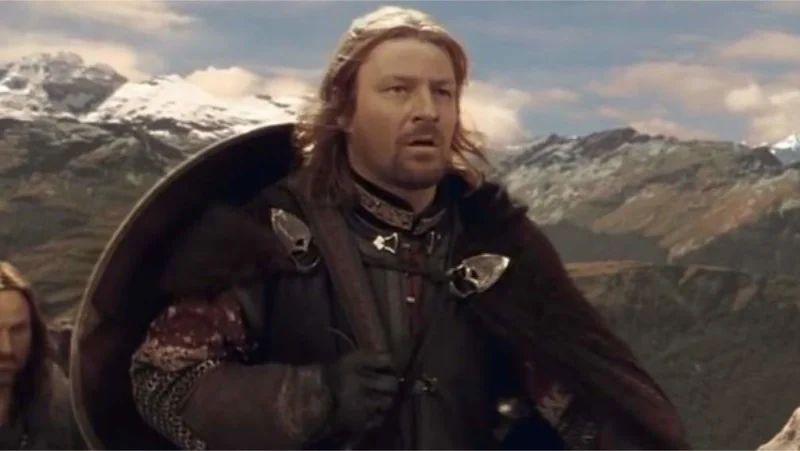
Sean Bean, who played Boromir, had a strong fear of flying and avoided helicopters during the mountain filming scenes. Instead, he would hike up in full costume, sometimes for hours, to reach the set locations.
His determination not only delayed filming on certain days but also impressed the cast and crew, who admired his willingness to endure discomfort for authenticity. This story became one of the most well-known behind-the-scenes anecdotes.
The Ring Was a Practical Prop Trick
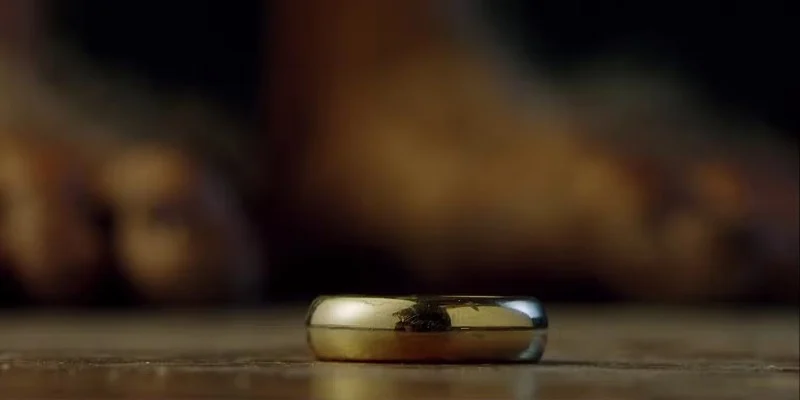
In the famous shot where the Ring falls into Frodo’s hand, filmmakers used a simple but clever trick. They glued the Ring to a board and then pulled the board away, making it look as though the Ring had landed perfectly in Frodo’s palm.
This low-tech solution saved time and created one of the film’s most iconic moments. It’s a reminder that not every effect relied on digital technology.
Christopher Lee Was the Only Cast Member Who Met Tolkien
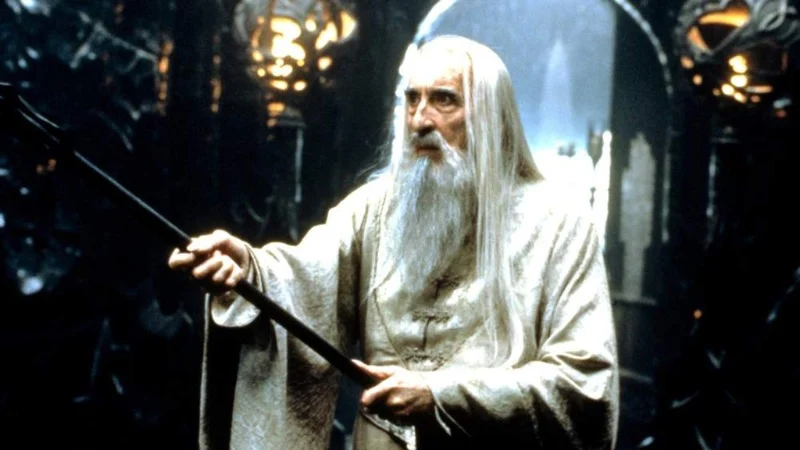
Christopher Lee, who played Saruman, was a lifelong fan of J.R.R. Tolkien’s work and actually met the author once. He considered it a great honor to bring one of Tolkien’s characters to life.
Lee was so passionate about the books that he re-read them every year. His deep knowledge of the lore helped him embody Saruman’s presence with authority and conviction.
Forced Perspective Created the Hobbits’ Height
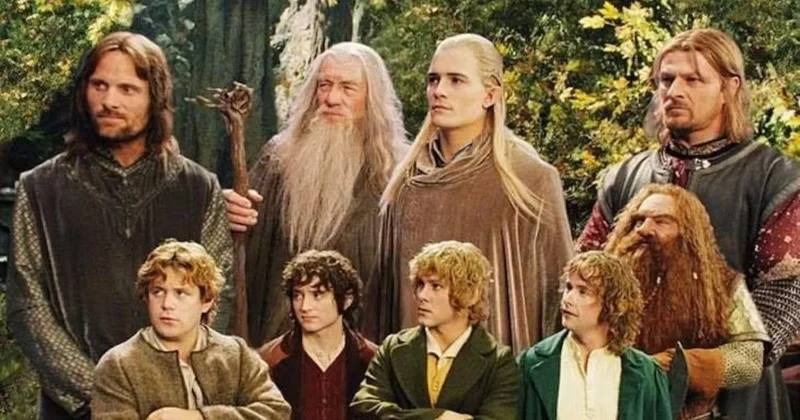
To make Hobbits look smaller than the other characters, the filmmakers relied heavily on forced perspective rather than only using digital effects. Sets, props, and even camera angles were carefully designed to create the illusion of height differences.
In some cases, smaller body doubles were also used, but the forced perspective tricks remain some of the most ingenious filmmaking techniques in the trilogy.
Liv Tyler Struggled With Elvish
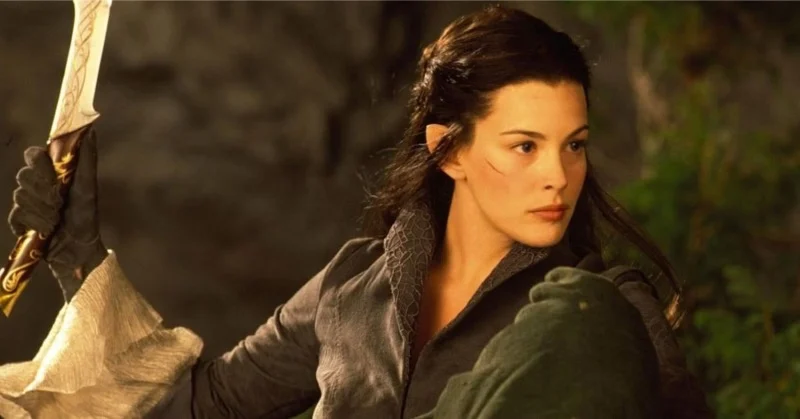
Liv Tyler, who played Arwen, found it difficult to learn and speak Elvish, one of Tolkien’s carefully crafted languages. She often needed extra coaching on pronunciation and rhythm.
Despite the challenge, she delivered her lines with elegance, adding to Arwen’s mystical and ethereal presence in the story. Her effort helped the language feel alive on screen.
The Shire Was Built a Year in Advance
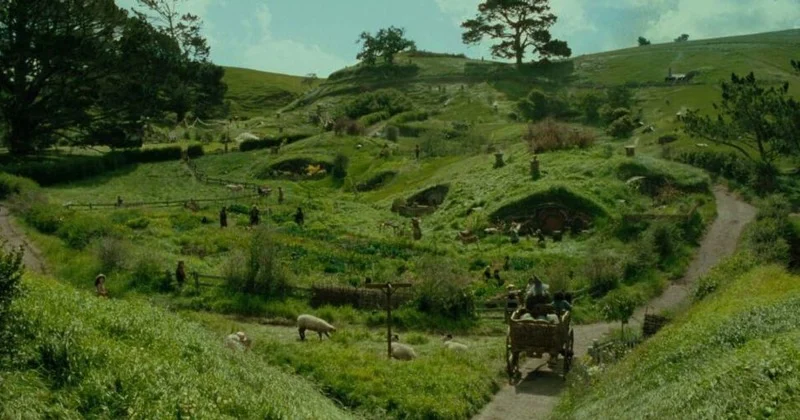
The Shire wasn’t just a set thrown together for filming. It was carefully constructed a year before shooting began so that the plants, trees, and grass would look natural and lived in.
This preparation gave Hobbiton its authentic charm, making it feel like a real community rather than a backdrop. Today, it remains one of the most visited film locations in New Zealand.
Viggo Mortensen Carried His Sword Everywhere
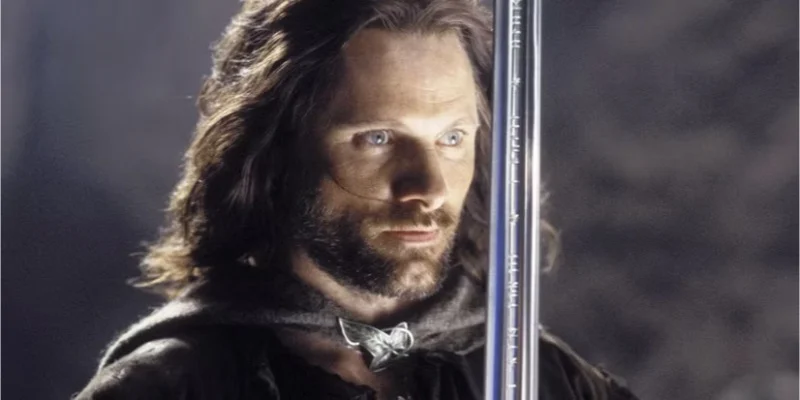
Mortensen took method acting to the next level by carrying Aragorn’s sword with him at all times, even when not filming. He wanted to get used to its weight and movement until it felt like a natural part of him.
This dedication paid off during fight scenes, where his swordplay appeared fluid and realistic. His personal approach helped elevate the action sequences throughout the film.
Ian McKellen Wasn’t Always on Set With the Hobbits
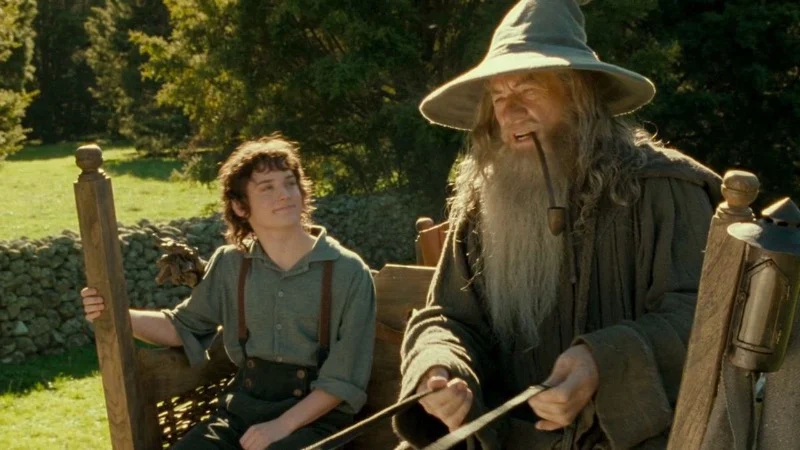
Many of Gandalf’s scenes with the Hobbits were shot separately using body doubles and clever editing. Ian McKellen often performed against stand-ins while the Hobbits’ footage was filmed at a different scale.
This technique allowed Gandalf to tower over the smaller characters without relying entirely on computer effects. It required precision but made the size differences believable.
Orlando Bloom Finished Filming Before the Premiere
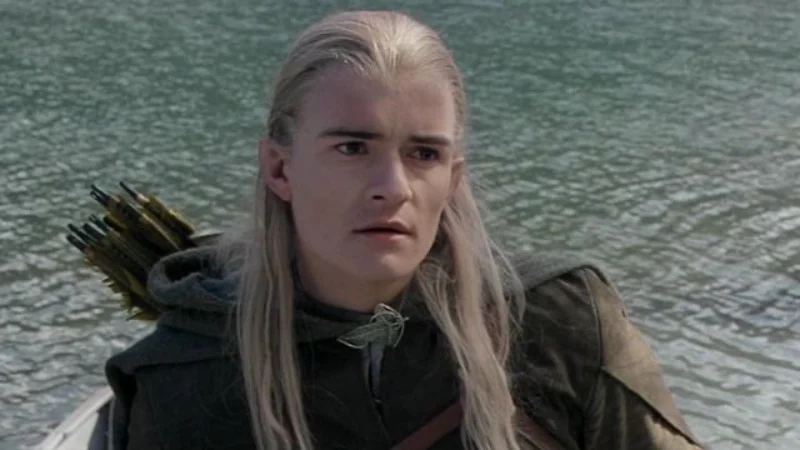
Orlando Bloom, who played Legolas, completed his work on ‘The Fellowship of the Ring’ long before the movie was released. In fact, he wrapped up his filming just two days before his 22nd birthday.
Because much of the trilogy was filmed simultaneously, Bloom was already working on other parts of the series when the first movie debuted. His youthful energy and athleticism became defining traits of Legolas throughout the films.
What’s your favorite behind-the-scenes fact about ‘The Fellowship of the Ring’? Share your thoughts in the comments!