10 Things You (Probably) Didn’t Know About The Lord of the Rings: The Two Towers


There is a lot going on in ‘The Lord of the Rings: The Two Towers’, from the siege of Helm’s Deep to the first full performance of Gollum. The film comes packed with behind the scenes choices that shaped how Middle earth looks and sounds on screen. Many details are easy to miss because the production kept moving at an incredible pace.
These ten facts dig into how the filmmakers built Rohan from the ground up, how they brought a fully digital character to life, and why some moments you remember were never in the book. If you love finding out how big movies get made, this one has plenty of craft, sweat, and clever problem solving.
The Helm’s Deep battle meant months of cold night shoots
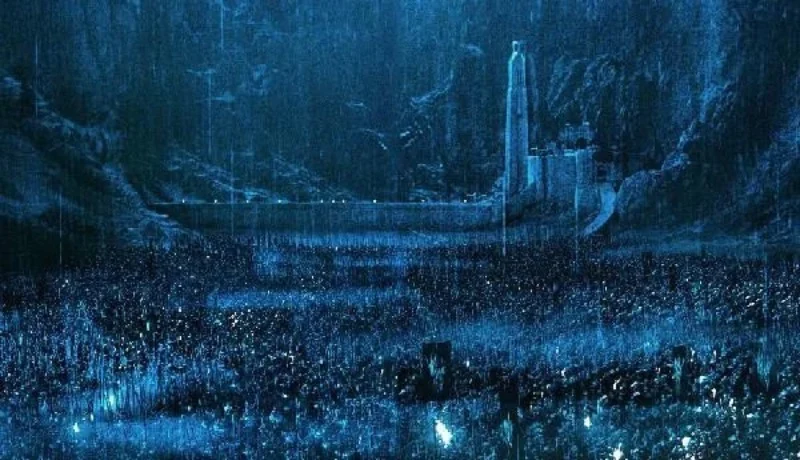
The Helm’s Deep sequence was filmed across many weeks of mostly night shoots, with rain towers and wind machines running to keep the storm consistent. The crew worked with hundreds of extras in armor, which meant long reset times and careful coordination for every charge and ladder breach.
The team mixed full scale sets with partial walls and rockwork so cameras could move through the fighting. They also staged stunt falls from battlements and built breakaway sections to sell the destruction, which let them combine practical mayhem with digital extensions in a seamless way.
Edoras was a real town built on a remote hill and later removed
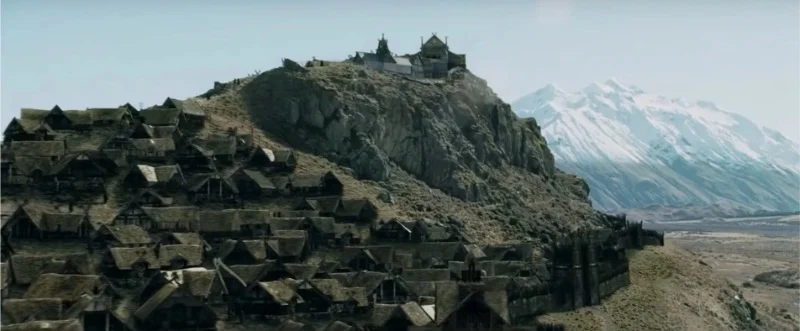
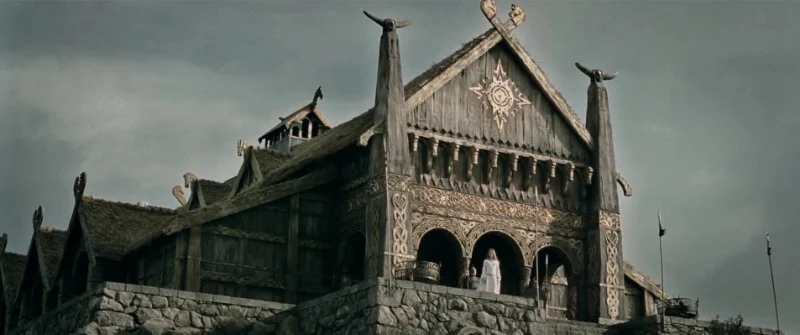
The production constructed the entire hilltop city of Edoras on Mount Sunday in New Zealand, including the Golden Hall with its carved horse motifs. Access roads had to be laid in and every piece of set dressing was anchored to withstand the mountain weather.
When filming finished, crews returned the location to its original state. Buildings were dismantled, foundations were pulled out, and native grasses were replanted so the site looked as it did before cameras arrived.
Gollum combined on set acting, motion capture, and hand animation
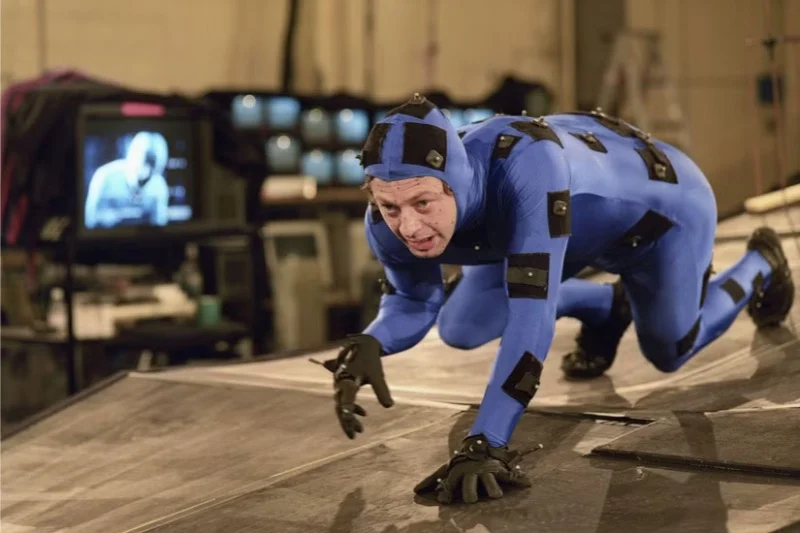
Andy Serkis performed Gollum on set with the cast, which gave the camera team and actors a physical reference for eye lines and timing. He then repeated those performances in a motion capture stage, so animators could track body movement while keeping the same emotional beats.
The facial work did not rely only on capture. Animators studied Serkis’s filmed takes and sculpted expressions frame by frame to push subtle mouth shapes and eye shifts. That blend of data and hand animation made Gollum read as a thinking character in close up shots.
John Rhys Davies provided the voice of Treebeard in addition to playing Gimli
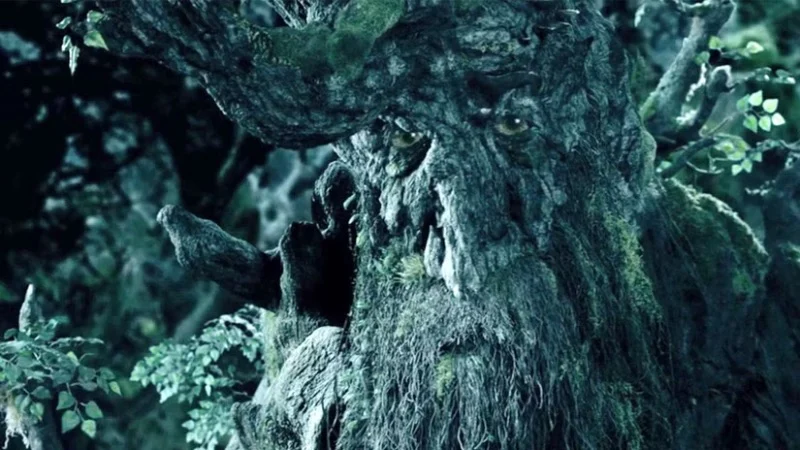
While he appears on screen as Gimli, John Rhys Davies also recorded Treebeard’s dialogue. He tried multiple microphone setups and pacing choices to find a slow cadence that felt ancient and patient.
To give Treebeard extra presence, sound editors layered gentle creaks and leafy textures beneath the voice. Those elements sit at a low level in the mix and help the character feel rooted to the forest even when he is not moving.
The film adds an Elven host at Helm’s Deep that is not in the book
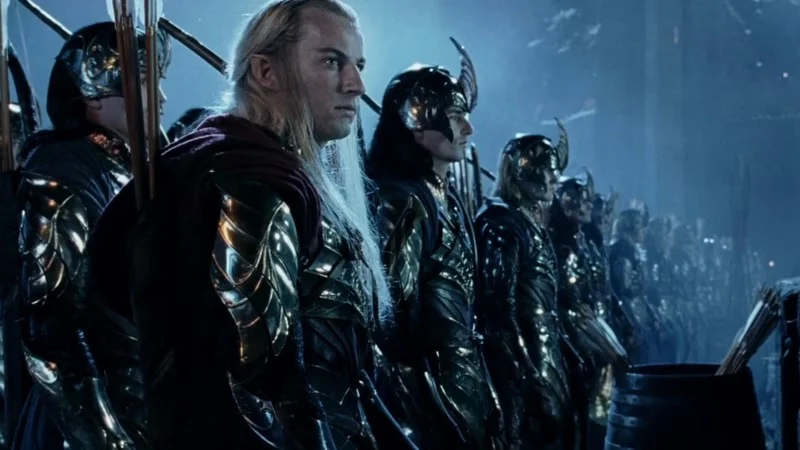
In the movie, an army of Elves led by Haldir arrives to aid Rohan at the fortress. This choice was introduced to create a visible alliance against the growing threat and to raise the stakes when the walls are breached.
Costume and armor teams created a distinct look for these Elves so they would read clearly in rain and low light. The curved armor plates and long spears helped audience members track their line in the melee, which made the ebb and flow of the battle easier to follow.
Rohan’s sound world uses a Hardanger fiddle and Old English influences
Composer Howard Shore shaped the sound of Rohan around the Hardanger fiddle, a Norwegian instrument with sympathetic strings that create a ringing tone. That timbre sits on top of open fifths and modal harmonies, which gives the Rohan theme a weathered and pastoral feel.
Language and design choices lean into Old English roots. The names, the horse iconography, and the poetry that King Théoden recites draw from those traditions, which ties the music and the art direction together whenever the story rides across the Riddermark.
The Extended Edition restores character history and more Ents
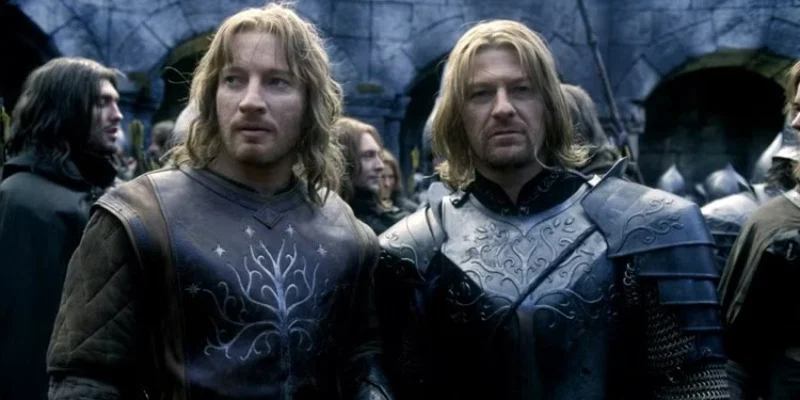
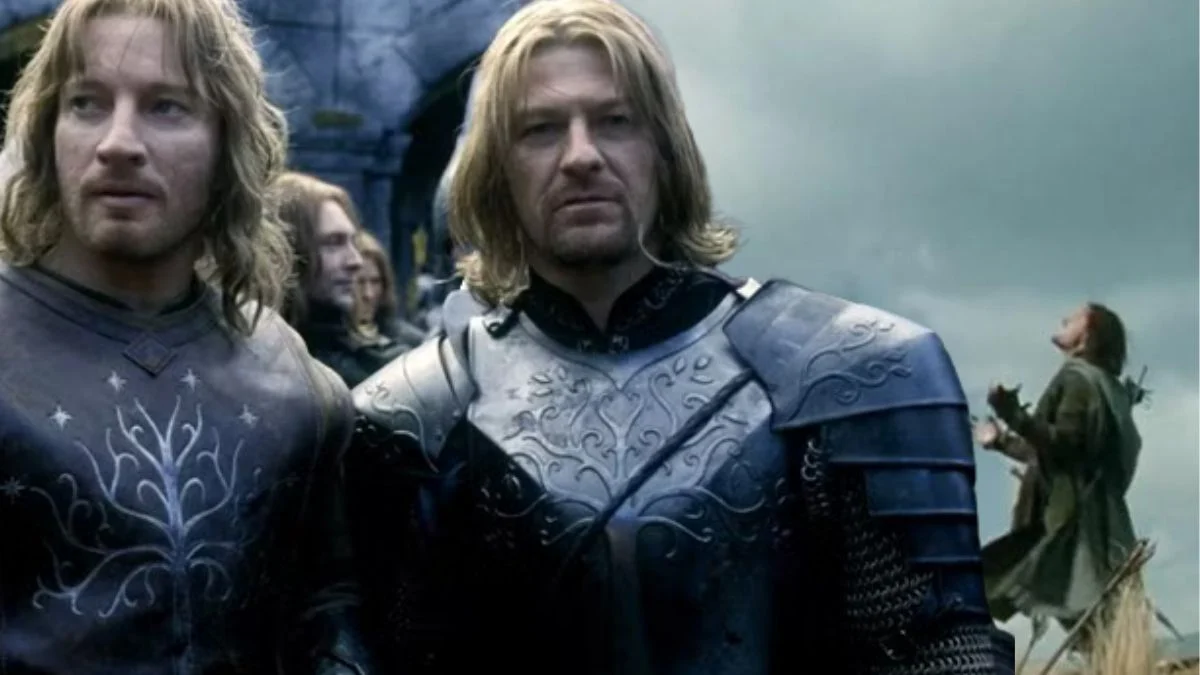
The Extended Edition adds over forty minutes of footage that expands arcs and deepens motivations. One major addition is a flashback in Osgiliath that shows Boromir and Faramir with their father Denethor, which clarifies why Faramir struggles with duty and approval.
The Ents also receive more screen time. Additional council material and extra beats with Treebeard make their decision to march feel more earned, and new shots of Isengard’s destruction help the story breathe after the battle at the Hornburg.
Viggo Mortensen broke toes during the helmet kick scene
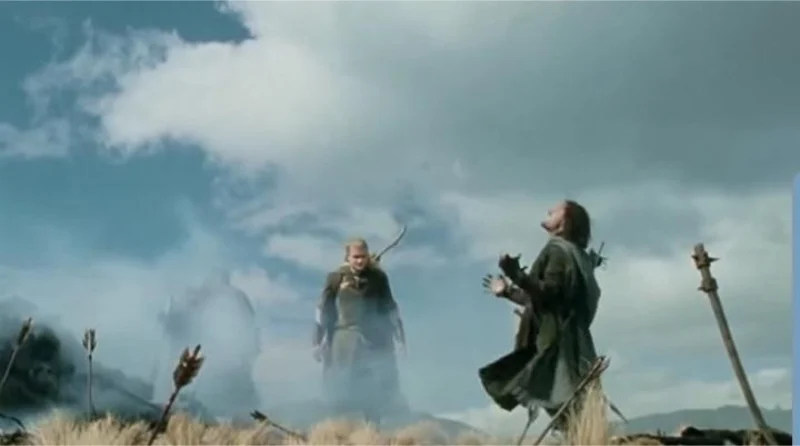
During a scene where Aragorn believes Merry and Pippin have died, Viggo Mortensen kicks a helmet and lets out a raw cry. He broke toes when he struck the prop, and the take with the genuine reaction was chosen for the final cut.
Production kept shooting schedules flexible around injuries like this. The team shifted coverage to other angles and moments while actors recovered, which kept the unit moving without losing momentum on the larger plan.
The team used Massive software to choreograph large scale combat
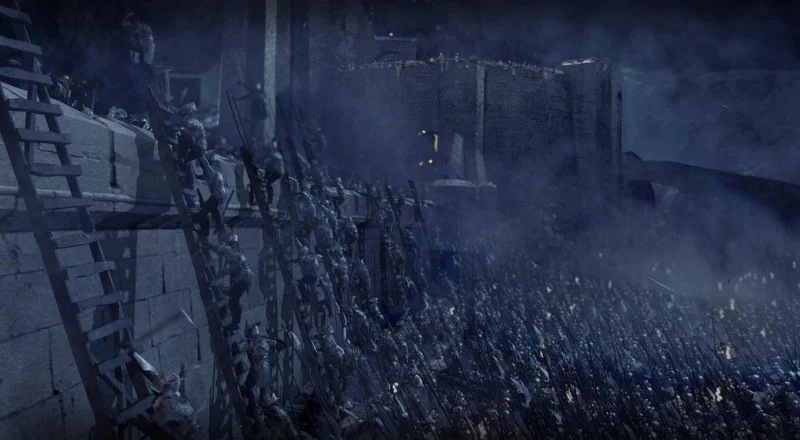
Crowd simulation software helped fill out formations and background action in wide shots. Digital agents were given simple goals like advancing, retreating, or forming ranks, which produced organic motion that matched the beats staged by the stunt teams.
The result sits behind practical performers and stunt work, so the eye reads real impacts in the foreground while the simulation sells scope in the distance. This approach meant fewer full scale extras were needed for deep background during complex setups.
Weta built giant “bigatures” for Helm’s Deep and Orthanc
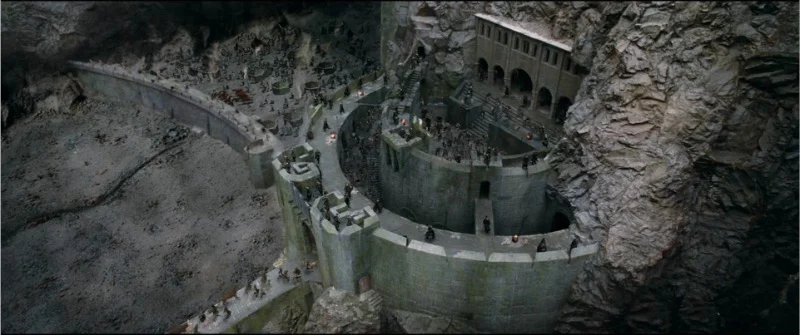
Model makers constructed very large miniatures that could be filmed like real architecture. The Helm’s Deep bigature included walls, the keep, and surrounding rock faces, which allowed cameras to push in and find angles that would be difficult on a small model.
Orthanc received the same treatment with detailed stonework and window recesses. Lighting crews placed fixtures to rake across surfaces so textures popped on camera, and visual effects teams extended these models digitally when shots required even greater height or distance.
Share your favorite behind the scenes detail about ‘The Lord of the Rings: The Two Towers’ in the comments.