10 Things You (Probably) Didn’t Know About Star Wars Episode V: Empire Strikes Back


Even decades after release, fans are still uncovering behind the scenes details about how ‘The Empire Strikes Back’ came together. The production moved across countries and stages, mixed practical wizardry with bold story choices, and kept some of the biggest secrets in movie history under wraps.
These facts focus on how key moments were filmed, who made them happen, and why certain choices still shape the saga today. You will find details about puppetry, miniatures, set construction, and the careful planning that protected the film’s surprise from leaking before opening night.
The script hid the father reveal on set

Only a small circle knew the truth about Darth Vader’s reveal during filming. To keep the twist safe, the on set dialogue given to the actor in the suit claimed that Obi Wan killed Luke’s father, and the real line was recorded in post by James Earl Jones. The script pages with the true reveal were controlled closely and the secret stayed intact through production and early screenings.
Cast and crew who did not need to know worked with the decoy line during shooting. This allowed authentic reactions while preventing spoilers from crew chatter or dubbing leaks. The final mix replaced the temporary audio with the line heard in theaters.
Hoth battles were shot in a Norwegian blizzard
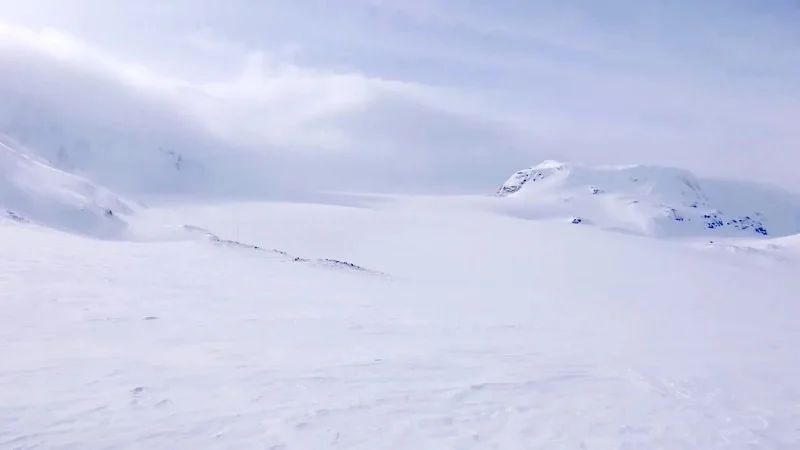
The ice planet sequences were filmed in and around Finse in Norway. A severe winter storm hit the area during the shoot, which stranded the crew near their hotel. The production used the heavy snowfall to capture wide shots right outside, which matched perfectly with the battlefield plates prepared for effects work.
Camera and costume teams adapted quickly to the cold. Equipment was protected with insulation and warmers, and the snowtrooper and rebel cold weather gear was tested in real conditions. The harsh climate added natural atmosphere that no stage could easily replicate.
Yoda was a complex puppet built for expressive close ups
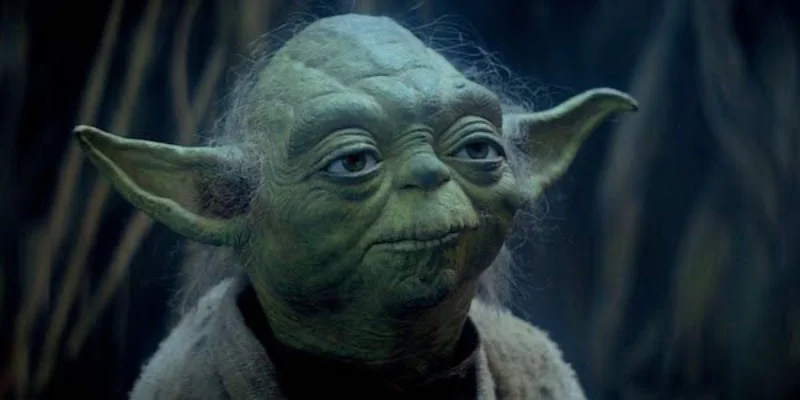
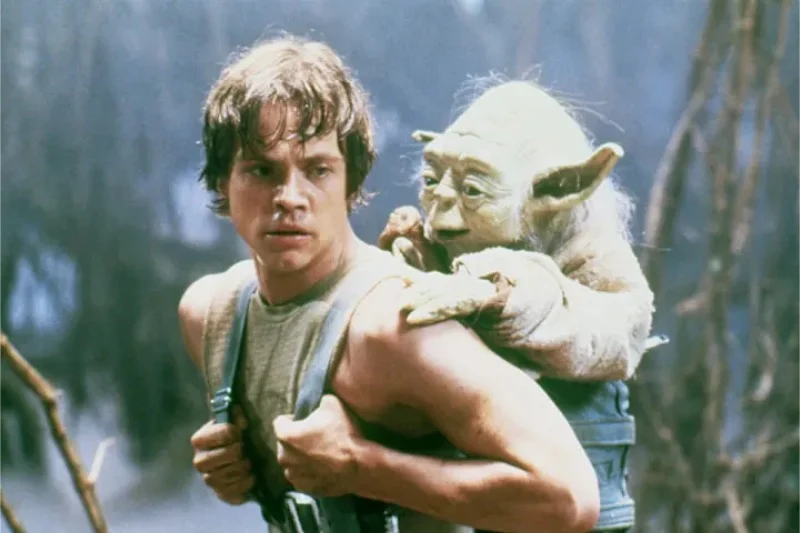
Makeup artist Stuart Freeborn designed and built Yoda as a hand and rod puppet with intricate facial controls. The sculpt drew inspiration from Freeborn’s own features and from photographs of Albert Einstein to achieve wise eyes and distinctive wrinkles. Frank Oz performed the voice and primary puppetry, while additional operators handled eyes, ears, and brow movements through off camera controls.
The puppet’s mechanics required frequent maintenance between takes. Servos and linkages were tuned for the humid swamp set, and replacement skins were kept on hand in case of tears. The design allowed Yoda to hold conversations in tight shots, which sold the reality of Luke’s training scenes.
Dagobah lived on a raised stage to hide the puppeteers
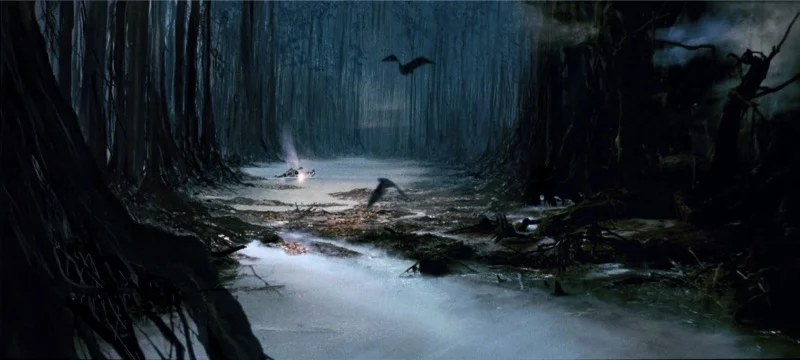
The swamp of Dagobah was constructed at Elstree Studios on a platform with pits and crawl spaces for performers. Frank Oz worked beneath the set with monitors and talkback to coordinate with the camera team. Vines, fog, and water effects helped disguise access panels while also adding depth for the lens.
The X wing sink and rise was achieved with rigs under the water tank and careful pump control. Slime layers were refreshed daily to keep the surface believable under lights. The layout gave the director many angles without revealing hidden doors or performer positions.
Boba Fett appeared on screen here after an earlier debut elsewhere
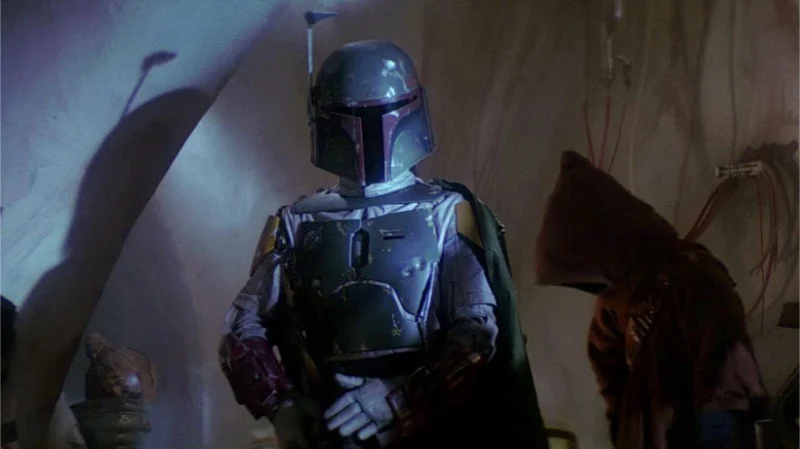
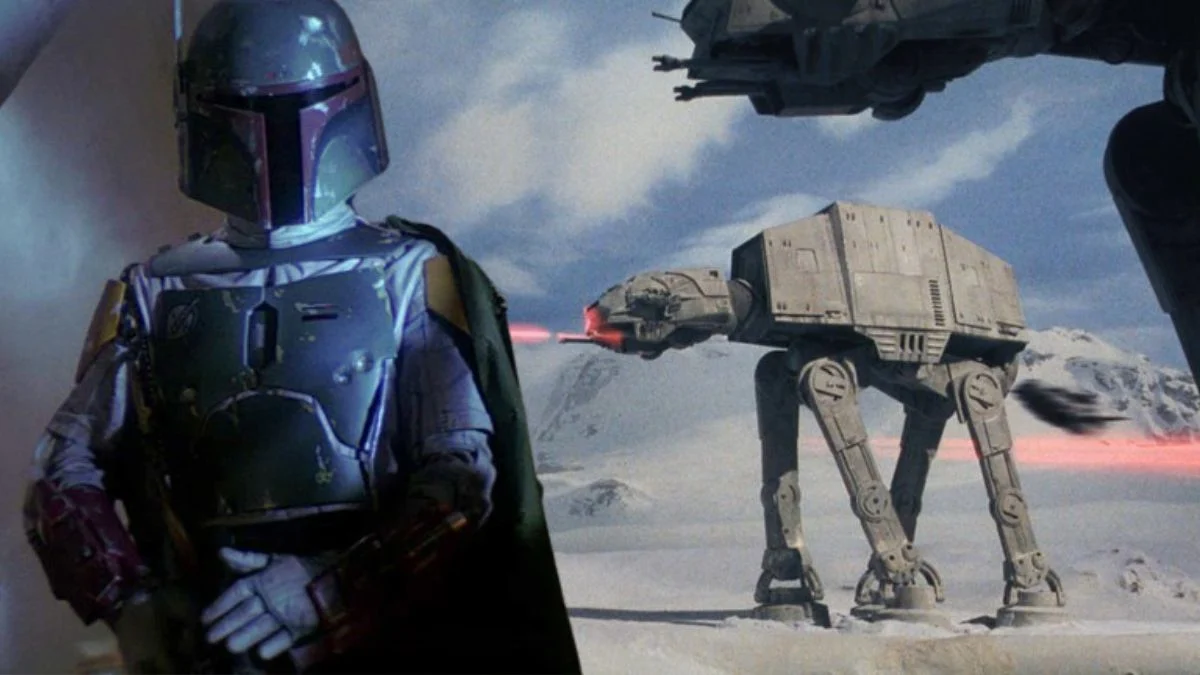
The bounty hunter makes his feature film debut in ‘The Empire Strikes Back’. The character first appeared to the public in animation within ‘The Star Wars Holiday Special’ and even showed up at a small town parade in full costume before the film shoot. The armor design evolved into the look seen in the movie, including the distinctive T visor and weathered plates.
For the film, the costume department finished practical details such as armor strapping, cape fabric, and functional holsters. Sound editors added radio static and helmet filters to establish an aural identity. The result created a character that fit immediately into the world of hunters working for Darth Vader.
Walkers were animated with painstaking stop motion
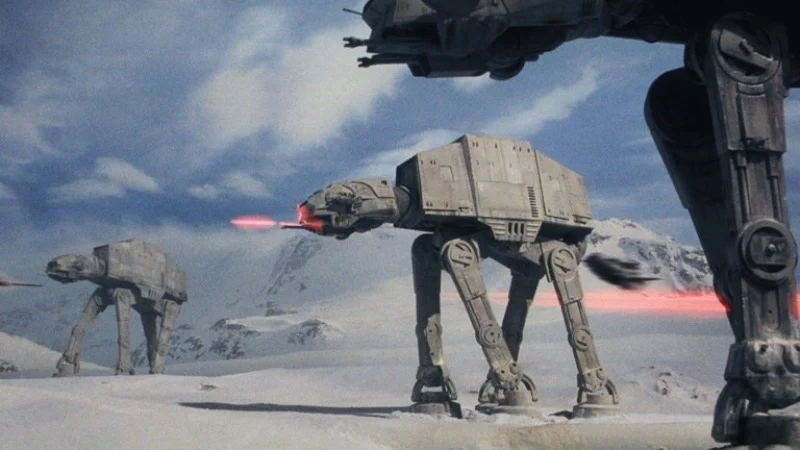
The AT AT assault on Hoth used miniature walkers animated frame by frame by the effects team at Industrial Light and Magic. Phil Tippett and Jon Berg supervised the stop motion work, matching the animation to live action plates of soldiers and explosions shot on set. Motion control cameras repeated passes for separate elements like foreground snow and background skies so the pieces could be composited cleanly.
Model makers built multiple scales of walkers for different shot sizes. Footsteps kicked up practical snow on miniature sets to help sell weight. Optical compositing then layered blasts, cables, and debris, which gave the battlefield a convincing sense of depth.
The asteroid field hides unexpected household objects
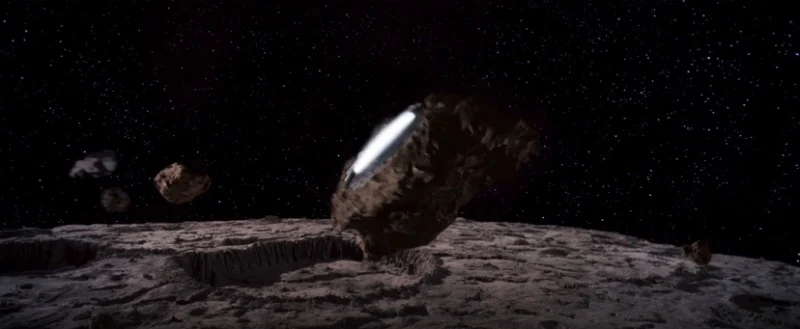
Effects artists filled the asteroid chase with dozens of miniature rocks and debris. Among the shapes, sharp eyed viewers have found a potato and a shoe tucked into the field. These pieces were placed as playful additions during a busy effects schedule and are almost impossible to spot at normal speed.
The sequence combined starfield backgrounds, hand animated TIE fighters, and a highly detailed Millennium Falcon miniature. Multiple passes captured cockpit reflections and engine flares. The final cuts stitched these elements into a fast moving escape that still reads clearly shot to shot.
A famous line was improvised to fit Han and Leia’s moment
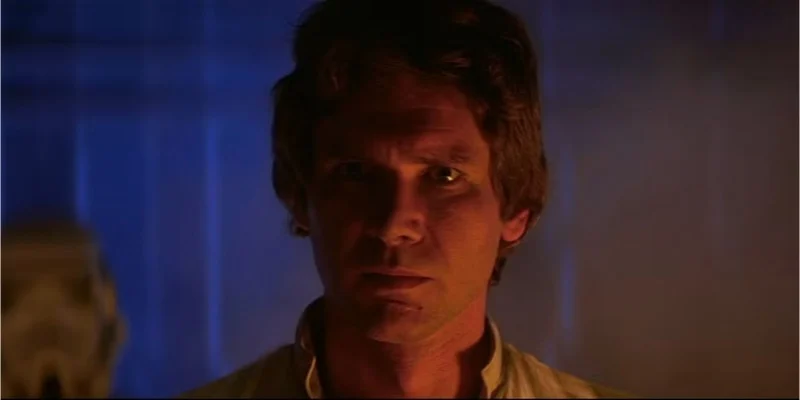
During the carbon freeze scene, the planned response to Leia’s declaration was longer and more formal. Harrison Ford worked with director Irvin Kershner to try a shorter reply that fit the character and the situation. The line that made the final cut was delivered on set without a scripted prompt and matched the tone of impending danger.
Sound editors preserved the timing of the exchange while the steam and machinery roared around them. The choice also simplified looping later in post. The moment plays cleanly from every angle because the actors and camera locked the beats during rehearsal.
Irvin Kershner took the director’s chair after initial hesitation
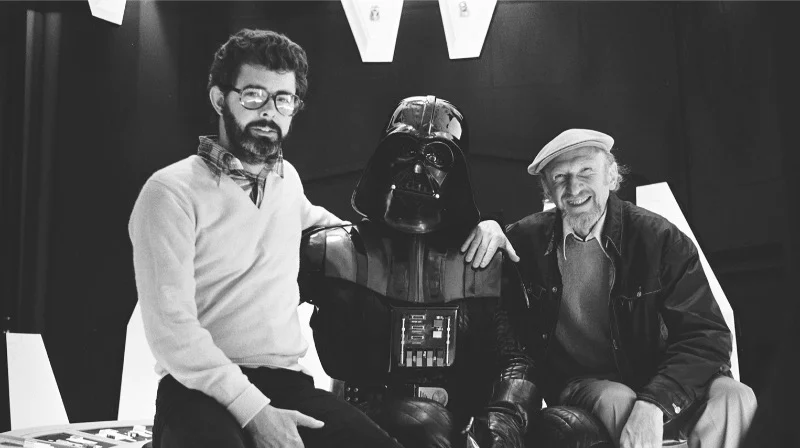
George Lucas asked Irvin Kershner to direct ‘The Empire Strikes Back’. Kershner initially declined, then accepted after discussions about character focus and the scale of the production. His background in character driven drama helped guide performances while the effects unit handled complex miniature work on parallel stages.
Kershner oversaw a schedule that split units across Elstree and the Norway location. He coordinated closely with the cinematography and effects leads so that on set blocking would match the planned composites. This approach kept performance continuity tight even as shots moved through many departments.
George Lucas financed the film independently to keep control
Lucas funded the production through loans and revenue from the first film and merchandise. This choice allowed him to retain ownership of the film while arranging distribution with 20th Century Fox. The structure gave the production freedom to pursue ambitious effects and a darker second chapter without studio notes guiding story turns.
Independent financing also shaped how the effects company expanded. Industrial Light and Magic upgraded motion control gear and expanded model shops with the budget set by Lucasfilm. The investment carried forward into later entries, since the same tools were used again for future sequences in ‘Return of the Jedi’.
Share your favorite behind the scenes detail about ‘The Empire Strikes Back’ in the comments and tell us which moment you want to see explored next.