Top 20 Movie Cash Grabs


Studios revisit familiar brands for many reasons, and sometimes the timing and packaging make a release feel built to capitalize on existing name value. You can spot it when a project leans heavily on recognition, expands a known story with little setup, or returns to a franchise after a long quiet stretch. The motive may be complex, but the pattern is easy to recognize for moviegoers who track budgets, schedules, and marketing.
This list rounds up twenty films that arrived with strong commercial intent baked in. For each one you will find the context that set the stage along with concrete production and box office facts. Taken together they show how sequels, reboots, reimaginings, and brand extensions keep well known titles in constant circulation and why they continue to draw massive global campaigns.
‘Jaws: The Revenge’ (1987)
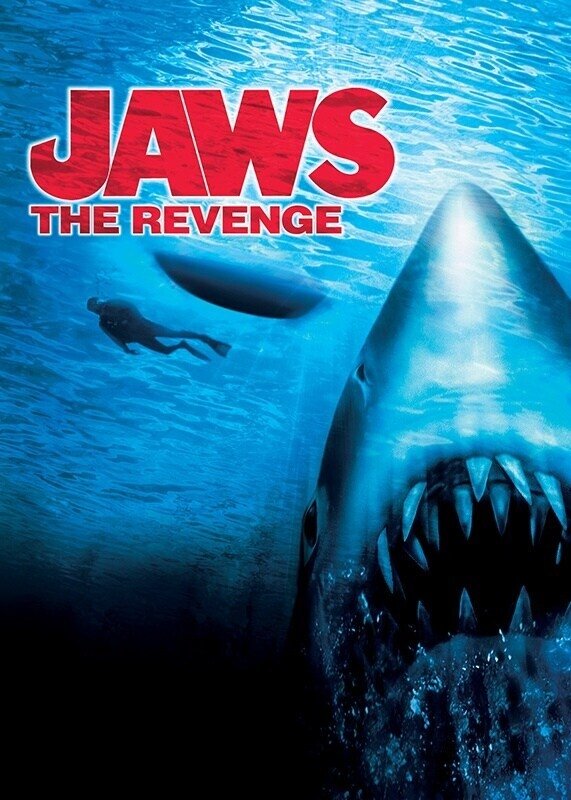
The fourth entry rushed into theaters two years after the third film and leaned on the original title’s reputation with a direct family connection to the first story. Production moved fast with a summer start and a winter release, and the film brought back familiar character names to signal continuity even though creative teams had largely changed.
Reported production costs landed in the low tens of millions while worldwide grosses ended up close to double the budget. Critical response was poor, yet the recognizable brand and peak vacation season marketing carried the release long enough to recoup costs through theaters and later home video.
‘Speed 2: Cruise Control’ (1997)
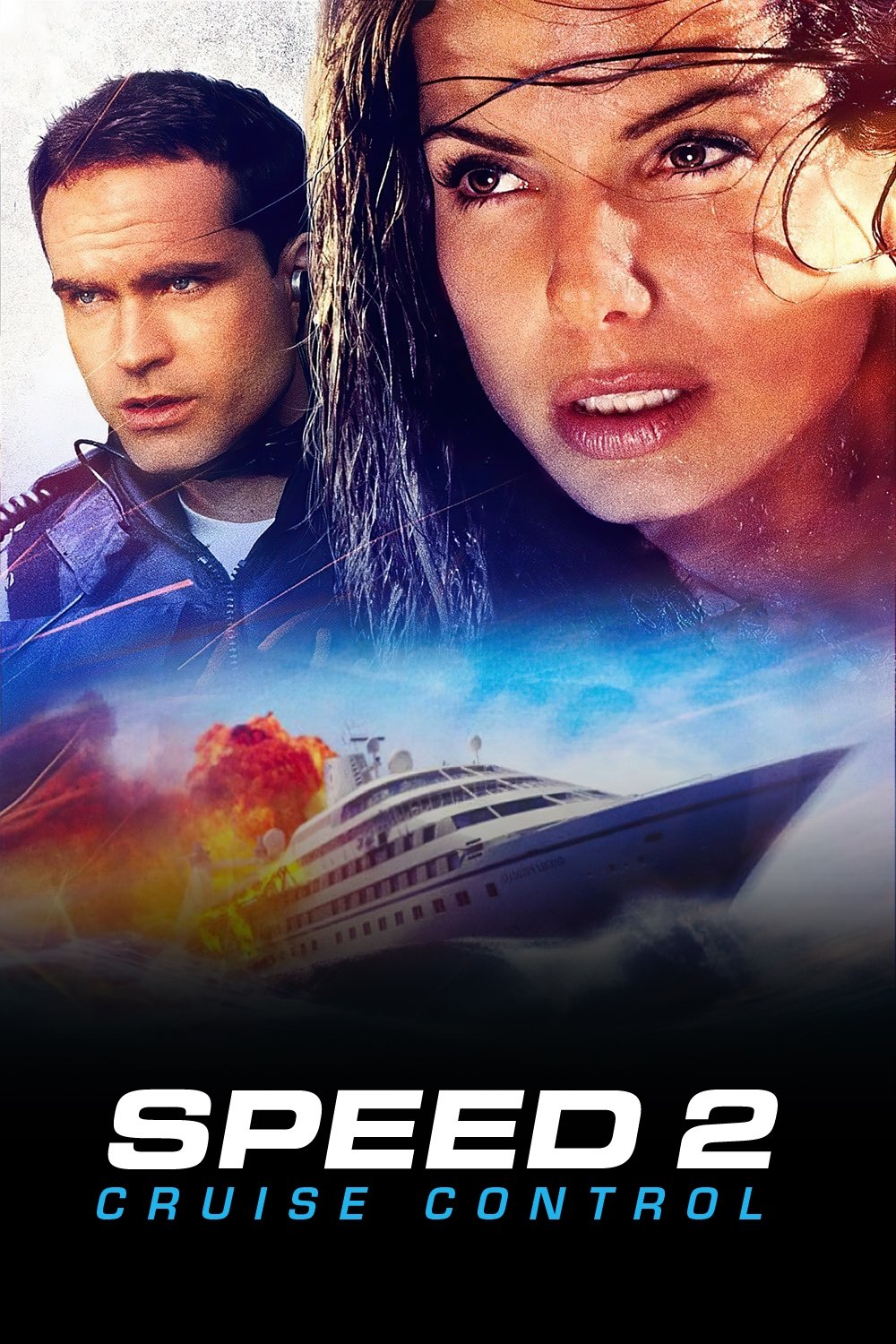
This sequel shifted from a fast urban setting to a luxury cruise ship while retaining only one of the two original leads. The hook depended on the recognizable title and a bigger scale that promised larger set pieces on the open sea.
The budget rose well past the first film and the worldwide total settled below expectations despite extensive summer promotion. Domestic turnout disappointed while international markets helped offset losses, and television rights plus video sales eventually softened the financial hit.
‘Home Alone 3’ (1997)
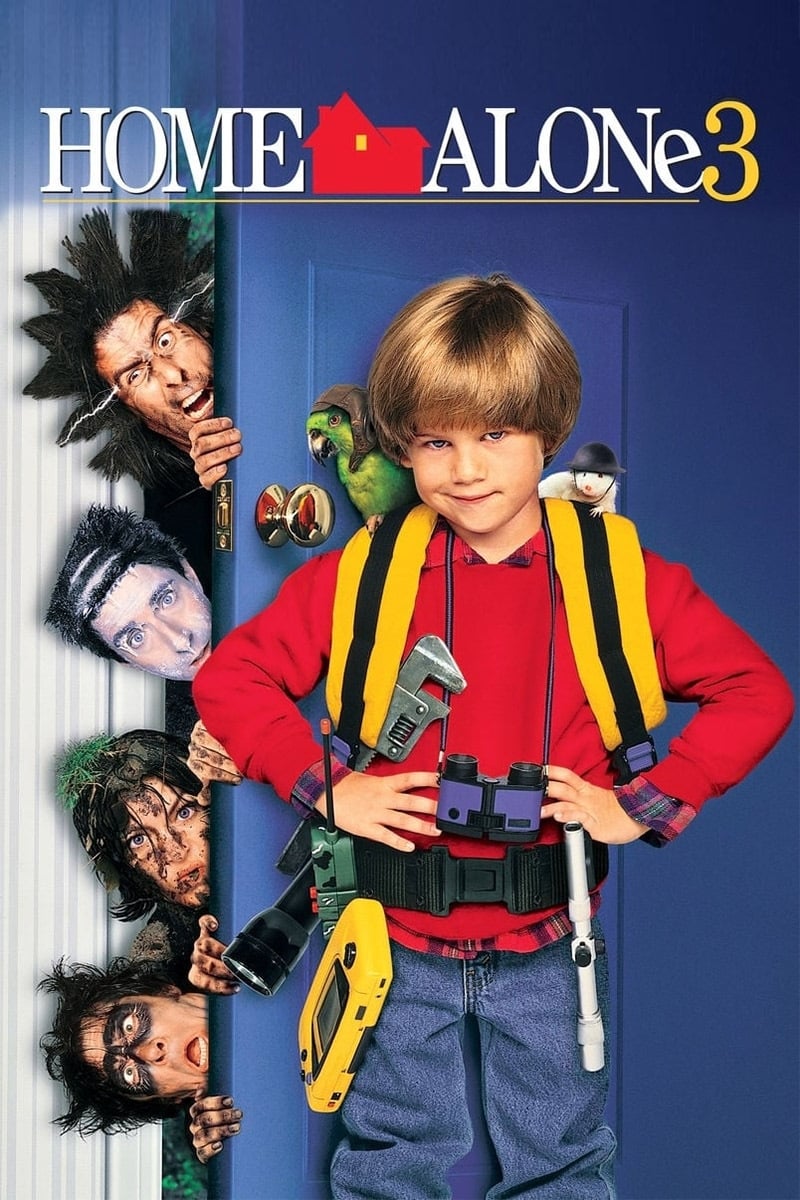
The third film introduced a new child lead and a fresh set of villains while keeping the brand’s signature pranks and suburban setting. The project moved forward without the original star or director, signaling a pivot from character continuity to franchise formula.
Box office returns were modest compared with the first two films, though the production budget stayed controlled for a holiday family release. The title found a longer tail on home video where the recognizable name and seasonal replay value kept it in rotation.
‘Alien Resurrection’ (1997)
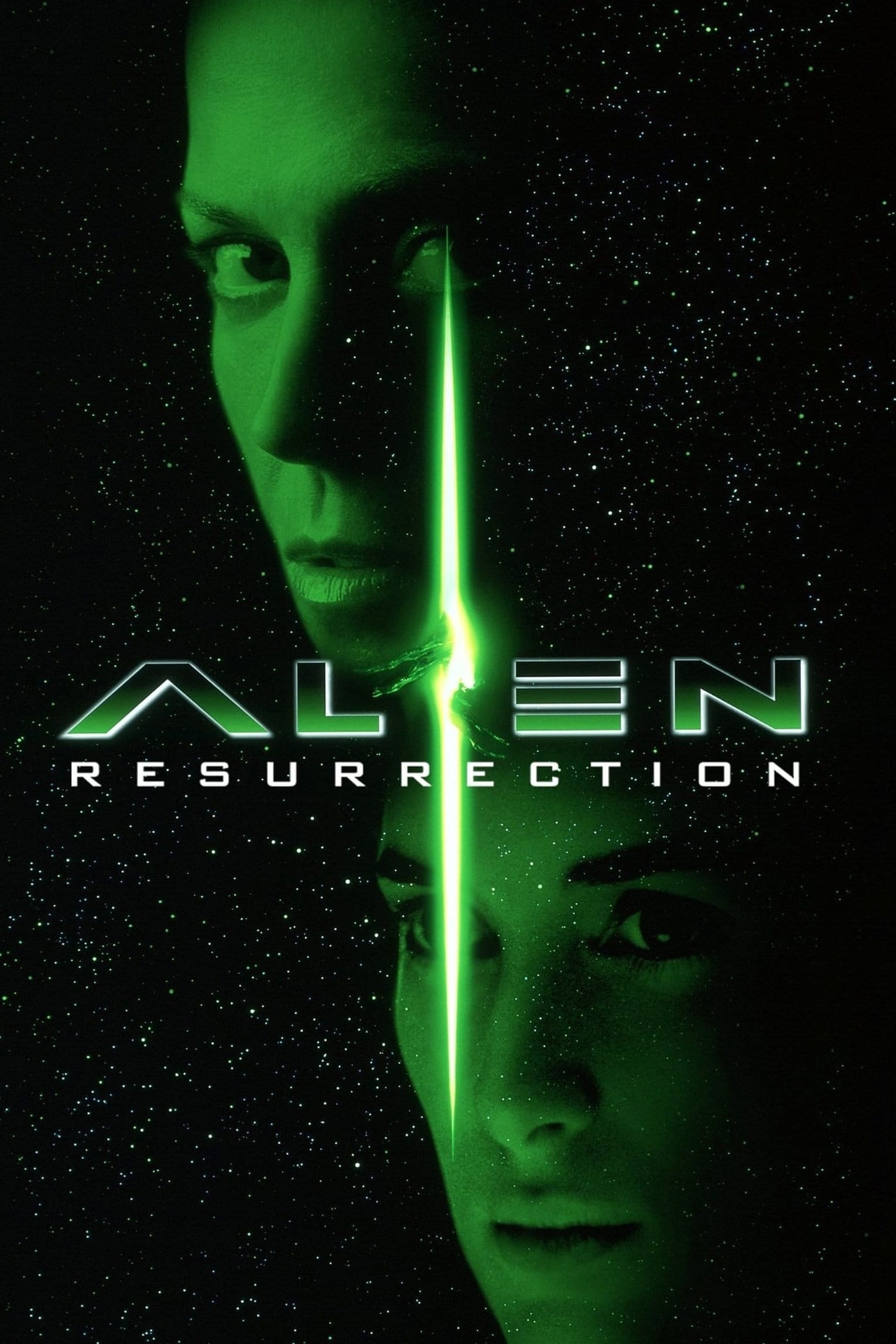
Following a definitive ending in the prior film, this entry brought back the central figure through a science fiction twist and leaned on established creature design and franchise lore. A new director and a fresh creative team provided a stylistic change while the marketing spotlighted familiar imagery.
The budget climbed compared with earlier installments and international markets provided most of the revenue. The film cleared its costs with room to spare worldwide and extended the merchandising line that had grown around the brand in the nineties.
‘X-Men Origins: Wolverine’ (2009)
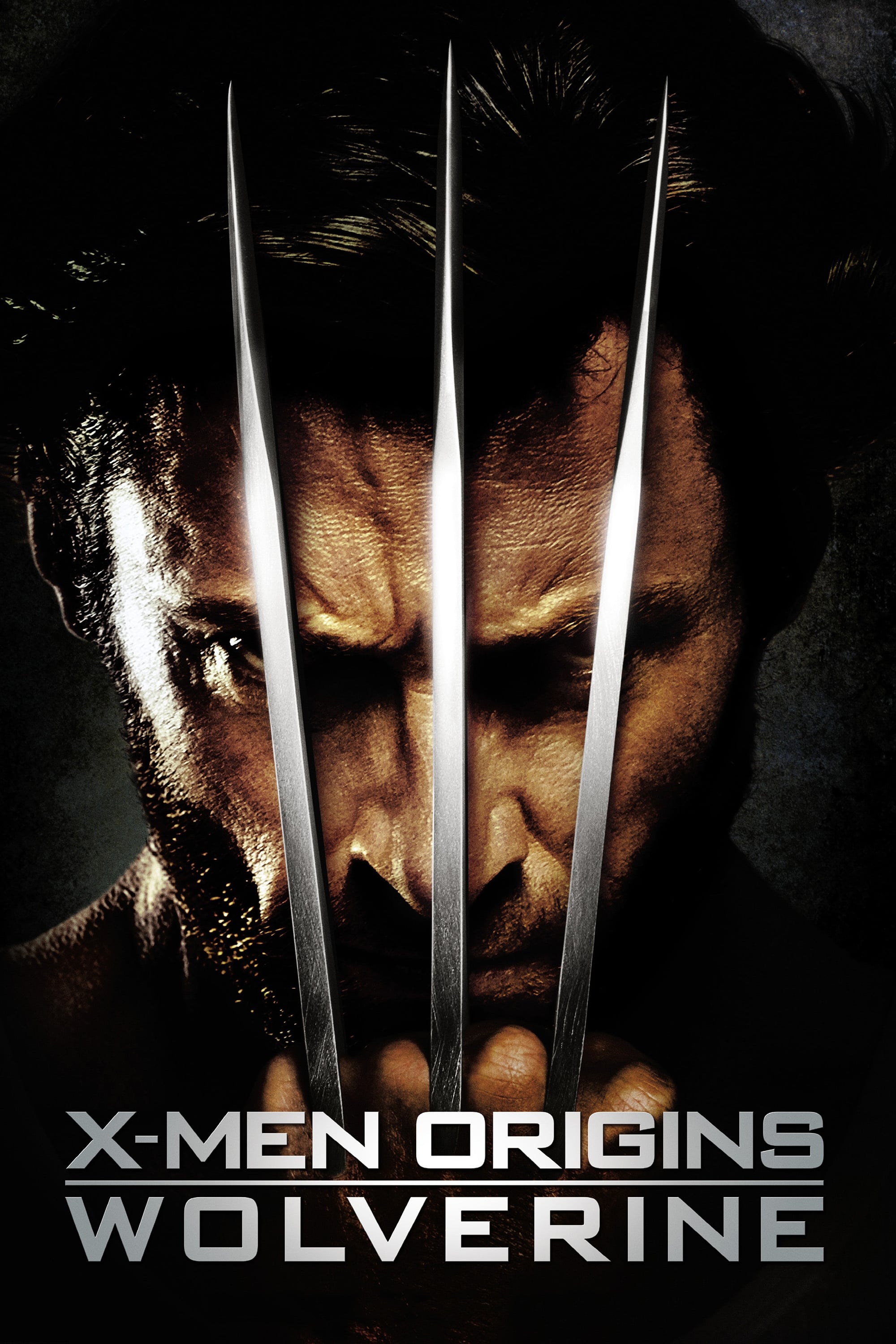
This prequel spun off a fan favorite character to anchor a solo film that filled in backstory ahead of later team entries. It arrived during a period when superhero franchises were expanding into character focused chapters to keep theaters stocked between ensemble releases.
Production costs were substantial for the time and the worldwide total crossed the several hundred million mark. Mixed reception did not stop the studio from building a multi film arc for the character, and the title sold strongly on disc thanks to ongoing interest in the larger series.
‘Pirates of the Caribbean: On Stranger Tides’ (2011)

The fourth adventure repositioned the series around the most marketable character and introduced a quest structure that worked without the original ensemble. It filmed across multiple locations and used premium format screens to boost ticket revenue.
Reports placed the budget among the highest ever at release while the global total passed one billion dollars. The film performed especially well overseas and helped sustain a long running theme park tie in along with continued merchandising.
‘A Good Day to Die Hard’ (2013)
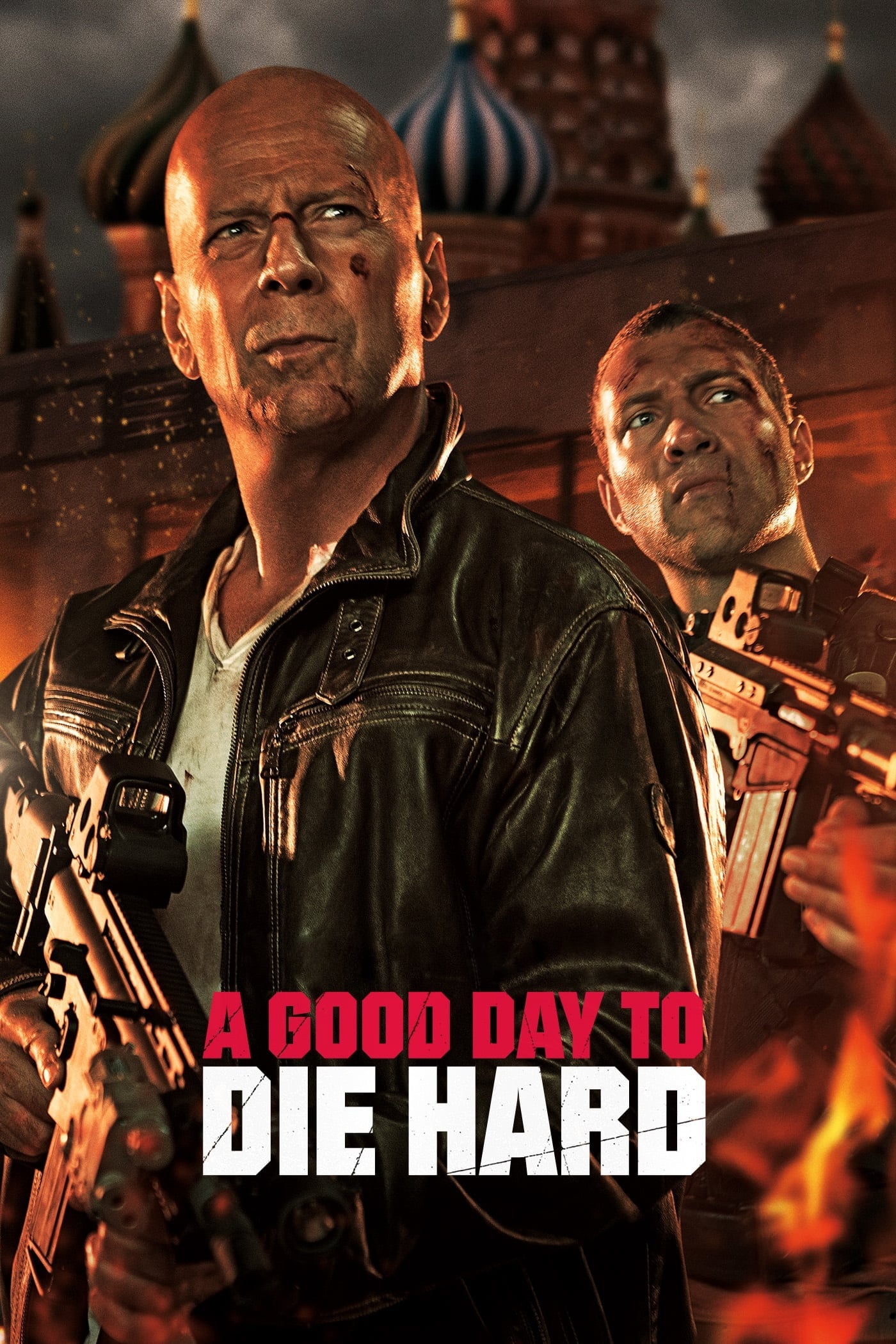
The fifth chapter updated the setting to a contemporary overseas location and introduced a next generation family link. Marketing leaned on the iconic lead’s persona and the brand’s catchphrases to connect with longtime fans.
The production budget was moderate for a major action franchise and the worldwide total crossed three hundred million dollars. Domestic results were soft but international turnout remained strong, which kept the property active for ancillary sales and television licensing.
‘Transformers: Age of Extinction’ (2014)

This entry refreshed the human cast and kept the mechanical stars front and center while adding new robot designs for toy lines. It was positioned as a jumping on point within an ongoing continuity and filmed with large scale visual effects that played well on giant screens.
The release crossed one billion dollars worldwide with a notable share from China after a production partnership boosted local appeal. The film maintained strong retail momentum for licensed products and kept the brand on summer schedules around the world.
‘The Hobbit: The Battle of the Five Armies’ (2014)
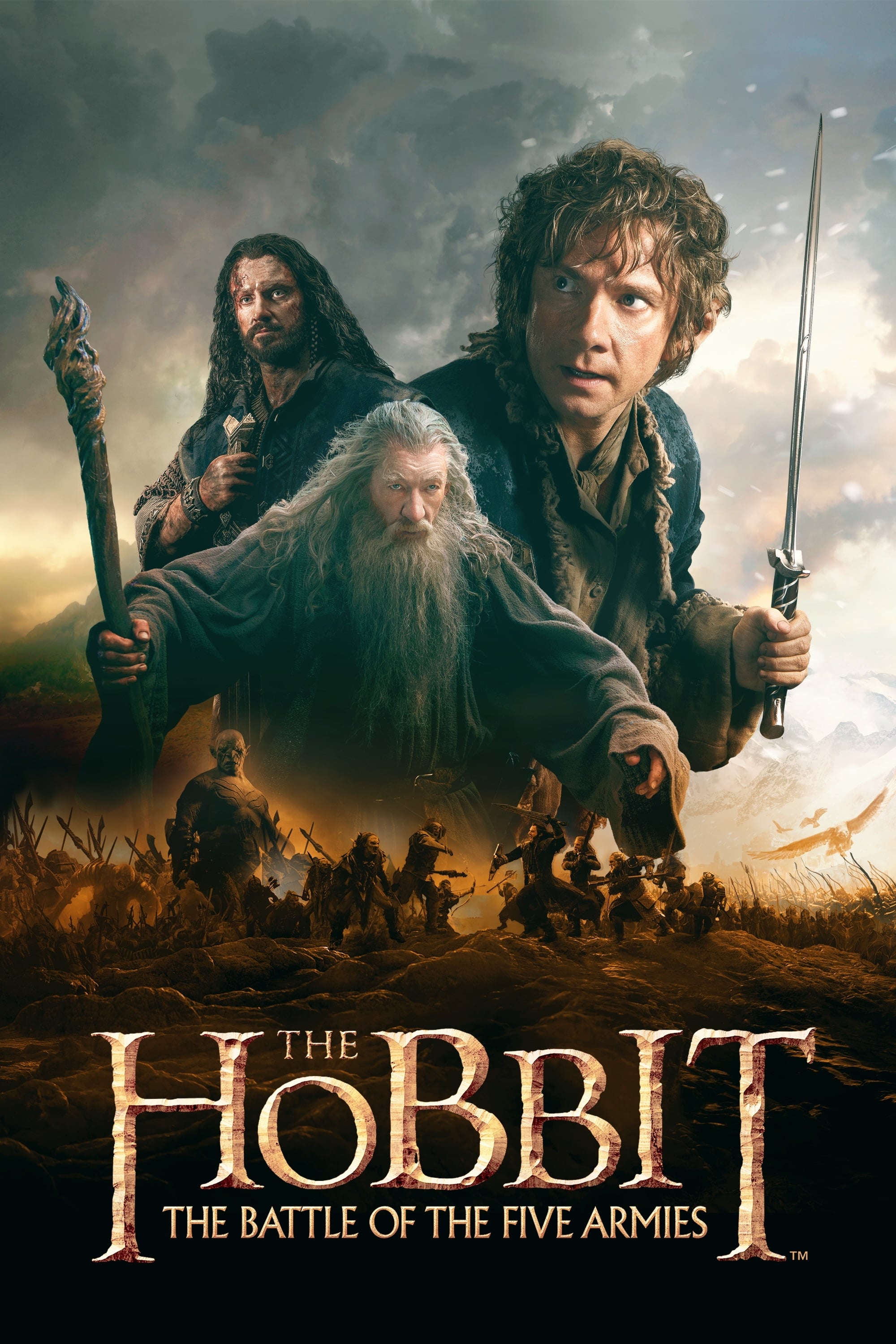
The adaptation strategy expanded a single book into three films, which created room for additional characters and extended action sequences. The third chapter focused on a climactic conflict and arrived one year after the prior release to keep the schedule steady.
Production costs were spread across the trilogy and the final installment approached the billion dollar mark worldwide. The extended cuts and tie in merchandise continued to generate revenue long after the theatrical run, supported by holiday home release windows.
‘Terminator Genisys’ (2015)
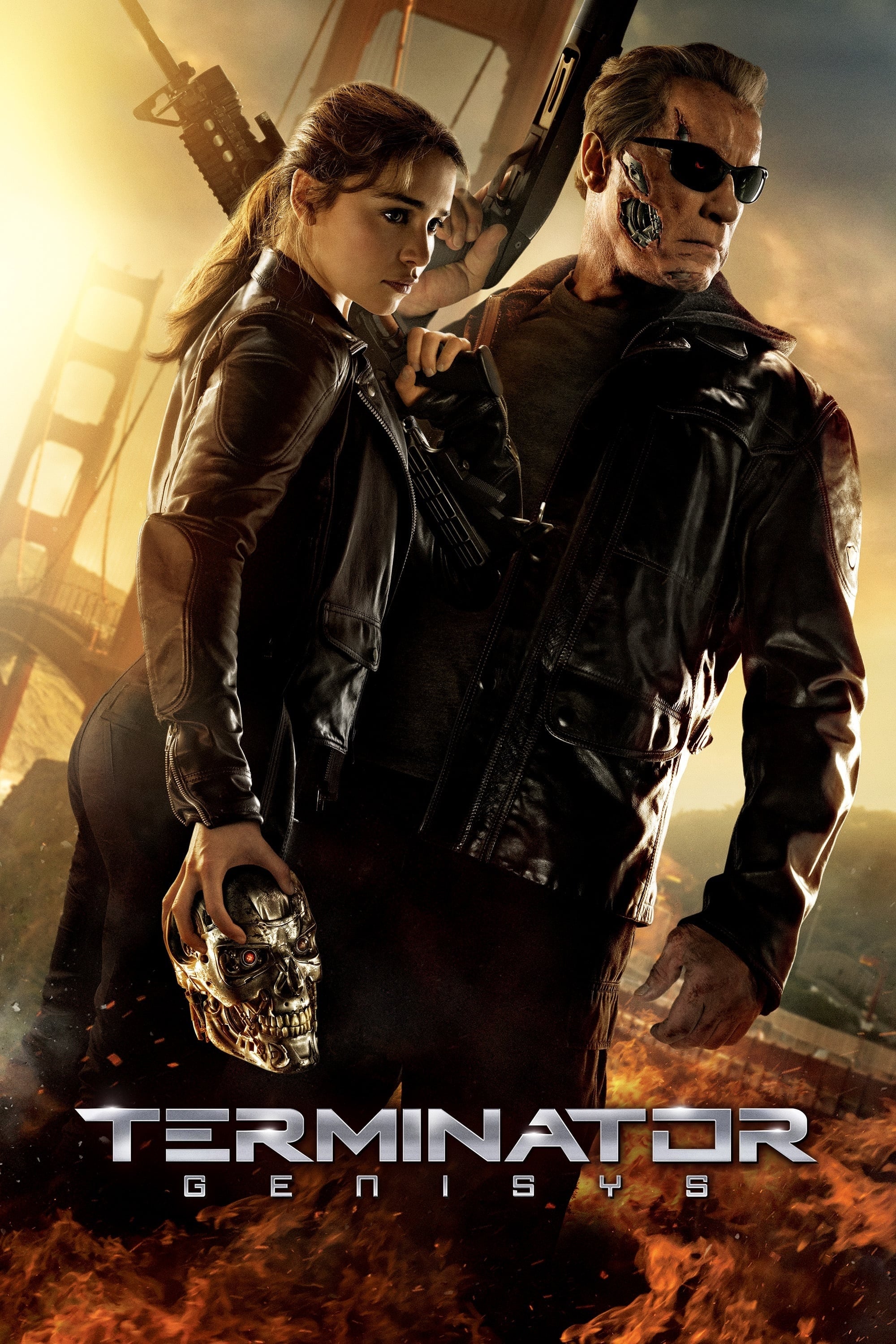
After several changes in stewardship, this installment attempted to reset continuity using time travel to revisit classic moments. A returning star anchored the campaign while the story set up planned sequels that were contingent on performance.
The budget sat in the mid nine figure range and the worldwide total reached the mid four hundreds, with overseas markets outpacing domestic interest. The result paused immediate follow ups, though the title performed steadily on digital platforms due to franchise recognition.
‘Independence Day: Resurgence’ (2016)
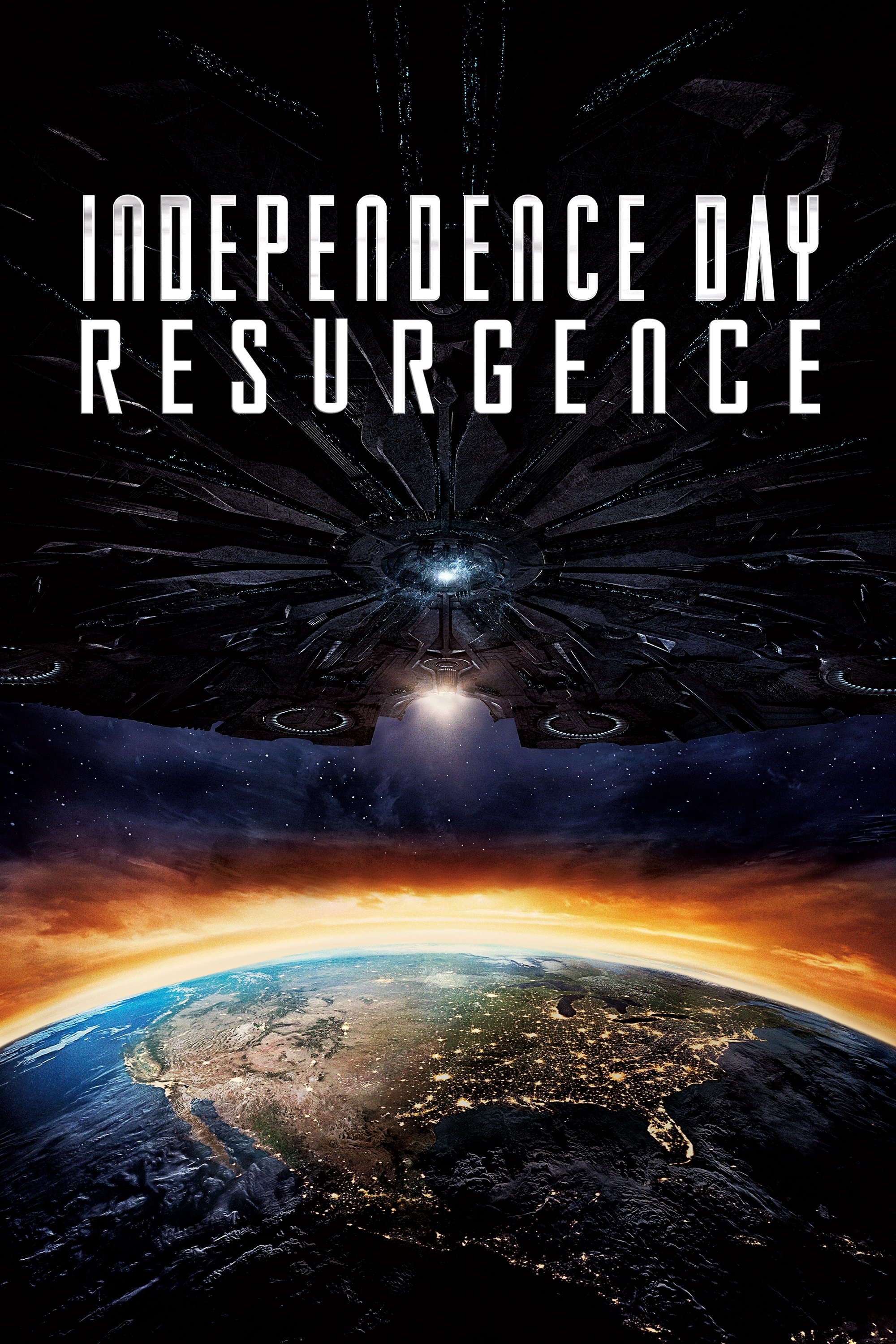
Two decades after the original hit, this sequel expanded the alien threat and introduced new pilots while bringing back select familiar faces. The film used contemporary visual effects to scale up city level destruction and leaned on nostalgia in its trailers.
The production budget was sizable and the global gross landed under four hundred million dollars. Domestic turnout fell short of the original, yet international receipts and long tail licensing for science fiction fans kept the property active across platforms.
‘The Mummy’ (2017)
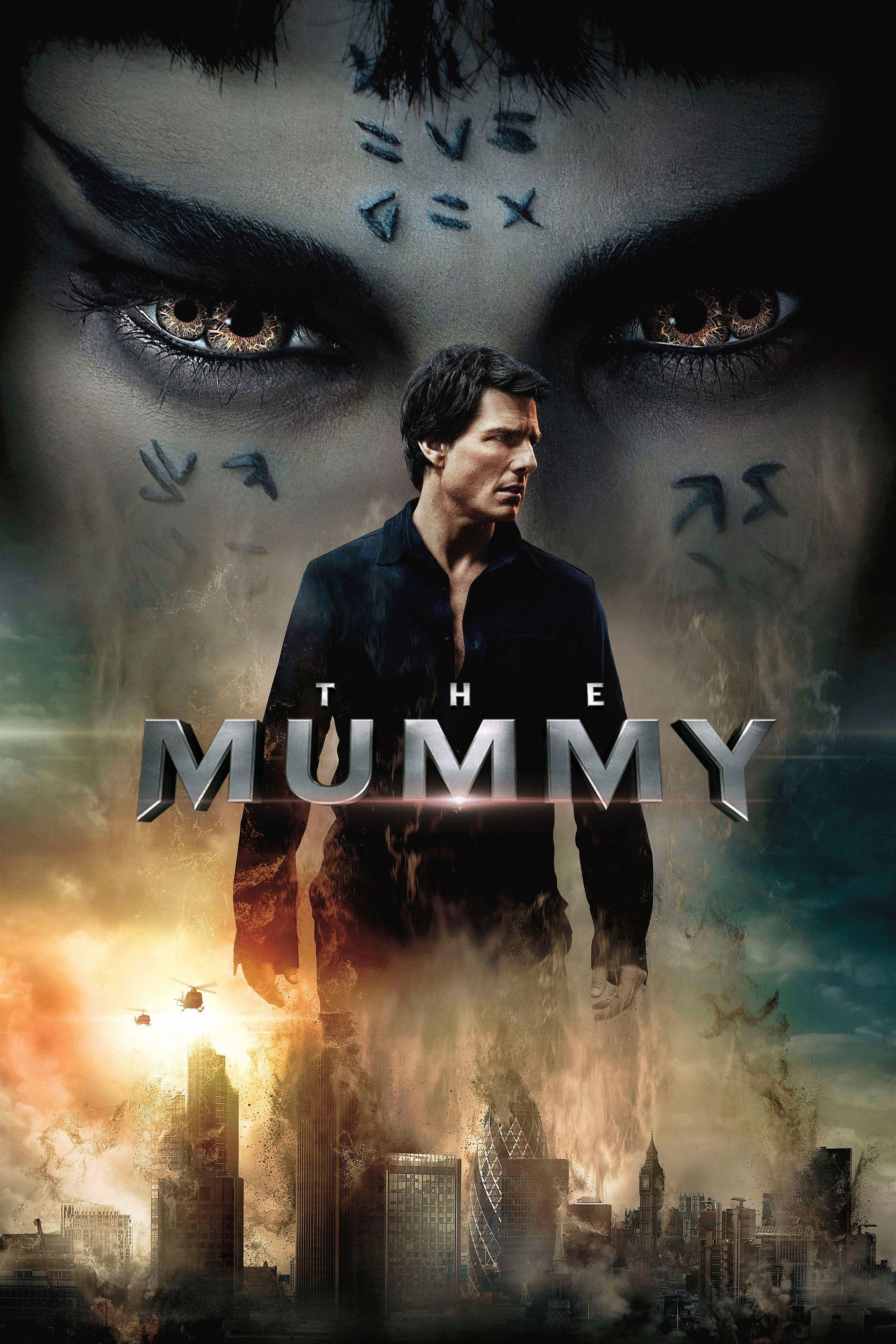
This reboot launched with a star driven vehicle and a modern setting while planting seeds for a connected series of monster films. The rollout included brand marks for a planned shared universe that would have linked multiple classic characters.
Costs were high for a first chapter and worldwide receipts topped four hundred million dollars, with most of that from overseas markets. Plans for additional entries were shelved after the domestic shortfall, although the film maintained interest through streaming and international television packages.
‘Justice League’ (2017)
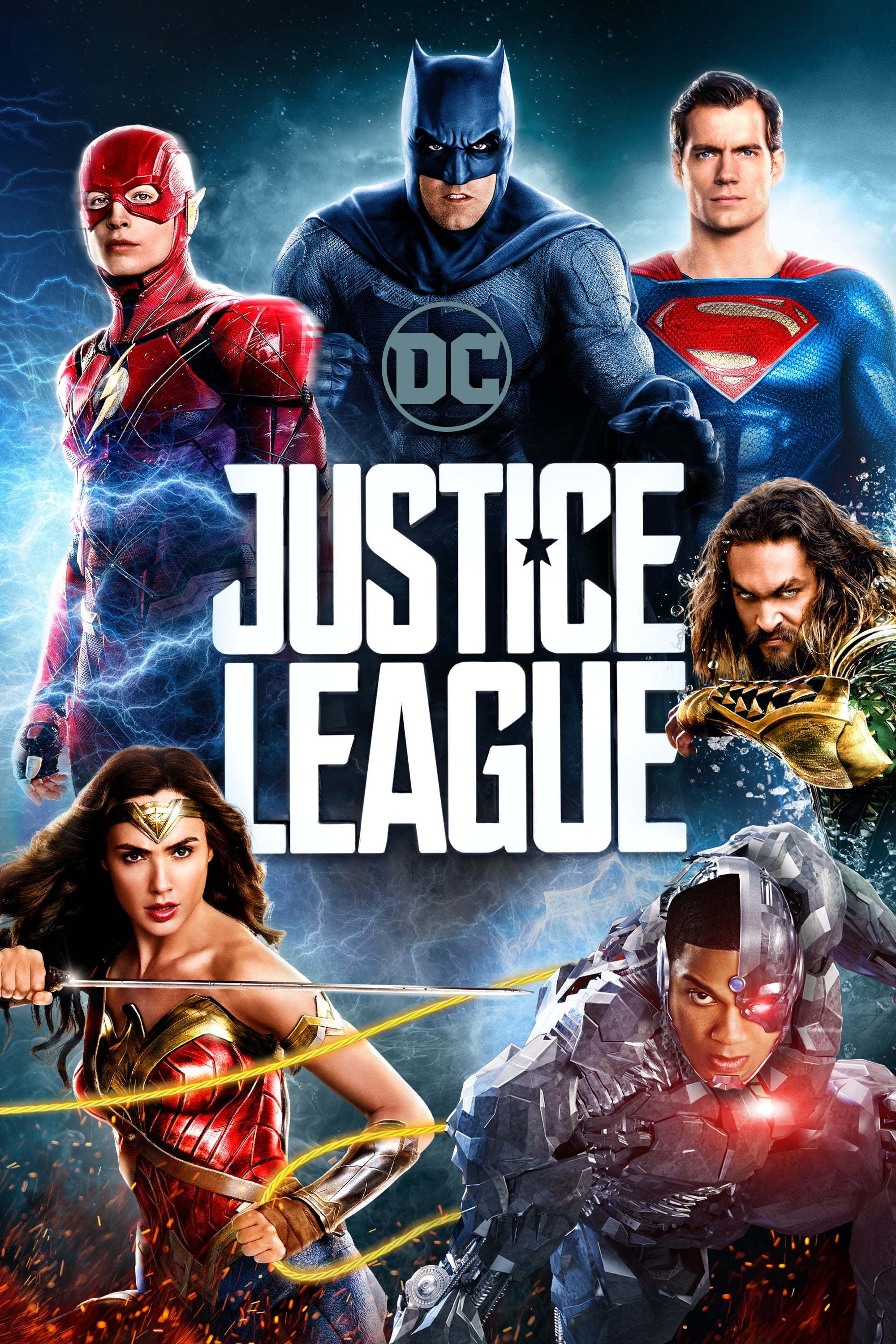
A team up film arrived after several individual entries and combined characters from separate story lines under a tight post production schedule. Extensive reshoots and a change in creative leadership led to a complex finishing process that aimed for a broad audience tone.
Spending on production and marketing was among the largest in the genre and the global total landed in the mid six hundreds. Profitability was challenged by the high costs, yet the ensemble title sustained merchandise and renewed attention for solo character projects.
‘Pirates of the Caribbean: Dead Men Tell No Tales’ (2017)
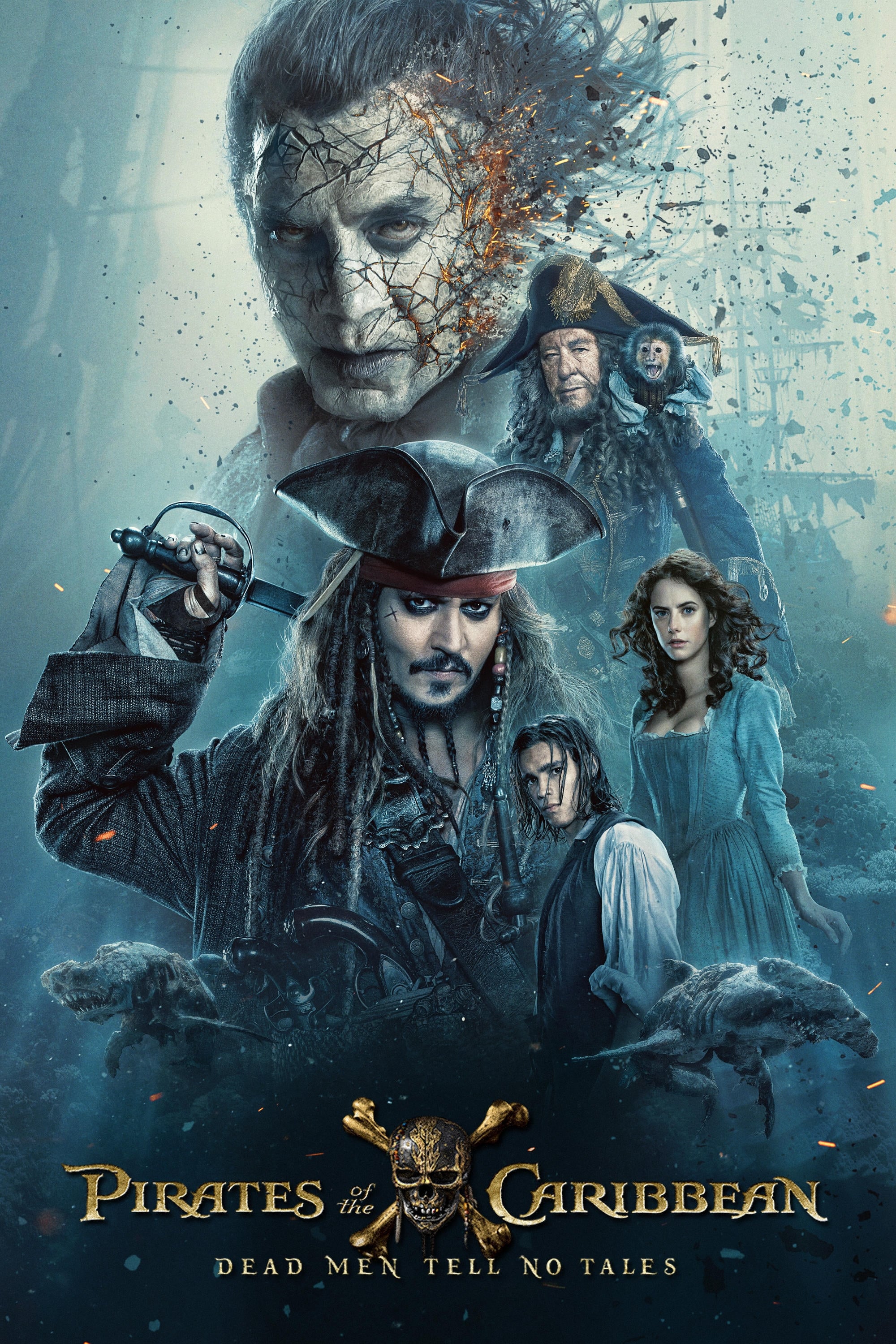
The fifth film returned the franchise to a quest format with legacy characters and introduced younger leads to refresh the cast. It leaned on established maritime locations and elaborate practical sets blended with digital effects.
The budget remained high and the worldwide total surpassed seven hundred million dollars, driven by strong international turnout. While domestic interest cooled compared with earlier peaks, the film supported ongoing theme park visibility and home entertainment sales.
‘The Emoji Movie’ (2017)
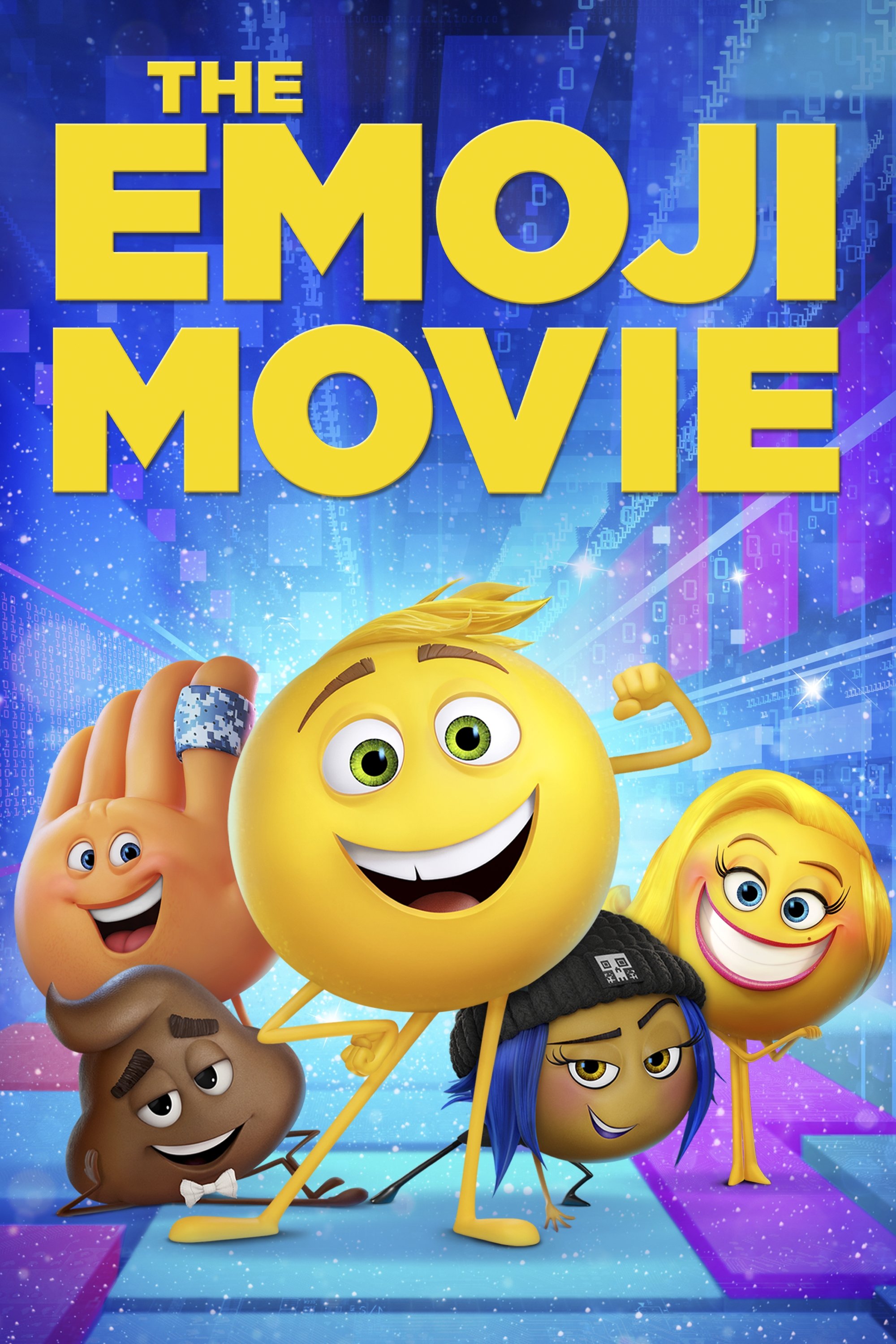
This animated feature built a narrative around icons used in mobile messaging and targeted a broad family audience. It featured brand partnerships and familiar voice talent to connect with younger viewers who recognized the app culture setting.
The budget was moderate for a studio animation release and global earnings crossed two hundred million dollars. Despite weak critical notices, the film sold well in ancillary markets and aligned easily with promotional tie ins for consumer products.
‘Fantastic Beasts: The Crimes of Grindelwald’ (2018)

The second chapter continued a spin off series inside a well known wizarding world and expanded the timeline to connect with legacy characters. It delivered elaborate period sets and visual effects while moving major plot pieces into place for future installments.
Costs were high and worldwide revenue reached the mid six hundreds, which trailed the prior entry. The title still drove strong sales of licensed goods and kept interest in the larger universe active ahead of the next sequel.
‘Men in Black: International’ (2019)
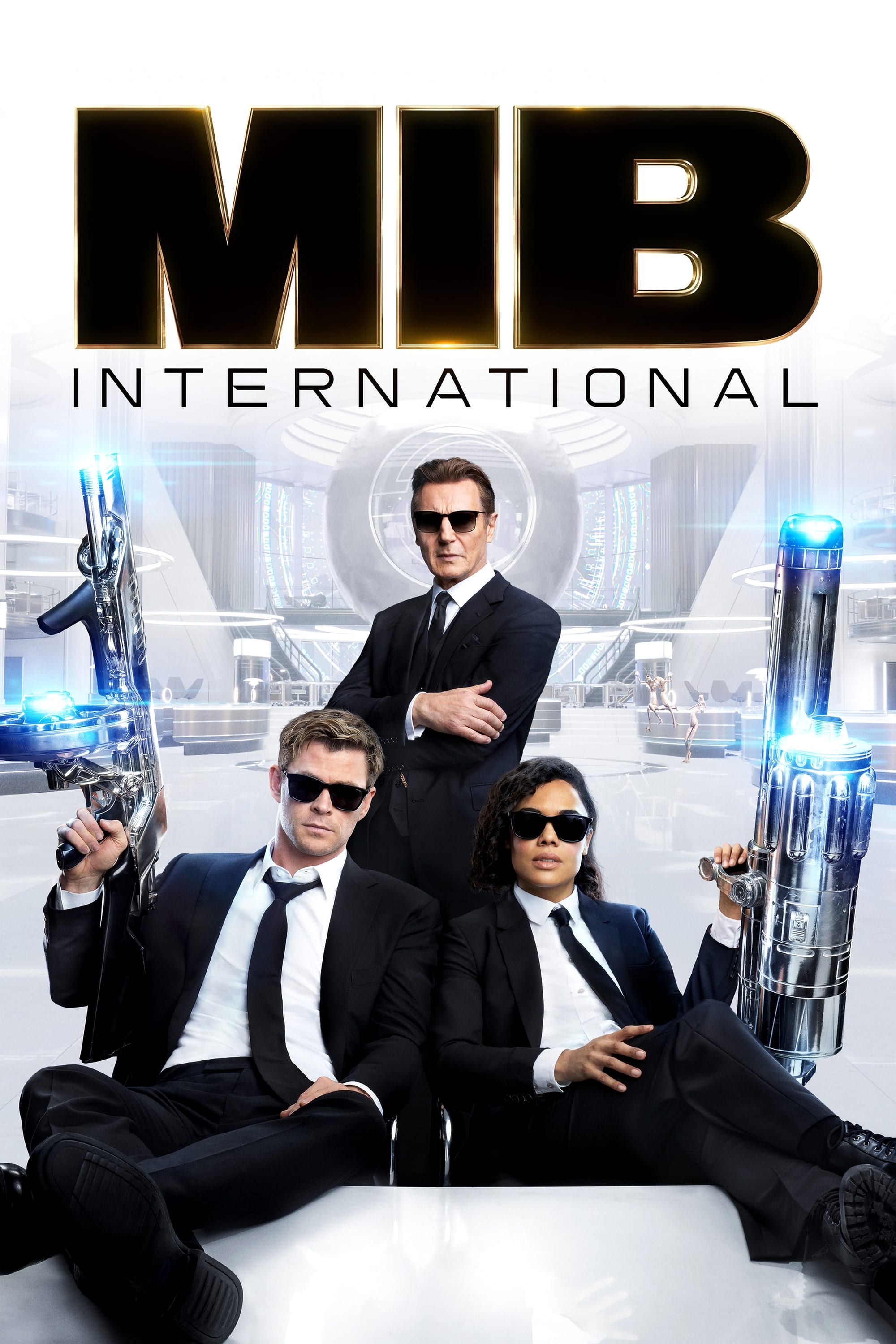
This soft reboot shifted the action to new agents and global locations while preserving the suits, gadgets, and alien bureaucracy that defined the brand. The campaign highlighted fresh star power and a broader world tour approach.
Spending reached nine figures and the worldwide total settled in the mid two hundreds. The movie underperformed in North America but added steady overseas business and maintained value for the franchise through streaming windows and catalog rentals.
‘The Lion King’ (2019)
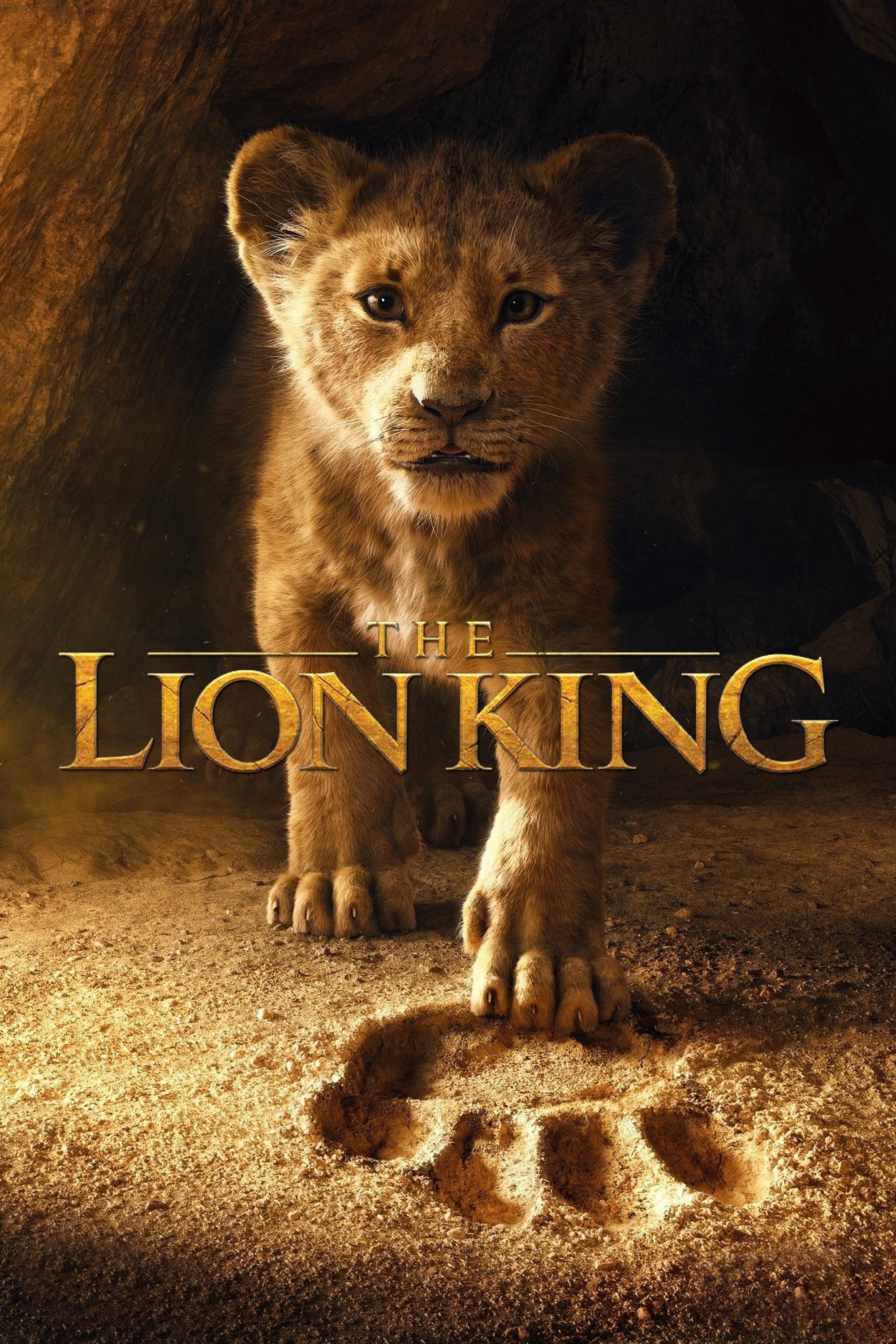
Disney produced a photoreal reinterpretation of its animated classic using cutting edge virtual production techniques. The story remained close to the original which made the marketing straightforward for families who knew the songs and characters.
The production budget was very high and the film earned more than one and a half billion dollars worldwide. Premium screens and strong international play contributed heavily, and the release supported a wide slate of consumer products and soundtrack sales.
‘Star Wars: The Rise of Skywalker’ (2019)
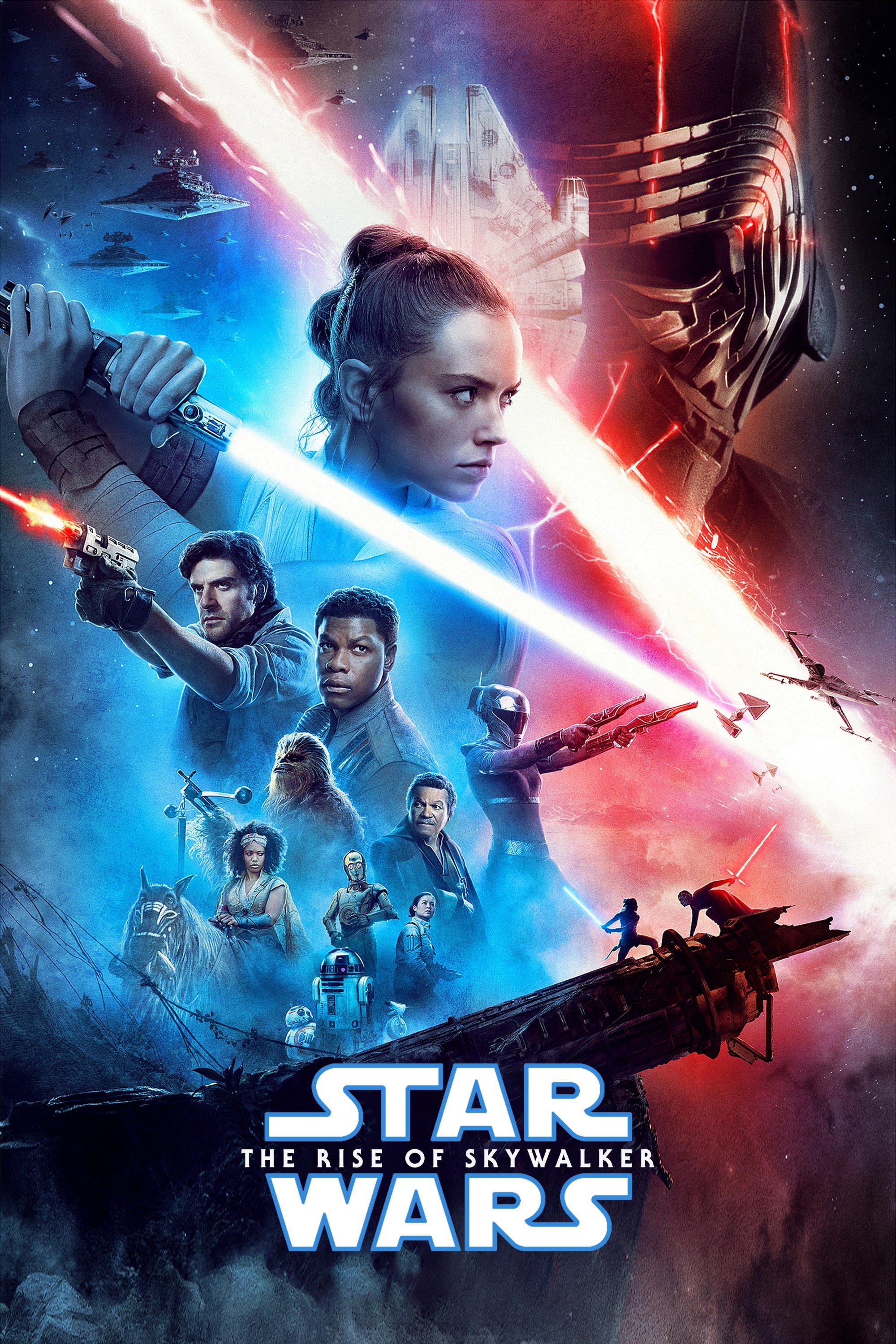
The ninth episode closed a long running saga and brought back familiar faces while resolving multiple story threads. The schedule placed it in the holiday corridor where prior entries had performed well and the marketing leaned on legacy imagery.
The budget and promotion spend were among the largest of the decade and the worldwide total topped one billion dollars. Attendance was lower than the previous chapter in several markets, yet the film powered a surge in licensed merchandise and anchored a major home release push.
‘Jurassic World Dominion’ (2022)
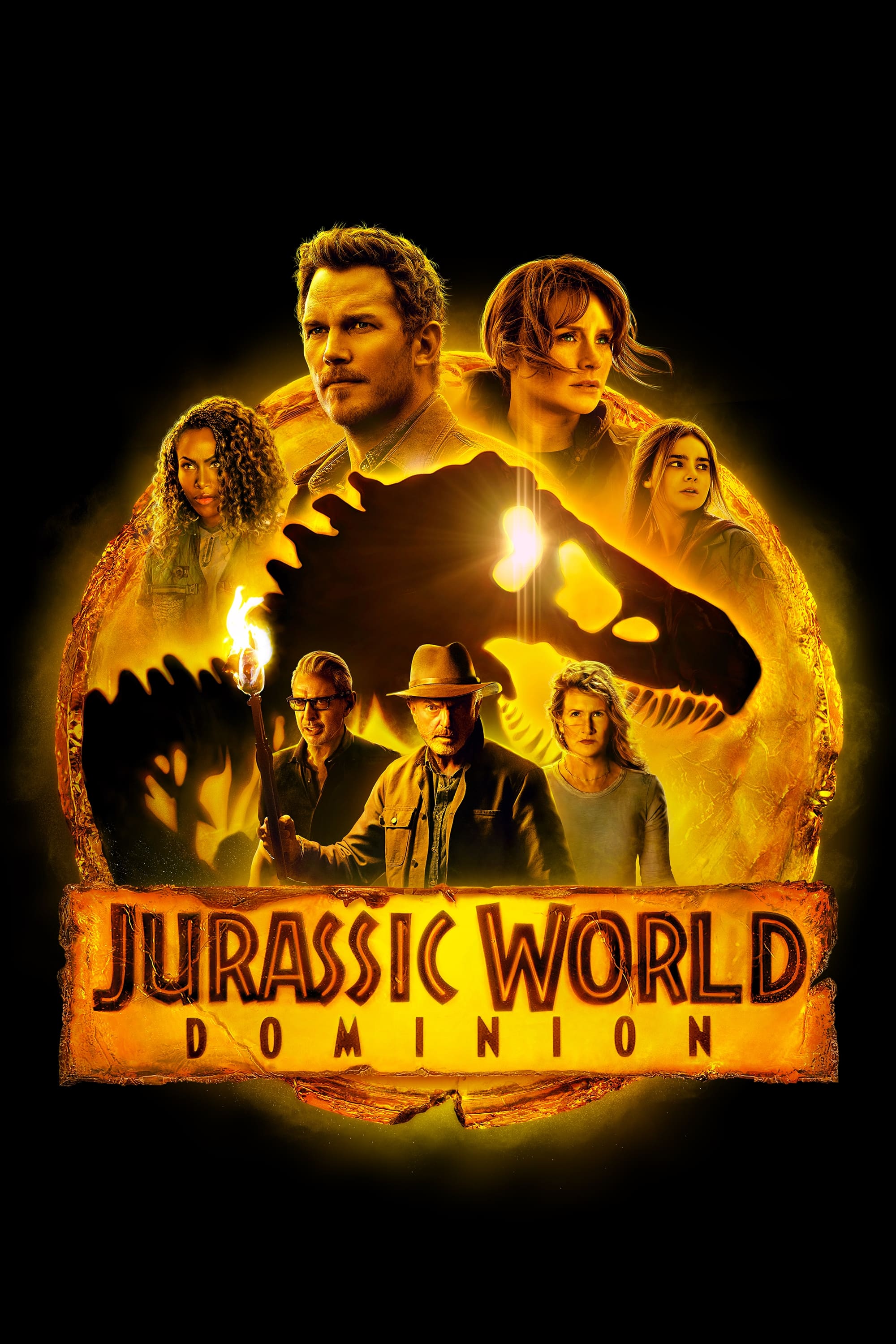
The third film in the modern trilogy united legacy characters with the newer cast and expanded the setting beyond contained parks. It arrived as theaters recovered globally and positioned itself as an event title for premium formats.
The budget was substantial and the global gross crossed one billion dollars with strong showings in multiple regions. Reviews were mixed but brand recognition and family turnout sustained the run, while toys, games, and streaming rights extended the revenue cycle.
Share your picks in the comments and tell us which titles felt the most like brand plays to you.