Top 20 Weirdest Anime of All Time

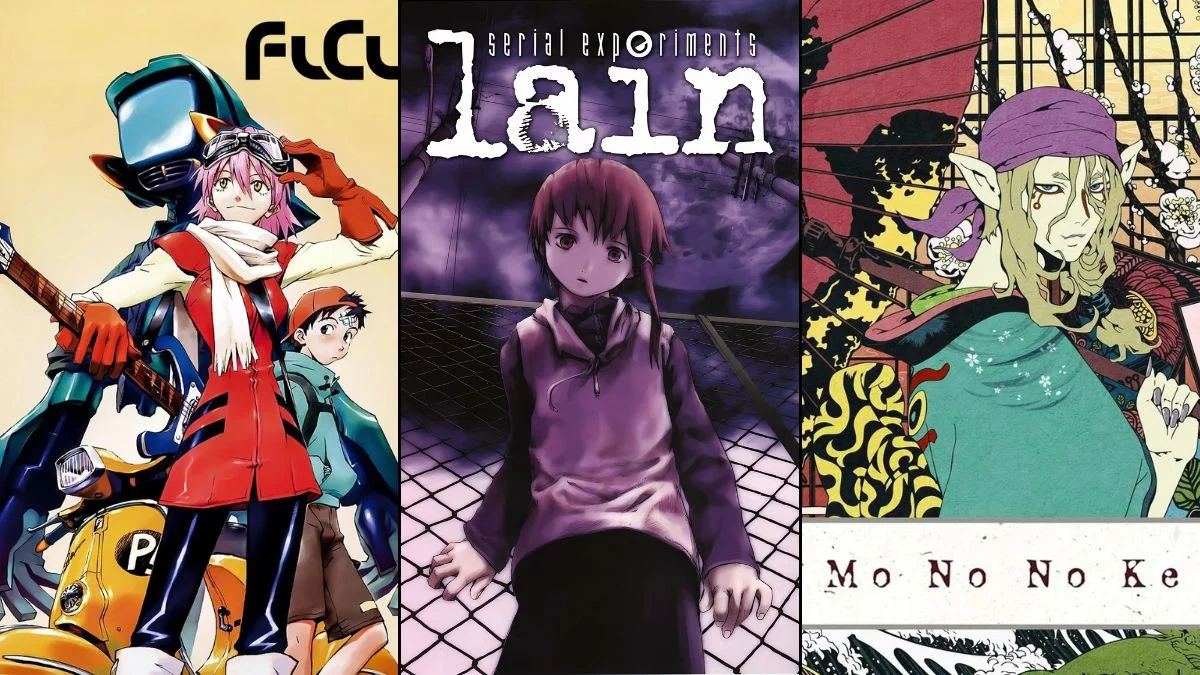

Some anime bend reality until it looks like a funhouse mirror. They mix surreal visuals, puzzling story structures, and ideas that feel like dreams you only half remember. This list rounds up titles that play by their own rules, whether they are short films, cult TV series, or single season experiments that still spark conversation years later.
You will find shows that twist cyberculture into fairy tales, comedies that weaponize non sequiturs, and dramas that unfold like riddles. To keep things useful, each entry notes what the story actually covers, how it is made, and the creative names behind it, so you can decide what kind of strange you want to dive into next.
‘Serial Experiments Lain’ (1998)
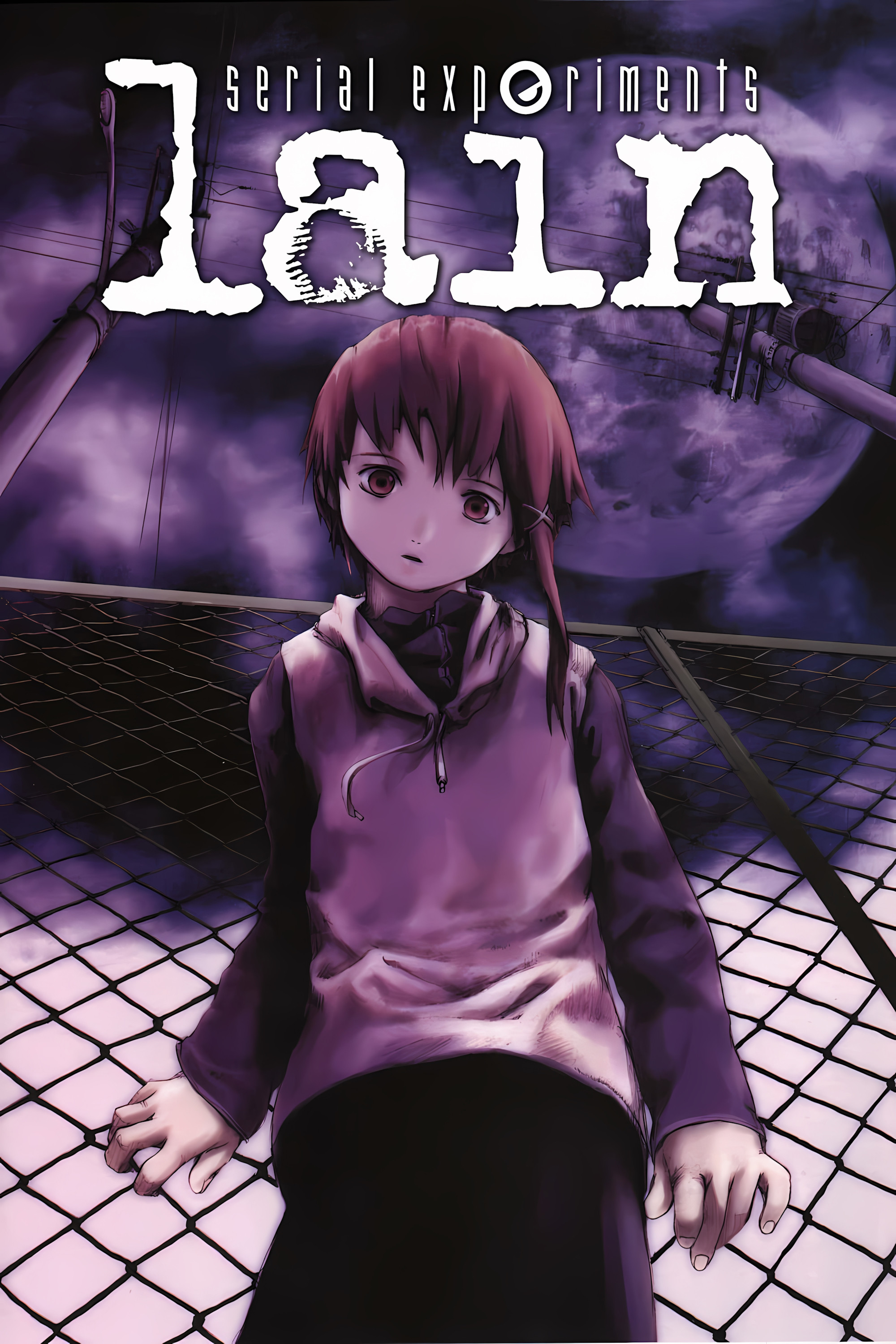
This series follows a quiet middle schooler who is pulled into the Wired, a global network that mirrors the internet. It explores identity, memory, and urban legends through fragmented episodes that jump between real life and digital spaces. The story uses whispered rumors, mysterious emails, and street tech to show how online presence can leak into the self.
It was directed by Ryutaro Nakamura with character designs by Yoshitoshi ABe and scripts by Chiaki J Konaka. The production uses muted colors, empty suburban streets, and stark sound design to create a clinical mood. Its episodic structure layers clues rather than solving them outright, which makes it a landmark in late 90s cyberpunk anime.
‘FLCL’ (2000–2001)
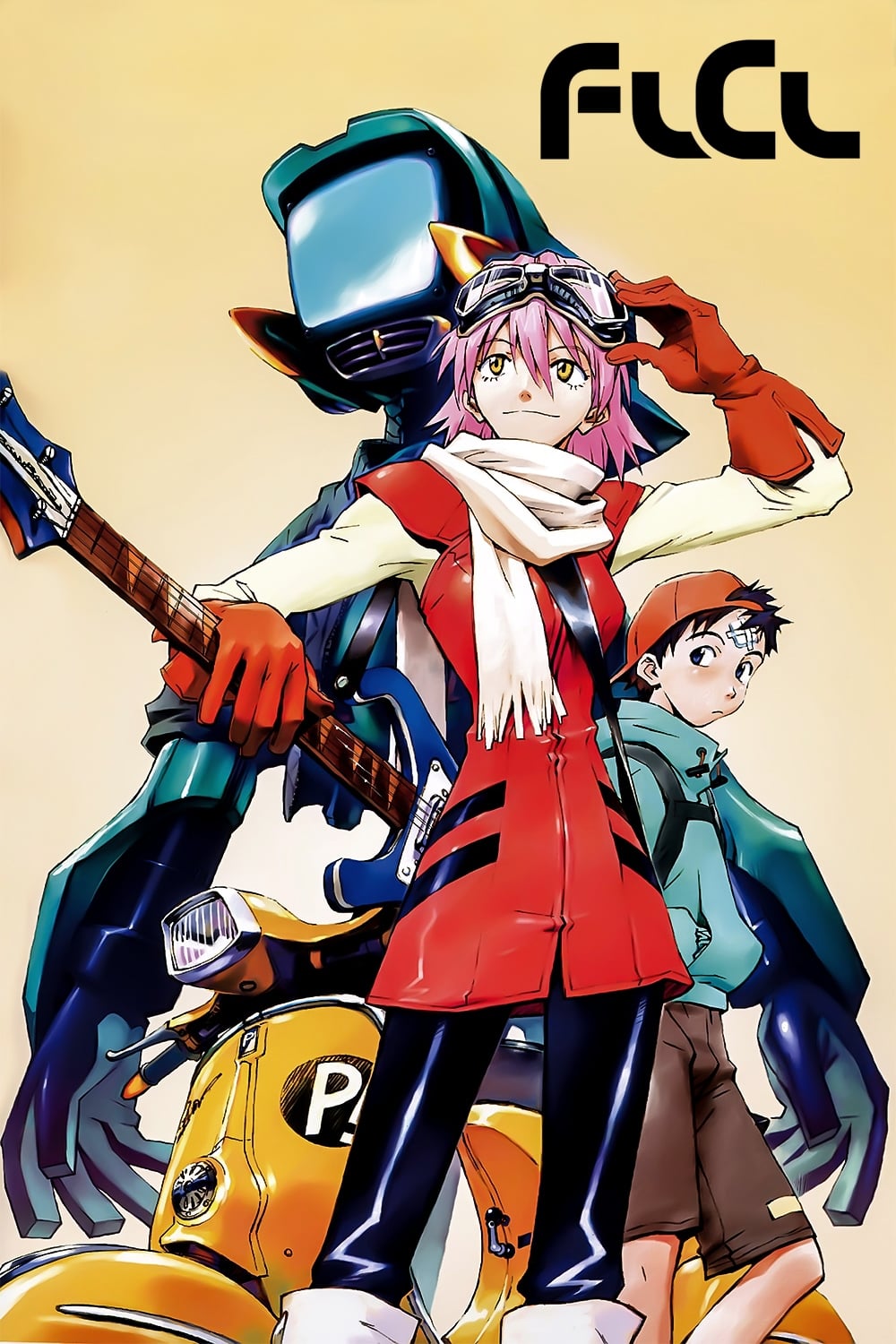
The plot begins when a woman on a Vespa smashes a bass guitar into a boy’s head and his forehead starts spawning robots. Each episode runs like a music video that uses coming of age beats to frame sudden sci fi battles. The humor pivots from deadpan to loud visual gags while still tracking the kid’s awkward leap toward adulthood.
The six episode original was produced by Gainax and Production I G with Kazuya Tsurumaki directing. The show blends hand drawn animation with quick cuts and manga style freeze frames. The Pillows provide a rock soundtrack that syncs to the editing, which gives the action scenes their jittery rhythm.
‘The Tatami Galaxy’ (2010)
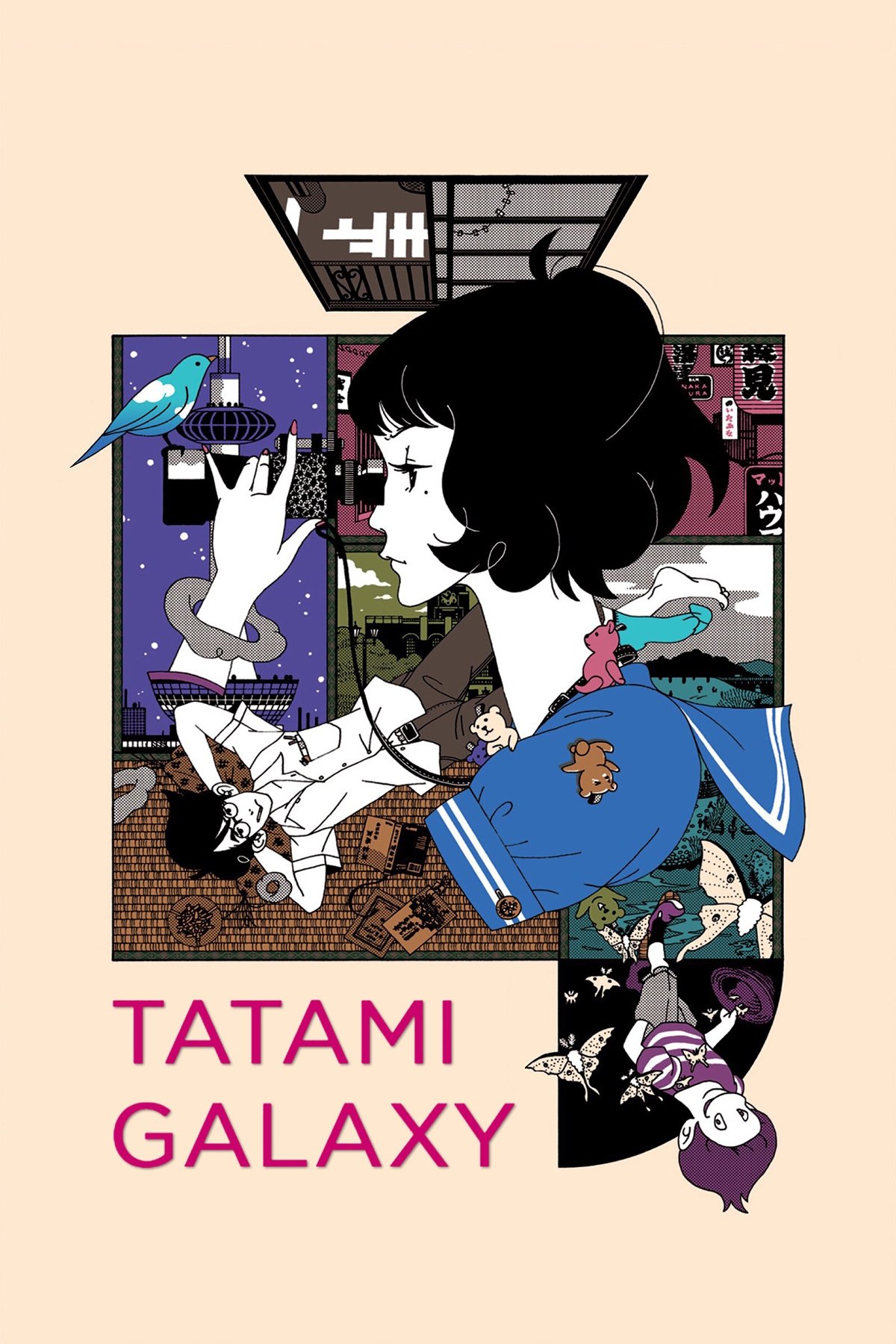
A nameless college student repeats different campus lives as time resets after each mistake. Every reset changes his clubs, friends, and romances while small details carry over like clues. The rapid dialogue and skewed camera work create a sense of speed as he searches for an ideal path that keeps slipping away.
Director Masaaki Yuasa adapts Tomihiko Morimi’s novel with Science Saru’s core team members then working at Madhouse. Bold color blocks and stylized backgrounds compress rooms into tight grids that match the title. A later sequel story connects through shared characters and the same narrator, which ties the loop together.
‘Mononoke’ (2007)
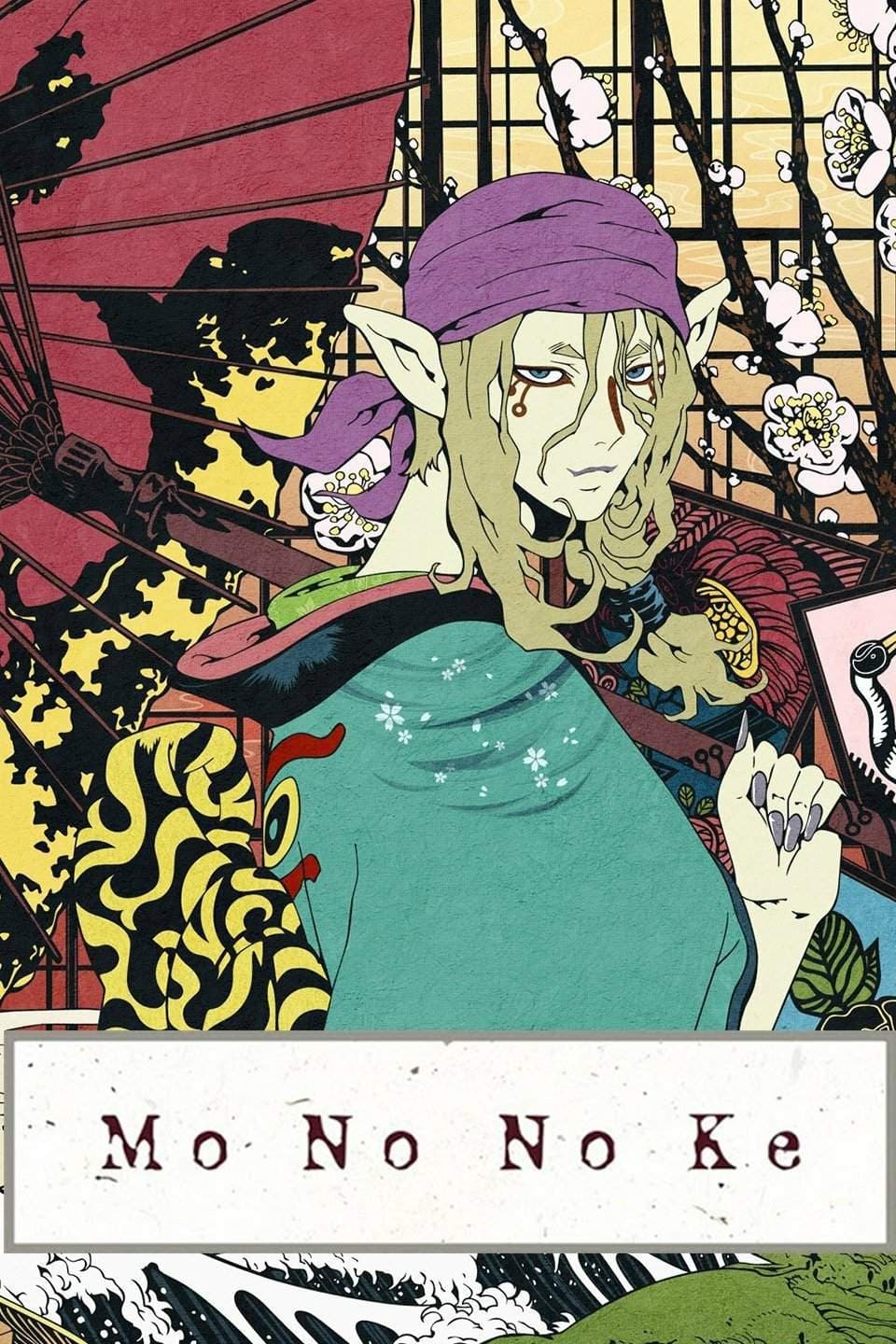
A mysterious medicine seller travels across period Japan and exorcises mononoke by learning each spirit’s shape, truth, and reason for lingering. Every arc plays like a stage play with stylized sets that look printed on textured paper. The cases cover murders, betrayals, and grudges that turn into patterns the seller must name before he can cut them down.
Kenji Nakamura directs at Toei Animation using ukiyo e inspired art, layered textures, and sliding panel transitions. The show’s structure breaks into distinct short stories with unique palettes and motifs. Its visual language is dense with repeating symbols that align with the rules of each haunting.
‘Kaiba’ (2008)
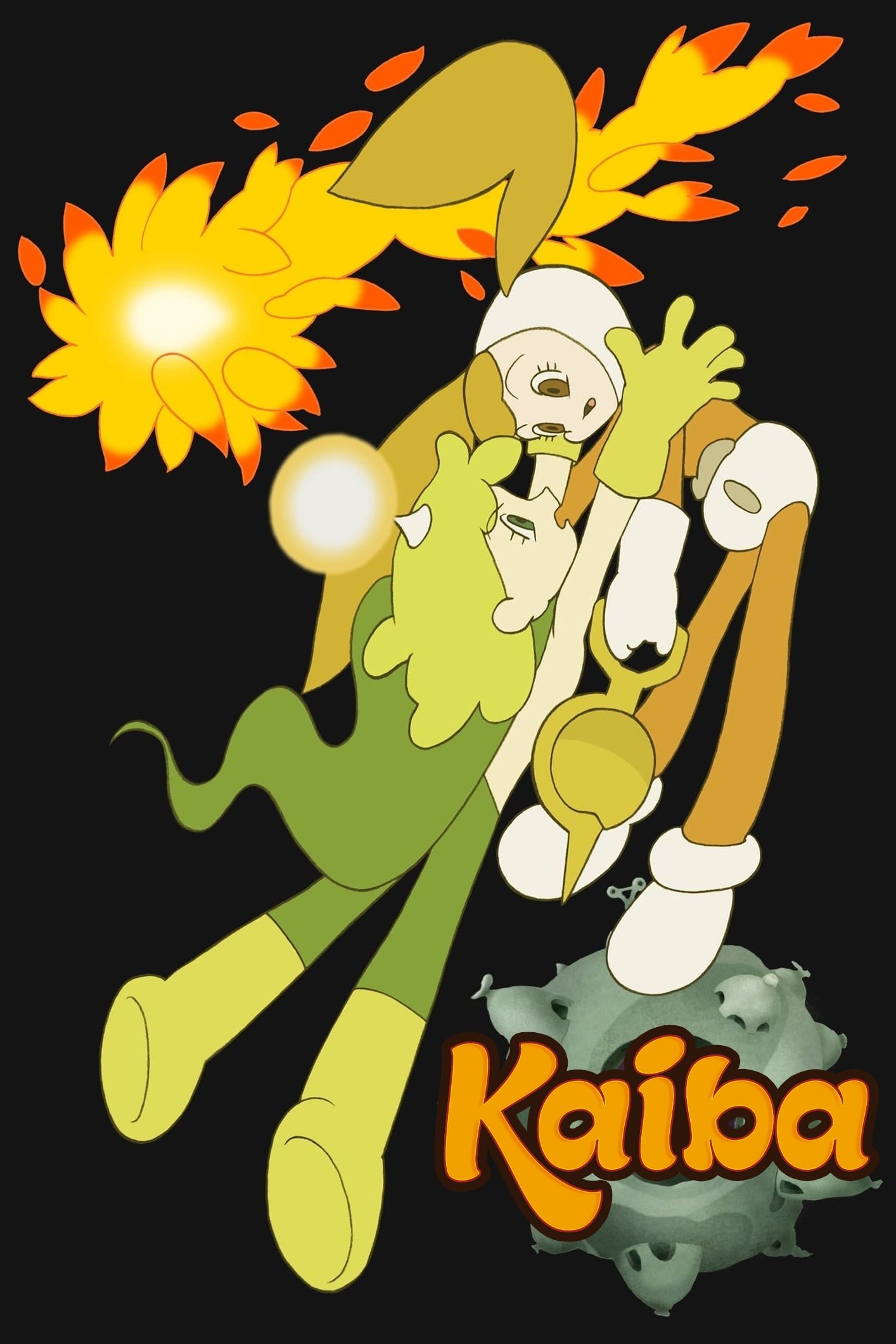
In a future where memories can be stored and traded, a boy wakes with a hole in his chest and no past. He travels through class divided worlds where bodies are disposable shells and identity is transferable. The journey links small human stories that reveal how memory markets reshape love and power.
Masaaki Yuasa directs with character designs that look soft and rounded at first glance. The style draws from older cartoons while carrying heavy science fiction ideas. Limber animation and minimal outlines let emotions read clearly even as the plot jumps between planets and timelines.
‘Mind Game’ (2004)
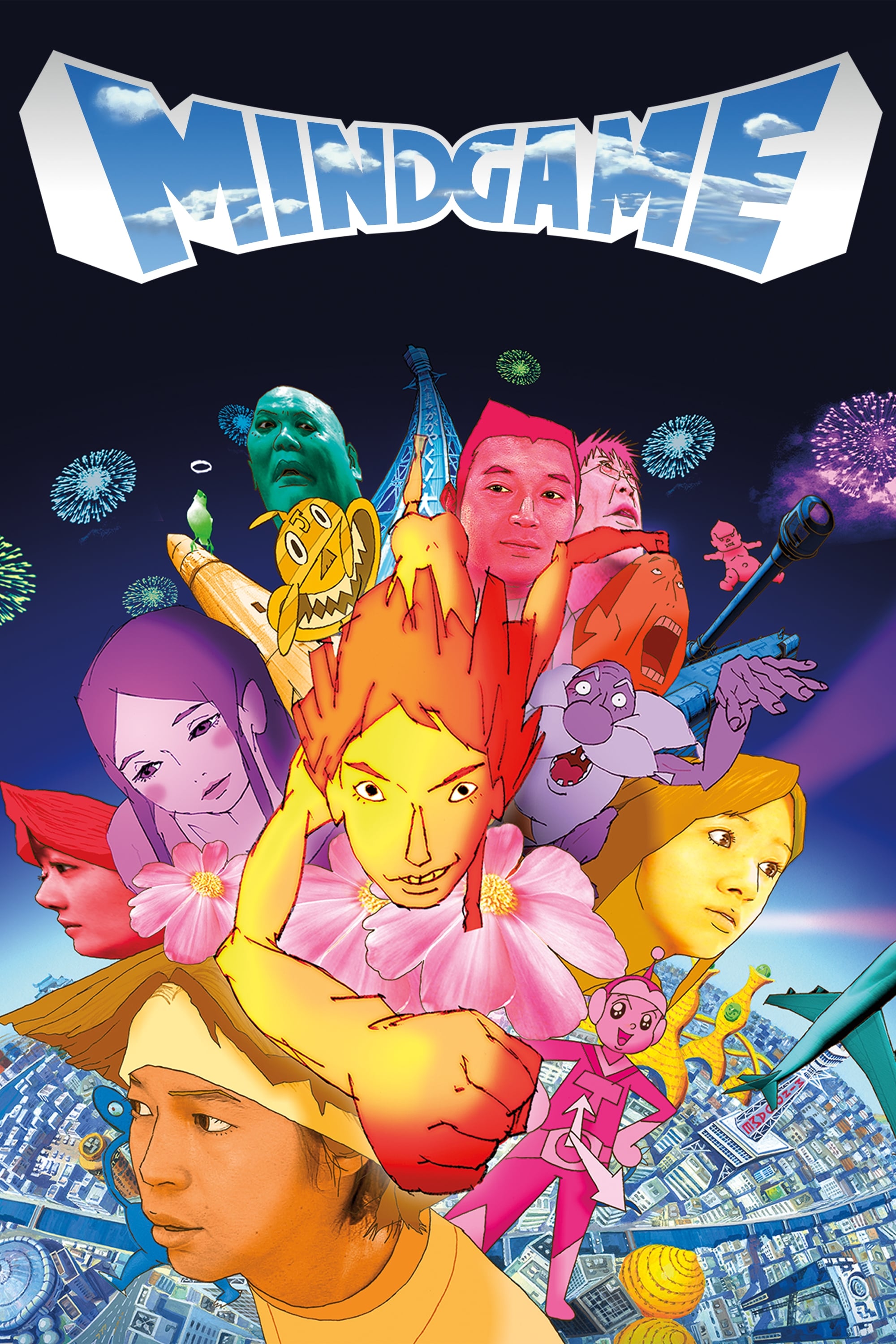
After a failed date and a deadly encounter with gangsters, a young man bolts into a pell mell spiritual chase through life. The story switches film stocks, drawing styles, and camera tricks while following him and two sisters as they escape a whale and chase possibility. Scenes stretch and squash time to show how a single decision can explode into many.
Studio 4°C produces with director Masaaki Yuasa leading a team of animators who improvise with mixed media. Live action inserts appear next to painted backgrounds and rough pencil tests. The result is a feature that treats animation as a toolbox where any technique can show a shift in feeling or fate.
‘Cat Soup’ (2001)
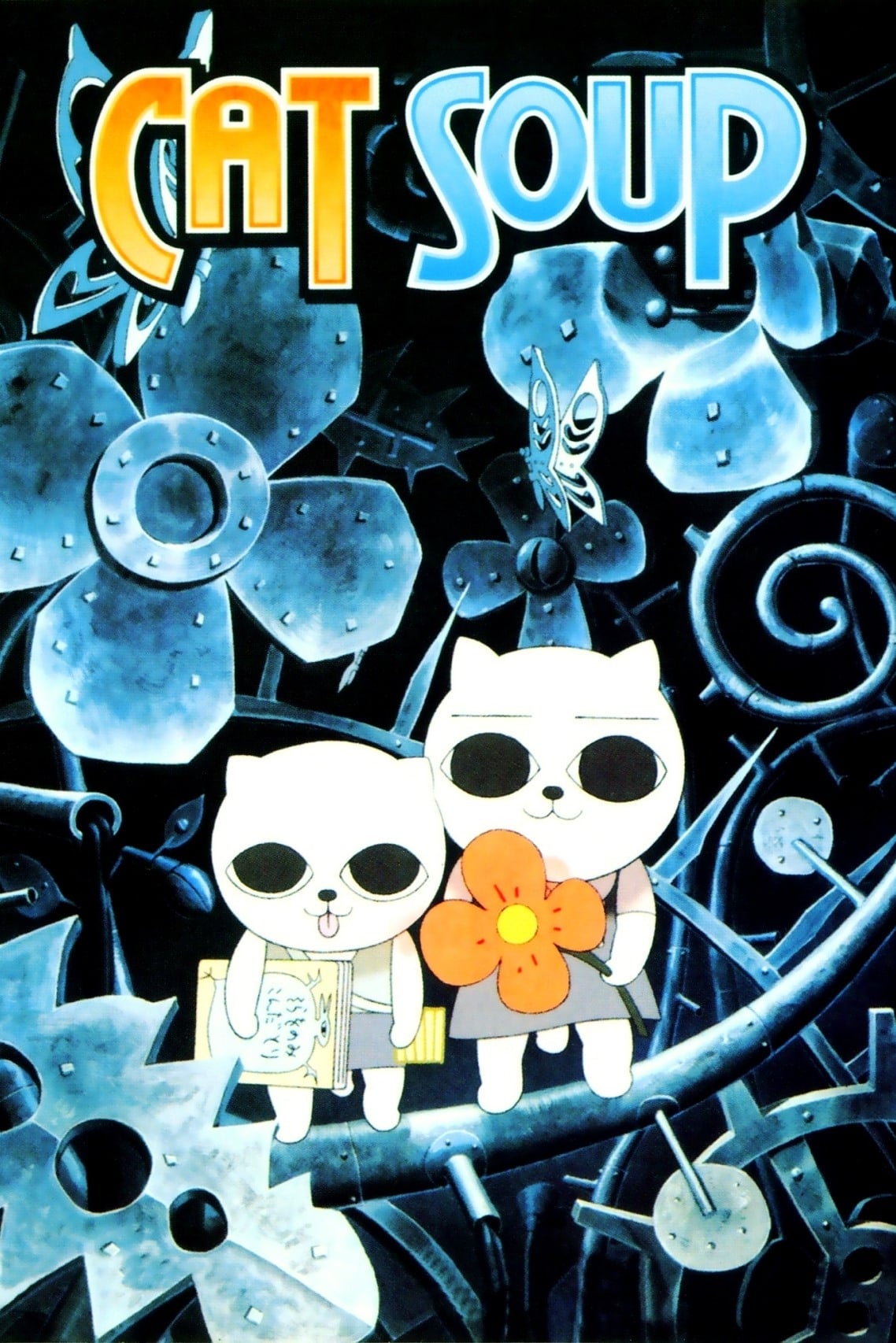
A small cat travels with his sister through a wordless landscape to recover her stolen soul. The journey passes deserts, carnivals, and quiet rooms where time stops and restarts. Actions unfold with little dialogue as cause and effect behave like dream logic.
The short film comes from Tatsunoko Production and is based on work by manga artist Nekojiru. Visual storytelling uses symbolic props and stage like compositions instead of clear exposition. The music and sound effects carry much of the mood, which lets the images move between cute and uncanny without explanation.
‘Angel’s Egg’ (1985)
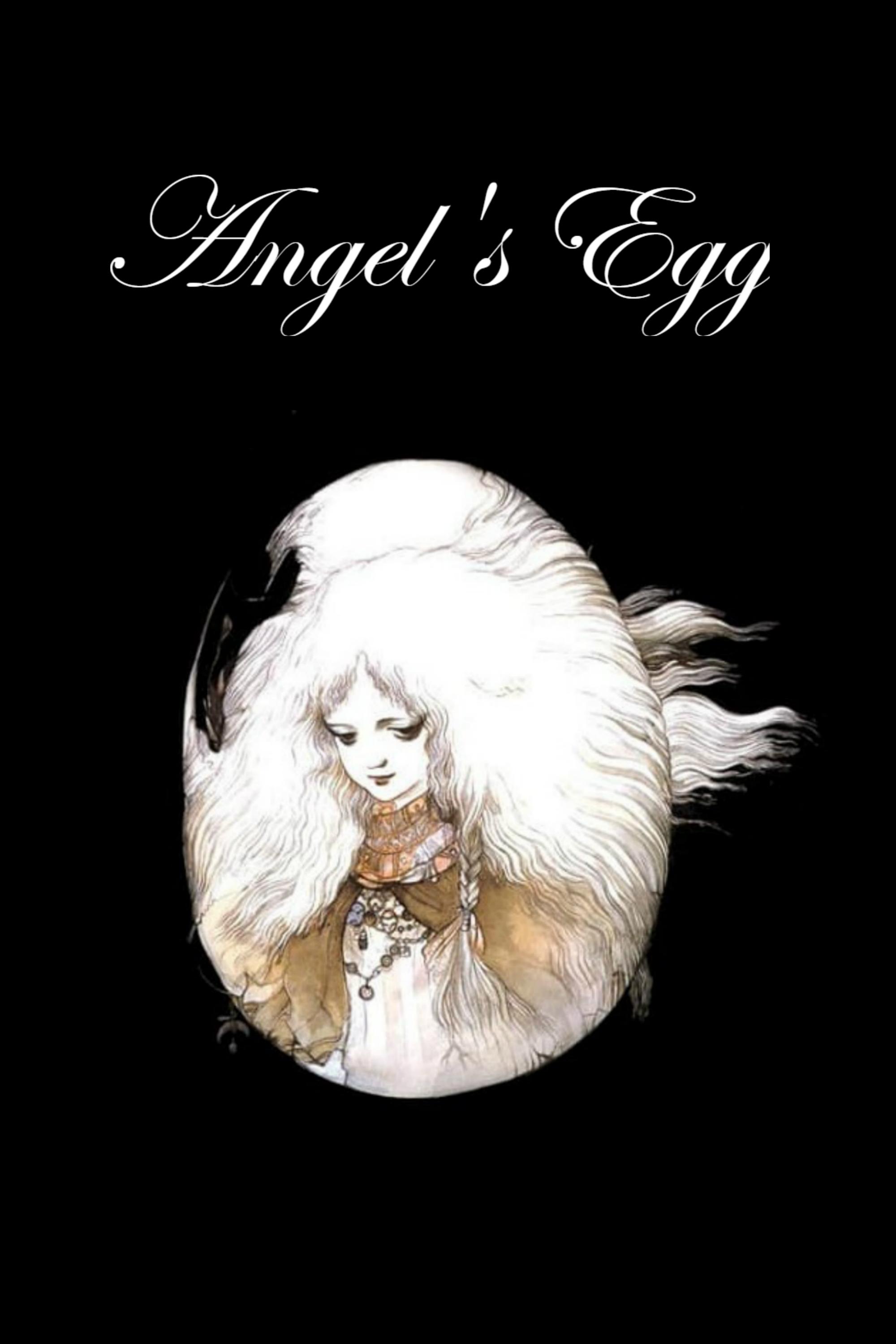
A girl cradles a large egg while wandering a deserted city of statues and water. A soldier accompanies her without fully sharing what he believes, and the two circle themes of faith and loss. The film offers sparse spoken lines and lets architecture and shadow convey meaning.
Director Mamoru Oshii collaborates with artist Yoshitaka Amano to create gothic imagery and languid pacing. Long takes and minimal motion turn small gestures into eventful moments. The production favors atmosphere over plot, which makes it a key art film within the medium.
‘Dead Leaves’ (2004)
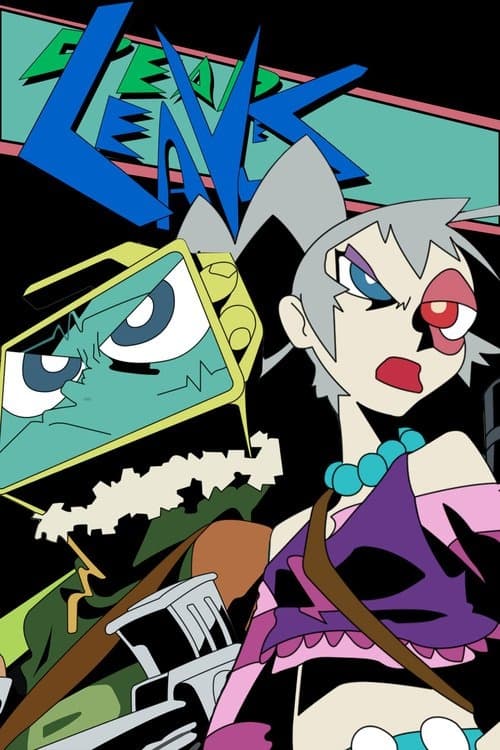
Two amnesiacs wake up naked on Earth, steal a motorcycle, and end up in a lunar prison that erupts into chaos. Scenes whip through breakneck fights and slapstick gags while prison guards and grotesque inmates crowd every frame. The story races from jailbreak to showdown without catching its breath.
Director Hiroyuki Imaishi works with Production I G to deliver sharp angles, thick outlines, and constant motion. The editing cuts on action and the layouts pack the screen with visual noise. Its short runtime focuses on kinetic energy and sight gags that stack one after another.
‘Pop Team Epic’ (2018–2023)

Two short girls perform skits that parody anime, games, and internet culture with setups that often loop back on themselves. Episodes repeat the same material with different voice actor pairs and small changes that turn repetition into a joke. The format includes fake openings, mock commercials, and sudden shifts in style.
The series adapts Bkub Okawa’s four panel manga with Kamikaze Douga and other studios supplying segments. Live action bits and guest animators show up across episodes. The broadcast structure itself becomes part of the comedy since the first and second halves mirror each other with alternate casts.
‘Bobobo-bo Bo-bobo’ (2005–2007)
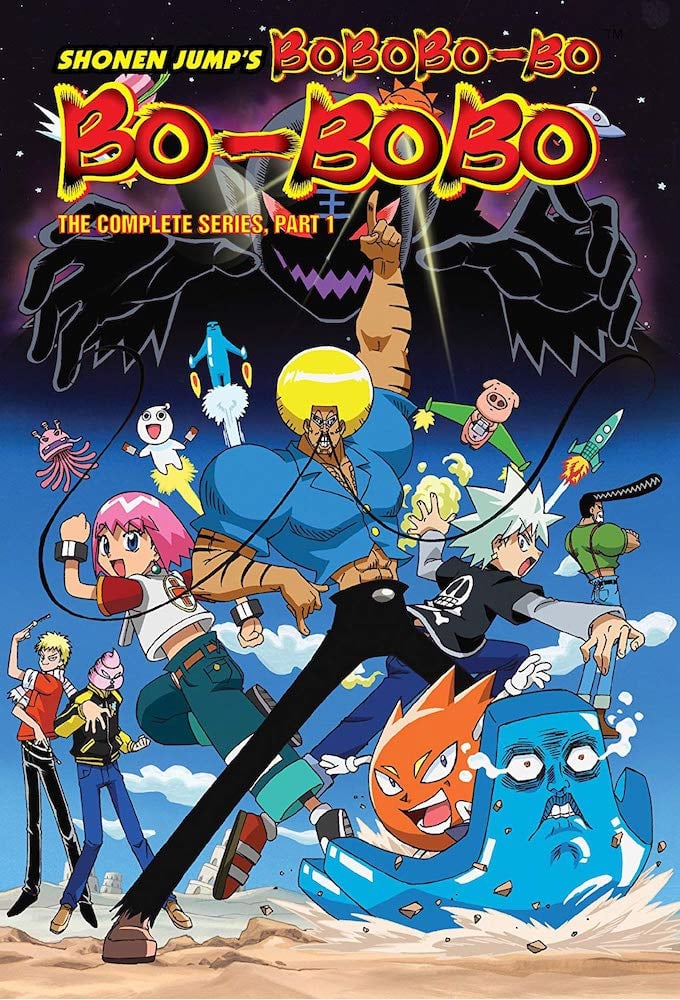
A freedom fighter battles a hair hunting empire using nose hair techniques while recruiting odd allies. Each episode strings together gags that undercut fight scenes and interrupt plots with left field skits. Jokes lean on wordplay, visual puns, and constant fourth wall pokes.
Toei Animation adapts Yoshio Sawai’s manga with bright color and exaggerated expressions. The series keeps a fast tempo that lets jokes land even when references are specific. Monster of the week rhythms give structure to what would otherwise feel like pure sketch comedy.
‘Excel Saga’ (1999–2000)
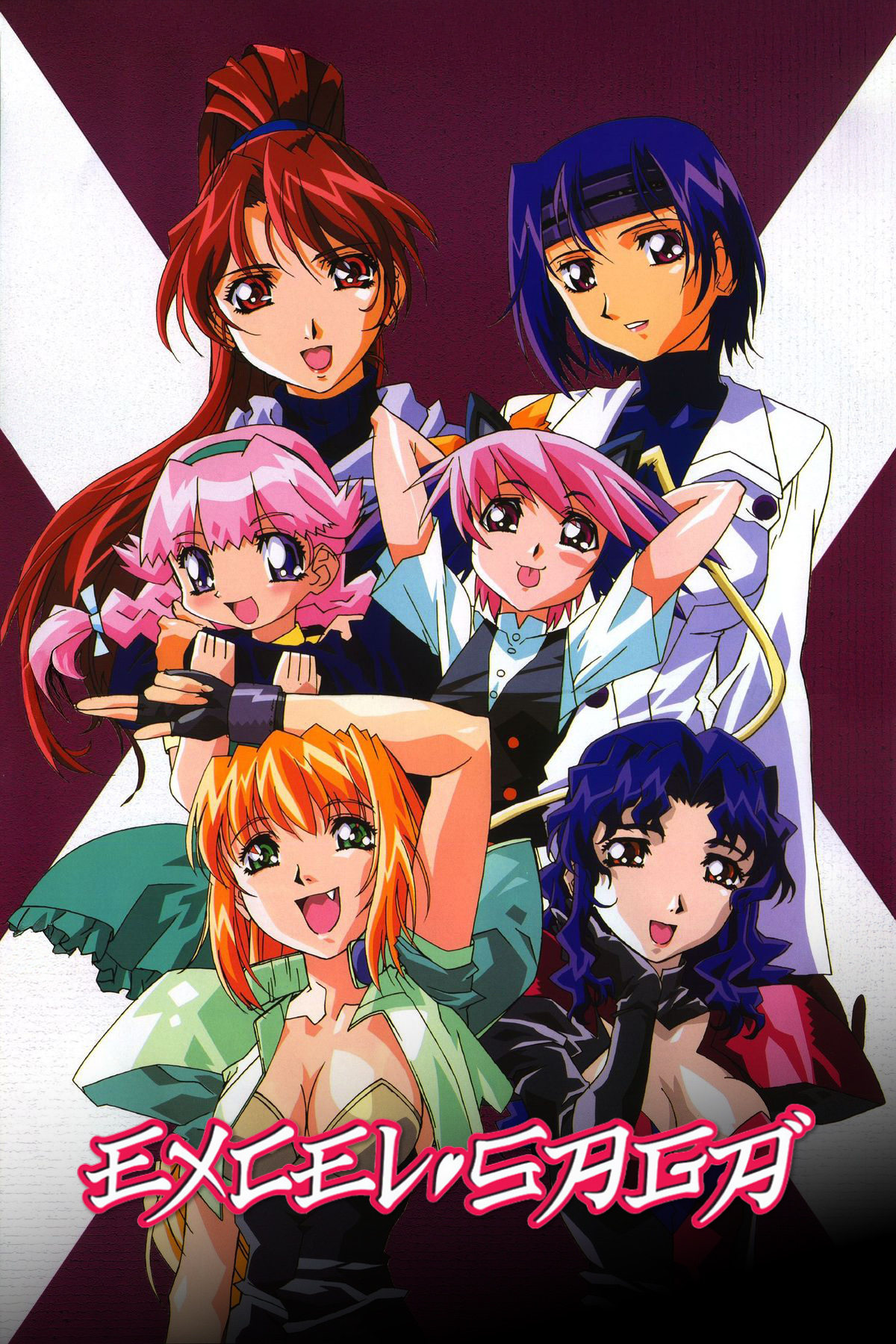
A secret organization tries to take over a city through schemes that change genre every week. The show parodies spy thrillers, sports dramas, and sci fi epics while the leads fail upward in increasingly loud fashion. Recurring bits track the suffering of a neighbor and the survival of a dog who keeps dodging danger.
Director Shinichi Watanabe turns Rikdo Koshi’s manga into a meta variety show with end cards and disclaimers. Each episode has a clear theme and a production gimmick that matches it, such as altered aspect ratios or music cues. The format tests how far a TV series can push format while still delivering a case of the week.
‘Paranoia Agent’ (2004)
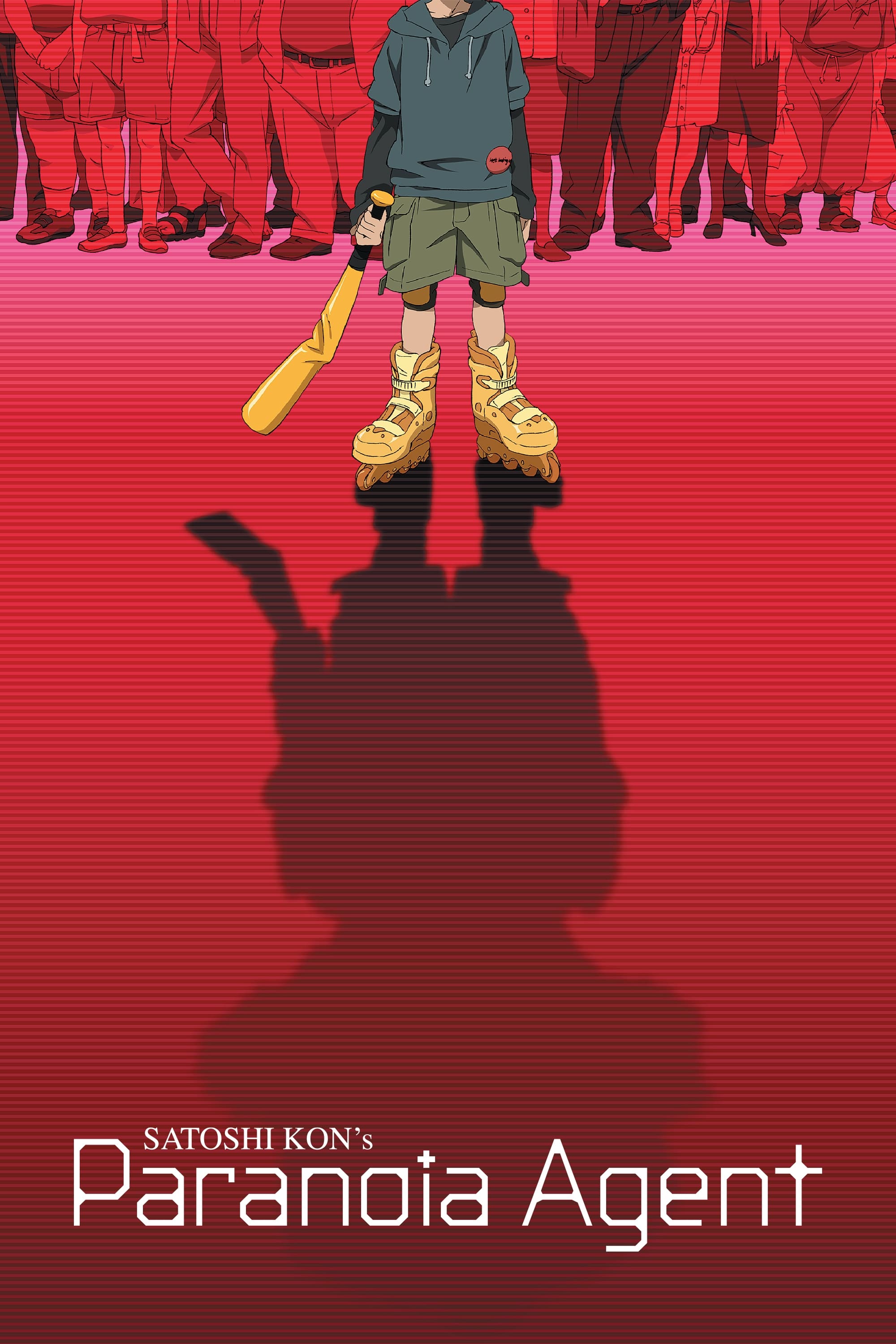
A city is gripped by attacks from a boy on rollerblades who swings a golden bat. Detectives chase the case as victims’ personal pressures take dreamlike shape and spread through rumor. Episodes branch into anthology style portraits that show how fear and media feed each other.
Satoshi Kon directs at Madhouse, bringing film editing sensibilities to television pacing. Reality and fantasy swap places through match cuts and shared sound cues. The finale ties the cases back to a single origin while keeping focus on the social echo that followed.
‘Boogiepop Phantom’ (2000)
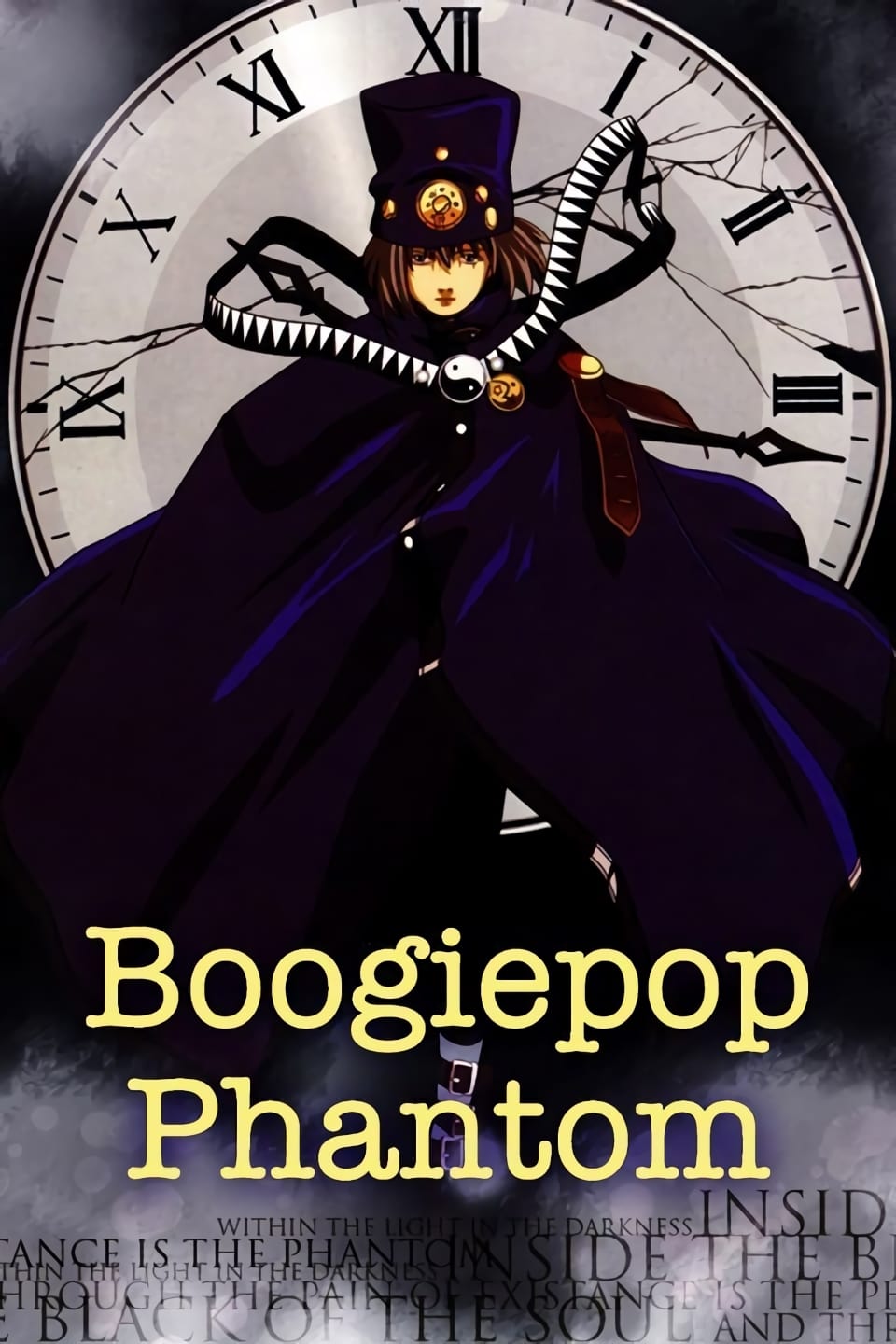
Strange lights and missing students unsettle a city while urban myths multiply. The story uses overlapping timelines and different narrators to show the same events from shifting angles. Horror elements lean on soundscapes and static shots that hold longer than expected.
The series expands on light novels by Kouhei Kadono with direction by Takashi Watanabe. Sepia filters and low saturation give night scenes a drained look. The non linear structure invites viewers to piece together cause and effect as the final episodes reveal the hinge event.
‘Revolutionary Girl Utena’ (1997)
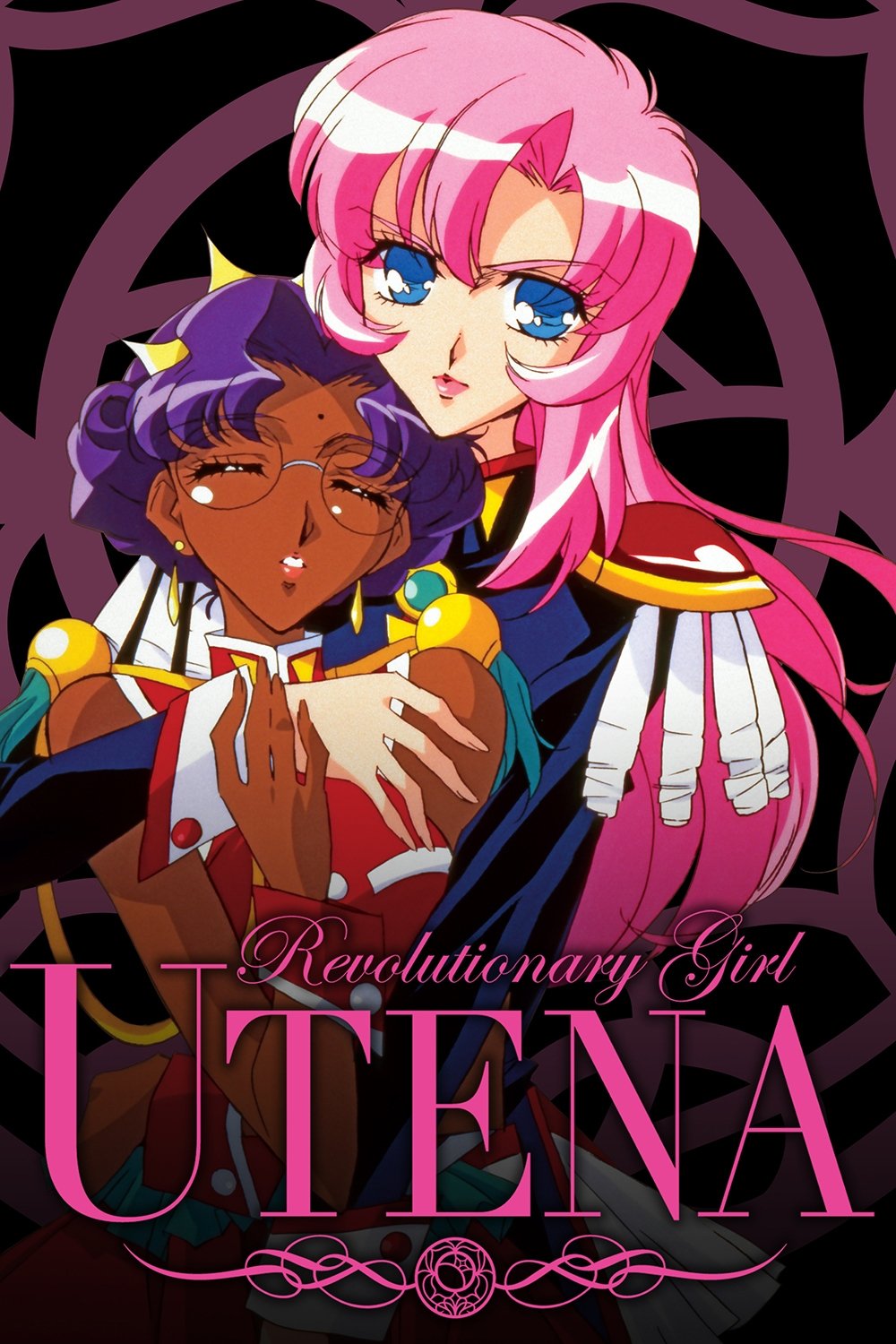
A student enters sword duels at a surreal academy to protect a classmate linked to a cosmic role. The campus resets locations like a stage and rituals repeat with small changes as relationships evolve. Motifs such as roses and mirrors track power, gender, and performance within the school’s rules.
Kunihiko Ikuhara directs with Be Papas, combining theatrical framing with repeated musical cues. Backgrounds spiral and staircases stretch into impossible spaces. The production design treats the academy as a symbolic machine that rebuilds characters through its dueling system.
‘Mawaru Penguindrum’ (2011)

Two brothers care for their sister whose life is extended by a mysterious hat that demands a task. Their search for an item called the Penguindrum intersects with past tragedies and a network of adults hiding secrets. Penguins act as silent helpers and visual echoes that track the plot’s moving pieces.
Director Kunihiko Ikuhara and Brain’s Base use repeated iconography such as trains, apples, and signage. The show alternates between bright comedy and stark flashbacks while keeping a tight focus on fate and choice. Shared images across episodes build a pattern that resolves in the final arc.
‘Sarazanmai’ (2019)
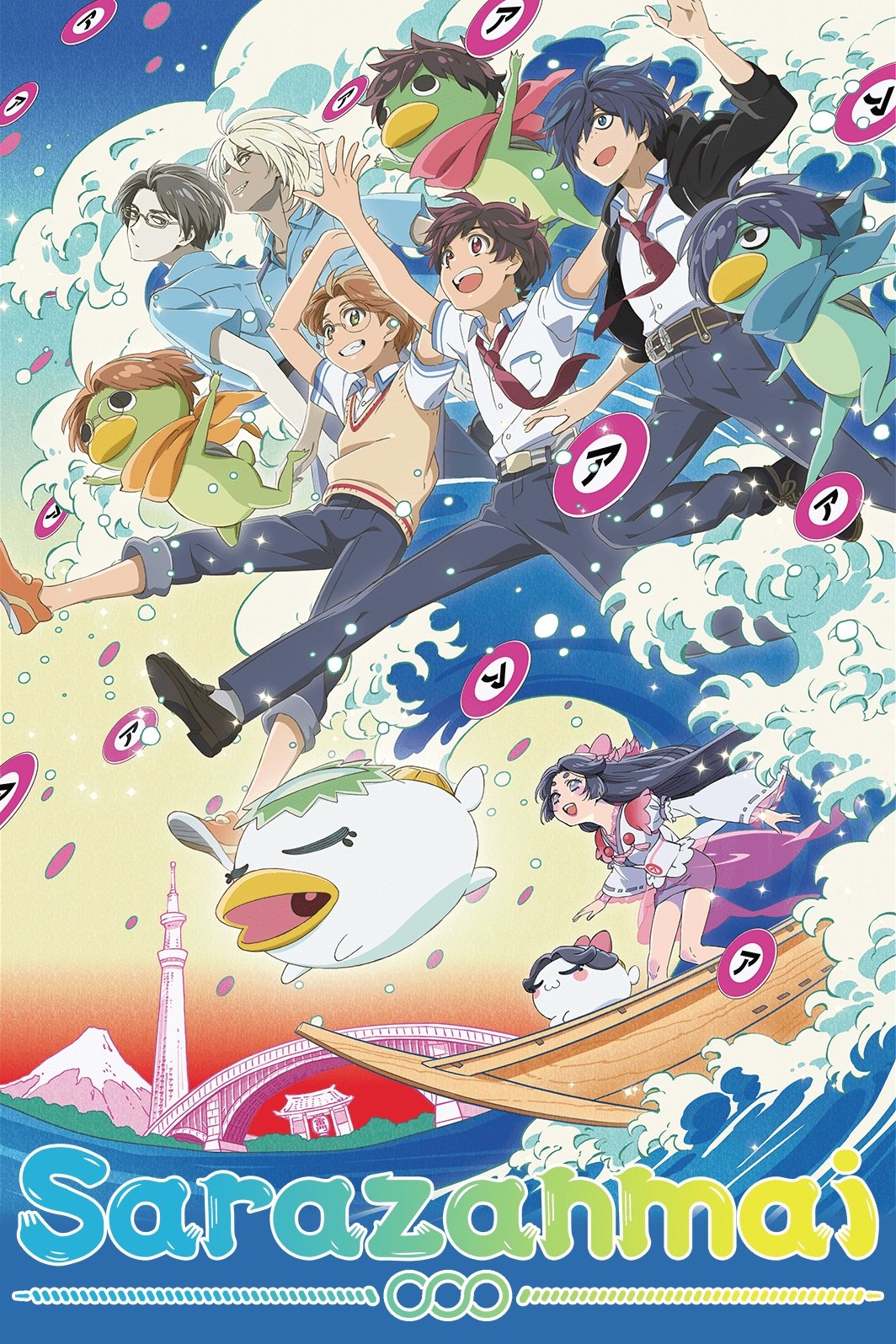
Three boys meet a kappa prince and must extract desire filled dishes from monsters born from secrets. Each episode includes a transformation sequence, a mission, and a confession that connects the monster to a human story. Police officers stage musical numbers that reveal a parallel plot running alongside the boys.
MAPPA animates with Kunihiko Ikuhara directing and ReoNa and other artists contributing songs that structure scenes. Location work uses real Asakusa landmarks which ground the surreal elements. Repeated choreography and props create a ritual cycle that tracks character growth.
‘Kemonozume’ (2006)
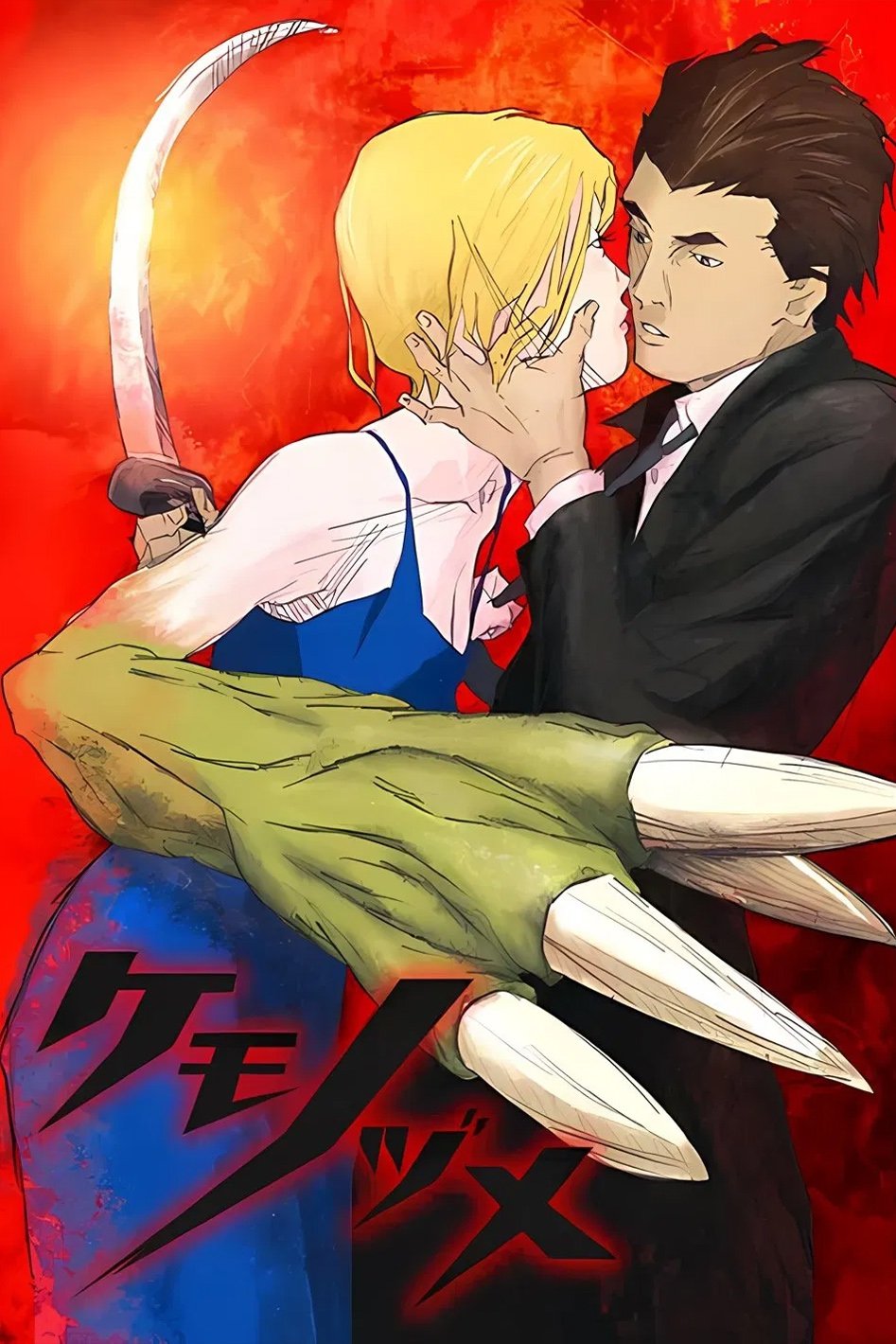
A monster hunter falls in love with a flesh eating creature and the romance pulls both into conflict with their worlds. The story shifts drawing styles to match mood, from rough pencil lines to painted frames. Fight scenes use loose animation that emphasizes weight and urgency over polish.
Masaaki Yuasa directs at Madhouse with an experimental approach that leaves sketch marks and smears visible. The soundtrack and editing let quiet scenes breathe before sudden bursts of violence. The production design supports a mature drama that plays out inside a creature feature premise.
‘The Flowers of Evil’ (2013)
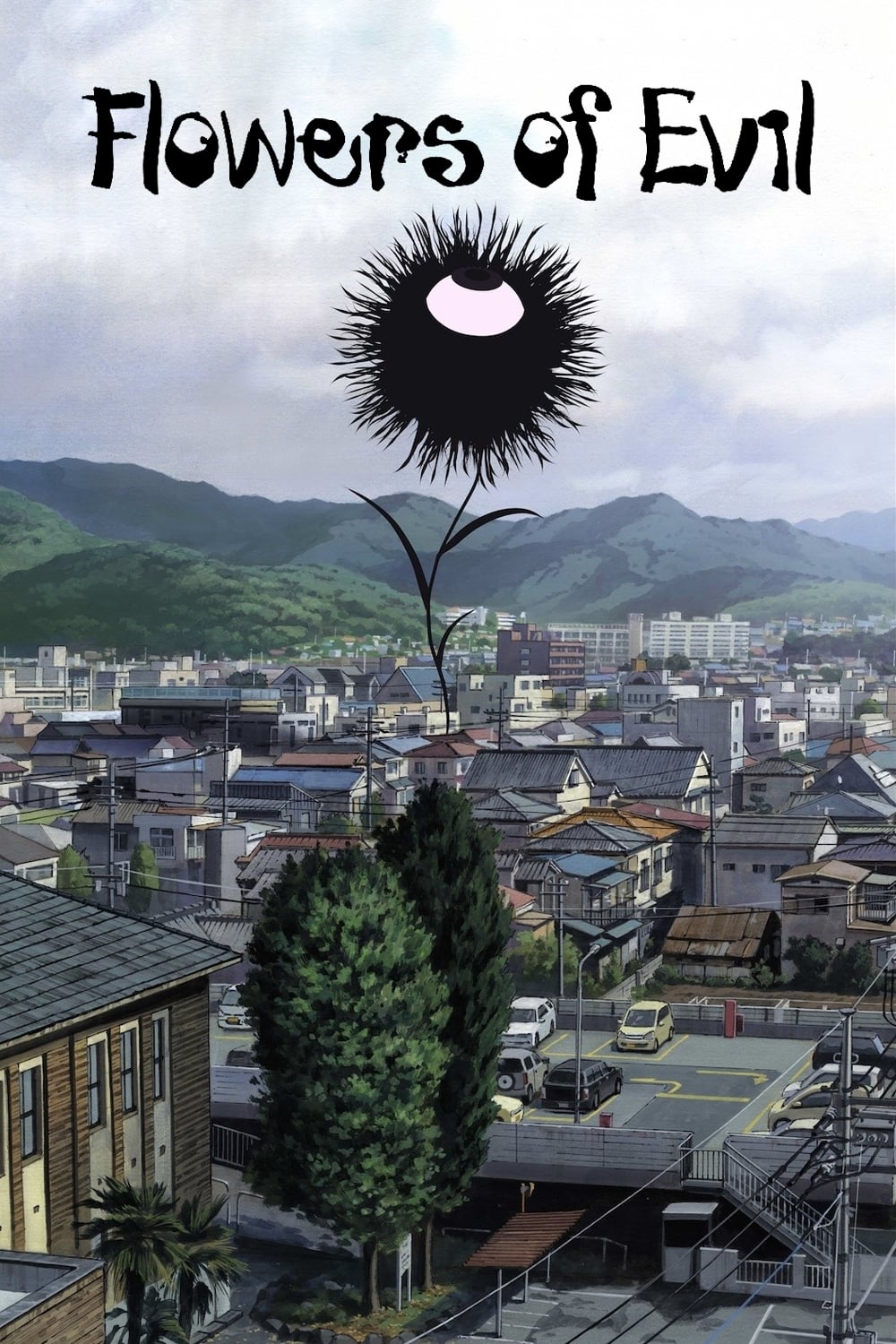
A bookish boy makes a pact with a classmate who blackmails him after he steals a girl’s gym clothes. The series uses rotoscoping to trace live action footage, which gives movements a realistic but uneasy feel. Townscapes and classrooms look ordinary while emotions feel amplified by the method.
Director Hiroshi Nagahama and studio Zexcs adapt Shuzo Oshimi’s manga with long takes and minimal music. The choice to rotoscope sets it apart from other school dramas and drew strong reactions when it aired. The approach supports a story about shame and obsession by making every glance feel uncomfortably real.
‘Popee the Performer’ (2000–2001)
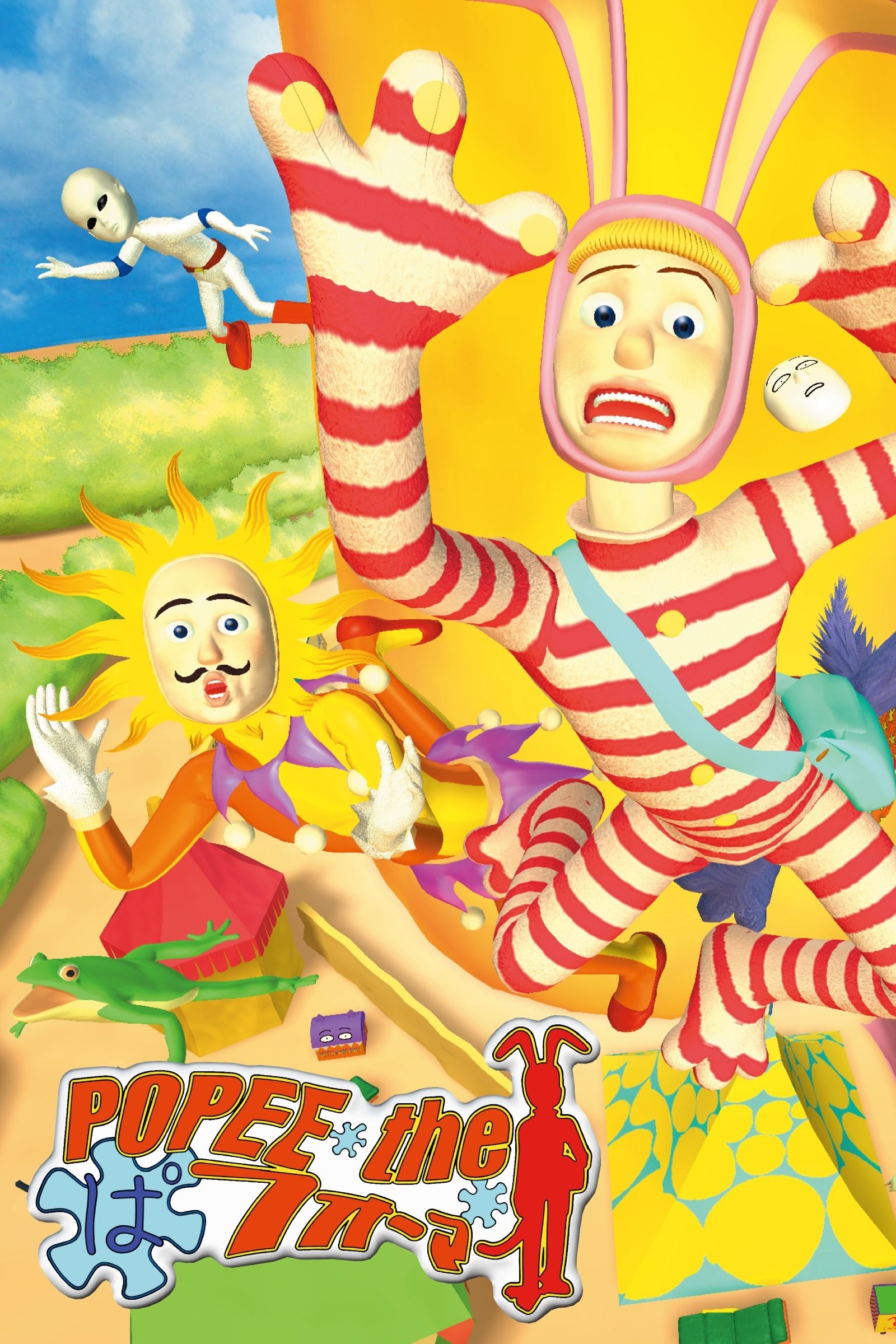
A clown and a wolf perform circus routines in a small desert stage where mishaps escalate quickly. Short episodes use looping gags that end in accidents, resets, and sudden props. There is little dialogue and the humor leans on timing and visual cruelty that repeats in new forms.
The series is a low budget 3D production created by Ryuji Masuda with simple models and stark lighting. Music cues and sound effects carry much of the punchline. Its compact format makes it easy to sample, and the repetitive setup turns small variations into the point of each sketch.
Share your picks for the strangest anime you have seen in the comments.