Top 10 Ruthless Celebrity Revenge Stories


Sometimes fame comes with fights that play out in public, and a few stars have answered slights with plans that were as strategic as they were bold. These are the stories where contracts, chart drops, and clever stunts became the sharpest possible clapbacks, all delivered under bright lights and bigger stakes.
Each entry lays out what happened and how the move landed, with dates, releases, and real outcomes you can point to. No rumors here. Just the concrete steps celebrities took when they decided to take control of the story and win on their own terms.
Taylor Swift

In 2019 the sale of her early masters set off a chain of events that led Taylor Swift to re-record her first six albums under the banner Taylor’s Version. She began with ‘Fearless’ in April 2021 and ‘Red’ in November 2021, then continued through ‘Speak Now’ in July 2023 and ‘1989’ in October 2023. Each release substituted new masters for film and TV licensing and gave streaming platforms fresh versions to surface to listeners.
The strategy shifted revenue and control to the new recordings while fans helped by favoring Taylor’s Version across playlists and requests. Major placements began using the re-records, which reduced the value of the original masters in synchronization deals and showed a clear path for artists to counter ownership disputes through meticulous do-overs.
50 Cent
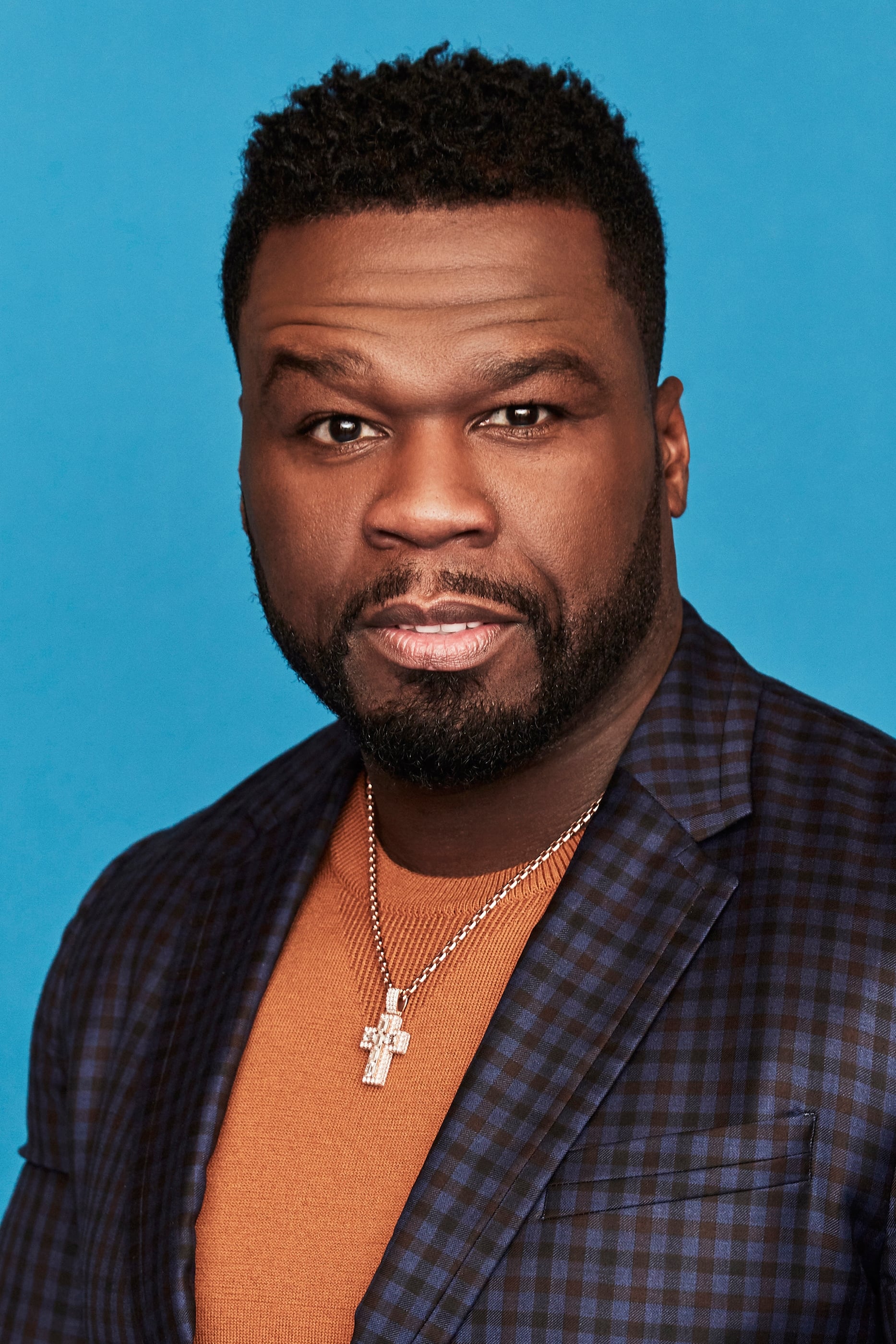
In 2018 50 Cent publicly claimed he bought about 200 seats near the front of a Ja Rule concert so the prime rows would sit empty. He posted proof of purchase on social media along with photos from the show where the early rows were clear of fans. The ticket buy was a tactical way to undercut the optics of a rival’s performance without stopping the event itself.
The stunt amplified a long running feud and dominated headlines in the days that followed. It also highlighted how ticketing and social media can be used as tools inside a music rivalry, since the monetary cost of buying seats became a marketing expense for a narrative that reached far beyond the venue.
Joan Crawford

During the 1963 Academy Awards Joan Crawford was not nominated, but Bette Davis was up for Best Actress for ‘What Ever Happened to Baby Jane’. Crawford arranged to accept on behalf of Anne Bancroft if Bancroft won, which is exactly what happened. Crawford then walked on stage and received the statuette while Davis watched from her seat.
The move underlined a bitter rivalry that had simmered for years. It also demonstrated how awards protocol could be leveraged to control a marquee moment on live television. Photographs of Crawford backstage with the Oscar ran in newspapers, cementing the message and overshadowing her co-star’s nomination on the biggest night in film.
Prince

In 1993 Prince changed his stage name to an unpronounceable symbol and appeared in public with the word Slave written on his face. The action protested his contract with Warner Bros and emphasized his view that release schedules and master control were restricting his work. Media outlets adopted workarounds by calling him The Artist Formerly Known as Prince.
The stand lasted until the end of his contract in the late 1990s. He then released ‘Emancipation’ and accelerated a direct relationship with fans through unconventional distribution choices. The episode became a case study in how branding and identity can become pressure points in a dispute over ownership and speed of release.
Rihanna
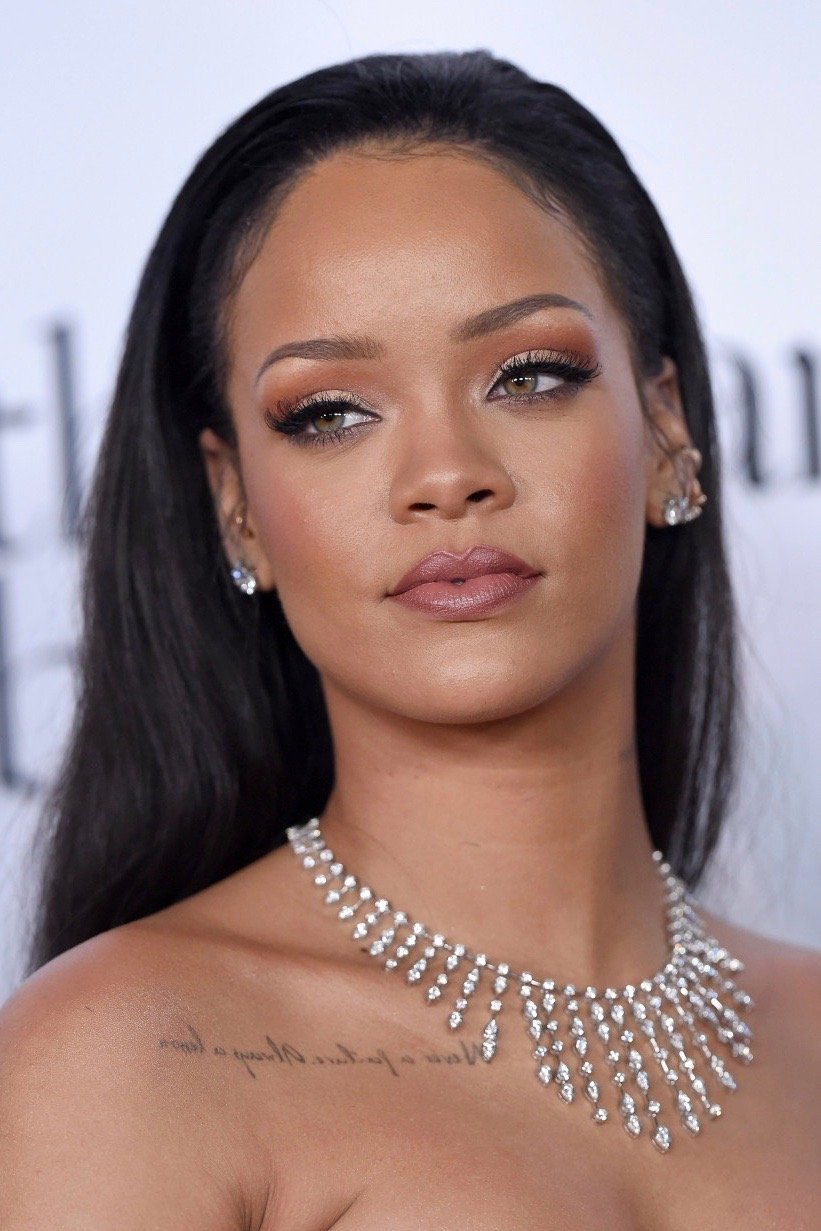
In March 2018 Snapchat ran an ad that referenced Rihanna and a past domestic violence incident. Rihanna responded on Instagram Stories and criticized the platform, which led to widespread coverage and a noticeable drop in user sentiment that week. Analysts noted a single day market value dip after her post drew attention to the ad and the company’s moderation.
The fallout pushed the app to issue apologies and reevaluate review processes for sponsored content. Rihanna’s response showed how a direct statement from a global star can translate into measurable business repercussions, creating an incentive for platforms to enforce stricter ad screening to avoid similar blowback.
Miley Cyrus

Miley Cyrus released ‘Flowers’ on January 13, 2023, which is the birthday of her ex husband Liam Hemsworth. The lyrics referenced self sufficiency and included nods that fans connected to public moments in their relationship. The single debuted at number one in many countries and broke multiple streaming records in its first week.
The rollout was supported by a simple video that put the words front and center and a steady trickle of easter eggs that fueled discussion. The intentional date choice and theming turned the song into a cultural event, proving timing can be a force multiplier when personal history is part of the audience conversation.
Shakira
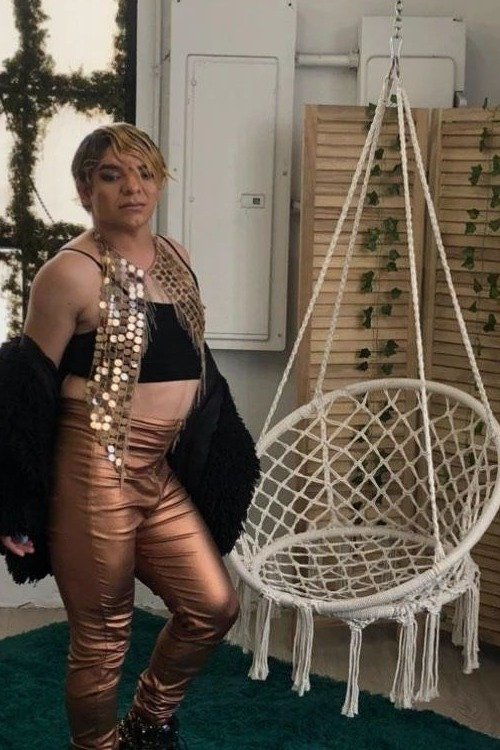
On January 11, 2023 Shakira released the Bizarrap Music Sessions Vol 53. The track included lines that listeners linked to her separation from Gerard Piqué and references that matched widely reported details from Spanish media. The session surged to hundreds of millions of views and streams within weeks and topped charts in multiple countries.
The release triggered a wave of brand mentions and responses in Spain and Latin America, from car makers to food companies that were named in the lyrics. It illustrated how a personal story framed inside a viral studio performance can dominate the news cycle and reshape the commercial conversation around the artists involved.
Dave Chappelle
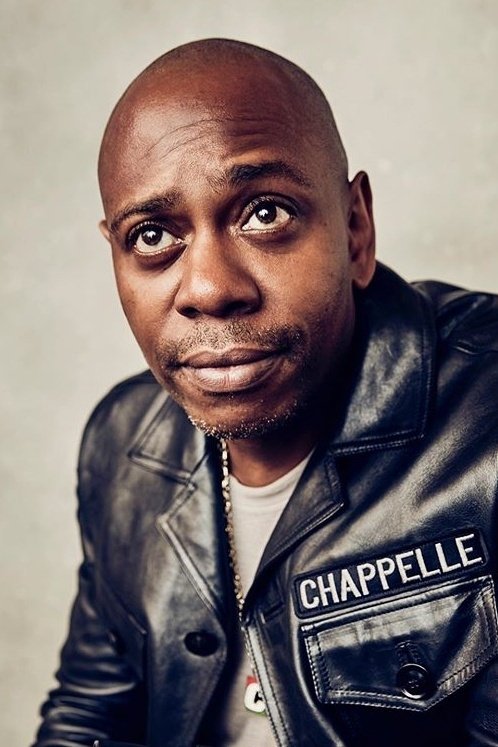
In November 2020 Dave Chappelle asked fans to stop watching ‘Chappelle’s Show’ on streaming services because he said he was not being paid when the show was licensed. The request came during stand up sets and a posted video where he explained his contract history. Shortly after, several platforms paused streaming and discussions began about compensation.
By February 2021 the show returned to major services and Chappelle announced he had been paid and regained licensing control. The sequence demonstrated how an artist can mobilize an audience to create leverage in a legacy contract dispute, using public pressure to reach a financial and rights outcome that was not available at the start.
JoJo

In December 2018 JoJo re-recorded and re-released her first two albums after years of label conflict kept the originals off streaming platforms. The new versions allowed her biggest songs to return to playlists and radio without relying on the disputed masters. She followed up with updated recordings again in 2021 to keep the catalog current.
The move restored a revenue stream and reintroduced her work to a new generation who largely discovers music through streaming. It also provided a template for younger artists facing similar issues by showing that a careful studio plan and faithful re-production can unlock stalled catalogs and bring classic tracks back to charts.
Conan O’Brien
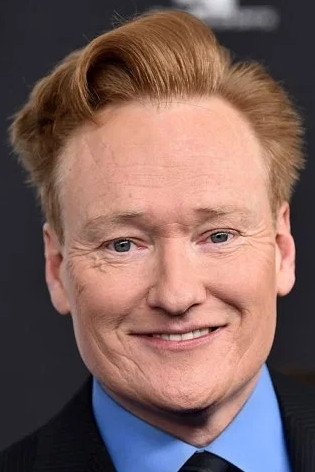
After leaving The Tonight Show in January 2010, Conan O’Brien launched The Legally Prohibited From Being Funny on Television Tour in April of that year. The live show visited dozens of cities and featured comedy, music, and guest appearances. It kept his team working and his audience engaged during the period when he could not appear on television due to contractual limits.
In November 2010 he premiered a new late night program on cable, arriving with a revitalized fan base and a clear brand identity shaped by the tour. The sequence converted a setback into momentum and showed how a road show can serve as both revenge and rebuild, turning off air time into a platform for the next chapter.
Share your favorite ruthless celebrity revenge story in the comments and tell us which move impressed you the most.