Top 10 Coolest Things About Captain America



Captain America has been around since the 1940s, and there’s a reason he keeps showing up at the center of major Marvel moments. From the origin of the Super Soldier program to the way his shield keeps defying physics in memorable battles, the character is packed with details that reward a closer look. You can trace his story across World War II history, Cold War anxieties, and modern debates about surveillance and accountability—without losing sight of the street-level grit that defines Steve Rogers.
Whether you know him from the comics or the films, the essentials line up: a scrawny kid from Brooklyn becomes a symbol, then a soldier out of time, and finally a leader who balances personal loyalty with public duty. The milestones below focus on the concrete elements—technology, training, tactics, timelines, and legacies—that make Captain America a uniquely durable figure in superhero storytelling.
The Super Soldier Serum and Project Rebirth
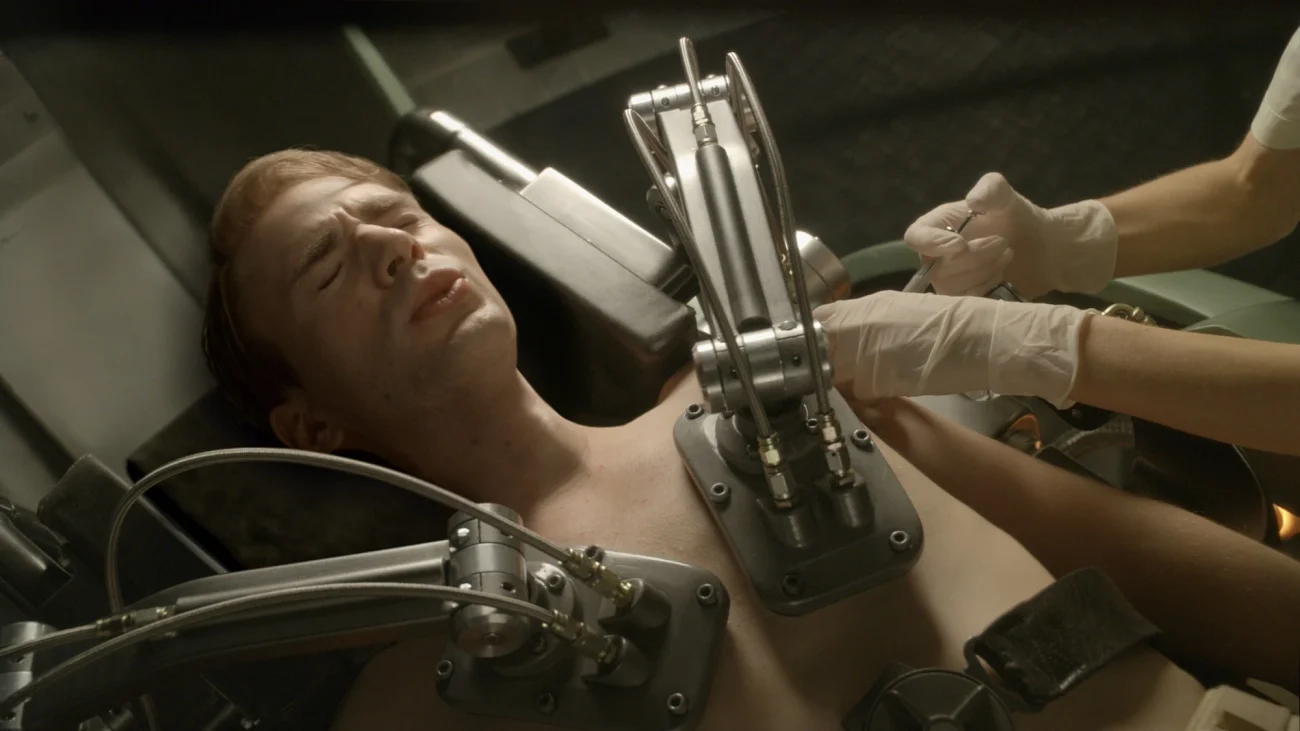
Project Rebirth was the U.S. government’s World War II initiative to create enhanced soldiers, led by Dr. Abraham Erskine. Steve Rogers underwent the serum procedure in a Vita-Ray chamber, which amplified his physiology to peak human levels—strength, endurance, agility, and resilience—without mutating him. In the source material, the serum’s key feature is its stability in Rogers’s body; unlike later attempts, it retained its effects without requiring ongoing doses.
The program’s history is defined as much by failure as success. After Erskine’s death, the exact chemical formula and process were never perfectly replicated, leading to divergent outcomes for later subjects—from unstable super-soldiers to derivative programs like Weapon Plus. This scarcity explains why Rogers remained uniquely valuable in both wartime and modern operations long after he was thawed.
The Vibranium Shield: Materials Science and Tactics
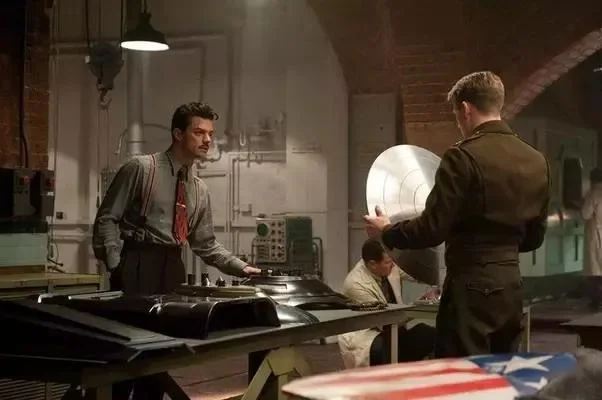
Captain America’s circular shield is forged from a rare vibranium-based alloy known for absorbing and redistributing kinetic energy. That property allows the shield to withstand high-impact strikes—blunt force, ballistics, and explosive shockwaves—while protecting the user from recoil. Its near-indestructibility is a consistent plot constant, broken only by exceptional forces or exotic materials that disrupt vibranium’s lattice.
In practice, Steve Rogers uses the shield as both a defensive barrier and a precision projectile. His throws rely on spin, angle, and surface geometry to achieve multi-surface ricochets, enabling crowd control and targeted disarms. The wrist-mounted harness and practiced retrieval techniques let him transition seamlessly between ranged and close-quarters use, which is why the shield functions like a modular tool rather than a static piece of armor.
From USO Symbol to Combat Operator
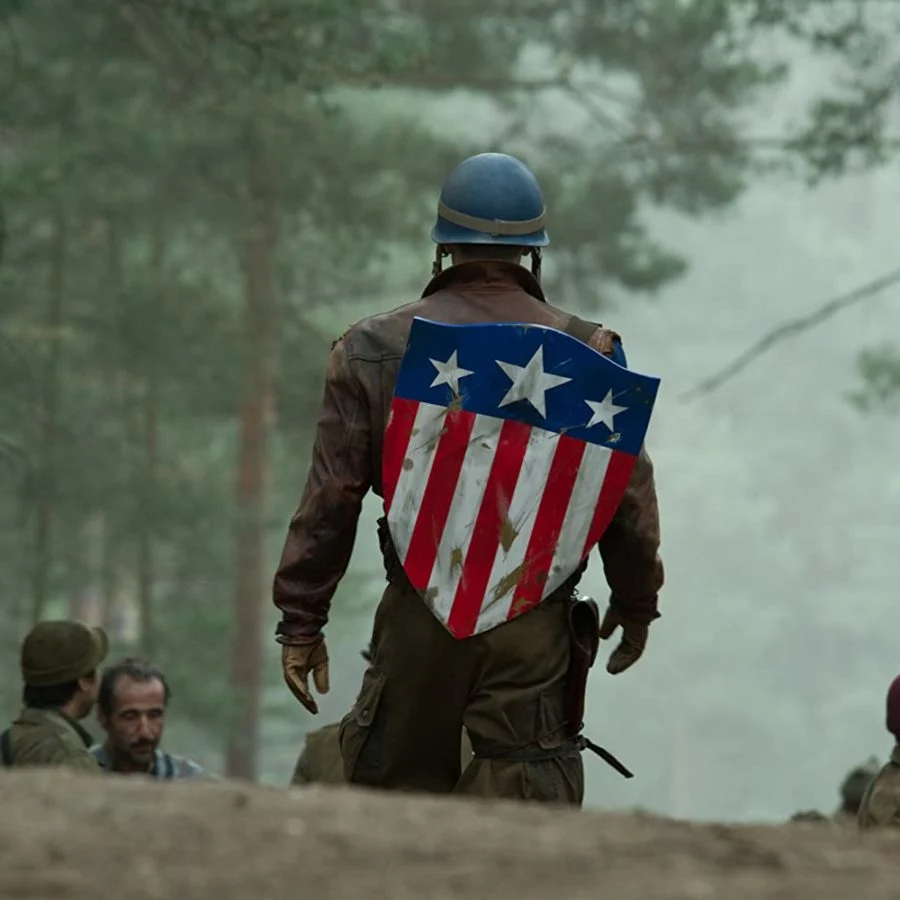
At first, Steve was deployed as a morale figure—starring in stage shows and war-bond tours—before transitioning to field missions with the Howling Commandos. The USO period established the iconography: the star-spangled suit, the posters, and the narratives that turned a single soldier into a national emblem. That public-facing role created cover for covert operations by masking his movements as entertainment travel.
His shift into active combat introduced small-team tactics against Hydra facilities, sabotage runs, and extraction missions. The command structure around him used his enhanced capabilities to spearhead high-risk objectives—bridgeheads, rail convoys, and mountain fortresses—while the broader Allied forces exploited the disruption. The blend of public persona and clandestine action became a template for later intelligence operations involving super-powered assets.
Leadership Style: Field Command and Decision-Making
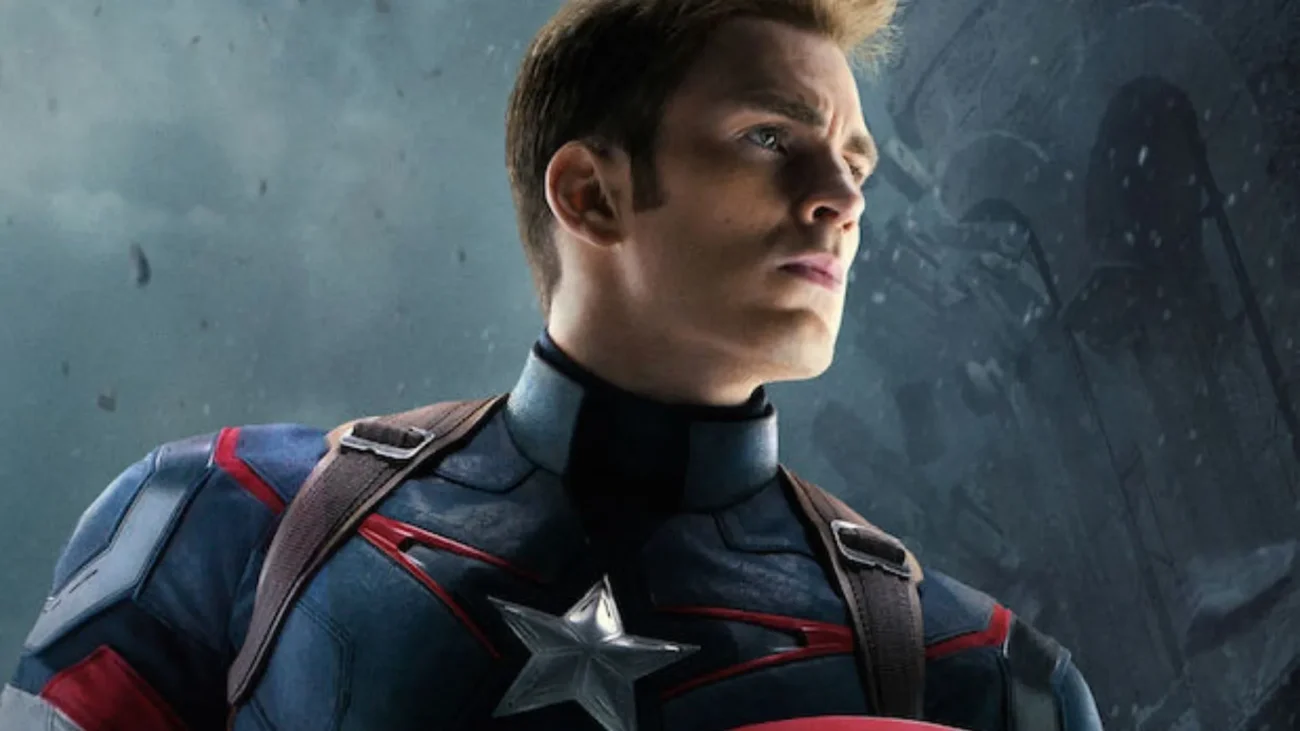
Rogers’s leadership is characterized by decentralized execution and clear tasking under pressure. He breaks objectives into simple, time-bound actions—secure the chokepoint, neutralize the anti-air battery, extract the asset—and assigns roles according to teammates’ core strengths. This approach works in ad-hoc coalitions like the Avengers, where members have disparate power sets and limited shared training time.
In multilateral crises, he prioritizes civilian protection and mission scope control. When presented with plans that trade broad surveillance for theoretical safety, he pushes for targeted operations built on human intelligence and verifiable threats. That framework has repeatedly shaped outcomes in large-scale incidents, where mission creep and collateral risk escalate quickly without disciplined command.
The Winter Soldier Connection: Espionage and Legacy
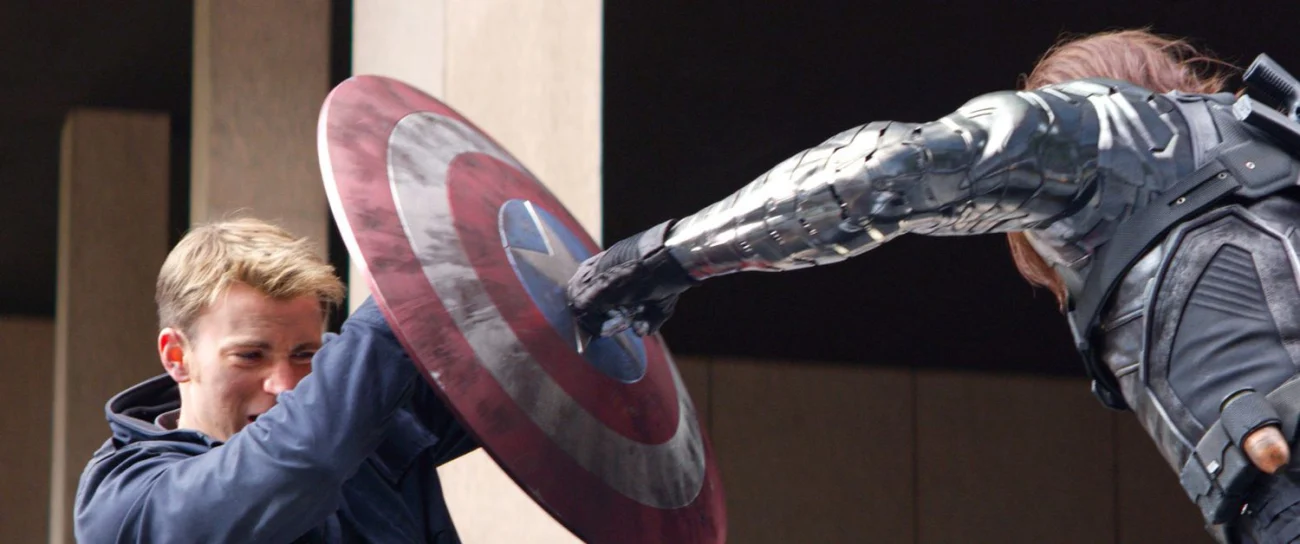
James “Bucky” Barnes’s transformation into the Winter Soldier ties Captain America’s WWII past directly to modern covert warfare. Barnes’s capture, cryogenic stasis cycles, and conditioning turned a wartime ally into a deniable asset used in targeted destabilization. This history pulls Rogers into conflicts where the line between legitimate state action and clandestine manipulation is deliberately blurred.
Untangling the Winter Soldier program exposed Hydra’s infiltration of security institutions and forced systemic audits of intelligence protocols. For Rogers, the operational takeaway was clear: trusted networks require continuous verification, not just legacy credibility. This insight informed later decisions to operate off-grid when command-and-control systems showed signs of compromise.
The Suit as Evolving Gear, Not Just a Costume
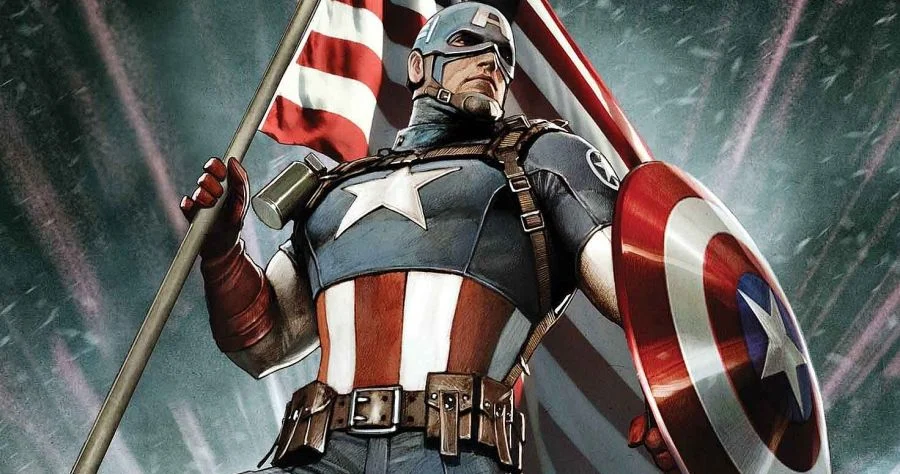
Captain America’s uniforms track changes in mission type and threat environment. Early WWII gear emphasized symbolism for morale with heavy leather and bright colors, while later configurations adopted stealth fabrics, reinforced stitching, and modular attachments for comms and harness points. The star-centered chest panel doubles as a visual anchor that assists teammates with quick identification in chaotic battle spaces.
Adjustments also reflect shield integration and mobility. Strapping systems have been refined to reduce snag hazards in urban movement, and boot and glove designs enhance grip for parkour-style traversal. These incremental upgrades, often introduced between major operations, show a pattern: every iteration aims to reduce friction between the operator and the environment so that the shield and the body move as a single unit.
Combat Style: Hybrid Hand-to-Hand and Shield Work
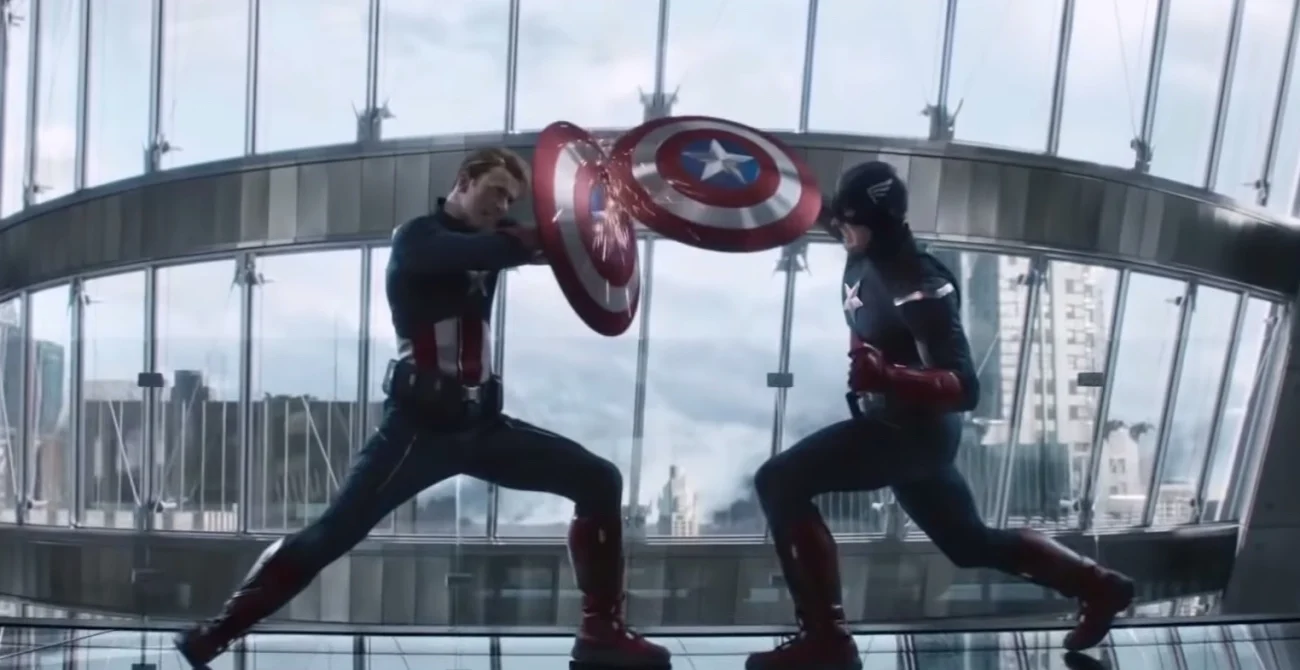
Rogers’s fighting system blends boxing footwork, judo and wrestling throws, karate-style strikes, and acrobatic elements like aerial corkscrews and wall-assists. The shield extends his effective range, acting as a mobile forearm guard for high-line blocks and as a blunt-force amplifier on hammer-fists and shield-edge checks. This hybridization lets him manage multiple attackers and quickly transition from defense to offense.
Training sequences and field footage highlight consistent mechanics: center-line control, grip changes timed to opponents’ balance breaks, and use of environmental objects as springboards or barriers. When teamed up, he coordinates angles with ranged specialists and flyers, creating layered fields of fire while he draws aggro at the front. The result is a style built for mixed-ability squads rather than solo duels alone.
Out-of-Time Narrative: Frozen, Thawed, and Reintegrated
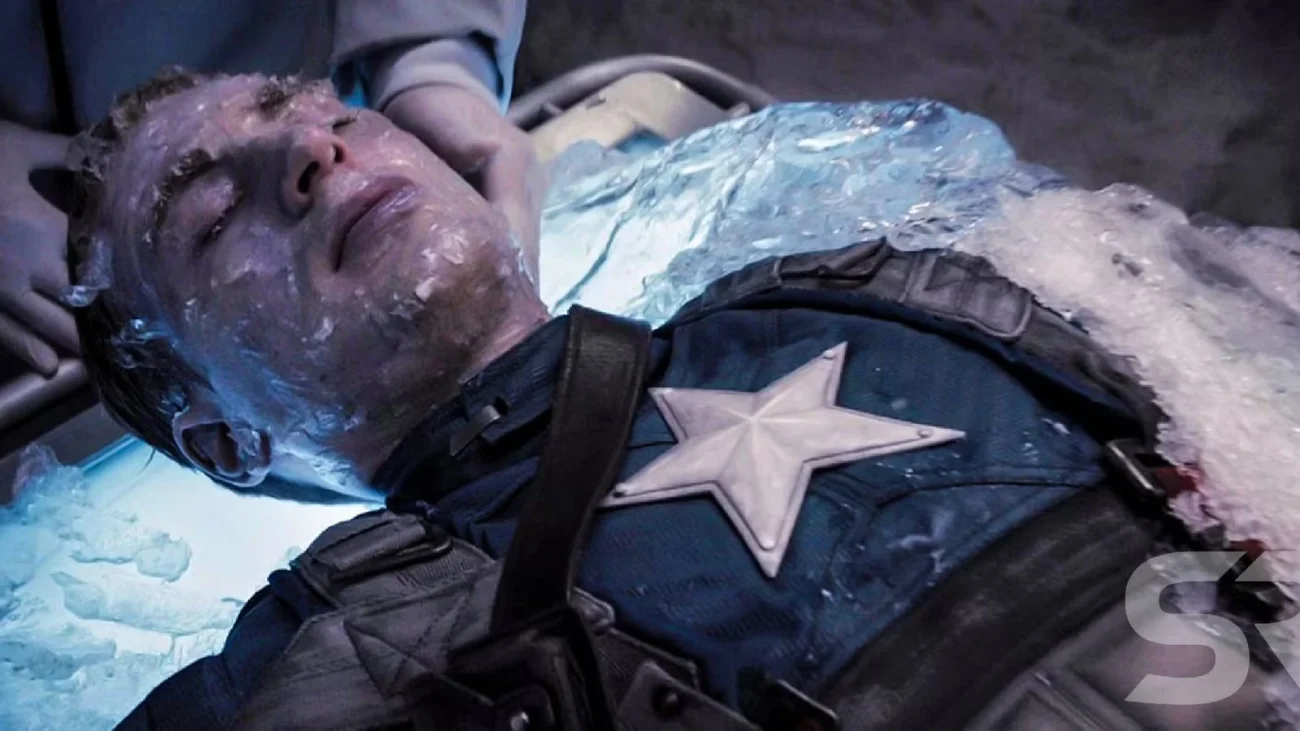
Steve’s timeline includes decades on ice after a wartime crash, followed by revival into a world with transformed politics and technology. Reentry involved accelerated cultural briefing, physical therapy to recalibrate motor control after cryostasis, and identity management to reconcile a public-domain legend with a living person. His “man out of time” status explains both his historical knowledge base and his occasional procedural friction with modern agencies.
That temporal gap also created unique diplomatic value. As someone who literally fought fascism in WWII and later operated in the present, he functions as a living bridge in international settings—able to contextualize threats with firsthand precedent. Agencies often deploy him in negotiations where symbolic credibility and operational experience can de-escalate tensions before kinetic options are considered.
Accountability Debates and Operating Frameworks
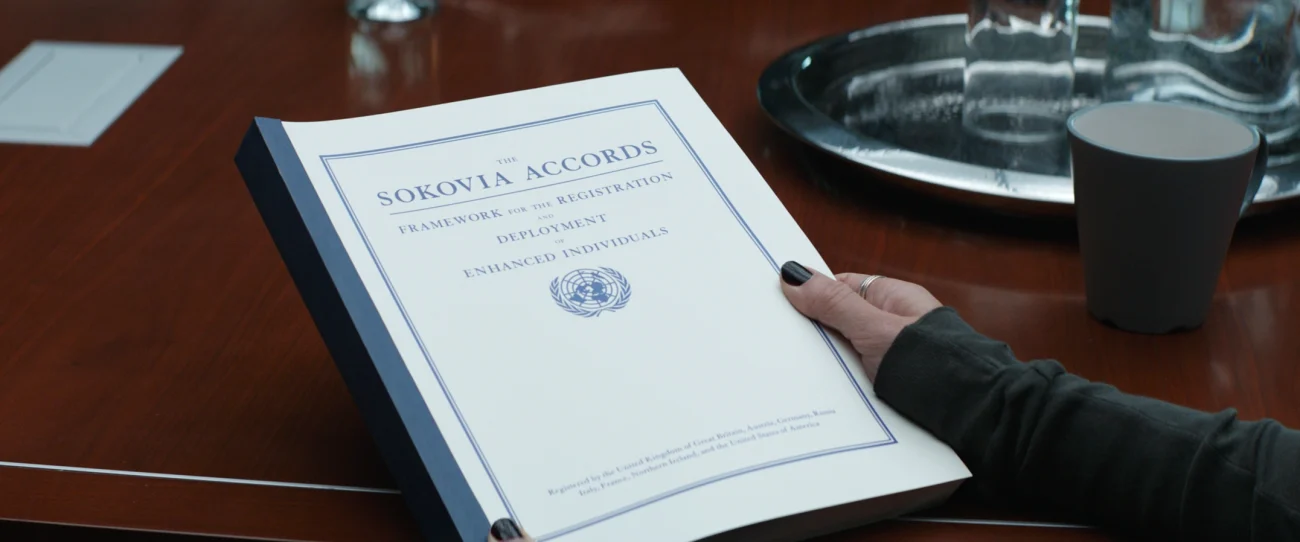
Large-scale super-team incidents prompted formal oversight proposals and registration frameworks. Rogers’s responses have turned on practicality: clear rules of engagement, intelligence validation, and the ability to act swiftly when bureaucratic delays would increase civilian harm. His position has emphasized mission-specific authorization rather than blanket pre-approval or indefinite detention powers.
This operational philosophy led to periods where he worked outside official channels when governance structures were compromised or gridlocked. The tradeoffs—reporting lines, jurisdictional disputes, and inter-agency conflicts—became case studies in balancing security with rights. Those episodes continue to inform how mixed teams coordinate across national boundaries and legal regimes during global emergencies.
Worthiness Moments and High-Stakes Artifacts
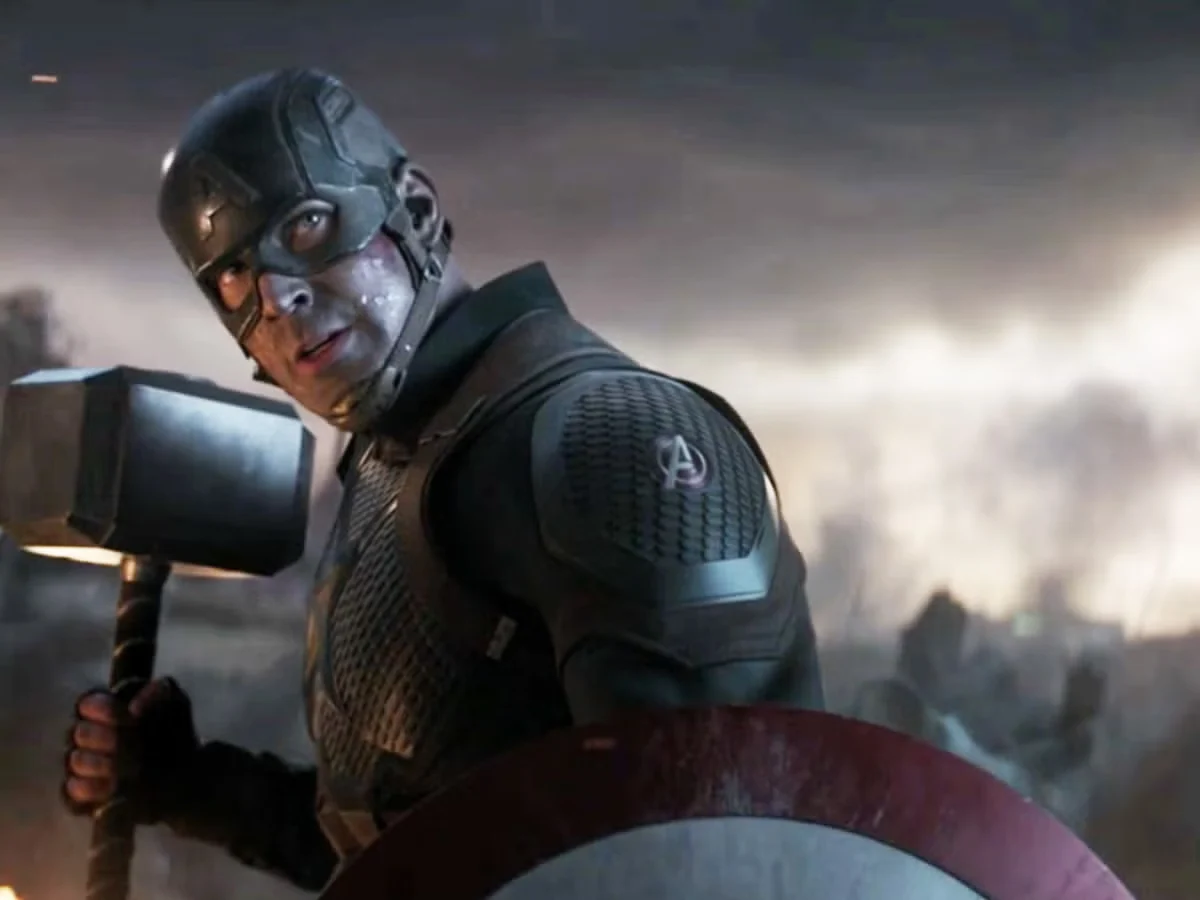
Encounters with legendary artifacts—most famously a certain enchanted hammer—functioned as stress tests of character under battlefield conditions. In critical engagements, temporary access to such items expanded Rogers’s tactical options, allowing area-control maneuvers and counter-battery responses against enhanced adversaries. These moments were not random power-ups; they were validated by established criteria within the story’s mythology.
On the logistics side, integrating a new artifact mid-fight required rapid kinesthetic adaptation and situational awareness. Rogers paired the shield with the additional weapon in complementary patterns—one for blocks and ricochets, the other for reach and control—without abandoning team coordination. The takeaway is procedural: even unprecedented tools can be folded into a mission if core principles—protect civilians, hold the line, finish the objective—stay constant.
Share which “cool thing” about Captain America you’d add to the list in the comments!