The Most Awkward Things Said by Celebs on Live TV



Live television has a way of catching people in unguarded moments. A single off script sentence can ripple far beyond the broadcast and turn into a cultural flashpoint that people reference for years. Some of these lines came from nerves. Others came from confusion or a rush to fill silence. All of them happened in real time with millions watching.
Here are twenty times a celebrity’s words on live TV became the moment everyone remembered. Each entry includes where it happened and what followed, so you have the context behind the clip that still circles social feeds and highlight reels.
Kanye West
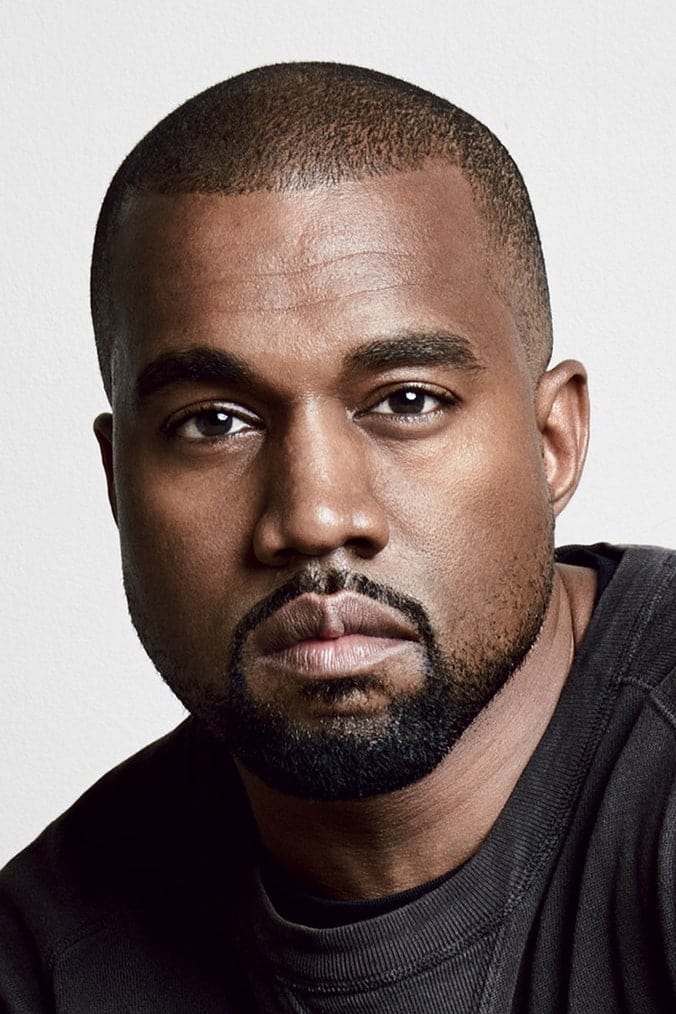
During an NBC hurricane relief telethon in 2005 he went off prompt and said that the then president did not care about Black people. The remark stunned his co presenter on camera and the control room cut away within seconds. The telethon was meant to encourage donations for survivors but his unscripted statement became the headline.
In the days after the broadcast networks replayed the clip and issued clarifications about the live format. The comment sparked widespread debate about government response to the disaster and it pushed broadcasters to tighten delay systems for future live charity specials.
Kanye West

At the MTV Video Music Awards in 2009 he walked on stage during Taylor Swift’s acceptance and said he would let her finish before declaring another video the best of the year. The interruption cut into her speech and the show moved to a commercial break as the audience reacted.
Producers adjusted the rundown on the fly while artists and presenters referenced the moment for the rest of the night. The incident led to public statements from the artists involved and it reshaped how award shows manage stage access and security during live segments.
John Travolta
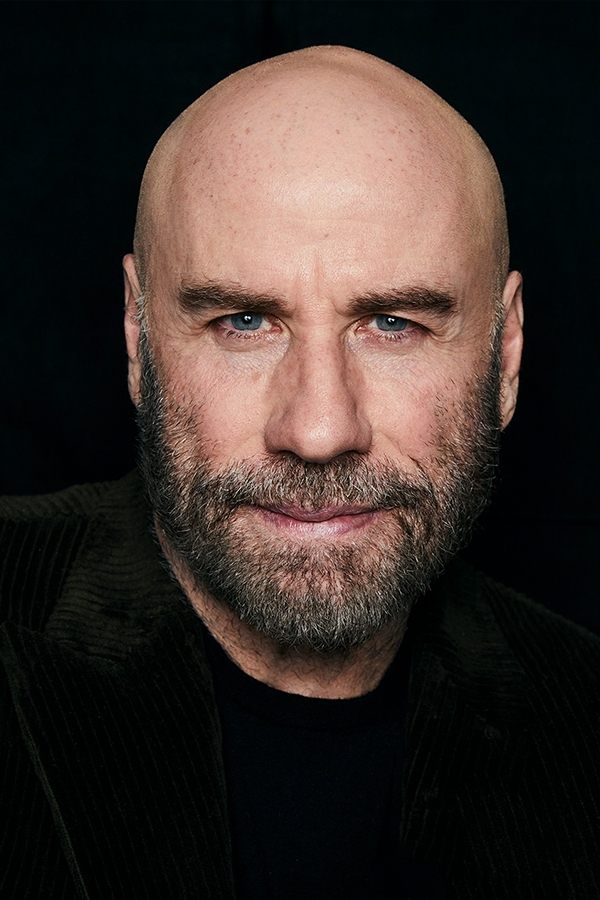
At the Academy Awards in 2014 he introduced Idina Menzel with a mispronounced name that sounded like Adele Dazeem. The performance began immediately and the show kept moving while viewers reacted in real time.
The next day the name flub dominated entertainment coverage and the show’s team updated future presenter materials to reduce phonetic confusion on teleprompters. A year later the broadcast staged a lighthearted reunion bit to acknowledge the mistake on air.
Steve Harvey
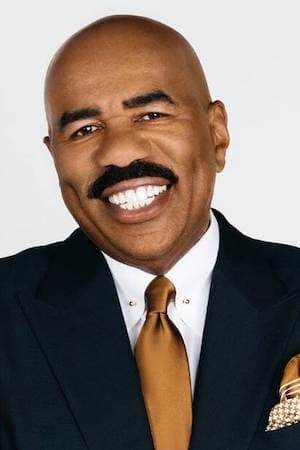
At Miss Universe 2015 he announced the wrong winner and returned to say he needed to apologize because the first name read was not correct. He showed the card to cameras and corrected the title to the actual winner while both contestants stood on stage.
After the broadcast the organization explained the results card layout and changed its design for later pageants. Harvey issued statements about the mistake and subsequent shows added additional checks before any live winner announcement.
Faye Dunaway and Warren Beatty

At the Academy Awards in 2017 the pair read the Best Picture winner as the title that appeared on a wrong card. One announced the name on camera and the other explained later that the envelope did not look right. Producers halted speeches and corrected the record while the show was still live.
Following the ceremony the accounting firm described the envelope handoff error and the Oscars instituted new procedures for stage managers and accountants at the wings. Later broadcasts used more distinctive envelope labels and briefing steps to prevent a similar mix up.
Samuel L. Jackson
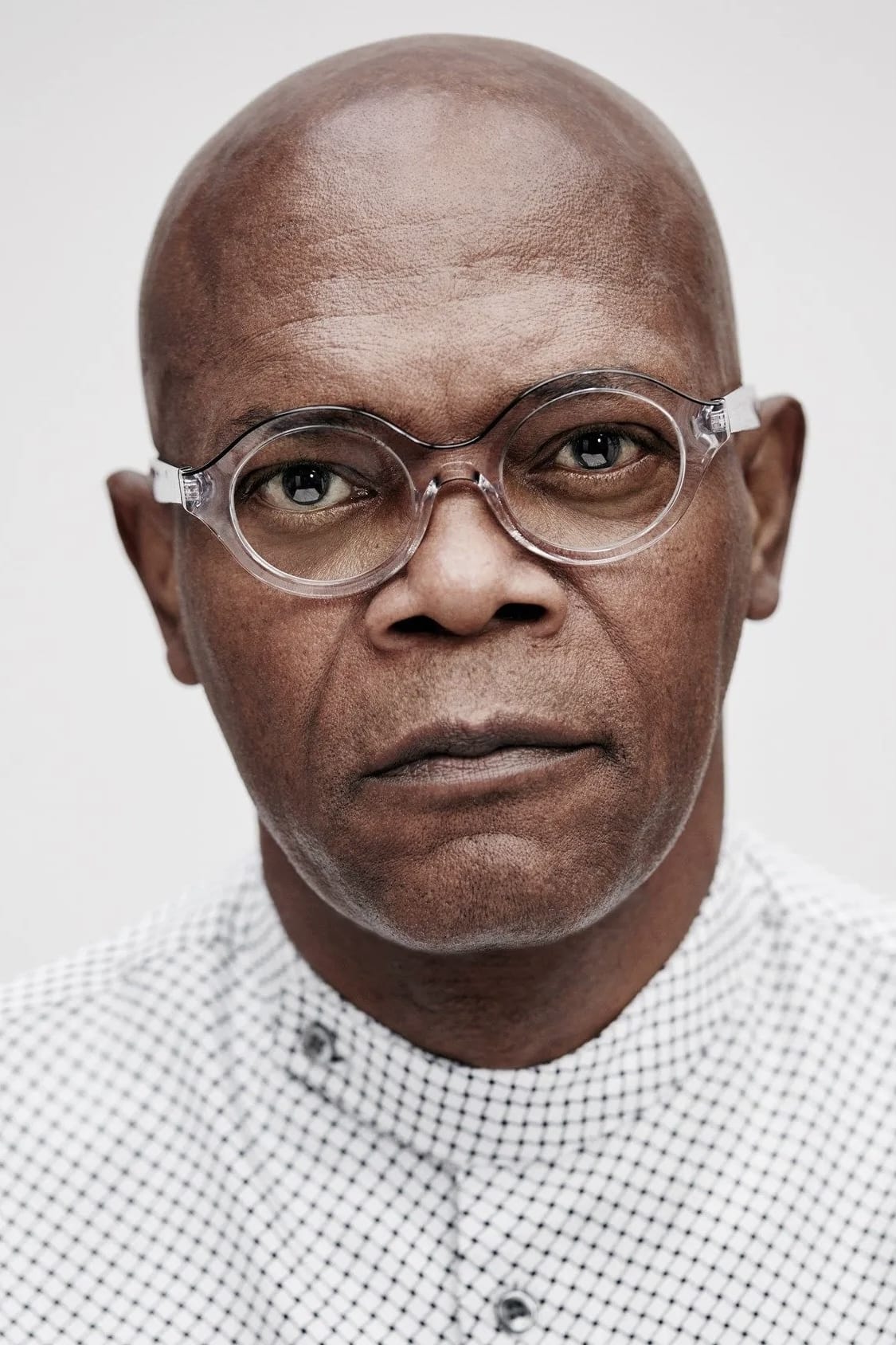
During a 2014 live morning interview on a Los Angeles station an anchor confused him with another actor. Jackson responded on air that not everyone looks alike and then steered the segment back to his movie.
The clip spread quickly as an example of on air mistaken identity. The station issued an apology and newsrooms used the incident in training on guest research and question prep before live segments.
Madonna
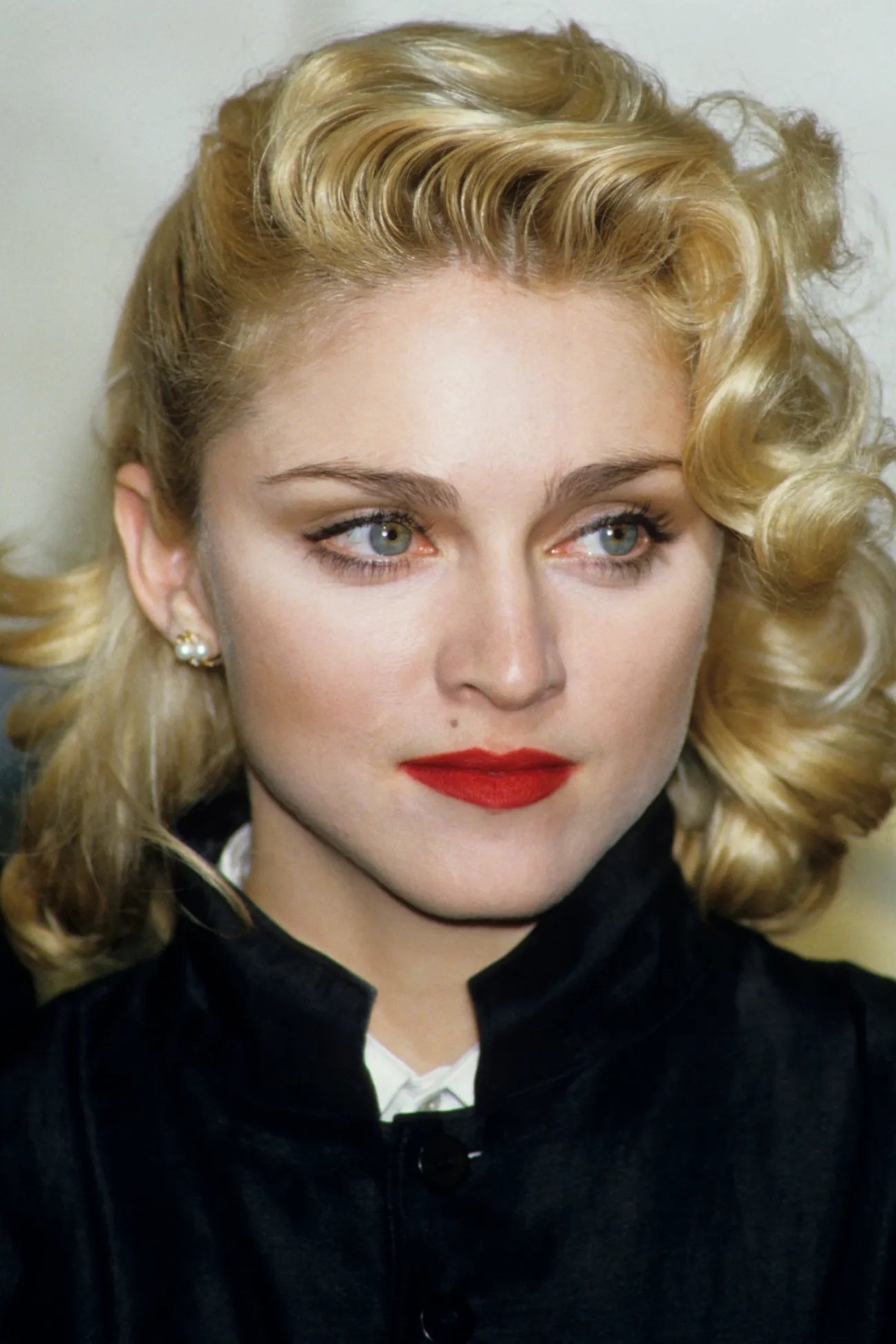
On a 1994 late night appearance she peppered the conversation with repeated profanity and needling remarks. The network bleeped as much as it could but the live format let several words air and the host visibly tried to reset the tone.
The appearance drew record ratings and a wave of complaints. In response the show tightened its delay buffer for future live interviews and the network reiterated standards for guests who appear during earlier time slots.
Joaquin Phoenix
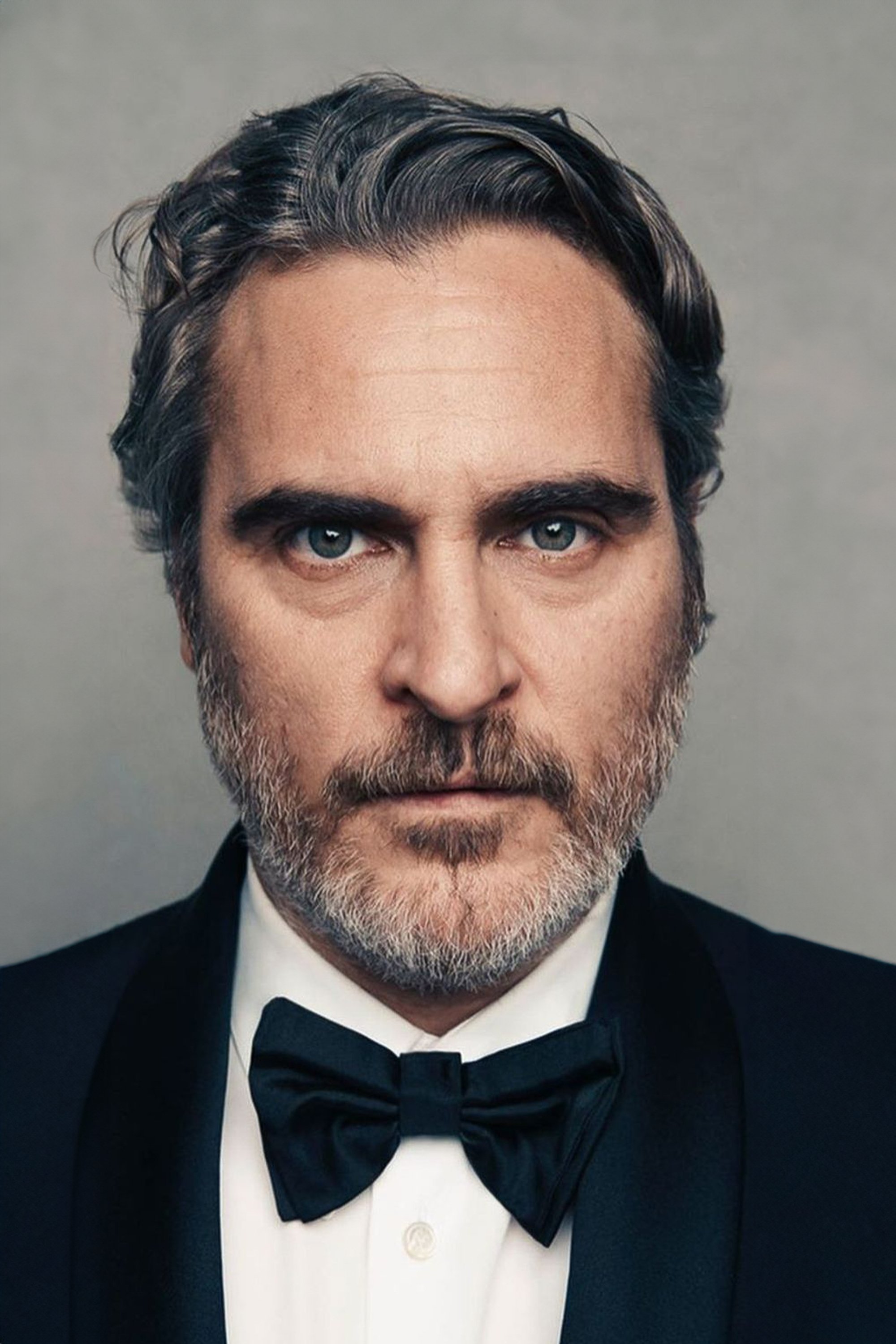
In a 2009 late night interview he arrived with dark glasses and offered halting answers that left long stretches of silence. When asked basic questions he mumbled short replies that made the host and audience wonder whether the bit was performance or reality.
Months later the actor revealed it was part of a larger project and the interview had been played straight to preserve the effect. The moment remains a case study in how performance art can collide with the expectations of live talk shows.
Dakota Johnson and Ellen DeGeneres

On a 2019 daytime episode the host said she had not been invited to Johnson’s birthday and Johnson replied that the statement was not true. She pointed to a staffer for confirmation and the exchange briefly turned into an on air fact check.
The clip drew attention because it inverted the usual host guest dynamic. Afterward entertainment shows replayed the segment and viewers discussed how easily a casual line can be challenged when both parties have the same stage in a live setting.
Mike Tyson
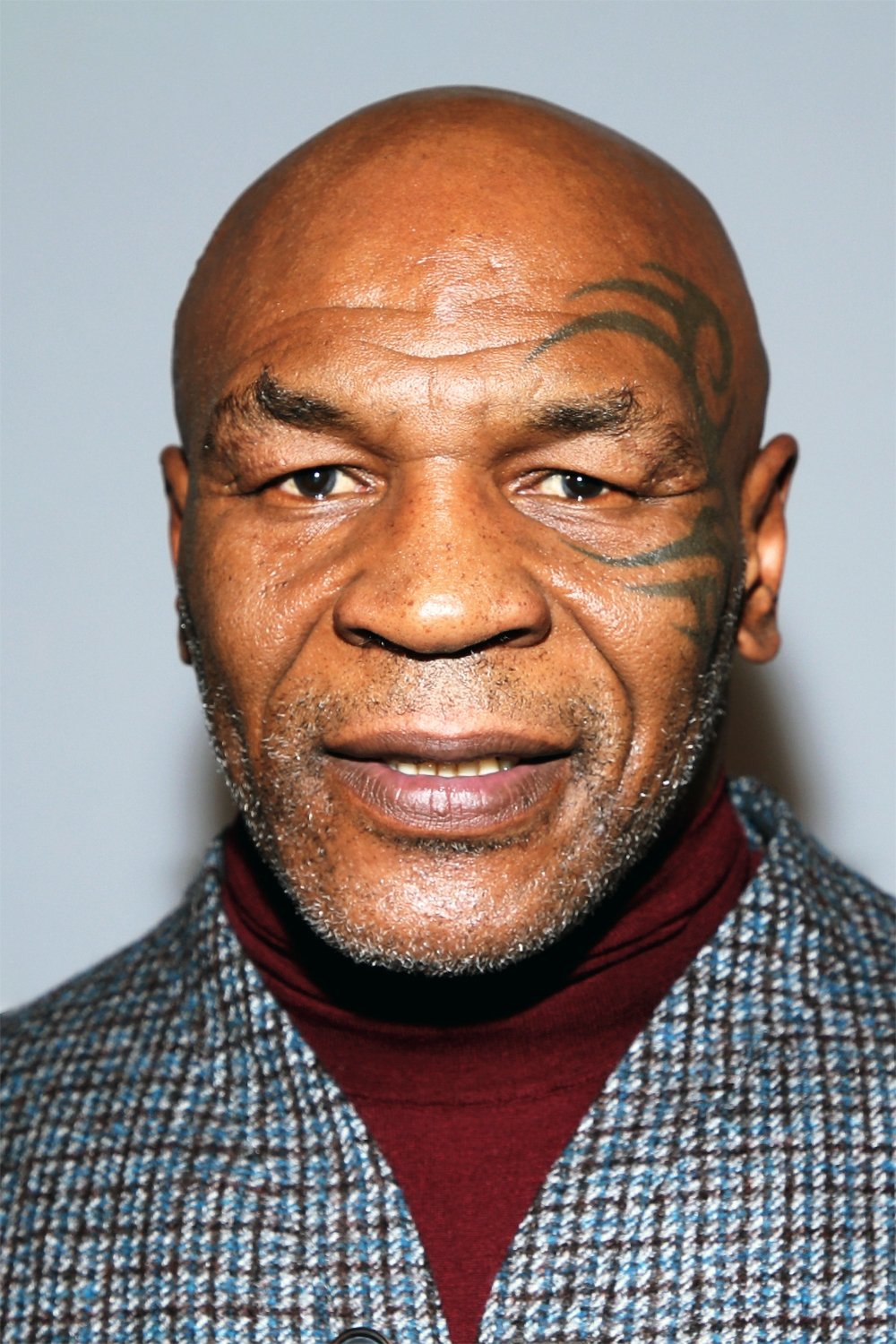
During a 2014 live interview on a Toronto channel a host brought up his past while Tyson was promoting an event. Tyson reacted by calling the host an insult on air and the control room muted audio as the exchange escalated.
The station apologized for the language and clarified that the interview had not been prerecorded. The moment reinforced why many outlets add time delays or move contentious interviews to taped formats when topics are likely to veer off the planned track.
Elizabeth Taylor

At the Golden Globes in 2001 she appeared to start reading the winner without the nominee list and the producers quickly cued the correct process in her earpiece. She laughed and reset while the audience encouraged her to continue.
After the show awards producers discussed how teleprompter pacing and rehearsal can help presenters who have not been on the circuit in a while. Later broadcasts built in clearer on stage guidance and more visible prompter markers.
Paula Abdul

On a 2008 live episode of ‘American Idol’ she delivered feedback that referred to a second performance before the contestant had actually sung it. The panel realized the notes were for a rehearsal run and the show clarified the confusion to viewers.
Producers adjusted the judging sheets and timing so feedback would only reference what had aired. The incident became a reminder of how rehearsal materials can bleed into live elements if the format changes during a broadcast.
Mariah Carey
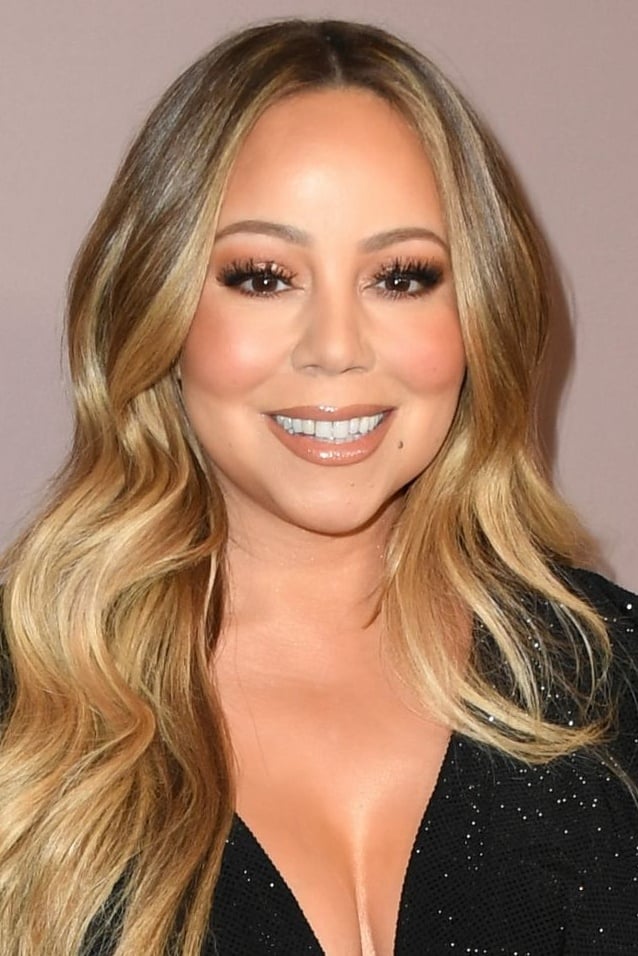
During the 2016 New Year’s Eve show in Times Square she struggled with in ear audio and said she could not hear the track. She told the crowd she would try to get through it and then encouraged the audience to sing while she moved around the stage.
After the show her team cited technical issues and the production company responded with its own account. The following year the same program invited her back with upgraded monitoring and she completed the set without incident.
Paris Hilton
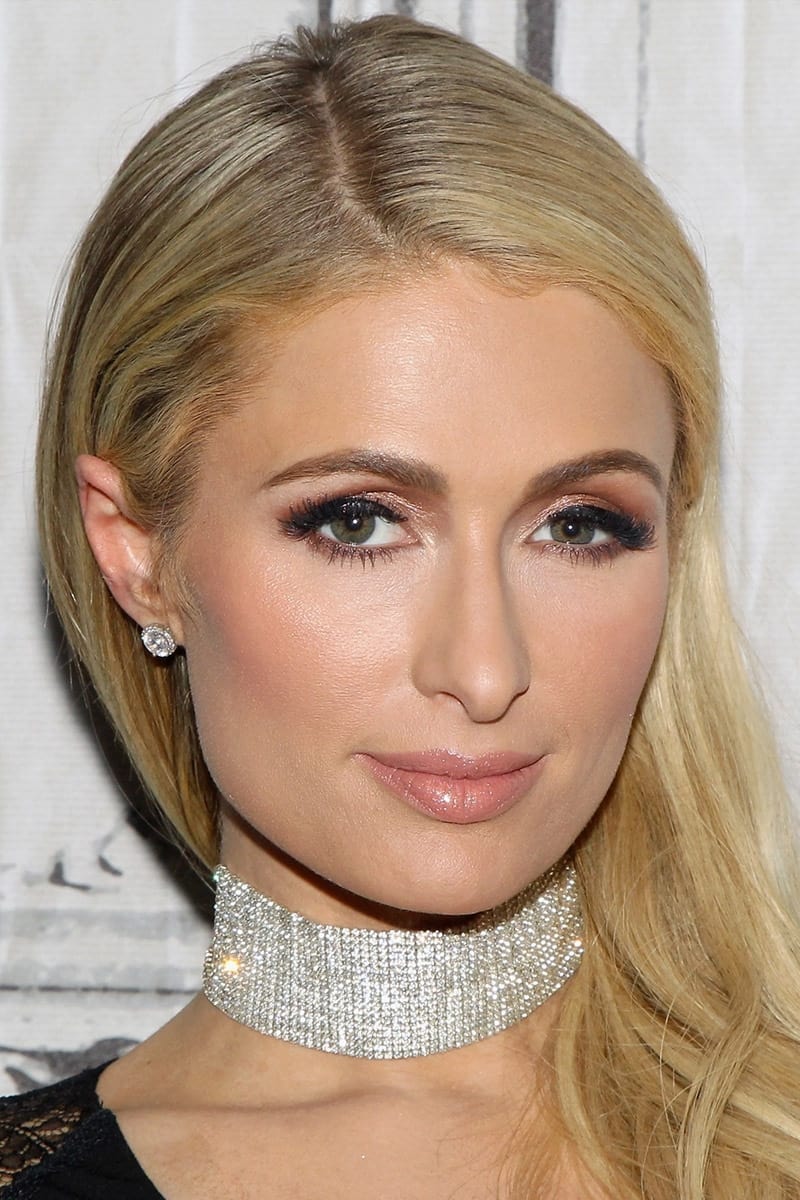
In a 2007 late night interview soon after her release from jail she gave short answers and long pauses that made the segment feel tense. When asked about her time inside she shifted to talk about personal growth while the host pressed for details.
The appearance was replayed widely because it captured a celebrity reentry moment in real time. Publicists and hosts have since used it as an example of how to set boundaries and segment topics before a high pressure live interview.
Tom Cruise
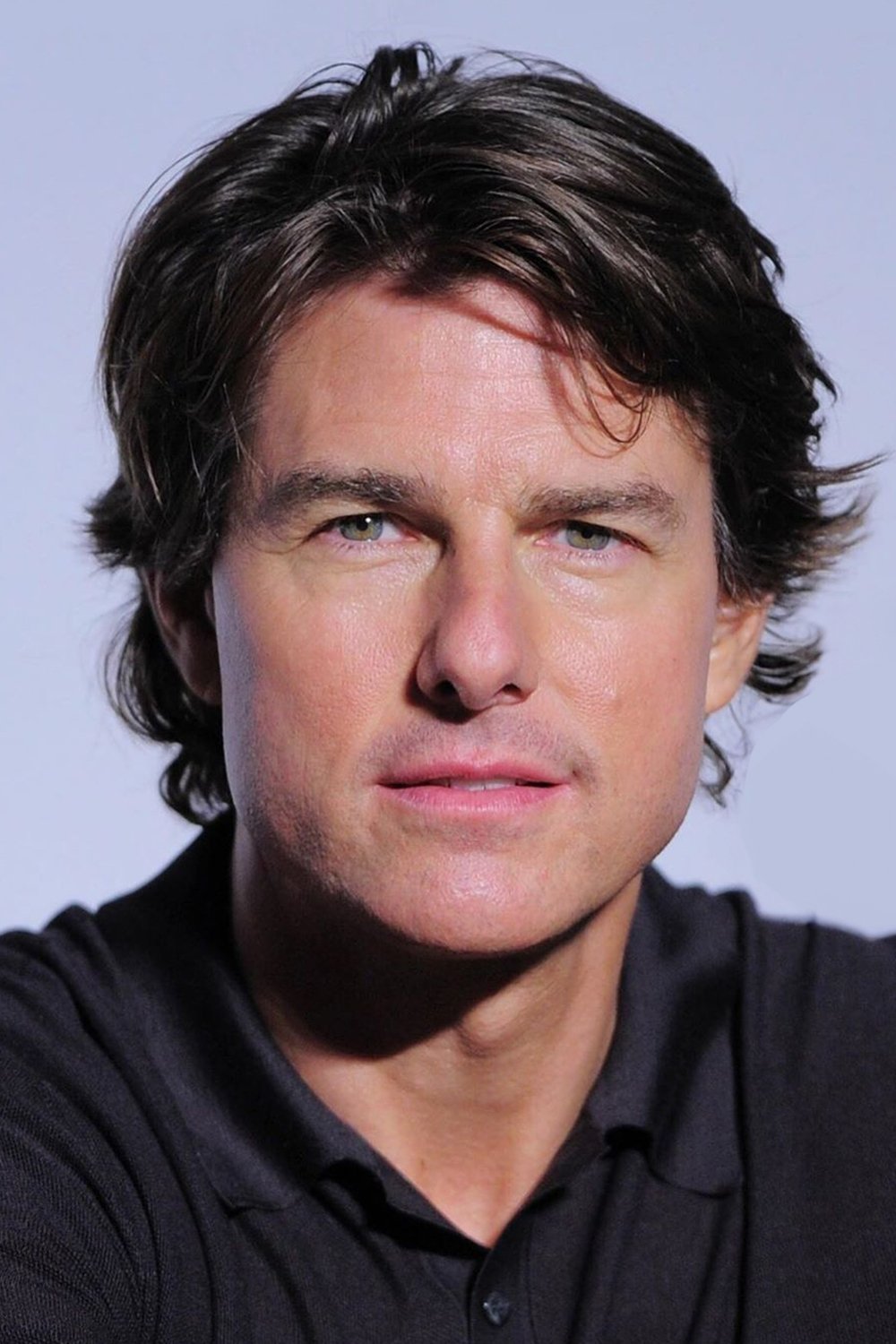
On a 2005 daytime appearance he repeatedly professed love for Katie Holmes and spoke excitedly while the audience cheered. He stood up, interacted with the set, and kept returning to the subject even as the host tried to discuss his new movie.
In the aftermath the clip became a pop culture reference point and late night shows echoed it in sketches. The interview led studios to plan tighter talking points when stars promote films on live daytime programs.
Christina Aguilera
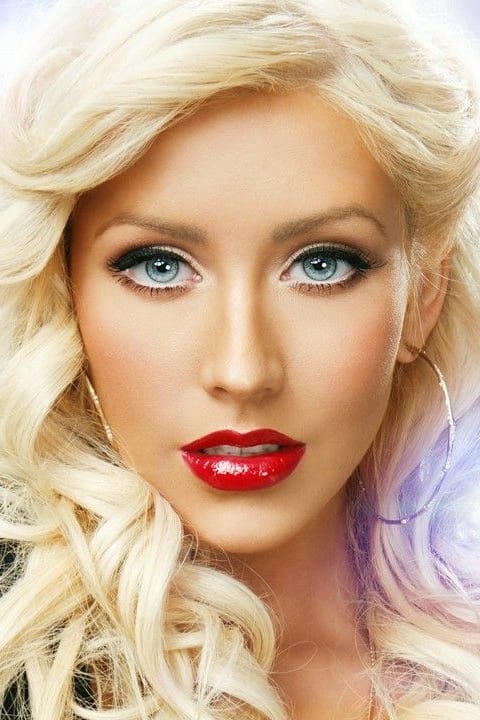
At the Super Bowl in 2011 she sang the national anthem and mixed up a line on live television. She continued the performance and finished the song while cameras captured reactions across the stadium.
She issued a statement expressing regret and explaining that the excitement of the moment took over. Broadcasters adjusted camera plans for future anthems to minimize pressure on performers during close ups in the opening lines.
Sally Field
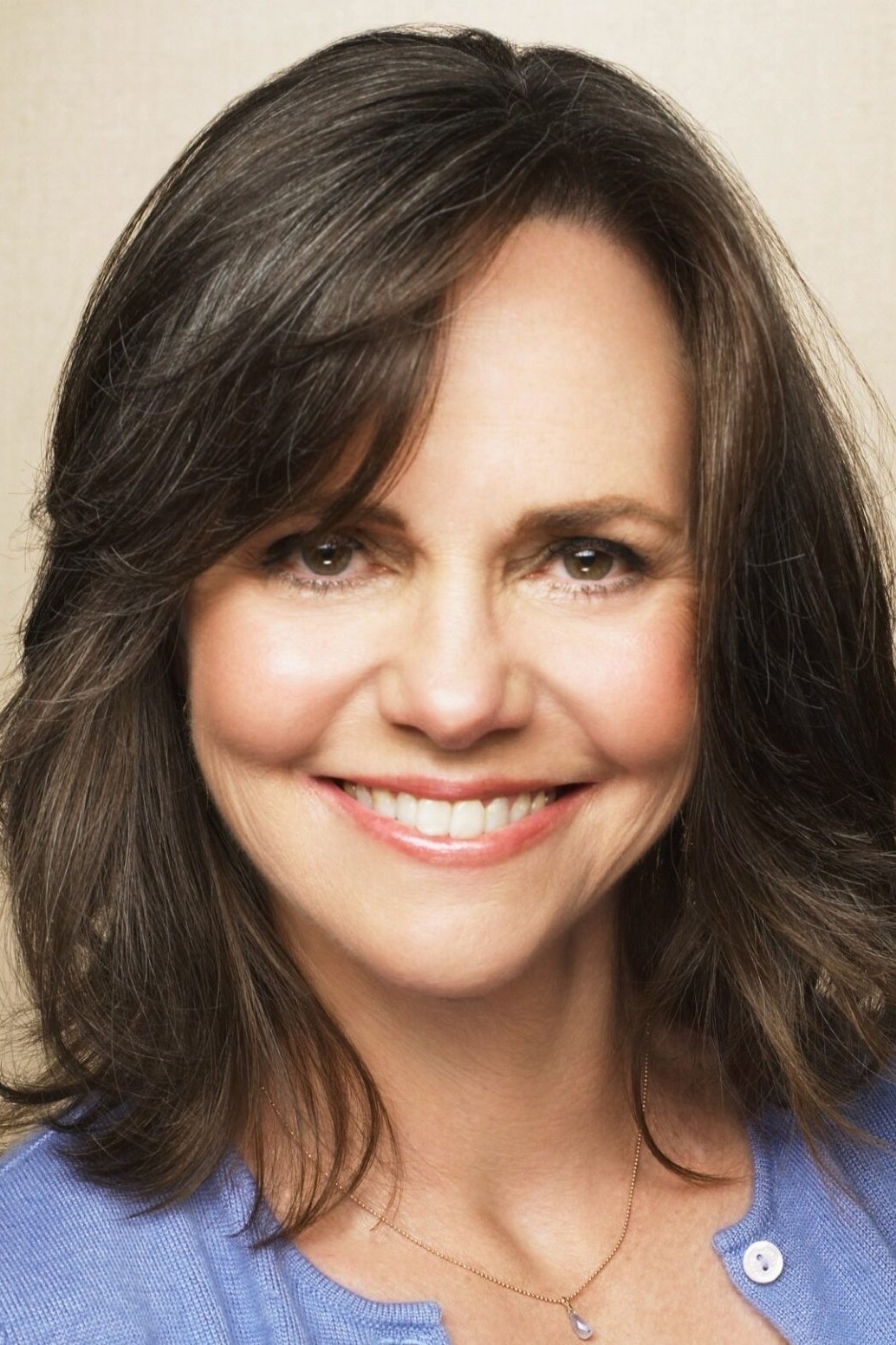
During her 1985 Academy Awards speech she delivered a line about the audience liking her right now that became one of the most quoted moments in awards history. The sentence came near the end of her remarks and it instantly entered the cultural lexicon.
In interviews afterward she explained the context of years of work and appreciation for recognition. The line is still referenced in awards season packages and it shows how a heartfelt sentence can land differently when delivered live to a global audience.
Miss Teen USA Contestant Caitlin Upton

In 2007 during the Q and A round she gave a meandering answer about maps and education that included a now famous phrase about such as. The clock kept running as she tried to complete the thought and the host moved on to the next segment.
The clip became a viral sensation and the contestant later spoke about nerves and the pressure of live competition. Pageant producers reviewed how questions and prep time are handled for teenagers who face national broadcasts.
Paula Deen
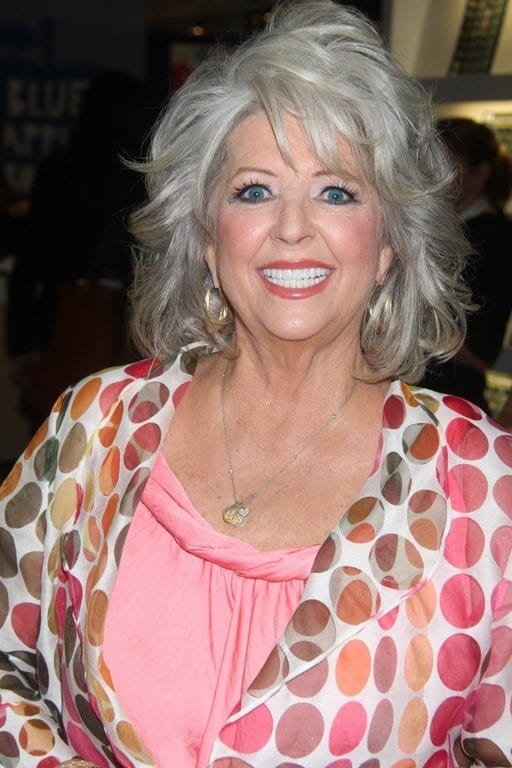
On a 2013 morning show appearance she tried to address controversy and delivered a line that used nonstandard grammar while insisting on her identity. The phrasing landed poorly and interviews later that week focused on the remark rather than her intended message.
The fallout accelerated business consequences and sponsors announced decisions within days. The moment is often cited in media coaching as a reason to keep key statements simple and free of language that can be pulled out of context.
Ricky Gervais
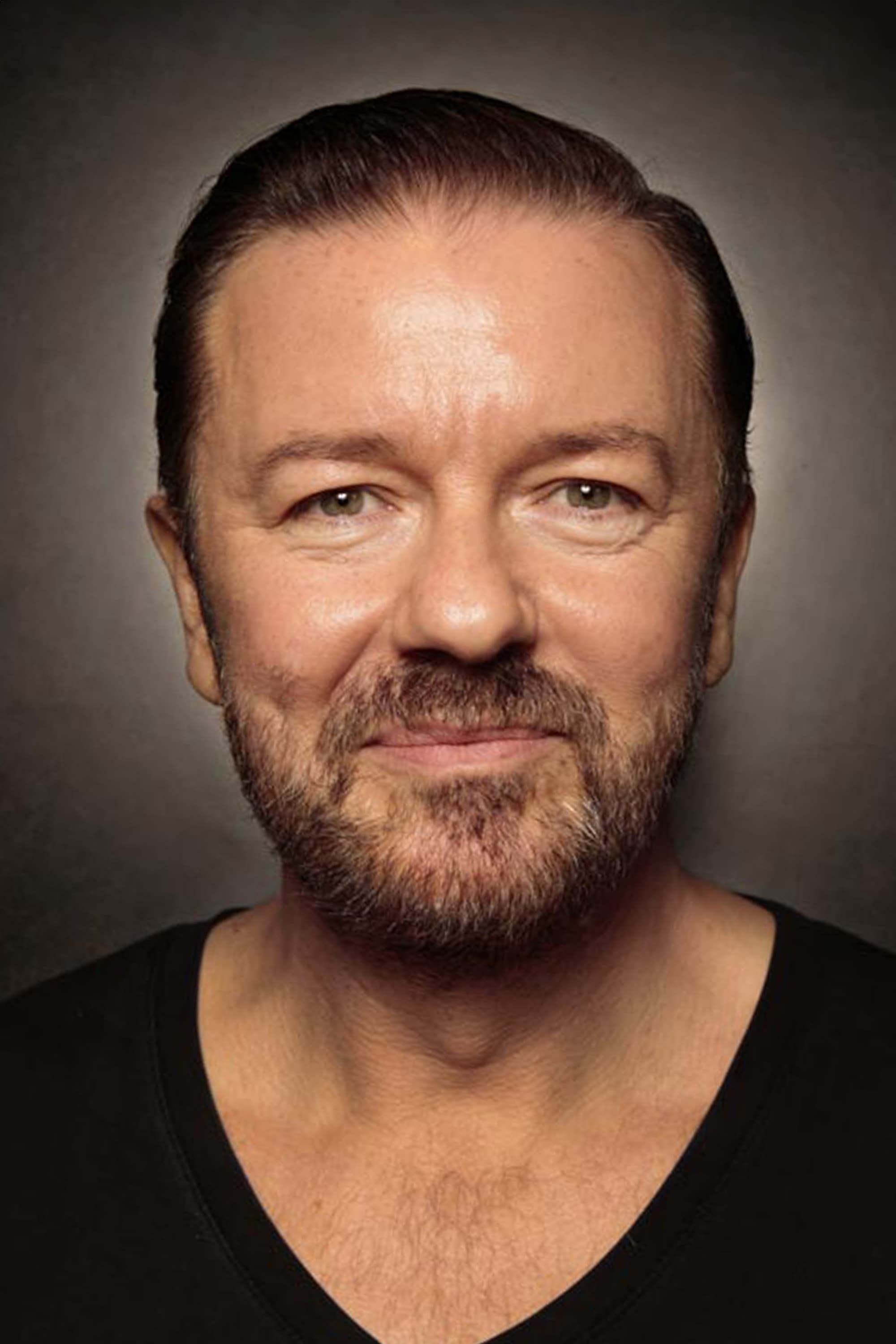
While hosting the Golden Globes he delivered barbed jokes that named specific people in the room and pushed the limits of live network humor. Several lines drew gasps while the control room decided which reactions to show.
After the show the awards body fielded questions about standards for hosts and future broadcasts weighed the balance between edgy humor and a celebratory tone. His appearances changed how awards shows brief hosts and manage rehearsal notes before live nights.
Share the most uncomfortable live TV line you still think about in the comments.