Top 10 Coolest Things About Denji



Denji starts as a debt–burdened teenager and becomes the host of the Chainsaw Devil after making a life-saving contract with Pochita. That pact literally turns Pochita into Denji’s heart, setting up a rare human–devil hybrid case that blends human consciousness with devil power. From that point forward, Denji can manifest chainsaws from his arms and head by tugging the starter cord in his chest, a mechanic that underpins many of his fights across the ‘Chainsaw Man’ manga and the ‘Chainsaw Man’ anime.
What follows collects specific, verifiable details about Denji’s abilities, contracts, allies, and major story beats across Part 1 and Part 2. To keep things useful, each section highlights how a particular trait works in-story, when it shows up, and why it matters to the plot—from Public Safety missions to the rise of the ‘Chainsaw Man’ Church in high-school–era chapters.
Pochita Becomes Denji’s Heart

Denji’s transformation begins when Pochita sacrifices itself after the Yakuza’s Zombie Devil ambush. Pochita fuses with Denji’s body as a literal heart and forms a contract: in exchange for Denji showing Pochita his dreams, Pochita keeps him alive and grants him the ability to turn into Chainsaw Man. This fusion is different from standard devil contracts because it replaces a vital organ and creates a hybrid physiology rather than a simple power-for-price exchange.
This arrangement produces clear, recurring rules. If the chainsaw heart is removed or destroyed, Denji’s life is at risk; if it’s intact and fueled by blood, he can continue fighting. The story revisits this heart mechanic during confrontations where enemies target his chest specifically, and later when other characters realize that taking the heart is the key to stopping Chainsaw Man.
Chainsaw Man’s erasure effect on devils
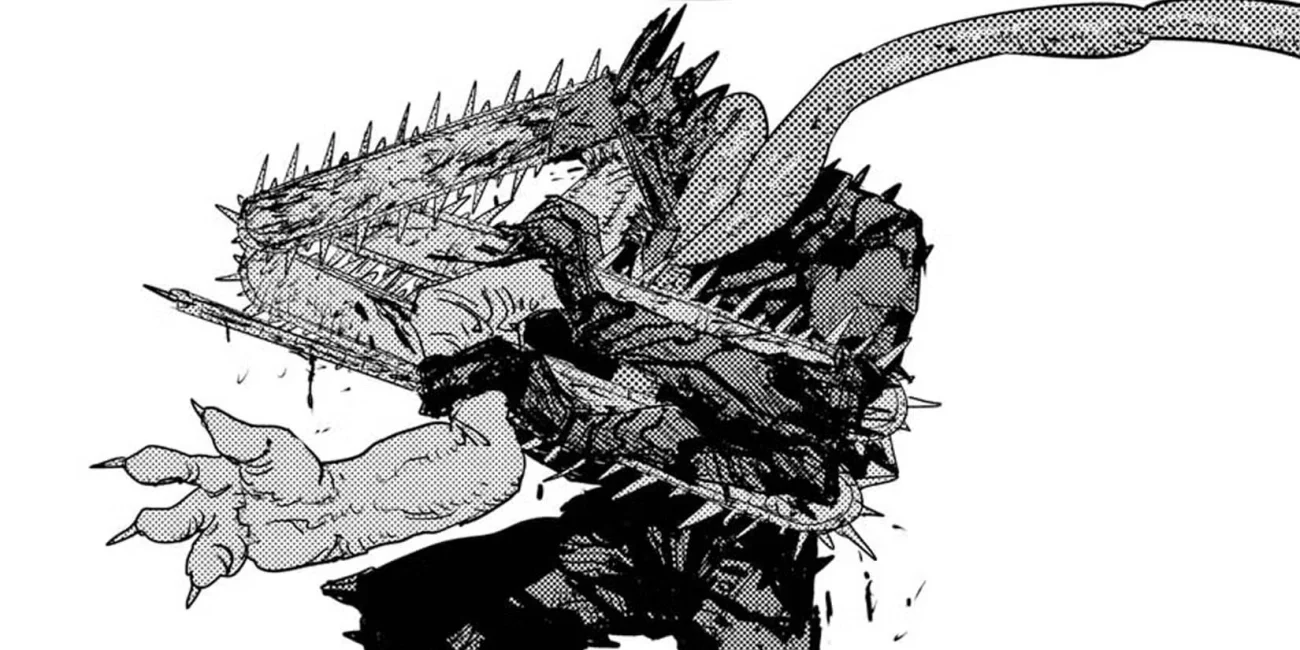
Within the setting’s lore, the Chainsaw Devil holds a unique status: devils it consumes can be erased from existence, eliminating their concepts from human memory and the world. Characters reference past entities—like the Nuclear Weapons Devil—whose names vanished after being eaten, illustrating how Chainsaw Man’s power reshapes reality at the conceptual level instead of merely killing foes.
This erasure power becomes a strategic focal point for multiple factions. Enemies try to capture Denji’s heart to control or neutralize the ability, while allies weigh the risks of relying on someone whose victories can rewrite collective memory. The plot uses this mechanic to explain gaps in history and to raise the stakes around Denji’s survival.
Transformation, fuel, and regeneration mechanics

Denji initiates his transformation by pulling the starter cord embedded in his chest. Once activated, devil energy manifests as chainsaws from his arms and head, enhancing strength, speed, and durability. The transformation’s duration depends on his remaining blood and stamina; extensive fighting or blood loss weakens or ends the form until he replenishes himself. The narrative distinguishes between Denji’s usual hybrid state and rarer evolutions tied to Pochita’s true power, which appear when he is pushed beyond normal limits or when specific conditions align.
Regeneration follows consistent rules shared with many devils and fiends: consuming blood heals injuries, including severe trauma such as amputations or impalements. Continuous blood loss reduces chainsaw output, and decapitation or heart damage can bring him close to death unless the heart remains intact and receives blood. These constraints pace battles across arcs, forcing Denji to secure blood sources mid-mission and to protect the chainsaw heart during prolonged engagements.
Contract terms: Pochita’s promise and Denji’s will
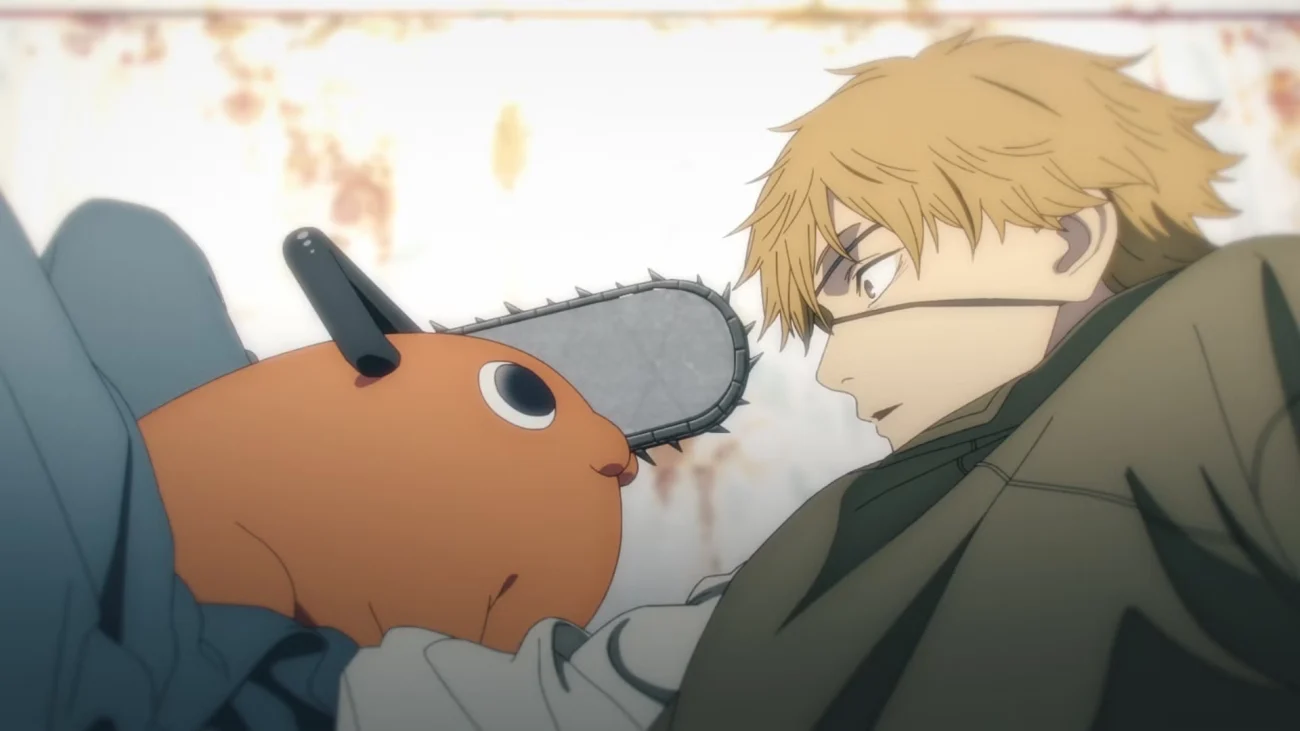
The heart-fusion contract hinges on Pochita’s agreement to let Denji live the ordinary experiences he longed for—meals, shelter, and simple happiness. In return, Denji allows Pochita to inhabit his body, while retaining his own personality and agency except in exceptional circumstances where Pochita must act directly to protect him.
This structure explains why Denji’s choices remain central even when Chainsaw Man’s power spikes. At rare, critical moments, the narrative shows Pochita steering events to save Denji or fulfill the contract’s spirit, clarifying the boundary between host and devil. This balance influences Denji’s decisions with allies, his responses to manipulation, and how far he pushes the chainsaw form.
Public Safety Devil Hunter: Division 4 missions and tactical patterns

After the fusion, Denji joins Public Safety under Makima and works in Special Division 4 alongside Aki Hayakawa and Power. Mission arcs—like the Eternity Devil hotel incident and the Katana Man ambush—establish team roles, procedural constraints, and the legal framework for state devil hunting, giving context to how Denji operates within a government unit. These operations introduce recurring antagonists and rival hunters, plus the logistics of weapon acquisition, intel gathering, and contract usage.
Across these missions, Denji repeatedly leverages environment-aware tactics—elevators, rooftops, vehicles, and confined hallways—to offset reach disadvantages and to create moments to refuel with blood. He also employs chain-grappling and serrated-blade torque to control distance or dismember foes quickly before his reserves dip too low. Coordinated moves with allies appear frequently, such as drawing aggro while another hunter sets up a contract effect, or deliberately sacrificing limbs knowing regeneration is possible with an available blood source.
Notable adversaries and outcomes
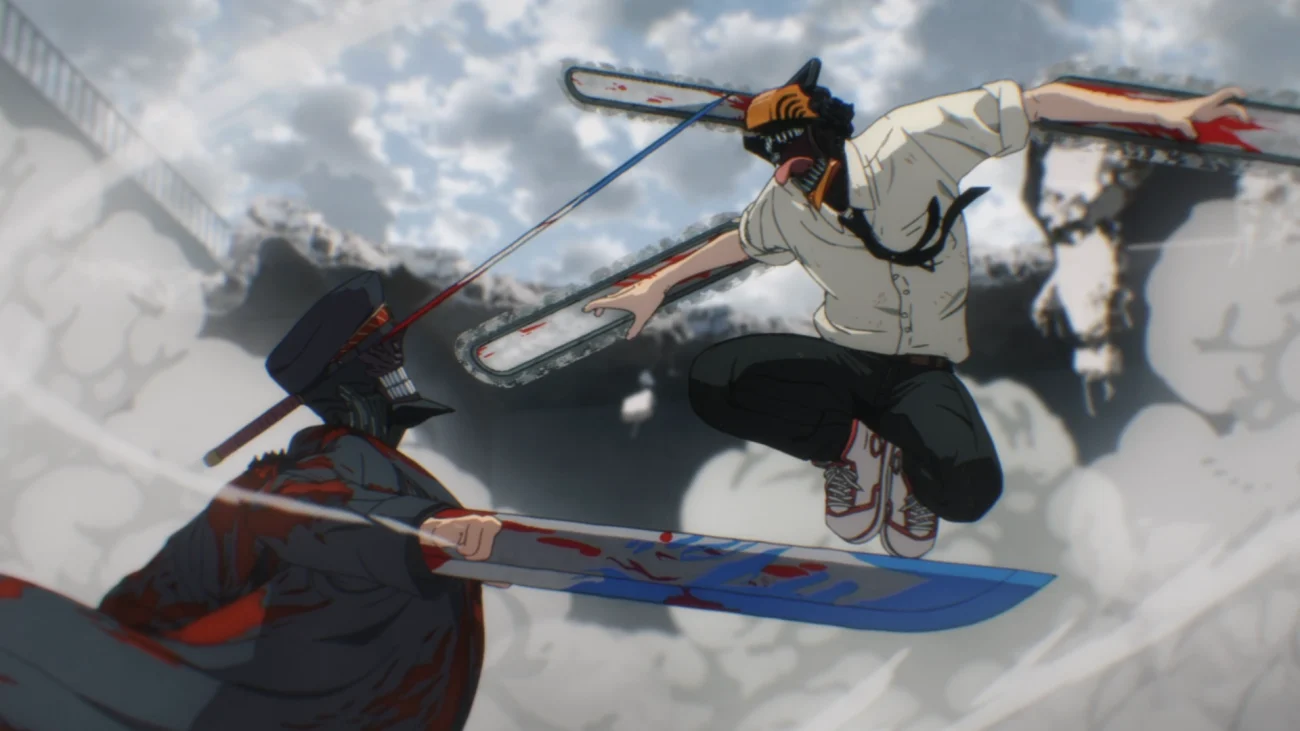
Denji’s track record includes battles against the Katana Man, the Bomb Devil (Reze), Santa Claus and the Doll Devil network, the Darkness Devil encounter, and extended conflict with the Control Devil. Each encounter documents adjustments in strategy—from endurance-based slugfests to creative use of environmental hazards and blood refueling that keep him in the fight despite attrition.
The outcomes of these fights often ripple into policy and power shifts. Captures, escapes, and casualties change Public Safety’s structure, affect Denji’s public exposure, and set up later arcs. These engagements also map the upper limits of Denji’s durability and show how opponents target the chainsaw heart or exploit the erasure lore surrounding Chainsaw Man.
Weapon-hybrid landscape: how Denji compares
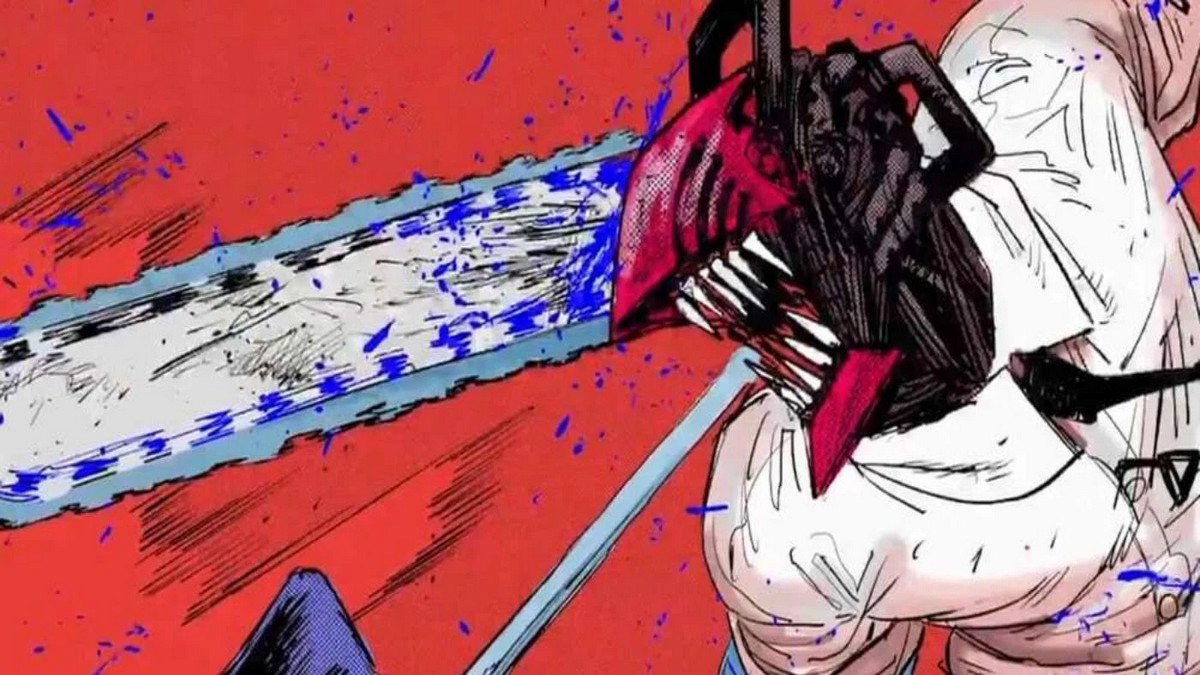
The story introduces other human–devil hybrids—such as Katana Man, Reze, and Quanxi—who activate weapon-themed forms using similar bodily triggers. Their existence confirms a broader category of hybrids with overlapping rules: heightened regeneration, a human baseline body, and devil-derived weapons that activate under stress or intent.
Denji stands out in this group due to the Chainsaw Devil’s special erasure property and the centrality of his heart. Comparisons across arcs show how hybrids differ in stamina, activation conditions, and tactical preferences. These contrasts help readers parse why some hybrids can disengage and heal rapidly, while others rely on swift, decisive strikes to finish fights before their fuel runs dry.
Identity, fame, and the ‘Chainsaw Man’ Church
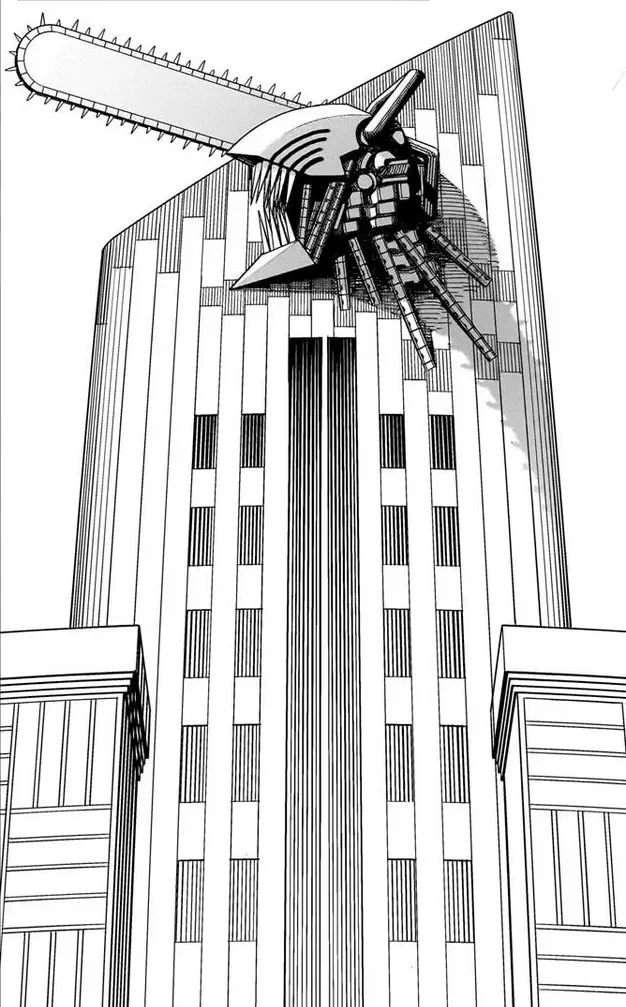
In Part 2, Denji’s identity as Chainsaw Man becomes a public fascination, spawning the ‘Chainsaw Man’ Church and imitators. This development transforms his role from a covert Public Safety asset into a symbol leveraged by various groups, some seeking protection and others aiming to manipulate public fear for advantage.
The church subplot feeds into school-life chapters and city-wide incidents that draw mass attention to Chainsaw Man appearances. As Denji navigates high school and everyday responsibilities, the publicity complicates his ability to act discreetly, attracts enemies who want the heart, and creates legal and social consequences when vigilante activity intersects with official enforcement.
Guardianship of Nayuta and Control Devil continuity
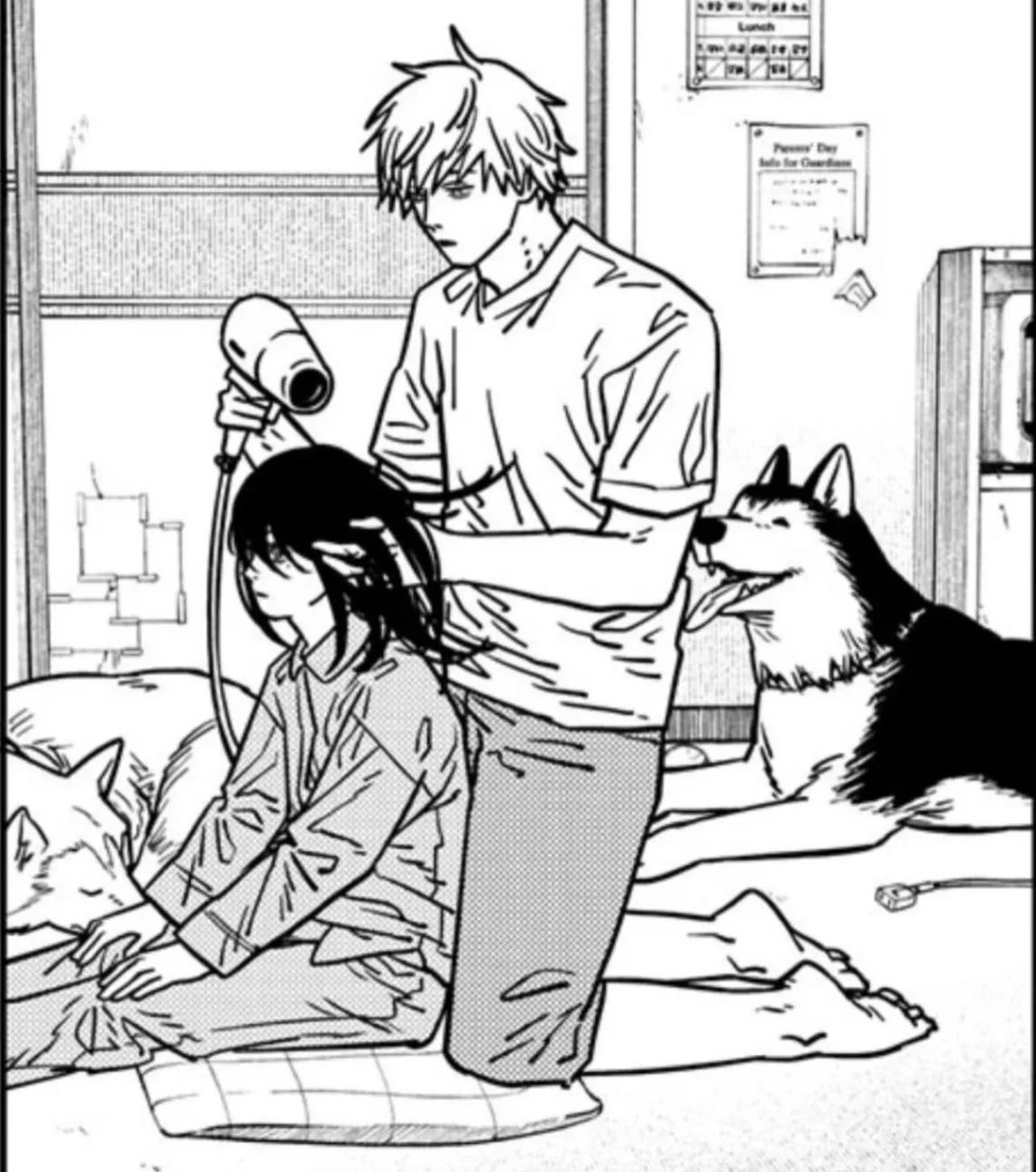
After the Control Devil’s defeat, the Control Devil reincarnates as Nayuta, whom Denji raises under Kishibe’s guidance. This guardianship adds concrete rules to Denji’s daily life: housing arrangements, school attendance, and behavioral boundaries designed to keep Nayuta stable and hidden from hostile interests.
These constraints surface repeatedly whenever Denji contemplates revealing his identity or entering dangerous situations. Protecting Nayuta shapes his priorities and introduces conflicts between immediate heroics and long-term safety, anchoring Part 2’s stakes in domestic responsibility rather than purely combat outcomes.
School life, Asa Mitaka, and the War Devil

Part 2 introduces Asa Mitaka, who becomes host to the War Devil, Yoru. Their interactions with Denji generate encounters that test Chainsaw Man’s capabilities against war-themed weaponization rules, including the conversion of possessions and relationships into armaments under specific conditions. These clashes provide new data on how Denji’s regeneration and activation timings hold up against weaponized environments.
School settings and city scenes contextualize how Denji balances classes, guardianship, and vigilante responses. Episodes involving the Justice Devil and follow-on incidents map out jurisdictional issues, bystander risk, and the consequences of Chainsaw Man interventions in public spaces where witnesses, media, and hostile factions are present.
Share your own favorite Denji details and story beats in the comments!