Top 10 Coolest Things About Pikachu

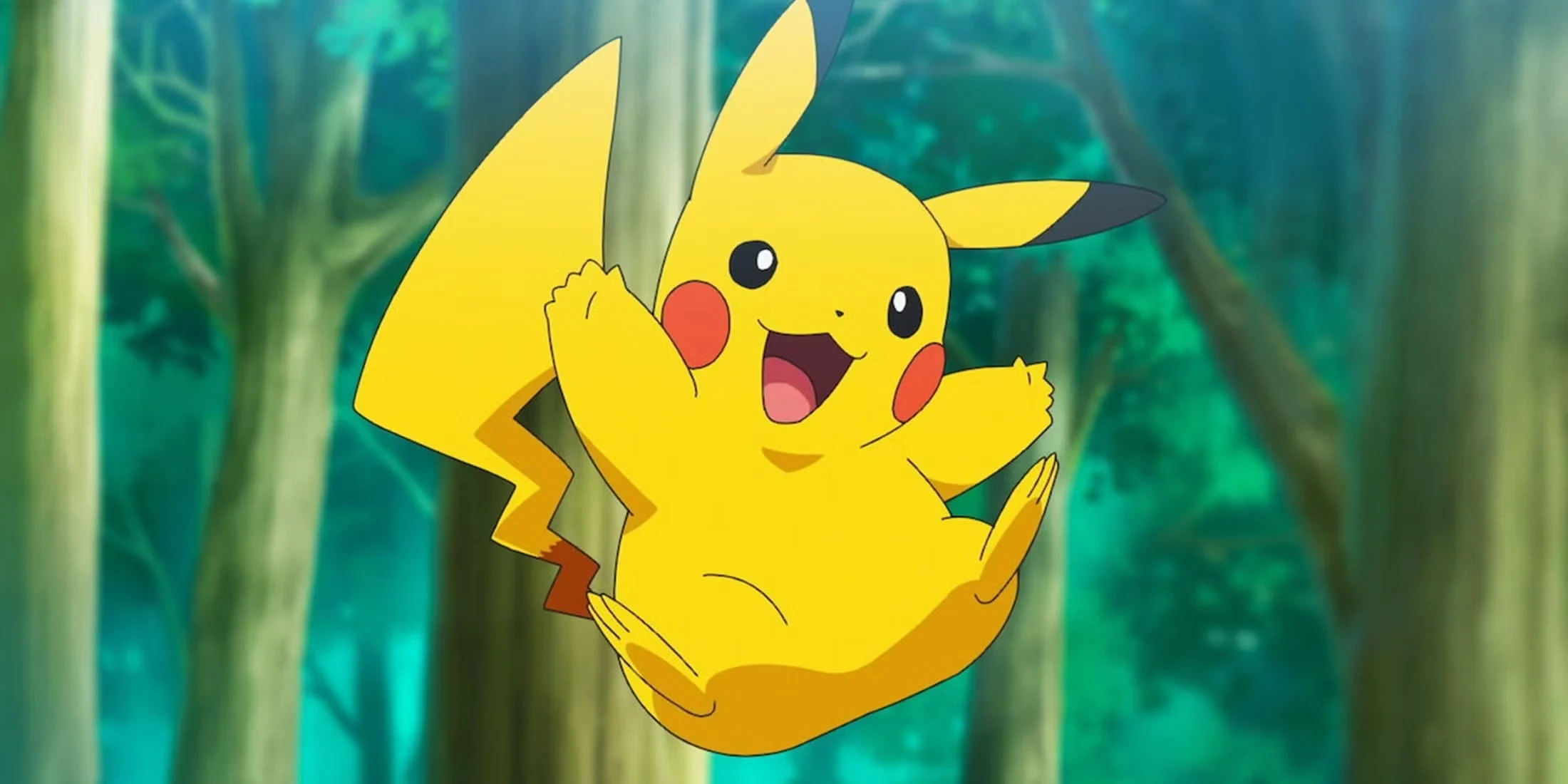

Pikachu is an Electric-type Pokémon introduced in Generation I and widely used by The Pokémon Company as the franchise’s primary mascot. It appears across mainline games, spin-offs, the trading card game, animation, films, merchandise, events, and promotional campaigns, making it one of the most broadly distributed characters in the series.
The species design features cheek sacs that store bioelectricity, a tail shaped like a lightning bolt, and a small rodent body plan that fits early-game forest and power-area habitats used throughout multiple titles. Because Pikachu is frequently obtainable in story playthroughs and special events, players encounter it in many different mechanics—evolution items, held-item interactions, breeding moves, regional forms, raid features, and contest or costume systems.
Signature Electric Abilities
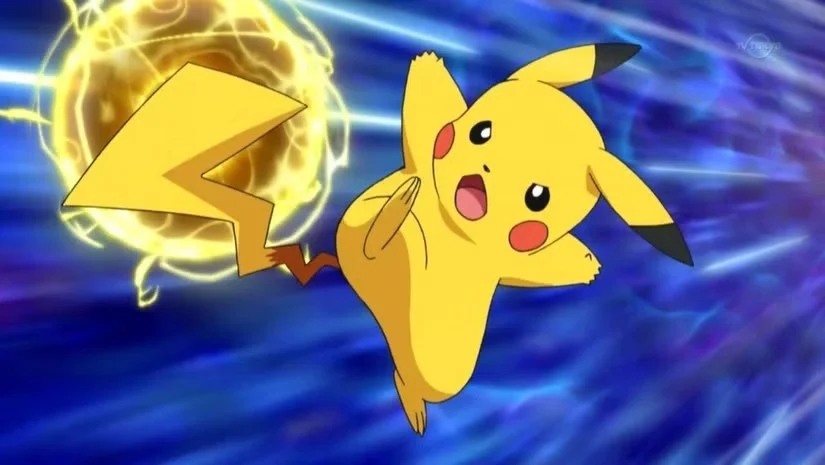
Pikachu discharges stored electricity from its cheek sacs, which is represented in games by Electric-type moves such as Thunderbolt and Thunder that target a single opponent or a field, depending on format. Electric attacks deal super-effective damage to Water- and Flying-type targets, while Ground types are immune unless field conditions or move properties alter targeting.
The standard Ability for Pikachu is Static, which can inflict paralysis on contact; its Hidden Ability is Lightning Rod, which redirects single-target Electric moves to Pikachu and increases its Special Attack when activated. These Abilities affect move targeting and status outcomes in both singles and doubles, providing consistent, rule-based triggers that teams can plan around.
Evolution and Regional Variants
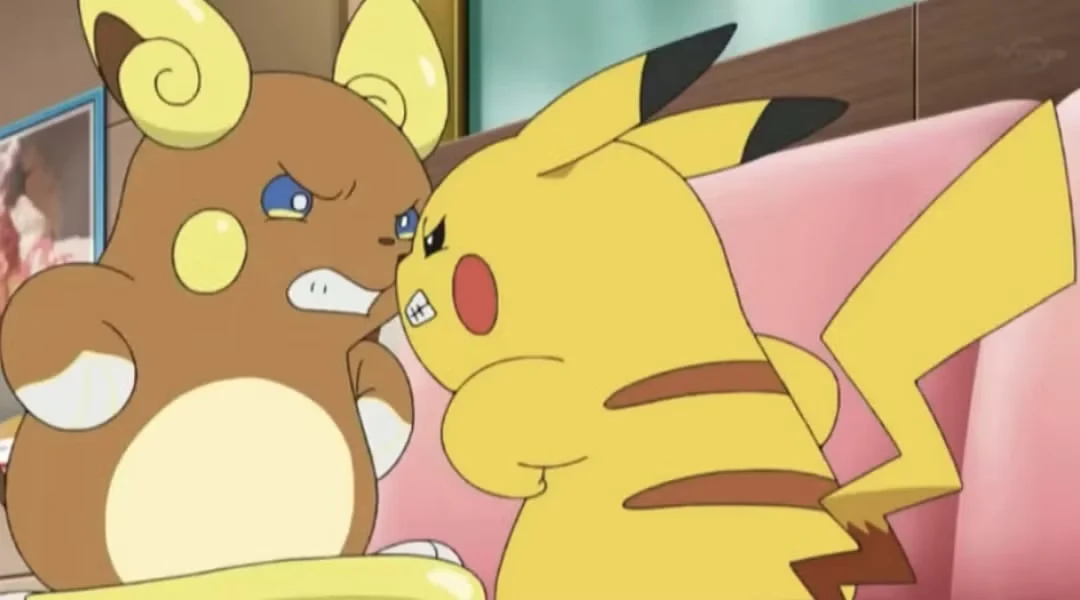
Pikachu evolves from Pichu when friendship reaches the required hidden threshold and evolves into Raichu when exposed to a Thunder Stone. In the Alola region, using a Thunder Stone produces Alolan Raichu with the added Psychic typing and different base stats, giving two distinct end-points from the same middle evolution.
Breeding a Pikachu or Raichu holding a Light Ball can yield a Pichu that knows Volt Tackle, a high-power Electric physical move restricted to this evolutionary line through inheritance. Because the move is not normally learned by leveling, accessing Volt Tackle depends on item use during breeding and proper parent selection.
Game Stats and Battle Roles
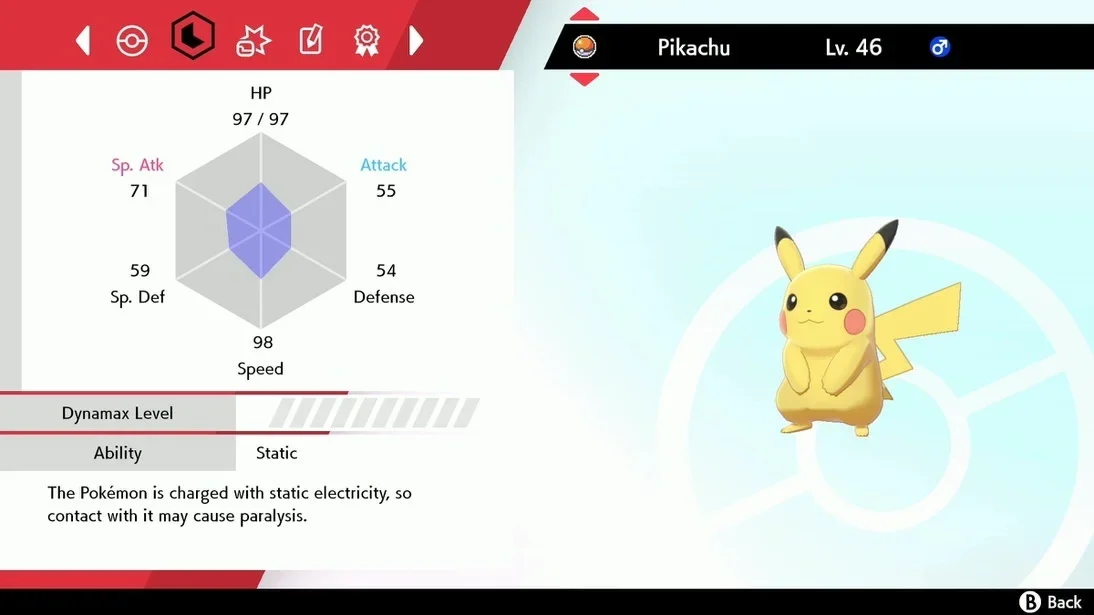
Pikachu’s base stat spread emphasizes Speed, allowing it to act before many opponents in standard level-balanced formats, while its HP and defenses are comparatively low. The held item Light Ball doubles Pikachu’s Attack and Special Attack, which materially increases damage calculations for moves such as Thunderbolt, Volt Tackle, and coverage where available; Focus Sash is commonly used to ensure survival at 1 HP from full health when hit by damage that would otherwise knock it out.
Move options include Volt Switch for pivoting, Thunder Wave or Nuzzle for speed control via paralysis, and Encore in titles where Pikachu can legally obtain it through TMs, tutors, or breeding. Coverage options have varied by generation and distribution; for example, event distributions have provided Surf or Fly on specific Pikachu, while Grass Knot has been available via TM in multiple games.
Ash’s Partner in the Anime
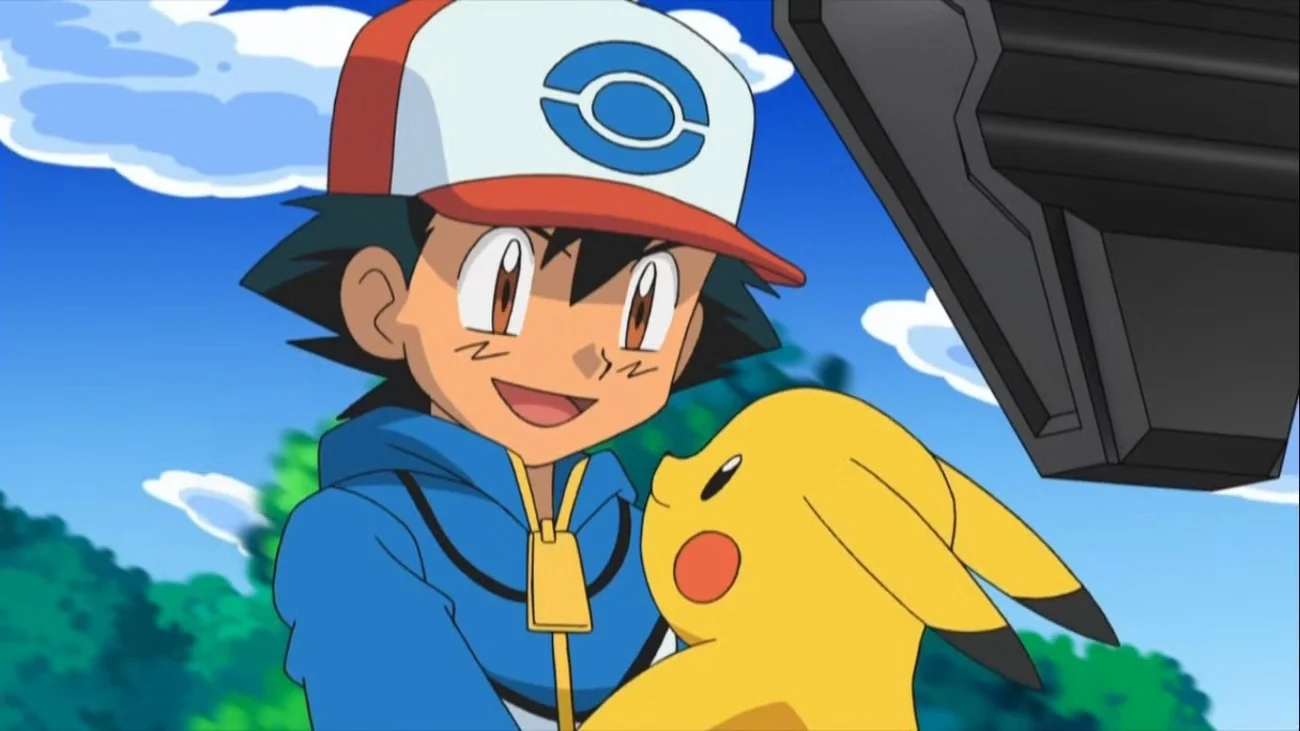
In the ‘Pokémon’ anime, Ash’s Pikachu appears continuously across region arcs and tournament formats, providing on-screen demonstrations of battle rules, gym challenges, and league structures. The character’s move list has changed over time through training episodes and region transitions, with documented examples including Thunderbolt, Iron Tail, Quick Attack, Electro Web, and other moves aligned to current series mechanics.
Narrative points in the anime include an explicit refusal to evolve with a Thunder Stone and participation in regional and international competitions that mirror game-mechanic updates. These appearances are used to introduce elements like new battle gimmicks, standardized rules for official matches, and interactions with characters that represent organizations, leagues, and research settings.
Global Mascot and Cultural Impact
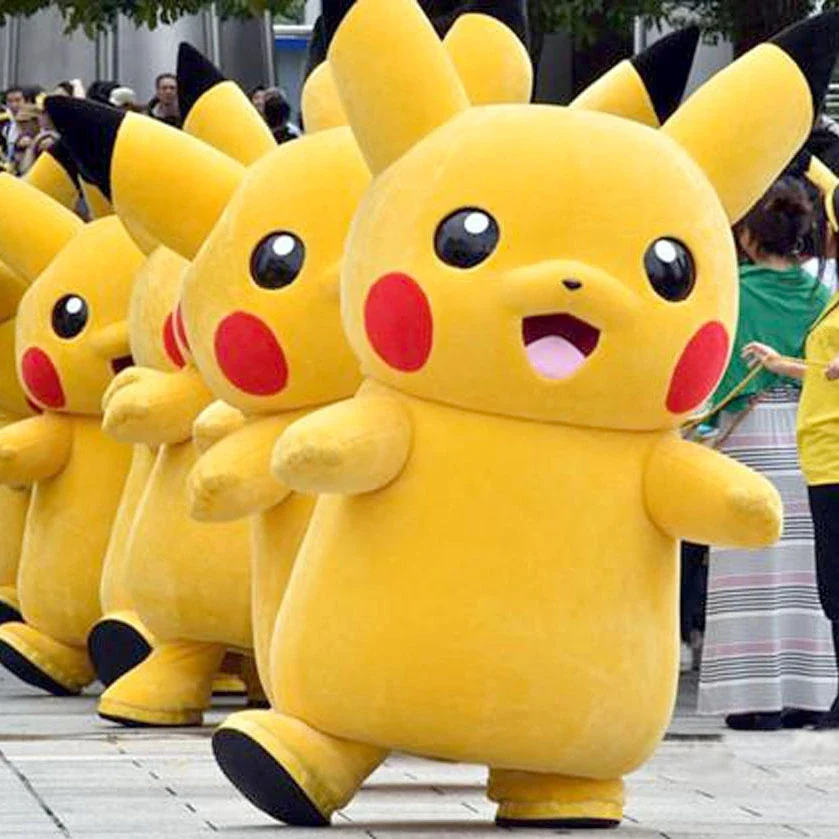
Pikachu is the lead visual for franchise branding in campaigns, live events, official tournaments, and cross-industry collaborations. It appears on limited-time aircraft liveries, parade features, themed retail experiences, and educational tie-ins, connecting product launches and public events to a consistent character image.
Because of that role, Pikachu is included in announcement art, key art for generations, and promotional assets for games, films, and large-scale community activities. This positioning ensures that new releases and special distributions often feature Pikachu as a highlight, guiding newcomers toward entry points and directing existing fans to time-limited content.
In-Game Availability and Habitats
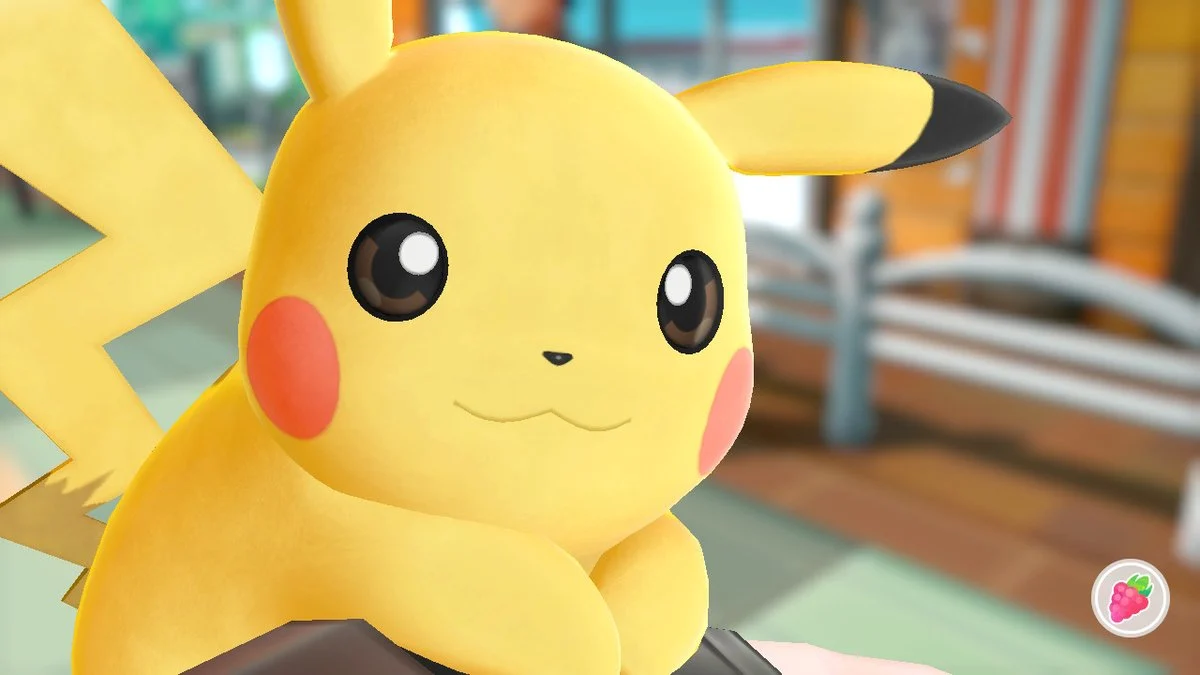
Mainline games frequently place Pikachu in early forests, power-adjacent areas, and special encounter tables, allowing acquisition before or around mid-game. Availability also includes regional Pokédex entries, overworld spawns in select titles, raid appearances in games with raid systems, and outbreaks or mass-spawn events in titles that support them.
Distribution methods extend to starter-adjacent roles in certain versions, Safari- or Friend-zone style encounters in older titles, and Tera/Max Raid content when those mechanics are active. As a result, players can register Pikachu in the Pokédex and build around it without post-game gating in many releases.
Gigantamax and Other Special Mechanics
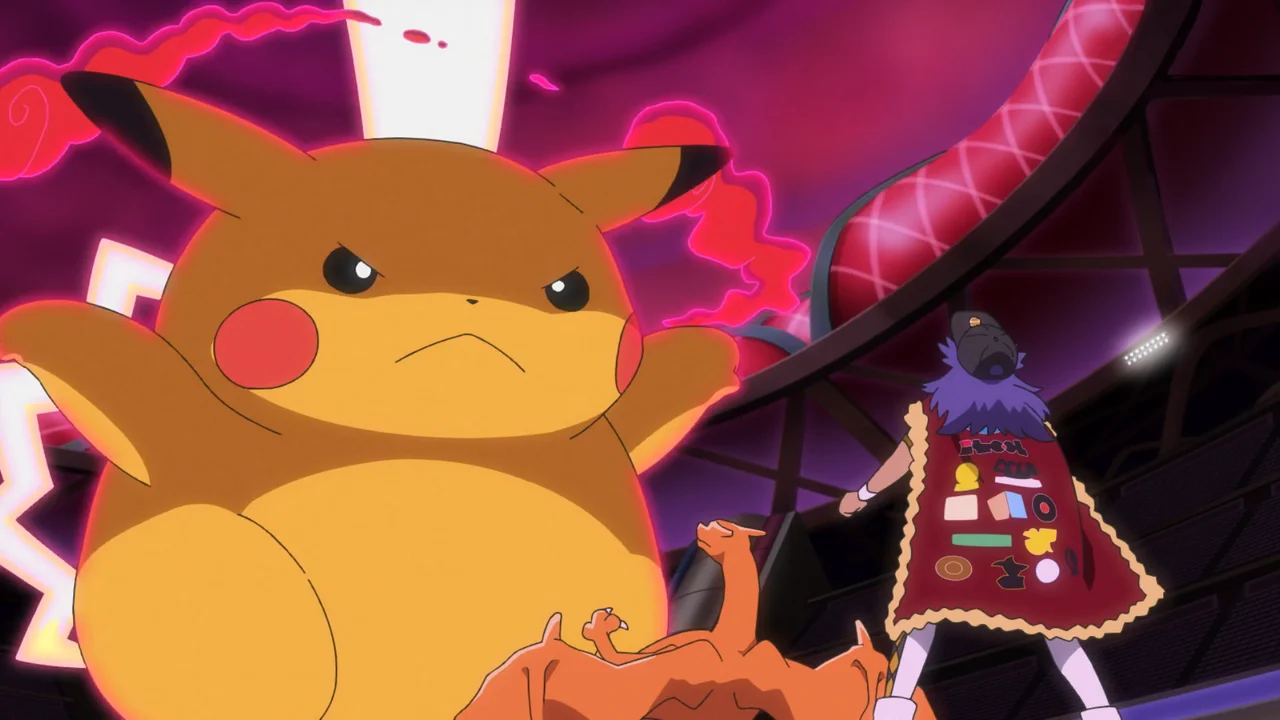
In ‘Pokémon Sword and Shield’, compatible Pikachu can Gigantamax into a special form with the exclusive G-Max move G-Max Volt Crash, which deals damage and leaves opposing Pokémon with paralysis. Access to Gigantamax Pikachu was provided through specific save-data bonuses and event raids during supported periods.
Pikachu also participates in other generation-specific systems, including the Z-Move Catastropika when holding Pikanium Z in titles that implement Z-Moves. These mechanics are time-bound to the games that support them, and their availability depends on in-game items, distribution windows, or compatibility rules for battle formats.
Event Distributions and Special Forms
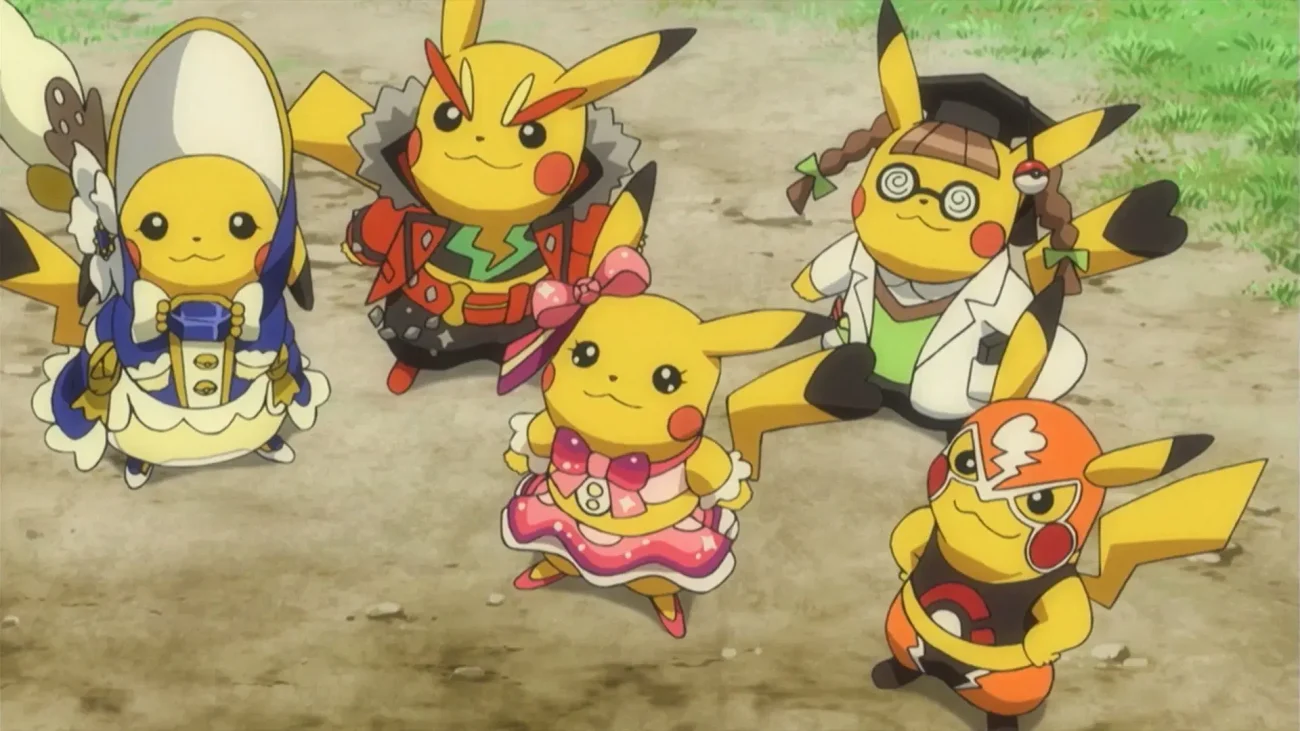
Pikachu has appeared in numerous limited-time distributions with moves or cosmetics not normally obtainable by leveling, such as Surfing or Flying Pikachu. These distributions have commemorated anniversaries, competitive milestones, film releases, and region-specific promotions, each with defined dates, redemption methods, and summary data that record origin details.
Cap Pikachu variants replicate Ash’s hats from different anime arcs, each with a unique cap model and trainer-memo information. Cosplay Pikachu in ‘Pokémon Omega Ruby and Alpha Sapphire’ includes costume forms tied to Contest categories, with each costume granting a move suited for that category and a fixed set of visuals.
Trading Card Game and Competitive Presence
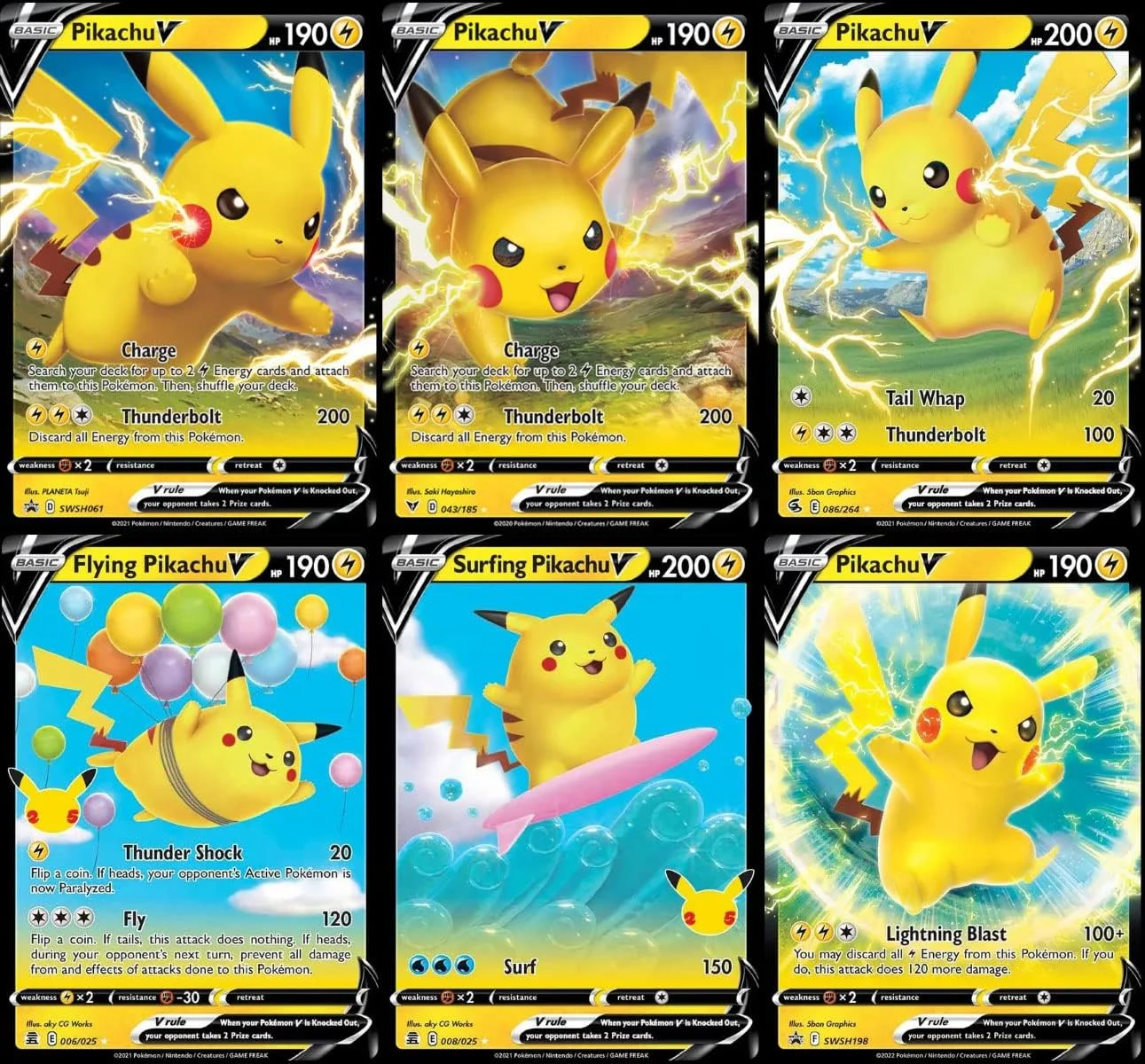
In the ‘Pokémon Trading Card Game’, Pikachu is printed across multiple eras with varying mechanics, from basic attacker cards to special promotional and full-art variants. Collectibility is influenced by print run, set rarity symbols, event exclusivity, and artwork, and certain cards become historically significant due to championship use or unique illustration.
Competitive evaluation of the Pikachu line in the TCG focuses on damage numbers, energy requirements, synergy with support cards in a given Standard or Expanded rotation, and evolution paths into Raichu variants. Reprints and new interpretations periodically reintroduce the line into viable deck archetypes when card pools and rule updates enable efficient combinations.
Detective Adventures Across Media
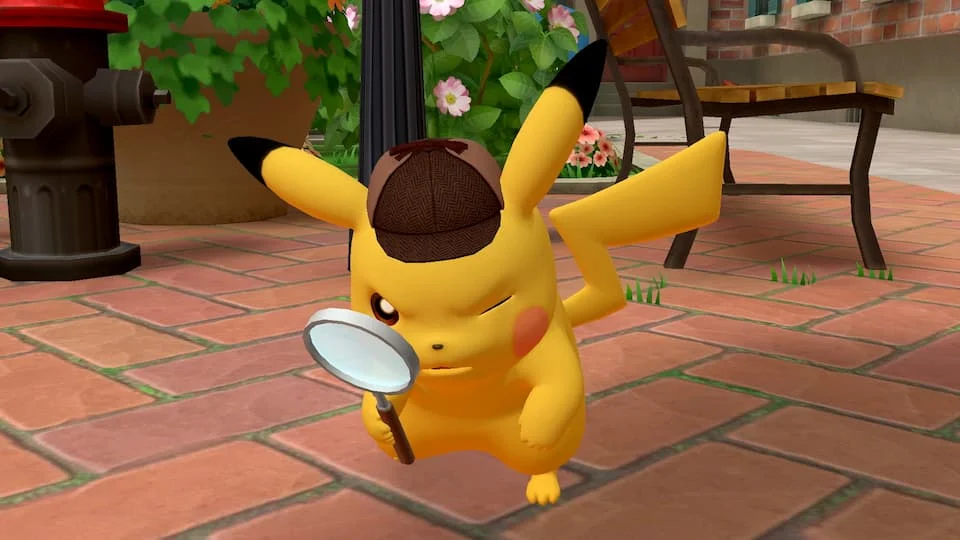
The ‘Detective Pikachu’ video game series presents case-based progression with environment inspection, clue recording, witness interviews, and logic steps instead of traditional battle systems. Save files track case completion, and gameplay sections combine exploration with dialogue choices to advance investigations.
The live-action film ‘Detective Pikachu’ adapts this investigative framework to a feature-length narrative set in an urban environment populated by humans and Pokémon, integrating partner dynamics, city infrastructure, and species ecology into the plot. Together, the game and film demonstrate format-specific implementations of the same character concept, with platform-appropriate mechanics in each medium.
Share your thoughts on which Pikachu detail surprised you most in the comments!