10 Things You (Probably) Didn’t Know About Harry Potter and the Chamber of Secrets

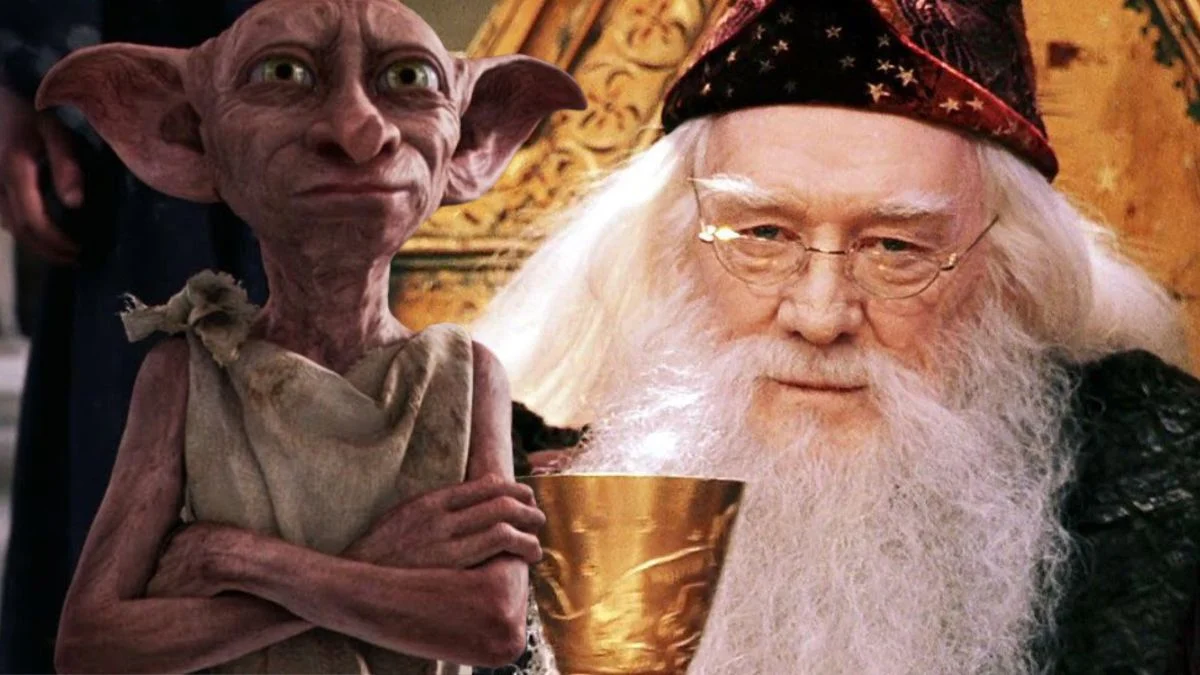

There is a lot happening in ‘Harry Potter and the Chamber of Secrets’ that you might not notice at first glance. The second film in the series brought new characters, bigger creatures, and a much larger scale on set, and the crew used clever tricks to make everything feel real. Many of those tricks were practical effects built right on the stages at Leavesden, supported by digital work when the scenes needed extra magic.
This list pulls back the curtain on how the team created house elves, giant spiders, hissing snakes, and even a scolding letter that talks. You will also find a few behind the scenes stories about locations, props, and casting that shaped what ended up on screen. If you enjoy spotting details, there is plenty to look for the next time you rewatch the film.
Dobby Was Performed With On Set Eyeline Rigs Before He Was Added Digitally
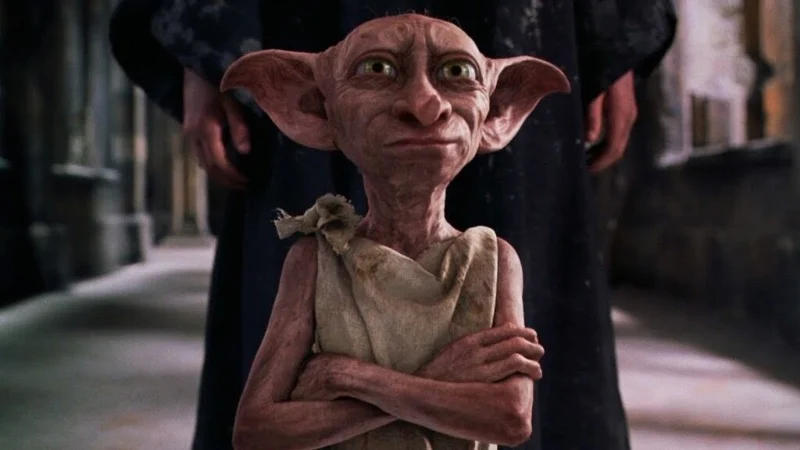
Before the digital character appeared in shots, the crew set up eyeline poles and stand ins so the actors could focus their gaze on the right spot. Tiny sight markers helped Daniel Radcliffe and others deliver lines as if a house elf stood at their feet. The animation team later matched Dobby’s movements to those eyelines frame by frame so dialogue and reactions lined up.
Voice work for Dobby came from Toby Jones, who recorded his lines after the scenes were edited. That timing let animators sync facial expressions to the final audio. The team studied the way fabric and skin fold at small scales to make Dobby’s ears, hands, and clothing behave naturally when he moved around sets and climbed onto furniture.
The Flying Ford Anglia Was A Real Car Fleet And One Was Stolen During Production
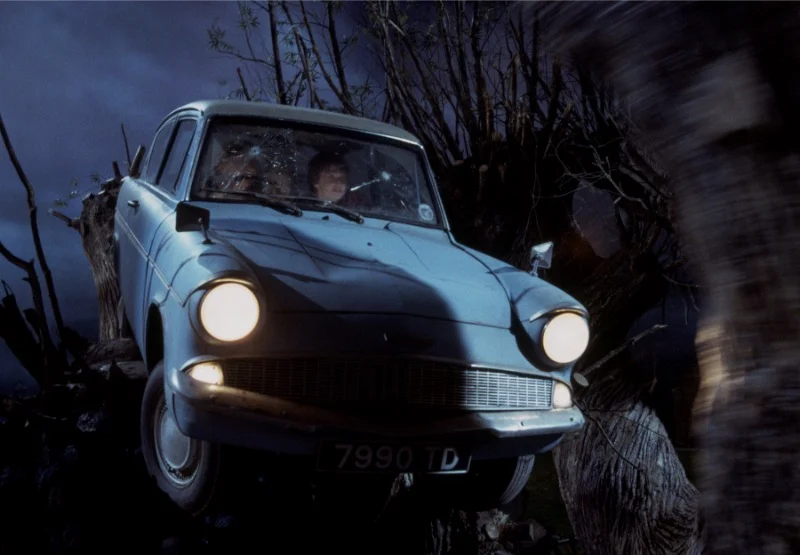
The production sourced multiple Ford Anglia 105E cars for different tasks. Some were fitted with rigs for wires and gimbals so the car could tilt and lift. Others handled interior scenes with cameras mounted inside the cabin. A lighter shell was used when the car bounced through the branches of the Whomping Willow so stunt work could be done safely.
During filming, one of the cars went missing from a storage area and turned up later after reports of the theft. The recovered vehicle returned to serviceable condition and the fleet continued to cover the many shots needed for the journey to Hogwarts and the crash in the school grounds. The varied setups helped the crew switch quickly between dialogue, stunts, and wide views.
Aragog Was One Of The Largest Animatronics Built For The Series
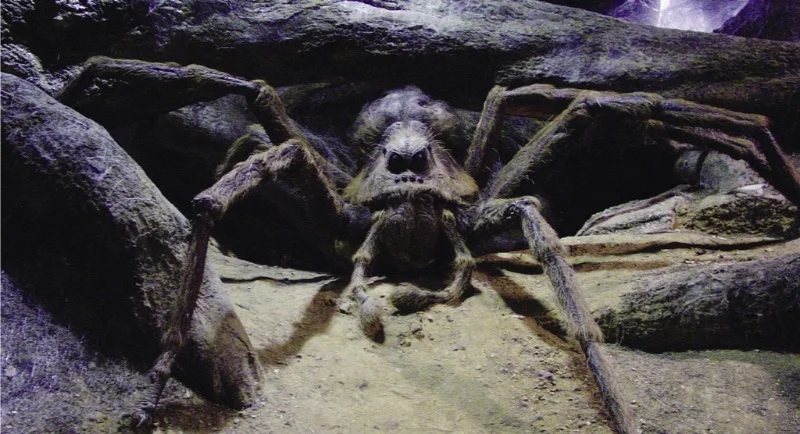
Aragog’s body was a full size animatronic controlled by a team of puppeteers using hydraulics and cables. The creature effects department built a hard internal frame to hold the weight of the abdomen and arranged the legs so they could plant on the forest floor without wobbling. The head had independent controls for mandibles and eyes to match close up dialogue.
Hair and texture were applied in layers so the puppet would hold up under the lights of the Forbidden Forest set. The team used flexible materials on joints so the legs could flex as the spider shifted its weight. Digital additions filled out the swarm of smaller spiders around Aragog, while the close shots relied on the practical build for a consistent look.
Shirley Henderson Played Moaning Myrtle While In Her Thirties
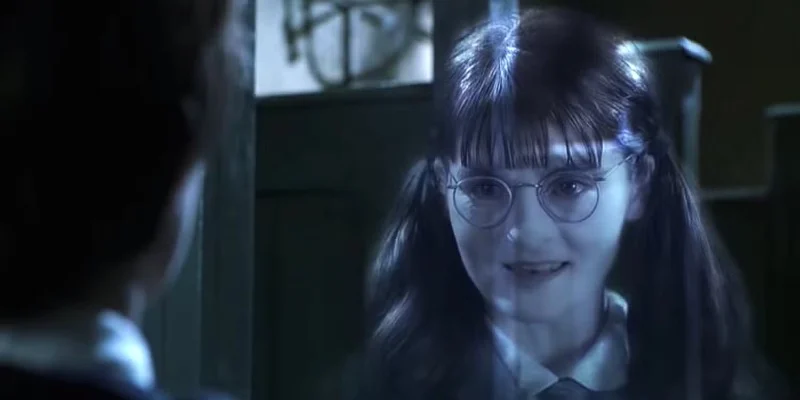
Moaning Myrtle is a student ghost, yet the role went to Shirley Henderson who was in her thirties during filming. Her voice sessions shaped the character’s pitch and cadence, and those choices guided timing for water gags in the bathroom scenes. She then performed on set with wire work and precise marks so visual effects could layer in the ghostly look.
The girls bathroom where Myrtle appears was a full build with working plumbing effects. Sinks, mirrors, and tiled walls were constructed to allow controlled floods and splashes without damaging stages. The faucet with the snake symbol was fitted with a hidden mechanism so it could rotate and reveal the entrance to the chamber on cue.
The Basilisk Combined A Massive Practical Head With Digital Body Shots
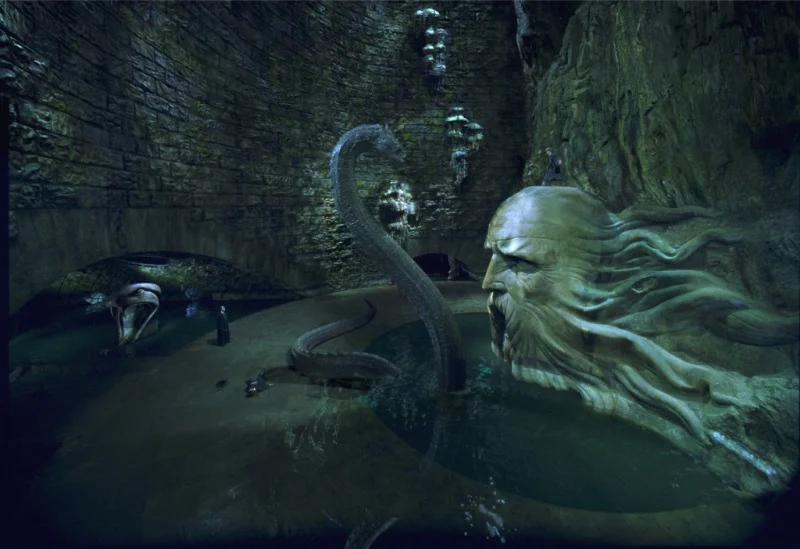
The production built a large basilisk head and neck so actors could interact with real scales and teeth during fights. The creature’s skin used silicone sections molded with hand cut scale patterns, and the eyes were rigged to open and close for the petrifying stare. The head mounted on a motion base allowed fast thrusts and snaps for the duel with Harry.
Wide shots of the basilisk slithering through tunnels and climbing the statue used digital animation to extend the body. The art department also created sections of shed skin to dress the sets in the pipe chambers. Those set pieces guided camera moves and gave the digital team fixed points for tracking when the full length of the serpent needed to be seen.
The Howler In The Great Hall Was A Practical Puppet Enhanced Later
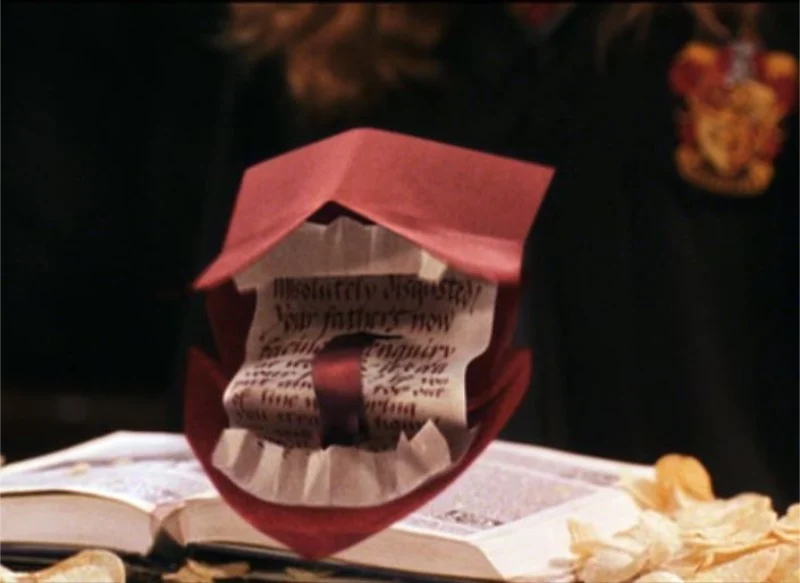
When Ron receives a Howler at breakfast, the production used a mechanical envelope that opened and snapped shut on command. Servos inside pulled strings to shape the mouth while a timed audio track played the message. The table layout and camera angle were planned so puppeteers could hide just out of frame and trigger the movements on cue.
For lines that needed extra lip sync, the effects team cleaned up edges and added subtle digital mouth shapes over the moving paper. The approach kept the texture of real parchment under studio lights. It also let crumbs and steam from breakfast plates remain in the shot without complicated simulations.
Mandrake Roots Were Animatronic Babies Pulled From Real Set Planters
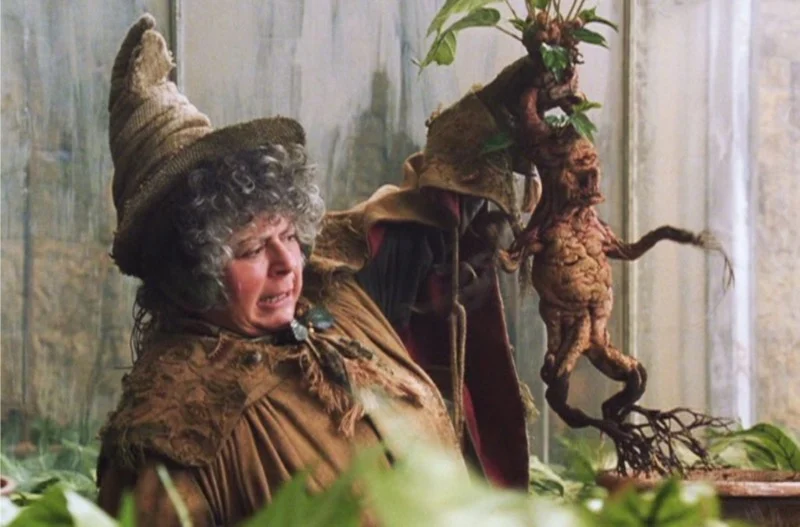
The greenhouse scenes used planters filled with soil mixtures designed for easy cleanup and repeated takes. Inside each planter sat an animatronic Mandrake with grips that allowed the plant to jerk and twist when pulled. The prop department prepared several versions at different growth stages so the lesson could show a full class of plants in one day of shooting.
Actors wore earmuffs built with sound deadening inserts so they could react naturally while protecting their hearing on set. The greenhouse structures included panes, vines, and water lines that could mist the air during takes. By building the space as a working environment, the crew could move cameras freely and capture natural reflections on the glass.
Key Hogwarts Interiors Came From Lacock Abbey And Gloucester Cathedral
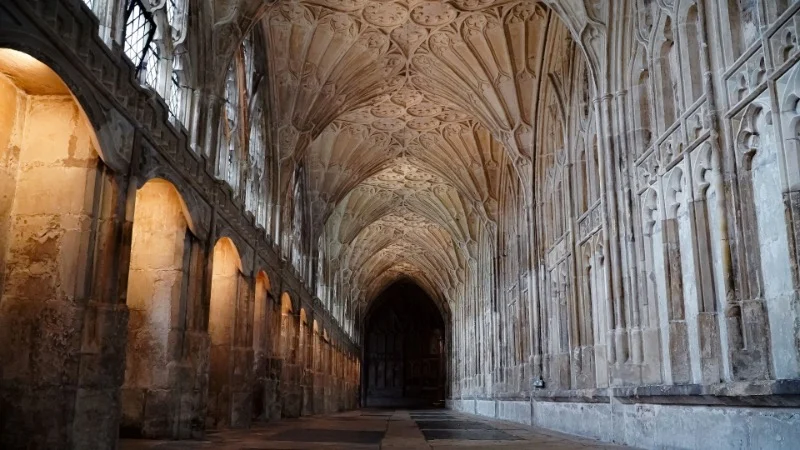
Production returned to historic sites to expand Hogwarts for the second film. Lacock Abbey provided rooms and corridors that were dressed into classrooms, including the potions area seen under Professor Snape. Stone floors and vaulted ceilings gave the sets texture that matched what was built back at Leavesden, which helped transitions between locations feel seamless.
Gloucester Cathedral hosted corridor scenes where messages from the chamber appear on the walls. The crew installed removable set pieces to protect historic surfaces and used low residue paints for the red writing so cleanup would leave no traces. Lighting rigs were placed to mimic natural daylight through the cloisters and to hold steady for continuity across many days.
Richard Harris Delivered His Final Dumbledore Performance In This Film
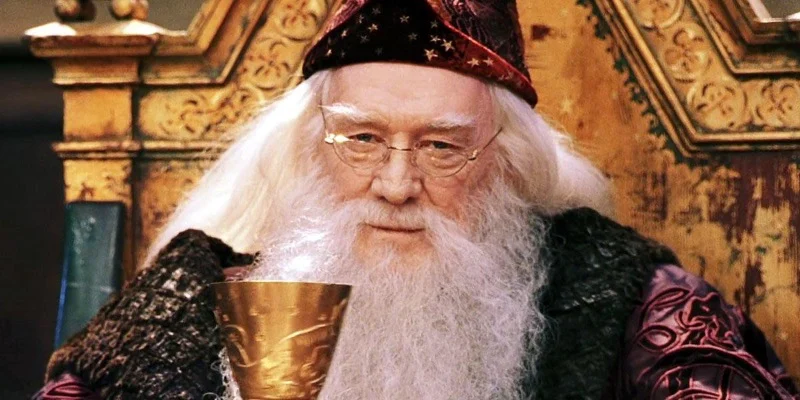
Richard Harris completed his work as Albus Dumbledore during the production of the second installment. His appearance includes the hospital wing scenes and the year end celebration in the Great Hall. Dialogue and coverage were gathered with care so editors would have everything needed for the story beats that close the term.
After the film’s release, the role of Dumbledore continued with a new actor in later installments. The handover required costume and makeup adjustments so the character’s robes, beard, and accessories kept a consistent silhouette. The production maintained the established office set with the phoenix perch, memory cabinet, and telescope to preserve visual continuity.
Tom Riddle’s Anagram Was Localized With Different Names And New Props
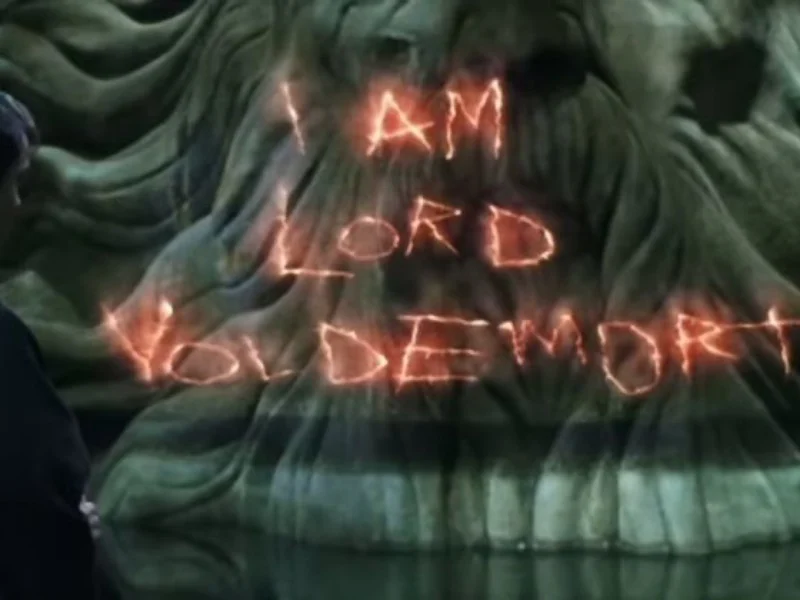
In English the name reveal turns Tom Marvolo Riddle into I am Lord Voldemort. Other languages needed different middle names to create the same sentence. The art department prepared alternate diary shots and classroom slates to match the local versions so the reveal worked on screen without subtitles changing the meaning.
Dubbing teams recorded each language with timing that fit actor mouth shapes as closely as possible. For shots showing the name in writing, the crew supplied artwork with the correct letters arranged for the local anagram. This planning allowed the reveal to land for audiences worldwide while keeping the visual logic of the scene intact.
Share your favorite hidden detail from the film in the comments and tell us which moment surprised you most.