15 Most Powerful Guns in Games

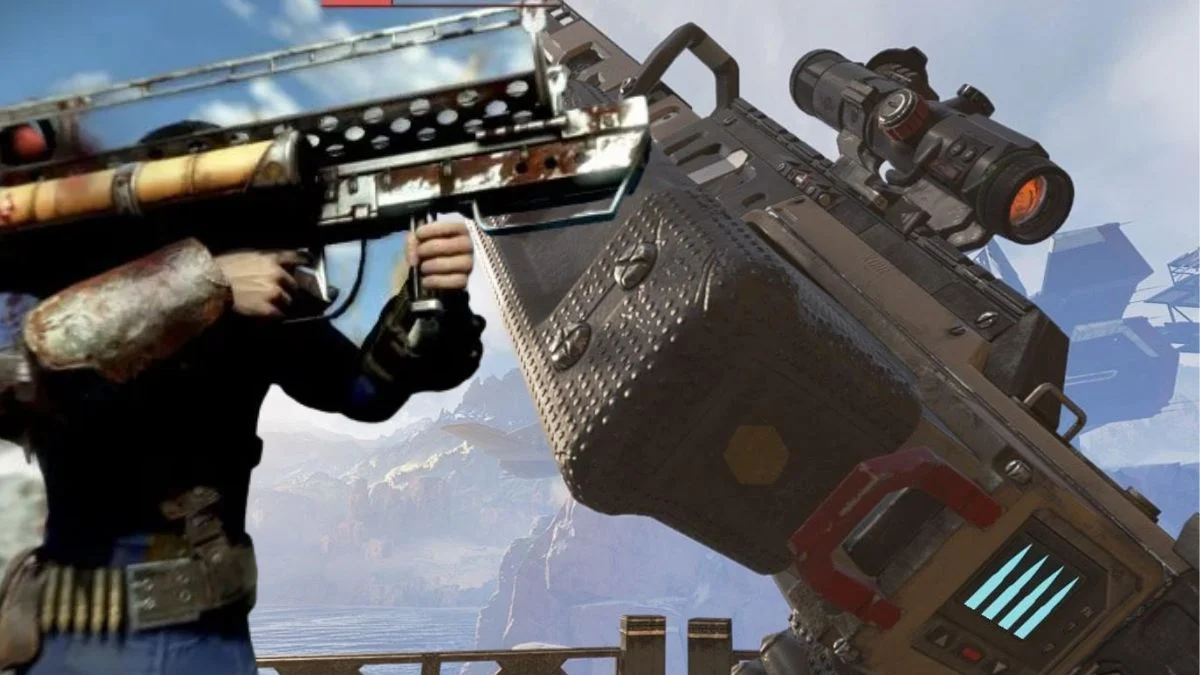

Some video game weapons don’t just feel strong. They are built to delete health bars, clear rooms, or end a match with one well placed trigger pull. The entries below focus on how these guns work in their games, what they fire, and why their mechanics produce such overwhelming results on the screen. You will see explosives that bloom into city-block fireballs, precision rifles that erase targets instantly, and exotic tools that bend physics until enemies fall apart.
To keep this list practical, each pick explains the key systems that make it hit so hard in its own sandbox. That includes projectile behavior, damage modeling, blast radius, pierce rules, charge requirements, and ammo constraints. You will also see how players acquire these guns, the resources they consume, and the balance levers developers use to keep them from breaking their games the moment you pick them up.
BFG 9000 from DOOM
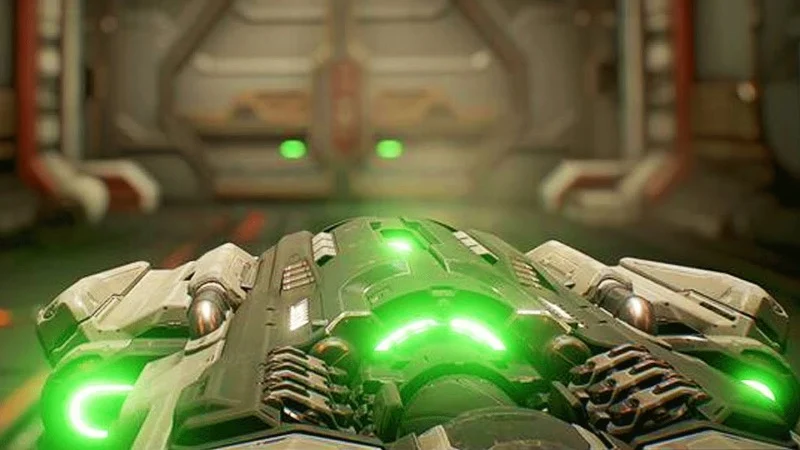
The BFG 9000 fires a slow plasma ball that triggers multiple invisible damage tracers to every target in line of sight when it detonates. Those rays apply massive damage ticks simultaneously, which is why a single shot can wipe groups even if the orb passes nearby rather than making direct contact. Its damage model scales with proximity and sight lines, so positioning the shot around corners or into crowded arenas multiplies its effect.
Ammo is limited to rare cells, and the weapon sits deep in late campaign arsenals across the series. DOOM’s implementation from id Software also uses deliberate fire rate and long animation locks as balancing levers, which means timing matters as much as aim when you want to clear a room without wasting cells.
Redeemer from Unreal Tournament
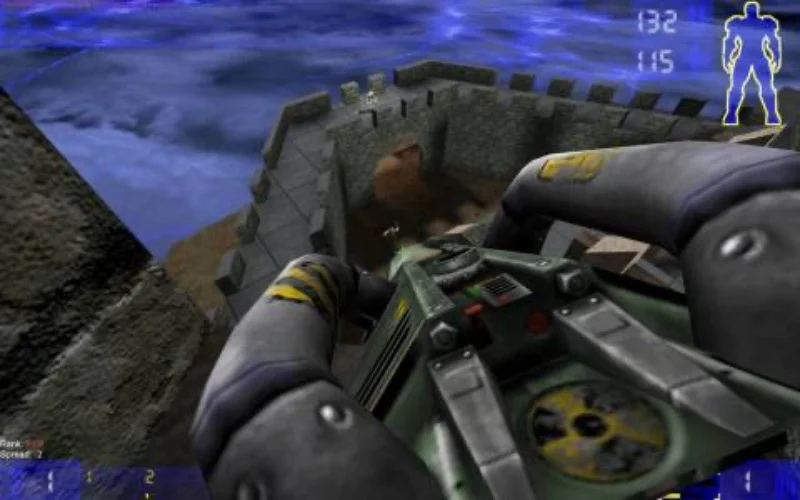
The Redeemer launches a miniature thermonuclear missile that can be fired dumb or guided through a remote camera view. The warhead runs an enormous splash radius with lethal damage at the center and heavy falloff out to the edges, which lets a single missile end control of an objective or erase vehicles and clustered players on open maps.
Its heavy footprint is tempered by scarce ammo and a lengthy wind-up that exposes the user while guiding the missile. Epic Games also tunes projectile speed and audible cues so opponents can react if they spot the contrail, keeping the weapon devastating without removing counterplay.
Fat Man from Fallout 4
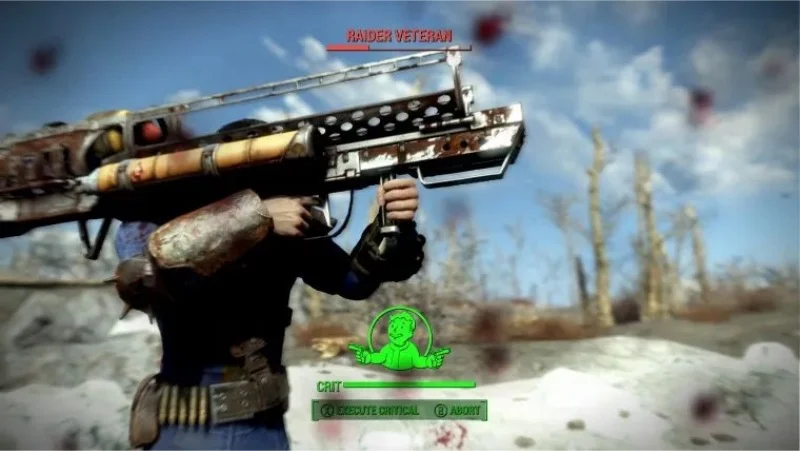
The Fat Man is a shoulder-launched catapult that fires mini nukes with arcing ballistic trajectories. Each warhead creates a large blast with high base damage, limb shattering potential, and environmental effects like radiation that persist briefly after detonation. The physics driven arc enables bank shots over cover and into entrenched positions that normal firearms cannot reach.
Mini nukes are intentionally scarce, and the device is heavy with slow reloads that demand planning. Bethesda Game Studios also applies friendly fire and collateral damage, so using the Fat Man in tight interiors risks self harm and encourages players to respect spacing before they pull the trigger.
Gjallarhorn from Destiny

Gjallarhorn fires a high damage rocket that spawns cluster projectiles upon impact. Those secondary seekers, known as Wolfpack rounds, retarget survivors to apply additional explosive instances that stack into boss melting bursts or team wipe potential in PvP spaces. The rocket’s tracking assists with moving targets, making the combined primary and submunitions unusually consistent.
Bungie balances it with exotic ammo bricks, limited reserves, and slot competition in loadouts. Certain activities lean on heavy ammo economy to cap sustained use, while crafting and catalyst upgrades alter reserve counts and reload behavior without changing the core identity of a rocket that multiplies damage after every hit.
Hammer of Dawn from Gears of War
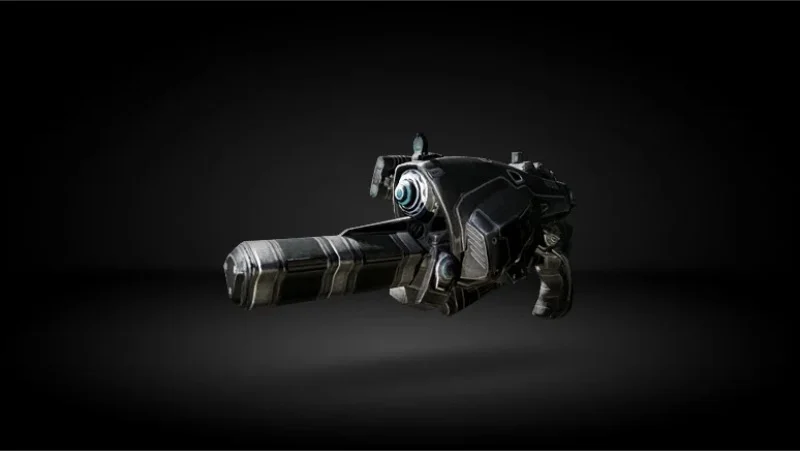
The Hammer of Dawn marks a target with a satellite designator and calls a kinetic energy beam from orbit. Once the satellite acquires the mark, the beam tracks within a small tolerance and applies continuous damage ticks that shred health and armor while setting enemies on fire. It can also carve destructible cover and alter line-of-sight flow by removing map geometry.
Use is restricted to outdoor spaces and requires satellite availability, which varies by mission scripting. The original Gears release from Epic Games gates the beam through charge-up time, line-of-sight maintenance, and limited windows, turning it into a positional tool that rewards clean marks and safe angles rather than blind activation.
Golden Gun from GoldenEye 007
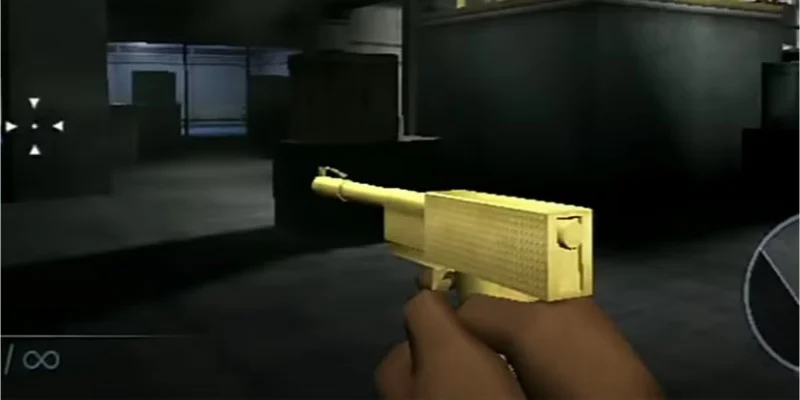
The Golden Gun is a single-shot pistol with one hit kill properties regardless of hit location. It uses a unique ammo type in single rounds, which forces a fire then relocate rhythm where the user secures cover, reloads, and hunts the next line of sight. The pistol’s hit scan behavior makes it instantaneous within its effective range, so peeks are decisive.
Acquisition in multiplayer is tied to special weapon spawns and in solo to specific mission paths, which keeps it rare on the map. Rare designed its pickup logic and ammo scarcity to ensure that whoever holds it becomes a high value target, which naturally redistributes control as teams contest the spawn cycle.
AWP from Counter-Strike
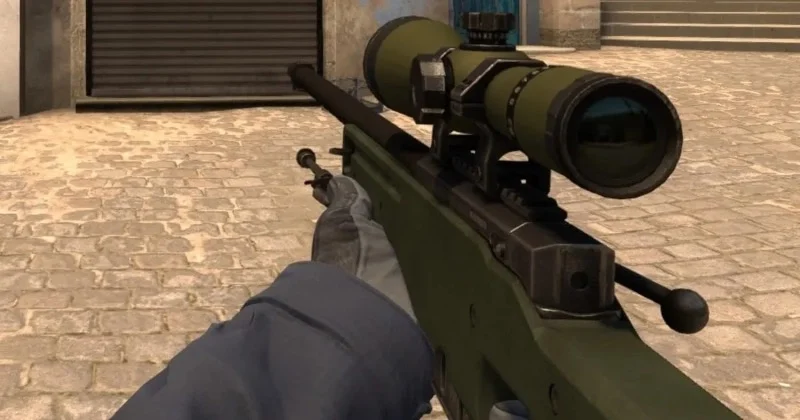
The Arctic Warfare Police sniper rifle deals lethal damage to the torso and head with a single shot and cripples legs with heavy body damage at long range. It uses a bolt action cycle that imposes time between shots, and it requires scoping to maintain accuracy and mitigate sway. Its economy footprint is high, so buying one shifts round strategy around preservation and trading.
Valve ties movement speed penalties and loud reports to the rifle so opponents can audio locate an AWP lane. Armor and helmet values do not change its one shot chest lethality, which explains why smoke placement, utility usage, and crossfires focus on denying a clean scoped angle more than soaking damage.
Supercharged Gravity Gun from Half-Life 2
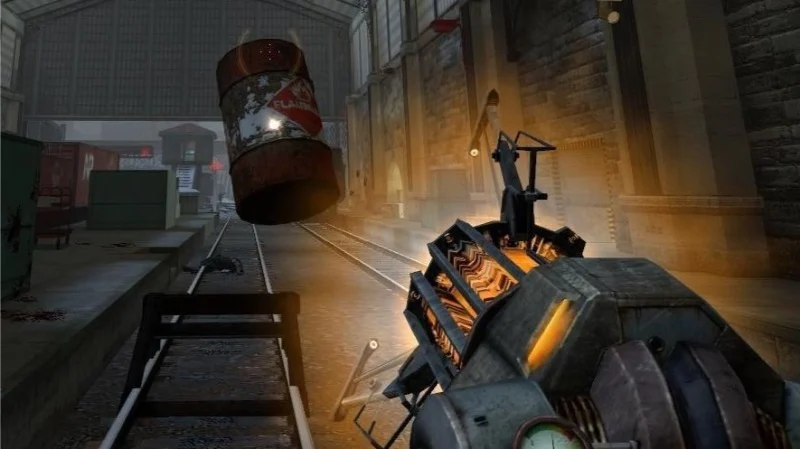
In the endgame state, the Gravity Gun gains the ability to pick up and fire living enemies and heavy objects at lethal velocities. The projectile logic assigns damage based on mass and impact speed, so flung soldiers and energy cores become high damage rounds that also interact with the environment by breaking glass, triggering explosions, or clearing barricades.
This empowered mode is context limited to certain chapters, a choice Valve uses to turn level geometry into ammo while avoiding permanent balance issues. The weapon’s alt-fire grab range and the instant energy discharge on Combine soldiers let players chain shots smoothly, effectively turning the entire room into a munitions cache.
Kraber .50-Cal Sniper from Apex Legends
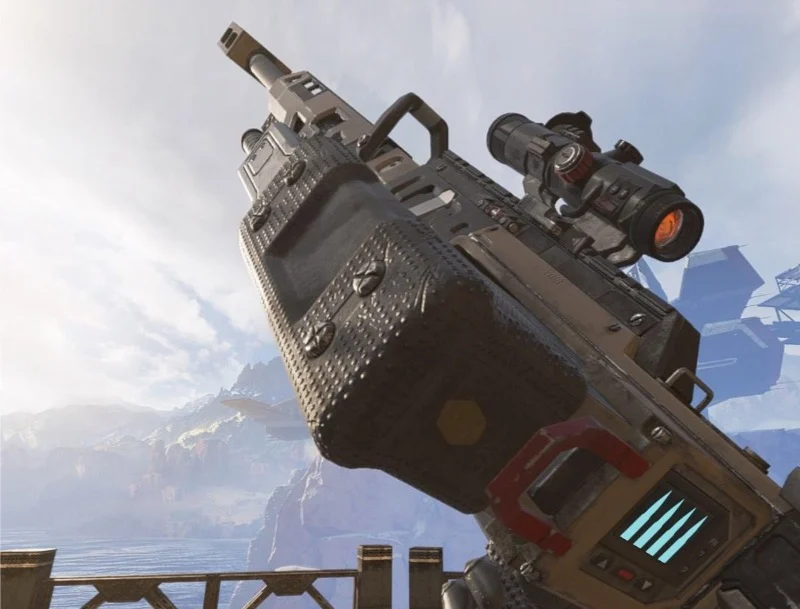
The Kraber fires .50 caliber rounds with high base damage, capable of eliminating fully shielded targets with a clean headshot. It uses unique ammo that drops only with the weapon, and it ships with a fixed 4–10x scope and a very small total reserve. Bullet velocity and drop are tuned for long ranges, rewarding players who account for travel time and lead.
Respawn Entertainment keeps the Kraber as a care package exclusive, which limits team access and reduces frequency late in matches. The slow rechamber time and distinct report make misses costly and reveal position, but proper placement turns each shot into a fight ending event that shifts ring control instantly.
Railgun from Quake II
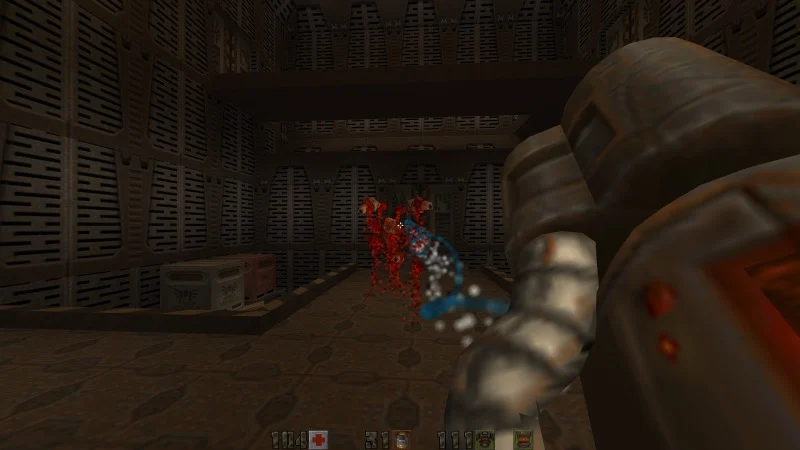
The Railgun fires a hitscan projectile that pierces targets in a straight line, delivering full damage to each model it passes through. The shot leaves a visible trail for tracking and counterplay, while the weapon’s high alpha damage defines its role as a peek and punish tool in duels and crowded corridors.
id Software balances the Railgun with a slow rate of fire and tight ammo counts on competitive maps. Spawn timers and item routes push players to contest rail ammo and armor cycles, making control of the weapon as much about movement and timing as raw aim.
Contact Beam from Dead Space
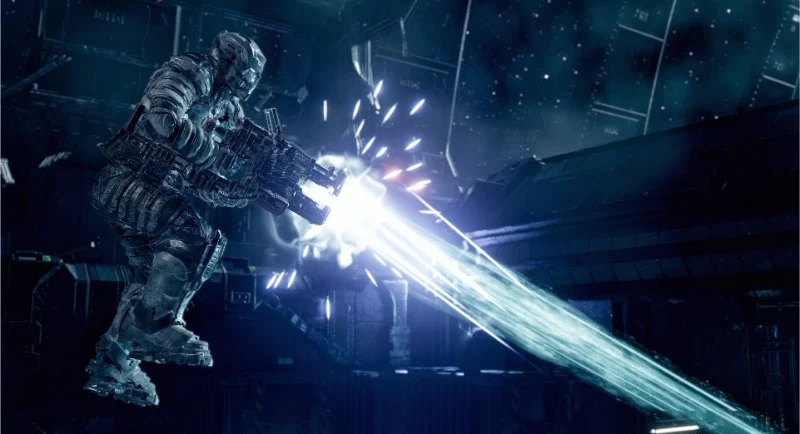
The Contact Beam charges a focused energy blast that applies extreme single target damage capable of dismembering multiple limbs at once. Its alt-fire produces a seismic stomp effect that staggers nearby threats, giving the primary shot room to charge safely. The charge mechanic raises risk but rewards players with a shot that ends most standard encounters immediately.
Visceral Games counters the power with slow handling, costly energy cartridges, and deliberate animations. Upgrade nodes can reduce charge time and improve damage, but ammo economy and the need to manage crowd control ensure it complements rather than replaces tools like the Plasma Cutter in dense fights.
Rail Driver from Red Faction
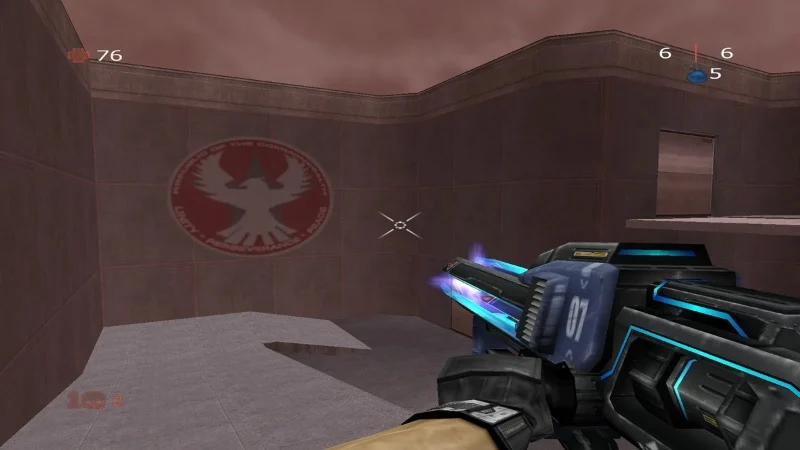
The Rail Driver shoots high velocity rounds that can see and penetrate through walls when scoped, thanks to an integrated X-ray optic. Its wallbang logic respects material penetration rules, letting rounds maintain lethal damage after passing through cover and enabling eliminations on enemies who assume they are safe behind geometry.
Volition balances this with limited ammo and a short tracking window on the X-ray scope, so players must align quickly before targets relocate. The weapon’s niche shines in base assaults and mining tunnels where line-of-sight is otherwise blocked, turning map knowledge into reliable damage from unexpected angles.
Spartan Laser from Halo 3
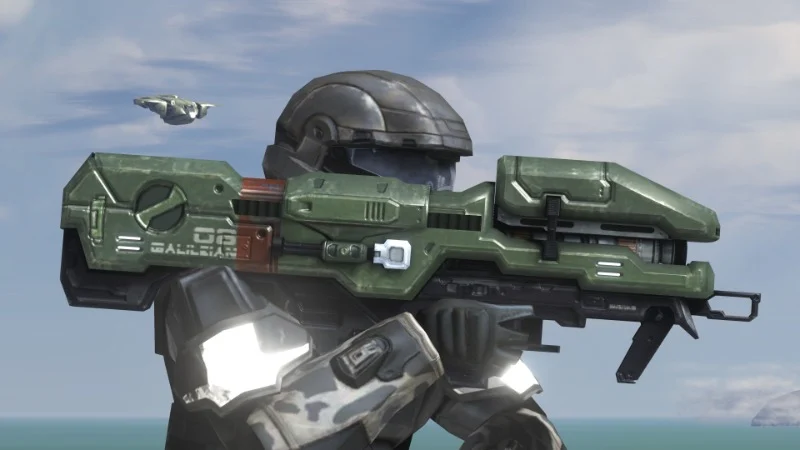
The Spartan Laser converts a charge-up into a precision energy beam that outputs continuous damage for a brief window, deleting vehicles and heavily armored targets in one sustained pulse. The beam tracks minimally once fired, which rewards pre-aim and lead on moving vehicles across open sightlines.
Bungie limits total charges and enforces a loud, visible wind-up that warns opponents. Map placement on power positions and the need to hold the beam steady for full duration keep it from trivializing infantry fights while still giving teams a strong answer to Warthogs, Banshees, and Scorpions.
Cerebral Bore from Turok 2: Seeds of Evil
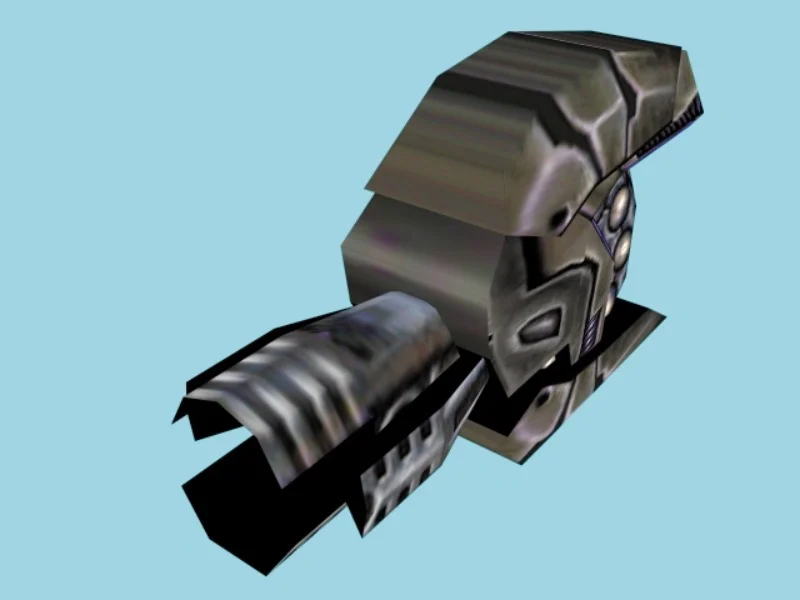
The Cerebral Bore locks onto a target’s head using bio-signature tracking, then launches a drill that attaches and removes health in rapid ticks before exploding. Its homing logic makes it effective against dodging enemies, and its damage over time component ensures lethality once the drill connects.
Iguana Entertainment gates the weapon with lock-on requirements and limited ammo, forcing users to maintain line of sight long enough to secure a tone. Certain enemy types resist or disrupt locks, which prevents the Bore from ignoring all encounter mechanics while still letting it dominate suitable targets.
Q-Beam from Prey
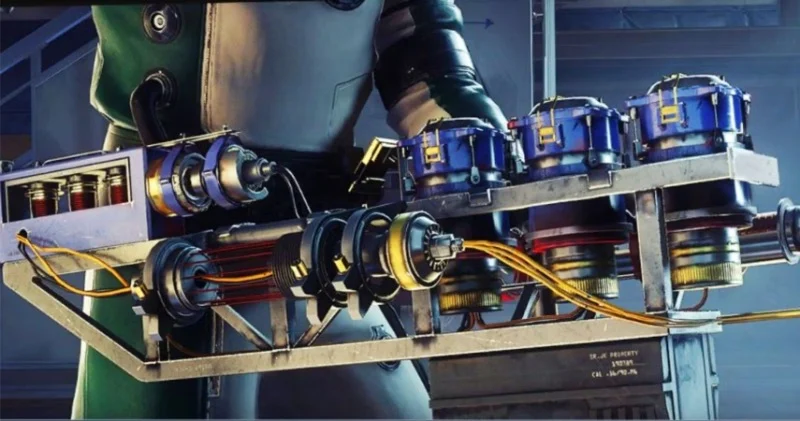
The Q-Beam emits a continuous particle stream that ramps damage as it stabilizes on a single target, culminating in a high damage threshold that vaporizes Typhon when the meter fills. The ramp mechanic rewards sustained tracking and punishes flinching, so users benefit from controlling recoil and staying exposed just long enough to finish the beam.
Arkane Studios balances the weapon with significant energy drain and heat buildup that demands short bursts or careful battery management. Upgrade paths extend beam duration and reduce consumption, but resource scarcity aboard Talos I means players still ration shots for priority threats rather than using the Q-Beam on routine encounters.
Share your favorite overpowered video game weapons in the comments and tell us which ones we should add next time.