‘The Lord of the Rings: The Return of the King’ Mistakes You’ll Never Be Able to Unsee


Even a film as carefully crafted as ‘The Lord of the Rings: The Return of the King’ has little slipups that sneak past on first viewing. Once you notice them, they tend to stand out in later rewatches because they usually happen in big moments where the action is fast and the cuts are quick.
These are straightforward continuity hiccups, prop resets, costume shifts, and visual effects mismatches that happen across the Paths of the Dead, Minas Tirith, Pelennor Fields, the Black Gate, and the slopes of Mount Doom. None of them change the story, but they do reveal how much coverage and editing a massive production like this needed to bring every scene together.
Gandalf’s Staff Problem
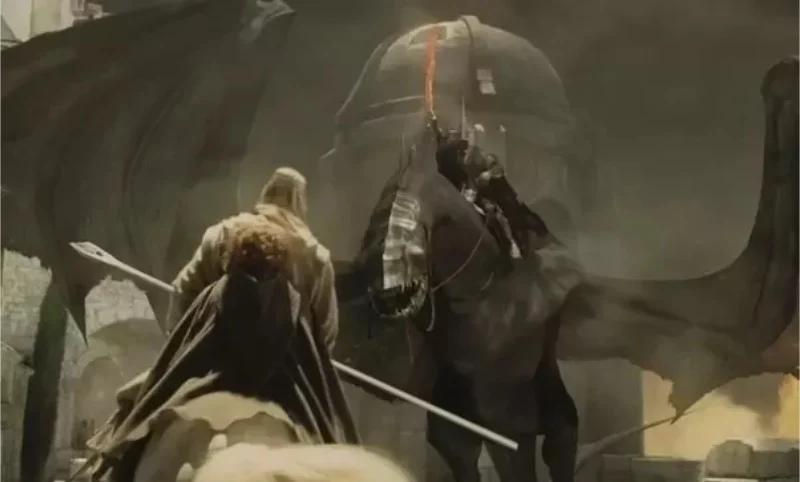
In the Minas Tirith sequences, there is a version of events where the Witch-king’s strike leaves Gandalf without a working staff. Later shots still show Gandalf with the staff in hand as he moves through the city after the major siege beats have played out.
This creates a continuity issue because a broken or lost hero prop should either remain gone or be replaced on screen in a way the audience can track. The reappearance suggests that different cuts of related scenes were stitched together from separate filming days where the staff’s condition did not match.
Andúril’s Clean Blade After A Messy Moment
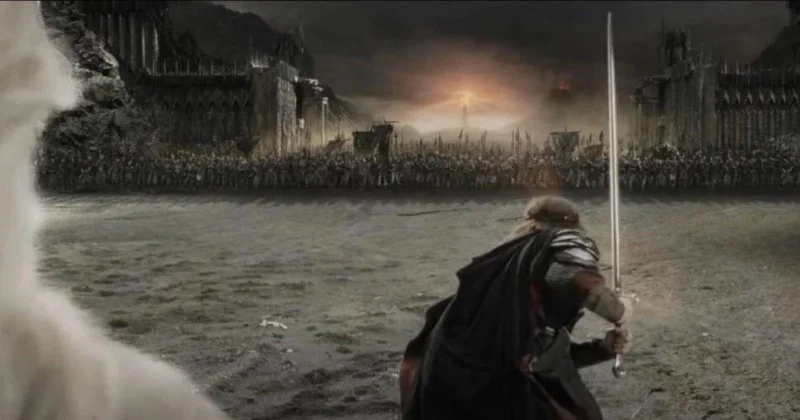
During the approach to Mordor’s forces, Aragorn’s sword Andúril is used in a decisive, close-quarters action that would reasonably leave the blade marked. In follow-up shots within the same passage, the sword appears pristine with no visible residue.
That tidy blade indicates a reset between takes or inserts captured later for coverage. Hero weapons are often cleaned between setups for safety and handling, which can introduce a mismatch if the editorial order places a fresh shot immediately after a contact moment.
Sting Not Glowing Around Orcs
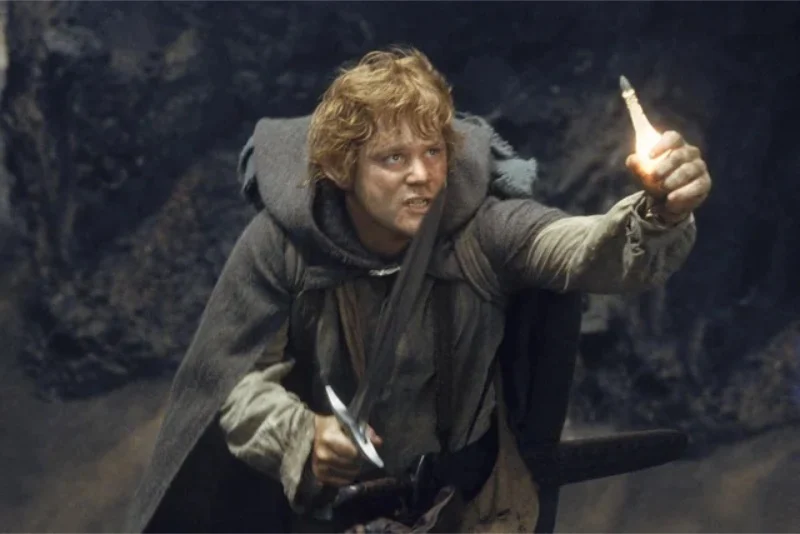
Sting has a clear on-screen rule that it glows near orcs. In several tower and tunnel beats late in the story where orcs are present or just off camera, the blade does not consistently light up, especially in tighter shots focused on faces and movement.
This inconsistency points to practical lighting and visual effects timing. The glow was added or enhanced selectively, and when sequences were re-cut to tighten pacing, some inserts or pickups landed next to shots where the glow effect was never applied.
Frodo’s Web Cocoon Changes Between Shots
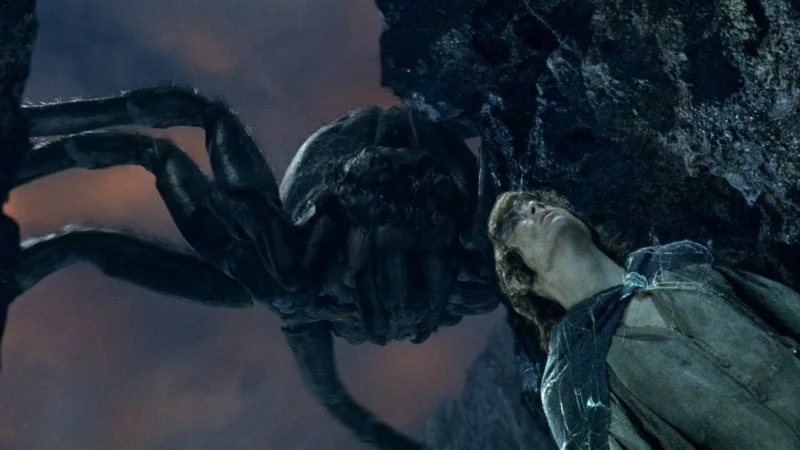
In Shelob’s Lair, Frodo’s wrapping shifts noticeably. The pattern and thickness of the webbing around his torso and shoulders differ between angles, with some shots showing more layered strands and others showing a looser wrap.
Creature and restraint gags are hard to maintain precisely over long setups. The webbing was applied and adjusted for actor comfort and camera access, so when coverage from multiple takes was combined, the amount and placement of the strands no longer matched perfectly.
Minas Tirith Scale And Layout Drift
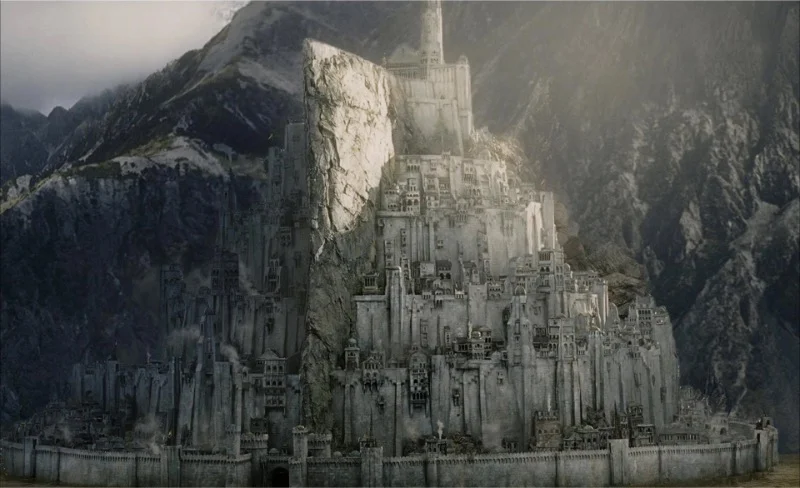
Wide aerial views of Minas Tirith show one sense of street width, stair locations, and courtyard size, while ground-level scenes sometimes present different proportions. Gate height, wall thickness, and plaza depth can vary depending on the shot.
The city was realized through a mix of miniatures, sets, and digital extensions. Each method used slightly different measurements and lensing, so editorially jumping among them can shift perceived scale and spacing within the same sequence.
The Army Of The Dead Impact Mismatch
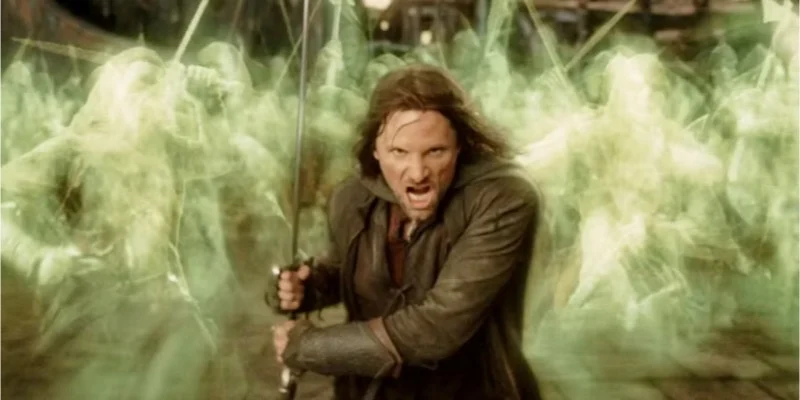
When the Army of the Dead sweeps across the Pelennor, some contact moments show objects and structures reacting strongly to their passage, while other nearby elements remain unaffected in the same beat. The variation shows up when the tide of spirits moves across mixed live-action and digital plates.
These beats were built from layered effects simulations combined with practical battlefield footage. Because different shots were finalized at different times, the intensity of interactions like dust, debris, and collapse does not always track evenly across adjacent angles.
Orc Numbers At The Black Gate
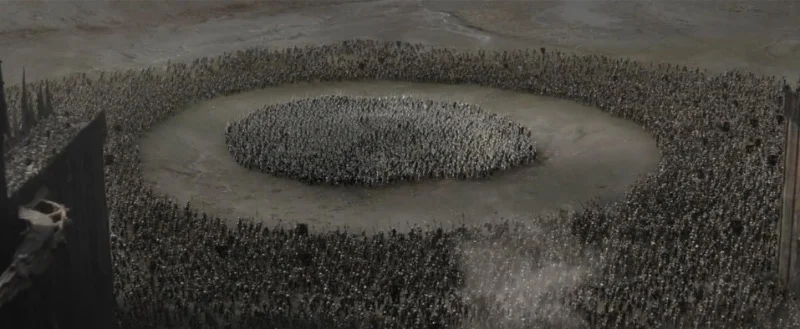
As the captains of the West face Sauron’s host at the Morannon, the mass of orcs changes density and distribution between cuts. A long shot can suggest a solid wall, while a quick cut to a different angle shows gaps or a thinner front.
Crowd scenes were assembled from multiple passes, plates, and digital replications. When editors select the strongest performance beats, they sometimes juxtapose shots captured under different crowd setups, which leads to fluctuating numbers from one moment to the next.
Eowyn’s Helm And Hair Continuity
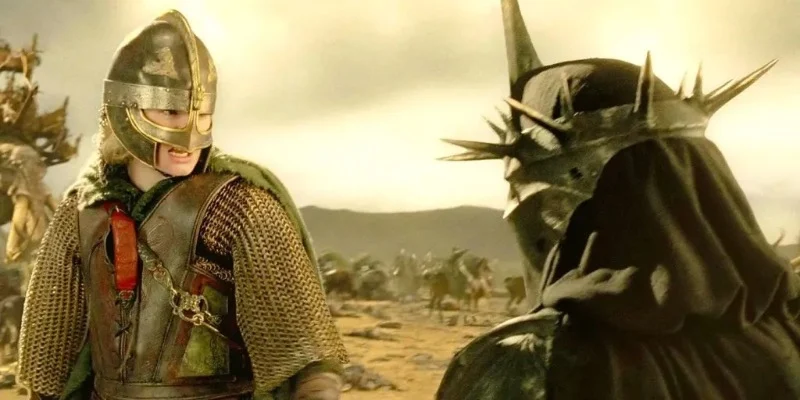
During the fight with the Witch-king, Eowyn’s helmet and loose hair do not remain in the exact same state from angle to angle. Strands shift length and position, and the way the helm sits on her head changes as the action intercuts.
This happens because stunt takes, performance takes, and pickup shots are blended to cover a complex fight. Hair, wardrobe, and armor are reset repeatedly, and even small differences become noticeable once the final sequence jumps rapidly between cameras.
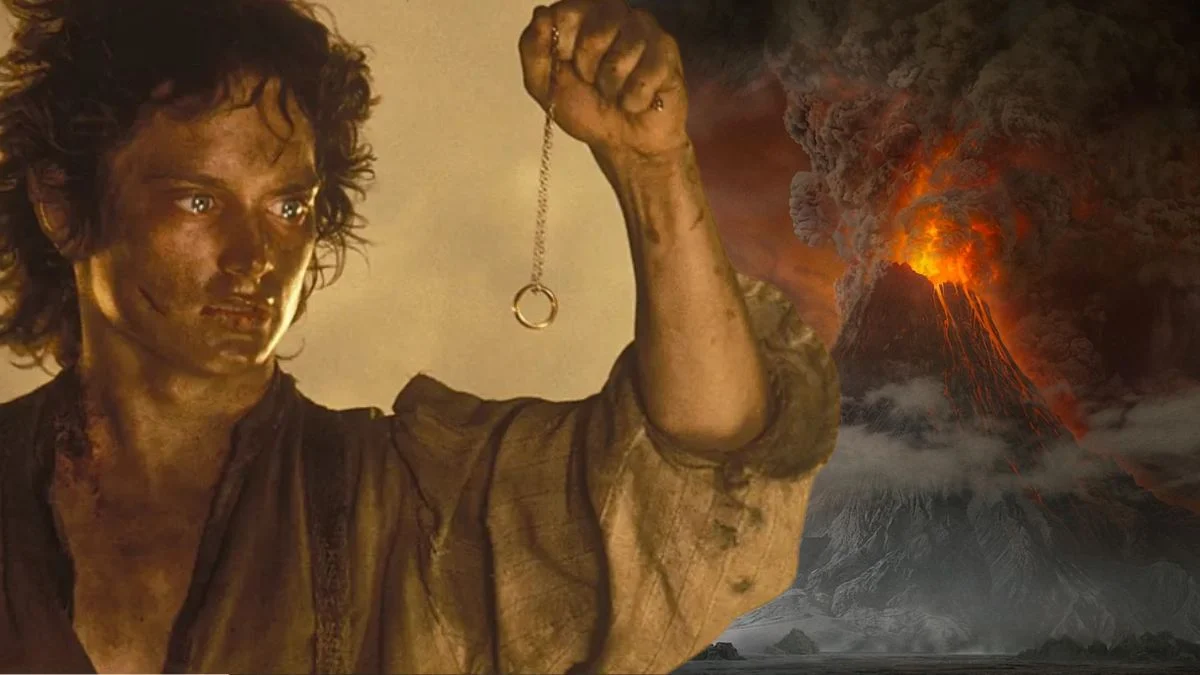
The Ring’s Chain Thickness Shift
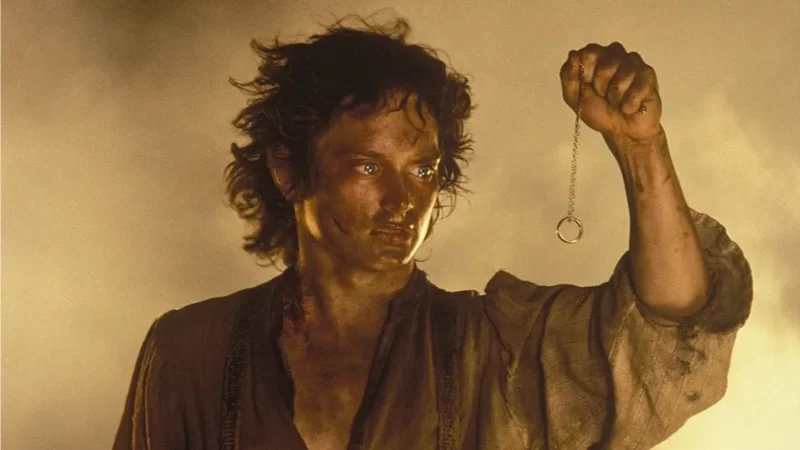
Close-ups of the One Ring hanging from Frodo’s neck show different chain appearances. Some shots feature a finer, lighter chain, while others display a chunkier look that reads differently on camera.
Productions keep multiple duplicates of key props for comfort, safety, and macro photography. If different versions are used for inserts and then intercut with main unit footage, the chain can change subtly without an in-story reason.
Mount Doom Lighting Whiplash
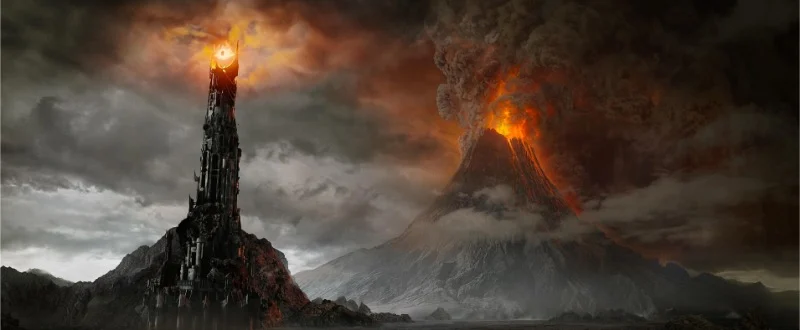
On the final climb, the sky and ground illumination swing between dim, ash-choked light and brighter, more directional highlights from one cut to the next. The color of the smoke and the contrast on faces also vary when the scene returns to wider views.
Volcanic lighting was achieved through a combination of stage rigs, location plates, and visual effects skies. Because the same section was filmed and enhanced across separate days and environments, the grade and light direction do not lock perfectly when the sequence is compressed for intensity.
Share your own sharp-eyed finds from ‘The Return of the King’ in the comments so everyone can compare notes.