Marvel Characters Inspired by Real-Life Celebrities


Marvel creators have often looked to the real world when shaping memorable heroes and villains. Sometimes that influence shows up in a character’s face or wardrobe, and other times it guides a personality, a voice, or a larger than life public image. These nods range from Golden Age movie icons to modern screen legends, and they help explain why certain characters feel familiar the first time you meet them.
Below are ten examples where a recognizable celebrity left clear fingerprints on a Marvel favorite. You will find first appearances, creator credits, and the specific traits that trace back to the inspiration, along with the ways artists and writers translated those details onto the page.
Tony Stark – Howard Hughes

Tony Stark debuted in ‘Tales of Suspense’ 39 in 1963 from Stan Lee, Larry Lieber, Don Heck, and Jack Kirby, and his origin centered on a brilliant weapons inventor who also ran a major industrial empire. Lee has cited Howard Hughes as the reference point for a genius level engineer who owned factories, built cutting edge tech, and lived in the public eye while funding bold projects.
Hughes shaped Stark’s profile as an aviation and technology pioneer, a business magnate, and a headline maker whose private life often drew attention. The character’s corporate holdings, jet set travel, and relentless pursuit of innovation mirrored the real mogul, giving artists and writers a defined template for Stark’s look, lifestyle, and gadget filled world.
Nick Fury – Samuel L. Jackson
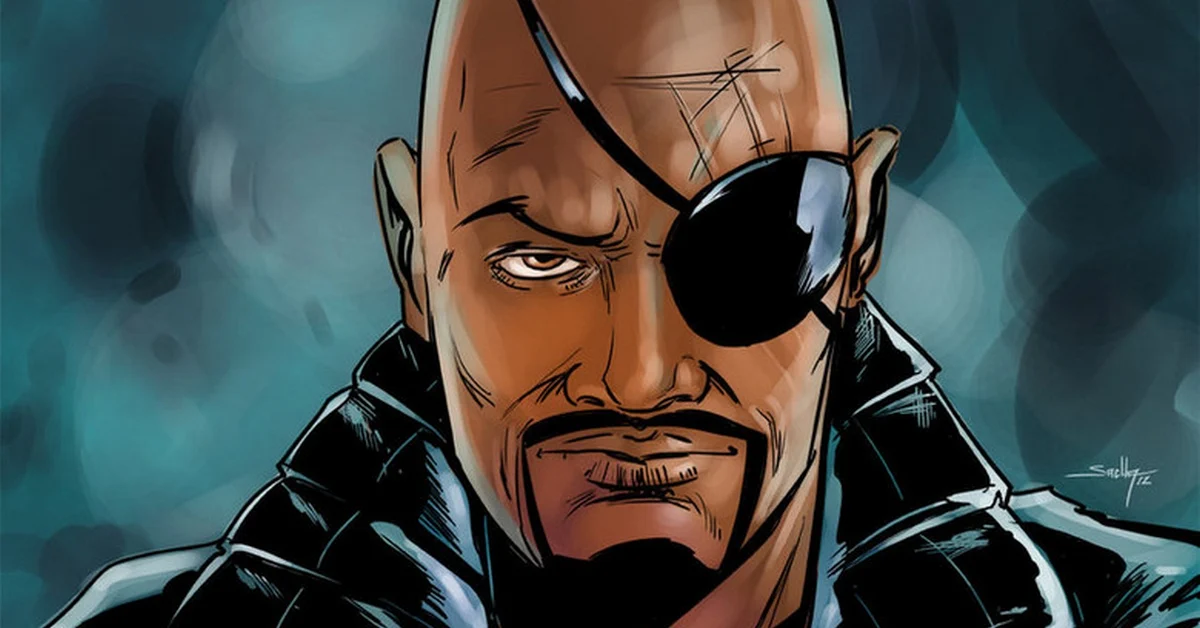
The Ultimate Universe version of Nick Fury arrived in the early 2000s in ‘The Ultimates’ under writer Mark Millar and artist Bryan Hitch, and his likeness was drawn to match Samuel L. Jackson. This design choice predated the films and established a modern Fury whose face, posture, and presence matched the actor’s signature look.
That comic likeness later guided casting and created a seamless move into the films, but its roots were on the page. The eyepatch placement, shaved head, and long coat silhouette aligned with the updated spy aesthetic, ensuring that the character’s visual identity matched the persona that readers associated with Jackson’s roles.
Doctor Strange – Vincent Price

Doctor Stephen Strange first appeared in ‘Strange Tales’ 110 in 1963 from Stan Lee and Steve Ditko, and Ditko’s art gave the sorcerer a refined face, a sharp goatee, and dramatic cheekbones. The visual model reflected Vincent Price, whose classic horror and mystery roles provided a ready made image for a cultured master of the mystic arts.
Artists carried that template forward with theatrical capes, expressive hands, and a poised stance that echoed Price’s screen presence. The character’s cadence on the page, his aristocratic bearing, and his stage magician flourishes fit the mold set by the actor’s persona and helped distinguish Strange from the science focused heroes around him.
Wolverine – Clint Eastwood
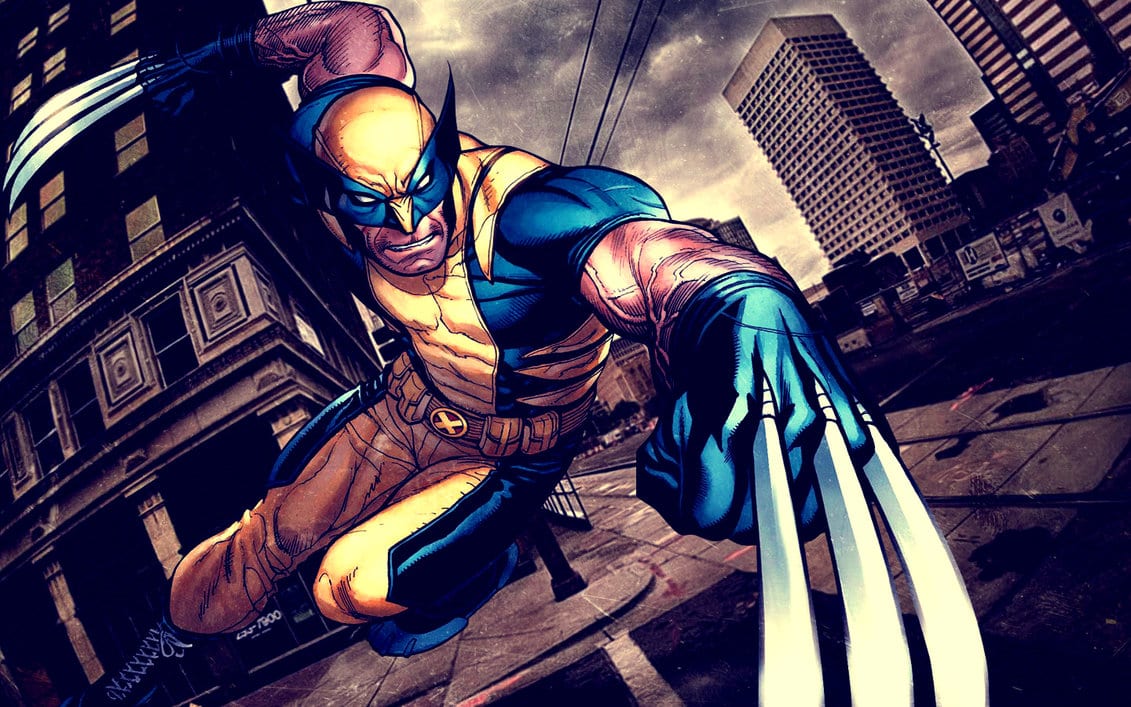
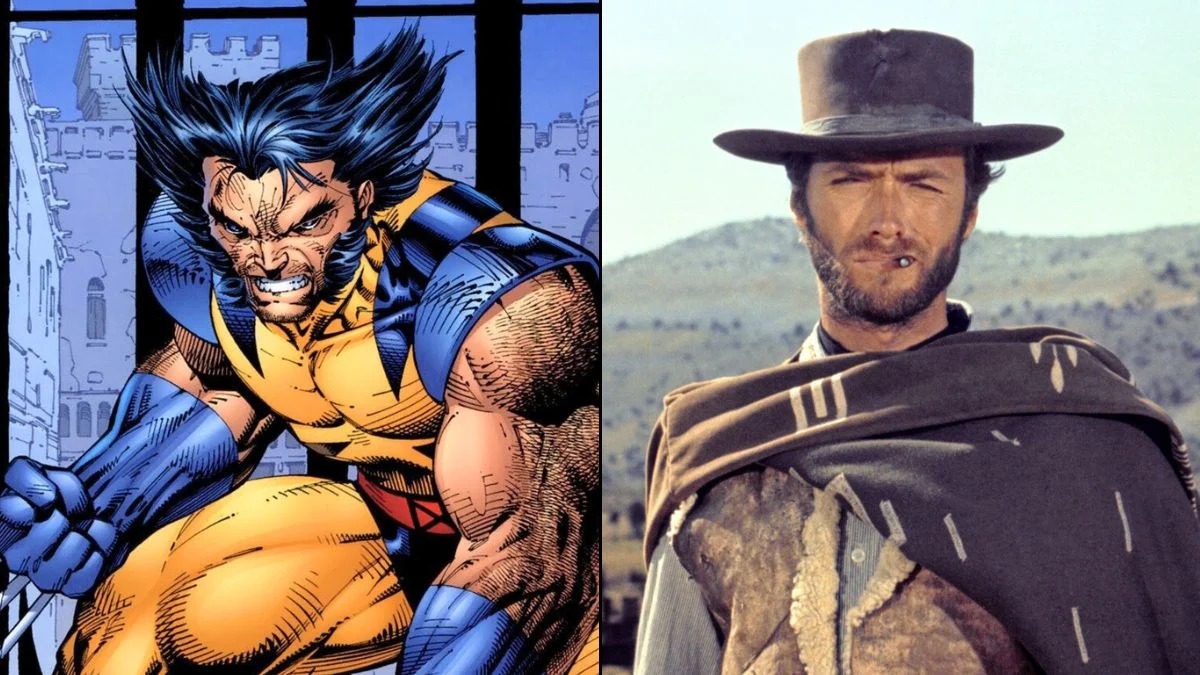
Wolverine arrived in ‘The Incredible Hulk’ 180 and 181 in 1974 from Len Wein, John Romita Sr., and Herb Trimpe, and the creators leaned on the terse, relentless drifter archetype popular in 1970s cinema. Clint Eastwood’s tough loner roles shaped Logan’s gravelly voice on the page, his economy of words, and his unshakable resolve.
Artists reflected that model in Wolverine’s compact build, perpetual scowl, and no nonsense posture. The character’s code, his preference for direct action, and his solitary habits fit a template readers already recognized from contemporary film, which made Logan’s attitude and rhythm feel immediately authentic.
Sabretooth – Jack Palance
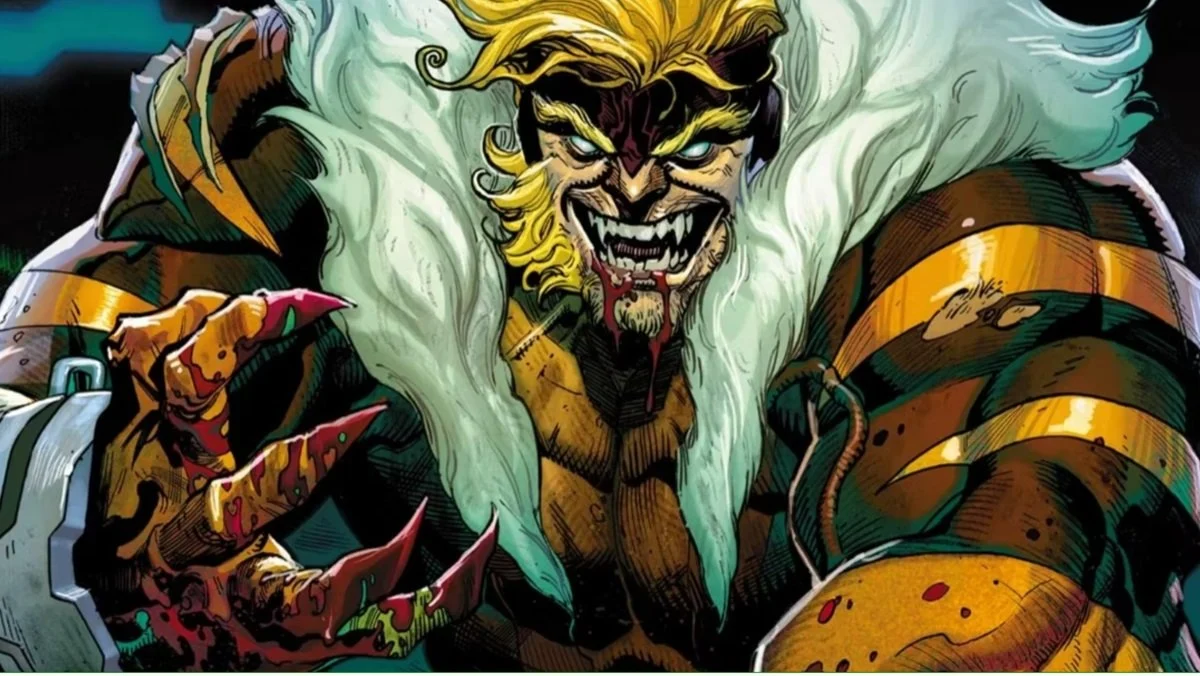
Sabretooth first appeared in ‘Iron Fist’ 14 in 1977 from Chris Claremont and John Byrne, and Byrne has pointed to Jack Palance as the facial model. The squared features, deep set eyes, and toothy grin gave the villain a cinematic menace that translated cleanly into panel after panel.
That reference informed the way artists staged close ups, with angular shadows across cheekbones and a predatory smile that suggested cruelty without a word. The Palance influence also guided costuming and stance, creating a powerhouse who looked dangerous even at rest and who photographed well in the tight frames common to fight sequences.
Kingpin – Sidney Greenstreet

Wilson Fisk debuted in ‘The Amazing Spider Man’ 50 in 1967 from Stan Lee and John Romita Sr., and his imposing figure and cool authority drew on Sidney Greenstreet. The broad torso, immaculate suits, and unhurried posture delivered a visual shorthand for a mastermind who controlled rooms without raising his voice.
That classic Hollywood template matched the character’s role as a crime boss who preferred strategy to spectacle. Artists carried over Greenstreet’s refined gestures and measured expressions, which helped sell Kingpin as a credible executive level threat to street heroes and a believable link between the boardroom and the underworld.
Mary Jane Watson – Ann-Margret

Mary Jane’s first full appearance came in ‘The Amazing Spider Man’ 42 in 1966 with storytelling by Stan Lee and art leadership by John Romita Sr., who has credited Ann-Margret as a key visual influence. The voluminous hair, confident smile, and fashionable wardrobe reflected a 1960s star image that readers could instantly place.
That inspiration guided MJ’s modeling gigs, club scenes, and stage appearances through later issues, anchoring her look in a glamorous yet approachable style. Artists used lighting, eye shapes, and poses that matched contemporary magazine photography, which gave the character a grounded presence in New York’s entertainment and social circles.
Shang-Chi – Bruce Lee

Shang-Chi launched in ‘Special Marvel Edition’ 15 in 1973 from Steve Englehart and Jim Starlin during a period of intense interest in martial arts cinema. Bruce Lee’s speed, precision, and philosophy shaped the character’s fighting style on the page, while lean musculature and focused expressions drew on the actor’s public image.
Panels emphasized economy of motion, open hand techniques, and compact stances that matched Lee’s approach. Writers built stories around discipline, training, and self mastery, and artists highlighted physique and fluid movement, all of which pointed back to a real world icon who had become the reference for martial arts excellence.
Misty Knight – Pam Grier
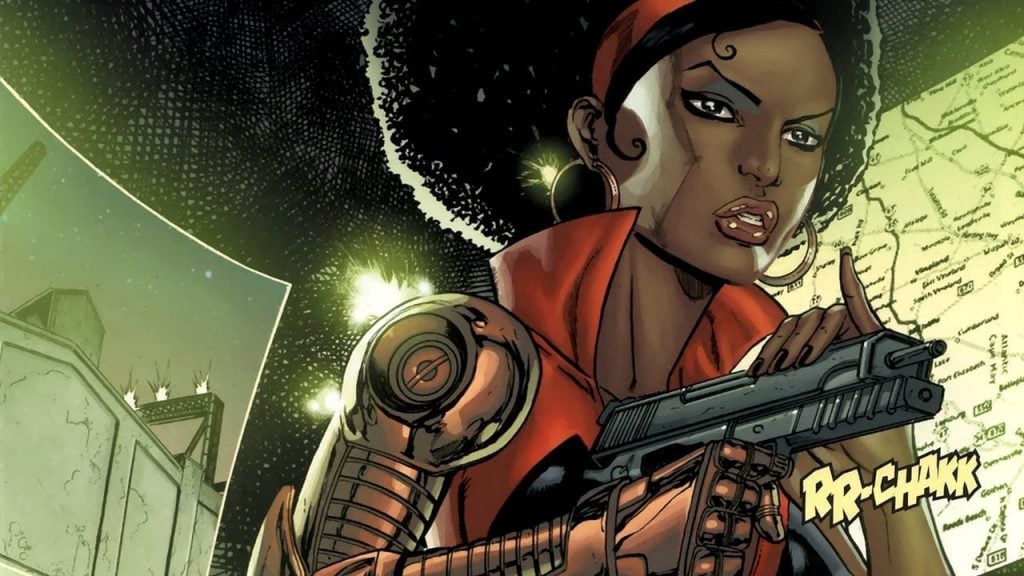
Misty Knight appeared in ‘Marvel Premiere’ 21 in 1975 and became a lead in ‘Iron Fist’ starting in 1975, created by Tony Isabella and Arvell Jones. Her look and tone reflected the blaxploitation era’s powerful heroines, with Pam Grier providing a clear touchstone for attitude, hairstyle, and wardrobe.
That influence showed in bold streetwear, confident body language, and a commanding presence in action scenes. Later stories added the cybernetic arm and detective work, but the core presentation stayed linked to 1970s film icons, grounding Misty in a recognizable lineage of tough, capable women who owned the screen.
Dazzler – Bo Derek

Dazzler made her debut in ‘The Uncanny X Men’ 130 in 1980 from a team that included Tom DeFalco, Louise Simonson, John Romita Jr., and others, and the character grew out of a planned tie in with a record label during the disco era. As the look evolved, artists drew on Bo Derek for facial structure and glamorous styling in early 1980s stories.
The stage costumes, spotlight themed visuals, and singer persona connected the character to pop culture nightlife and to the crossover between comics and music. Light based powers gave artists a reason to fill panels with strobes and glitter, and the Bo Derek inspired visuals helped keep the presentation aligned with mainstream celebrity fashion.
Doctor Doom – Death’s-head Masks and Boris Karloff

Doctor Doom first appeared in ‘Fantastic Four’ 5 in 1962 from Stan Lee and Jack Kirby, and his faceplate and regal bearing were shaped by European armor and classic horror influences. Artists have long noted that Boris Karloff’s measured menace influenced Doom’s poise, while the stylized mask echoed the stark lines of theatrical death’s head designs.
Those references guided the heavy cloak, the controlled gestures, and the way speech balloons framed Doom’s measured words. The celebrity model and stage tradition worked together to create a villain whose presence depended on silhouette and ceremony, making him stand out in team confrontations and courtly scenes alike.
Share which real world influences you have spotted in other Marvel characters in the comments.