Top 20 Video Game Sequels

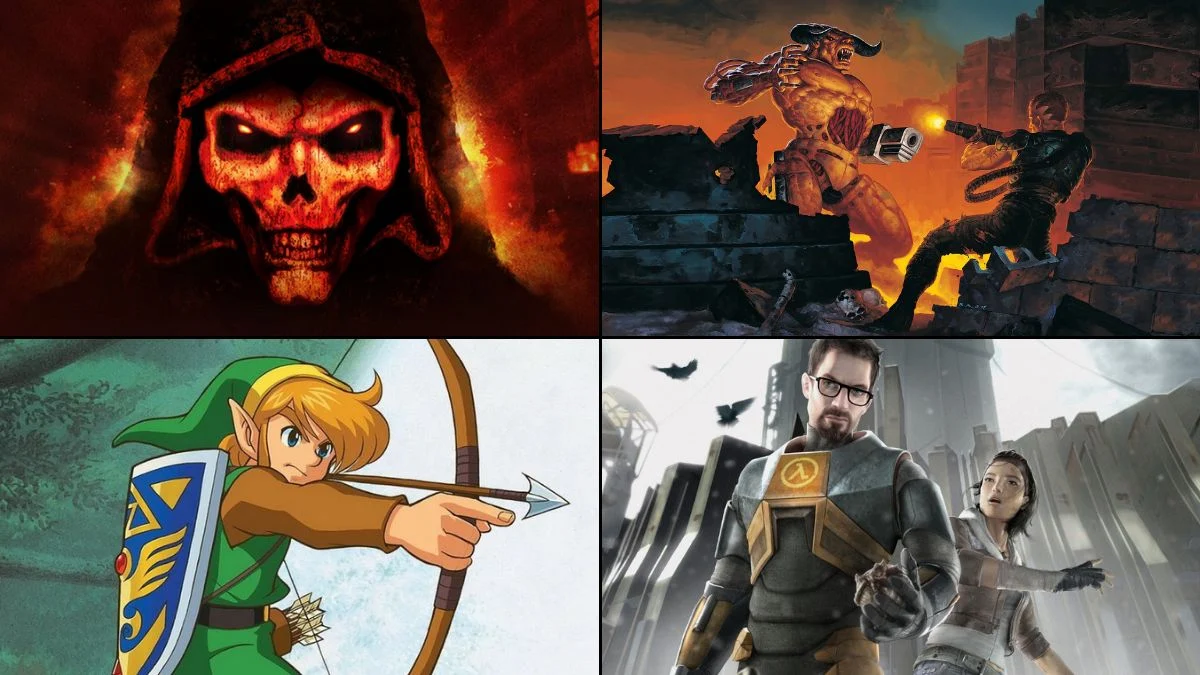

Some follow ups simply add more of the same, while others reshape how their series plays and feels. The sequels here brought clear upgrades that players could see in controls, systems, scope, and technology, along with concrete additions like new modes, tools, and regions to explore.
Each entry below highlights specific features, release details, and measurable milestones. You will see platforms, engines, and systems that defined the way these games worked, plus expansions and updates that kept them in circulation for years.
Super Mario Bros. 3
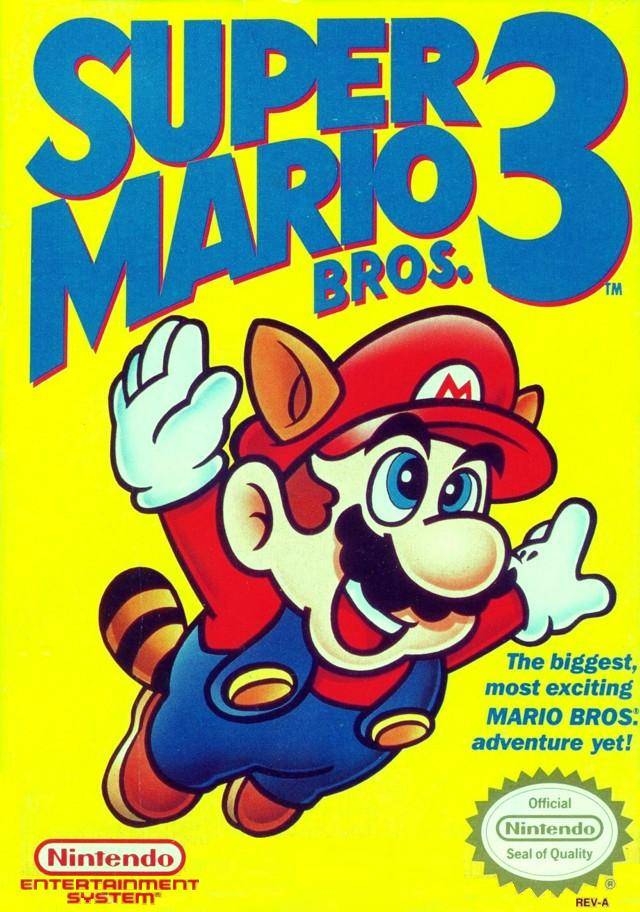
Nintendo released this platformer first in Japan in 1988 and then in North America in 1990 on the NES. It added an overworld map, themed worlds, and new suits such as Tanooki, Frog, and Hammer. The game introduced inventory storage between levels and a save system on later versions, which made longer sessions manageable.
It became one of the best selling NES titles with tens of millions of copies shipped worldwide. The game’s level design brought new elements like autoscrollers, airships, and secret warp whistles, and many of its power ups returned in later Mario games on handheld and console.
Street Fighter II
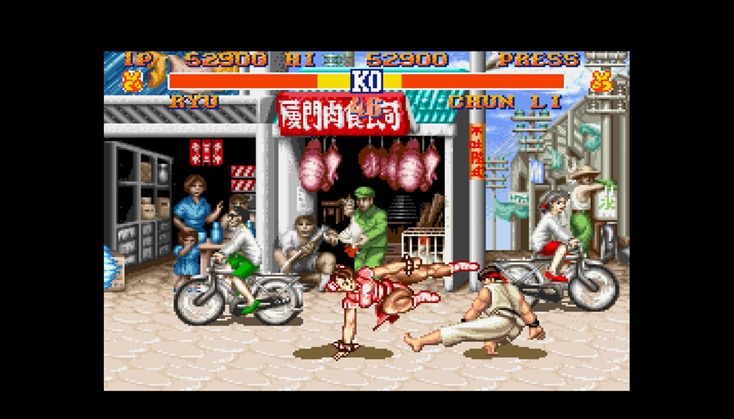
Capcom’s arcade release arrived in 1991 on CPS hardware with eight selectable fighters and distinct special moves. It standardized the best of three round format, a six button layout, and mirror matches, while cabinets supported head to head competitive play.
Home versions on the Super NES and Mega Drive grew the audience and sold millions of copies. Later updates such as Champion Edition and Hyper Fighting added playable bosses, balance tweaks, and speed changes, and the series carried those systems into tournaments around the world.
The Legend of Zelda: A Link to the Past
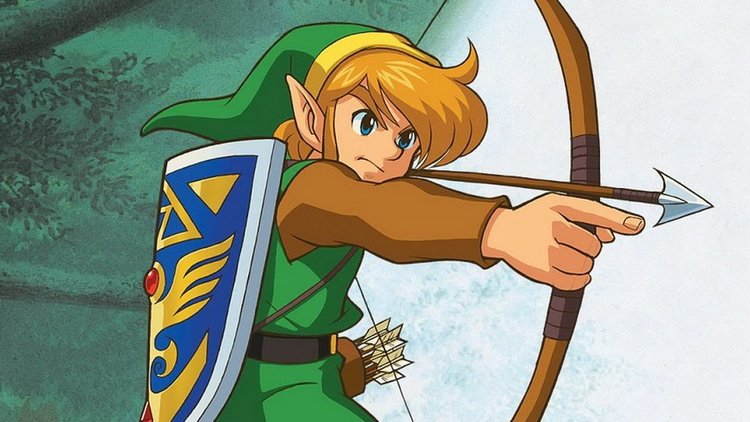
This 16 bit sequel launched on the Super NES in 1991 in Japan and 1992 in North America. It introduced a dual world structure with Light and Dark Worlds, added the spin attack, and expanded the item set with tools like the Hookshot and Pegasus Boots.
Battery backed saves supported a larger quest with eleven main dungeons and optional heart pieces. The game’s formula of open exploration, puzzle heavy dungeons, and a layered overworld became the template for later handheld and console entries.
Super Metroid
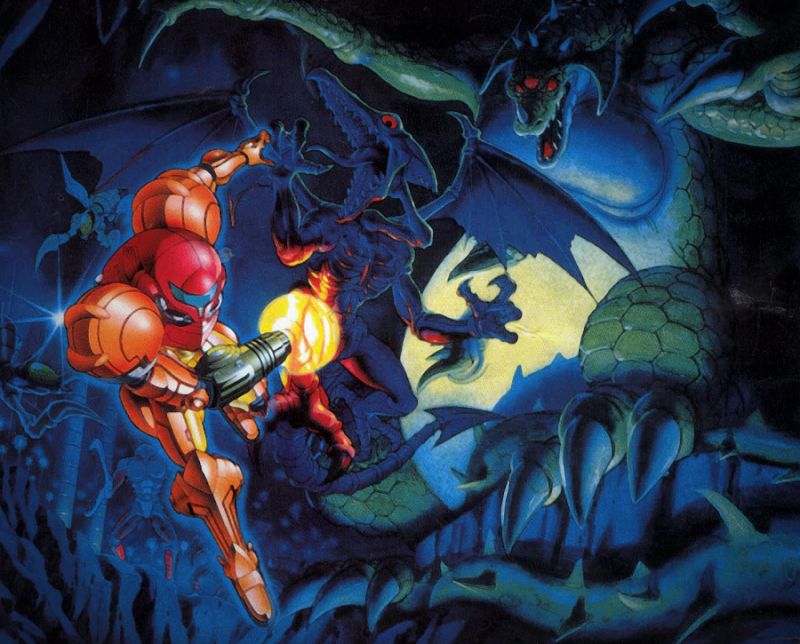
Nintendo released this side scrolling adventure on the Super NES in 1994. It added an in game map, fast travel via elevators, and new movement options like wall jump and shinespark, along with items such as the Grapple Beam and X Ray Scope.
Password systems from earlier titles gave way to save rooms, which supported a dense world with backtracking and sequence options. Its soundtrack, sound design, and minimalist interface informed many later exploration platformers on both console and PC.
Doom II
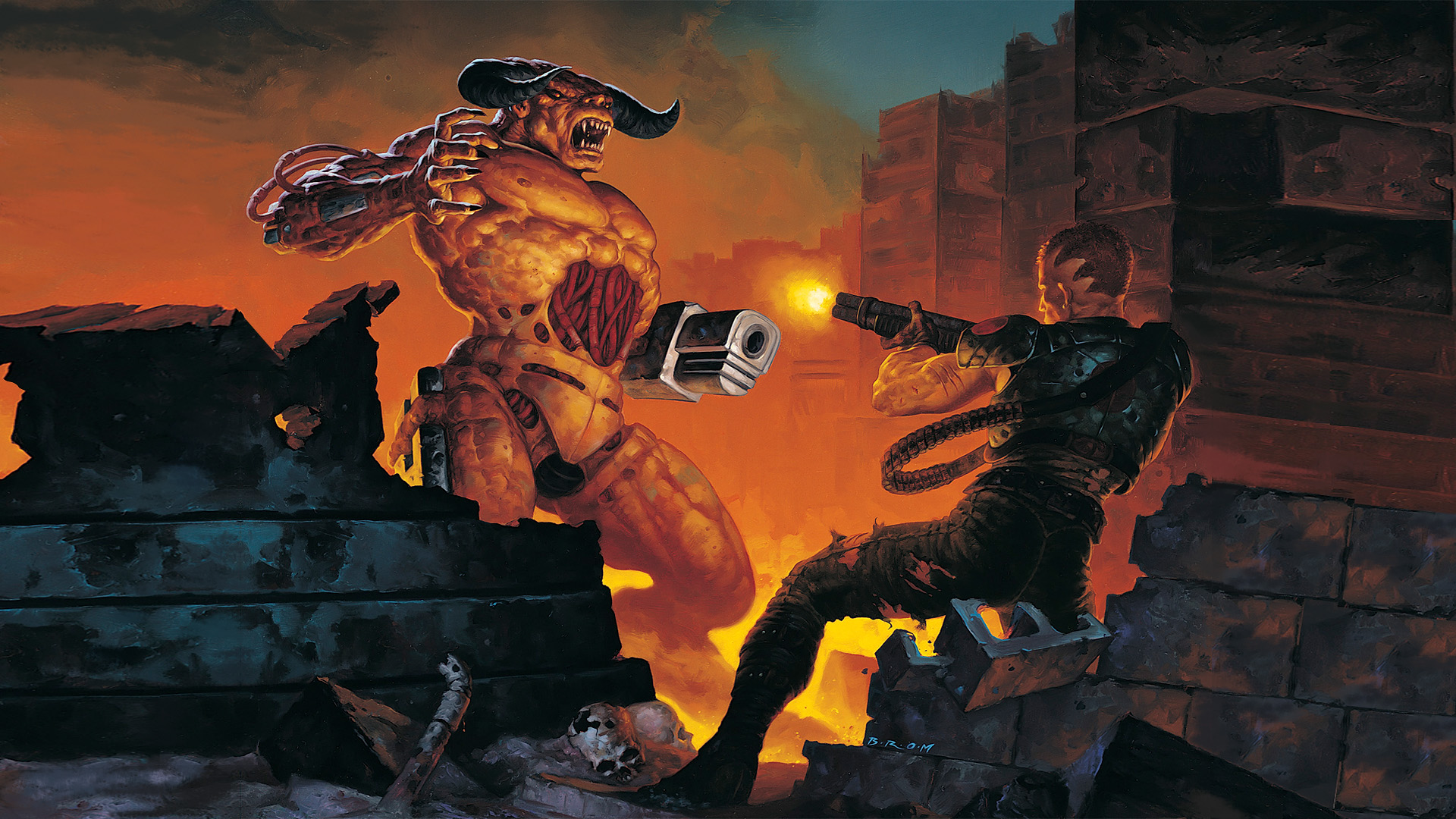
Id Software launched this shooter for MS DOS in 1994 with 32 main levels and secret stages. It introduced the Super Shotgun, new enemies such as the Arch Vile and Mancubus, and larger, more complex maps built for fast movement and strafing.
The game supported modem and local network multiplayer and was widely modded through WAD files and level editors. Console and handheld ports followed across multiple generations, which kept the campaign and deathmatch modes in circulation for years.
Diablo II
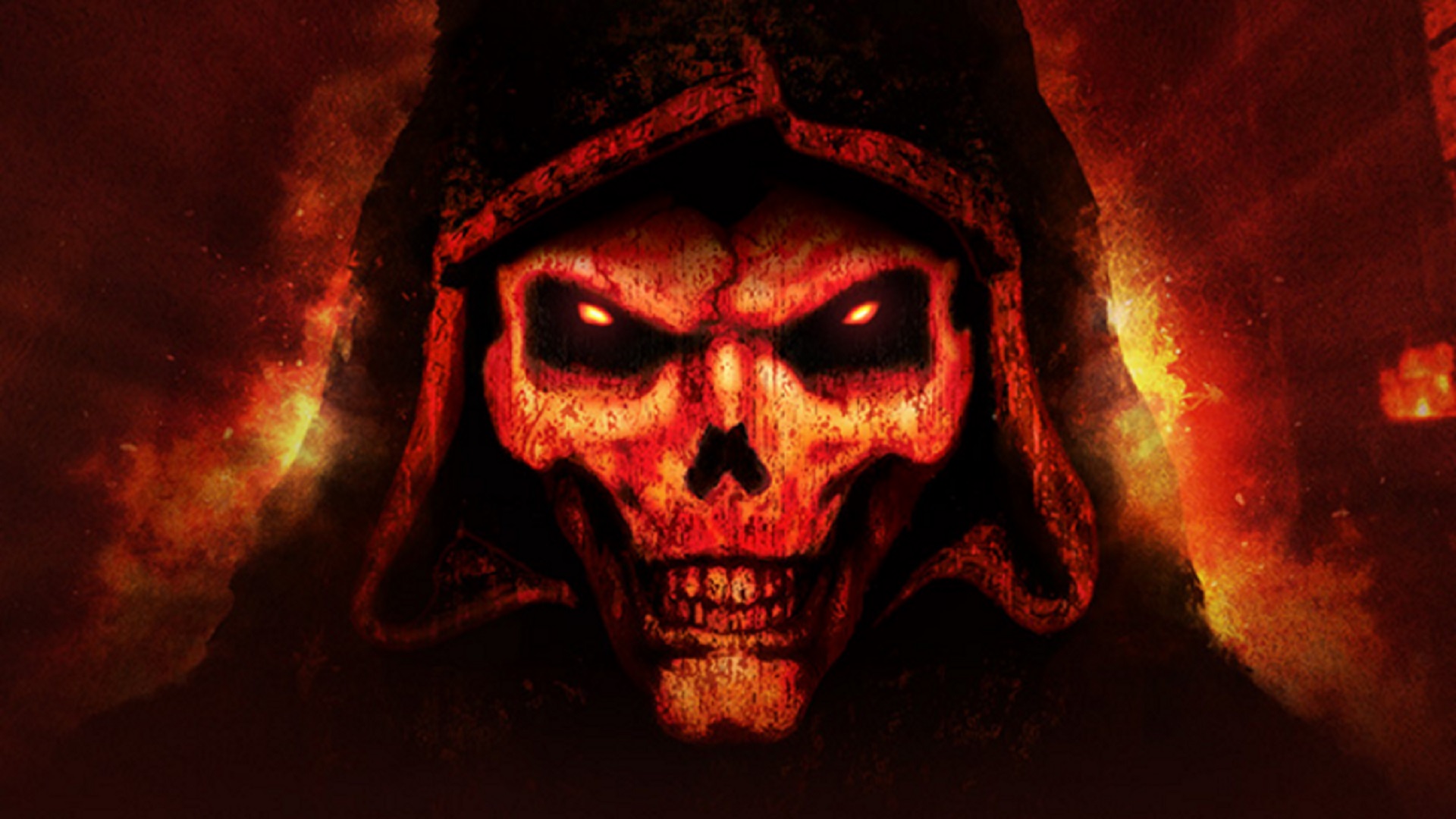
Blizzard North released this action role playing game on PC in 2000. It featured five classes at launch, randomized loot and maps, and Battle.net character ladders. The 2001 expansion Lord of Destruction added Act V, two new classes, and runewords that changed endgame builds.
Online trading hubs and seasonal resets extended playtime for years. Official patches introduced features like respecs and high resolution modes, while offline single player supported full campaign progression with hirelings and set items.
Baldur’s Gate II: Shadows of Amn
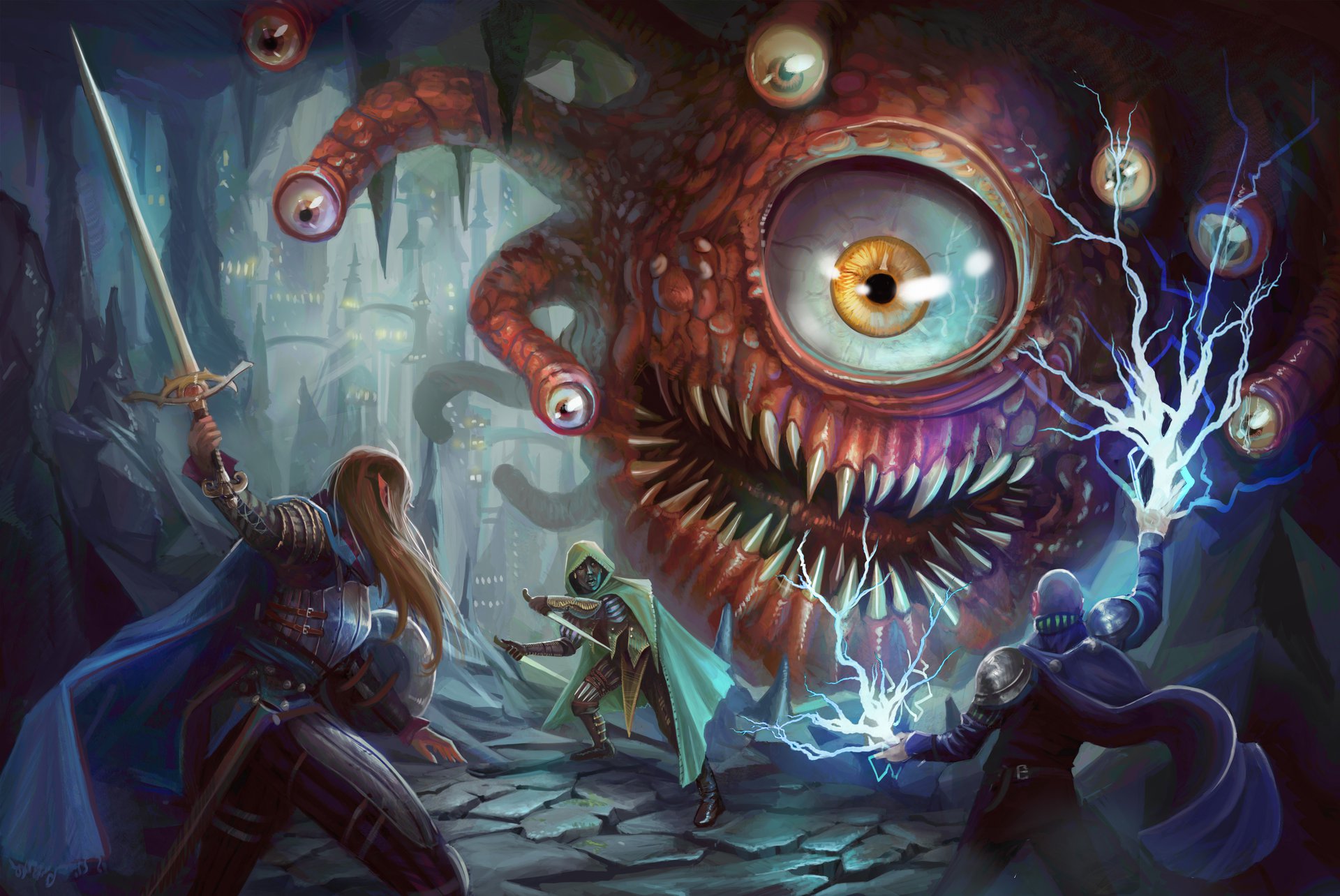
BioWare launched this sequel for PC in 2000 using the Infinity Engine and Advanced Dungeons and Dragons second edition rules. It expanded party management with class kits, stronghold quests tied to class, and romance and reputation systems.
The 2001 expansion Throne of Bhaal concluded the saga with high level spells and a new region. Modding communities produced quest packs, new companions, and widescreen support, and Enhanced Edition releases added modern operating system compatibility.
Age of Empires II
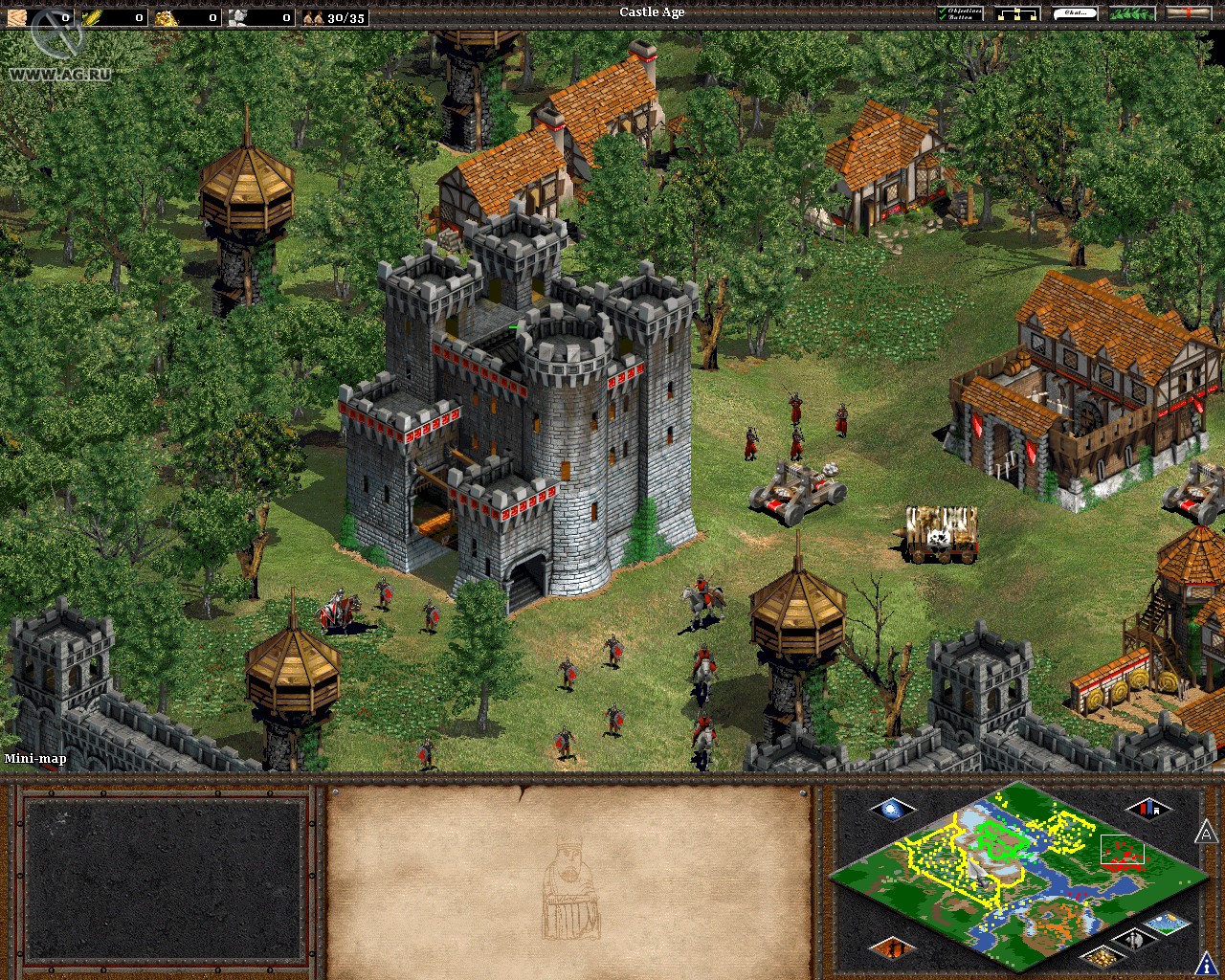
Ensemble Studios released this real time strategy game in 1999 on PC with a focus on the medieval period. It launched with thirteen civilizations, unique units like the longbowman and the war elephant, and advanced siege such as trebuchets.
The Conquerors expansion added new civilizations and maps, and later Definitive Edition releases brought 4K art, new campaigns, and matchmaking. Build orders, formations, and pathfinding refinements made it a long running title in competitive and casual play.
Civilization II
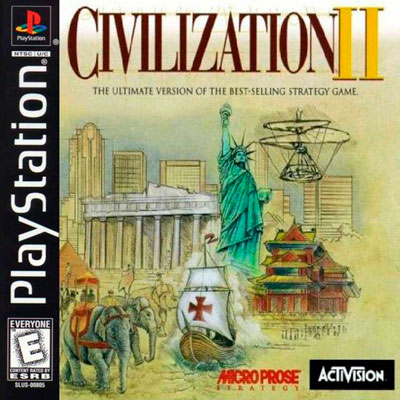
MicroProse released this turn based strategy sequel in 1996 for Windows with an isometric map and expanded tech tree. It added city advisors through full motion video, custom scenarios, and a reworked combat model.
Multiple editions such as Conflicts in Civilization and Fantastic Worlds bundled tools for scenario creation, which supported a wide range of historical and fictional campaigns. The interface and tile presentation guided the series through later Windows and console ports.
Half Life 2
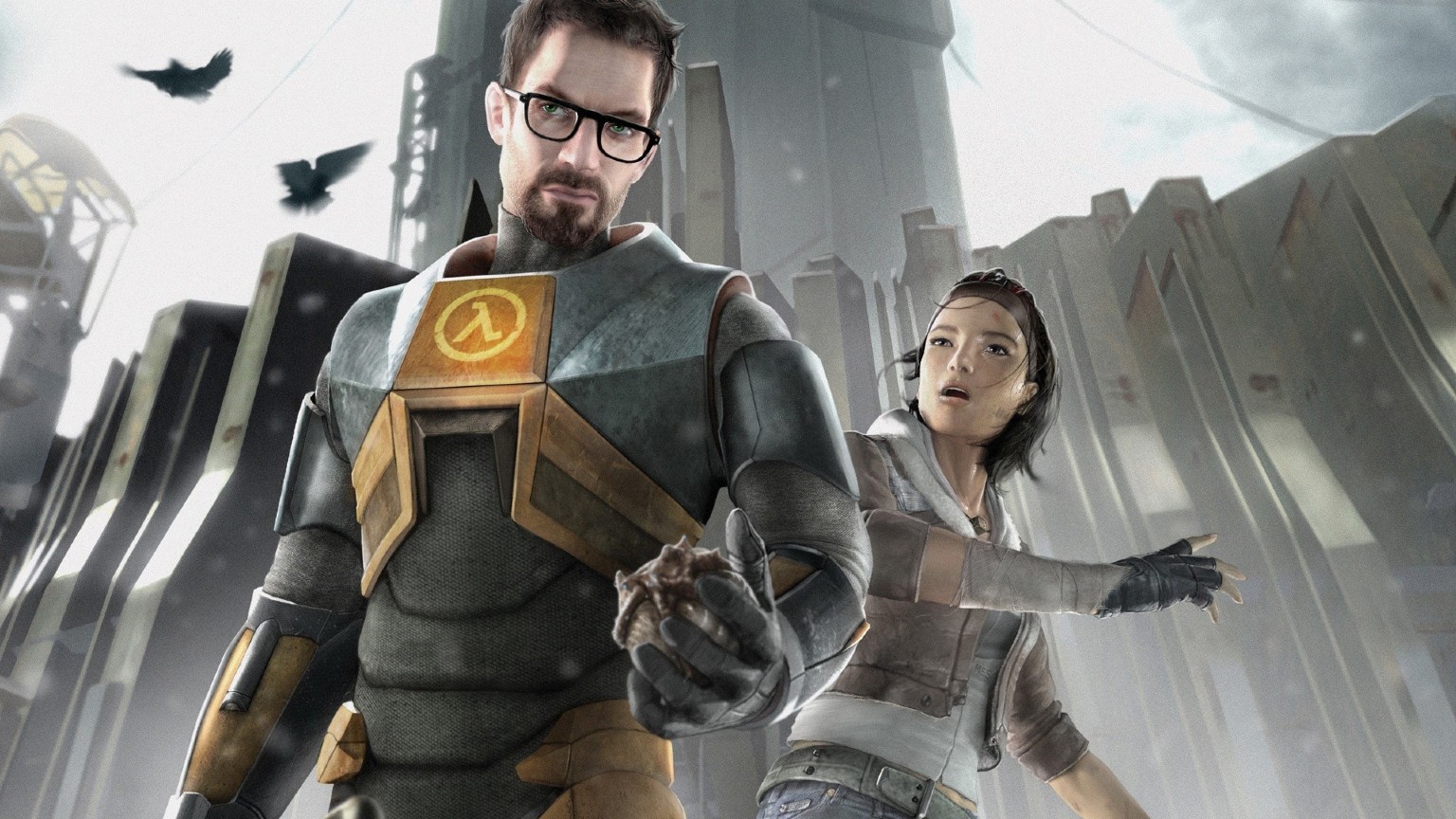
Valve released this first person adventure in 2004 using the Source engine. It introduced physics driven puzzles with the Gravity Gun, facial animation systems for characters, and a mix of vehicle and on foot sections.
Activation through Steam marked an early large scale use of a digital platform on PC. Later episodes continued the story, and the game’s mod tools spawned total conversions and multiplayer projects, including popular sandbox and competitive modes.
Halo 2
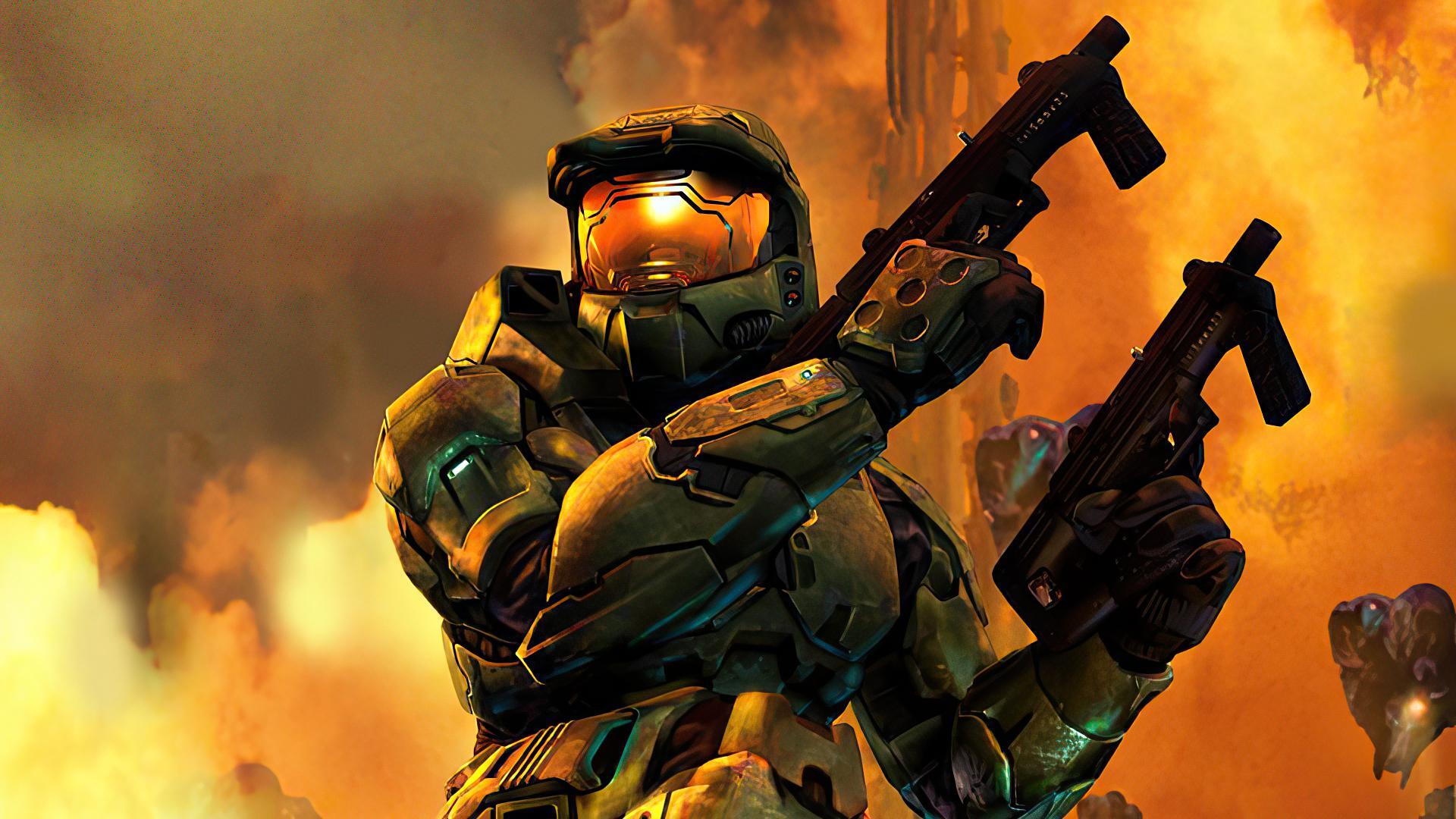
Bungie launched this shooter on the original Xbox in 2004. It added dual wielding, vehicle boarding, and a playable Arbiter campaign. The game used Xbox Live to deliver console matchmaking and party systems that became a standard for future releases.
It set day one sales records for the platform and supported competitive seasons through playlists and map packs. Later anniversary editions upgraded the engine and included the full online suite on newer Xbox hardware and PC.
Resident Evil 4
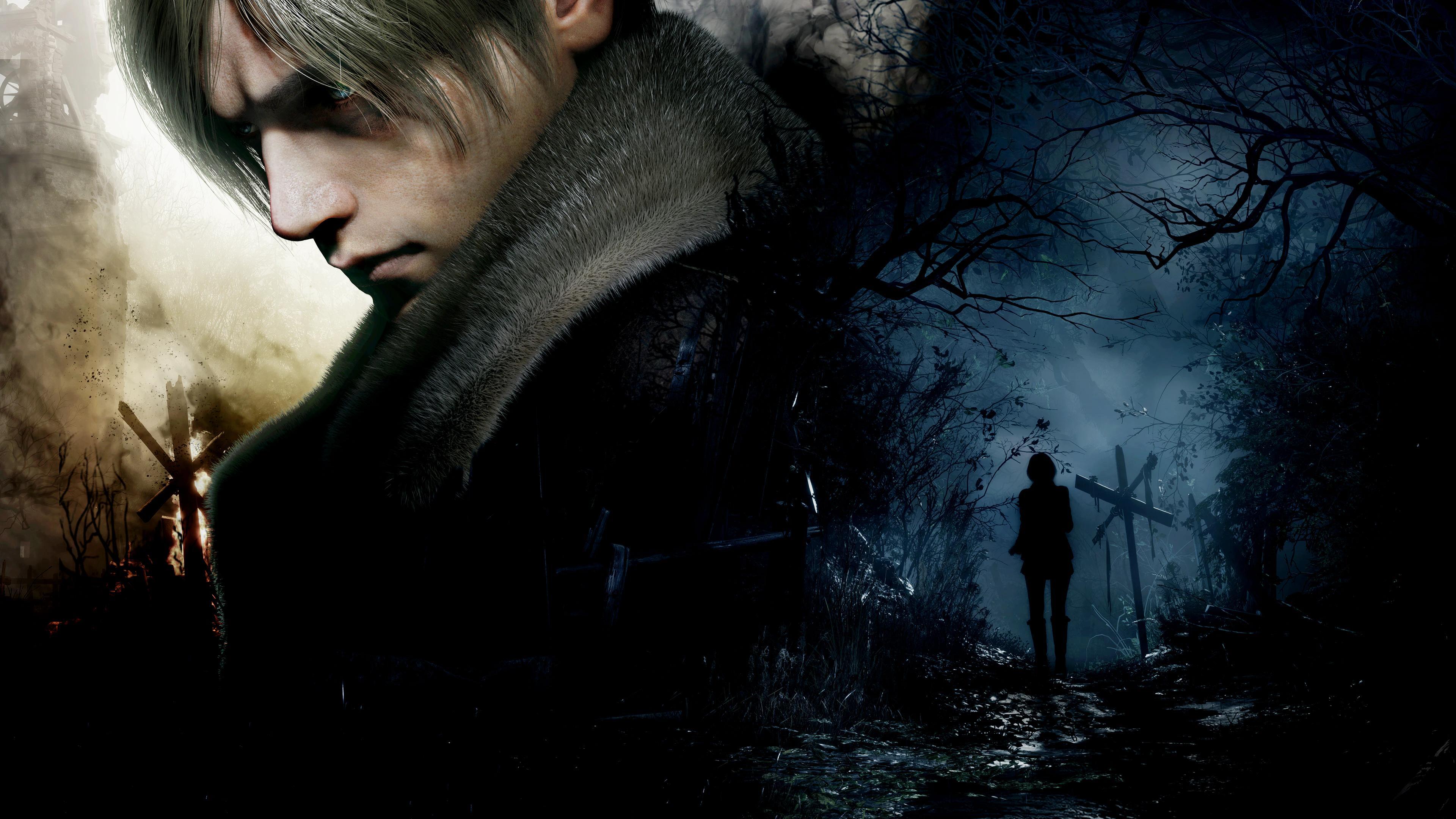
Capcom released this entry in 2005 on the GameCube and later on additional platforms. It shifted to an over the shoulder camera, introduced context sensitive actions, and used a briefcase inventory system that encouraged item management.
Multiple ports added widescreen support, high frame rates, and bonus modes like The Mercenaries and Separate Ways. Its control scheme and camera placement influenced third person shooters on console and PC for many years.
Call of Duty 4 Modern Warfare
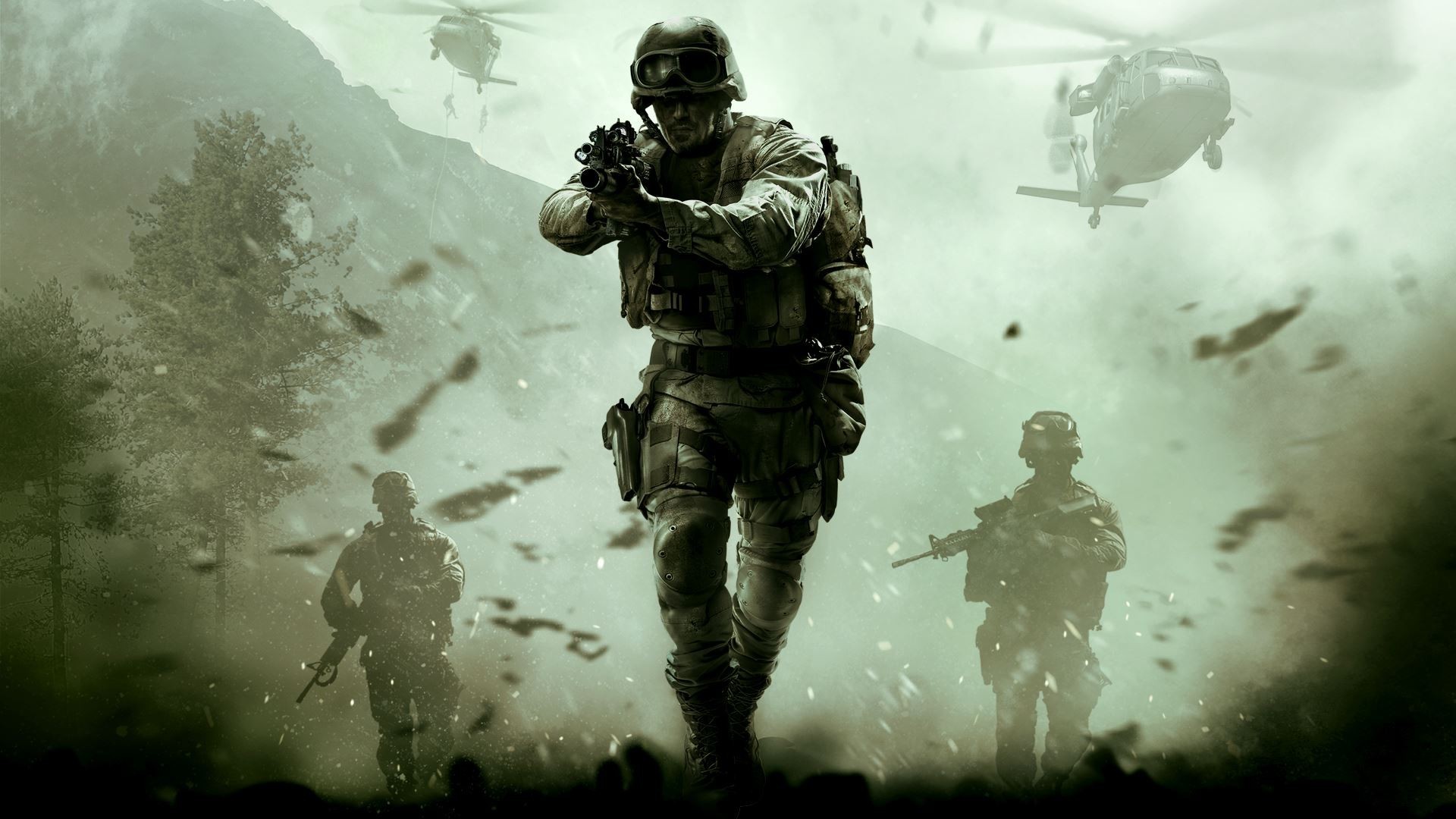
Infinity Ward launched this title in 2007 for PC, PlayStation 3, and Xbox 360. It moved the series to a modern setting and introduced persistent multiplayer progression with create a class, perks, and killstreak rewards.
The campaign featured set piece missions across multiple theaters and a separate arcade and epilogue mode. Post launch map packs extended the multiplayer pool, and remastered versions delivered high definition assets and updated matchmaking.
Uncharted 2 Among Thieves
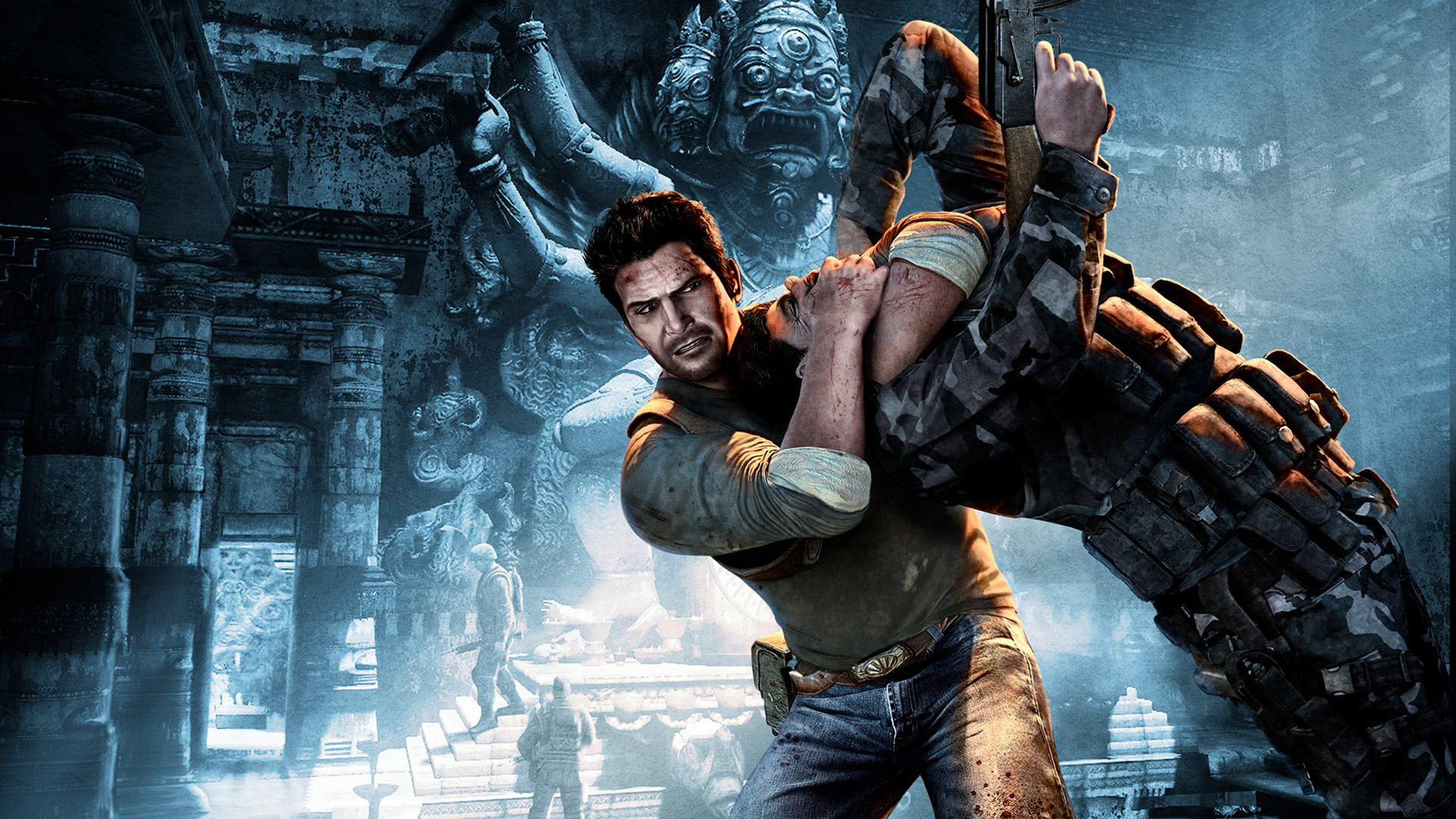
Naughty Dog released this action adventure in 2009 on PlayStation 3. It expanded traversal and combat with moving train and collapsing building sequences, and it added a competitive and cooperative multiplayer suite.
Cinematic presentation used performance capture across cutscenes and gameplay, which linked character animation with player input. Later remasters improved resolution and frame rate on newer PlayStation hardware and bundled trilogy content.
Mass Effect 2
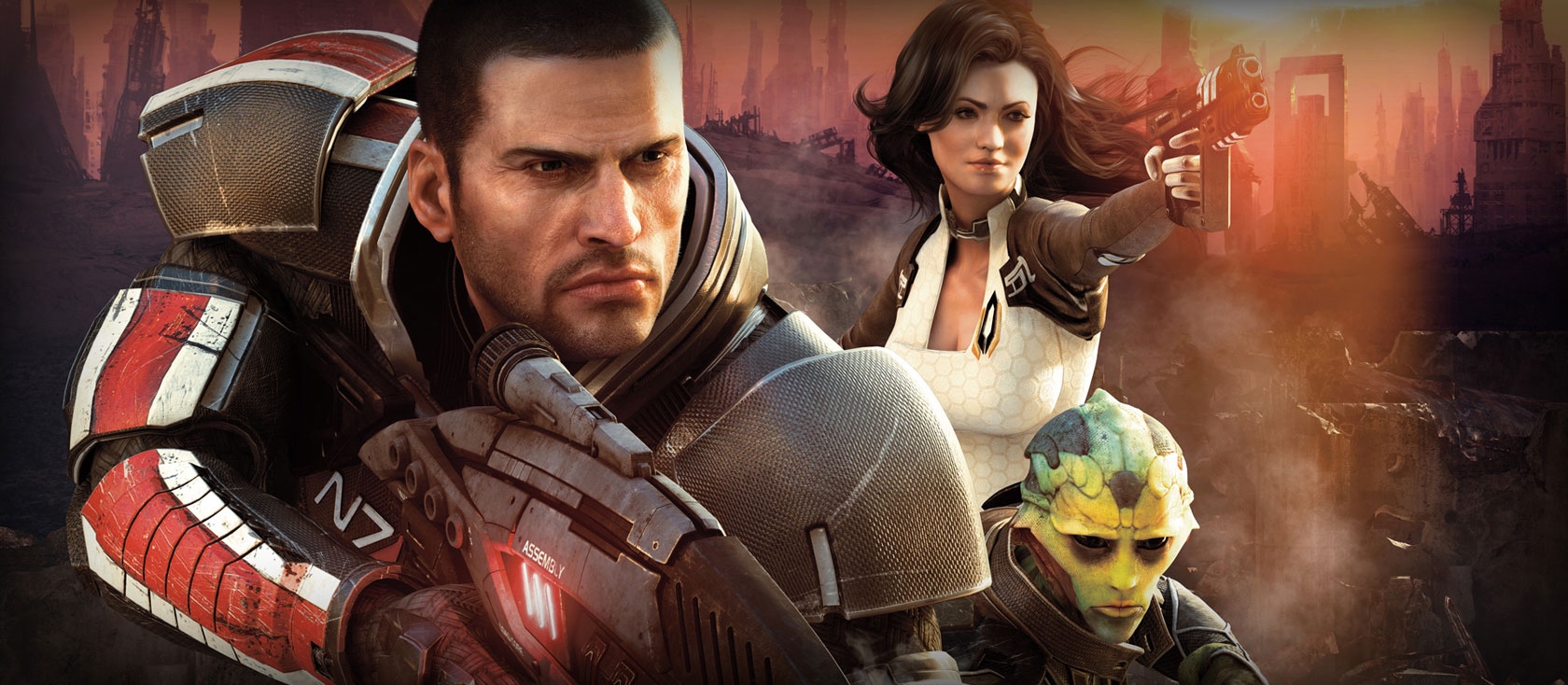
BioWare launched this role playing shooter in 2010 on Xbox 360 and PC, followed by PlayStation 3. It introduced loyalty missions that affected a final suicide mission outcome and allowed save imports that carried choices from the first game.
Combat systems shifted to snappier shooting with streamlined inventory and class skills. Downloadable content added characters, missions, and weapons, and the Legendary Edition later unified the trilogy with modern visual and performance updates.
Portal 2

Valve released this puzzle sequel in 2011 on PC, PlayStation 3, and Xbox 360. It added propulsion and repulsion gels, light bridges, and excursion funnels, which expanded puzzle design beyond simple portal placements.
A full cooperative campaign required two player coordination with separate portal sets and voice or ping tools. Community tools and Steam Workshop support enabled thousands of user made puzzles, while updates added leaderboards and challenge modes.
The Witcher 3 Wild Hunt
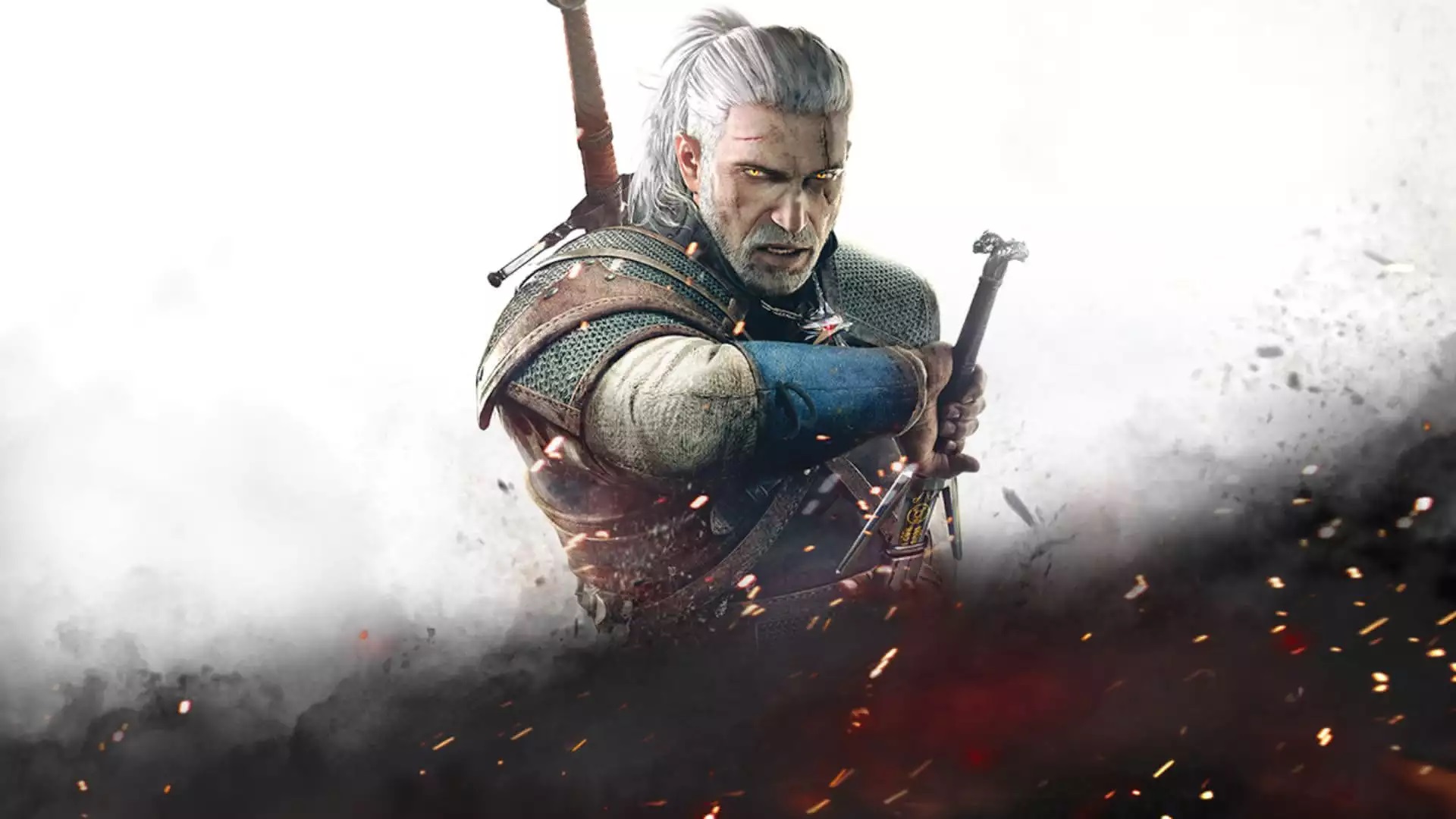
CD Projekt Red launched this open world role playing game in 2015 on PC, PlayStation 4, and Xbox One. It featured large explorable regions like Velen, Novigrad, and Skellige, along with a contract system for monsters and a full crafting and alchemy suite.
Two major expansions added new regions and questlines, and later updates delivered quality of life features and next generation upgrades. The REDengine supported dynamic weather, day and night cycles, and streaming landscapes with minimal loading.
Grand Theft Auto V
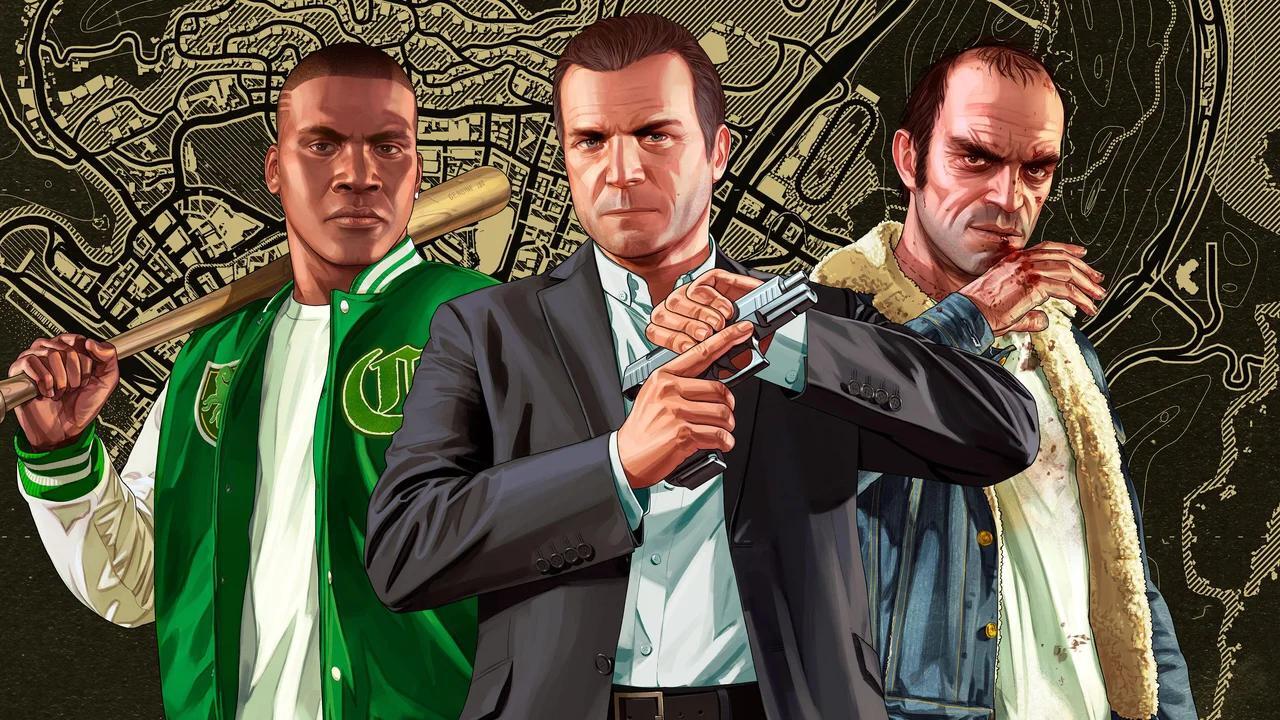
Rockstar Games released this title in 2013 on PlayStation 3 and Xbox 360 and later on PC and newer consoles. It featured three playable protagonists with character switching across a large open world that included city, desert, and mountain biomes.
GTA Online launched with cooperative and competitive modes and grew with heists, businesses, and creator tools. Successive console generations added higher frame rates, expanded draw distance, and activity cards, and character migration supported continued progression.
Red Dead Redemption 2
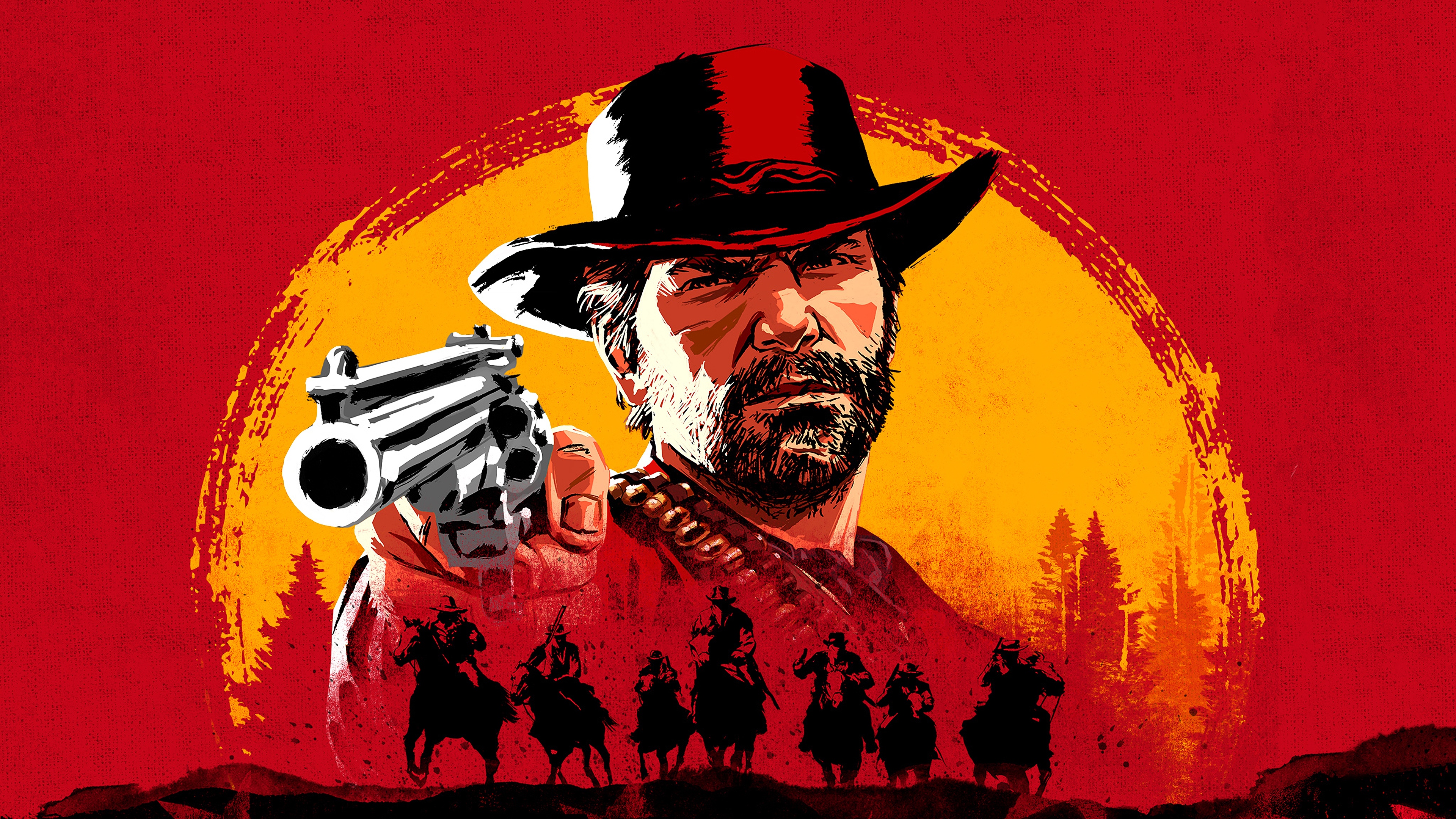
Rockstar Games launched this prequel in 2018 on PlayStation 4 and Xbox One and later on PC. It presented a large frontier with hunting, crafting, and camp management systems, and a Dead Eye mechanic that supported target marking and slow motion aiming.
Red Dead Online followed with roles like bounty hunter and trader, along with free roam events and missions. Updates improved performance on new consoles and added visual settings on PC, including high resolution textures and advanced lighting options.
Resident Evil 2
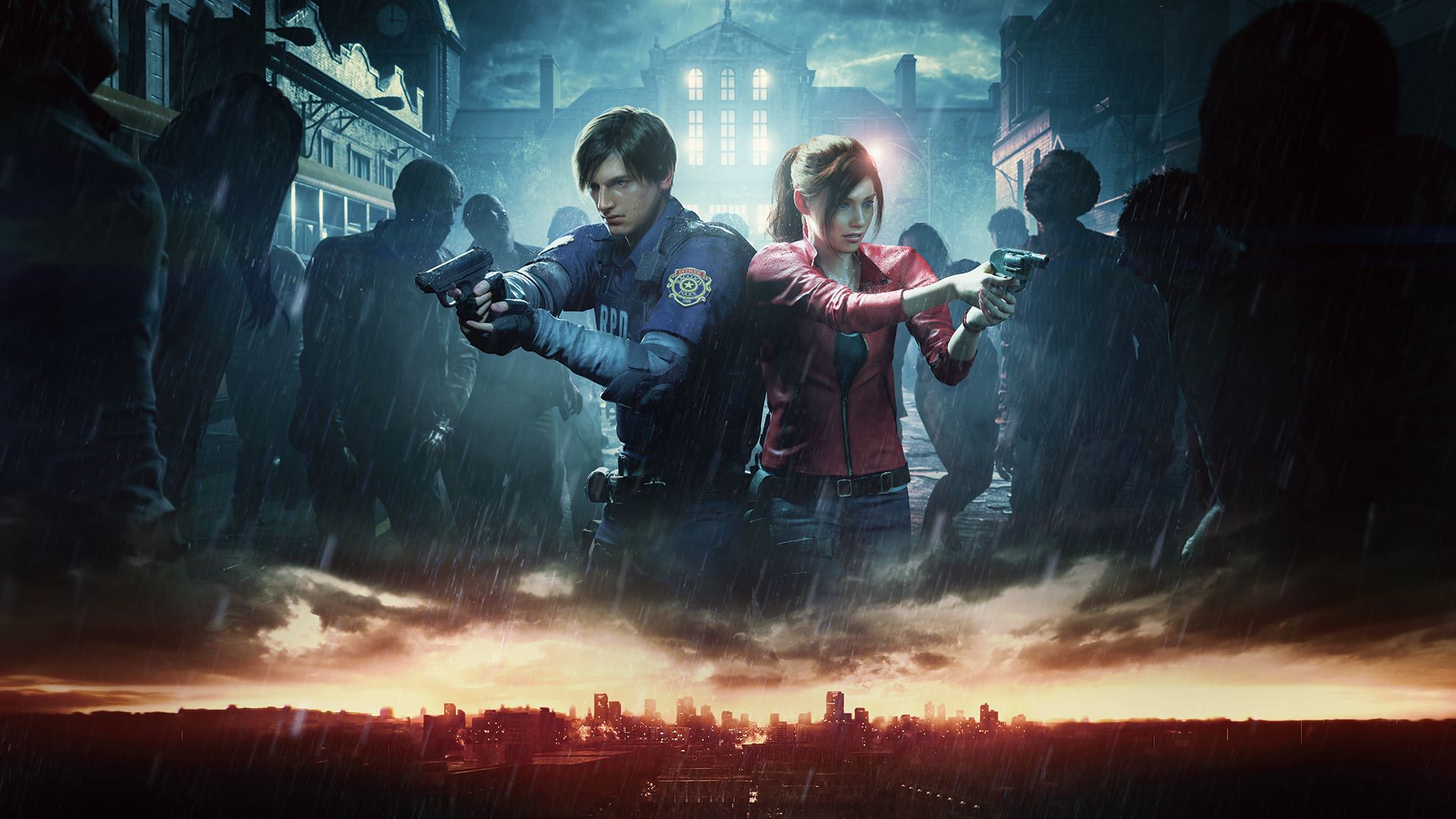
Capcom released this modern remake in 2019 using the RE Engine. It redesigned Raccoon City Police Department with new layouts, adopted an over the shoulder camera, and updated enemy behavior with persistent tracking by the Tyrant.
The game shipped with dual campaigns for Leon and Claire and a scenario structure that rewarded multiple playthroughs. Post launch content added The Ghost Survivors mode, and later patches improved frame rates and ray tracing on newer hardware.
Age of Empires II Definitive Edition
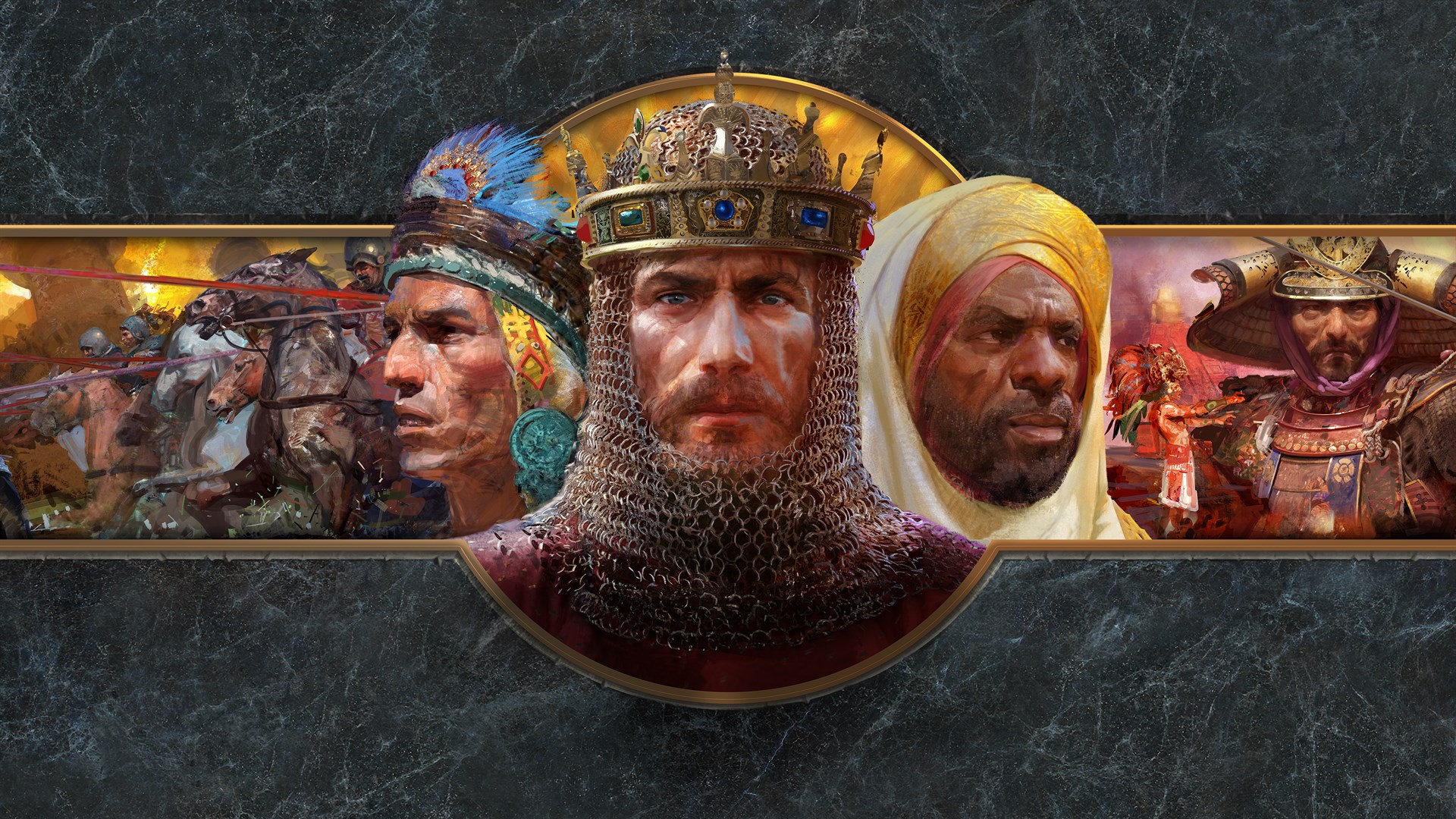
Xbox Game Studios and partners released this version in 2019 for PC, later for Xbox consoles. It updated sprites and audio, added new campaigns and civilizations across multiple DLC packs, and introduced ranked matchmaking with modern netcode.
Quality of life features included a global queue, waypoint indicators, and challenge events. The title supports cross play between PC and console with controller friendly options, which keeps the classic rule set accessible across devices.
Share your own picks for standout follow ups in the comments and tell us which sequel systems or updates made the biggest difference for you.