The Most Underrated Black Actors of the 21st Century

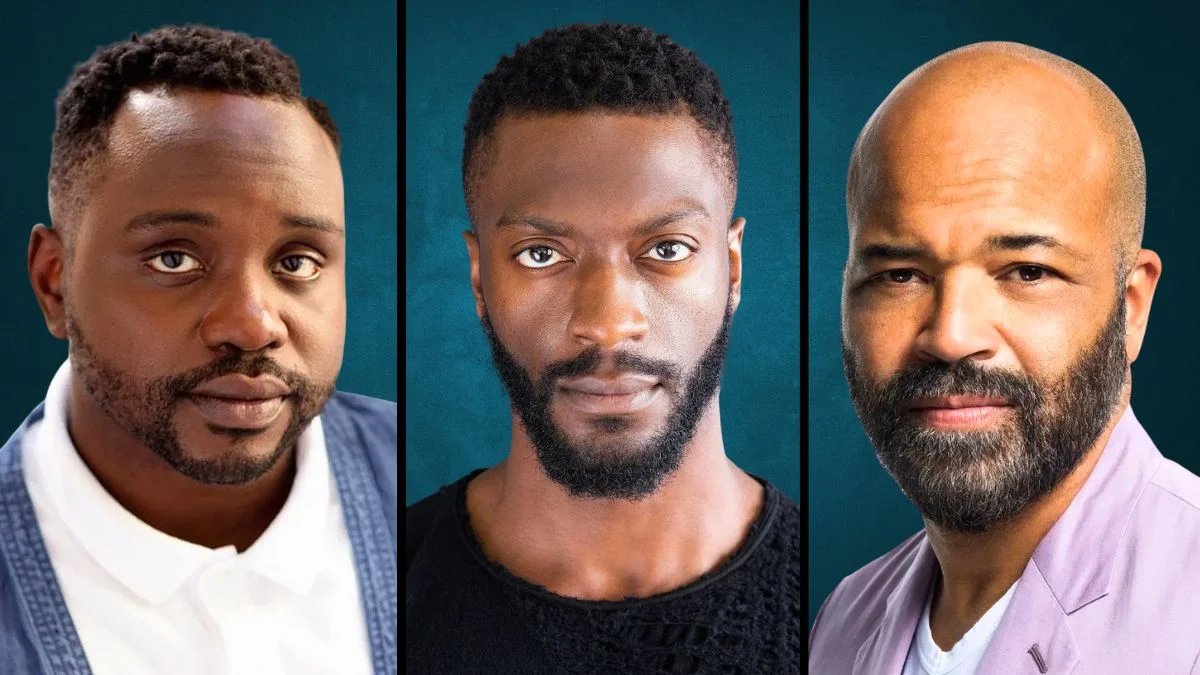

There are performers whose work keeps showing up in important films and series, yet their names are not always the first ones people mention. This list focuses on working actors who consistently deliver strong results across genres, from indie drama to action and prestige TV. The goal is to highlight bodies of work in the 21st century and the skills that keep these performers in demand.
Each entry points to roles, training, and achievements that show range and craft. You will find stage backgrounds, voice work, and international credits that often fly under the radar. If you have missed any of the projects mentioned, you will have an easy watchlist to explore next.
Aldis Hodge
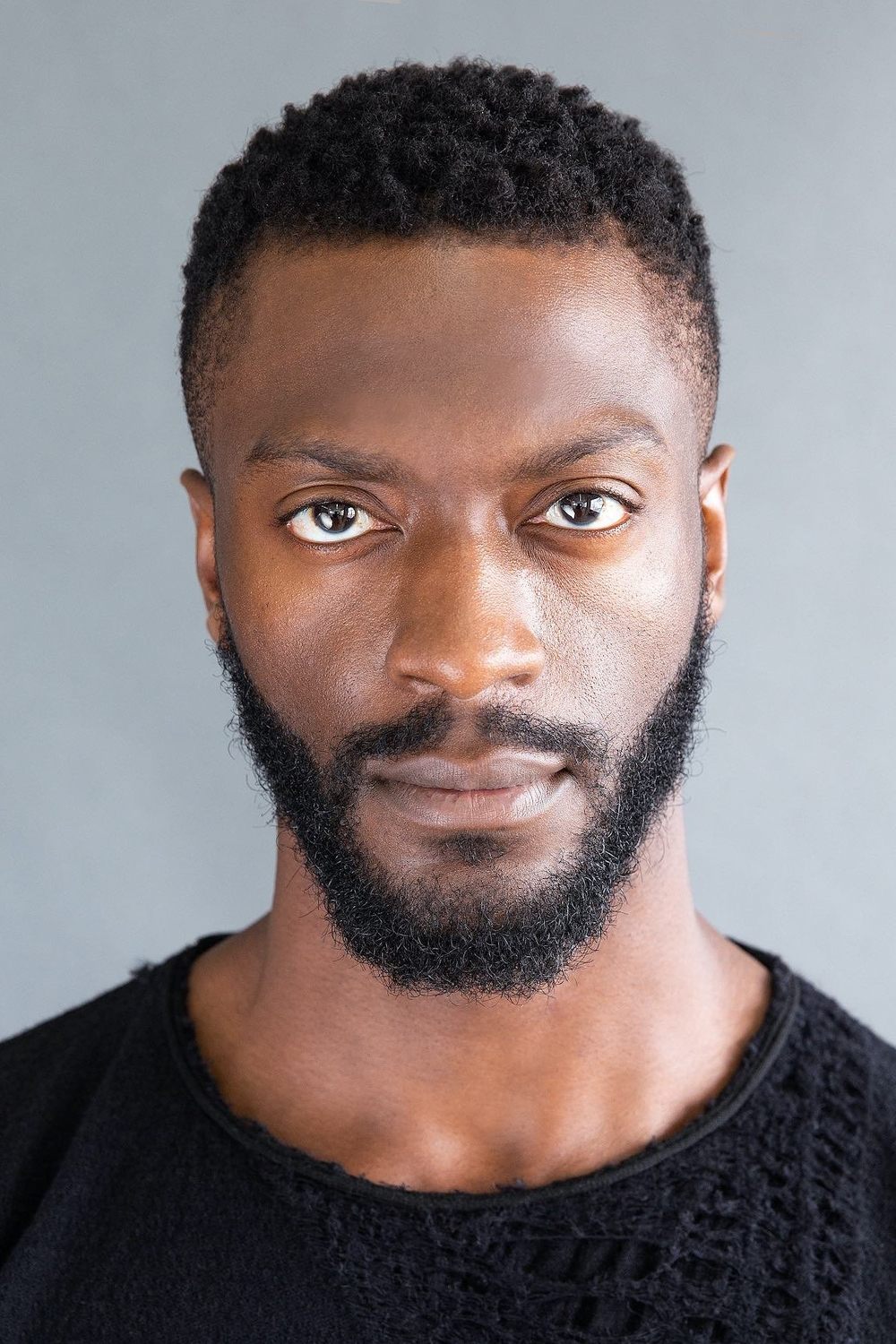
Hodge built a steady resume with central roles in ‘Leverage’, ‘City on a Hill’, and ‘Black Adam’. He played Jim Brown in ‘One Night in Miami’, showed quiet power in ‘Hidden Figures’, and anchored ‘Brian Banks’ with careful research into the real case. He also voices characters in animation and games, which adds technical versatility to his screen work.
He trained from a young age in both acting and music, which shows up in his timing and control. Casting teams use him for leads and support because he carries exposition cleanly, moves well in action scenes, and reads as authentic in legal and historical material.
Winston Duke
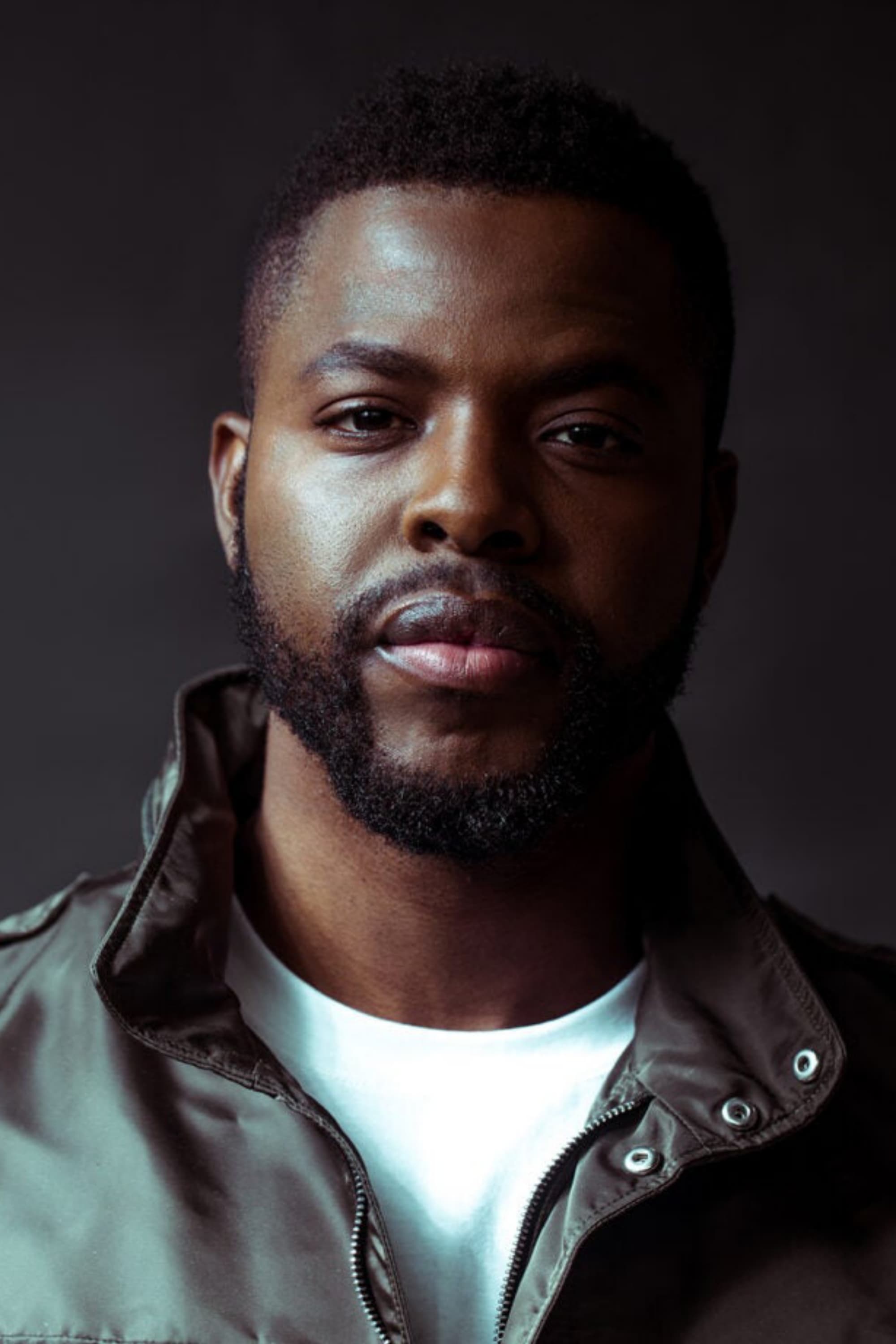
Duke broke through with ‘Black Panther’ and returned for ‘Wakanda Forever’, where he balanced humor and authority as M’Baku. He shifted to horror with ‘Us’ and later headlined the action comedy ‘Spenser Confidential’. He appears in voice roles and has stage credits that inform his physical choices on camera.
His performances lean on careful vocal work and a grounded physical presence. Directors place him opposite big personalities because he can hold the frame without overplaying a scene, which keeps large ensembles in balance.
Brian Tyree Henry
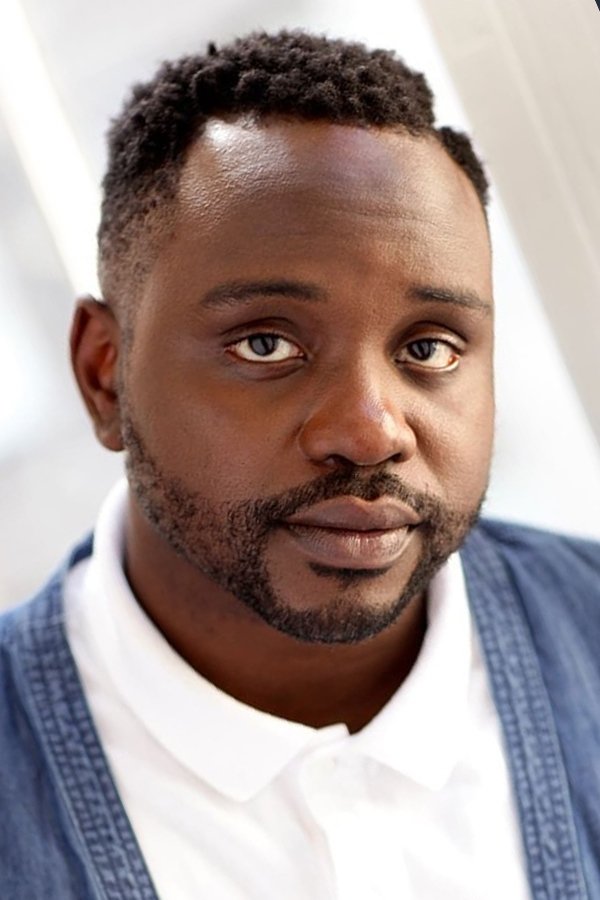
Henry reached a wide audience with ‘Atlanta’, then stacked film roles in ‘If Beale Street Could Talk’, ‘Joker’, ‘Bullet Train’, and ‘Godzilla vs. Kong’. He earned major awards recognition for ‘Causeway’ and has done notable voice work in ‘Spider-Verse’. He also maintains a theater foundation, including Broadway, which shapes his command of rhythm.
His screen choices favor specificity, like regional speech patterns and small gestures that track character history. He can shift from vulnerability to comedy within a scene, which lets editors find beats that protect story momentum.
Colman Domingo
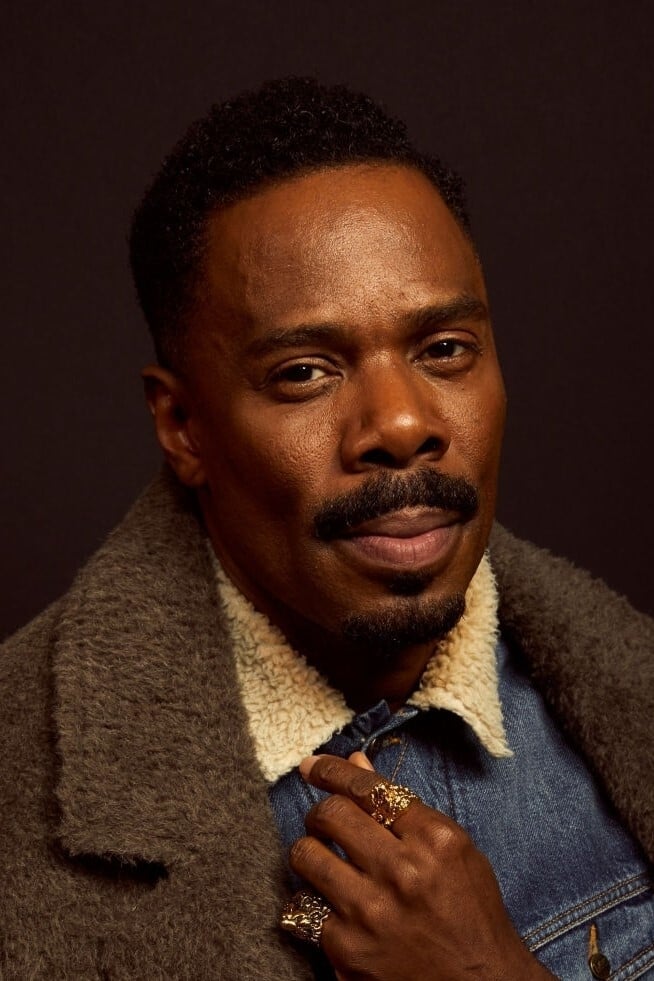
Domingo brings stage discipline to ‘Euphoria’, ‘Fear the Walking Dead’, and ‘The Knick’. His film work includes ‘Ma Rainey’s Black Bottom’, ‘Zola’, ‘If Beale Street Could Talk’, and ‘Rustin’, where he carried a demanding lead built on archival study and period detail. He also writes and directs, adding a maker’s perspective to his acting.
He prepares with deep research into speech, wardrobe behavior, and historical context. Productions rely on him to set tone on ensemble sets and to navigate shifts between theatrical language and naturalistic dialogue.
Sterling K. Brown
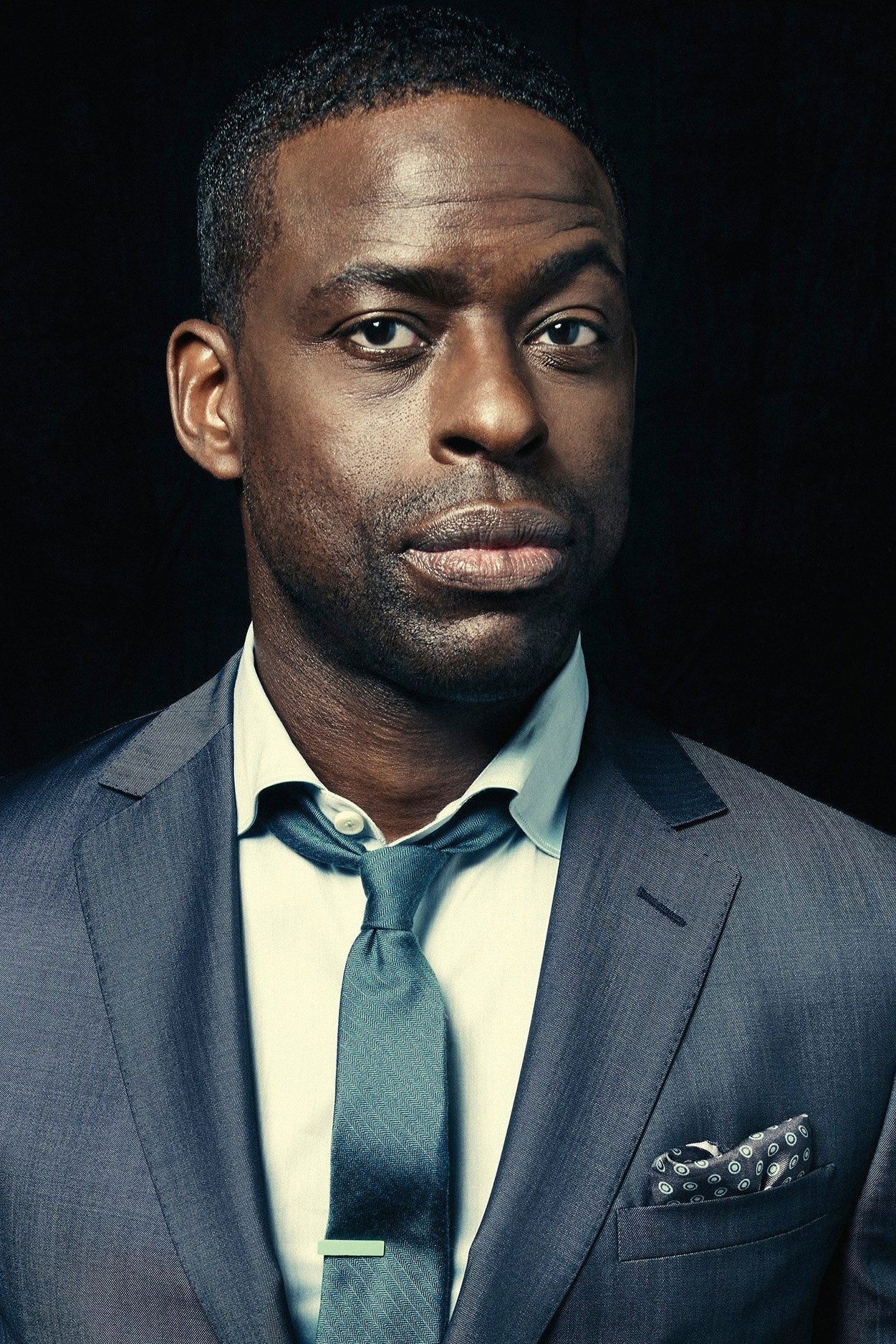
Brown led major arcs in ‘This Is Us’ and ‘The People v. O. J. Simpson’. He supports in films like ‘Black Panther’, ‘Waves’, and ‘Honest Thief’, and he records frequent voice performances that show crisp articulation. He approaches roles with documented routines in script breakdown and emotional mapping.
His reliability comes from consistent choices that reveal motive early without telegraphing outcomes. Showrunners trust him with plot pivots because he can carry exposition while holding emotional stakes for the audience.
Jeffrey Wright
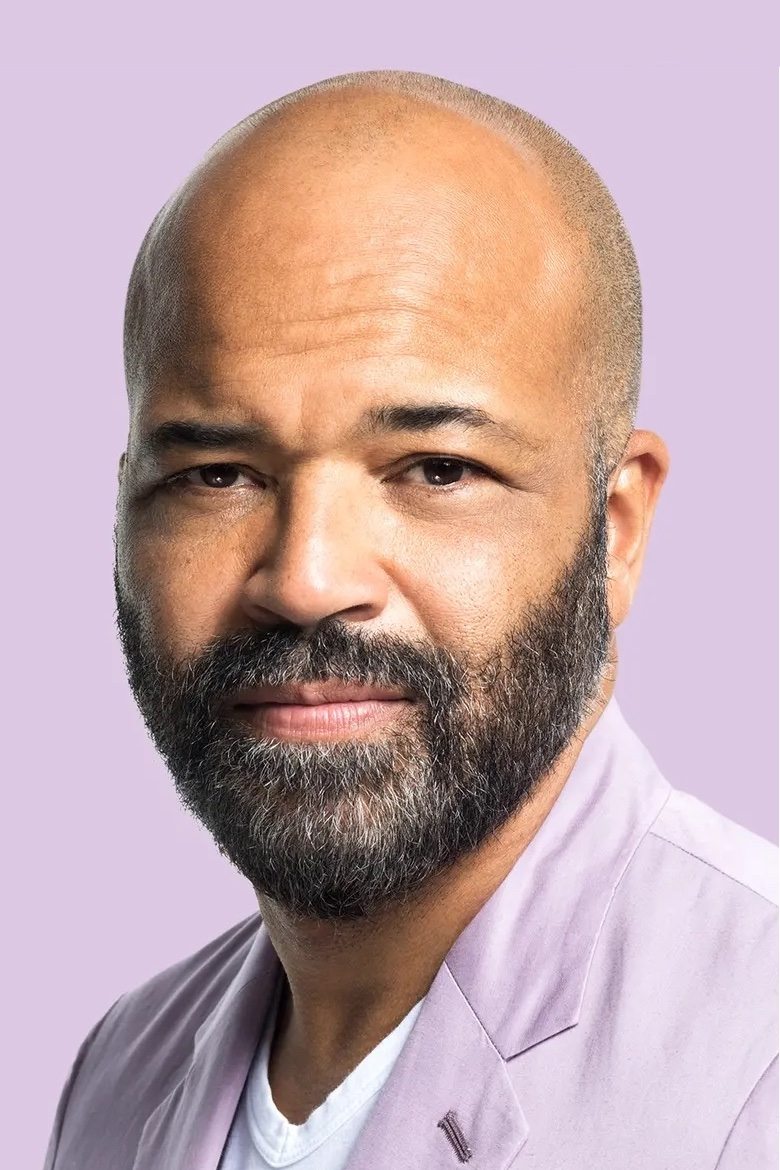
Wright anchors ‘Westworld’ with layered work that blends science fiction logic with intimate character beats. He appears in ‘The Batman’, ‘No Time to Die’, ‘The French Dispatch’, and delivers celebrated voice acting as the Watcher in ‘What If’. He keeps an active stage profile that reinforces text analysis.
His screen craft rests on precise listening, economical movement, and a voice that can carry complex information. Editors benefit from his clean eyelines and steady tempo, which protect continuity when scenes are rebuilt in post.
LaKeith Stanfield
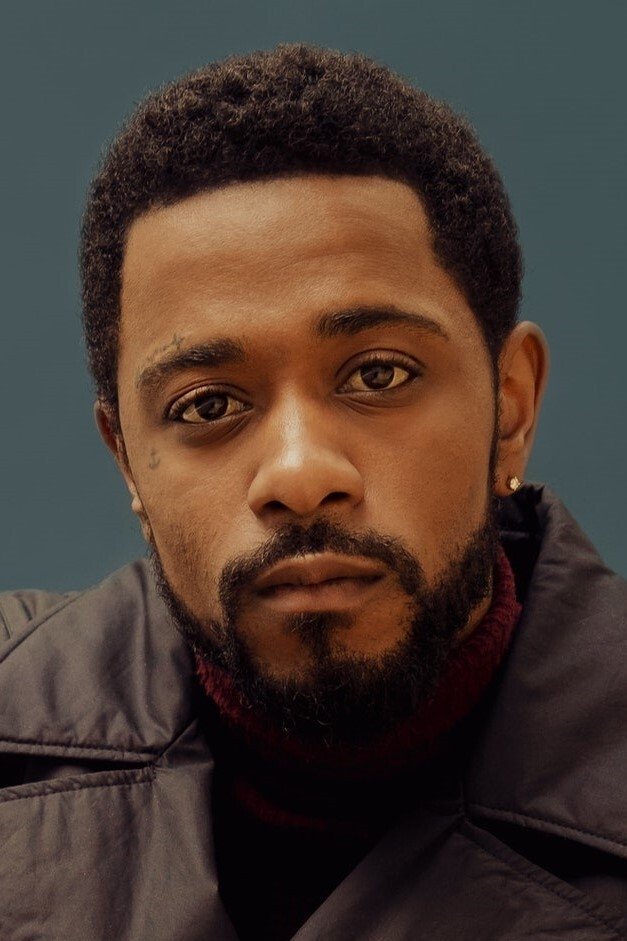
Stanfield’s film roles include ‘Short Term 12’, ‘Get Out’, ‘Sorry to Bother You’, ‘The Photograph’, and ‘Judas and the Black Messiah’. On TV he helped define the tone of ‘Atlanta’, blending surreal comedy with subtle drama. He also takes risks with vocal transformations and posture shifts that mark character boundaries.
He prepares with music and image references, then builds repeatable choices that hold through multiple takes. Directors use him when a role needs quiet intensity that still reads clearly on camera.
John Boyega
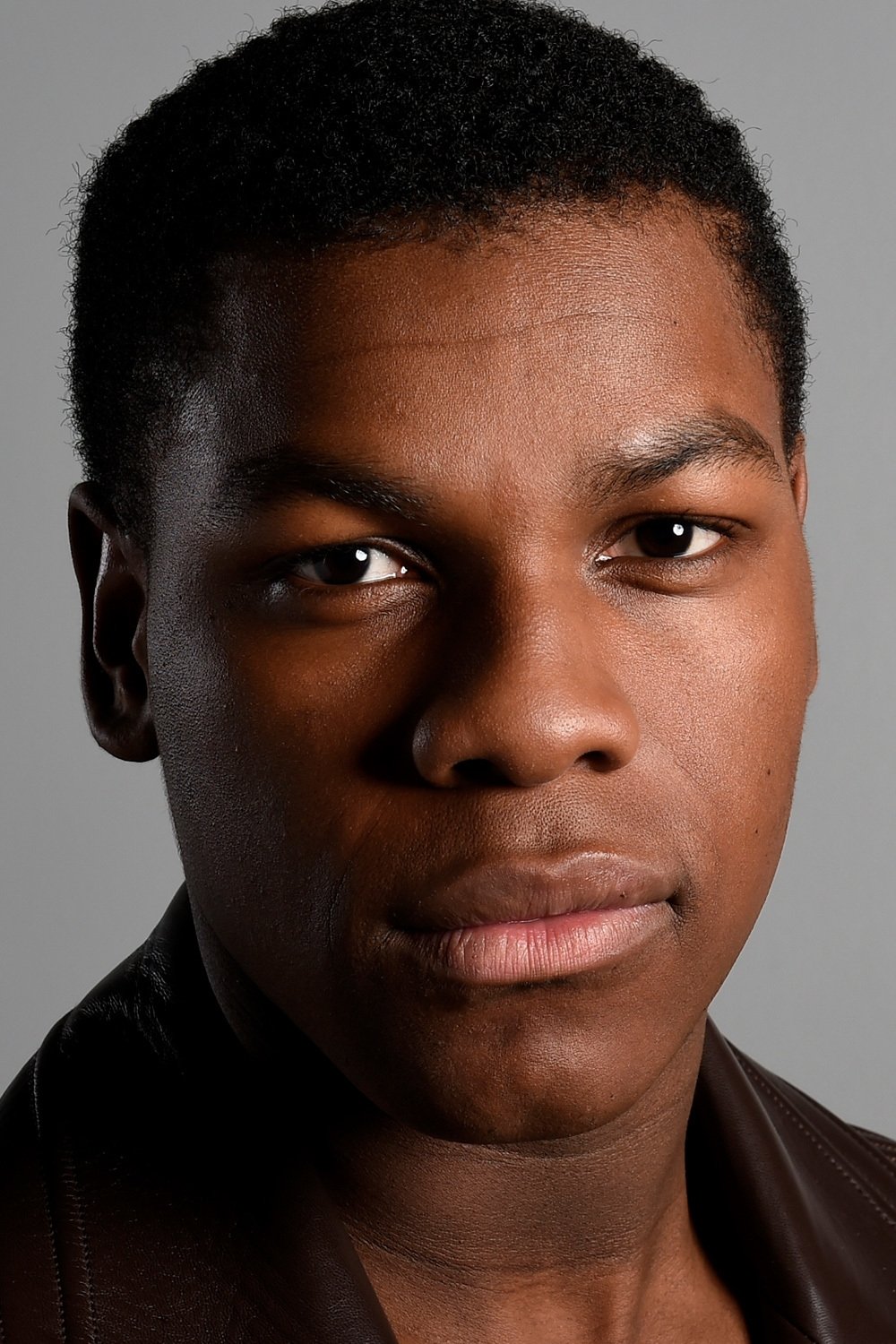
Boyega carried major action in ‘Star Wars’ while maintaining grounded work in ‘Detroit’, ‘Small Axe’, and ‘The Woman King’. He supports independent productions and participates in development conversations that shape character arcs. He also brings athletic movement to fight scenes without losing clarity in dialogue.
His process includes research interviews and accent study, which helps him cross British and American settings convincingly. He balances franchise scale with smaller projects, keeping range visible to casting teams across budgets.
David Oyelowo
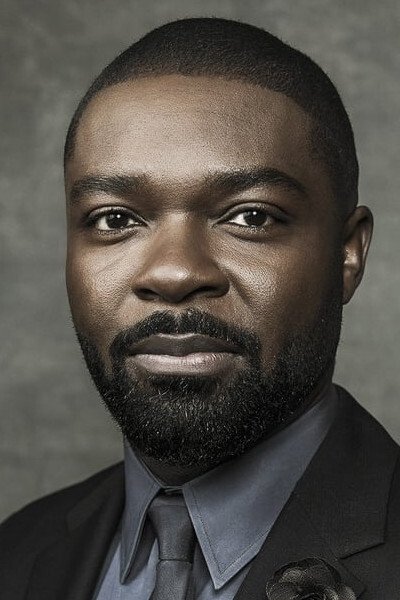
Oyelowo’s lead in ‘Selma’ displayed careful vocal adaptation and historical study. He moved between thrillers like ‘Nightingale’, family films like ‘The Water Man’, and series such as ‘Silo’ and ‘Lawmen’. He also produces, which gives him leverage to build roles with fuller context.
He is known for disciplined preparation and precise diction, which keeps complex speeches clear. His choices often center on responsibility and consequence, which supports stories with legal, political, or moral stakes.
Trevante Rhodes
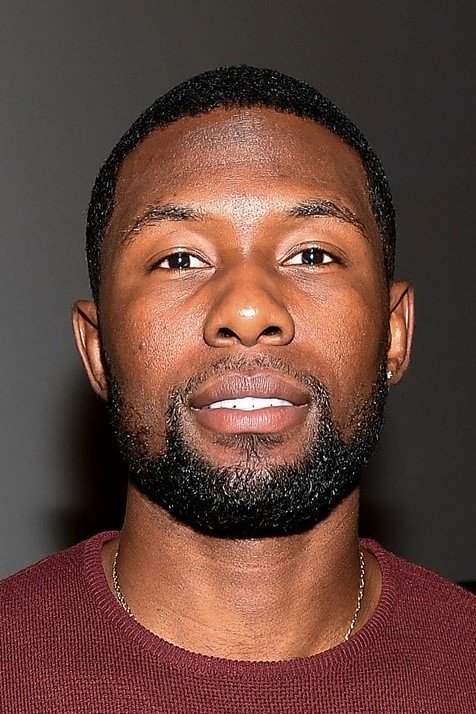
Rhodes made a strong impression in ‘Moonlight’, then shifted to action in ‘The Predator’ and to sports drama in ‘Mike’. He brings track and field experience to action choreography, which reduces the need for doubles in certain sequences. He also takes on roles that test vulnerability and physical presence together.
His screen work benefits from unforced stillness and measured speech. Directors use him to anchor scenes where emotion sits under minimal dialogue, which plays well in closeup.
Corey Hawkins
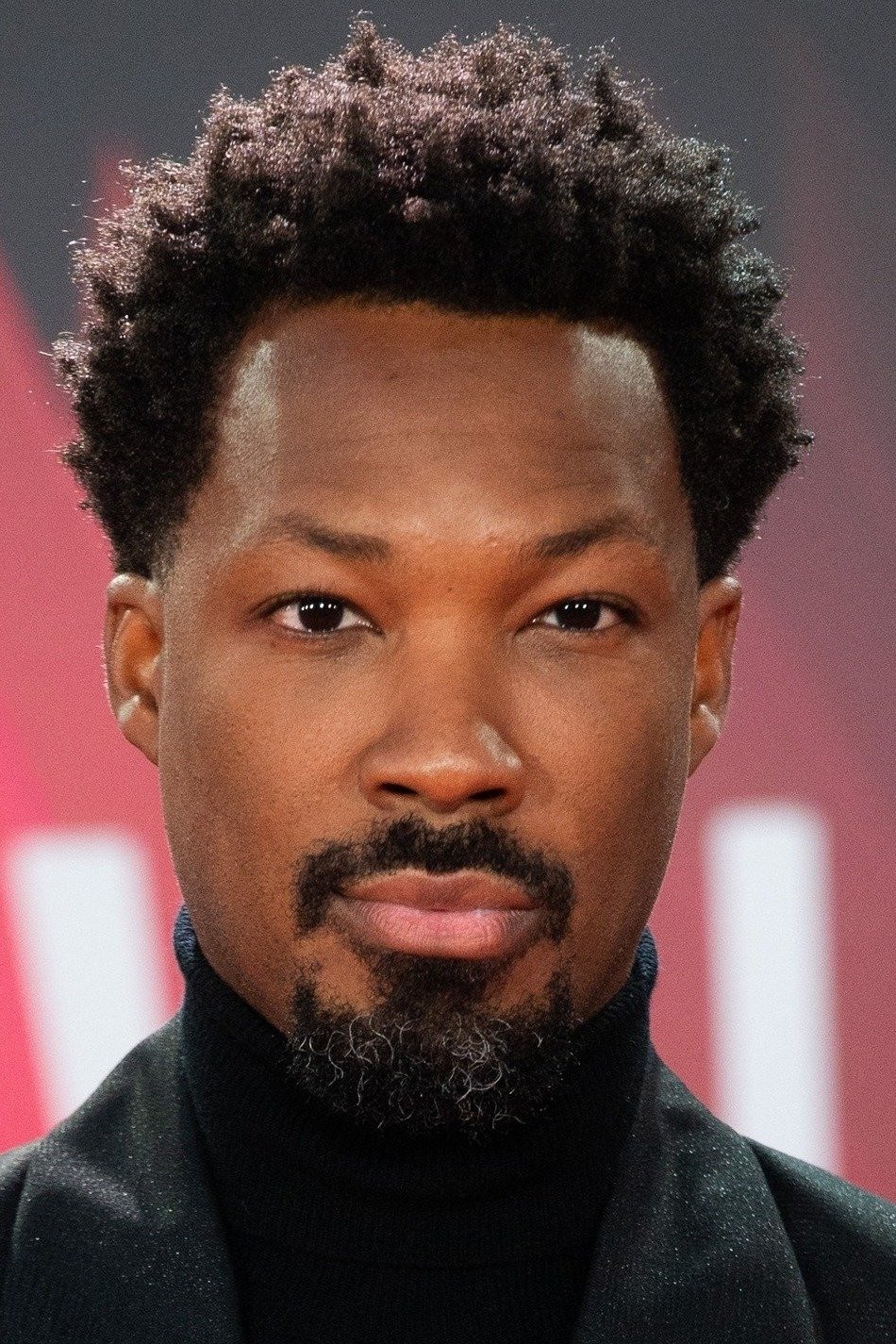
Hawkins handled lead duties in ‘Straight Outta Compton’ and later fronted ’24: Legacy’. He worked on ‘In the Heights’, ‘The Tragedy of Macbeth’, and ‘The Last Voyage of the Demeter’. His Juilliard training shows in breath control and clarity in verse, which carries across stage and screen.
He adapts quickly to different directors and editing styles, keeping continuity in musical numbers and action beats. Productions lean on his professionalism on tight schedules, which protects time and coverage.
John David Washington
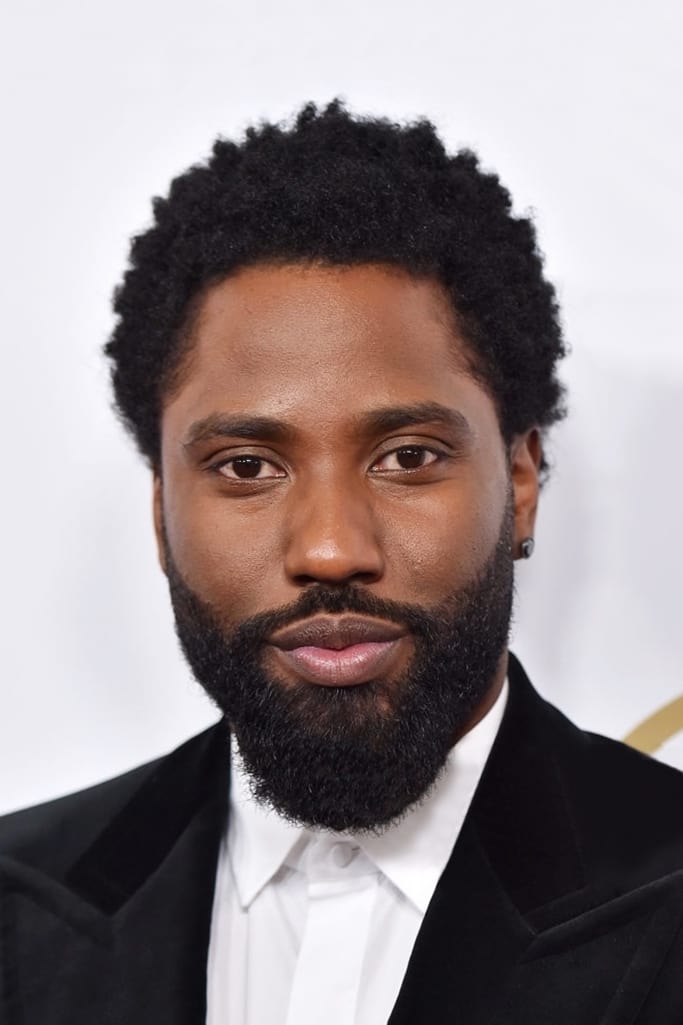
Washington led ‘BlacKkKlansman’ and carried complex action in ‘Tenet’. He followed with ‘Malcolm and Marie’, ‘Beckett’, and ‘The Creator’, showing choices that bridge indie and large scale sci fi. He draws from athletic training for footwork and stamina during long takes.
He favors clean physical lines and vocal restraint, which reads well in close frames. His ability to absorb technical blocking keeps effects heavy shoots on track while maintaining character logic.
Yahya Abdul-Mateen II
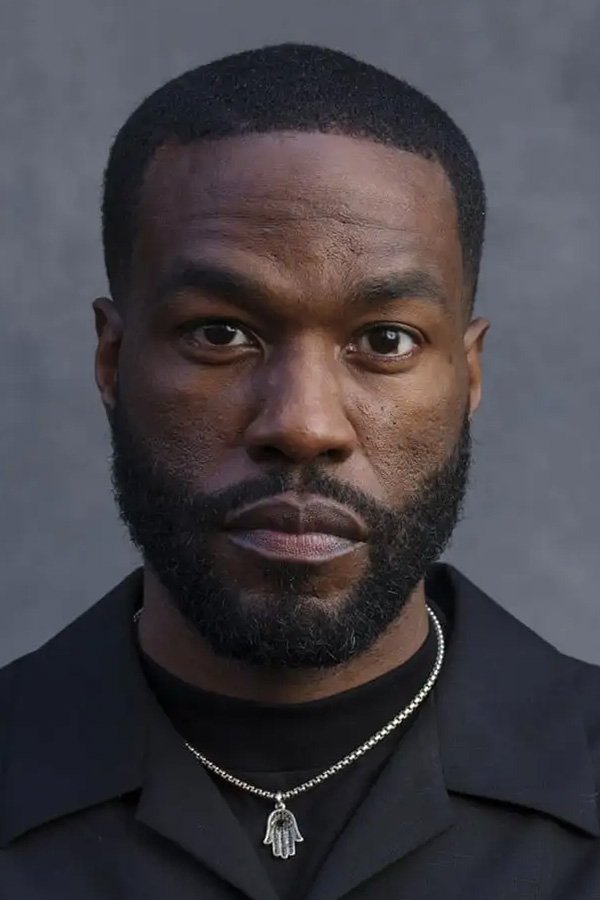
Abdul-Mateen moved from ‘Aquaman’ to critical work in ‘Watchmen’ and ‘Candyman’. He took on ‘The Trial of the Chicago 7’ and joined ‘The Matrix Resurrections’, balancing genre appeal with period drama. He also appears on stage, which keeps his projection and presence sharp.
He builds characters by analyzing power dynamics in each scene. Directors use him to energize narratives at the midpoint, where a fresh presence can reset audience attention.
Kingsley Ben-Adir
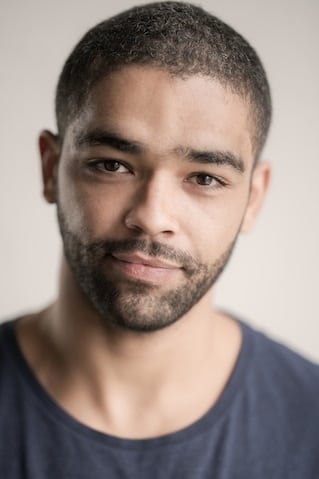
Ben-Adir portrayed Malcolm X in ‘One Night in Miami’ and took on high profile roles in ‘Secret Invasion’ and ‘Barbie’. He has strong television work in ‘Peaky Blinders’ and ‘The OA’, which shows ease with different tones. He also researches accent nuance to land cross regional roles.
His approach centers on tempo control and eye contact, which helps in dialogue heavy scenes. Productions trust him with biographical parts because he prioritizes behavior over mimicry while honoring documented details.
Stephan James
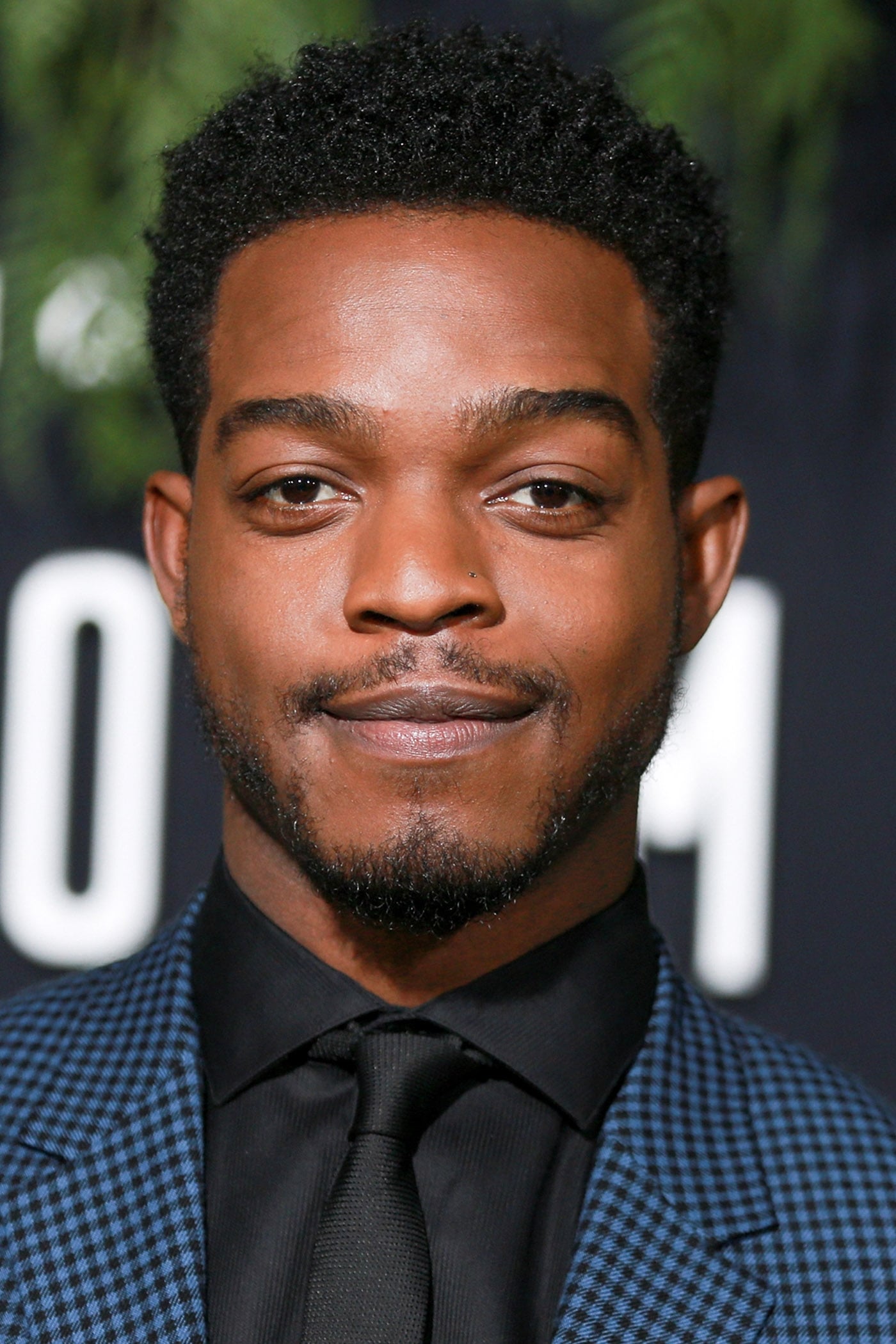
James earned attention with ‘Race’ and ‘If Beale Street Could Talk’. He starred in ‘Homecoming’ and carried ‘National Champions’, taking roles that require legal and ethical clarity. He partners closely with directors on backstory so that motivation reads in small beats.
He maintains steady posture and controlled pacing, which helps editors string together long dialogue scenes. He also supports younger casts by modeling off camera focus that keeps sets efficient.
Jovan Adepo

Adepo worked in ‘Fences’, ‘Overlord’, ‘Watchmen’, and ‘Babylon’. He takes assignments that mix genre with character study, which keeps his profile varied. He uses music and wardrobe cues to build internal rhythm before filming.
He is skilled at reaction shots, giving editors options when cutting around action or ensemble dialogue. Showrunners place him at key turns in limited series because he can hold ambiguity without muddying story logic.
Ashton Sanders
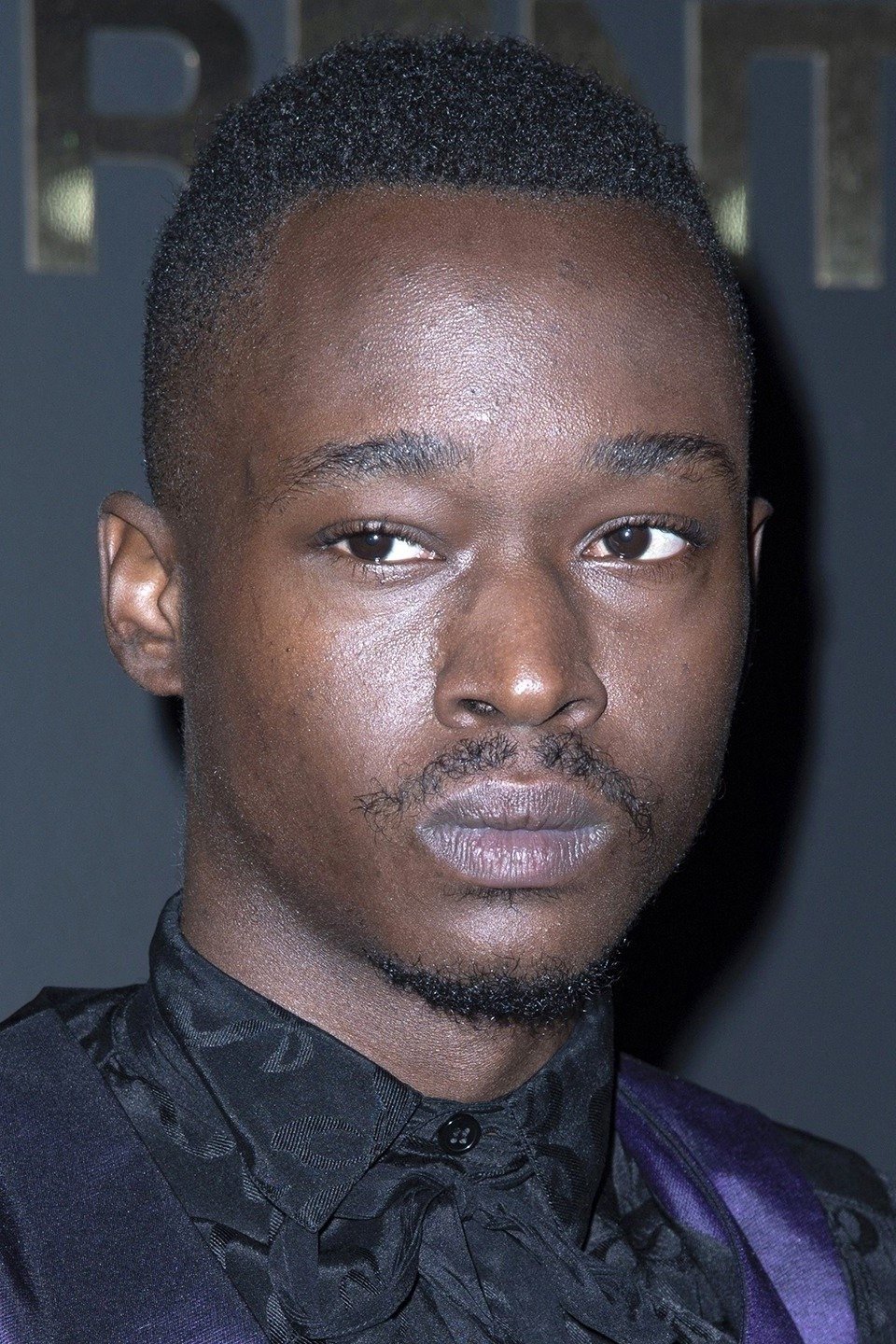
Sanders stood out in ‘Moonlight’, then led ‘Native Son’ and appeared in ‘The Equalizer 2’. He played RZA in ‘Wu-Tang: An American Saga’, shaping a real figure through movement and vocal choices. He favors roles that test interiority and restraint.
His craft shows in careful gaze work and deliberate phrasing. Directors use him to keep scenes grounded when the surrounding world is heightened, which protects tone across episodes.
Shameik Moore
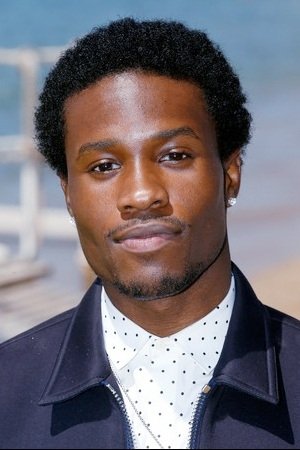
Moore voices Miles Morales in ‘Spider-Verse’, managing rapid shifts between humor and fear while keeping emotional clarity. He also starred in ‘Dope’ and joined action and music driven projects that demand rhythm and breath control. He records with strong mic technique that supports clean mixes.
He studies story beats before sessions so that vocal choices align with animation timing. His live action work benefits from the same timing, which helps with comedic setups and reaction shots.
Damson Idris
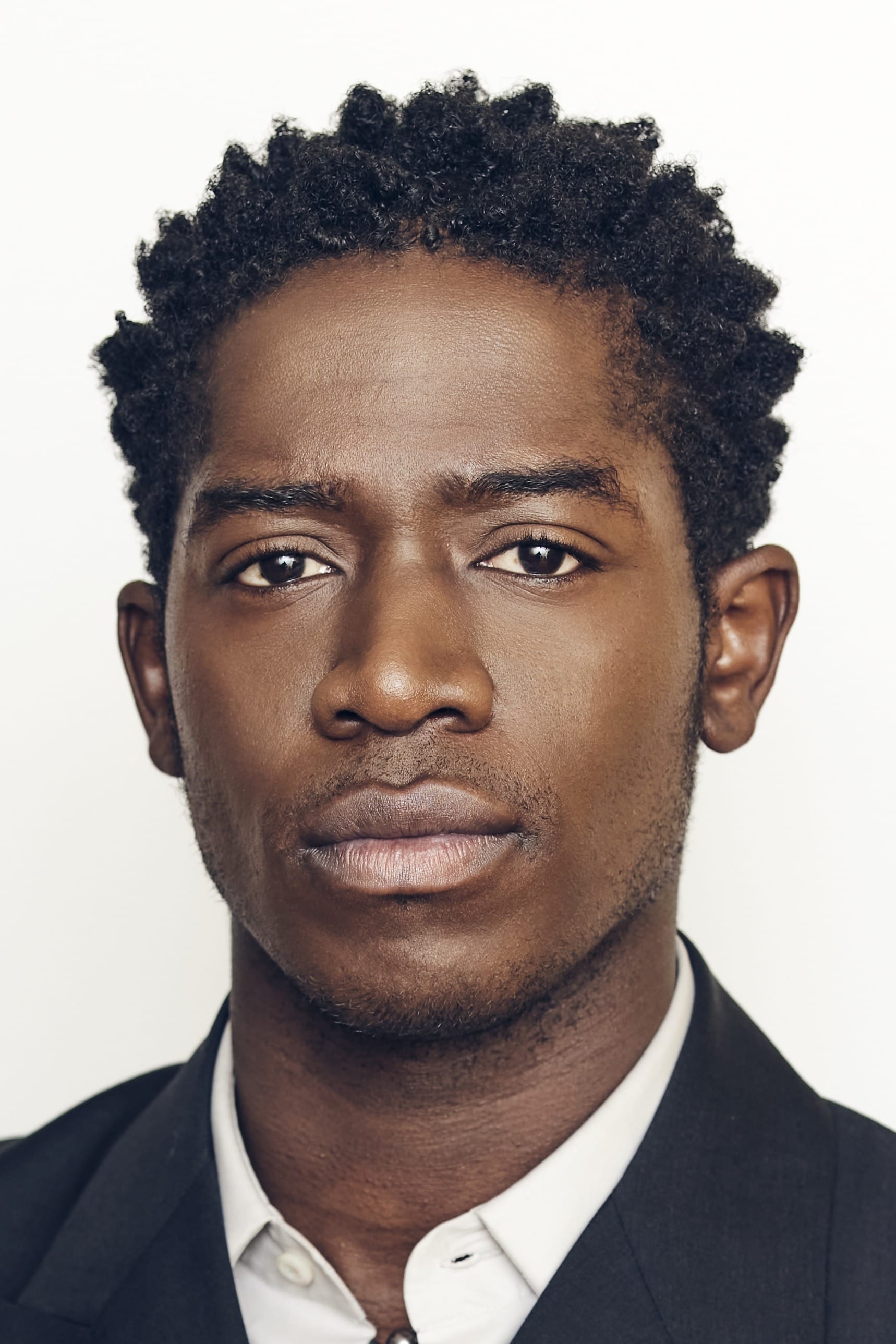
Idris carried ‘Snowfall’ across multiple seasons with detailed accent work and evolving physical choices as the character changed. He moved into film with projects that leverage both charm and menace. He studies American regional speech and body language to maintain consistency.
He is effective at mapping character arcs season by season, which supports long form storytelling. Producers rely on him to keep a lead sympathetic while making hard choices that drive plot.
Rob Morgan
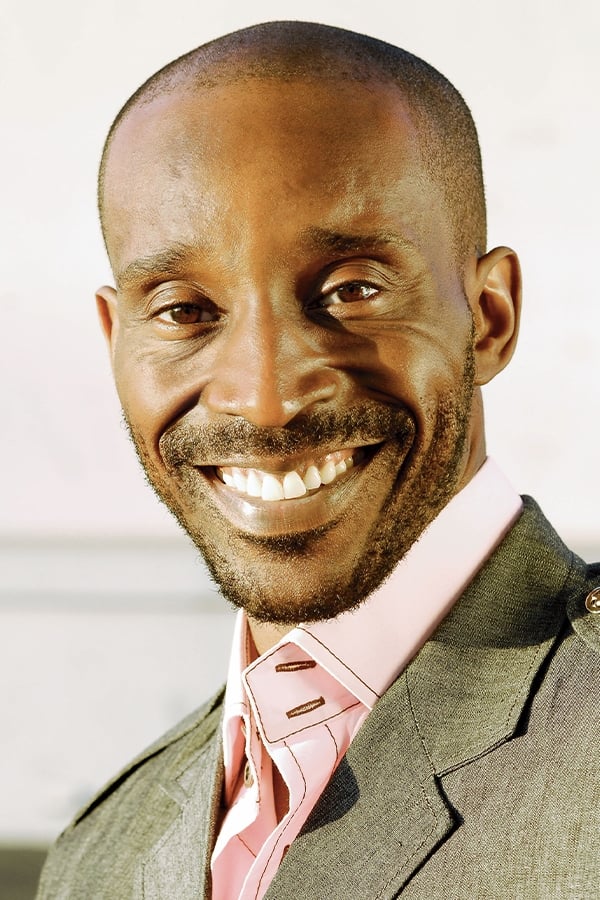
Morgan is a dependable presence in ‘Mudbound’, ‘Just Mercy’, ‘Stranger Things’, and ‘The Unforgivable’. He often plays working class characters and legal figures, bringing research into procedure and trade details. He collaborates closely with costume and props to set believable habits.
His screen strength lies in listening and timing, which gives scenes weight without extra dialogue. Directors place him near emotional turns because he can land truth in a single reaction.
Bokeem Woodbine
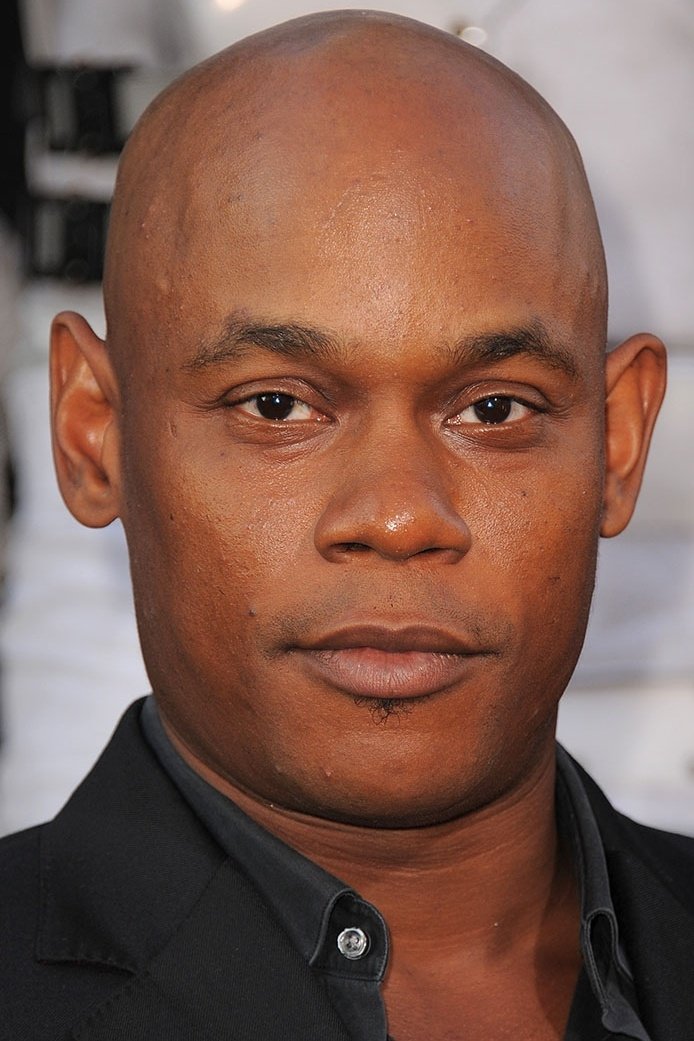
Woodbine delivered standout work in ‘Fargo’ and brought texture to ‘Spider-Man: Homecoming’. His credits include action, crime, and sci fi that require precise physical beats. He builds roles from voice and rhythm outward, which helps maintain character through complex blocking.
He adapts quickly to different set styles and can shift from menace to dry humor within a line. Casting teams turn to him when a script needs an unpredictable energy that still fits the story frame.
Edi Gathegi

Gathegi appears in ‘The Blacklist’, ‘For All Mankind’, and films across thriller and drama. He manages accent changes smoothly and brings a mathematic approach to scene structure. He has independent producing credits that show understanding of story development.
He tracks objective and obstacle for each beat, which keeps scenes active. Directors note his ability to calibrate intensity for closeups, which preserves continuity across camera setups.
Chukwudi Iwuji
figure class=”wp-caption alignnone mic-inserted-figure”>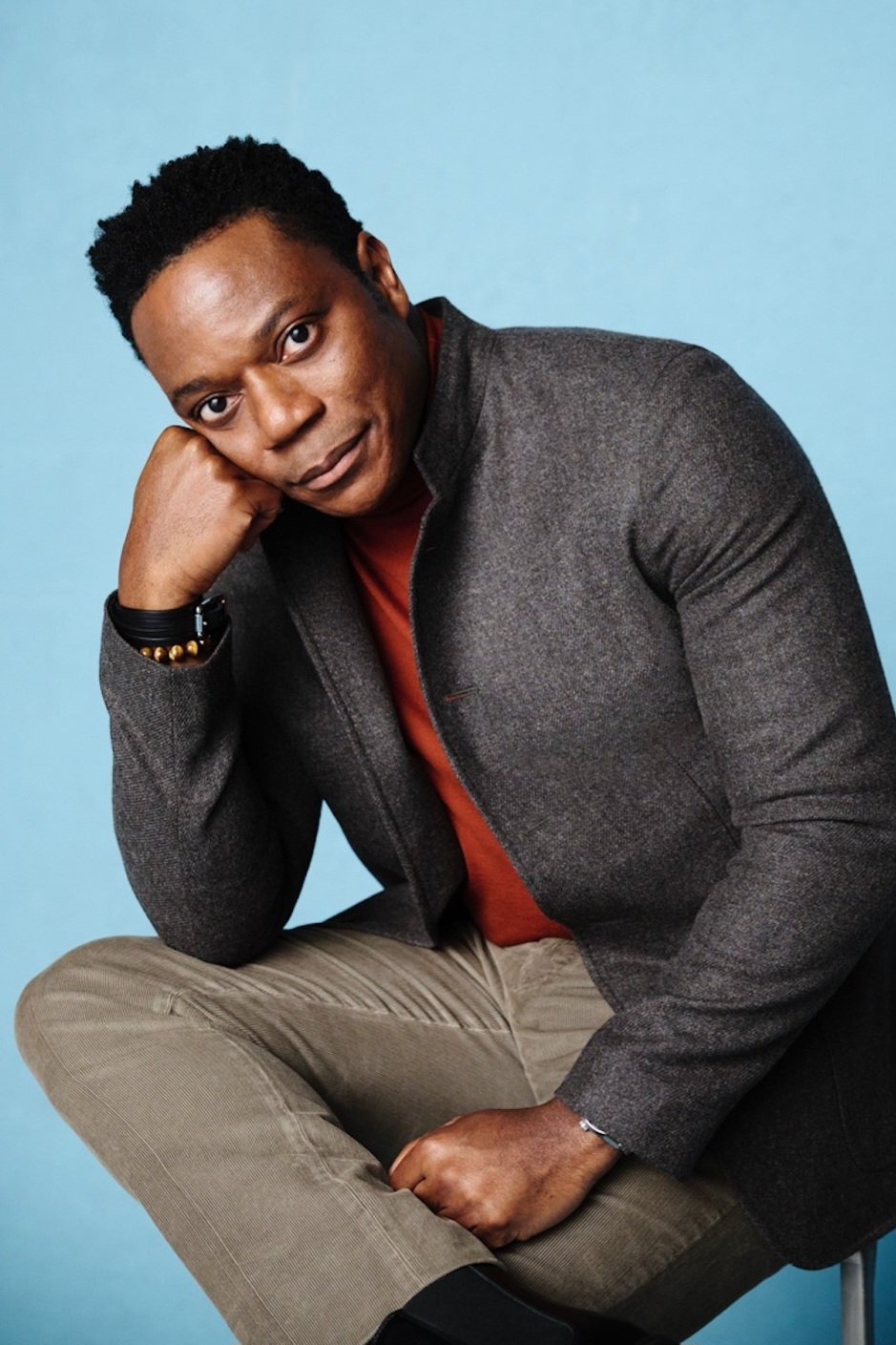
Iwuji’s classical stage background feeds into ‘Peacemaker’ and ‘Guardians of the Galaxy Vol. 3’, where he balanced heightened dialogue with emotional stakes. He switches between television and film while keeping articulation and breath control crisp. He prepares with text scans and vocal warmups that sustain long shooting days.
His screen presence comes from precise consonants and controlled gaze, which holds attention in tight coverage. He is frequently used to stabilize scenes with heavy exposition so that story information lands cleanly.
Share the names you would add in the comments so everyone can discover more great performances.