20 Best Third Installments in Movie Franchises


Sometimes the third movie keeps a story rolling without losing what made it work in the first place. These films prove a franchise can still deliver fresh ideas, bigger worlds, and confident craft by the time part three arrives. They expand characters, sharpen themes, and often become the entry that ties everything together for longtime fans.
From fantasy epics that closed landmark trilogies to animated adventures that found new emotional beats, these third installments show how a series can evolve while staying true to its core. Each pick below includes concrete details on release, cast, production, and legacy so you can see exactly how these films landed and why they still get talked about.
‘The Lord of the Rings: The Return of the King’ (2003)
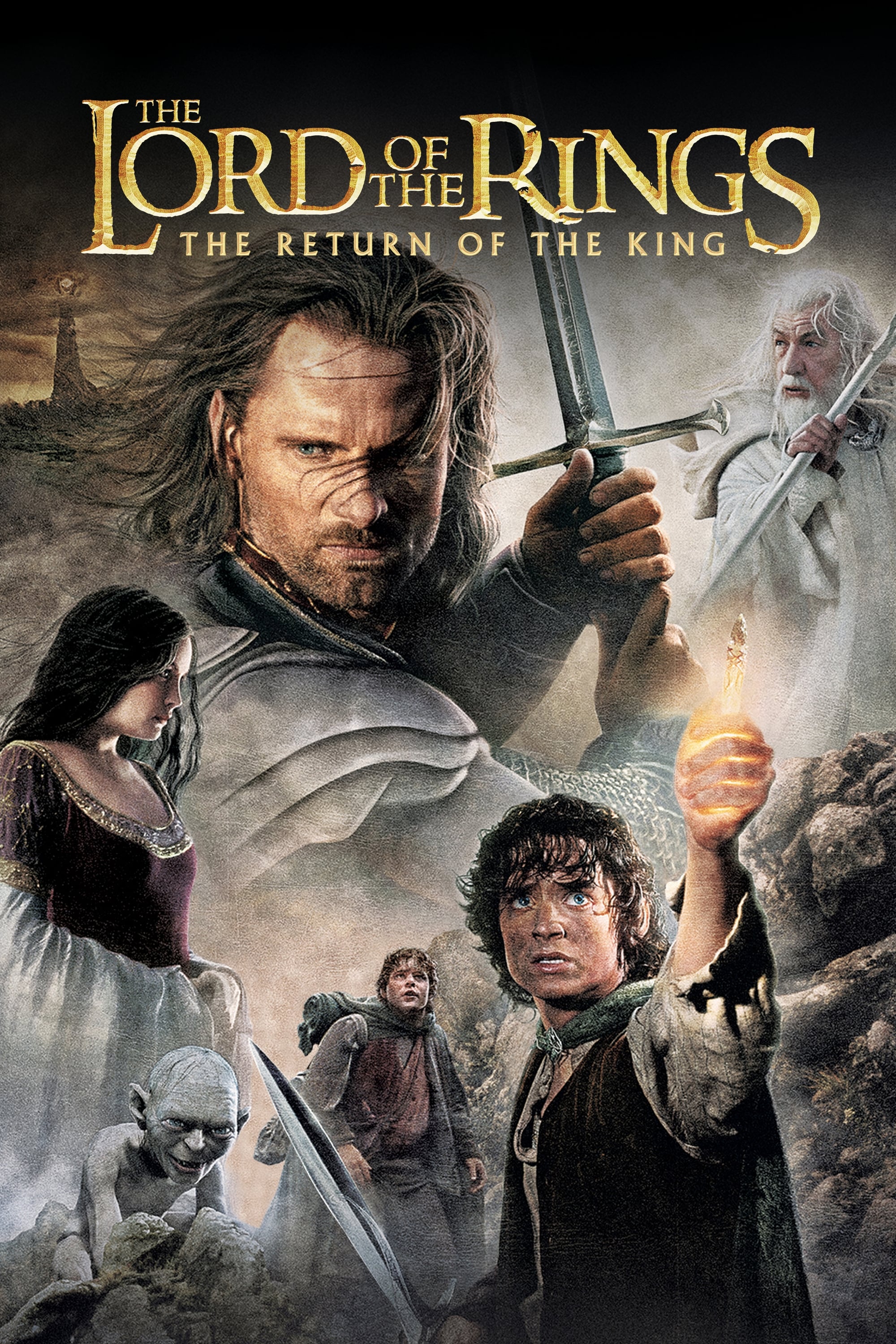
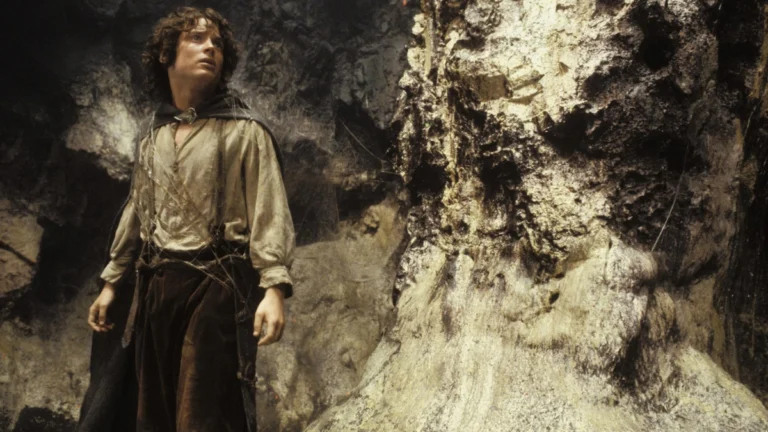
Peter Jackson directed the third chapter in the Middle earth trilogy, adapting the final volume of J. R. R. Tolkien’s work and completing principal photography across New Zealand as part of a multi year shoot. The film follows Frodo and Sam toward Mount Doom while Aragorn rallies Gondor, using large scale practical effects, miniatures, and motion capture alongside digital work by Weta Digital.
The movie premiered in December 2003 and won 11 Academy Awards, including Best Picture and Best Director, tying the record for most wins by a single film. It concluded a production that spanned more than 400 days of principal photography with an extensive post production schedule that refined the Extended Edition for home release.
‘Toy Story 3’ (2010)
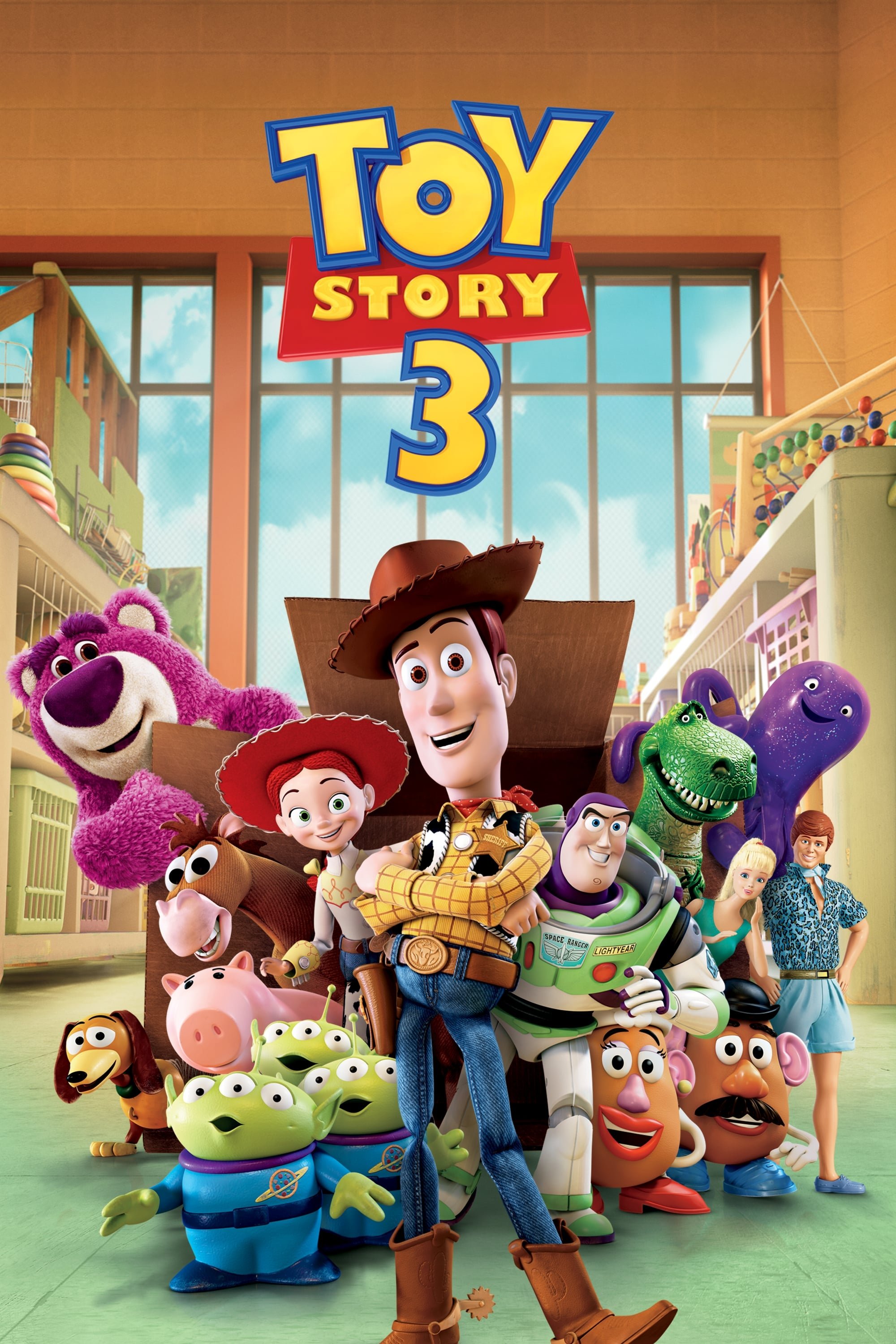
Pixar’s third entry was directed by Lee Unkrich and brings the toys to a daycare setting after Andy prepares to leave for college. The film uses advanced rendering for fabrics and lighting compared with the prior installments, while retaining voice performances by Tom Hanks and Tim Allen.
Upon release in June 2010, the film became a major box office success worldwide and received a Best Picture nomination at the Academy Awards. It won Best Animated Feature and continued the franchise with short films and merchandising that expanded the brand into new generations.
‘Indiana Jones and the Last Crusade’ (1989)
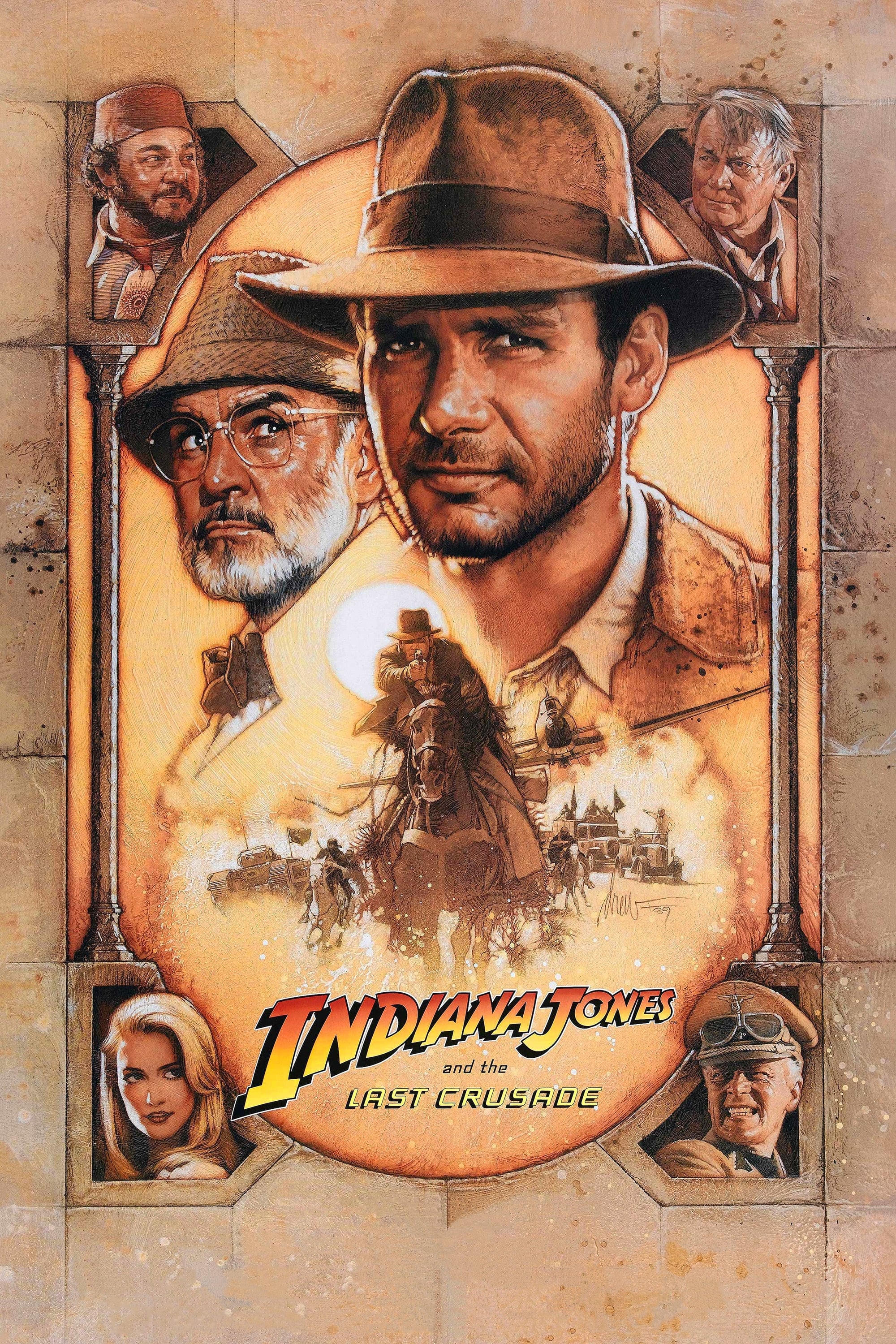
Steven Spielberg returned to direct with Harrison Ford reprising the title role and Sean Connery joining as Professor Henry Jones. The story tracks a search for the Holy Grail across Europe and the Middle East, using on location work in Venice and Petra along with large scale set pieces supervised by Industrial Light and Magic.
The film opened in May 1989 and became the highest grossing worldwide release of its year for the franchise. It introduced a younger Indiana in the prologue played by River Phoenix and cemented the father son dynamic that influenced later entries and television spinoffs.
‘Harry Potter and the Prisoner of Azkaban’ (2004)
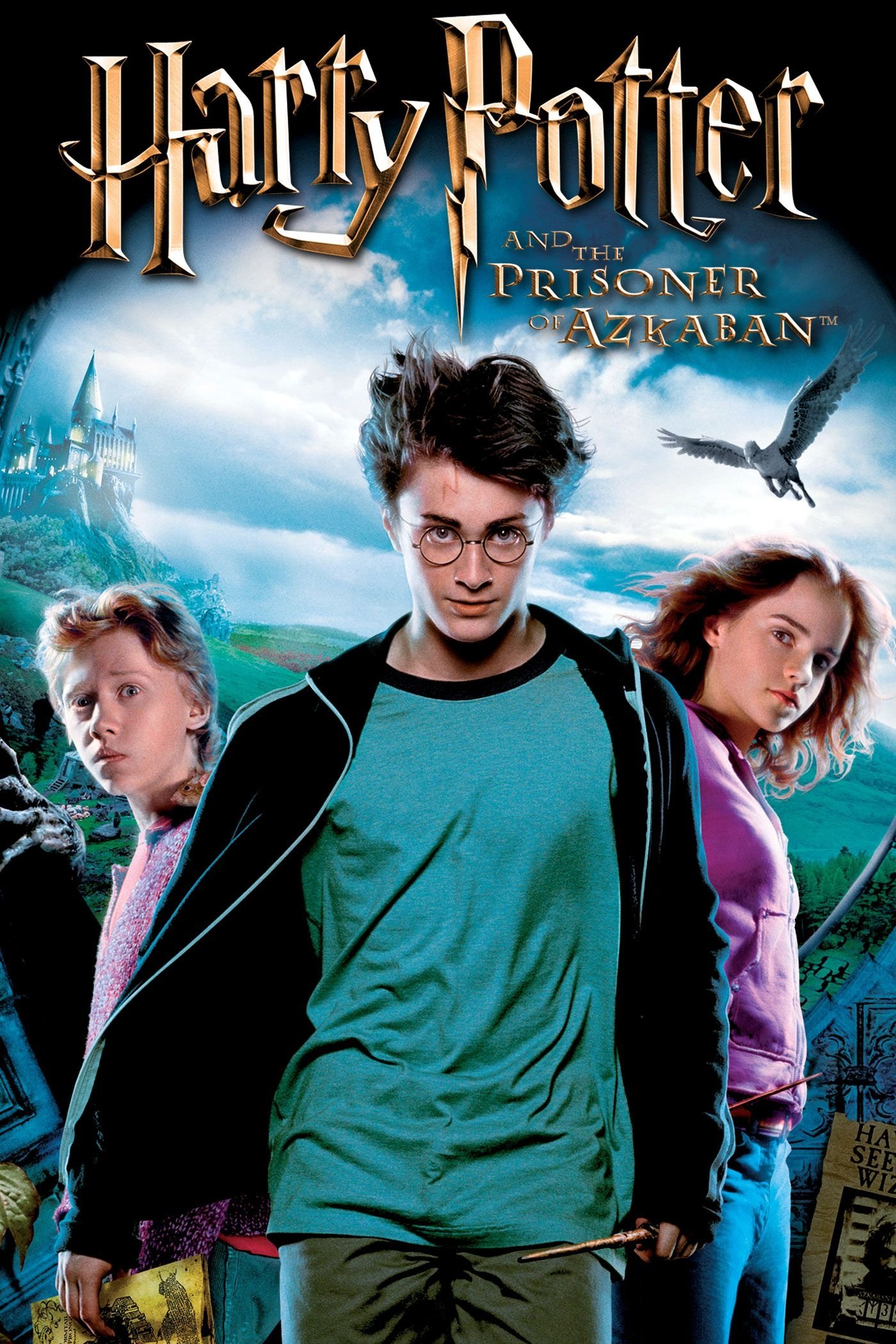
Alfonso Cuarón directed the third film in the series, shifting the visual style through handheld work, longer takes, and a cooler color palette. The plot centers on Sirius Black and the Dementors, with location filming that expanded Hogwarts grounds and updated costumes to a more everyday look for the students.
Released in 2004, the movie marked a creative transition that informed later installments and production design choices across the remainder of the series. It earned strong worldwide grosses and multiple awards for visual effects and music while keeping the main trio of Daniel Radcliffe, Emma Watson, and Rupert Grint in place.
‘The Bourne Ultimatum’ (2007)
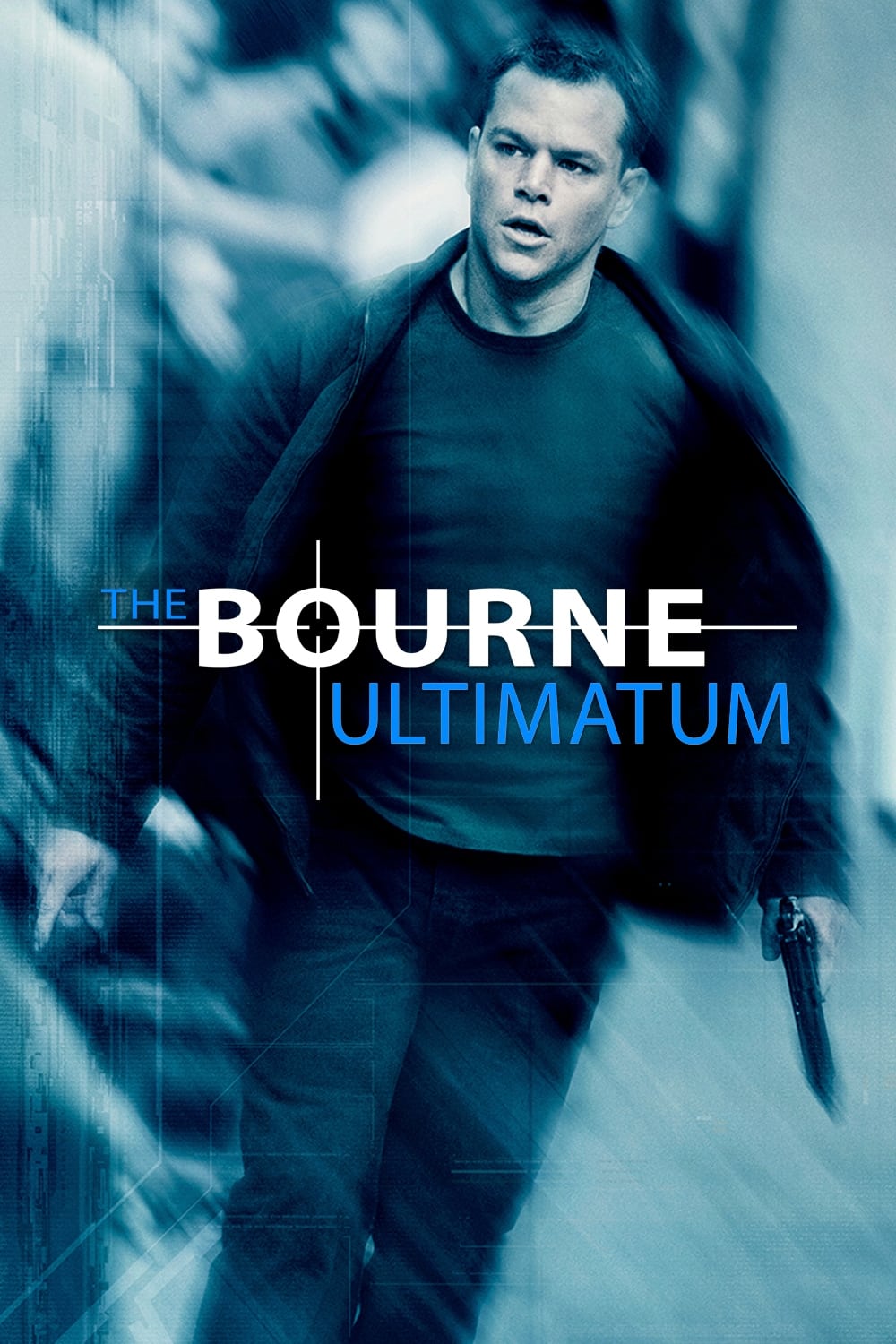
Paul Greengrass directed the third Jason Bourne film with Matt Damon returning as the lead. The production staged location shoots in Tangier, London, Madrid, and New York, using fast cutting and handheld camerawork that defined the franchise style.
The film released in 2007 and won Academy Awards for editing, sound mixing, and sound editing. It closed the initial trilogy while leaving room for later entries and became the highest grossing Bourne film at the time of its run.
‘Captain America: Civil War’ (2016)
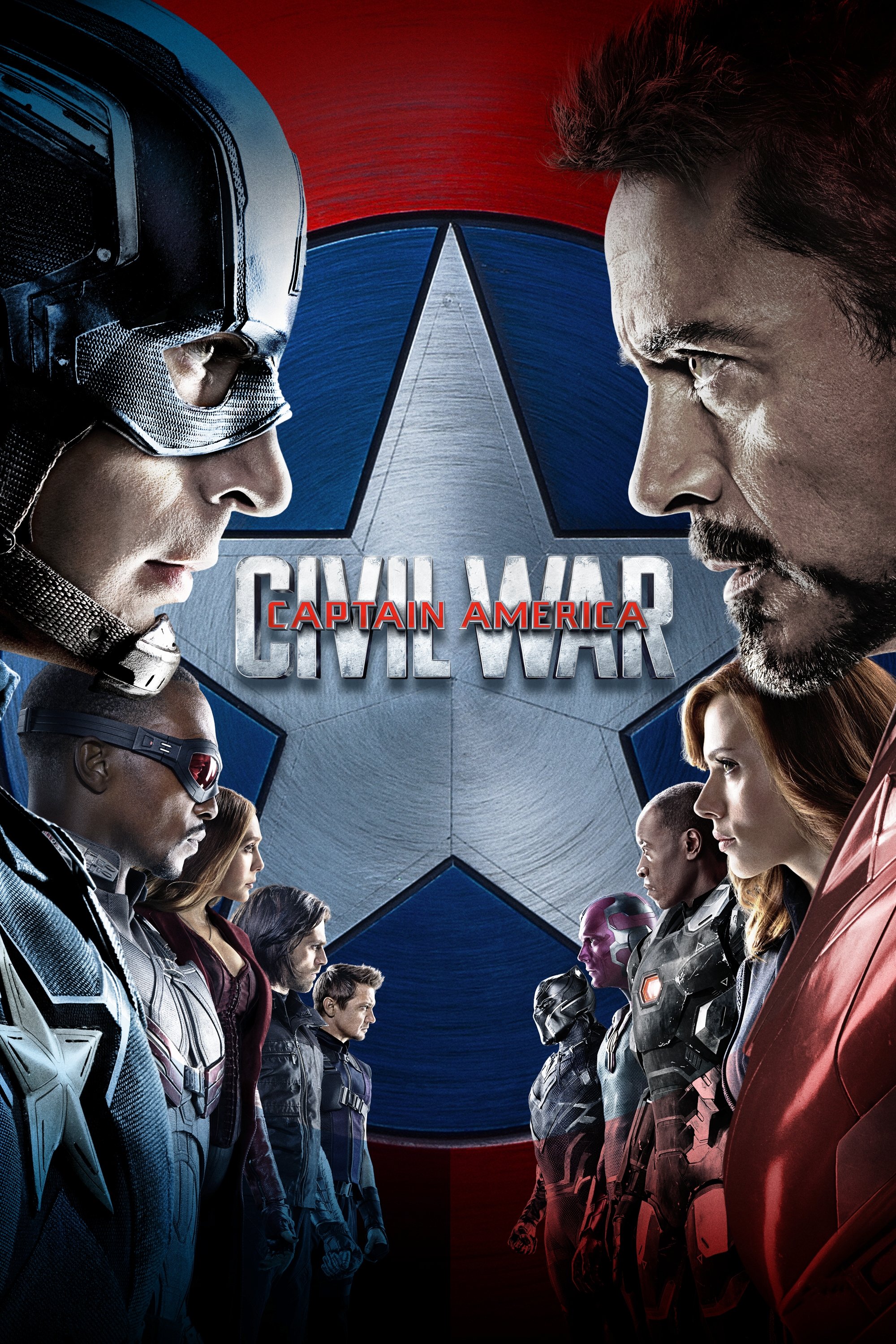
Anthony and Joe Russo directed the third Captain America film, adapting elements of the Civil War comics arc. The story brings a split among Avengers after an international incident, introducing T’Challa as Black Panther and incorporating Peter Parker into the series continuity.
Filming took place in Atlanta and locations across Germany with large ensemble sequences, including the airport set piece that required extensive digital work and stunt coordination. The movie released in 2016, led the summer box office worldwide, and set narrative threads that carried into later ensemble films.
‘Thor: Ragnarok’ (2017)
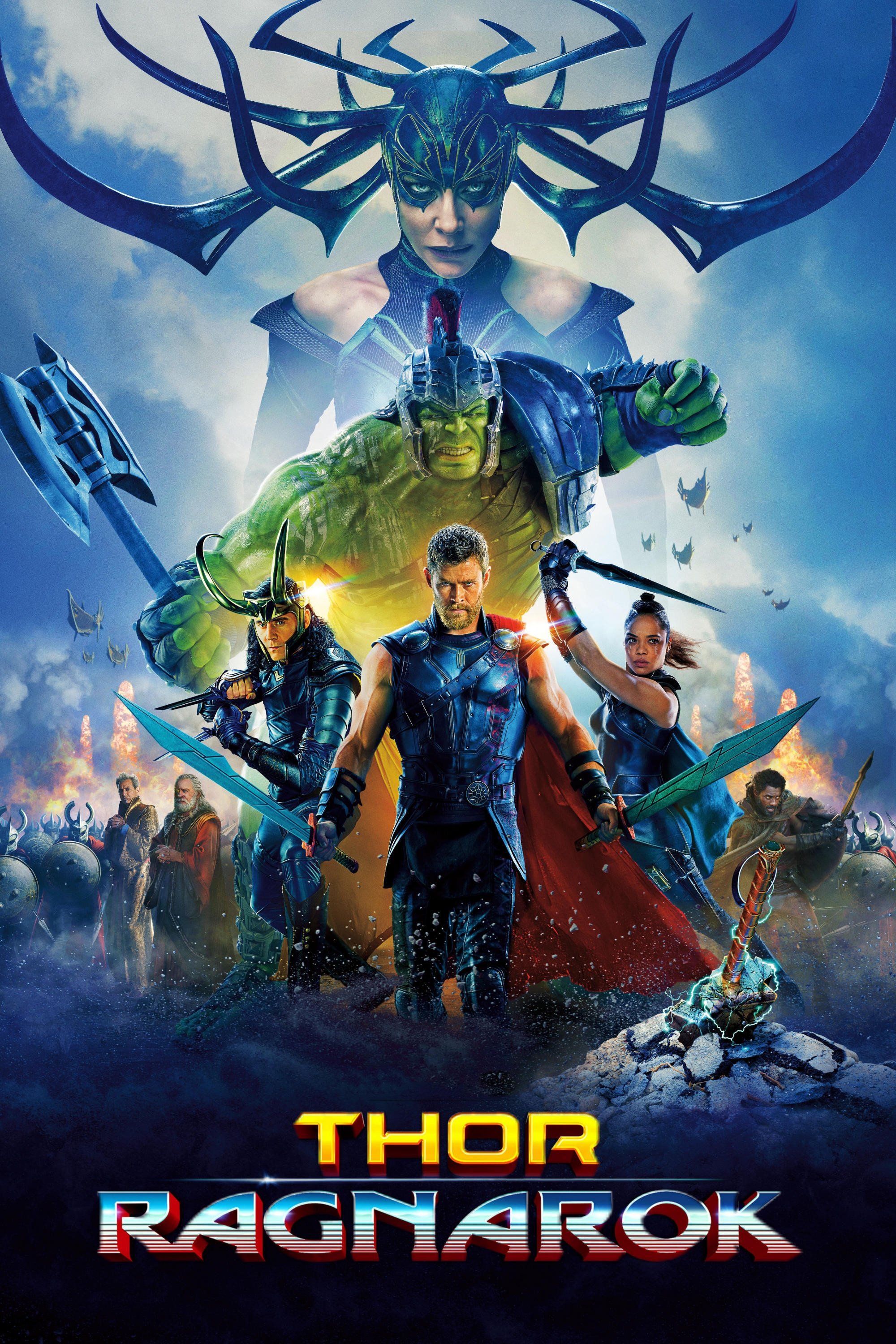
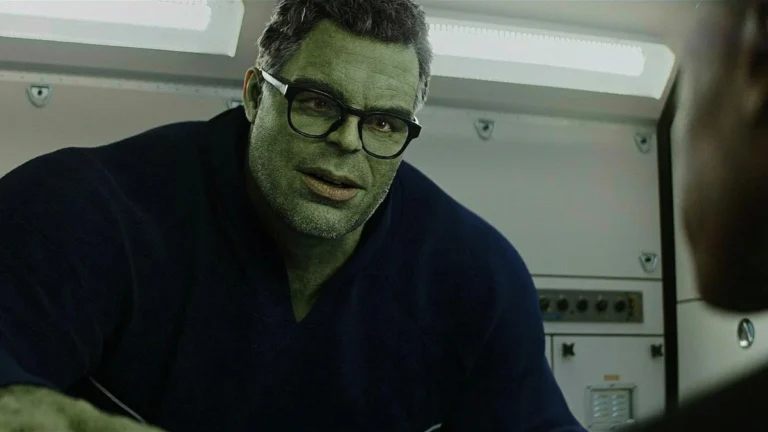
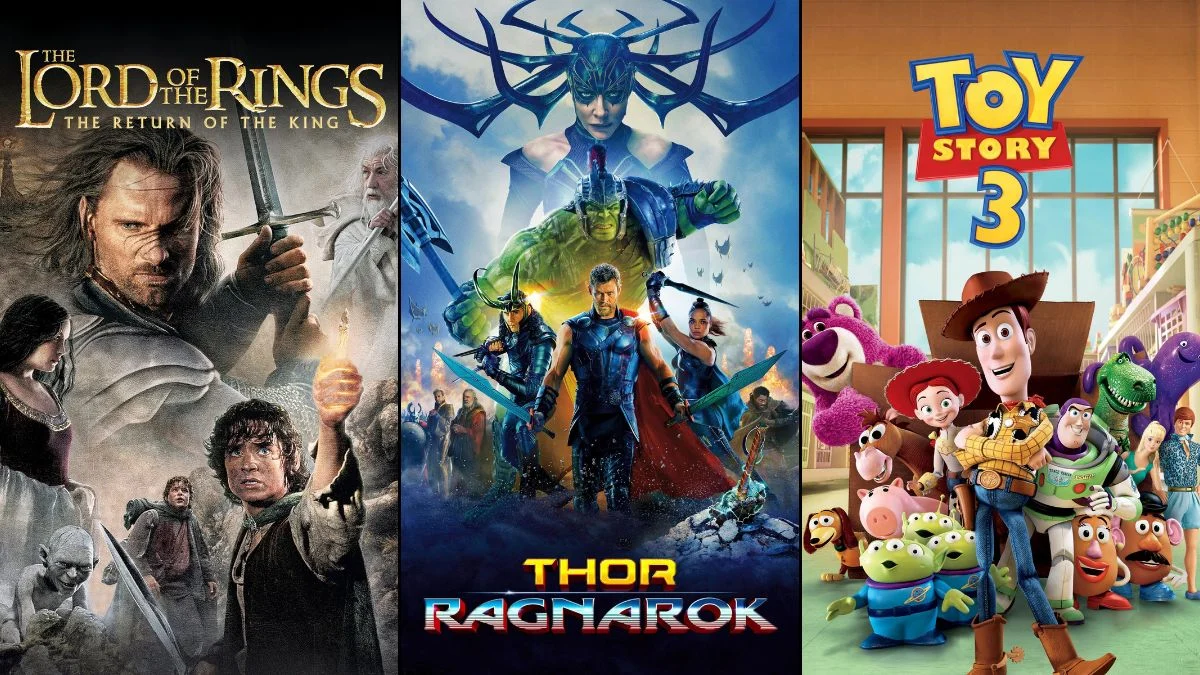
Directed by Taika Waititi, the third Thor film repositions the character through a planet hopping adventure that brings Thor and Hulk together outside Earth. The production drew on Jack Kirby inspired design, shot in Queensland, and used improvisation within planned action beats.
The film opened in 2017 and marked a significant box office jump for the character’s solo series. It also reshaped Asgard’s status in the wider universe and set up storylines that continued in subsequent ensemble appearances.
‘The Dark Knight Rises’ (2012)
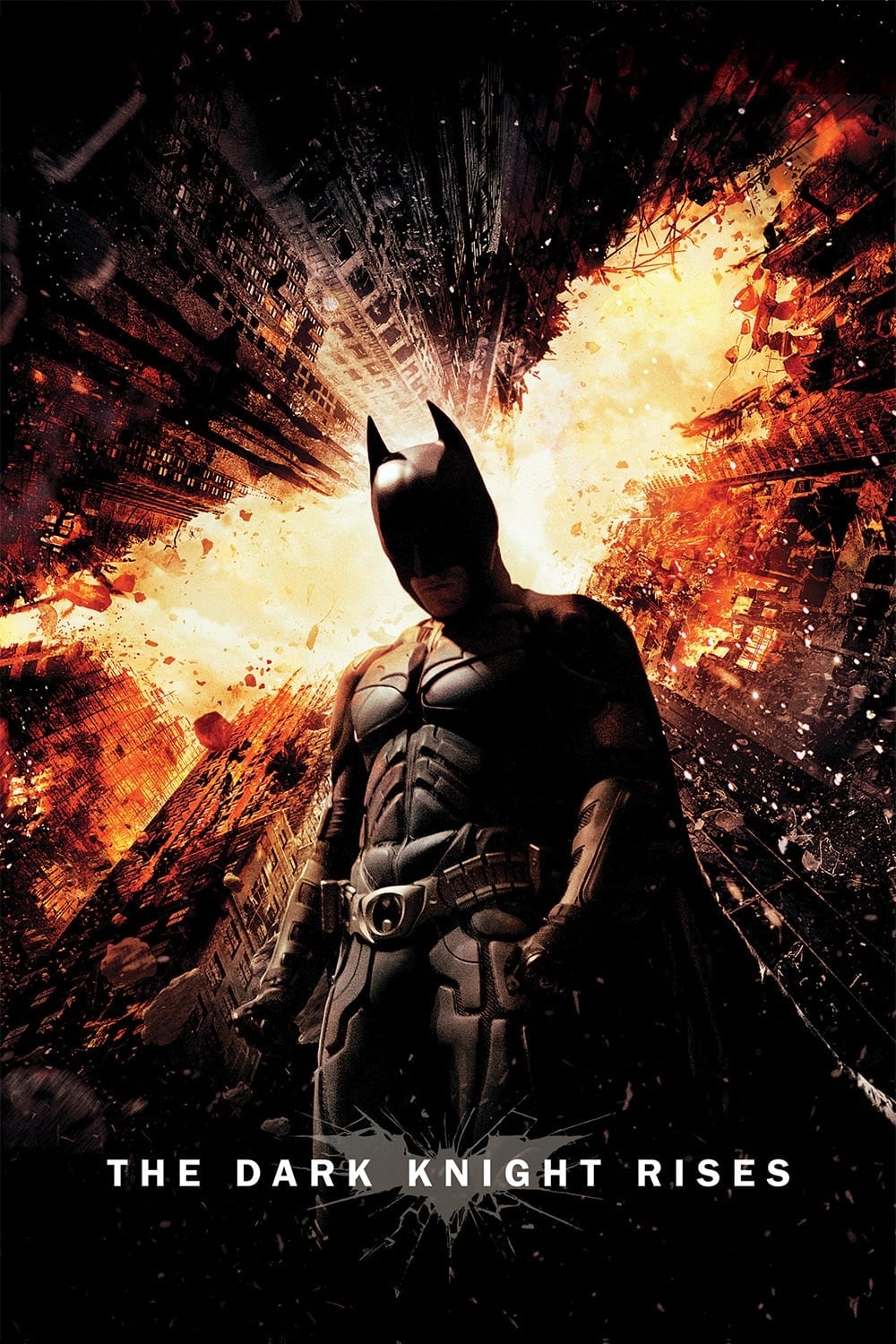
Christopher Nolan concluded his Batman trilogy with a story set eight years after the prior film. Christian Bale returned as Bruce Wayne, joined by Tom Hardy as Bane and Anne Hathaway as Selina Kyle, with large format IMAX capture used heavily for aerial and crowd scenes.
Filming spanned Pittsburgh, New York, Los Angeles, and locations in the United Kingdom, with practical stunts such as the opening aircraft sequence. Released in 2012, the movie crossed the billion dollar mark worldwide and completed Nolan’s self contained arc for the character.
‘Die Hard: With a Vengeance’ (1995)
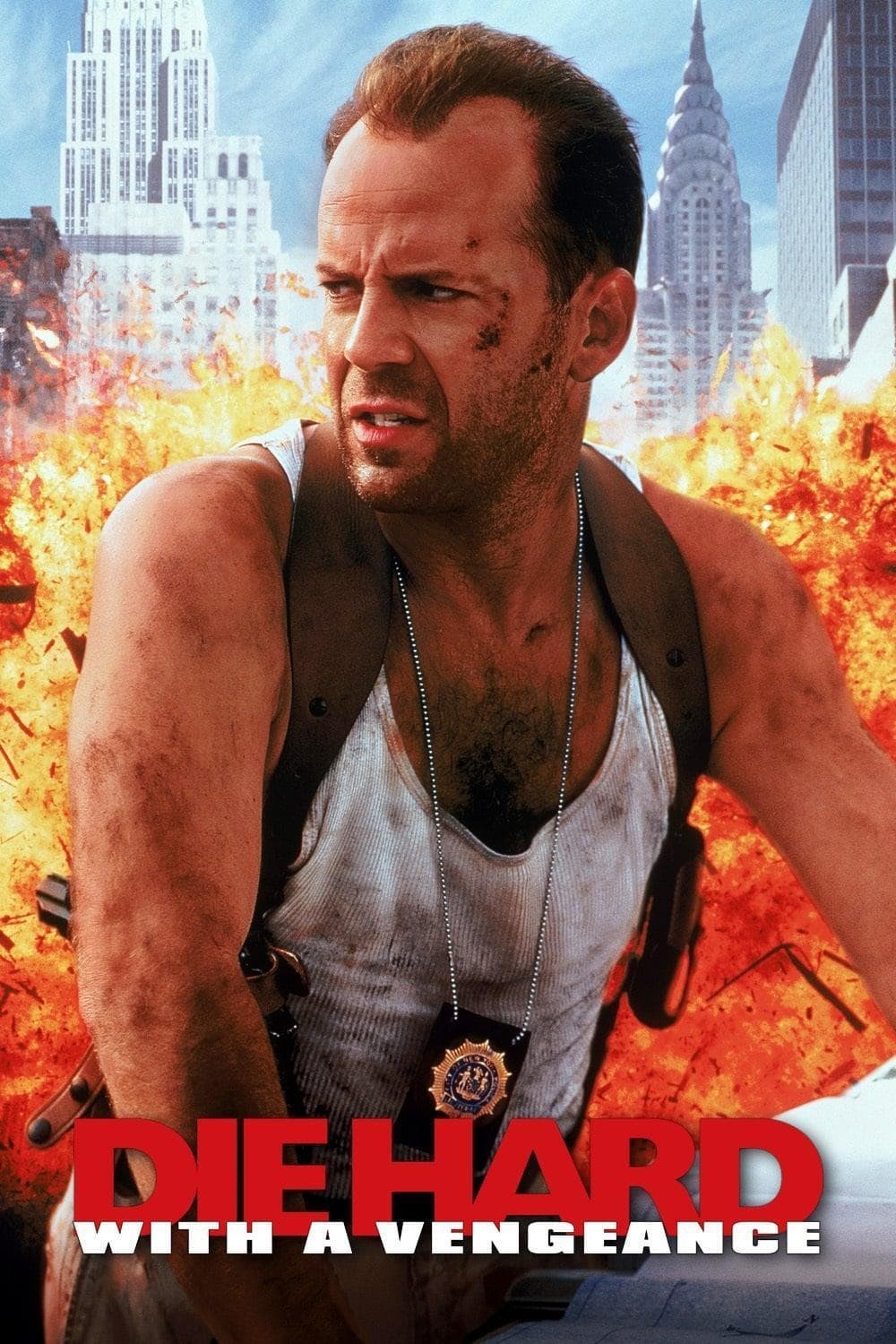
John McTiernan returned to direct the third film in the series with Bruce Willis reprising the role of John McClane. The plot moves the action through New York City across a single day as McClane is paired with Zeus Carver, played by Samuel L. Jackson, in a citywide set of tasks.
Released in 1995, the film became a major international success and shifted the series format from a single location to a city scale pursuit. It used second unit work for vehicle sequences and practical explosives for several set pieces.
‘Goldfinger’ (1964)

The third James Bond film starred Sean Connery and featured the Aston Martin DB5 with gadgets that became a series hallmark. Guy Hamilton directed, and the production used Pinewood Studios along with locations in Switzerland and the United States.
Premiering in 1964, the movie established many franchise staples including the pre title sequence and a memorable theme song performed by Shirley Bassey. It achieved strong box office performance globally and helped set the template for later Bond entries.
‘Rocky III’ (1982)
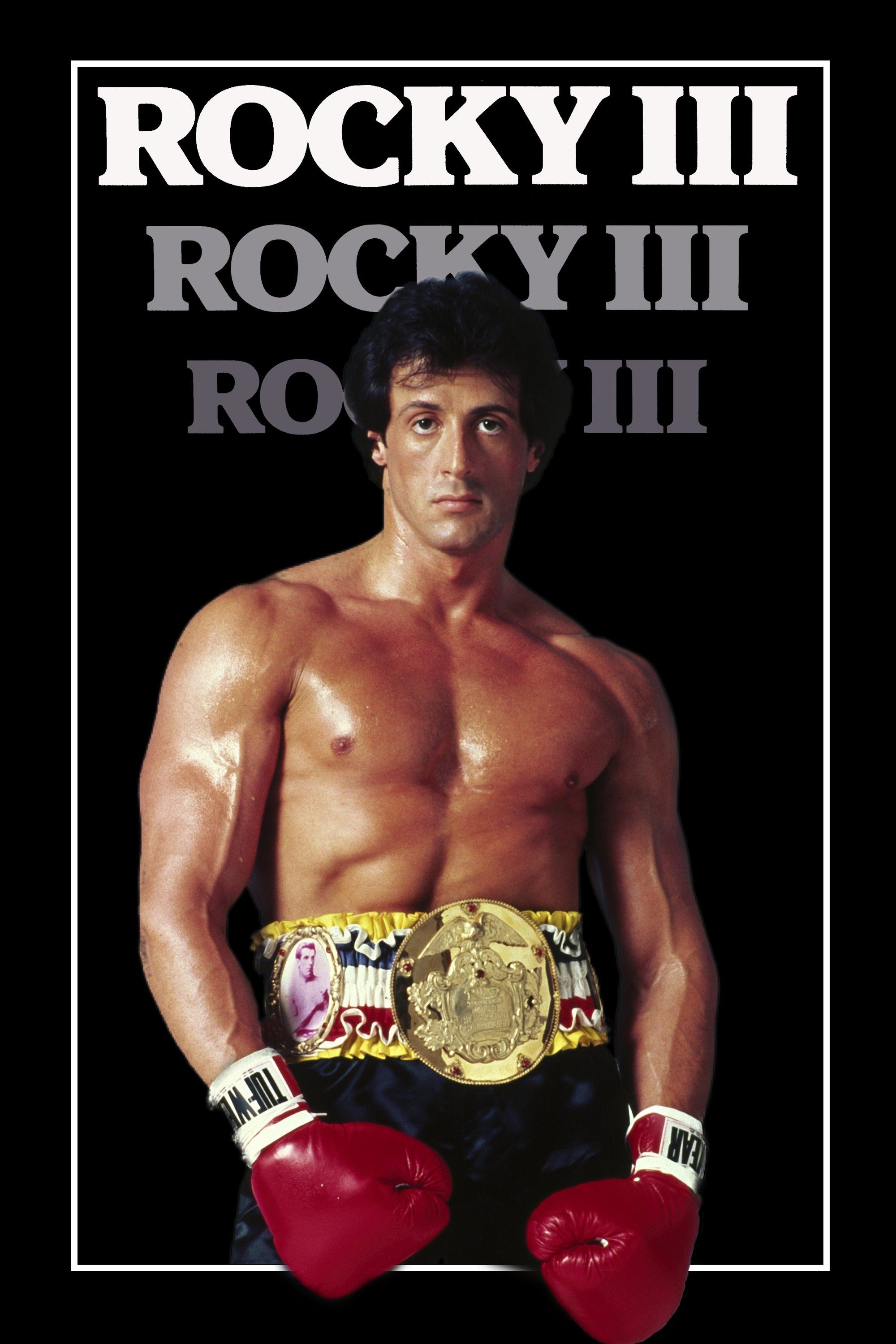
Sylvester Stallone wrote, directed, and starred in the third film, which introduces Clubber Lang as the challenger and shows Rocky seeking help from Apollo Creed. The production included a charity exhibition fight featuring Hulk Hogan as Thunderlips and training montages shot in Los Angeles.
Released in 1982, the film continued the series’ focus on title defenses and comebacks while adjusting the character’s public profile within the story. The song Eye of the Tiger became a chart hit tied to the film’s marketing and has remained associated with the franchise.
‘Mission: Impossible III’ (2006)
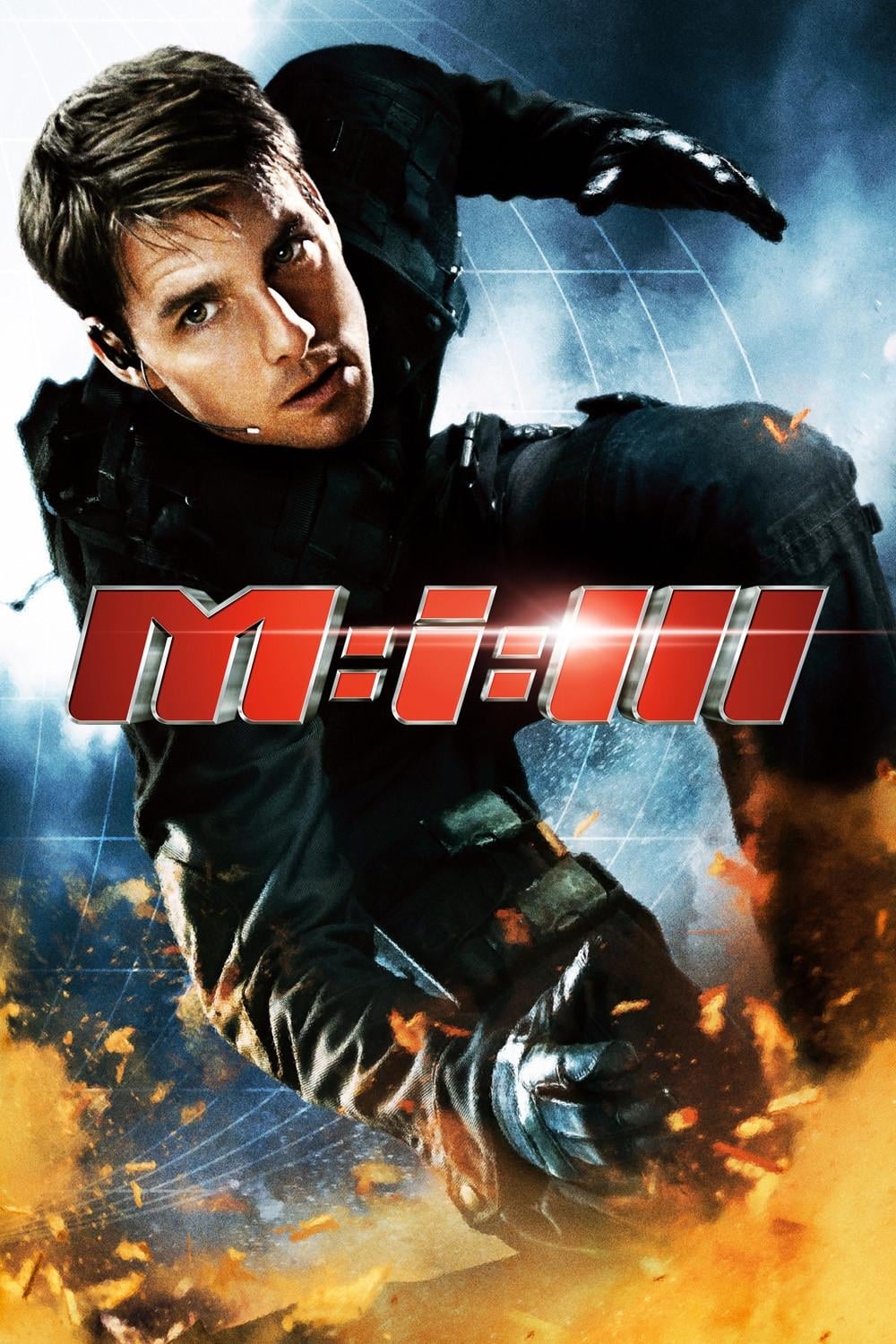
J. J. Abrams made his feature directing debut with this installment, bringing a stronger team dynamic around Ethan Hunt. The film cast Philip Seymour Hoffman as Owen Davian and used locations in Berlin, Rome, and Shanghai with complex practical stunts supported by digital augmentation.
Released in 2006, the movie stabilized the series after a long gap and set up continuing characters who returned in later films. It also introduced the personal stakes around Ethan’s life outside the IMF that the franchise continued to explore.
‘War for the Planet of the Apes’ (2017)
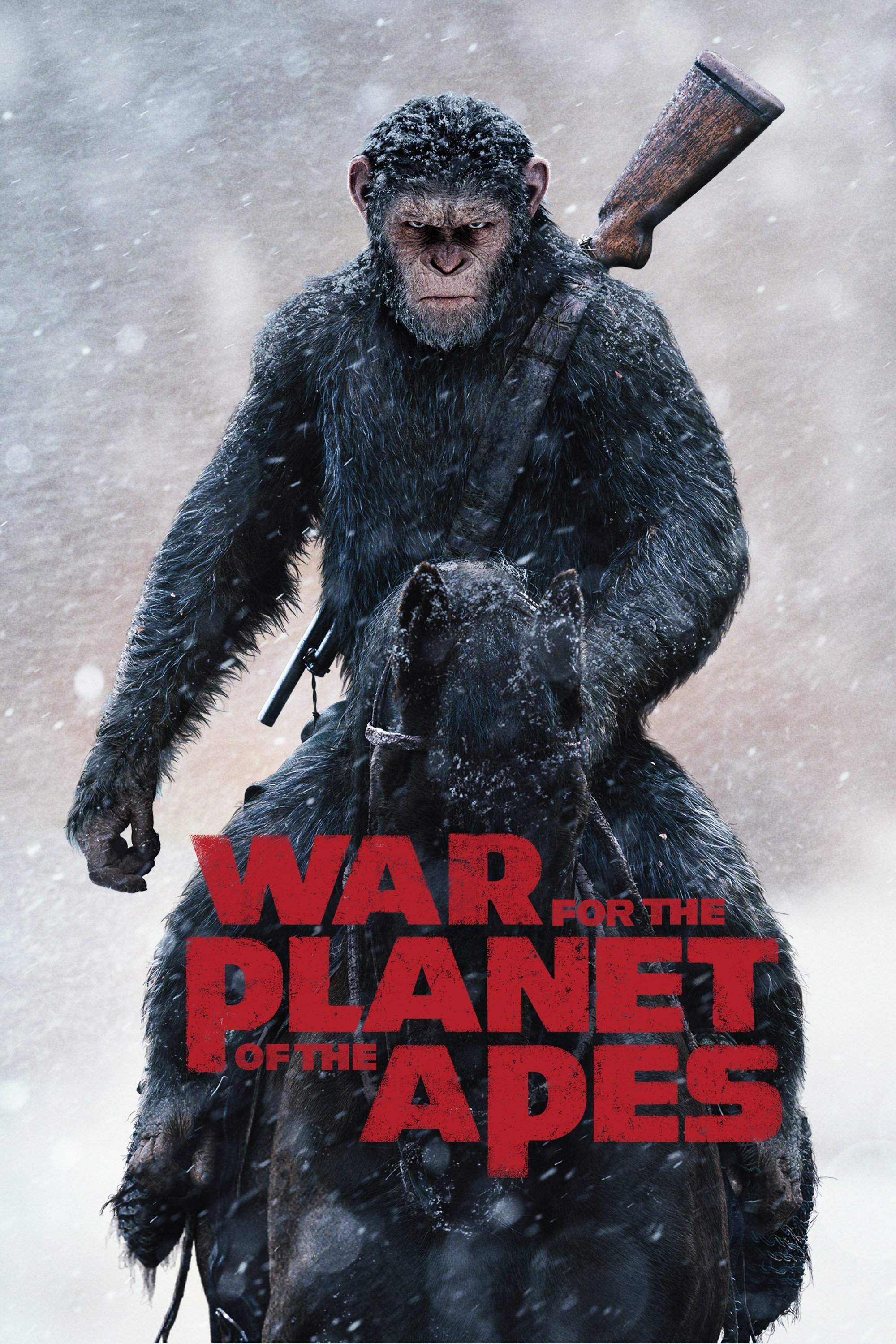
Matt Reeves directed the third film in the reboot cycle, continuing the story of Caesar as tensions escalate with human survivors. Performance capture advanced with new facial systems for outdoor environments, allowing Andy Serkis and the cast to deliver nuanced expressions in natural light.
The film opened in 2017 and earned strong critical and audience responses along with awards attention for visual effects. It closed a cohesive trilogy while leaving the setting open for later stories in the same continuity.
‘How to Train Your Dragon: The Hidden World’ (2019)
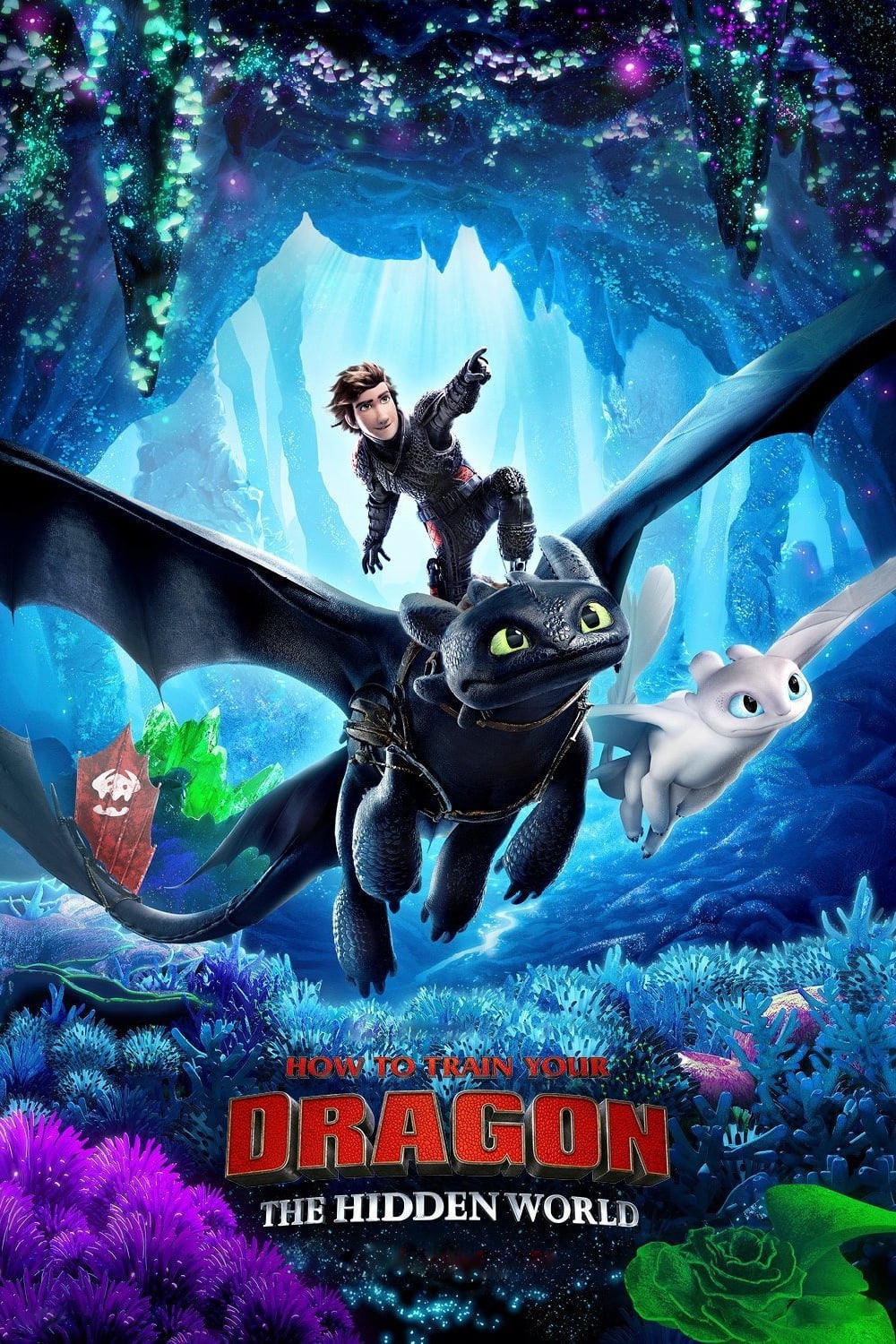
Dean DeBlois returned to direct the final entry in the animated trilogy, which explores the discovery of a hidden dragon refuge. The production upgraded lighting and rendering through DreamWorks technology that improved scales, fur, and atmospheric effects.
Released in 2019, the film performed strongly worldwide and completed character arcs established across two prior features and a television ecosystem. It supported a broad licensing program and kept the franchise active through shorts and streaming content.
‘The Good, the Bad and the Ugly’ (1966)
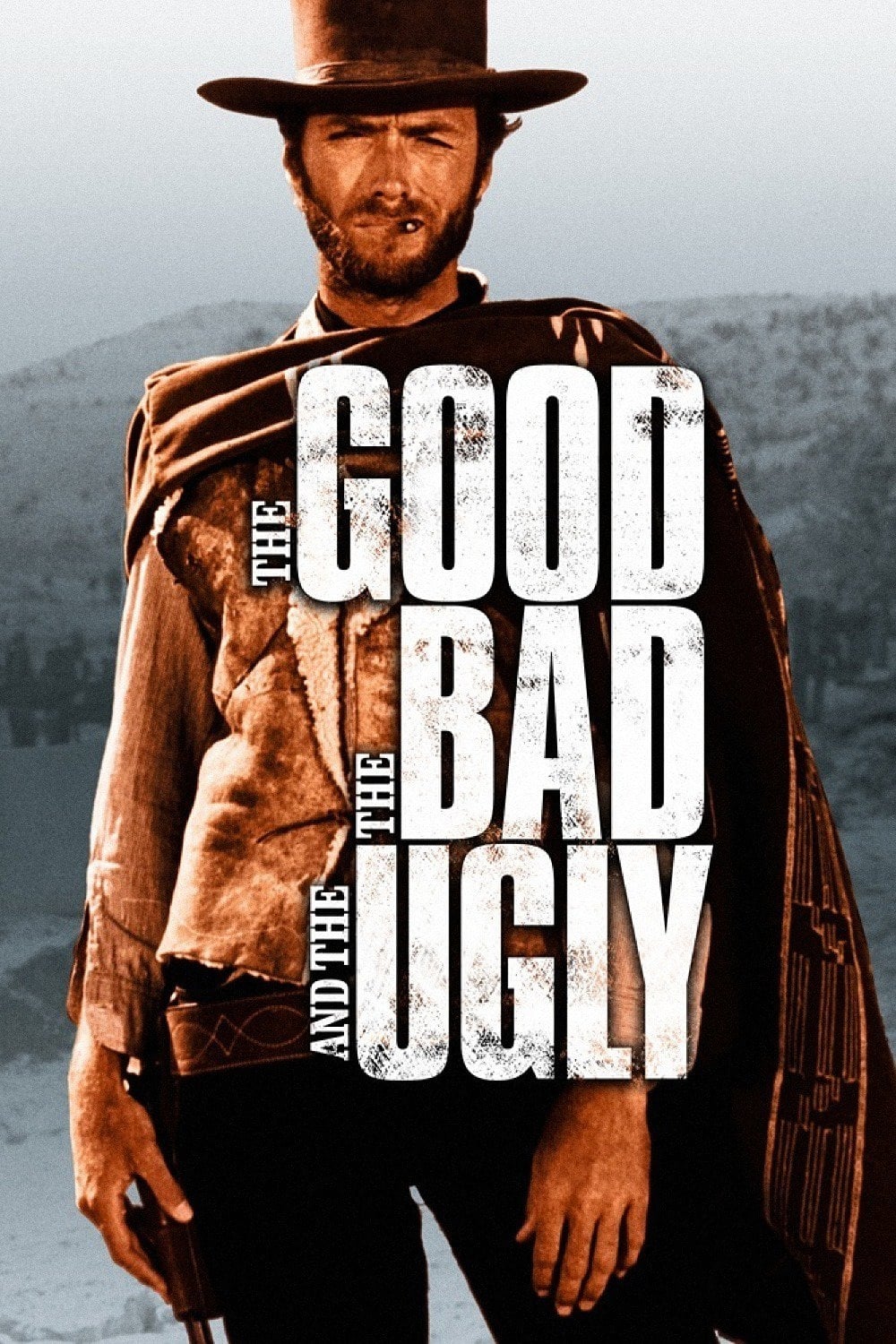
Sergio Leone’s third Dollars film stars Clint Eastwood, Lee Van Cleef, and Eli Wallach in a story set against the American Civil War. The production filmed largely in Spain with Ennio Morricone’s score becoming one of the most recognizable in cinema.
The 1966 release later received restored versions for international distribution, expanding its reach beyond initial markets. Its use of extreme close ups and wide compositions influenced later westerns and action filmmaking techniques.
‘Star Trek Beyond’ (2016)
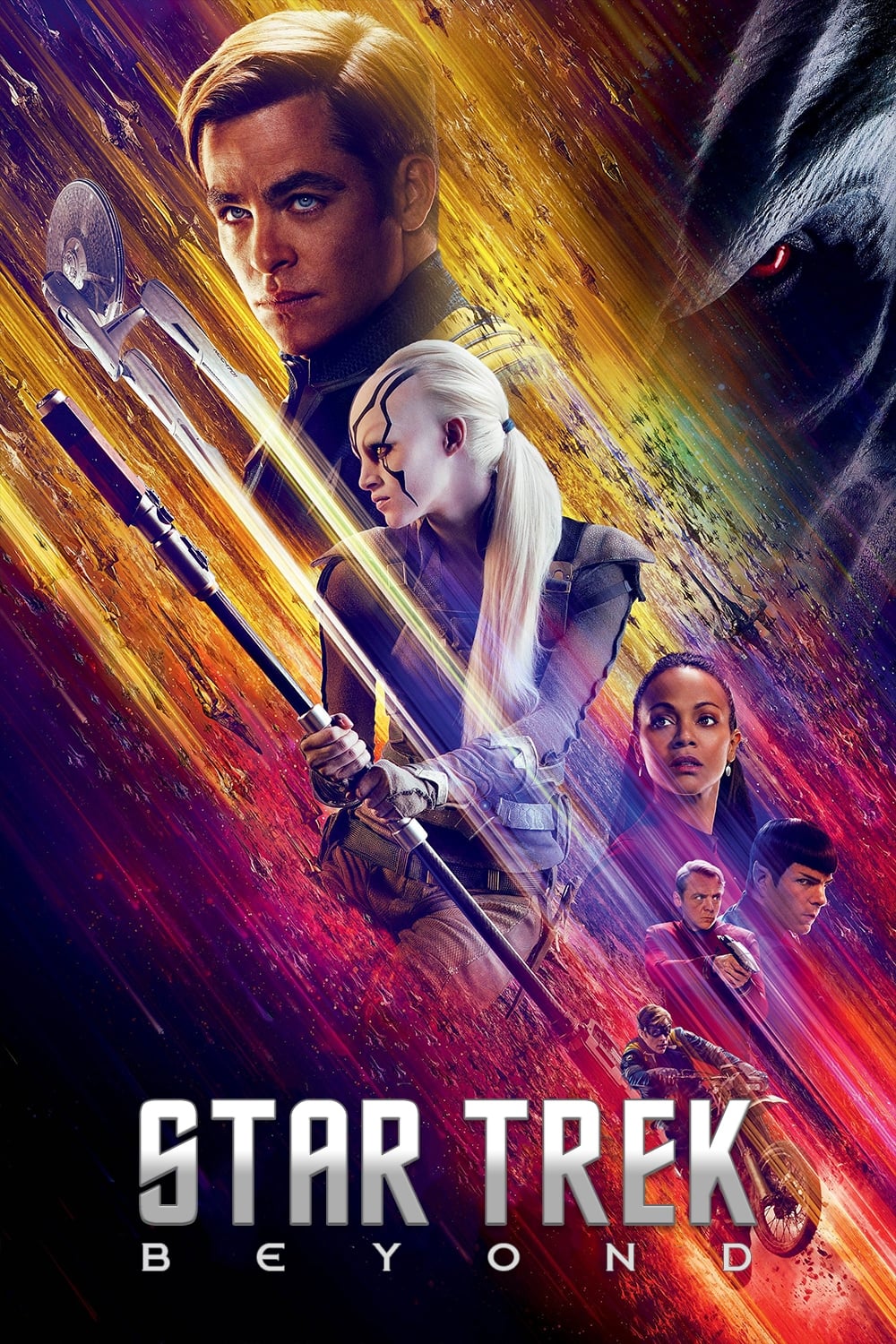
Justin Lin directed the third film in the Kelvin timeline, with a script credited to Simon Pegg and Doug Jung. Production used large outdoor sets in Vancouver and built extensive alien environments, while Idris Elba joined as Krall.
The movie released in 2016 during the franchise’s fiftieth anniversary year. It emphasized exploration with a new starbase setting and continued character arcs that started in the 2009 reboot and its sequel.
‘Before Midnight’ (2013)
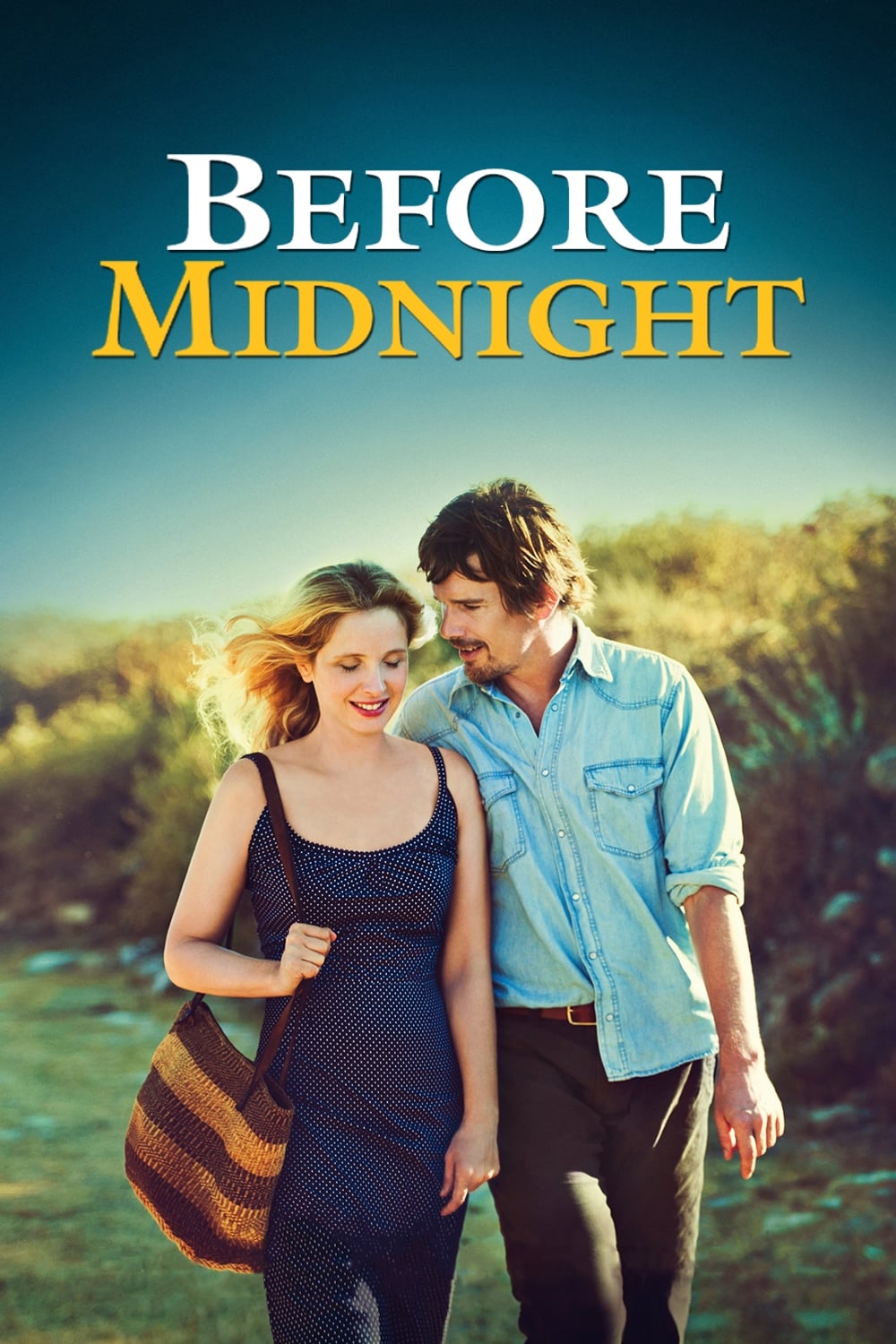
Richard Linklater’s third film in the dialogue driven trilogy reunites Ethan Hawke and Julie Delpy as Jesse and Celine nine years after the prior chapter. The production shot on location in Greece and continued the long take approach that defines the series.
Released in 2013, the film earned awards recognition for screenplay and performances. It extends the real time aging experiment that began in the mid 1990s and documents another life stage for the pair.
‘A Nightmare on Elm Street 3: Dream Warriors’ (1987)
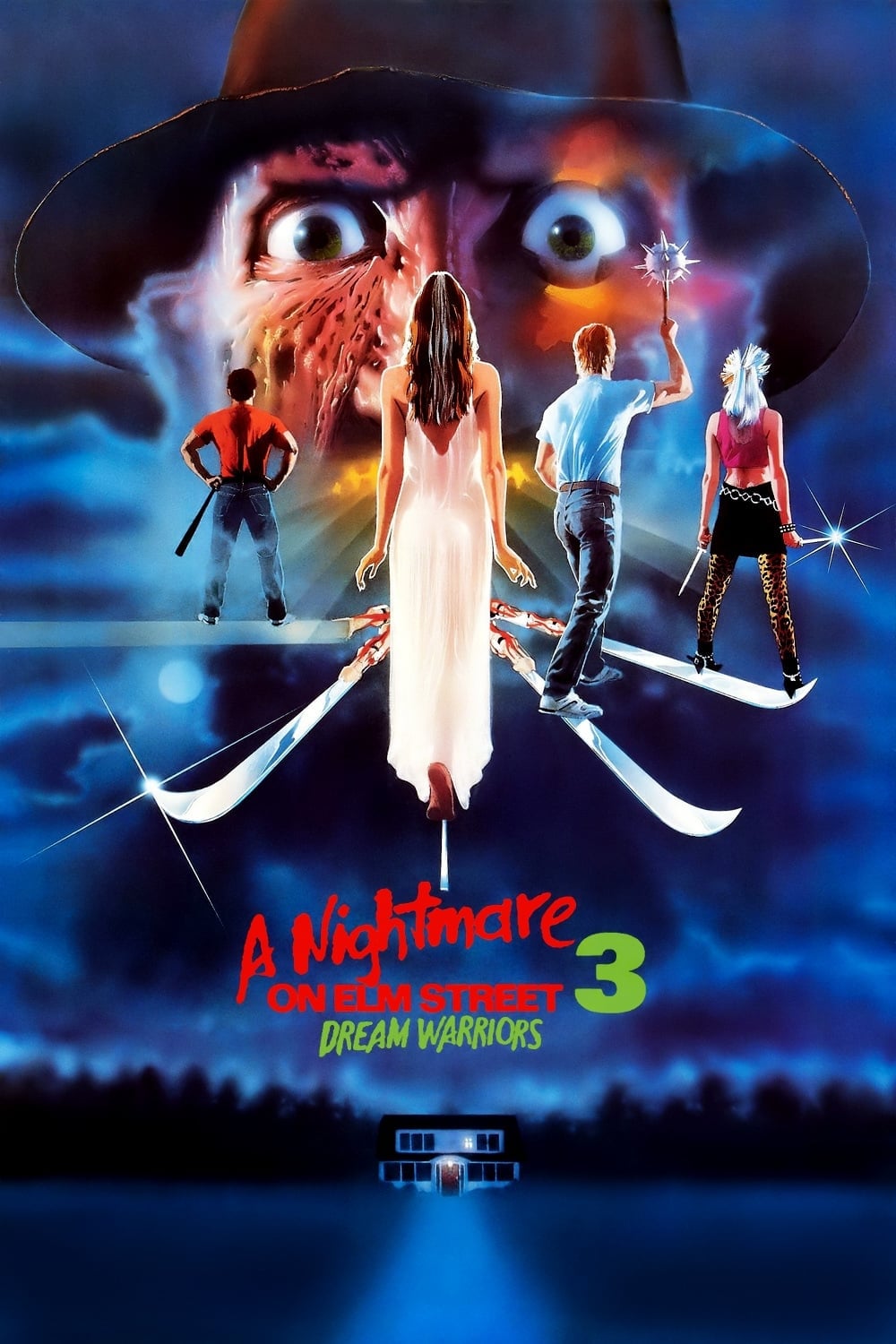
The third entry brought back Heather Langenkamp as Nancy Thompson and continued the story with a group of teenagers in a psychiatric hospital. Chuck Russell directed, and the production relied on practical effects for dream sequences, including elaborate creature work and sets.
Premiering in 1987, the film became a commercial rebound for the franchise and introduced lore elements such as the Dream Warriors concept. It also featured early work by future industry figures who contributed to the effects and writing.
‘Logan’ (2017)
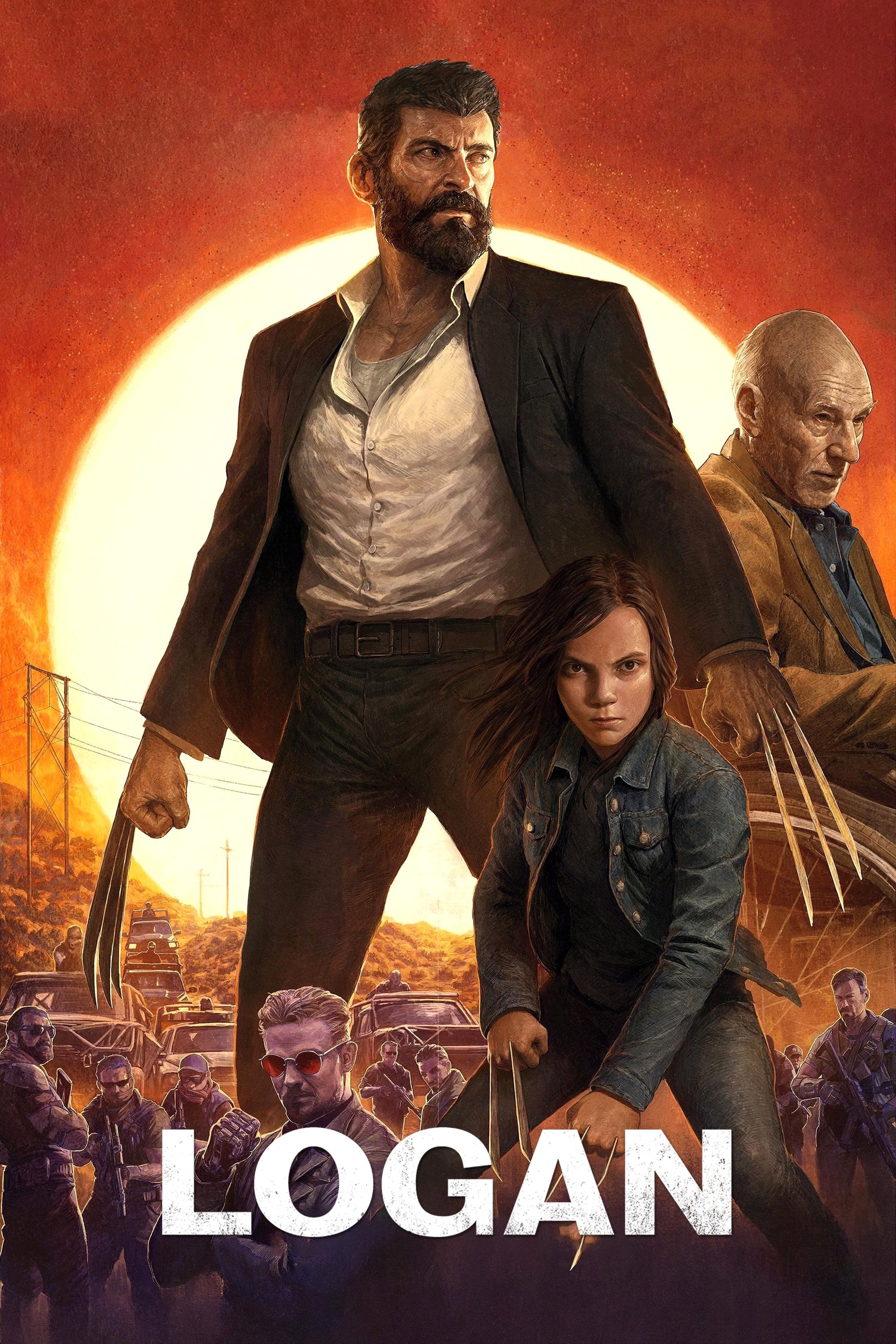
James Mangold directed the third Wolverine standalone film, set in 2029 with a focus on an aging Logan and Professor X. The production used New Mexico and Louisiana locations and presented Laura, also known as X 23, as a key character.
Released in 2017 with a rating for mature audiences, the movie earned strong international grosses and a screenplay nomination at the Academy Awards. It concluded the character’s arc within that continuity while existing alongside other entries in the larger series.
‘The Return of the Pink Panther’ (1975)
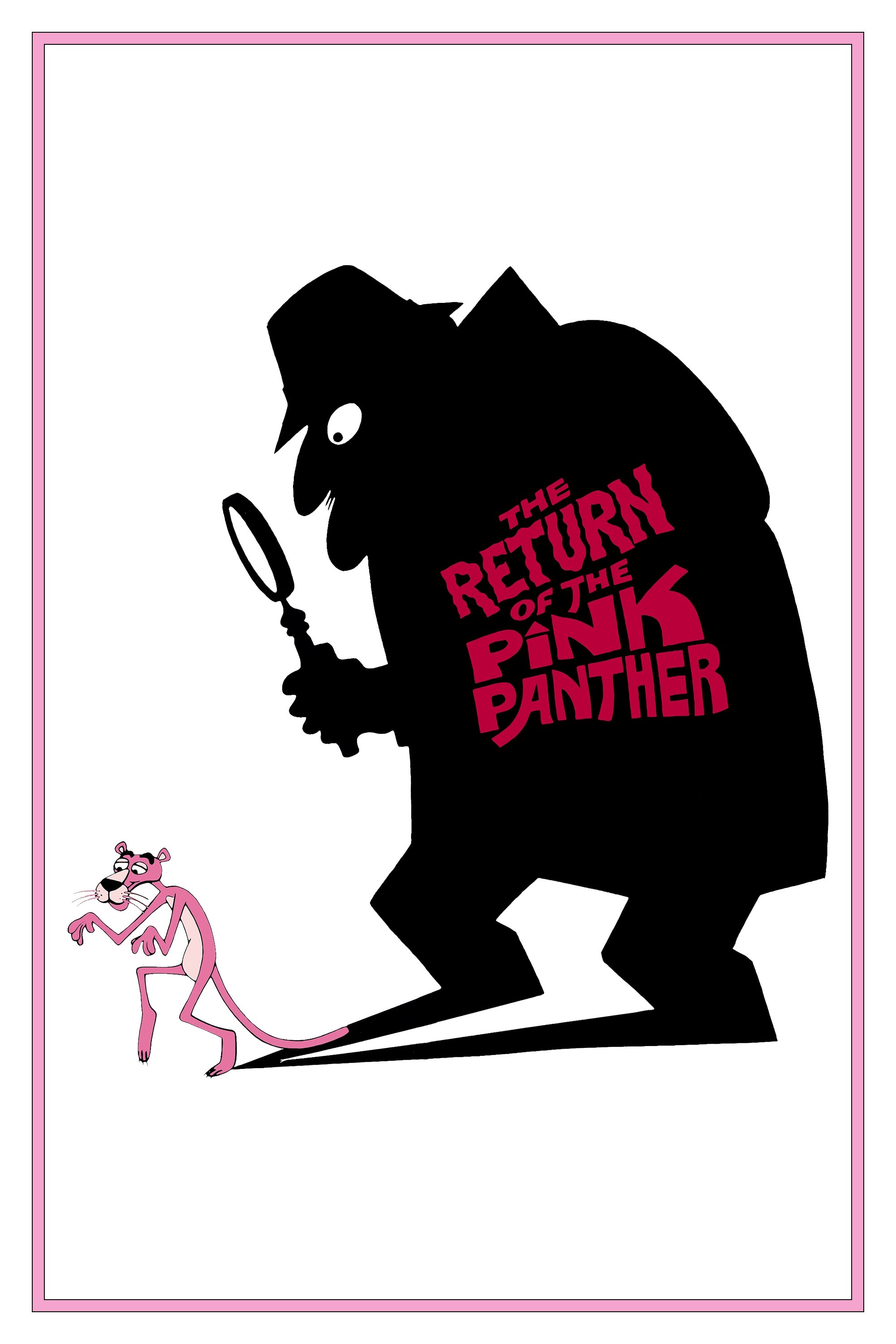
Peter Sellers returned as Inspector Clouseau after more than a decade since his previous appearance in the role. Blake Edwards directed, and the film’s plot revolves around the theft of the Pink Panther diamond, with location shoots that included Switzerland and Morocco.
The 1975 release revived the series at the box office and led directly to follow up entries with the same creative team. The character’s popularity expanded into television and continued reissues that kept the property active for years.
Share your favorites in the comments and tell us which third installments you think deserve a spot here.