10 Things You (Probably) Didn’t Know About ‘Star Wars Episode IV: A New Hope’


Long before it became a global touchstone, ‘Star Wars Episode IV: A New Hope’ was a risky production that pushed new ideas in filmmaking. The team behind it built tools, invented techniques, and made choices that shaped how modern blockbusters are made and heard in theaters today.
These behind the scenes details explain how the movie looked and sounded the way it did, where the crew filmed key scenes, and why certain choices stayed with the series for years. You will also see how business decisions around the film changed the industry that supports big budget storytelling.
There was no Episode IV in the original 1977 release
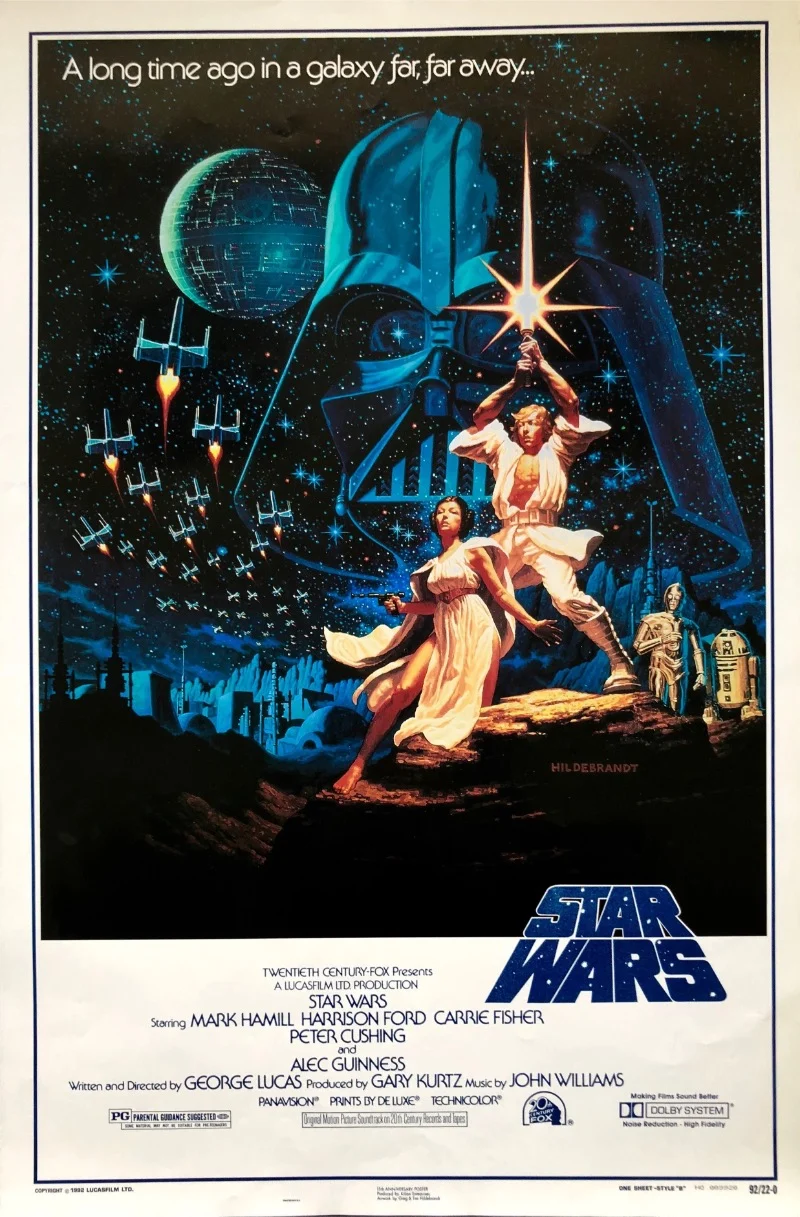
When the film opened in 1977 the on screen title card read only ‘Star Wars’. The words Episode IV and A New Hope were not added to the opening crawl until a later theatrical reissue after ‘The Empire Strikes Back’ arrived and the larger saga structure was established.
This change aligned the first film with the numbering that the creative team had begun to map out for future installments. Home video releases and later theatrical versions have carried the Episode IV and A New Hope language ever since, which is why many viewers today assume it was always there.
The opening crawl was filmed with a physical camera move
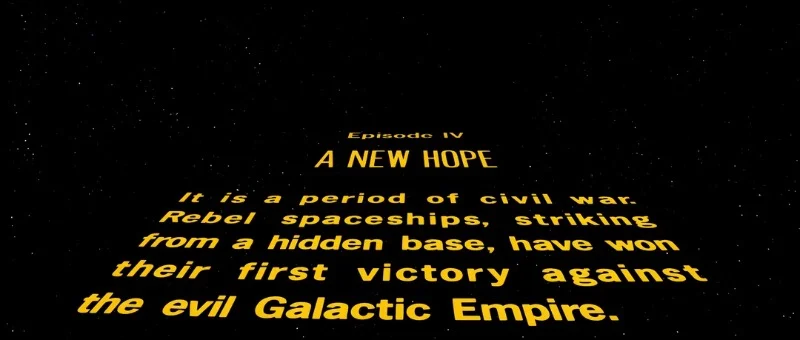
The famous crawl was created by printing long strips of text on a physical board and moving a camera slowly over the artwork. The team adjusted lens choices and the angle of the text to keep the letters readable while they receded into the simulated distance.
Small tweaks during the shoot prevented jitter and warping. Multiple passes were photographed to composite stars and other elements, which is why the crawl holds steady and legible even before digital tools were available.
A new motion control camera system made the space battles possible
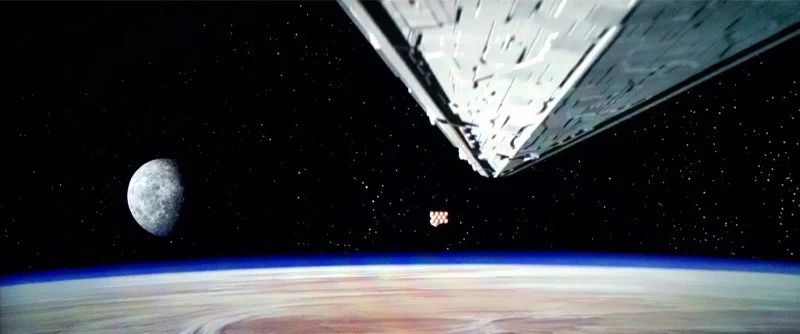
To choreograph repeatable spaceship shots the effects crew built the Dykstraflex motion control system. It allowed a computer to program precise camera moves that could be repeated for different lighting passes like matte, highlights, and engine glow.
These repeatable moves let artists composite several layers into one clean shot. The approach set a template for visual effects work that other productions used throughout the late seventies and eighties.
Lightsaber and blaster sounds came from real world recordings
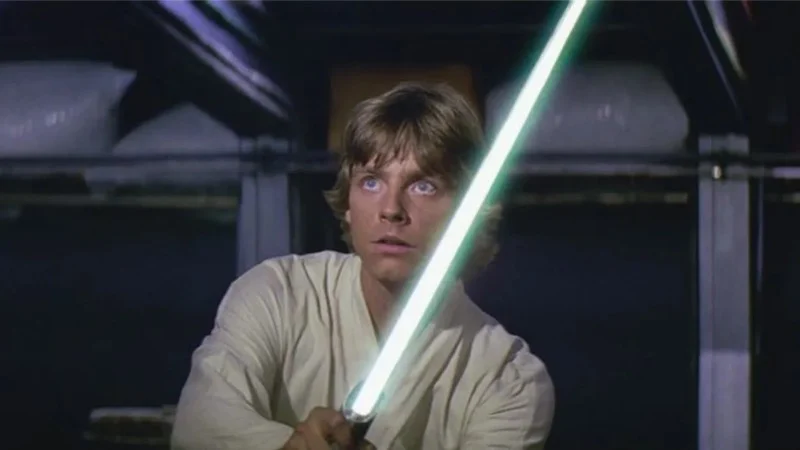
The signature lightsaber hum combined the sound of a film projector motor with interference from a stripped microphone cable near a television set. Swinging the microphone past a speaker created natural pitch shifts that sold the sense of movement.
Blaster fire was recorded by striking tensioned guy wires with a small object to create a sharp resonant twang. These recordings were cataloged and edited to match specific weapons so that different blasters carried slightly different timbres in the final mix.
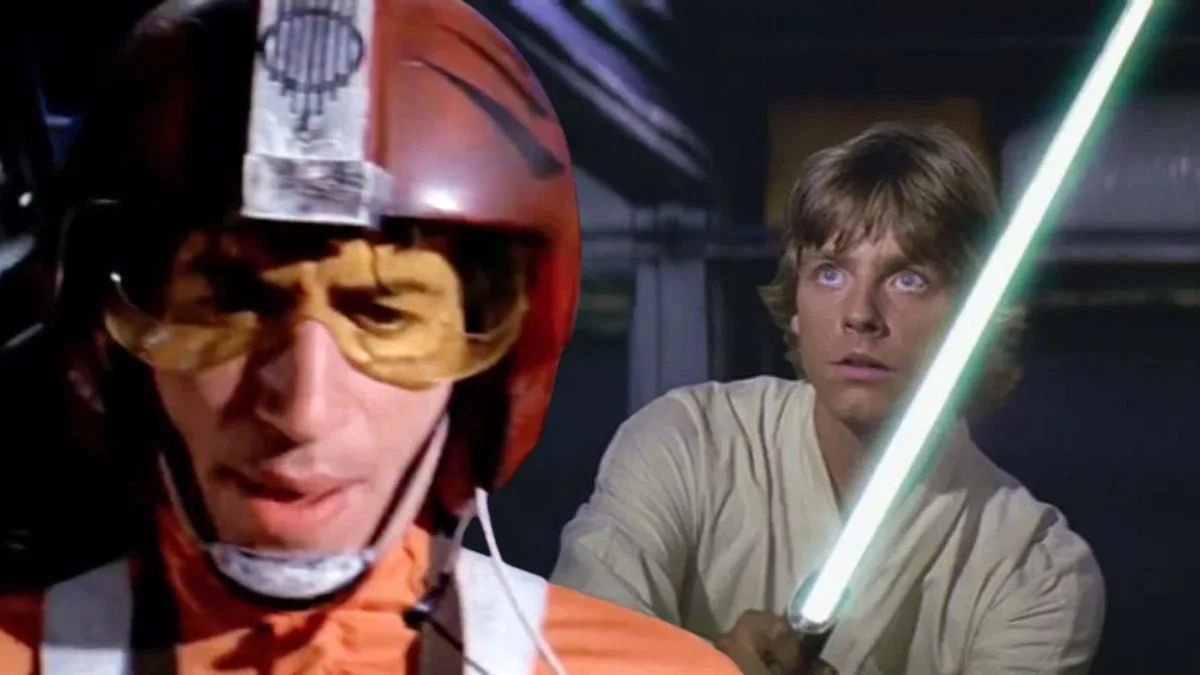
Blue Squadron became Red Squadron during production
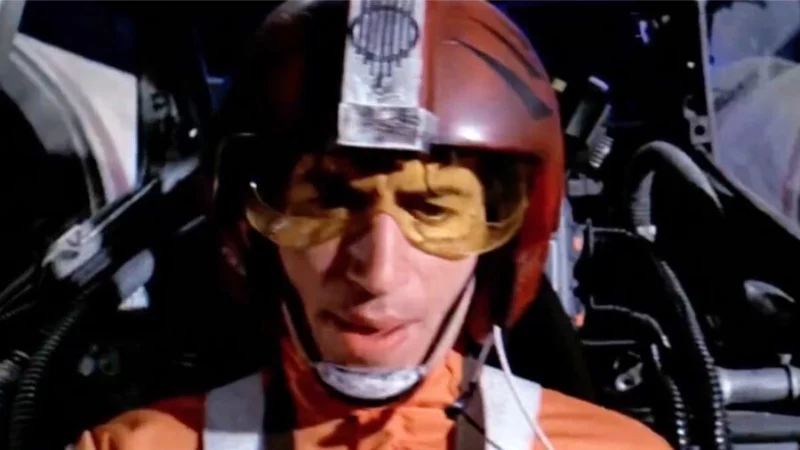
Early story materials used Blue Squadron for the Rebel pilots who attack the Death Star. The team changed the call signs to Red because the blue color complicated compositing against the blue screen backgrounds used for effects.
Updating the radio chatter and cockpit graphics kept continuity consistent across model shots and live action footage. The choice also helped the optical department reduce spill and matte issues during the final composite work.
Key Tatooine scenes with Biggs were shot and then deleted
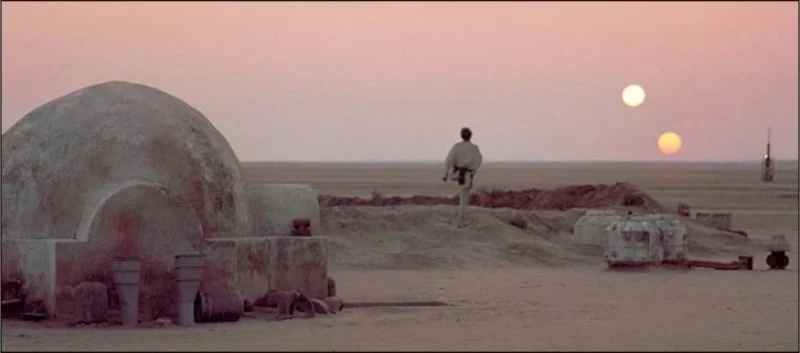
Scenes at Tosche Station introduced Biggs Darklighter and showed his friendship with Luke on Tatooine. These sequences were filmed on location and on sets, but they were removed to tighten pacing before the film’s theatrical debut.
Although trimmed from the original release, parts of the material resurfaced in later special features and some alternate editions. The character still appears in the final cut during the Death Star sequence, which preserves the narrative link between Luke and Biggs.
Tunisia stood in for Tatooine and parts of the set still exist
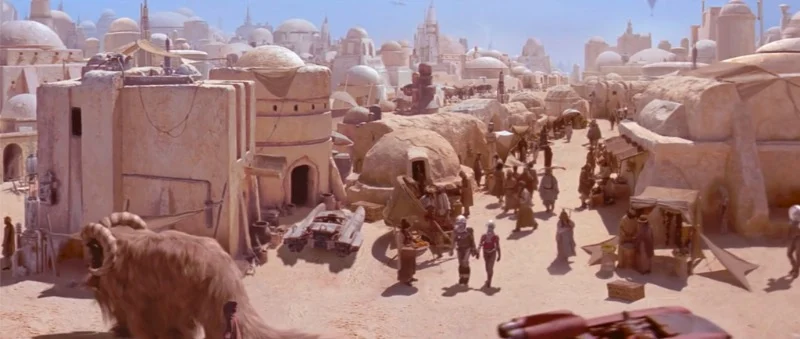
The production used locations in southern Tunisia for desert exteriors and for the Lars homestead. The igloo shaped entrance to the homestead was constructed on the surface while interiors were filmed at a different site that matched the look.
After filming, elements of the homestead set remained in the desert and have been maintained or rebuilt at various times by local enthusiasts and tourism groups. These locations have continued to draw visitors because they match what appears on screen in ‘Star Wars Episode IV: A New Hope’.
The film advanced theatrical audio with Dolby Stereo
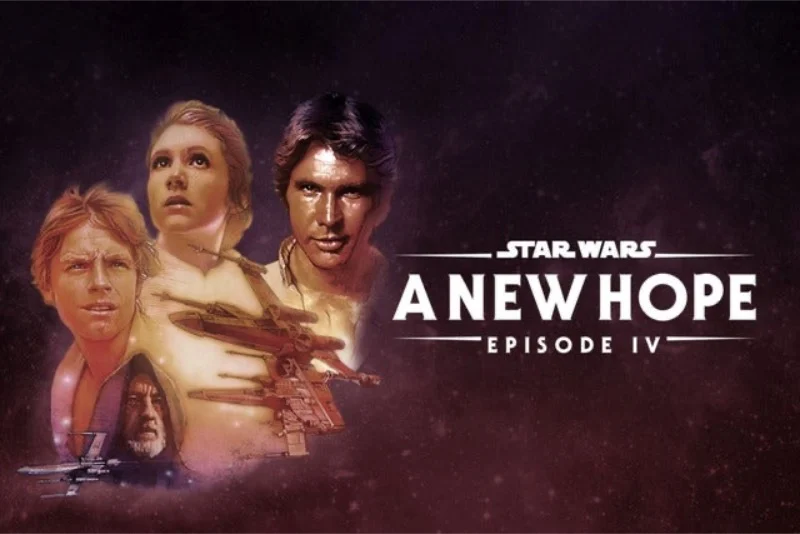
The movie was mixed in four channel Dolby Stereo, which carried left, center, right, and a mono surround channel on standard 35 millimeter prints. This allowed more precise placement of effects like flyovers and laser blasts than the common optical tracks of the time.
The adoption of this format pushed many theaters to upgrade their sound systems. The wider dynamic range supported the detailed effects work and musical score, which helped standardize multi channel presentation for later releases.
Industrial Light and Magic was formed to deliver the visual effects
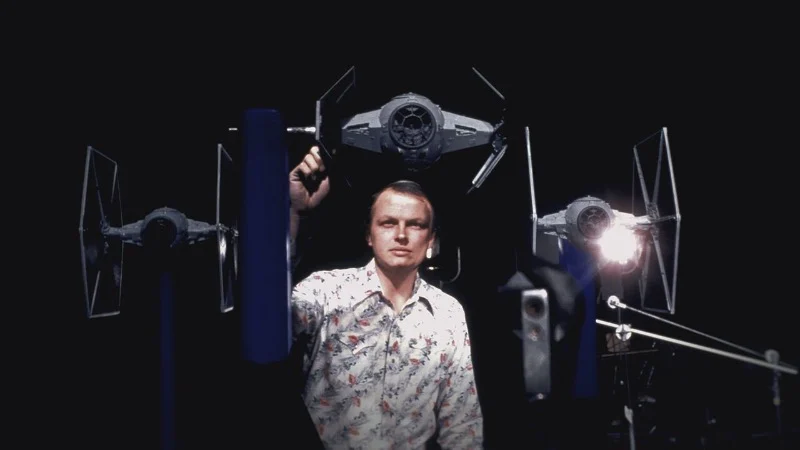
A new company called Industrial Light and Magic was created to build the shots that traditional studios were not equipped to handle. The team developed miniature building methods, motion control photography, and optical compositing pipelines specifically for the film.
Model makers practiced kitbashing to add surface detail to ships and structures using parts from commercial model kits. This approach gave the vehicles and sets a layered texture that photographed well under strong light and sold the scale of the imagined technology.
A landmark merchandising and sequel rights deal reshaped the business
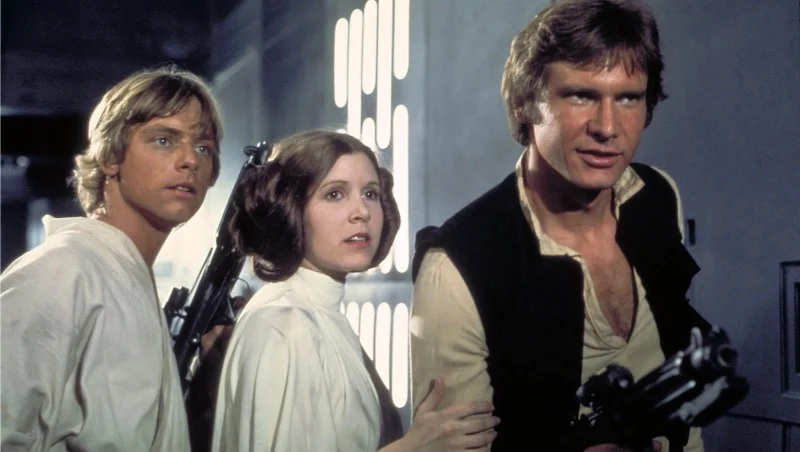
The creator negotiated to retain certain merchandising and sequel rights in exchange for other concessions during development. The decision proved significant when the film became a success and merchandise demand surged across toys, books, and apparel.
This arrangement influenced how studios and filmmakers approached ancillary markets in later years. It also provided continuity and resources for follow up films like ‘The Empire Strikes Back’ and ‘Return of the Jedi’, which expanded the story that began with ‘Star Wars Episode IV: A New Hope’.
Share your favorite lesser known ‘A New Hope’ fact in the comments and tell us which detail surprised you most.