Top 10 Coolest Things About Rukia Kuchiki

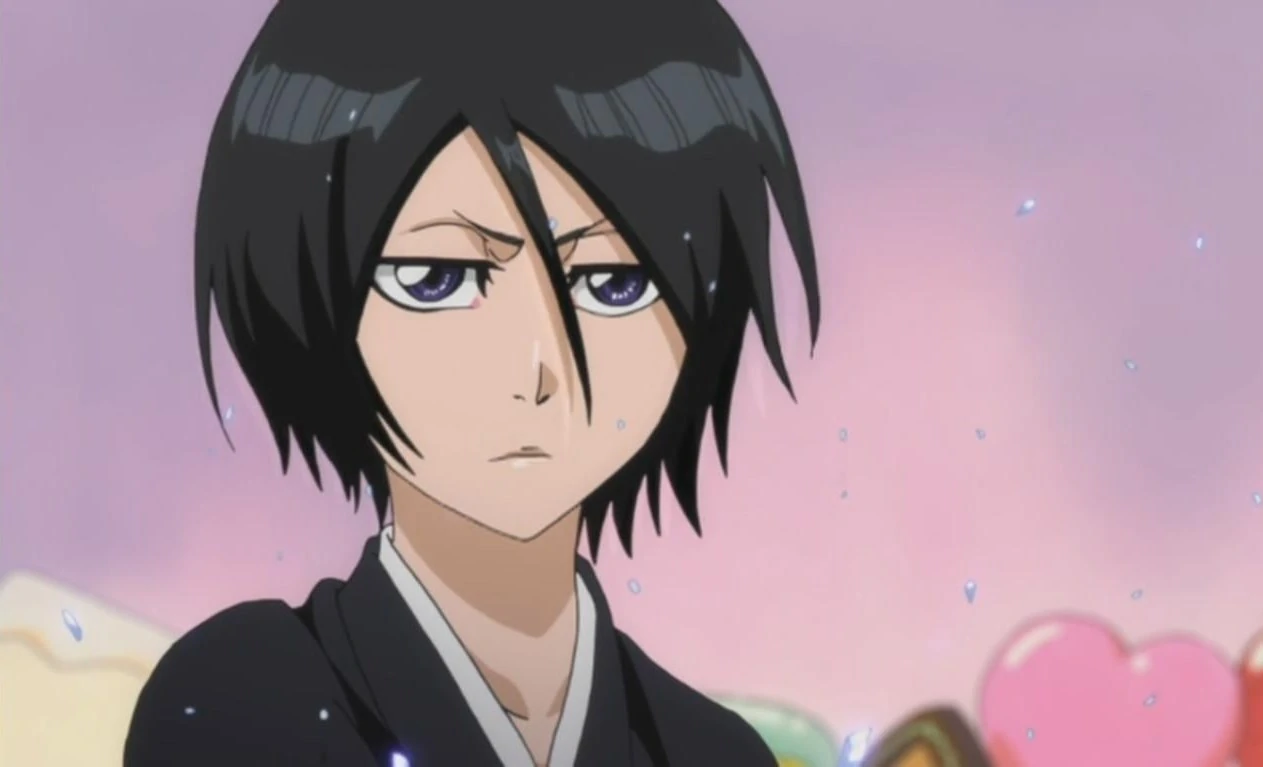

Rukia Kuchiki stands at the heart of the world of ‘Bleach’, linking the quiet duty of the Gotei 13 with the everyday life of Karakura Town. Her history ties noble lineage, battlefield training, and pivotal decisions that change the course of the story. Across arcs, she moves from an unassuming reaper on patrol to a leader who can command a division and wield techniques that alter the very temperature around her.
Beyond her role in the main series, Rukia’s profile stretches across manga chapters, anime episodes, feature films, and the ‘Thousand-Year Blood War’ continuation. Her toolkit—Zanpakutō forms, Kidō repertoire, and practiced tactics—shows careful study and discipline, while key relationships and assignments explain why she’s central to so many turning points in the narrative.
Noble Roots and Adoption into the Kuchiki Clan
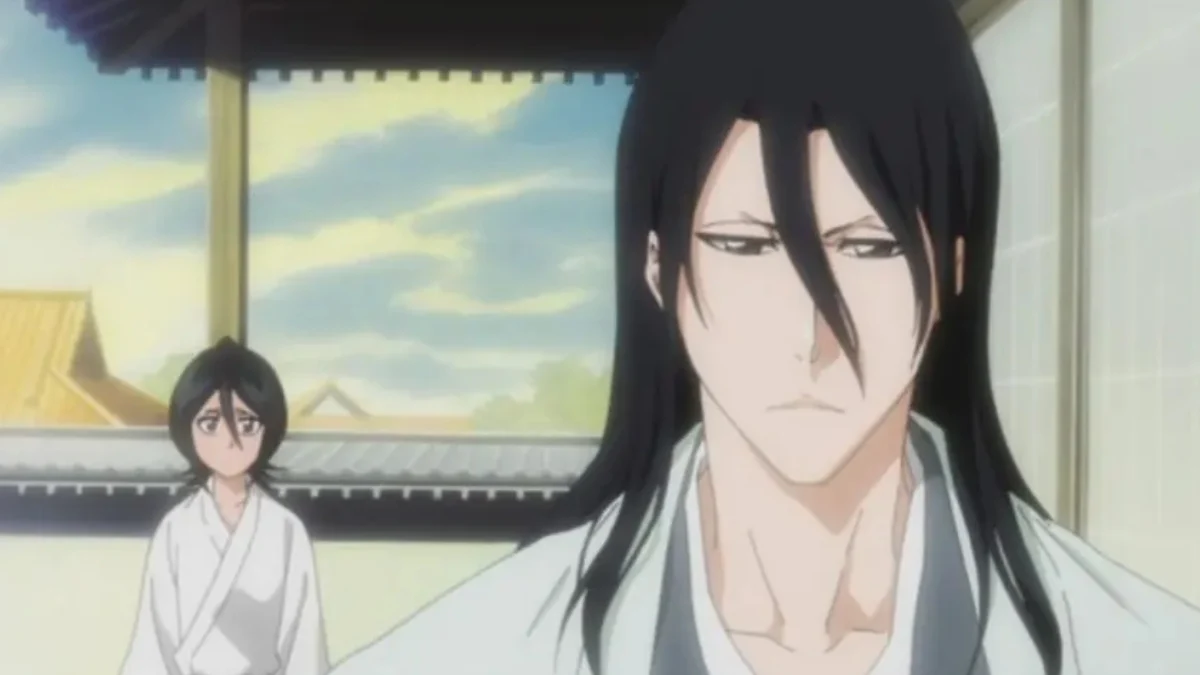
Rukia was born in Rukongai and later adopted into the prestigious Kuchiki clan by Byakuya Kuchiki. The adoption connected her to one of Soul Society’s Four Great Noble Houses and brought with it expectations, resources, and protection that shaped her training and station. Accounts in source materials note Byakuya’s decision was influenced by his late wife Hisana, creating a direct familial bond that elevated Rukia’s standing and responsibilities within Seireitei.
The Kuchiki name positioned Rukia within a network of nobles, officers, and mentors, giving her access to higher-level instruction and formal duties. This background explains how she could step into demanding assignments early, interact regularly with captains and lieutenants, and later transition into leadership roles with a clear understanding of the expectations placed on a Kuchiki.
Training, Division Service, and Early Career
Rukia trained formally to become a Shinigami and was assigned to the 13th Division, where she worked under Captain Jūshirō Ukitake. The 13th Division’s mission profile—patrols, plus spirit guidance, and steady defensive duties—matched her developing strengths in Kidō and precise sword work, offering consistent combat exposure and mentoring from veteran officers.
Within the division framework, she built operational habits that show up repeatedly in the field: adherence to procedure, careful assessment before engagement, and reliance on team structures. Her years in the 13th also set up key relationships and trust, which later mattered when larger conflicts drew the entire Gotei 13 into war.
The Power Transfer to Ichigo and Its Consequences
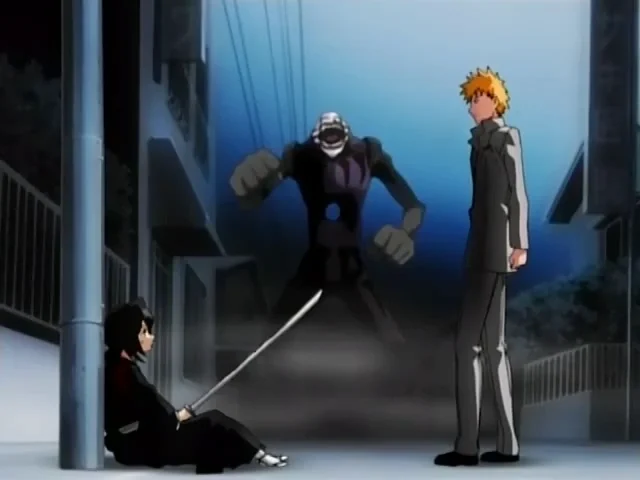
While stationed in the Human World, Rukia transferred her Shinigami powers to Ichigo Kurosaki so he could protect civilians from Hollows. The transfer—performed with her Zanpakutō—acts as the catalyst for Ichigo’s entry into the role of Substitute Shinigami and drives the early arcs of the story. Documentation and fan-compiled references detail the method and its intentional nature within series canon.
That decision triggered legal and disciplinary fallout in Soul Society, culminating in a formal execution order tied to the unauthorized transfer. The Ryoka Invasion arc revolves around the attempt to carry out the sentence and the subsequent rescue, placing Rukia at the center of the conflict and establishing many of the alliances that define the series.
Sode no Shirayuki: A Precision Ice-Type Shikai
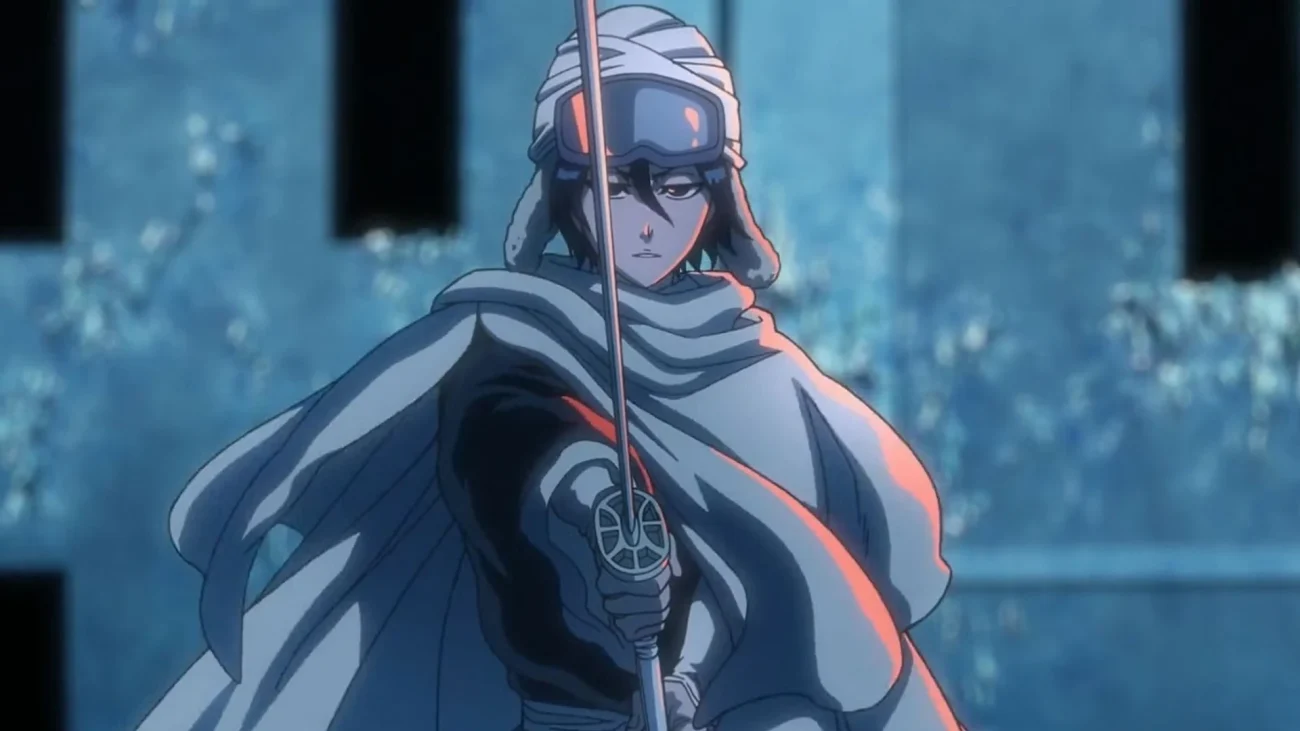
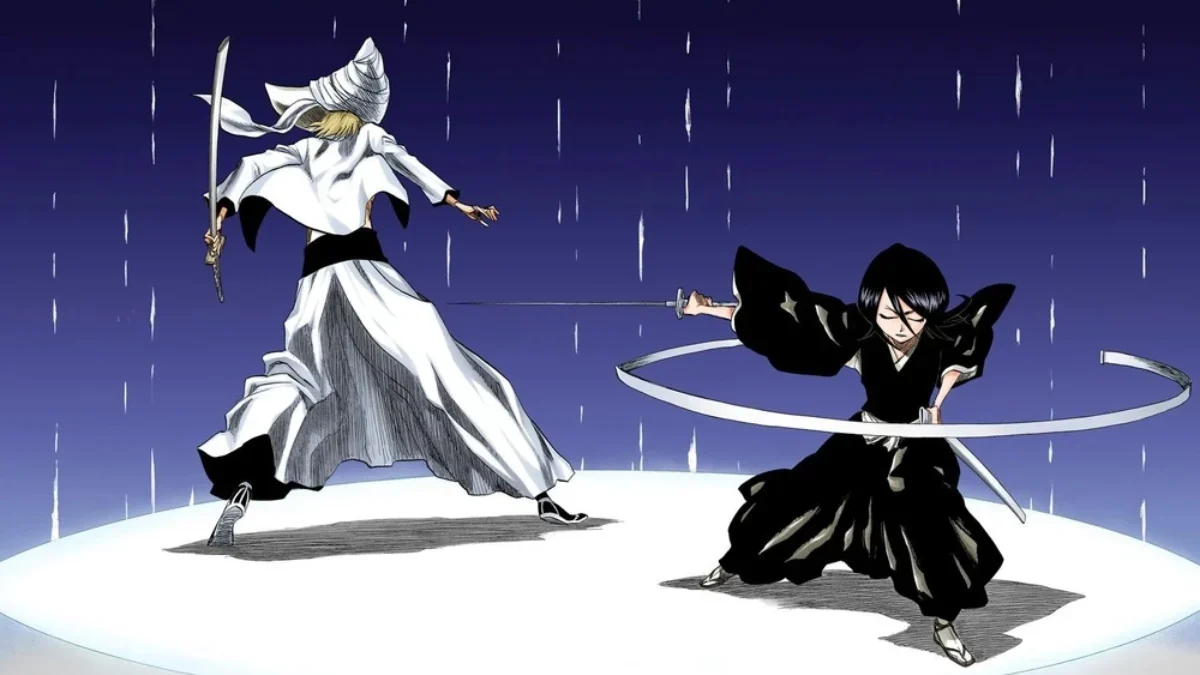
Rukia’s Zanpakutō, Sode no Shirayuki, is documented as an ice-type Shikai with named “dances” that define its techniques. ‘Some no mai, Tsukishiro’ freezes everything within a circular boundary from the ground up, ‘Tsugi no mai, Hakuren’ releases a powerful linear torrent of ice, and ‘San no mai, Shirafune’ extends and reforms the blade from condensed moisture. These defined forms give her discrete options for area control, ranged offense, and reach extension in close quarters.
Each dance carries specific setup conditions—such as target positioning for the freezing circle or line-of-fire management for the ice wave—so Rukia applies Sode no Shirayuki with measured timing. Because the techniques are bounded and named, opponents telegraph responses once they recognize a stance, which makes her discipline and feints an integral part of getting the full effect from her Shikai.
Bankai: Hakka no Togame and Absolute-Zero Combat
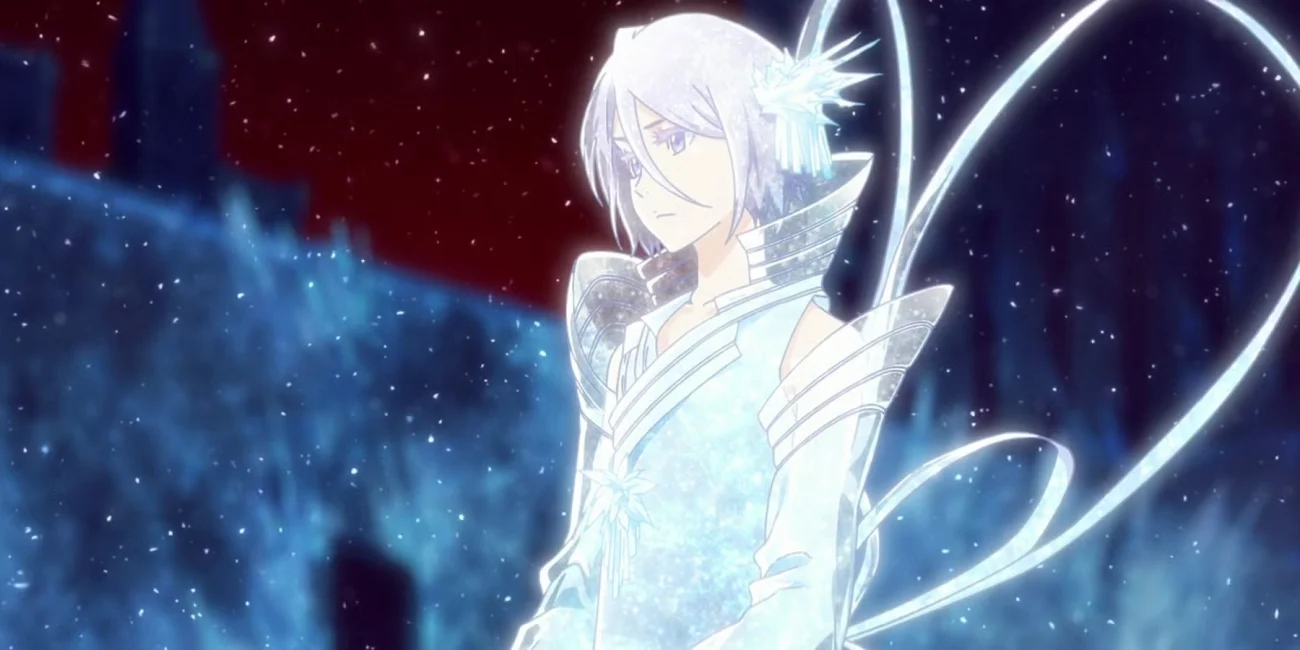
Rukia’s Bankai, Hakka no Togame, lowers her surroundings and her own body temperature to extreme levels, enabling absolute-zero effects that can end engagements instantly. Canon sources and episode breakdowns describe how the release demands strict timing and post-activation control due to the environmental hazard it creates, making it a technique she uses selectively and with preparation.
In the ‘Thousand-Year Blood War’ arc, Rukia deploys Hakka no Togame against the Sternritter Äs Nödt, a confrontation that illustrates both the Bankai’s lethality and the need for precise execution to avoid collateral damage or self-harm. The encounter underscores how her training and composure are prerequisites for using the form in live combat conditions.
Kidō Proficiency and Tactical Casting
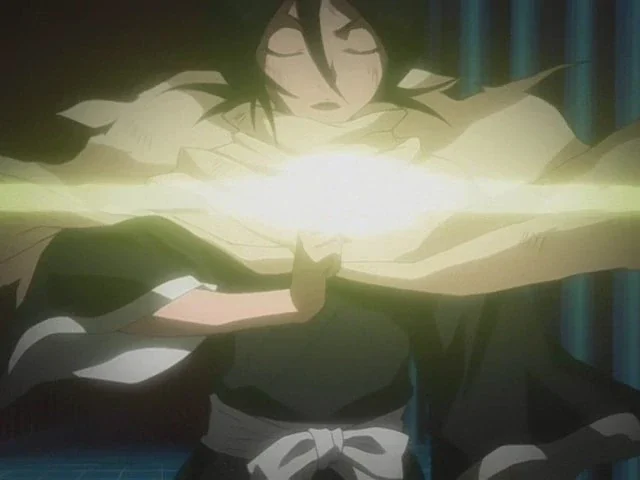
Beyond swordplay, Rukia is consistently shown using Kidō—binding and destructive spells with incantations—to create openings, immobilize targets, or strike at range. Her casting complements Sode no Shirayuki by shaping the battlefield before she commits to a dance, or by locking down an opponent who might otherwise escape a freezing radius or linear blast.
She often sequences lower- to mid-tier spells quickly and accurately, reflecting both study and repeated field use. That layered approach is practical in patrol work and unit support, where timing and coordination matter and where conserving energy for a decisive Zanpakutō technique can determine success in longer engagements.
Kaien Shiba’s Mentorship and the Aaroniero Resolution
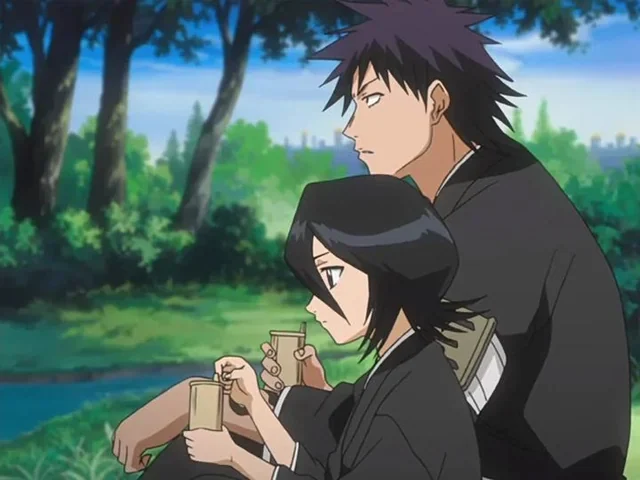
Kaien Shiba’s mentorship gave Rukia foundational principles that influenced how she approaches duty, grief, and the weight of command. In-universe accounts highlight how their bond formed within the 13th Division and how a Hollow incident that led to Kaien’s death left Rukia with a lasting obligation to balance courage with responsibility.
During the Hueco Mundo arc, Rukia’s battle with Aaroniero Arruruerie—who had absorbed Kaien’s appearance and abilities—forced her to apply that mentorship in the most direct possible way. The fight’s resolution shows her reliance on doctrine, technique, and judgment rather than emotion, closing a narrative loop that began with Kaien’s guidance.
From Lieutenant to Captain of the 13th Division
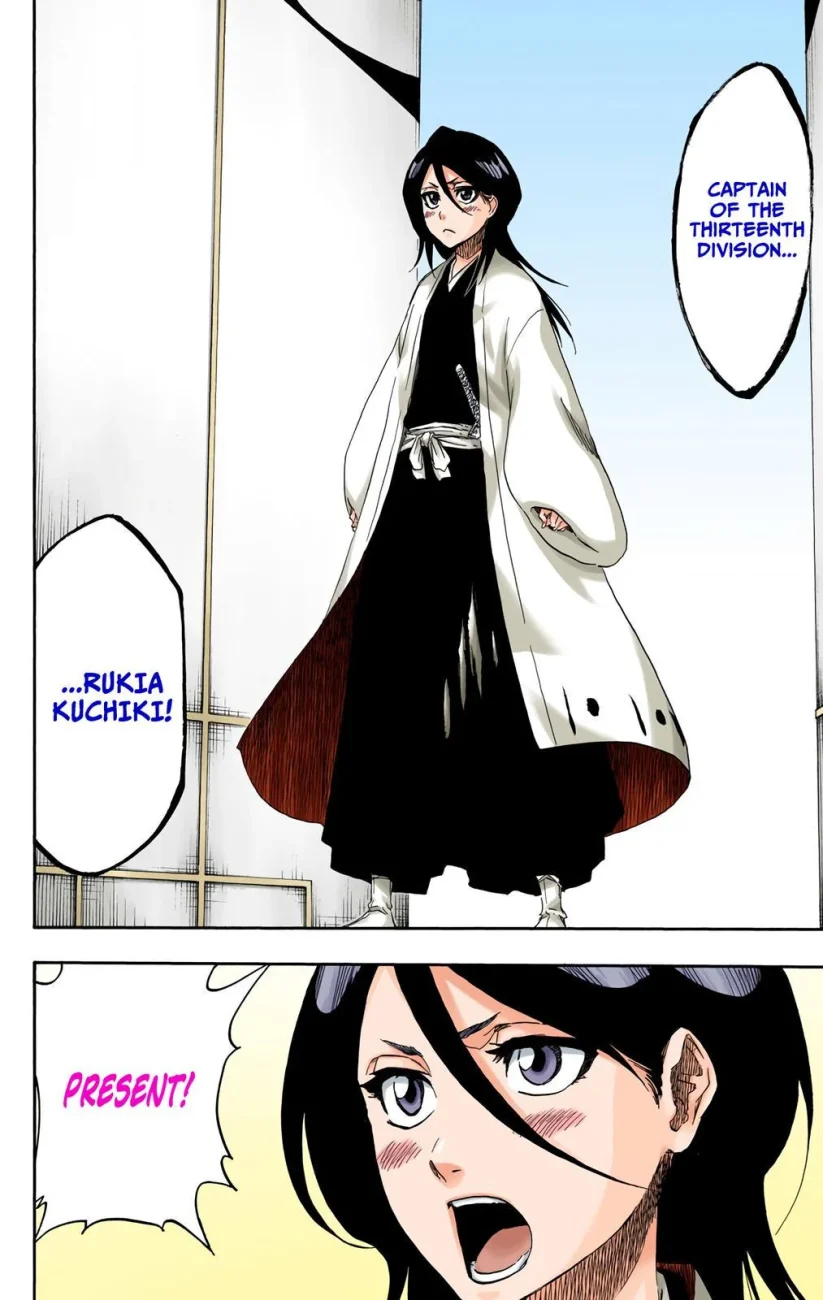
Rukia served as the 13th Division’s lieutenant, handling administrative duties, field leadership, and coordination during crises. That experience, combined with her combat portfolio and reliability in multi-division operations, prepared her for higher command when the Gotei 13 needed new captains during later conflicts.
In the ‘Thousand-Year Blood War’ era, she is recognized as the 13th Division’s captain, formalizing responsibilities that include training subordinates, setting operational standards, and representing the division in captain-level councils. The promotion aligns her authority with the strategic role she had already been performing on the battlefield.
Human-World Operations: Gigai, Cover, and Local Support
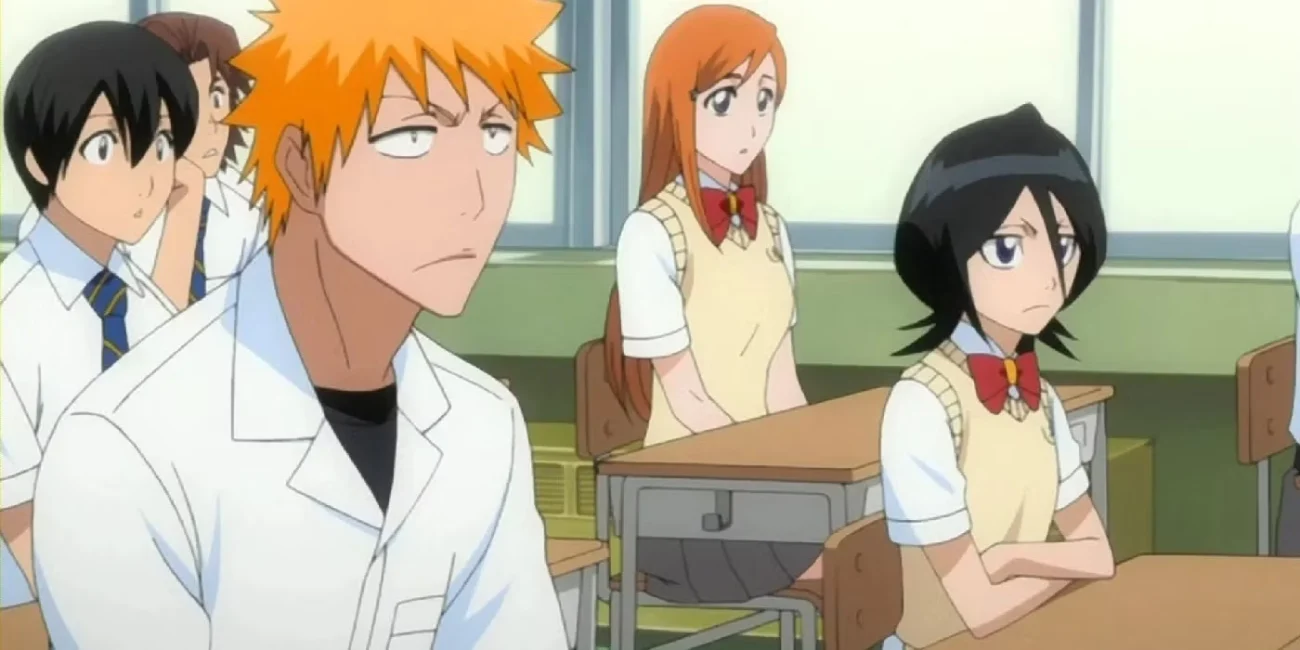
While stationed in Karakura Town, Rukia used a gigai to operate invisibly among humans and coordinated with local allies to track Hollow activity. Her cover included attending school with Ichigo’s cohort, which enabled close support and rapid response without drawing attention from civilians.
She also oversaw logistical details such as mod-soul deployment—most notably Kon—ensuring the Substitute Shinigami role functioned smoothly. These tasks explain why Human World arcs maintain a balance of everyday settings and sudden engagements, with Rukia often managing the transition between the two.
Documented Fights That Illustrate Her Growth
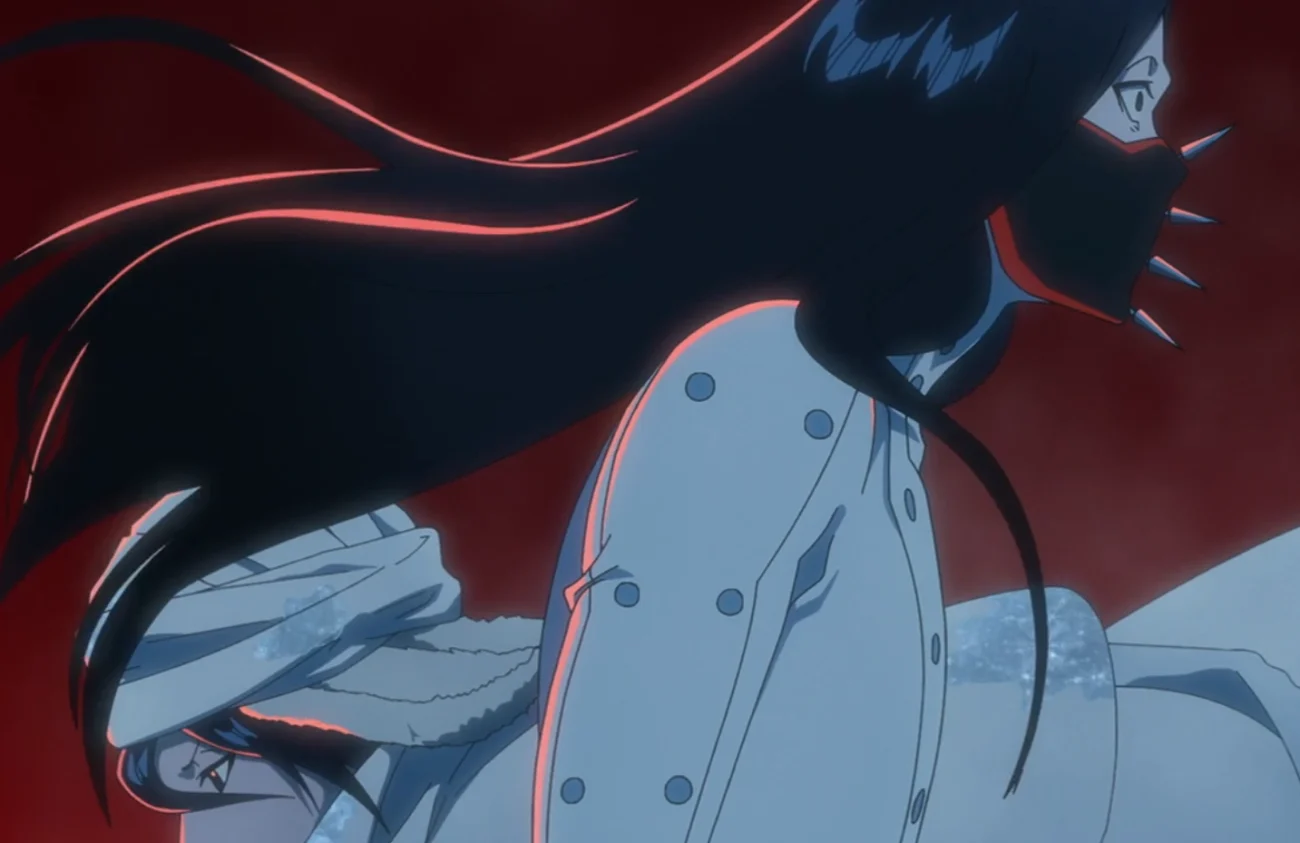
Rukia’s battles are recorded across arcs as benchmarks of her development—early patrol encounters show measured Kidō use, mid-series engagements pair Shikai dances with tactical binds, and later conflicts highlight Bankai deployment under strict conditions. These documented fights provide concrete examples of how she integrates training, division doctrine, and personal technique.
The confrontation with Äs Nödt during the Quincy war is frequently cited because it captures the risk calculus behind Hakka no Togame, from environmental control to precise release timing. The outcome and aftermath serve as a reference point for her capabilities as both a specialist and a leader under high-pressure conditions.
Share your favorite Rukia moments and techniques in the comments so we can compare notes on what stood out most to you!