Top 10 Coolest Things About Daenerys Targaryen



Daenerys Targaryen’s story in ‘Game of Thrones’ tracks a path from exile to power, built on language skills, political learning, and a unique bond with dragons. Her background ties directly to the Valyrian Freehold, which shaped her identity and the tools she uses to influence cities and armies across Essos.
Across seasons, she gathers forces by combining legal claims, local alliances, and strategic reforms. She studies the laws and customs of places like Qarth, Astapor, Yunkai, and Meereen, then adapts her approach as she goes. The result is a leader who learns in public and turns setbacks into structure.
Valyrian Heritage and Dragonlord Blood

Daenerys descends from House Targaryen, a family with roots in Valyria before the Doom. This ancestry explains her traditional silver hair and violet eyes in the books, and it connects her to the dragonlord practices that survived on Dragonstone after Valyria fell. The Targaryens kept draconic knowledge through rituals, artifacts, and language retention that other Westerosi houses never learned.
Her lineage also carries political weight in Westeros. Even far from the Seven Kingdoms, her name opens doors and stirs loyalties among exiles, sellswords, and nobles who remember the Targaryen dynasty. That heritage gives her a clear claim that she later advances with armies and councils rather than relying on ancestry alone.
The Birth of the Three Dragons

Following Khal Drogo’s death, Daenerys enters Drogo’s funeral pyre with three petrified dragon eggs. At dawn, she emerges with Drogon, Rhaegal, and Viserion newly hatched, marking the first dragon births seen in living memory. The event demonstrates a rare intersection of Targaryen blood, heat, and ritual that reignites dragons in the world.
Raising the dragons becomes a practical project. She feeds them, trains them to respond to her commands, and studies how their growth affects supply chains, security, and diplomacy. Over time, they shift from symbols to assets that require handlers, chains, and dedicated keepers as their size and range increase.
Command of Languages

Daenerys begins with the Common Tongue and quickly gains fluency in Dothraki and High Valyrian, which shapes many turning points in her story. She uses High Valyrian to negotiate with slavers in Astapor and switches to the language at critical moments to issue orders to the Unsullied. That bilingual control surprises adversaries who underestimate her understanding.
Language mastery also lets her connect with diverse followers. She can address Dothraki bloodriders directly, reassure freed people without translators, and read contracts or terms others might hide in translation. This reduces manipulation risks and accelerates decision making when time matters.
Strategy Behind the Breaker of Chains

Daenerys develops a repeatable pattern for confronting slave cities. She studies local power players, calculates the economic shock of emancipation, and targets the enforcement class that keeps the system running. In Astapor, Yunkai, and Meereen, she uses both threats and incentives to change the cost of resisting her demands.
She also builds civic structures to support freedom after the gates open. These include councils of freedmen, formalized work arrangements, and mixed tribunals to arbitrate disputes between former masters and former slaves. The approach is uneven at first but evolves as she learns the secondary effects of sudden social change.
Building and Paying an Army

Her forces begin with a small khalasar and grow to include the Unsullied, Second Sons, and city levies. She secures the Unsullied by exploiting a loophole in a sale, then frees them and offers service under new terms. The Second Sons shift allegiance after leadership changes during her Meereen campaign.
Sustaining an army requires supply plans and payroll. Daenerys taps captured treasuries, negotiated tributes, and trade duties to fund rations, equipment, and garrisons. She sets rules for conduct in occupied cities and creates officer corps drawn from both Essosi veterans and newly trained freedmen.
Urban Governance in Meereen
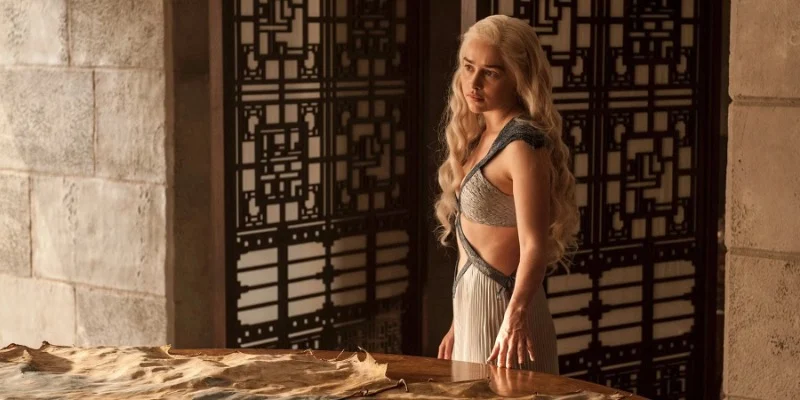
Once inside Meereen, Daenerys holds the city rather than moving on. She issues decrees, appoints advisors, and reopens fighting pits under regulated conditions after public pressure builds. These decisions balance tradition with reform and aim to stabilize commerce, entertainment, and law.
Her administration confronts insurgent groups like the Sons of the Harpy. In response, she implements curfews, increases patrols, and tries mixed justice measures to avoid mass reprisals. The process teaches her the limits of conquest without durable local institutions.
Diplomatic Use of Marriage and Alliances

Daenerys marries Khal Drogo to secure protection and mobility across the Dothraki Sea. Later, she agrees to wed Hizdahr zo Loraq to reduce violence in Meereen and win elite cooperation. Each union serves a diplomatic function tied to geography and economics rather than personal gain.
Beyond marriage, she forges alliances with advisors from different cultures. Missandei provides linguistic and administrative precision, Grey Worm professionalizes the Unsullied, and Tyrion Lannister contributes knowledge of Westerosi houses and supply routes. These partnerships combine local intelligence with long range strategy.
Targaryen Resilience to Heat and Fire Lore
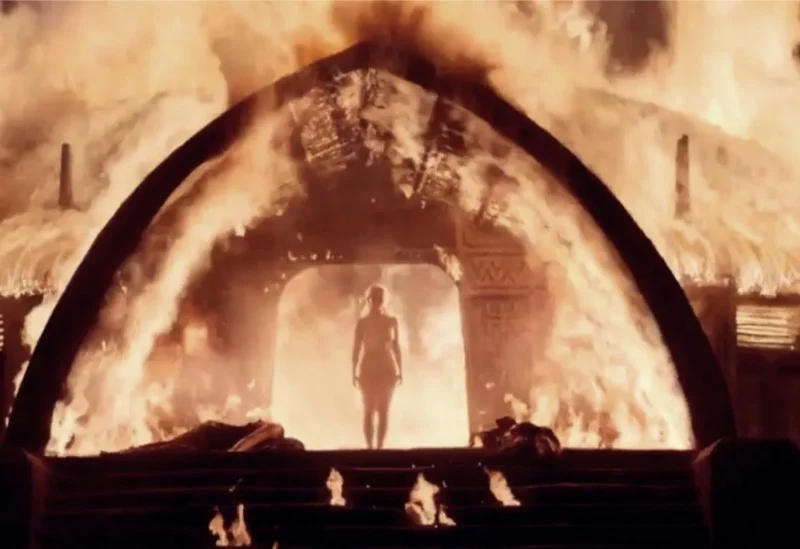
Daenerys demonstrates unusual tolerance for heat during key moments, including the pyre where her dragons hatch. In the story world, Targaryens associate themselves with fire and blood, and folklore around their family includes tales of heat resistance. While the books and show portray this trait with some variation, Daenerys repeatedly moves through intense heat that would stop others.
This reputation influences how allies and enemies behave. Supporters view her as marked by destiny, while rivals build strategies that avoid direct exposure to dragonfire on open ground. The perception alone can shift negotiations, since a leader thought to be protected by flame changes the calculus of intimidation and risk.
Naval Logistics and the Move West

Transporting armies from Essos to Westeros requires ships, provisions, and staging points. Daenerys secures fleets through alliances and captures, then organizes embarkation schedules that account for dragon overflight and convoy protection. Her staff manages manifests for troops, horses, and siege equipment so units can deploy in sequence after landfall.
She coordinates with houses and groups inside Westeros for docking rights and intelligence. This reduces time between arrival and field operations and helps her avoid ports where hostile fleets could blockade her. The plan integrates dragons as reconnaissance and shock units to cover troop movements.
The Politics of Claims and Councils
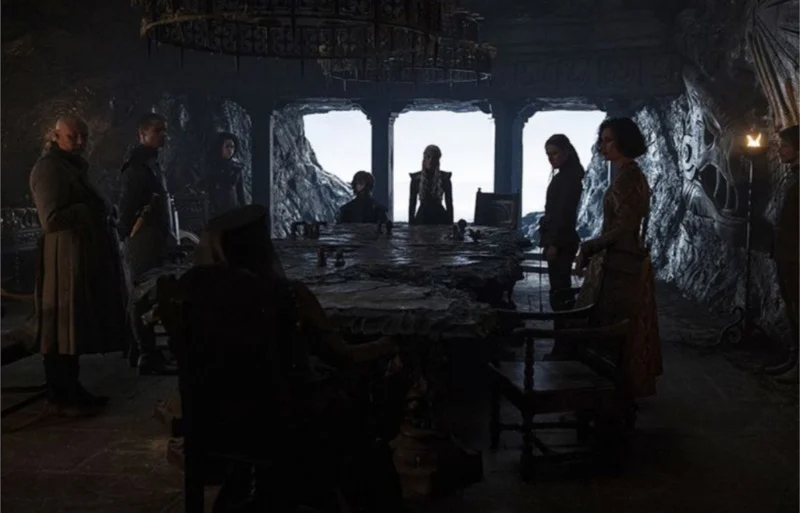
Daenerys advances a claim based on Targaryen succession norms and the history of the Iron Throne. She seeks recognition from Westerosi houses and aims to convert de facto control into de jure acceptance through councils and oaths. Her advisors prepare letters, envoys, and legal arguments tailored to each region.
She also adapts to the reality of shared governance. Small councils, war councils, and city councils appear throughout her campaign, each with agendas and minutes that shape policy. By convening these bodies, she spreads decision costs, gains buy in, and keeps channels open for dissent that could otherwise turn violent
Share your favorite Daenerys moment from ‘Game of Thrones’ in the comments and tell us what detail you think best captures her character.