‘House of the Dragon’ Mistakes You’ll Never Be Able to Unsee

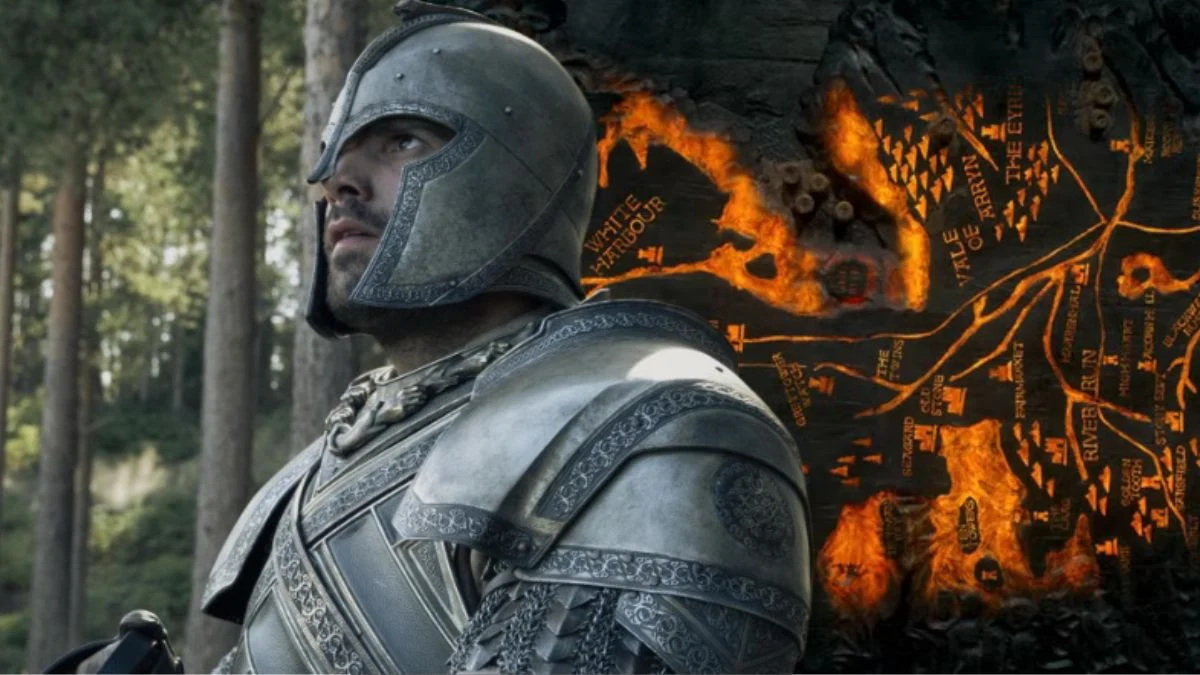

The world of Westeros is packed with court intrigue, dragonfire, and a lot of fast moving scenes. Even with careful planning and big budget craft, a show as dense as ‘House of the Dragon’ can slip in a handful of goofs that sharp eyed viewers will catch on a rewatch. These are the kinds of hiccups that peek out between edits or hide in the corners of the frame, the little things that pull you out of the moment when you spot them.
What follows calls out specific continuity slips, prop problems, and staging quirks that appear across episodes. Each one highlights what happens on screen and how the error shows up if you pause or replay a few times. If you love finding the tiny seams in a massive production, these are the mistakes that tend to stick once you notice them.
Vanishing Goblets at the Small Council
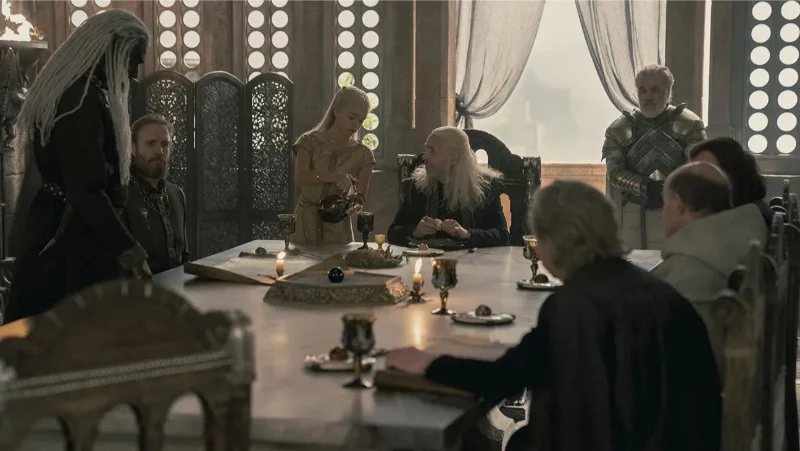
During several Small Council meetings, goblets and pitchers do not hold their spots from shot to shot. A cup that sits near the Hand in a wide shot can slide closer to the center in the reverse angle, and in the next cut it sometimes disappears entirely. The same thing happens with writing implements, where a quill rests on a ledger in one angle and then shows up beside a different inkwell.
This is classic continuity trouble that stems from resetting the table between takes. Since the council scenes are covered from multiple camera positions, any small change in placement becomes obvious when the edit cuts back and forth. If you freeze the frame before and after a line of dialogue, you can watch the goblets migrate around the table.
Candle Heights That Change Mid Scene
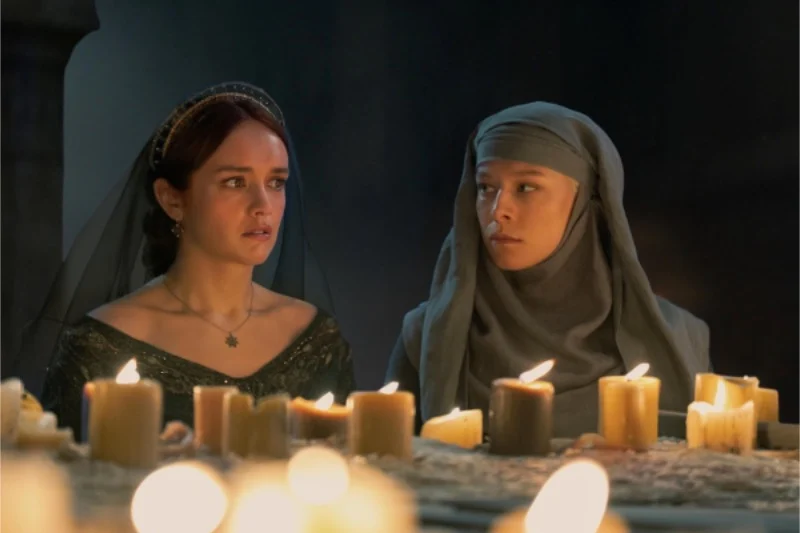
Interior scenes lean heavily on candlelight, but the candles are not always consistent within a single sequence. In a conversation that runs a few minutes, a trio of tall tapers can shrink to short stubs and then return to full height when the angle changes. Nearby wax drips also appear or vanish between cuts.
This happens because different takes may be filmed hours apart with fresh candles, while inserts are shot later with a separate setup. When the edit marries those pieces into one scene, the burn level jumps around. Check the background of throne room and study scenes for the quickest spot of this mismatch.
Armor Damage That Resets Between Cuts
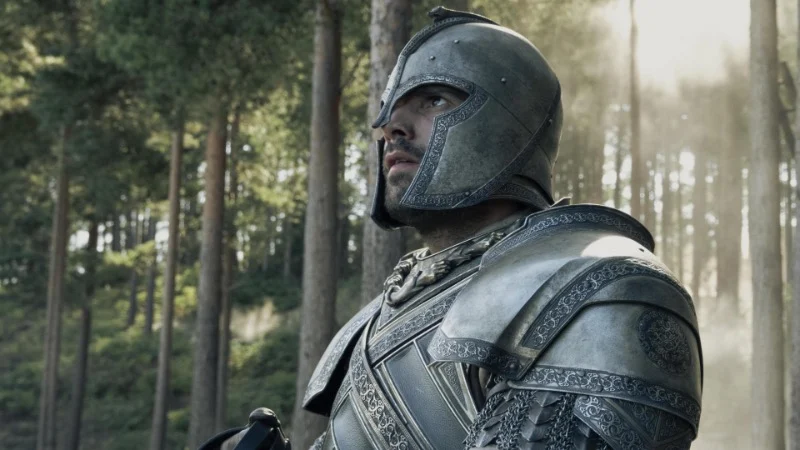
Battle and tourney moments sometimes show armor taking hits that leave dents or blood smears, then revert to cleaner plates moments later. A breastplate can carry a visible scuff in a medium shot, only to look freshly polished when the camera cuts wide. Shoulder pieces also show marks that do not survive the next angle.
Resetting costumes between takes for safety and comfort creates these hiccups. If a take with damaged armor plays best for performance but the matching angle came from an earlier clean setup, the continuity will not match. Watching the same exchange from both camera sides makes the sudden repairs easy to catch.
A Hand That Switches Items Mid Conversation

Close ups in feast scenes occasionally reveal a character holding a cup or knife in the right hand, followed by a reverse where the same item sits in the left. The exchange of lines is continuous, yet the prop jumps hands without an on screen handoff. Bread loaves and napkins make similar leaps across cuts.
This kind of switch often happens when actors adjust for blocking between takes. Editors then pick the strongest delivery from each angle, which can splice together two different hand positions. If you track rings and sleeves while a character talks, the swap stands out quickly.
Background Extras Reappearing in New Spots
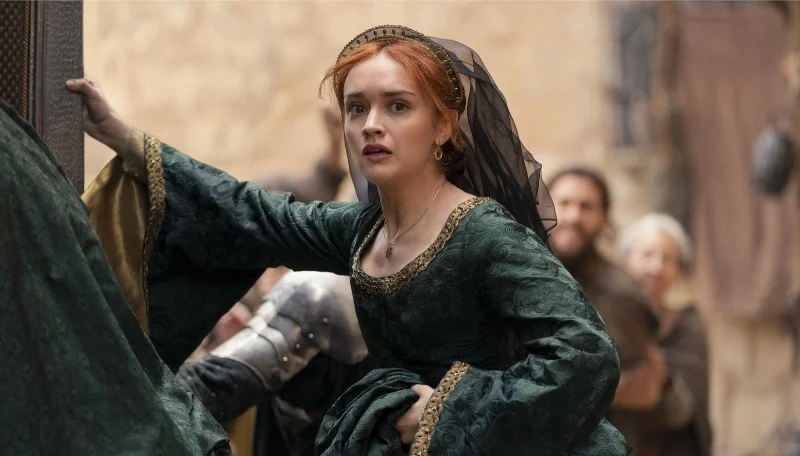
Crowd shots in throne room gatherings and markets reuse extras who are then visible again in places they have no time to reach. A hooded figure that passes behind the main characters in one direction shows up seconds later in the opposite corner of the frame moving a different way. Another extra may carry a basket past the camera, then reappear farther back in the same shot sequence.
Large scenes are filmed with multiple passes so the background appears full. When those passes are cut together, the same performers can slip into the composite as if they teleported. You can confirm this by tracking a distinct cloak color or hat as the scene cuts between angles.
Dragon Saddle Straps That Rearrange Themselves
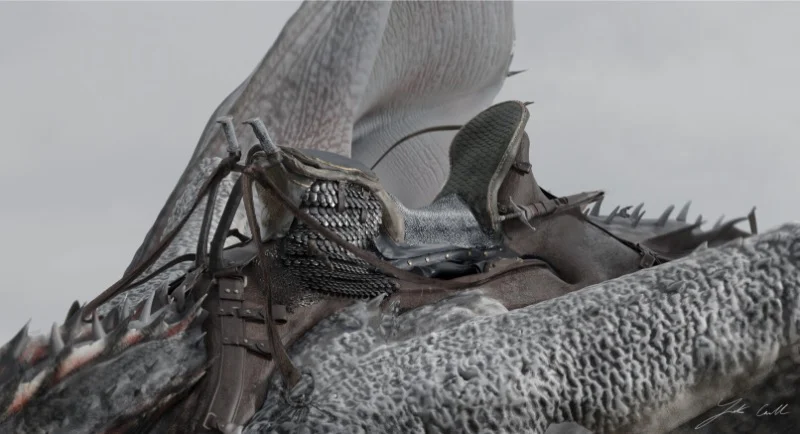
Flights and mount sequences rely on elaborate rigging, and those straps do not always sit in the same configuration across shots. A chest strap may cross above a rider’s belt in one angle and below it in the next. A loose tail of leather sometimes hangs free, then looks neatly secured when the camera changes.
These mismatches arise because aerial plates, studio rig shots, and close ups are stitched together from separate setups. Each reset can nudge the harness in a small way, which becomes obvious in the cut. If you pause during takeoff and landing shots, the strap paths are easy to compare.
Map Table Markers That Multiply or Move
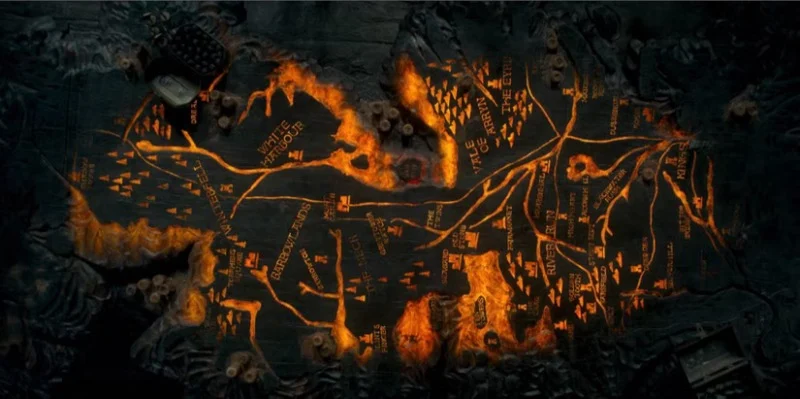
The carved war table shows pieces that track armies and fleets, yet the number and arrangement of markers can change during a single strategy scene. A cluster that sits near the Narrow Sea in a wide shot appears spread out in the following close up. In a later line, one of the carved sigils returns to its original spot without anyone touching it.
This is a continuity challenge tied to multiple hands adjusting pieces between takes. Props teams reset to a general layout, but tiny offsets matter once the edit flips between angles. Watching a character point to a position and then cutting to the reverse is the easiest way to spot markers that shift on their own.
Hair Partings That Flip After Cuts
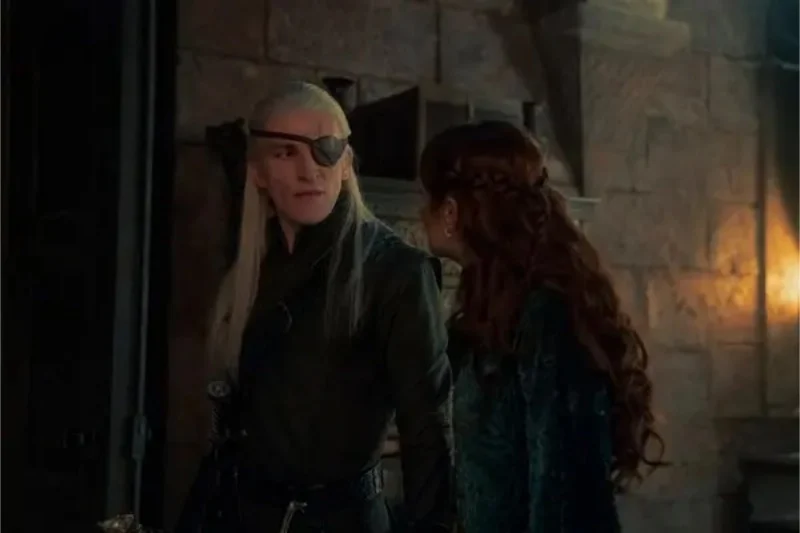
Characters with long hair or wigs sometimes display partings and strands that fall to a different side from one angle to the next. A front lock that rests over the left shoulder in a close up jumps to the right shoulder in the reverse. Braids can tighten or loosen between lines, then revert when the camera pulls back.
Wigs and extensions tend to move during action and dialogue, and continuity photos cannot capture every strand. When the best performance takes do not match perfectly, the cut reveals the flip. Focus on the front most strands in intimate conversations to catch this change.
Swords That Sheath Themselves And Reappear
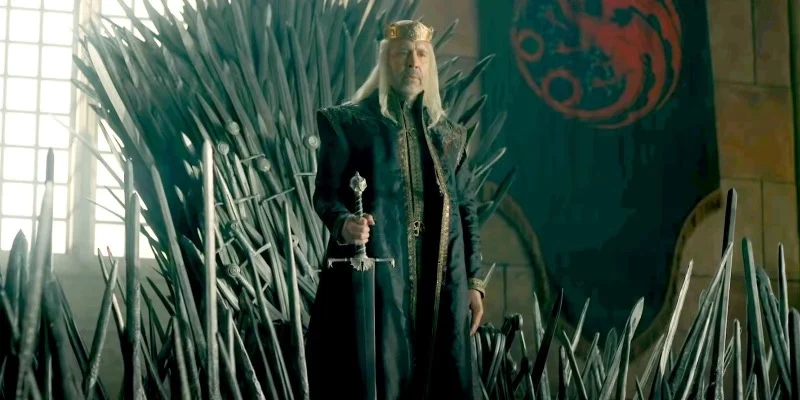
In tense corridors and courtrooms, a character sometimes slides a blade into its scabbard, then is shown still holding it in the immediate next shot. The reverse cut may even show the hilt peeking from the belt while the hand remains empty, only for the blade to be drawn again a beat later.
This stems from filming coverage where directors capture versions with the weapon drawn and versions with it at rest. Editing together the strongest reactions can stack those moments in a way that doubles the action. Frame by frame, the blade appears to teleport between hand and sheath.
Reaction Shots That Do Not Match The Sound
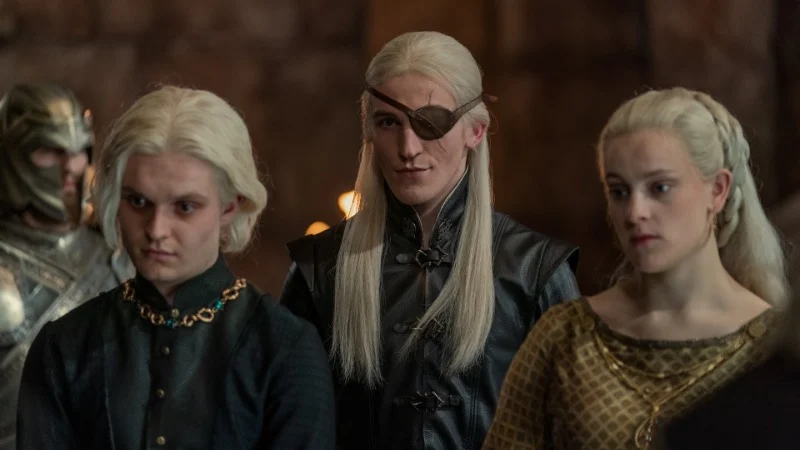
Occasionally a roar, door slam, or crowd gasp lands a fraction of a second before or after the on screen reaction. A character flinches before the dragon shriek hits the soundtrack in one edit, while in another the sound arrives first and faces respond a beat later. The moment still plays, but the timing feels off if you rewind.
This timing drift comes from layering sound effects on top of complex edits that cross between wide and close angles. When final audio sweetening shifts a cue slightly, the cuts built on earlier timing can fall out of sync. Listening with headphones makes these tiny desyncs easier to notice, especially in busy sequences.
Share the little goofs you have spotted in ‘House of the Dragon’ in the comments so everyone can hunt for them on their next rewatch.