Top 10 Coolest Things About The Flash

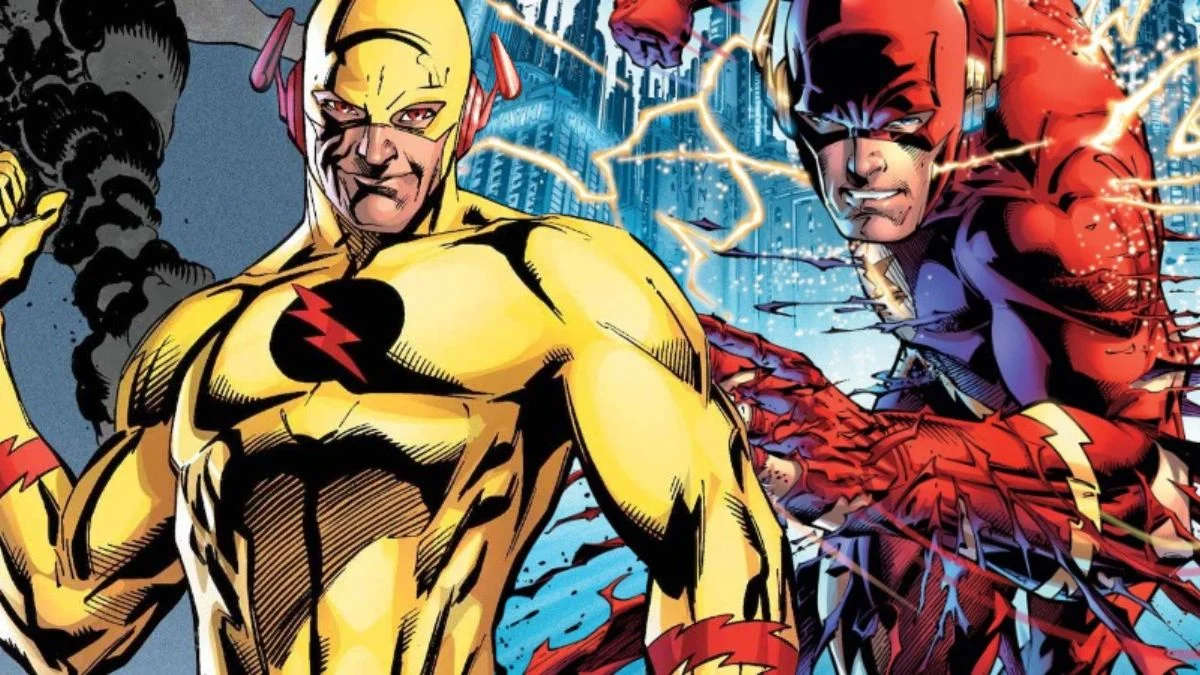

The Flash has been a cornerstone of DC Comics for generations, with a mantle carried by heroes from different eras who all share one defining trait, impossible speed. From the Golden Age debut of Jay Garrick in 1940 to Barry Allen’s Silver Age relaunch and Wally West’s record setting adventures, the character’s history maps neatly onto the evolution of superhero comics.
Across thousands of issues, the Flash has used speed in ways that go far beyond fast running. He taps a fictional energy field, bends physics in creative ways, and anchors some of the most important crossovers in comics. Here are ten core elements that show what makes the Scarlet Speedster such a standout on the page.
The Speed Force
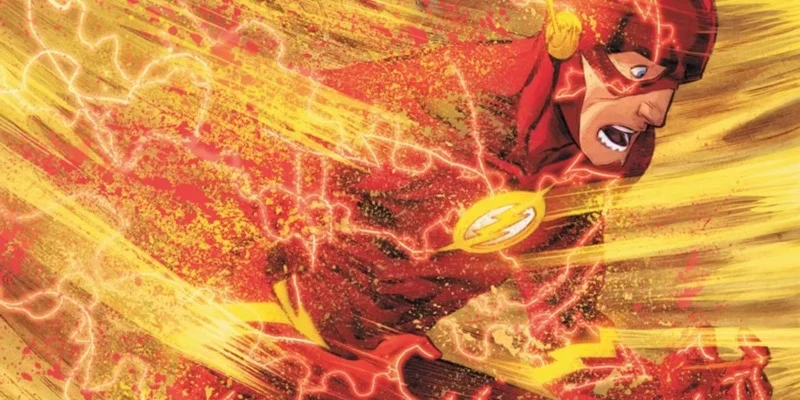
The Speed Force is a fictional energy field that empowers speedsters in the DC Universe. Writers established it to explain how the Flash can reach extreme velocities, survive immense friction, and heal more quickly than a normal human. It also lets speedsters share or borrow speed, which turns it into a story engine for team ups and training new heroes.
Different Flashes interface with the Speed Force in their own ways. Wally West is often portrayed as its most intuitive user, Barry Allen as its scientific explorer, and Jay Garrick as an experienced mentor. The field has also been depicted as a kind of afterlife for speedsters, which is why major returns and resurrections often involve a run back from the Speed Force.
Phasing and Vibration
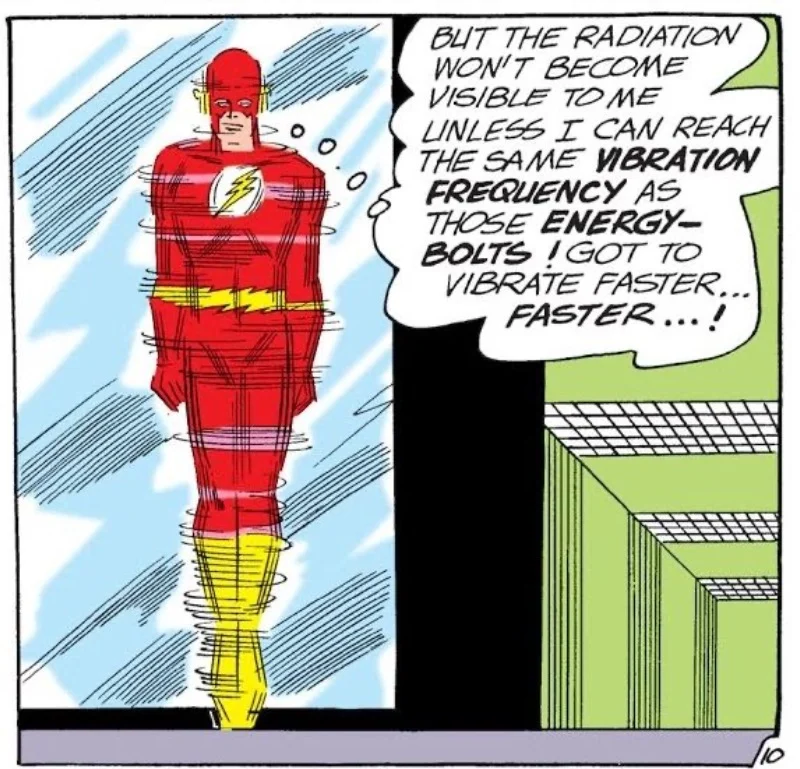
By vibrating his molecules at precise frequencies, the Flash can pass through solid objects. This power shows up repeatedly in the comics as a way to bypass walls, remove bombs from inside machinery, and neutralize toxins inside sealed rooms. The trick works because he aligns his atoms to slide between the gaps of a material’s lattice.
Vibration control also lets the Flash disrupt electronics, create sonic effects, and render himself a blur that cameras cannot capture. The technique requires intense concentration, which is why training sequences in the comics often focus on mastering vibration to expand what speed can accomplish during rescues and battles.
Time Travel and the Cosmic Treadmill
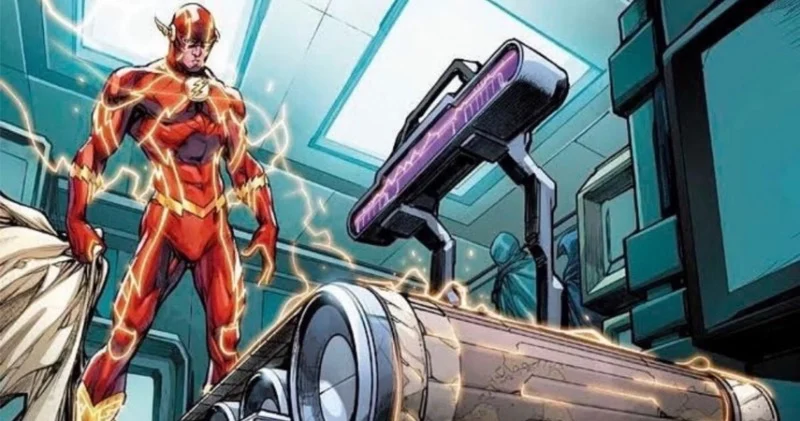
The Cosmic Treadmill is a device Barry Allen built to control time travel with mathematical accuracy. It first appeared in early Silver Age stories and quickly became a reliable way for the Flash to visit earlier eras or the far future. The machine keeps trips repeatable, which lets writers return to historical settings and future timelines without introducing random accidents each time.
Later stories showed that a powerful enough speedster can breach time without the machine, but the treadmill remains the safe method inside laboratories in Central City or Keystone City. The device has been destroyed and rebuilt in multiple eras, yet it persists because it gives the Flash a responsible way to handle the risks of temporal travel.
The Rogues Gallery
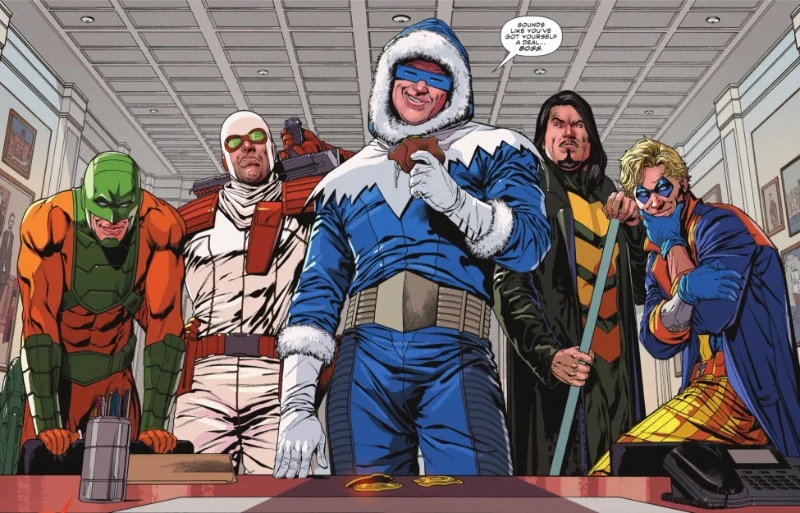
The Flash faces a distinct set of adversaries known as the Rogues. This group includes Captain Cold, Mirror Master, Heat Wave, Weather Wizard, the Trickster, Captain Boomerang, and others who operate under a shared code. They avoid needless killing, split jobs, and dislike outside interference, which makes them a recurring force in Central City’s criminal ecosystem.
Because the Rogues act like a union of themed thieves, Flash stories often revolve around caper mechanics and clever counters rather than brute force. The hero studies their patterns, designs counter tech with police labs, and uses speed to disrupt elaborate crime plans. That setup gives the books a consistent tone that blends super science with street level schemes.
Forensic Science and the Day Job
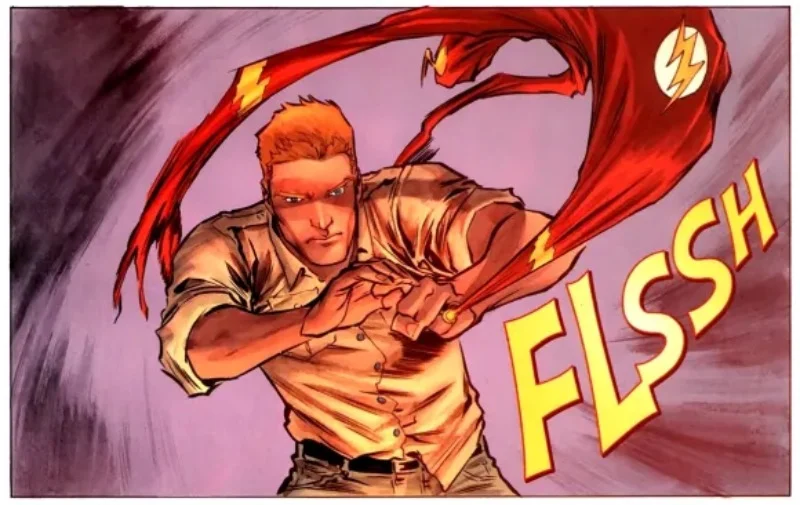
Barry Allen works as a forensic scientist, which grounds many stories in evidence gathering and lab procedure. Scenes in police headquarters show how he uses microscopy, chemical tests, and careful chain of custody to build cases. The professional background explains why he catalogs Rogues tech and keeps detailed files on metahuman incidents.
This scientific lens extends to problem solving in the field. Barry analyzes airflow, tensile strength, and thermal transfer to choose the safest way to save people at high speed. The emphasis on method makes the Flash feel like a detective who happens to run at light speed, which helps differentiate his adventures from other heroes.
The Legacy and the Flash Family
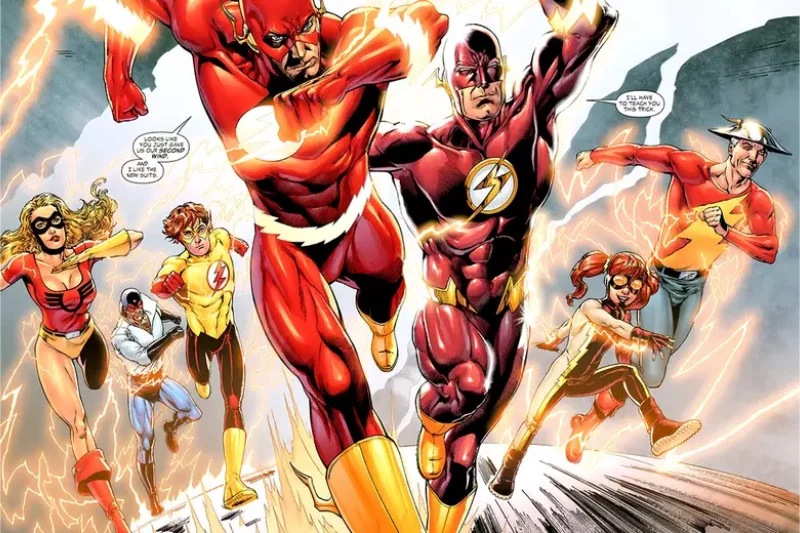
The mantle of the Flash is a legacy that spans multiple generations. Jay Garrick begins the line in the Golden Age, Barry Allen restarts it for the Silver Age, Wally West steps up after a multiverse crisis, and Bart Allen emerges from the future as a descendant who trains under them. Each hero adds new techniques and mentors the next wave of speedsters.
The Flash Family also includes Kid Flash, Impulse, Jesse Quick, and Max Mercury. Team stories show how speed can be coordinated across a city, with members handling triage, evacuation, and containment in synchronized patterns. The legacy approach gives the books an ongoing cast that grows and changes as new readers come aboard.
Flashpoint and Reboots
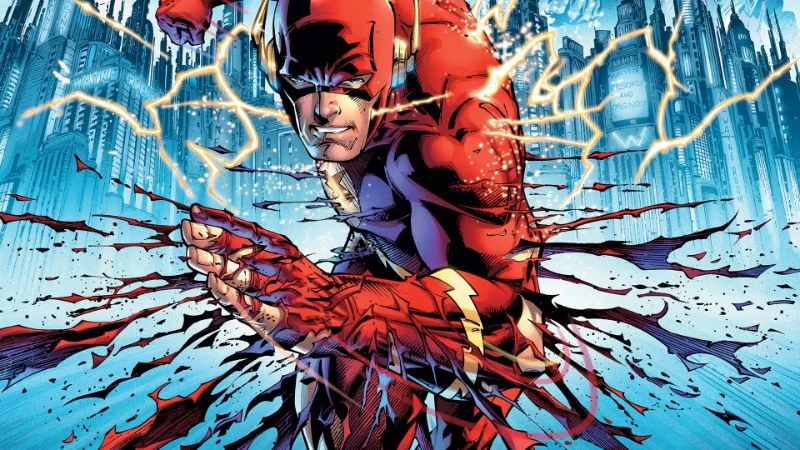
Flashpoint is a major comics event that begins with Barry Allen altering one key moment in the past to save a loved one. The change creates a warped present, which forces Barry to restore the original timeline. When the story concludes, the DC publishing line relaunches with revised histories and new starting points for readers.
Because Flashpoint sits at the intersection of time travel and universe building, it shows how central the Flash is to continuity. The character’s power to change history is balanced by responsibility to maintain it, which turns personal decisions into line wide consequences that reset status quos for many other heroes.
Crisis Level Heroics
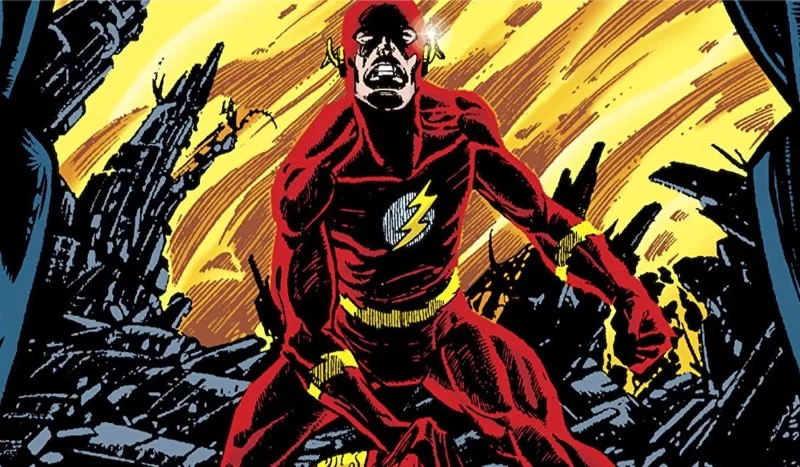
Crisis crossovers mark turning points in the DC Universe, and the Flash is pivotal in several of them. During a landmark event involving antimatter waves, Barry Allen sacrifices himself to stop a universe destroying cannon. That act defines him for decades and sets up Wally West to carry the mantle in ongoing series.
Later crises bring Barry back into the narrative and expand the role of the Speed Force in cosmic stakes. The Flash often serves as the hero who bridges worlds, outruns entropy, and delivers critical messages across time. These appearances underline why speed powers matter when the entire multiverse is at risk.
Wally West and Advanced Speed Feats
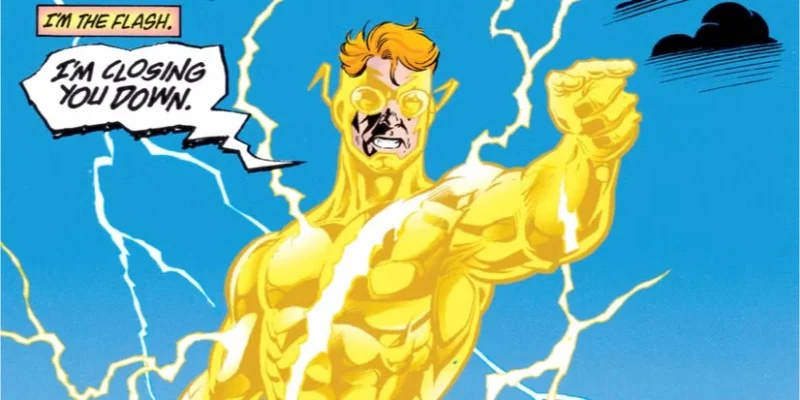
Wally West explores the outer limits of speed in ways that push physics inside the fiction. He learns to steal and lend speed, which allows him to freeze a villain in place by removing their motion or to supercharge an ally for a brief burst. He also refines techniques that turn momentum into precise strikes and crowd rescues.
Wally’s tenure emphasizes large scale humanitarian feats. He evacuates entire cities in seconds by mapping routes, stabilizing structures, and guiding civilians with controlled wind fields. His mastery of the Speed Force demonstrates how training and experience convert raw velocity into complex problem solving that saves lives at massive scale.
Reverse Flash and Temporal Antagonism
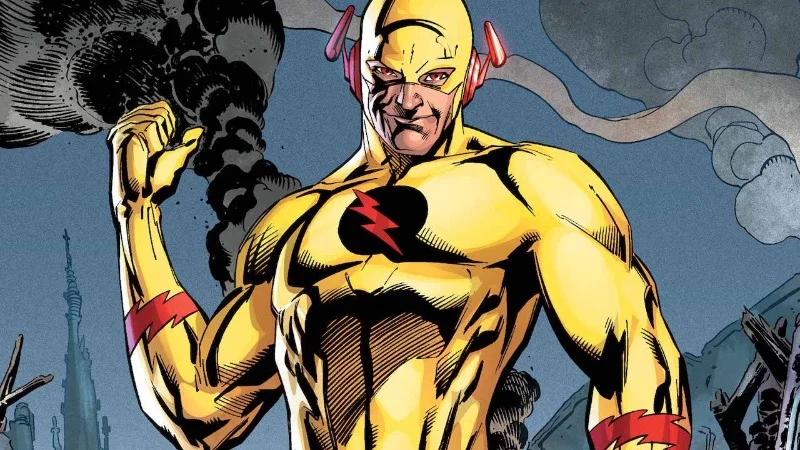
Reverse Flash, often Eobard Thawne, is a villain whose powers mirror and corrupt the Flash’s abilities. He weaponizes time by striking at key points in Barry Allen’s life, which turns personal history into a battlefield. The rivalry explains many tragedies that shape Barry’s origin and later choices.
Because Thawne operates from different eras, the Flash must plan across timelines to stop him. Stories track causality, paradox risks, and the limits of altering the past without unraveling the present. The contrast between hero and villain shows how the same power source can either stabilize history or tear it apart.
Share your favorite Flash moment in the comments so we can compare notes on the fastest feats in comics.