‘Avengers: Infinity War’ Mistakes You’ll Never Be Able to Unsee


Big movies move fast, and this one barely catches its breath. With so many characters jumping from place to place, a few little slip ups sneak into the frame. Most are quick blinks that fly by on first watch, but once you spot them, they keep popping up every time.
These are practical continuity quirks, odd geography moments, and a few physics head scratchers. None of them ruin the story, though they do make for fun pause and rewind discoveries. Here are ten you will notice once they are on your radar.
The Asgardian ship split that leaves survivors unaccounted
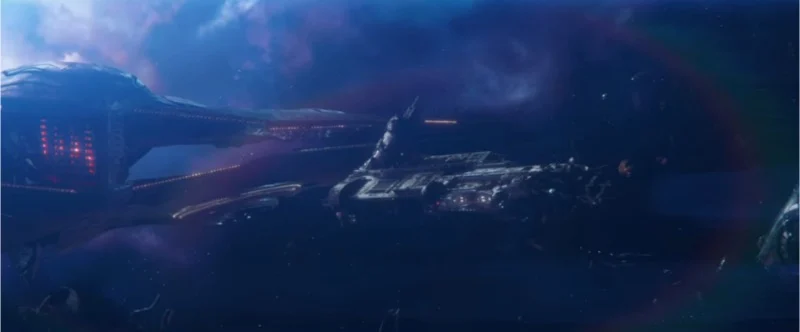
We open on the ruined Asgardian vessel from the end of ‘Thor: Ragnarok’. The movie frames it like a total loss, yet later dialogue confirms that Valkyrie and others escaped on a separate craft. The cut from the distress call to the wrecked interior makes it unclear who got away and when, which creates confusion when those characters show up alive later.
The issue sits in how the evacuation is never shown. The film jumps from Thanos boarding to the aftermath without depicting lifeboats or a launch. That editing choice turns a timeline gap into an apparent continuity problem for anyone trying to track who was on which ship.
The Hulkbuster helmet fit that drifts around Bruce Banner’s neck
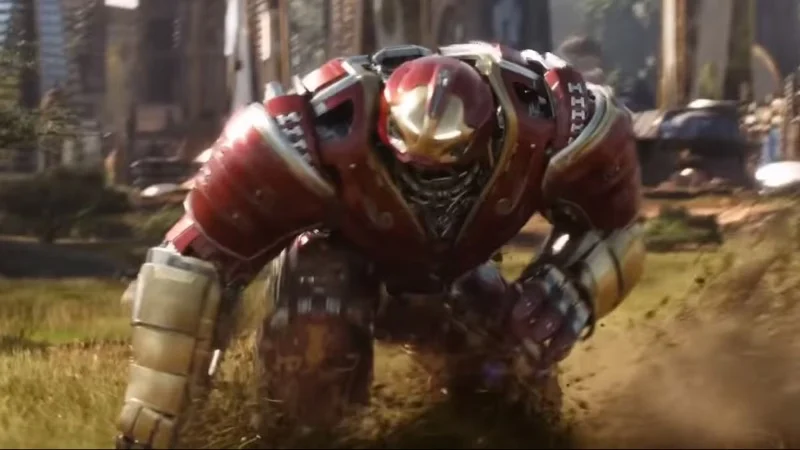
During the Wakanda battle, Bruce Banner pops the Hulkbuster helmet open for a few reaction shots. In some angles the digital collar sits snug against his neck, while in others it floats a little above the skin. The spacing changes within the same beat as the camera cuts around him.
This is a classic composite mismatch. The production blends a practical chest rig with a CG helmet and neck assembly, and the tracking shifts a touch from shot to shot. Once you notice the gap moving, it is hard to miss the tiny drift in later cuts.
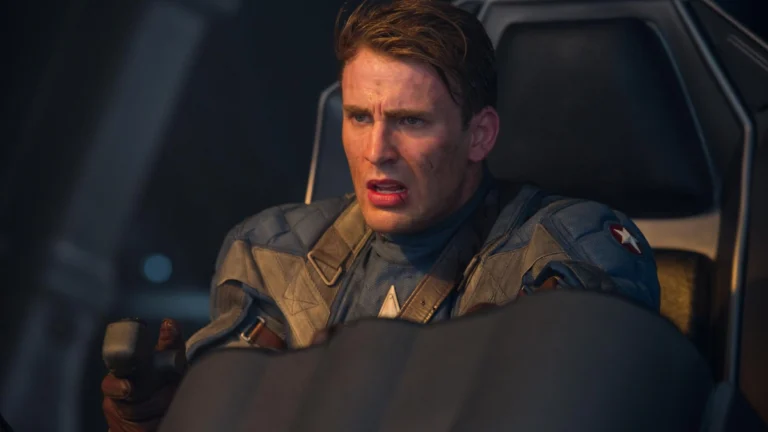
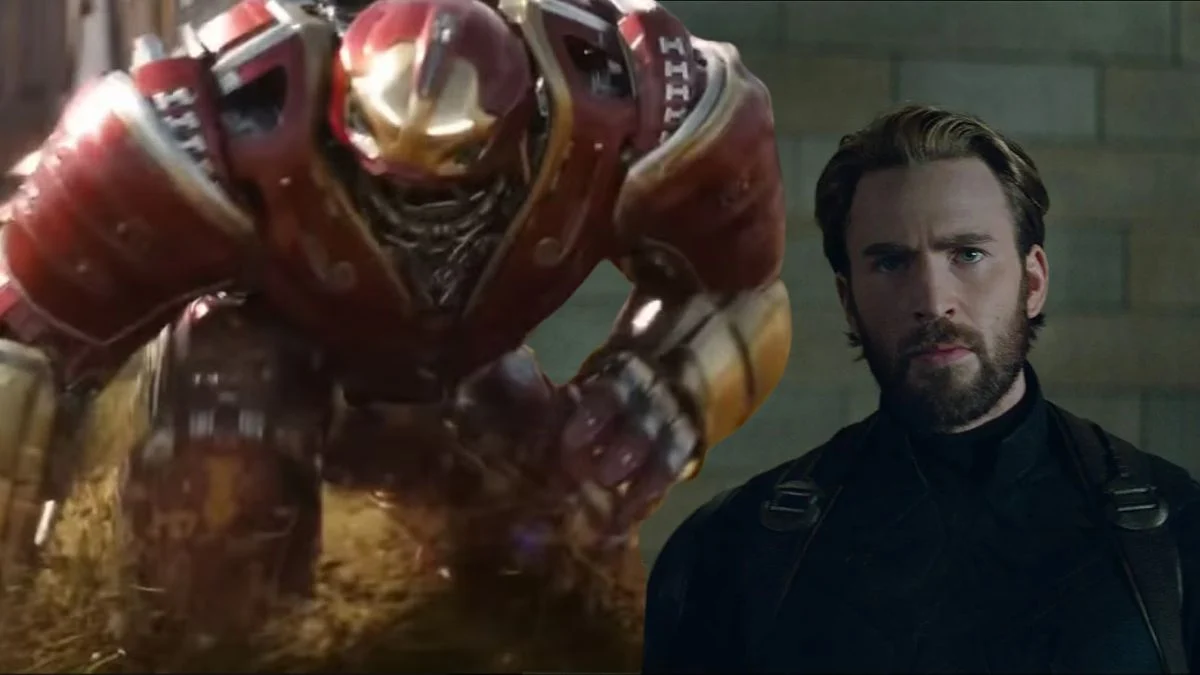
Captain America’s beard and hair length shift between shots
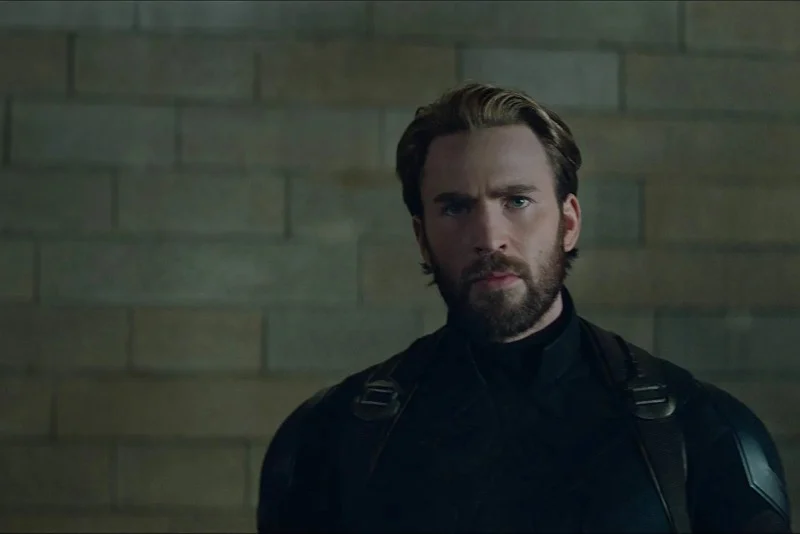
When Steve Rogers steps out of the shadows in Scotland, his hair and beard length look slightly different across a handful of quick cuts. The beard edge appears a bit fuller in the wide, then a little neater in the close coverage.
That kind of variance often happens when scenes are picked up on different days. Hair departments match meticulously, but lighting and lens choice can change how volume reads. In the stitched sequence, the tiny differences read as a continuity wiggle.
The flip phone from ‘Civil War’ that does not match onscreen close ups
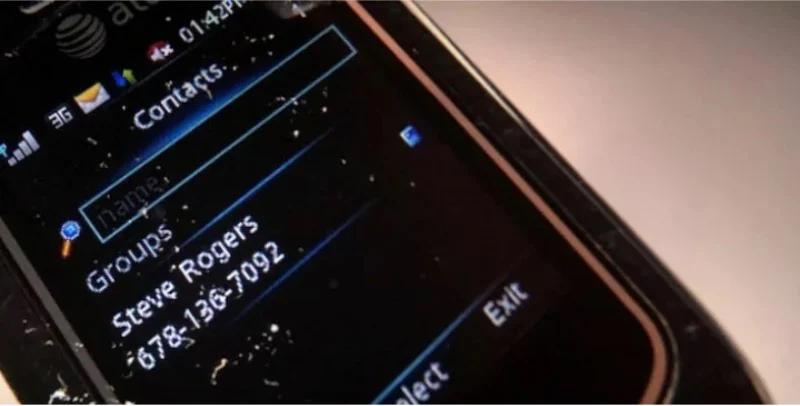
Tony still carries the contact phone Rogers mailed in ‘Captain America: Civil War’. The prop he handles in wide shots reads as an older flip model with heavy wear. A close insert later shows a cleaner unit with different button spacing and a less scuffed shell.
Props departments keep duplicates for safety, and sometimes an insert shot is filmed much later with a stand in item. The phone’s make and finish do not perfectly align between those setups, which creates a noticeable mismatch for viewers tracking that specific device.
Spider-Man’s suit deployment timing outside the Q ship
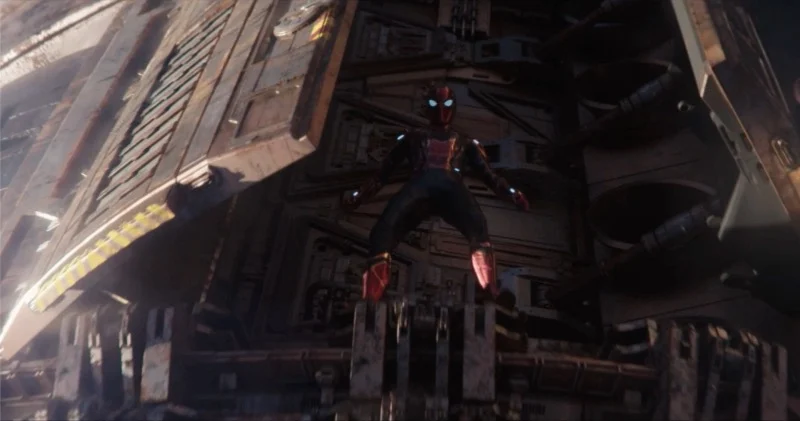
Peter is pulled upward toward the Q ship after the park chase. He loses consciousness as he climbs into thin air, then the Iron Spider suit rockets up and encapsulates him. In a reverse angle, there is a beat where he appears to be breathing unassisted a bit longer than the earlier view suggests.
The sequence intercuts practical wire work and digital suit assembly. The timing of mask closure and the moment airflow should become an issue are not perfectly synced across the intercut shots. That edit creates a small continuity gap in how long Peter stays exposed.
Vision’s wound placement that moves during the Scotland fight
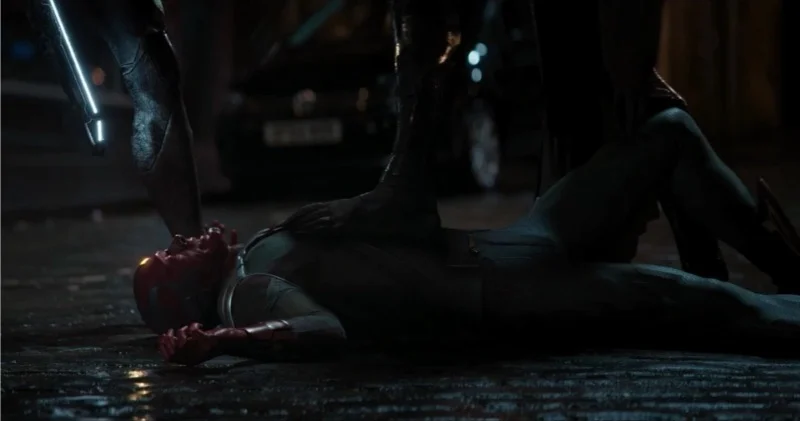
Corvus Glaive stabs Vision during the ambush. As the fight spills through the streets and into the rail platform, the entry point on Vision’s torso appears to shift slightly between sides and heights in a few cuts.
This can happen when different plates are staged for stunt safety or when a digital wound mark is placed on two plates with different framings. The quick geography changes make the wound look like it migrates a bit as the scene jumps from wide to close coverage.
The train platform details in Edinburgh that do not match real announcements
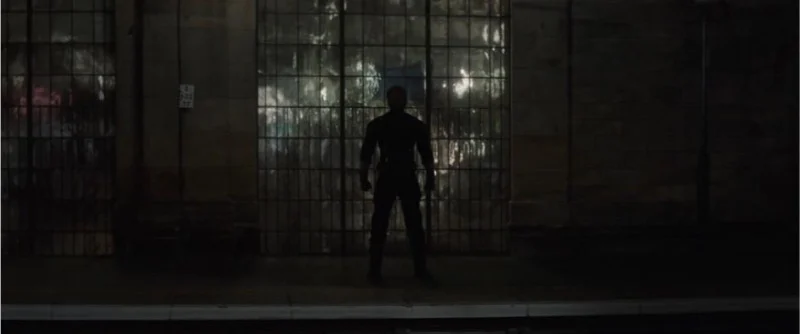
Wanda and Vision are cornered near the tracks as a train rolls through. The platform signage and the audible announcement do not quite match how real service information is delivered at that station, and the layout on screen compresses entrances that are farther apart in the actual location.
Productions often blend a real platform with set dressing and sound design for clarity. The stitched environment streamlines sightlines for action beats, which leads to a map that locals will spot as off and audio cues that do not mirror the real cadence.
The gauntlet power use that disappears when heroes grapple it
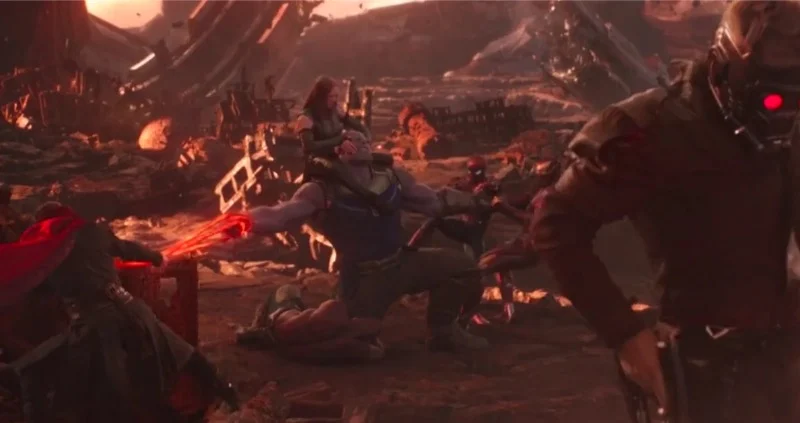
On Titan, Thanos uses the Stones freely at a distance. When the team manages to pin his arm, there are moments where the gauntlet reads inert even though he still has stones that could break restraints instantly. In one cut he strains physically rather than flashing an effect we saw earlier.
Action design sometimes limits tool use to give hand to hand beats room to play. The fight intercuts multiple strategies, and not every stone activation is shown each time a cut returns to the grapple. That choice creates the feel of inconsistent power use inside a single skirmish.
Thor and the star at Nidavellir breaking exposure rules
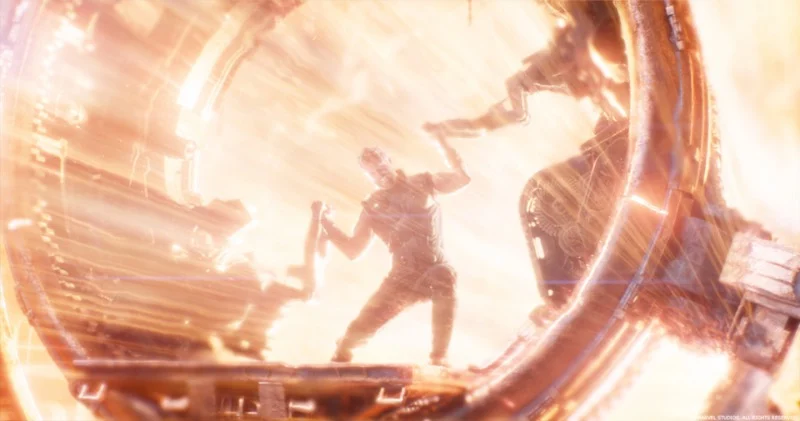
Thor holds the iris open to restart the forge and takes the full blast of stellar energy. The sequence treats the exposure like severe but survivable heat, yet the visuals also depict conditions that should vaporize anything organic on contact. The two ideas sit side by side within the same scene.
The film leans on Asgardian resilience and mythic scale, but its own effects suggest an energy level beyond survivability. The mismatch between the shown phenomenon and the character’s endurance reads as a physics inconsistency that viewers flag on rewatch.
Wakanda’s energy dome brightness and battlefield layout changing between angles
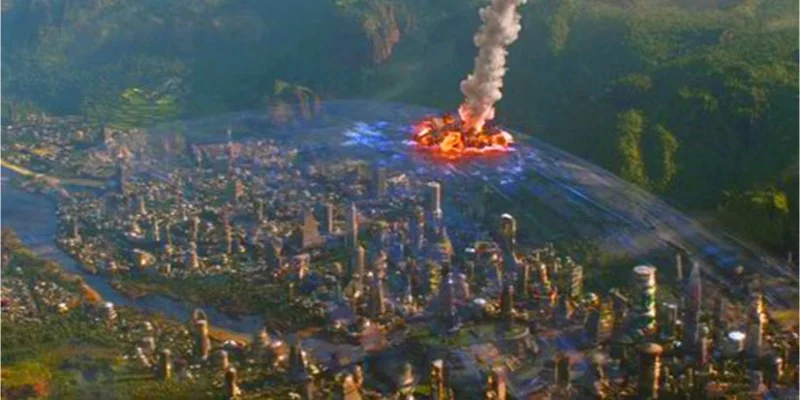
As the Outriders slam into the shield, the brightness and texture of the barrier shift between shots. In some angles it looks opaque and pulsing, while in others it reads clearer and thinner. The distance from the tree line to the front line also seems to vary as the camera jumps.
Large scale battles are built from many plates, second unit material, and digital extensions. When those pieces are combined, small changes in lighting, scale, and placement can slip through and create a battlefield that subtly reshapes itself from cut to cut.
Share the blink and you miss it mistake that always catches your eye in the comments.