‘Red Dead Redemption 2’ Mistakes You’ll Never Be Able to Unsee


You can ride across five states, chase down legendary animals, and still spot tiny slips that pull you out of the moment. These are not game breakers. They are small continuity hiccups and quirks of how the world loads and saves that become very obvious once you know where to look.
Everything below is easy to reproduce if you try specific actions or watch what happens during transitions. Think of it as a field guide to the little seams behind the frontier. Once you notice them, they are hard to ignore, especially during missions that jump from free roam to cinematic scenes and back again.
The Hat That Magically Comes Back
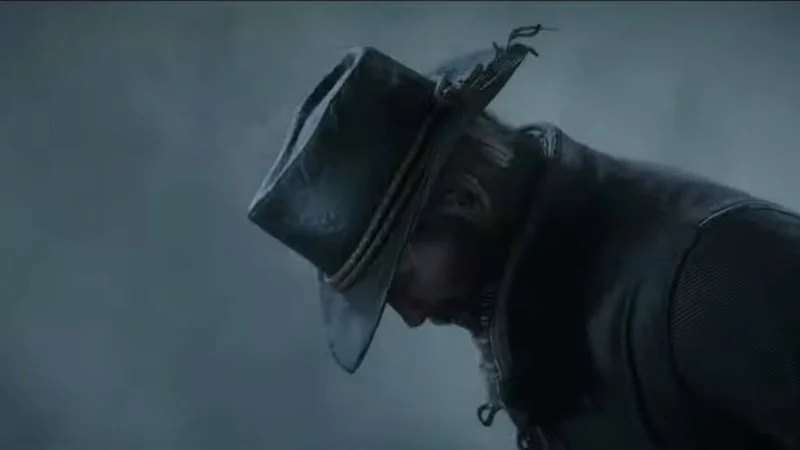
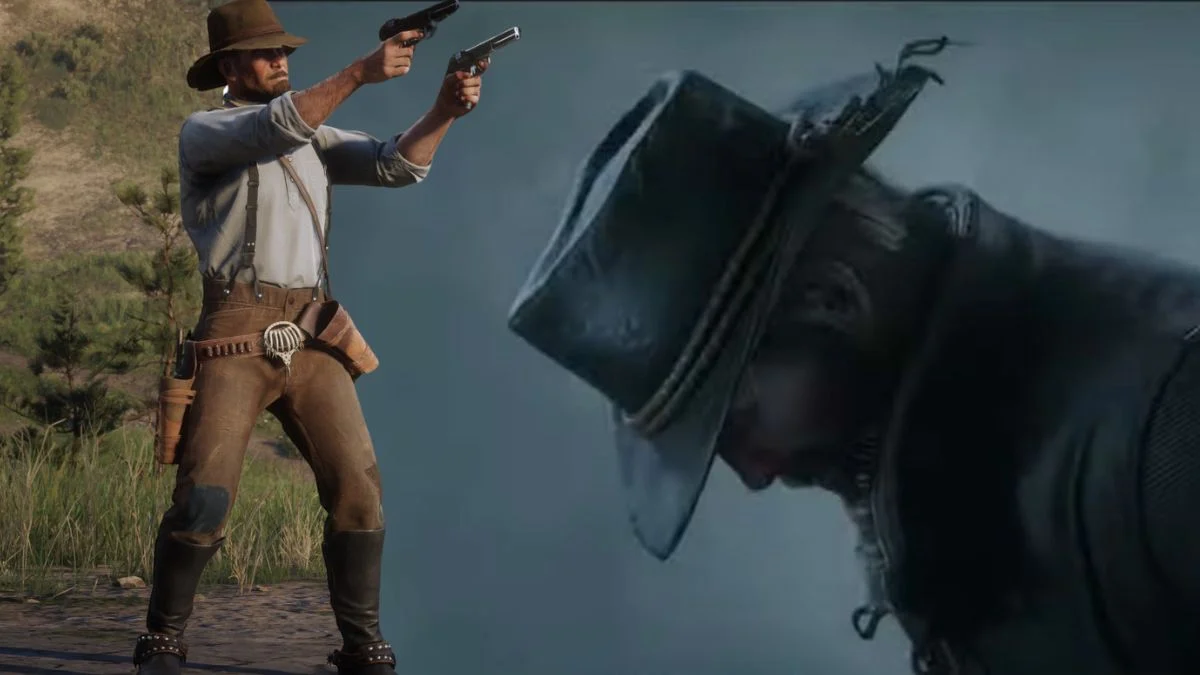
Lose Arthur’s hat in a fight, then trigger a mission start or a mid mission cutscene, and watch it return to his head as if nothing happened. The replacement can happen even if you saw the hat fly off a moment earlier on the ground nearby. The swap is tied to cutscene models and the way the game restores your default outfit during narrative beats.
You can test this in Valentine by starting a brawl outside the saloon and immediately walking into a mission marker. The cutscene will load a version of Arthur that includes his default headwear, which overrides the previous state. After the scene, the gameplay model syncs to that default again, making it look like the hat teleported.
Long Guns That Vanish Between Scenes
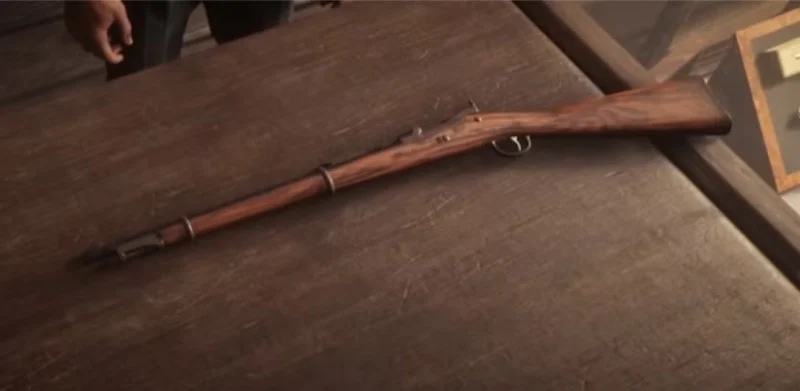
Carry a repeater and a shotgun on your back, then step into a story cutscene and you may exit holding only sidearms. The game often strips long guns during cinematics and returns you to a pared down set once control resumes. This is most noticeable on missions that auto mount you or place you next to your horse with a forced objective.
You can reproduce it by equipping two long guns from the saddle, walking into a nearby mission start, and checking your weapon wheel when the scene ends. The wheel resets to a default loadout and the long guns appear stored again, which looks like they briefly ceased to exist.
Dirt and Blood That Clean Themselves
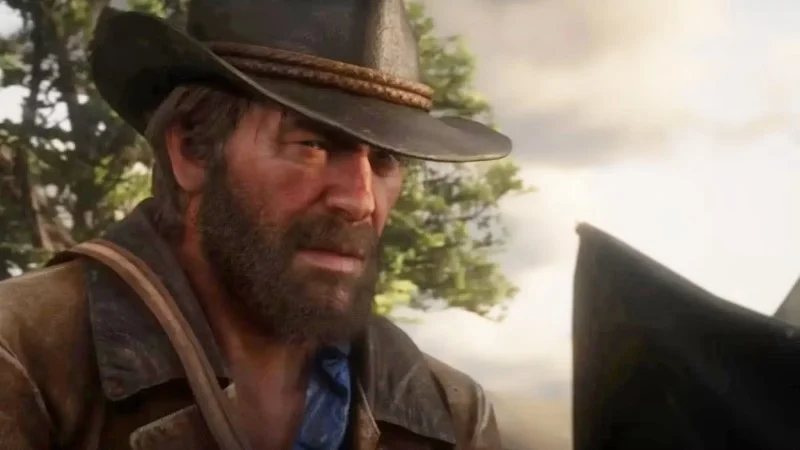
Cover Arthur in mud, grime, and blood, then trigger a cutscene, and his coat or shirt may appear cleaner during the dialogue. The cinematic character model does not always inherit every decal from gameplay. When the engine swaps back, the dirt may return or present differently.
Try it after a muddy fistfight in Valentine or a hunting trip that leaves blood on your sleeves. Start a mission conversation and watch how stains shift. The effect is most visible on lighter fabrics and on the duster, where splatter patterns change as the scene loads and unloads.
Bodies That Disappear After Transitions
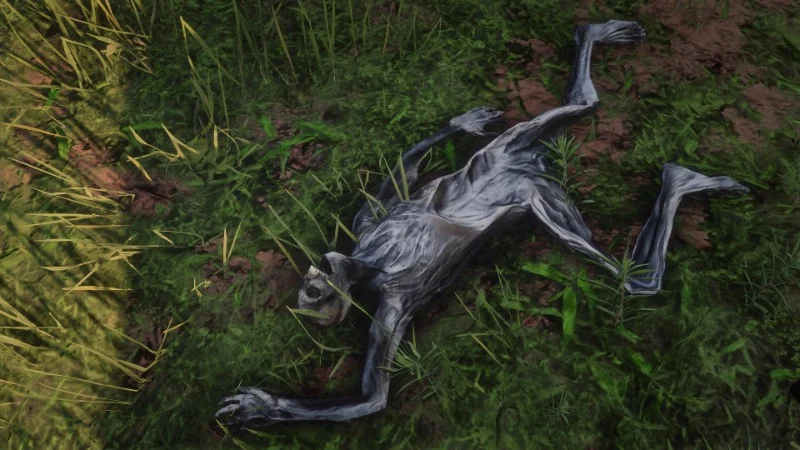
Clear a gang hideout, then open the map and fast travel by stagecoach or sleep to save, and many of the bodies will be gone when you return. The world uses cleanup routines to maintain performance, and mission or travel transitions accelerate that process.
You can check this at the old Driscoll camps in the Heartlands. Defeat the enemies, ride a short distance to trigger a light reload such as crossing a region boundary, then circle back. Props and corpses despawn in batches, which makes it look like the aftermath evaporated.
Pelts That Vanish From Your Horse
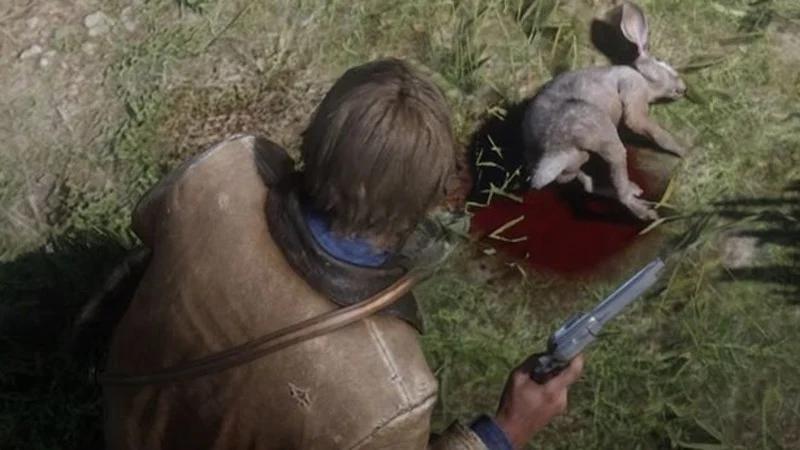
Load a perfect pelt and a small carcass on your horse, then accept a mission that pulls you into a cutscene. When control returns, one or both items can be missing. The mission scene reserves memory and sometimes flushes cargo that is not part of the scripted setup.
You can see this on the ride into Saint Denis when story objectives chain together. If you want to safeguard pelts, save them at a trapper or butcher before you cross a mission trigger. Otherwise the transition can silently unload the animal items from the horse slots.
Trains That Pop In Out Of Nowhere
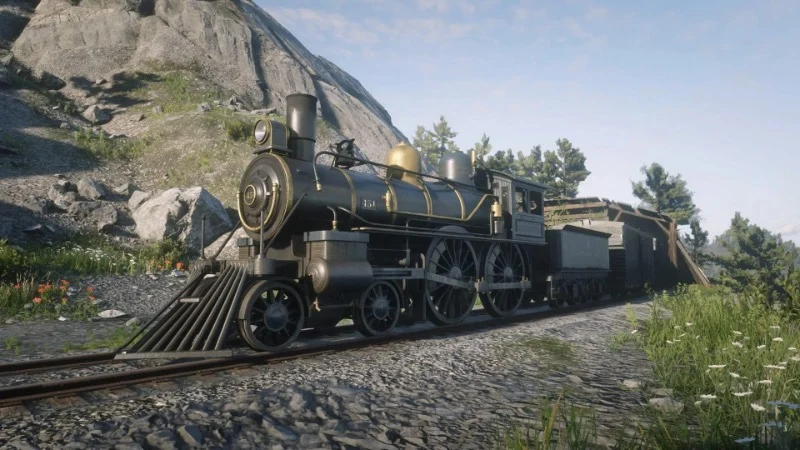
Stand near a rail crossing with no train in sight, open the pause menu, then resume, and a train can spawn on the next segment almost immediately. The system streams traffic in chunks and repopulates schedules as the world state reloads.
This is easiest to notice on the line north of Rhodes. Wait near the signal, pause, and return. The next consist may appear much sooner than expected, which looks like it materialized just off camera rather than traveling in from a distant origin.
Wagons That Leave No Lasting Tracks
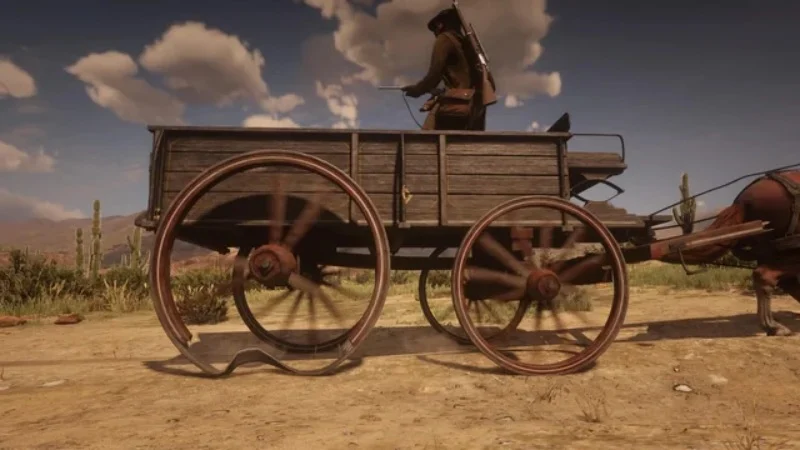
Drive a wagon through wet ground and you will carve deep ruts. Look away or push the camera far enough to reload the terrain, then look back, and the tracks can fade or reblend. The terrain decals are temporary and tied to active streaming tiles.
You can test this in a rainy Heartlands field. Make a tight loop with a heavy wagon, ride twenty meters away so the area unloads, then return. Many of the ruts will be lighter or gone, which creates the impression that the wagon trail reset itself.
Outfits That Change Mid Conversation
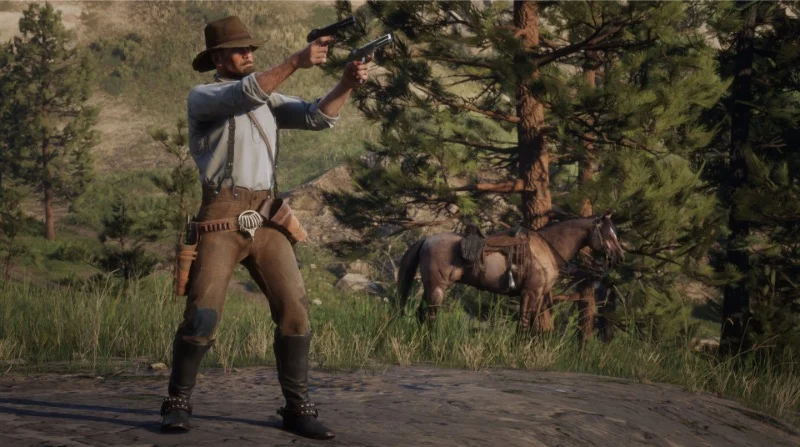
NPCs can swap coats or hats between a mission intro and a follow up line when a weather system ticks over. The game equips climate appropriate layers and sometimes applies that rule inside narrative beats, which causes an unplanned wardrobe update.
Start a conversation with an NPC in cold rain, then wait a moment until the weather shifts to clear. If a new line of dialogue triggers, the character may appear with fewer layers or a different hat. The effect is subtle in towns like Valentine and more obvious on mountaintop paths.
Cigarettes That Do Not Reduce Your Count
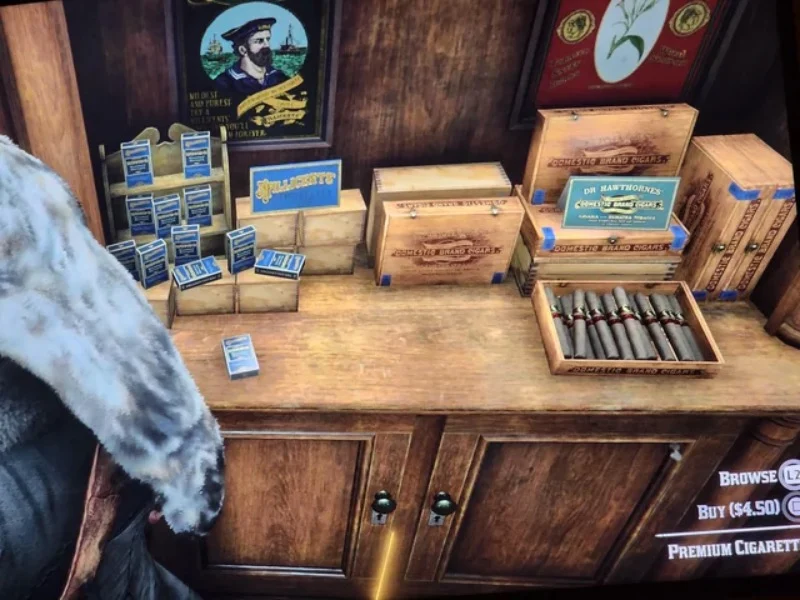
Arthur lights a cigarette in a cinematic, but your consumables count does not always drop when the scene ends. Cutscenes use scripted animations and do not always call the inventory update that normal use triggers.
You can check this by noting your count of premium cigarettes or regular smokes, starting a mission where Arthur takes a drag during dialogue, then opening your inventory afterward. The number often matches the pre scene value, which makes the smoke look free.
Moon And Shadows That Jump After Sleep
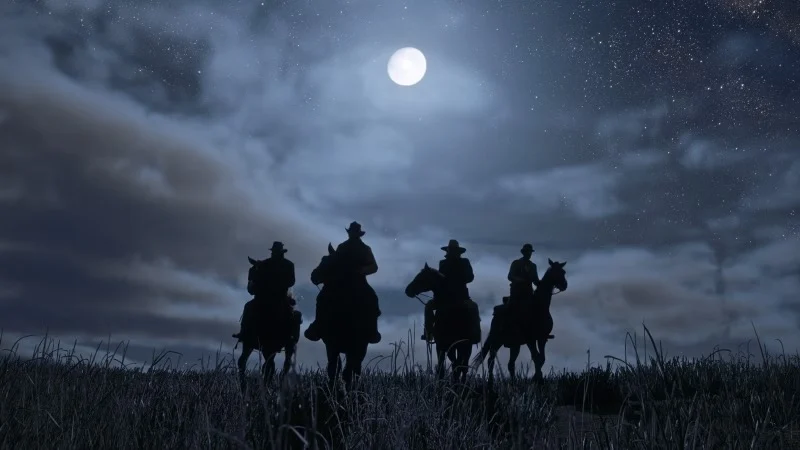
Sleep until morning at a camp and check the sky, then sleep again until night, and you may notice the moon phase or shadow length jump more than a single day usually allows. The time skip sets celestial states in larger steps to sync lighting and mission timing.
You can observe this near Flatneck Station with a repeat cycle of morning and night rests. Track the moon with a landmark and watch how it advances. The lighting model prioritizes consistent visibility for missions, which results in phase and angle shifts that feel abrupt.
Share the tiny slip that bugs you the most in the comments and tell everyone where you first spotted it.