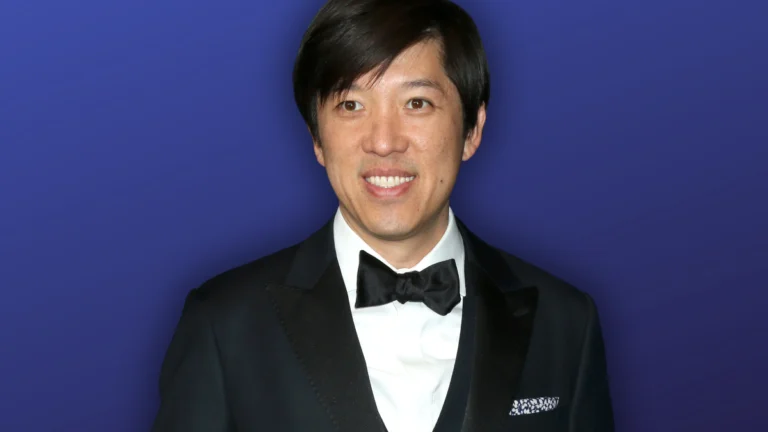
Top 20 Latin Celebs America Rejected



Breaking into the United States entertainment mainstream is a steep climb even for artists who dominate charts and arenas across Latin America. Radio formats, language preferences, and label strategies can limit visibility for performers who are already superstars at home. Many tried English projects, network TV pilots, or multi city tours, yet never found the same name recognition outside Spanish language media.
This list looks at Latin celebrities who built massive careers across Mexico, the Caribbean, Central America, and South America but never converted that momentum into lasting mainstream fame in the wider U.S. market. Each profile notes concrete releases, tours, and projects aimed at North America and how their careers continued to flourish primarily in Spanish speaking regions.
Luis Miguel
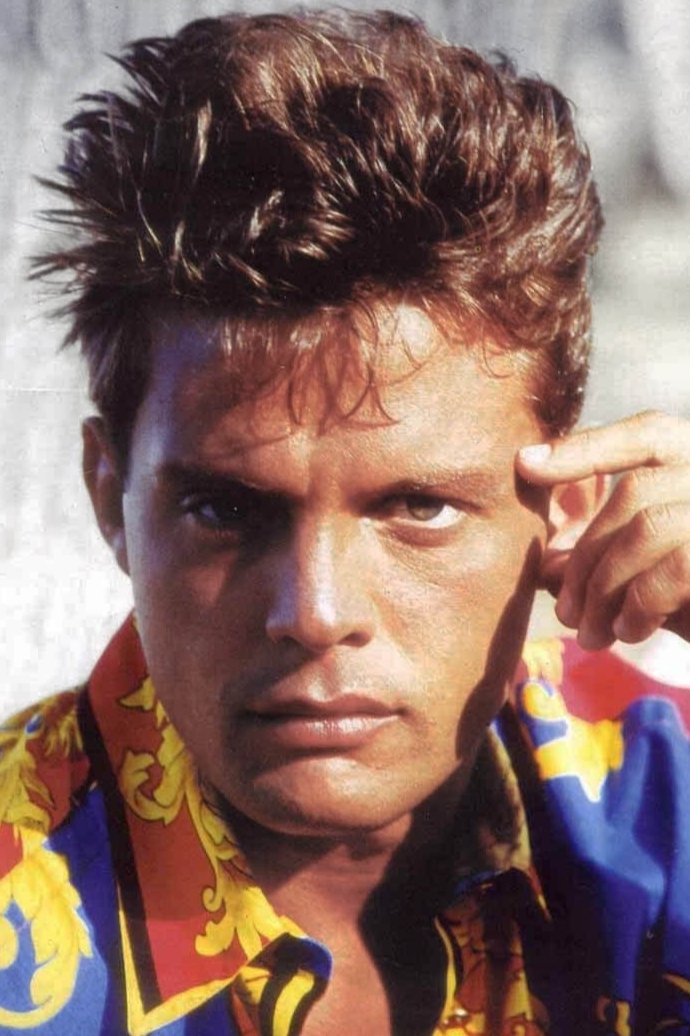
Luis Miguel sold out arenas across the Americas and placed dozens of singles at the top of Latin charts. He recorded English language tracks early in his career and booked U.S. venues in major cities with large Spanish speaking audiences. His ballad and bolero albums became benchmarks for production quality and vocal performance, and his tours consistently grossed at the top of Latin touring lists.
In the broader U.S. mainstream he remained best known within Spanish language media and venues. His catalogs in English never received the push or airplay that matched his Spanish releases, so general market radio and television exposure stayed limited even while his Spanish albums achieved multi platinum status across Latin America.
Vicente Fernández
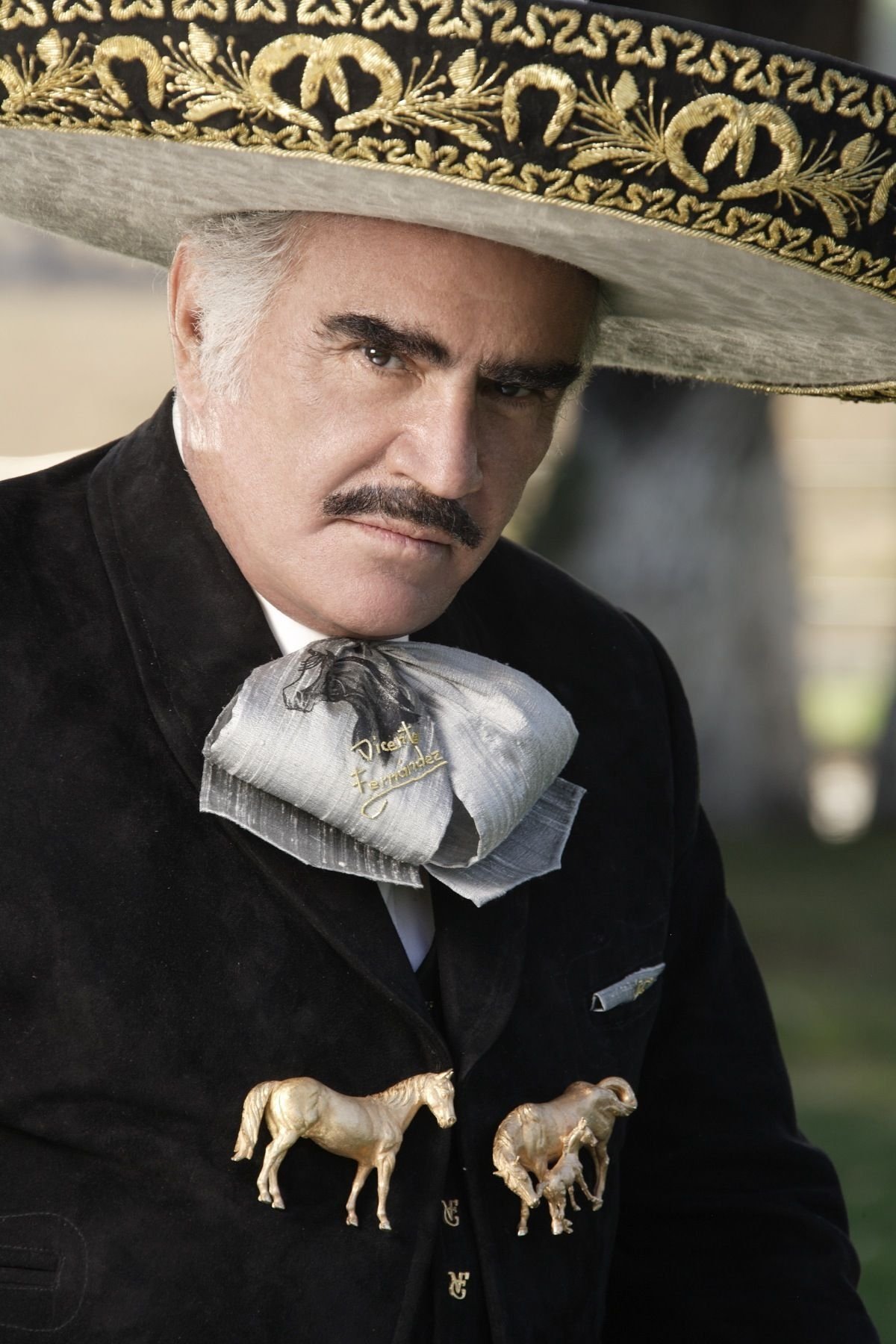
Vicente Fernández defined ranchera for generations and filled stadiums from Guadalajara to Los Angeles. He recorded live albums in U.S. arenas and maintained a strong fan base within Mexican American communities. His catalog includes classic mariachi arrangements that are staples at cultural events and celebrations.
Mainstream American radio and TV outside Spanish language outlets rarely programmed traditional ranchera. That limited his visibility to non Spanish speaking audiences, even as he headlined U.S. tours and earned lifetime achievement honors that recognized his influence across the hemisphere.
Juan Gabriel
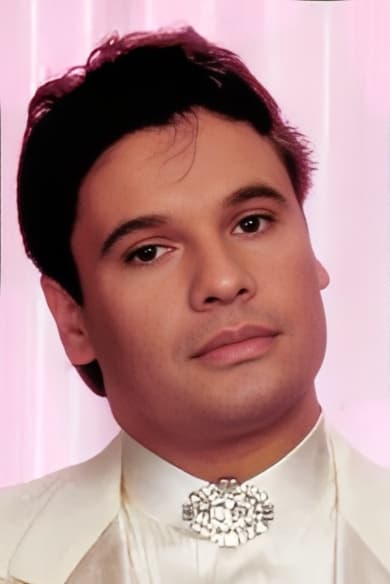
Juan Gabriel wrote and recorded hundreds of songs covered by artists across genres. He produced spectacular stage shows in U.S. cities with large Latino populations and collaborated with regional Mexican and pop stars on albums that charted strongly on Latin rankings. His recordings drew from mariachi, pop, and ballad traditions.
Despite frequent U.S. performances his presence in the English speaking mainstream remained small. Television appearances were focused on Spanish language networks and his albums were released primarily in Spanish, so he never received wide airplay on general market stations even as his concerts in the States sold robustly.
Marco Antonio Solís
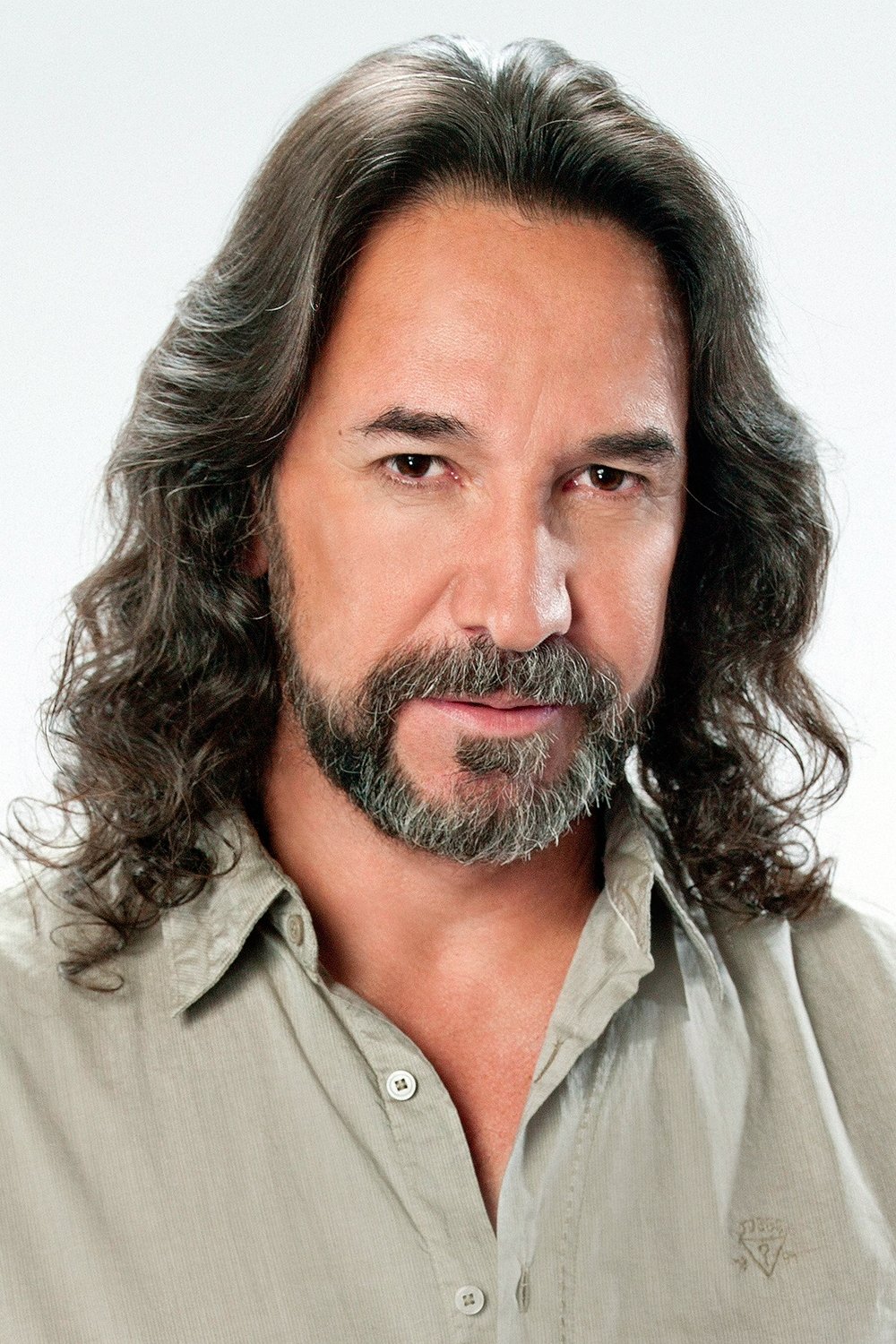
Marco Antonio Solís built his reputation with Los Bukis and then as a solo act with multiple hit albums. He toured the United States extensively, playing arenas and amphitheaters and releasing live recordings from U.S. shows. His songwriting for other artists also reached listeners across borders.
Crossover momentum beyond Spanish speaking audiences did not materialize. His albums and singles were positioned for regional Mexican and Latin pop formats, which kept him prominent within those lanes while general market platforms did not adopt his releases in regular rotation.
José José
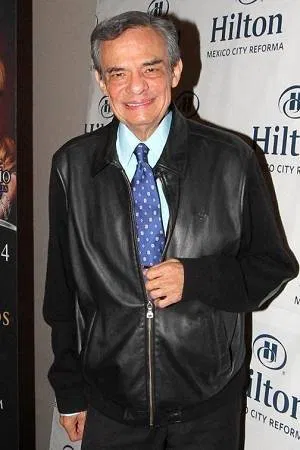
José José’s ballads defined romantic pop for decades and his albums sold in the millions across the Spanish speaking world. He performed in major U.S. theaters and recorded projects that targeted fans living in the States. His voice and arrangements became a reference point for later singers in the genre.
His recognition in the broader U.S. mainstream stayed limited. English language radio and TV did not feature his singles, and distribution concentrated on Spanish language retailers and stations, which preserved his core fan base while minimizing exposure to non Spanish speaking audiences.
Chayanne

Chayanne combined dance pop with arena ready performance and toured the United States regularly. He released Spanish albums that topped Latin charts and recorded select English language tracks to test the U.S. market. His concerts drew multigenerational audiences and he maintained a steady schedule of U.S. dates.
Outside Spanish language media his profile remained modest. General market radio did not consistently program his singles, and his English language material did not anchor a full crossover era, leaving his strongest presence within Latin formats despite a sustained touring footprint in the States.
Thalía

Thalía became a household name through hit albums and globally syndicated telenovelas. She released English language material aimed at U.S. listeners and promoted those projects with appearances in American media. Retail partnerships and brand ventures also launched in North America alongside her music.
Her mainstream U.S. chart impact did not match her Spanish language success. Airplay and sales were strongest on Latin stations and outlets, while English language programming offered limited rotation, so her visibility remained highest among audiences who followed her telenovelas and Spanish albums.
Paulina Rubio

Paulina Rubio earned multiple Latin hits and pursued the U.S. market with English language singles and bi national promotion campaigns. She booked American TV performances and targeted radio formats that had embraced Latin pop waves in prior years. Her tours included stops in U.S. clubs and theaters.
Sustained crossover traction proved elusive. After initial curiosity her English projects did not become staples on general market playlists, and subsequent releases refocused on Spanish language audiences where she continued to score charting singles and festival appearances.
Belinda

Belinda moved from child star to pop singer with albums that performed well in Mexico and Spain. She collaborated with producers who worked in both Spanish and English markets and appeared on U.S. stages tied to award shows and special events. Select singles were promoted to American radio.
Her presence outside Spanish language platforms remained niche. The bulk of her catalog stayed in Spanish and promotional cycles leaned toward Latin media, which kept her fan base strong in those regions while her name recognition in the wider U.S. mainstream did not expand at the same pace.
Anahí

Anahí parlayed telenovela fame and group success into a solo career with Spanish language albums. She performed in U.S. venues that catered to Latin pop and reconnected with American fans through reunion events tied to her earlier group work. Her releases targeted digital platforms with strong Latin followings.
A broad English speaking audience did not materialize. Marketing centered on Spanish language channels and fan communities, and general market radio did not add her singles in significant rotation, keeping her most visible within Latin tours and media circuits in the United States.
Xuxa

Xuxa fronted one of Brazil’s biggest children’s TV franchises and licensed music, merchandise, and live shows across Latin America. She produced an English language version of her program for U.S. syndication and filmed episodes designed to reach American families alongside Spanish language broadcasts.
The English language show had a short run and did not build long term distribution in the United States. Her strongest U.S. presence remained in Spanish language markets and among Brazilian diaspora communities, while mainstream American children’s TV moved on without a lasting Xuxa block.
Ivete Sangalo

Ivete Sangalo built a powerhouse career in Brazil and delivered high energy concerts that drew big crowds. She recorded a live album at a major U.S. arena and performed at American festivals that spotlighted international acts. Collaborations with Latin artists introduced her to Spanish speaking listeners.
Her recordings did not secure regular play on mainstream U.S. pop radio. Releases were primarily in Portuguese and promotion focused on Brazilian and Latin events in the States, which sustained a solid niche audience without translating into general market recognition.
Roberto Carlos
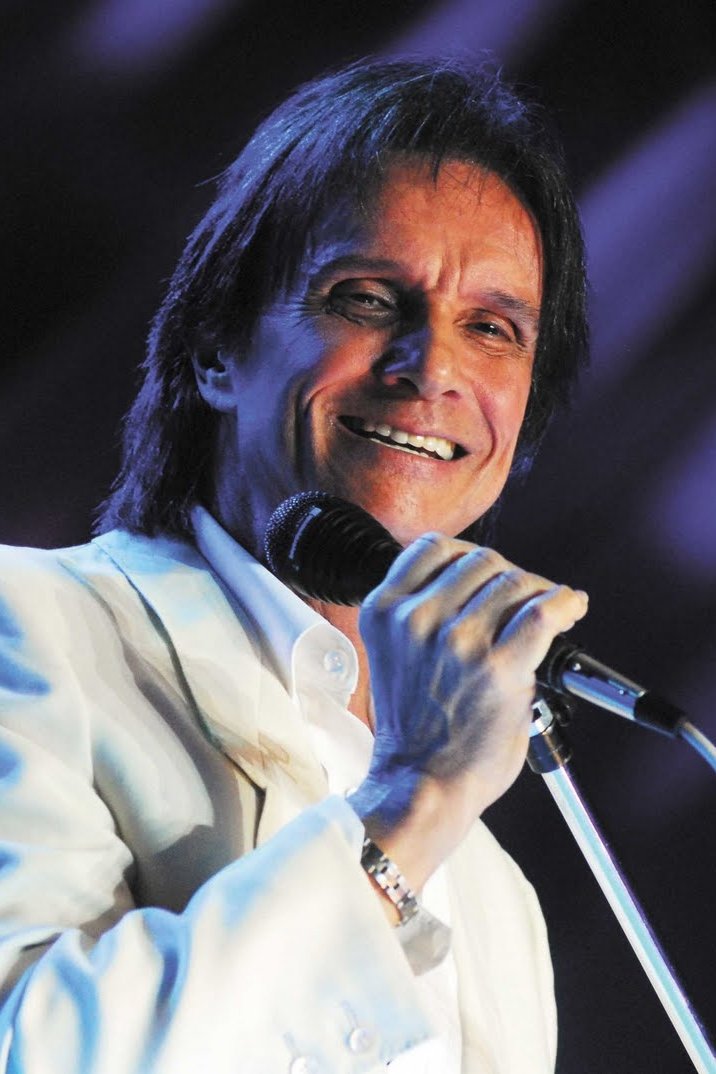
Roberto Carlos is one of the most successful Brazilian singers of all time with decades of charting albums. He recorded English and Spanish versions of signature songs and toured North America with shows that highlighted his large catalog. Compilation albums targeted U.S. retailers serving Latin consumers.
Despite occasional English versions his visibility stayed concentrated in Portuguese and Spanish language circles. American pop radio and TV did not adopt his singles in a sustained way, and his legacy in the States remained anchored to fans who followed international music catalogs.
Fito Páez
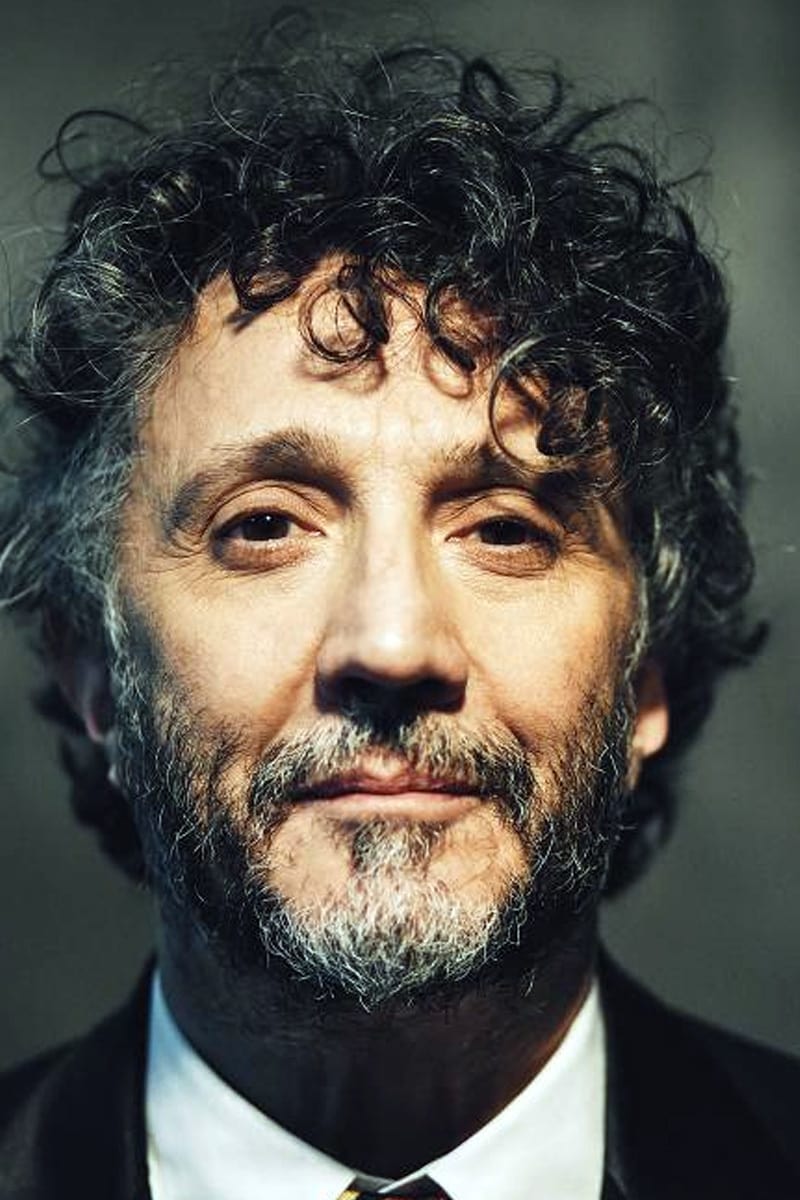
Fito Páez shaped Argentine rock with landmark albums and sold out tours across the Southern Cone. He booked club and theater dates in U.S. cities with strong Latin rock communities and released live recordings that included American stops. His discography spans studio, live, and soundtrack projects.
U.S. mainstream platforms did not bring his Spanish language rock into regular rotation. Coverage and airplay were strongest on Latin rock outlets and cultural festivals, which maintained his profile among dedicated listeners while the broader American audience remained unfamiliar with his work.
Gustavo Cerati
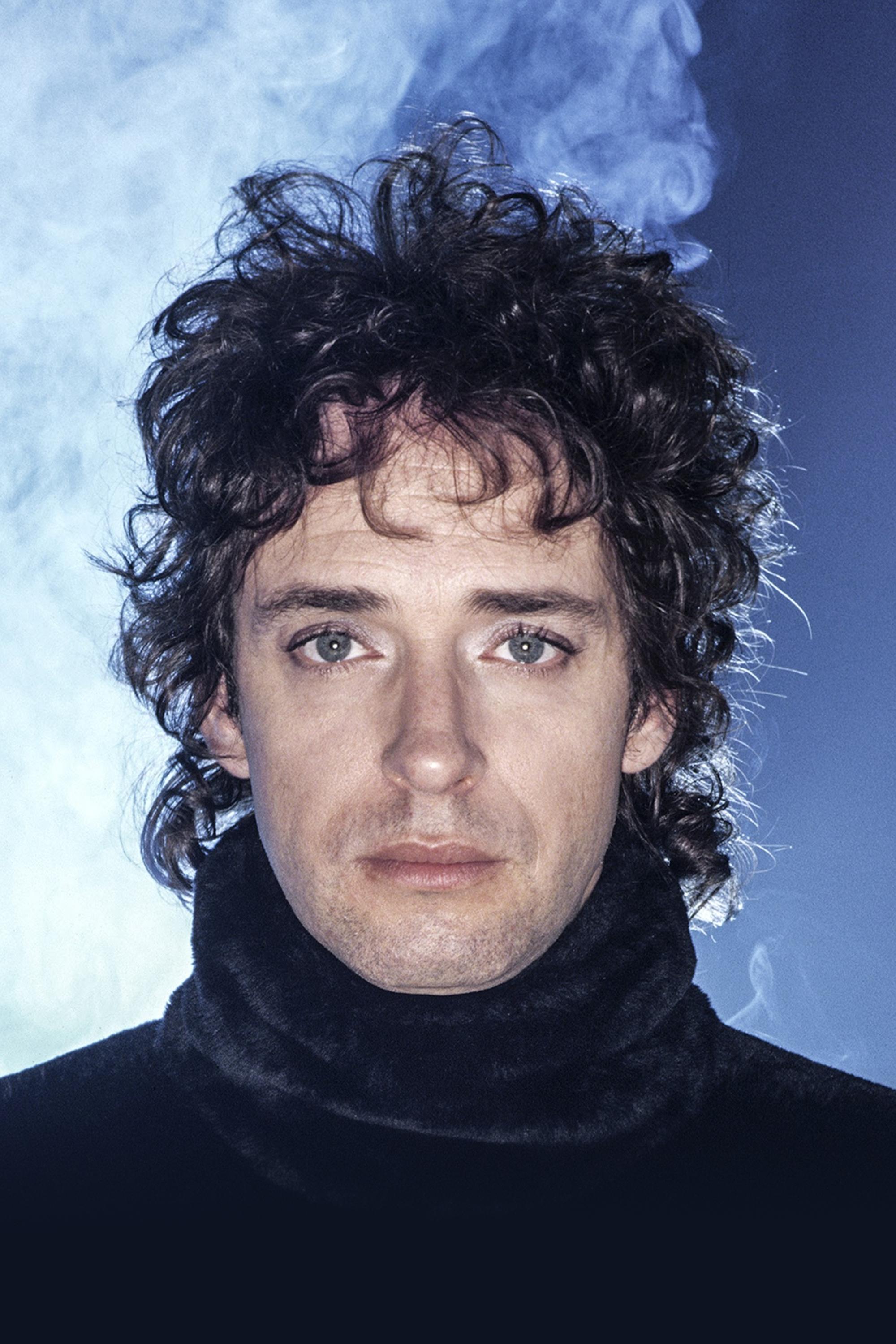
Gustavo Cerati, both solo and as the voice of Soda Stereo, influenced generations of rock en español artists. He performed in U.S. venues during reunion and solo tours and recorded projects that circulated widely across Latin America. His production work also connected him to artists with U.S. fan bases.
General market radio and TV in the United States rarely featured Spanish language rock acts. As a result his recognition remained highest among Latin rock fans and Spanish language media, even though his concerts in U.S. cities sold well within that community.
Mon Laferte

Mon Laferte earned multiple Latin awards and charting releases with a blend of rock, bolero, and pop. She toured the United States in clubs and theaters and appeared at American festivals known for booking Latin alternative artists. Collaborations with Mexican and Colombian acts broadened her reach.
Her profile in the wider U.S. mainstream stayed limited. Airplay concentrated on Latin and alternative specialty shows and Spanish language outlets, so her audience grew steadily within those lanes without crossing into high rotation on general market radio.
Natalia Lafourcade
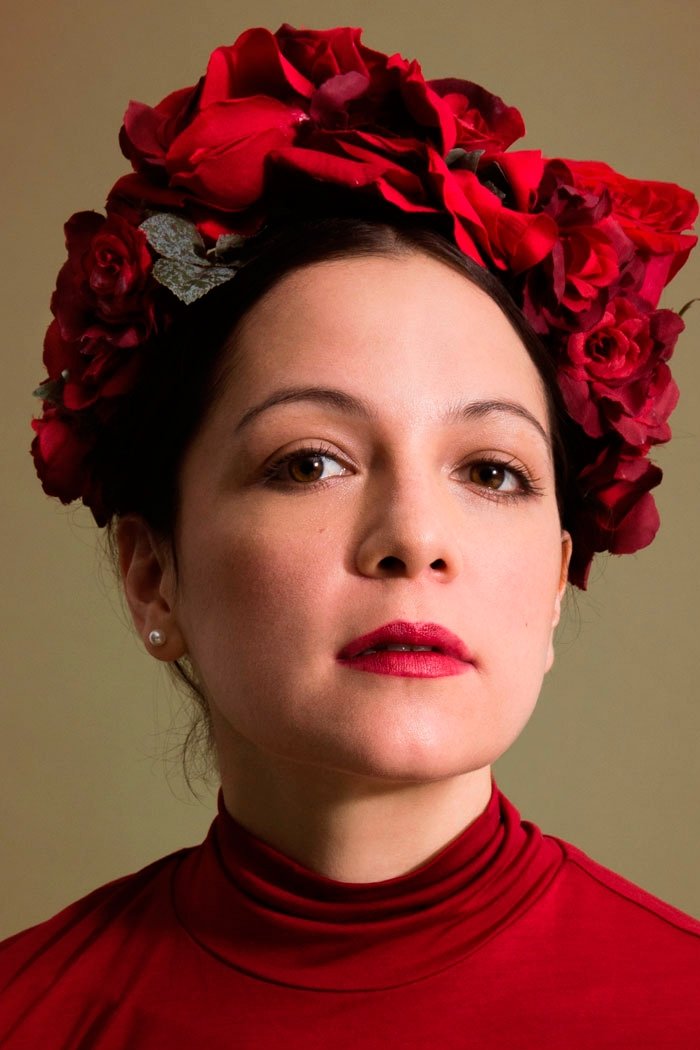
Natalia Lafourcade’s albums of original songs and traditional repertoire received critical acclaim and industry awards. She booked U.S. theater tours and recorded live sessions in American studios that cater to international acts. Her projects often centered on Mexican folk and acoustic arrangements.
Her music was not a fixture on American pop radio outside Spanish language programming. The U.S. attention she received focused on niche and cultural outlets, which celebrated her artistry while leaving her largely unknown to mainstream audiences unfamiliar with Spanish language releases.
Ricardo Arjona
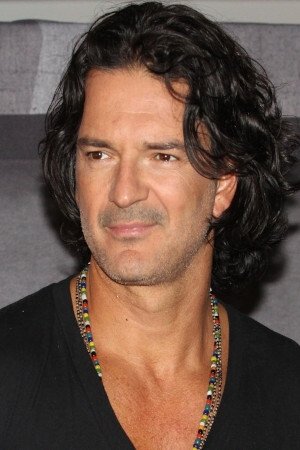
Ricardo Arjona sold out arenas across Latin America and maintained consistent touring in the United States. He released concept driven albums that performed strongly on Latin charts and filmed U.S. concerts for live DVDs and television specials. His catalog spans pop, ballads, and storytelling tracks.
English speaking mainstream platforms did not feature his singles regularly. Promotion targeted Spanish language media and venues, which sustained a large following among Latino audiences in the States while broader American awareness remained low.
Gian Marco Tavani

Gian Marco is a Peruvian singer songwriter whose compositions have been recorded by major Latin acts. He performed in U.S. cities and released albums that earned Latin industry recognition. His tours emphasized intimate venues where songwriting and acoustic arrangements take center stage.
As a performer he remained best known to audiences who track Latin pop and songwriter catalogs. General market radio and TV in the United States did not showcase his singles extensively, which kept his name recognition modest outside Spanish speaking communities.
Juan Luis Guerra
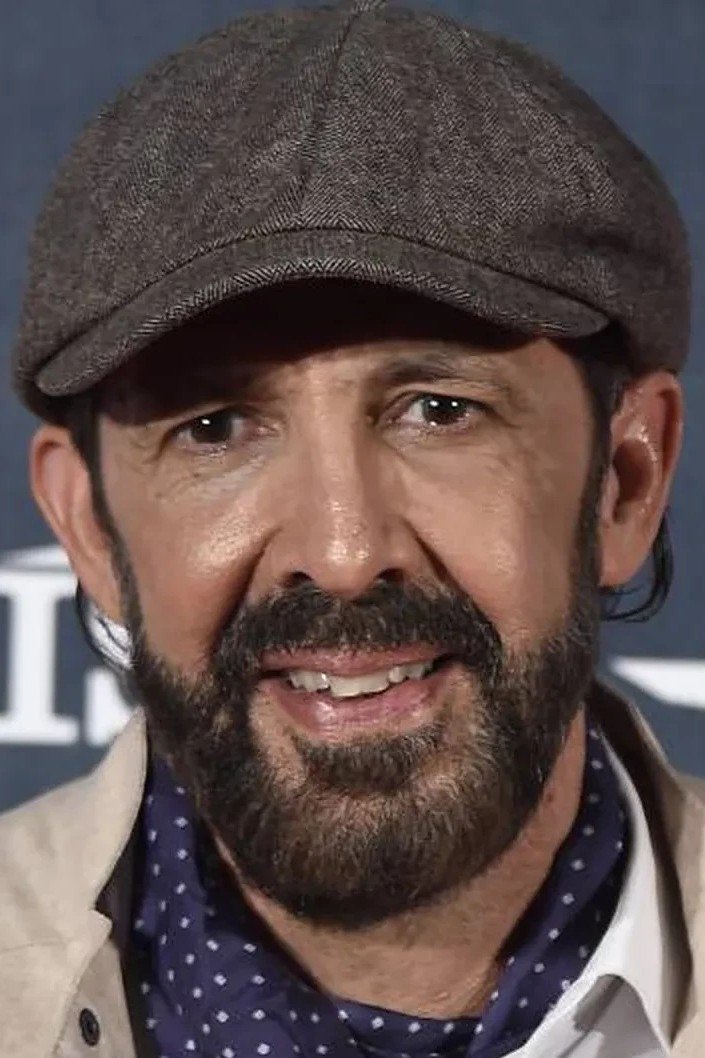
Juan Luis Guerra popularized modern bachata and merengue and toured internationally with a polished band. He played U.S. arenas and released albums that topped Latin charts while influencing dance floors for decades. His recordings introduced many listeners to Dominican rhythms and arrangements.
Beyond Latin formats his songs were not staples on mainstream American radio. He continued to draw large crowds in U.S. cities with strong Caribbean communities, but general market exposure stayed limited compared to his towering presence across Spanish speaking countries.
Share the names you think are missing and tell us which stories surprised you most in the comments.